Phone:
+86 0319 2296164


Email:
info@lijiresin.cn
If you’ve never heard of purolite resin, you’re not alone. Yet, this material quietly underpins many essential processes in water treatment, pharmaceuticals, and environmental management worldwide. As our industries demand ever higher purity and sustainability standards, knowing what purolite resin is—and why it matters—becomes surprisingly important.
Globally, water scarcity and pollution are pressing challenges with over 2 billion people lacking access to safe drinking water, per WHO statistics. Purolite resins play an important role in purification processes, making clean water more accessible and aiding industries in meeting stringent environmental regulations. Understanding them means appreciating a small but mighty tool in tackling global sustainability.
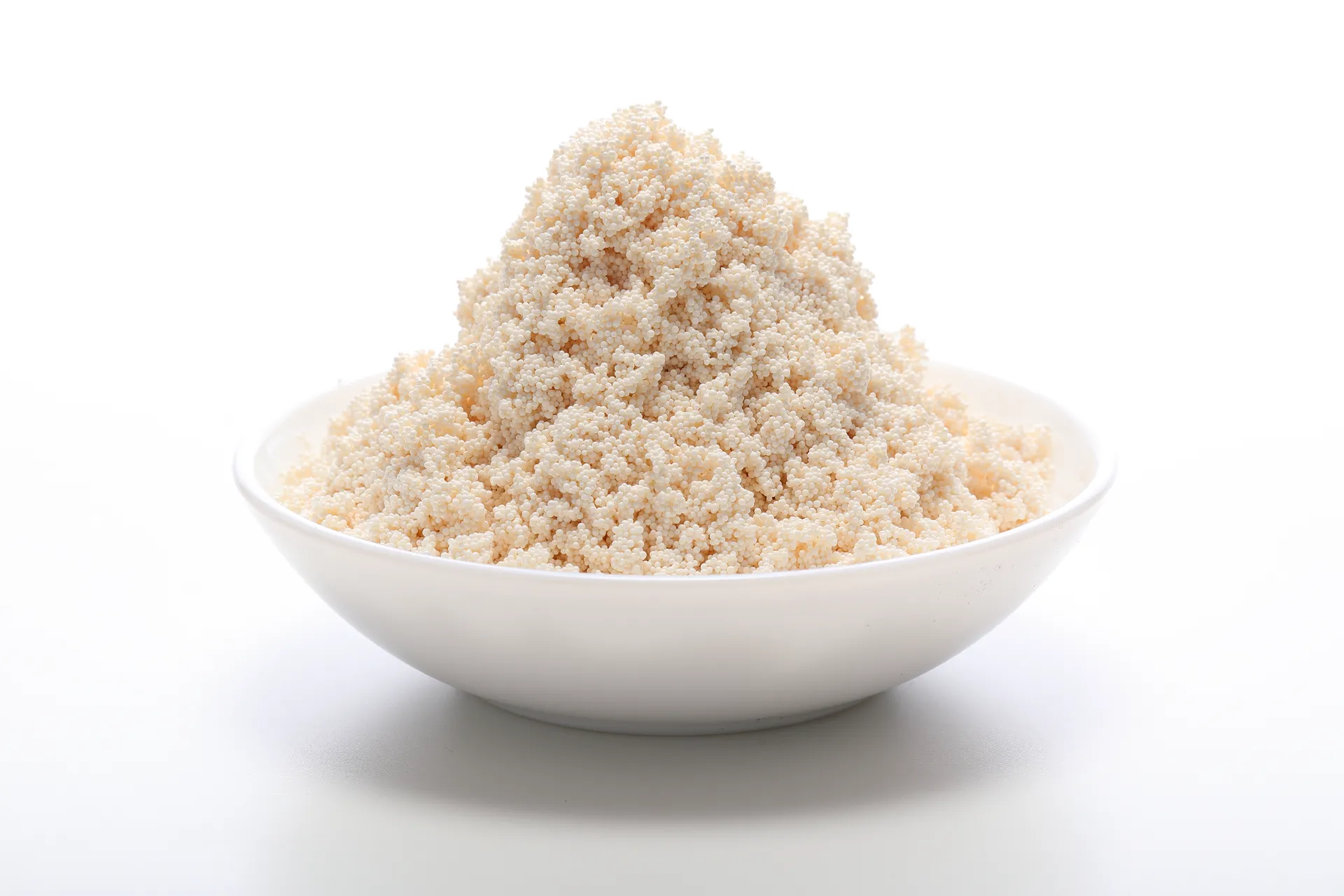
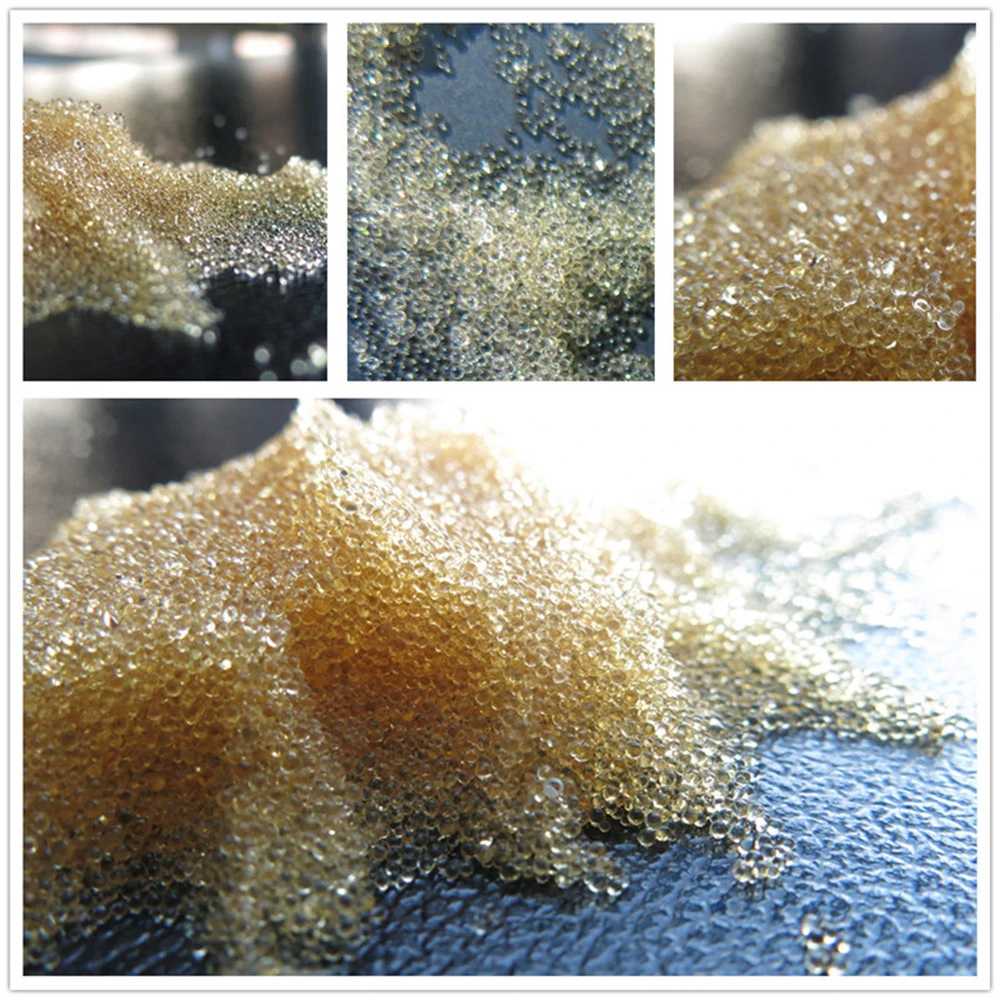
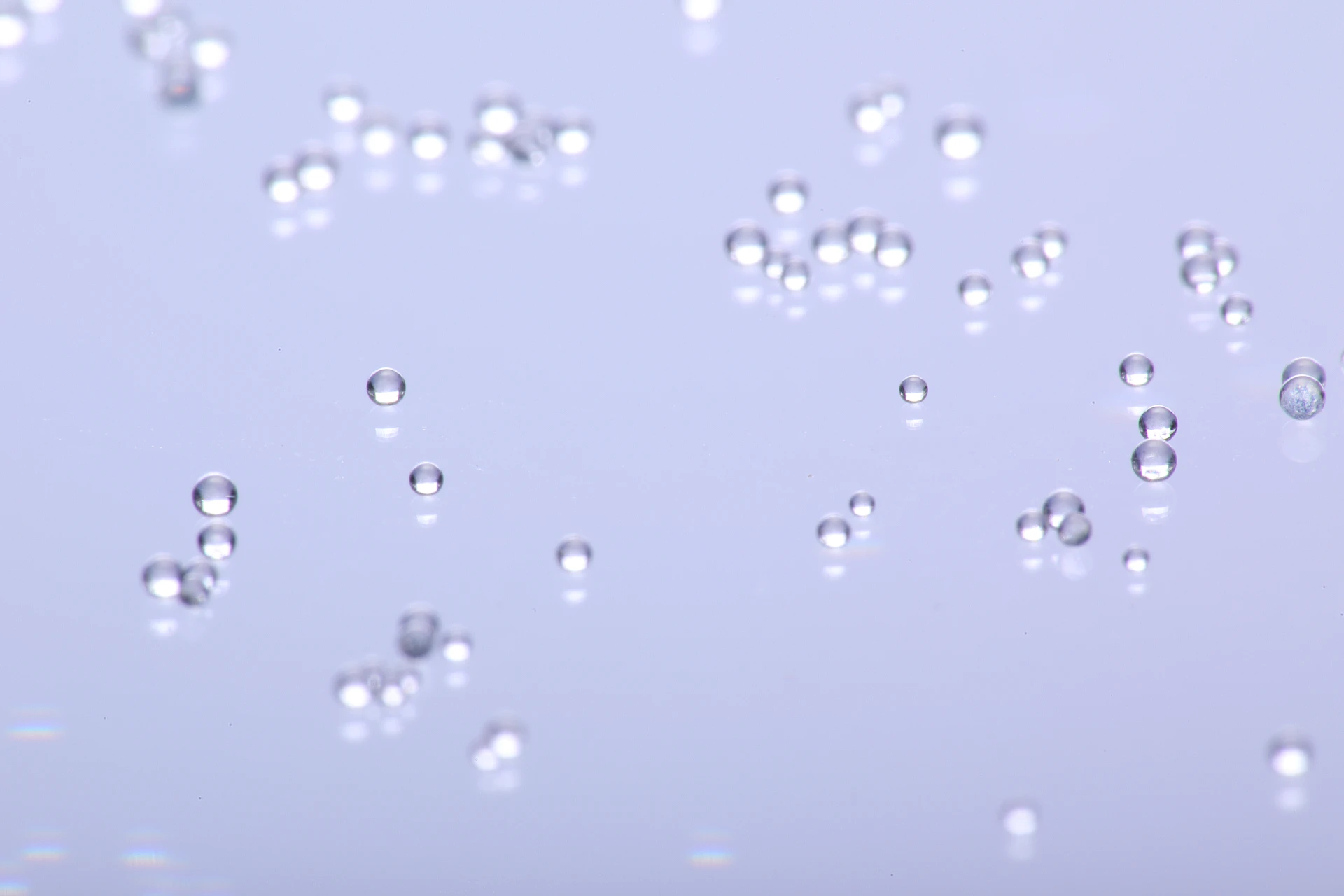
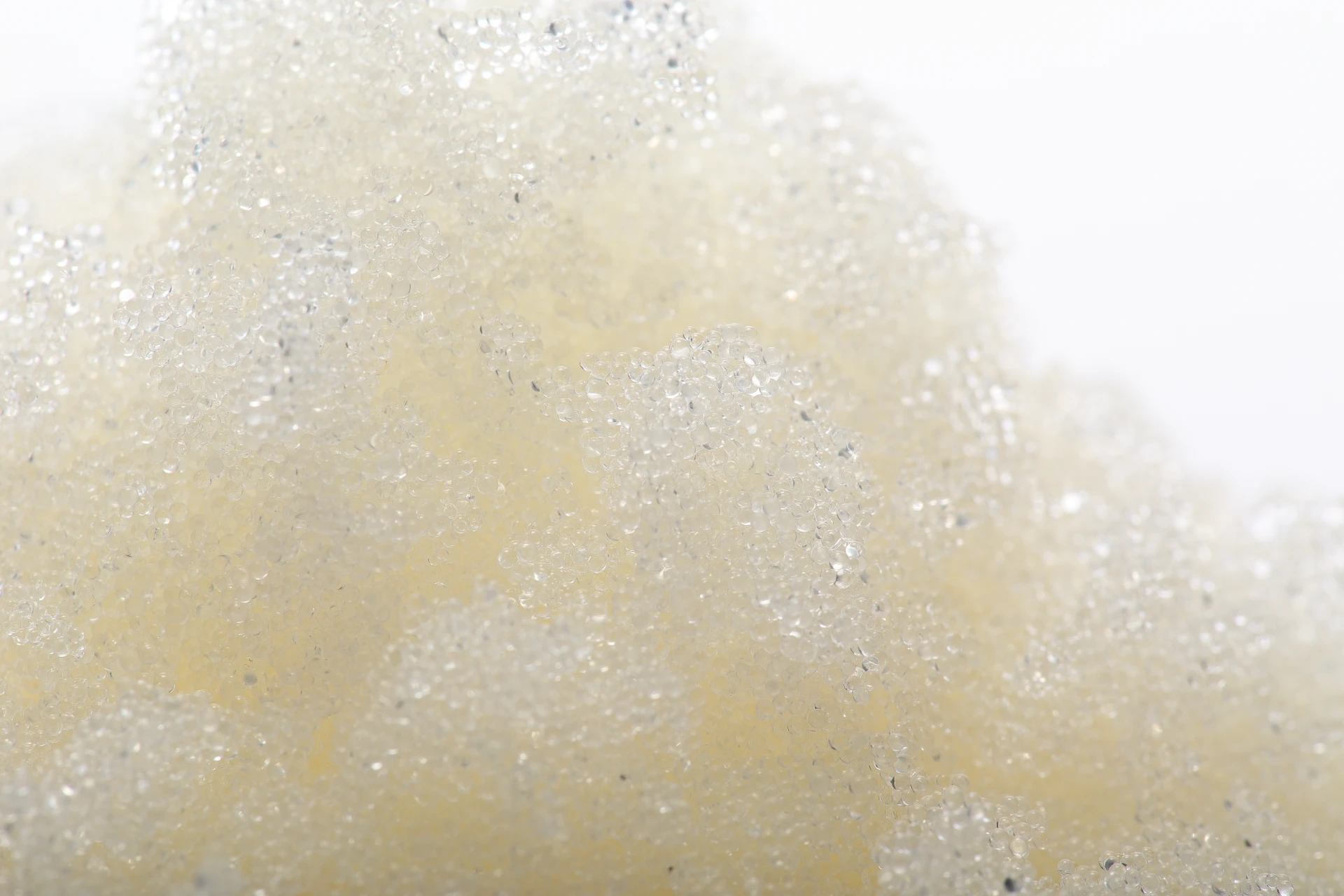
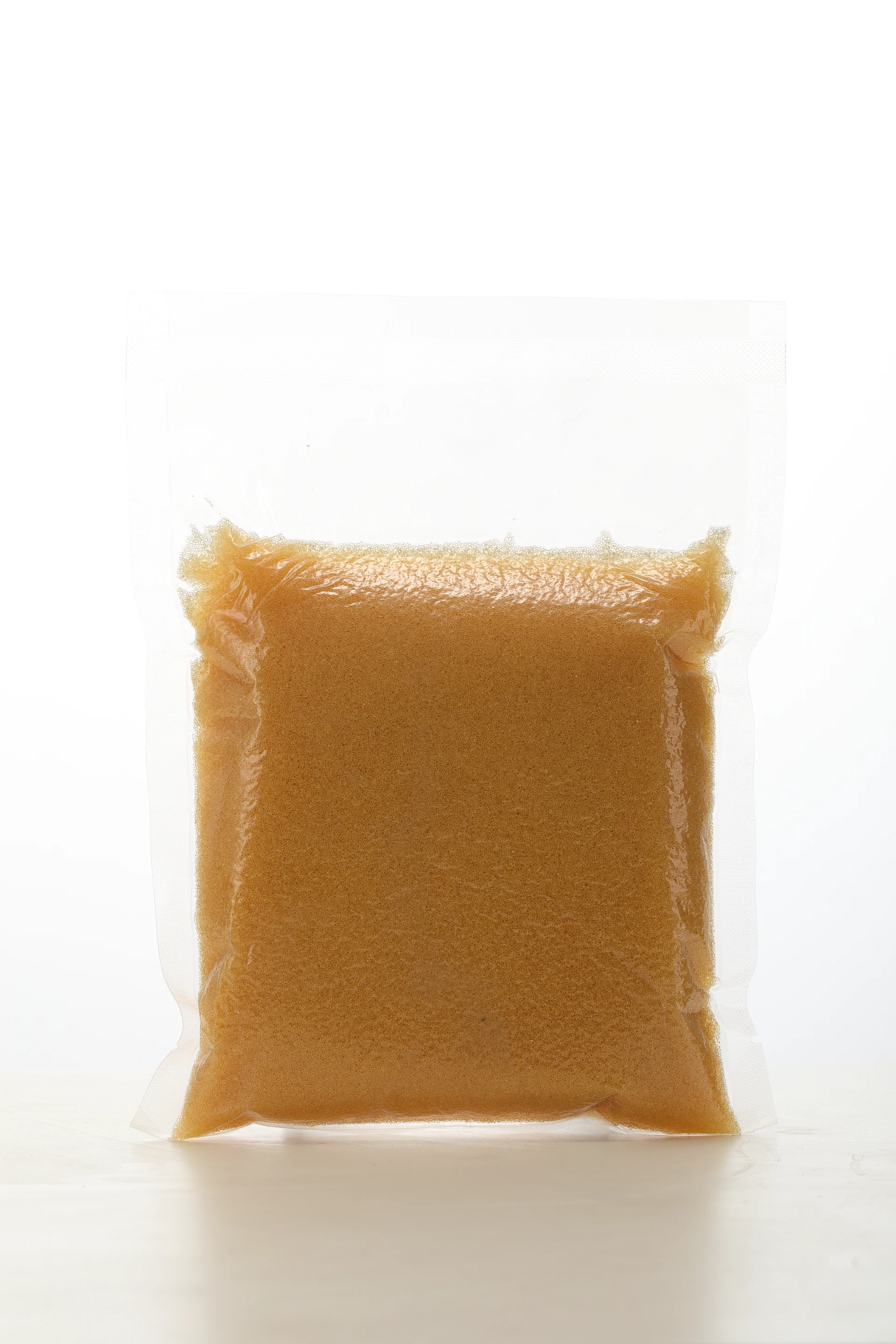
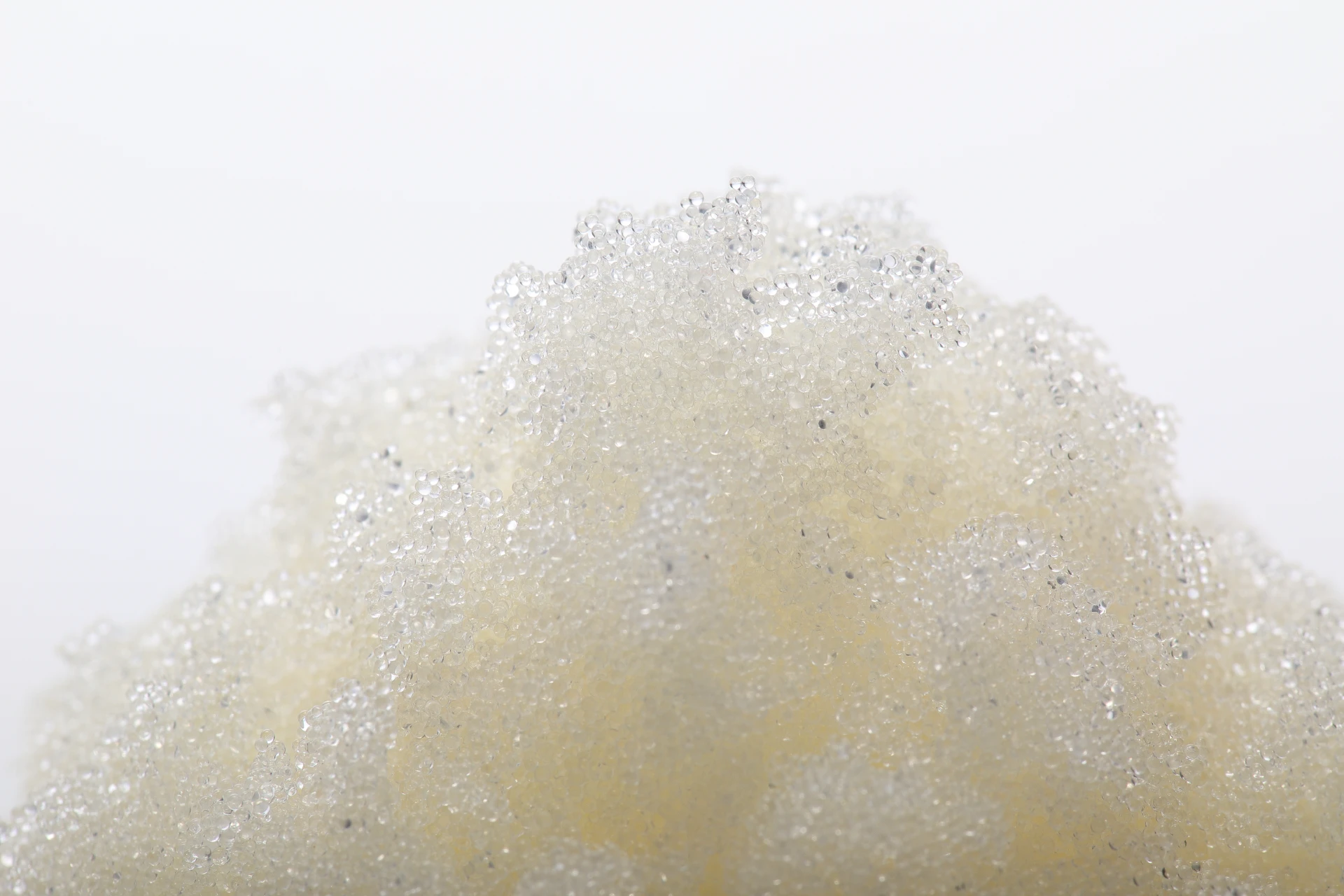
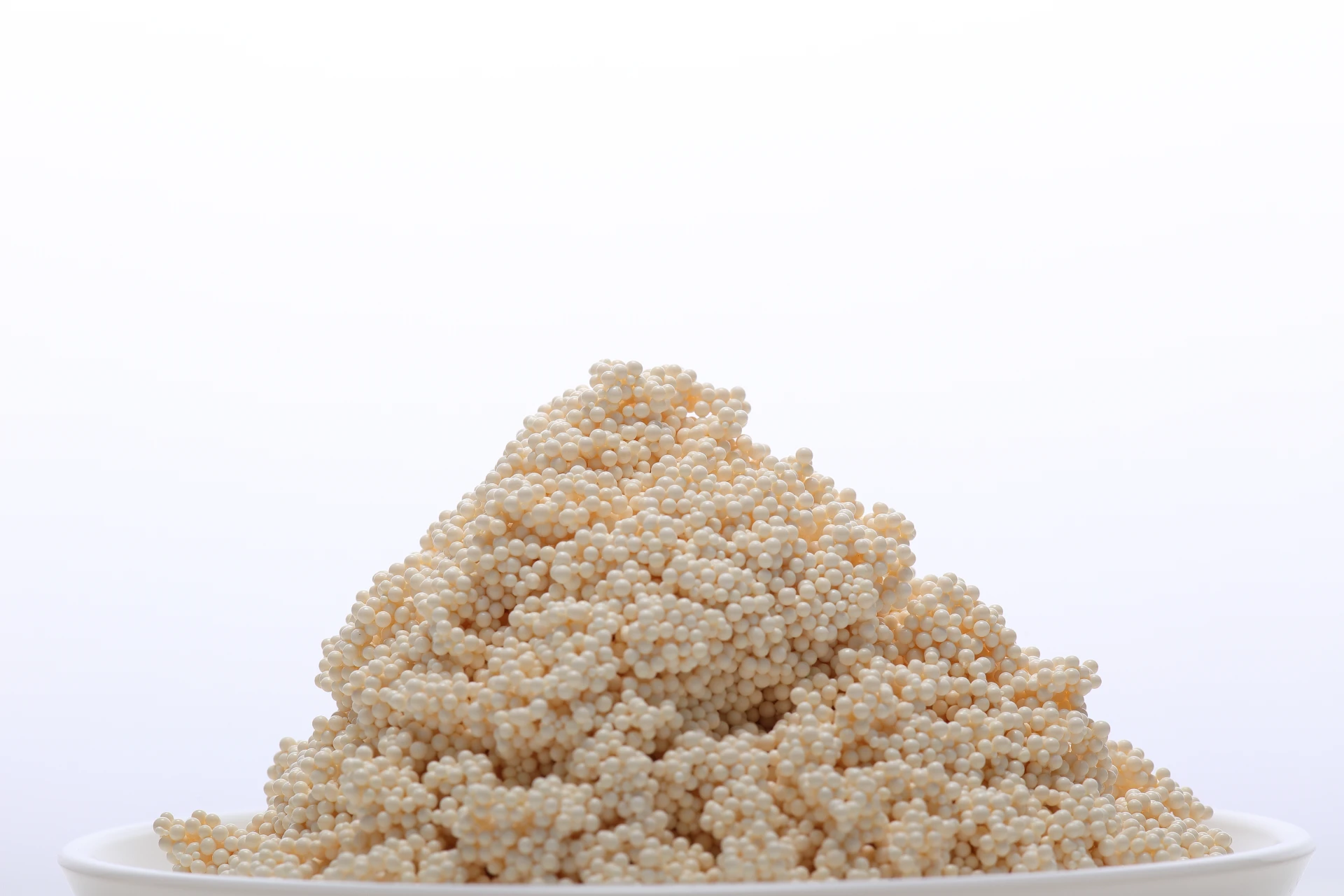
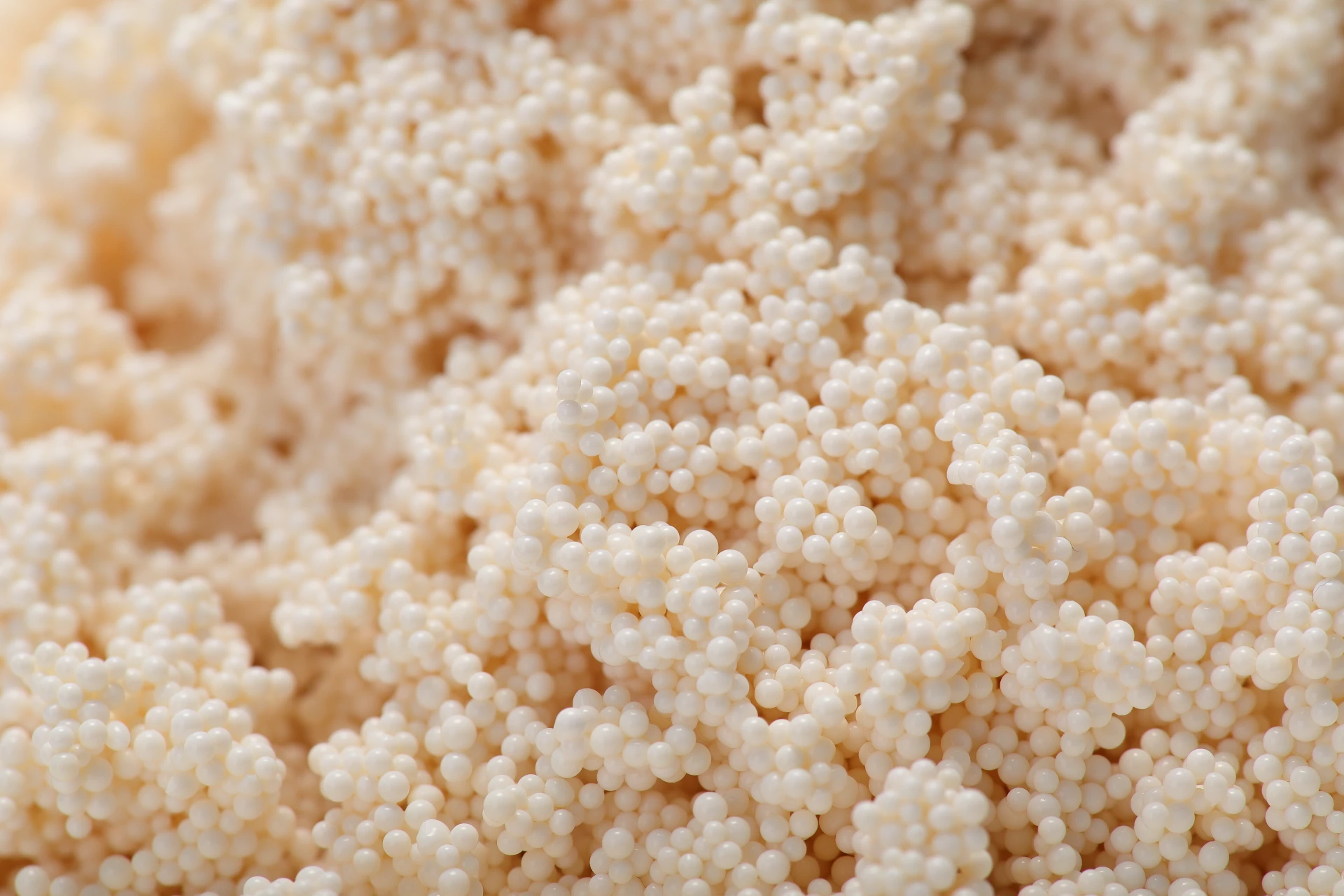
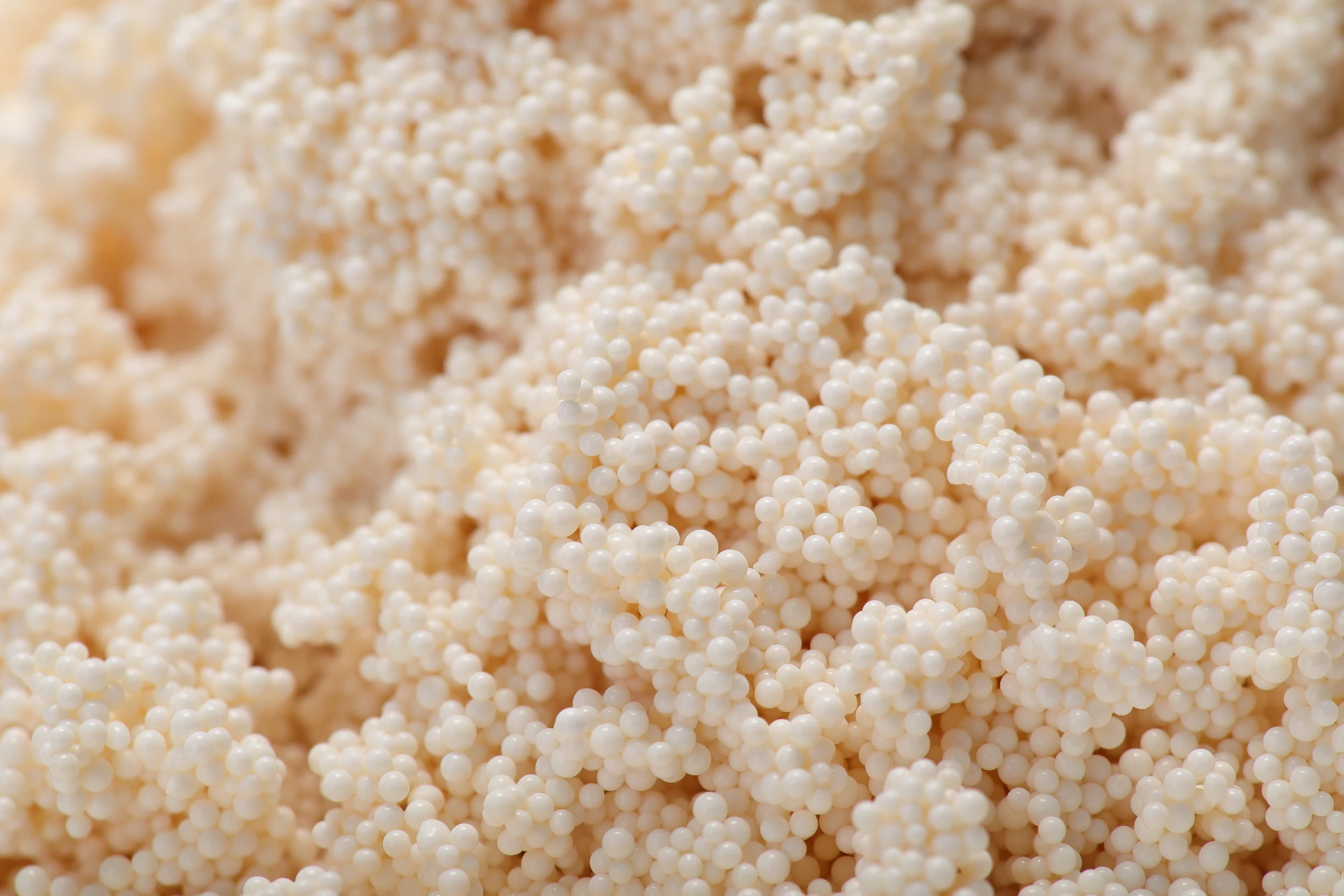
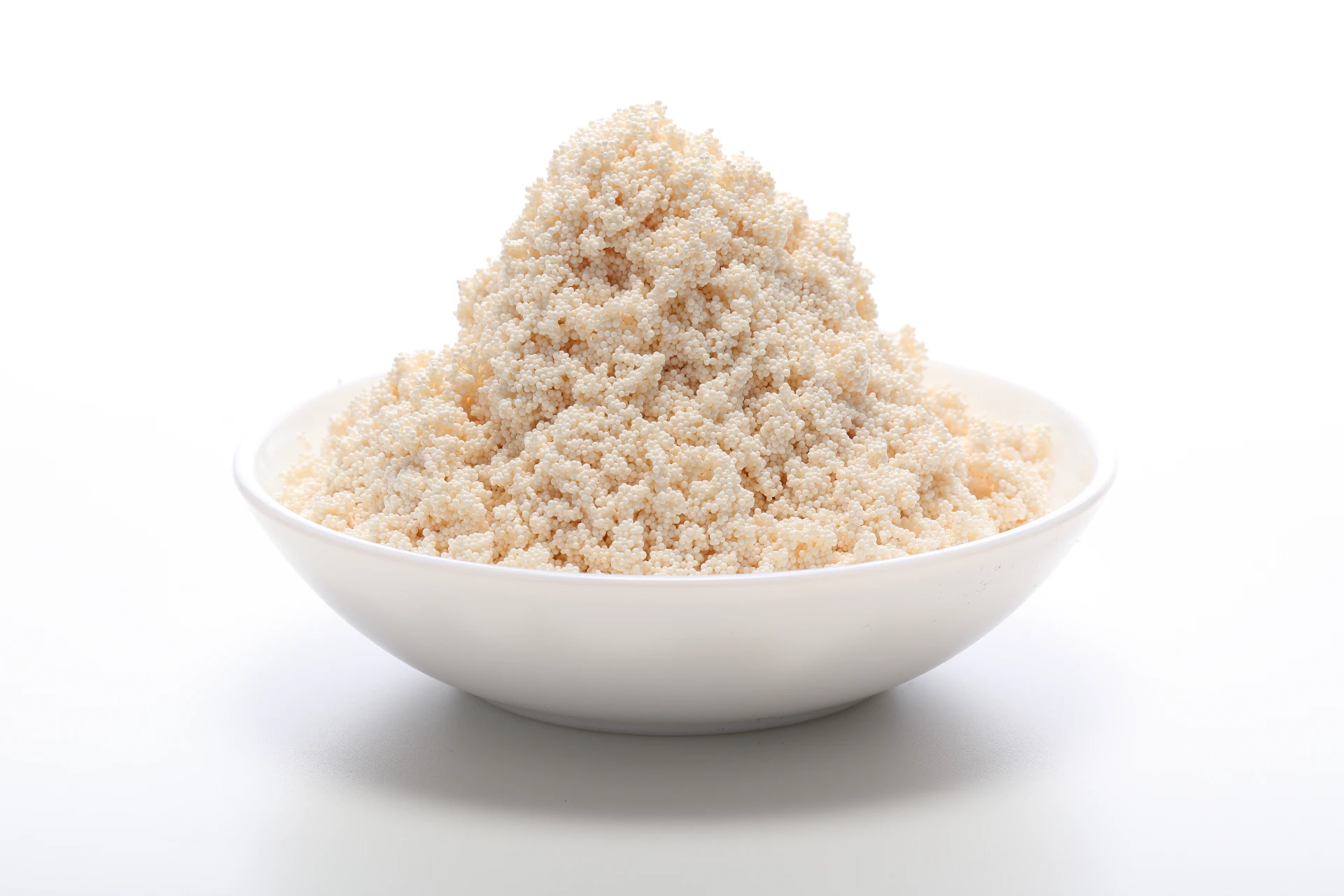
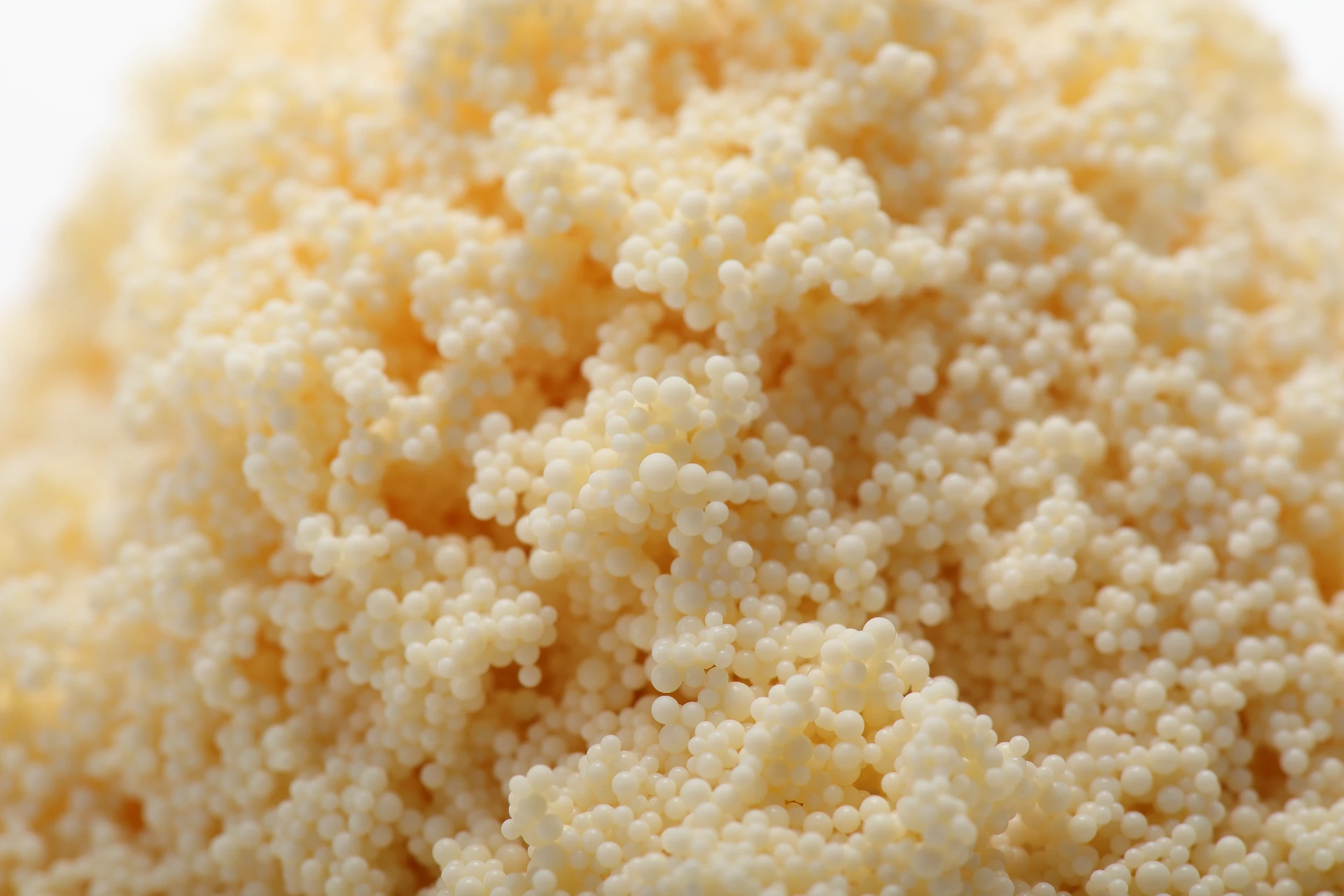
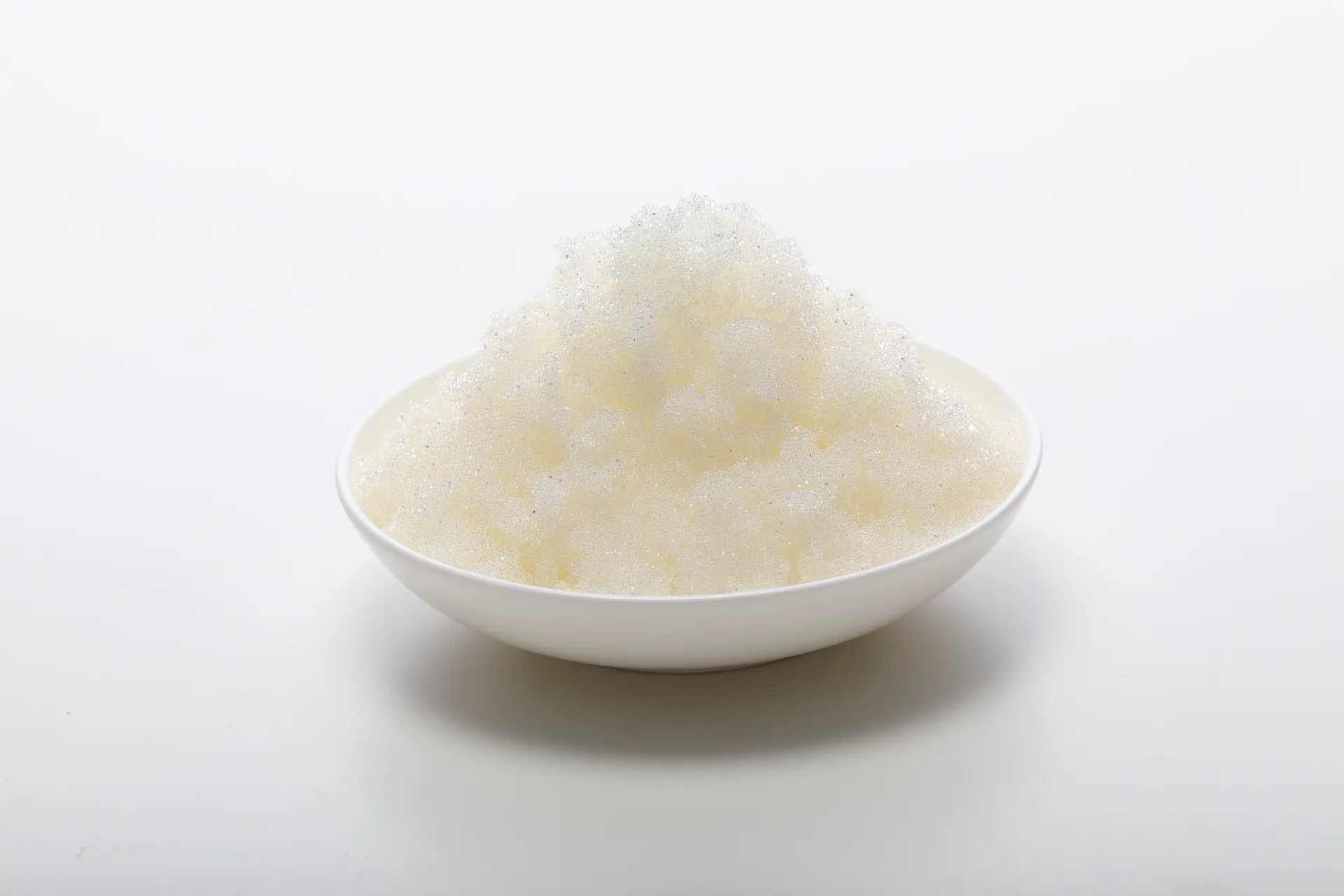
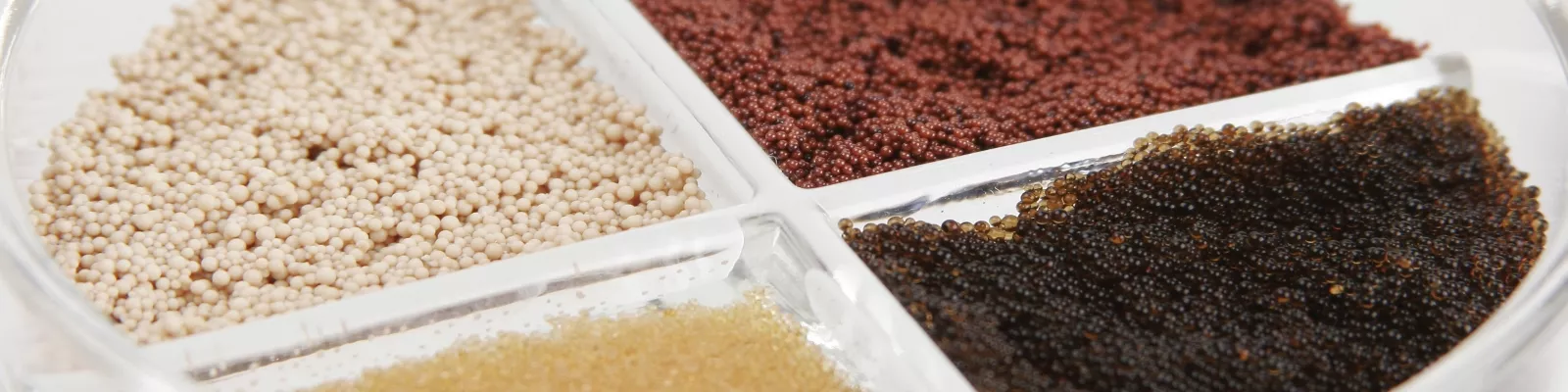
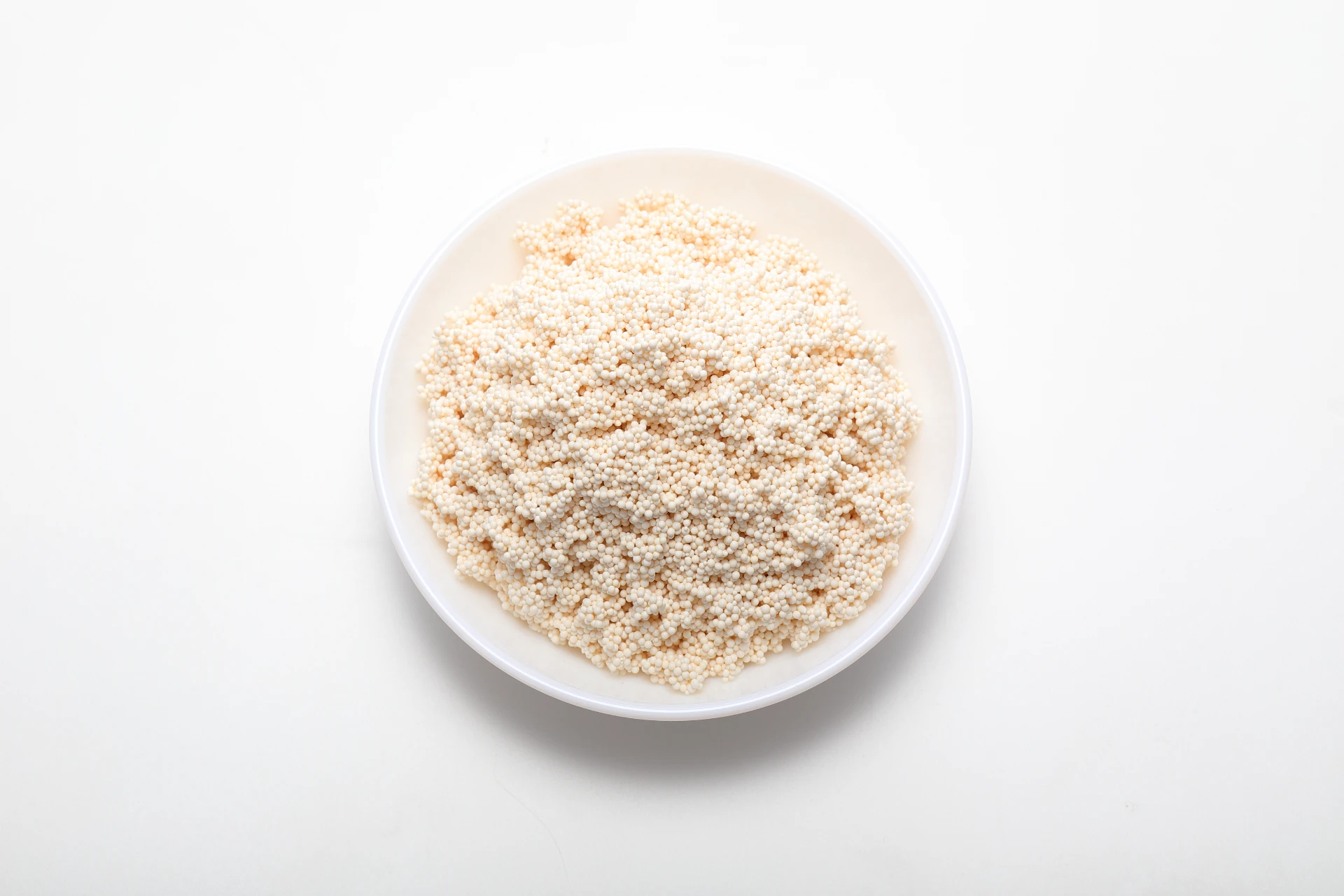
Purolite resin refers to a range of synthetic ion-exchange resins produced by Purolite Corporation, one of the largest specialists in this niche. In simpler terms, it’s a type of polymer bead designed to selectively attract and hold ions in water or other solutions, helping remove contaminants or recover valuable metals.
These resins are vital in modern industry because they facilitate water softening, metal recovery, pharmaceutical purification, and waste treatment. Without them, many processes would be either inefficient or environmentally hazardous.
Purolite resins are engineered to target specific ions—whether calcium, heavy metals, or organic compounds—with high efficiency. This selectivity allows for precise control in filtration or reaction processes.
Unlike many materials, these resins withstand multiple cycles of use and regeneration with chemical treatments, extending their lifespan and reducing operational costs.
They come in various forms and specifications adaptable to both small-scale labs and large industrial plants. Custom resin formulations can also target niche contaminants.
Using purolite resin means fewer chemical additives and less waste. They facilitate greener manufacturing practices, aligning with global efforts toward sustainability, such as those promoted by the UN Sustainable Development Goals.
| Specification | Typical Range | Use Case |
|---|---|---|
| Bead Size | 350–600 µm | Flow rate optimization |
| Ion Exchange Capacity | 1.7–2.5 meq/mL | Contaminant removal efficiency |
| Operating pH Range | 1–14 | Chemical resilience |
| Regeneration Cycles | 100+ cycles | Cost efficiency |
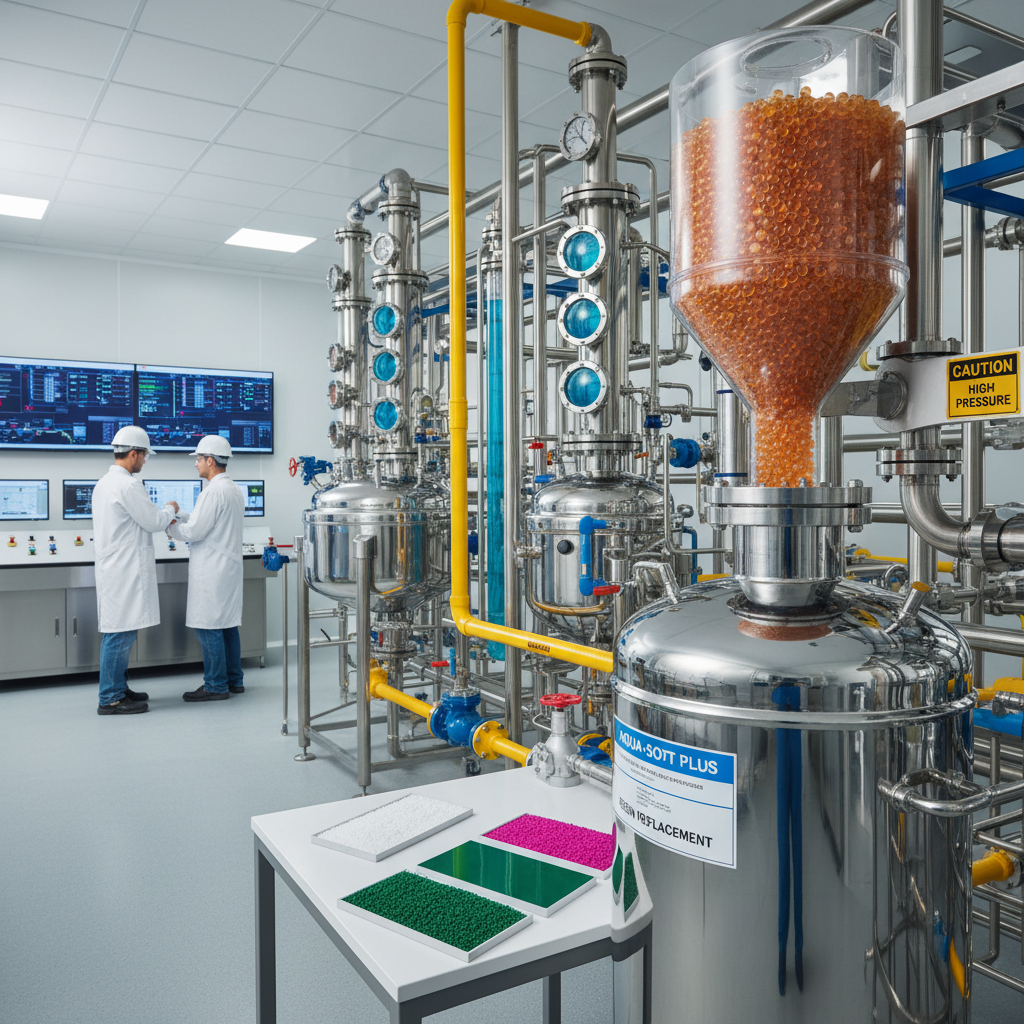
Industries from wastewater treatment in Europe to mining operations in Australia rely heavily on purolite resin. For example:
Interestingly, in some disaster-relief scenarios, portable water purification units using ion-exchange resins based on purolite products have helped provide clean water to affected communities.
| Vendor | Product Range | Typical Applications | Price Range |
|---|---|---|---|
| Purolite | Extensive (cation, anion, specialty) | Water, pharmaceuticals, metals | Mid to high |
| Amberlite | Broad range, includes food-grade | Food, water treatment | Mid |
| Lanxess Lewatit | Specialized and custom resins | Industrial wastewater, mining | High |
Purolite resin’s biggest advantage lies in its combination of reliability and sustainability. It reduces the need for harsh chemicals, lowering environmental footprints. Also, it offers cost benefits through long service life and regeneration capability. On the social side, improved water purification enhances public health and safety—a reminder that behind every polymer bead is a lot of human dignity.
Future advances may include bio-based resin matrices, improving biodegradability, and digital monitoring technologies embedded in resins for smarter usage. Automation of regeneration cycles and integration with green energy systems hint at an industry moving beyond mere filtration toward full life-cycle sustainability.
Despite the many benefits, issues like resin fouling, limited selectivity for emerging contaminants, and disposal concerns persist. Innovative solutions, such as combining resins with nanomaterials or improving molecular imprinting, are being explored. It’s a fascinating frontier where chemistry meets engineering problem-solving.
Understanding purolite resin opens a window onto how tiny materials drive big industrial and social outcomes. It’s a testament to modern ingenuity—how tailored polymer beads can solve complex challenges in water safety, medicine, and sustainability.
Curious to see how purolite resins might fit into your operation? Visit our website to explore the latest products and insights.
Sometimes, it’s the less obvious technologies that make the biggest difference...
References: