Phone:
+86 0319 2296164


Email:
info@lijiresin.cn
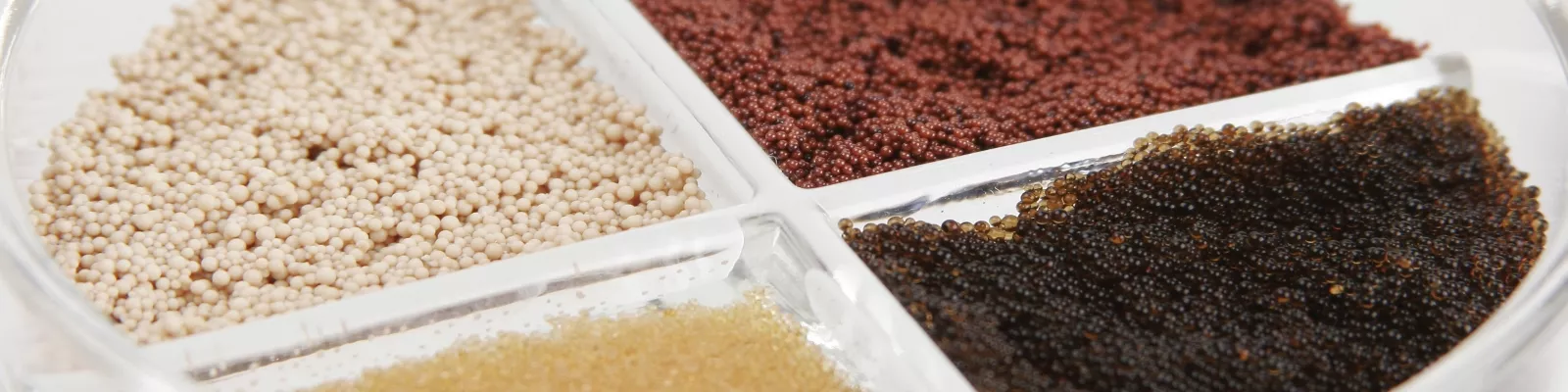
If you've ever dealt with water purification, chemical processing, or even household appliances like water softeners, there's a good chance sodium exchange resin played a behind-the-scenes role. But beyond those familiar settings, sodium exchange resins hold a place in critical industries worldwide. They help purify water, facilitate chemical reactions, and support sustainability efforts by enabling efficient ion exchange processes.
Why should we care about these tiny resin beads? Well, in many parts of the world, clean water is still a precious commodity. According to the United Nations, over 2 billion people lack safely managed drinking water services [1]. Sodium exchange resins contribute significantly to water treatment, waste reduction, and even battery tech innovations. Getting to know these resins means understanding a part of the solution to some global challenges.
The role of sodium exchange resins cuts across many sectors — from municipal water treatment plants in Europe, to remote industrial setups in Southeast Asia, even humanitarian aid missions in drought-prone areas of Africa. Their global relevance is tied to how they can improve water quality, reduce contaminants, and recycle valuable ions in industrial processes.
Data from the International Organization for Standardization (ISO) suggests ion exchange technology (including sodium exchange resin) boosts efficiency in chemical production by up to 30%, reducing waste and energy consumption [2]. The problem sodium exchange resin helps address is quite clear: how to effectively and sustainably remove unwanted ions like calcium and magnesium that cause hardness, or heavy metals harmful to health, while enabling reuse and regeneration of materials.
In short, it's a quiet hero in many global efforts towards cleaner, safer water and greener industrial processes.
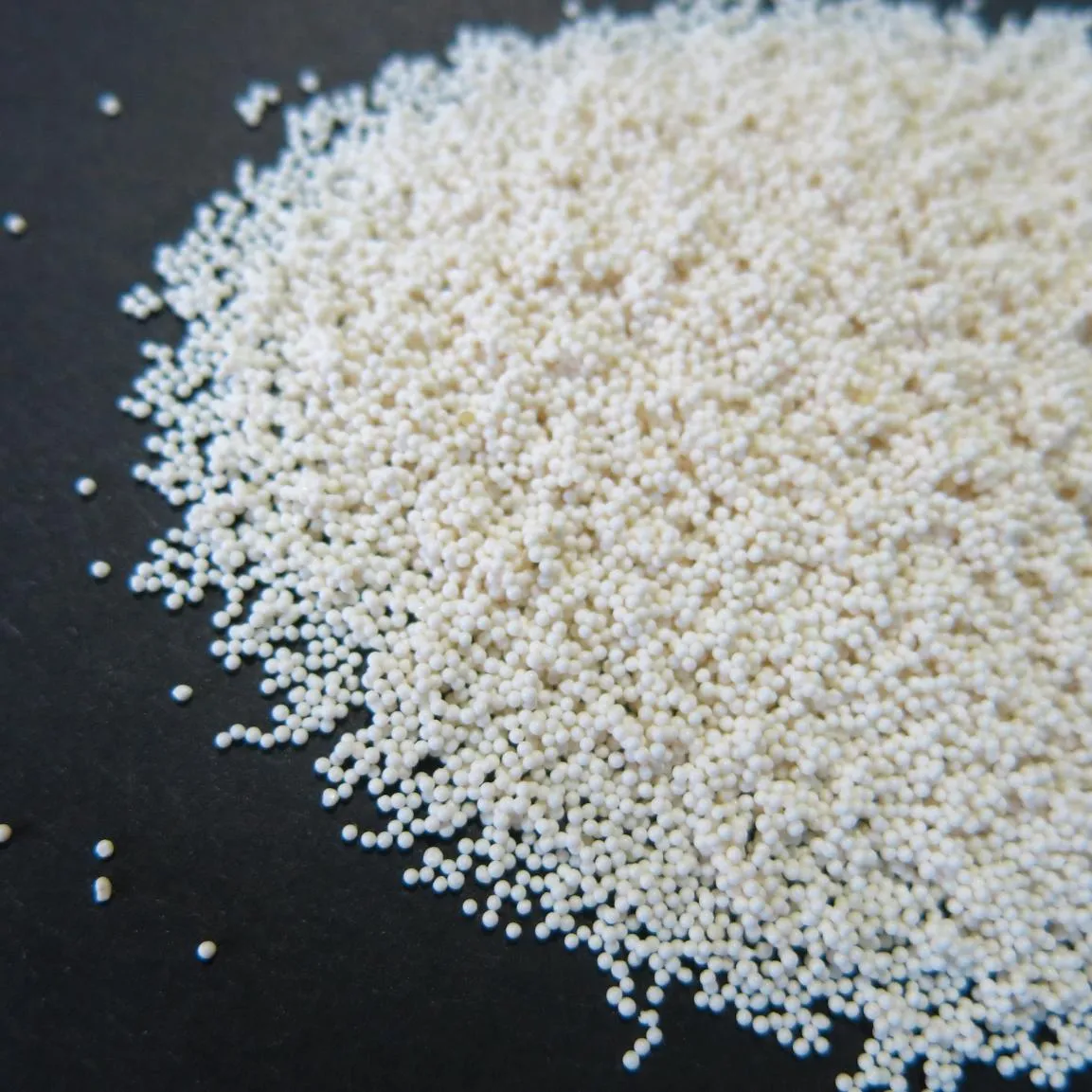
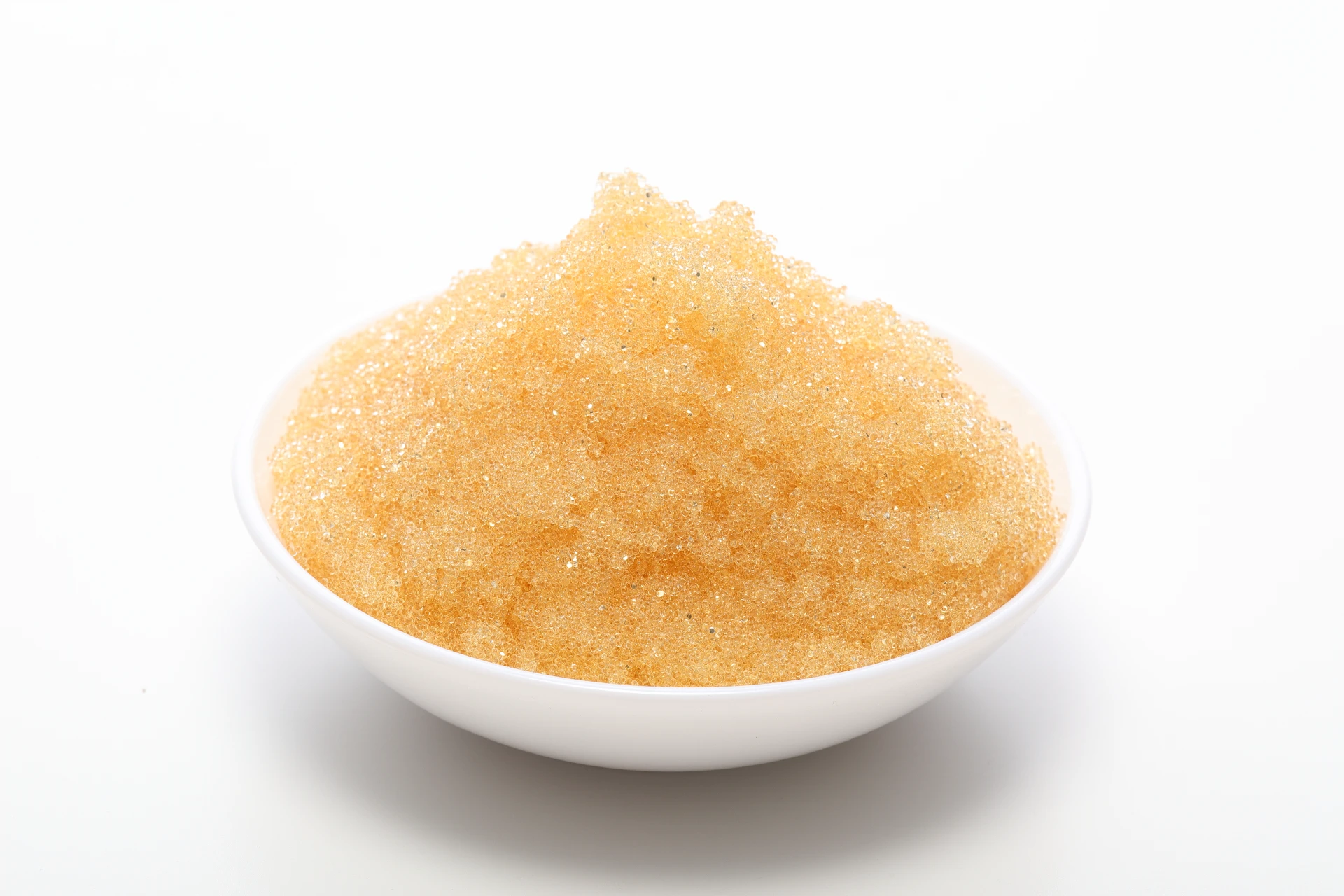
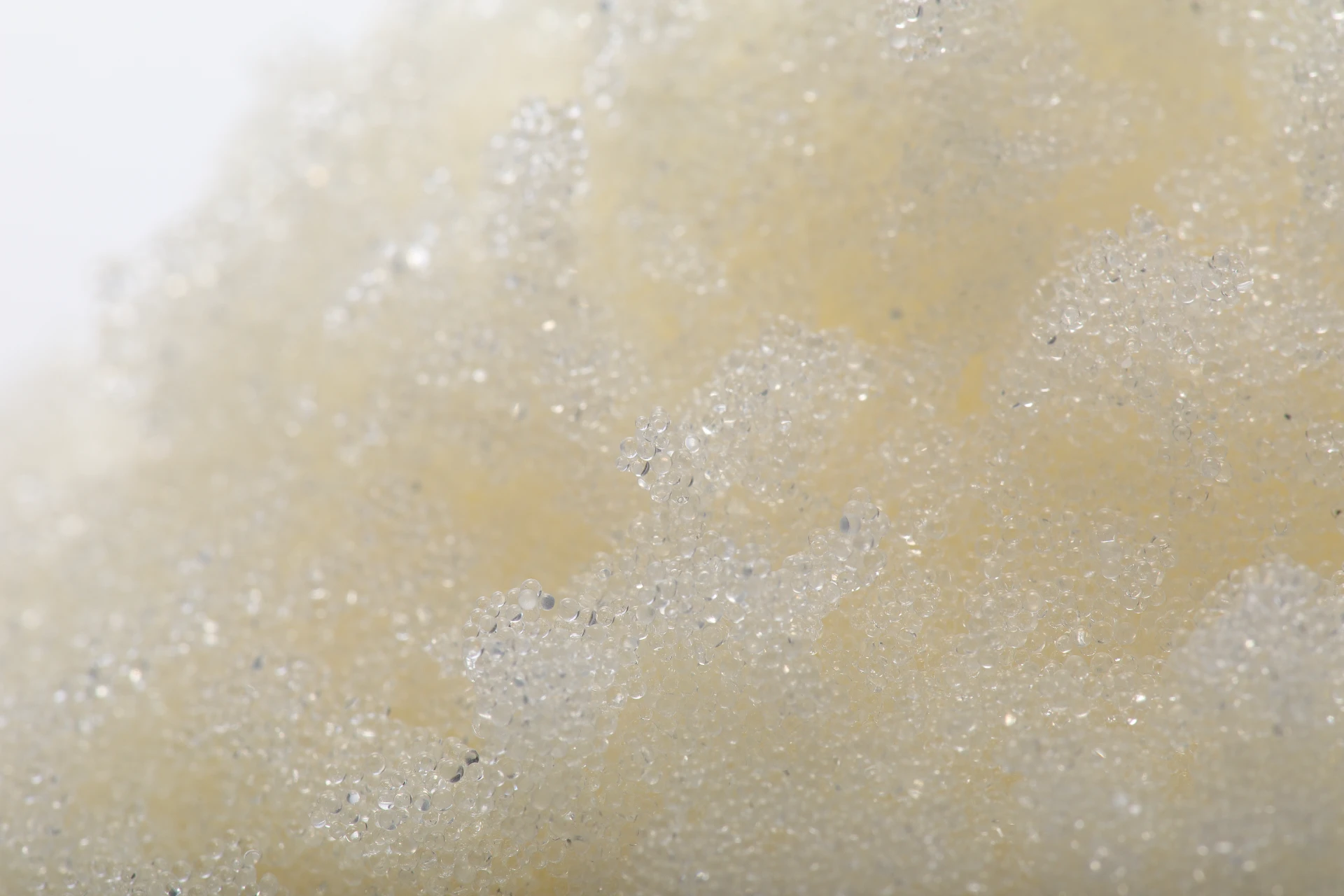
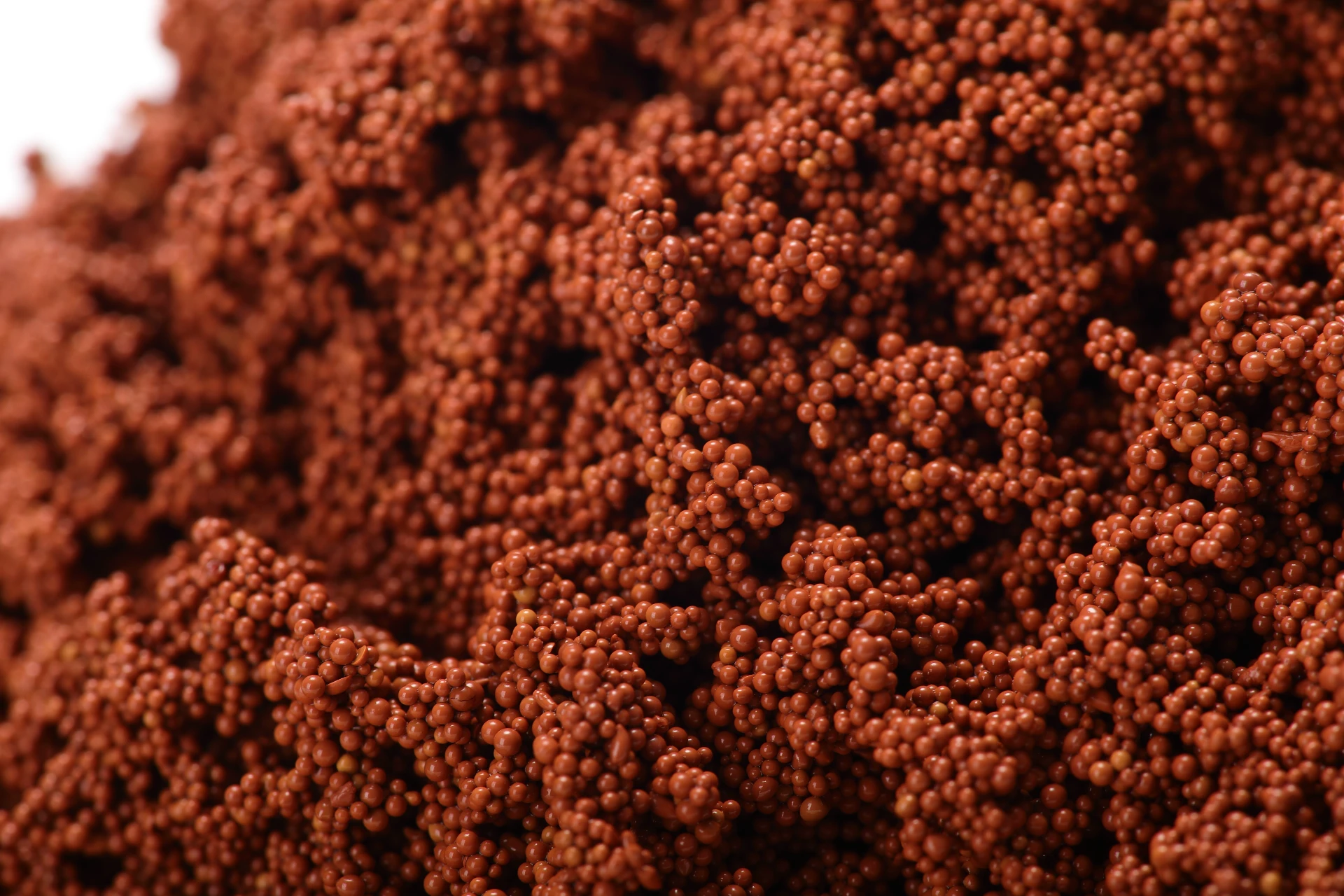
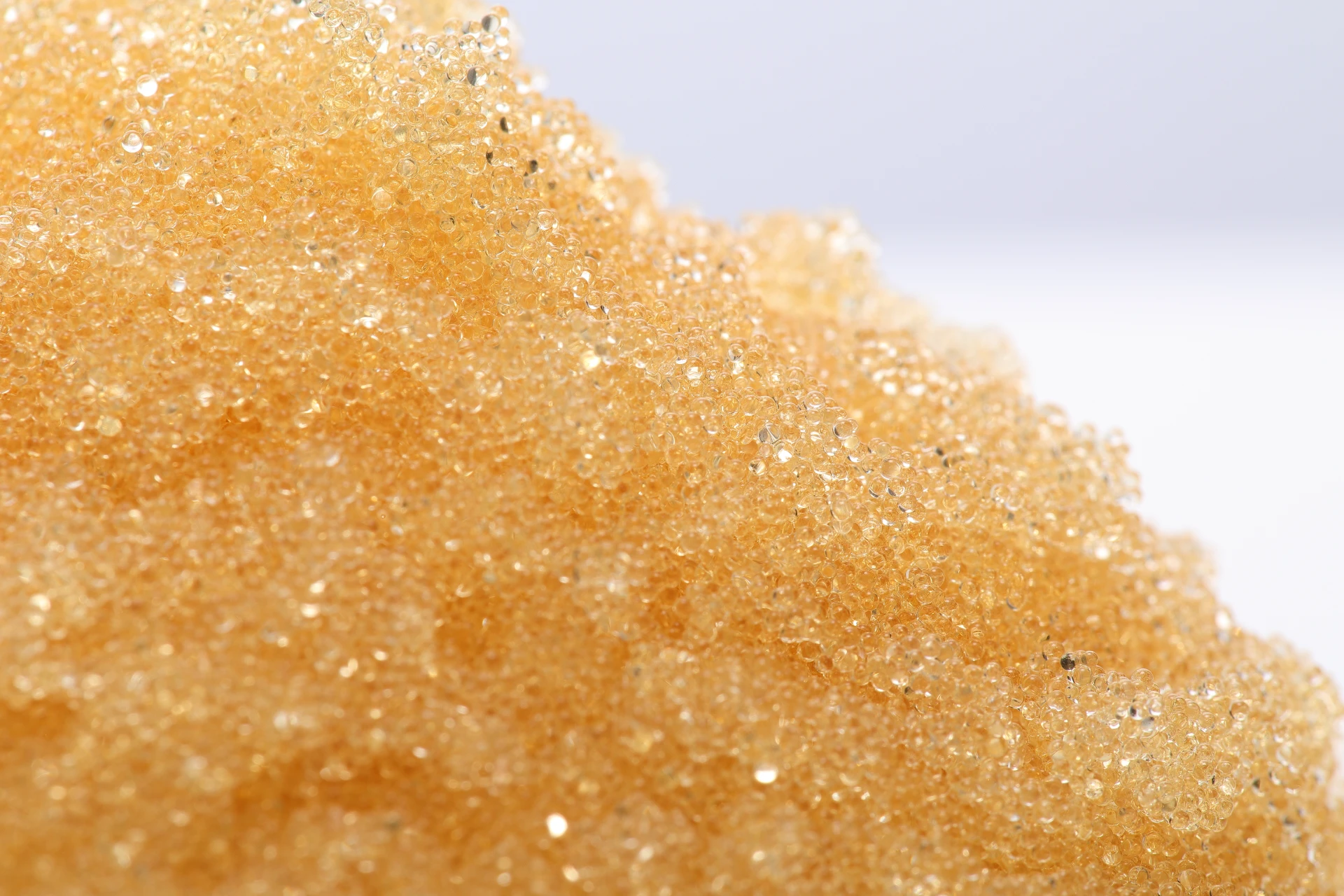
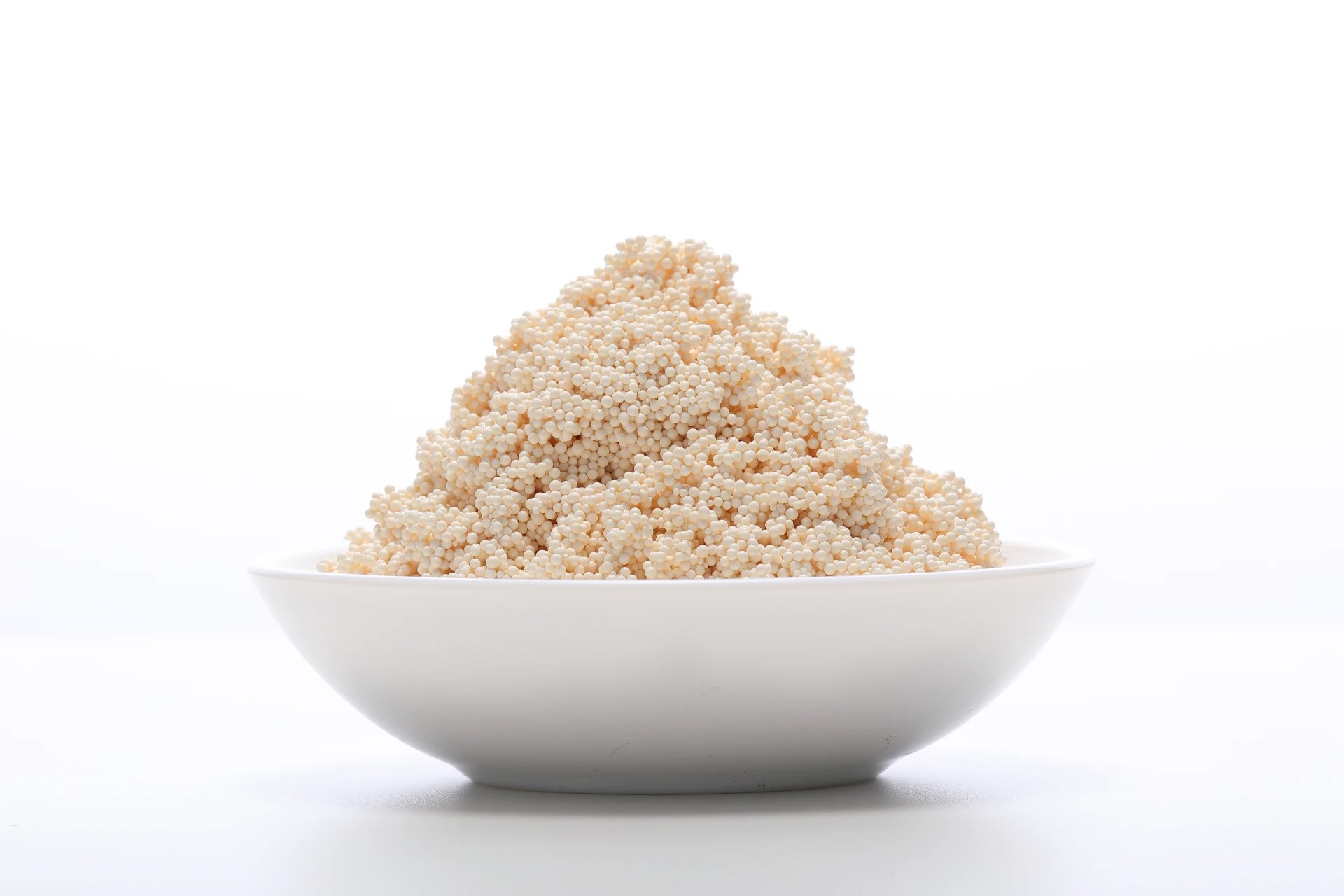
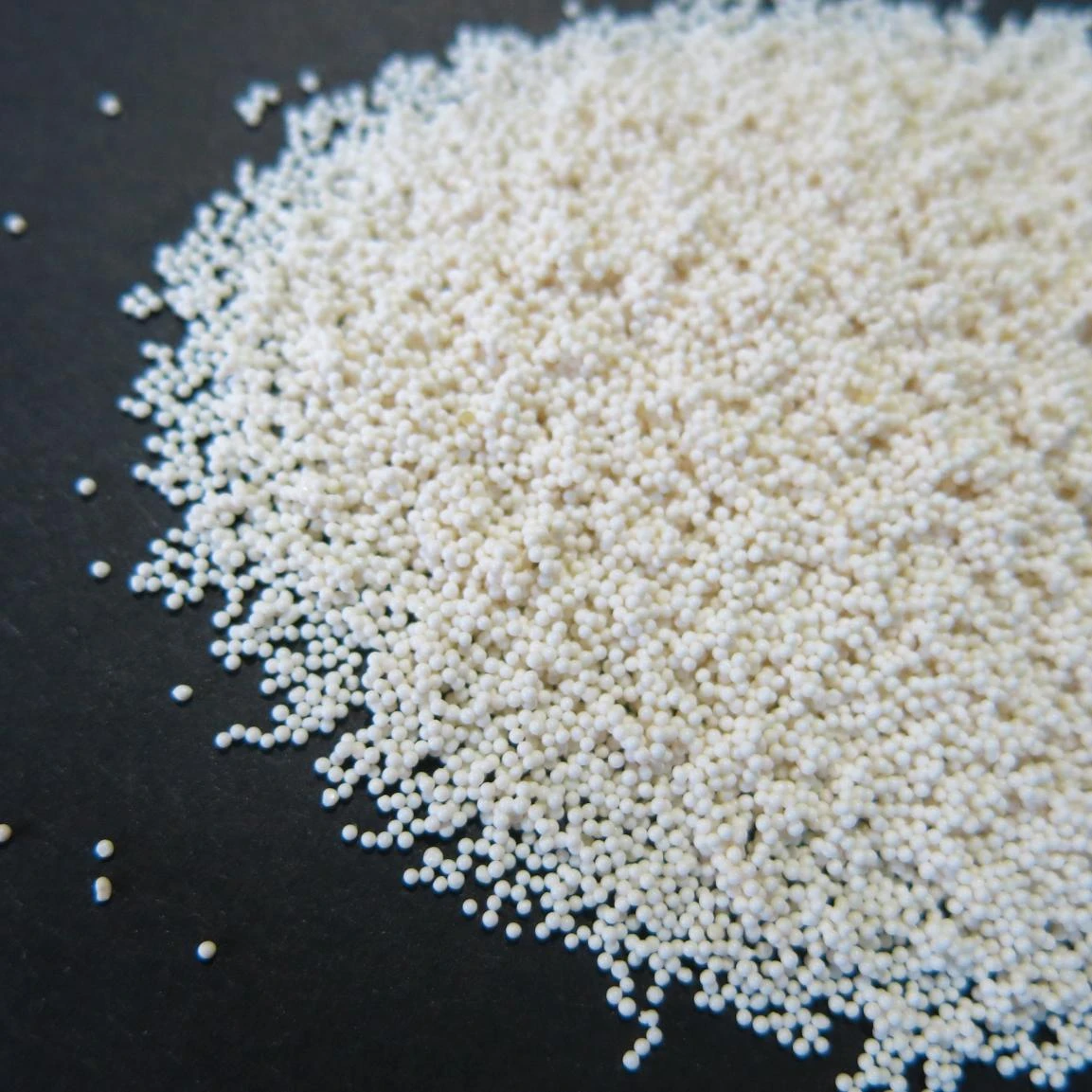
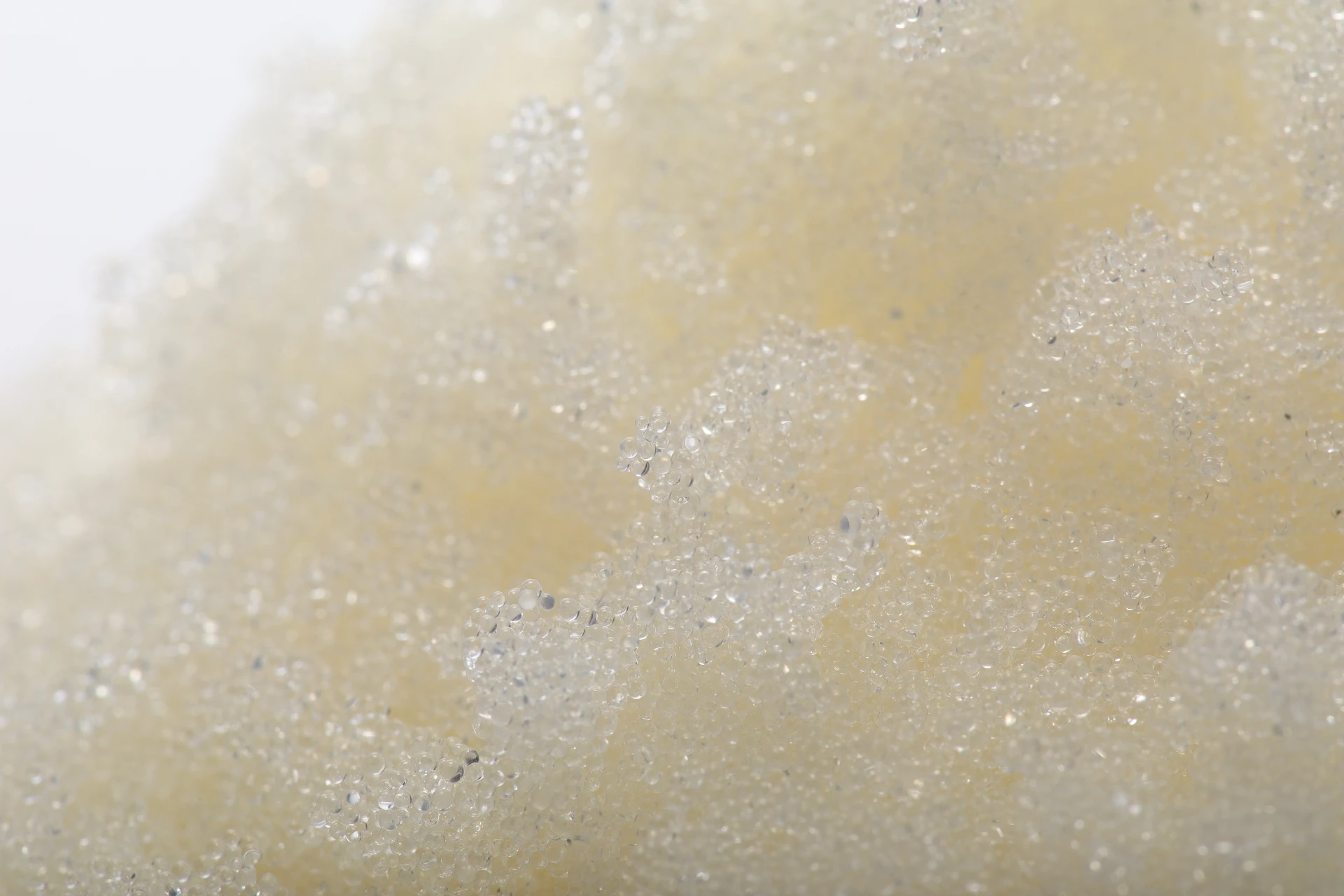
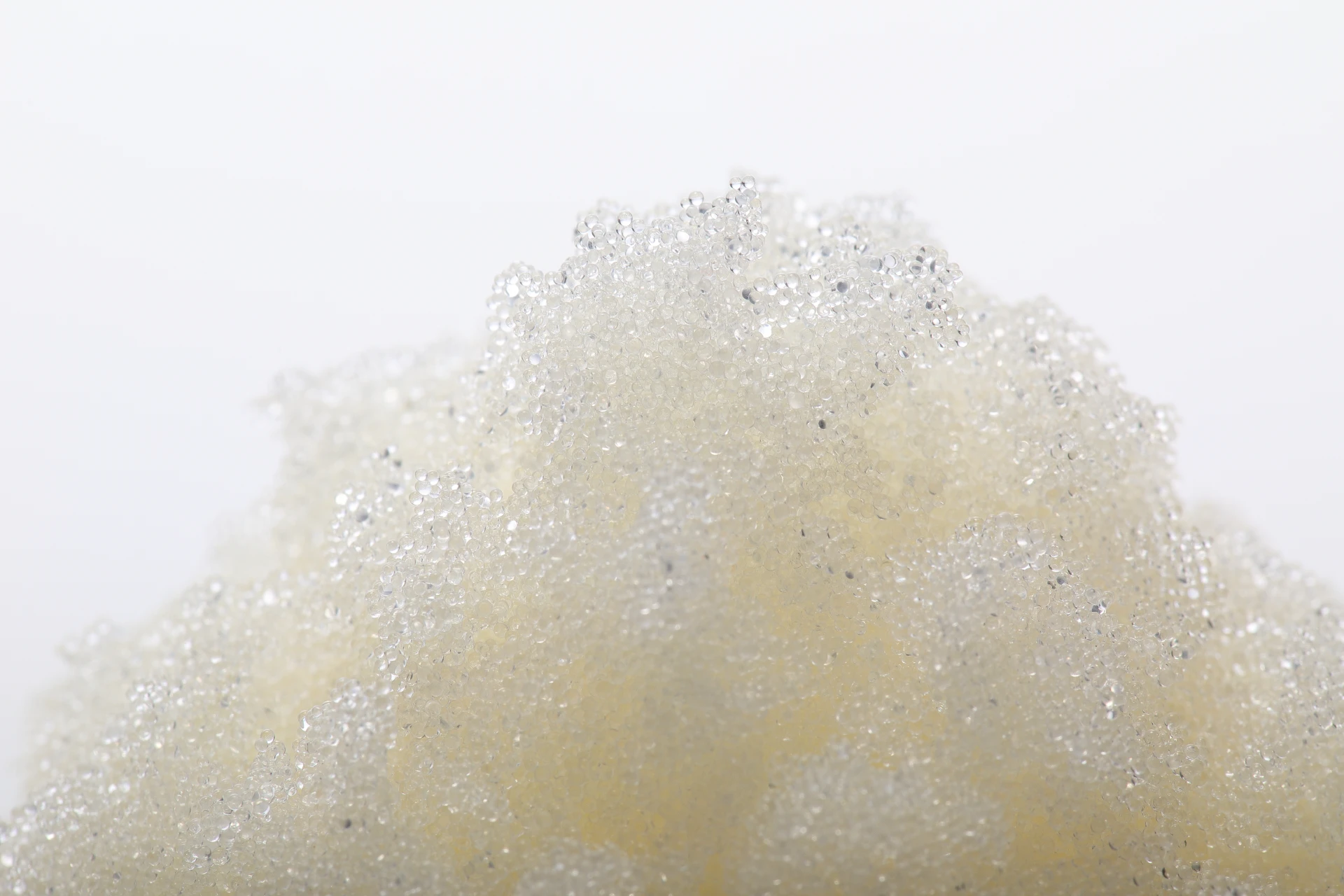
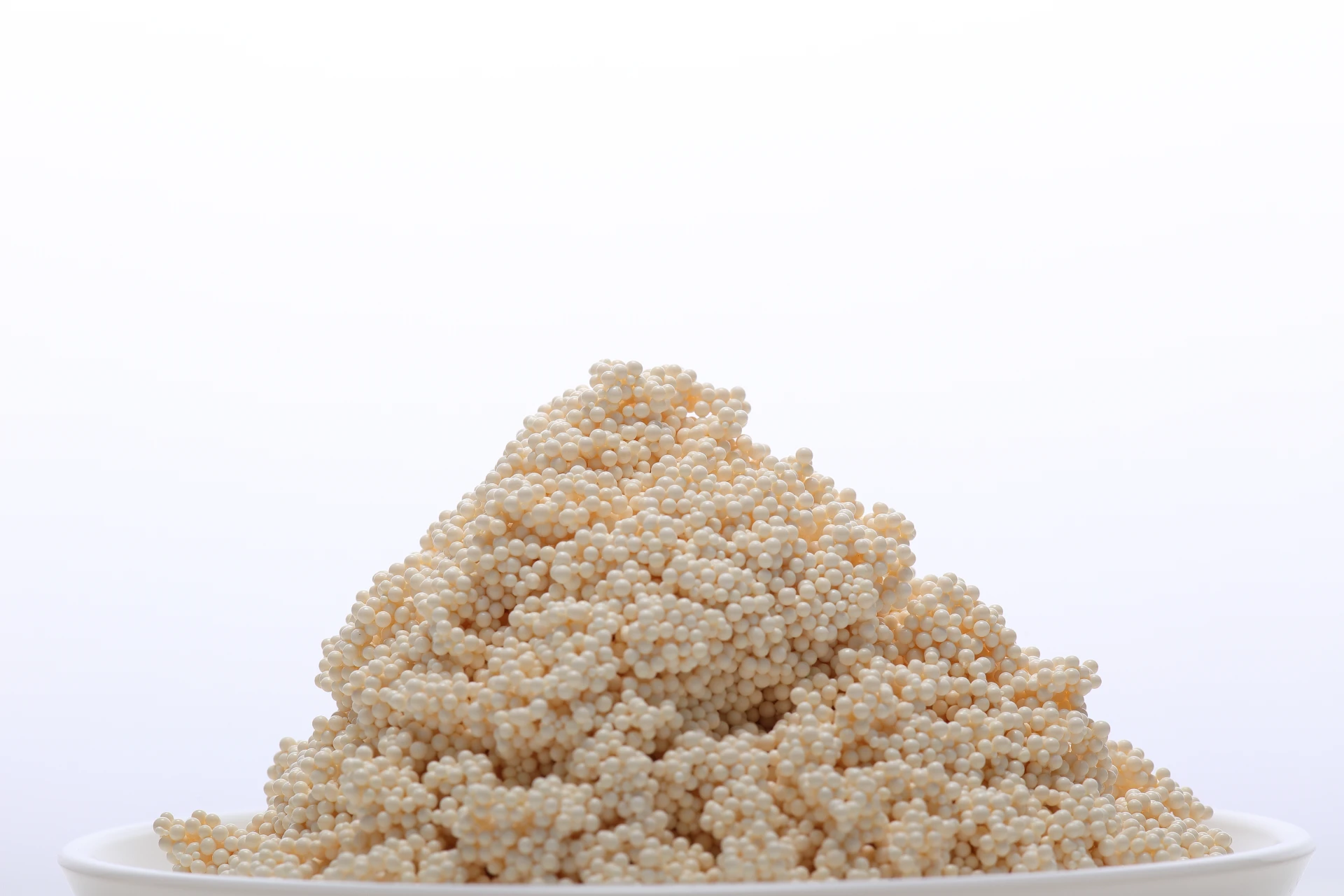
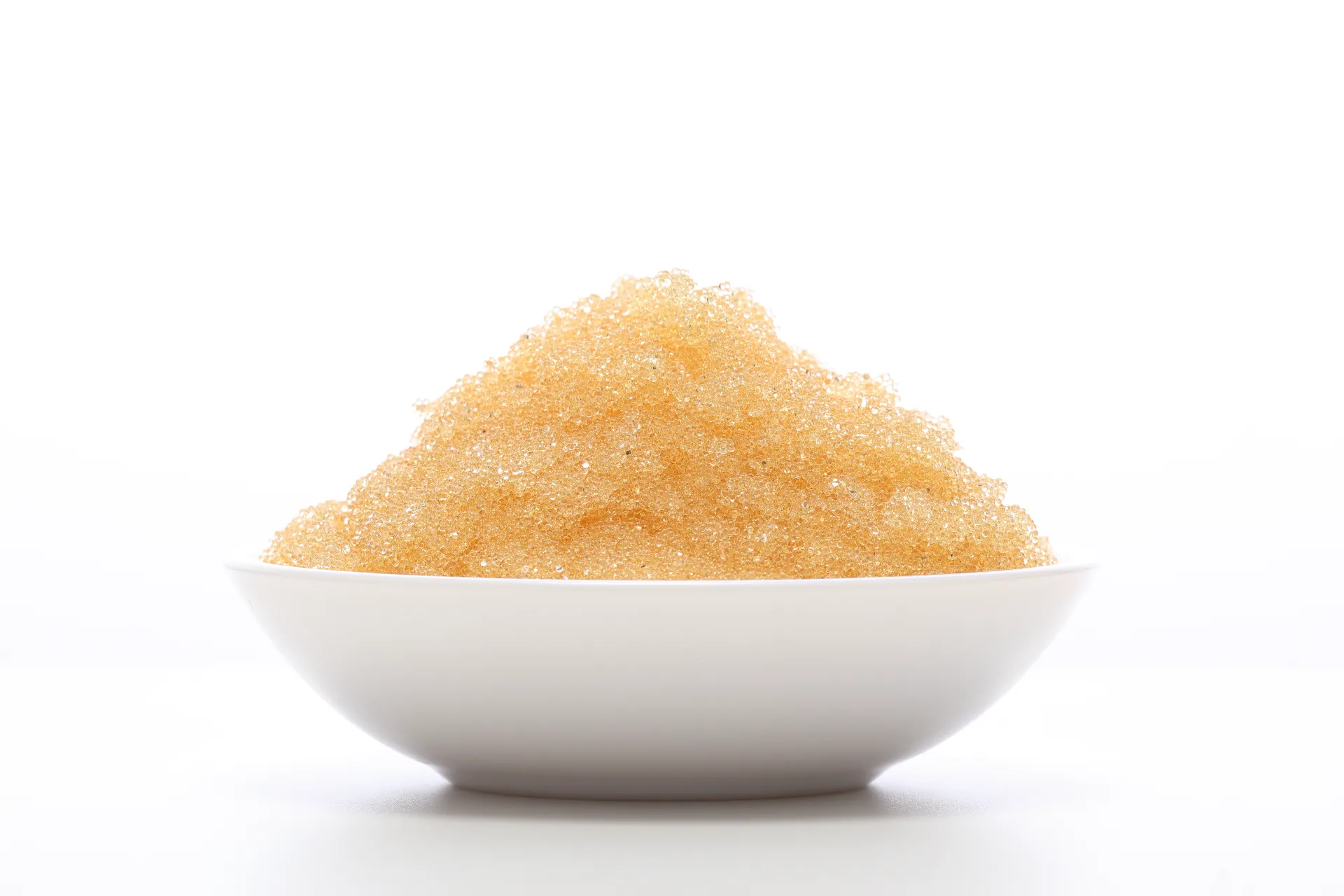
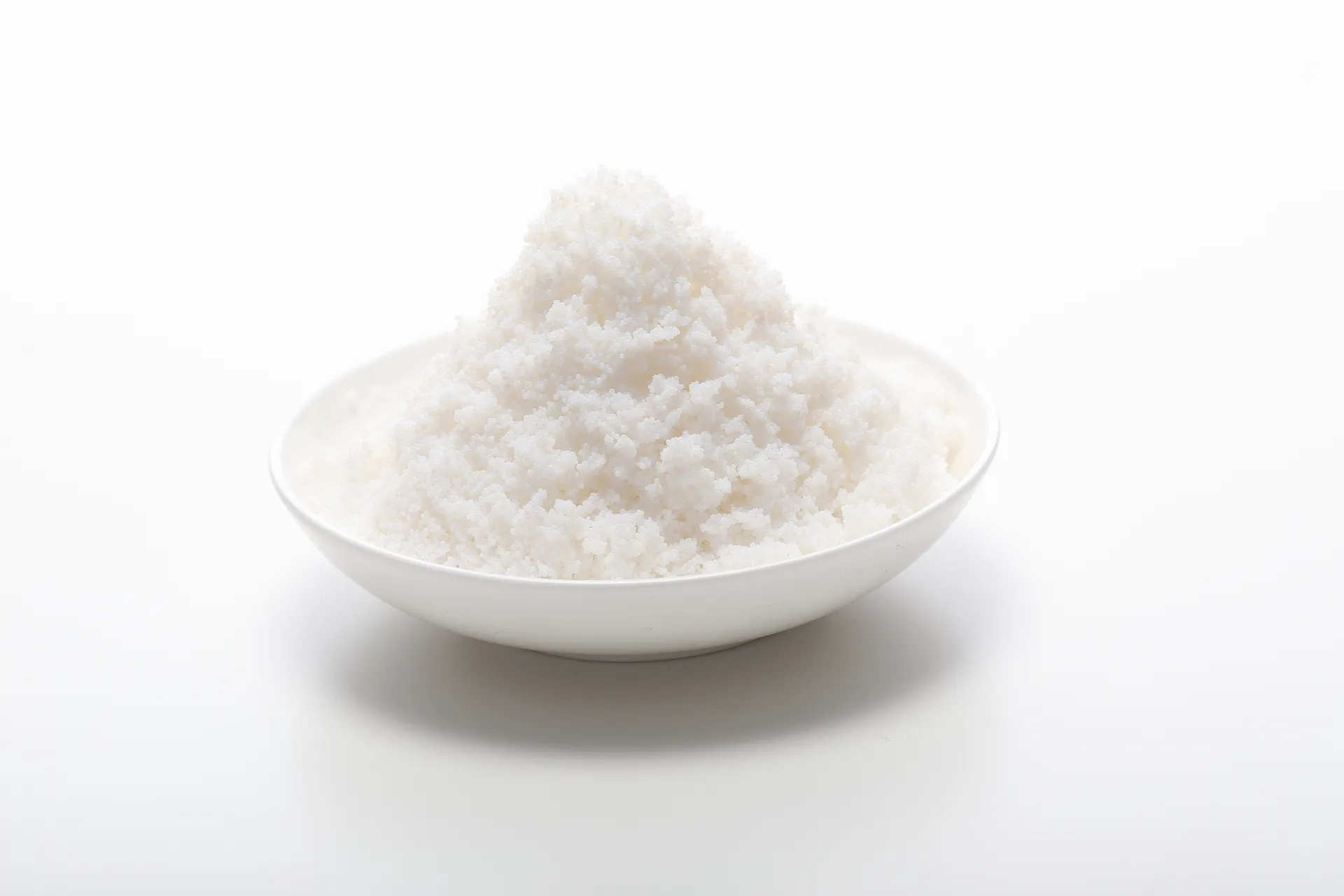
Put simply, sodium exchange resin consists of tiny polymer beads capable of exchanging sodium ions with other positively charged ions (cations) present in a liquid. These are typically sulfonated polystyrene resins that swap sodium ions for calcium, magnesium, or other unwanted elements.
The magic is in the ion exchange process. When hard water passes through the resin, calcium and magnesium “stick” to the beads while sodium ions are released — softening the water. Beyond just water softening, these resins find use in chemical separations, pharmaceuticals, and even food processing.
Humankind needs solutions like these because ion contamination affects not just taste or plumbing, but health and agricultural productivity. Modern industry and humanitarian systems depend on reliable methods to deal with ion imbalances — sodium exchange resin fills a critical role in this puzzle.
Resins need to withstand repeated regeneration cycles, often using salt brine, without significant degradation. Many engineers I’ve spoken to emphasize that poor quality resin leads to downtime and expensive replacements.
The higher the ion exchange capacity (usually expressed as eq/L), the more efficient the resin. This translates directly into fewer resin replacements and longer service life.
How effectively the resin releases the captured ions and resets itself determines operational cost and environmental impact.
Depending on the application — think acidic or alkaline wastewaters — chemical resistance is crucial to ensure service longevity.
Finer particle sizes allow faster ion exchange but potentially increase pressure drops. There’s always this balancing act.
Sodium exchange resins aren’t one-size-fits-all. Durability, capacity, and efficiency dictate their success in real-world use — a neat blend of chemistry and engineering balancing act.
Let’s look at some highlights:
Regions like Southeast Asia, Eastern Europe, and parts of Africa rely heavily on these systems due to challenging water sources and increasing industrialization.
The benefits tie neatly into economic, environmental, and social factors.
Frankly, it’s hard to overstate how such tiny beads enable big change — whether you’re running a factory or delivering aid in a drought-hit village.
Innovation never sleeps. Here’s what’s on the horizon:
These trends echo the bigger sustainability movement globally, where clean water and chemical reuse become central pillars.
Like any technology, sodium exchange resins aren’t perfect:
That said, solutions are emerging. Pre-treatment steps reduce fouling risks. Recycling and safe disposal protocols are tightening worldwide. Plus, improved resin designs stretch lifespan, making investment pay off faster.
| Feature | Specification | Unit |
|---|---|---|
| Type | Strong Acid Cation Exchange Resin | - |
| Functional Group | -SO3Na | - |
| Moisture Content | 47–53% | % |
| Particle Size | 0.3–1.2 | mm |
| Exchange Capacity (Dry Basis) | 1.8–2.2 | eq/L |
| Operating Temp. Range | 5–100 | °C |
| Supplier | Product Range | Average Capacity (eq/L) | Lead Time | Price Trend |
|---|---|---|---|---|
| Liji Resin | Standard & Custom Resins | 1.9 – 2.1 | 2-3 Weeks | Stable |
| Iontex Co. | Premium Resins | 2.0 – 2.3 | 3-4 Weeks | Rising |
| EcoIon | Eco-Friendly Resins | 1.7 – 2.0 | 4-5 Weeks | Stable |
A1: It depends on usage and maintenance but generally lasts 5–10 years under proper regeneration and handling. Frequent fouling or improper regeneration reduces lifespan.
A2: Absolutely, they’re versatile enough for small home units up to large-scale industrial plants — with variations in resin capacity and bead size tailored to the application.
A3: Yes, when certified and used in approved systems, sodium exchange resins meet health and safety standards for potable water treatment.
A4: Regular regeneration with brine, monitoring of pressure drops, and avoiding contamination (oil, chlorine, organics) help keep the resin active and effective.
A5: Research is ongoing into biodegradable and bio-based resins, plus salt-free regeneration methods. While not dominant yet, these options show promise for sustainable future use.
At their core, sodium exchange resins blend chemistry with practical solutions that ripple throughout industries and communities worldwide. They help make clean water accessible, improve industrial efficiency, and contribute to sustainability goals. As technology advances, these resins only promise to become more effective and environmentally friendly.
Interested in exploring how these resins could enhance your process or project? Visit sodium exchange resin supplier Liji Resin for detailed specs, custom options, and expert advice to guide your decision.
Sodium exchange resin is a vital component ensuring cleaner water and greener industries globally. Understanding its nuances equips engineers, environmentalists, and aid workers alike to tackle pressing challenges.