Phone:
+86 0319 2296164


Email:
info@lijiresin.cn
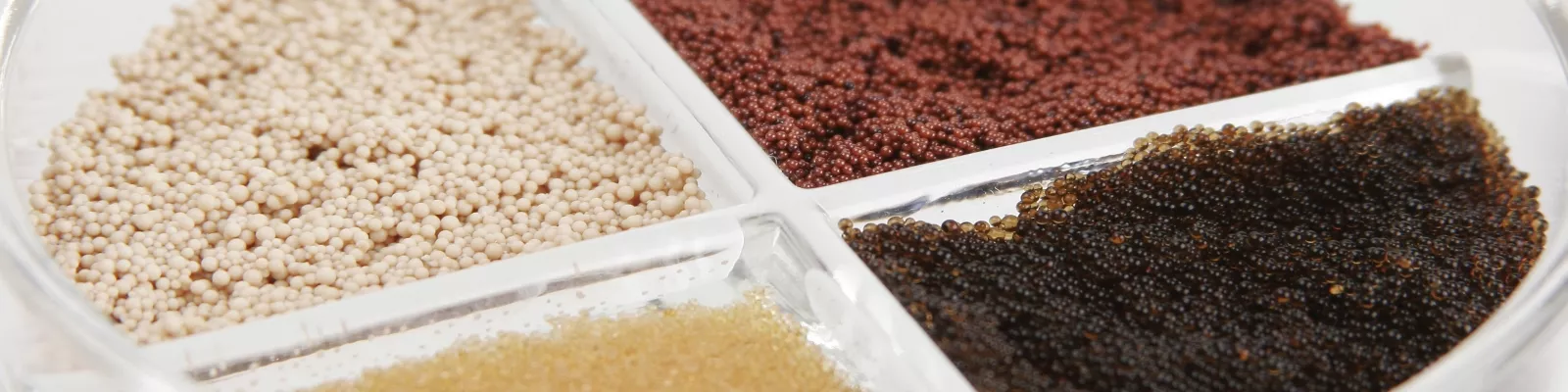
Water is, quite literally, the lifeblood of our planet and industries alike. When you think about the invisible players helping to keep our water clean and processes efficient, the strong cation exchanger quietly comes to mind. It's a mouthful, but this ion exchange resin has become indispensable in water treatment, chemical manufacturing, and even humanitarian aid efforts worldwide. Why does it matter so much? Because controlling the presence of positively charged ions — the cations — is essential to ensuring safe water, preventing machinery corrosion, and guaranteeing product quality across countless sectors.
According to the United Nations, over 2 billion people still lack access to safely managed drinking water worldwide. Treating water at scale calls for technologies that can efficiently remove hardness-causing minerals like calcium and magnesium. This is where the strong cation exchanger steps in. Globally, industries consume vast amounts of water daily, often requiring ion exchange units to ensure water meets strict quality standards — think power plants, pharmaceuticals, and food processing plants.
But there’s a catch. The challenge is balancing treatment efficiency, cost, and sustainability in a world increasingly focused on resource conservation. As water systems become more complex, the role of strong cation exchangers — with their robust ion-binding capabilities — only grows.
Mini takeaway: The strong cation exchanger is a vital tool bridging global water scarcity and industrial demand, all while supporting sustainability goals.
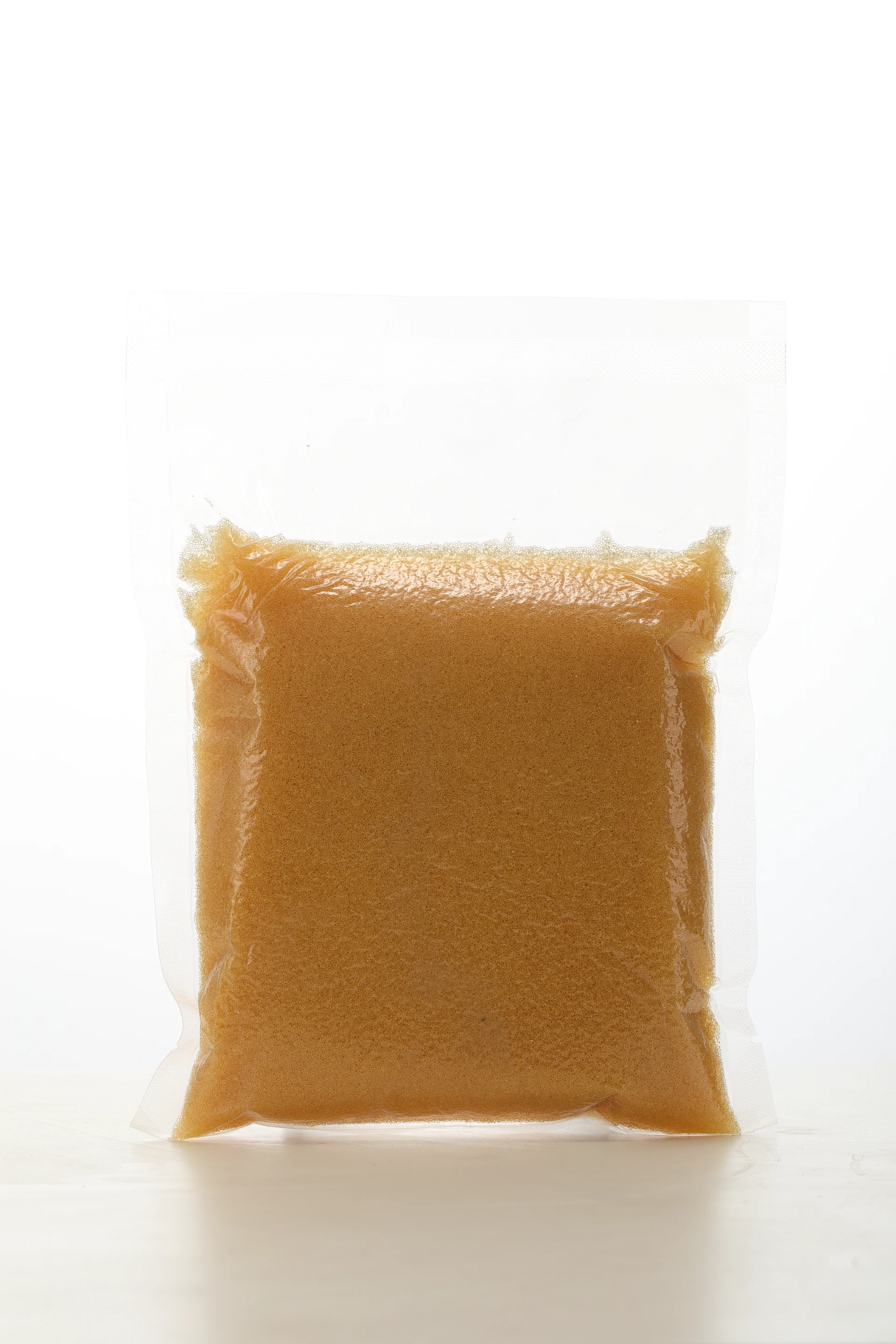
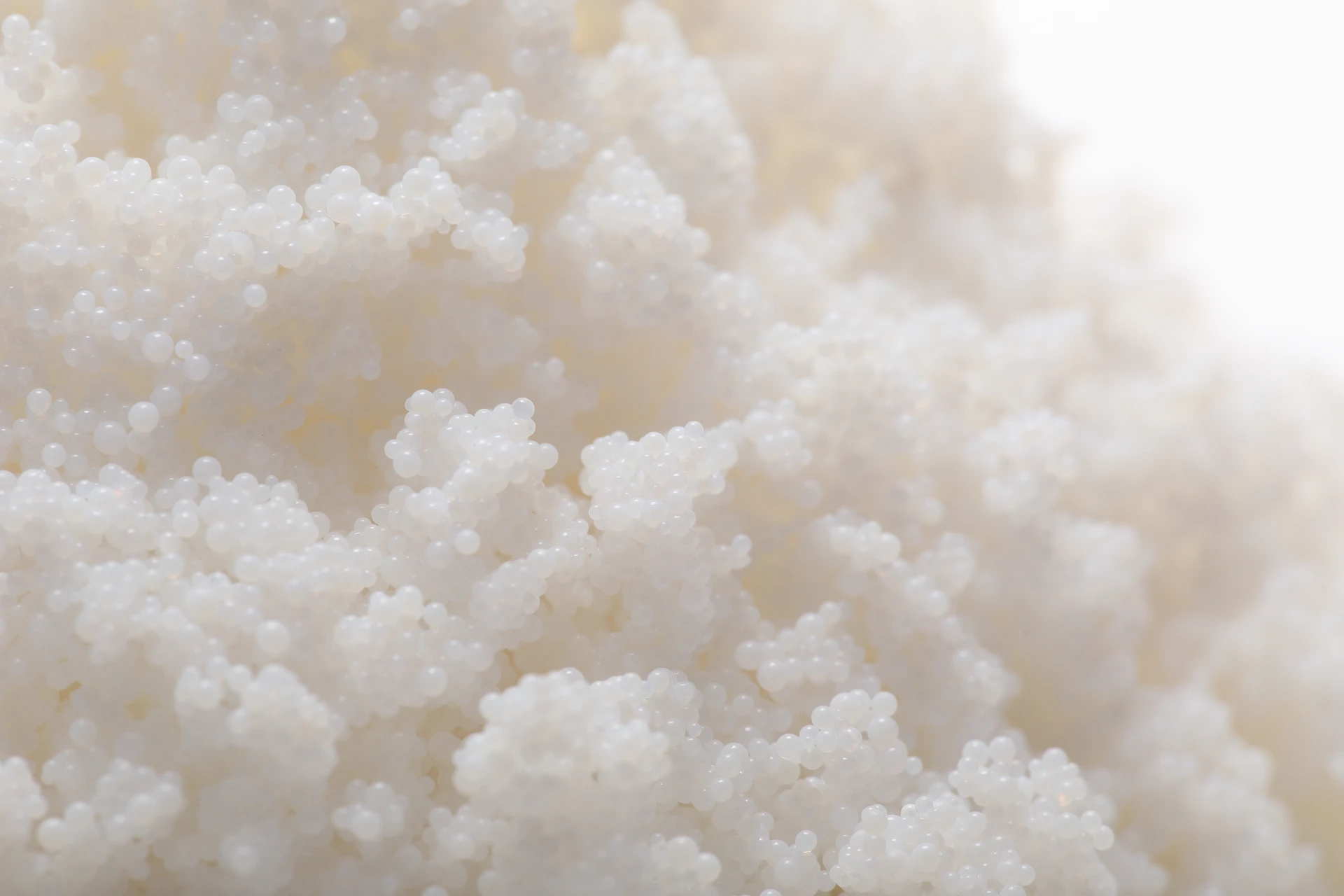
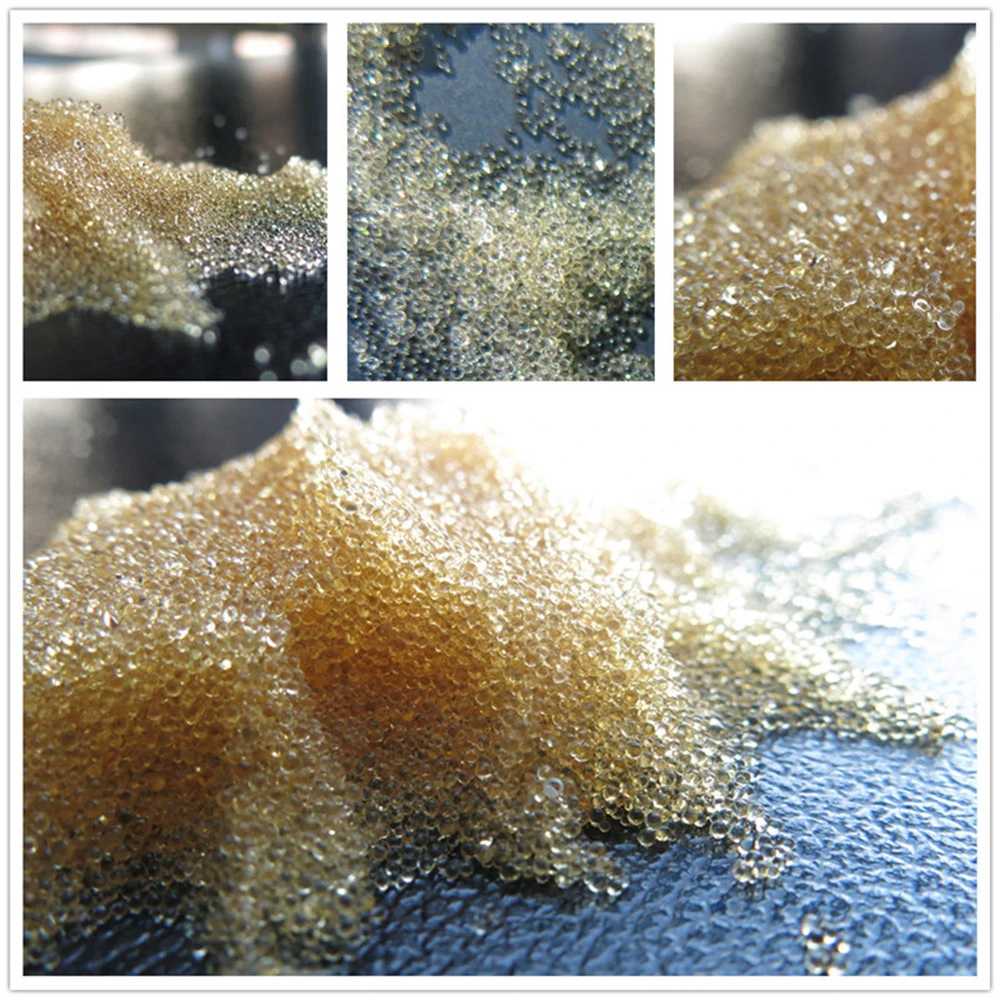
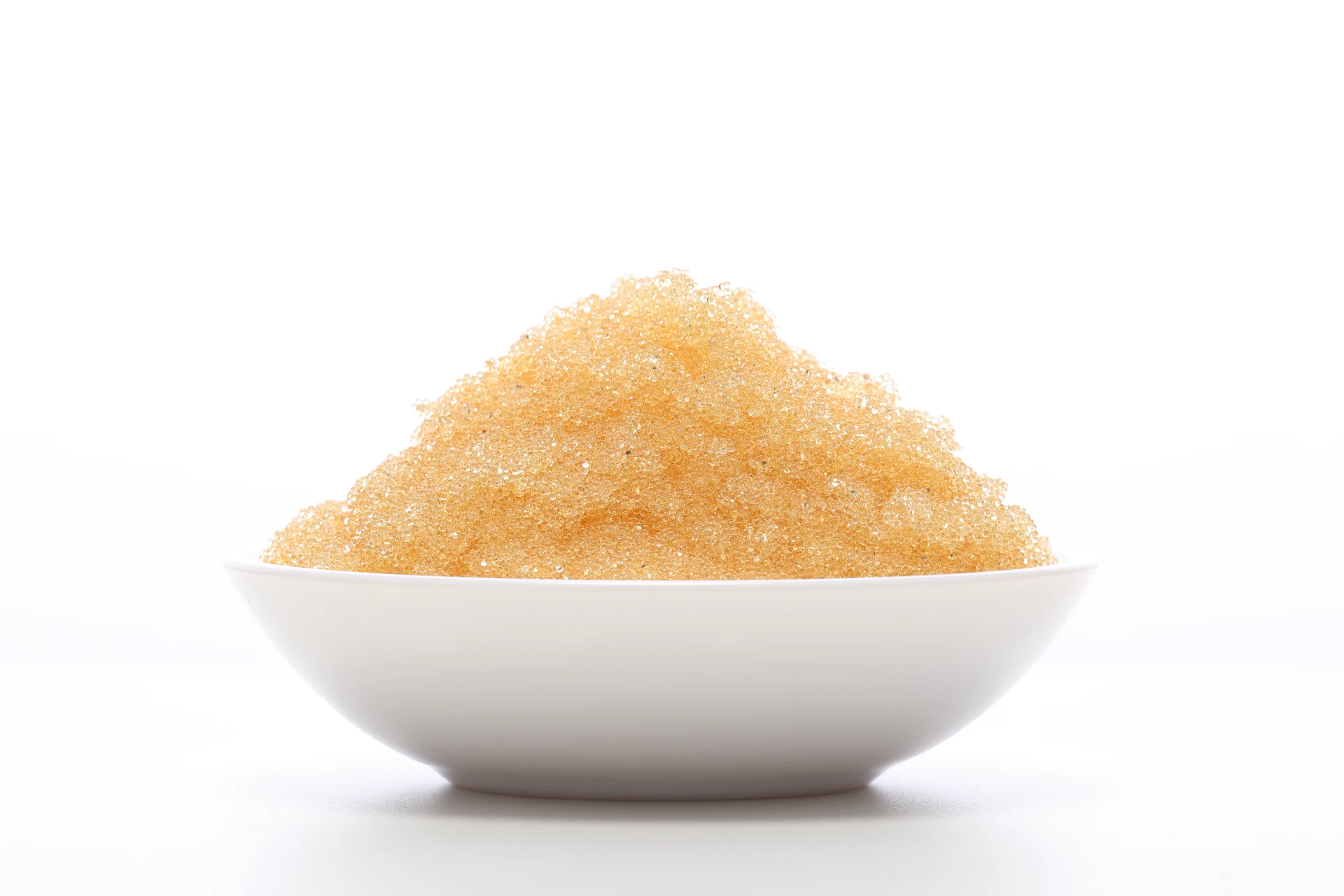
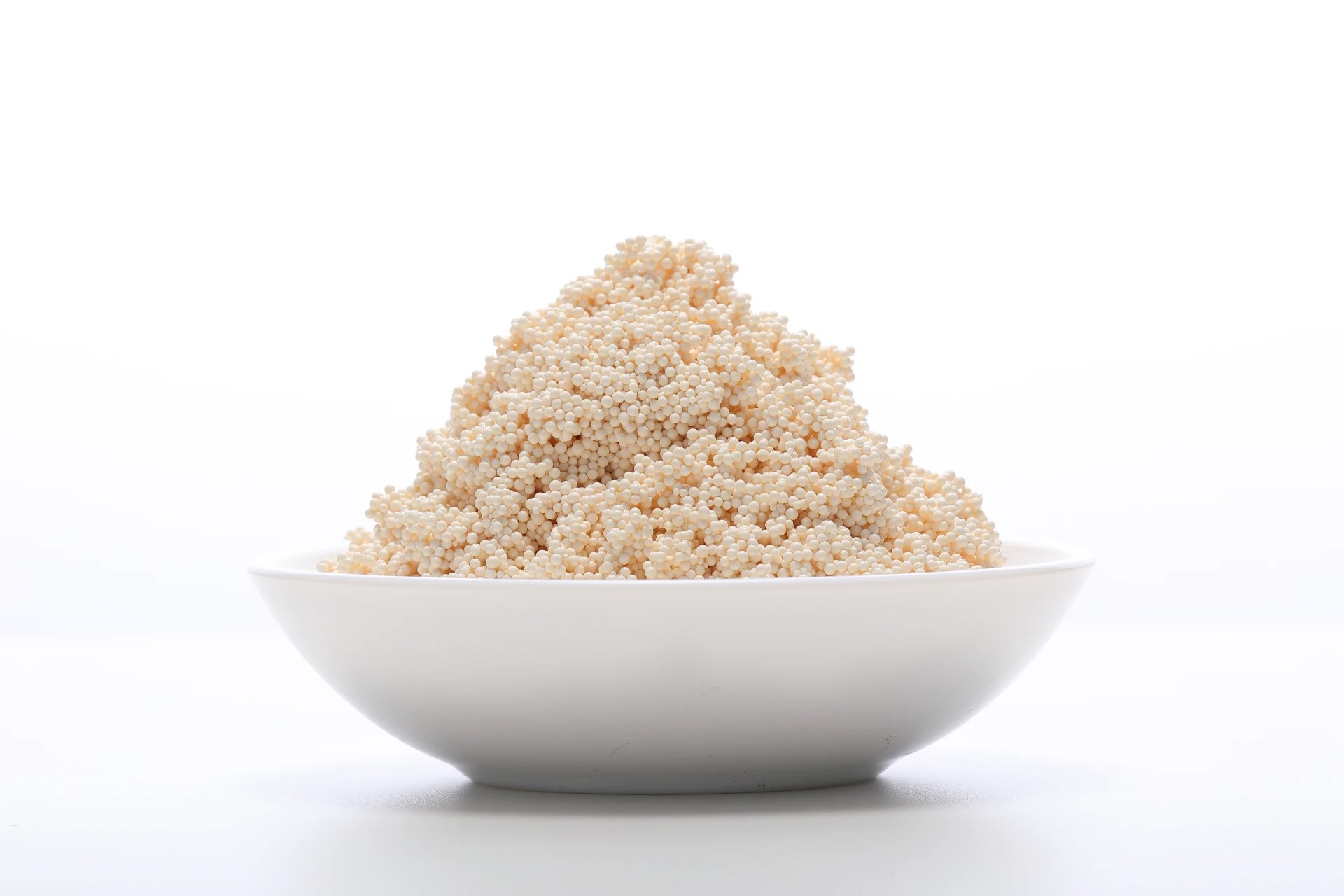
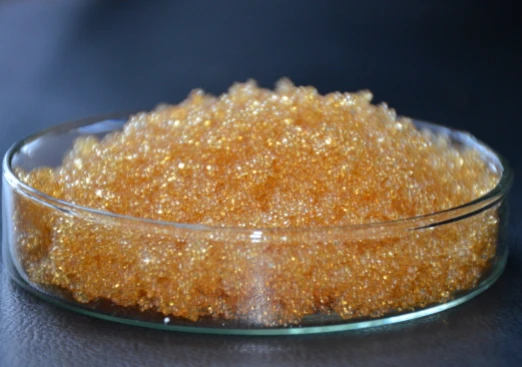
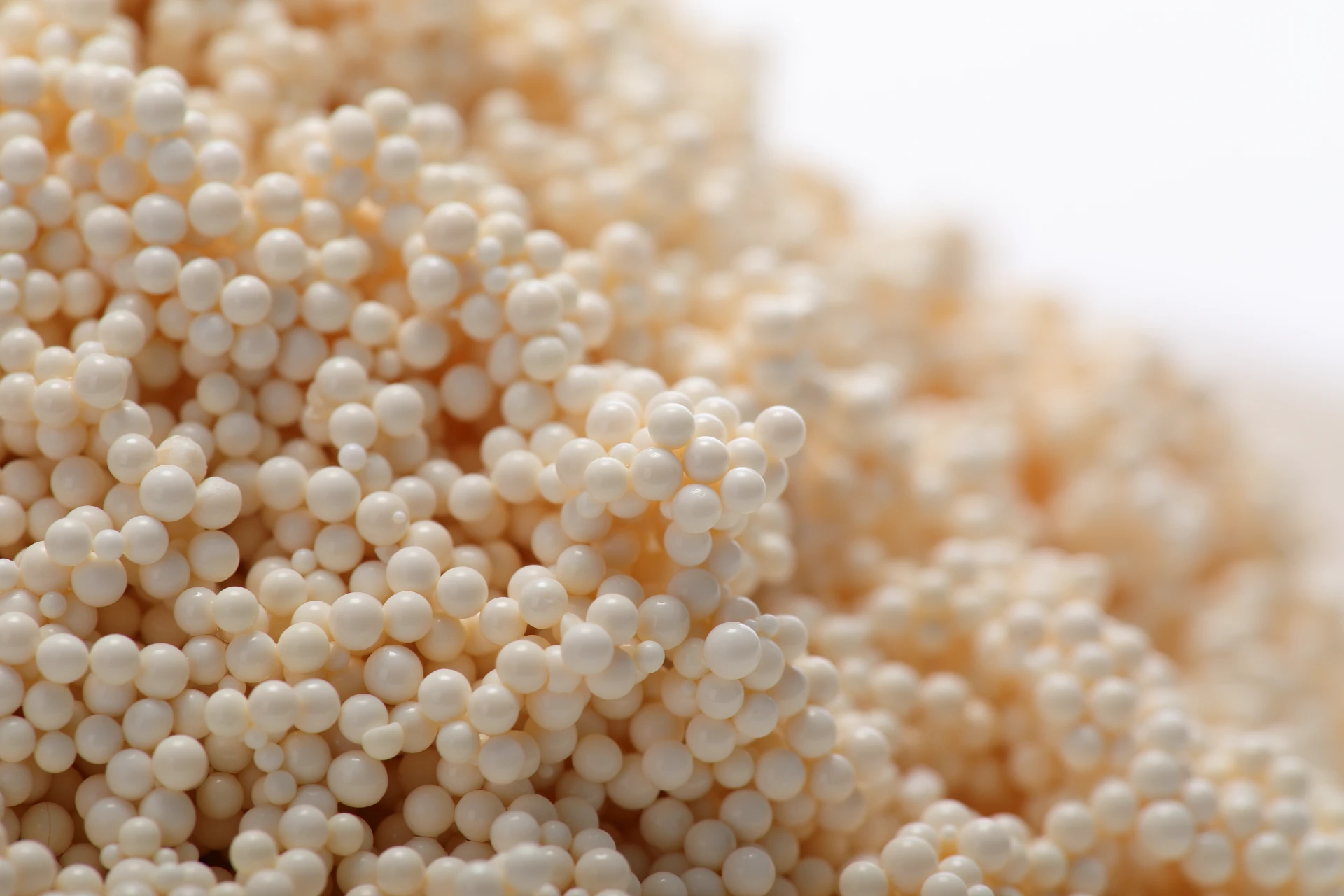
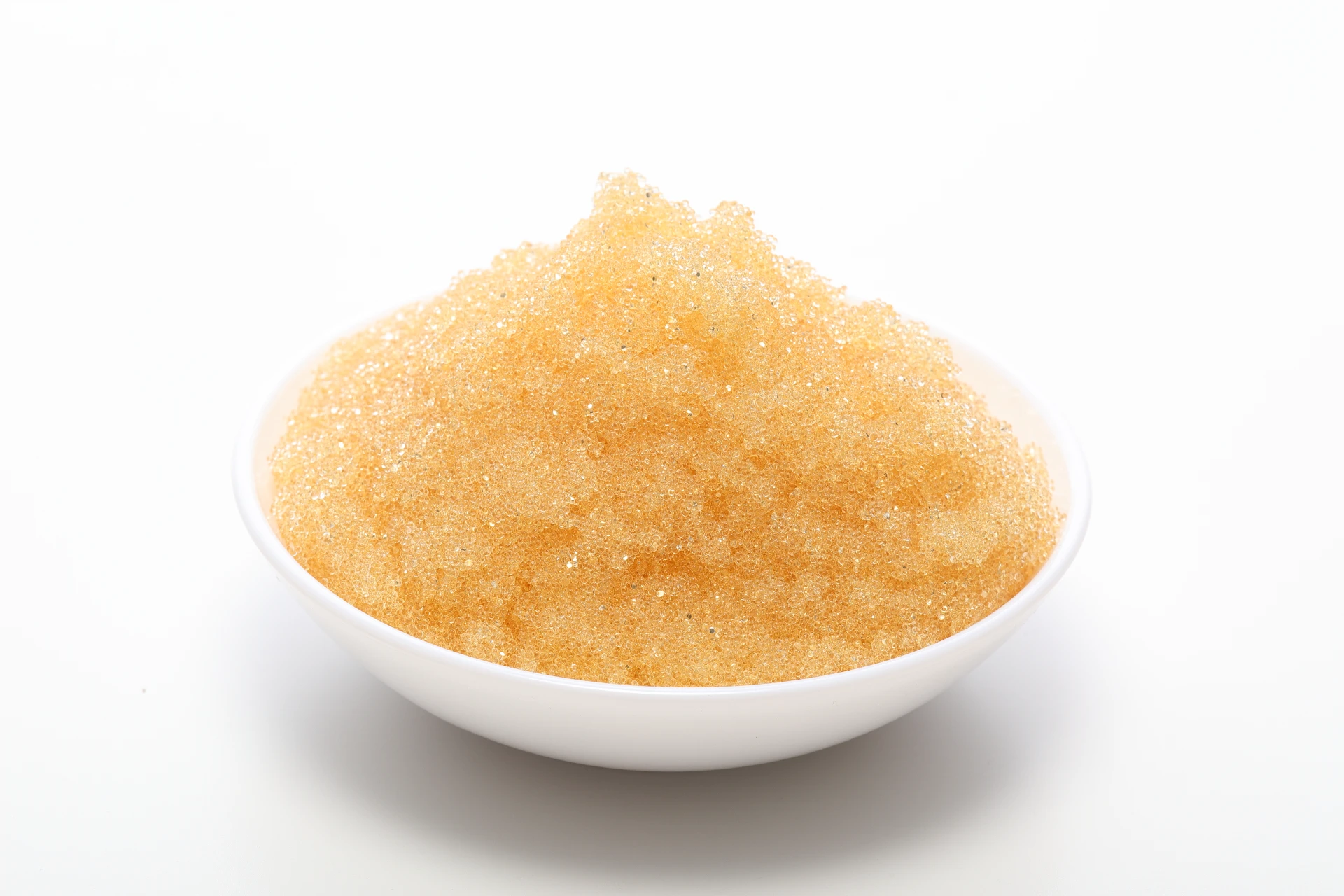
Imagine a sponge with a very particular taste for certain ions — especially the positively charged ones like sodium, calcium, and magnesium. A strong cation exchanger is essentially a synthetic resin bead designed to adsorb these cations from solutions. It works through a process called ion exchange, swapping unwanted ions in the water with harmless hydrogen or sodium ions.
In modern industry, this simple chemistry powers processes from softening hard water to purifying chemicals. Humanitarian operations in disaster zones rely on water treatment units packed with such resins to provide safe drinking water when infrastructure breaks down.
These resins can hold a large number of cations per volume, translating to efficient treatment with smaller footprints. Many engineers say this density drives lower operational costs over time.
Strong cation exchangers are chemically stable across a broad pH range and temperature spectrum, enabling their use in tough industrial environments without rapid degradation.
The ability to regenerate the beads with common salts like sodium chloride means these exchangers are reusable, lowering waste and ongoing expenses.
From small-scale lab applications to massive industrial setups, strong cation exchangers can be tailored in bead size, cross-linking, and loading — exactly what manufacturers and utilities need.
Many modern resins emphasize reduced chemical use and energy efficiency during regeneration, aligning with global sustainability directives.
Mini takeaway: The combination of capacity, longevity, and renewability make strong cation exchangers a smart, flexible choice.
Their footprint is vast and varied:
A memorable example: In post-hurricane Puerto Rico, countless mobile water treatment plants used strong cation exchangers to restore potable water swiftly.
The benefits are more than skin-deep:
Frankly, it’s this blend of pragmatism and ethics that gives strong cation exchangers a long shelf life in project designs.
Innovation is buzzing in this space with focused efforts on:
Trends from ISO water standards to UN sustainability goals are pushing these innovations forward, promising more resilient and eco-friendly solutions.
Despite their strengths, strong cation exchangers face hurdles — like fouling from organics, resin fouling, and sometimes complex regeneration demands. But experts develop hybrid systems combining filtration and ion exchange or use advanced cleaning protocols.
Moreover, training operators and customizing resin properties help keep these challenges manageable. It’s a steady dialogue between problem and solution that pushes quality forward.
| Specification | Typical Range | Unit |
|---|---|---|
| Ion Exchange Capacity (Dry) | 1.8 - 2.2 | eq/L |
| Moisture Content | 48 - 53 | % |
| Particle Size | 0.3 - 1.2 | mm |
| pH Operating Range | 0 - 14 | - |
| Operating Temperature | 5 - 100 | °C |
| Vendor | Resin Capacity (eq/L) | Typical Applications | Price Range |
|---|---|---|---|
| Liji Resin Co. | 2.0 | Water Softening, Industrial Purification | $$ |
| IonPure Solutions | 1.9 | Pharma-grade Purification, Food Industry | $$$ |
| EcoResin Corp. | 1.85 | Municipal Water, Green Technologies | $ |
It’s not often a tiny bead can carry such weight in industry and humanitarian efforts. The strong cation exchanger, with its blend of reliability, efficiency, and sustainability, will remain a cornerstone technology. Whether it’s supporting livelihoods through water purification or improving product quality across continents, its long-term benefits can’t be overstated.
If you’re considering integration or want to learn more about strong cation exchangers in your processes, don’t hesitate: Visit our website for detailed info and expert advice.