Phone:
+86 0319 2296164


Email:
info@lijiresin.cn
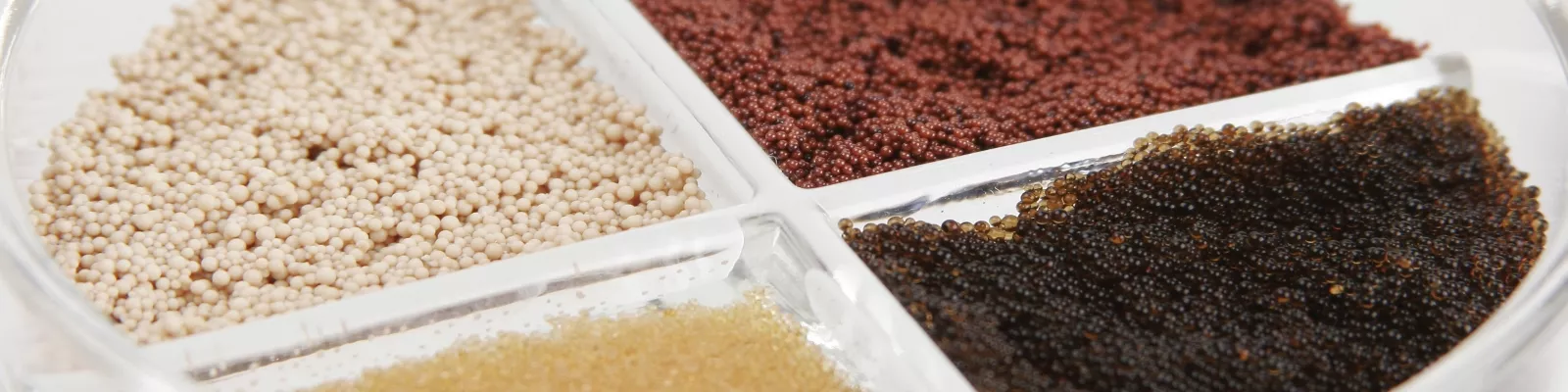
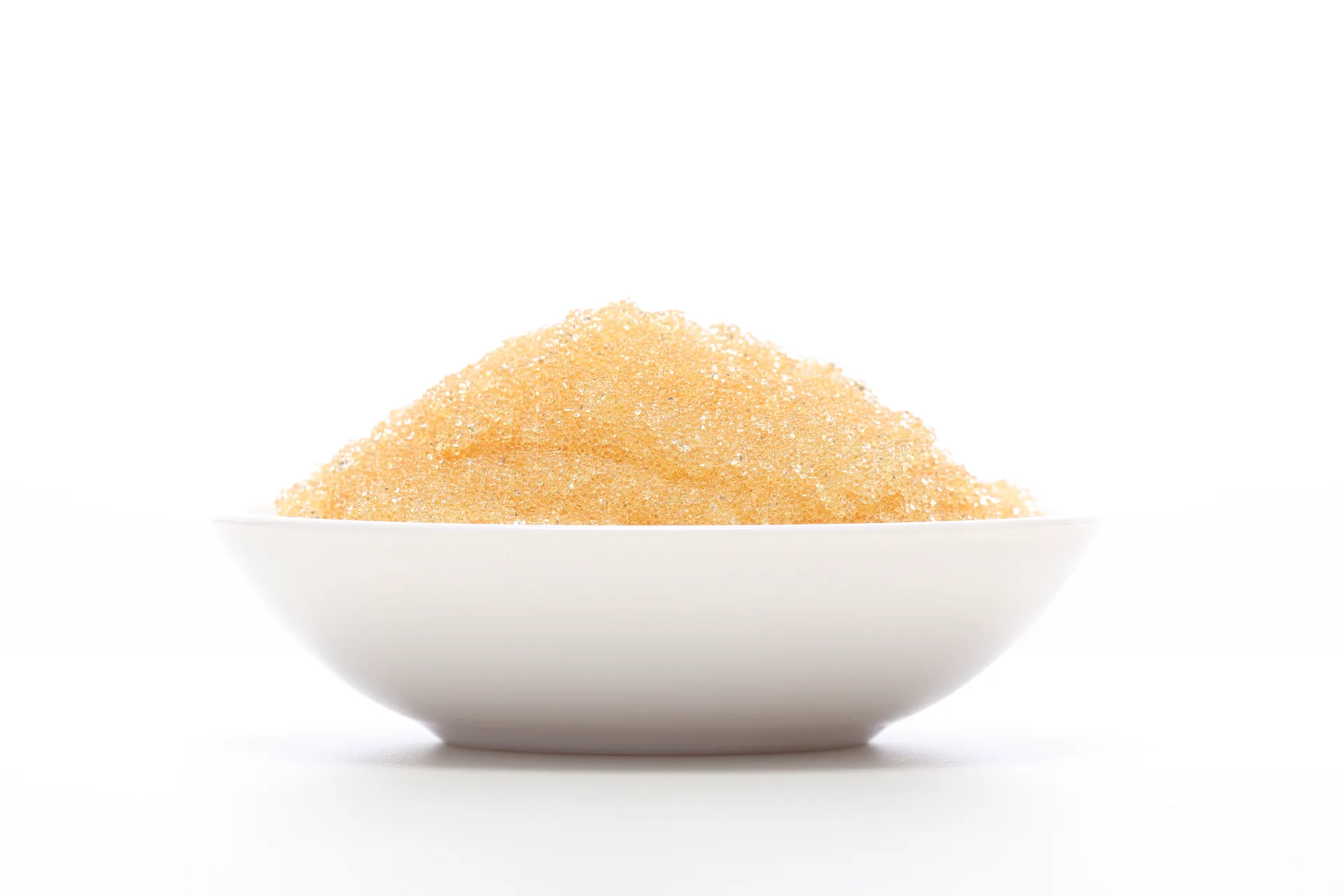
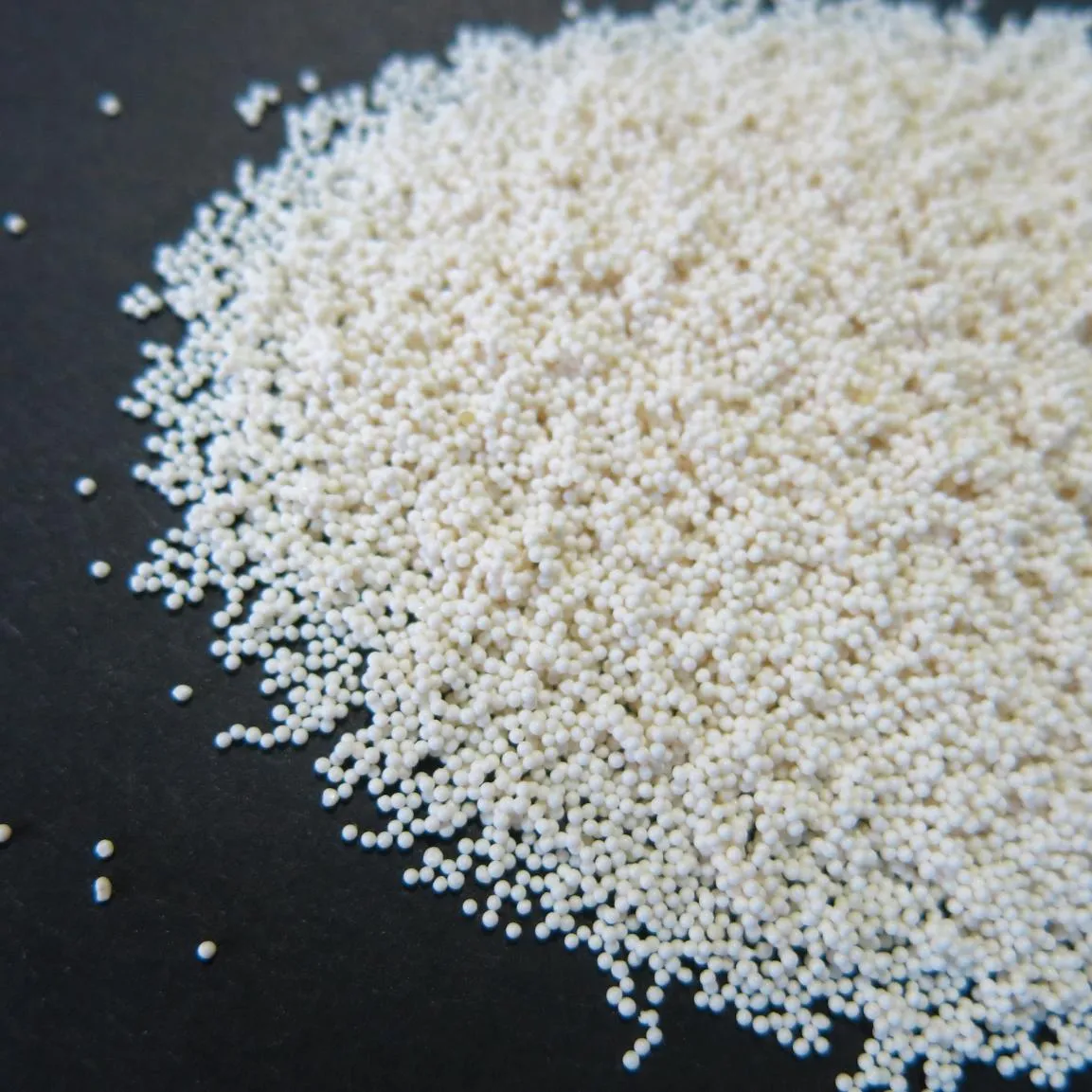
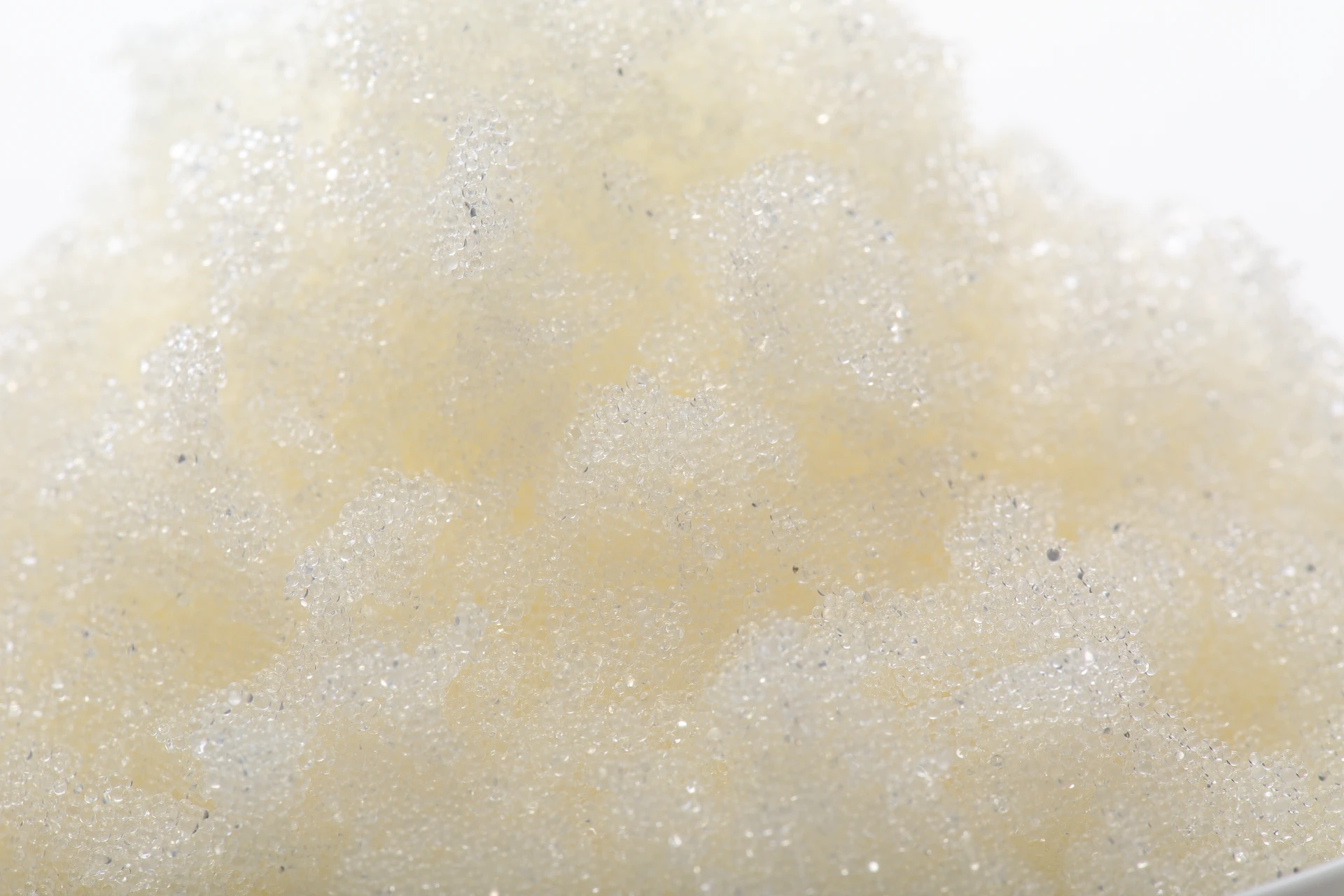
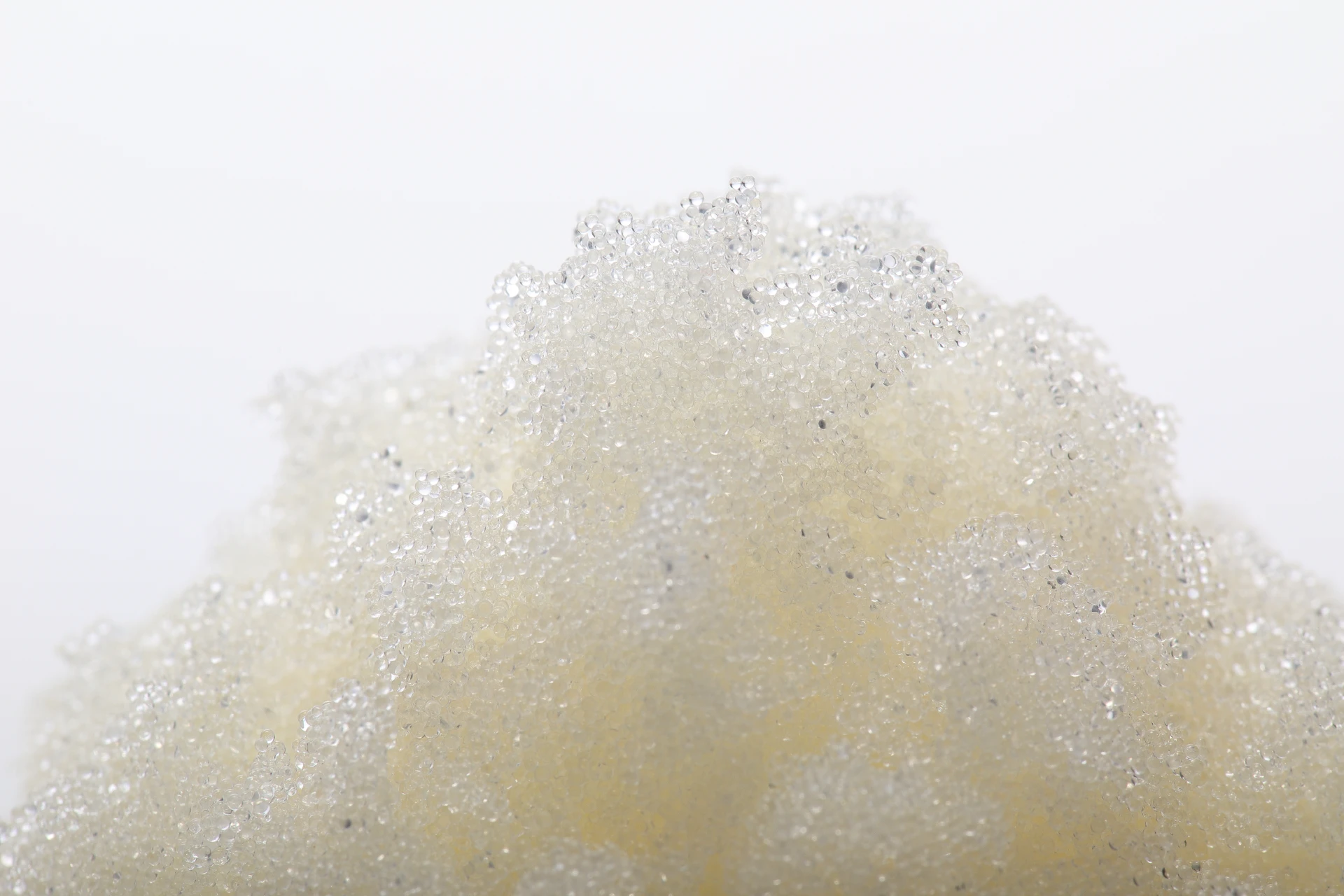
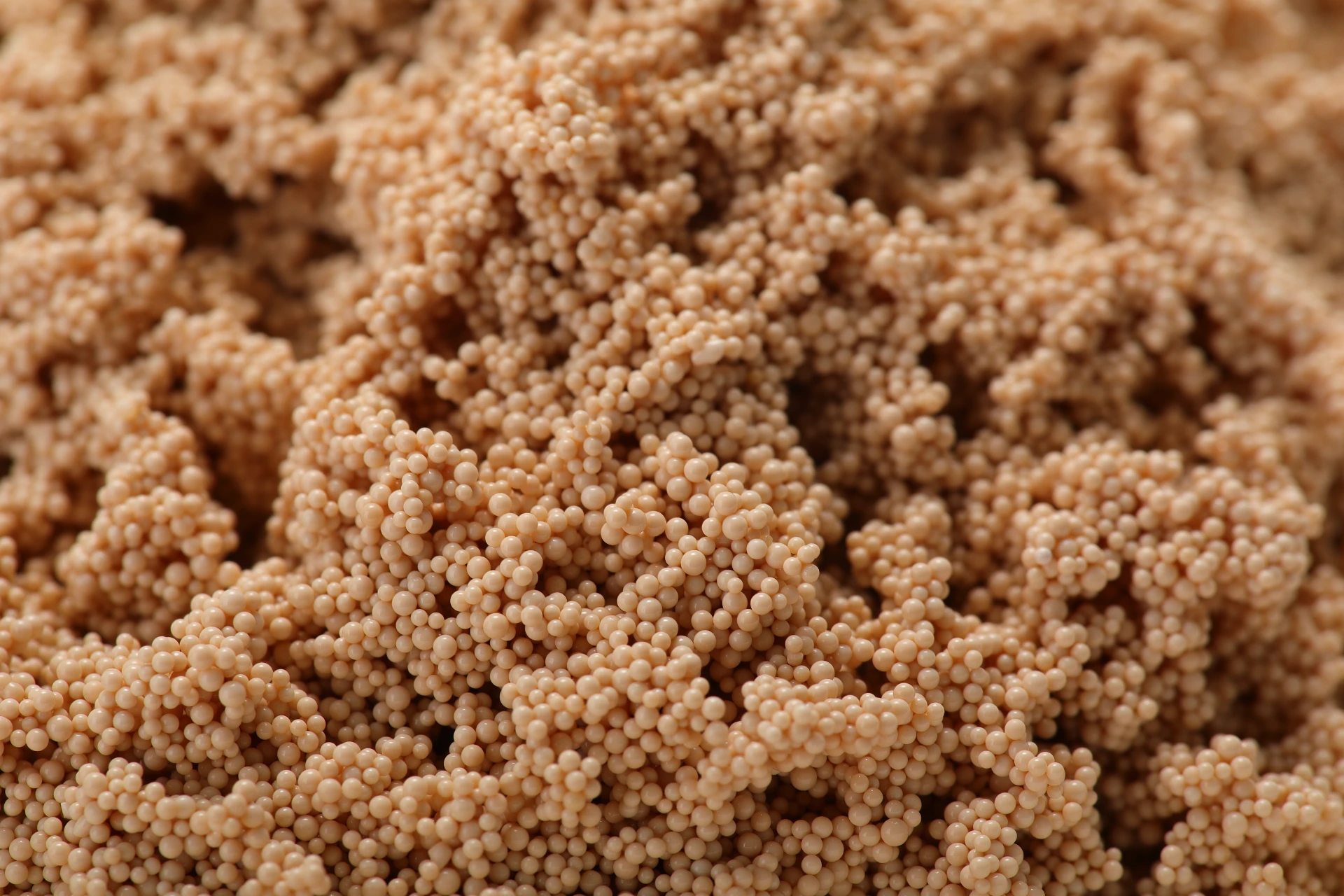
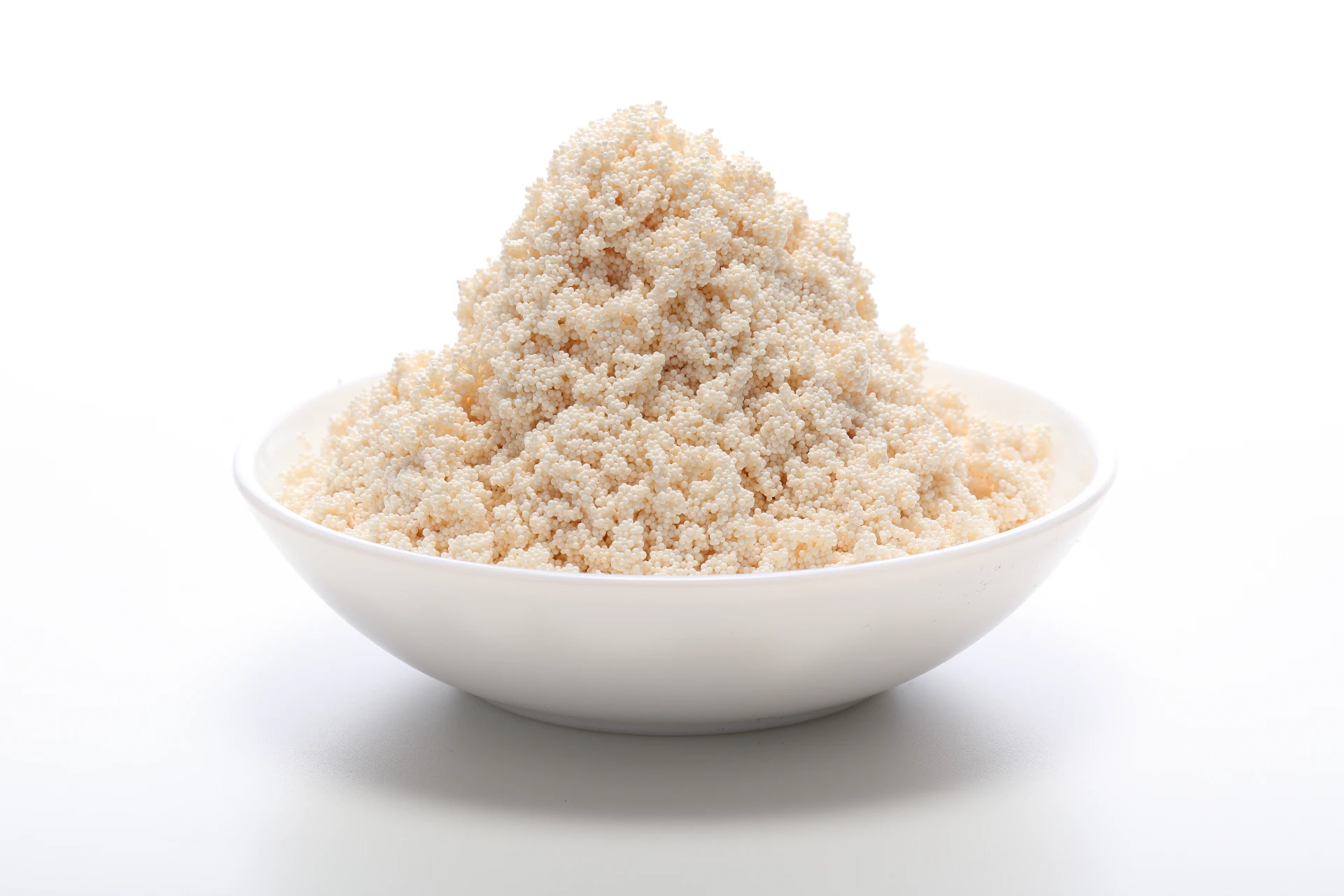
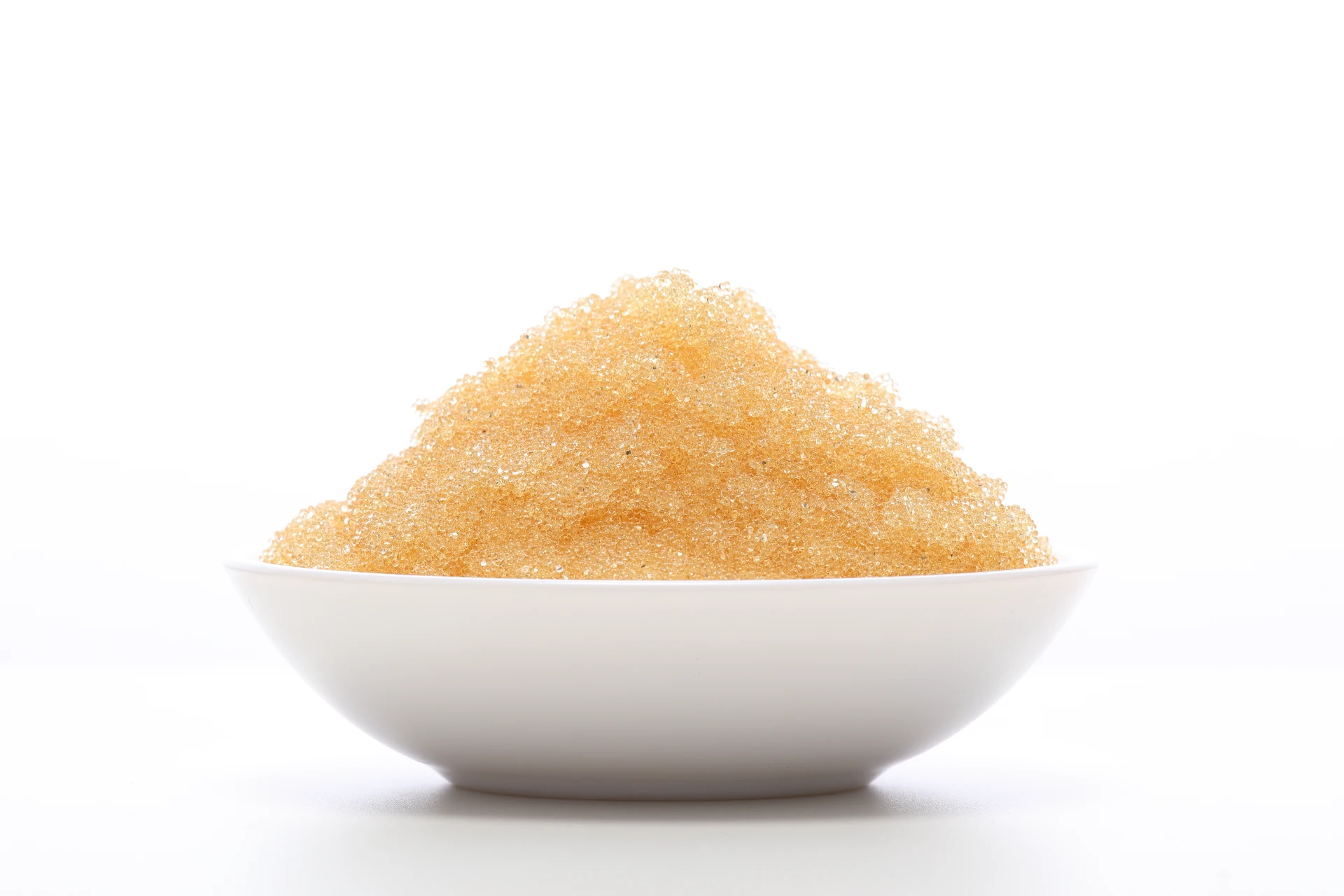
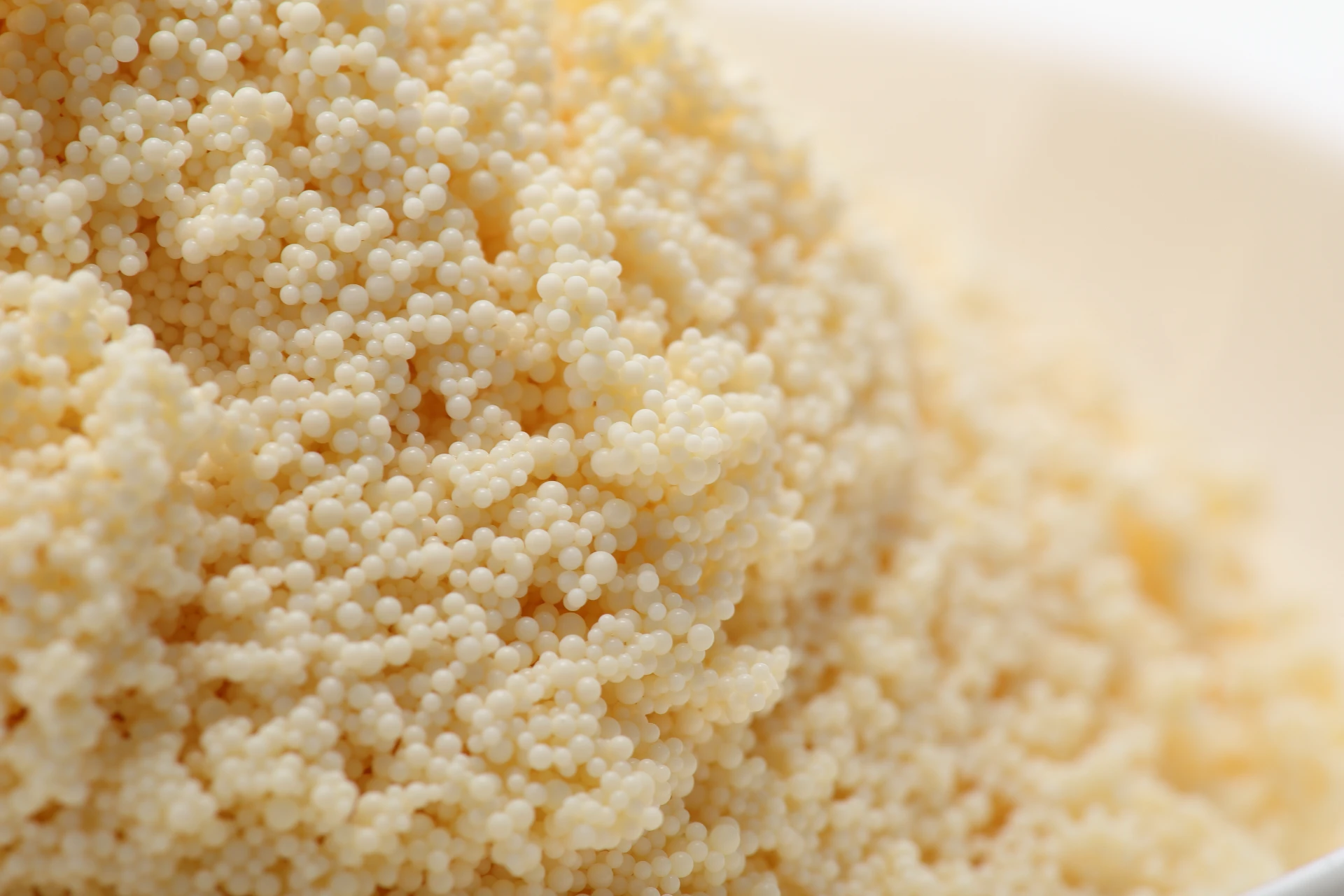
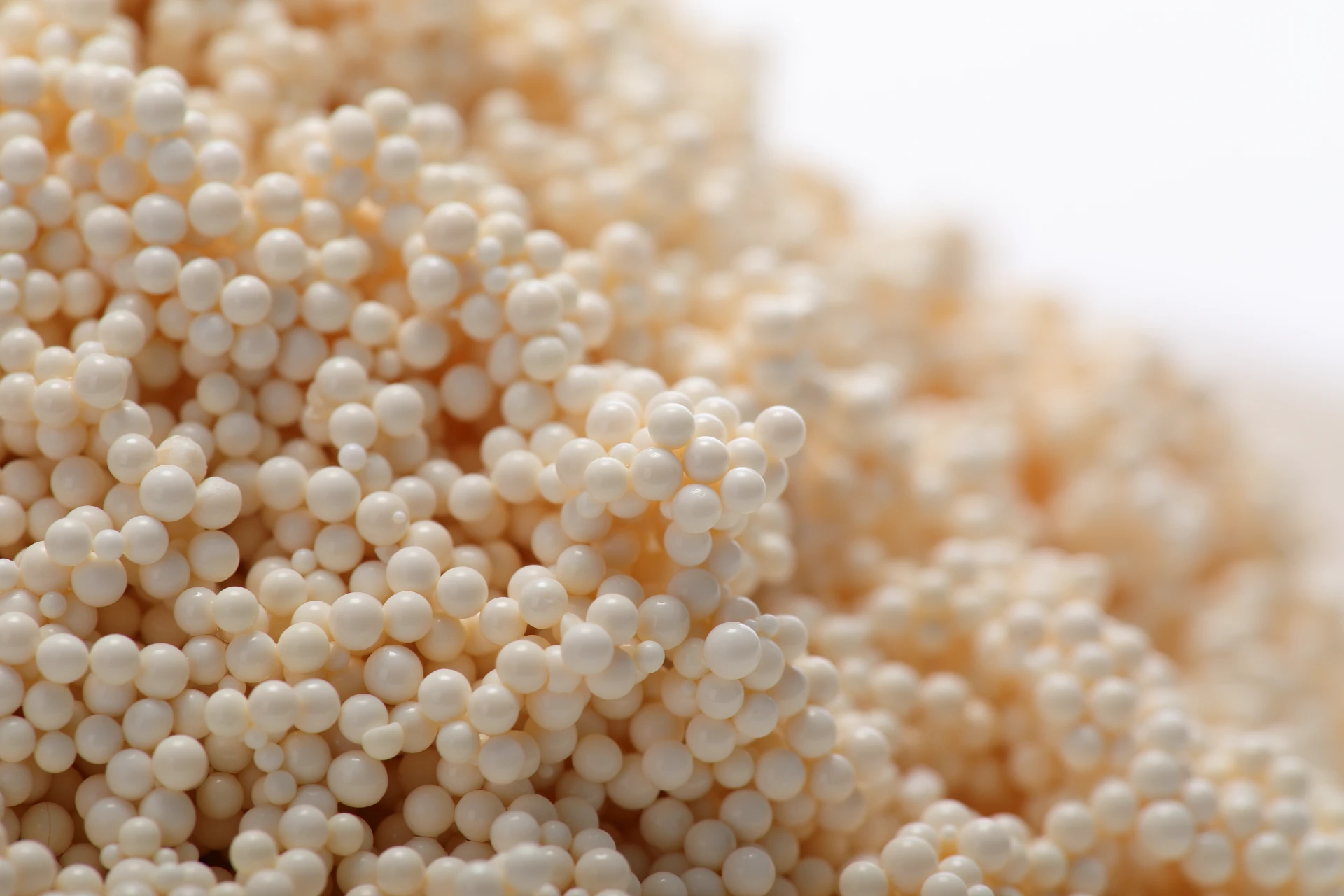
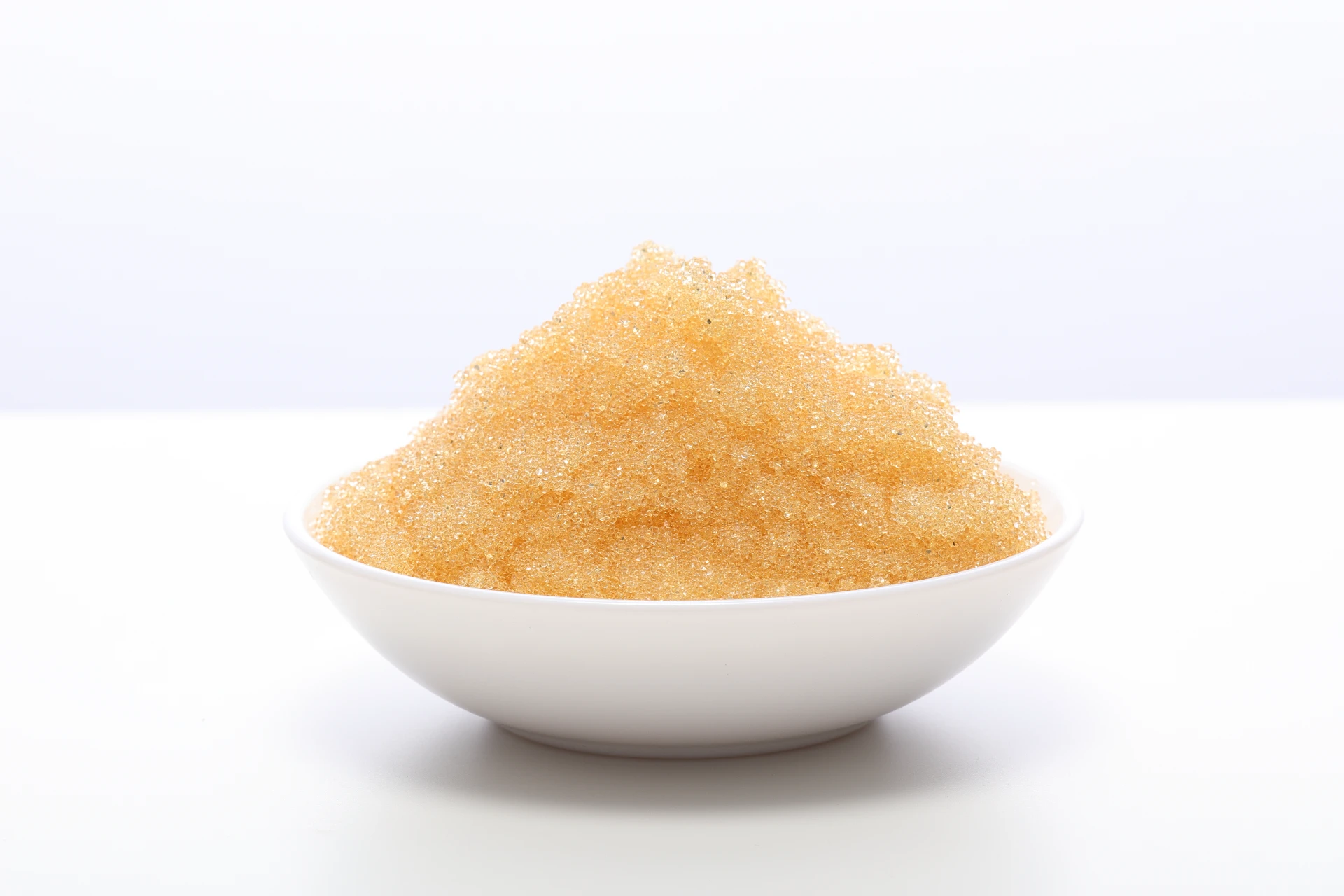
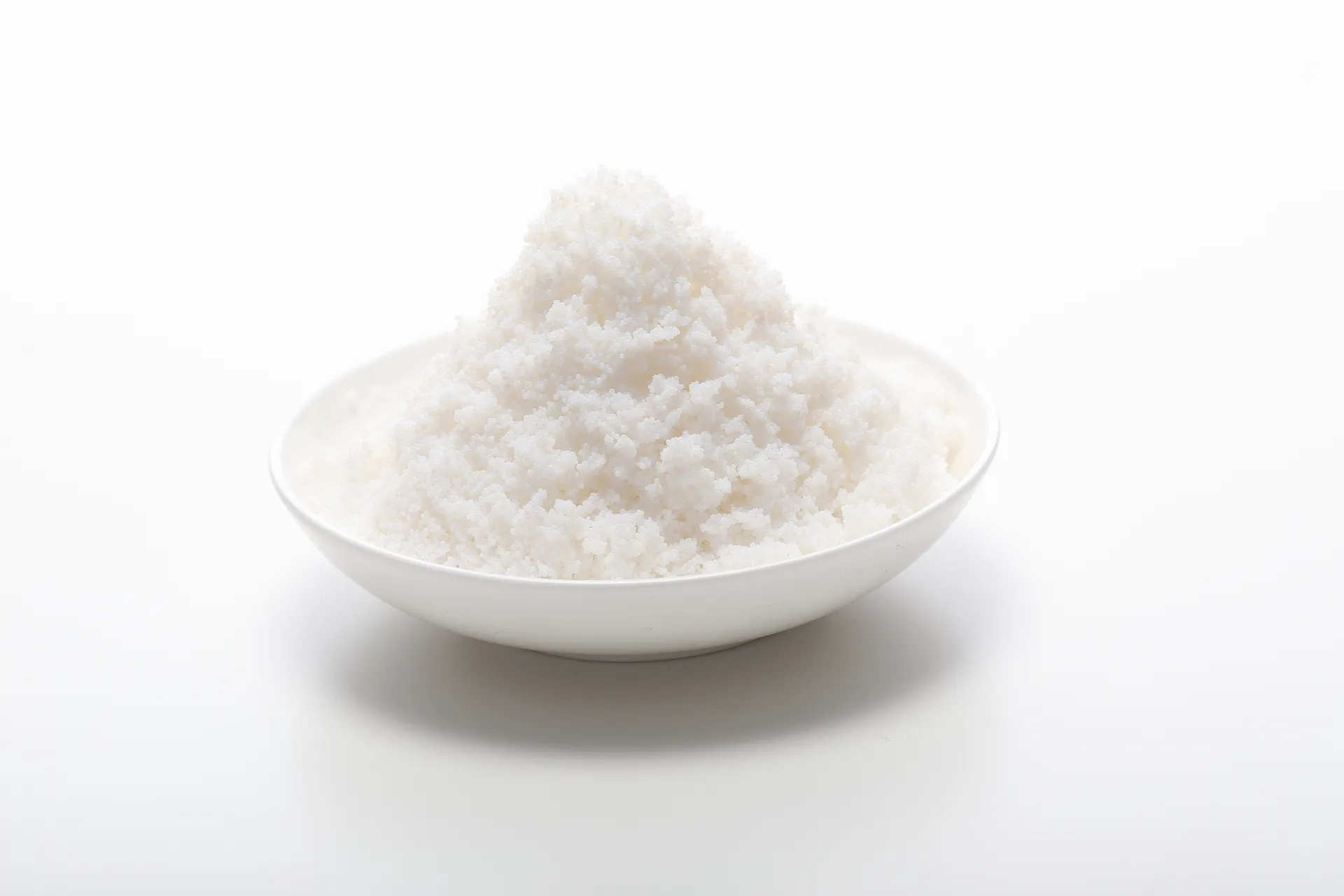
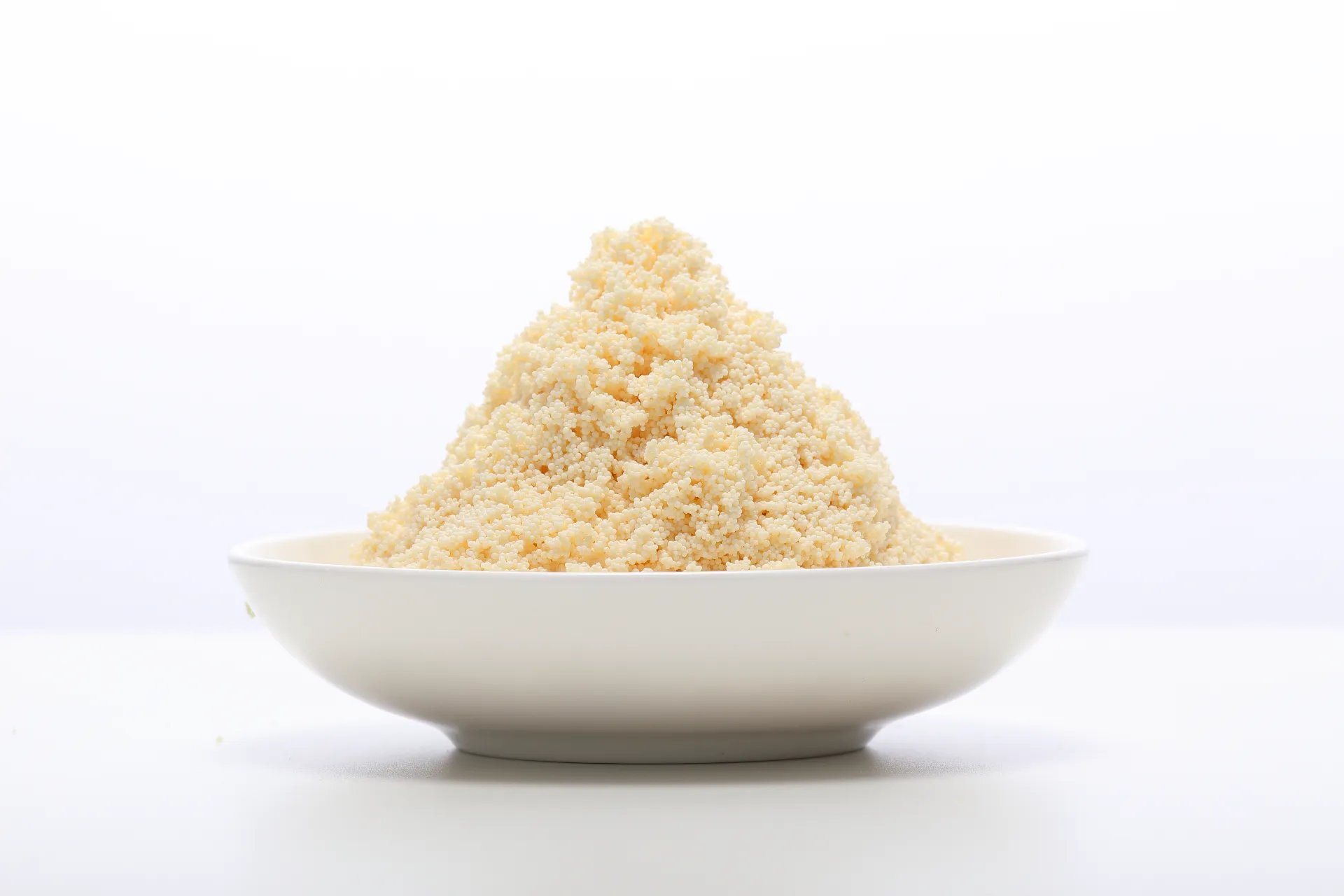
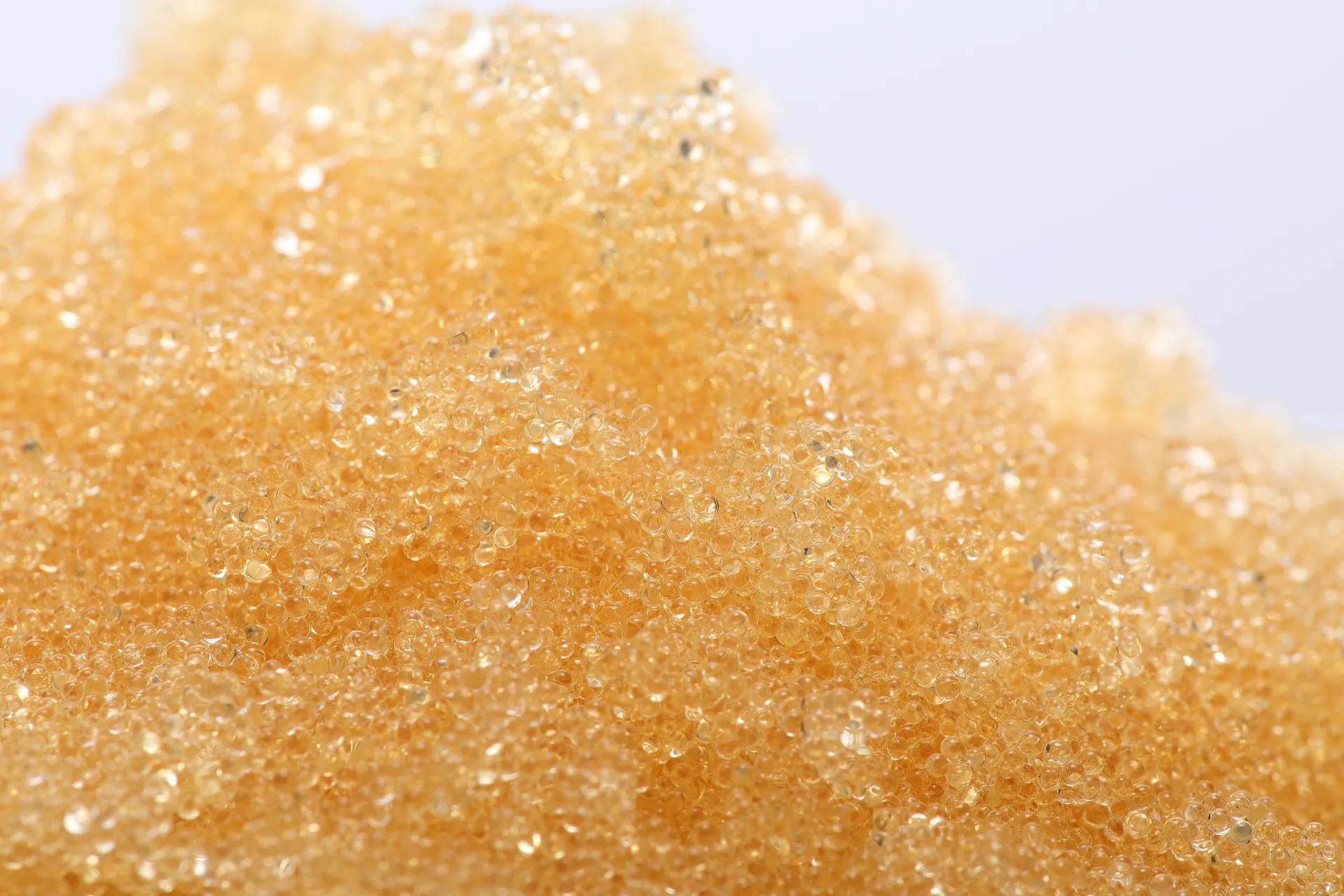
When operations managers talk to me about bottlenecks, they rarely start with membranes—they start with their strong acid cation exchange resin. Makes sense: this is the spearhead for softening and demineralization. The 001X7 grade I’ve seen on the floor lately is a gel-type polystyrene–DVB matrix sulfonated to behave, frankly, like “solid sulfuric acid.” It’s old-school chemistry, polished for modern water lines.
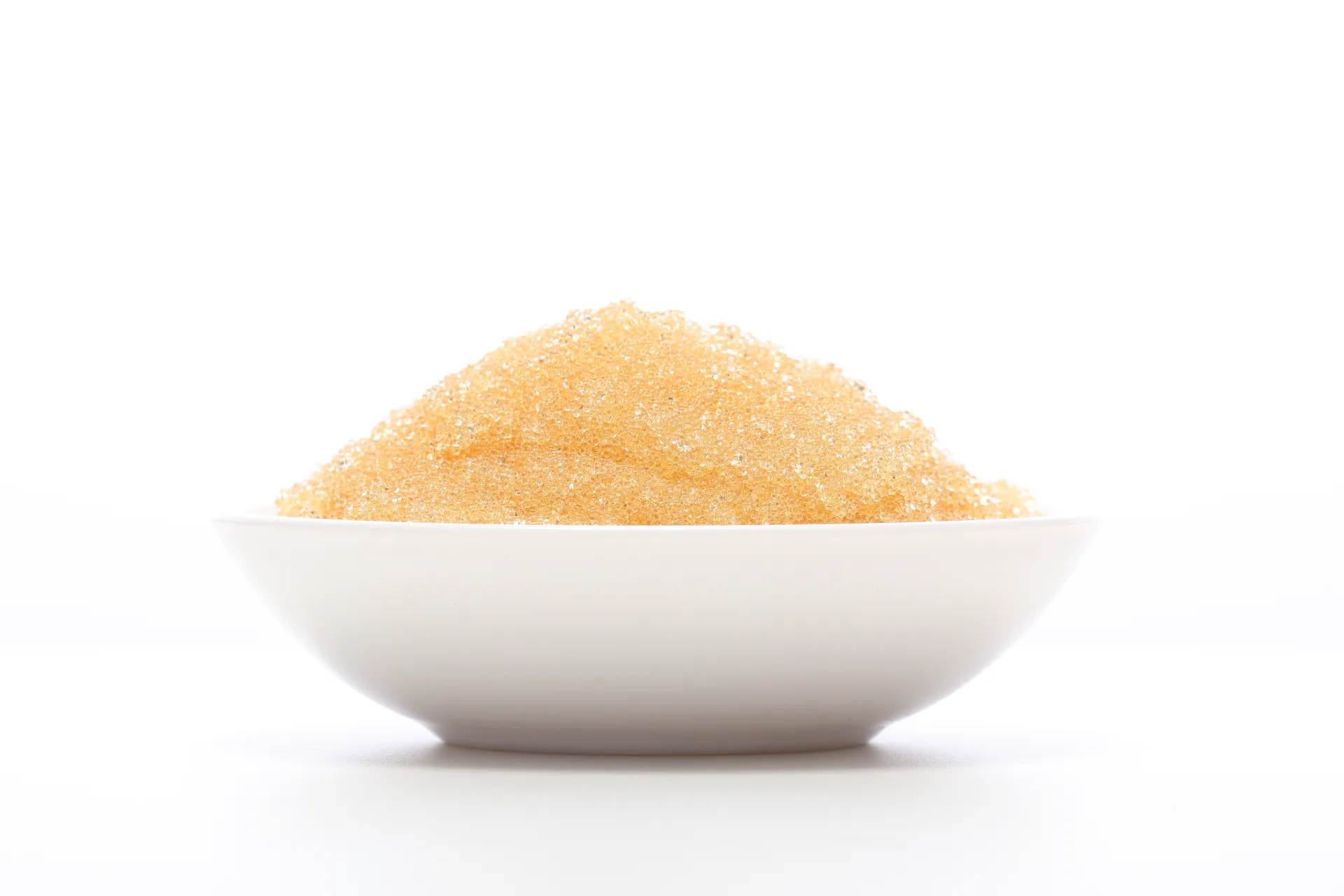
Demand is shifting toward higher-capacity, lower-fouling gels that survive aggressive clean-in-place routines. Power plants still want reliability over glamour; beverage and pharma—rightly—care about certifications and extractables. Lead times matter. To be honest, so does the vendor’s willingness to tweak mesh size and shipping form without making you wait a quarter.
The 001×7 is a gel-type strong acid cation exchange resin built on a polystyrene-divinylbenzene backbone, sulfonated for full acid functionality. In operation, think H+ or Na+ cycles for softening, dealkalization, or demin. Many customers say regeneration efficiency feels a tad better than their last lot—probably the bead uniformity.
| Key spec (001X7) | Typical value (≈, real-world may vary) |
|---|---|
| Total exchange capacity (H+ form) | ≥ 2.0 eq/L |
| Moisture content | 45–52% |
| Particle size (0.315–1.25 mm) | ≥ 95% in range; UC ≤ 1.7 |
| Operating pH | 0–14 (oxidant-free) |
| Max temp | 120 °C (H+), ≈ 140 °F recommended in service |
| Shipping forms | H+ or Na+ |
Base polymer: polystyrene crosslinked with DVB; sulfonation via sulfuric acid route (gel, not macroporous). Factory QA typically runs ASTM D2187 panels—moisture, capacity, bead integrity, swelling. I saw lab sheets showing ≤2% osmotic breakage after five cycles; service life is around 2–5 years depending on iron load, oxidants, and regeneration discipline.
Certifications that buyers ask for: ISO 9001 manufacturing, NSF/ANSI 61 for potable contact, and WQA/Gold Seal for drinking-water components. If you’re in beverage, your QA will also look at TOC and extractables—request the lot COA.
| Vendor | Capacity | Uniformity | Certs | Lead time |
|---|---|---|---|---|
| 001X7 (Hebei plant) | ≈2.0 eq/L | UC ≤1.7 | ISO 9001; NSF/ANSI 61 on request | 2–4 weeks |
| Generic Brand X | 1.8–2.0 eq/L | UC ~1.8–2.0 | ISO 9001 | 4–6 weeks |
| Imported Brand Y | 2.0–2.1 eq/L | UC ≤1.6 | NSF/ANSI 61; ISO 9001 | Stock-dependent |
Options include H+ or Na+ shipping form, custom mesh (e.g., 16×40), and higher crosslink variants for hot, oxidant-prone loops. Always pre-rinse to conductivity spec; target
- Power plant DMU: swapping to strong acid cation exchange resin 001X7 cut hardness leakage to - Beverage RO pre-treatment: 001X7 in Na+ form dropped scaling alarms by 30% and saved one CIP cycle per month. Anecdotal, sure, but consistent with what I’ve seen elsewhere.
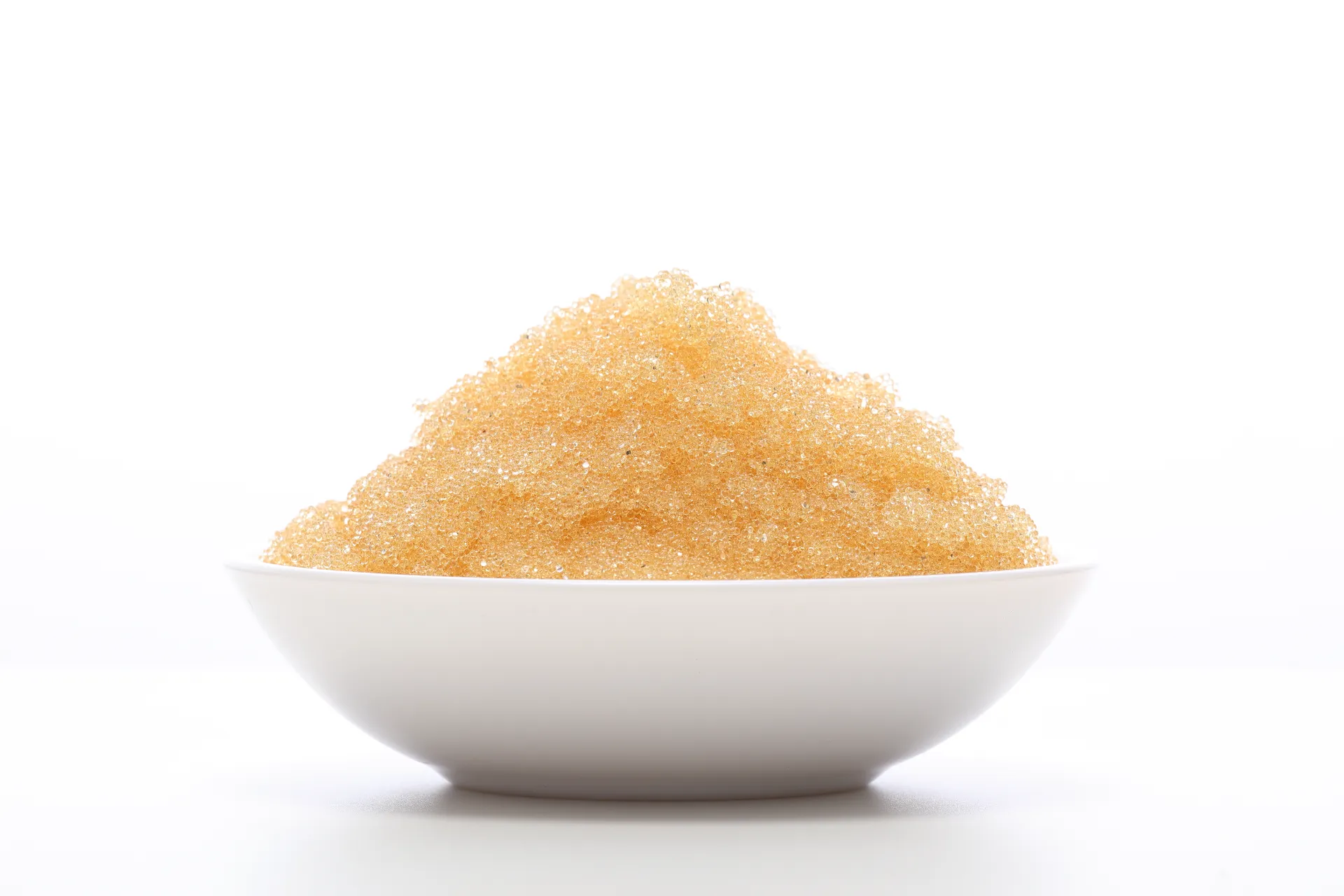
Origin and logistics: NO.2 East Jianshe Road, High-Tech Industrial Development South Zone, Wei County, Xingtai, Hebei Province, China. Palletized drums, keep wet, avoid oxidants, and never freeze if you can help it.
Tested to ASTM D2187 panels; potable applications typically rely on NSF/ANSI 61 compliance. Manufacturing under ISO 9001. For validation packs, ask for COA with capacity, moisture, bead integrity, and sieve analysis.