Phone:
+86 0319 2296164


Email:
info@lijiresin.cn
In a world increasingly focused on clean water and efficient industrial processes, weak cation exchange resin quietly plays a crucial role. Think about the water you drink, the pharmaceuticals you rely on, and countless manufacturing steps that depend on purifying ions. Understanding this resin doesn't just help engineers or chemists; it ties into global challenges like access to safe drinking water and sustainable production. Plus, it offers surprising flexibility for industries ranging from food processing to environmental management.
According to data from the United Nations, over 2 billion people worldwide do not have access to safely managed drinking water services — and ion exchange technology is often a vital part of the solution. Weak cation exchange resins, in particular, are widely used for softening hard water by replacing calcium and magnesium ions with hydrogen or sodium ions, thus improving water quality. The World Bank highlights that improving water treatment infrastructure correlates directly with better health outcomes and economic growth.
But here’s a snag: traditional water treatment systems can be expensive and energy intensive. Weak cation exchange resins offer a more energy-efficient alternative, useful especially in remote or developing regions where resources are tight but demand for clean water is critical.
Mini takeaway: Weak cation exchange resins are quietly underpinning major global efforts for better water and industrial processes, especially where infrastructure and resources are limited.
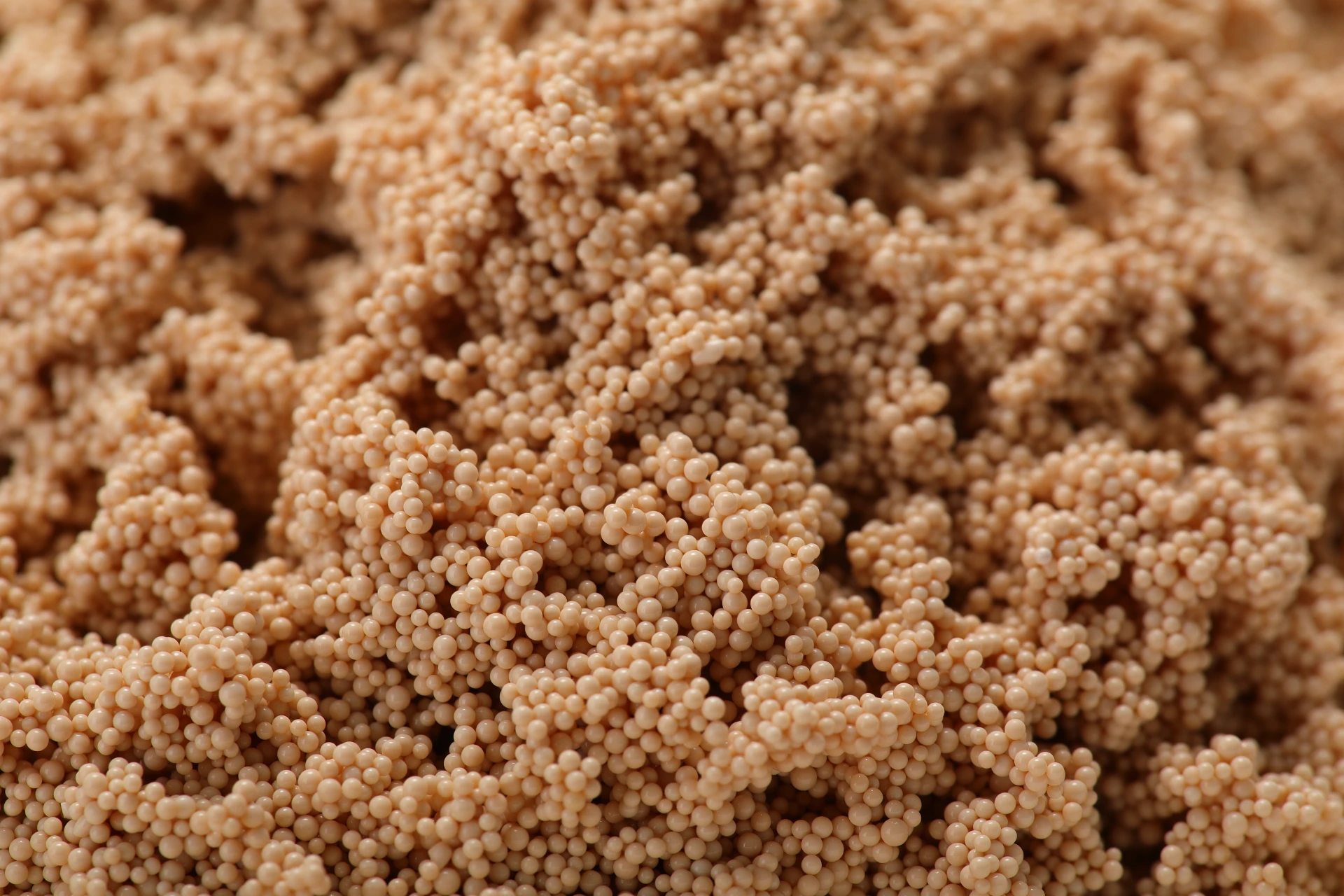
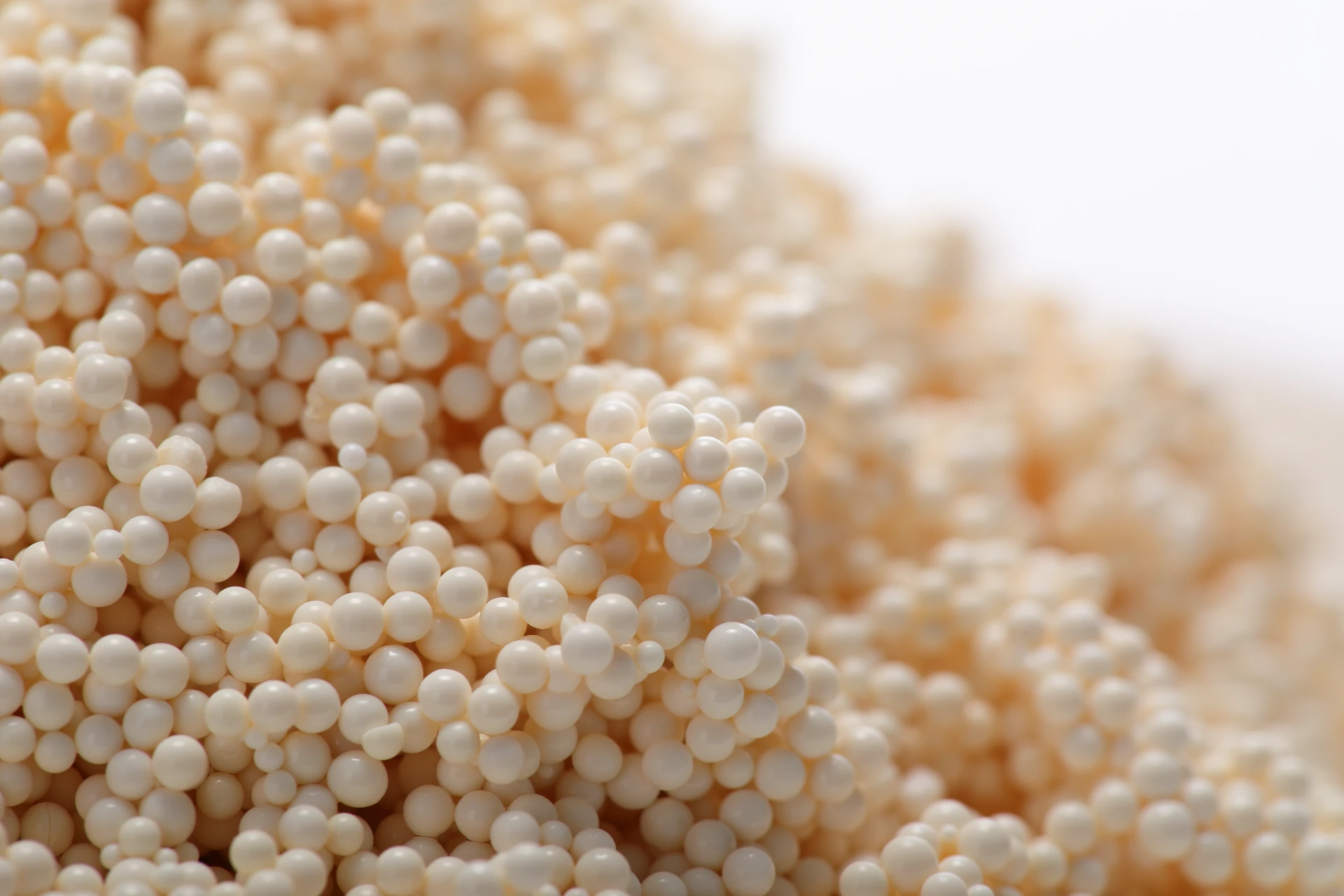
To put it simply, a weak cation exchange resin is a material that can selectively swap certain positive ions (cations) in liquids with others. The "weak" part refers to its ion-exchange groups, typically carboxylic acids, which don't hold onto ions as tightly as "strong" resins do. This means they’re especially useful when gentle treatment is needed — for example, in removing calcium ions without affecting the water’s overall pH too aggressively.
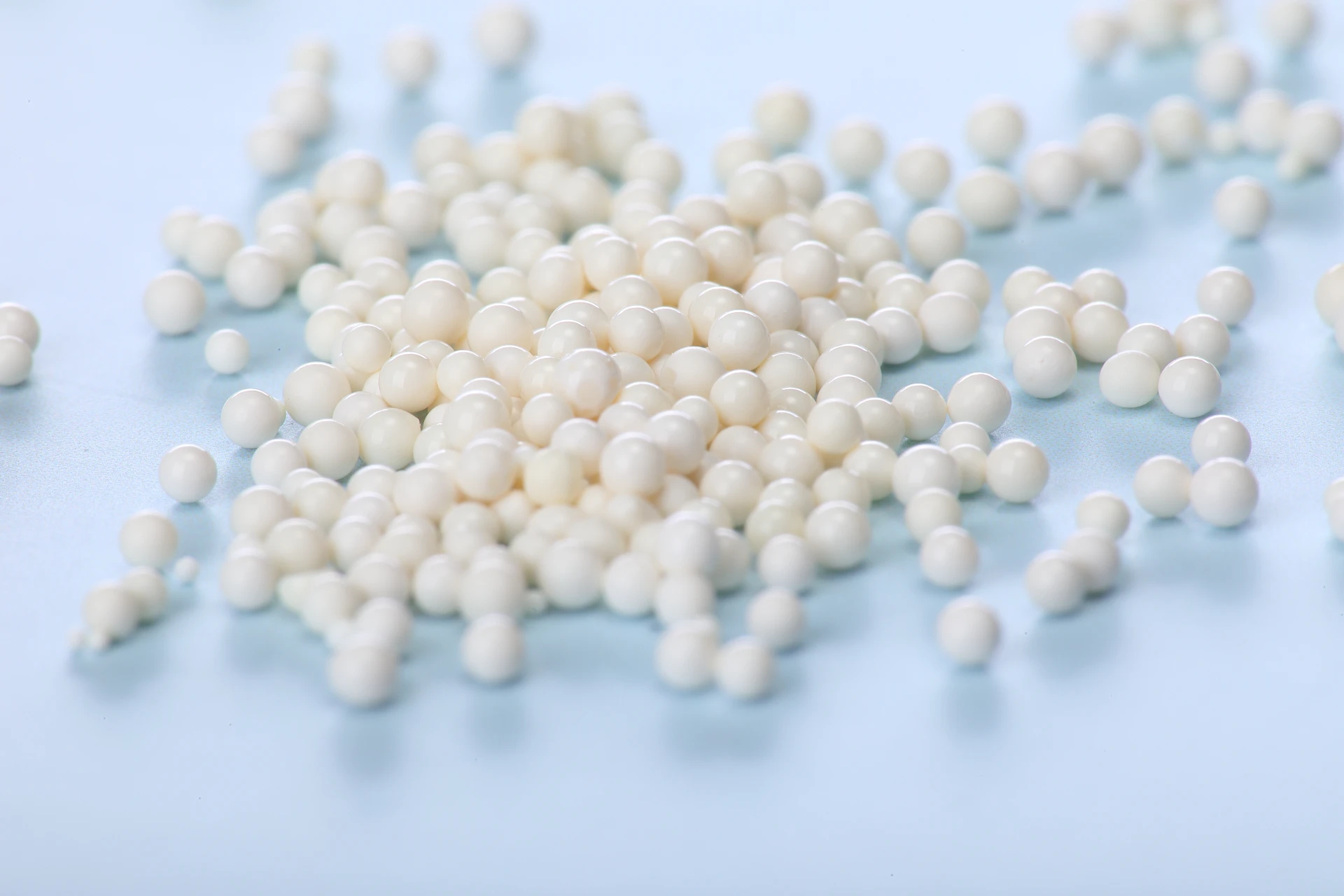
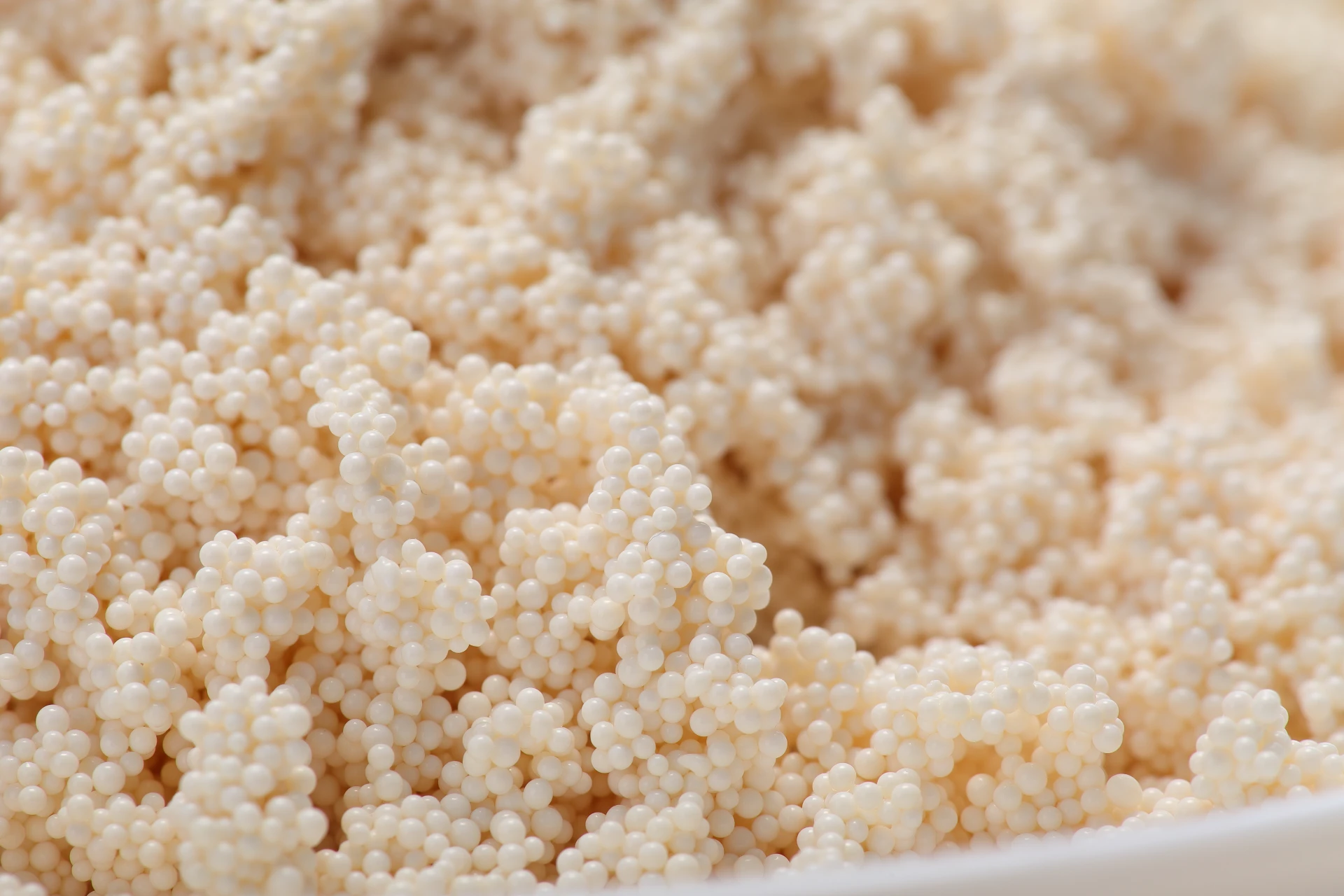
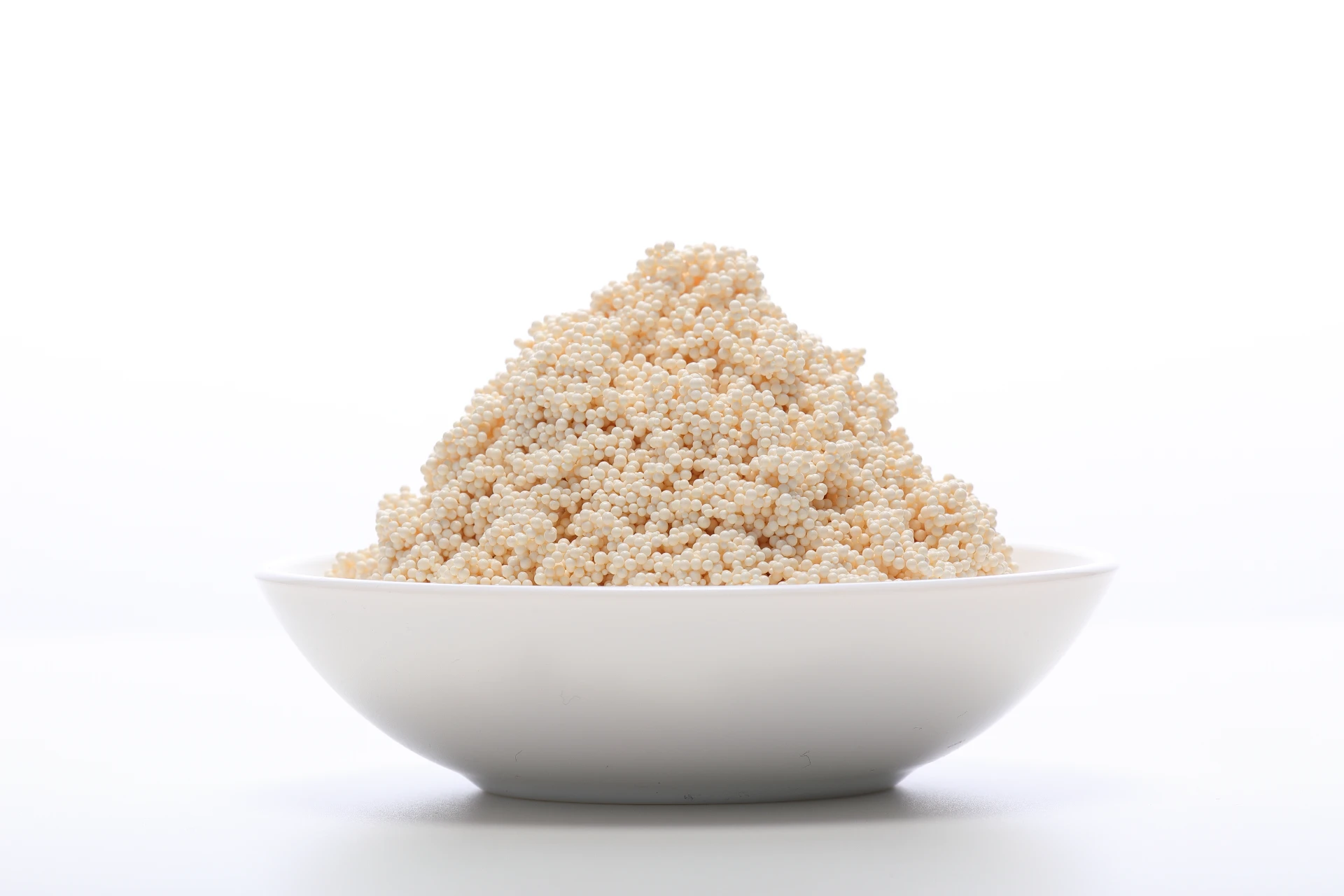
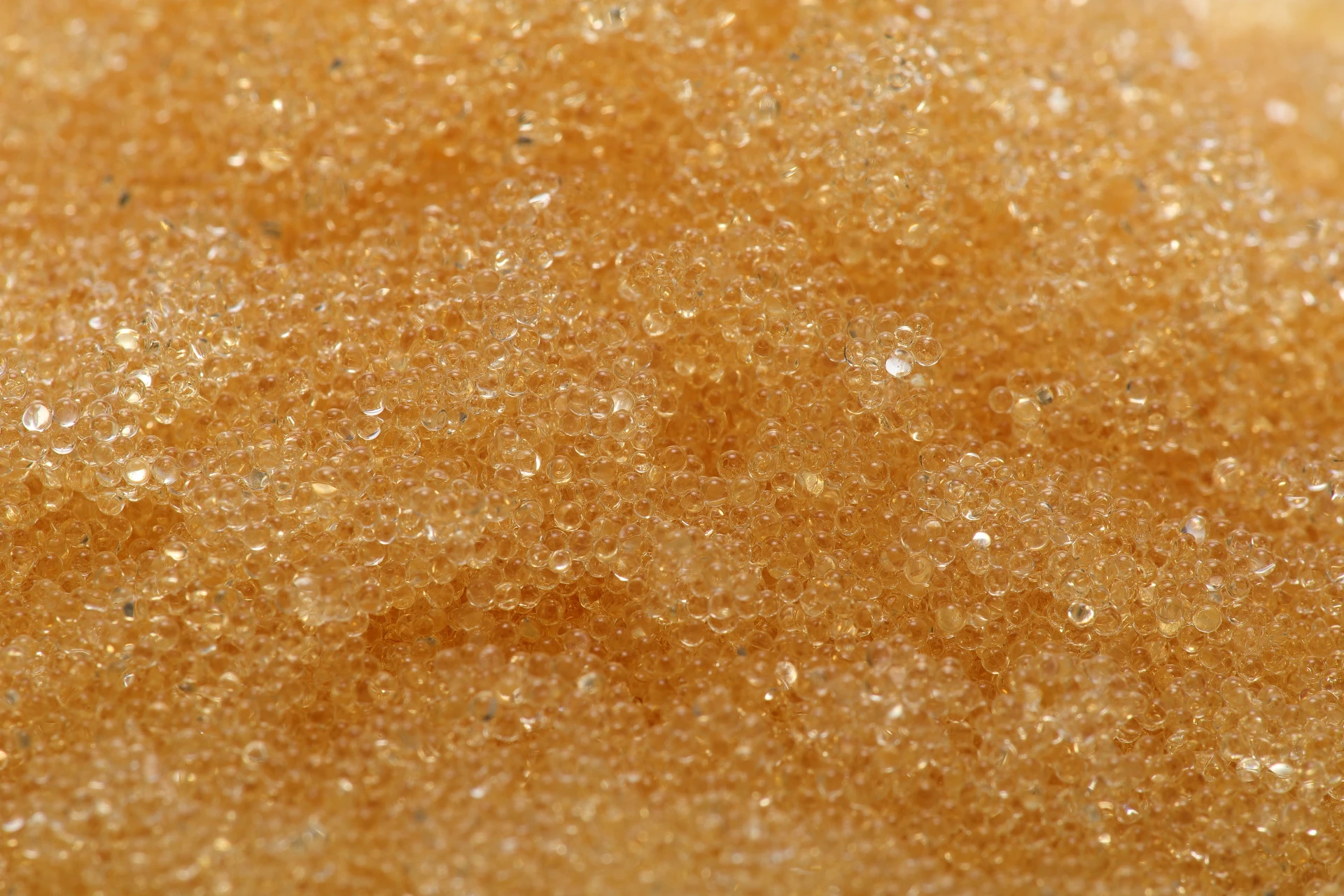
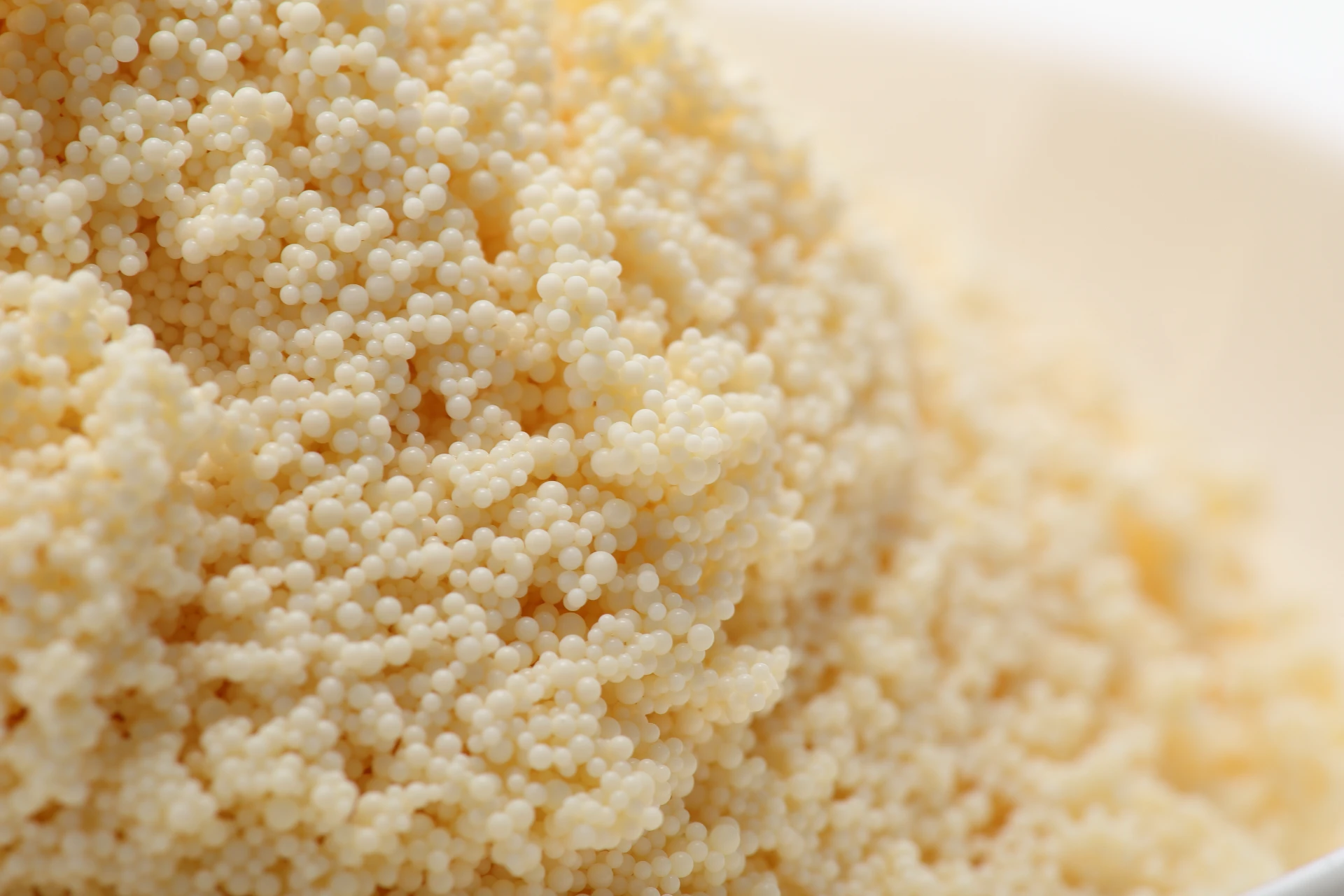
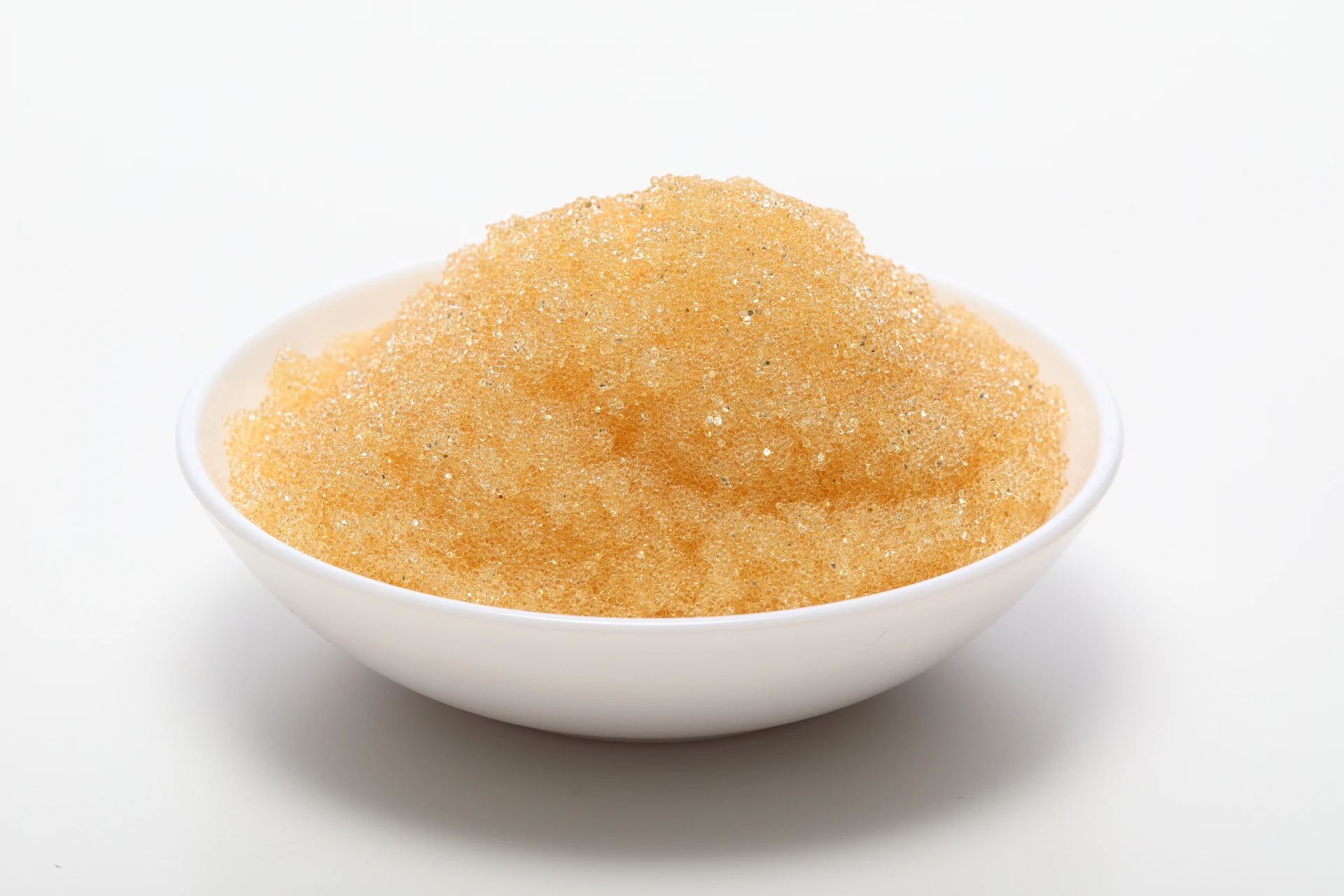
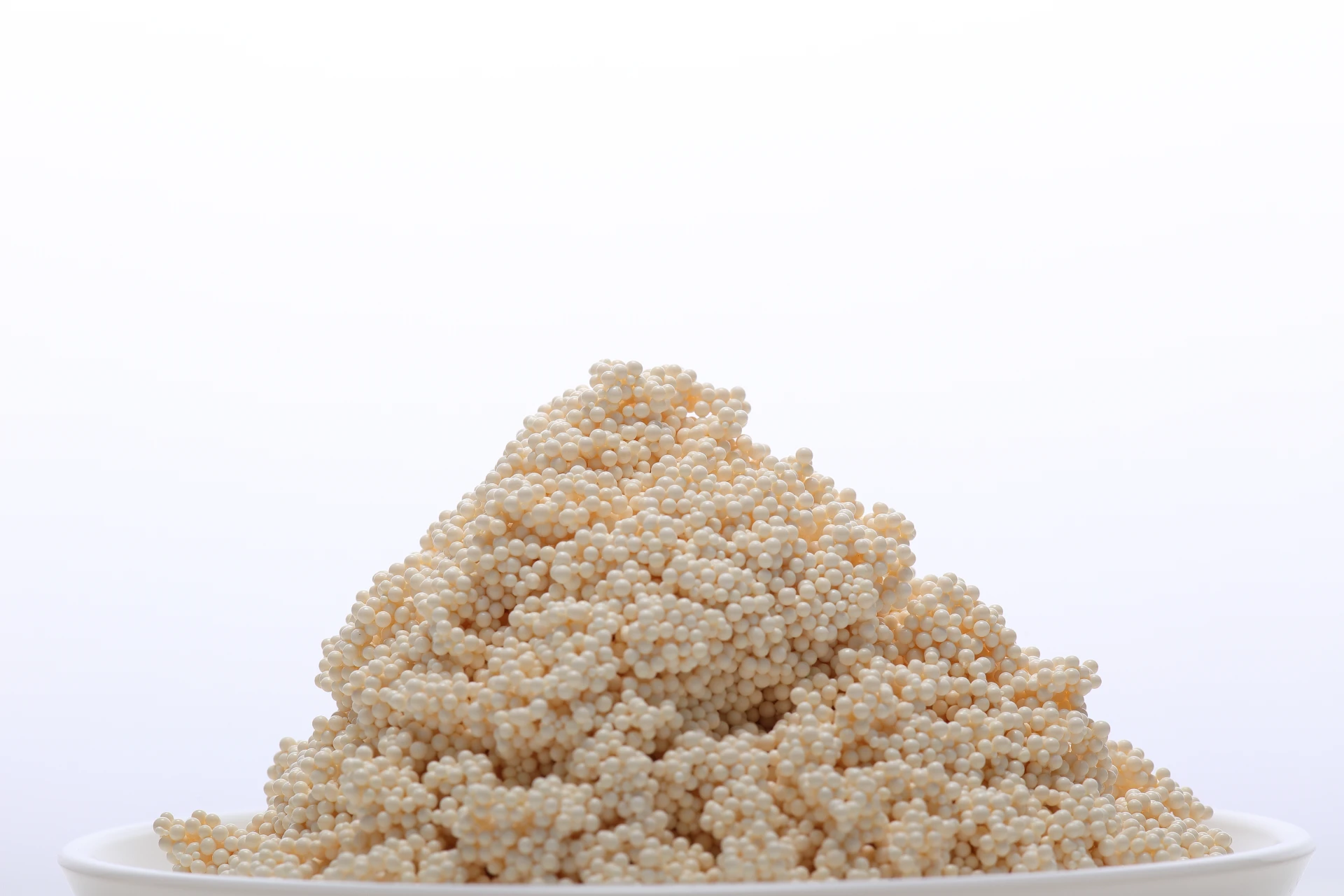
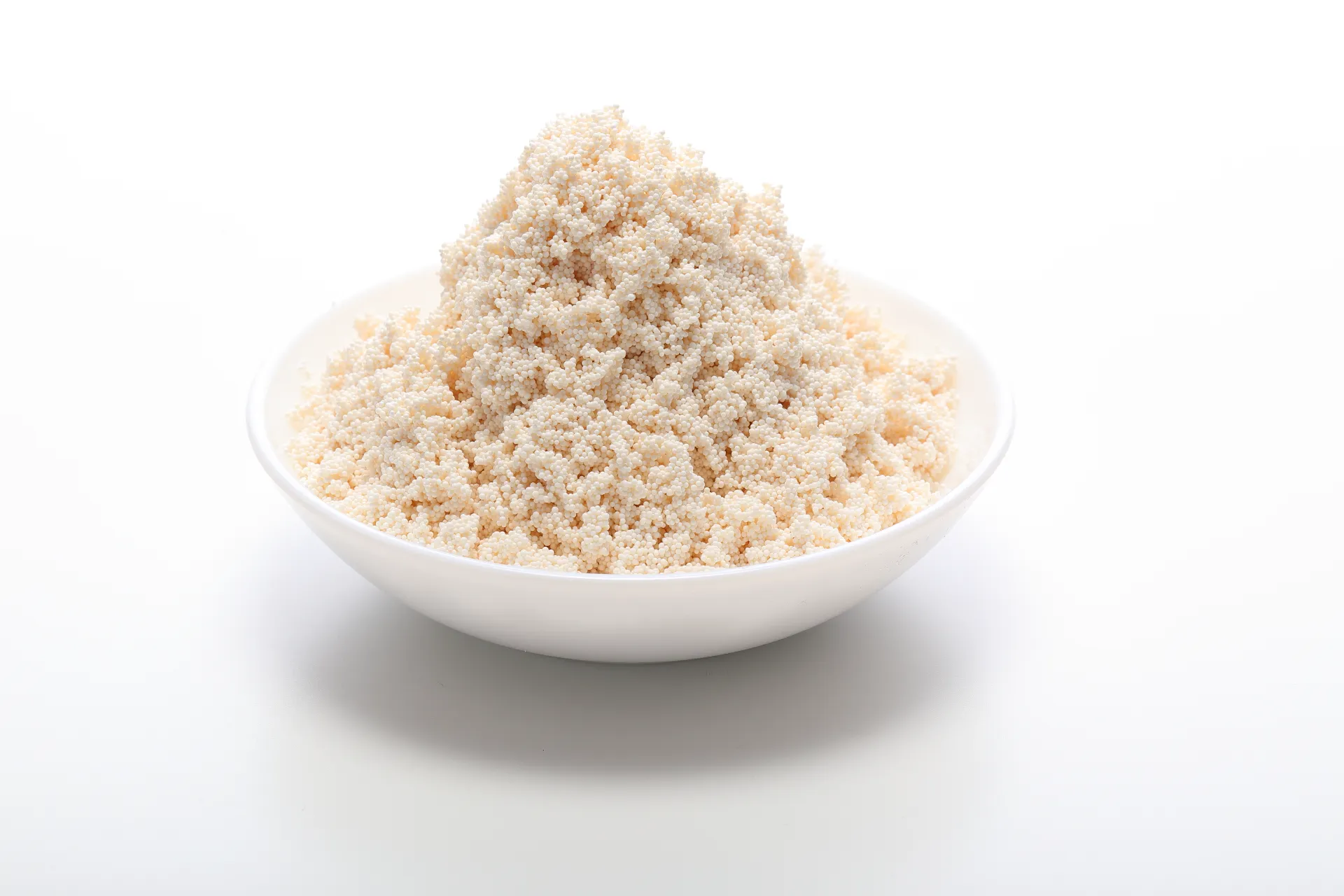
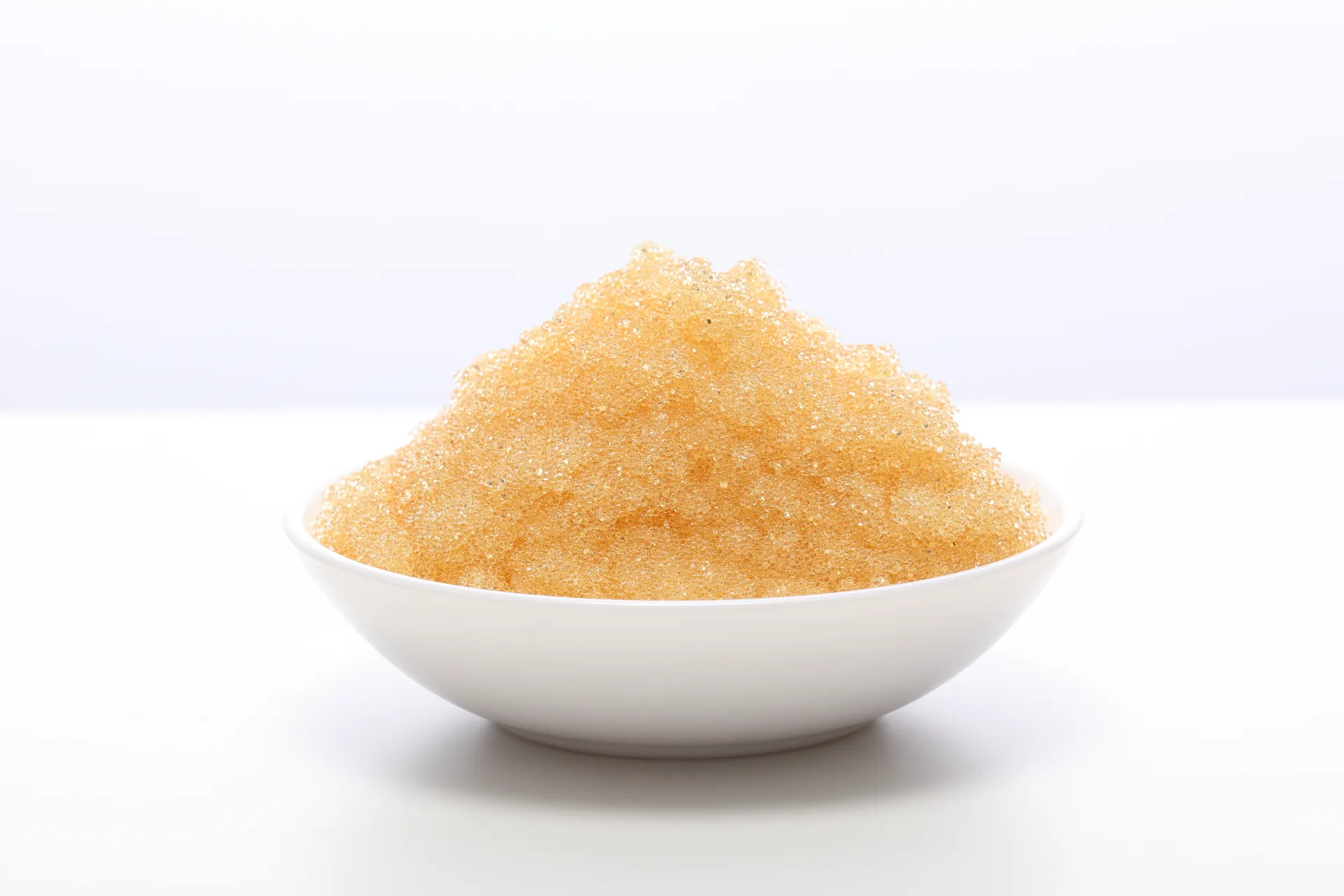
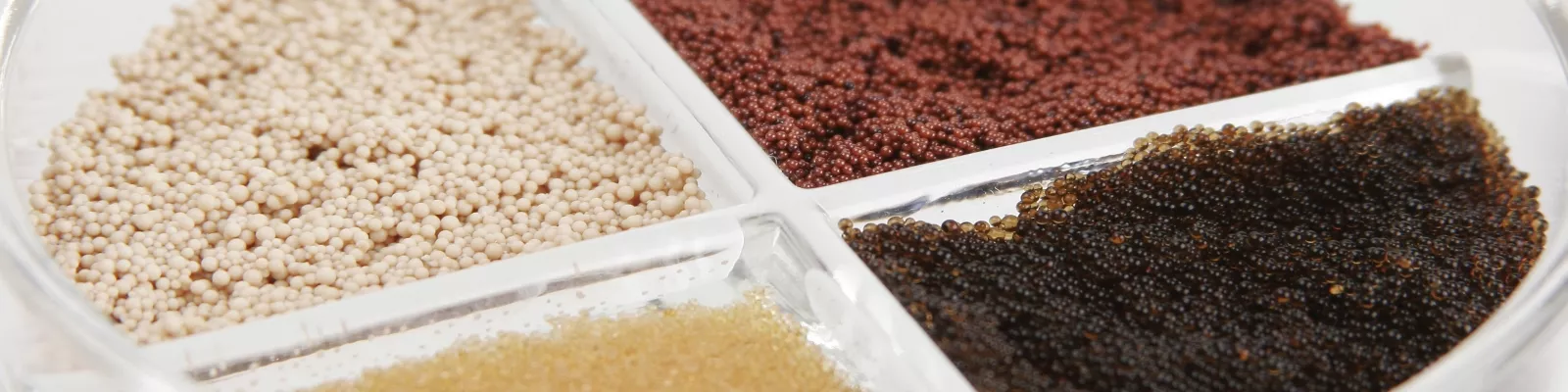
These resins consist of a polymer matrix with functional groups that work like tiny magnets for specific ions. That polymer backbone offers flexibility in chemistry, allowing different designs tailored to industrial or humanitarian needs. Many industries leverage their mild yet effective nature — including pharmaceuticals, water treatment, food and beverage sectors, and even electronics.
Weak cation exchange resins tend to target divalent and monovalent metal ions, like calcium (Ca²⁺), magnesium (Mg²⁺), and iron (Fe²⁺). Their capacity varies with the resin type and regeneration method, but they generally provide excellent selectivity without harsh chemical impacts on the treated water.
One advantage is easier regeneration with milder acids or bases, compared to their “strong” counterparts which often need harsher conditions. This translates to less chemical waste and a longer sustainable lifecycle — crucial for applications in sustainability-conscious environments.
These resins typically operate well between pH 2 and 10, and are resistant to many organic compounds, although exposure to oxidizing agents requires care. Mechanically, they stand up to the rigors of industrial water systems but, like most polymers, benefit from controlled pressure and flow rates.
While initially more expensive than simple filtration solutions, weak cation exchange resins often reduce long-term operational costs by lowering chemical additive needs and extending equipment lifespans. They fit well into modular systems, making scalability more affordable for emerging markets.
The milder regeneration process means lower chemical discharge. Additionally, improvements in resin recyclability and biodegradability are ongoing research areas, promising greener solutions ahead.
| Parameter | Typical Value |
|---|---|
| Resin Type | Gel-type weak acid cation exchange |
| Functional Group | Carboxylic acid (-COOH) |
| Exchange Capacity | 1.2 - 1.5 meq/mL |
| Operating pH Range | 2 - 10 |
| Particle Size | 0.3 - 1.2 mm |
| Moisture Content | 45 - 50% |
From the industrial hubs of North America to remote villages across Sub-Saharan Africa, weak cation exchange resins serve countless functions:
For example, in post-disaster relief efforts in Southeast Asia, portable water treatment kits featuring weak cation exchange resins have provided safe drinking water where municipal systems failed. And in remote industrial zones of South America, these resins enable onsite water reuse, dramatically cutting costs and water withdrawal.
Mini takeaway: It's pretty incredible how a small bead of resin contributes globally to health, industry, and environmental goals.
What really makes these resins stand out is their blend of reliability and eco-friendliness. Many plant operators note less frequent downtime and sharp reductions in chemical usage, which matter financially and environmentally. For communities relying on untreated sources, improved water quality translates to safer health outcomes — an emotional, tangible benefit that defies dry statistics.
Their gentle ion exchange action translates to softer water without stripping beneficial minerals, preserving water’s taste and balance. Industries also value how customization and easy integration with existing systems build trust — they know they can count on consistent performance.
The future feels promising. Some companies are developing hybrid resins combining weak and strong acidic functionalities to optimize performance dynamically, adapting to changing water chemistries. There's also growing focus on “green resins” — made from bio-based polymers and designed for easier recycling.
Digital monitoring and automation are slowly becoming standard. Sensors embedded in ion exchange units can now predict resin exhaustion and adjust regeneration cycles, saving both water and chemicals. These advances align closely with global sustainability goals, such as those outlined by ISO and the UN's water sanitation targets.
Naturally, not everything is perfect. Weak cation exchange resins sometimes struggle with scaling under very hard water conditions or require careful handling to prevent fouling by organics. But engineers have responded creatively — employing pre-filters, optimized flow rates, and hybrid regeneration techniques. Additionally, user training and proper monitoring greatly reduce operational headaches.
| Vendor | Resin Type | Exchange Capacity (meq/mL) | Typical Applications | Price Range |
|---|---|---|---|---|
| Liji Resin | Gel-type weak acid cation | 1.3 - 1.5 | Water softening, pharmaceutical | $$ |
| IonPure Corp | Macroporous weak acid cation | 1.1 - 1.4 | Industrial wastewater, dairy | $$$ |
| ResinTech Ltd | Gel-type weak acid | 1.2 - 1.5 | Beverage, water treatment | $$ |
If you’re exploring options, weak cation exchange resin suppliers like Liji Resin often hit the sweet spot in cost and performance.
Simply put, these resins are unsung heroes of water and industrial chemistry — effective, adaptable, and increasingly eco-friendly. They solve real-world problems, from ensuring safe drinking water to improving product quality. As pressures mount to conserve resources and clean water, technologies like weak cation exchange resin stand at the ready to deliver smarter, greener solutions.
Interested in learning more or sourcing these resins for your projects? Visit our website at https://www.lijiresin.com for detailed specifications, expert advice, and customer success stories.