Phone:
+86 0319 2296164


Email:
info@lijiresin.cn
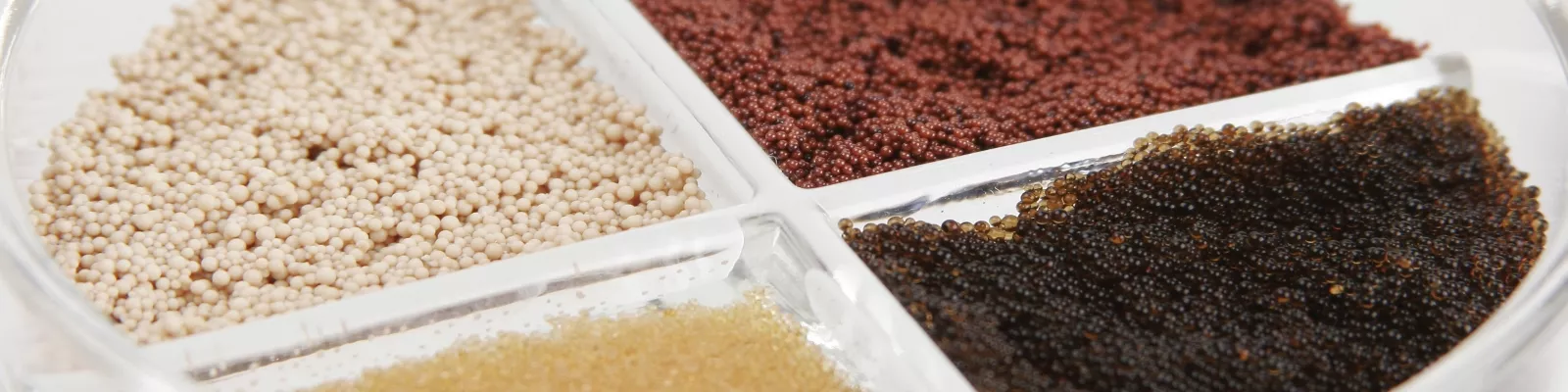
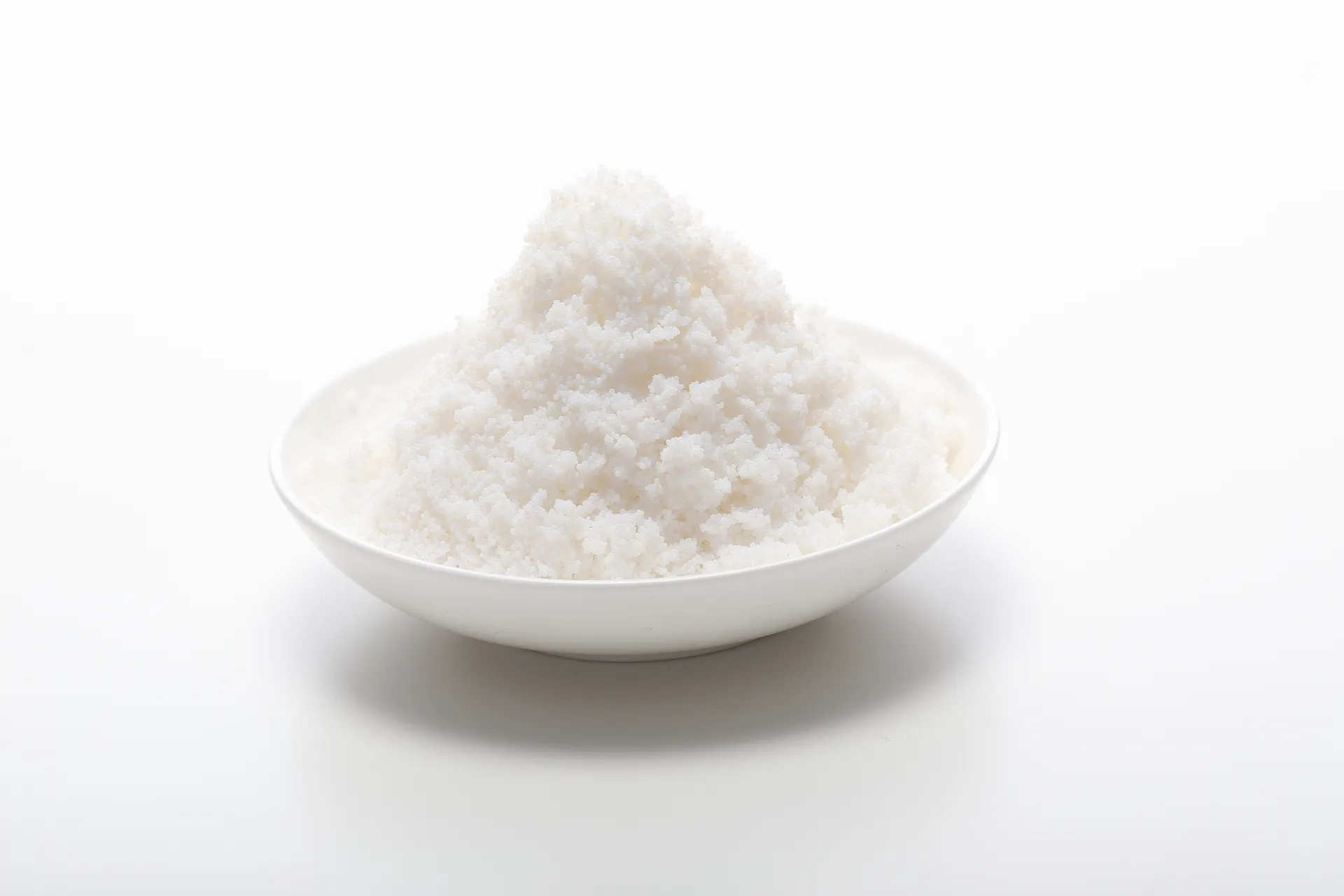
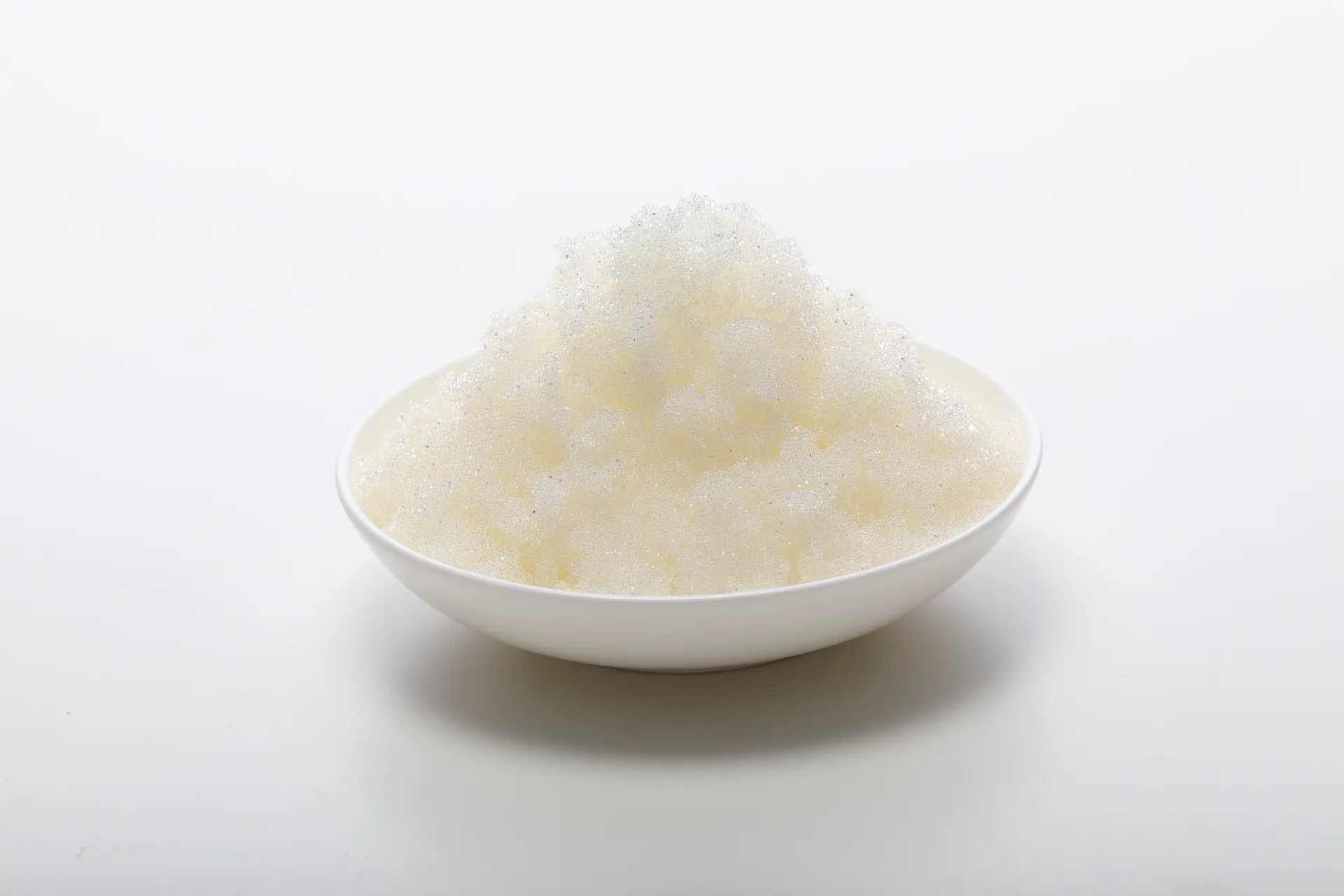
Strong base anions might sound like a niche chemistry term, but they play a surprisingly crucial role in global water treatment, industrial processing, and even humanitarian relief efforts. At its core, a strong base anion refers to a negatively charged ion derived from a strong base — think of hydroxide (OH⁻), one of the most common. Understanding these anions, their properties, and how they function has ripple effects across industries and communities worldwide.
Why should you care? Because these ions help purify water, stabilize waste streams, and optimize manufacturing processes that support our modern lives. Plus, they’re integral in ensuring safe drinking water access for millions, especially in regions battling scarcity or contamination. So, diving into the world of strong base anion exchanges isn’t just for chemists — it’s for anyone curious about how we tackle global challenges with science’s help.
Mini takeaway: Strong base anions are unsung heroes of water treatment and industry, with impacts that reach far beyond their chemical simplicity.
Globally, clean water scarcity affects over 2 billion people, according to the United Nations. Many water purification technologies rely heavily on ion exchange processes, where strong base anion exchangers remove harmful contaminants like nitrates or arsenic. The World Bank reports that investing in smart water treatment technologies can dramatically reduce disease and boost economic productivity.
But the challenge remains: contamination persists in rivers and groundwater despite efforts. Strong base anion resins address this by selectively attracting negatively charged pollutants, enabling effective filtration and regeneration cycles that are cost-efficient and scalable.
Industries ranging from mining in Canada to textile manufacturing in India depend on these anions to manage wastewater and improve ecological footprints.
Mini takeaway: Worldwide water and industrial demands make strong base anion technology essential to tackle contamination, regulatory compliance, and sustainability goals.
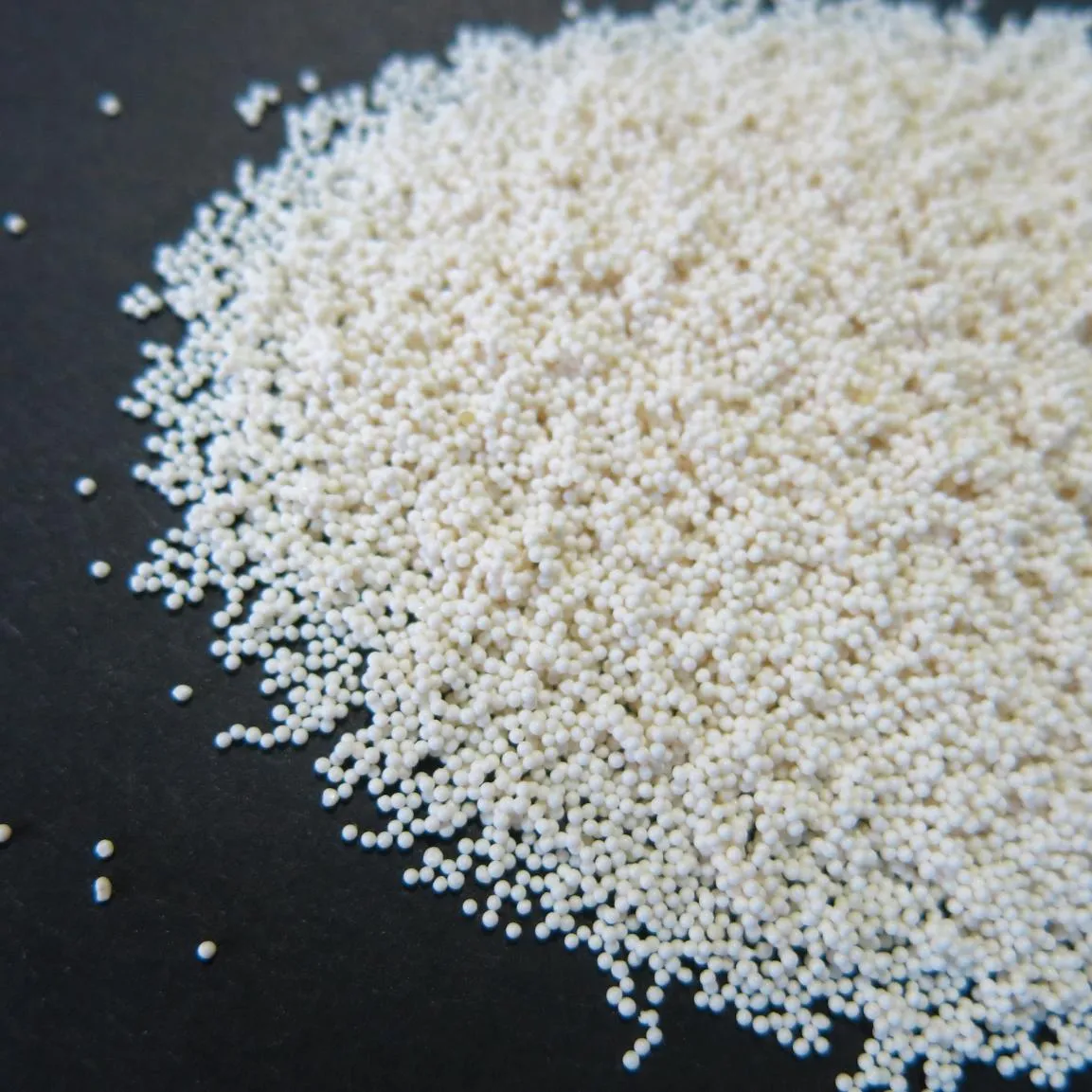
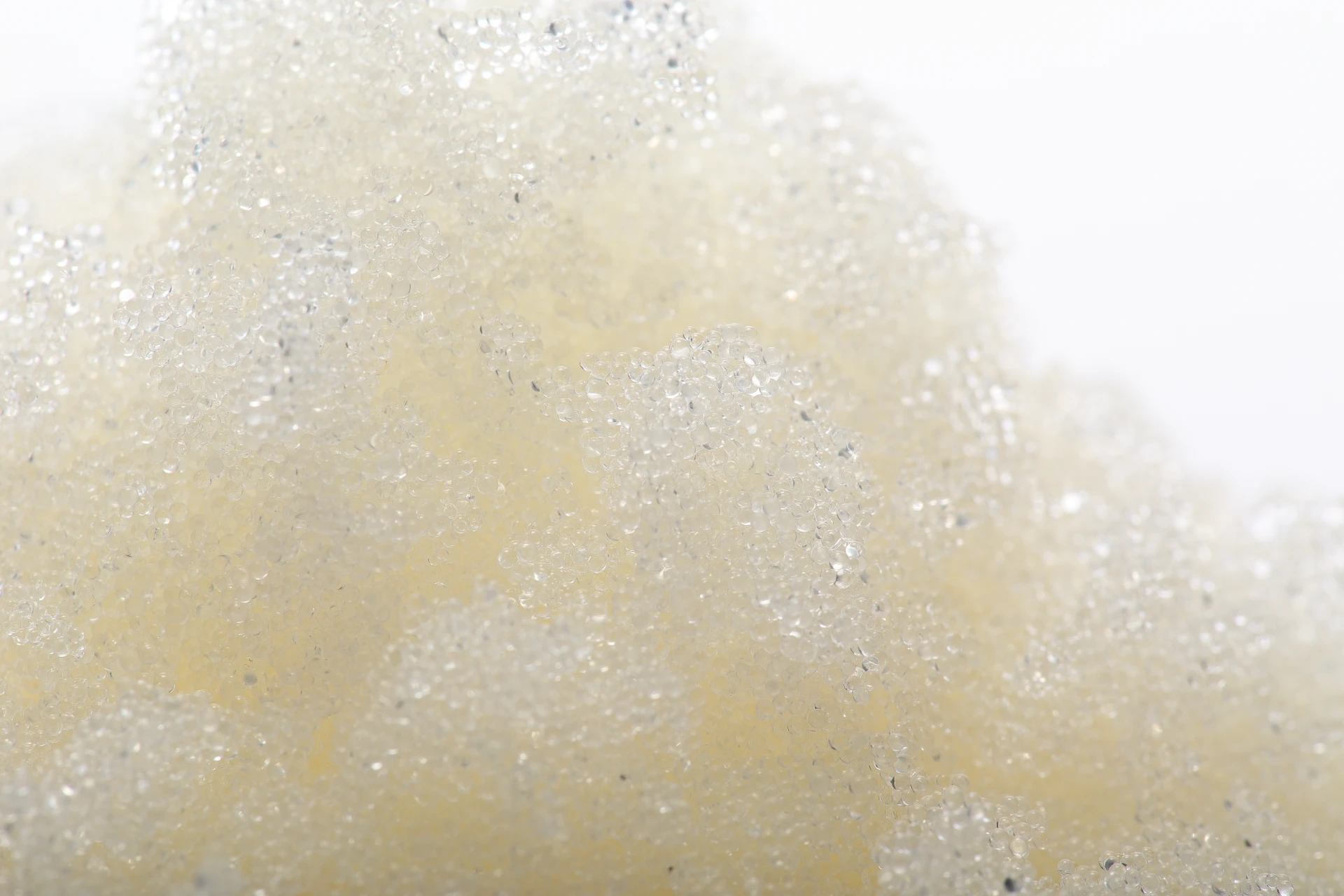
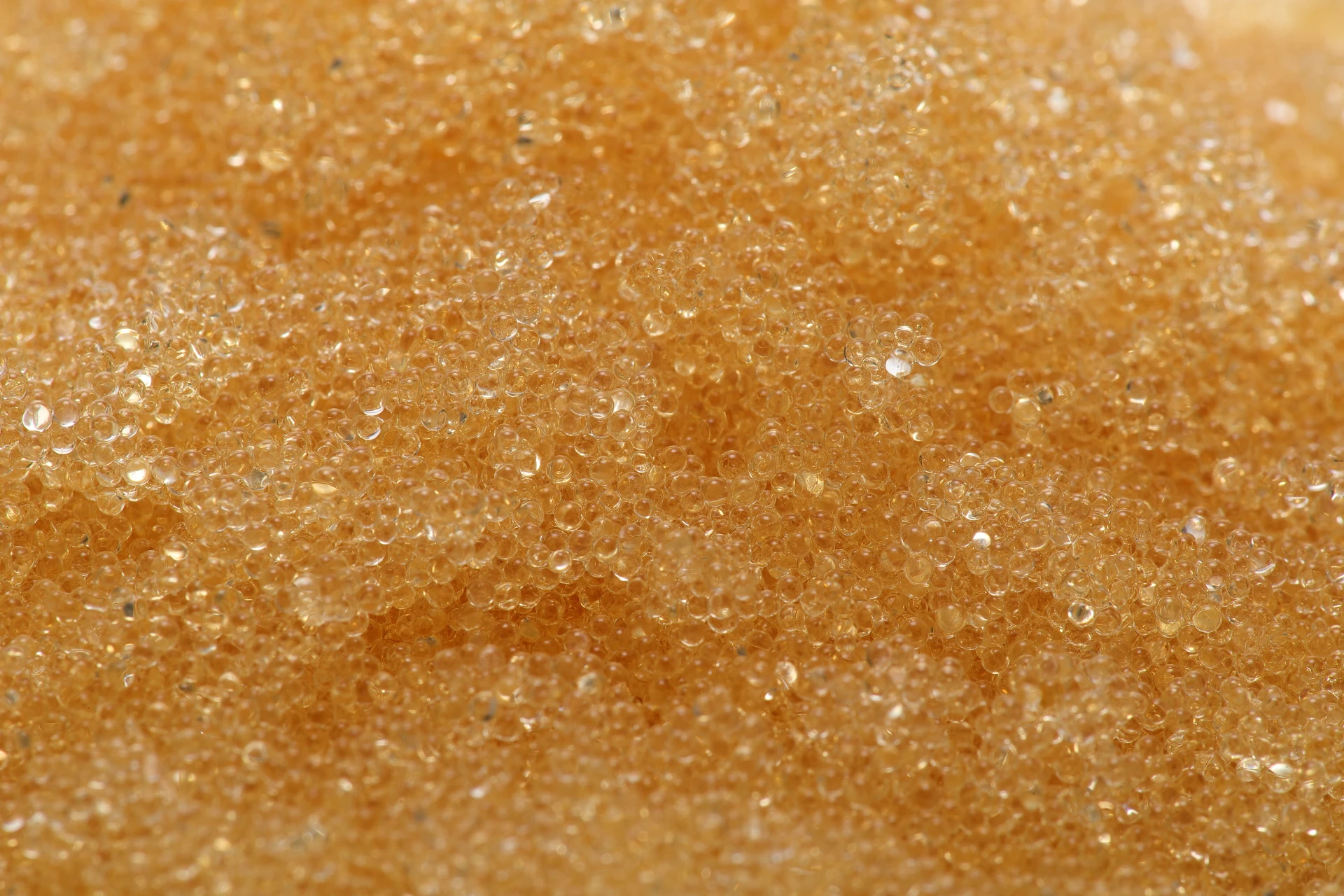
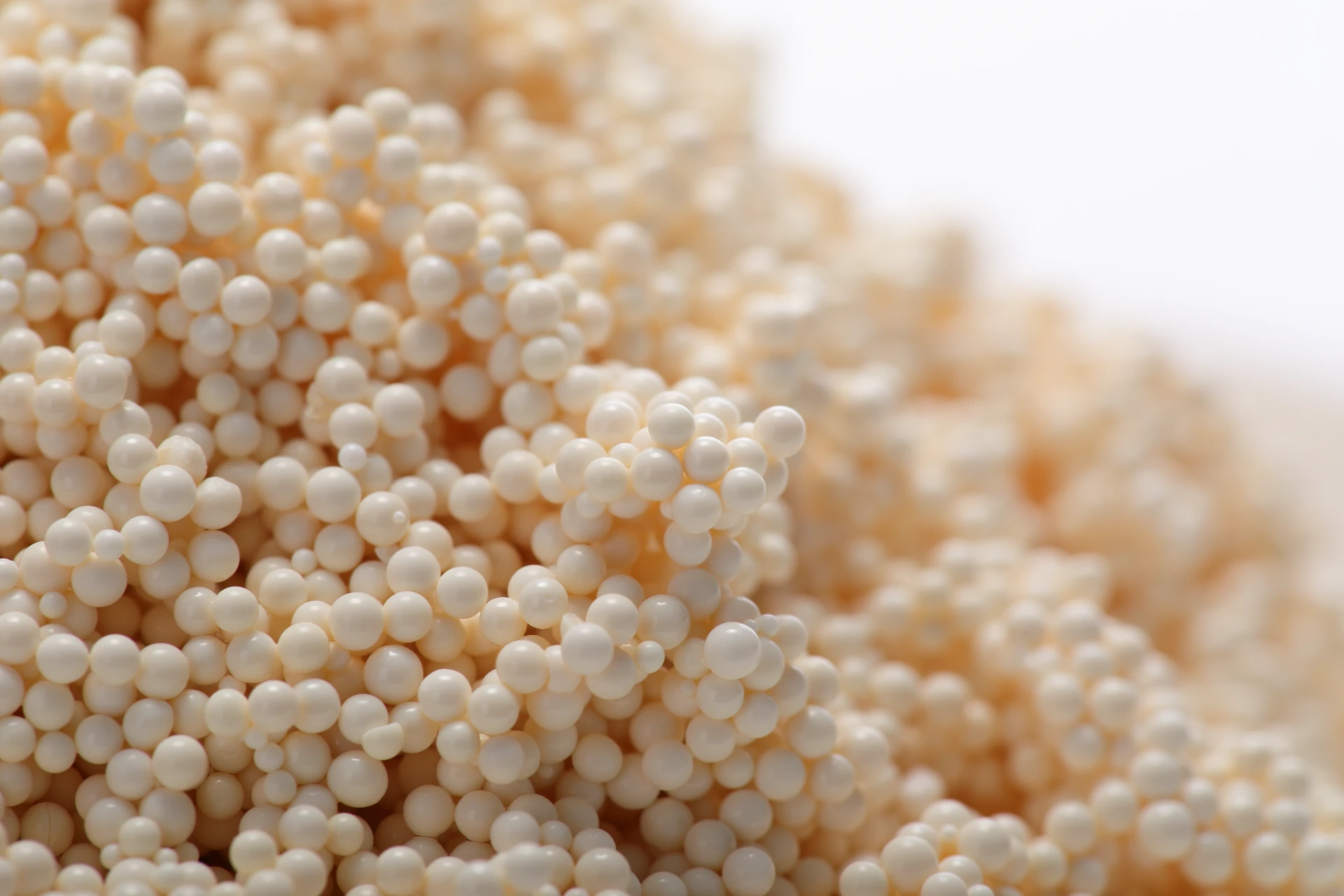
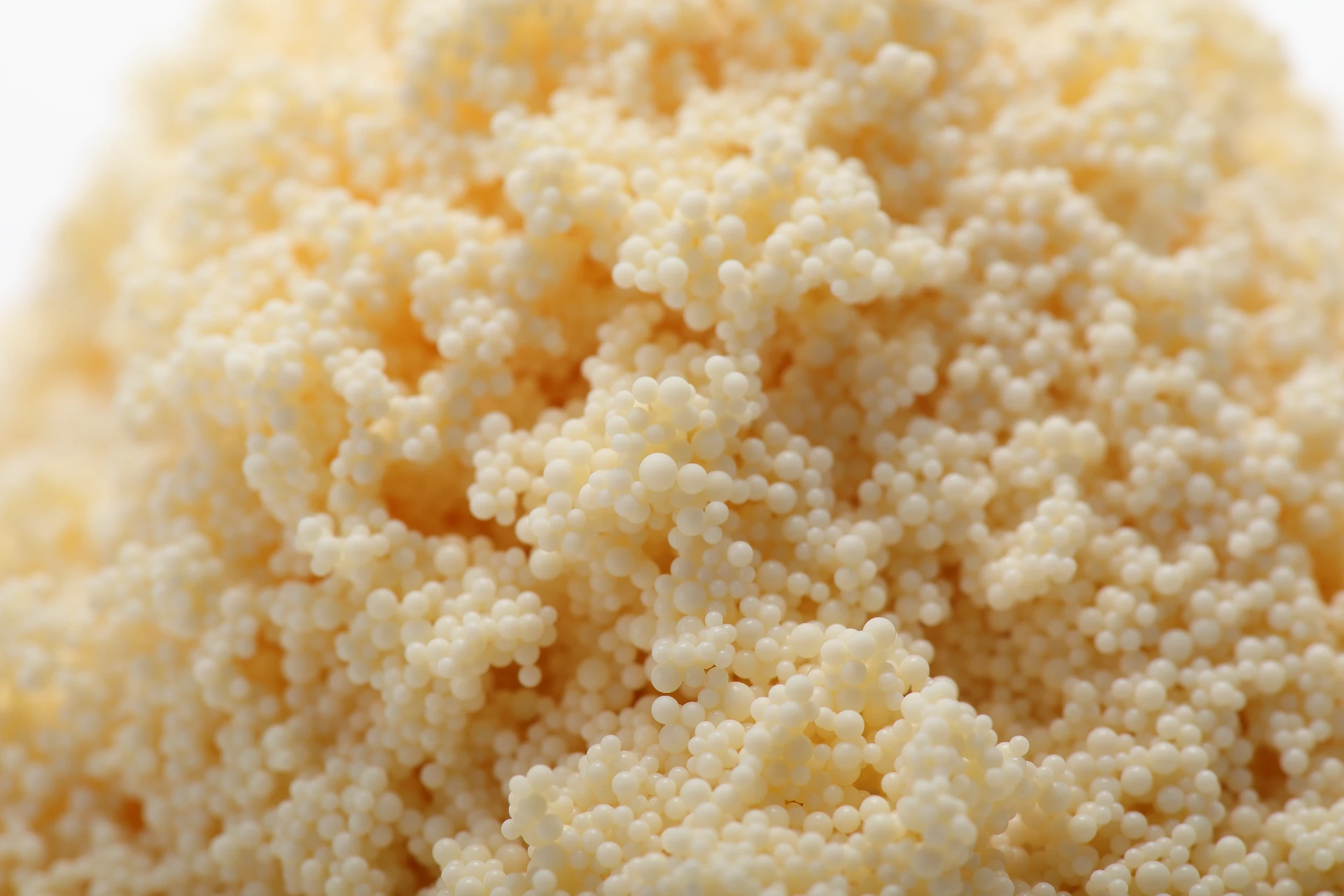
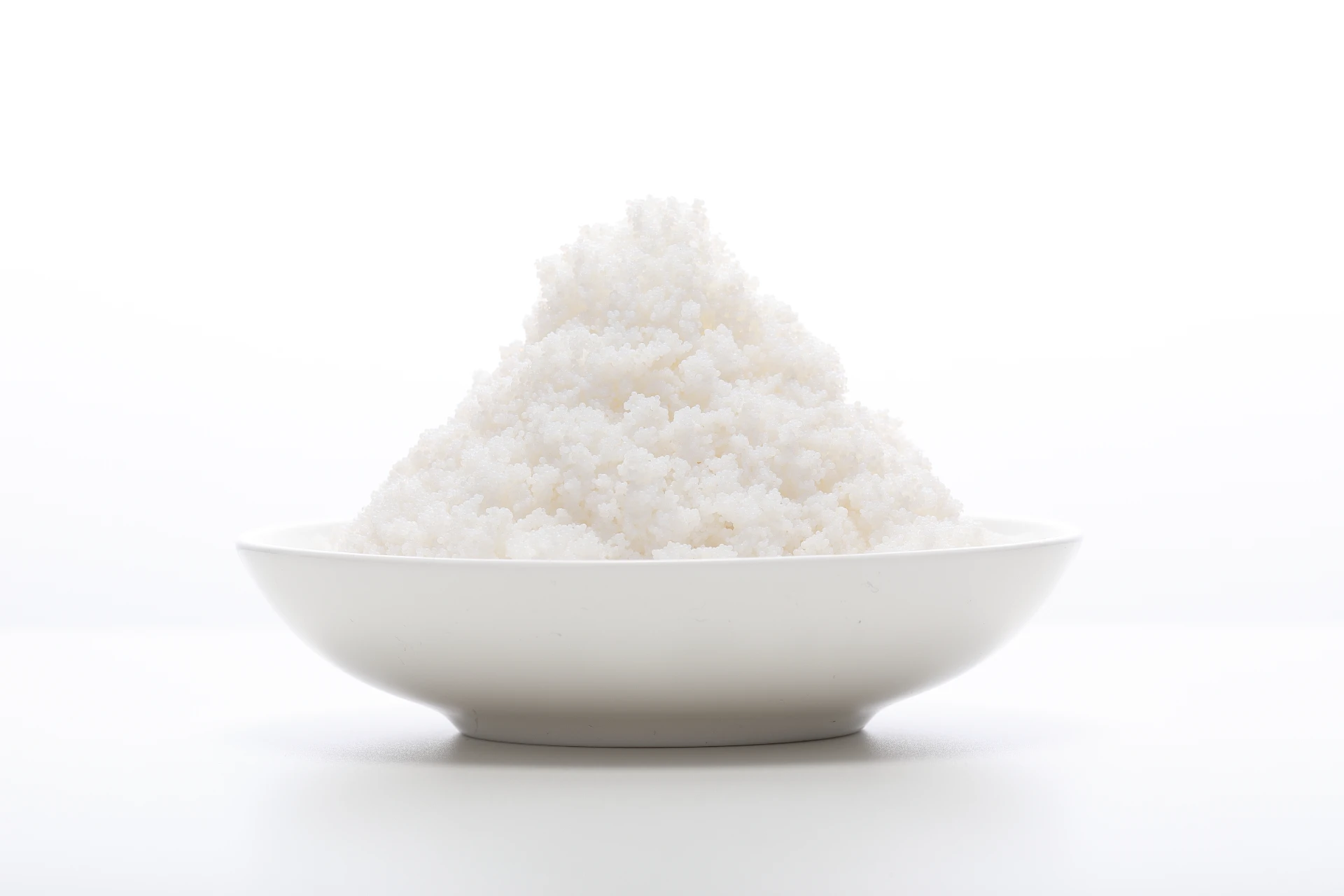
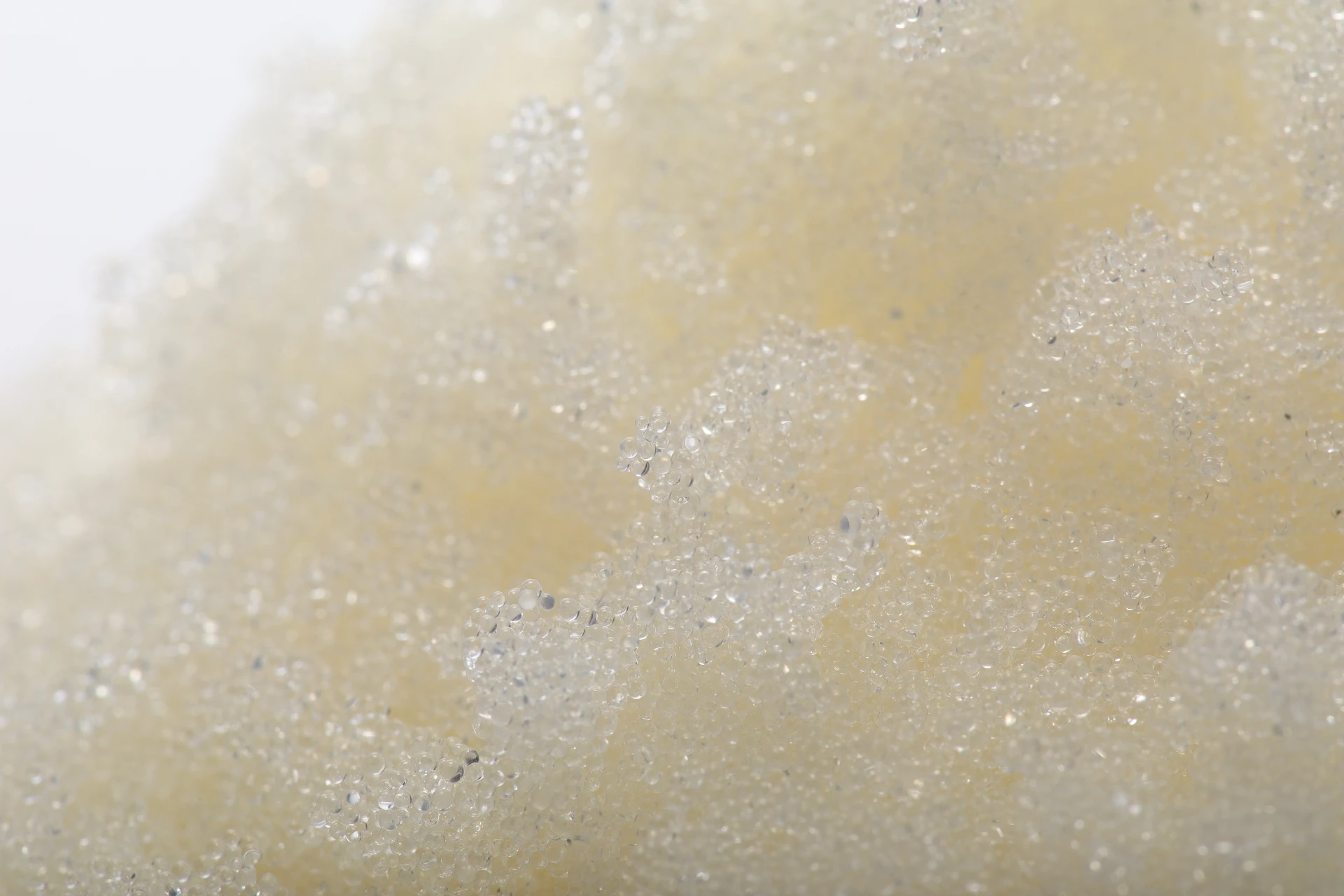
Simply put, a strong base anion is an anion that originates from a strong base — meaning its conjugate acid is very weak. In water treatment, this usually involves synthetic resin beads saturated with these anions, which can swap places with negatively charged pollutants in water.
Think of it like a "chemical magnet" that pulls out unwanted particles selectively. These resins are different from weak base anion resins because they maintain performance at high pH levels and under varying chemical loads.
This technology underpins modern processes, ensuring workers in hazardous industries, emergency relief providers, and millions of consumers get access to safe, clean water — a cornerstone of public health and economic activity.
Mini takeaway: Strong base anions are specialized chemical agents that enable efficient, reliable removal of harmful substances from water and process streams.
Because these anions come from strong bases (like hydroxide or chloride), they’re highly stable across different pH levels. This stability means they function effectively even in challenging environments with acidic or alkaline contaminants.
One thing many technical folks highlight is their high exchange capacity — the amount of contaminant they can adsorb relative to resin weight. This directly affects how long a filtration cycle lasts before regeneration is needed.
Strong base anion resins can be regenerated using common solutions like sodium hydroxide, effectively "resetting" the resin. This increases longevity and lowers operational costs.
They preferentially bind specific anions—like sulfate, nitrate, or arsenate—meaning they can be tailored for various purification goals, enhancing efficiency.
Mechanical strength is vital too — these beads withstand repeated compression and chemical cycles, ensuring minimal breakdown and replacement downtime.
Mini takeaway: Stability, capacity, regenerability, selectivity, and durability are the pillars making strong base anion resins practical and potent in real-world systems.
One notable example: after the 2010 Haiti earthquake, NGOs deployed mobile filtration units using these resins to prevent cholera outbreaks, showing the direct life-saving impact.
Mini takeaway: Strong base anion technology’s versatility shines across municipal, industrial, humanitarian, and environmental efforts worldwide.
Choosing strong base anion resins means:
On a human note, clean water access fostered by these resins means dignity and safety for countless people — not just a tech story.
Mini takeaway: Beyond chemistry, strong base anions offer multi-dimensional value: economic, environmental, and deeply human.
Looking ahead, innovations are focusing on:
These trends mean stronger, smarter, and more sustainable water treatment solutions are on the horizon.
Mini takeaway: The strong base anion field is evolving with tech and eco-conscious innovations that will shape the future of global water security.
Of course, there are bumps in the road:
Experts are countering these challenges through improved resin formulations resistant to fouling, greener regenerant chemicals, and financing models that lower entry barriers for vulnerable communities. NGOs and private sector partnerships often lead on this front.
Mini takeaway: Addressing resin fouling, waste, and cost through innovation and collaboration is crucial to maximize strong base anion benefits globally.
| Vendor | Resin Type | Exchange Capacity (meq/mL) | pH Operating Range | Typical Application | Price Range (USD/kg) |
|---|---|---|---|---|---|
| IonPure Corp | Gel-type Strong Base Anion | 1.2 | 1–14 | Municipal, Industrial Wastewater | $20–25 |
| ResinTech Global | Macroporous Strong Base Anion | 1.4 | 2–13 | Industrial, Agricultural Runoff | $22–28 |
| ClearWater Solutions | Gel-type Strong Base Anion | 1.0 | 1–14 | Humanitarian Aid, Portable Units | $18–23 |
| Specification | Value | Units |
|---|---|---|
| Exchange Capacity | 1.2 | meq/mL |
| Particle Size Range | 0.3–1.2 | mm |
| Moisture Content | 45–55 | % |
| pH Stability Range | 1–14 | pH |
| Operating Temperature Range | 5–50 | °C |
It’s pretty clear that strong base anions are more than just chemistry jargon — they’re vital tools in our quest for clean water, sustainable industry, and humanitarian aid. Their ability to efficiently and reliably remove problematic contaminants at scale makes them a cornerstone technology in countless applications. Plus, with ongoing innovations pursuing greener, smarter, and more accessible options every year, it feels like a good time to pay attention.
If you want to explore reliable suppliers or cutting-edge product lines, do visit strong base anion. Deepening your understanding now means you’ll be ready for tomorrow’s challenges.
Thanks for sticking with me through this deep dive — chemistry may not be glamorous, but sometimes it quietly shapes the world’s future. Who knew?