Phone:
+86 0319 2296164


Email:
info@lijiresin.cn
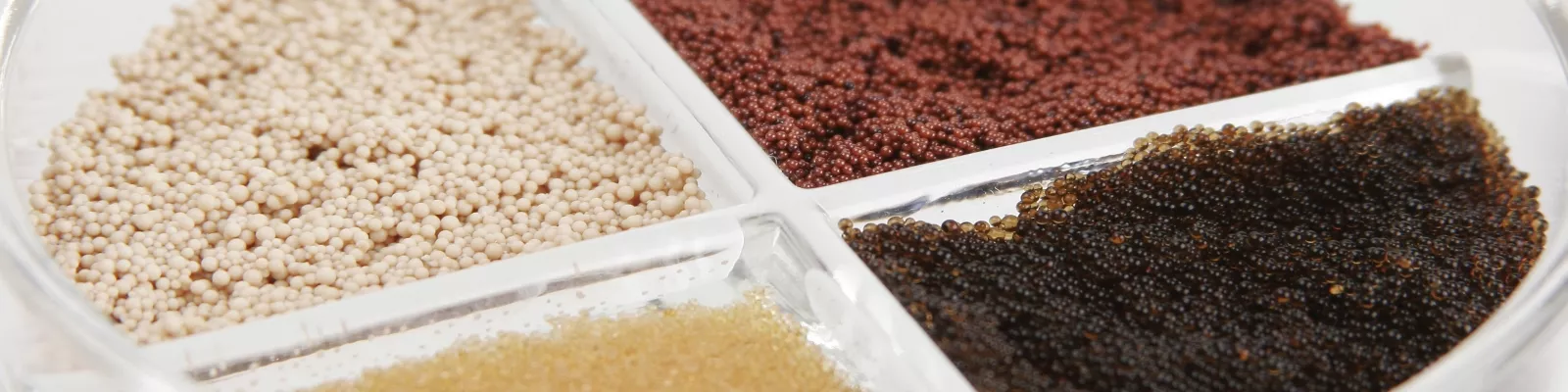
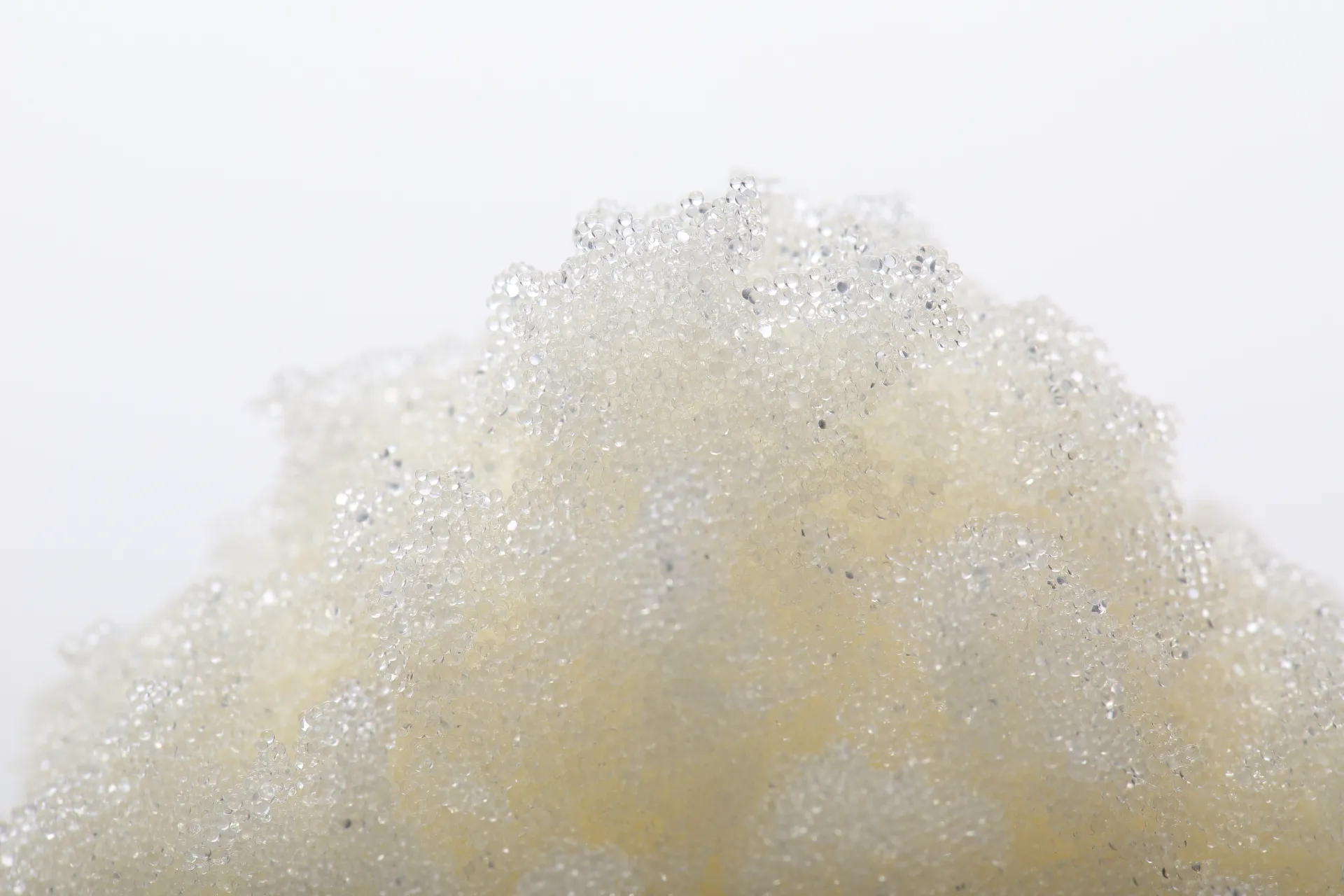
Water is life, and ensuring its purity stands as a silent pillar for industries and communities worldwide. One unsung hero in the water treatment saga is the strong base anion in DM plants. These specialized resins play a pivotal role in turning murky, mineral-laden water into the crystal-clear resource we often take for granted. Globally, as the pressure mounts on freshwater resources, understanding how these resins work is not just academic – it’s essential.
In a nutshell, strong base anion resins help remove unwanted ions from water during the demineralization process, making it suitable for everything from manufacturing to drinking. But the real magic is how they combine chemistry and technology to address some of today's critical water challenges.
Water scarcity and pollution are among the pressing challenges documented by the United Nations and the World Bank. According to UNESCO reports, over 2 billion people live in water-stressed regions. Industrial sectors — power plants, pharmaceuticals, and semiconductors — need ultra-pure water, which often demands sophisticated strong base anion in dm plant technology.
However, the key challenge remains: how to reliably and efficiently remove negatively charged ions like nitrates, sulfates, and silica from water supplies. Strong base anion resins are at the frontline of this war on impurities — making them globally relevant.
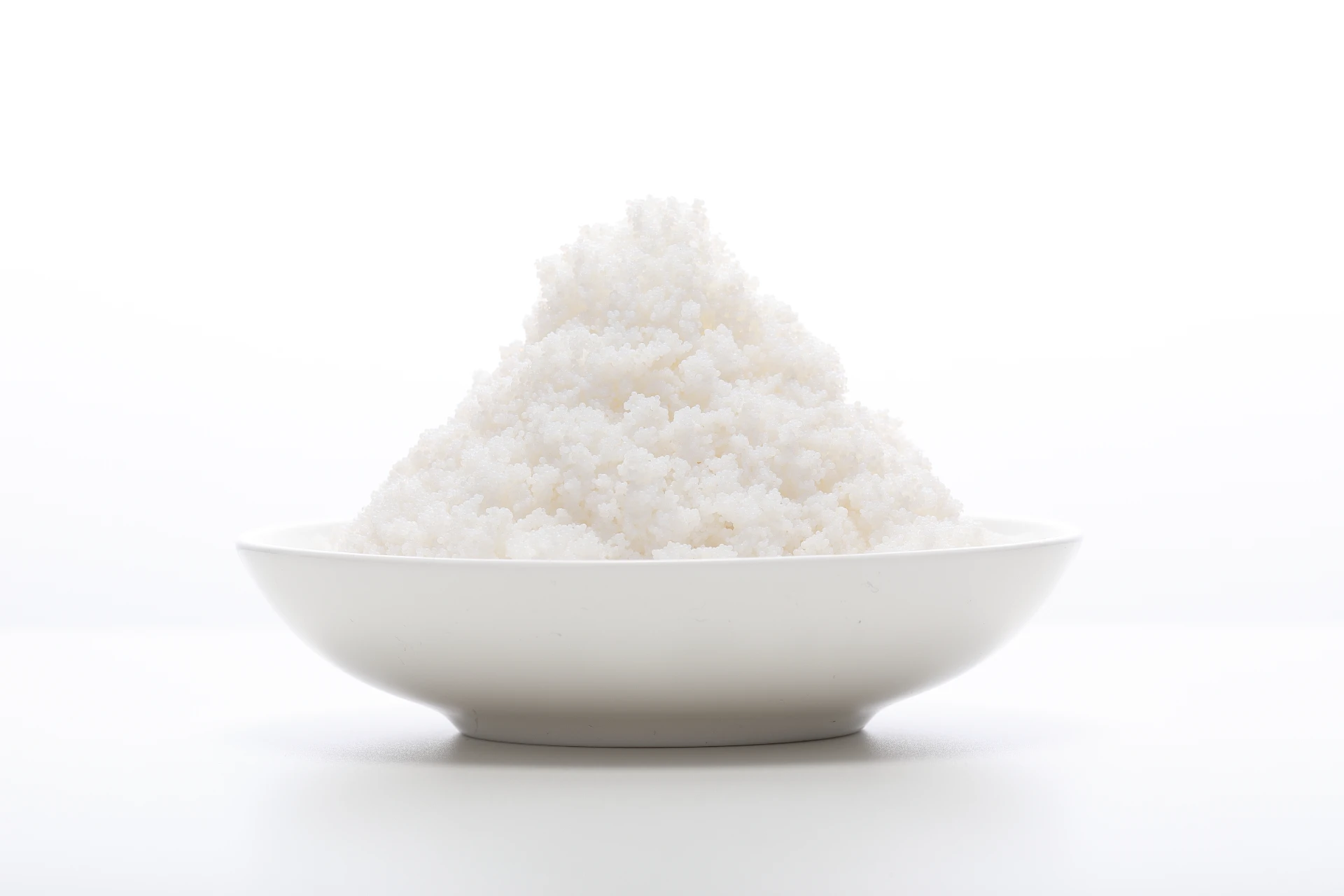
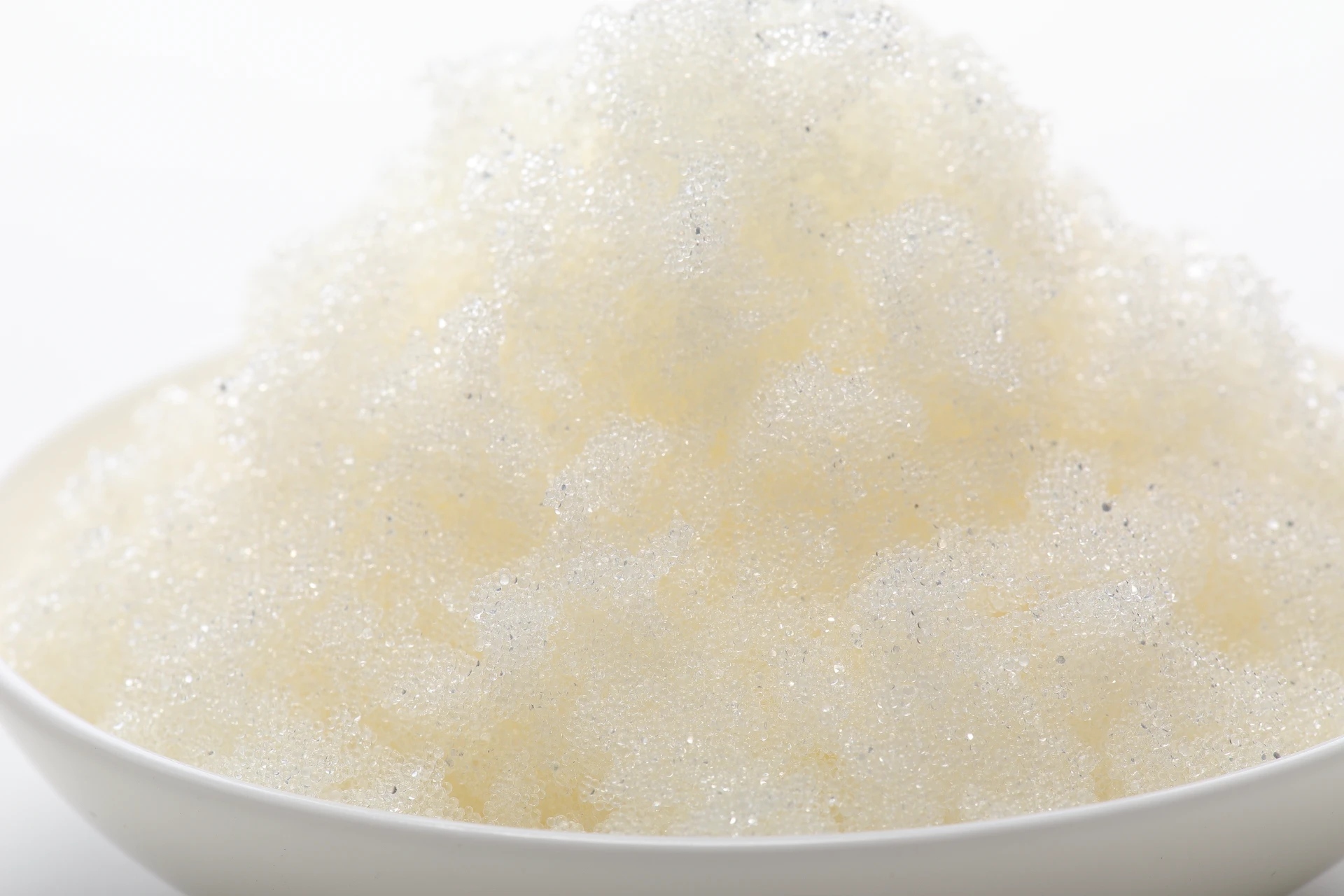
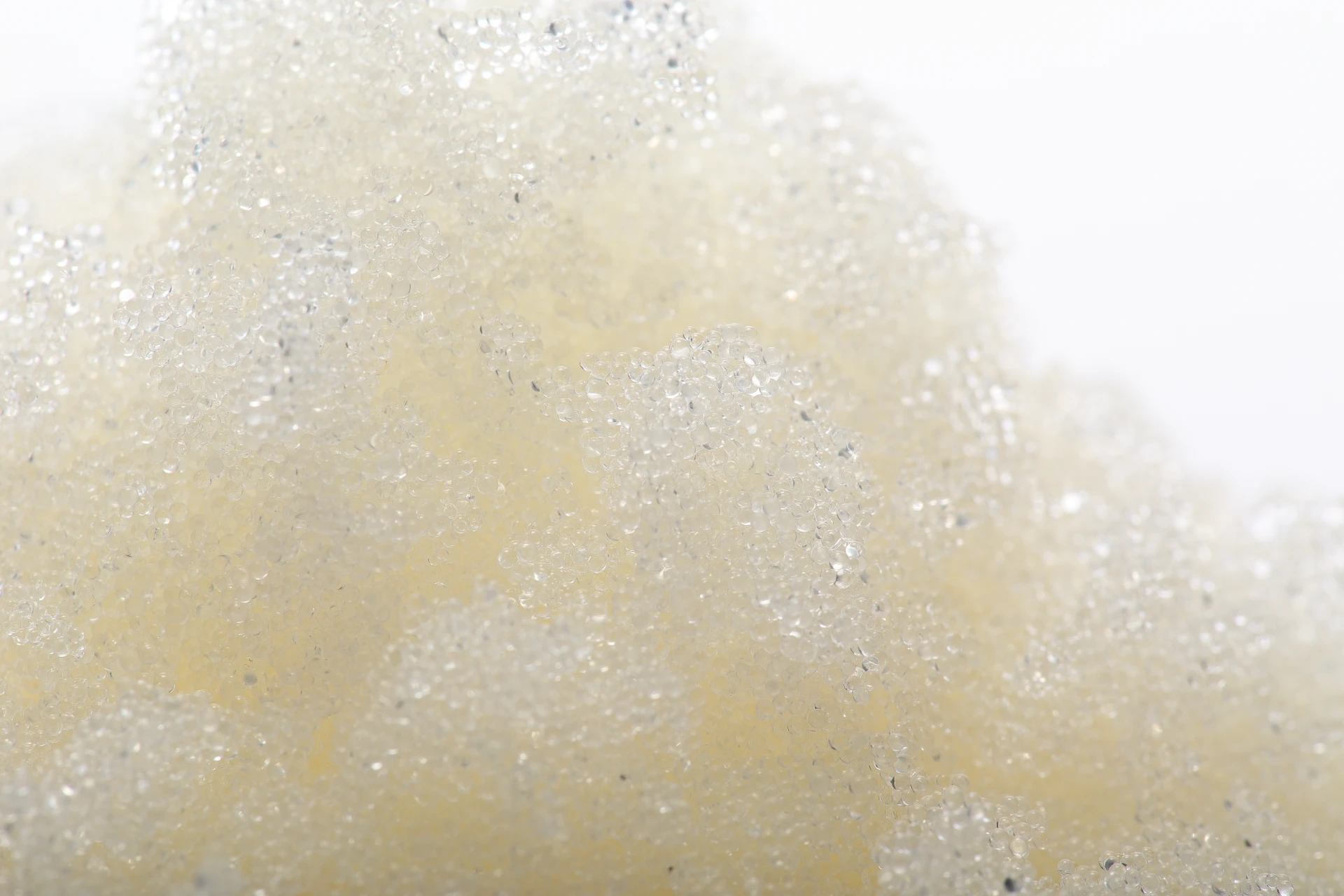
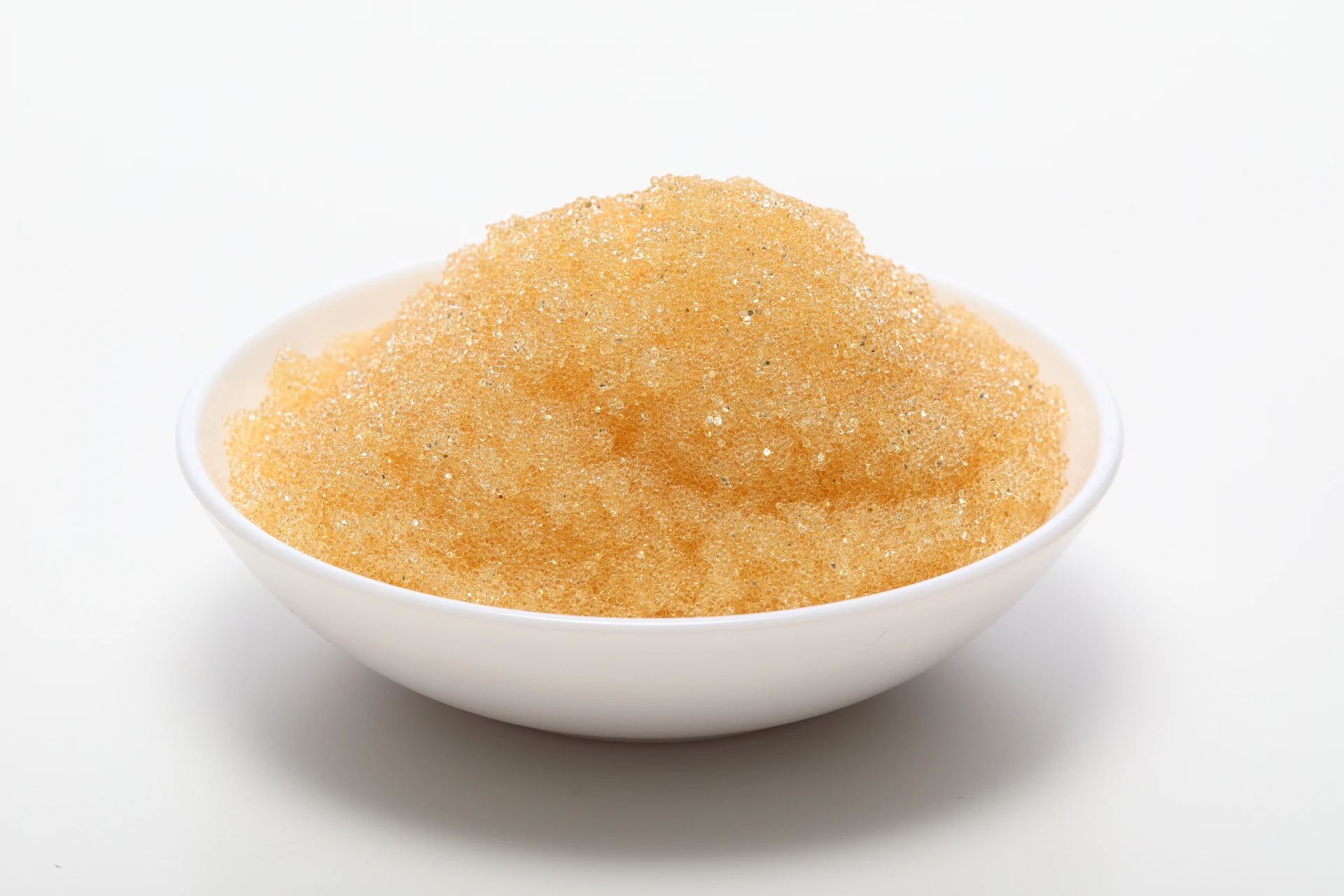
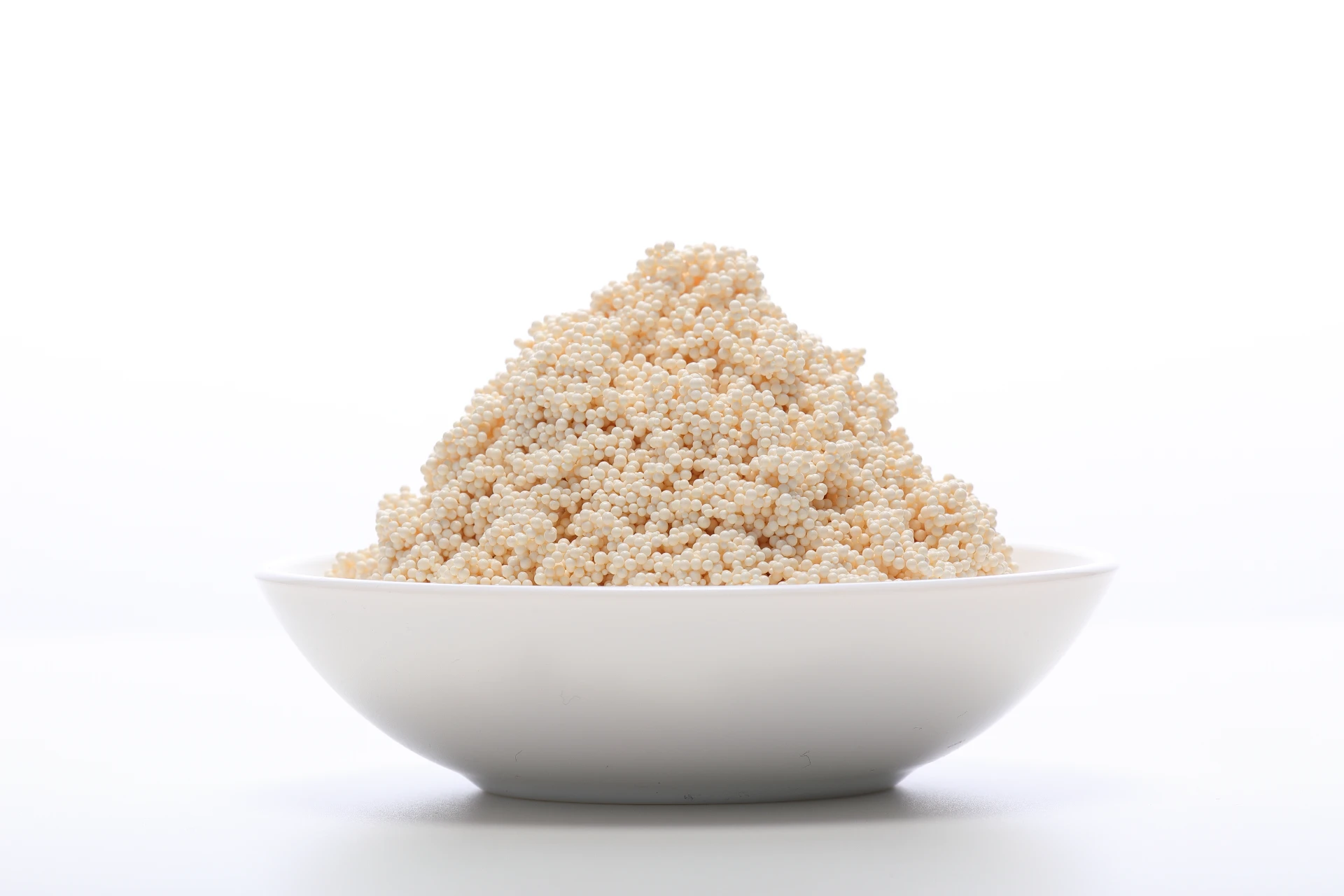
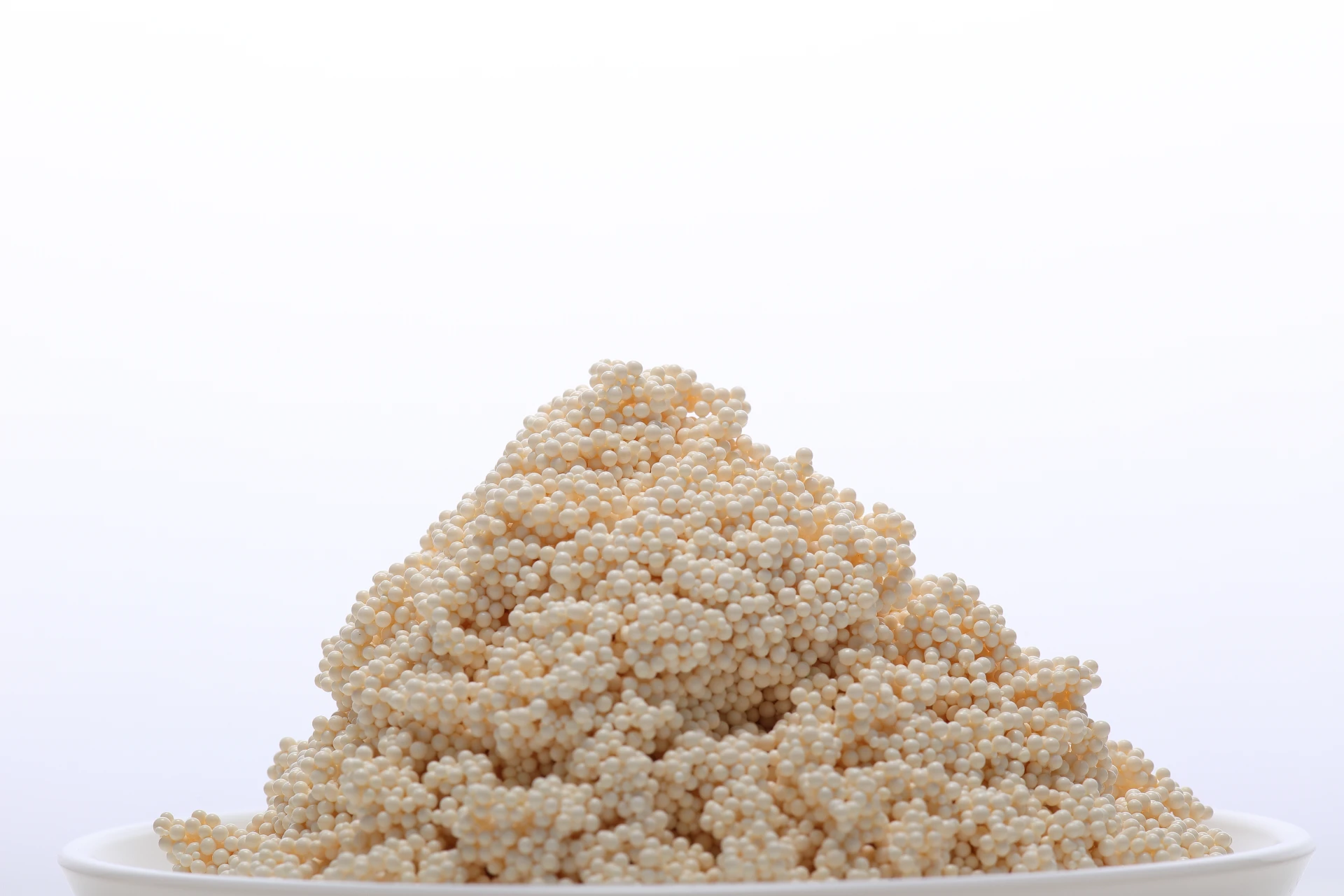
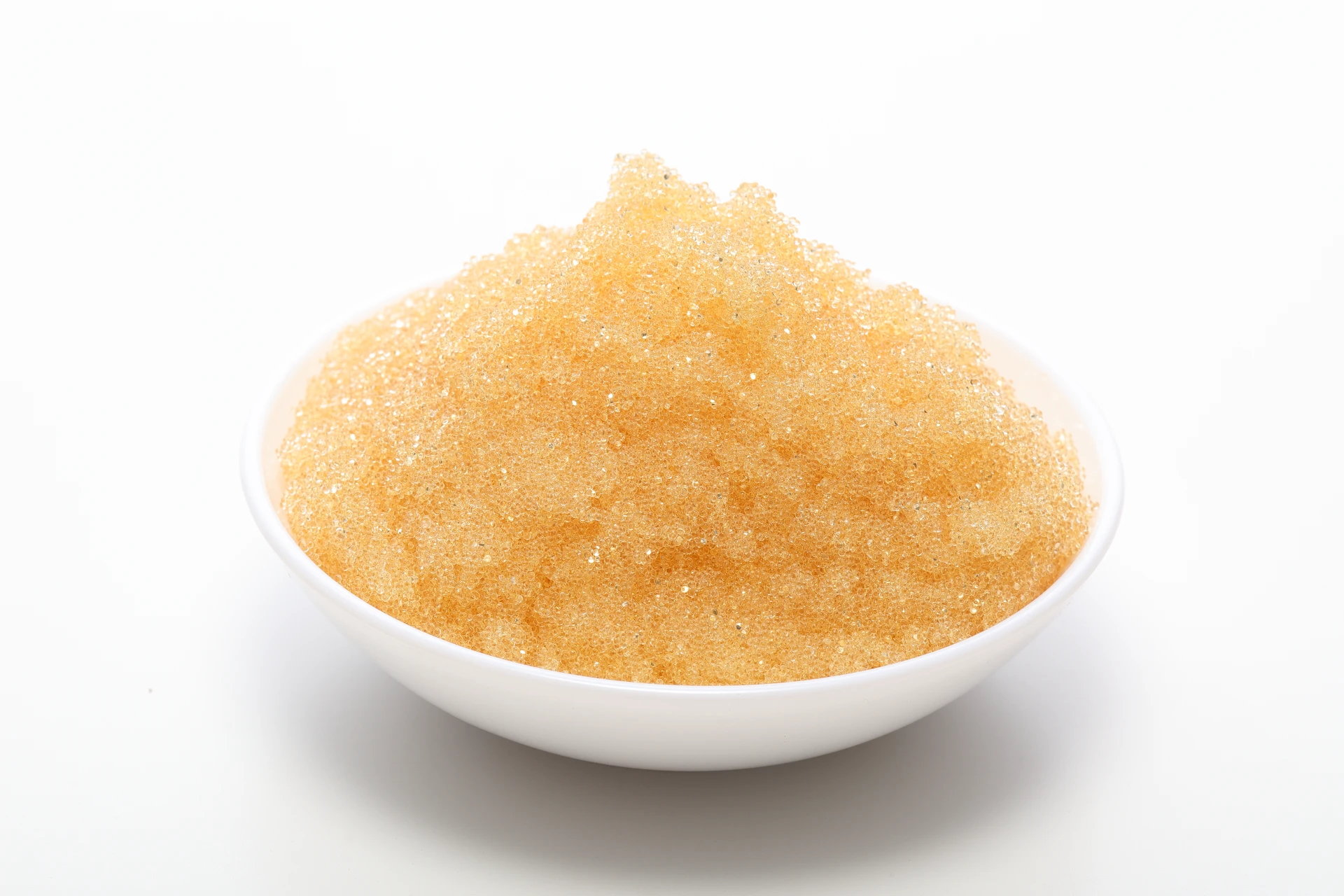
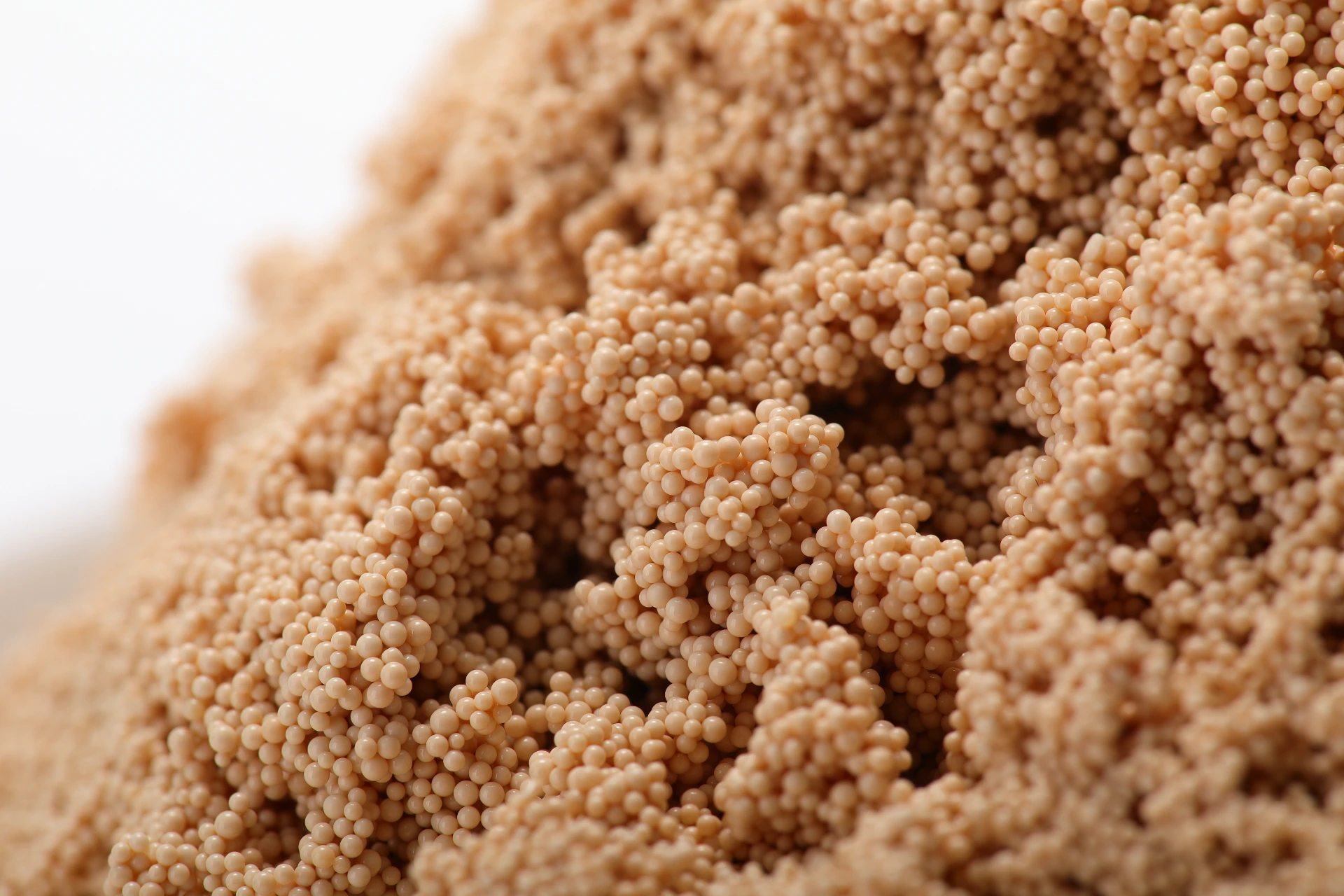
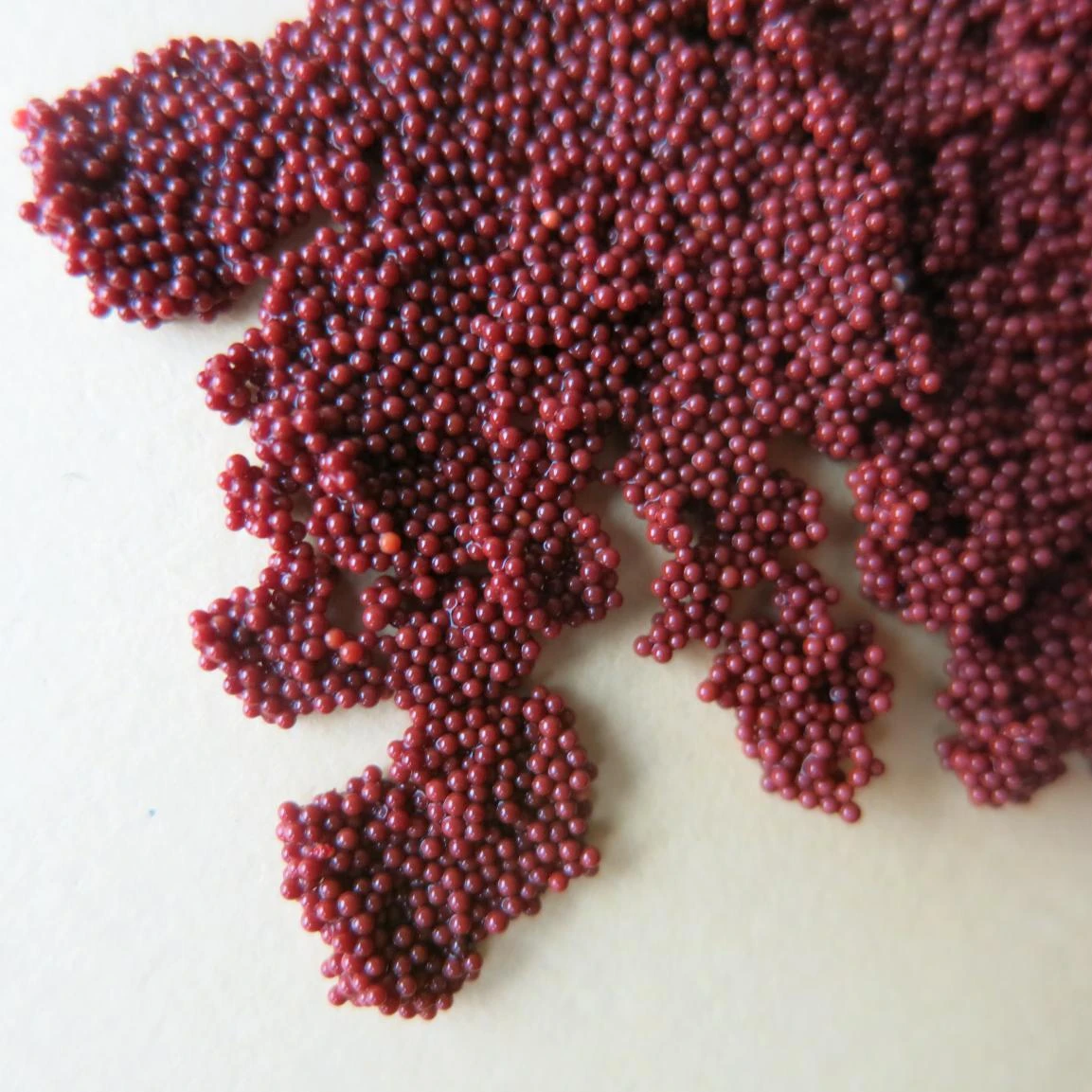
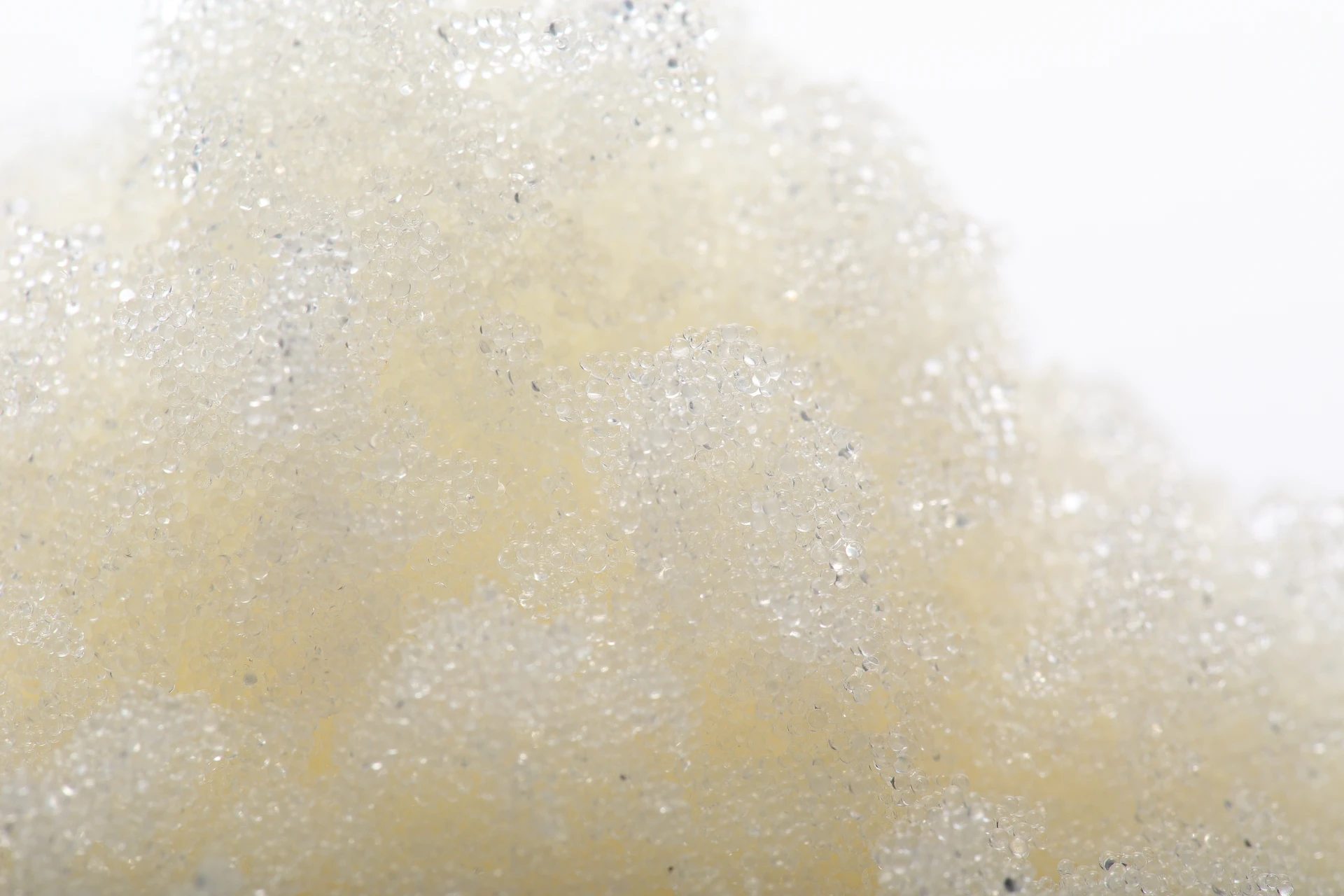
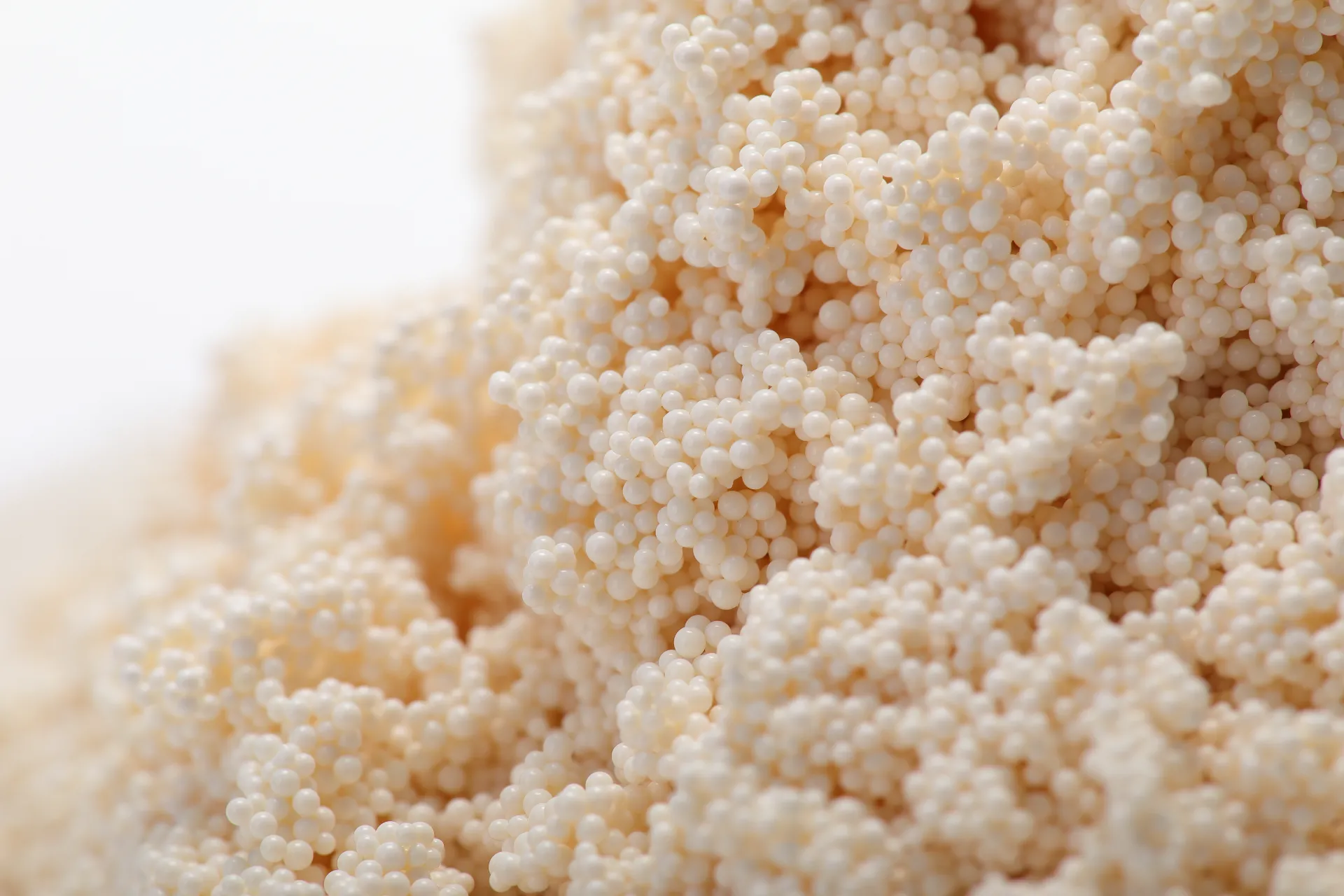
Put simply, a strong base anion resin is a polymer bead charged with positively charged groups that attract and hold onto negatively charged ions (anions) like chloride, sulfate, nitrate, and silica from water. In demineralization (DM) plants, these resins work alongside cation resins to strip dissolved salts, ensuring water is purified to industrial standards.
These resins are categorized as "strong base" because their active sites are permanently charged, unlike weak base types that depend on pH. This gives them the flexibility to operate under a wide range of conditions — which is why they’re favored in the most demanding water treatment setups.
These resins must resist harsh regeneration chemicals like caustic soda (NaOH) without degrading. Many engineers note that resin longevity directly impacts operational costs since replacements aren’t cheap.
Capacity means how much ion load a resin can handle. Selectivity determines the preference for certain ions during exchange. For example, removing silica and nitrate effectively is critical in semiconductor manufacturing water lines.
Resins need to be reusable. Efficient regeneration means fewer chemicals consumed, less downtime, and lower waste. Optimization here is a big focus in modern plant design.
Physical durability against abrasion and swelling is crucial, particularly in high-throughput systems. A resin that disintegrates leads to filter clogging and loss of water quality.
Strong base anion resins often work in tandem with cation resins and membranes. Their compatibility can influence system complexity and maintenance.
Their use spans various industries and geographies:
Oddly enough, one small case study in Australia detailed a remote mining site that cut operational costs by 20% after switching to a resin with higher regeneration efficiency — an excellent example of technology impacting economics.
Frankly, their advantages can be summed up in a few key points:
From an emotional standpoint, operators often develop trust in these systems as “silent but steadfast” partners, knowing that a resin failure means downtime — and potentially, safety risks.
The field isn’t standing still — not by a long shot. Recent innovations include:
It’s exciting to think that what feels like a simple bead of resin is actually at the heart of this wave of digital and green transformation.
Despite their many benefits, a few hurdles persist:
Luckily, pretreatment steps like ultrafiltration, novel resin coatings that resist fouling, and optimized regeneration cycles lighten these burdens. Industry expertise increasingly focuses on system integration and lifecycle management, which means fewer surprises.
| Parameter | Typical Value | Notes |
|---|---|---|
| Ionic Form | Cl⁻ (Chloride form) | Standard for regeneration |
| Functional Group | Quaternary Ammonium | Strong base activity |
| Moisture Content | 45–55% | Varies by batch |
| Particle Size | 0.3–1.2 mm | Optimal for flow dynamics |
| Total Capacity | 1.0–1.3 eq/L | Useful ion exchange capacity |
| Operating pH Range | 0–14 | Highly versatile |
| Vendor | Capacity (eq/L) | Chemical Resistance | Regeneration Efficiency | Typical Use Case |
|---|---|---|---|---|
| Liji Resin | 1.25 | Excellent | High | Industrial water purification |
| AmberLite | 1.20 | Good | Moderate | Power generation |
| Purolite A400 | 1.15 | Fair | Moderate | General water treatment |
A1: Lifespan varies, but with proper operation and regeneration, resins can last 5–7 years. Factors like feedwater quality and regeneration chemicals used impact durability.
A2: While they are quite versatile, some ions like organic acids or complexed metals may require additional treatment or specialized resins.
A3: Yes, especially for large plants. Optimizing regeneration cycles and resin choice can reduce costs substantially.
A4: Generally yes, but handling regeneration waste and spent resins responsibly is vital for minimizing environmental impact.
A5: Strong base anion resins have permanently charged groups allowing broader pH operation and stronger ion exchange, while weak base resins rely on pH-sensitive groups offering selectivity advantages in some niches.
By now, it’s clear that strong base anion resins are a cornerstone of effective water demineralization. Their blend of chemical toughness, operational versatility, and regeneration efficiency makes them indispensable. Whether in sprawling industrial complexes or smaller-scale DM units aiding remote communities, these resins quietly but firmly sustain the systems we rely on.
For those interested in high-quality, reliable resins, visiting https://www.lijiresin.com is a great next step to explore trusted options and get expert advice tailored to your needs.
Strong base anion resins transform water treatment possibilities, merging science, sustainability, and economy into one small but mighty bead.