Phone:
+86 0319 2296164


Email:
info@lijiresin.cn
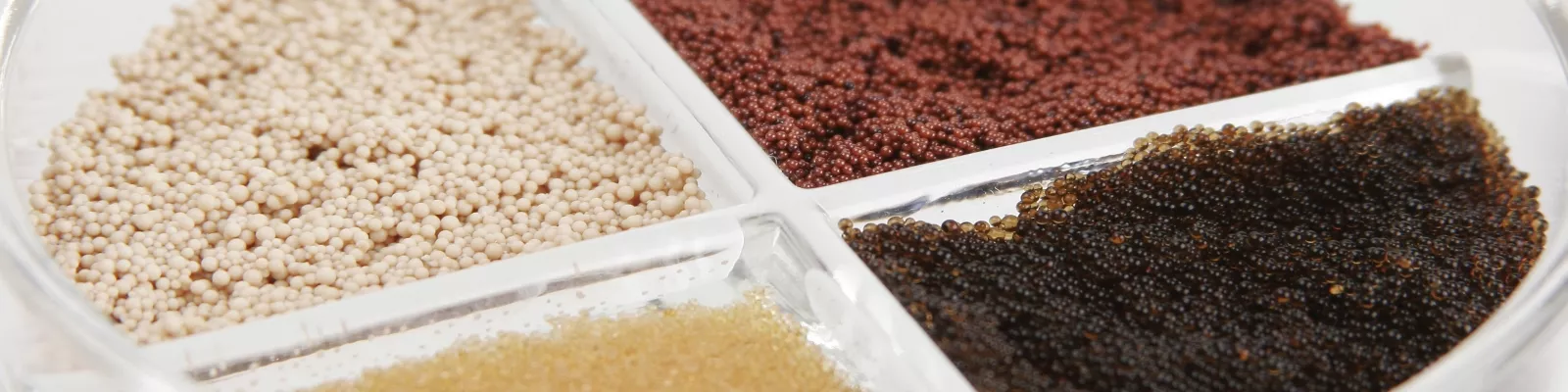
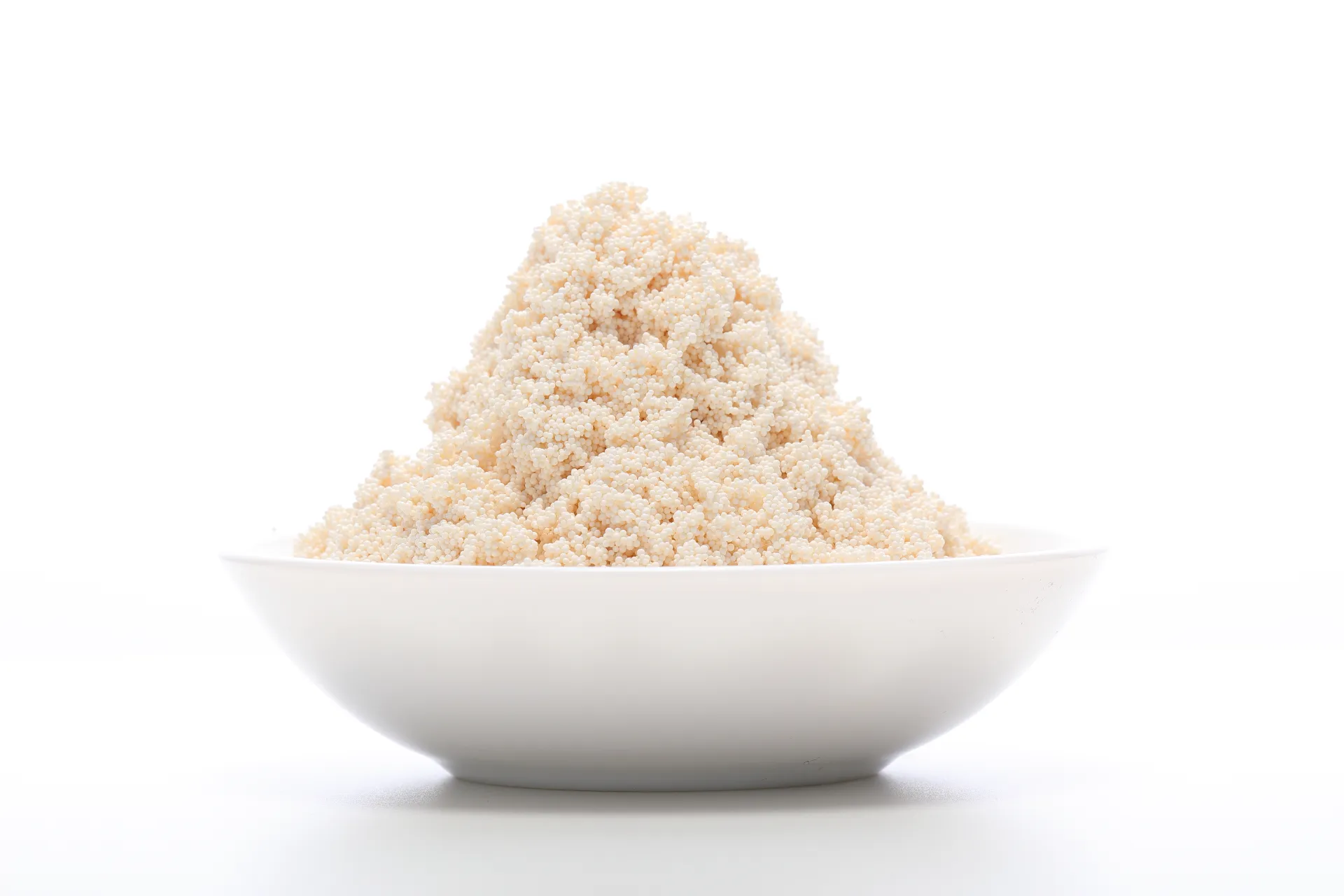
Strong base resins, despite sounding like something out of a chemist’s lab notebook, are quietly revolutionizing industries worldwide. Think of them as the backbone in the game of water purification and chemical processing—a bit like the strong coffee that fuels an engineer’s long night. They’re essential in ensuring our water is clean, our industry stays efficient, and waste is responsibly managed. Globally, as environmental concerns mount and industries push towards sustainability, understanding the role of strong base resins is more relevant than ever.
Before we dig deeper, here’s the gist: strong base resins help in exchange processes that remove contaminants and unwanted ions. This improves everything from drinking water quality in developing countries to sophisticated chemical separations in manufacturing plants. Knowing their benefits can help engineers, environmentalists, and policymakers alike make smarter choices.
Water scarcity and pollution affect billions of people around the globe. According to UN Water, nearly 2 billion people live in water-stressed countries. Industries also face mounting pressure to reduce pollutants discharged into our fragile ecosystems. Strong base resins step in as a cost-effective and reliable tool to treat water, recover valuable chemicals, and ensure sustainable industrial processes.
In fact, the global ion exchange resins market, which includes strong base resins, is projected to grow to over $3 billion by 2027 (ISO, market forecasts). That’s not just about water – it’s industries evolving and communities benefiting. However, challenges remain—like resin lifespan, regeneration efficiency, and disposal. Addressing these challenges is pivotal if we want to meet escalating environmental and industrial demands.
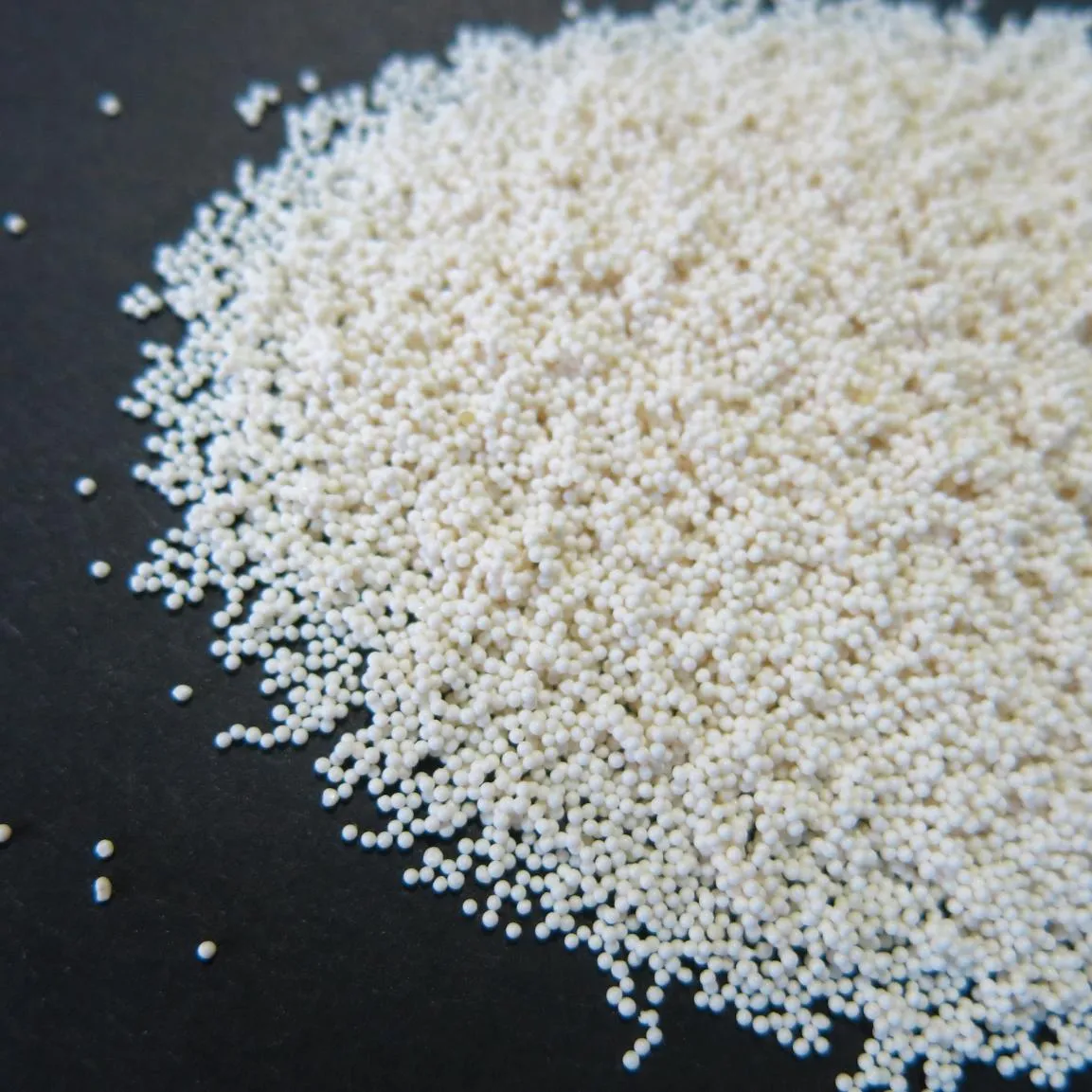
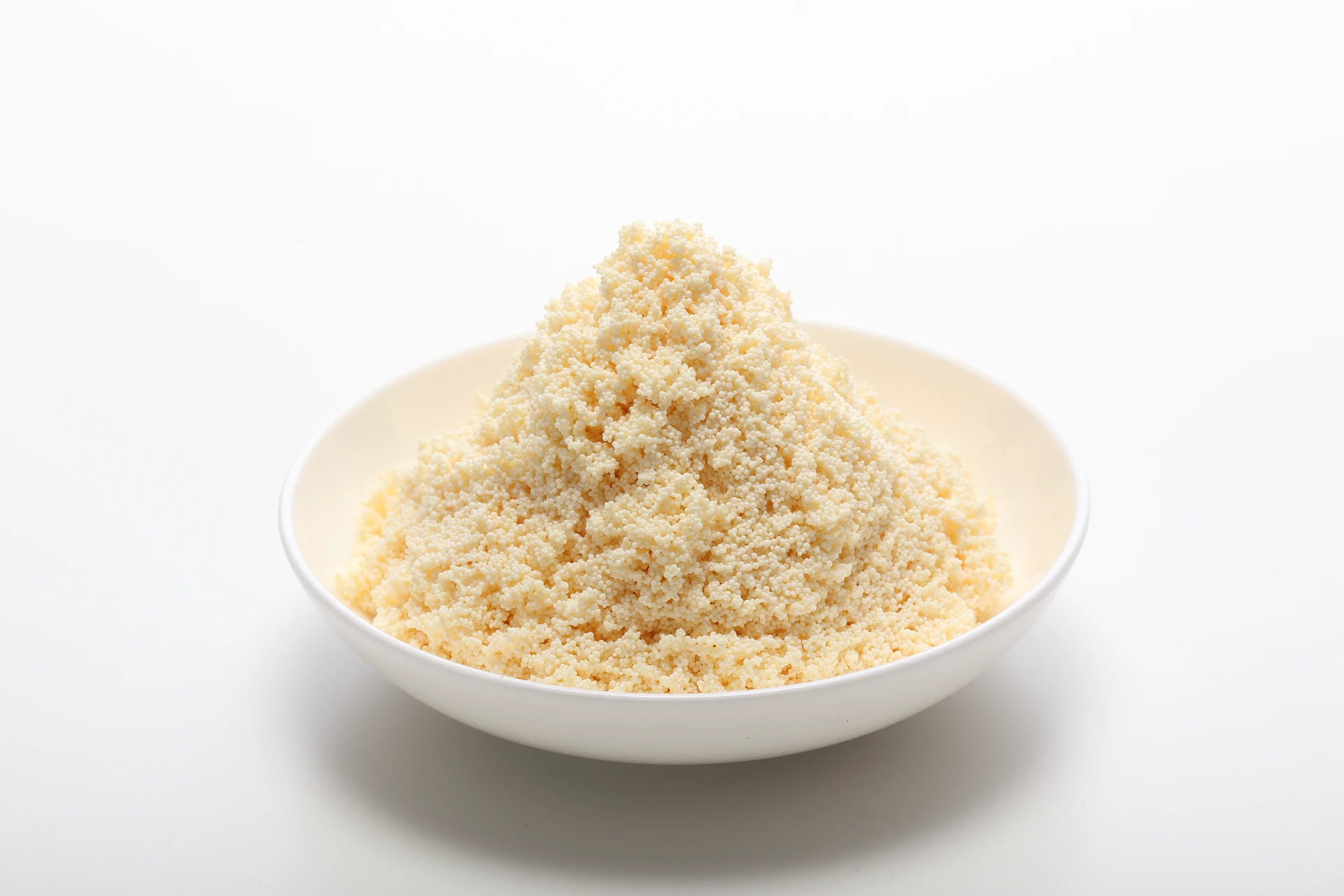
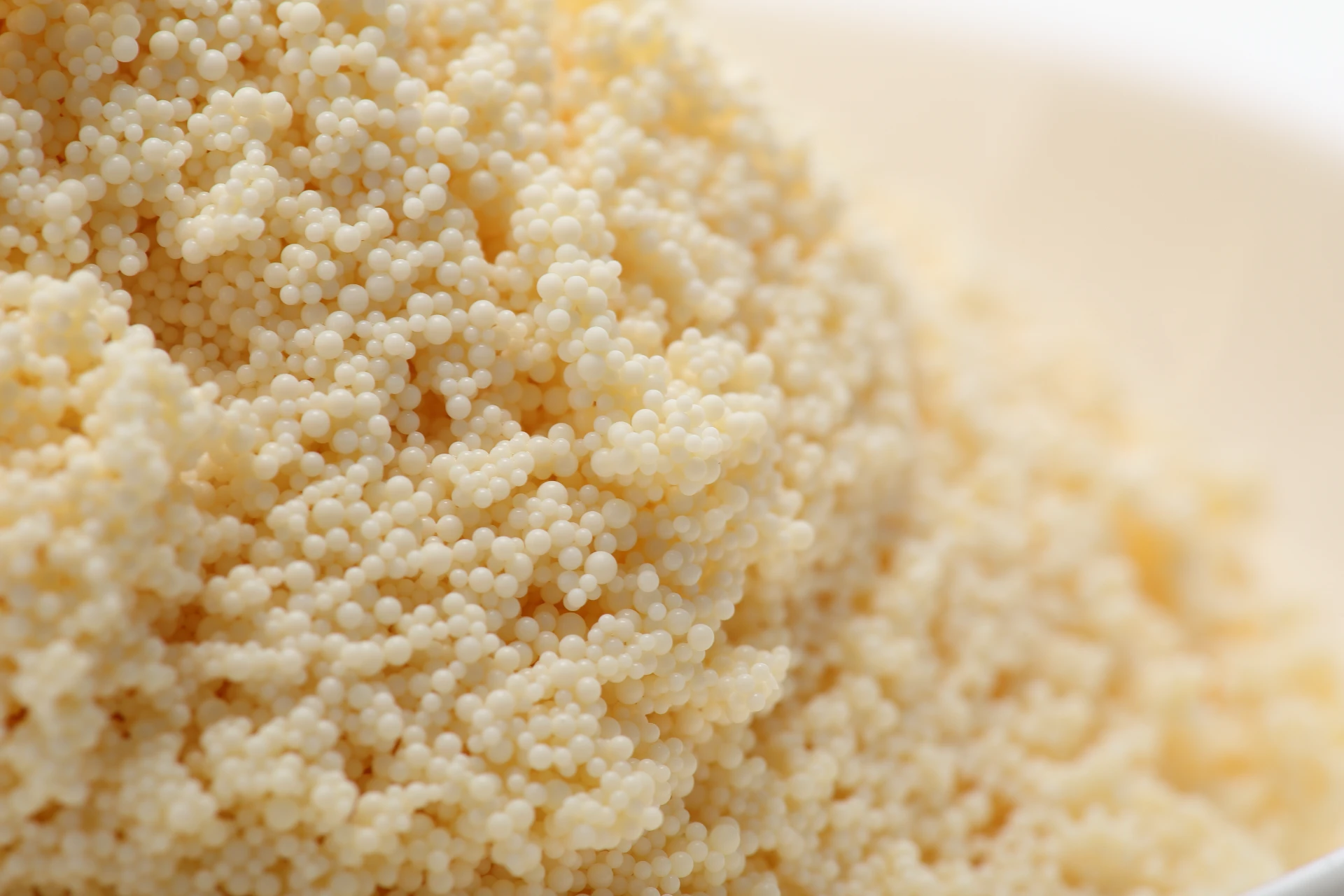
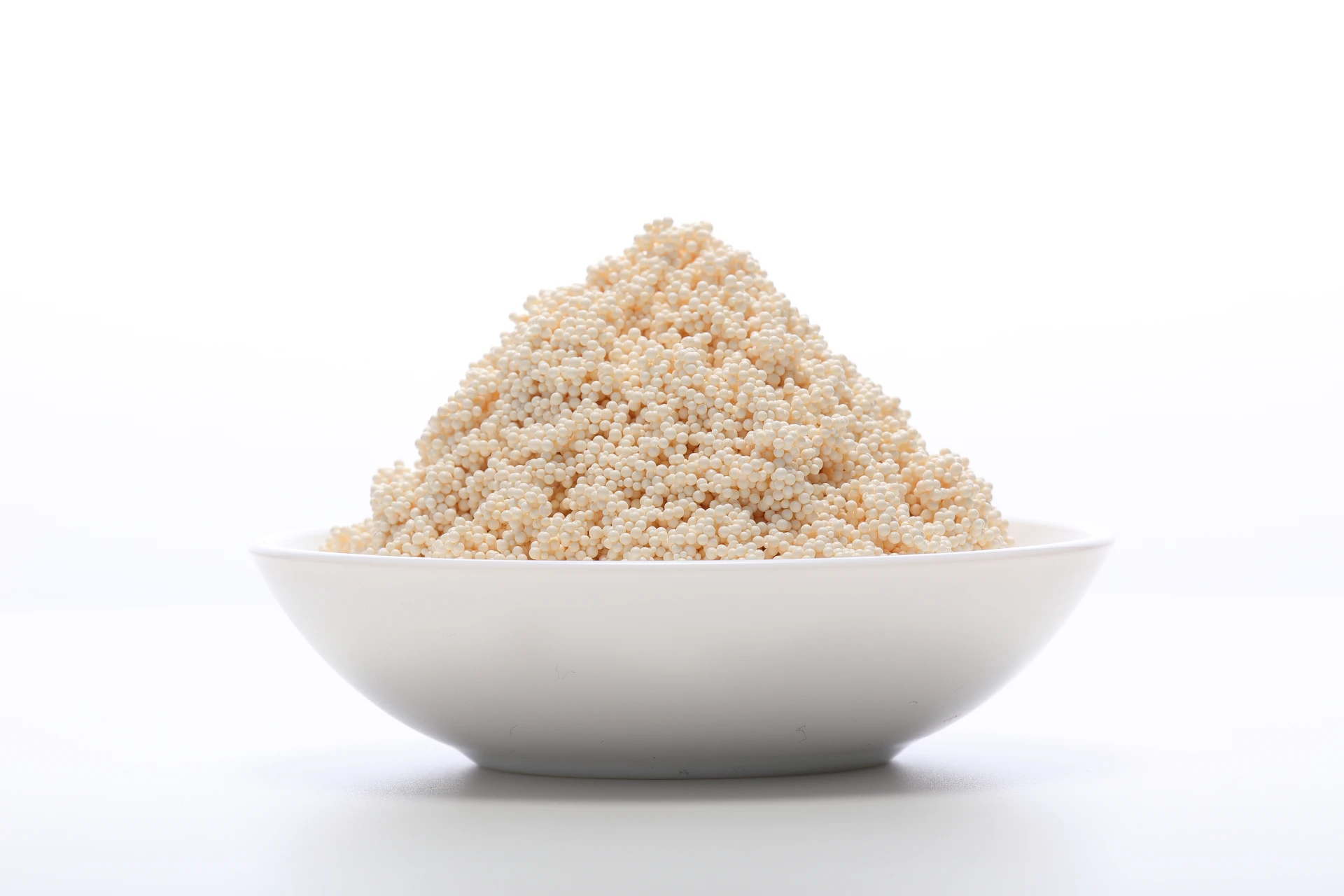
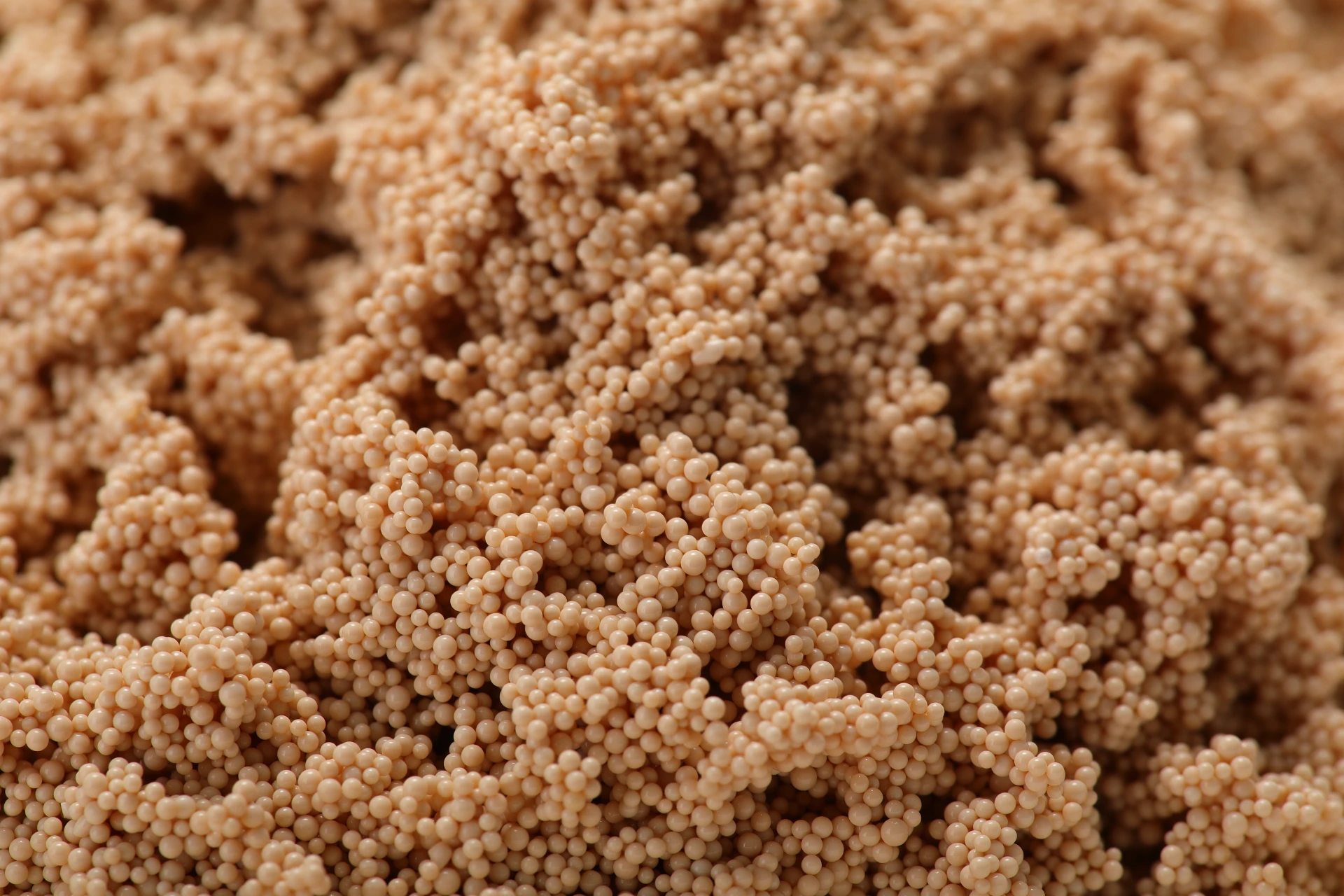
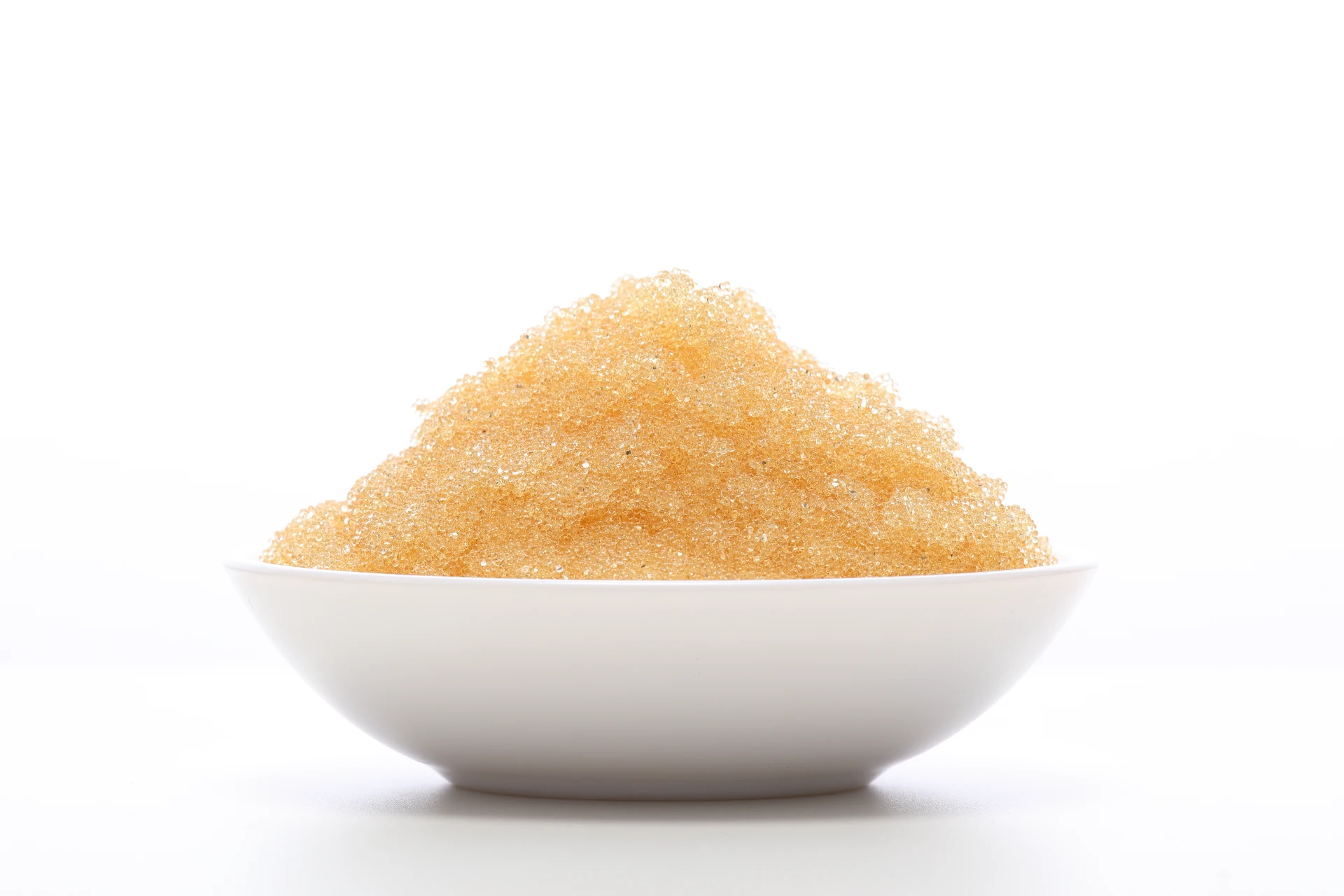
Simply put, strong base resin is a type of ion exchange resin that strongly attracts and swaps positively charged ions (cations) with others in a water or chemical solution. Picture a dance floor where dancers (ions) exchange partners (charged sites on the resin). This swapping cleans up the solution, often removing undesired sodium, calcium, or other cations.
Unlike weak base resins, the strong base variant holds its charged groups firmly even in varied pH ranges, making it highly versatile. It’s widely used in dealkalization, water softening, and industrial purification. In humanitarian terms, clean water through resin use means better health outcomes and safer communities.
One of the key reasons strong base resins are trusted is their resistance to harsh chemical environments. They maintain performance even in acidic or alkaline conditions, which means less frequent replacement and downtime. Many plant operators appreciate the cost-efficiency this brings, especially where maintenance access is tricky.
The resin’s capacity to hold ions varies depending on design, but strong base resins often score high, making processes faster and more thorough. Specialized types can even target specific ions like nitrates, aiding in precision purification.
Resins aren’t just one-and-done. After they saturate with ions, they can be regenerated—essentially “washed” with chemicals to restore capacity. Efficient regeneration cuts costs and environmental impacts; hence, resins with easy regeneration protocols are prized.
With stricter eco-regulations, environmentally friendly resin materials are in demand. Modern resins incorporate biodegradable or recyclable features to reduce landfill waste and chemical use.
Roughly speaking, investing a bit more upfront in high-quality strong base resin pays off with savings in energy, chemicals, and service life. Over years, this adds up both financially and ecologically.
Mini takeaway: The interplay between durability, capacity, and regeneration shapes the real-world value of strong base resins, balancing performance, cost, and sustainability in one neat package.
From sprawling industrial complexes in Europe to remote water treatment plants in Africa, strong base resin is everywhere. For instance, in India’s rapidly expanding water purification sector, such resins help provide affordable clean water to millions.
In industrial settings like chemical manufacturing, strong base resins help remove unwanted ionic impurities, improving product quality and reducing chemical waste. Interestingly, disaster relief agencies have started adopting mobile water treatment systems with strong base resins to supply potable water after floods or earthquakes — a vital lifeline where infrastructure is damaged.
Even in North America, power plants use dealkalizer strong base resins to protect turbines from corrosion. These cross-industry applications show the resin’s flexibility and indispensability.
On a softer note, strong base resin contributes to something deeper – the peace of mind that clean water and safe systems offer. It feels like a small victory in the ongoing battle for better living standards.
The resin industry isn’t standing still. Scientists are developing strong base resin variants embedded with nanomaterials to boost selectivity and regeneration speed. There’s also a growing focus on green chemistry: resins made from bio-based polymers aiming to reduce environmental footprints.
Automation is steering how resin beds are monitored and regenerated, reducing human error and optimizing lifespan. Digital sensors and AI-driven diagnostics in large-scale treatment plants are becoming standard, improving uptime and reducing chemical waste.
With stricter carbon targets globally, manufacturing processes for these resins are adapting, and policies may soon incentivize eco-friendly ion exchange technologies. It’s an exciting intersection of tradition and tech.
Of course, no technology is perfect. One gripe from operators is resin fouling—when organic matter or iron clogs the resin surface, it reduces efficiency. Industry experts recommend pre-filtration steps and periodic chemical cleaning as critical solutions.
Another challenge comes from disposal. Spent resin waste needs careful handling to avoid environmental harm. Thankfully, some companies offer regeneration-and-recycle services, where used resins are restored or responsibly deactivated.
Finally, cost can be a barrier in developing areas. Here, hybrid systems combining strong base resin with other low-cost technologies are gaining popularity to stretch budgets without compromising quality.
| Specification | Details |
|---|---|
| Type | Strong Base Anion Exchange Resin |
| Functional Group | Quaternary Ammonium |
| Ionic Form | Cl⁻, OH⁻ |
| Moisture Content | 45–55% |
| Particle Size | 0.3–1.2 mm |
| Operating pH Range | 0–14 |
| Max Operating Temp. | 100°C |
| Supplier | Product Range | Customization Options | Global Availability | Price Tier |
|---|---|---|---|---|
| Liji Resin | Strong/Weak Base Resins, Specialty Polymers | High — tailored particle size & functional groups | Asia, Europe, North America | Mid-High |
| Purolite | Wide industrial and municipal resins | Moderate | Global | High |
| Dow Chemical | Strong base resins & specialty ion exchange | Moderate-High | Global | High |
| Lanxess | Industrial specialty resins | Low-Moderate | Europe, Americas | Mid |
In the end, strong base resins might not be the flashiest topic at the company party, but their impact is real and lasting. They bring durability, efficiency, and a layer of sustainability that’s hard to ignore. Whether your concern is improving water quality, enhancing industrial processes, or just making everyday systems more reliable, these resins quietly hold the key.
If you want to explore high-performance products that keep this important world turning, visit Liji Resin’s official site for trusted solutions.
Thanks for tagging along. Sometimes the smallest components hold the biggest stories.