Phone:
+86 0319 2296164


Email:
info@lijiresin.cn
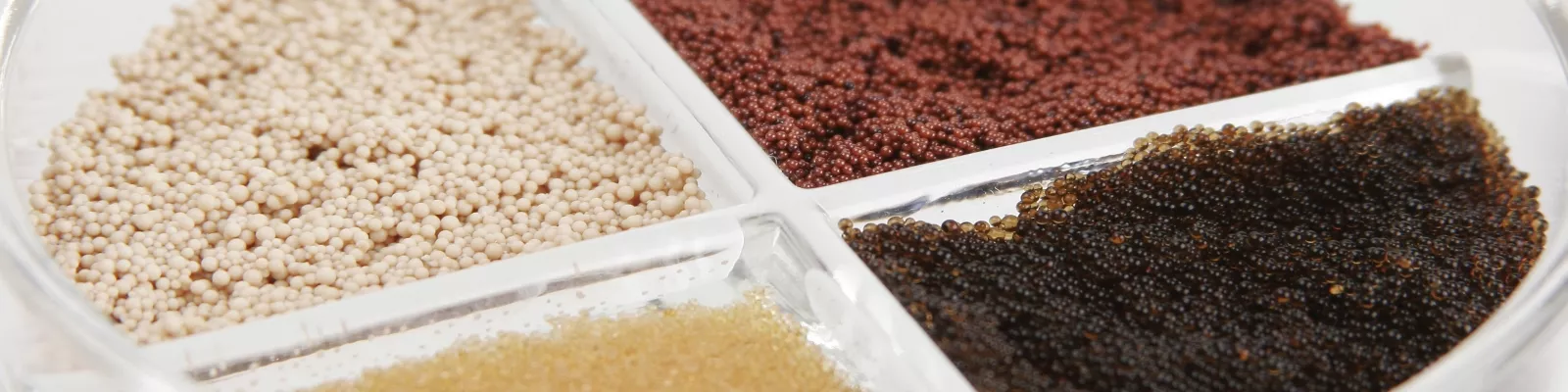
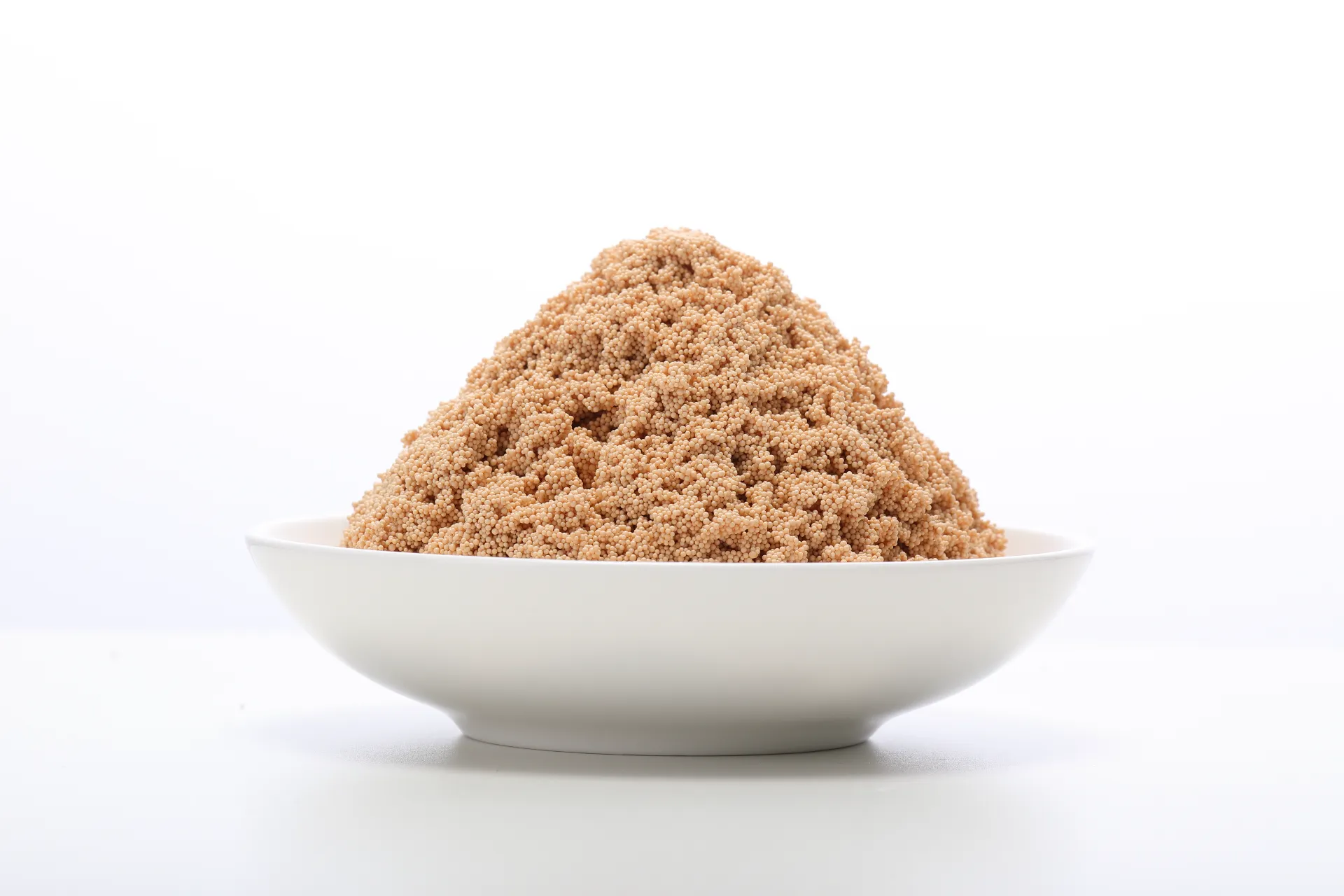
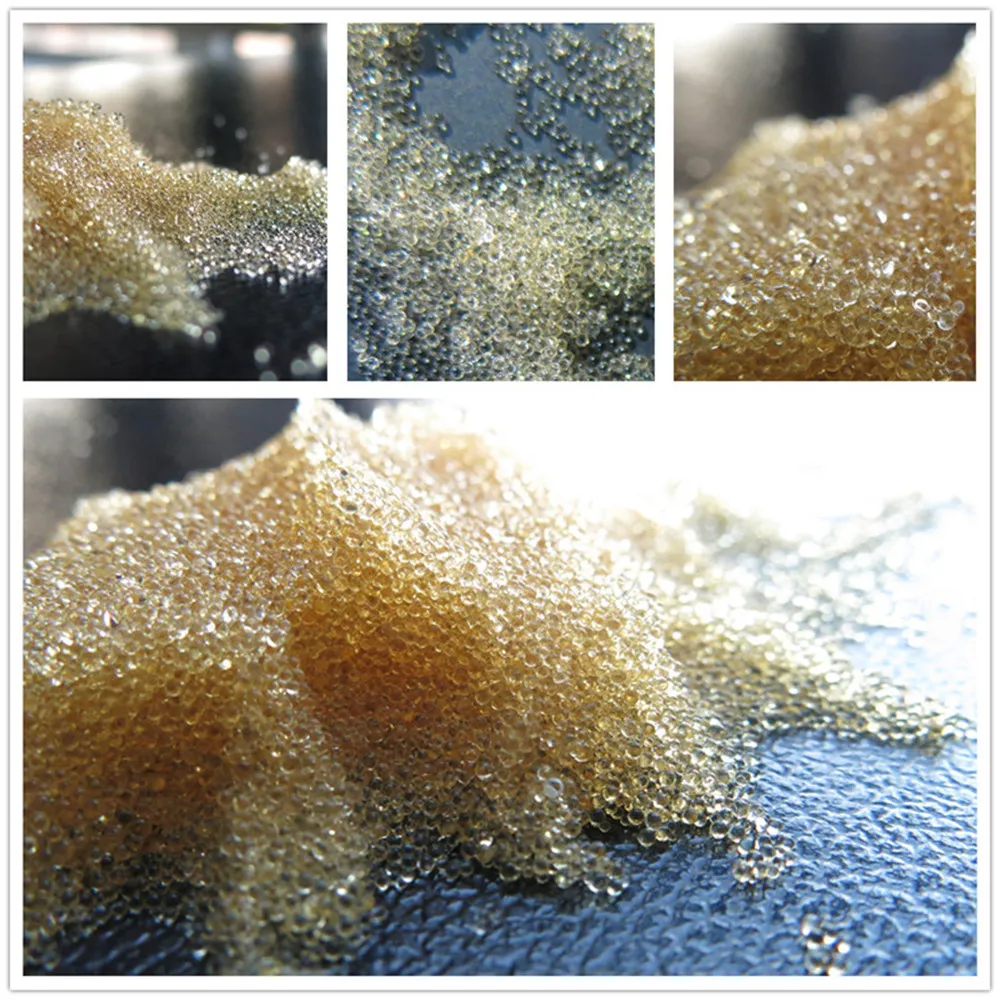
In diverse industrial landscapes, the demand for highly efficient water treatment and purification solutions is paramount. Central to many of these processes is the application of strong acid cation exchange resin. This specialized polymer plays a critical role in removing positively charged ions, such as calcium, magnesium, sodium, and potassium, from aqueous solutions. Its robust chemical structure and high exchange capacity make it indispensable for achieving stringent water quality standards across a multitude of sectors. This article delves into the technical intricacies, application benefits, and strategic considerations surrounding these vital resins, offering insights for B2B decision-makers and technical professionals.
The market for strong acid cation exchange resin is experiencing sustained growth, driven by escalating global demand for clean water, stringent environmental regulations, and the expansion of industrial activities requiring ultra-pure water. According to a recent report by Grand View Research, the global ion exchange resin market size was valued at USD 1.8 billion in 2022 and is projected to grow at a compound annual growth rate (CAGR) of 4.5% from 2023 to 2030. Key growth drivers include the power generation sector, where demineralized water is crucial for boiler feed, and the chemical processing industry, which requires high-purity water for various synthesis reactions. Furthermore, the increasing adoption of wastewater treatment and recycling technologies in response to water scarcity is fueling innovation and demand for more efficient and durable resin solutions. The emphasis is shifting towards resins with higher regeneration efficiency, longer service life, and greater resistance to fouling and chemical degradation, thereby reducing operational costs and environmental impact. This trend underscores the importance of selecting robust and high-performance resins capable of withstanding aggressive industrial environments while maintaining optimal performance.
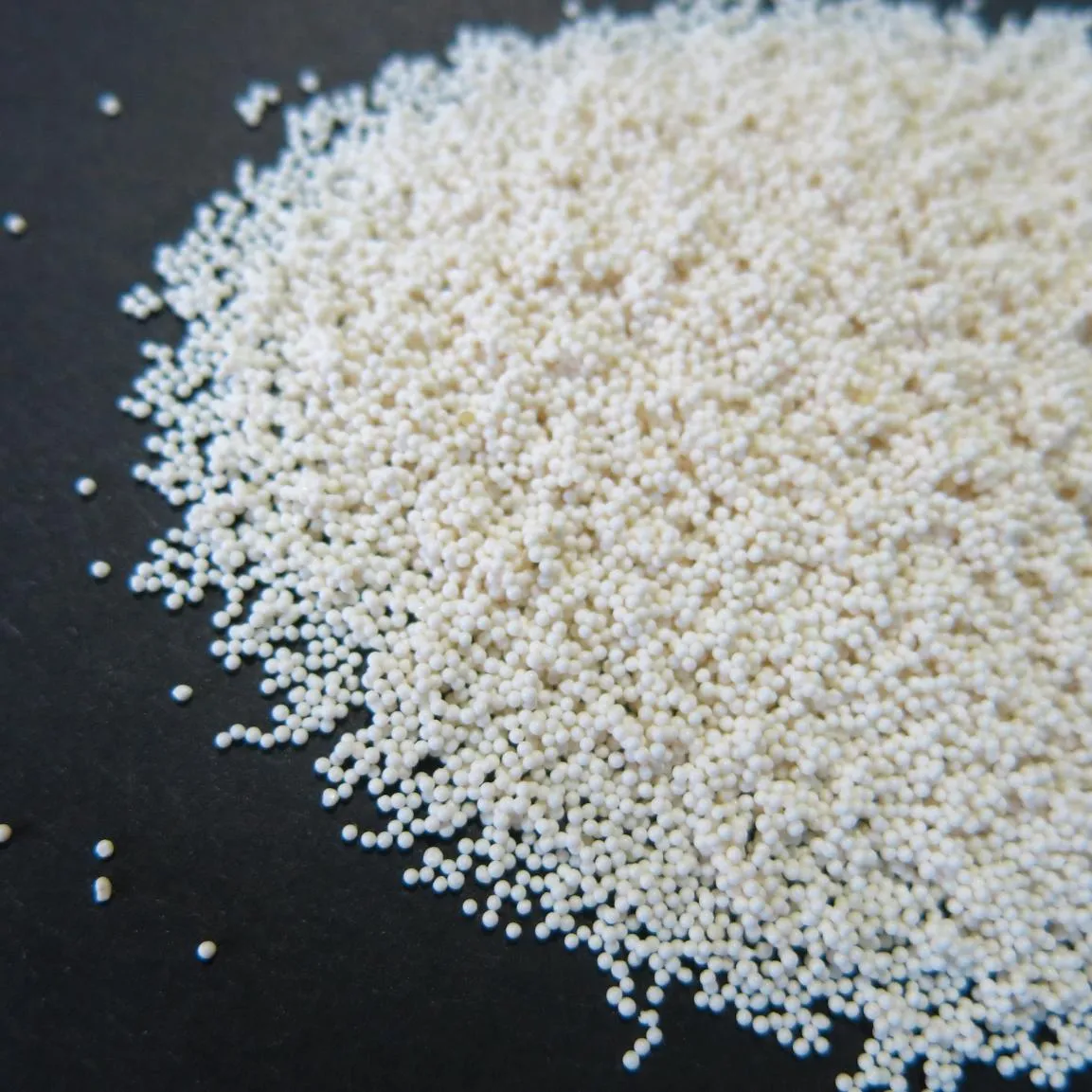
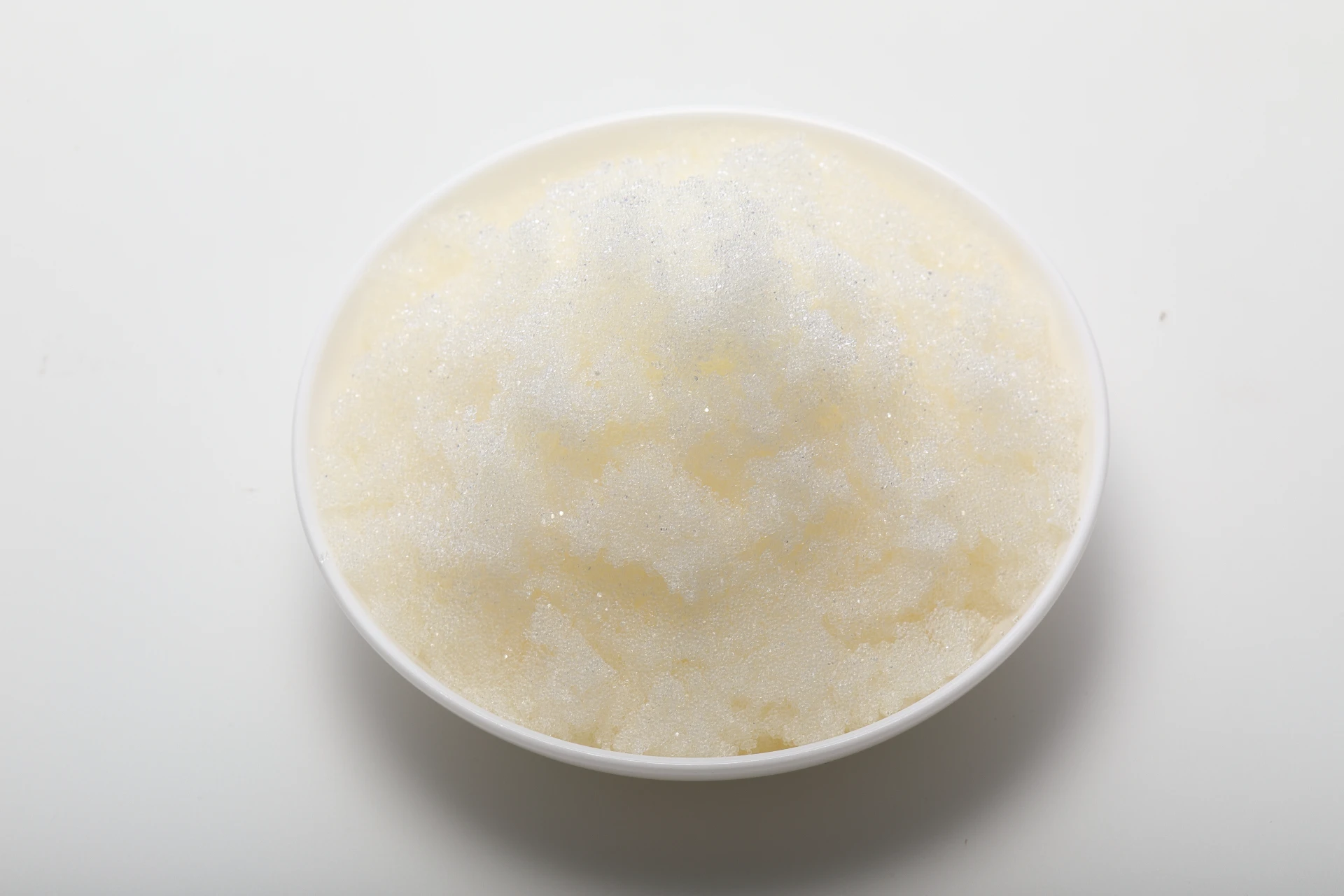
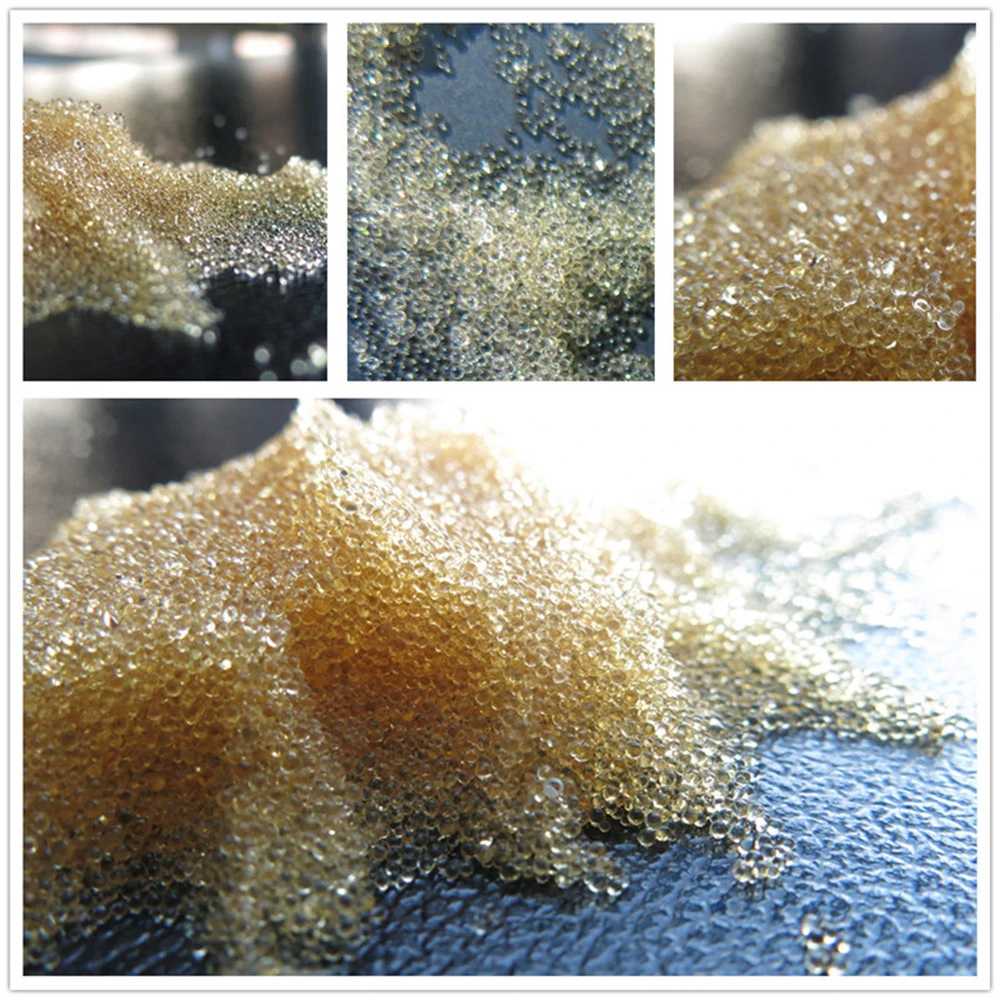
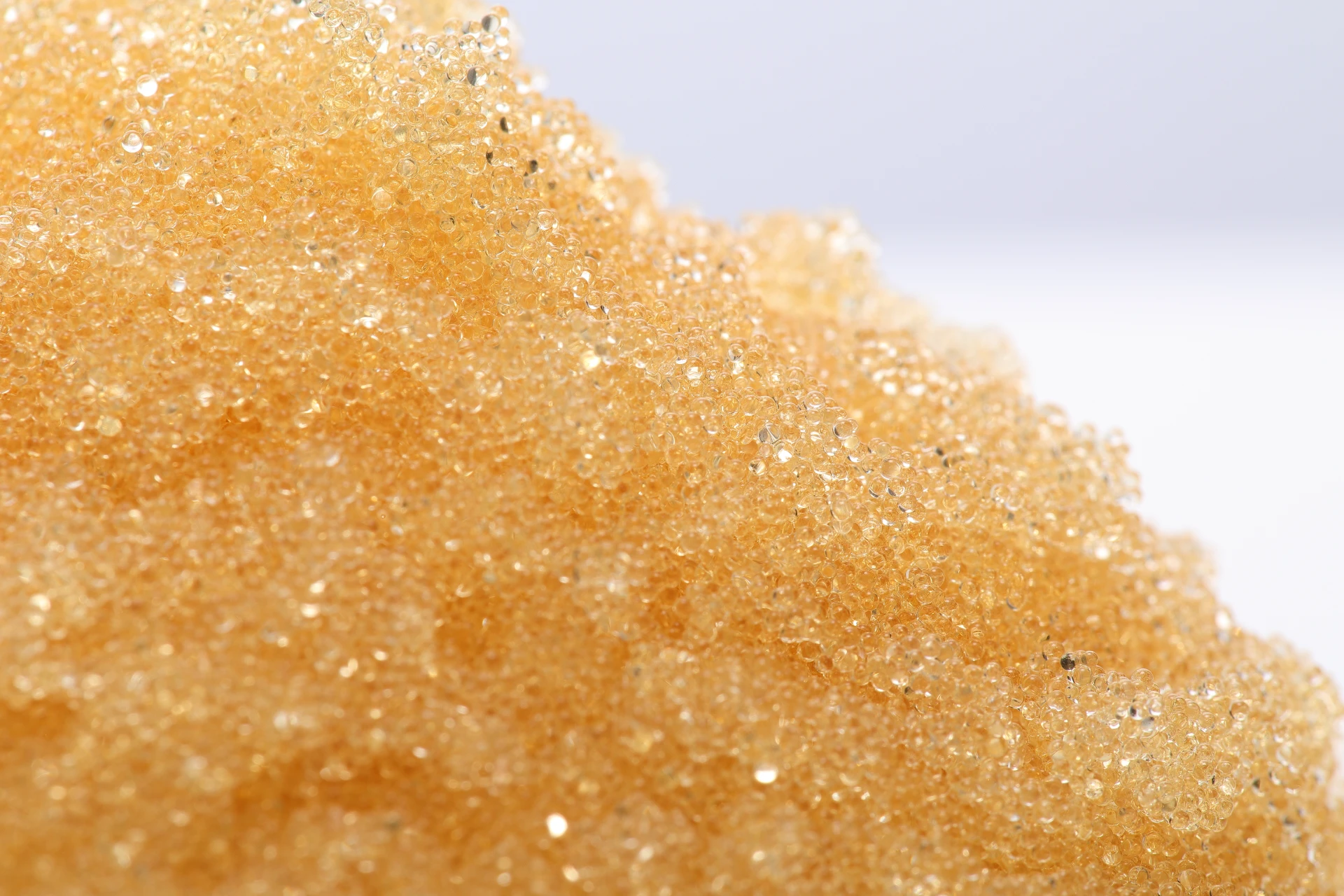
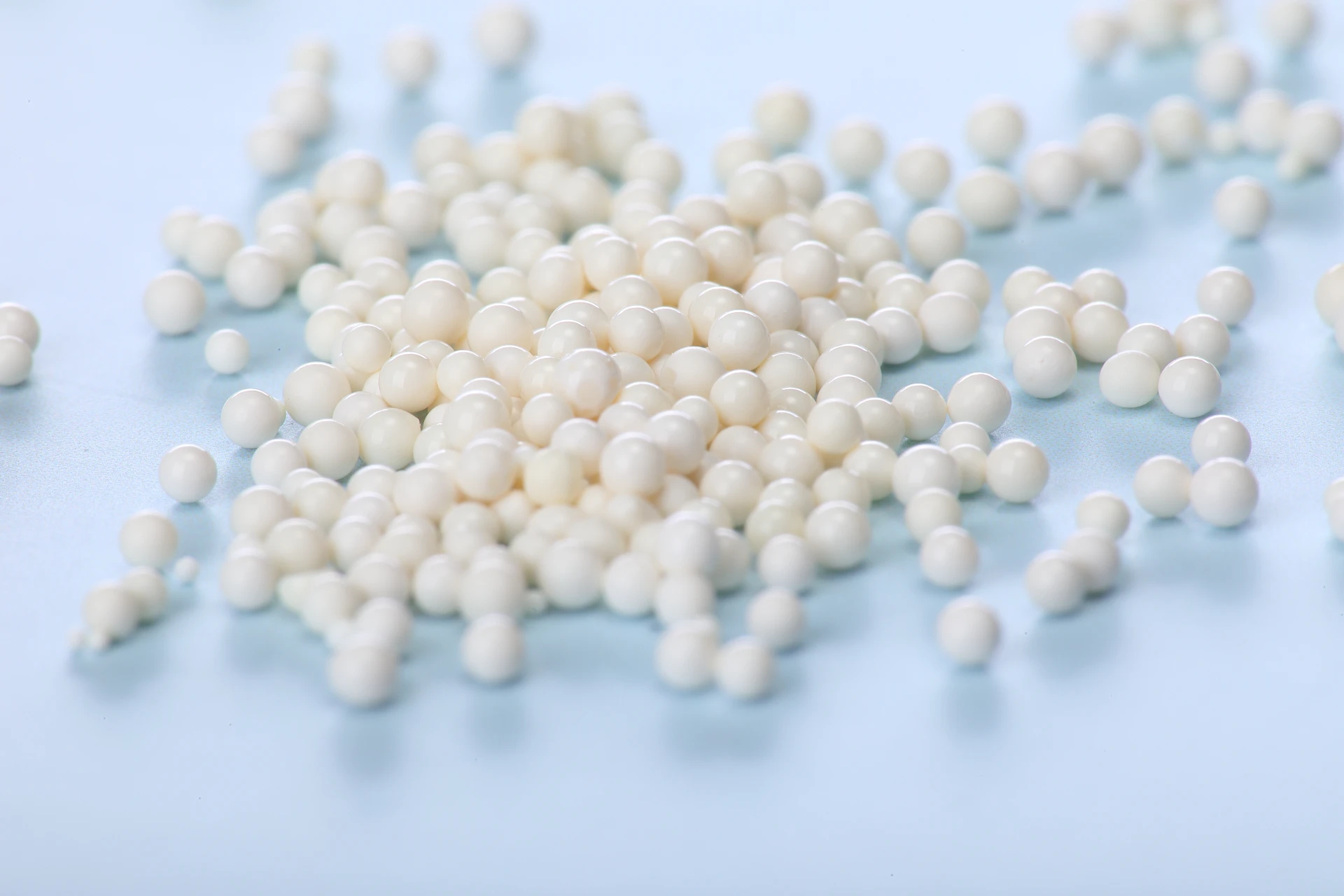
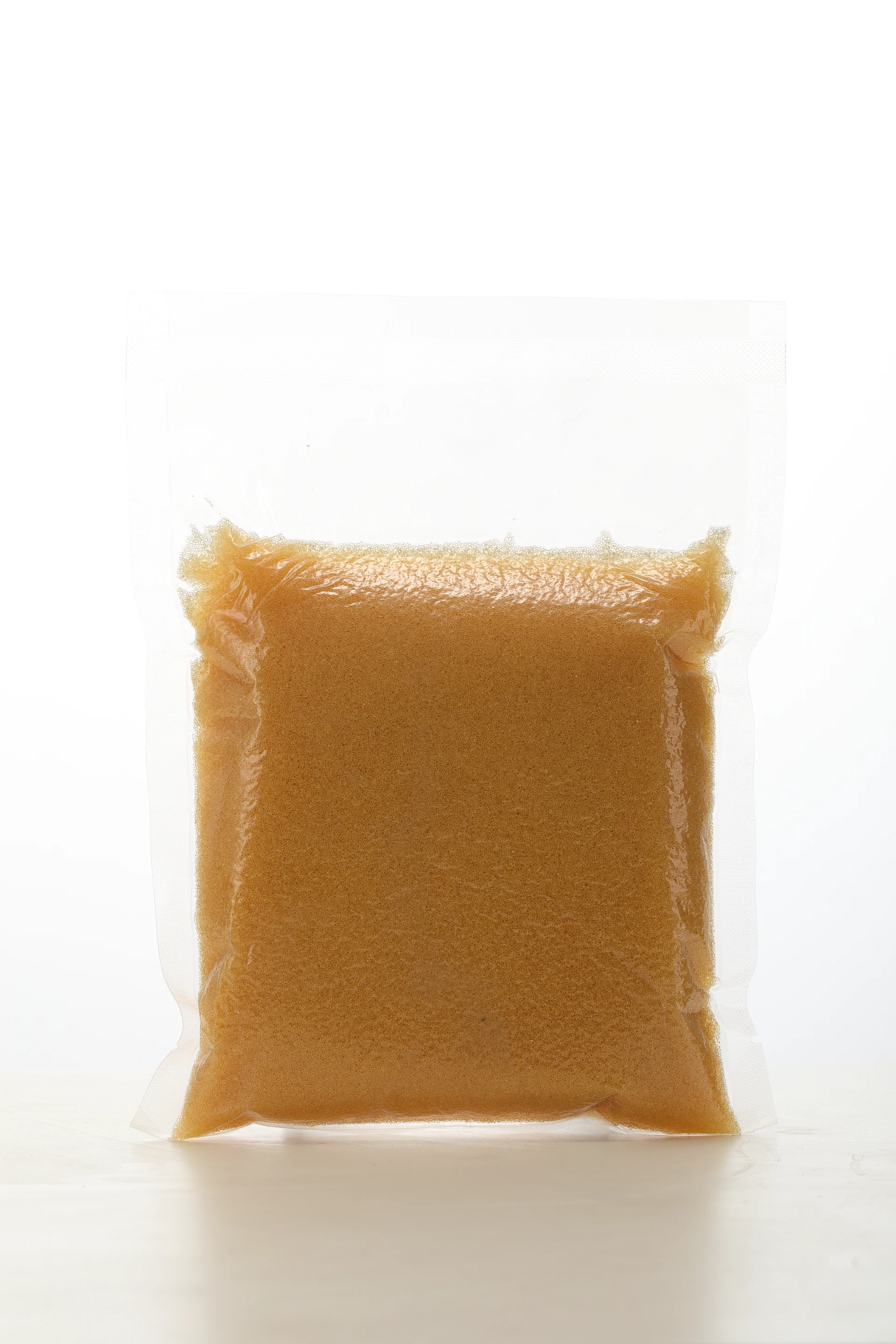
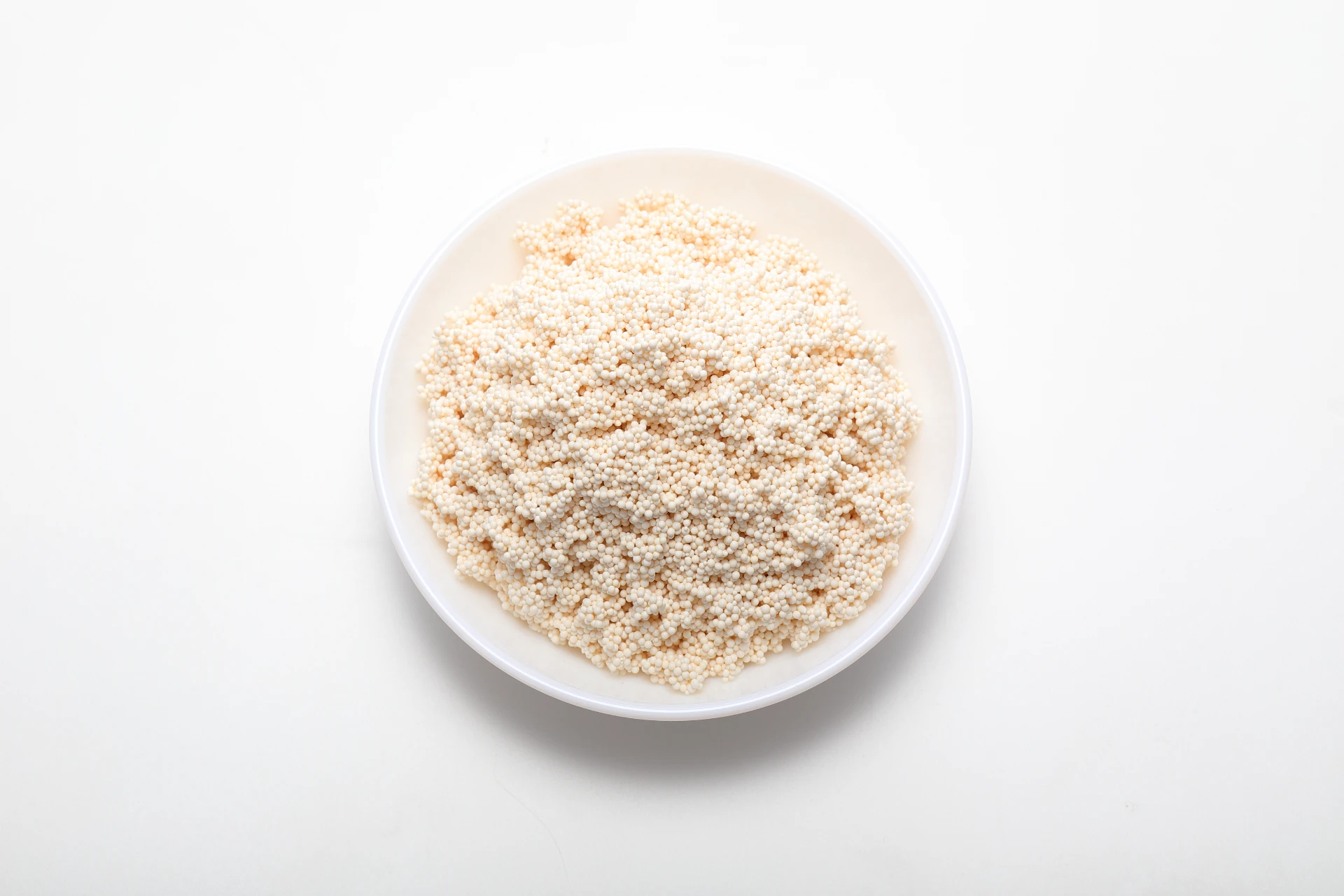
The production of strong acid cation exchange resin is a sophisticated multi-stage chemical process, demanding precision and adherence to rigorous quality control standards. The goal is to synthesize highly porous, cross-linked polymer beads with a uniform distribution of strong acidic functional groups, typically sulfonic acid groups (-SO3H).
This initial phase involves the suspension polymerization of styrene with a divinylbenzene (DVB) cross-linking agent. The DVB content dictates the degree of cross-linking, which in turn influences the resin's physical strength, chemical stability, and porosity. Higher DVB content results in a more robust, less swellable, but potentially slower exchanging resin. The process occurs in a reaction vessel, typically yielding spherical polymer beads with controlled size distribution. This foundational step is analogous to precision casting, forming the structural integrity of the resin.
Following polymerization, the inert polymer beads undergo sulfonation. This is the critical step where sulfonic acid functional groups are introduced onto the aromatic rings of the styrene-DVB copolymer. Concentrated sulfuric acid or oleum is commonly used as the sulfonating agent under carefully controlled temperature conditions. This process converts the non-ionic polymer into an ionically active resin, granting it its strong acidic properties. This stage requires precise chemical engineering, similar to specialized chemical forging, to ensure uniform functionalization without compromising bead integrity.
After sulfonation, the resin beads are thoroughly washed to remove excess acid and any soluble byproducts. This is crucial for purity and preventing contamination in subsequent applications. Following washing, the resins are hydraulically classified or sieved to achieve specific particle size distributions. Uniform bead size is essential for optimal flow dynamics, pressure drop, and kinetic performance within an ion exchange column. This sizing process is akin to precision machining, ensuring each resin bead meets exacting dimensional standards for consistent performance.
Finally, the resin is conditioned, often by converting it to a specific ionic form (e.g., Na+ form for water softening or H+ form for demineralization). Extensive quality control tests are performed, including measurements of total exchange capacity, moisture content, and physical integrity, to ensure compliance with industry standards and product specifications. This final stage is crucial for guaranteeing the readiness and reliability of the strong acid cation resin for demanding industrial use.
Typical resin materials include styrene-divinylbenzene copolymers, which provide excellent mechanical strength and chemical resistance. Manufacturing processes often involve advanced emulsion polymerization techniques for precise control over bead morphology and porosity (e.g., gel type or macroporous structures). Testing standards strictly adhere to international benchmarks such as ASTM D2187 (Physical and Chemical Properties), ISO 10926 (Testing Methods for Ion Exchange Resins), and ANSI/AWWA B604 (Ion Exchange Resins for Water Treatment). These standards ensure consistent product quality, performance, and safety.
The service life of a well-maintained strong acid cation resin can extend from 5 to 10 years, or even longer, depending on the feed water quality, operating conditions, and regeneration frequency. Degradation factors include oxidative attack (e.g., from chlorine), osmotic shock, and organic fouling. Advanced resin designs, particularly macroporous variants like the D001, are engineered to enhance resistance to these degradation mechanisms, thereby maximizing operational lifespan and minimizing replacement costs.
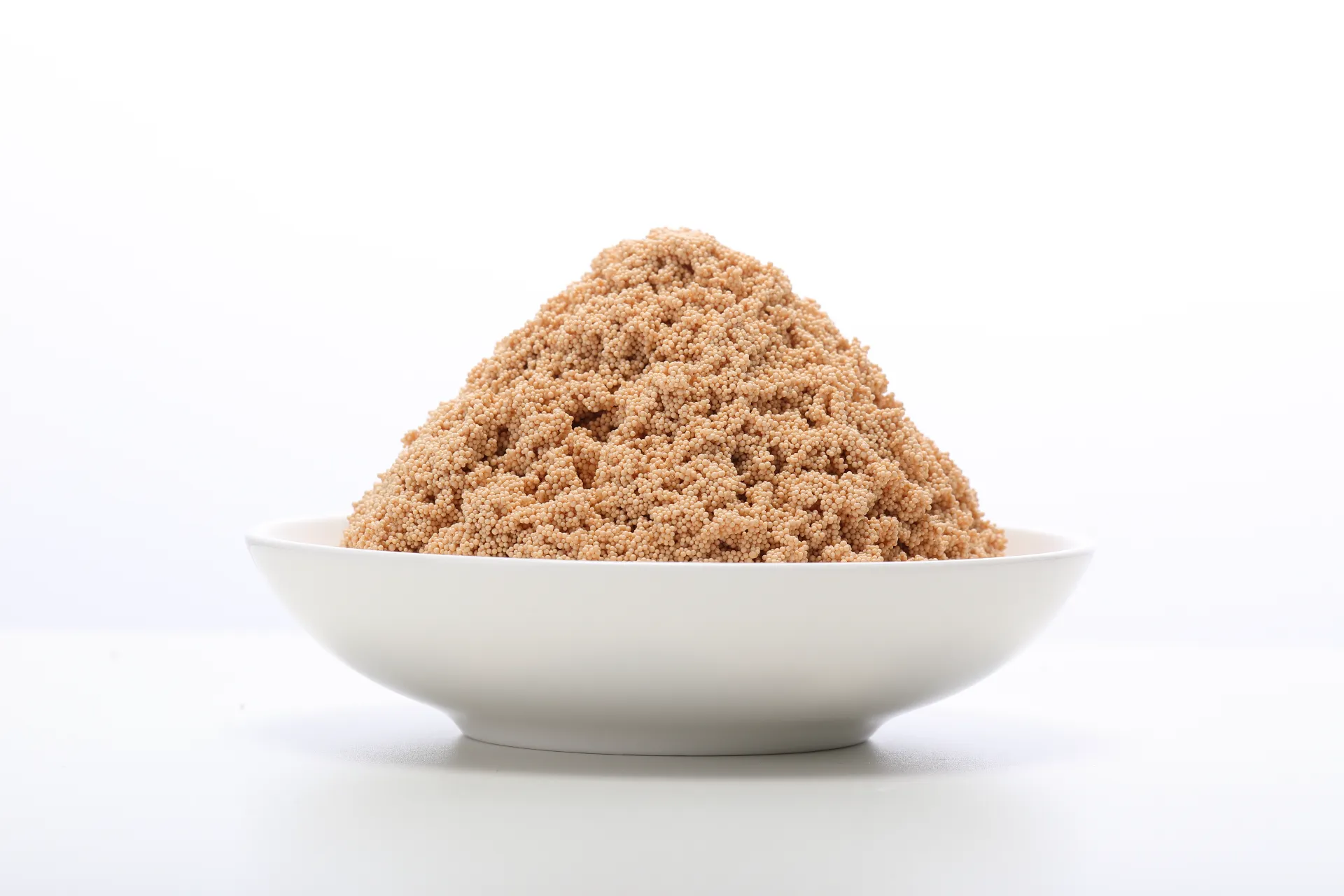
Understanding the technical specifications of a strong acid cation resin is crucial for proper selection and system design. These parameters dictate the resin's capacity, kinetics, and operational stability, directly impacting the efficiency and cost-effectiveness of water treatment systems.
| Property | Specification (D001 Macroporous Strong Acid Cation Exchange Resin) | Test Method / Standard |
|---|---|---|
| Polymer Matrix | Styrene-Divinylbenzene Copolymer | Internal Analytical Method |
| Functional Group | Sulfonic Acid | FTIR Spectroscopy |
| Ionic Form (as shipped) | H+ or Na+ (customer specified) | Titration |
| Total Exchange Capacity (meq/mL) | ≥ 1.70 (H+ form); ≥ 1.90 (Na+ form) | ASTM D2187 |
| Moisture Content (%) | 45-55 (H+ form); 40-50 (Na+ form) | ASTM D2187 |
| Particle Size Range (mm) | 0.60 - 1.25 | ASTM D2187 |
| Uniformity Coefficient | ≤ 1.6 | ASTM D2187 |
| Effective Size (mm) | 0.45 - 0.65 | ASTM D2187 |
| Specific Gravity (g/mL) | 1.25 - 1.30 | ASTM D2187 |
| Reversible Swelling (Na+ to H+) | Approx. 8-10% | Internal Analytical Method |
| Operating pH Range | 0 - 14 | Manufacturer's Recommendation |
| Maximum Operating Temperature | 120°C (250°F) | Manufacturer's Recommendation |
The D001 macroporous strong acid cation resin, with its robust structure, offers enhanced resistance to organic fouling and osmotic shock compared to traditional gel-type resins. Its high cross-linking ensures excellent mechanical strength, crucial for demanding industrial environments where reliability and longevity are paramount. The specific porosity of macroporous resins provides a larger surface area and accessible functional groups, which can improve kinetics and resistance to the presence of high molecular weight organic compounds.
The versatility and efficacy of strong acid cation resin make it a cornerstone in numerous industrial processes requiring precise ion control. These resins are critical for ensuring water quality, protecting high-value assets, and complying with strict environmental standards.
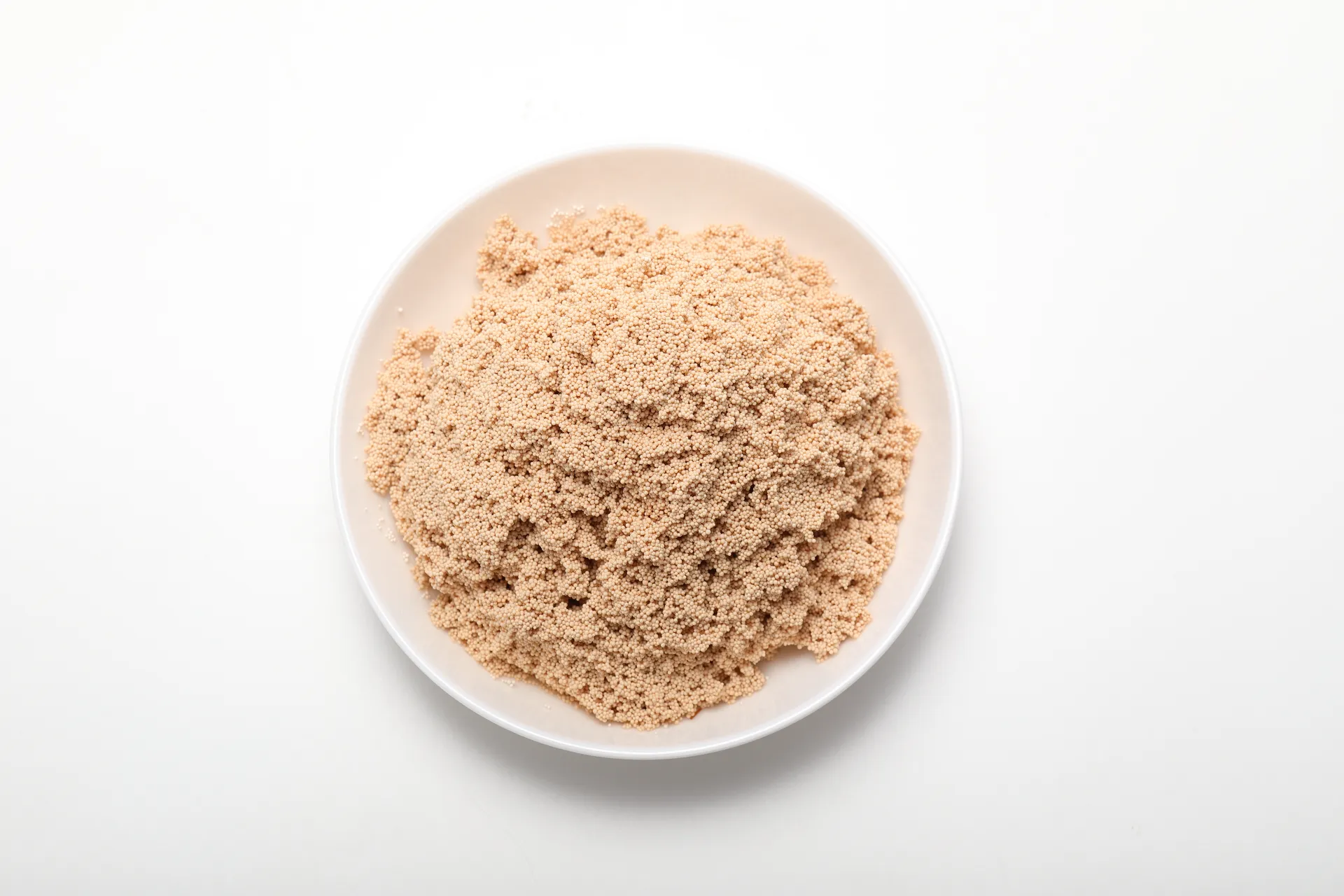
The adoption of advanced strong acid cation resin technology, such as the D001 macroporous type, offers substantial technical advantages and economic benefits, leading to optimized operational efficiency and reduced overall costs for industrial facilities.
Choosing the right supplier for strong acid cation resin is as critical as selecting the resin itself. A reliable vendor not only provides quality products but also offers comprehensive technical support, customization capabilities, and logistical efficiency that contribute to the long-term success of an industrial operation.
| Feature/Service | Liji Resin (Example) | Competitor A (Hypothetical) | Competitor B (Hypothetical) |
|---|---|---|---|
| Product Range | Comprehensive (Gel, Macroporous, Uniform Particle Size) for diverse applications. | Standard Gel Types Primarily; limited macroporous options. | Specialized, often with a more limited range of SAC resin types. |
| Customization Capabilities | High (Tailored particle size, cross-linking, ionic form to meet specific needs). | Moderate (Primarily ionic form conversion, less flexibility on matrix). | Low (Focus on off-the-shelf products with minimal customization). |
| Technical Support | Dedicated Engineering Team, On-site Assistance, Process Optimization. | Online FAQ, Basic Phone Support, limited on-site. | Limited documentation, primarily sales-driven support. |
| Quality Certifications | ISO 9001, NSF/ANSI 61, FDA Compliant Grades, ensuring broad industry acceptance. | Typically ISO 9001 only; fewer specialized certifications. | Certifications may not be publicly stated or as comprehensive. |
| Lead Time & Logistics | Fast Global Shipping, Local Warehousing, efficient supply chain. | Standard lead times, potentially longer for international shipments. | Extended lead times, limited warehousing outside primary markets. |
| Warranty & After-Sales | Extensive product warranty, proactive support, performance guarantees. | Standard 1-year warranty; reactive support. | Case-by-case resolution, often less defined post-sale support. |
For specialized applications, particularly those with unique feed water compositions or stringent effluent requirements, customized strong acid cation resin solutions are often necessary. Leading manufacturers like Liji Resin offer the capability to tailor resin properties such as cross-linking density, bead size distribution, and specific ionic forms. This enables optimization for:
Such customization ensures that the resin system delivers maximum efficiency and longevity, translating into lower total cost of ownership (TCO) for industrial operations by reducing chemical consumption, energy use, and maintenance needs.
The practical benefits of deploying high-quality strong acid cation resin are best illustrated through successful industrial applications. These cases highlight the tangible impact on operational efficiency, cost savings, and environmental compliance, showcasing the value proposition of superior resin technology.
A major thermal power plant in Southeast Asia faced persistent issues with high silica and conductivity levels in its boiler feed water. This led to frequent boiler shutdowns for chemical cleaning, increased fuel consumption due to scale buildup, and reduced overall plant efficiency. After an in-depth analysis of their raw water source, which contained moderate hardness and high organic content, Liji Resin recommended replacing their aging gel-type resin with a macroporous strong acid cation resin (D001 in H+ form) as part of a redesigned multi-bed demineralization system.
A chemical manufacturing facility in Europe was struggling to meet stringent discharge limits for heavy metals (specifically nickel and copper) in its industrial wastewater, facing potential regulatory fines and reputational damage. Conventional precipitation methods proved insufficient for achieving the required ultra-low concentrations. Liji Resin proposed a selective ion exchange system utilizing a specialized strong acid cation resin tailored for high affinity towards divalent heavy metal ions.
Building strong partnerships in the B2B sector relies heavily on transparency, reliability, and robust customer support. We are committed to providing clear information and comprehensive service for all our strong acid cation resin products, ensuring peace of mind for our industrial clients.
Q1: What is the primary difference between strong acid cation and weak acid cation resins?
A1: Strong acid cation resin (SAC) possesses sulfonic acid functional groups that are fully ionized across the entire pH range (0-14), allowing it to remove all cations, including those from strong acids. Weak acid cation (WAC) resins, typically containing carboxylic acid groups, are only partially ionized in acidic solutions and primarily remove cations associated with alkalinity (e.g., hardness from bicarbonates). WAC resins offer higher regeneration efficiency but have a more limited application range.
Q2: How do I select the correct strong acid cation resin for my application?
A2: Selection depends on a thorough analysis of raw water composition, desired effluent quality, operating temperature, and potential for fouling. Key parameters to consider include the resin's total exchange capacity, particle size distribution (e.g., standard vs. uniform particle size), and polymer matrix type (gel vs. macroporous). Our experienced technical team can provide detailed consultation and recommendations based on your specific operational requirements and project goals.
Q3: What are the typical regeneration chemicals for SAC resins?
A3: For demineralization applications (H+ form), strong acid cation resin is typically regenerated using a strong acid, either hydrochloric acid (HCl) at 5-10% concentration or sulfuric acid (H2SO4) at 1-8% concentration. The choice depends on factors like cost, availability, and the potential for calcium sulfate precipitation with H2SO4. For water softening applications (Na+ form), sodium chloride (NaCl) brine is used.
Q4: How important is particle size uniformity in resin performance?
A4: Particle size uniformity significantly impacts hydraulic characteristics and kinetic performance. Uniform Particle Size (UPS) resins offer several advantages: lower pressure drops across the resin bed, more efficient flow distribution, and improved kinetic exchange rates due to shorter diffusion paths. This leads to more efficient regeneration, reduced chemical consumption, and overall enhanced system performance and operational savings.
Our streamlined production processes and extensive global distribution network are designed to ensure efficient order fulfillment and timely delivery. Standard products like the D001 strong acid cation resin are typically available with a lead time of 7-14 business days for domestic shipments and 3-5 weeks for international orders, depending on destination and volume. For customized solutions and large-scale projects, lead times will be provided upon project scope finalization and production scheduling. We maintain strategic warehousing in key regions to minimize logistical delays and support just-in-time inventory management for our valued clients, ensuring operational continuity.
We stand firmly behind the quality, durability, and performance of our products. All Liji Resin products, including our D001 strong acid cation exchange resin, come with a standard 12-month warranty from the date of shipment. This warranty covers manufacturing defects and guarantees compliance with all published technical specifications. Extended warranty options and specific performance guarantees are available for qualified long-term partnerships and large-scale industrial projects, reflecting our deep commitment to customer satisfaction and product reliability in demanding applications.
Our commitment extends well beyond product delivery. Liji Resin offers comprehensive after-sales support and expert technical service to ensure the seamless integration and optimal, long-term performance of our resins within your operations. Our support services include:
Leveraging decades of industry experience and a customer-centric approach, our goal is to empower your operations with reliable, high-performance ion exchange solutions and unparalleled support.