Phone:
+86 0319 2296164


Email:
info@lijiresin.cn
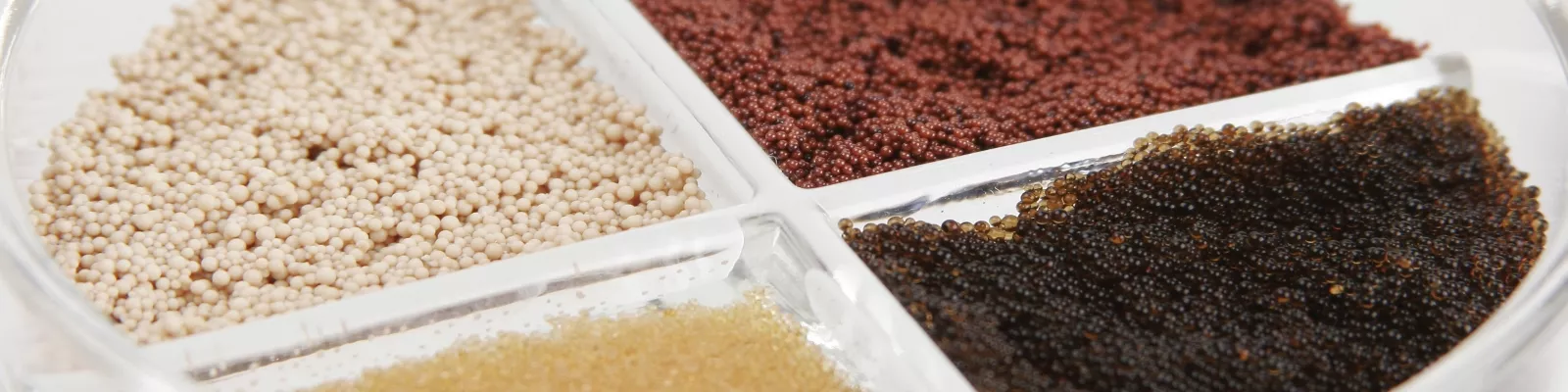
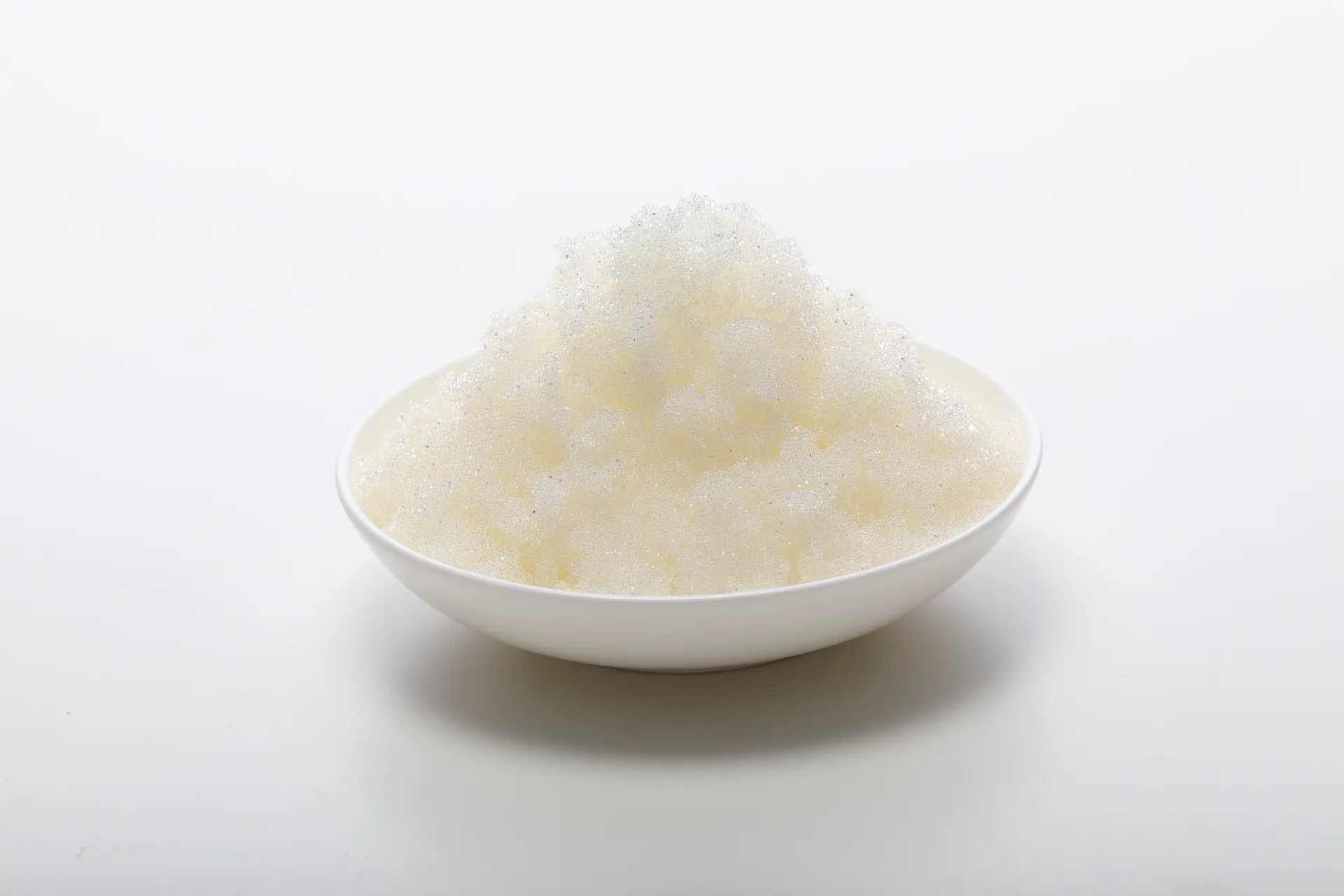
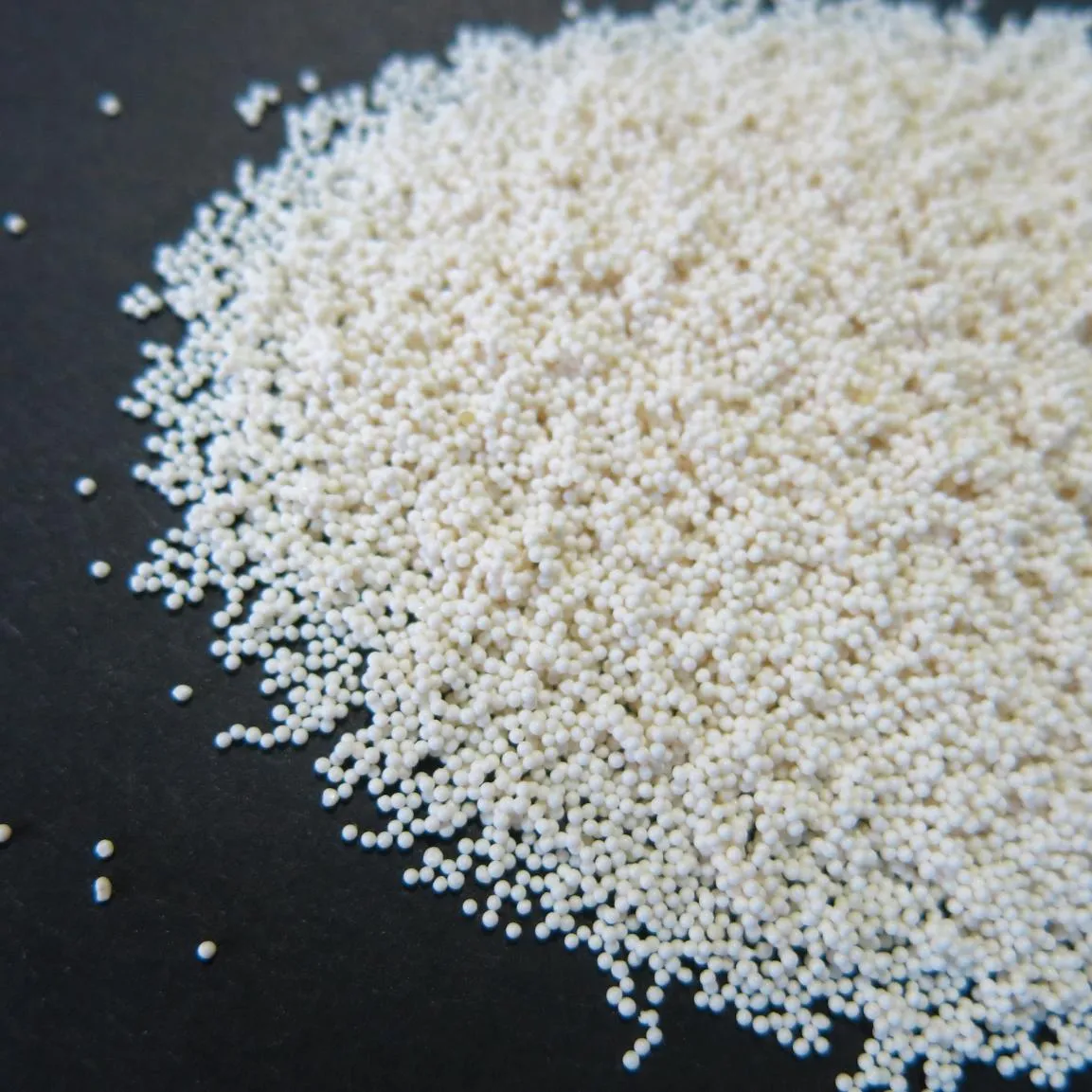
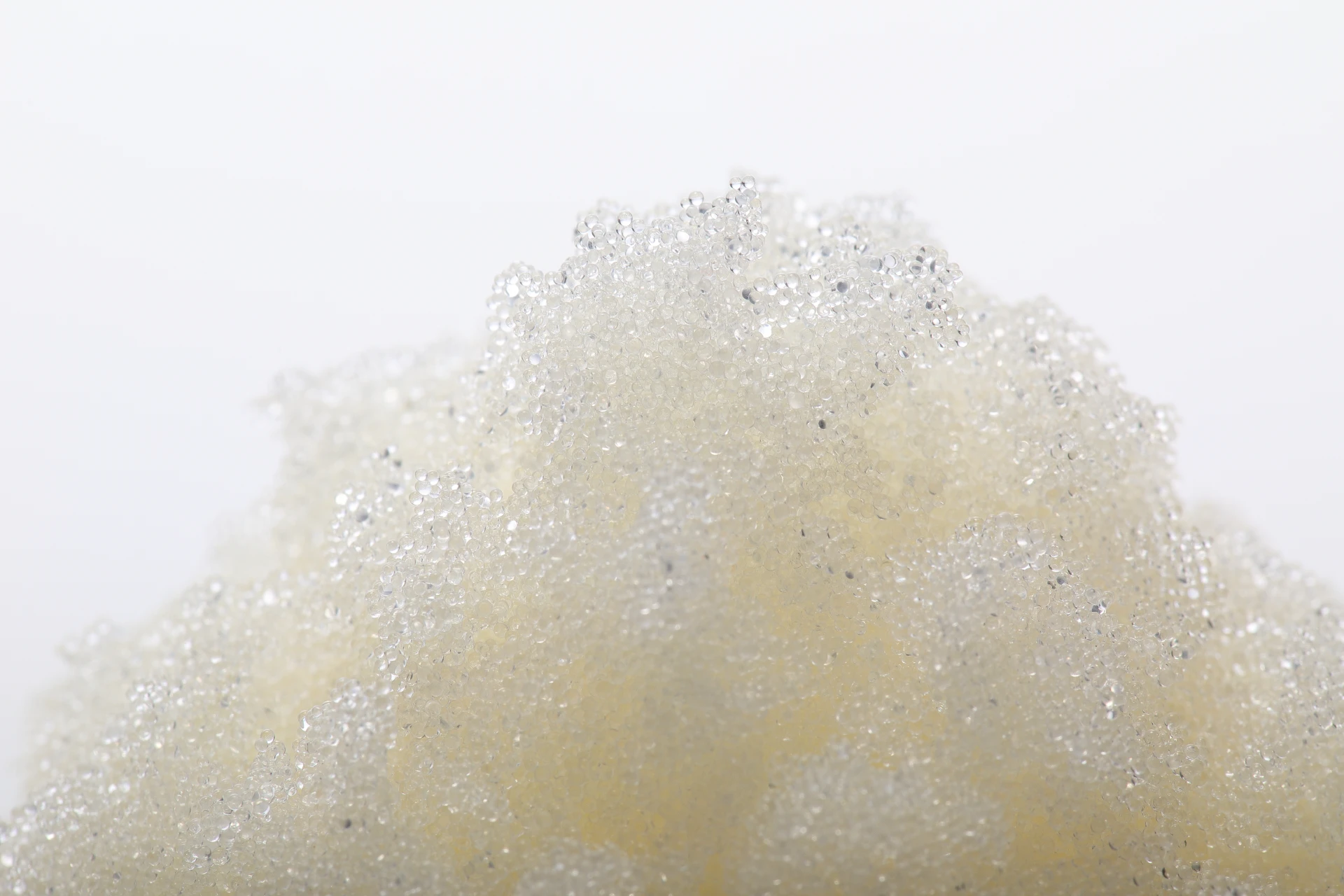
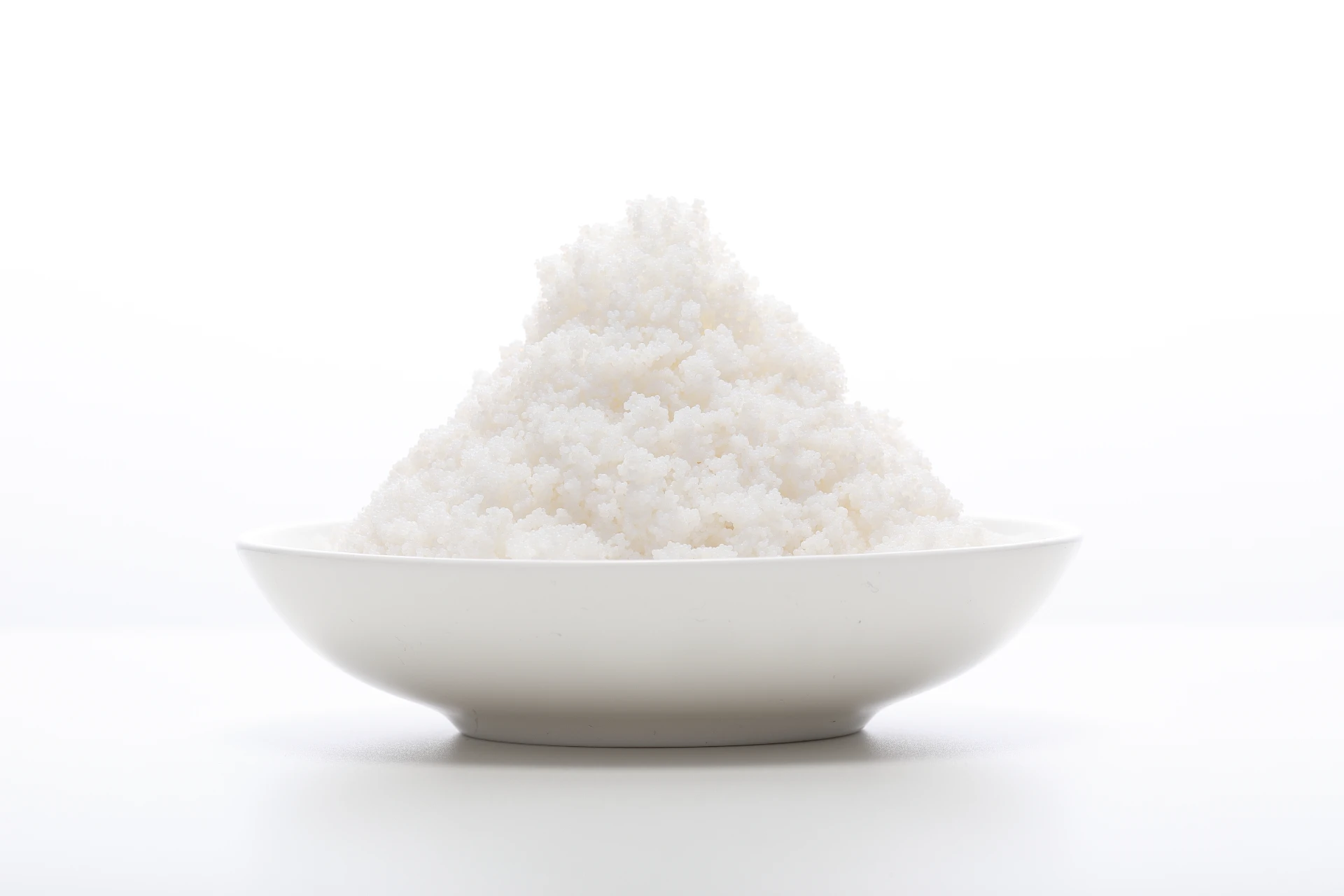
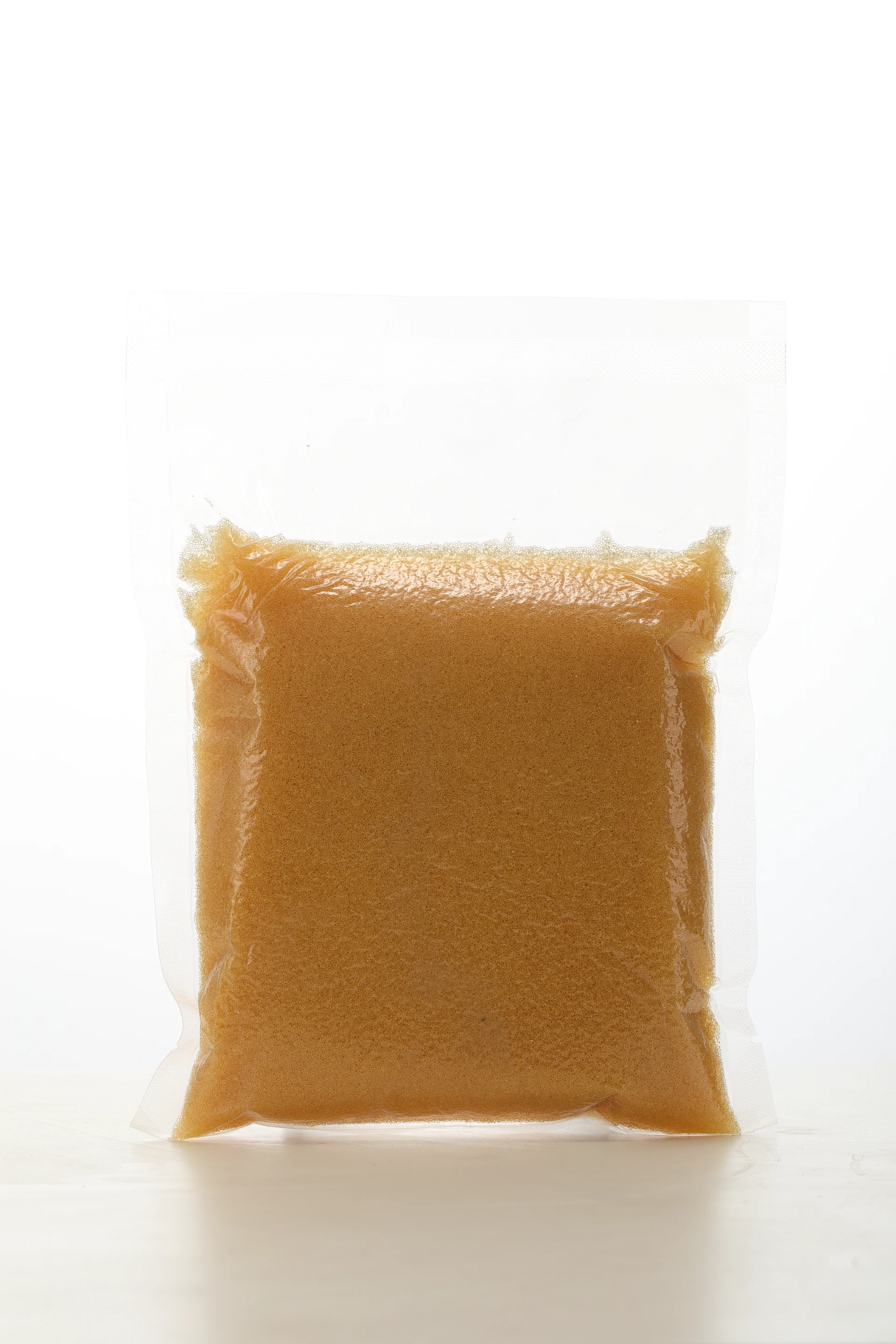
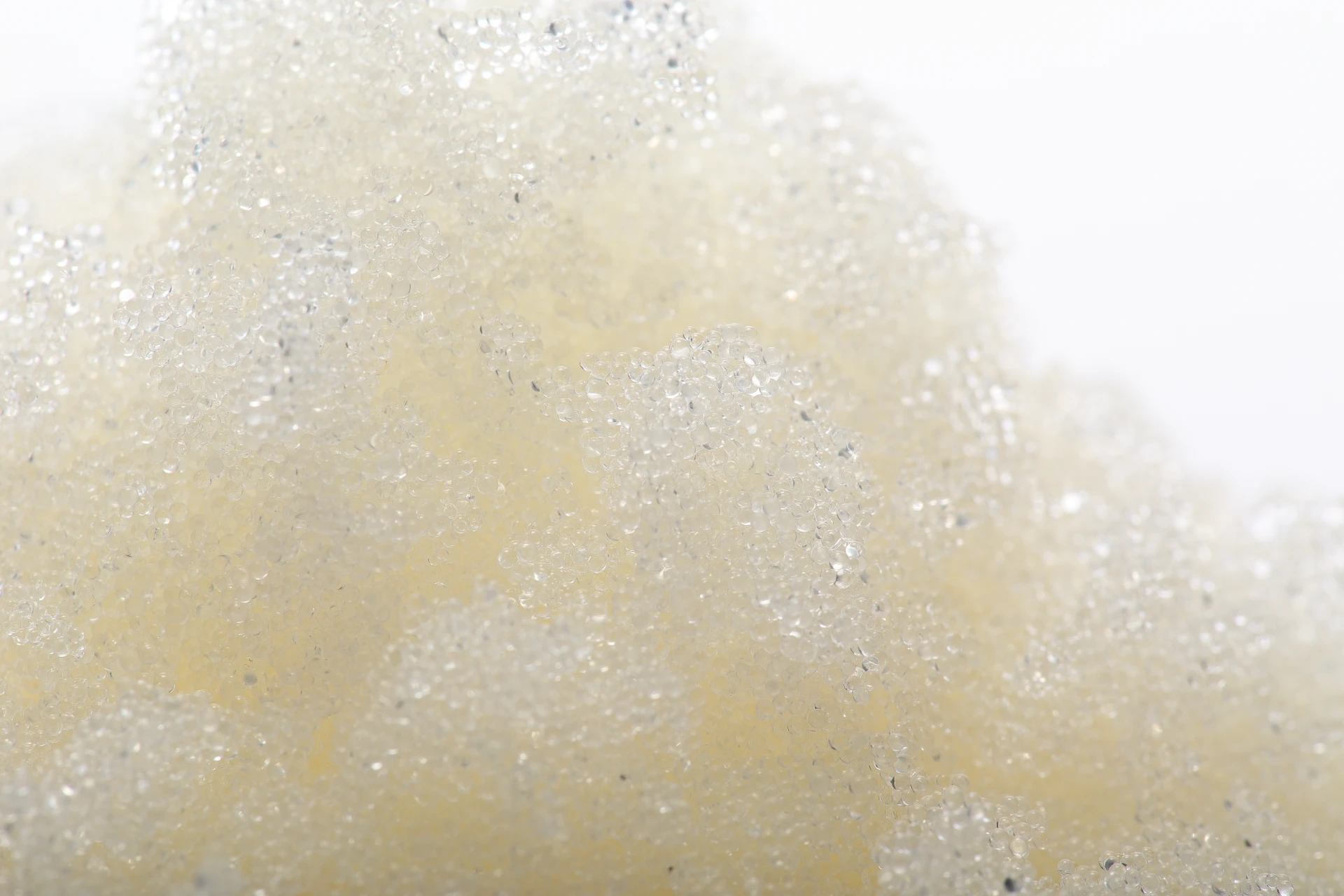
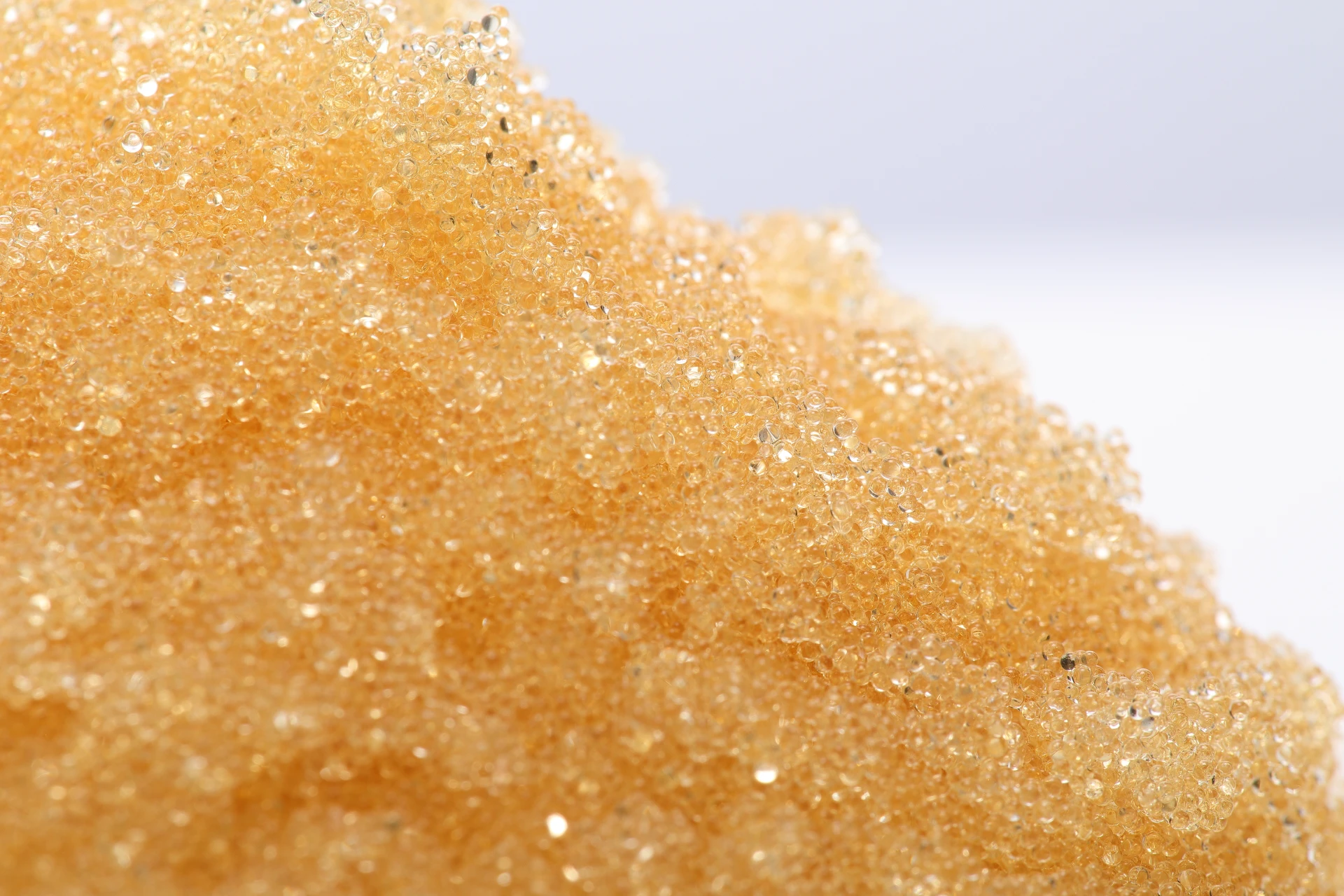
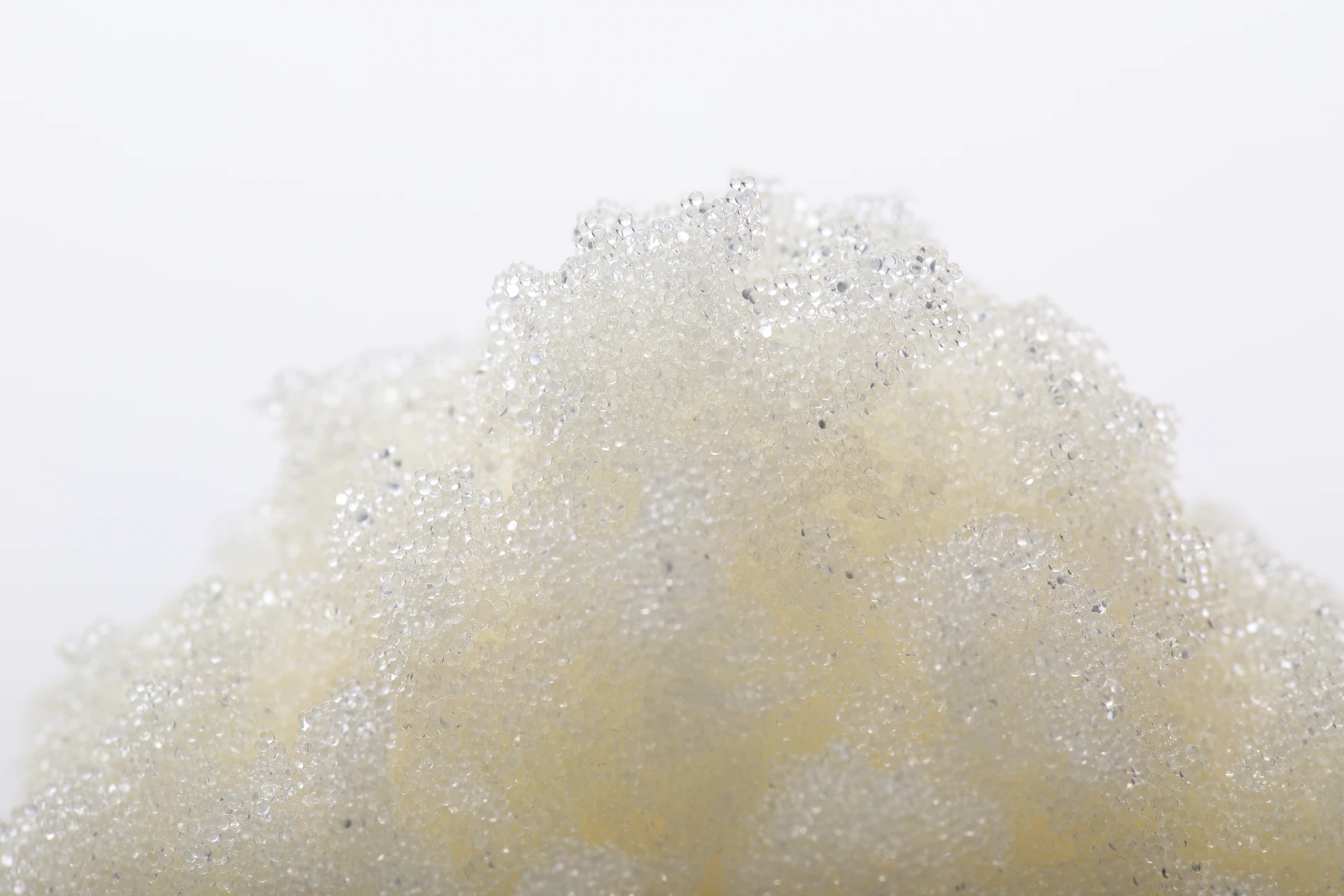
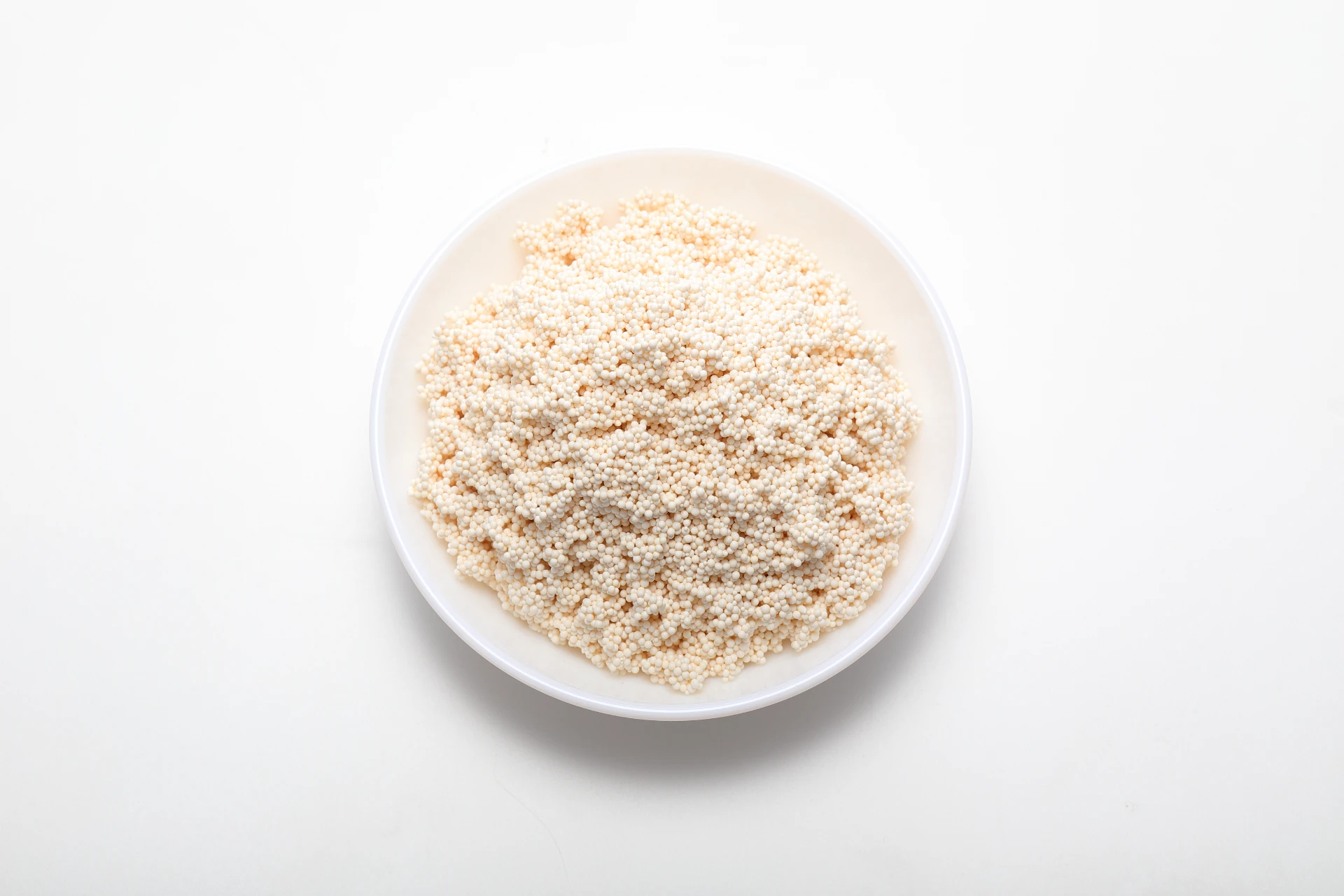
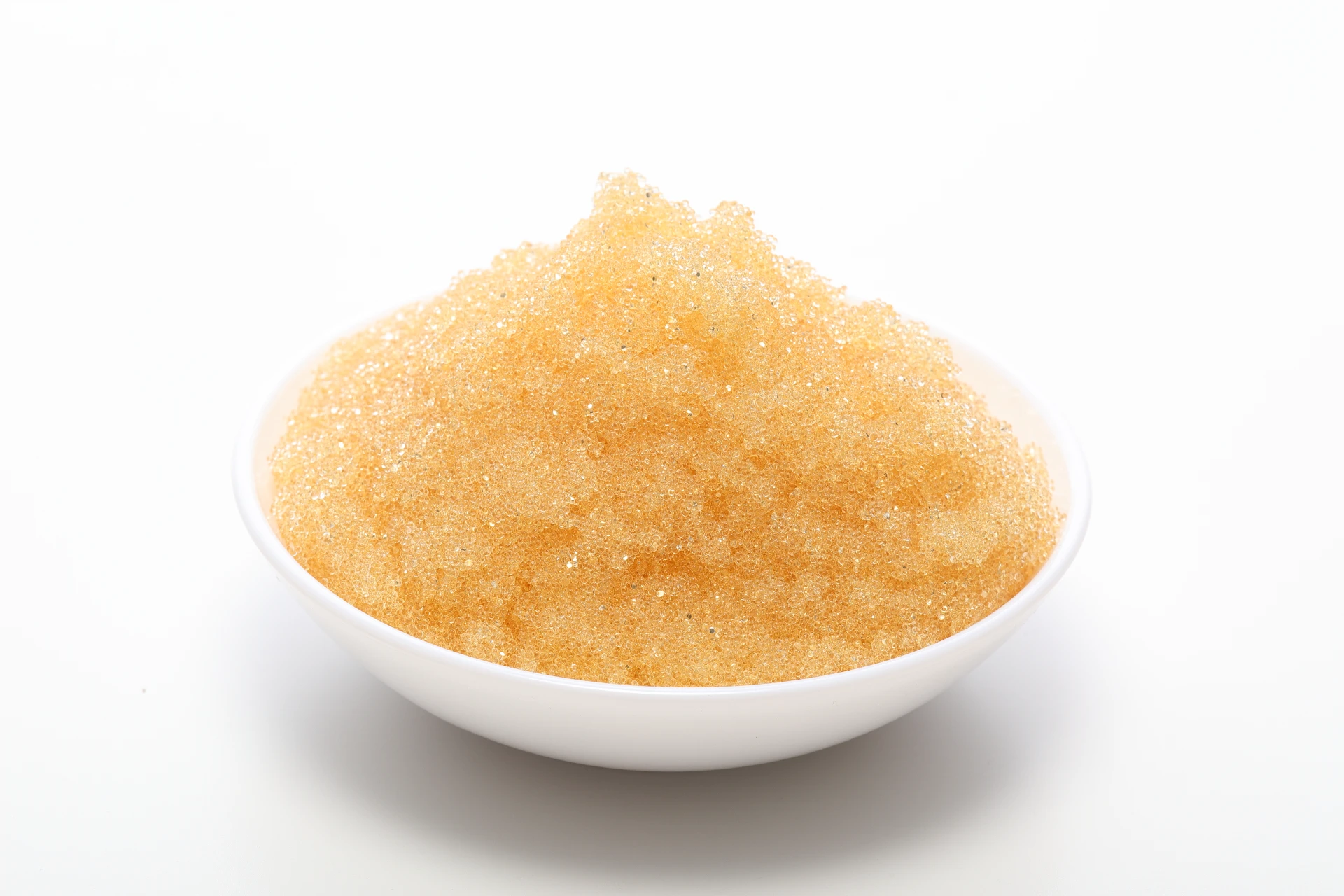
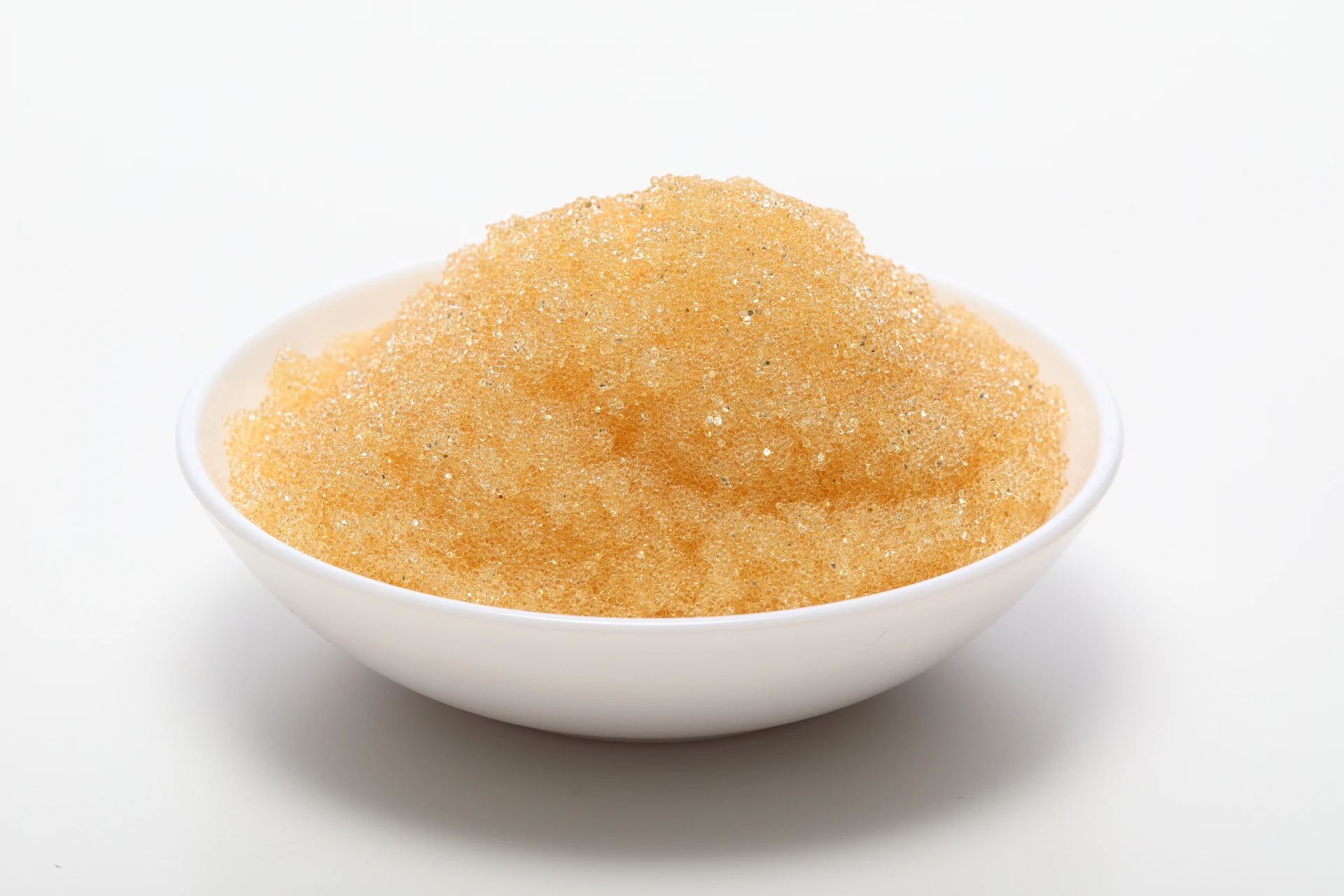
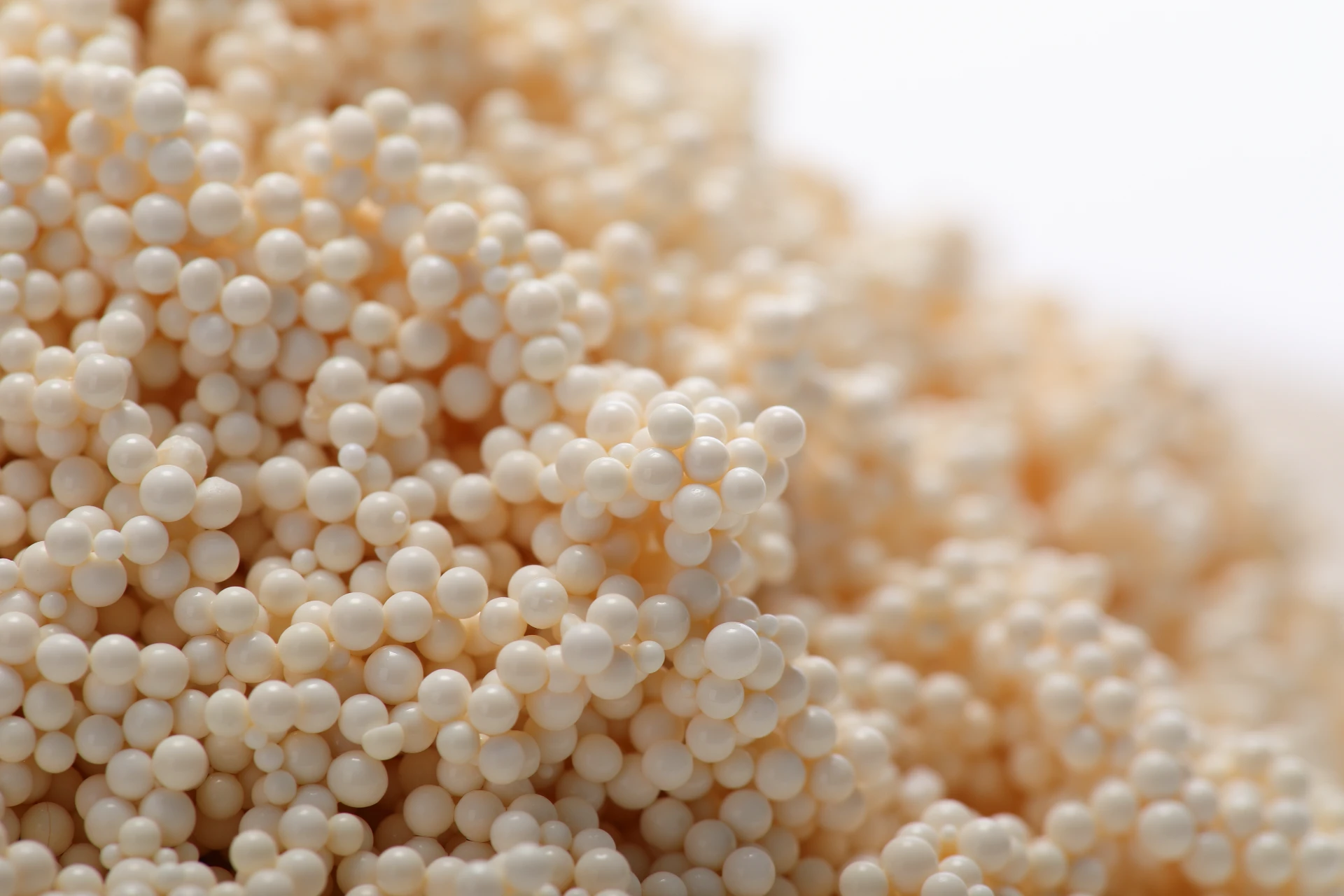
If you’re sizing a new polishing stage for food or beverage water lines, you’ll probably bump into a strong base anion resin sooner than later. I’ve trialed the 201X4 FG in a few plants and, to be honest, it’s one of those “does exactly what it says” media: a gel-type polystyrene matrix with quaternary ammonium groups (–N(CH3)3+), shipped in Cl– form, built for food-grade water treatment. Origin story? Straight from NO.2 East Jianshe Road, High-Tech Industrial Development South Zone Wei County, Xingtai, Hebei, China—an industrial cluster that’s been quietly upping its quality game.
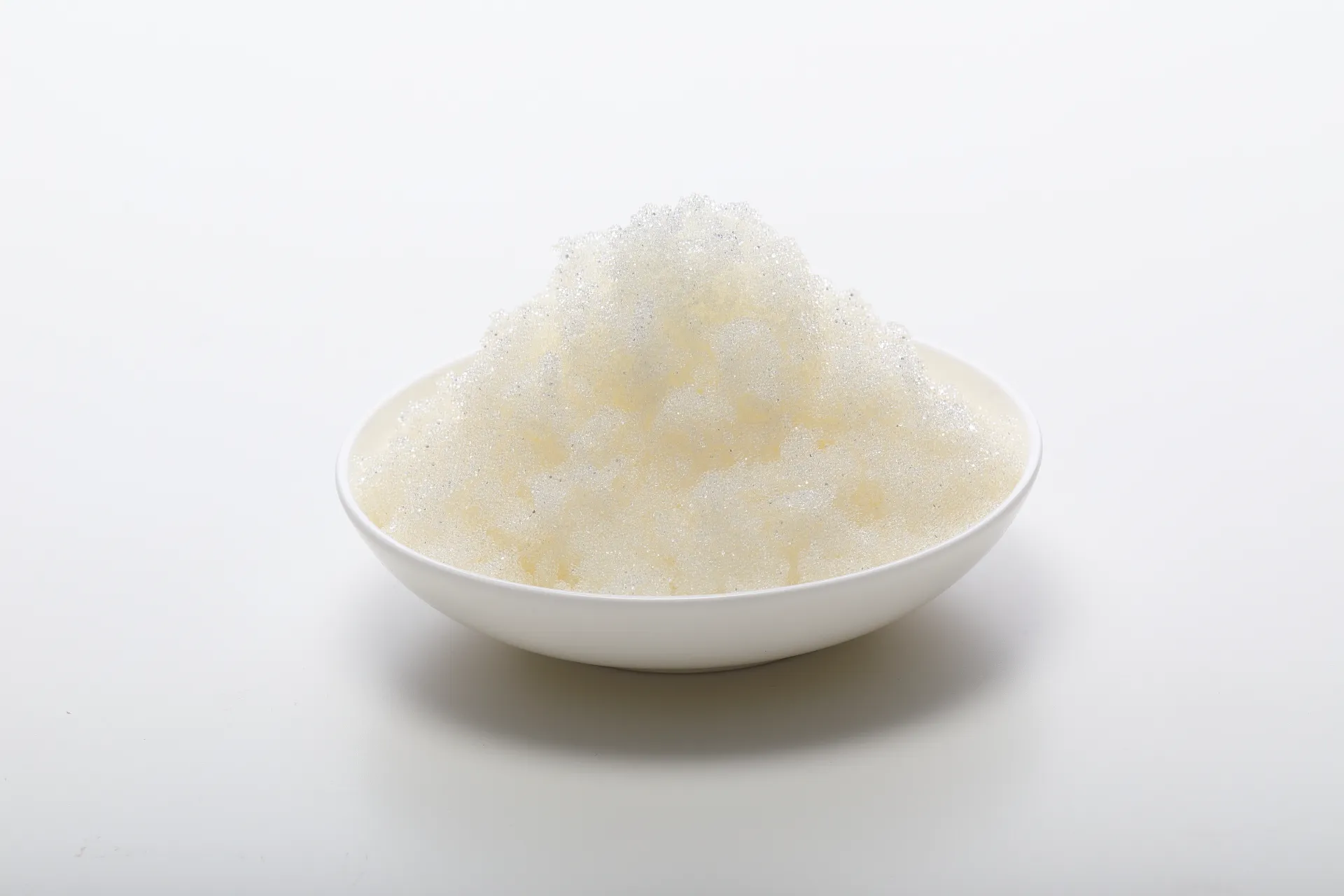
The market’s shifting toward resins that are traceable, low-leach, and easy to sanitize. Beverage plants want predictable rinse-down times, dairy wants fewer organics in the loop, and everyone is watching extractables. The 201X4 FG leans into that: decent capacity, good mechanical strength, and it regenerates cleanly. Several operators told me rinse volumes were “lower than expected,” which, frankly, surprised me in a good way.
| Matrix | Polystyrene–DVB, gel type |
| Functional group | Quaternary ammonium (Type I) |
| Ionic form (as shipped) | Cl– |
| Total exchange capacity | ≈1.2 eq/L (real-world use may vary) |
| Moisture content | 45–52% |
| Effective size / UC | 0.4–0.7 mm / ≤1.6 |
| Operating temp | ≤60°C (Cl– form), pH 0–14 |
| Service life | 3–5 years typical with proper pretreatment |
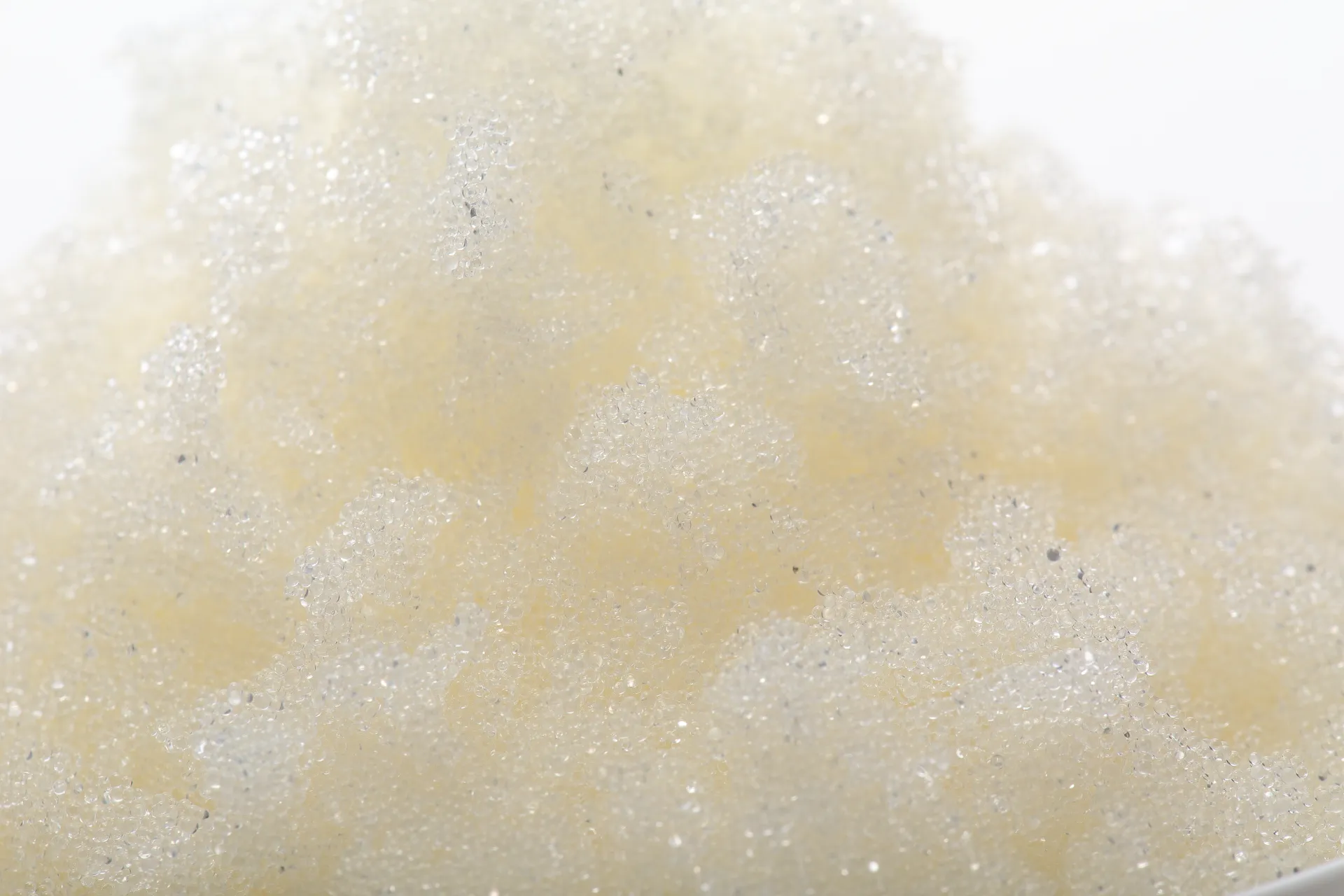
- Food & beverage polishing (low TOC goals, dechlorination/organics catch).
- Boiler makeup and condensate cleanup, especially where silica control matters.
- Ingredient water for breweries and dairies; CIP rinse stages that need stable conductivity.
- Ion-exchange demin systems paired with strong acid cation resin in two-bed or mixed-bed trains.
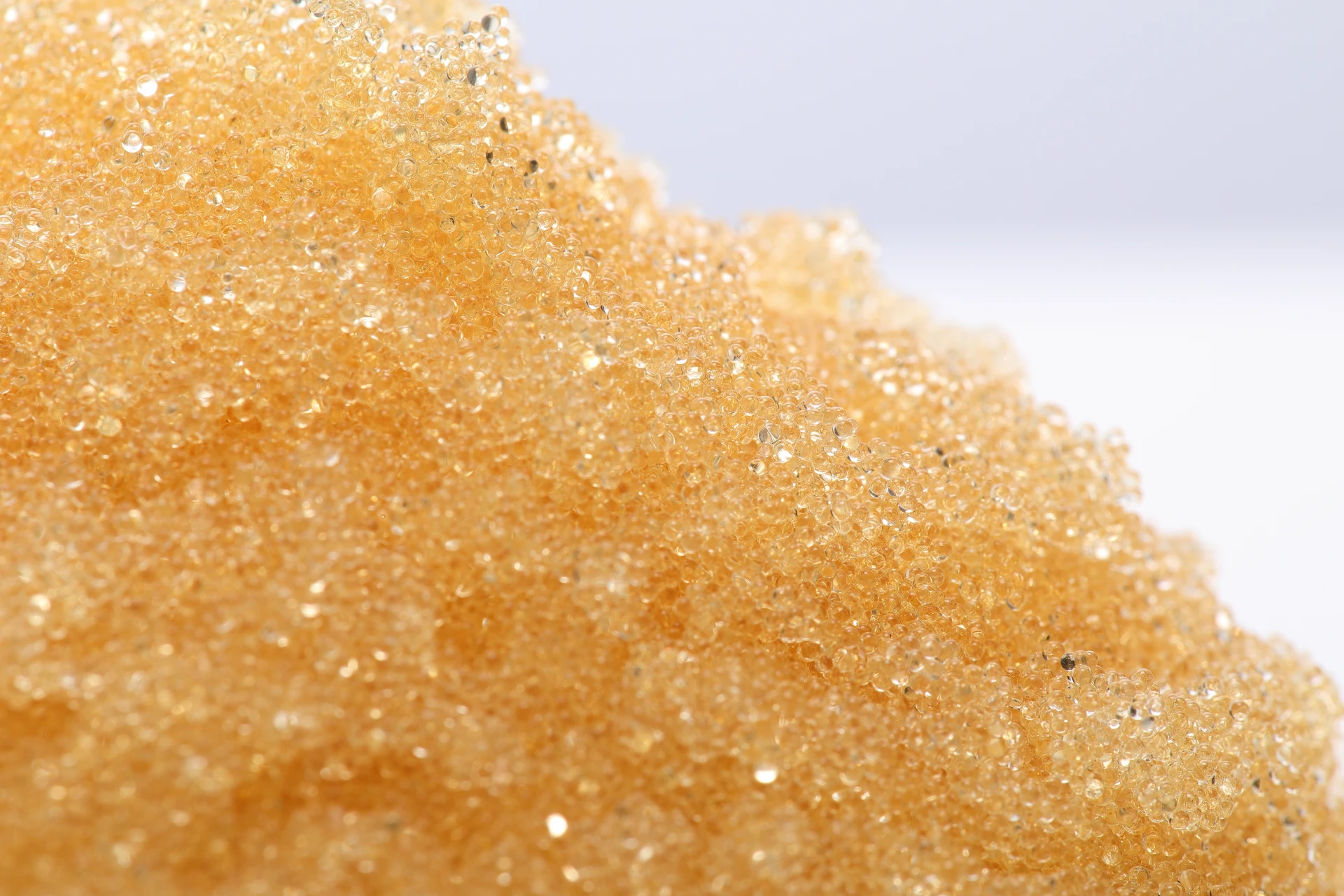
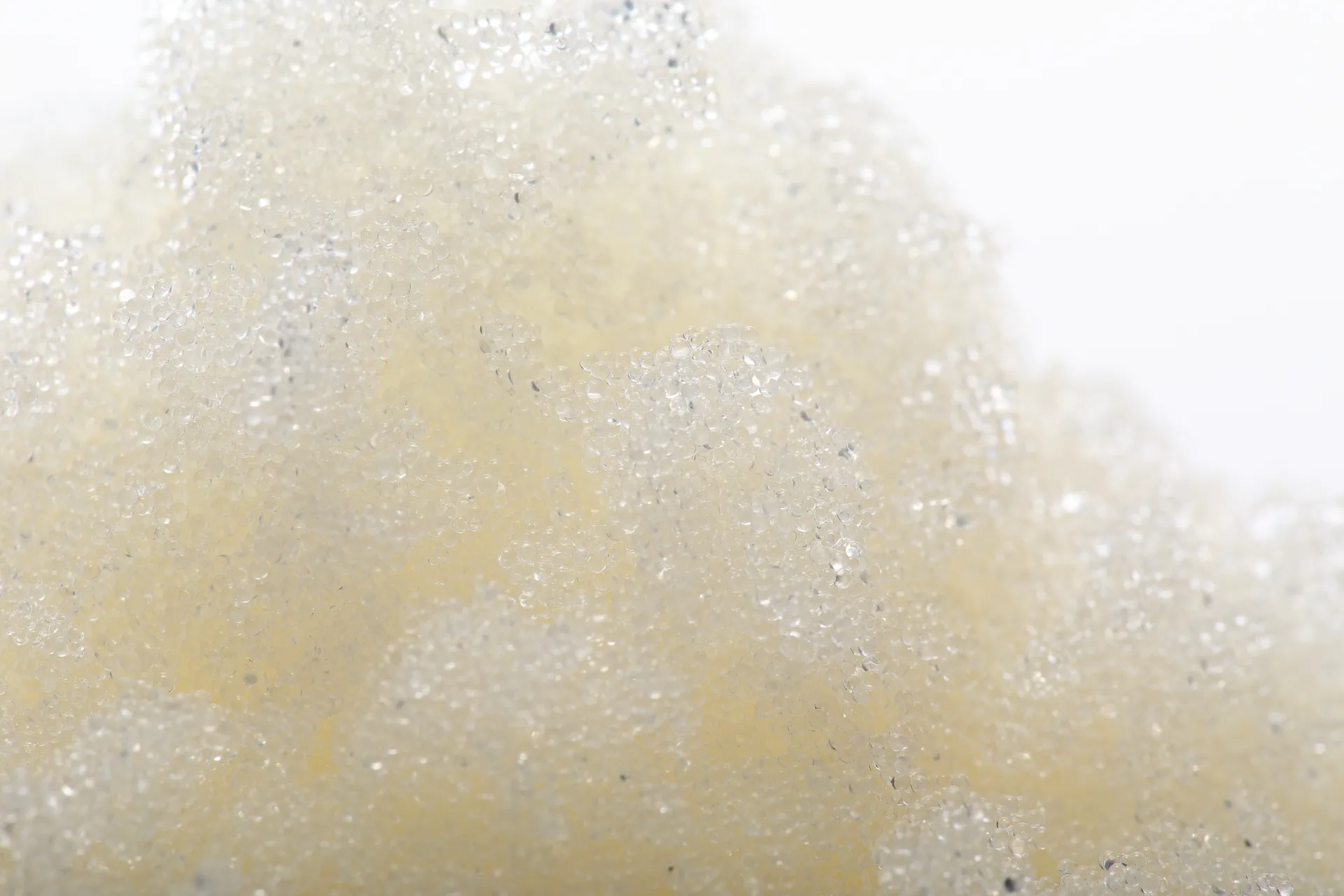
Materials: polystyrene-DVB beads with –N(CH3)3+. Methods: standard downflow service, backwash to 50–70% bed expansion, regenerate with NaCl/NaOH (OH– form for silica and weak-acid capture), then slow/fast rinse. Testing standards I’ve seen referenced include GB/T 5757 for resin QC and migration checks per NSF/ANSI 61 or EN 12873-1 when used in drinking-water contact. Typical test data from a recent lot: moisture 48.5%, sphericity ≥90%, uniformity coefficient 1.5, crush strength good (no visible fracture under routine pneumatic handling).
| Vendor | Food-grade docs | Capacity | Lead time | Customization |
|---|---|---|---|---|
| 201X4 FG (Xingtai, China) | NSF/EN migration reports available on request | ≈1.2 eq/L | Usually 2–4 weeks | Particle size tuning, packaging |
| Competitor A (Type I) | NSF listed, WQA Gold Seal | ≈1.1–1.2 eq/L | 3–6 weeks | Standard only |
| Competitor B (Type II) | NSF pending in some regions | ≈1.0–1.1 eq/L | 4–8 weeks | Limited |
Advantages: solid mechanical strength, predictable rinse, and, actually, competitive lead times. Customization options include bead size window and OH– preconditioning for low-silica targets. Customer notes from a Midwest soda bottler: “conductivity stabilized faster after regen; salt use didn’t spike,” which lines up with my own logs. A dairy client liked the resin’s low fines—less pressure-drop drift week to week.
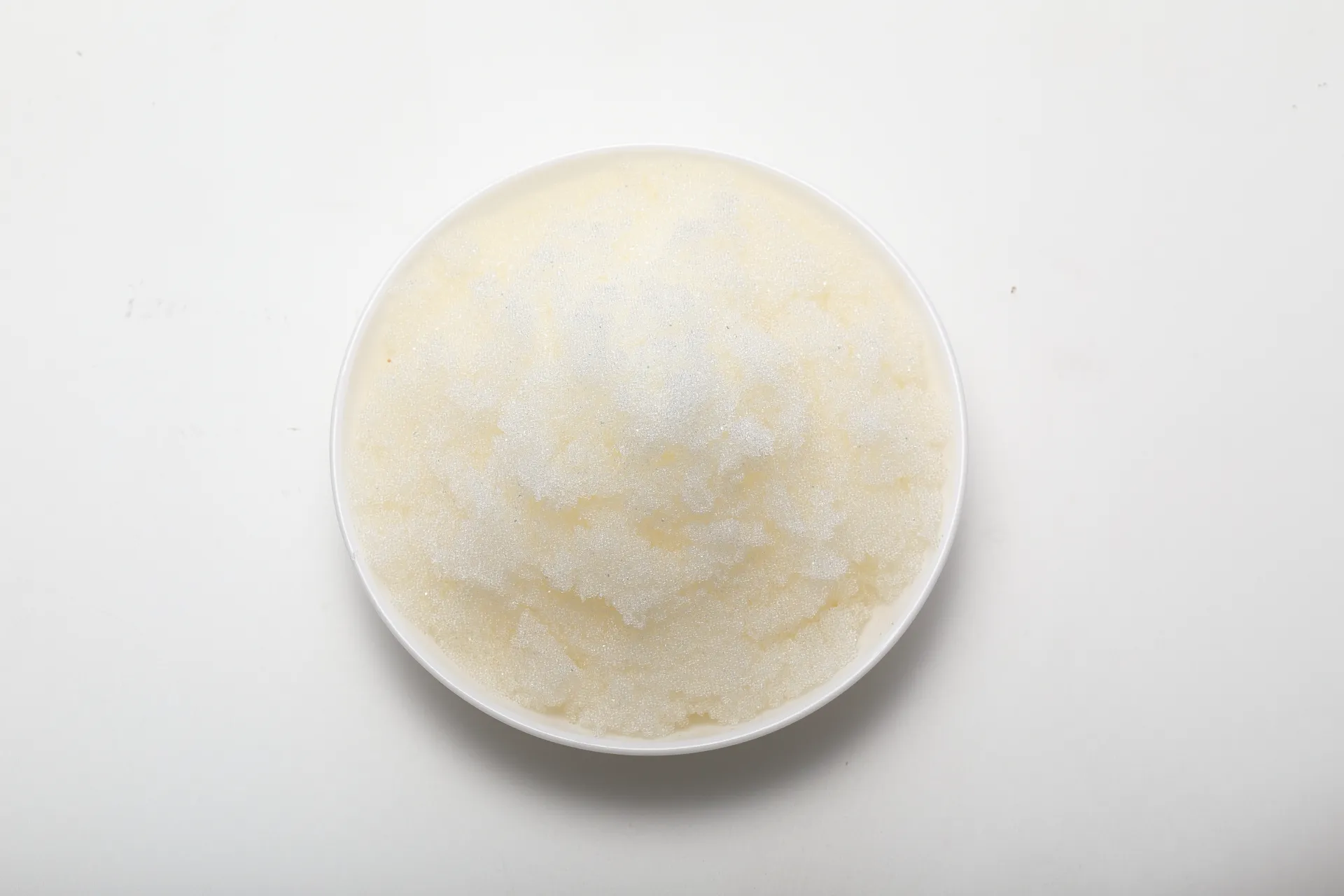
- Beverage plant, Asia: two-bed SAC + strong base anion swap-in cut silica to - Dairy facility, EU: mixed-bed polish with strong base anion fraction (OH– form) hit TOC trend targets; service life tracking suggests 4+ years with quarterly caustic cleaning.
For food-contact water, ask for migration data aligned with NSF/ANSI 61 or EN 12873-1. QC should reference GB/T 5757 for ion-exchange resin test methods. Vendor quality systems under ISO 9001 are table stakes now; WQA/NSF listings help in North America. And yes, keep a sanitary SOP: periodic caustic clean-in-place preserves strong base anion kinetics and extends service life.
Author’s note: specs above are typical; always verify with current COA, pilot test on your feed, and confirm local compliance before deployment.