Phone:
+86 0319 2296164


Email:
info@lijiresin.cn

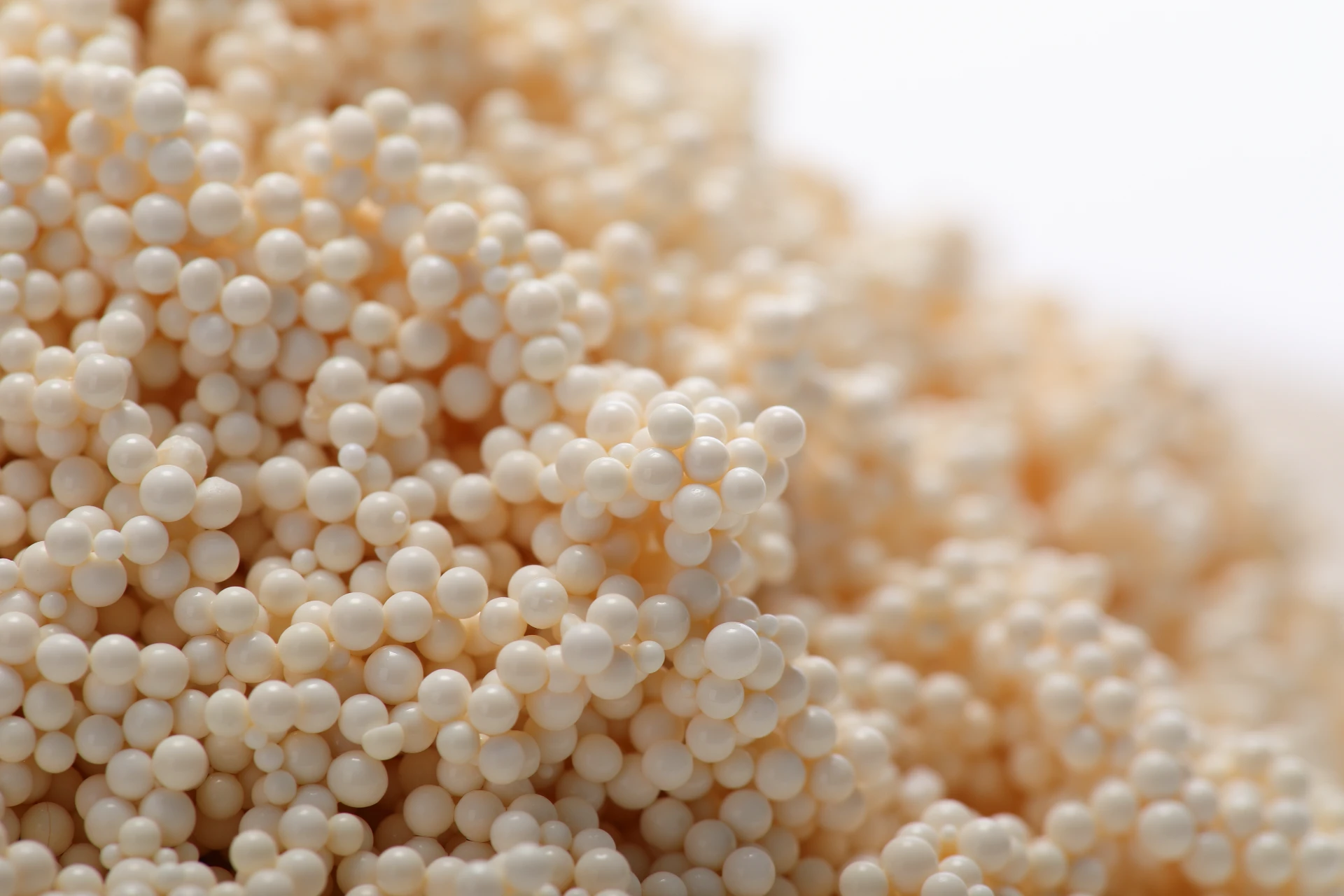
At its core, a hydrometallurgical processing plant might sound like jargon reserved for specialists, but it’s actually a cornerstone technology that influences everything from the metals powering your smartphone to sustainable mining practices underway in remote regions. In a world grappling with resource scarcity and environmental responsibility, understanding this technology isn’t just academic—it’s fundamentally about shaping a cleaner, smarter industrial future.
To put this in perspective, the global mining and metals sector contributes approximately 3% to the world’s GDP according to the World Bank, yet it faces considerable challenges around waste, emissions, and efficiency. Hydrometallurgical processing plants offer a more environmentally friendly alternative to traditional pyrometallurgical methods by using aqueous chemistry to extract valuable metals at lower temperatures and often with less energy. This shift can mean fewer emissions, less pollution, and a kinder footprint, particularly crucial in resource-sensitive regions.
That shift is not only strategic but necessary: the International Energy Agency (IEA) notes a growing demand for critical metals like lithium and cobalt, vital for green technologies such as batteries and solar panels. Hydrometallurgy is uniquely positioned to recover these key elements effectively, addressing supply risks and boosting sustainable development.
Mini takeaway: The hydrometallurgical processing plant isn’t just about metal—it's a vital pivot toward sustainable resource management with global economic and environmental implications.
Simply put, a hydrometallurgical processing plant uses aqueous solutions to extract metals from ores or concentrates. Unlike smelting, which relies on heat and complex reactions, these plants utilize chemical leaching, solvent extraction, or electrowinning to isolate target metals. This process often occurs at ambient or moderate temperatures, making it more cost-effective and adaptable to various ores.
Its relevance extends beyond mining: hydrometallurgy plays a growing role in recycling electronic waste and recovering precious metals—a humanitarian and environmental win given the circulating nature of modern raw materials.
Mini takeaway: Hydrometallurgy marries chemistry and engineering in a less energy-intensive way to unlock metal resources, contributing directly to modern industry and sustainability.
This step involves dissolving the desired metals from ore using reagents such as sulfuric acid, ammonia, or chloride solutions. The choice of leachant affects selectivity and environmental impact.
Following leaching, the metals must be separated from impurities. Techniques like solvent extraction and ion exchange ensure purity, preparing solutions for metal recovery.
Electrowinning uses electric current to deposit metal from solution onto electrodes as solid metal. It's a core step for producing commercial metal forms.
Managing tailings and effluents safely is essential for environmental compliance and community trust. Modern plants often incorporate recycling loops and neutralization systems.
Advanced plants feature computerized monitoring to optimize reactions, maximize yields, and minimize risks. This aspect is growing rapidly with Industry 4.0 advances.
Mini takeaway: The hydrometallurgical plant operates as a cohesive ecosystem blending chemistry, technology, and sustainability focused on efficient metal extraction.
| Specification | Details |
|---|---|
| Processing Capacity | 100-500 tons ore/day |
| Leaching Method | Heap leaching / In-situ / Agitation |
| Recovery Rate | 85-98% (varies by metal) |
| Energy Consumption | 300–500 kWh/ton ore |
| Wastewater Treatment | Closed loop with neutralization |
| Automation Level | Semi to Fully automated |
Both mature and emerging markets are tapping into hydrometallurgical solutions. For instance, Chile’s extensive copper mines employ hydrometallurgy to recover copper efficiently while reducing acid mine drainage risks.
In West Africa, gold miners leverage leaching plants to extract gold more finely from lower-grade ores. The technology’s adaptability means it also supports electronic waste recycling hubs in Asia recovering precious metals from obsolete electronics.
Oddly enough, humanitarian projects focused on resource recovery in post-disaster zones sometimes use compact hydrometallurgical setups to salvage materials from damaged infrastructure, turning waste into opportunity.
Mini takeaway: From South America’s copper belts to Asia’s recycling yards, hydrometallurgical processing plants enable diverse industries to maximize metal recovery sustainably.
On an emotional level, there’s a real sense of pride for engineers and operators when they know their work produces metals responsibly—supporting modern life while caring for future generations.
Mini takeaway: Hydrometallurgical processing marries logic and values: efficiency and ethics moving hand in hand.
Looking ahead, the evolution of hydrometallurgical plants is shaped by green chemistry initiatives using less hazardous leachants and bioleaching (microbial methods) to further reduce environmental impact.
Automation is also becoming standard. Smart sensors and AI-driven control systems can monitor complex reactions in real-time, tweaking variables to optimize metal recovery rates and reduce downtime.
Furthermore, circular economy models envision modular plants able to relocate and reconfigure quickly, supporting metal recovery from urban mining or secondary sources with minimal footprint.
Mini takeaway: Hydrometallurgical plants won’t just extract metals—they’ll be adaptable, smart, and eco-conscious hubs of the future industrial landscape.
Of course, it’s not all smooth sailing. Hydrometallurgical plants face technical challenges like managing complex ore chemistries that can foul reagents, handling acidic or toxic wastes, and ensuring robust control over leach kinetics.
Addressing these requires a combination of expert metallurgy, custom reagent formulation, and increasingly, sophisticated digital modeling. Some projects experiment with closed-loop hydrometallurgical setups to minimize emissions and recycle reagents more completely.
Across the board, partnerships between universities, vendors, and operators are crucial to accelerate innovation and build resilient practices.
| Vendor | Key Strength | Technology Focus | Typical Capacity Range |
|---|---|---|---|
| Liji Resin | Resin Adsorption & Ion Exchange | Tailored resin systems for precious metals | 50-400 tons/day |
| Outotec | Comprehensive hydrometallurgical plants | Integrated leaching and electrowinning | 100-1000 tons/day |
| Gekko Systems | Modular and scalable plants | Heap leaching and bioleaching adaptation | 30-300 tons/day |
In the big picture, hydrometallurgical processing plants represent an indispensable evolution in how industries source metals, balancing operational efficiency with mounting environmental and social responsibilities. Whether to unlock challenging ore deposits or fuel the green energy transition, these plants are the unsung heroes of modern metallurgy.
If your business or project could benefit from expert hydrometallurgical solutions, consider exploring cutting-edge options at https://www.lijiresin.com. The future of sustainable metal recovery is right at your fingertips.
Oddly enough, I find that hydrometallurgy is where chemistry, pragmatism, and ethics come together—and honestly, that’s a recipe for lasting change.
References: