Phone:
+86 0319 2296164


Email:
info@lijiresin.cn
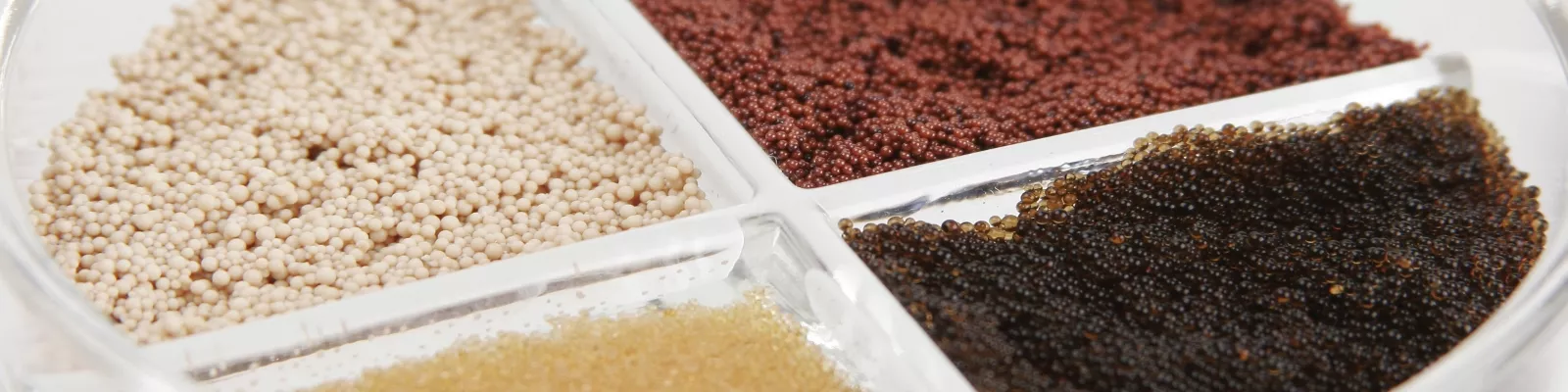
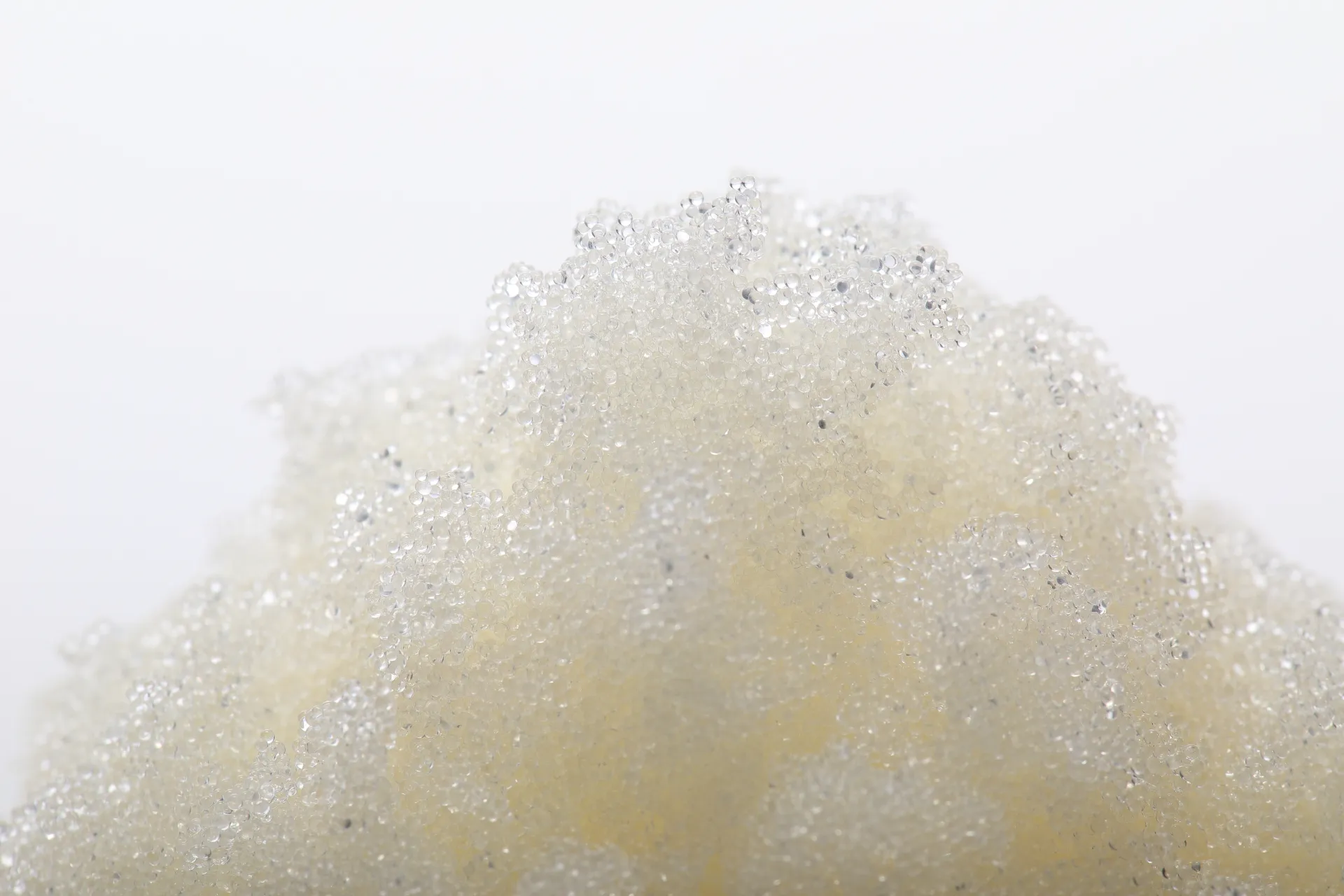
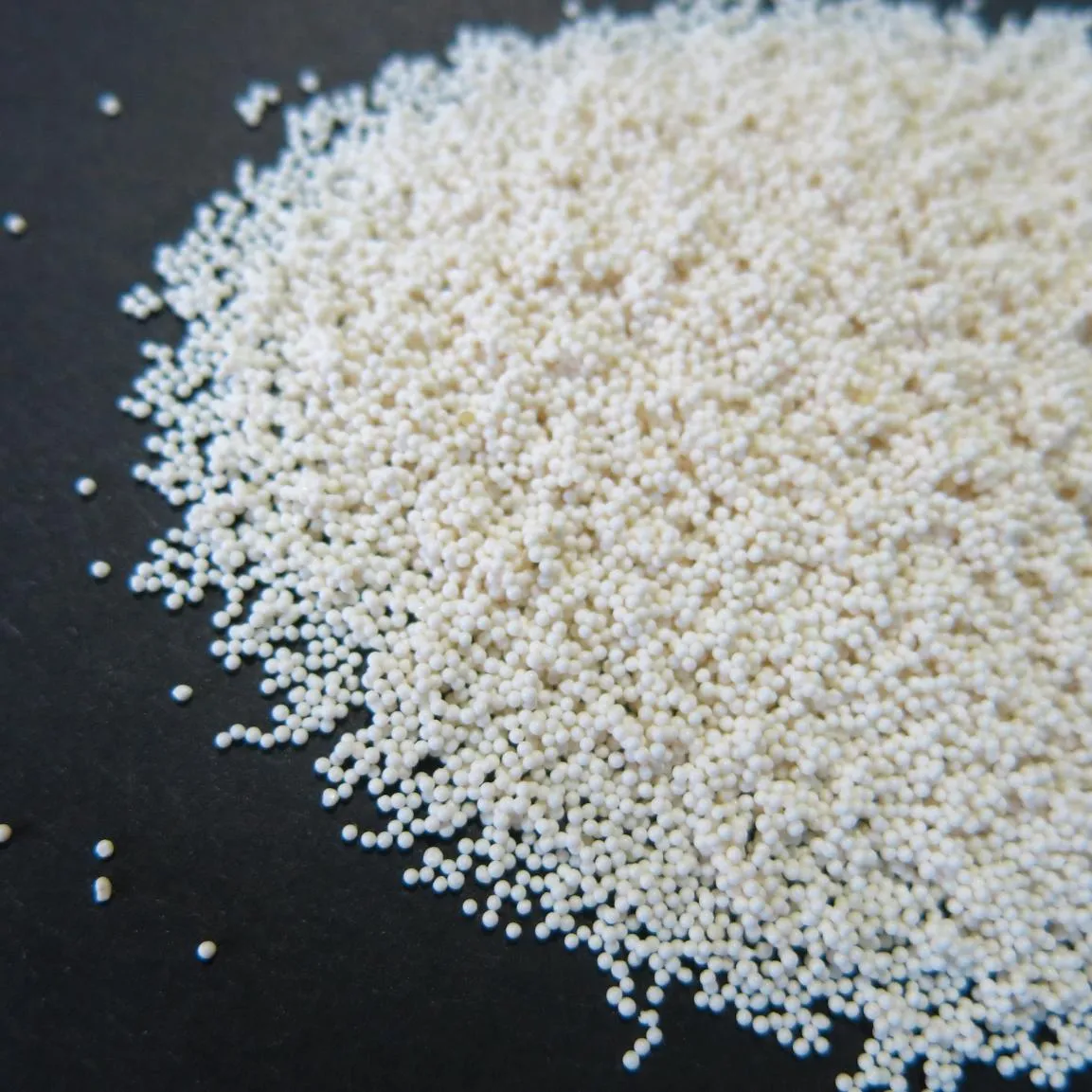
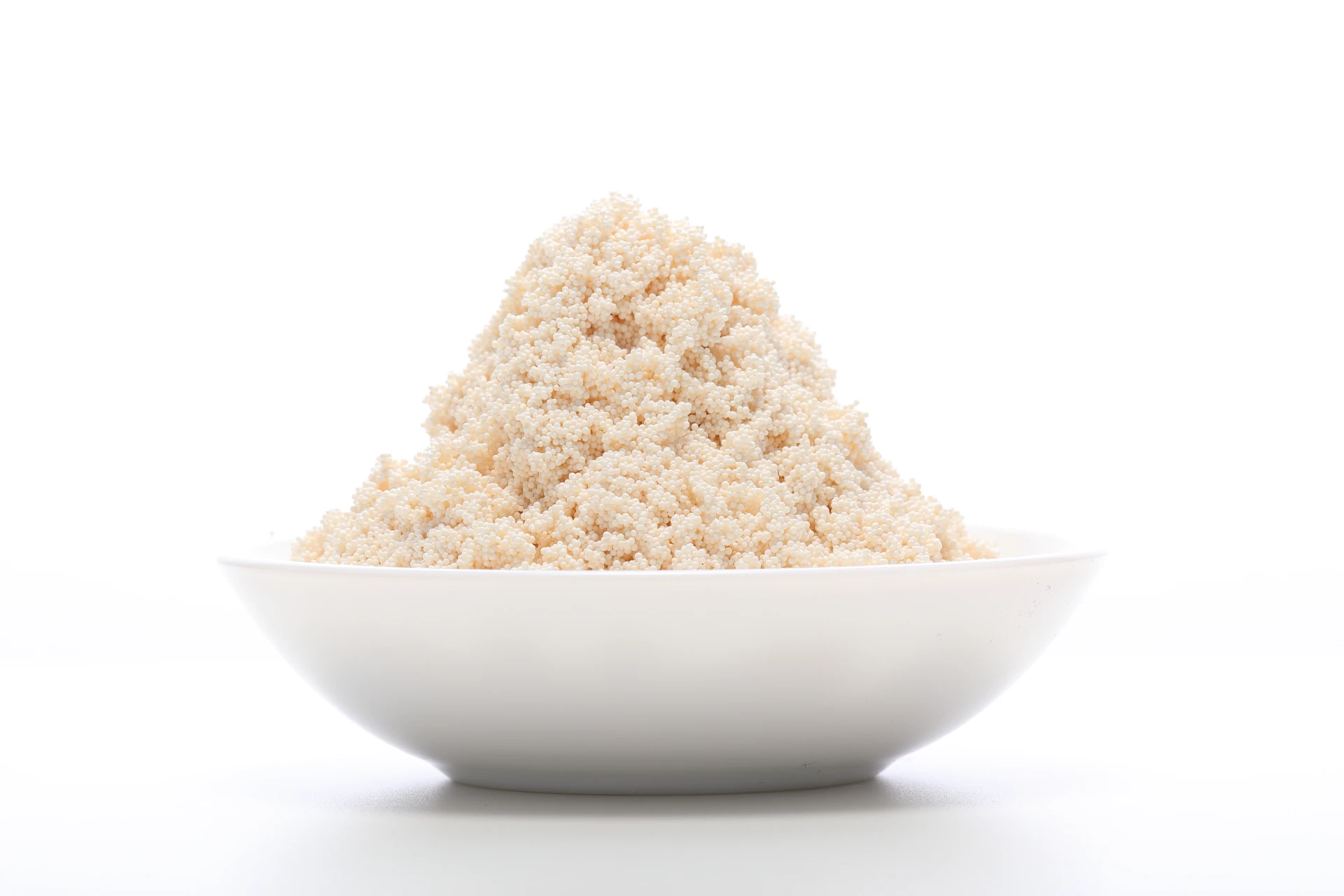
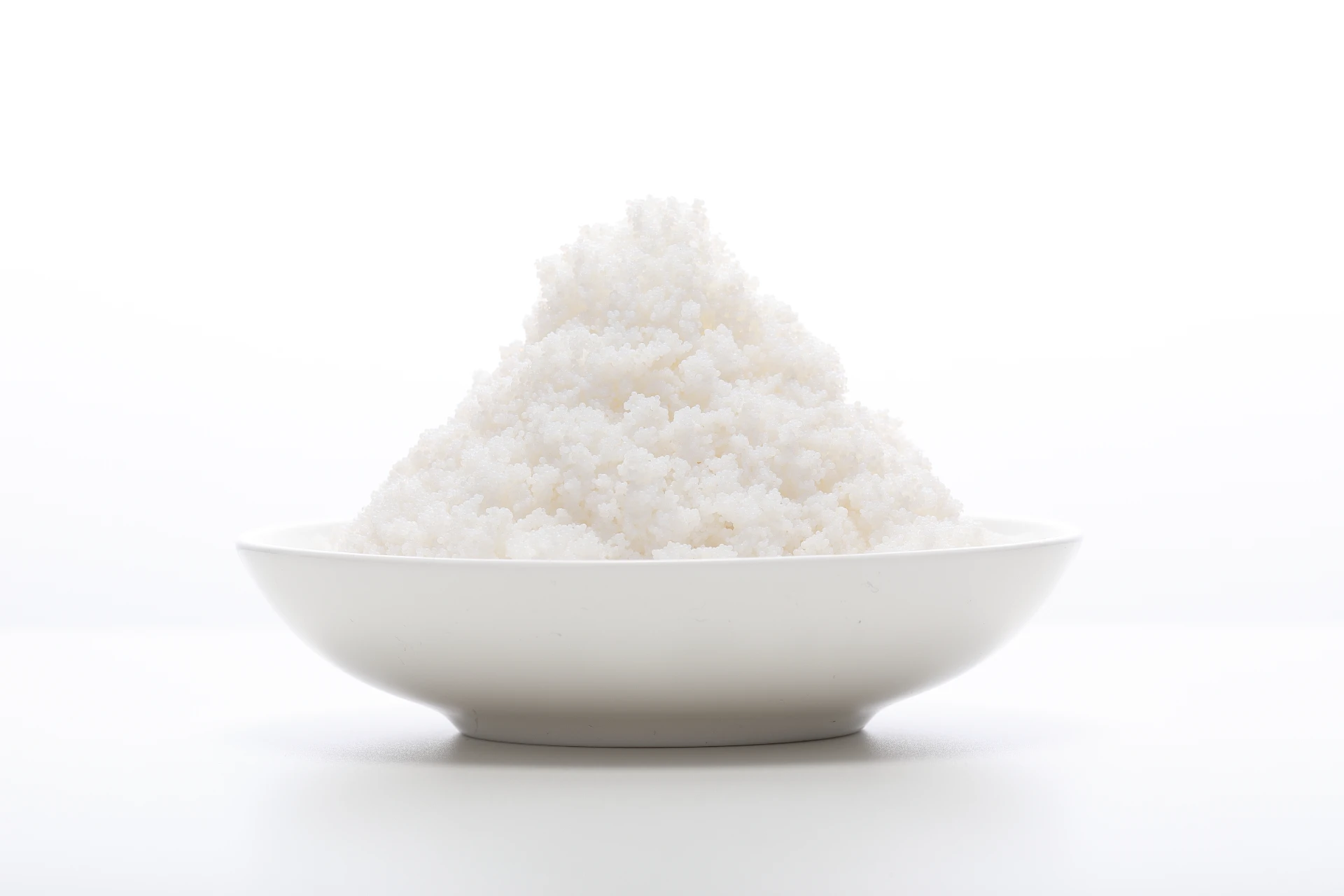
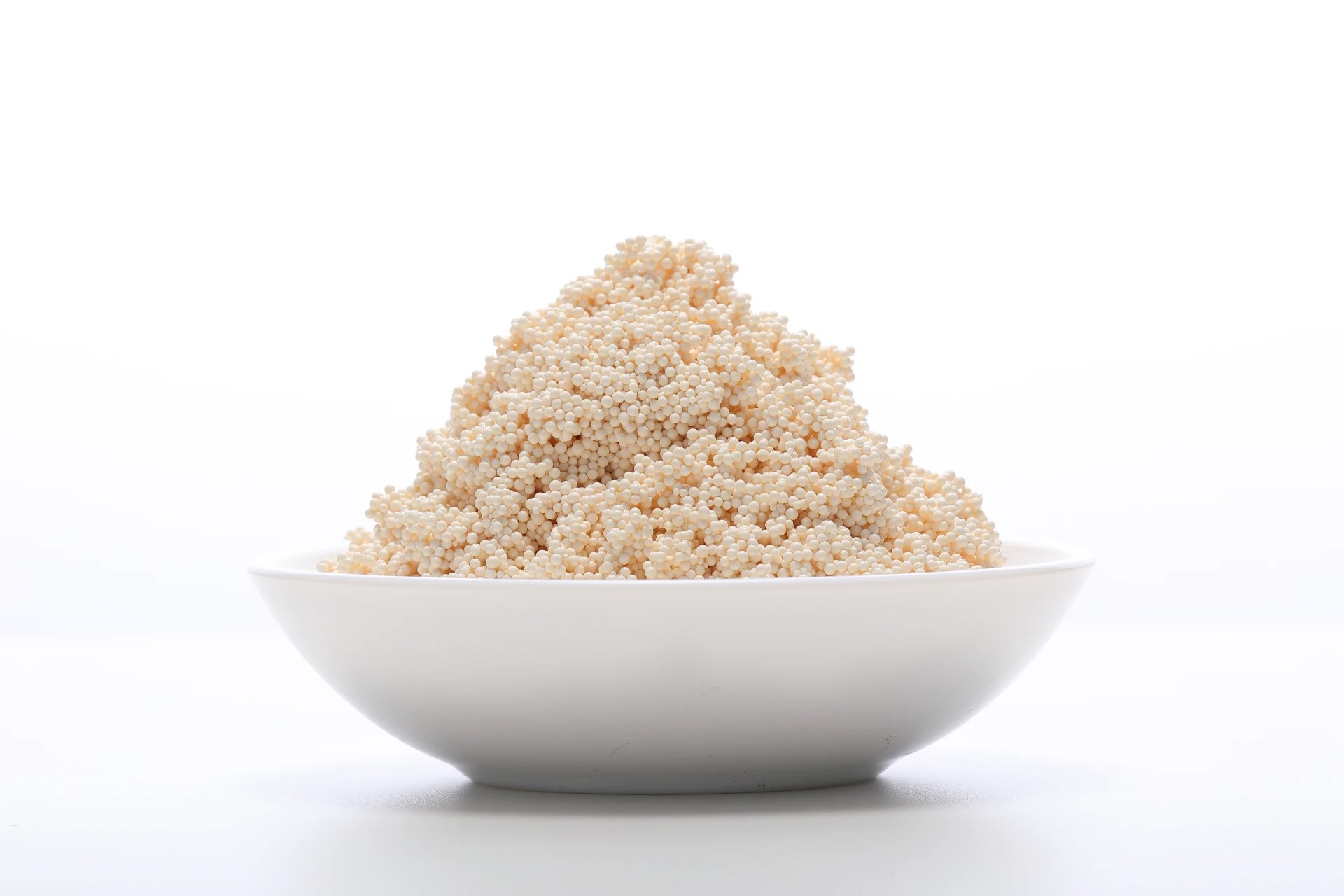
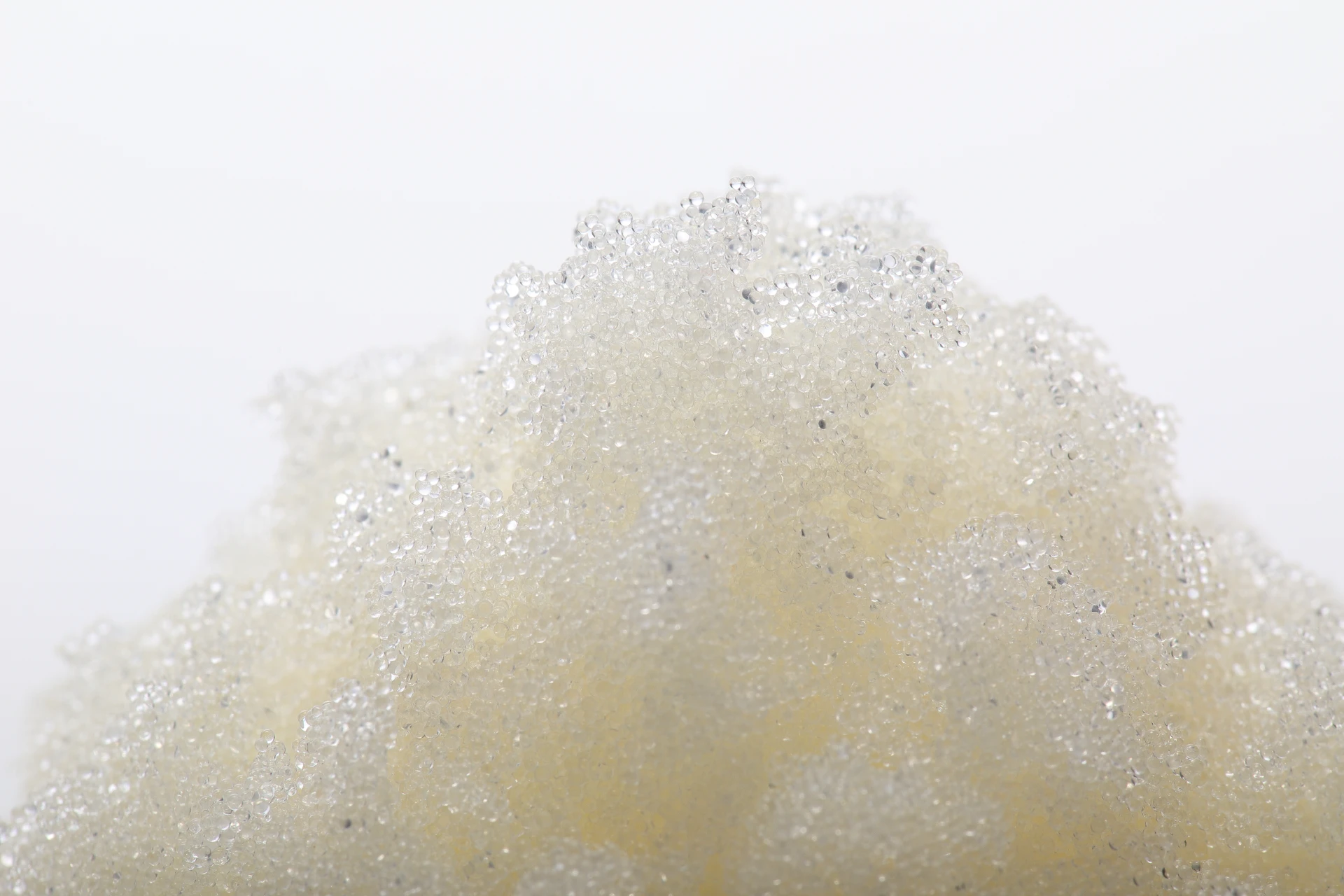
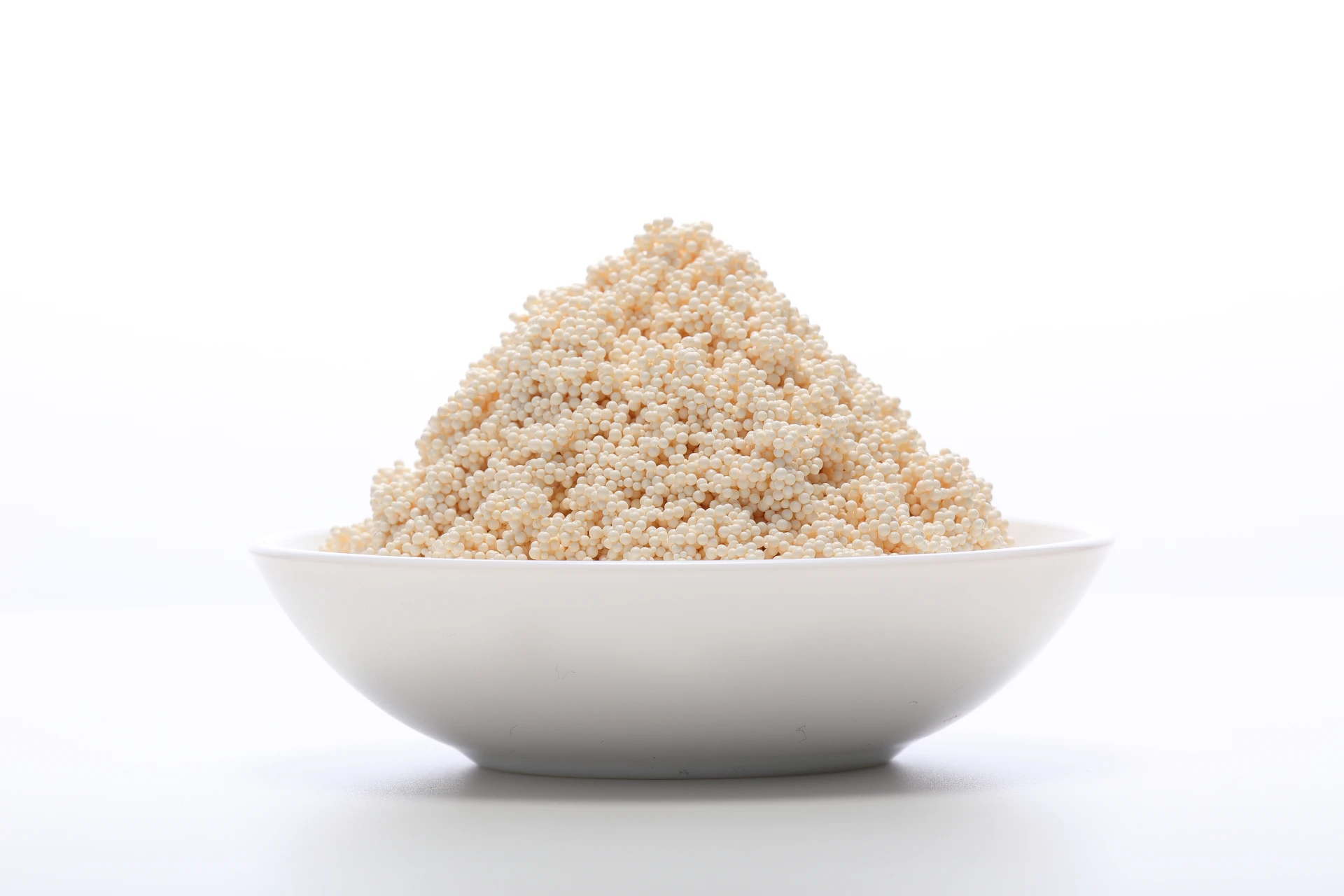
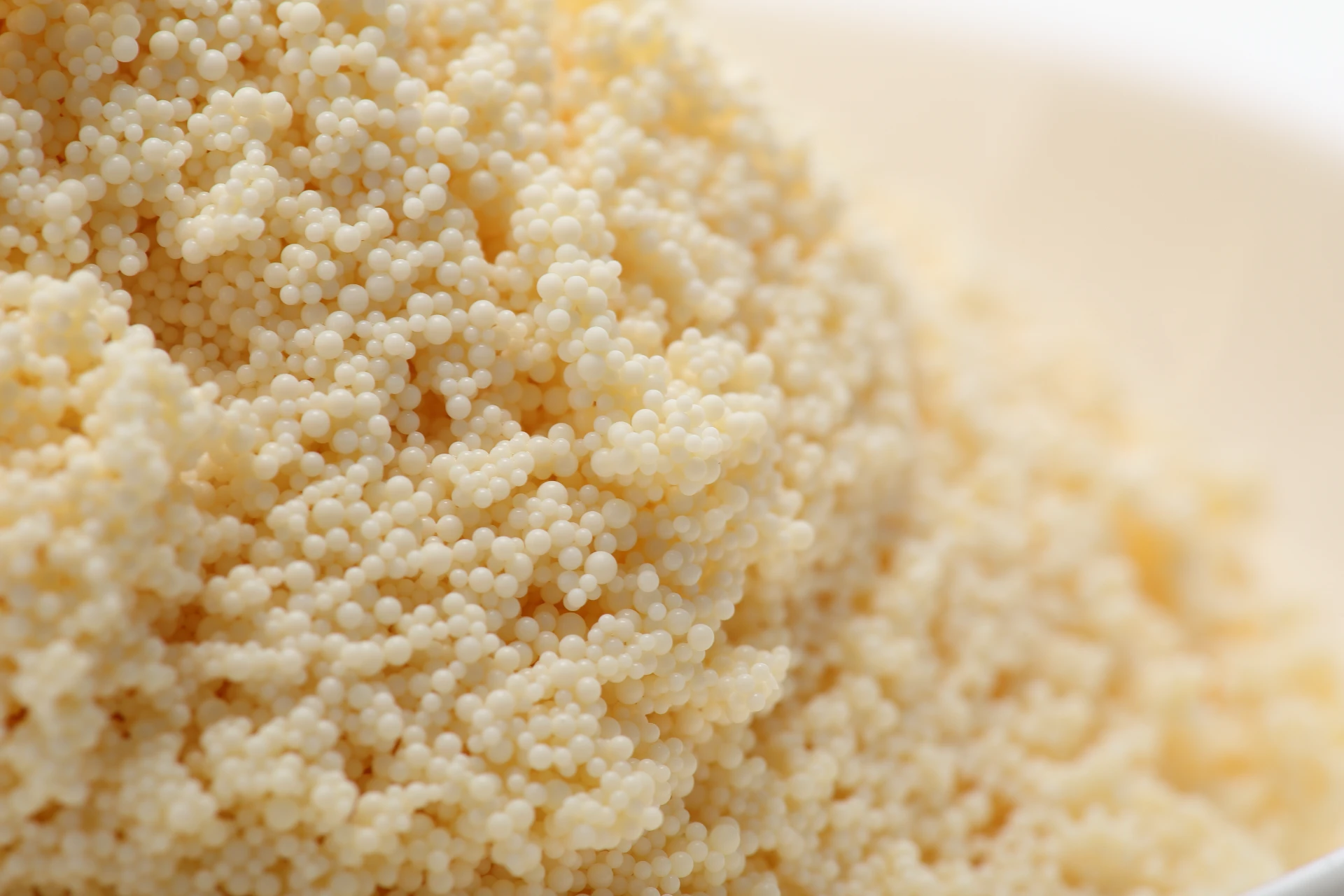
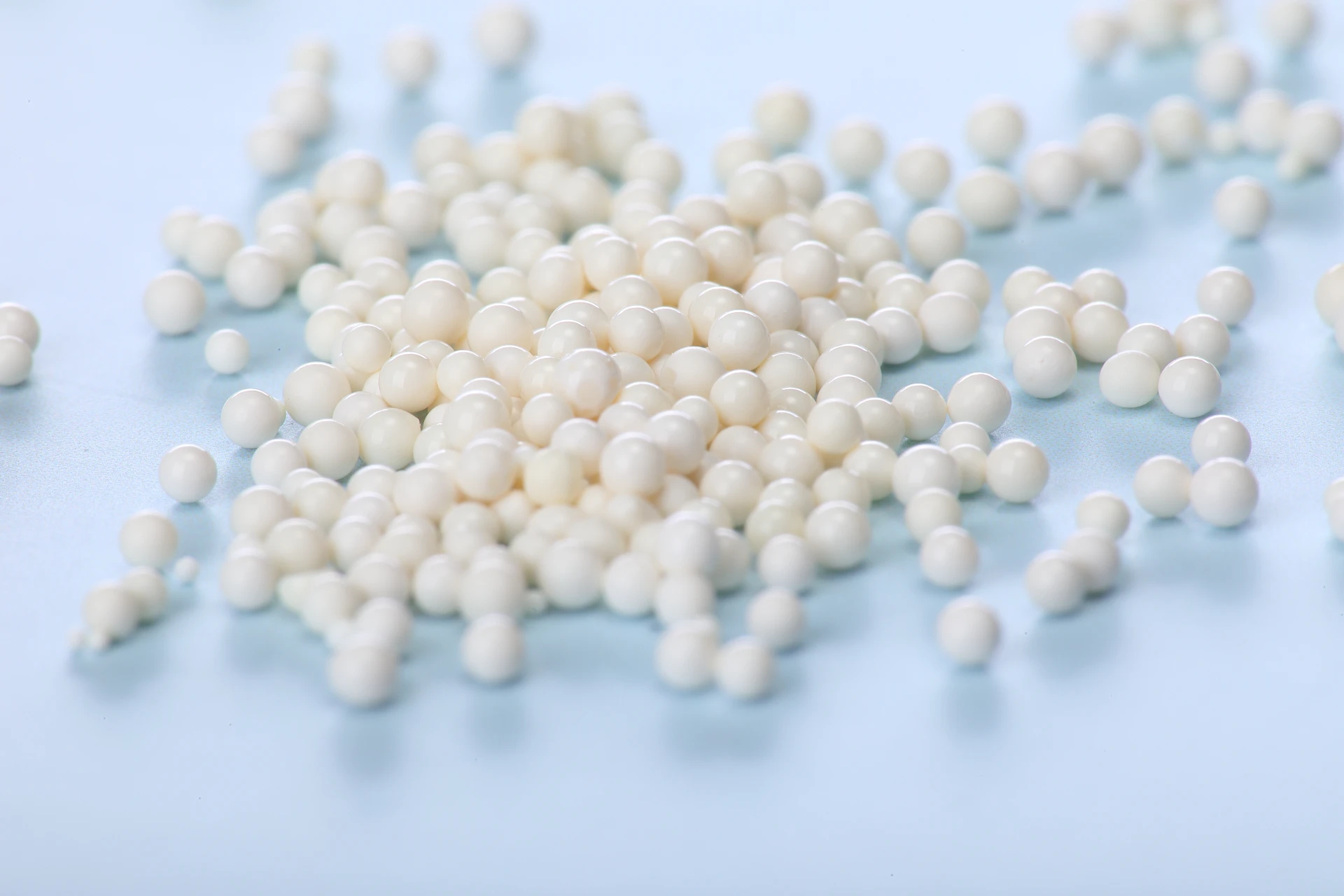
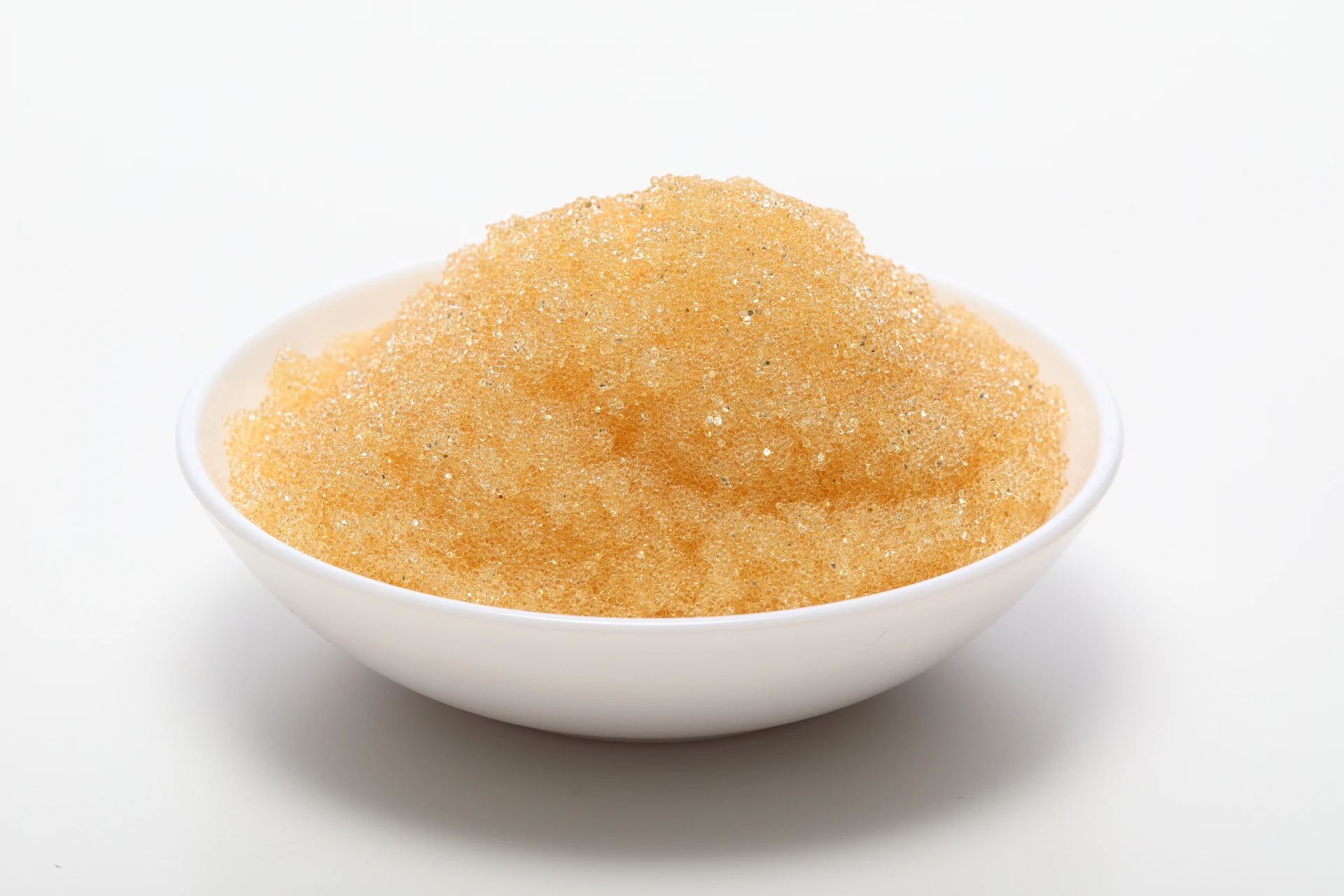
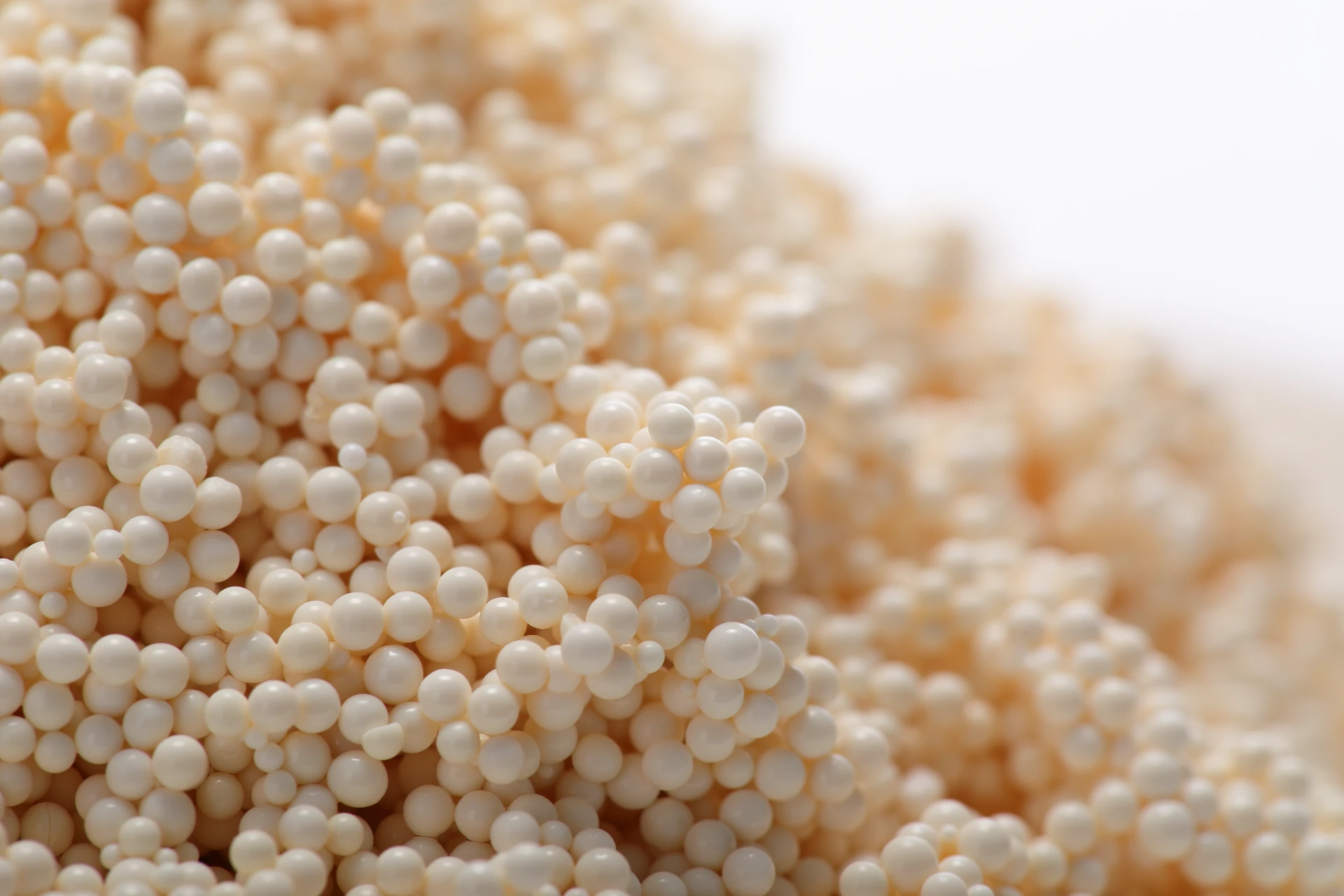
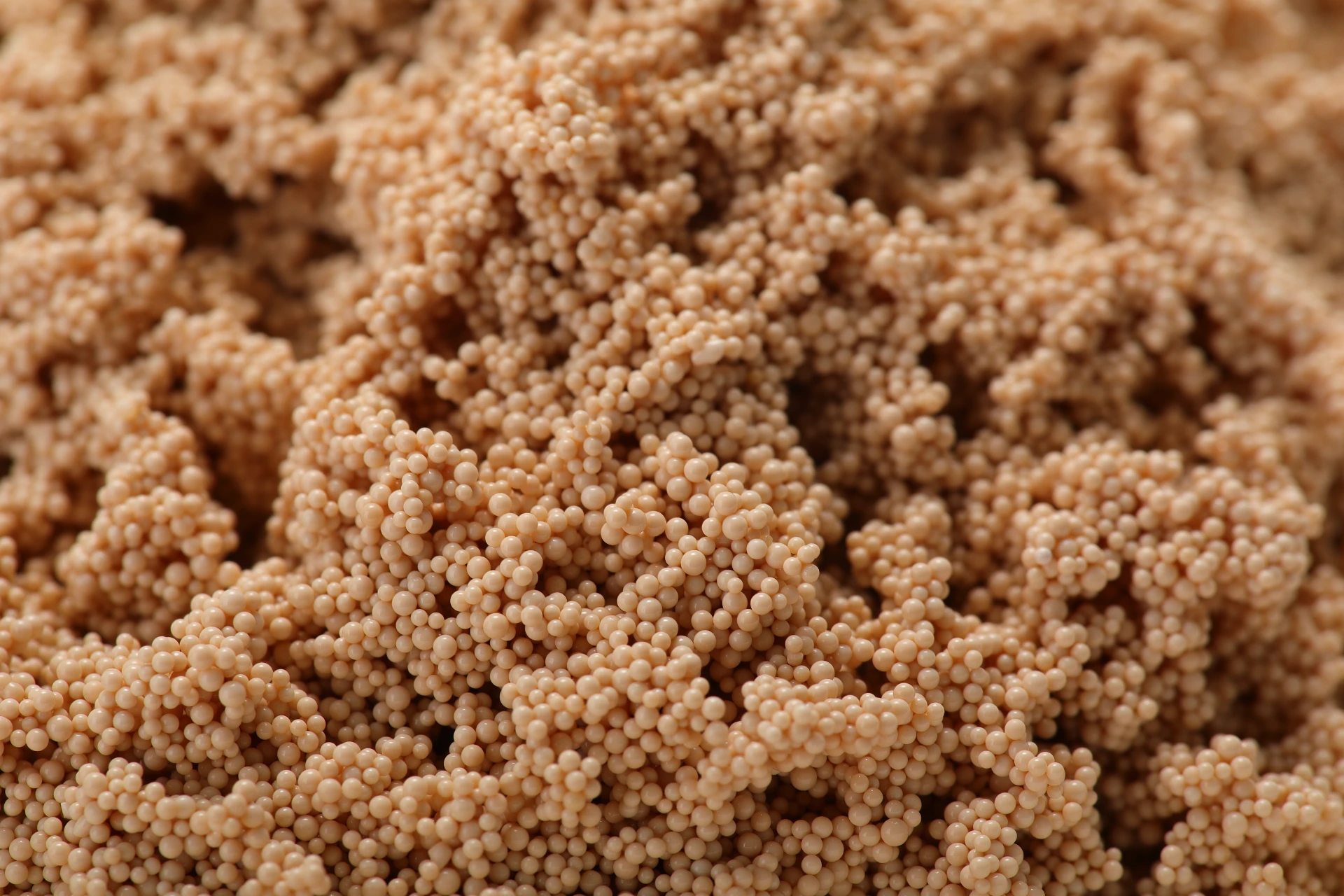
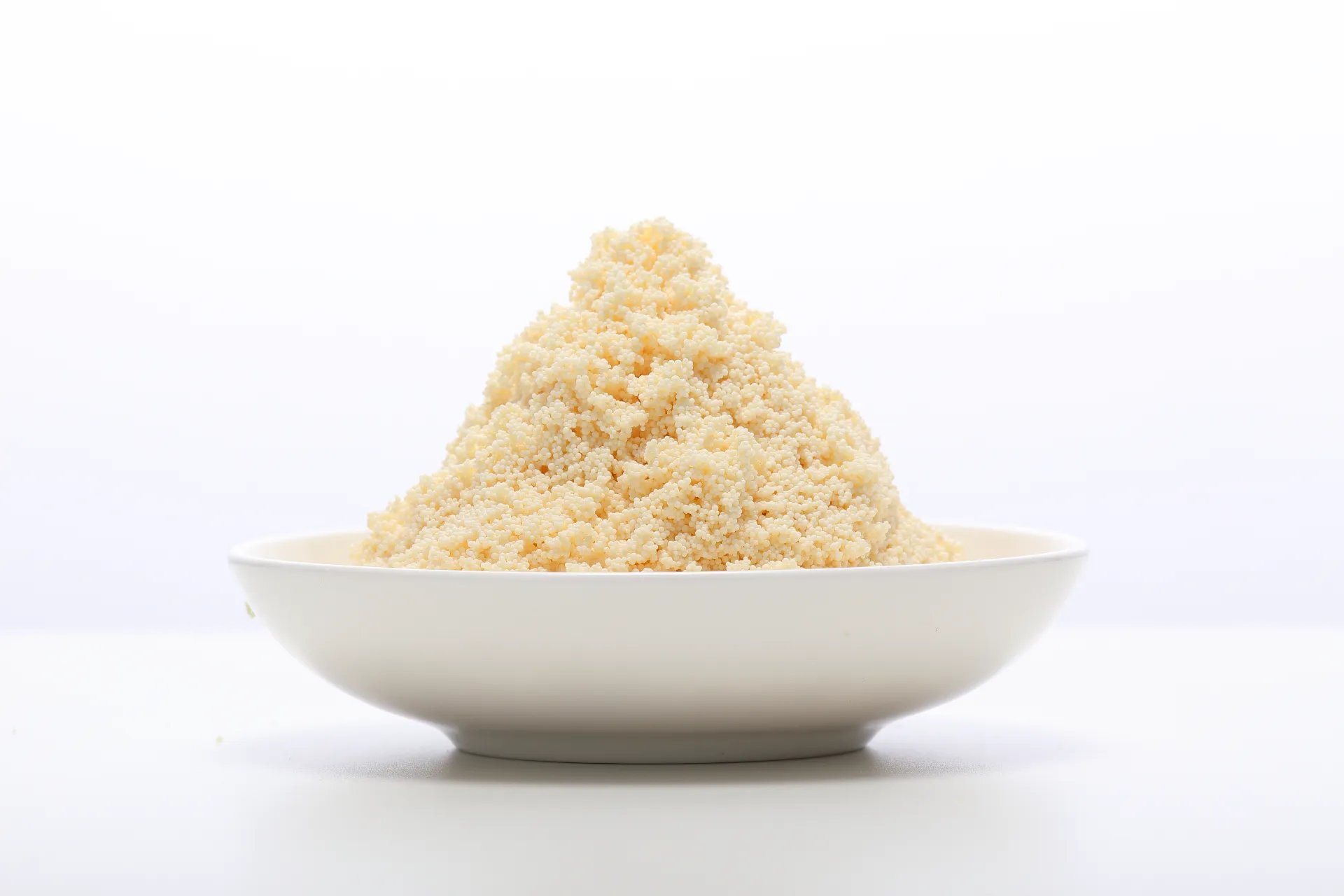
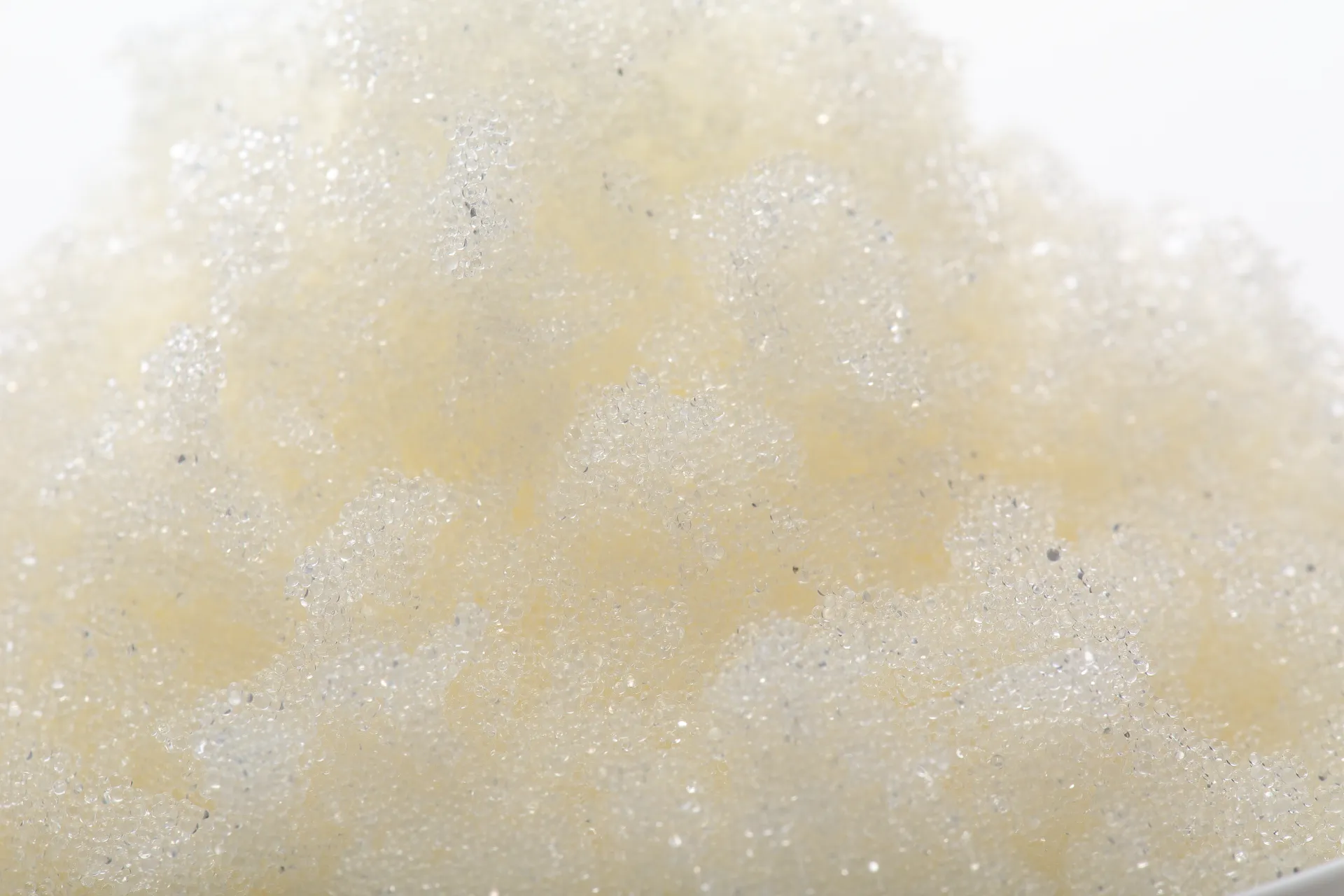
If you’re shortlisting a strong base anion resin for demineralization or silica polishing, the Strong Base Anion Exchange Resin 201X7 SC from Lijiresin has been getting a lot of quiet, positive mentions in plants I visit. It’s a polystyrene gel, Type I quaternary ammonium resin (-N(CH3)3), shipped typically in Cl- form and built for solid, repeatable capacity. To be honest, that’s what most engineers want: consistent bed performance and low breakage.
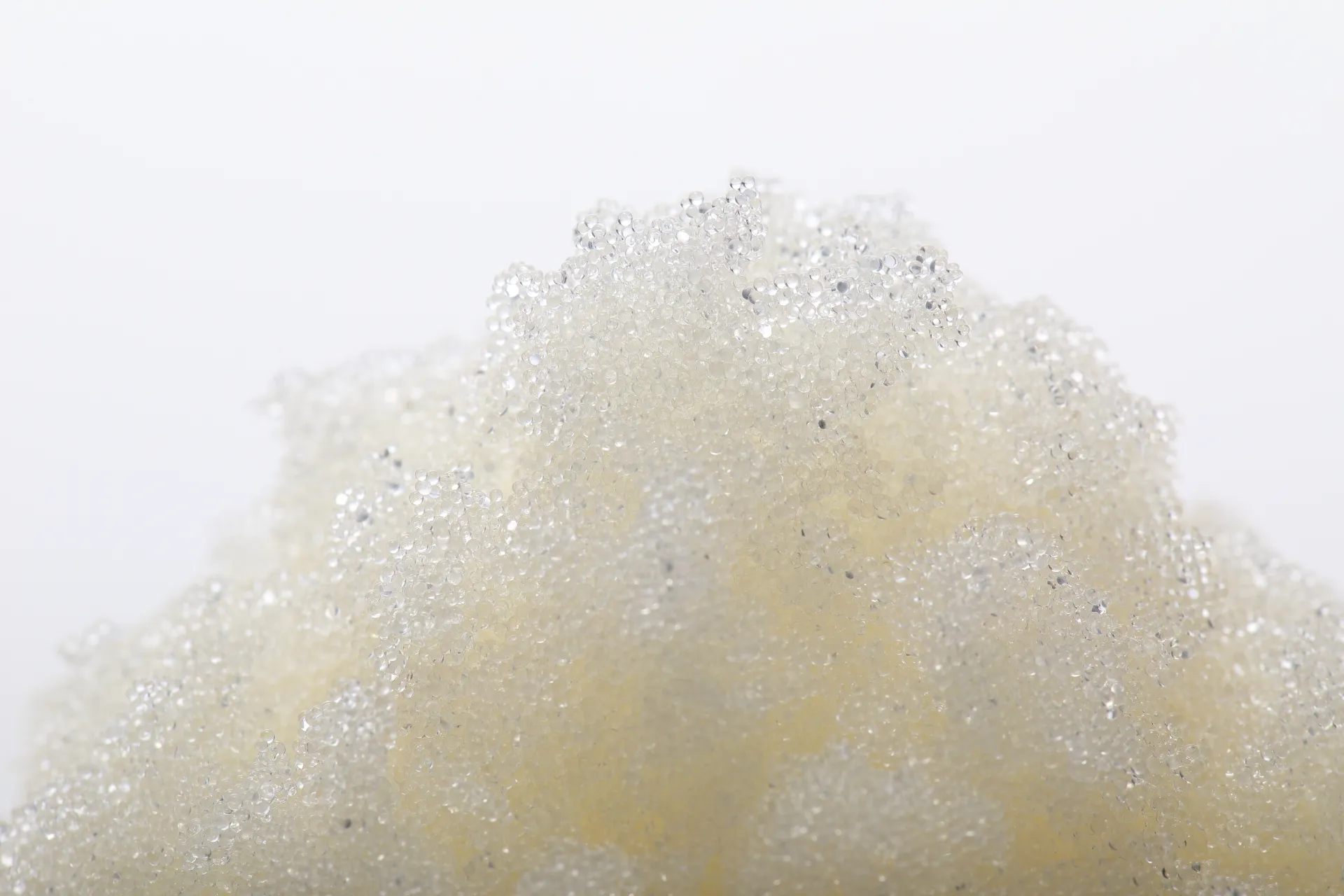
201X7 SC is a gel-type strong base anion resin designed for high capacity and mechanical strength. In fact, many customers say it regenerates cleanly with NaOH and keeps fines low over multiple cycles. Industry-wise, we’re seeing a tilt toward robust Type I SBA resins for winter silica control in power and for tight conductivity specs in electronics rinse. The supply chain has stabilized, and vendors are competing on QC and delivery more than flashy marketing.
| Matrix | Polystyrene-DVB (gel) |
| Functional group | Type I quaternary ammonium (-N(CH3)3) |
| Ionic form (as shipped) | Cl− (convertible to OH−) |
| Total exchange capacity | ≥ 1.2 eq/L (Cl− form, ≈ real-world may vary) |
| Moisture content | 45–55% |
| Bead size | 0.315–1.25 mm, UC ≤ 1.6 |
| Operating temp | ≤ 60°C (Cl−), ≤ 40–45°C (OH−) |
| pH range | 1–14 |
| Shipping density | ≈ 670 g/L |
| Service life | 3–5 years (application dependent) |
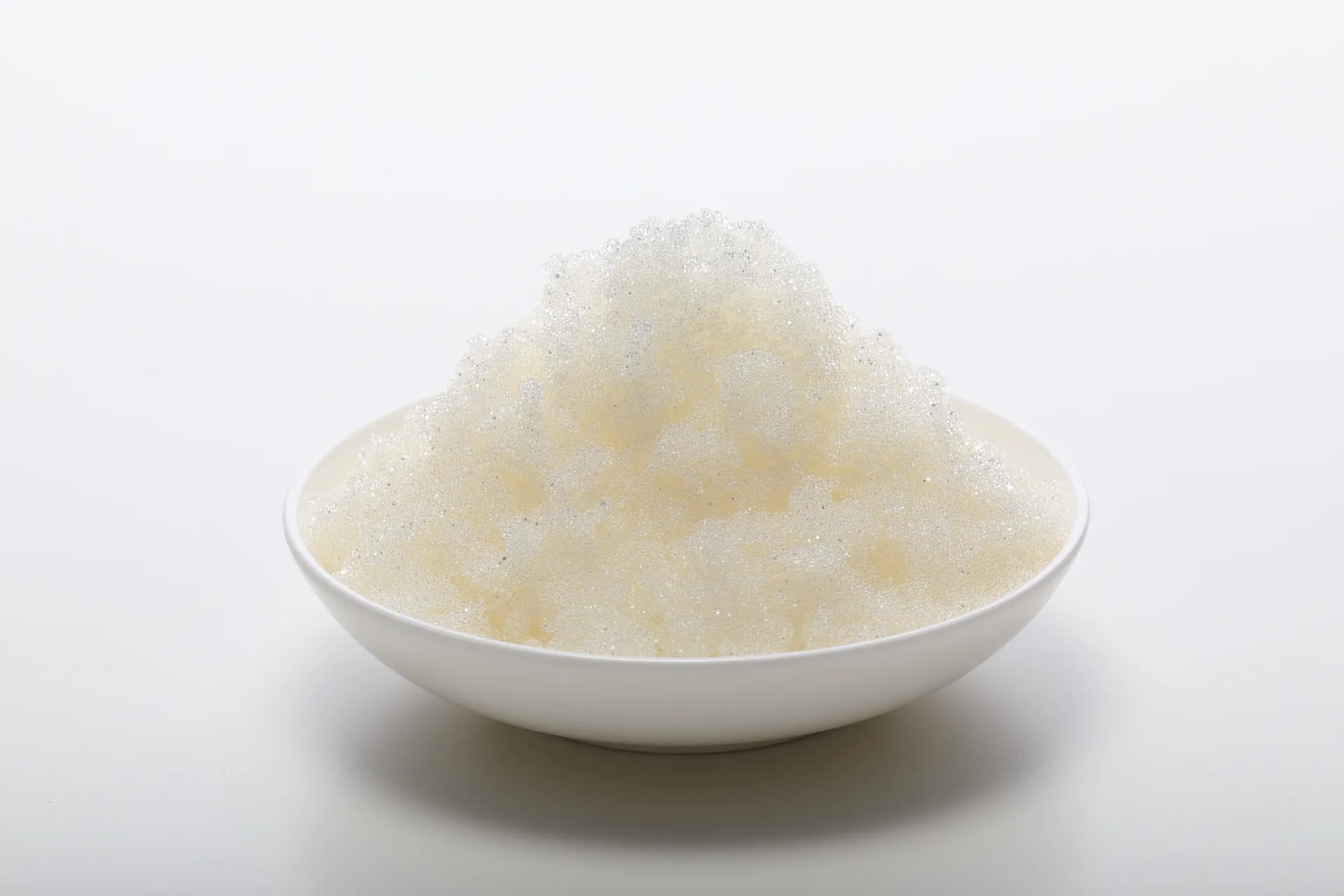
Materials: styrene + divinylbenzene polymerization → chloromethylation → amination with trimethylamine → conversion to desired form (Cl− for shipping) → rinsing, classification, and screening. Methods and tests typically follow GB/T 16350 for capacity, moisture, bead size; NSF/ANSI 61 and EN 12873-1 for extraction/migration checks, plus an ASTM-style resin evaluation guide. The 201X7 SC is produced in Xingtai, Hebei (NO.2 East Jianshe Road, High-Tech Industrial Development South Zone, Wei County, China). QC often includes osmotic shock resistance and crush strength; field data I’ve seen show low broken bead counts after multiple regenerations.
Advantages I keep hearing about: high mass exchange capacity, easy OH− conversion, good fouling resistance when pretreated correctly. However, like any strong base anion resin, organic fouling can creep in without upstream carbon/UF; don’t skip pretreatment.
| Brand / Model | Type | Capacity (eq/L) | Moisture | Lead time |
|---|---|---|---|---|
| Lijiresin 201X7 SC | SBA Type I, gel | ≥ 1.2 (Cl−) | 45–55% | ≈ 2–4 weeks ex-works |
| Purolite A400 | SBA Type I, gel | ≈ 1.25 | 48–54% | Varies by region |
| DuPont AmberLite IRA402 | SBA Type I, gel | ≈ 1.2–1.3 | 45–55% | Typical stock in major hubs |
Note: values are typical, ≈ estimates compiled from public data; real-world use may vary.
Options commonly requested: tighter UC for lower pressure drop, mixed mesh for stratified beds, shipping in OH− form for immediate startup, plus tailored regenerant protocols (2–6% NaOH, co/contra-current). Certifications like ISO 9001, NSF/ANSI 61, and FDA 21 CFR 173.25 suitability are available or can be evaluated. I guess the big win is matching bead size with your vessel hydraulics.
A Northeast power station swapped legacy SBA for 201X7 SC in a mixed bed. Result: outlet conductivity stabilized at 0.06–0.08 µS/cm and silica dropped from ~0.8 mg/L to
Customer feedback: “Regenerates clean, stable pressure drop,” and “good silica hold at colder inlet.” Not scientific, but it tracks with the lab sheets I’ve seen.