Phone:
+86 0319 2296164


Email:
info@lijiresin.cn
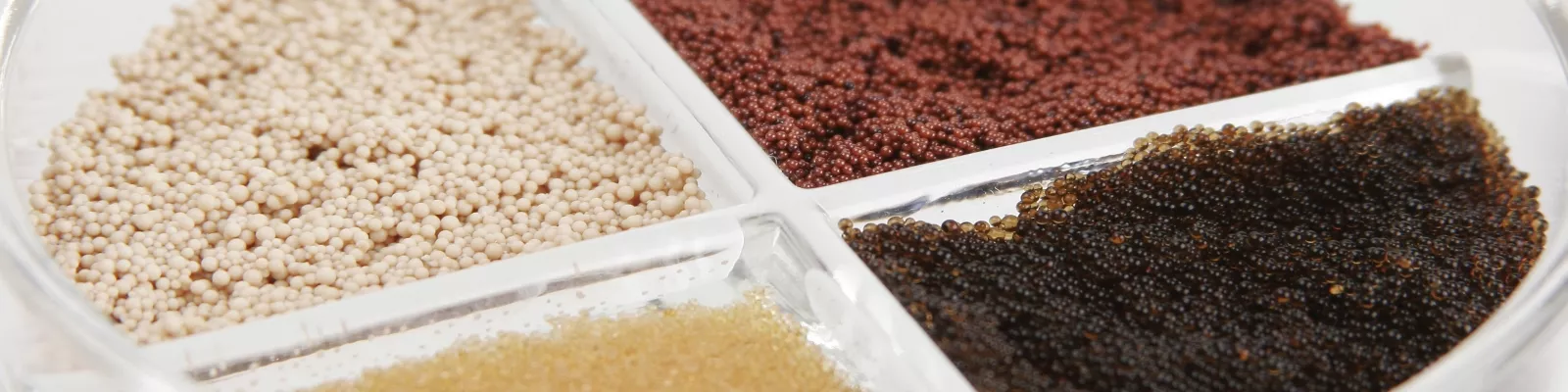
At first glance, the term weak cation exchanger might sound like a niche chemical component reserved for lab experiments or industrial jargon. But dig a little deeper, and you'll find it plays a surprisingly essential role in everything from water purification to pharmaceutical manufacturing — and even humanitarian relief efforts. Quite frankly, understanding the science and applications behind these exchangers is a key step in tackling global challenges such as clean water access, environmental protection, and sustainable industry practices.
The weak cation exchanger (WCE) is pivotal in driving efficient ion-exchange processes that enable the selective removal or recovery of positively charged ions. Given the United Nations' push for clean water access (Sustainable Development Goal 6) and the growing industrial demand for responsible waste management, recognizing the capabilities of WCEs becomes not just a scientific interest, but a real-world necessity.
Globally, around 2.2 billion people lack access to safely managed drinking water services, according to the World Health Organization and UNICEF. Weak cation exchanger technology is part of the toolkit enabling advanced membrane and resin solutions that make water safer and purer. Beyond water, industries such as food production, pharmaceuticals, and mining lean heavily on cation exchange resins to maintain process integrity and meet environmental regulations.
In certain regions—say, industrial hubs in Asia or water-stressed zones in Africa—weak cation exchange resins can be the difference between functional water treatment and severe contamination. But the challenge remains: many existing ion-exchange materials are either too costly, too energy-intensive, or limited in selectivity. That's where the flexibility and cost-efficiency of weak cation exchangers come in.
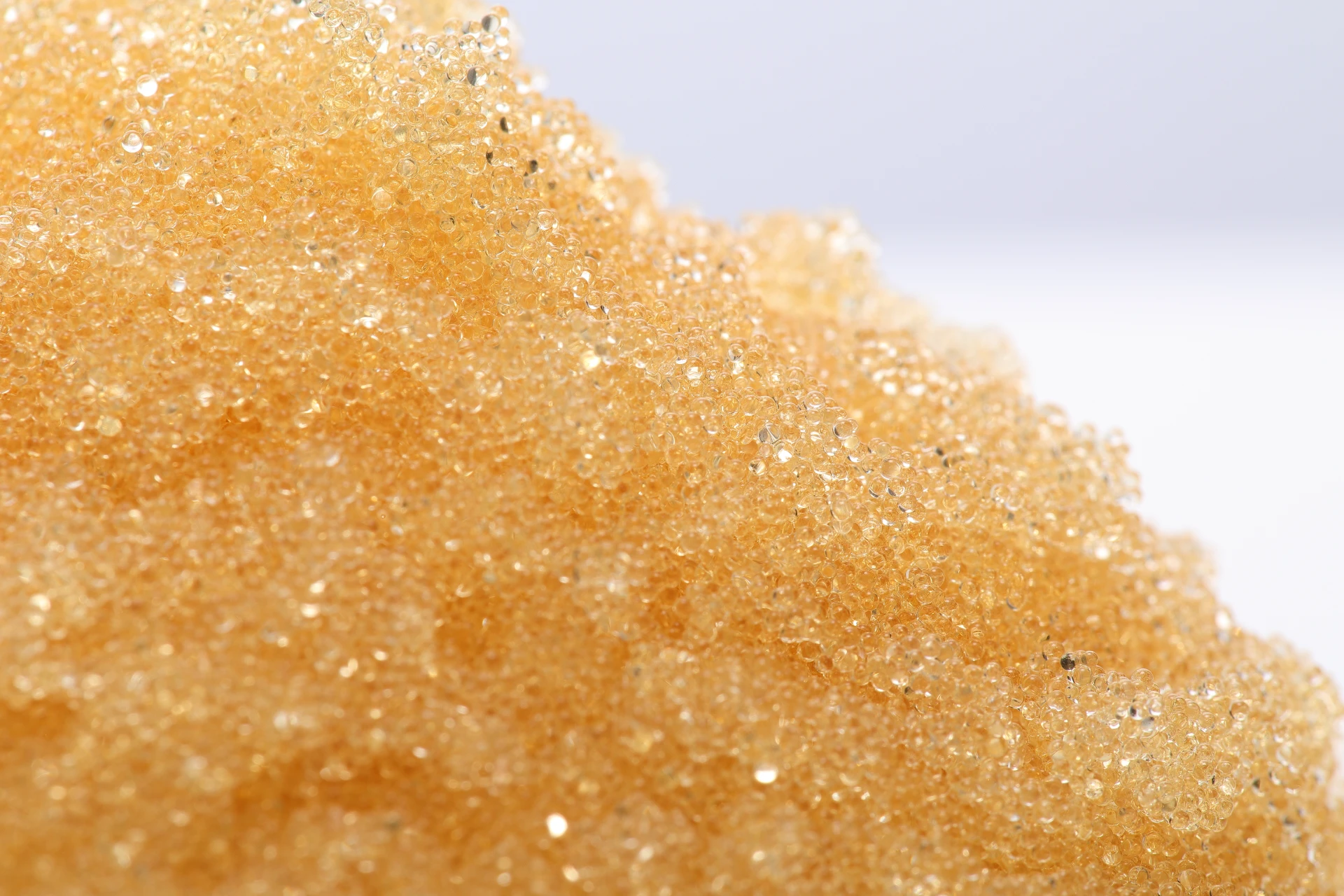
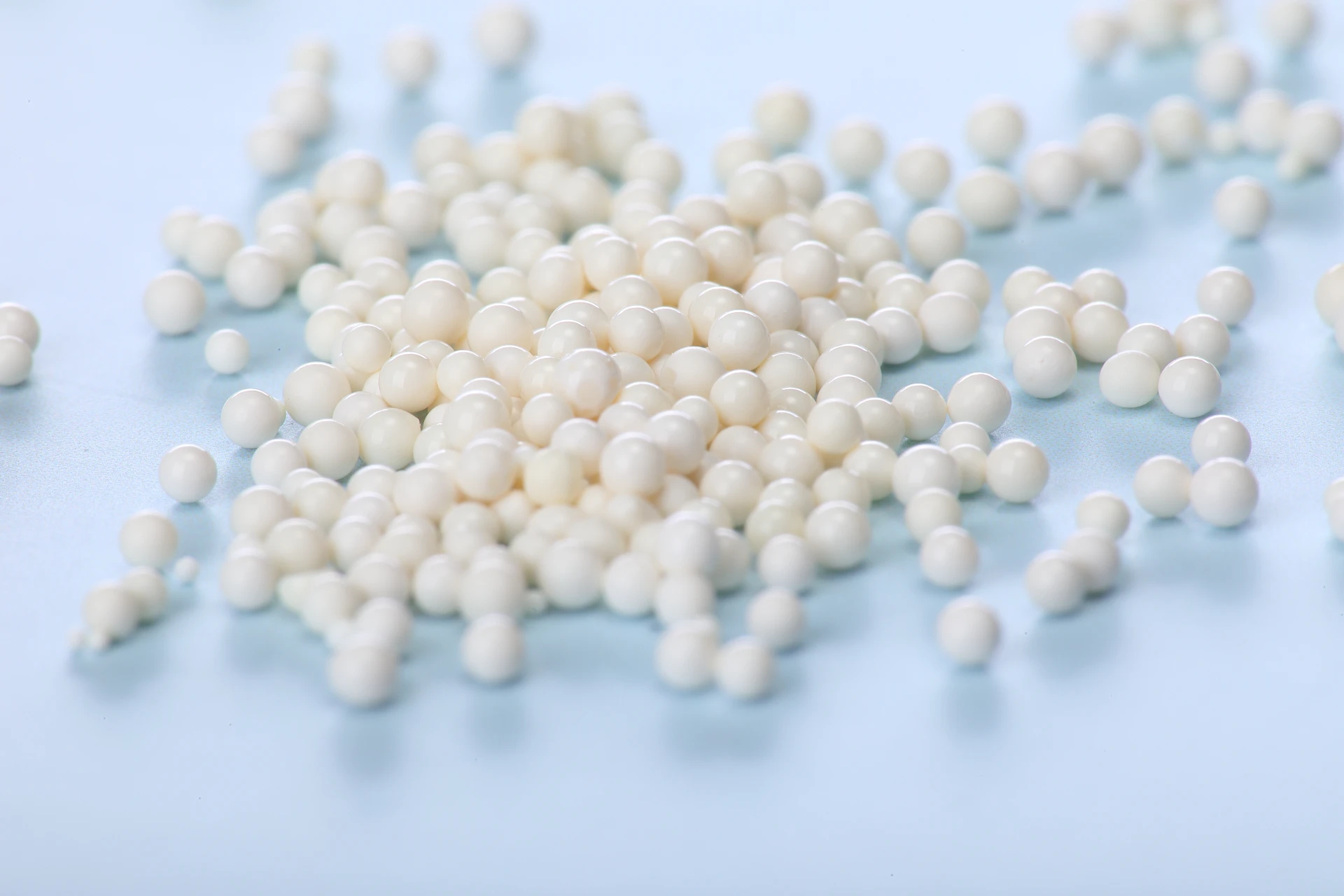
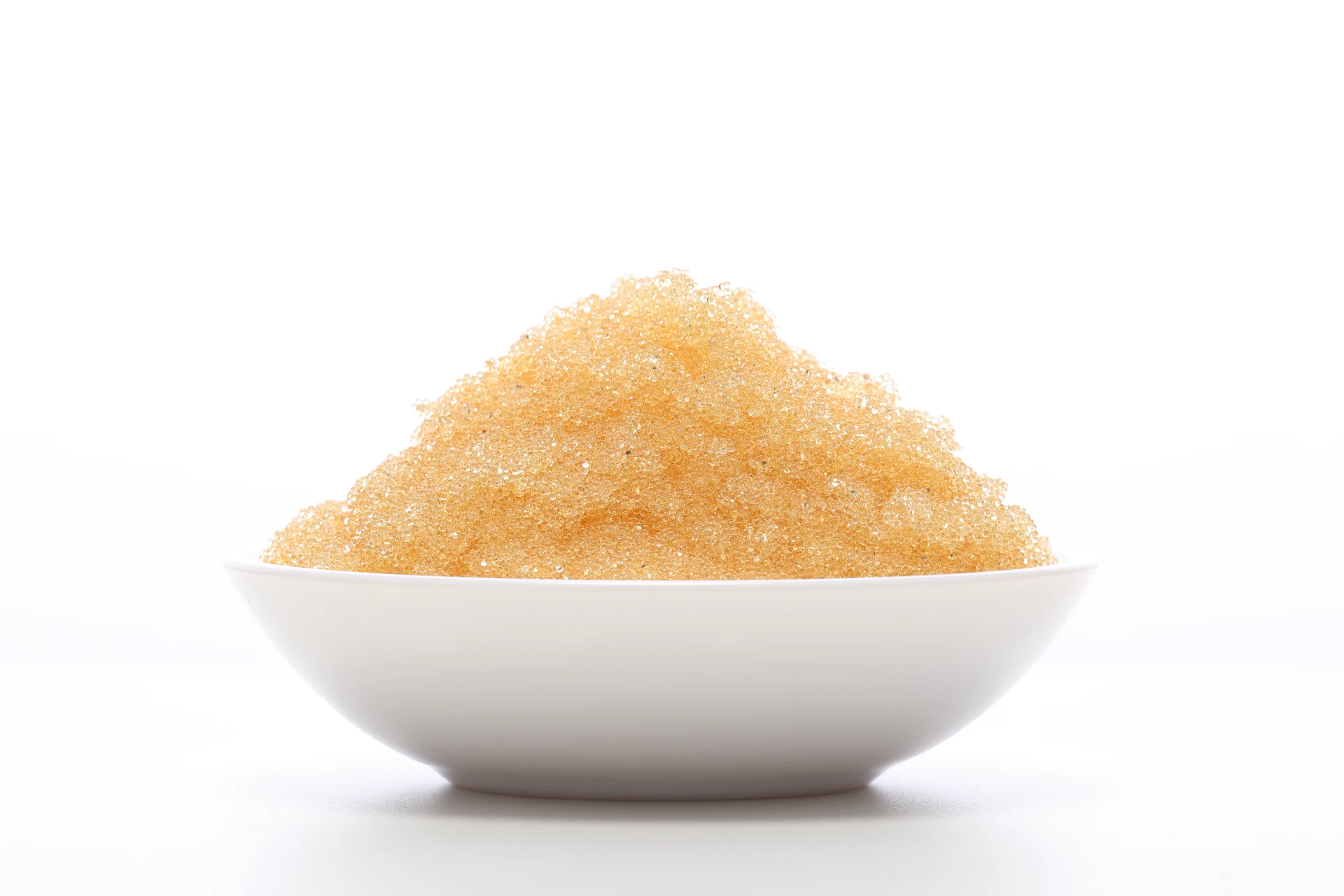
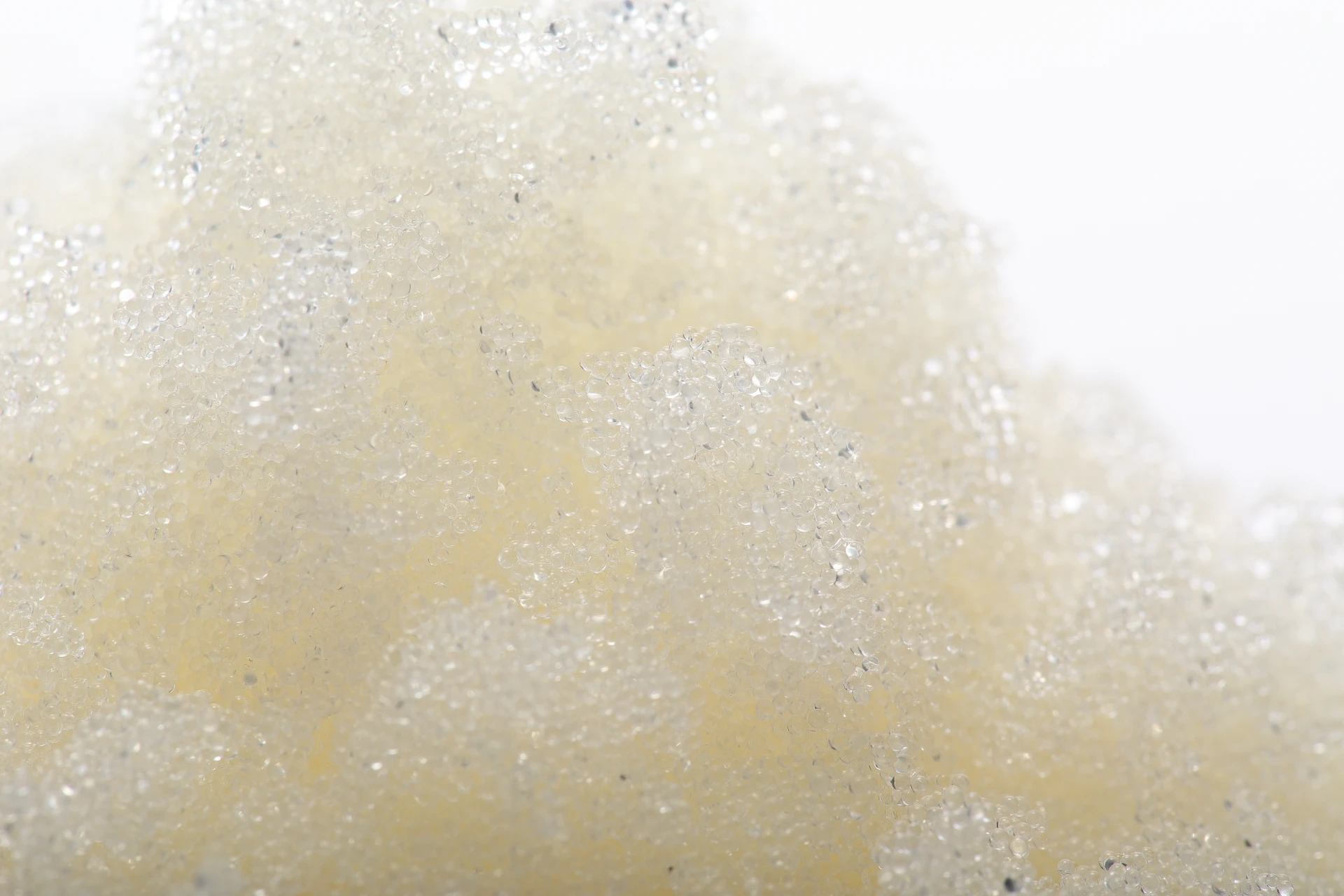
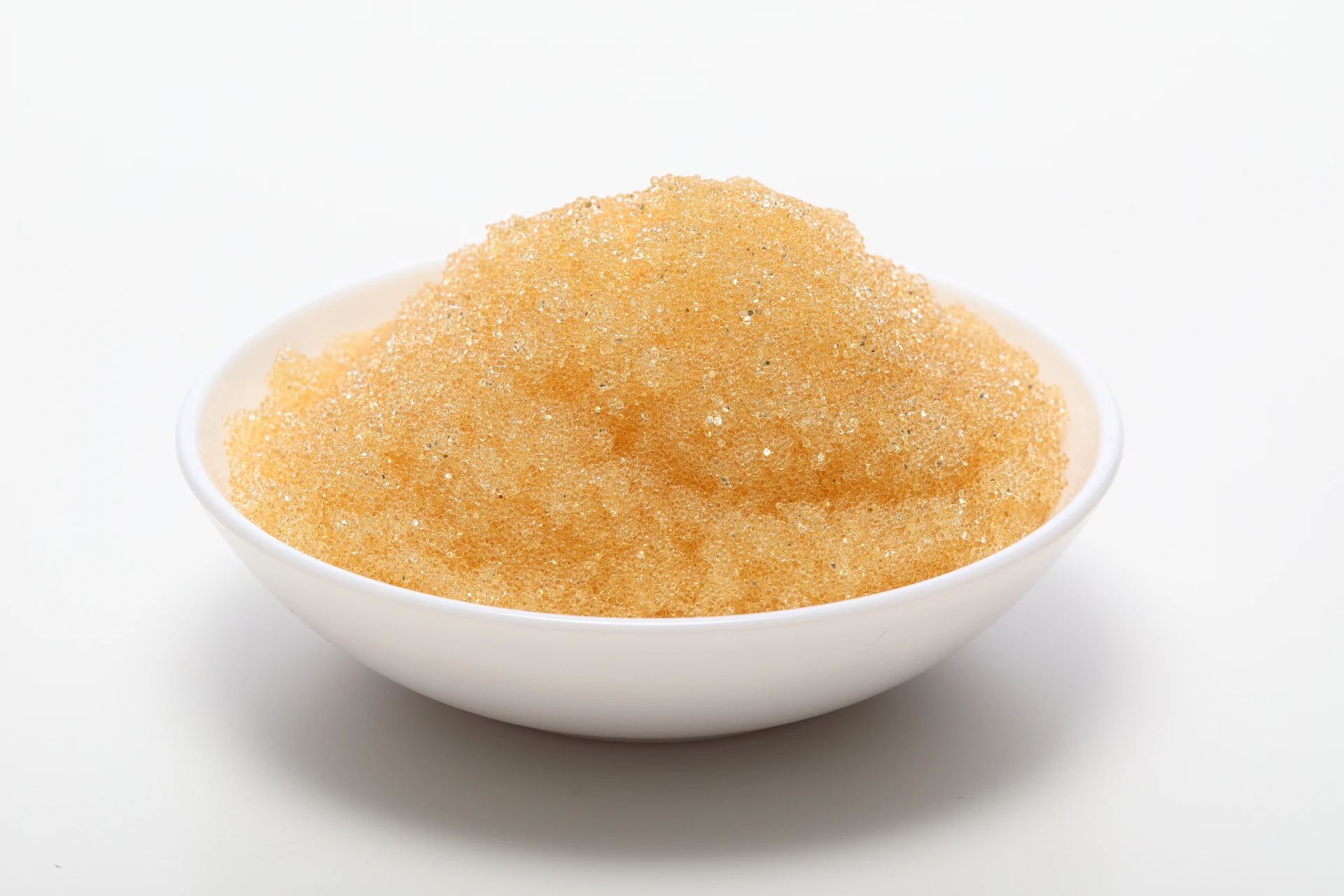
Simply put, a weak cation exchanger is a type of ion-exchange resin that selectively binds cations (positively charged ions) like calcium, magnesium, or heavy metals with relatively mild acid groups. Unlike strong cation exchangers, which remain fully ionized across a wide pH range, weak cation exchangers show pH-dependent behavior. This unique property means they can be more easily regenerated and are less prone to fouling under certain conditions.
This ion-exchange mechanism is critical not only in chemical industries but also in treating wastewater, refining pharmaceuticals, and producing ultrapure water used in electronics manufacturing. In short, these resins — or “media,” as engineers sometimes call them — act as filters, scrubbing out unwanted ions and allowing only the desired ones to pass.
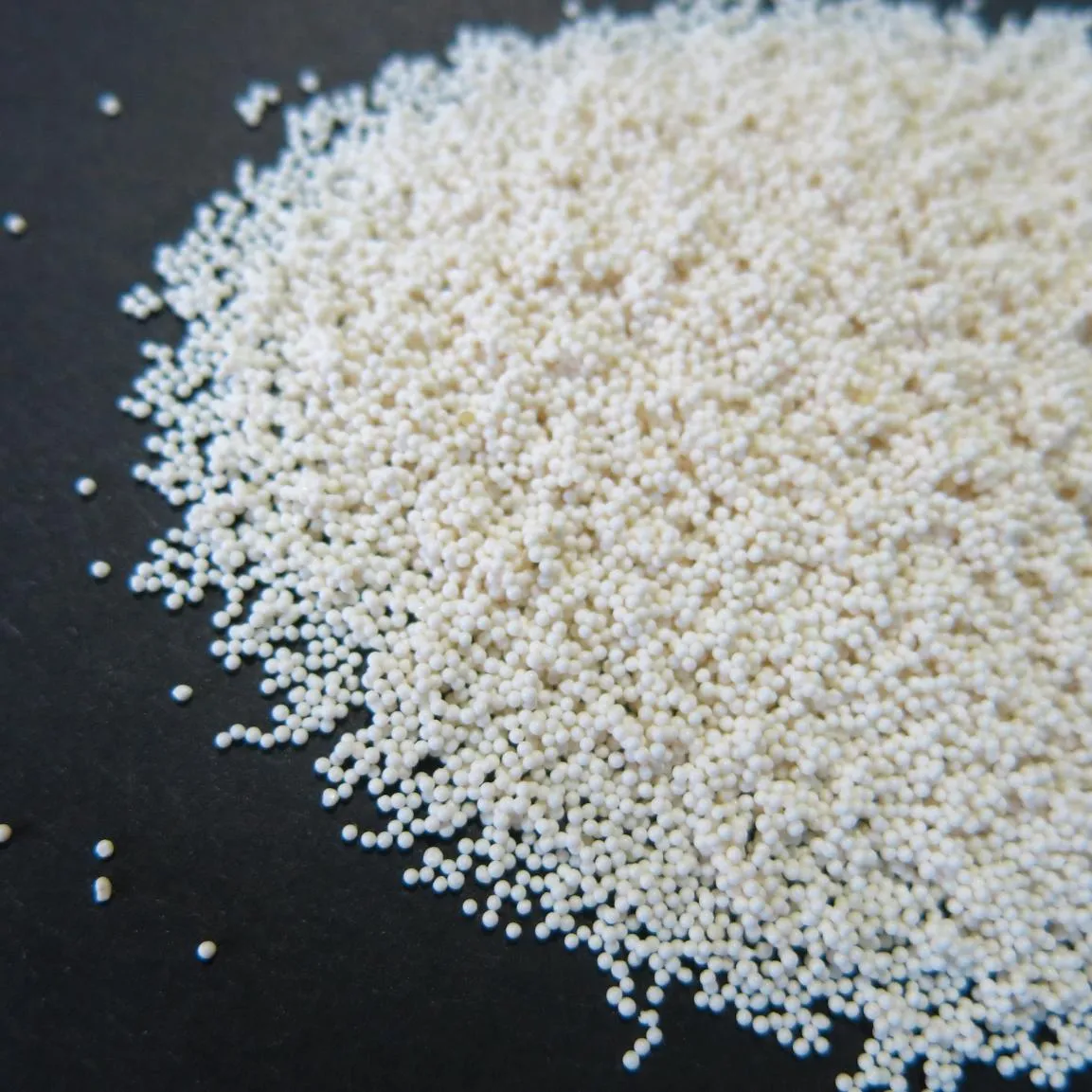
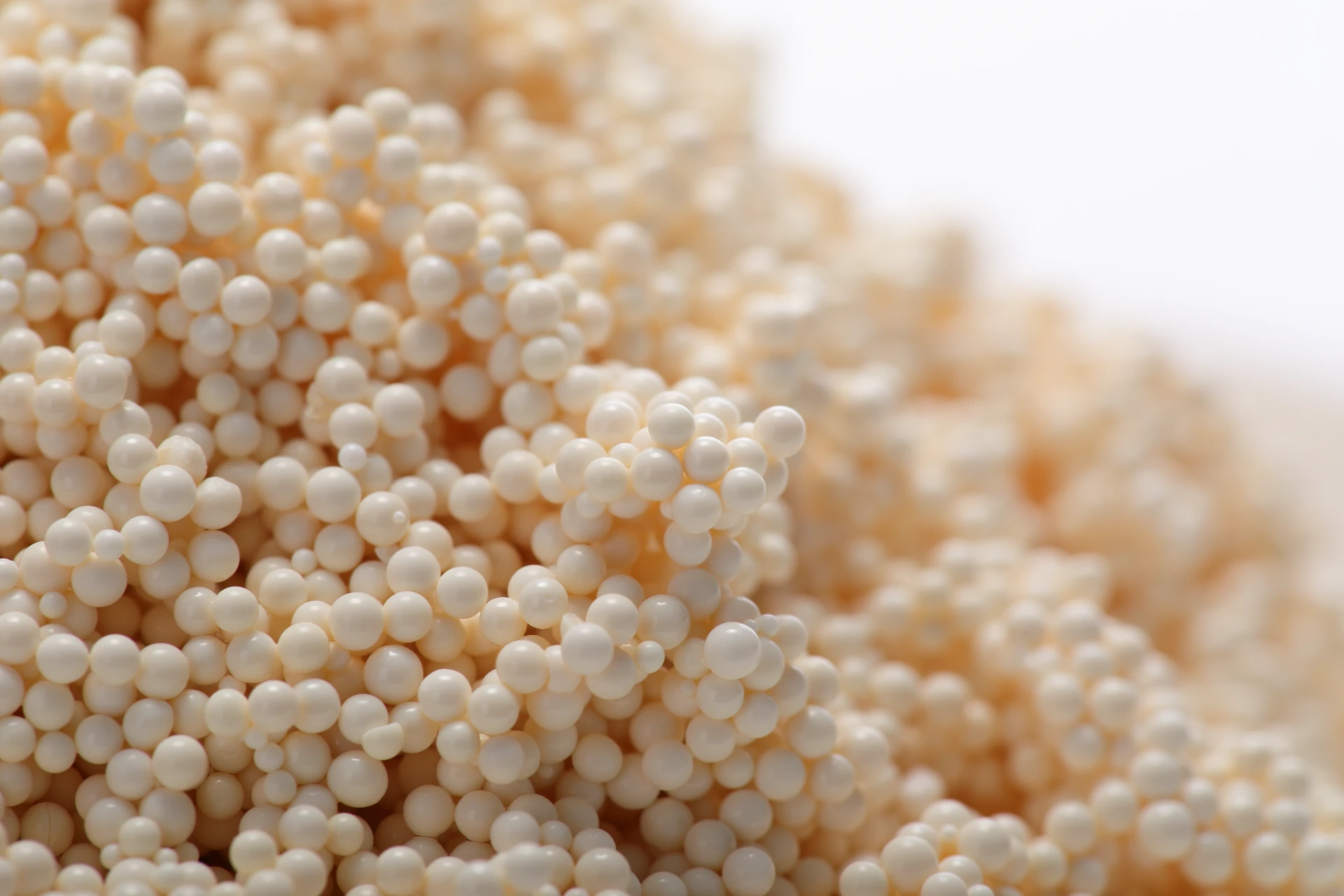
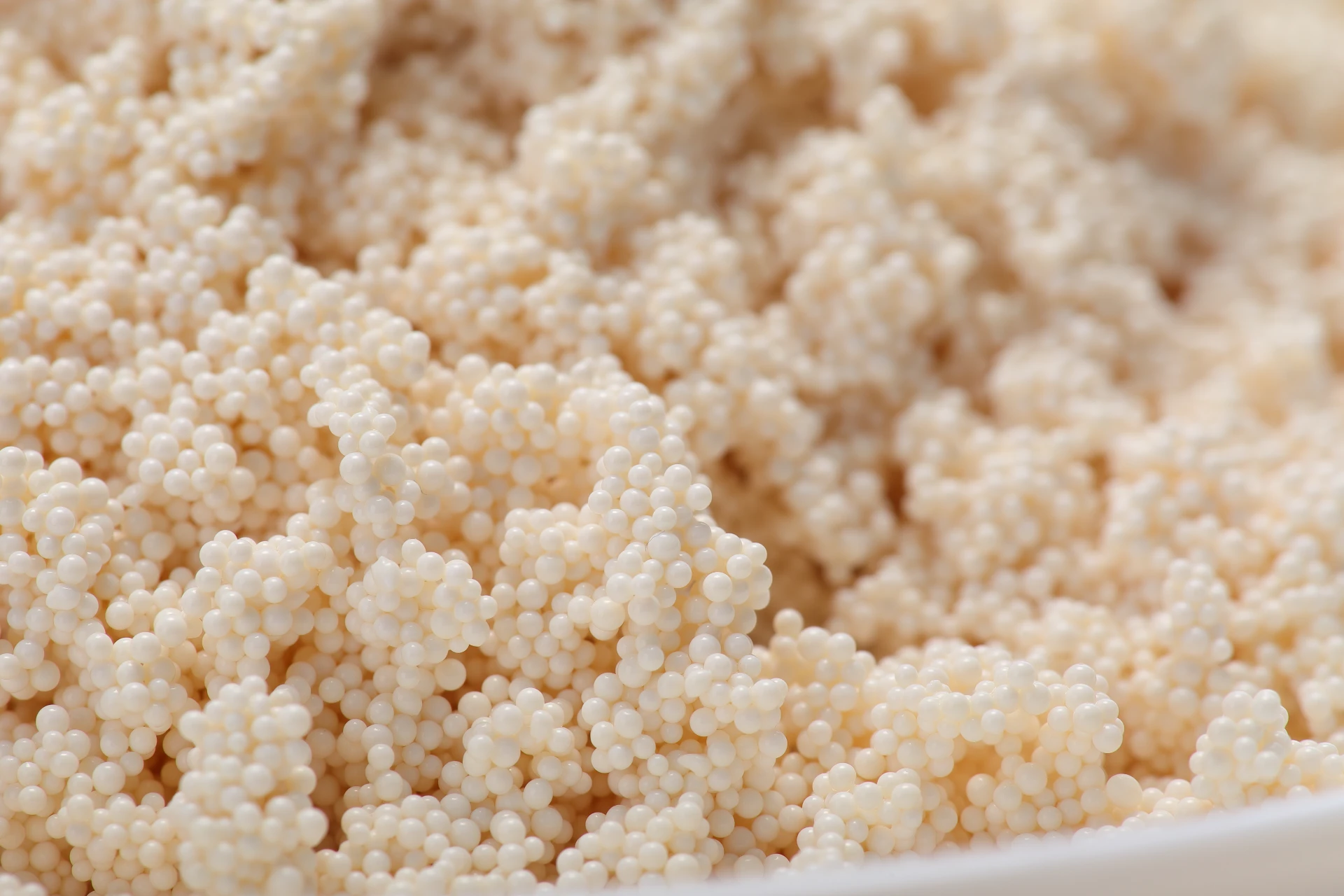
The backbone of a WCE is usually a polymer matrix — often styrene-divinylbenzene copolymer — which provides the structural integrity. Attached to this matrix are weak acidic functional groups such as carboxylic or phenolic groups. These groups give the resin its ion-selective properties.
Because WCEs operate effectively at specific pH ranges (typically around neutral to slightly acidic), their performance depends heavily on solution chemistry. This selective behavior allows for more nuanced ion removal strategies, which can be a huge benefit in complex wastewater streams or specialty chemical syntheses.
One of the standout features of weak cation exchangers is their gentler regeneration process, often using milder acid solutions compared to strong exchangers. This not only reduces chemical consumption but extends resin lifespan, ultimately saving costs and minimizing environmental impact.
While they often trade some capacity for selectivity, WCEs excel in removing multivalent ions and organic cations that otherwise complicate treatment. This balance can be a game-changer in processes demanding precision rather than brute-force removal.
Weak cation exchangers combine specialized chemistry, flexible operation, and cost-effective regeneration — making them the underdog heroes in various industrial and environmental settings.
You might think of water treatment plants in Europe or industrial sites in North America when you hear "ion exchanger," but weak cation exchangers are found in surprisingly diverse scenarios.
Weak cation exchangers aren't just lab curiosities—they're practical, adaptable tools used globally in industries where clean water and precise ion control are non-negotiable.
When it comes to durable and sustainable ion exchange, weak cation exchangers shine by addressing both technical and social concerns:
It's not just about physics and chemistry; WCEs provide tangible economic and social return — enhancing sustainability and trust in critical sectors.
| Feature | Specification |
|---|---|
| Resin Type | Styrene-DVB copolymer with carboxylic acid groups |
| Particle Size | 300–1200 µm |
| Ion Exchange Capacity | 1.2–1.8 eq/L |
| Working pH Range | 4 to 8 |
| Operating Temperature | Up to 60°C |
| Recommended Regenerant | Mild acid solution (e.g., citric acid) |
| Vendor | Capacity (eq/L) | Price Range (per kg) | Specialty |
|---|---|---|---|
| Liji Resin Co. | 1.5–1.8 | Mid | Eco-friendly regeneration, custom grades |
| IonPure Inc. | 1.6–1.9 | High | High capacity resins, pharmaceutical grade |
| GreenChem Resins | 1.3–1.7 | Low to mid | Sustainable sourcing, biodegradable resin options |
What’s on the horizon? The field isn’t standing still. Researchers are exploring bio-based polymer matrices that cut down on fossil-fuel dependence, and hybrid resins that combine weak and strong acid groups for enhanced selectivity across wider pH ranges. Digital process control and automation also allow tailored regeneration cycles to optimize resin life and reduce waste.
Environmental regulations worldwide, influenced by ISO standards on water quality and chemical usage, are pushing for greener, more efficient water treatment solutions. It’s safe to say weak cation exchangers will keep surfacing in new guises, products, or environmental programs.
It’s not all perfect, though. Challenges with weak cation exchangers often include limited capacity compared to strong exchangers, sensitivity to pH shifts, or fouling in complex matrices. But experts have insights: modulating resin particle size, blending with complementary materials, or integrating real-time sensors to trigger regeneration cycles are all on the table. Plus, ongoing development in functional group chemistry promises further improvements.
A1: Weak cation exchangers usually regenerate with milder acids, use less chemical, and tend to have longer service lives in specific applications. They are more pH-sensitive, which allows selective ion removal in cases where strong exchangers might be too aggressive.
A2: Absolutely. They are effective at removing heavy metals and hardness ions from wastewater streams, especially where pH control is manageable. Their selective nature benefits industries with complex wastewater compositions.
A3: Consider capacity, regeneration efficiency, environmental certifications, and the supplier’s customization ability. Liji Resin, for example, provides eco-friendly and customizable resin grades suited for diverse industrial needs.
A4: Regular backwashing, periodic regeneration with mild acids, and monitoring for signs of fouling or capacity loss are key. Proper maintenance prolongs resin life and ensures stable performance.
The weak cation exchanger is quietly transformative — shaping industries, sustaining livelihoods, and safeguarding our global environment. By combining cost-effective operation, environmental friendliness, and practical flexibility, these specialized resins stand out in a world that increasingly demands smarter, greener solutions.
If you want to dive deeper, explore product details, or discuss your specific needs, be sure to visit the Liji Resin website. You’ll find a wealth of information and expert support to help your projects succeed.
References:
1. United Nations Sustainable Development Goals, SDG 6: Clean Water and Sanitation
2. World Health Organization & UNICEF Joint Monitoring Programme on Water Access
3. ISO 14001 - Environmental Management Systems Standards