Phone:
+86 0319 2296164


Email:
info@lijiresin.cn
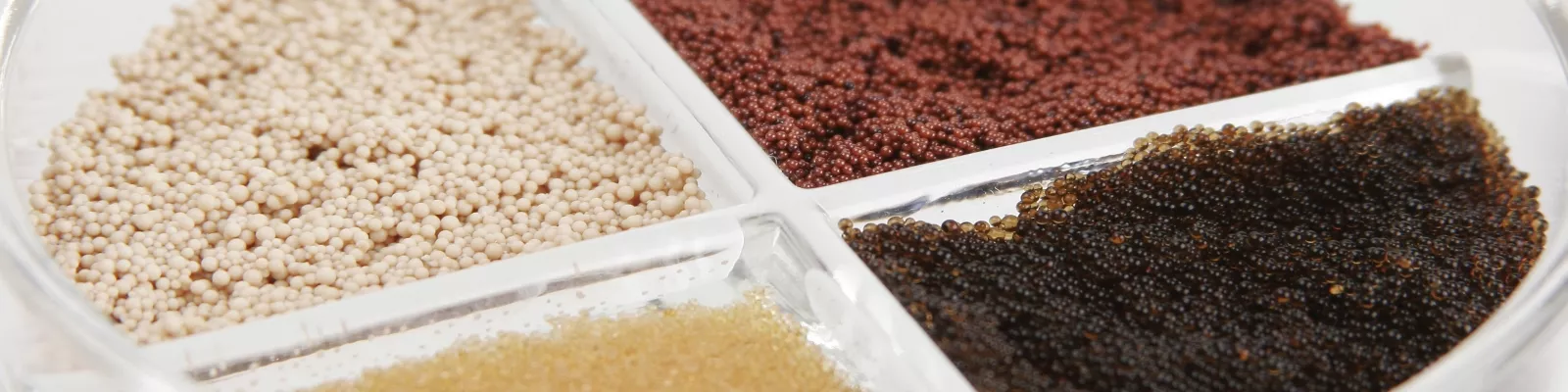
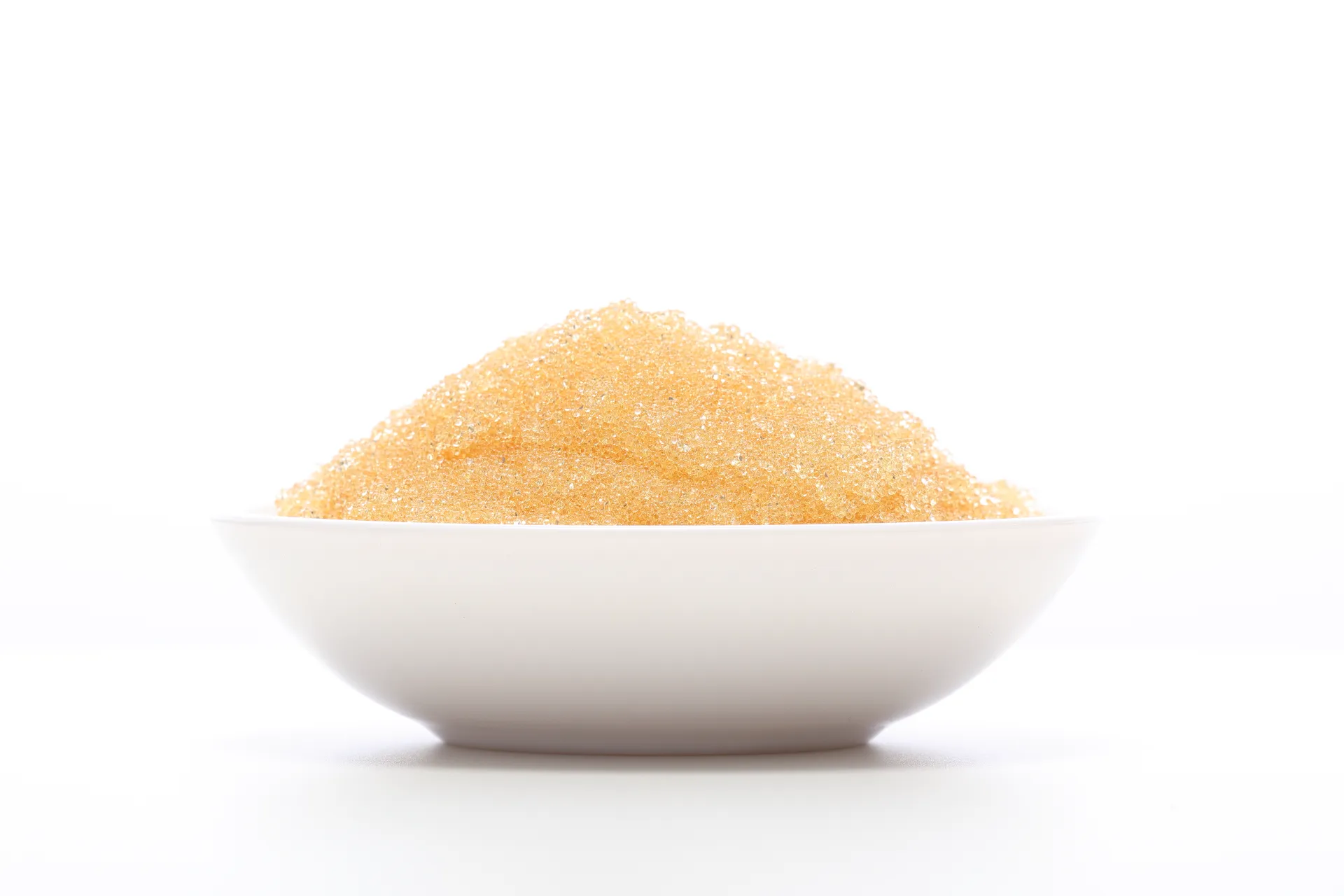
Have you ever wondered how laboratories around the world separate ions so precisely, or how industries purify complex solutions at scale? At the heart of many of these processes lies the cation exchanger in ion exchange chromatography. This specialized material quietly and efficiently captures positively charged ions (cations) from mixtures, playing a pivotal role in everything from pharmaceutical manufacturing to water treatment. Understanding how it works — and why it’s so crucial globally — is not only fascinating but also essential for those in chemistry, biotechnology, and environmental sciences.
Ion exchange chromatography is a $4 billion-plus global market, growing steadily year after year, driven largely by increasing demand in biopharma and environmental sectors (source: Statista). With water scarcity and pollution challenges escalating worldwide, and complex biological molecules requiring precision separation for safe medicines, cation exchangers have become more indispensable than ever. They solve a critical problem: the need to selectively remove or isolate cations from mixtures where chemical complexity and purity requirements are sky-high.
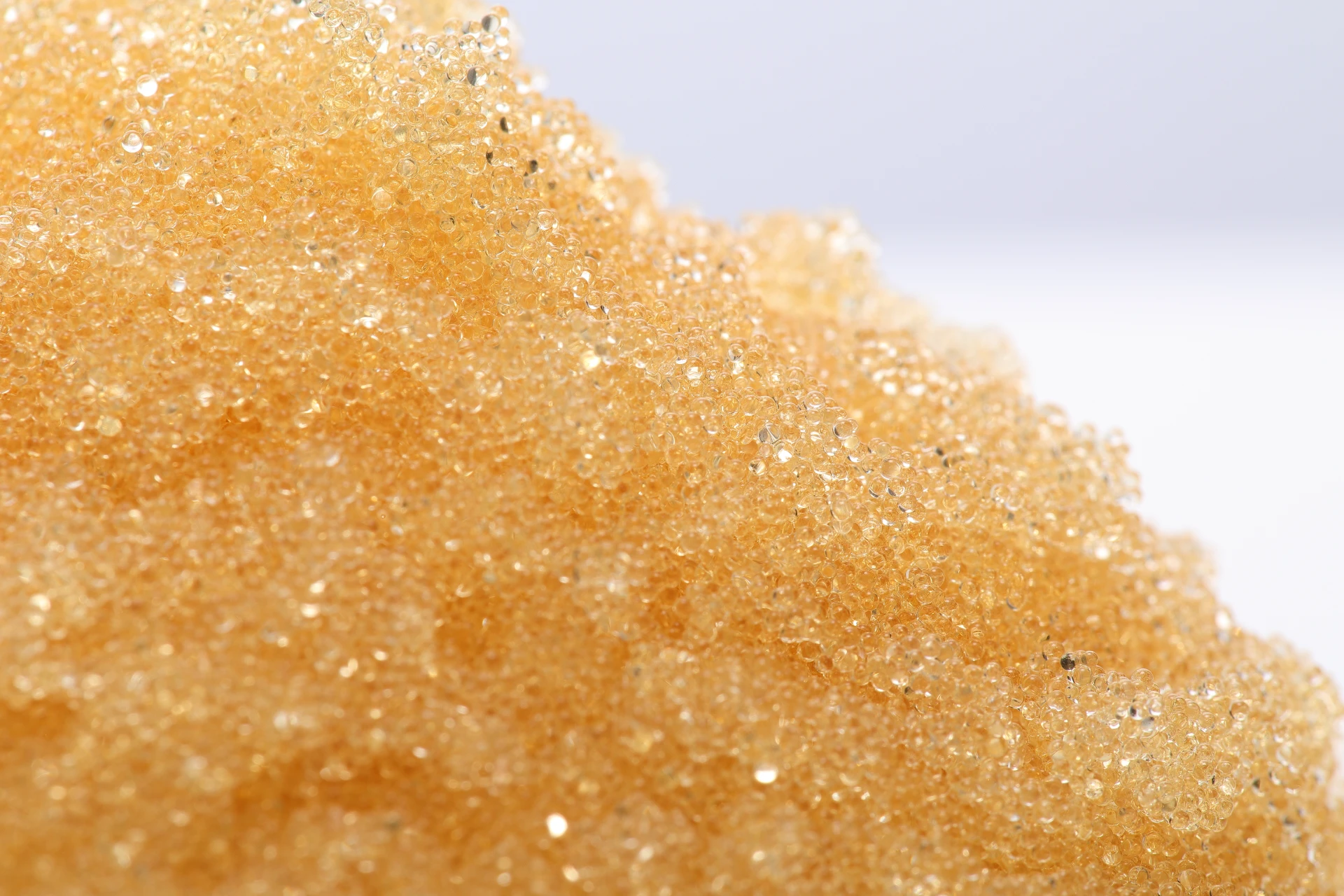
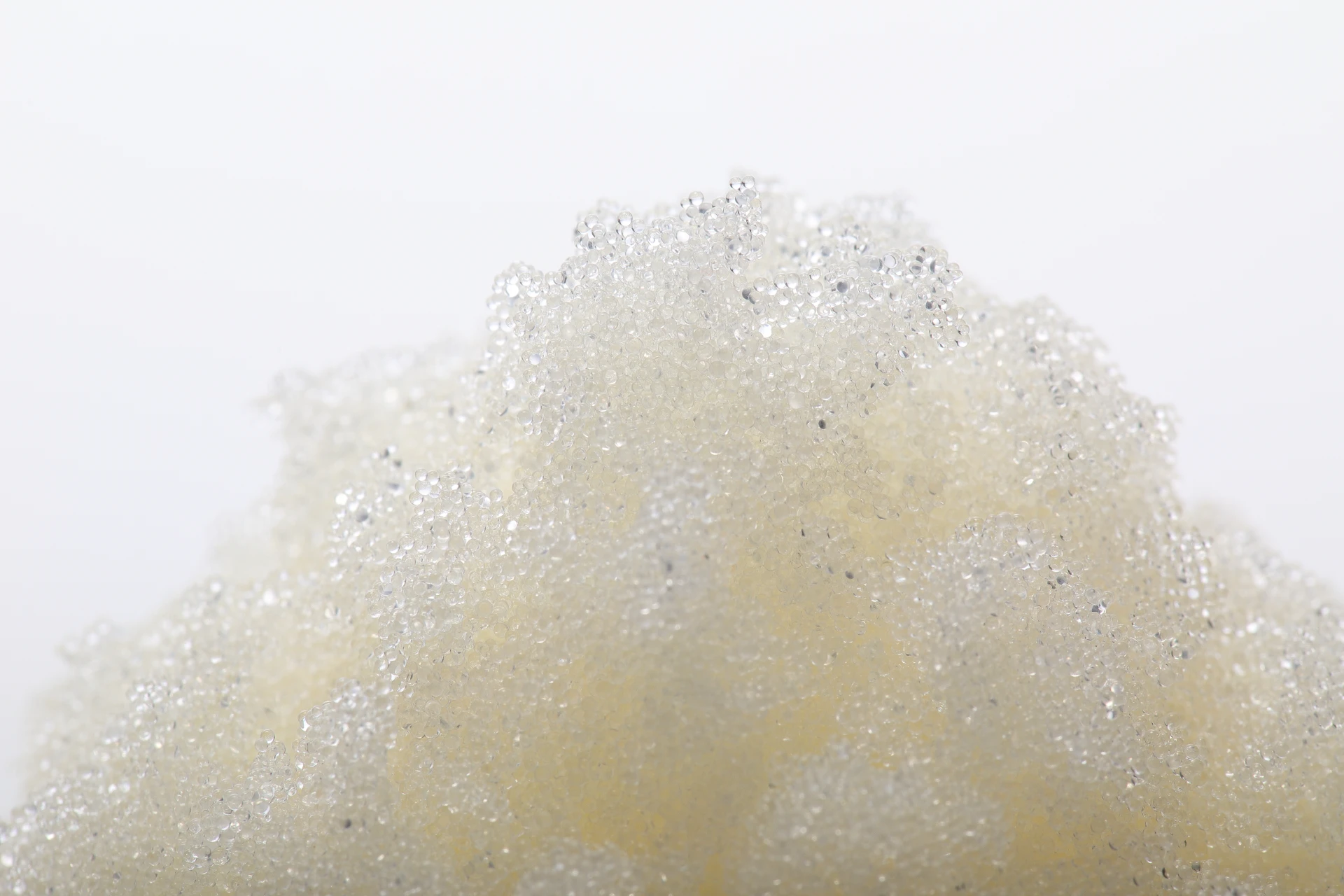
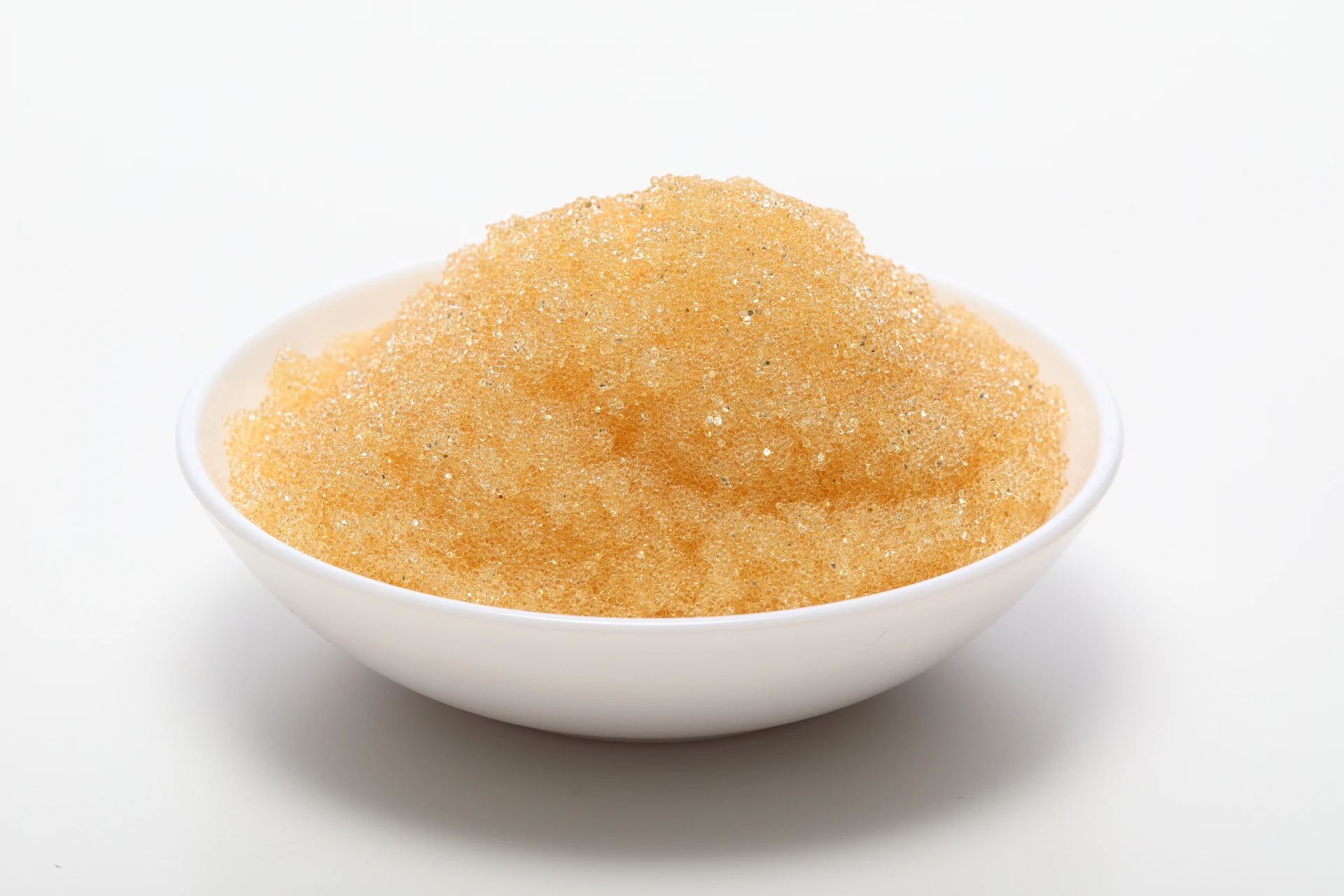
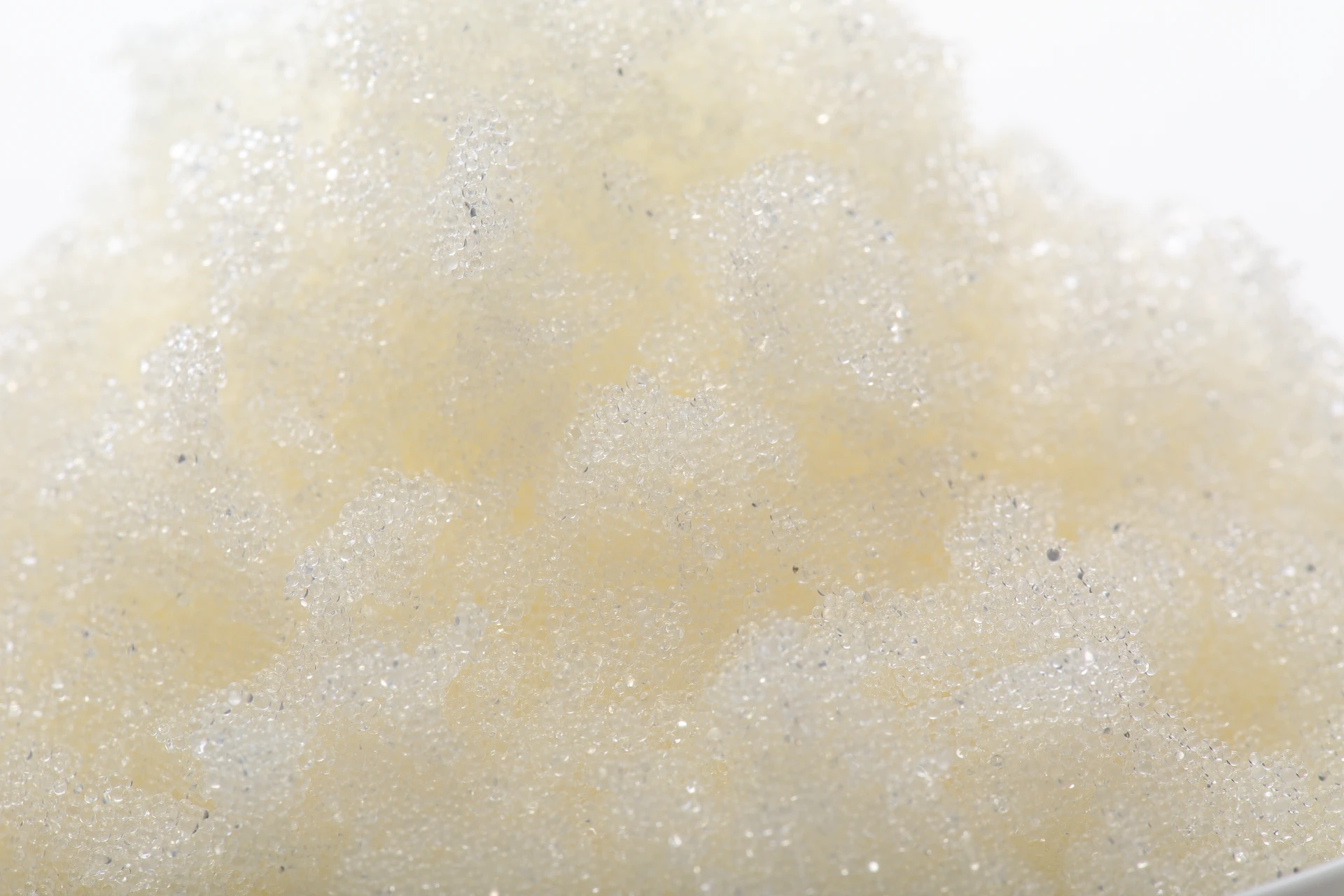
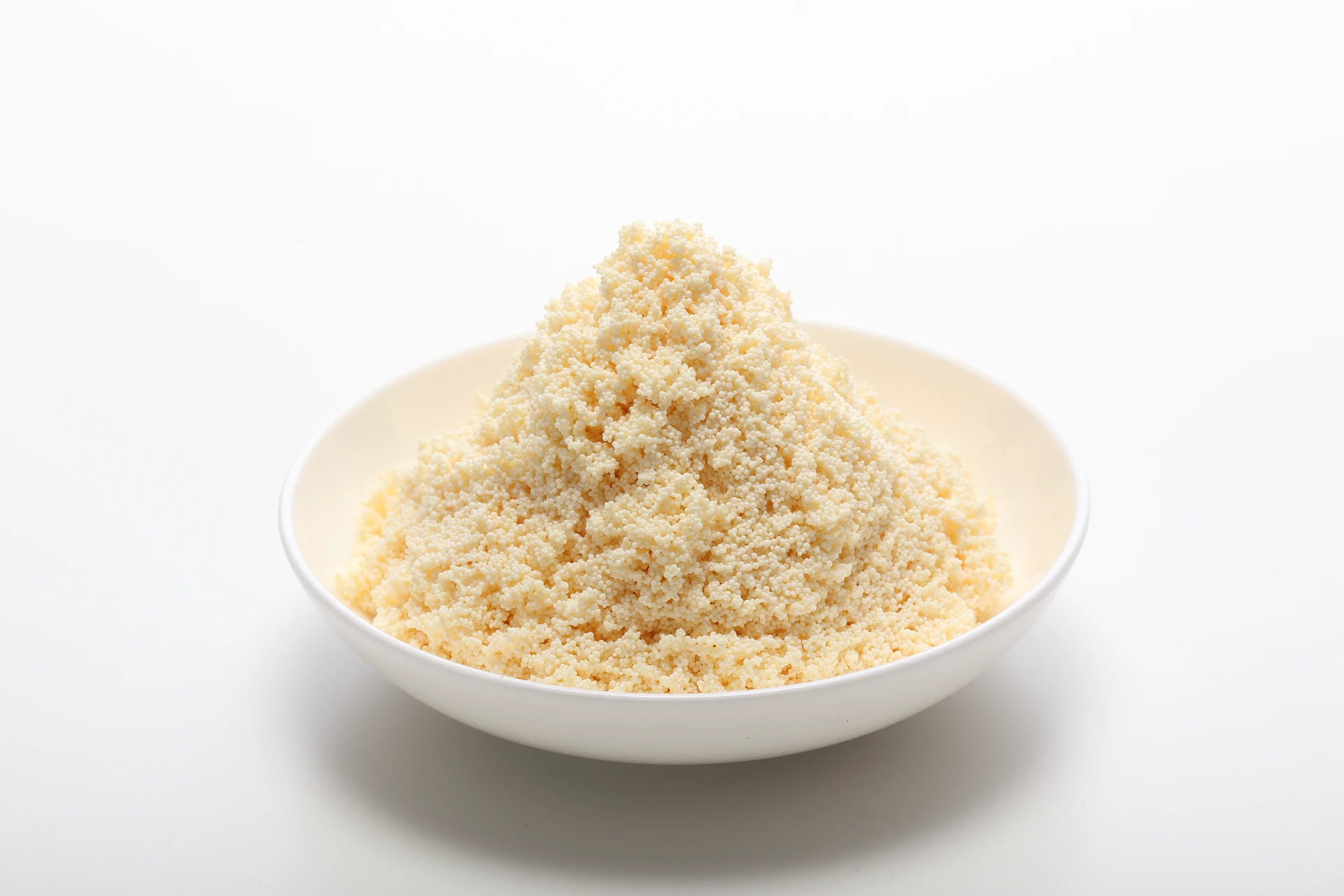
Simply put, a cation exchanger is a resin or material embedded with negatively charged groups that attract and hold onto positively charged ions — cations — from a surrounding solution. During ion exchange chromatography, molecules in a liquid feed pass through a column packed with this resin, where unwanted cations swap places with hydrogen or other ions on the resin, thereby separating compounds based on charge.
This process is fundamental not only in laboratories separating biomolecules like proteins but also in industrial water softening, food processing, and environmental cleanup — linking it tightly to humanitarian and public health initiatives.
At its core, the selectivity towards different cations depends on the functional groups attached to the resin, such as sulfonate or carboxylate groups. This property determines efficacy — can it target calcium and magnesium ions in water, or selectively isolate a specific metal in a pharmaceutical broth? Precisely tuning this aspect is crucial in achieving desired separation outcomes.
How many ions the resin can hold before needing regeneration? Capacity influences throughput and cost. Durability — the ability to withstand repeated cycles of loading and cleaning — affects the long-term value. Many engineers I’ve talked to stress that resin lifetime is often what makes or breaks industrial applications.
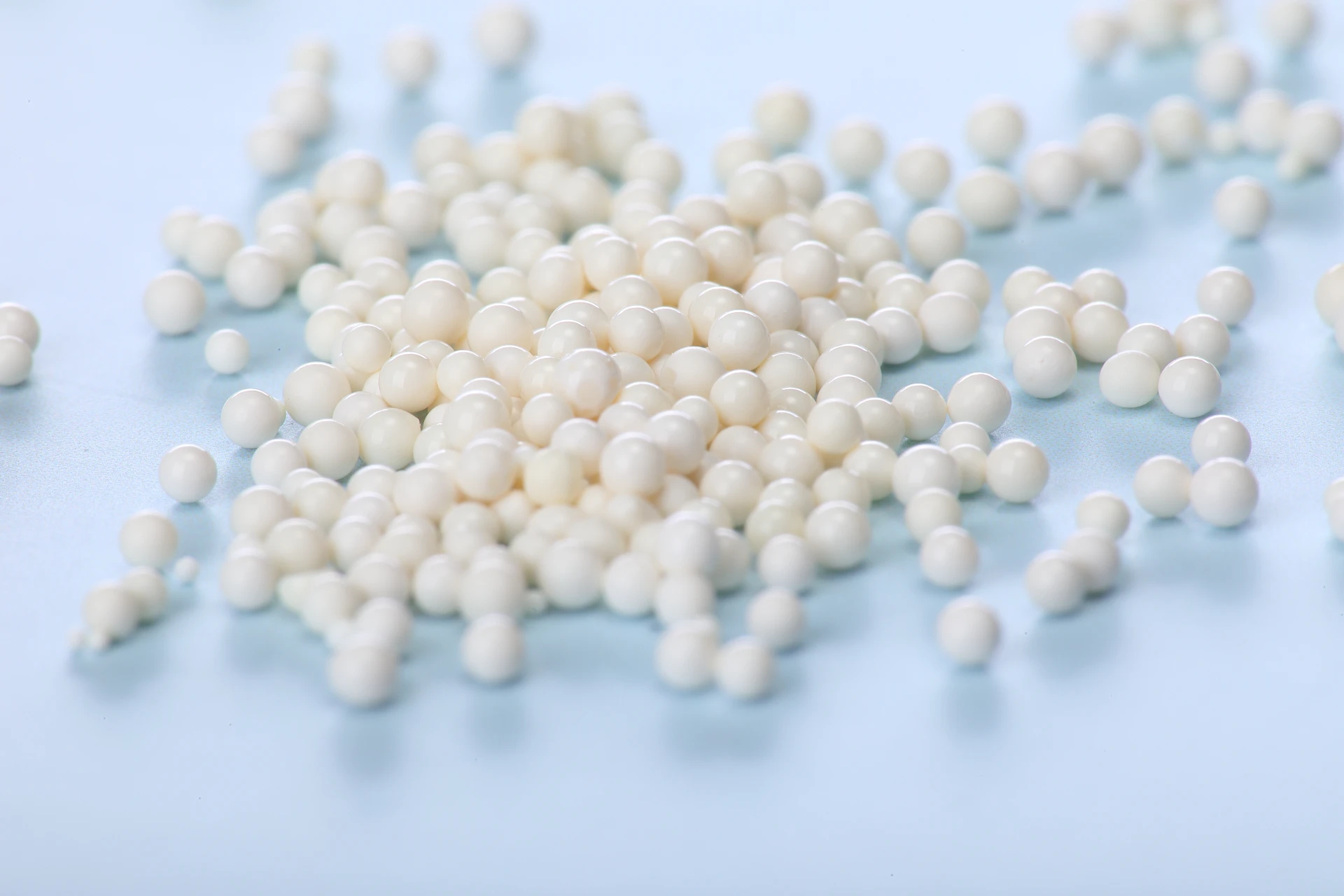
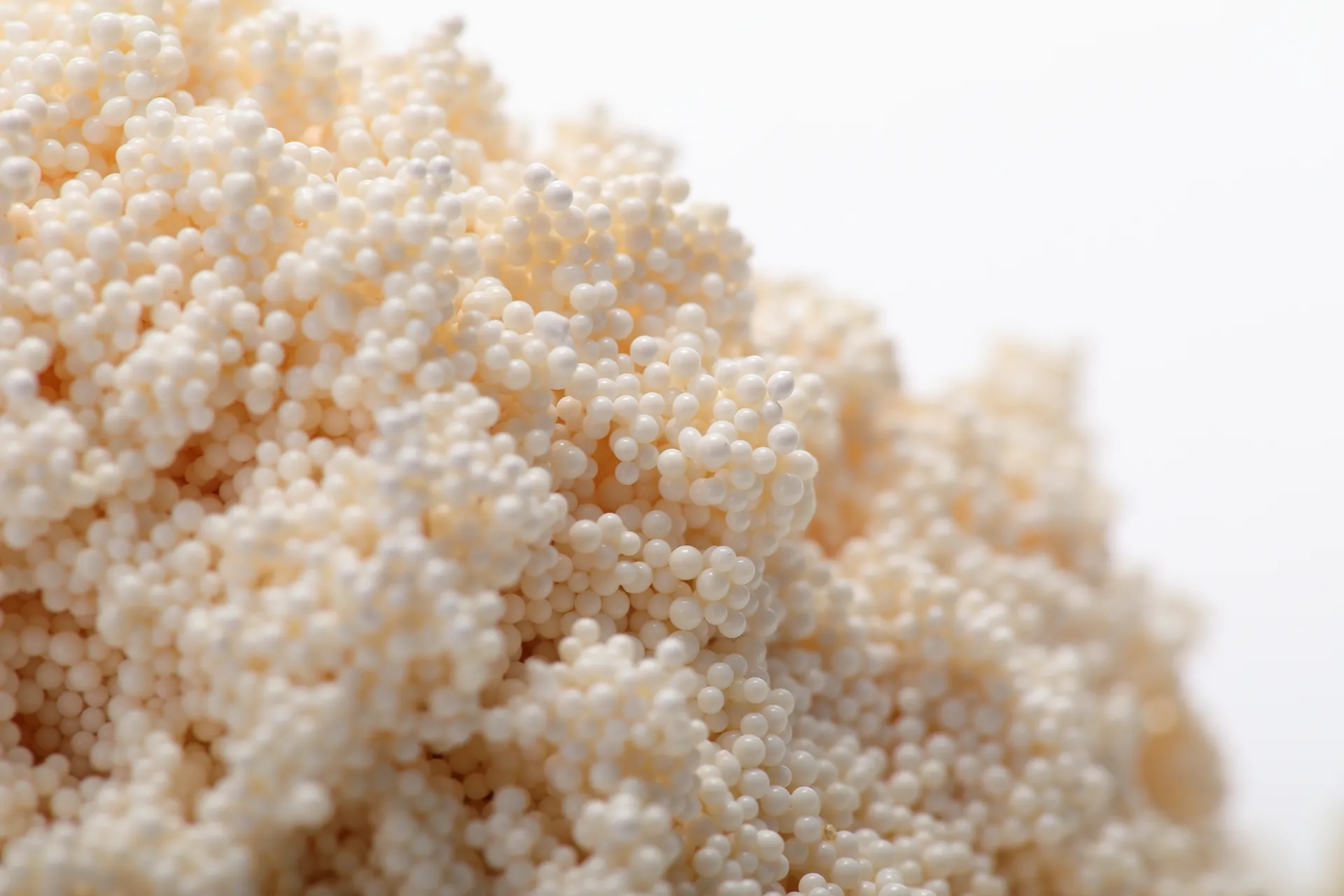
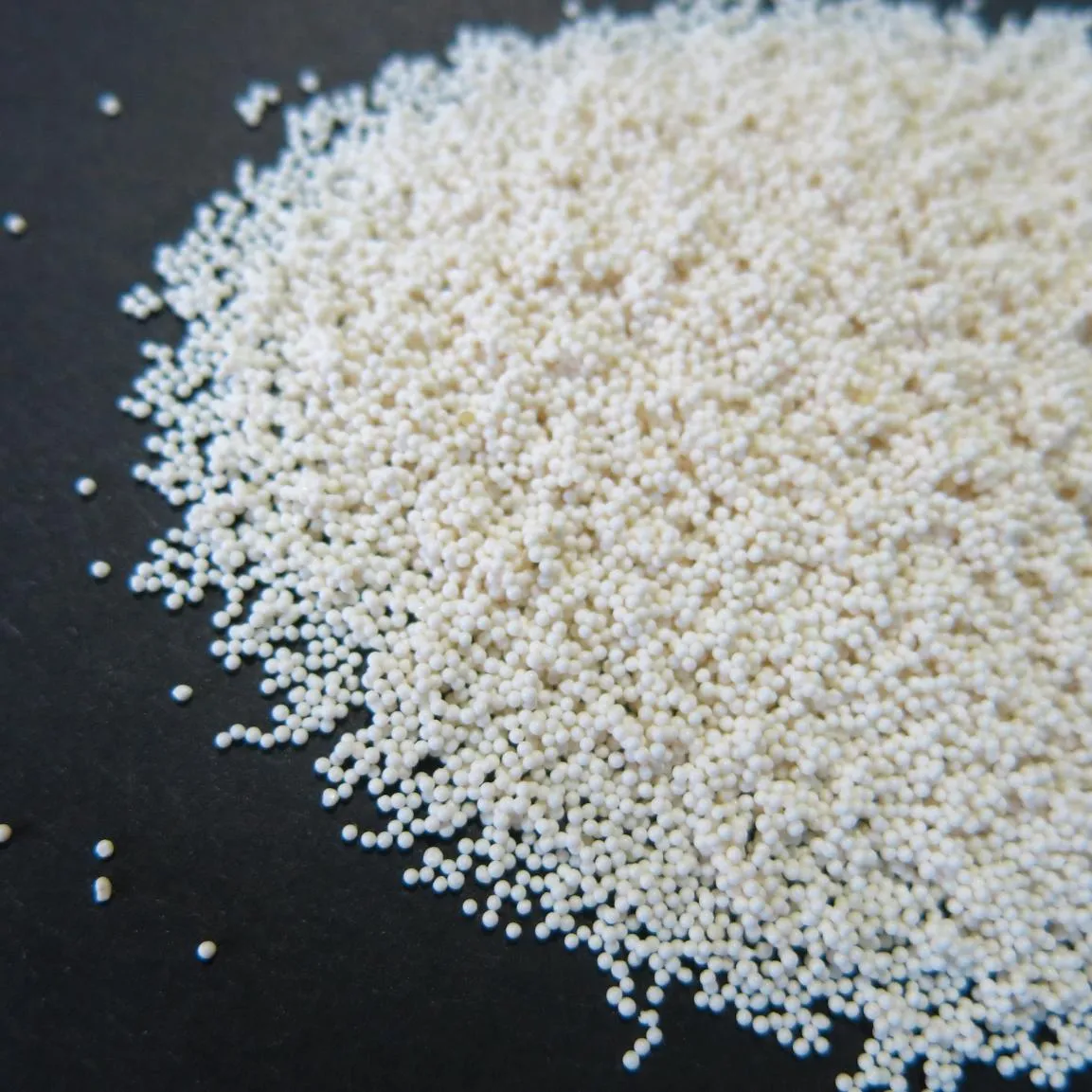
Whether it’s bead-shaped or membrane-based, the resin’s physical form affects flow rate and pressure tolerance. Porosity impacts access to binding sites; larger pores may speed separation but can compromise selectivity.
Since chromatography often involves stringent conditions, resistance to chemicals and heat is vital to prevent resin degradation and maintain performance.
Choosing the right cation exchanger means balancing selectivity, capacity, physical properties, and stability — a bit like matchmaking for ions. These parameters ultimately determine success in practical applications.
From bustling pharmaceutical plants in Europe to remote desalination units in arid regions of Africa, the cation exchanger in ion exchange chromatography finds itself front and center. Consider these illustrations:
In post-disaster relief zones, mobile water purification systems often rely on ion-exchange resins to provide safe drinking water — a testament to the humanitarian impact that often goes unnoticed.
| Parameter | Typical Value | Notes |
|---|---|---|
| Functional Group | Sulfonate (-SO3⁻) | Strong acid cation exchanger |
| Particle Size | 300–1200 µm | Impacts flow and resolution |
| Ion Exchange Capacity | 1.7–2.2 eq/L | Higher numbers mean more loading ability |
| pH Operating Range | 0–14 | Very stable over wide pH |
| Temperature Stability | Up to 120°C | Useful for industrial cleaning/regeneration |
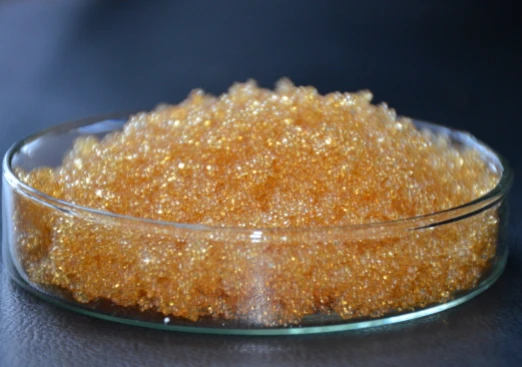
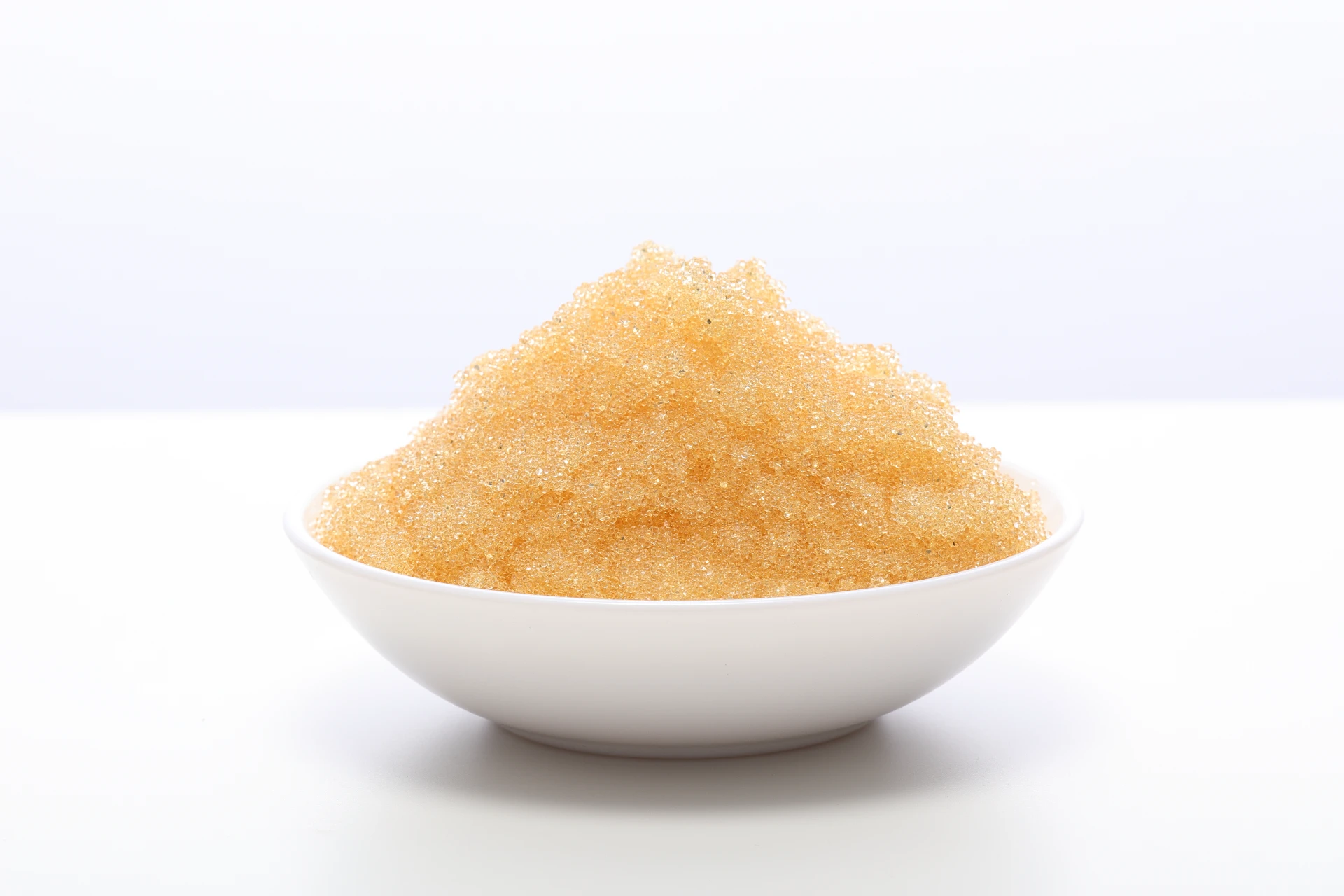
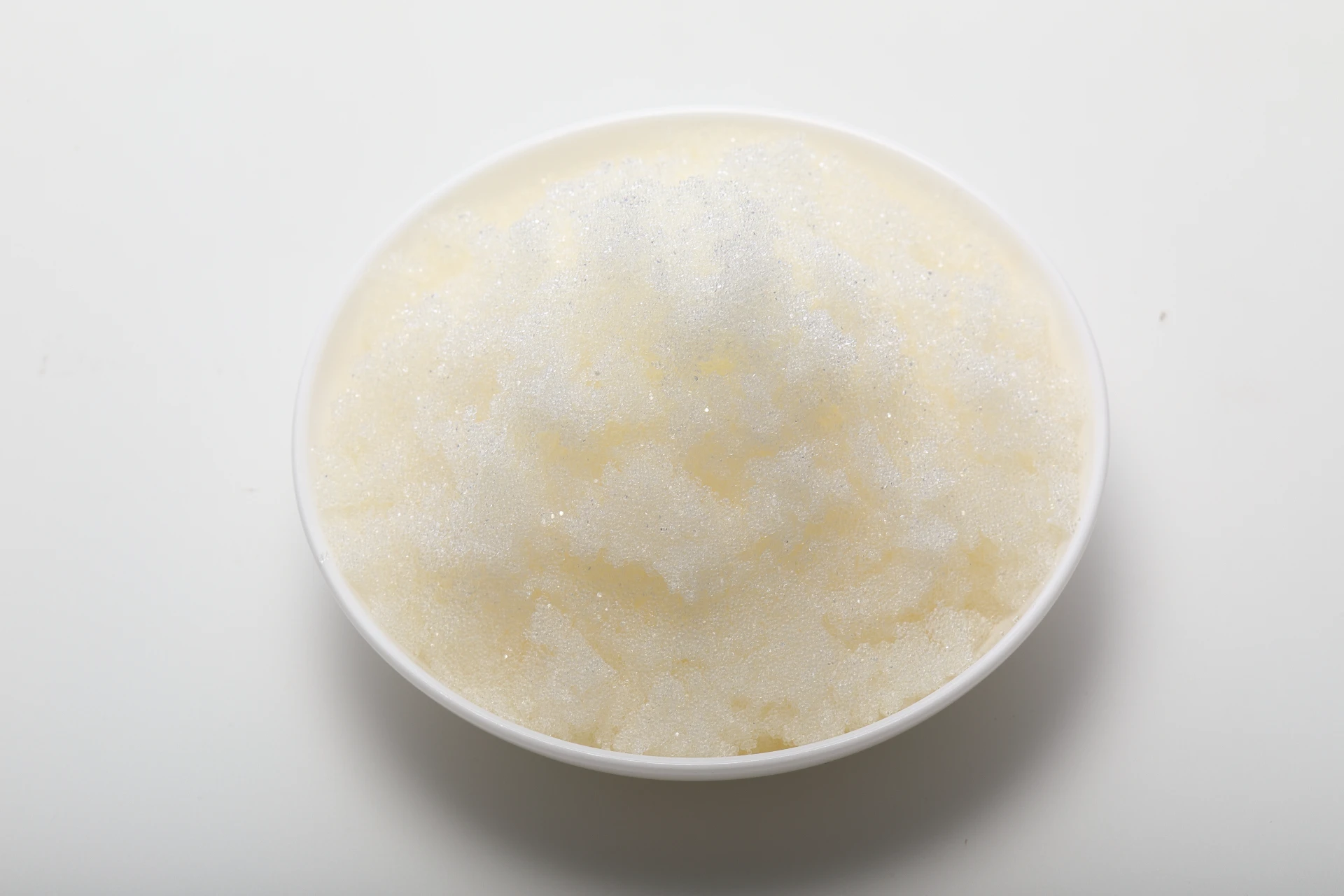
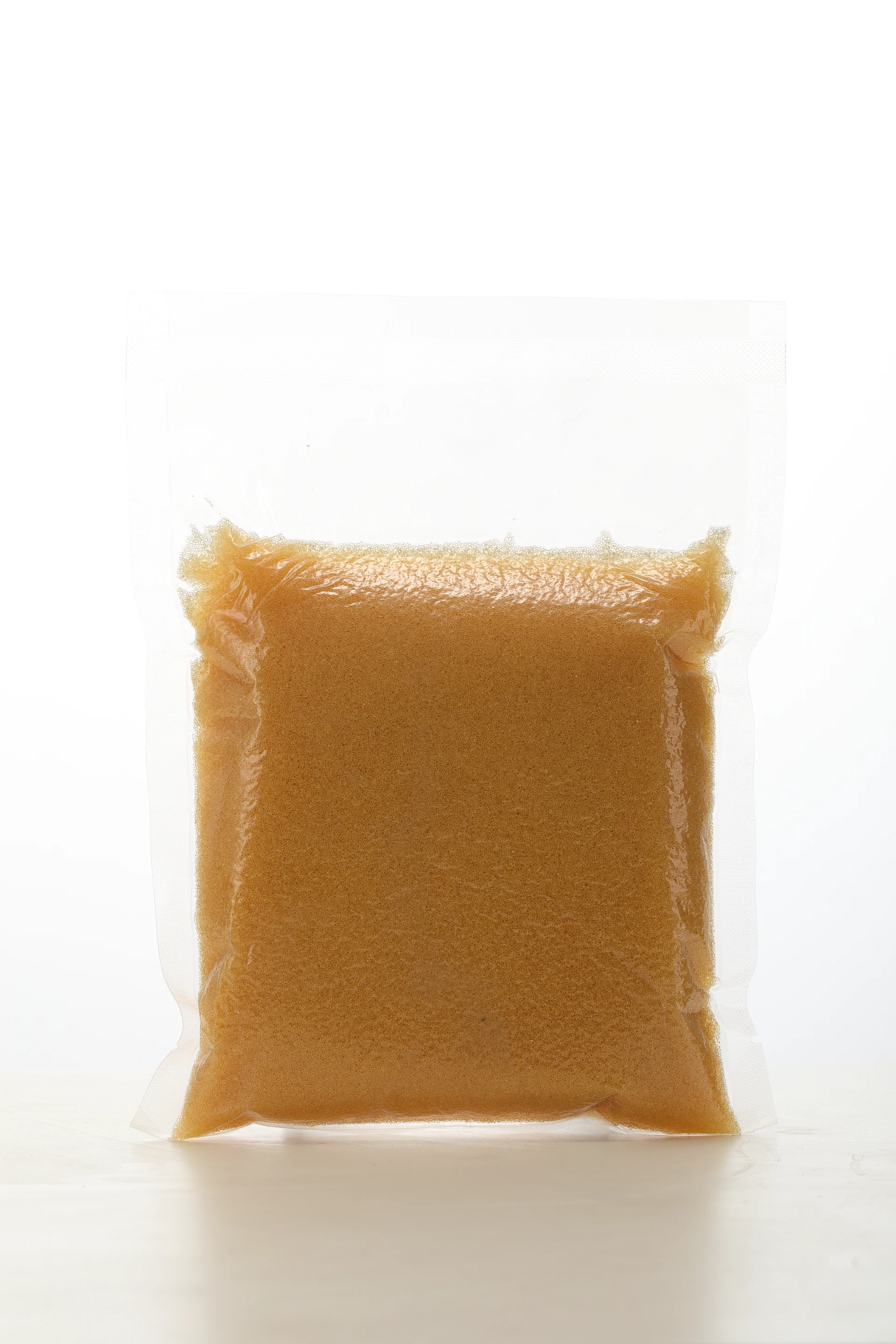
| Physical Form | Beads | Allows efficient packing in columns |
| Manufacturer | Ion Exchange Capacity (eq/L) | Physical Form | Price Range | Typical Applications |
|---|---|---|---|---|
| Liji Resin | 2.1 eq/L | Beads & Membranes | $$ | Biopharma, Water Softening |
| Dowex (Dow Chemical) | 1.9–2.0 eq/L | Beads | $$$ | Industrial & Lab Scale |
| Purolite | 1.8–2.2 eq/L | Beads & Powder | $$$ | Drinking Water, Wastewater |
| Local Generic Suppliers | ~1.5 eq/L | Beads | $ | Small Scale, Low Budget |
On paper, ion exchange resins might look like humble beads, but in real terms, they deliver on multiple fronts:
Many companies trust these exchangers not just because they’re effective, but because they enable innovations that protect the environment and push science forward.
Emerging trends suggest that the future is bright — and green. Researchers are developing nanostructured resins that promise higher selectivity and capacity, using bio-based polymers to reduce fossil dependence, and integrating digital sensors for real-time monitoring of ion saturation. Automation and AI-assisted process control are becoming commonplace in large-scale operations, driving efficiency and reducing waste.
Oddly enough, the ion exchange field, while mature, is quietly embracing innovations that align perfectly with global sustainability goals such as those set by the United Nations Sustainable Development Goals.
Challenges remain: fouling, resin degradation, and cost barriers in some regions often limit adoption. However, newer regeneration techniques, resin blends, and modular ion-exchange systems address these pain points. For example, incorporating cross-linked polymers helps boost mechanical strength, and hybrid resins expand ion selectivity, broadening applications.
Focus on resin capacity, pH stability, and selectivity for calcium and magnesium ions. Strong acid cation exchangers with high exchange capacity and durability are preferable for efficient, long-lasting softening.
Yes, most are designed for multiple ion exchange and regeneration cycles, sometimes hundreds, provided the resin is properly cleaned and maintained to avoid fouling or degradation.
Absolutely. It’s a standard technique in biotech to separate proteins based on charge, as many proteins carry net positive charges at certain pH values that interact selectively with cation exchange resins.
Import regulations vary but typically require compliance with local chemical safety standards and customs documentation. Working with experienced vendors like Liji Resin can simplify logistics and ensure quality.
At the end of the day, the cation exchanger in ion exchange chromatography might not grab headlines, but it’s undeniably one of the foundational bricks in industries protecting health, environment, and innovation globally. Knowing how to select and optimize these materials empowers scientists and engineers to solve pressing challenges efficiently—whether it’s producing lifesaving medicines or delivering safe water to communities in need. If you want to dive deeper or find the perfect resin for your unique application, you should definitely visit our website.