Phone:
+86 0319 2296164


Email:
info@lijiresin.cn
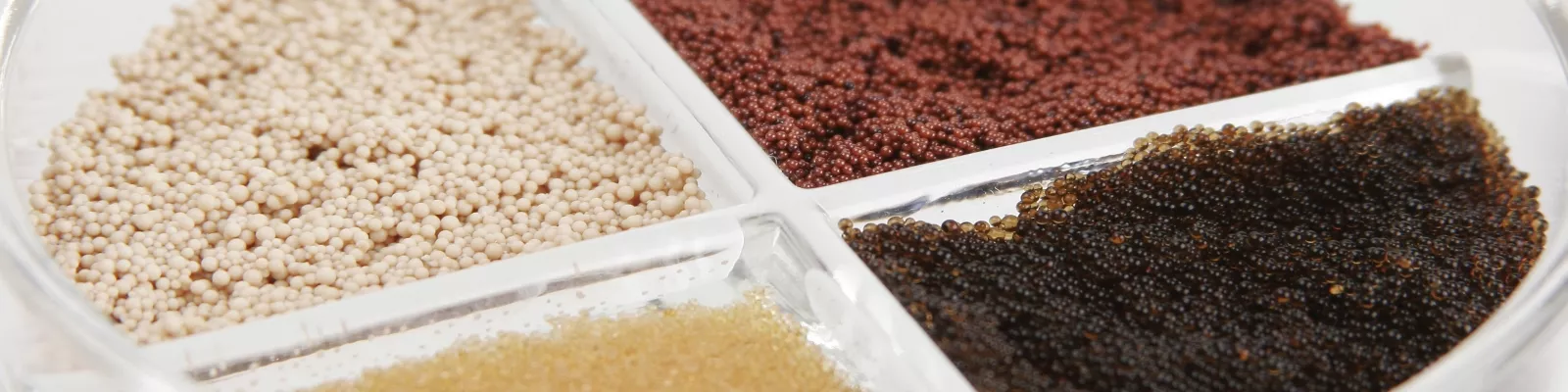
Purolite Di Resin is a key solution in the industry, specifically within water treatment, chemical processing, and advanced separation technologies. This article explores how https://www.lijiresin.com supports professionals with durable, high-performance products, and explains why this product is an ideal choice for businesses in these sectors.
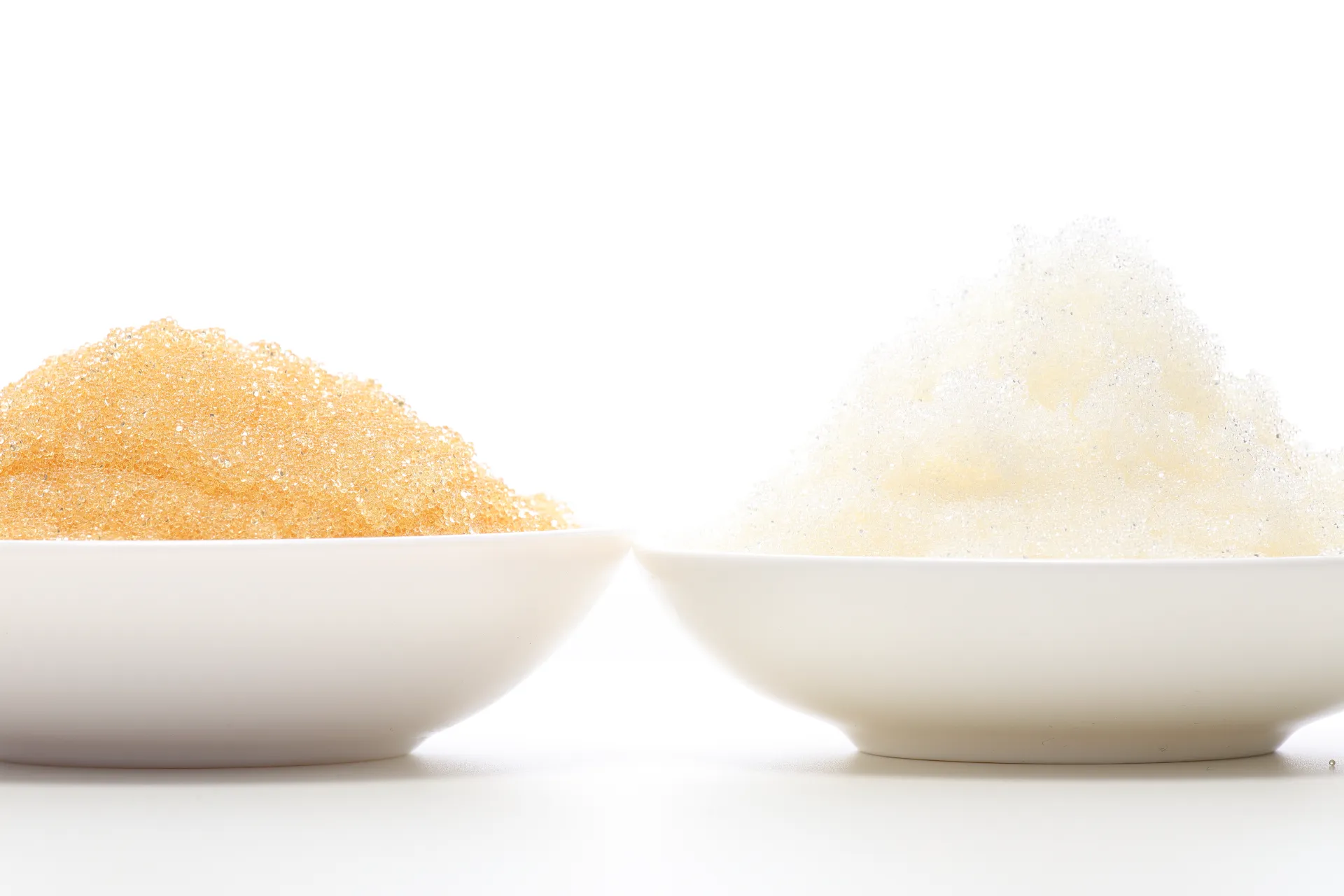
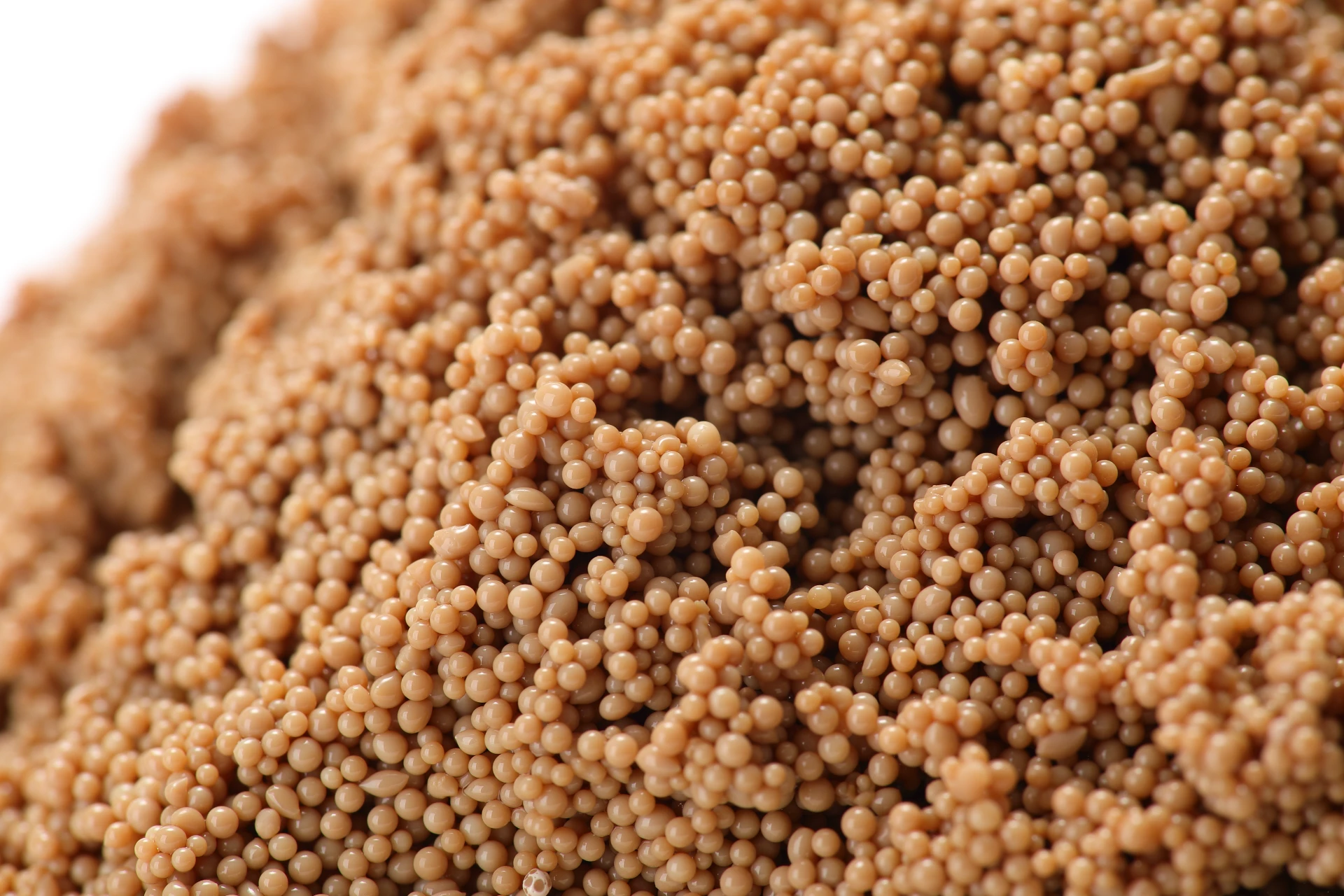
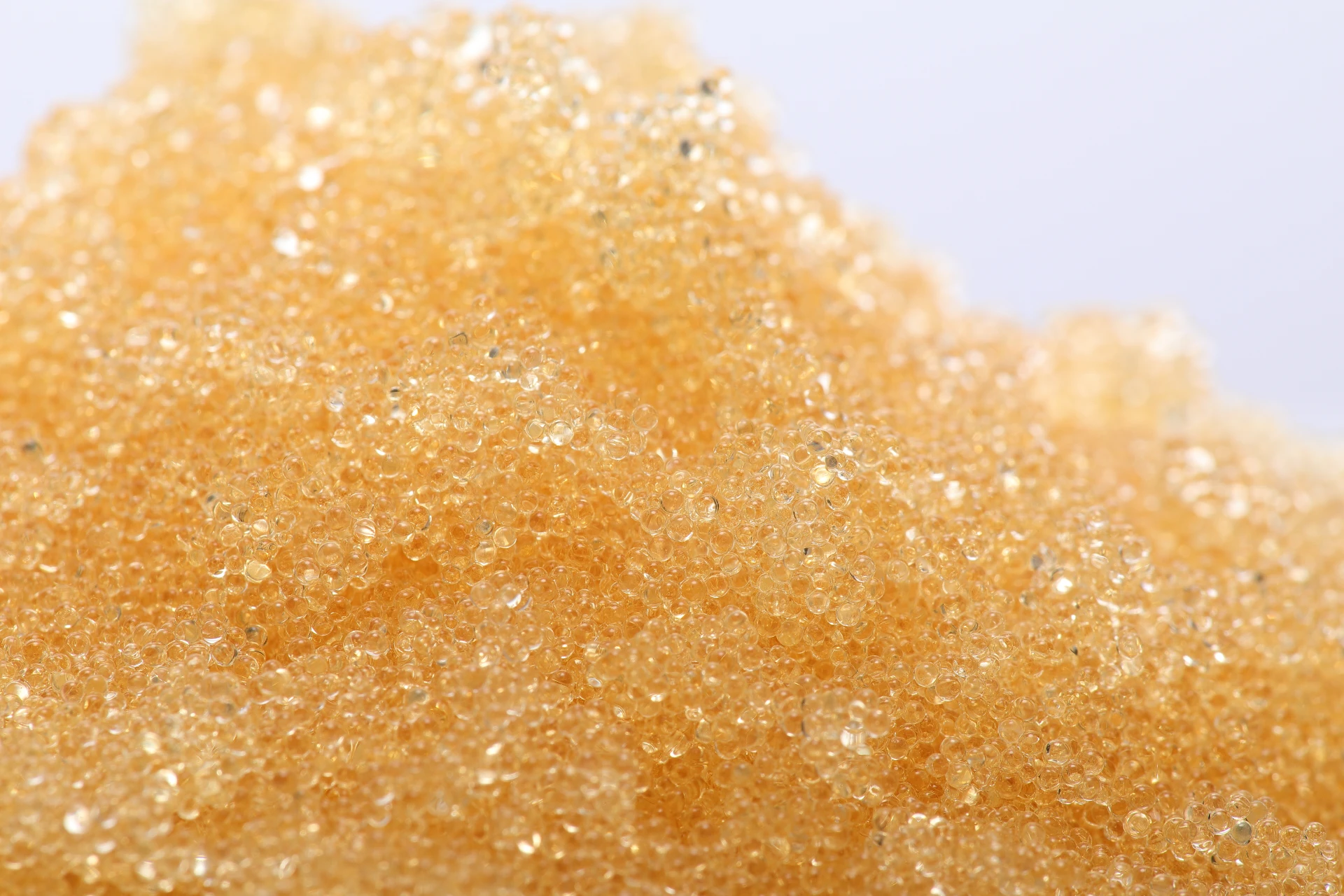
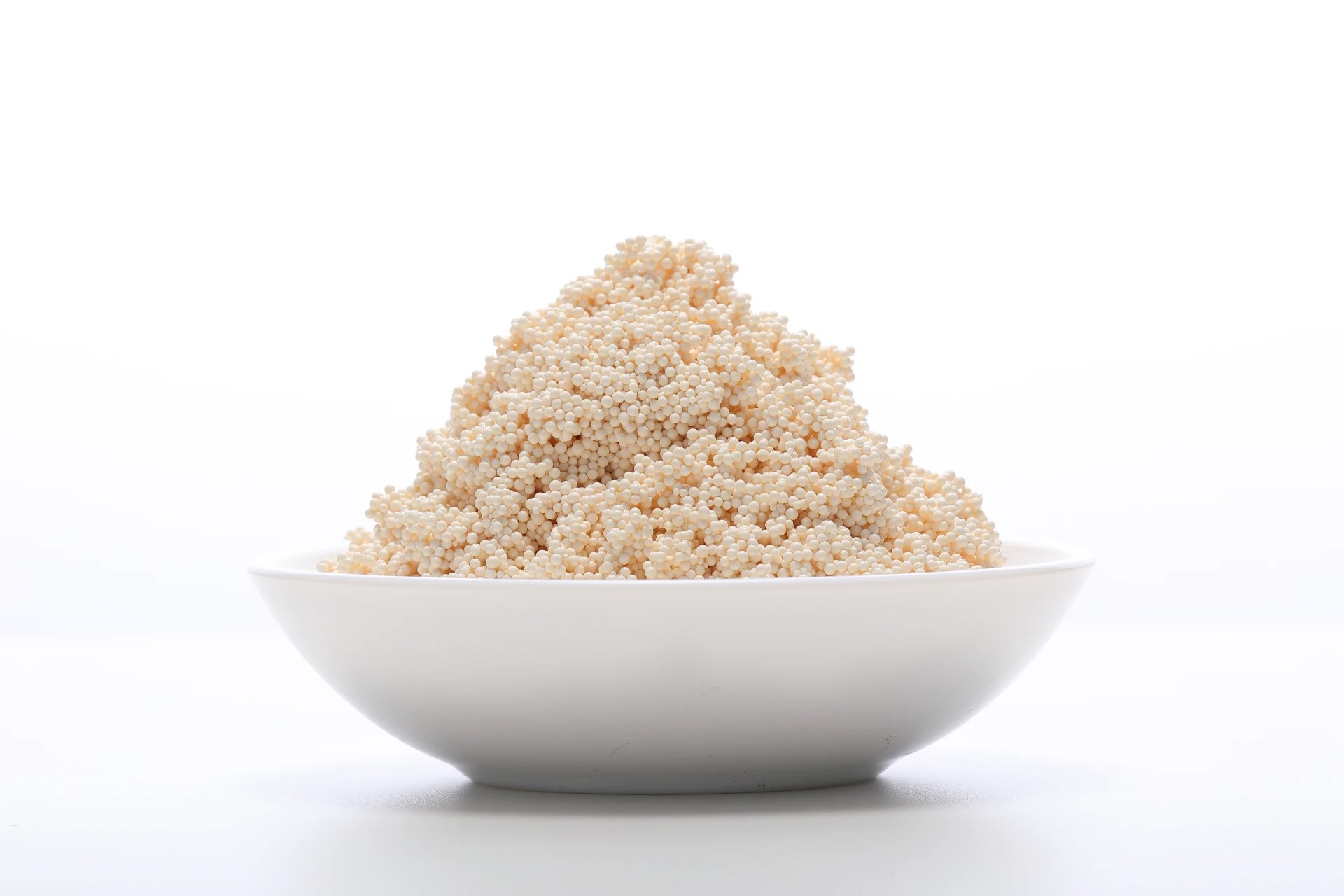
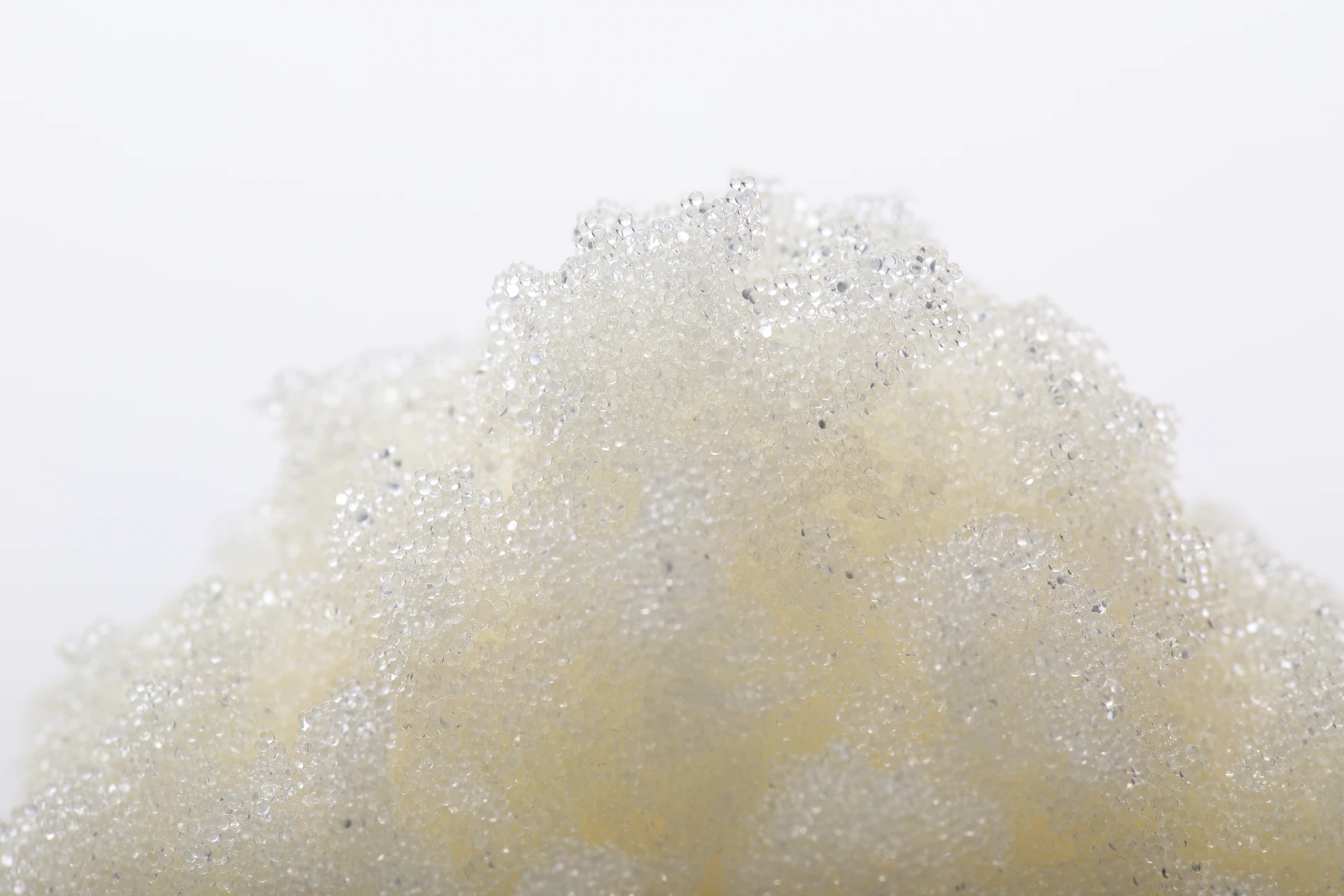
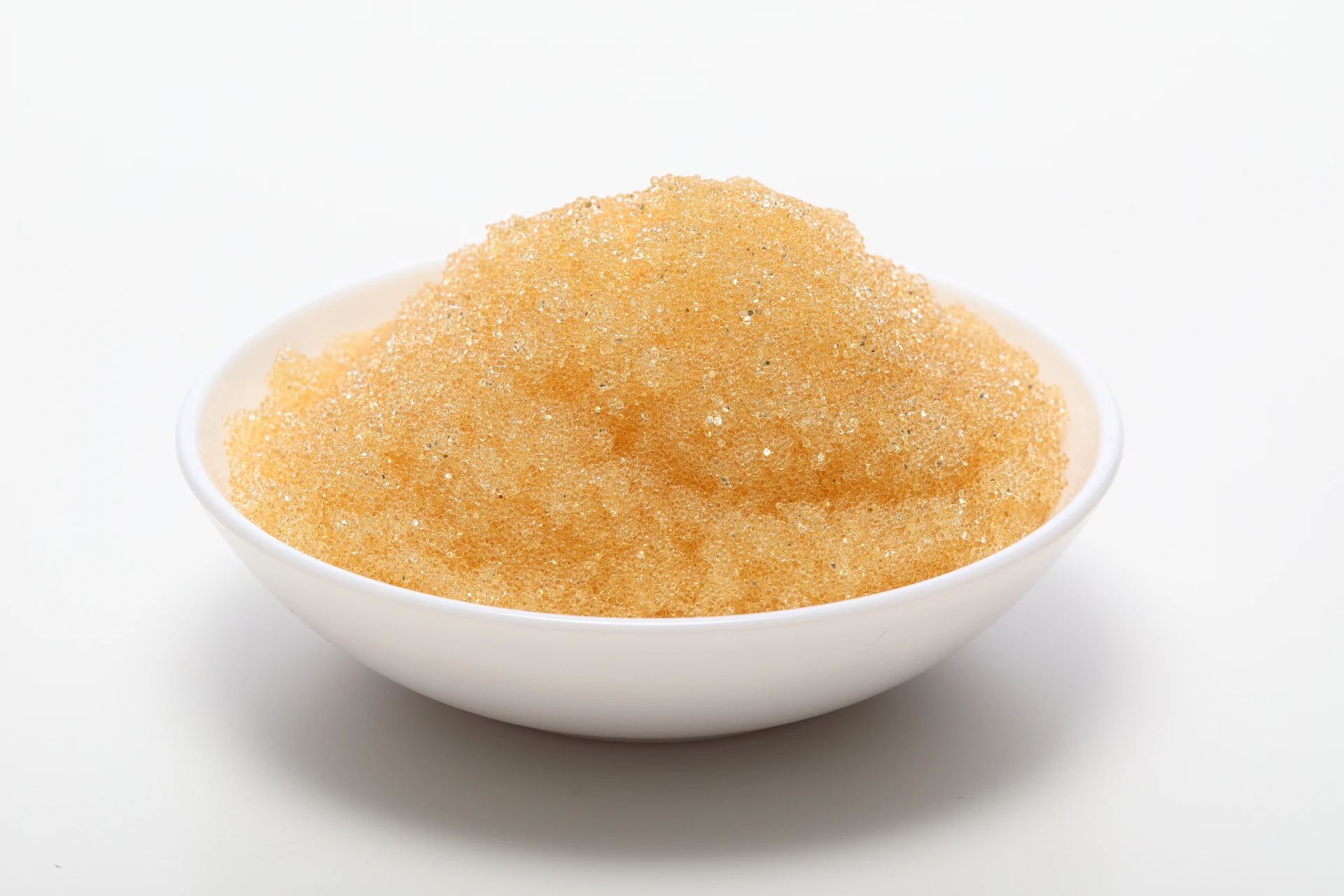
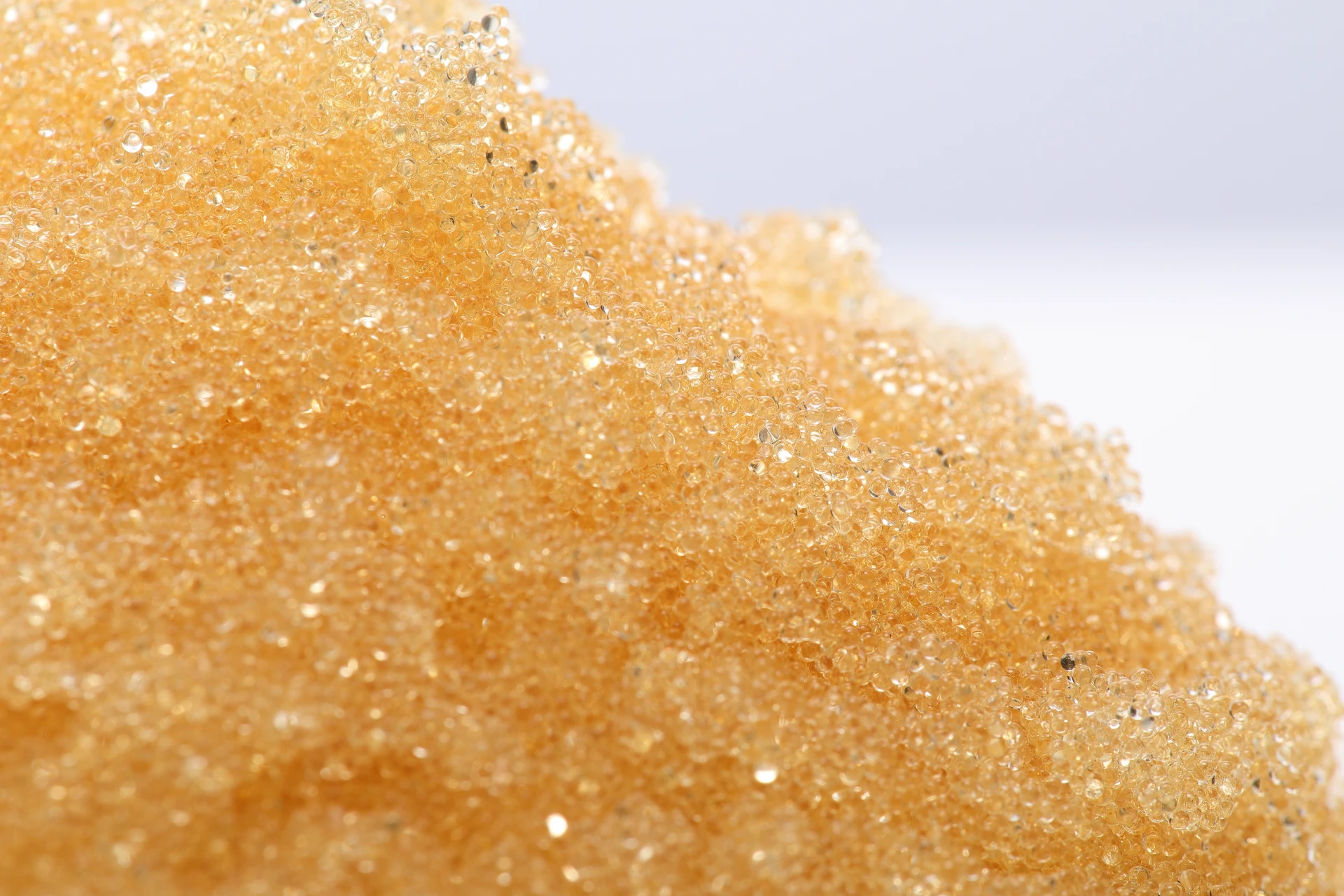
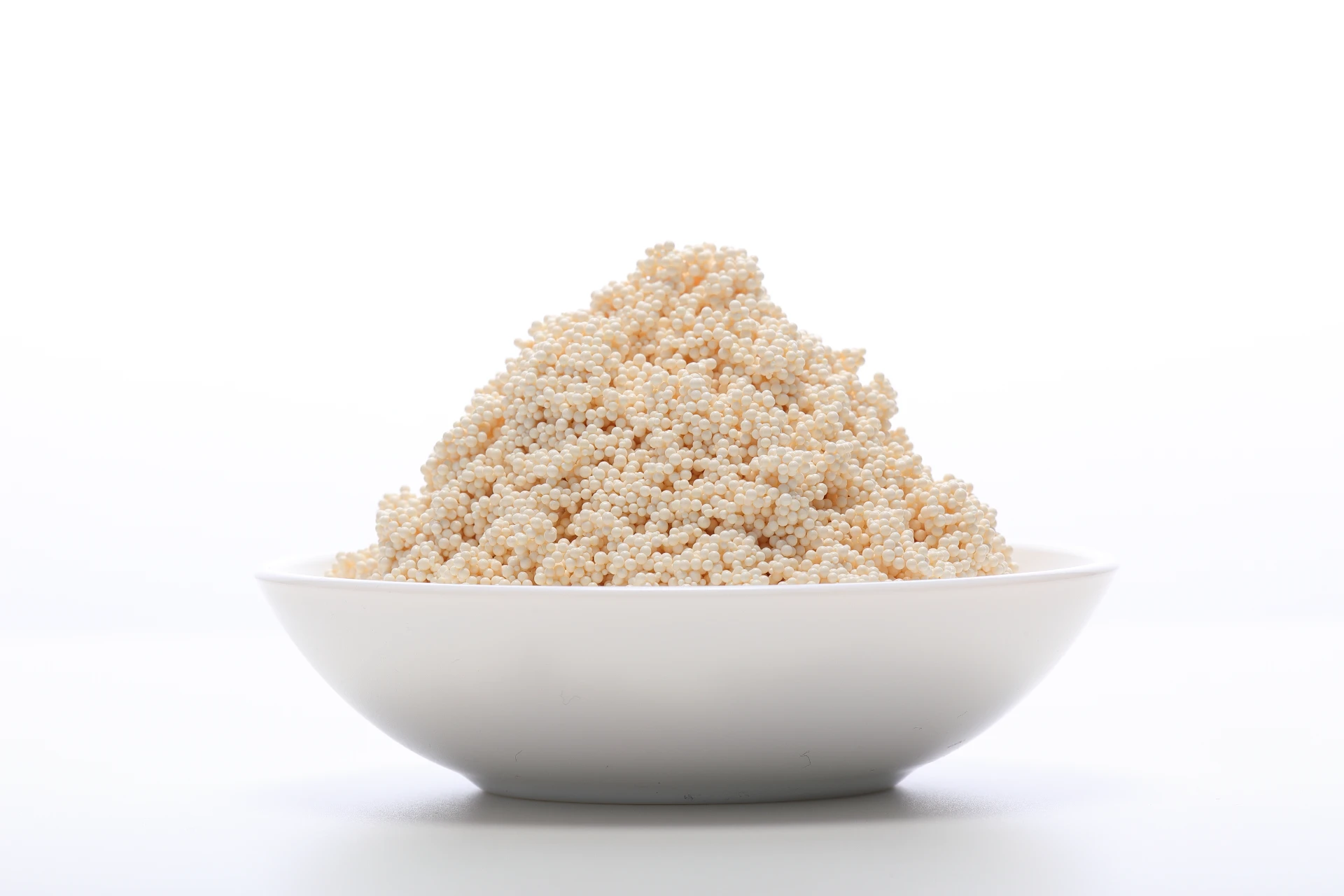
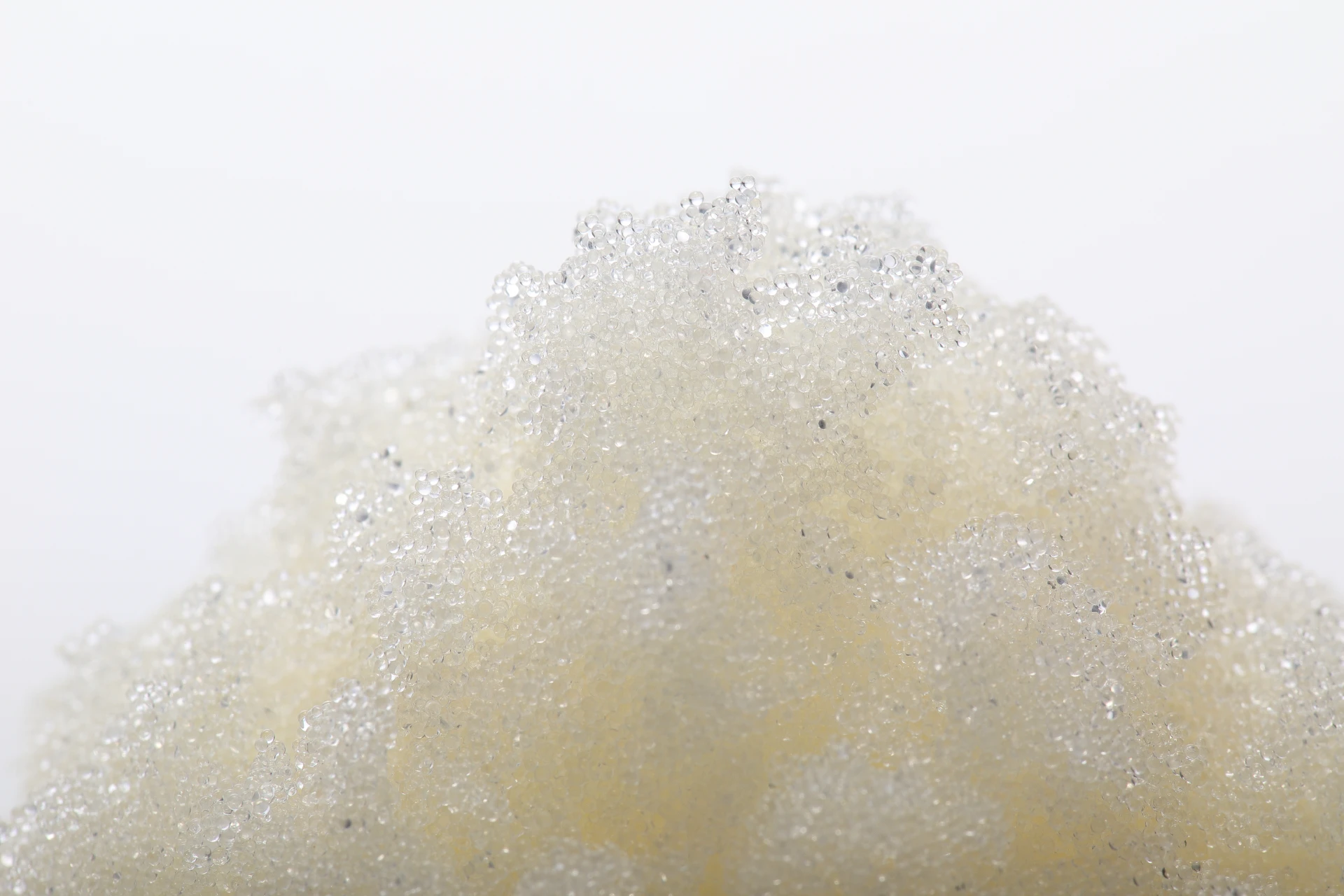
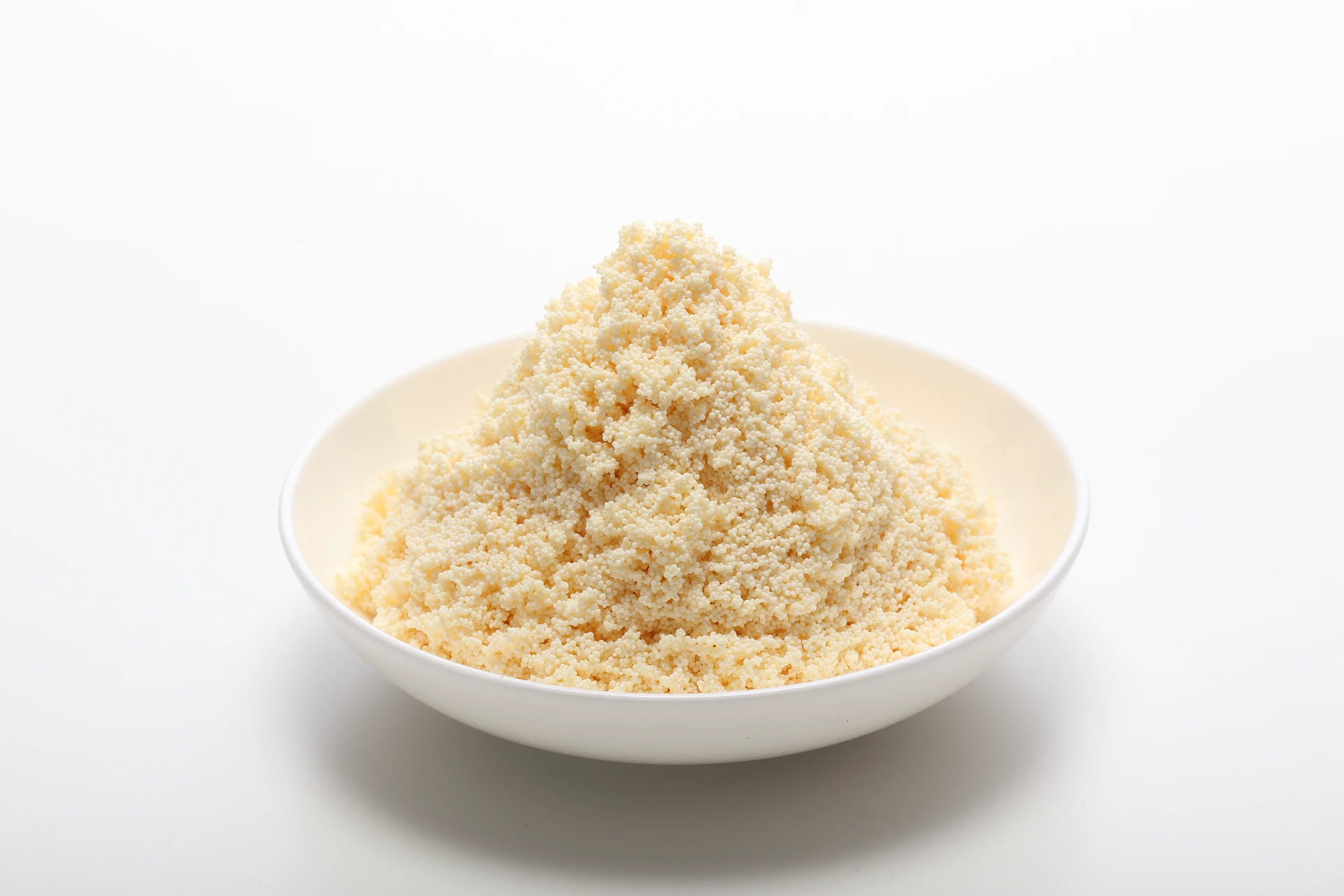
Simply put, Purolite Di Resin is a type of ion exchange resin widely used for water purification, separation, and purification processes across many industries. From what I’ve gathered through various projects and technical datasheets, it’s prized for its high ion exchange capacity and thermal stability. In many industrial setups, this resin plays the role of a reliable workhorse, removing unwanted ions or recovering valuable metals efficiently. What’s intriguing is that its design allows for fast kinetics without sacrificing durability, which some resin products can struggle with.
| Property | Value | Unit |
|---|---|---|
| Exchange Capacity | 1.8 ± 0.2 | eq/L |
| Particle Size | 0.3 - 1.2 | mm |
| Operating pH Range | 0–14 (wide) | N/A |
| Max Operating Temp. | 120 | °C |
For many B2B decision-makers, the tangible benefits often boil down to cost-effectiveness and reliability. Purolite Di Resin truly stands out because it not only improves the ion exchange efficiency but also helps extend the lifecycle of your equipment. Industrial water treatment plants, in particular, find it invaluable for removing hardness ions and controlling scale formation. Oddly enough, it also has found its way into niche chemical separations and pharmaceuticals manufacturing, where purity matters a lot.
If you’re wondering about the full cost picture, it’s fair to look beyond the purchase price and consider total cost of ownership. Purolite Di Resin’s robustness means fewer replacements and lower chemical regenerant consumption, which can save thousands annually in industrial settings. Another aspect that’s often overlooked is ease of installation and fast turnaround during resin replacement.
| Feature | Purolite Di Resin | Competitor A | Competitor B |
|---|---|---|---|
| Exchange Capacity (eq/L) | 1.8 | 1.6 | 1.7 |
| Regeneration Time | Short | Medium | Long |
| Mechanical Strength | High | Medium | Low |
| Operating pH Range | 0–14 | 2–12 | 3–11 |
In recent years, sustainability has moved from a buzzword to a requirement in B2B chemical supply chains. Purolite Di Resin fits well into this picture, as its longevity reduces waste, and effective regeneration means less chemical consumption. Plus, tighter environmental regulations are pushing industries to adopt advanced purification methods that minimize effluent toxicity. Purolite products have adapted accordingly, with manufacturing processes focusing on greener chemistry and lifecycle assessments.
Oddly enough, when it comes down to choosing an ion exchange resin that balances performance, durability, and cost, Purolite Di Resin frequently emerges as a top candidate. Its proven track record in a variety of industries and consistent quality makes it a dependable option that B2B professionals can count on. For those curious to explore more or source from a reputable supplier, I’d recommend visiting https://www.lijiresin.com.
Some final thoughts: While technology marches on, sometimes the best solutions have a well-earned reputation that keeps them relevant. Purolite Di Resin seems to fit that bill nicely. For deeper insight, check verified case studies or contact the experts at Liji Resin directly.