Phone:
+86 0319 2296164


Email:
info@lijiresin.cn
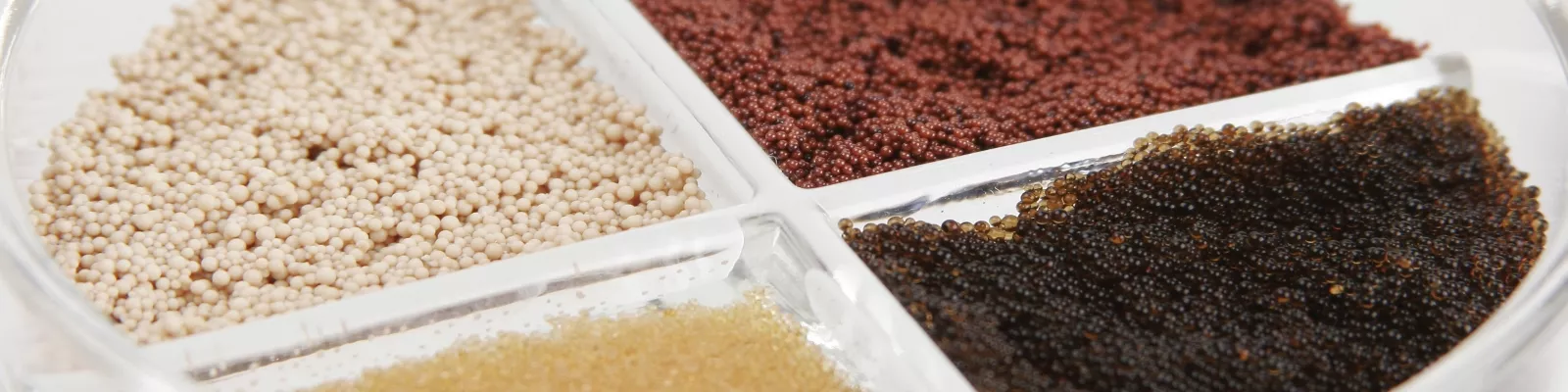
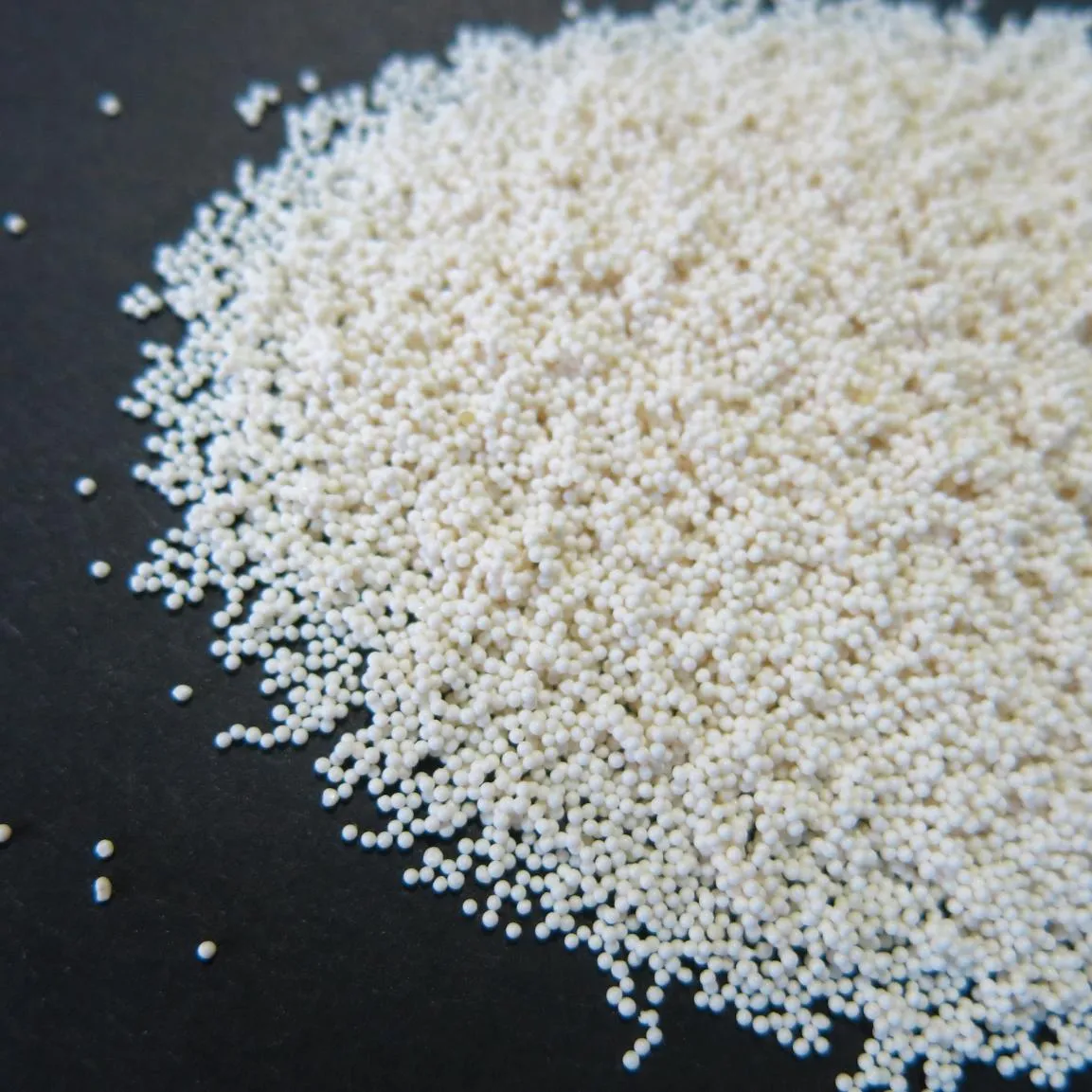
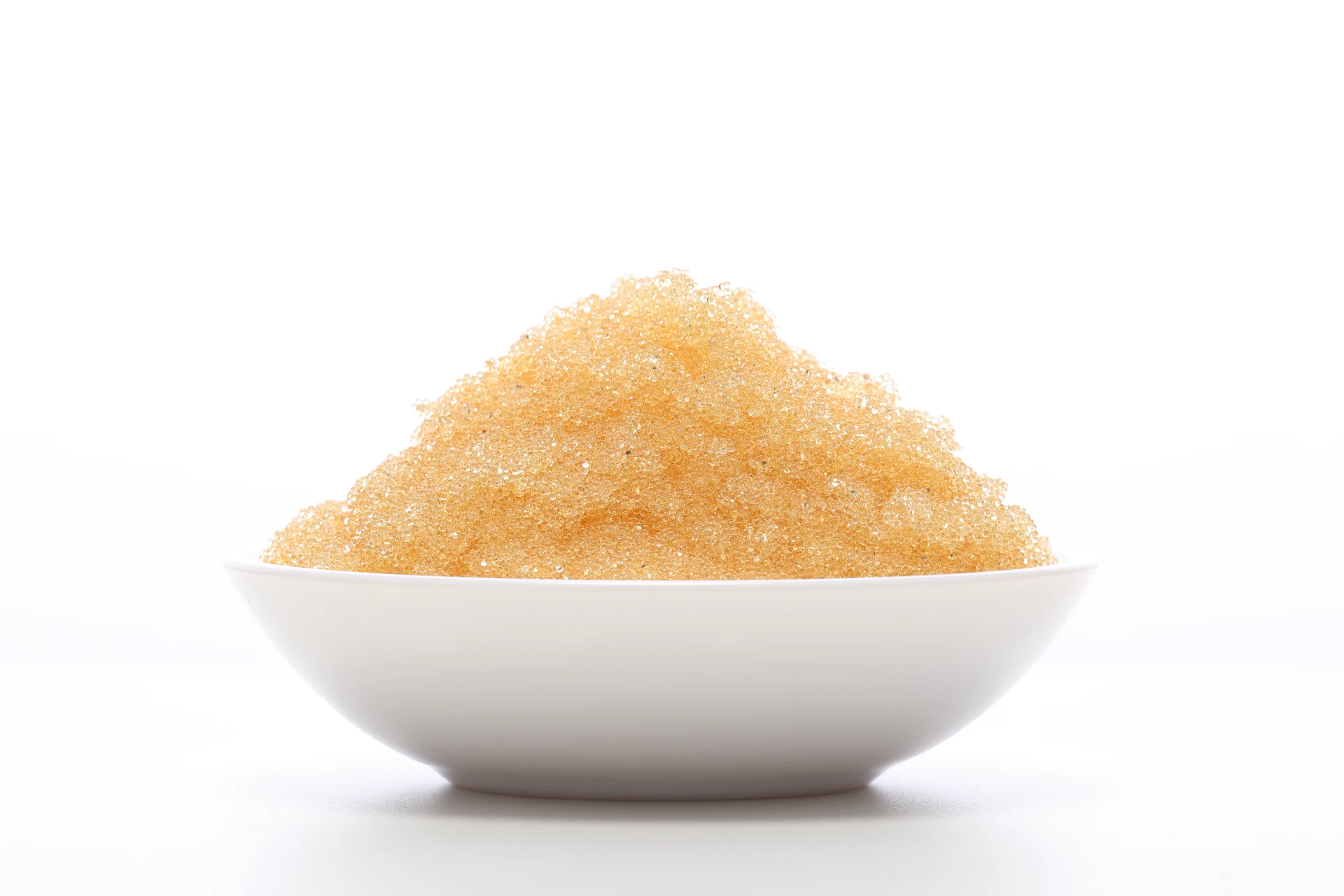
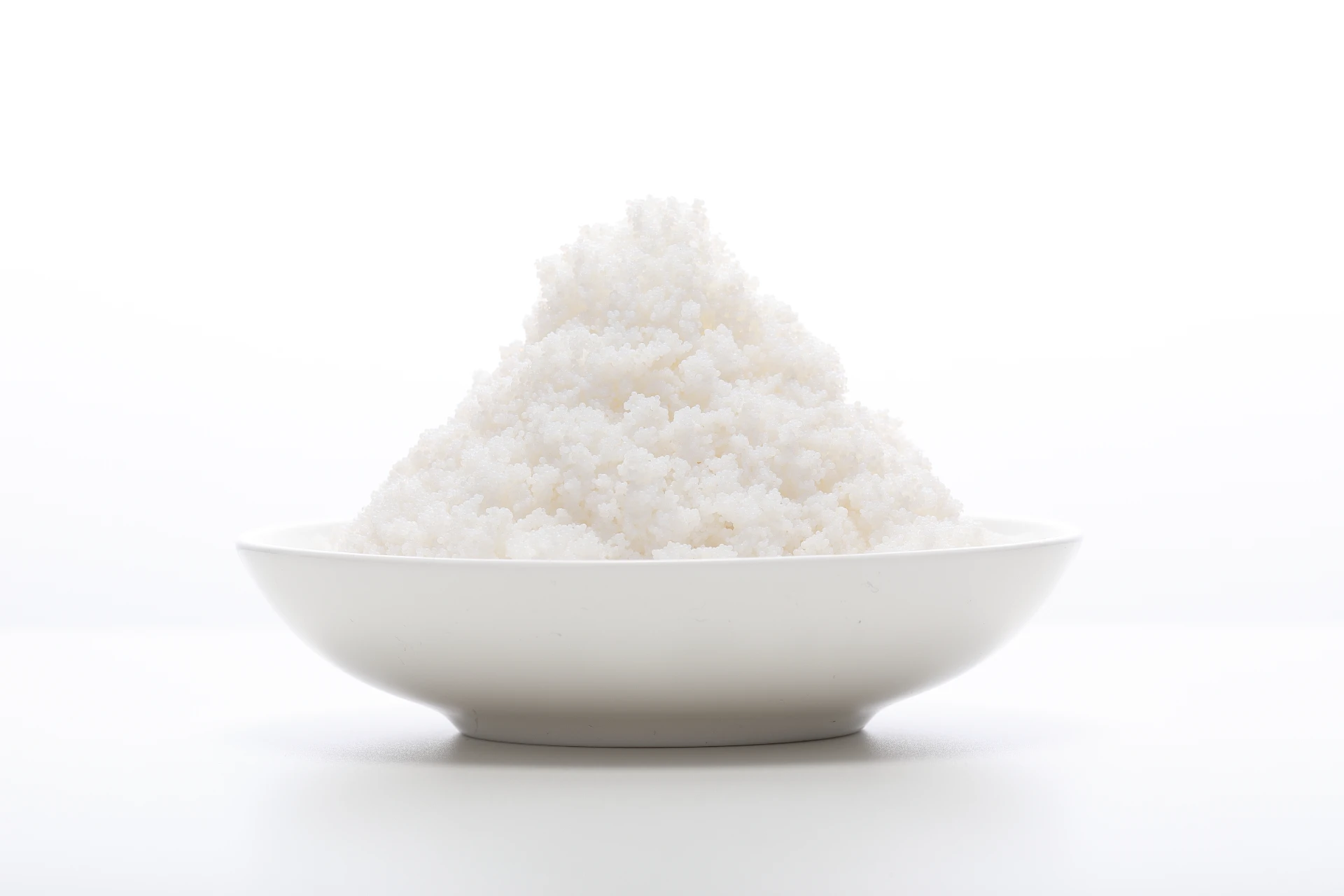
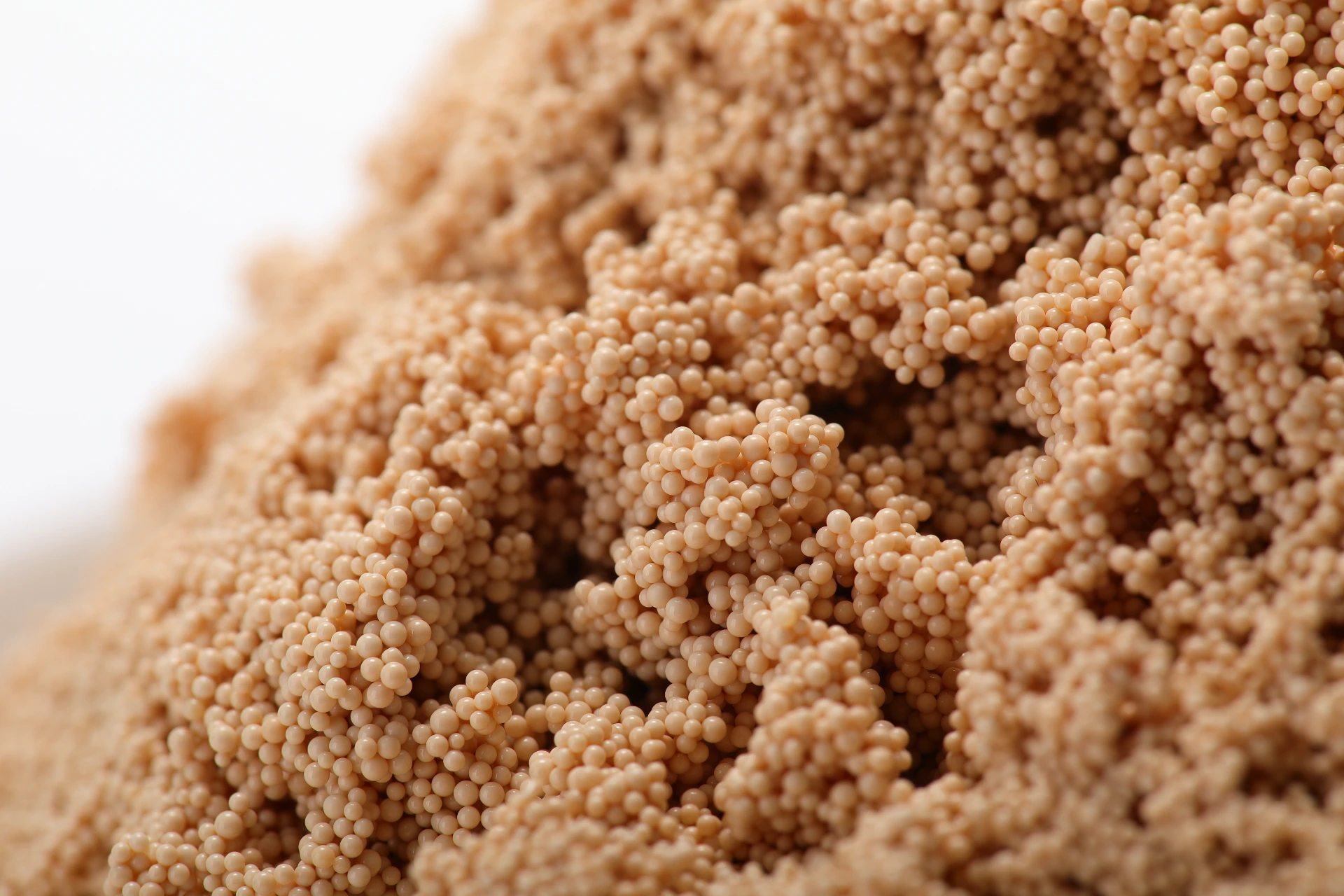
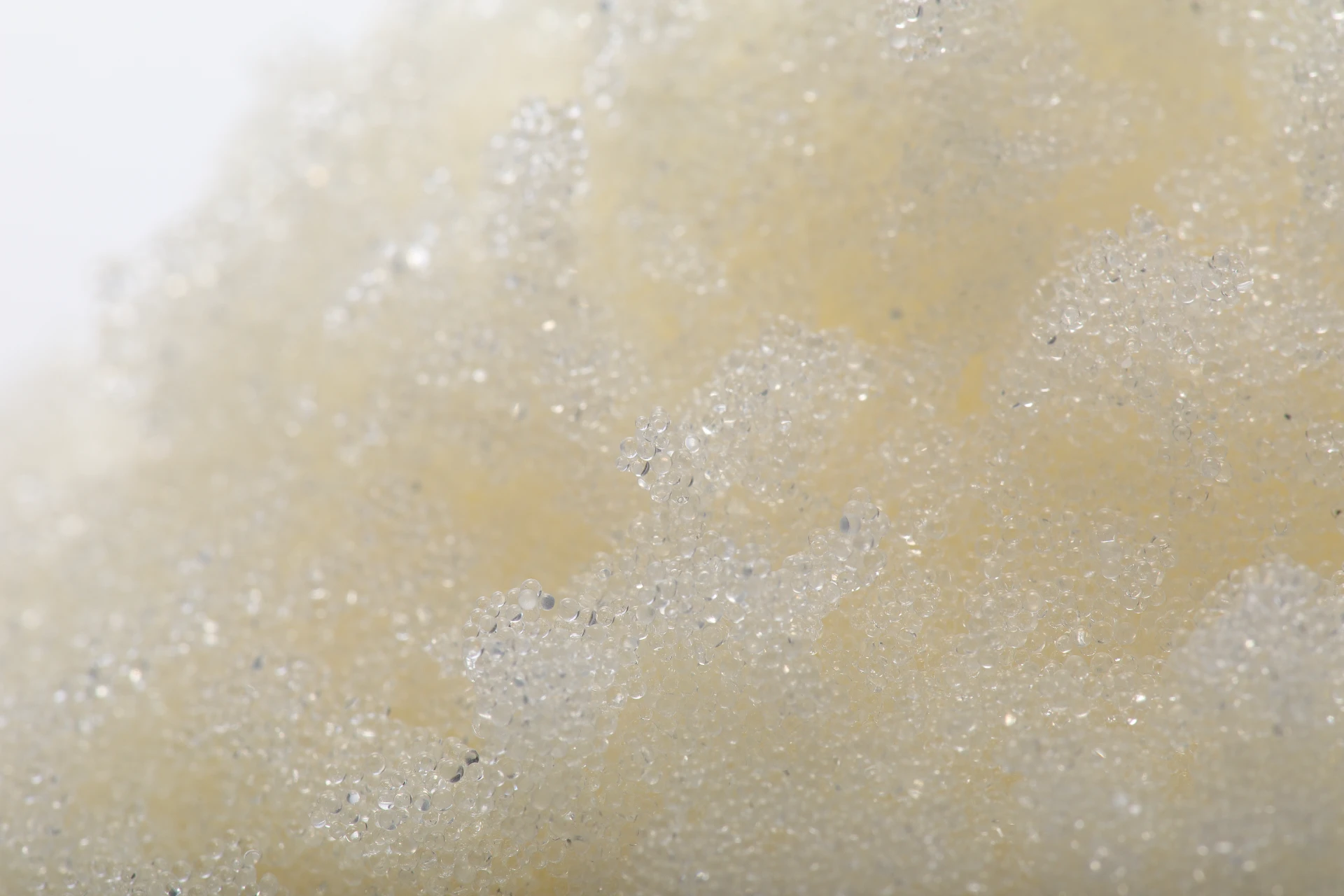
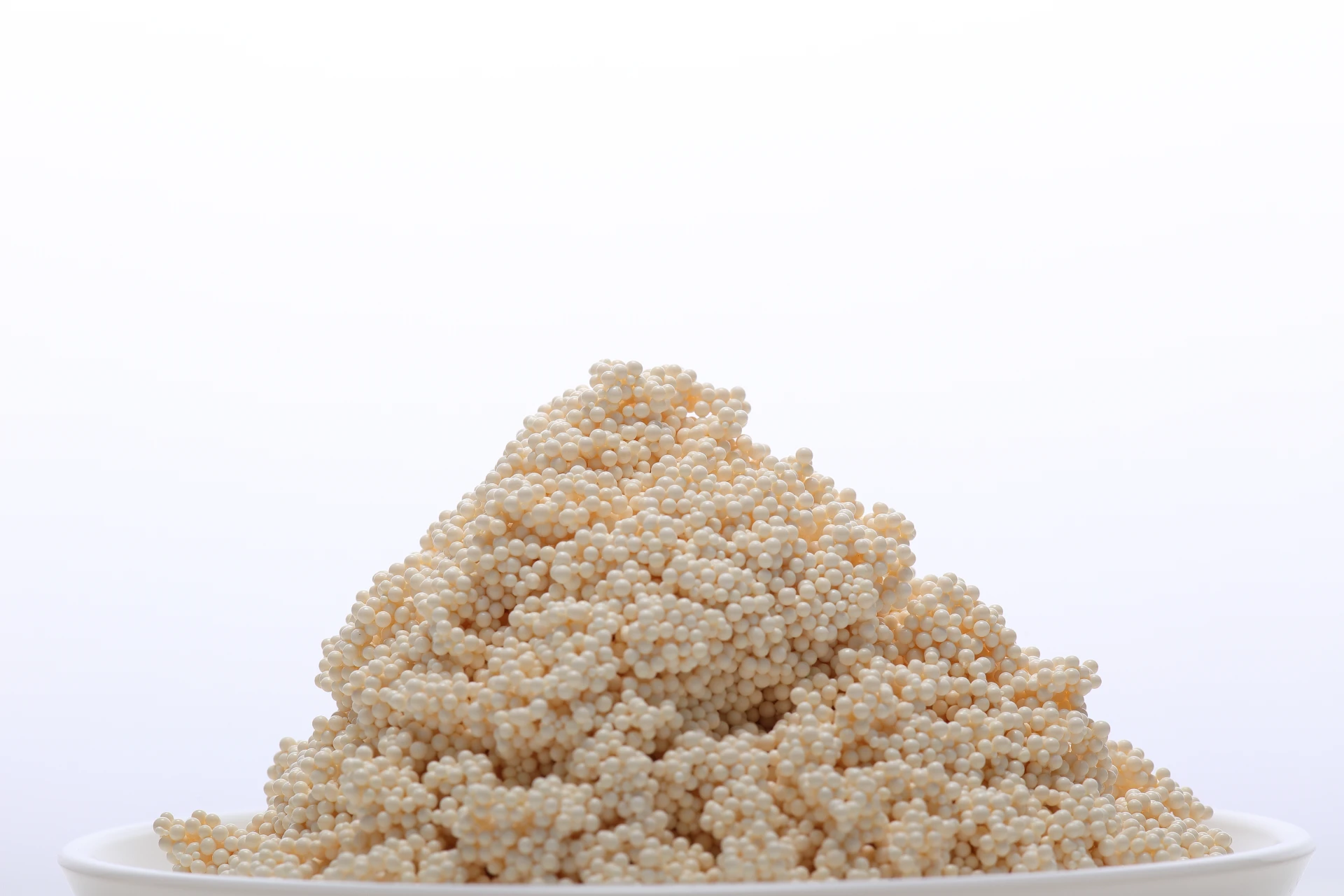
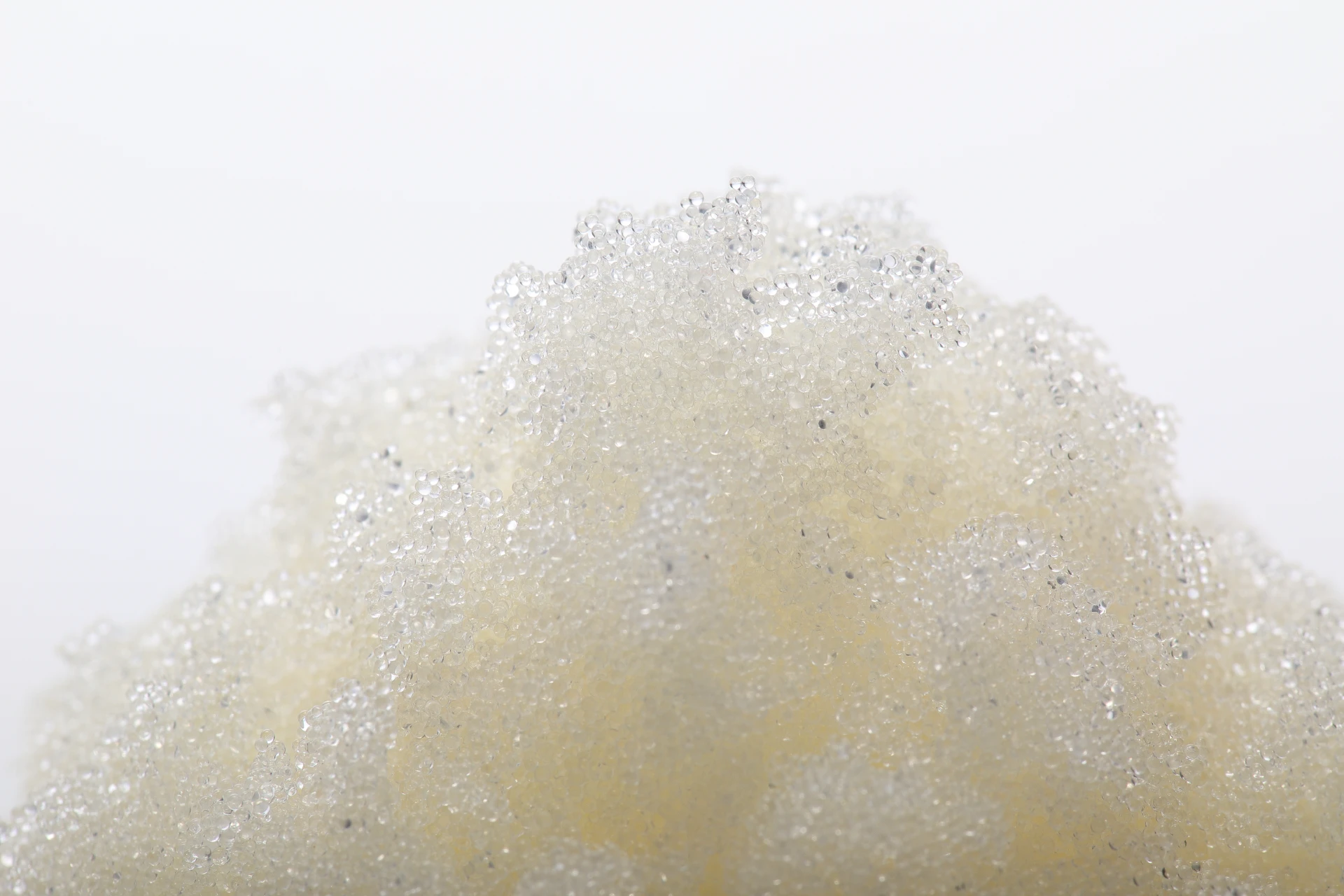
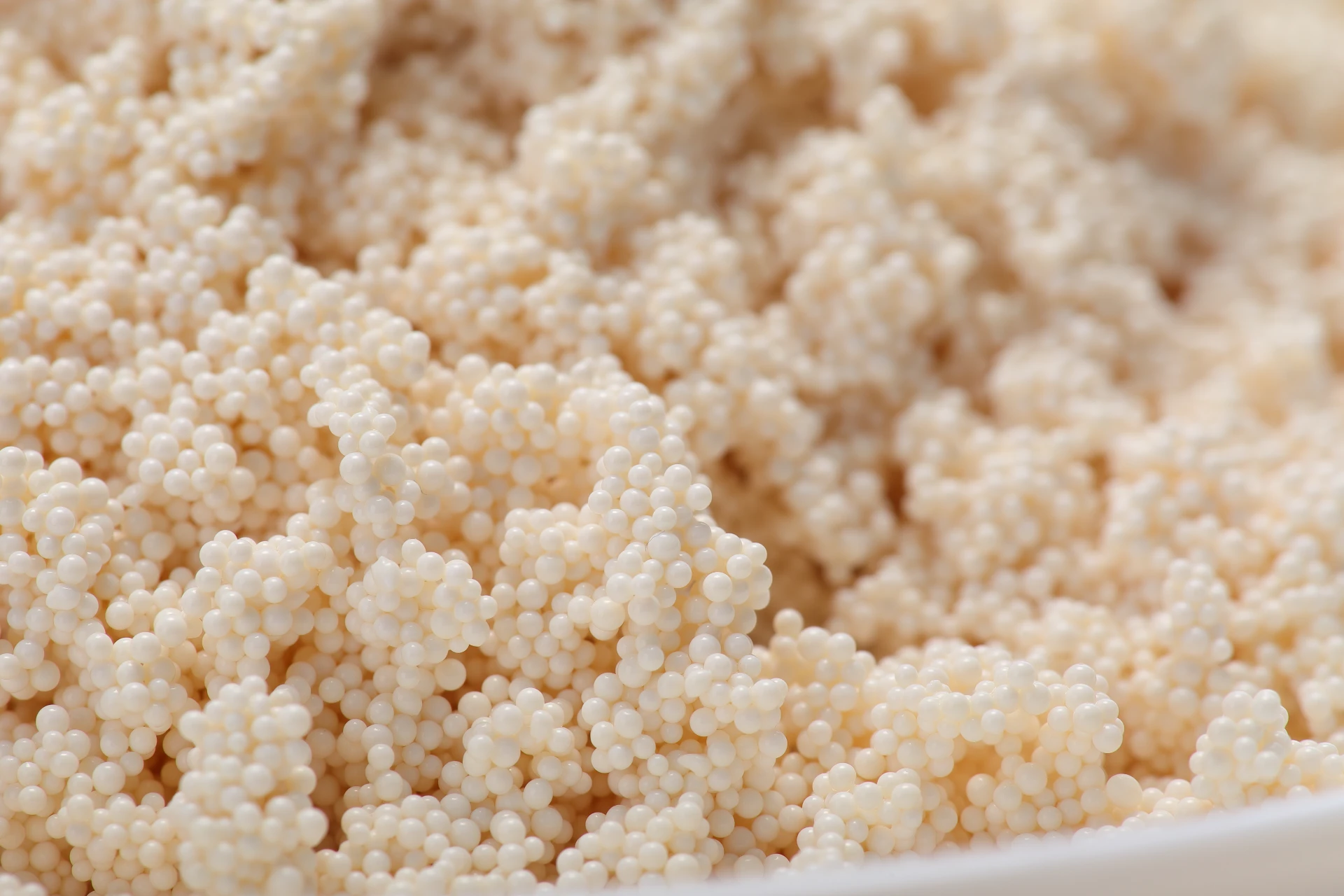
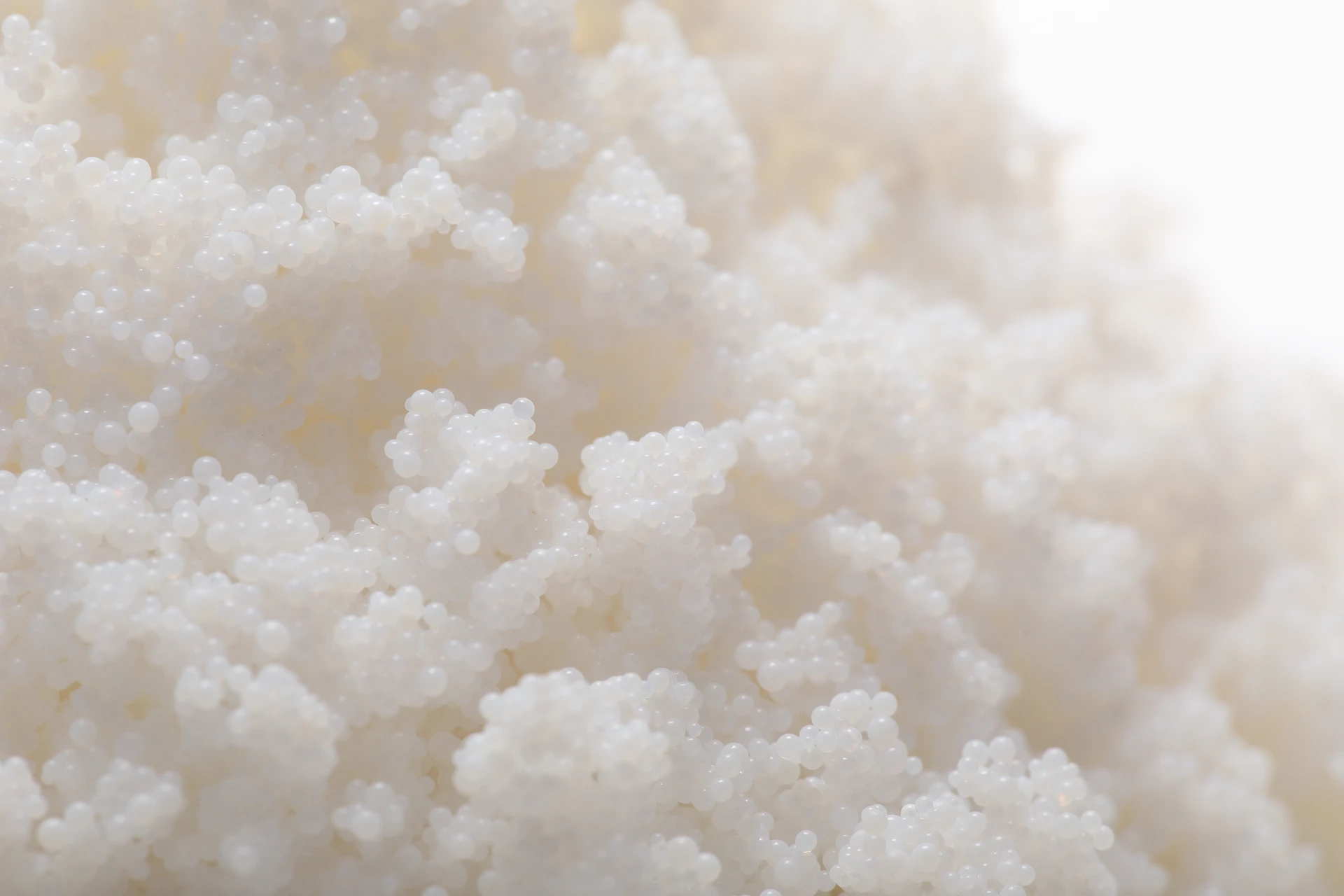
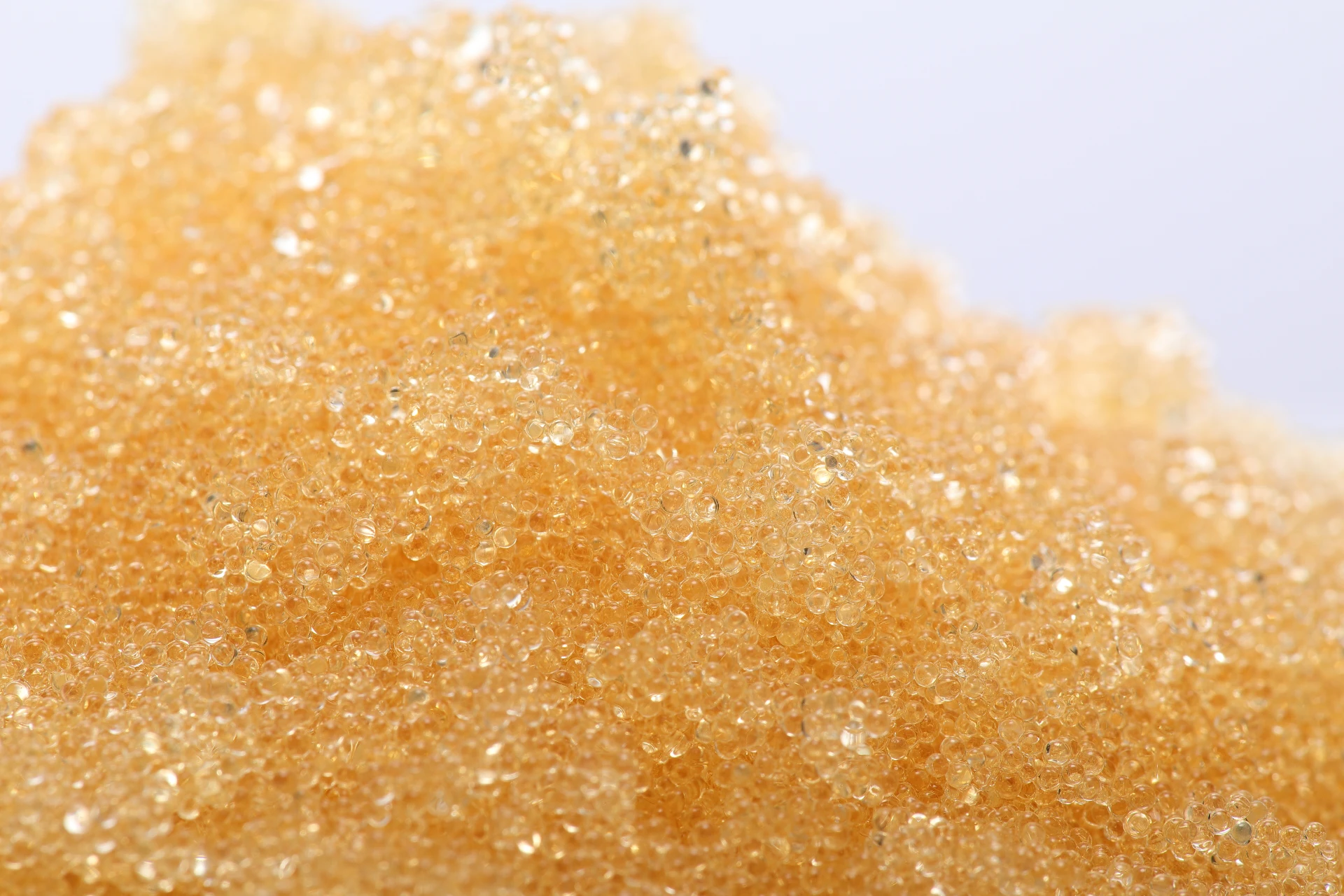
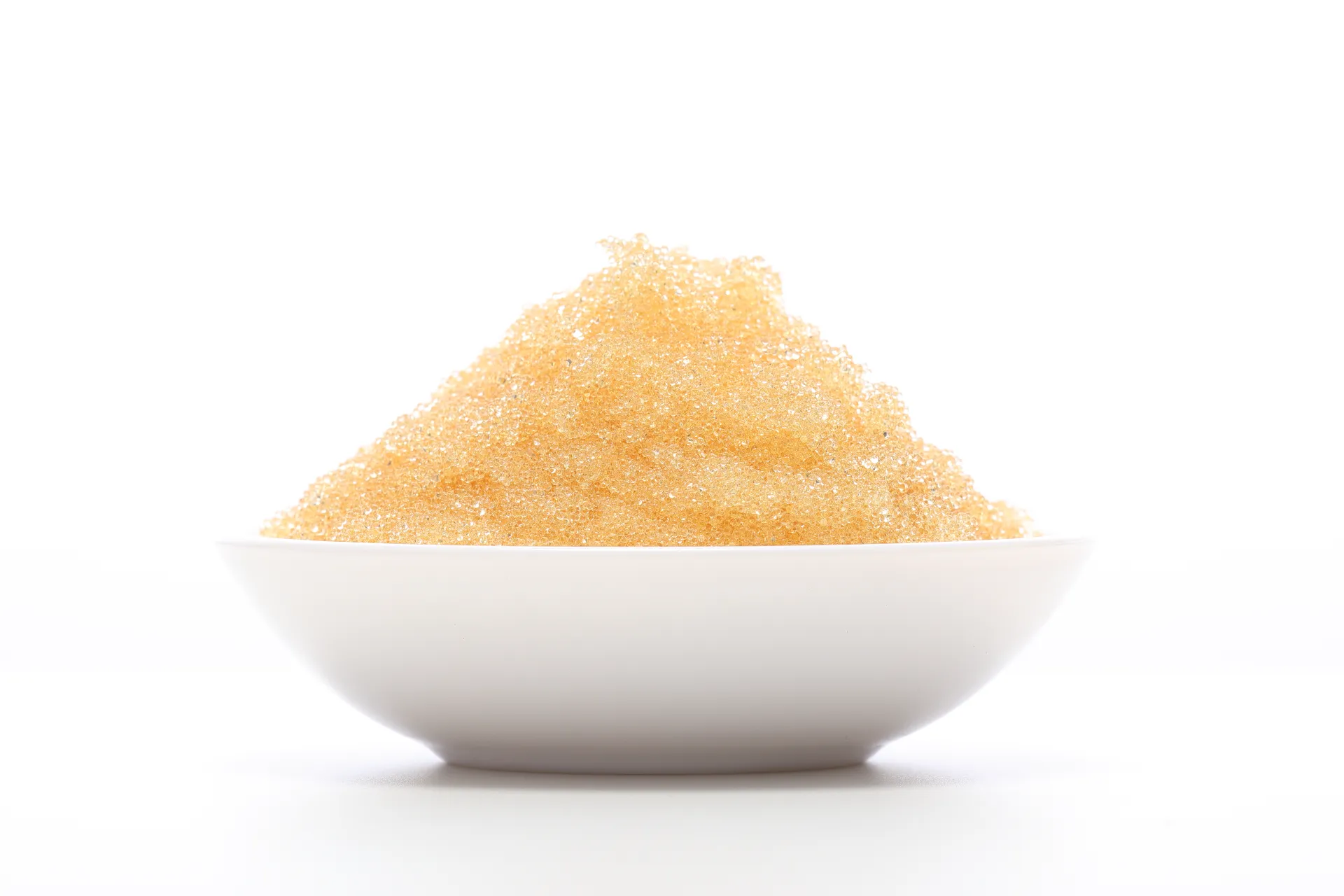
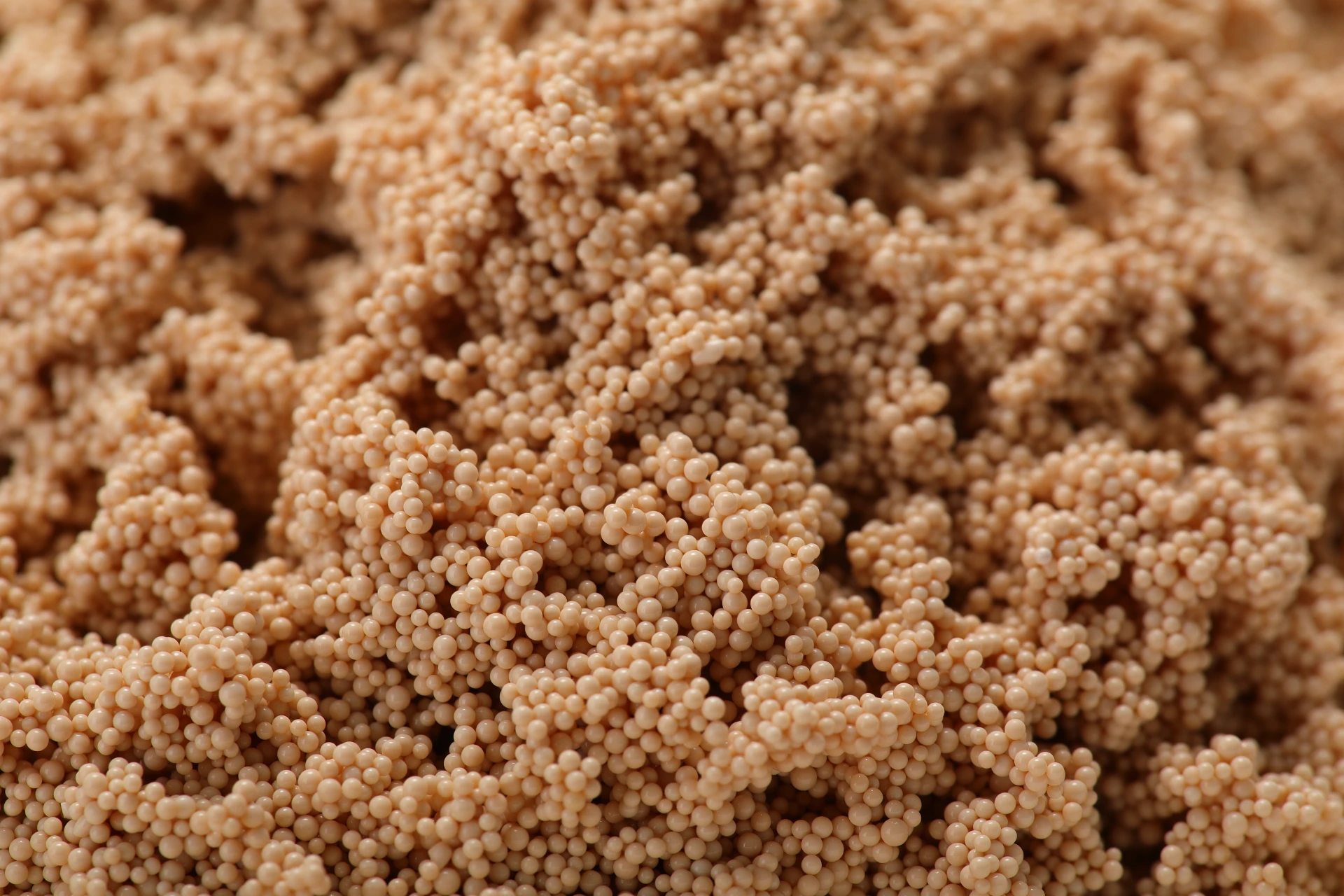
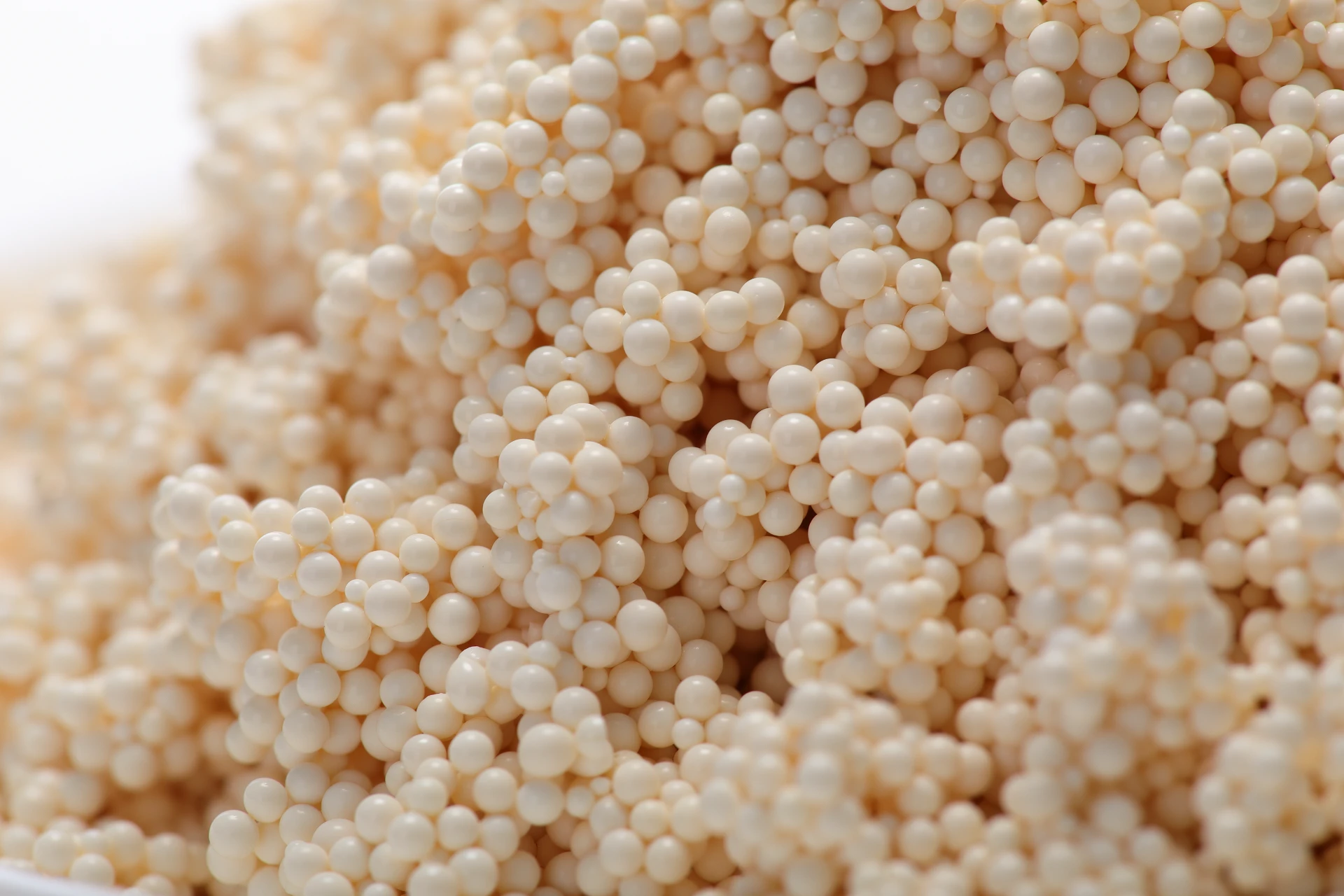
If you’re shortlisting a strong base anion resin for high-silica or mixed-bed polishing, 201X7 SC keeps popping up—for good reason. It’s a polystyrene-DVB gel resin functionalized with quaternary ammonium groups (-N(CH3)3). In plain English: high total capacity, robust beads, and steady performance in demanding demin lines. I’ve seen operators warm to it quickly, especially in retrofit projects where hydraulic stability matters more than brochure gloss.
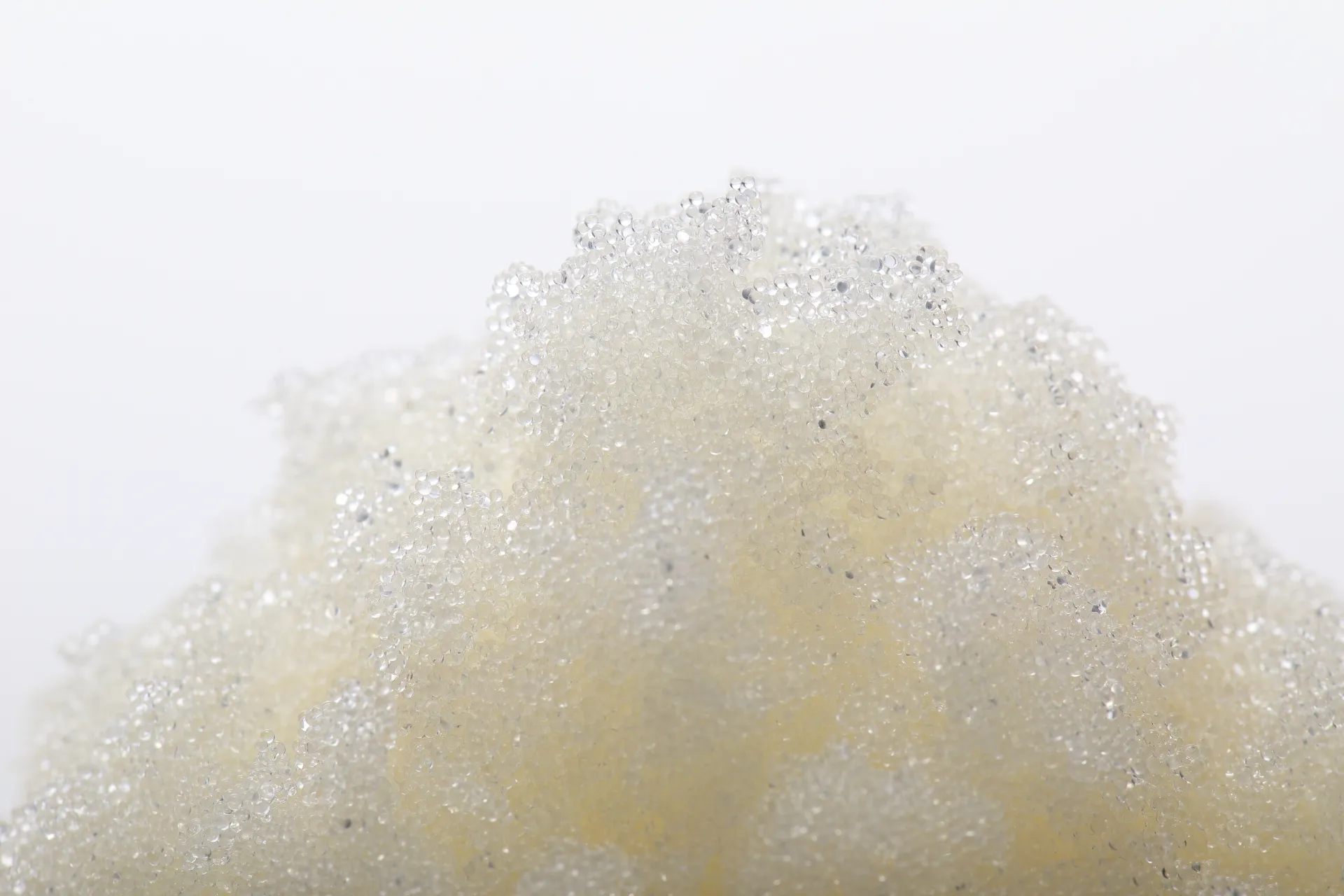
201X7 SC is a Type I strong base anion gel resin (≈7% DVB). The quaternary ammonium functionality gives it reliable silica “pickup” and low leakage in deep demineralization. It ships typically in Cl− form, converts to OH− fast, and, to be honest, regenerates cleanly with standard NaOH under moderate temperatures.
| Parameter | 201X7 SC (typ.) | Reference/Test |
|---|---|---|
| Matrix / Crosslink | Polystyrene-DVB gel, ≈7% DVB | ASTM D2187 |
| Functional group | Quaternary ammonium (Type I, -N(CH3)3) | ASTM D2187 |
| Total capacity (Cl− form) | ≥1.3 eq/L (≈4.0 eq/kg) | ASTM D2187 |
| Moisture content | 40–48% | ASTM D2187 |
| Bead size / UC | 0.315–1.25 mm / UC ≤1.6 | ASTM D1921 |
| Whole bead count | ≥95% | ASTM D2187 |
| Operating temp | ≤60°C (Cl−/OH−) | Manufacturer data |
Values are typical; real-world use may vary with water matrix, flow, and regeneration strategy.
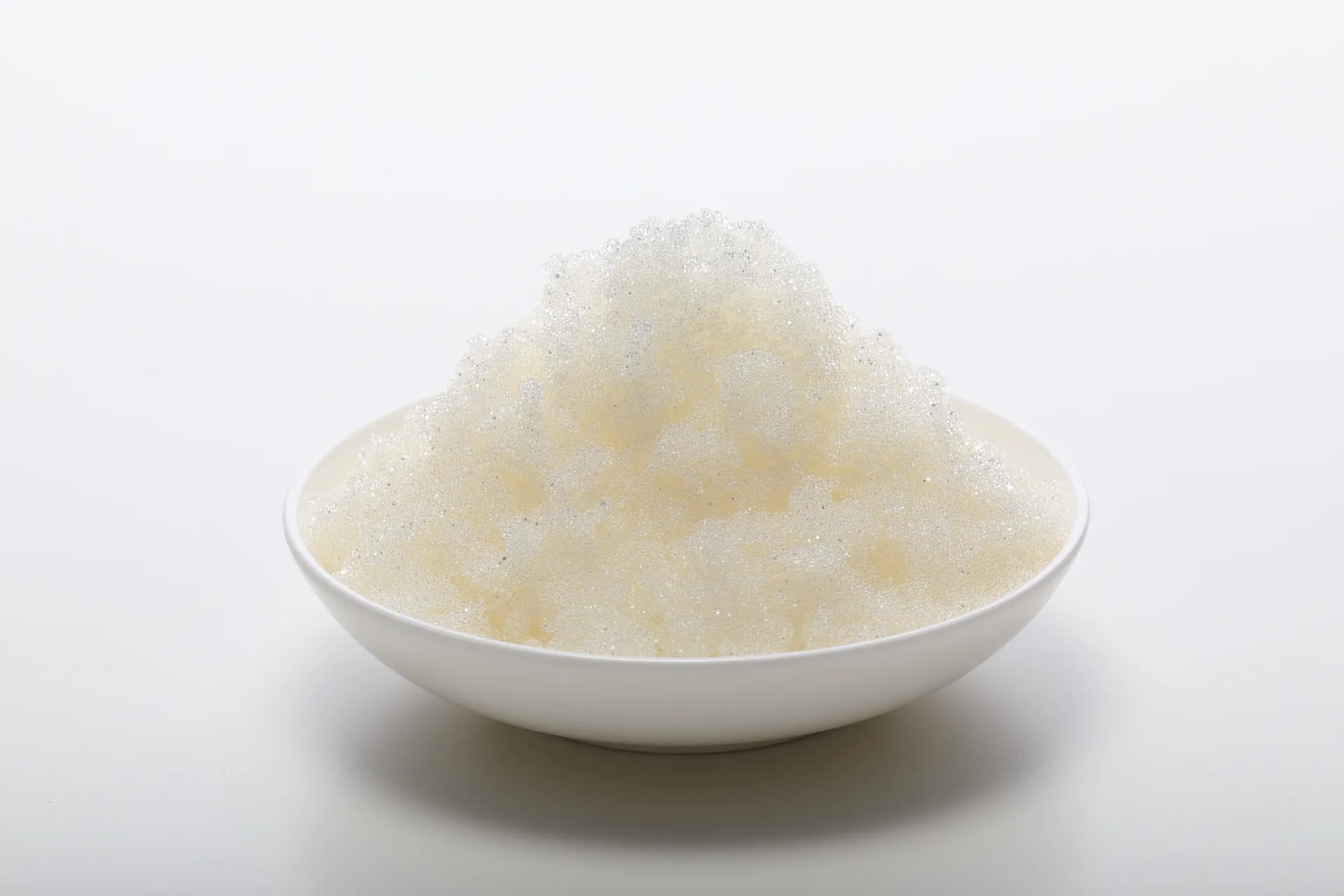
Common deployments: mixed-bed polishing, full demineralization (with SAC), condensate polishing, dealkalization, and high-silica removal before RO. Many customers say pressure drop stays predictable after multiple backwashes; a maintenance lead at a textile dyehouse told me, “fewer fines, fewer surprises”—not a lab metric, but it counts.
| Vendor/Model | Type | Capacity (eq/L) | Certs | Notes |
|---|---|---|---|---|
| Lijiresin 201X7 SC | strong base anion Type I | ≈1.3–1.4 | ISO 9001; NSF 61 on request | Good bead strength; silica control |
| Global Brand A (Type I) | strong base anion | ≈1.2–1.3 | NSF 61 | Lower rinse volumes |
| Regional Brand B (Type I) | strong base anion | ≈1.1–1.25 | ISO 9001 | Budget-friendly |
Comparisons are indicative; verify against current datasheets and your water analysis.
Origin: NO.2 East Jianshe Road, High-Tech Industrial Development South Zone Wei County, Xingtai, Hebei Province, China.
Ask for ISO 9001 certificate, material safety data, and potable-water compliance (NSF/ANSI/CAN 61) if applicable. For lab verification, ASTM D2187 is your friend. It seems basic, but aligning on test methods saves weeks of emails.