mixed bed resin suppliers

Water Purification Resin - High Capacity, Fast Ion Exchange

Water Purification Resin - High Capacity, Fast Ion Exchange

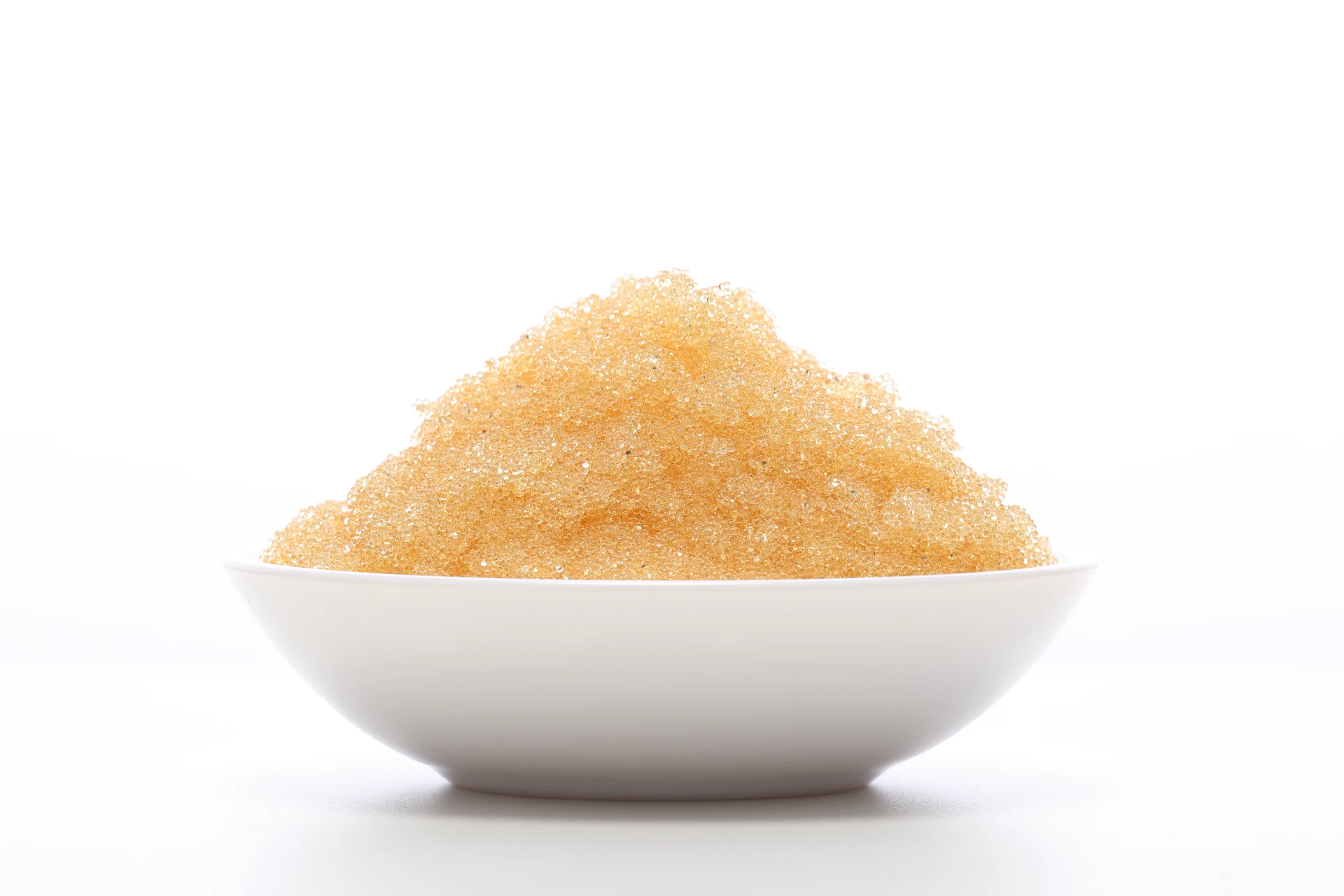
If you operate a plant—or you’re just the person everyone calls when the TOC spikes—you’ve probably looked into water purification resin more times than you’d admit. Lately I’ve been tracking a quiet shift in the market: facilities are leaning into macroporous adsorption media not just for polishing wastewater, but for value recovery from botanicals and fine chemicals. One of the names that keeps popping up in my inbox: Macroporous Adsorption Resin AD-101.
Water Purification Resin - High Capacity, Fast Ion Exchange

What AD-101 is (and why people care)

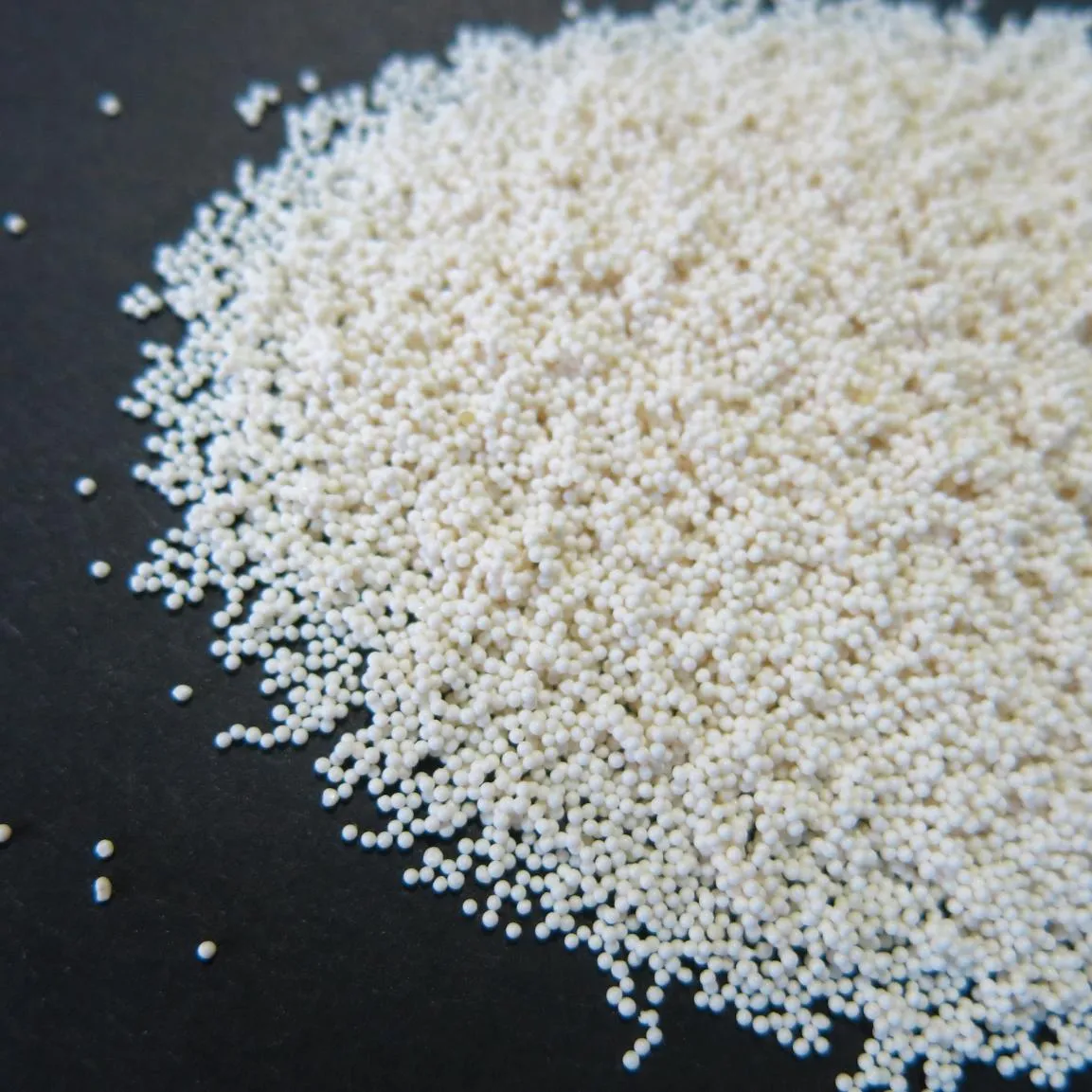
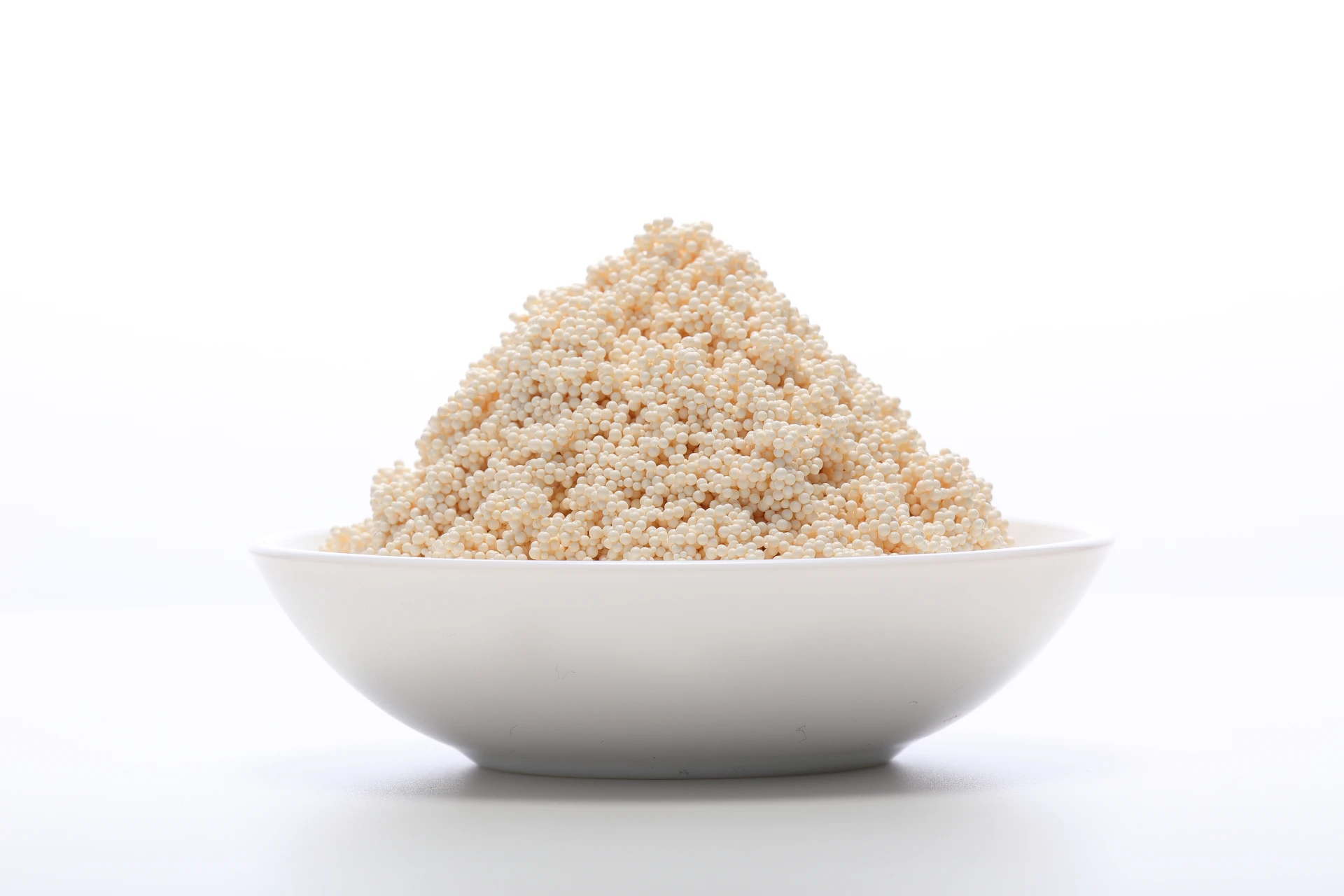
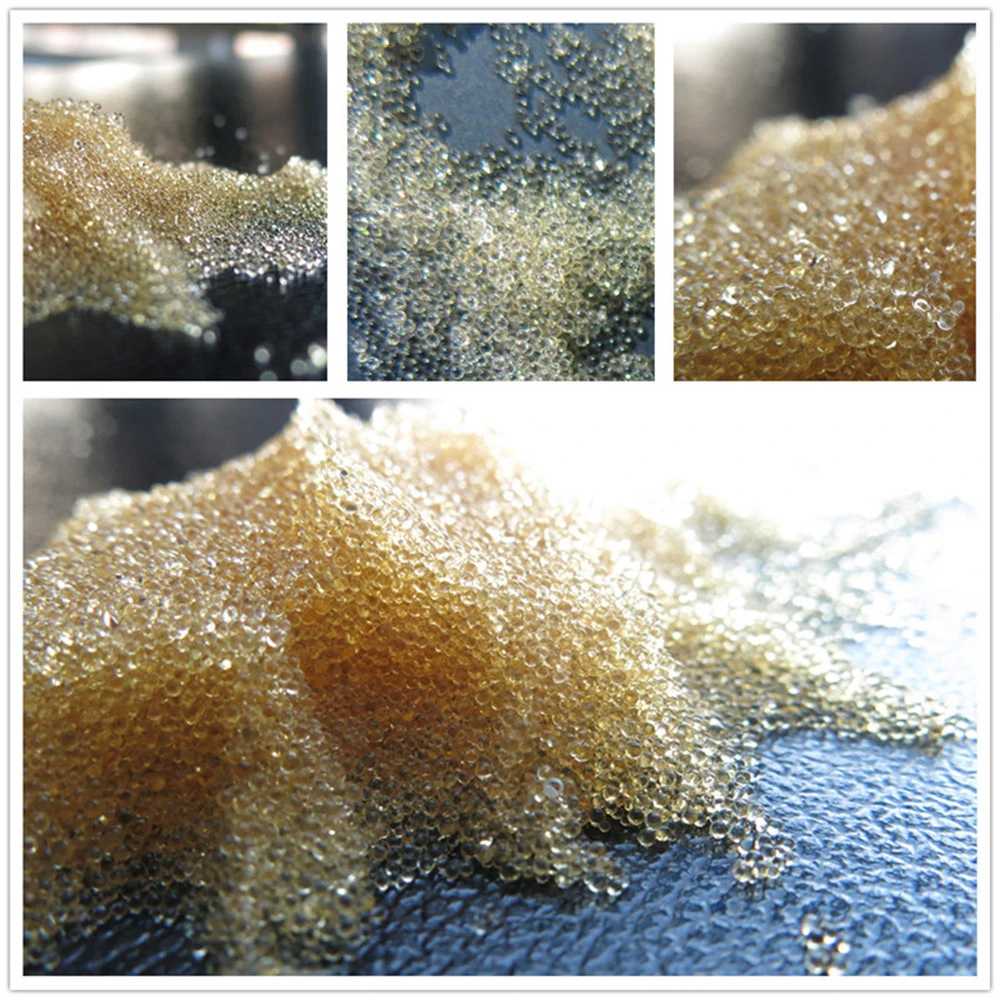
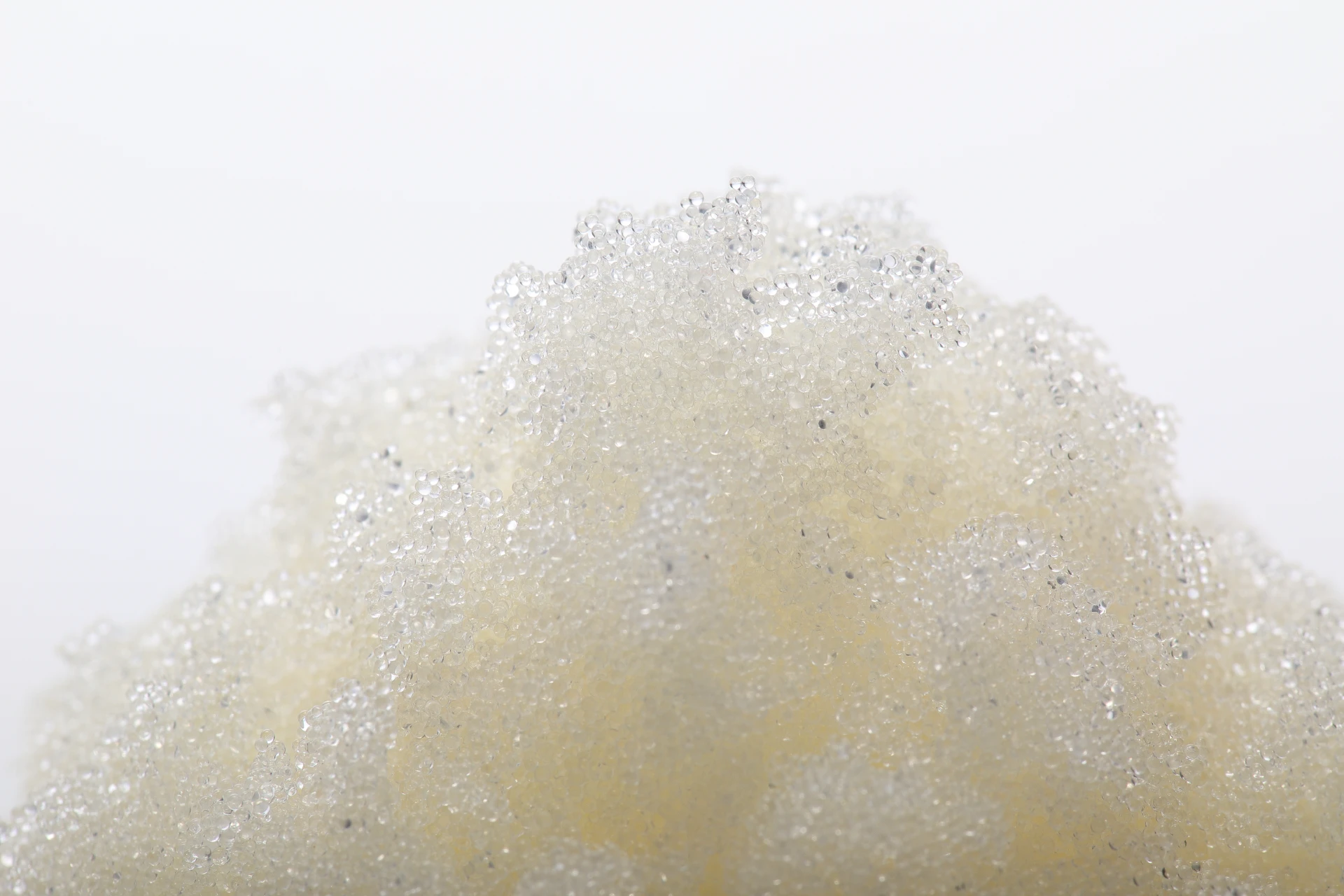
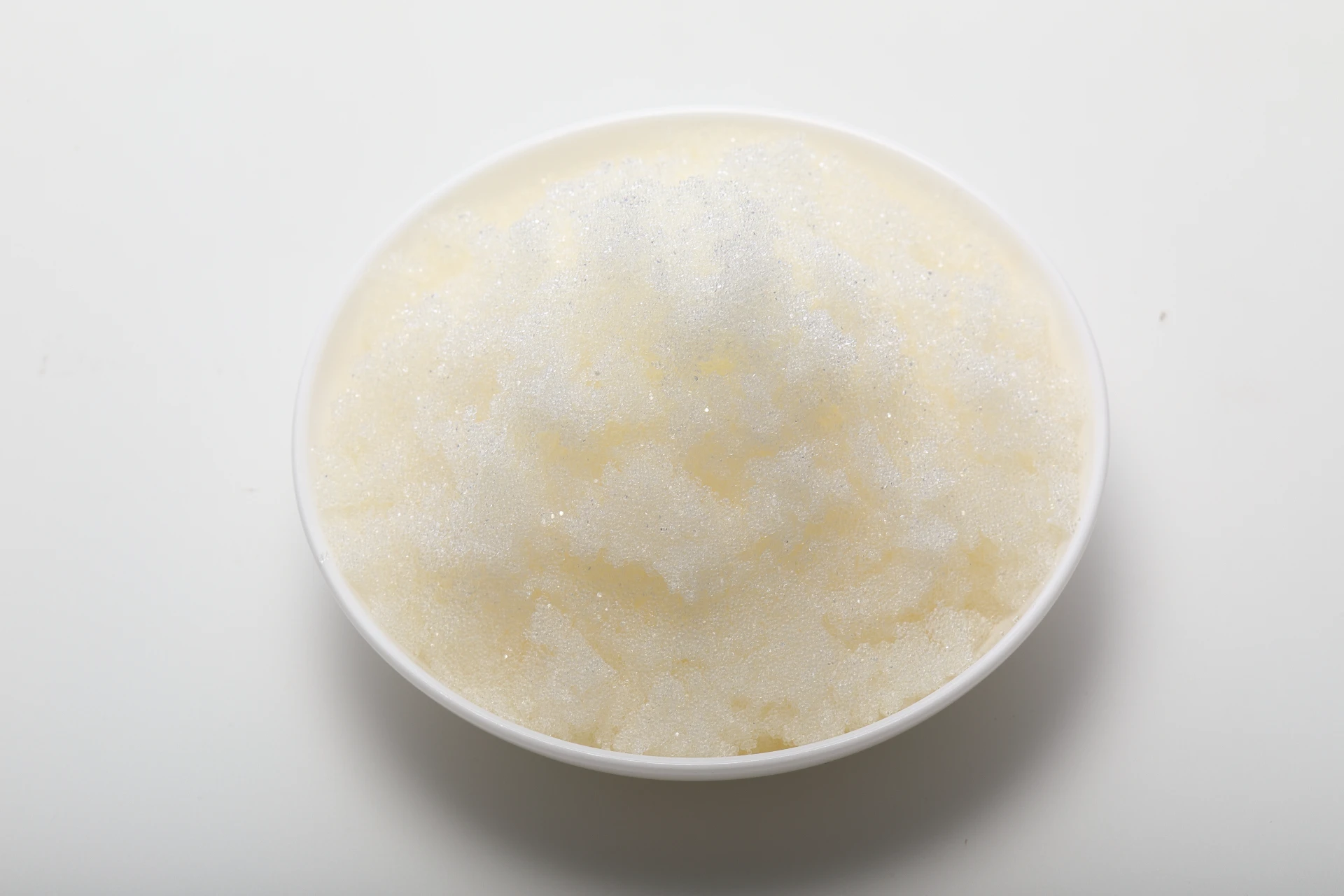
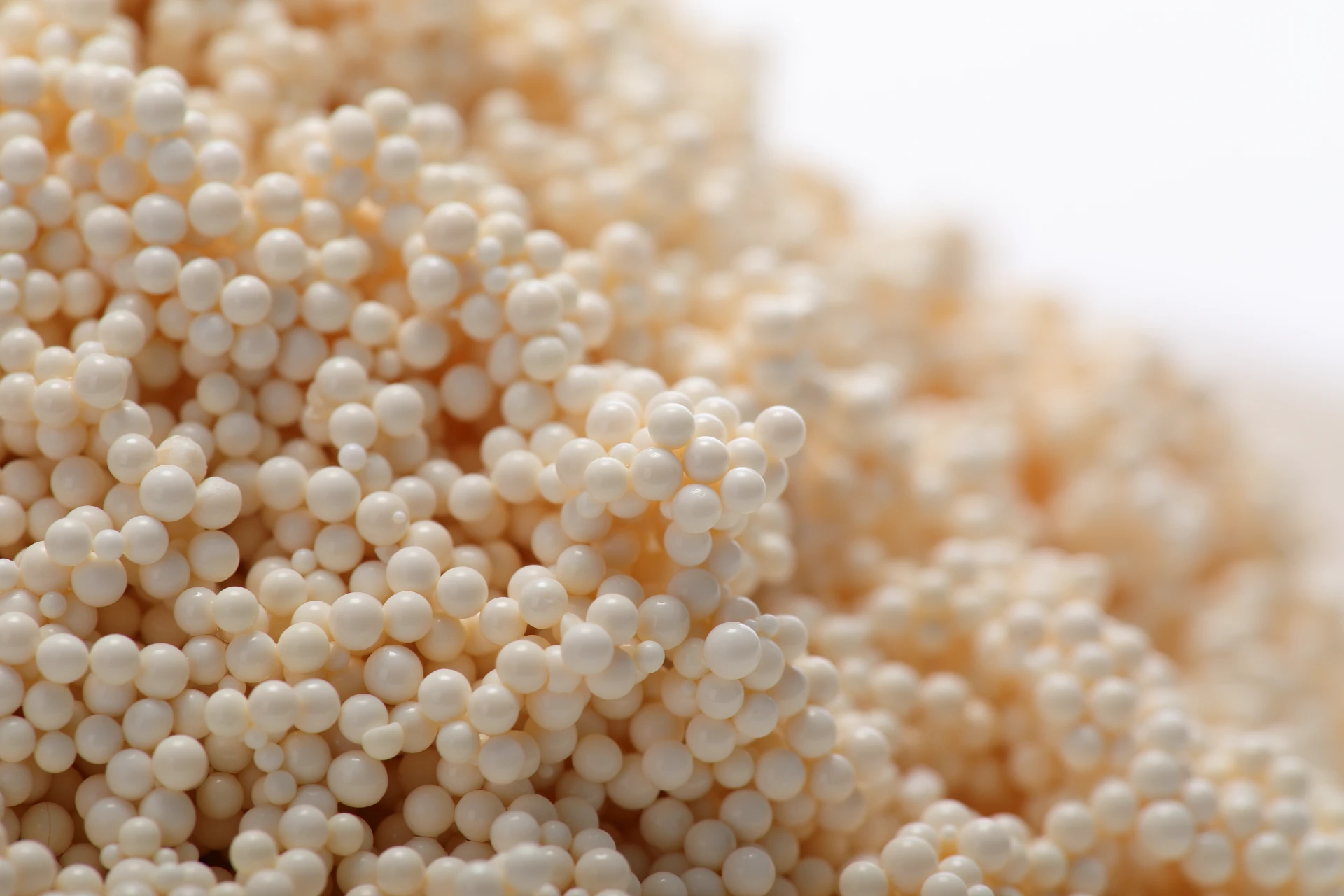
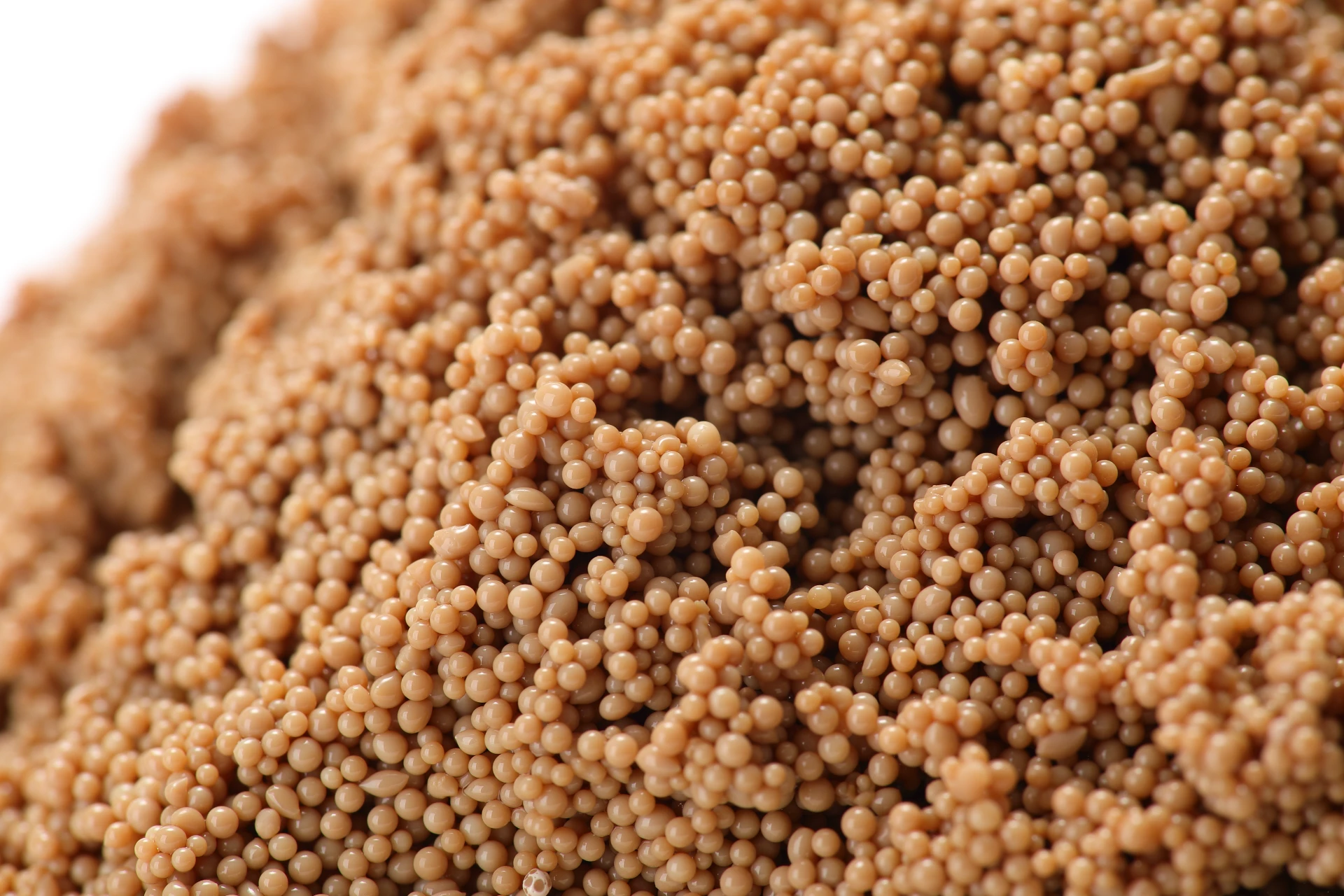
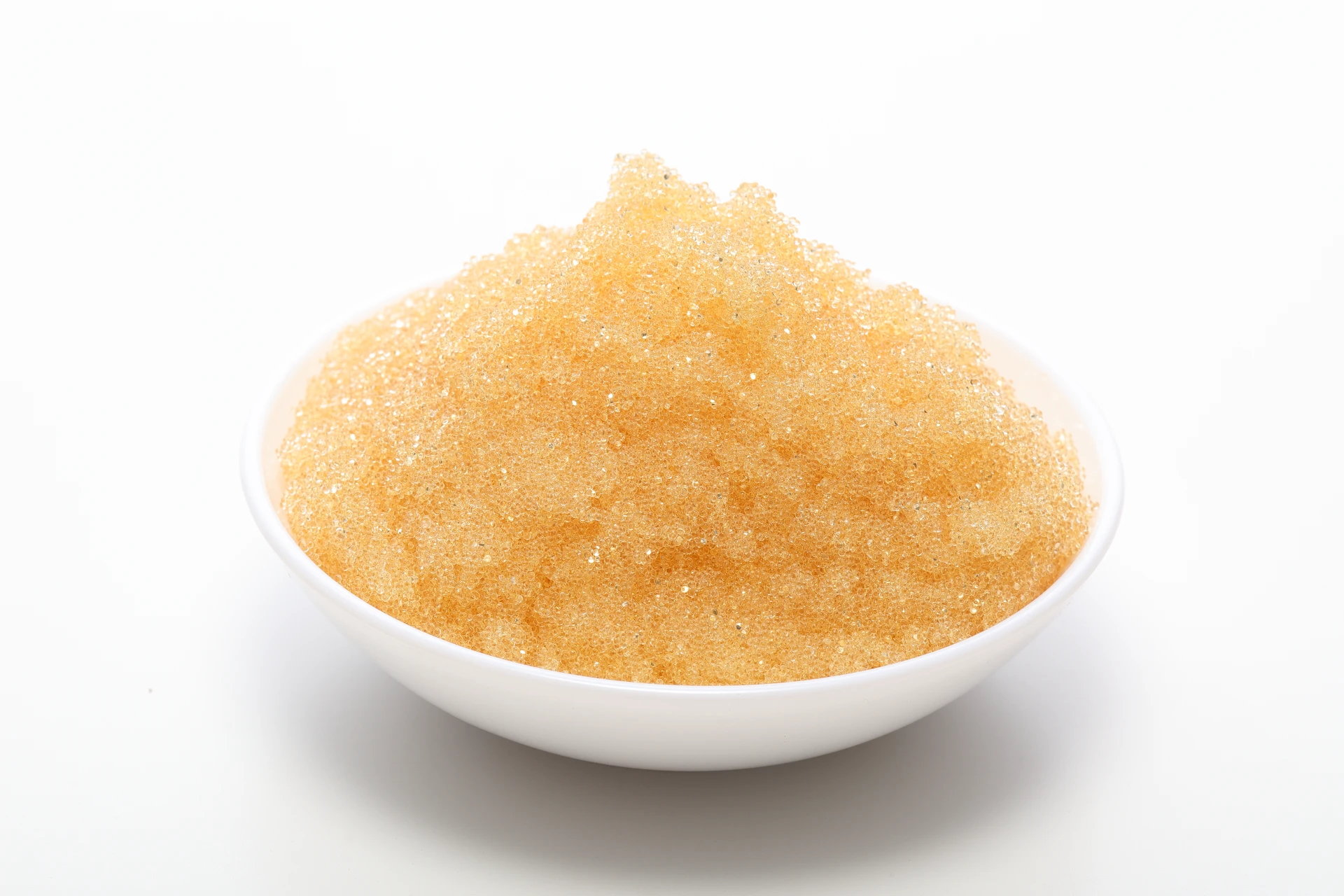
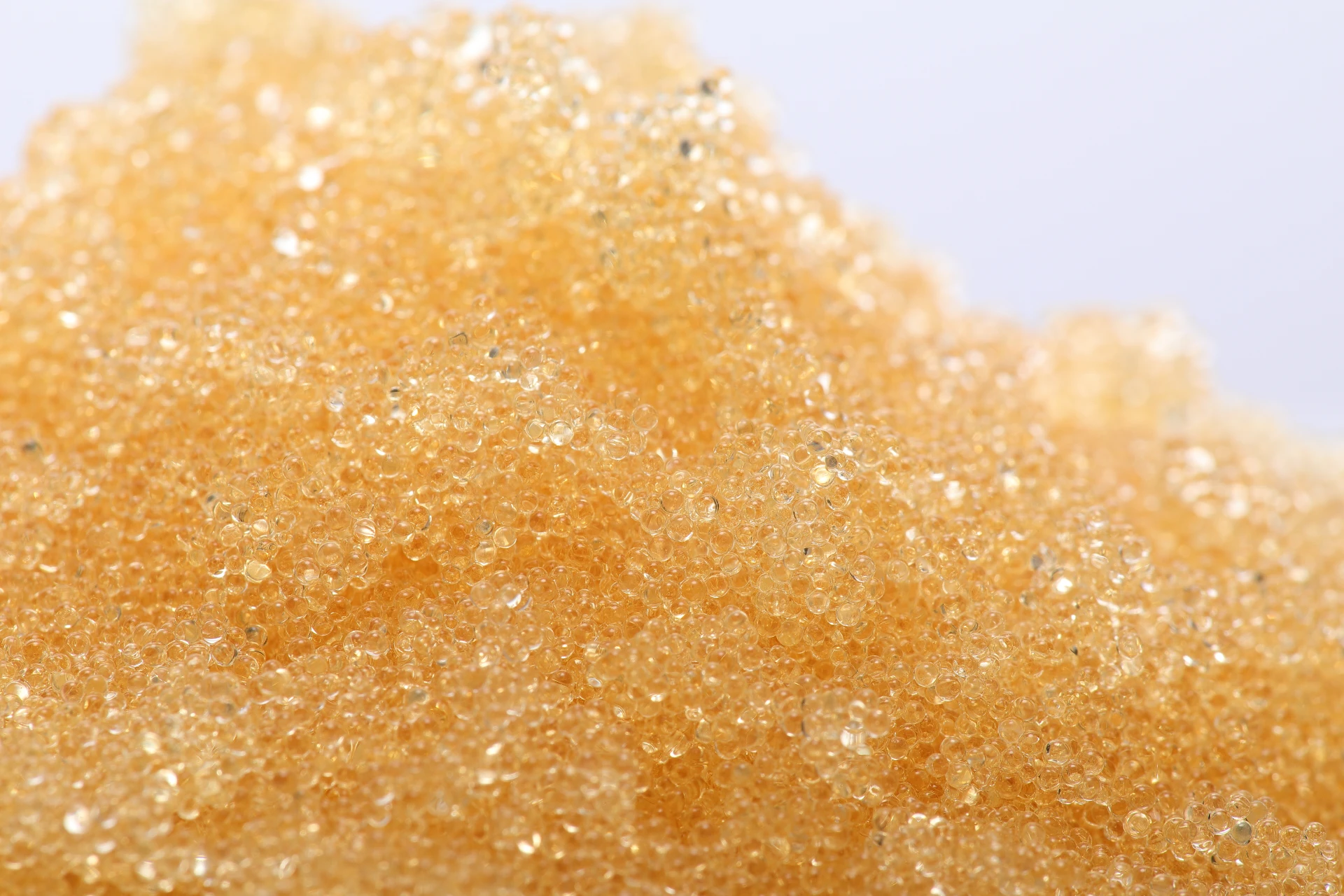
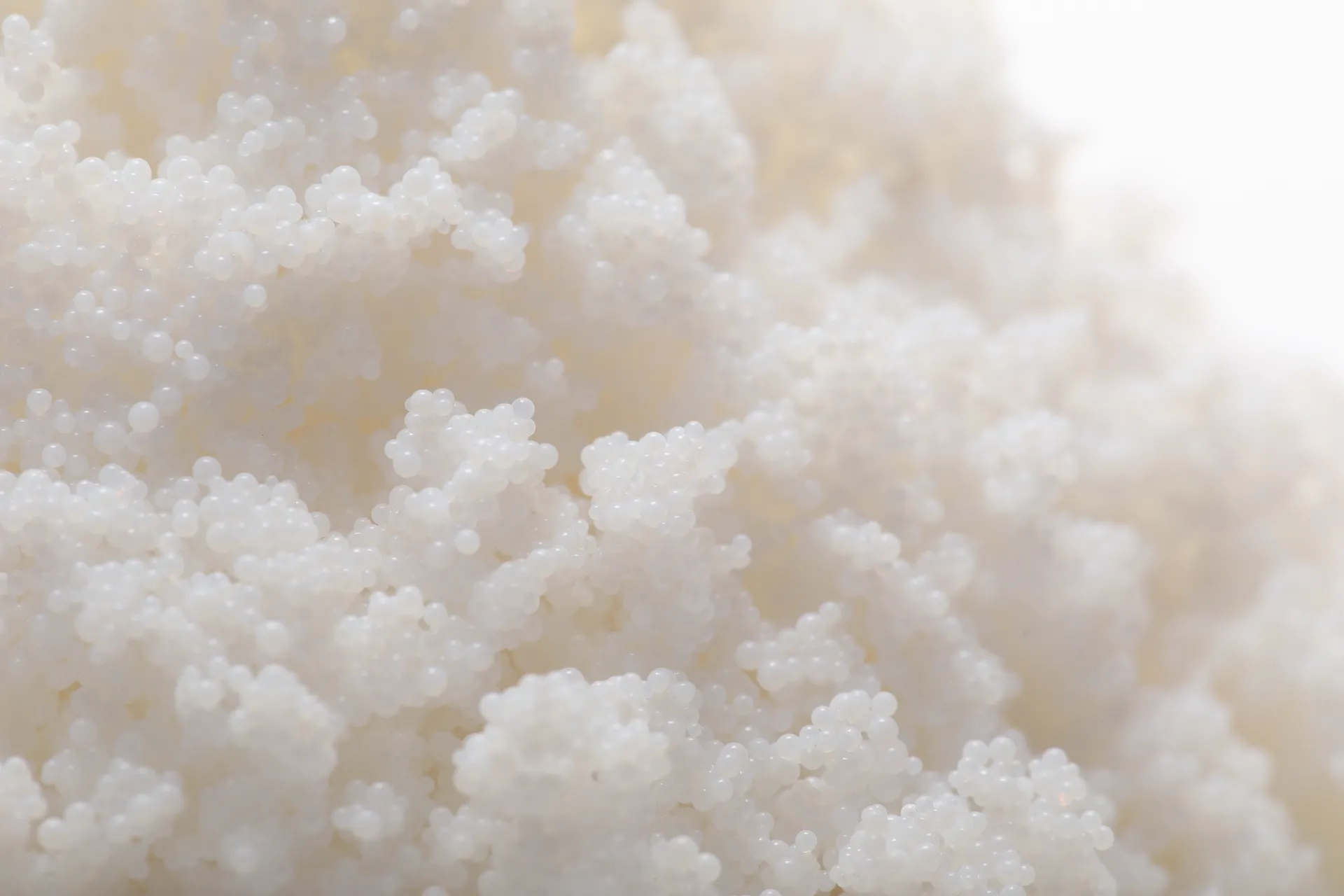
AD-101 is a non‑polar styrene–divinylbenzene (DVB) macroporous adsorbent. The porogens (toluene and octanol) create a sponge-like network that loves non‑polar or weakly polar organics—phenolics, pesticides, PAHs, even stubborn color bodies. It’s also known in pharma/herbal circles for saponins, flavonoids, and alkaloids (ginsenosides, notoginseng saponins, diosgenin, ginkgo flavones). In short: it bridges industrial cleanup and high‑value separations. Honestly, that’s rare.

At‑a‑glance technicals

MatrixStyrene–DVB, non‑polar
Particle size≈ 0.3–1.2 mm (real-world use may vary)
BET surface area≈ 350–700 m²/g
Average pore diameter≈ 10–20 nm
Moisture content50–65%
Bulk density≈ 0.60–0.70 g/mL
Operating pH1–14 (adsorption performance varies by solute)
Max wet temperature≈ 120°C
Typical capacityPhenol 120–200 mg/g; saponins 180–250 mg/g (lab data)
Service life800–1500 cycles with proper regeneration
Water Purification Resin - High Capacity, Fast Ion Exchange

Process flow that actually works on the floor

  1. Pre-rinse: Deionized water until clear; optional ethanol conditioning for organics.
  2. Loading: Fixed bed or pulsed columns; BV/h around 1–4 depending on feed COD.
  3. Adsorption: Keep pH where your target is least soluble; watch ΔP and TOC.
  4. Wash: Low-ionic-strength water to displace weakly held species.
  5. Elution: 60–95% ethanol or IPA for saponins/flavonoids; for wastewater organics, consider solvent/alkali blends.
  6. Regeneration: 2–4% NaOH or suitable solvent; finish with neutral rinse.
  7. Testing: ASTM D2187-style checks for moisture, attrition, and capacity recovery each campaign.

Where it’s being used

  • Industrial wastewater polishing: COD/TOC/color removal before discharge.
  • Groundwater and process water: trace pesticides/phenolics cutoff with water purification resin polishing step.
  • Botanical extraction: saponin and flavonoid concentration (ginseng, notoginseng, ginkgo).
  • Food/beverage: decolorization and off-flavor control (pilot scale; compliance required).
  • Fine chemicals: recovery of non‑polar intermediates from mother liquors.

Vendor snapshot and comparison

Manufacturer location: NO.2 East Jianshe Road, High-Tech Industrial Development South Zone, Wei County, Xingtai, Hebei, China.

Vendor Resin Type Target Organics Indicative Price Certs/Notes
AD-101 (Lijiresin) Styrene–DVB macroporous Saponins, phenolics, color bodies Mid-range (≈$8–$15/kg) ISO-style QA; NSF/food-contact on request
Vendor A (global) High-porosity styrene–DVB PAHs, pesticides Premium (≈$18–$28/kg) NSF/ANSI 61-listed SKUs
Vendor B (regional) Acrylic-based adsorbent Polar organics, dyes Budget (≈$6–$10/kg) Limited export docs

Estimated; confirm with suppliers. Real-world use may vary.
Water Purification Resin - High Capacity, Fast Ion Exchange

Field results and feedback

  • Industrial wastewater pilot (textiles): 58–72% TOC reduction and visible color drop in a single pass; two-pass achieved 80%+.
  • Herbal extract line: ginsenoside purity lifted from 45% to 86% after adsorption/elution; solvent usage cut ≈20% via optimized BV.
  • Operators say bed integrity holds up; pressure drop is stable if pre-filtration is decent (5 µm).

Customization and compliance

Customization: particle size windows, moisture spec, and pre-conditioning (ethanol-wet) are usually available. For potable or food-adjacent uses, ask for NSF/ANSI 61 or equivalent migration testing, plus a statement on FDA/food-contact applicability. Also, request a QA pack: CoA, SDS, and batch D2187-style physicals.

Authoritative standards and test cues

  • NSF/ANSI 61 for drinking-water components; WHO DWQ guidance for performance targets.
  • ASTM D2187 for ion-exchange/adsorbent physicals; TOC per Standard Methods 5310.
  • ISO 9001 for quality systems; REACH/RoHS declarations where applicable.

Citations:

  1. NSF/ANSI 61: Drinking Water System Components – Health Effects. NSF International. https://www.nsf.org
  2. ASTM D2187 – Standard Test Methods for Physical and Chemical Properties of Ion-Exchange Resins. ASTM International. https://www.astm.org/d2187
  3. Standard Methods for the Examination of Water and Wastewater, Method 5310 (TOC). AWWA/APHA/WEF. https://www.standardmethods.org
  4. WHO Guidelines for Drinking-water Quality (4th ed., 2022 addendum). World Health Organization. https://www.who.int
Product Categories

If you are interested in our products, you can choose to leave your information here, and we will be in touch with you shortly.