Phone:
+86 0319 2296164


Email:
info@lijiresin.cn
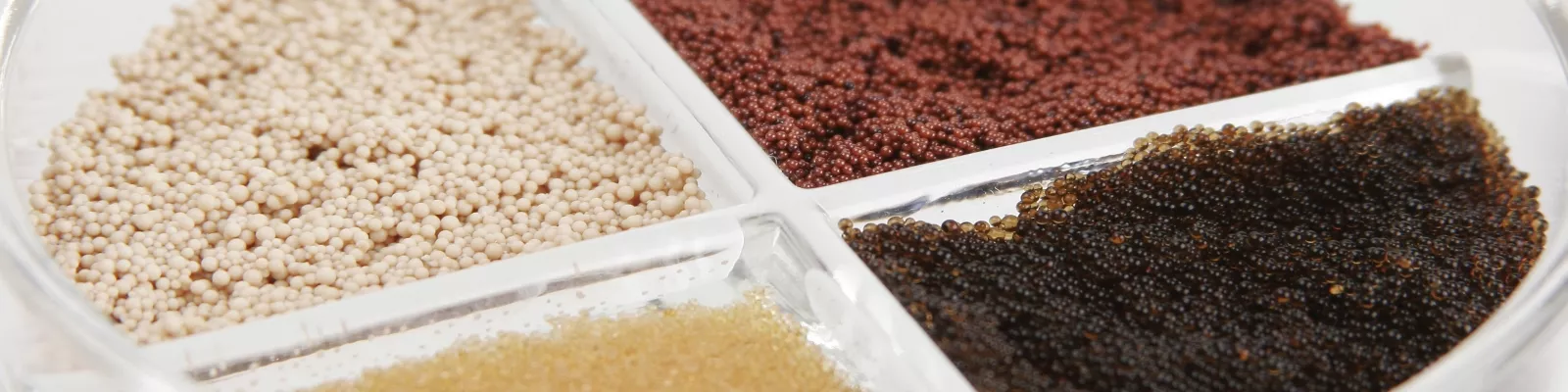
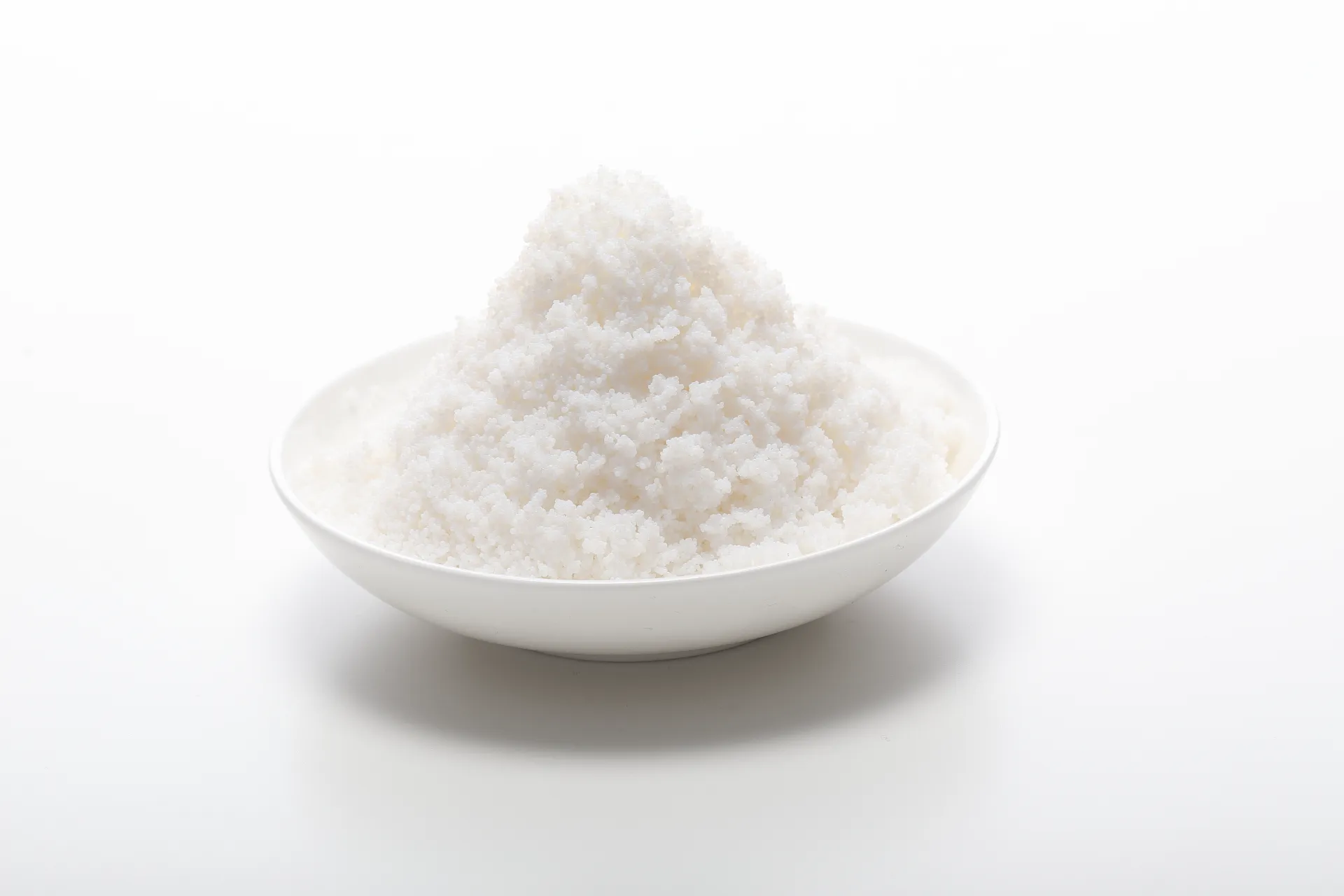
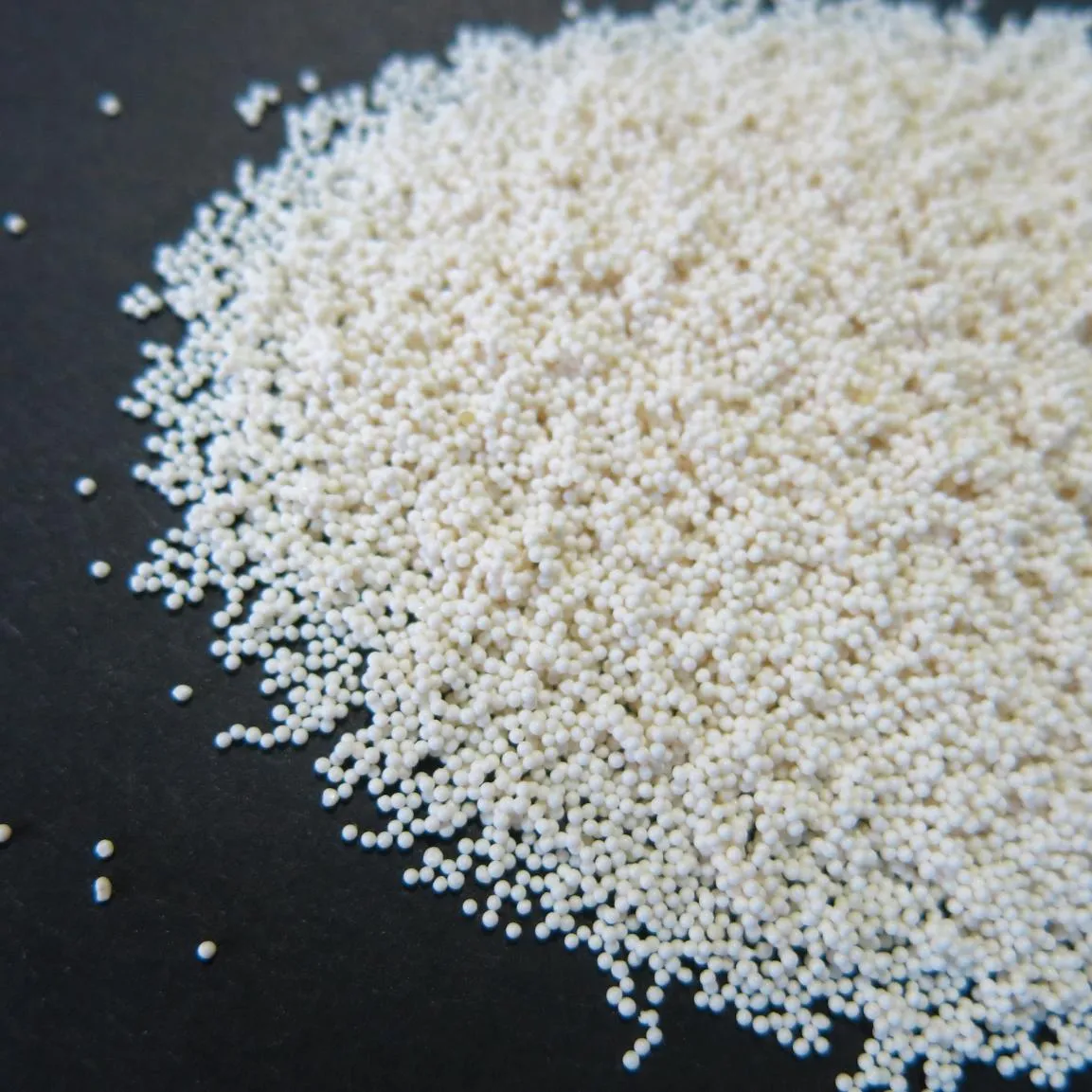
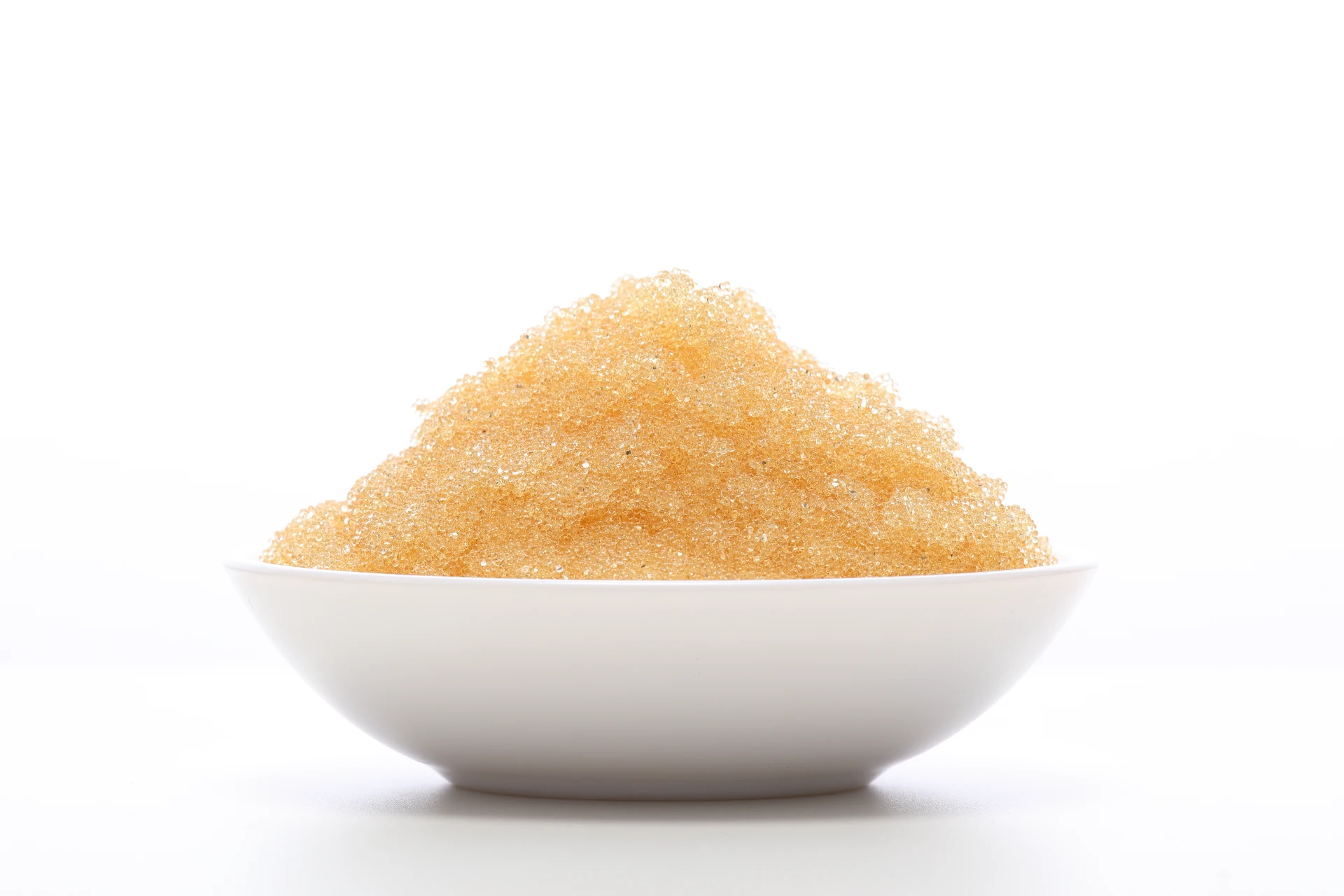
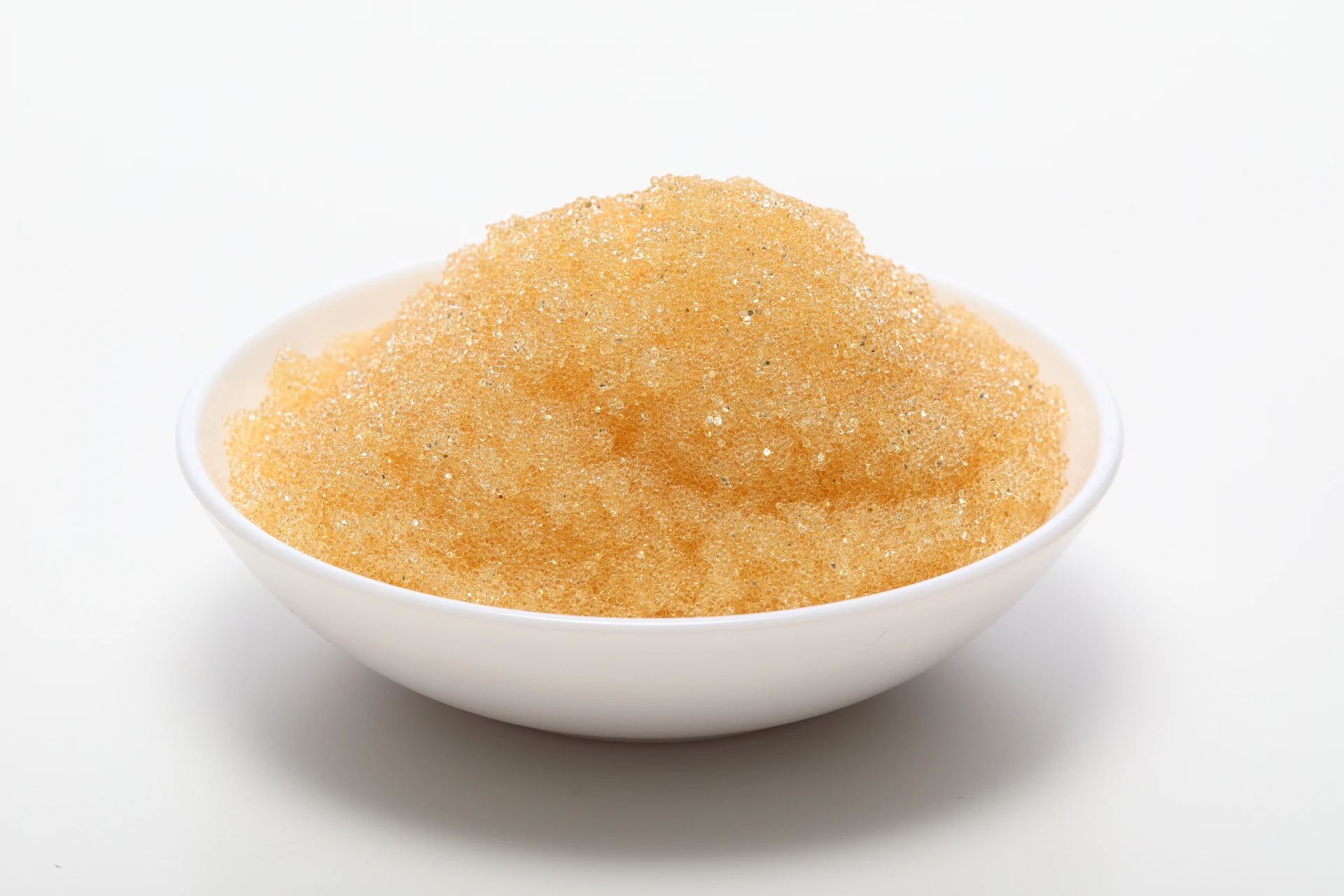
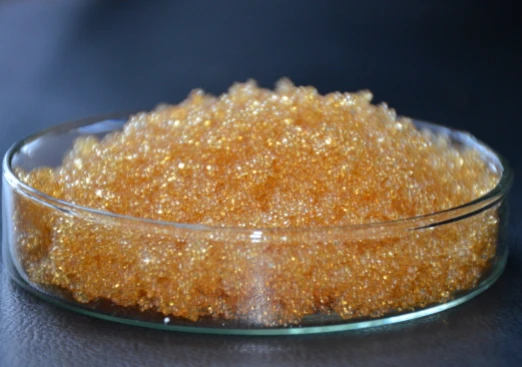
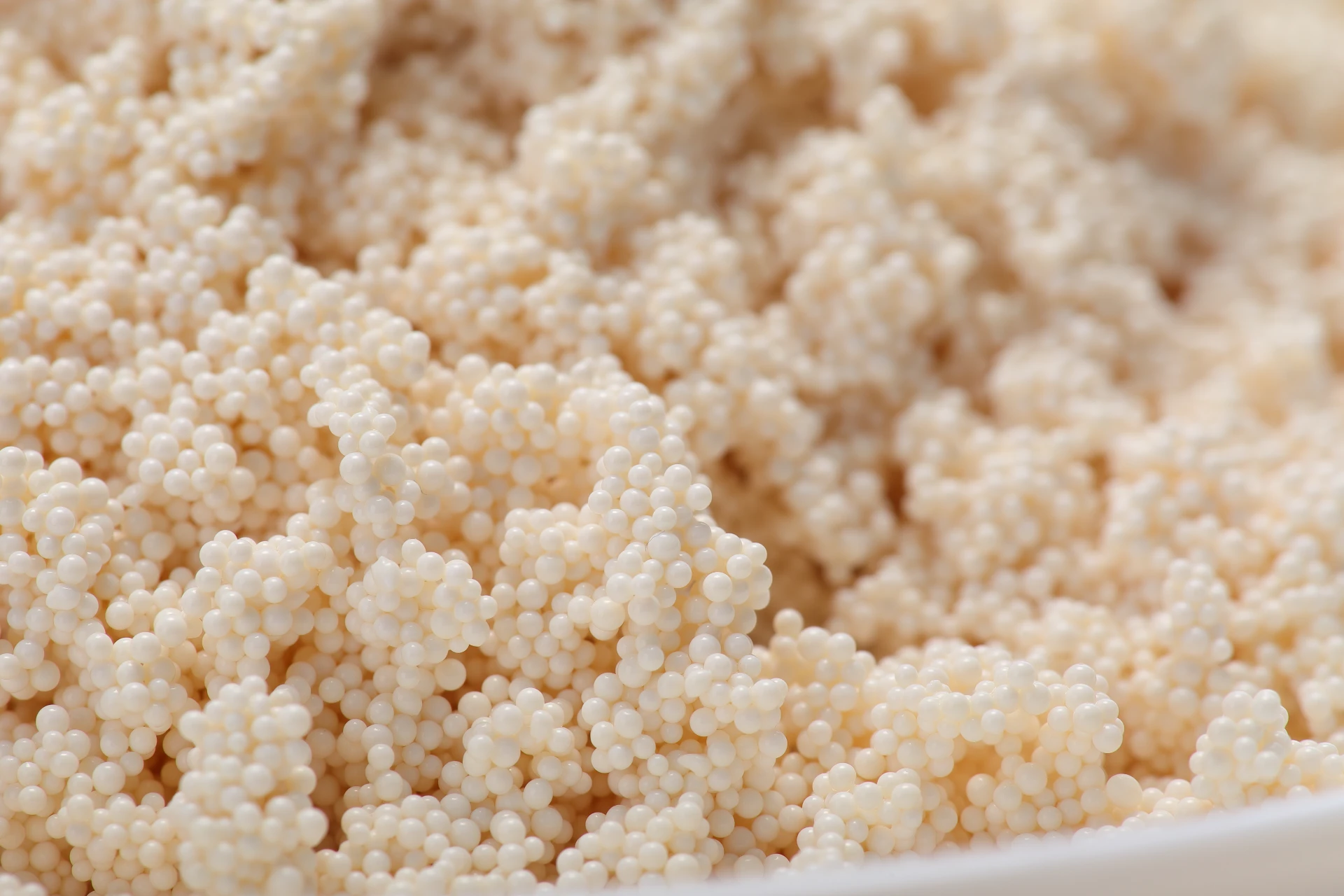
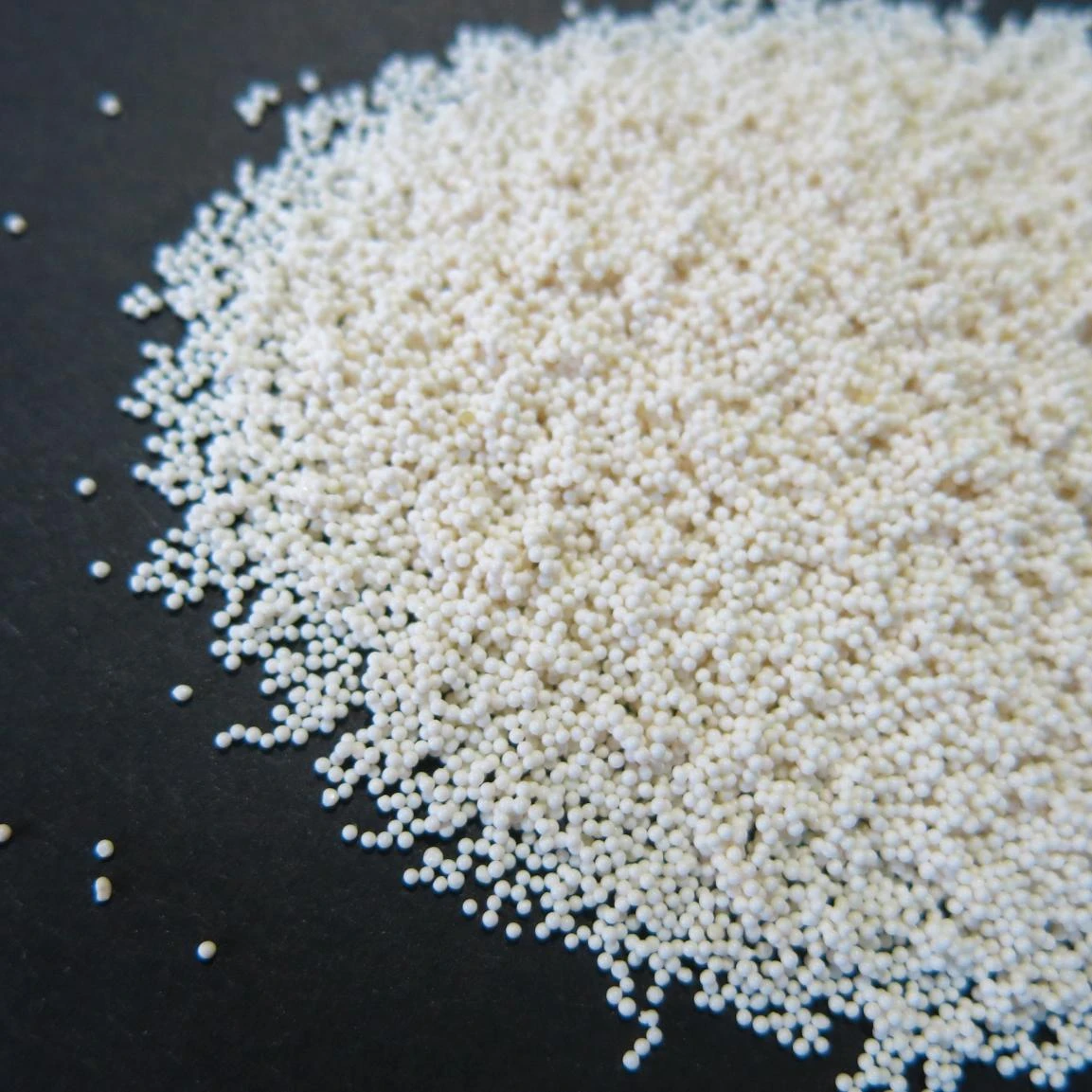
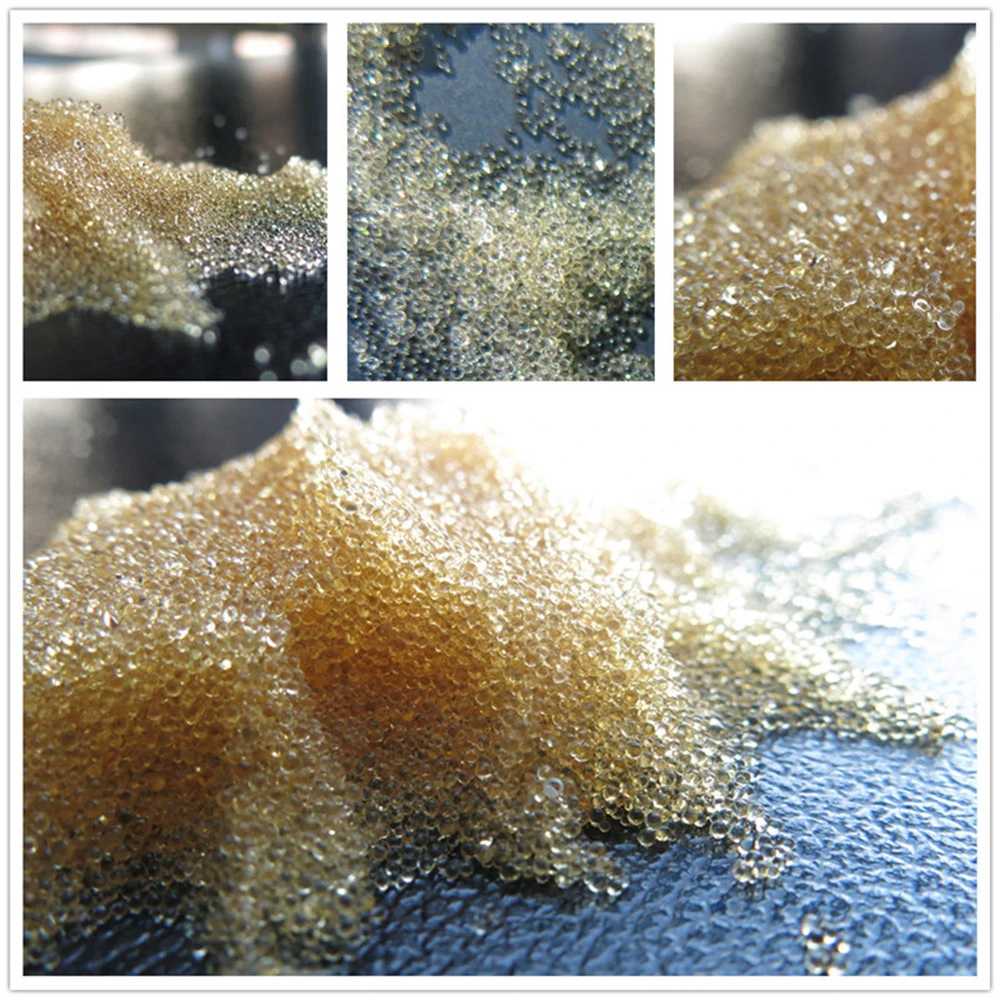
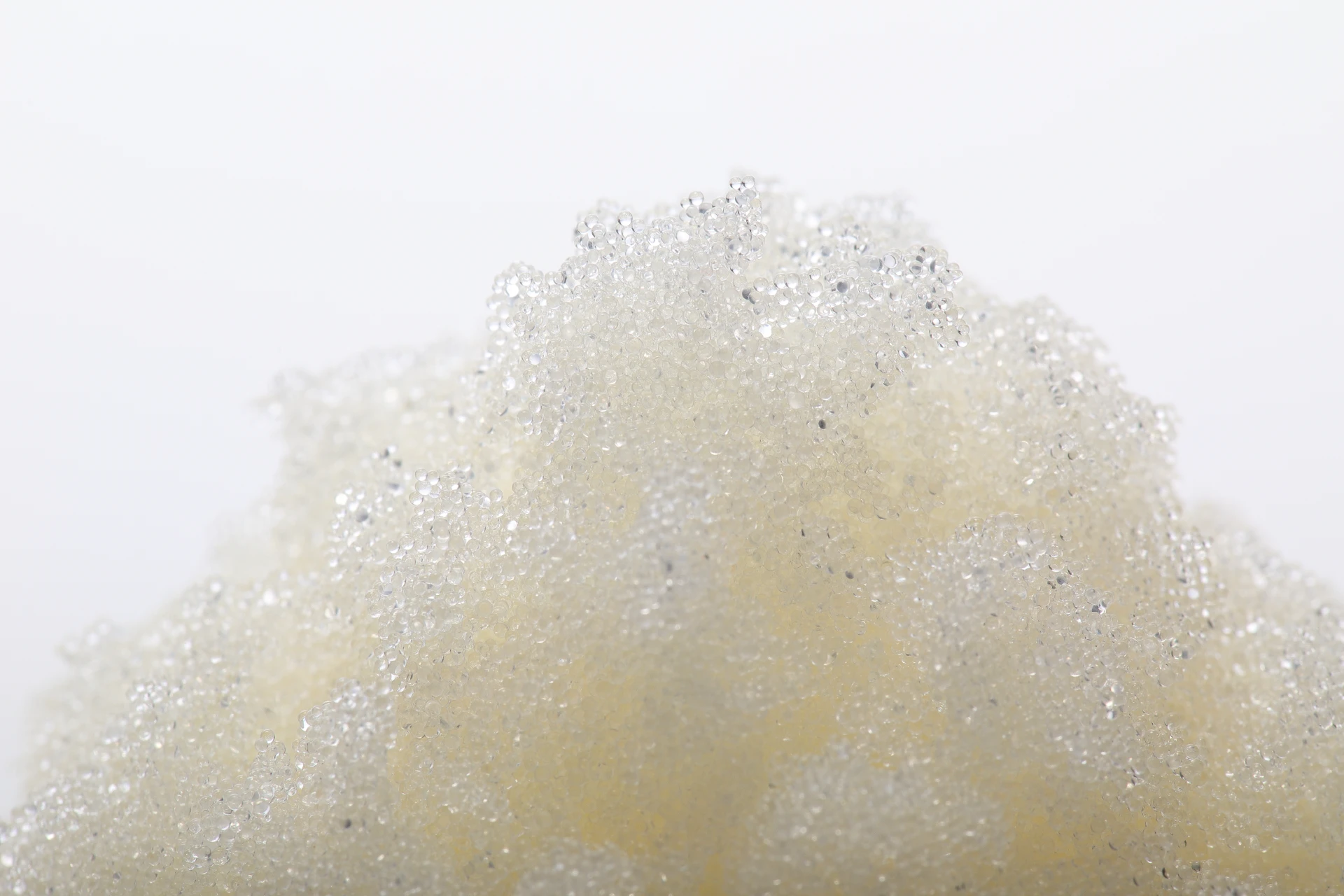
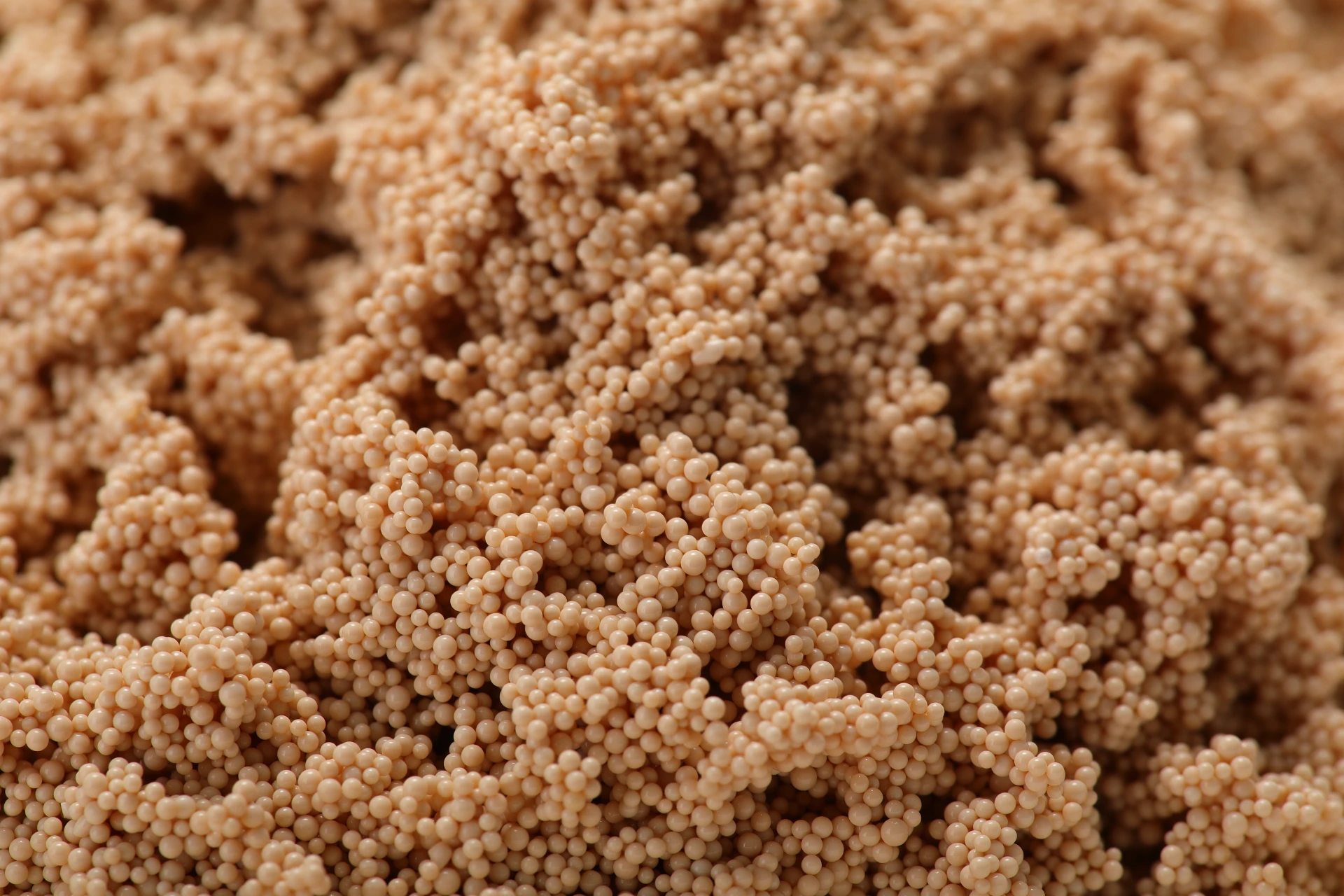
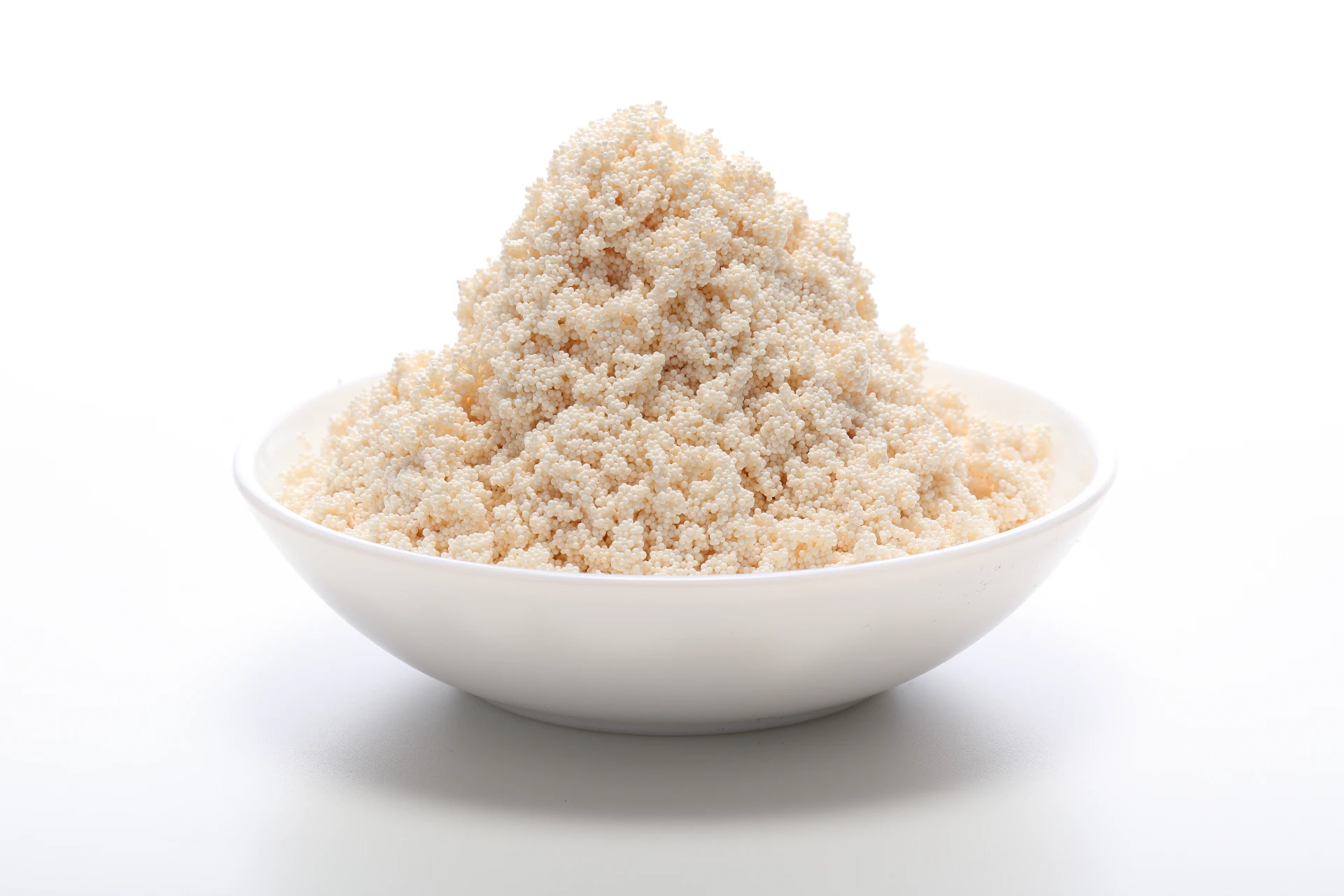
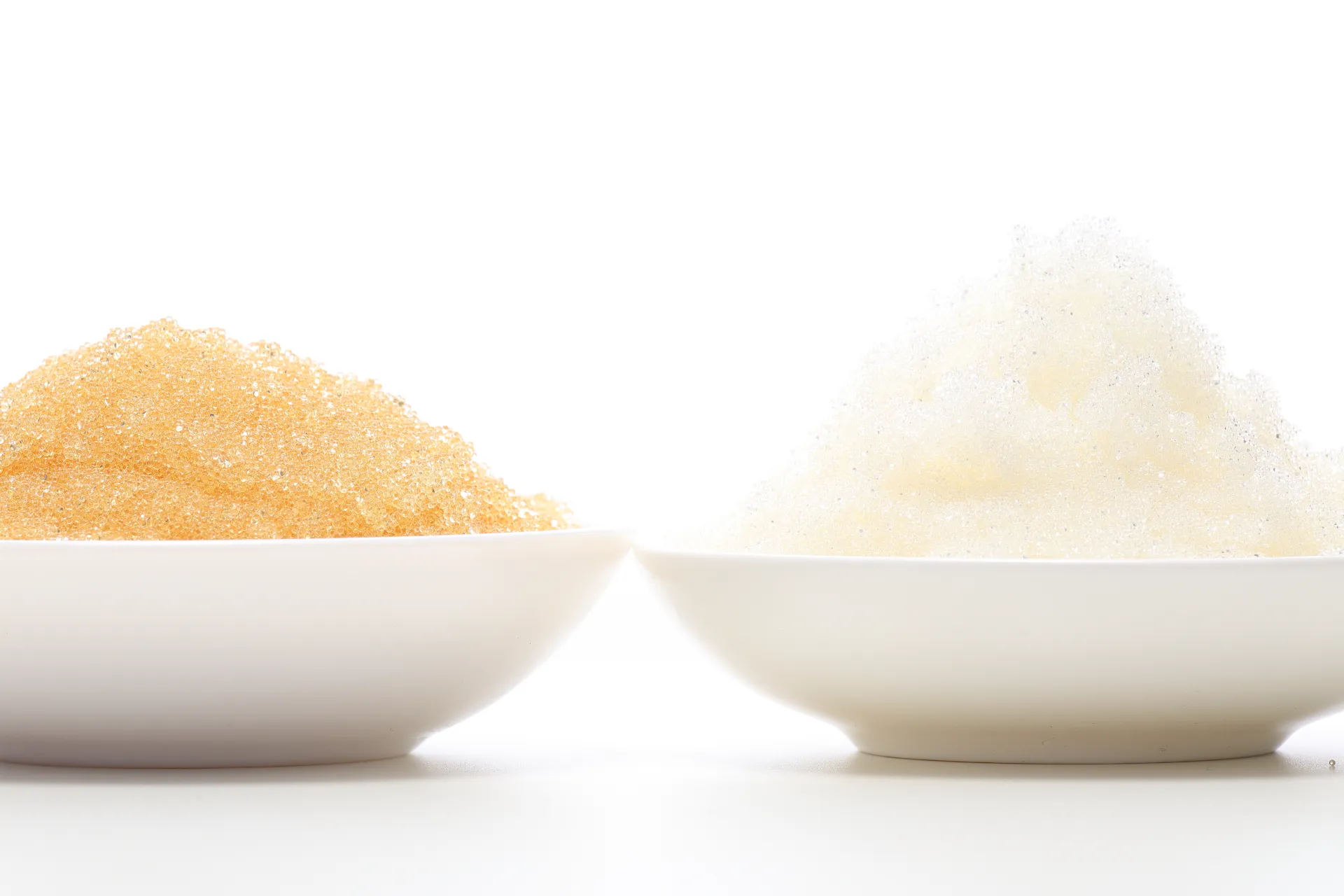
When engineers ask me what’s working right now for polishing tricky organics, I usually point them to a non‑polar adsorption grade—something like water purification resin designed for saponins and flavonoids. It sounds niche, but in practice it solves a broad set of problems in nutraceutical, beverage, and pharma utility water. The one I’ve been following is AD‑101, a macroporous styrene–divinylbenzene resin with a track record in plant extracts. Oddly specific? Yes. Surprisingly versatile? Also yes.
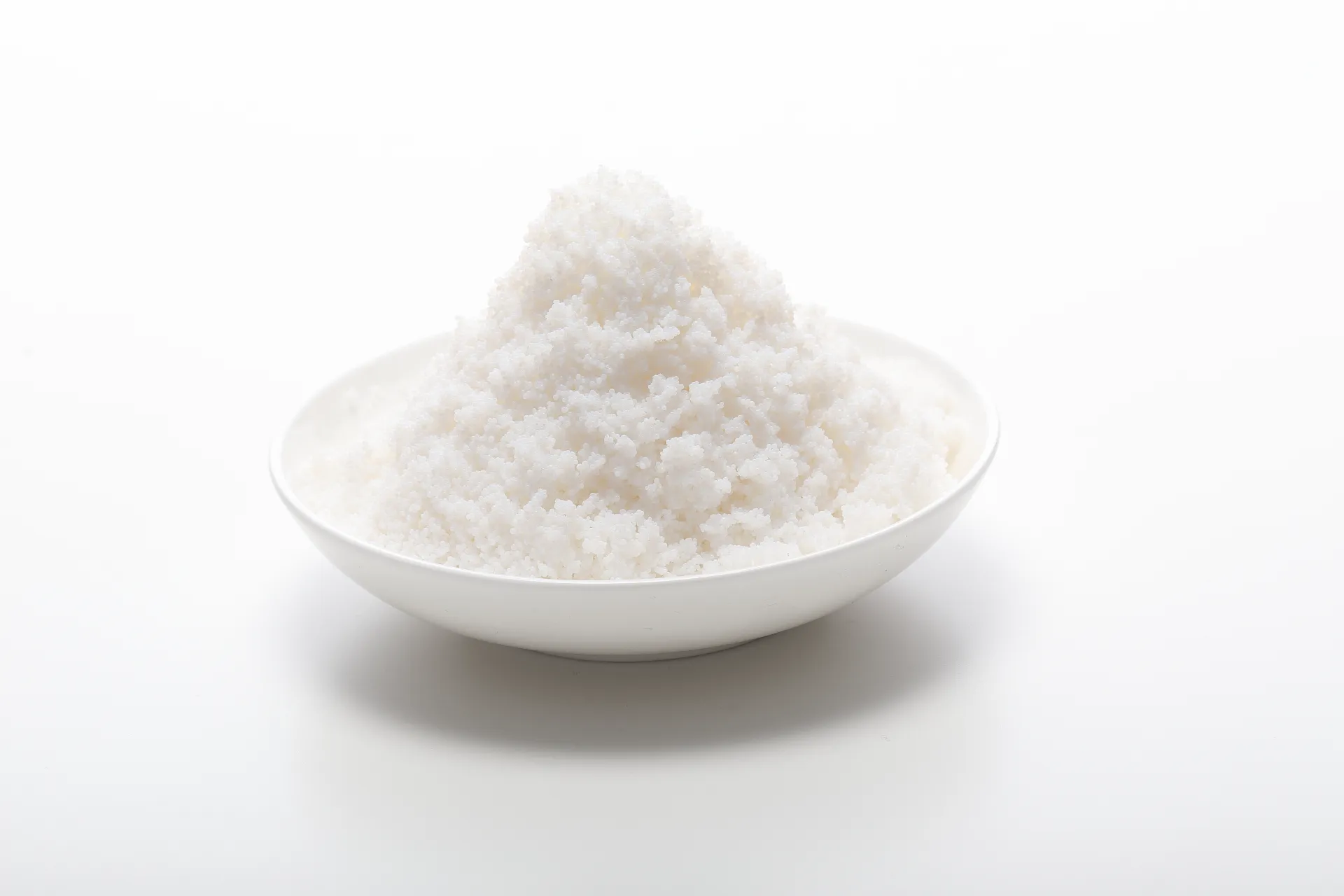
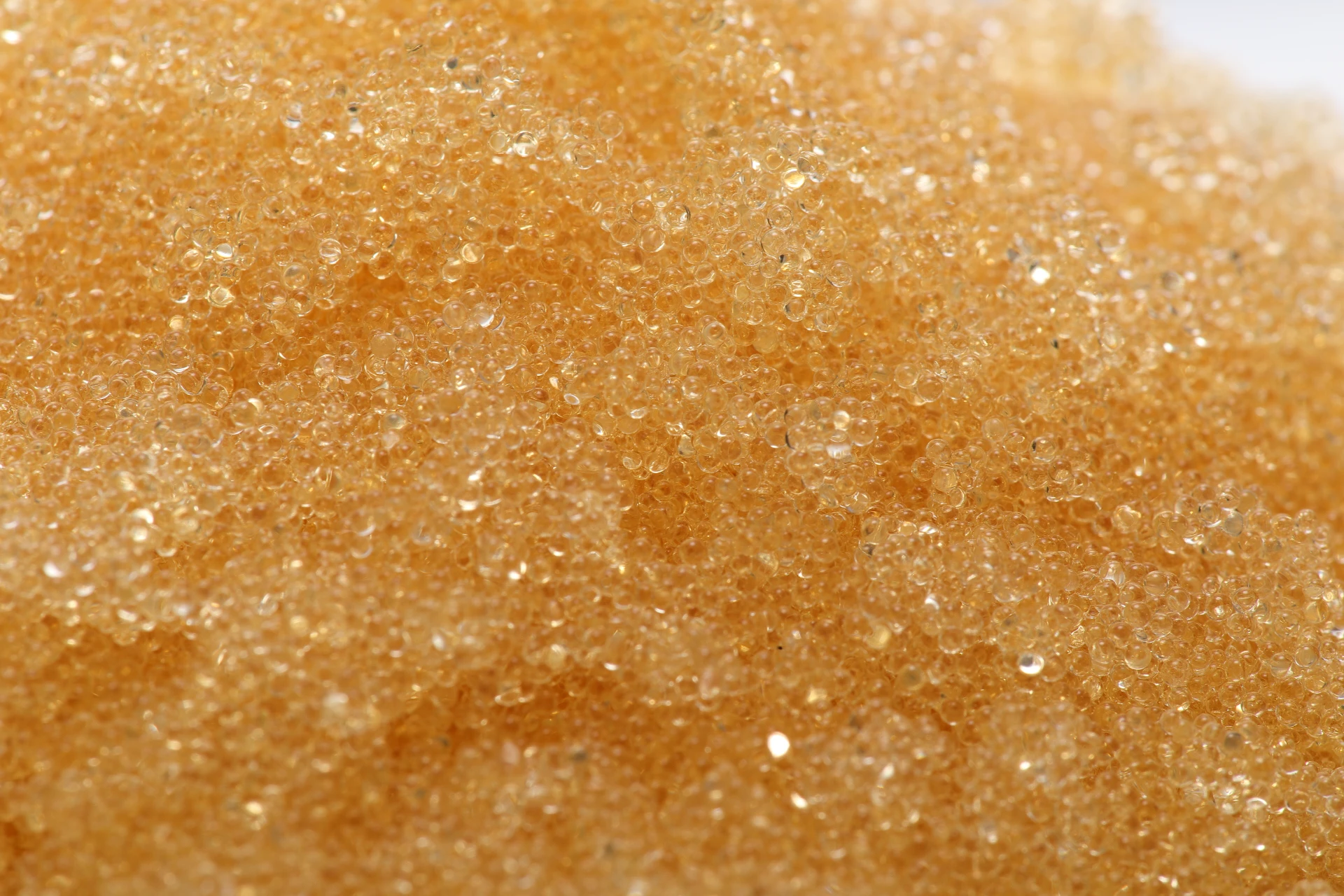
AD‑101 is a non‑polar, macroporous styrene copolymer (cross‑linked with divinylbenzene; porogens toluene and octanol). In real‑world water polishing, that means strong uptake of non‑polar/weakly polar organics—humics, phenolics, color bodies, residual botanicals—without the pH juggling you’d do with ion exchange. Many customers say it’s especially sharp on saponins; I’ve also seen good numbers on flavonoids and alkaloids in rinse water from herbal processing.
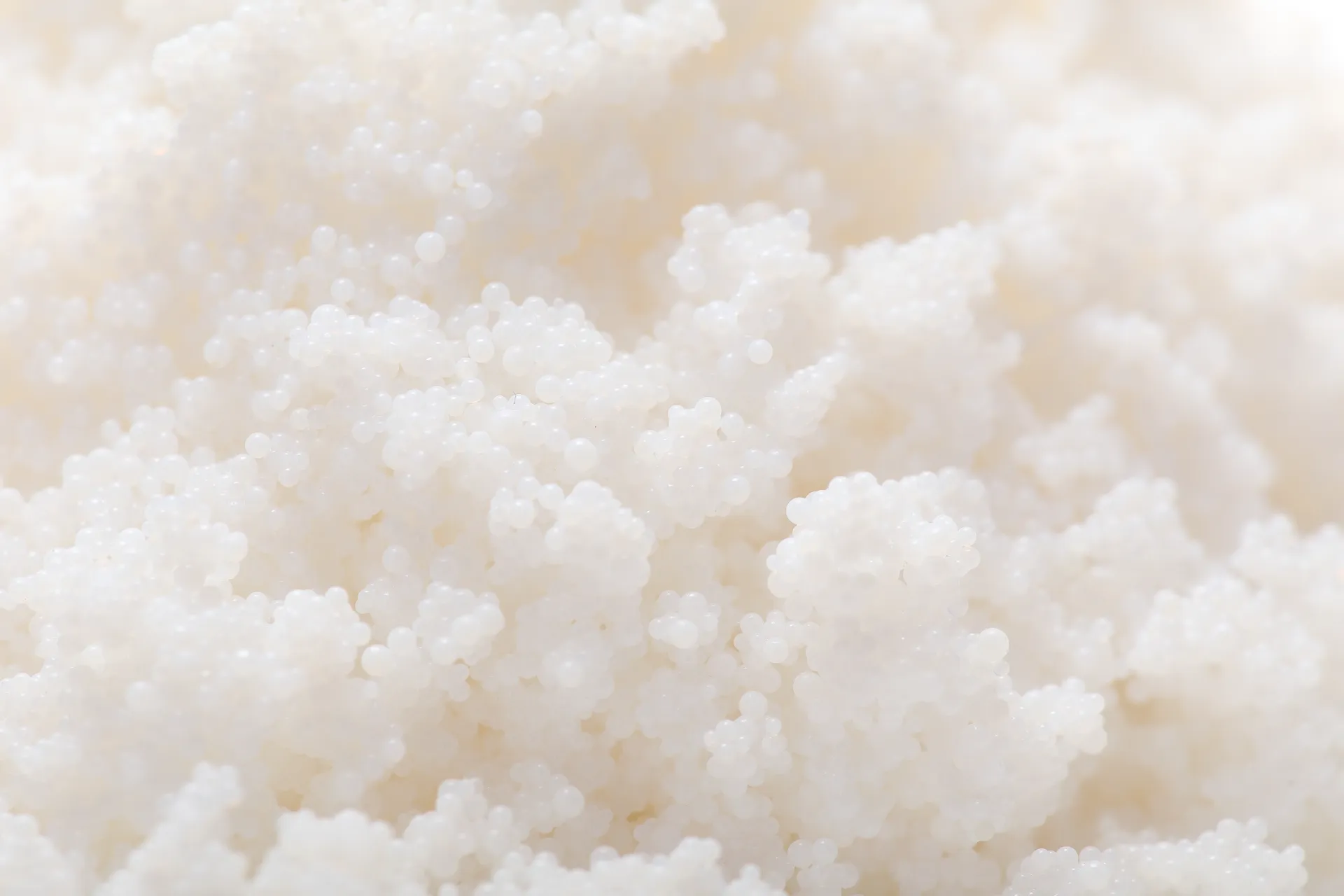
| Property | AD‑101 Spec |
|---|---|
| Matrix / Type | Styrene‑DVB, macroporous, non‑polar |
| Surface area (BET) | ≈ 500–700 m²/g |
| Avg. pore diameter | ≈ 100–300 Å |
| Particle size | 0.3–1.2 mm (typ. 0.5–0.8 mm) |
| Moisture content | ≈ 55–65% |
| Bulk density (wet) | ≈ 0.65–0.72 g/mL |
| Operating pH | 1–13 |
| Max temp | ≈ 120°C (wet) |
| Adsorption capacity (ginsenosides) | >120 mg/g (bench data) |
| Service life | 1–3 years or >100–300 cycles, feed‑dependent |
Testing standards: surface area by ISO 9277 (BET); TOC by EPA 415.3; materials/parts contacting potable water should conform to NSF/ANSI/CAN 61. Factories commonly operate under ISO 9001 QMS. To be honest, certification language matters—ask for current certificates.
| Vendor | Certs | Lead time | Best for | Notes |
|---|---|---|---|---|
| AD‑101 Supplier (China) | ISO 9001 (typ.); NSF/ANSI 61-ready components | ≈ 2–4 weeks | Botanical TOC/color, recovery | Custom cuts, solvent advice |
| Supplier B (EU Non‑polar Resin) | ISO 9001; some NSF listings | ≈ 3–6 weeks | Beverage polishing | Higher cost, robust support |
| Supplier C (IX Resin) | ISO 9001; NSF/ANSI 44/61 | Stock | Ionic species removal | Not for non‑polar organics |
Case study (nutraceutical plant, 20 m³/h side‑stream): switching to AD‑101 lowered TOC from 12–18 mg/L to 3–6 mg/L (≈60–75% reduction), decolorization 70–85%, with 25–40 BV between regenerations. Operators said, “less channeling than our old bed,” which, I guess, means the bead distribution and size helped. Ethanol use dropped ≈15% after optimizing EBCT.
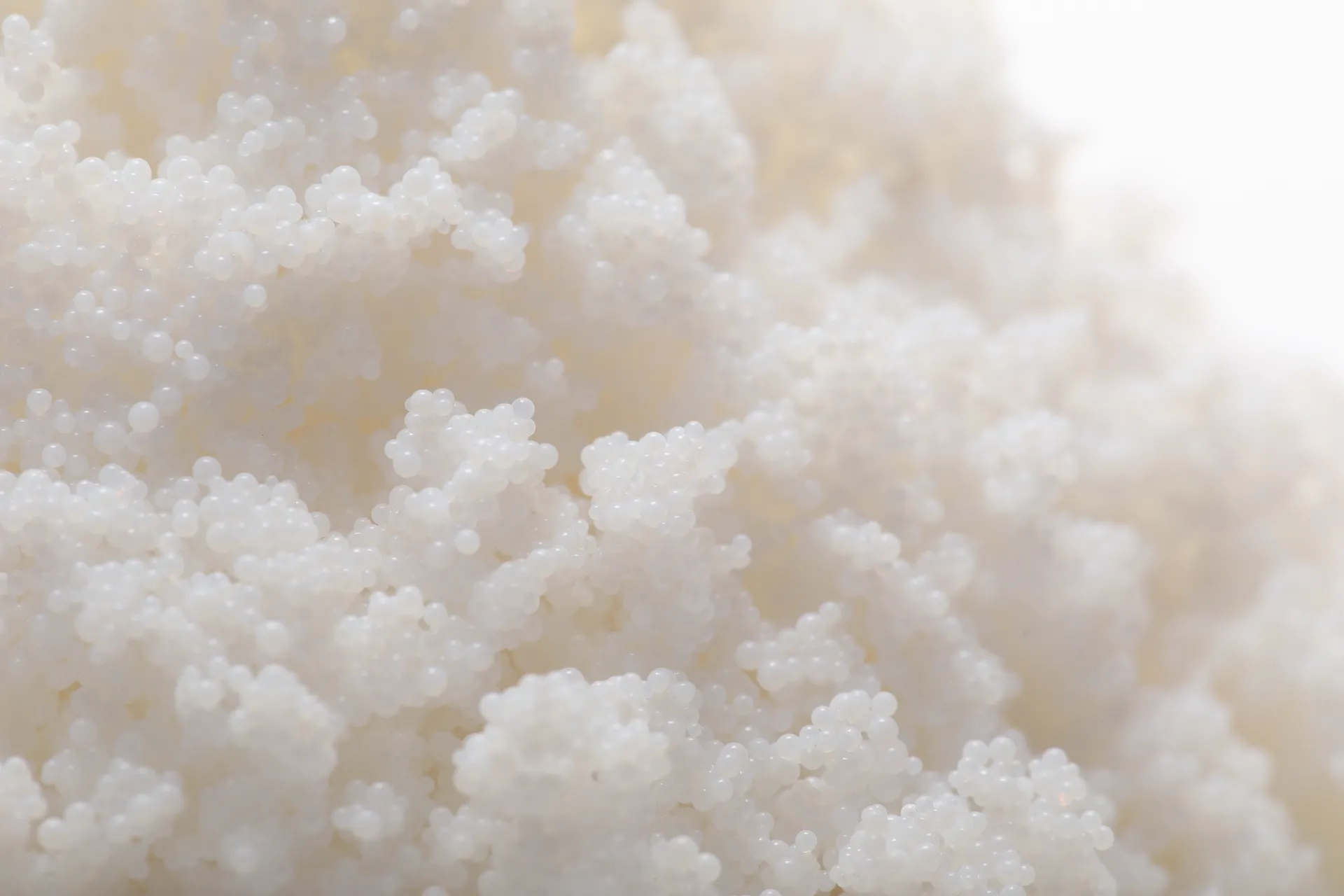
You can spec different particle cuts, pre‑conditioning (ethanol‑wet), and column pack guidance. For water purification resin used near potable applications, request documentation for extractables, solvent residues, and NSF/ANSI 61 conformity statements. Real‑world use may vary, so pilot a 1–5 L column first.
Origin: NO.2 East Jianshe Road, High‑Tech Industrial Development South Zone, Wei County, Xingtai, Hebei, China. Shipping in solvent‑wet drums; store cool, sealed. Service life for water purification resin extends with good pre‑filtration and gentle CIP.
Citations