Phone:
+86 0319 2296164


Email:
info@lijiresin.cn
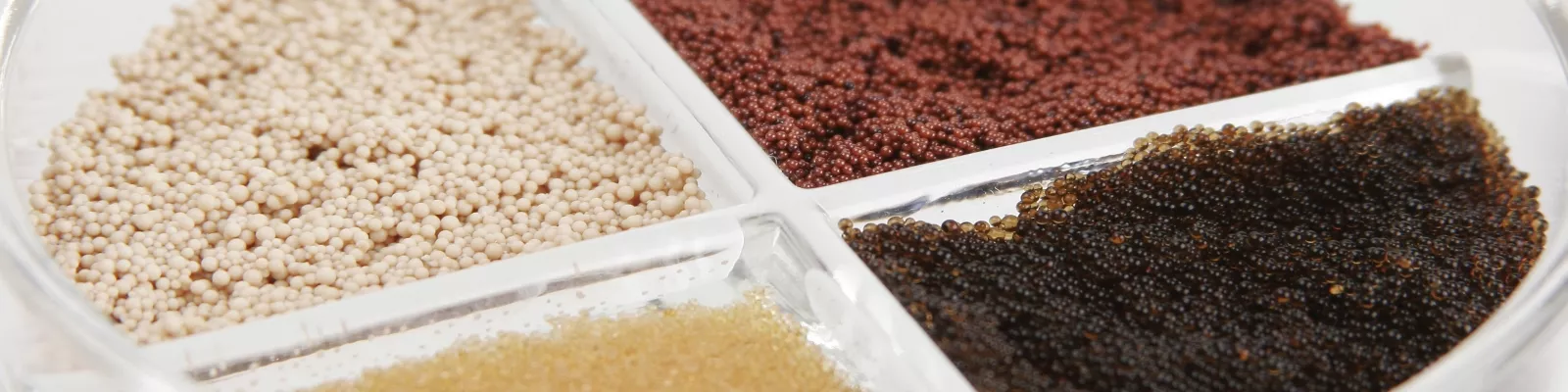
Strong ion exchange resin may sound like a mouthful, but its importance cannot be overstated. At its core, this material plays a pivotal role in purifying water, refining chemicals, and even aiding biomedical processes worldwide. In an era when clean water and resource recycling have become global priorities, understanding strong ion exchange resins — their function, benefits, and future potential — is vital for industries ranging from municipal water treatment to pharmaceuticals.
Why does it matter? Because behind every glass of pure water or every safe medicine capsule is a lot of chemistry, materials science, and smart engineering. The efficiency, durability, and environmental friendliness of these resins determine the quality and sustainability of countless everyday products.
Looking globally, demand for water purification, chemical recovery, and environmental remediation continues to soar. According to the World Bank, over two billion people live without reliable access to clean drinking water, while the United Nations highlights water scarcity affecting nearly 40% of the global population (1, 2). Strong ion exchange resins directly address these crises by removing contaminants like heavy metals, nitrates, and hardness ions with precision.
Industries that rely on these resins include not only municipal water treatment plants but also semiconductor manufacturing hubs in East Asia, fertilizer production in the Americas, and pharmaceutical companies in Europe. Without this technology, systems would revert to less efficient or more chemical-intensive solutions—something nobody wants.
In real terms, these resins help turn polluted or technically challenging waters into valuable, reusable sources — supporting circular economies and reducing environmental footprints.
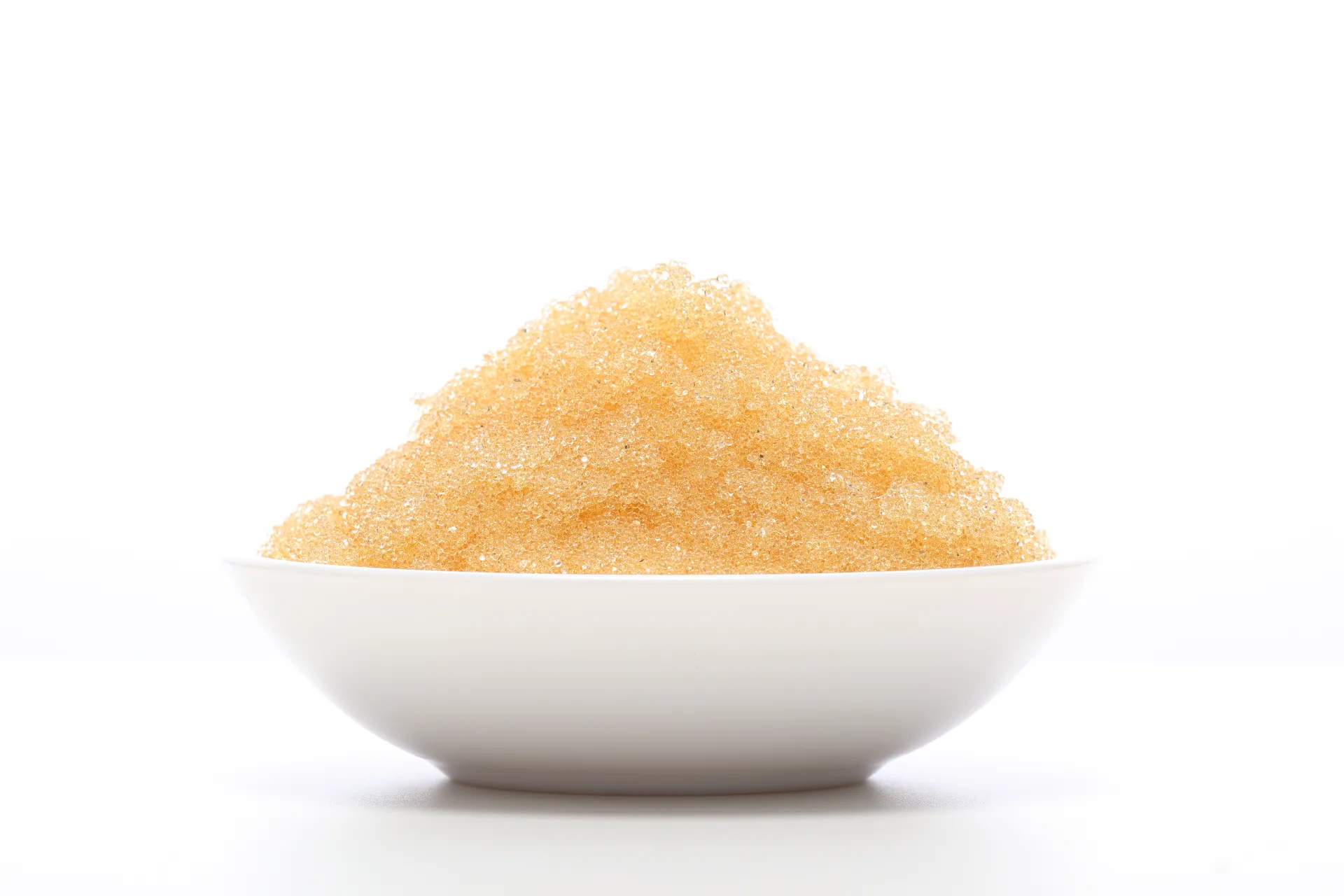
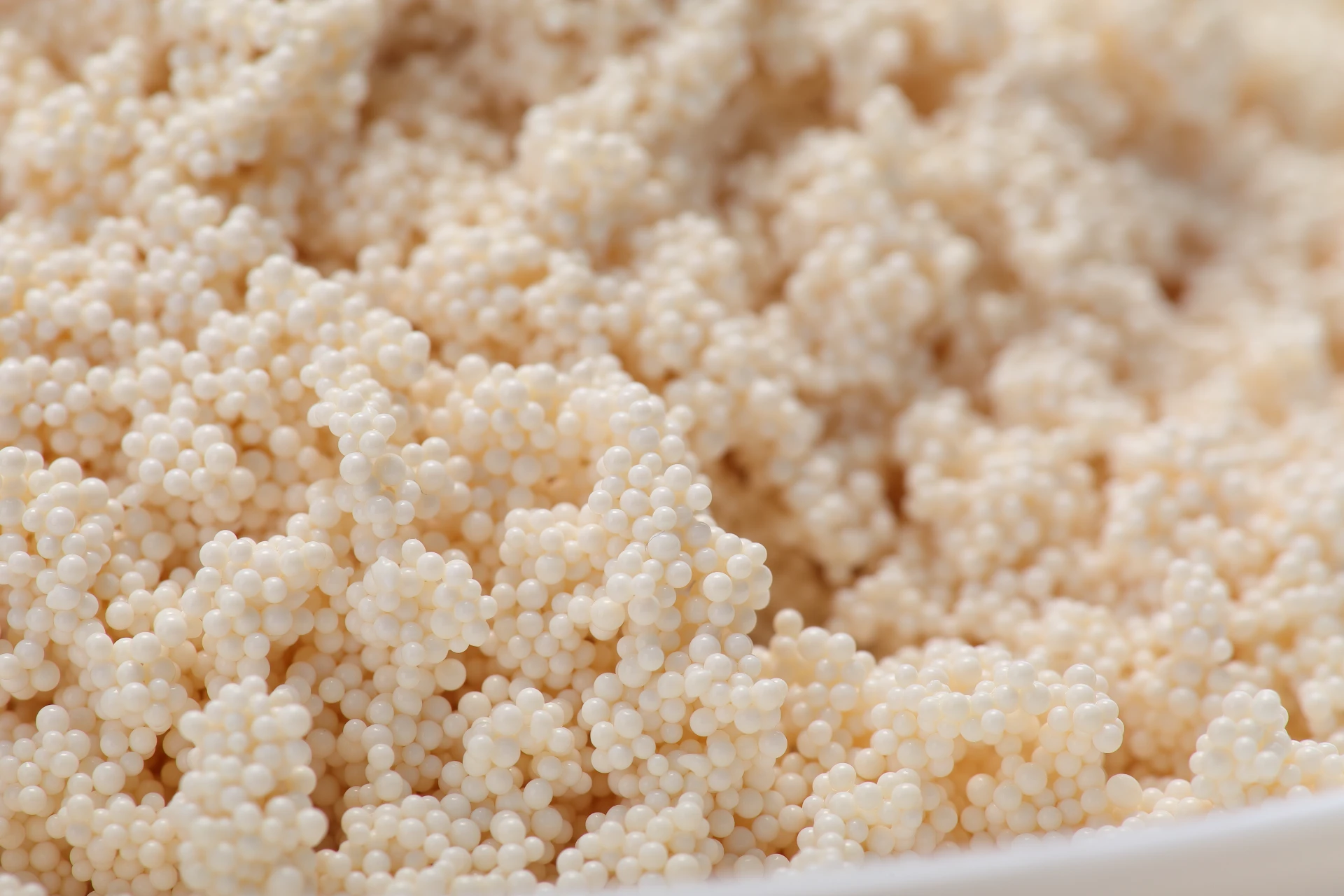
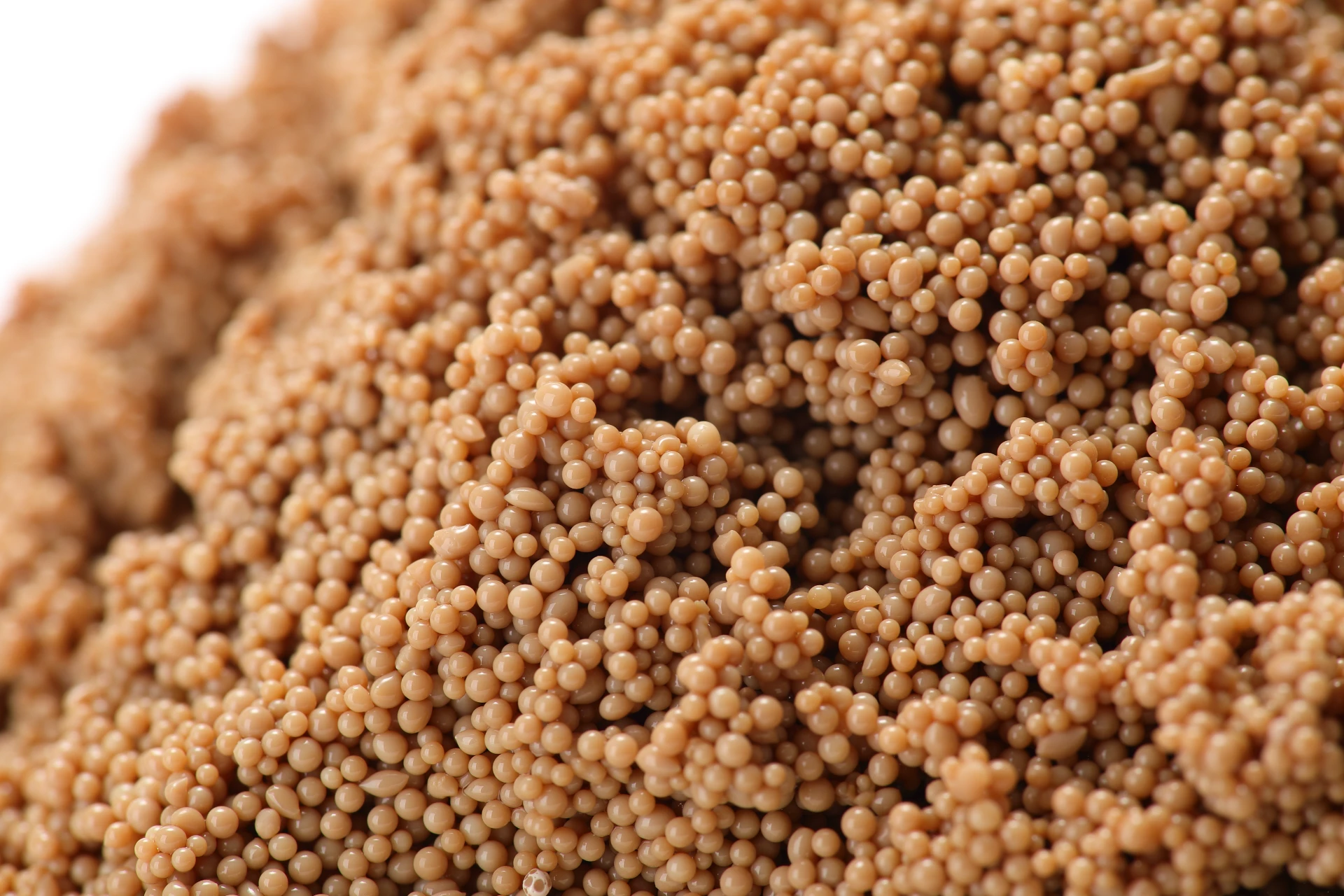
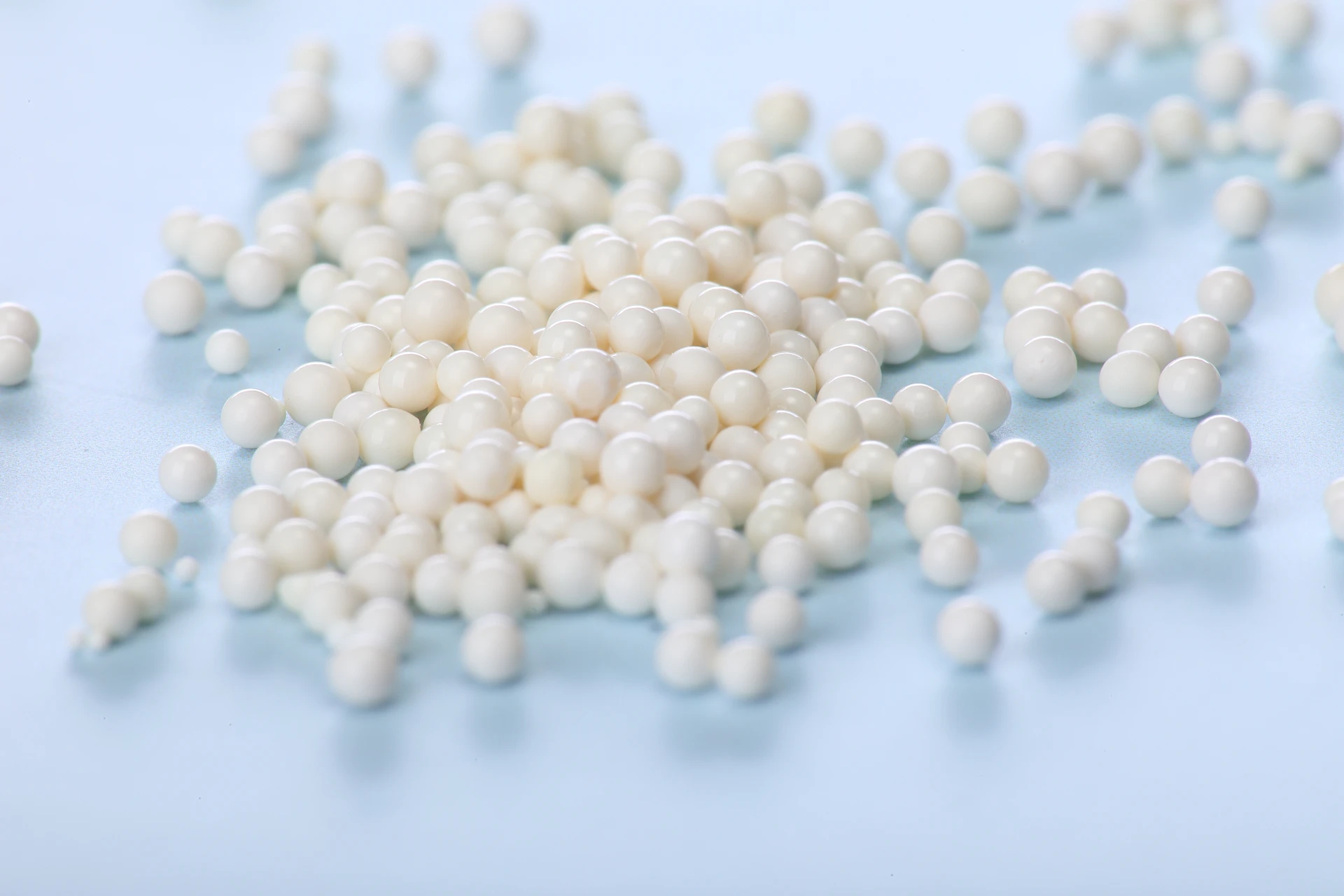
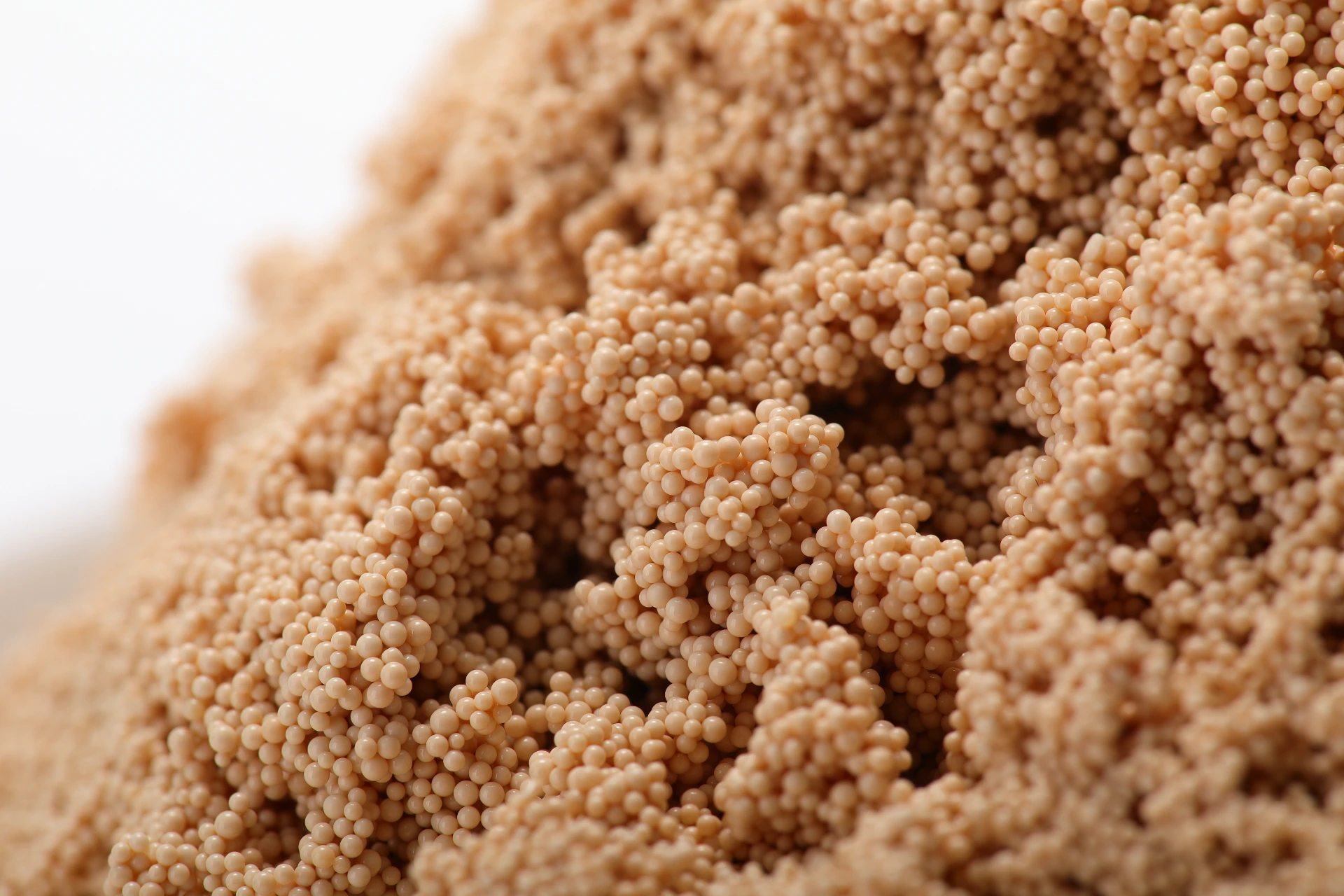
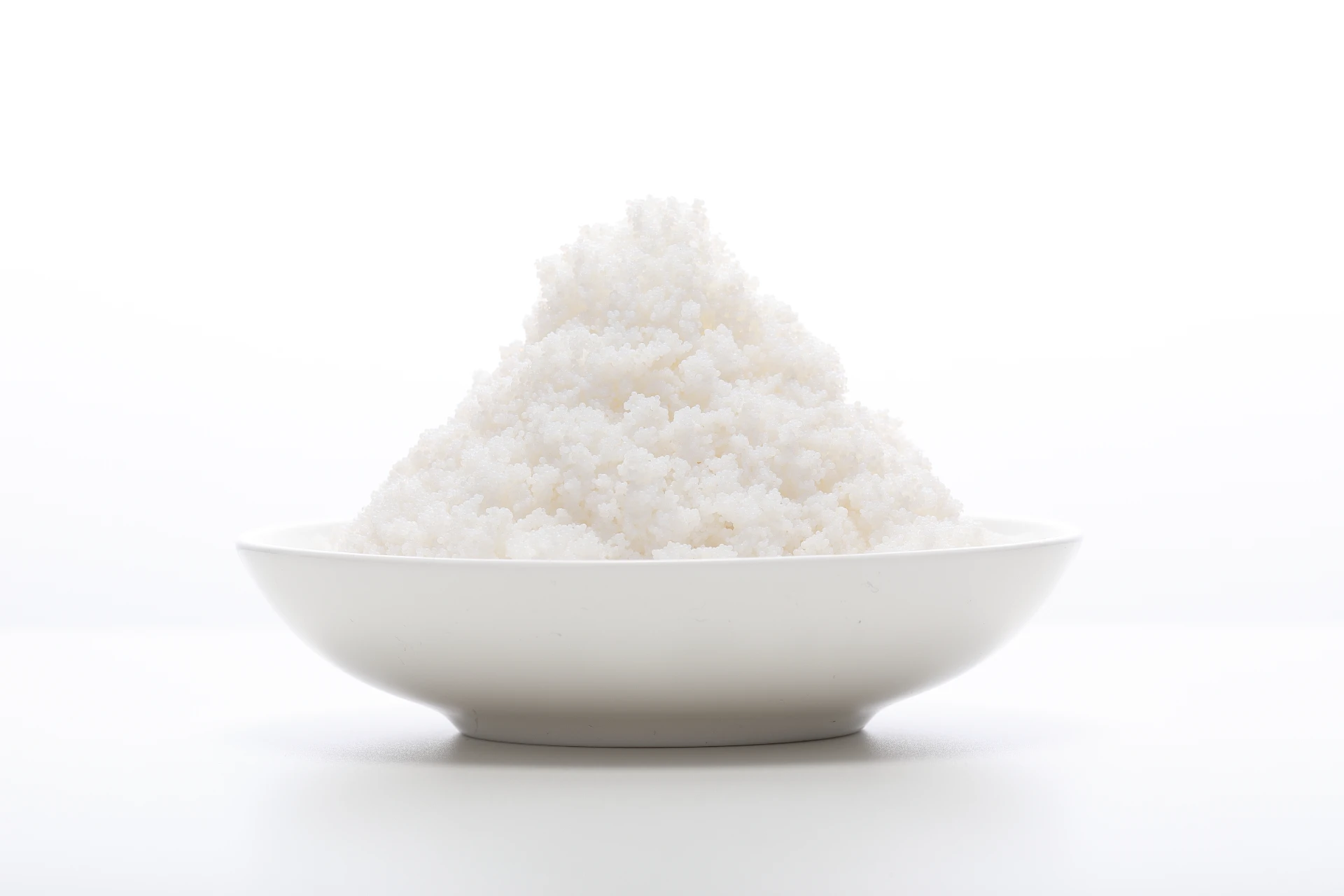
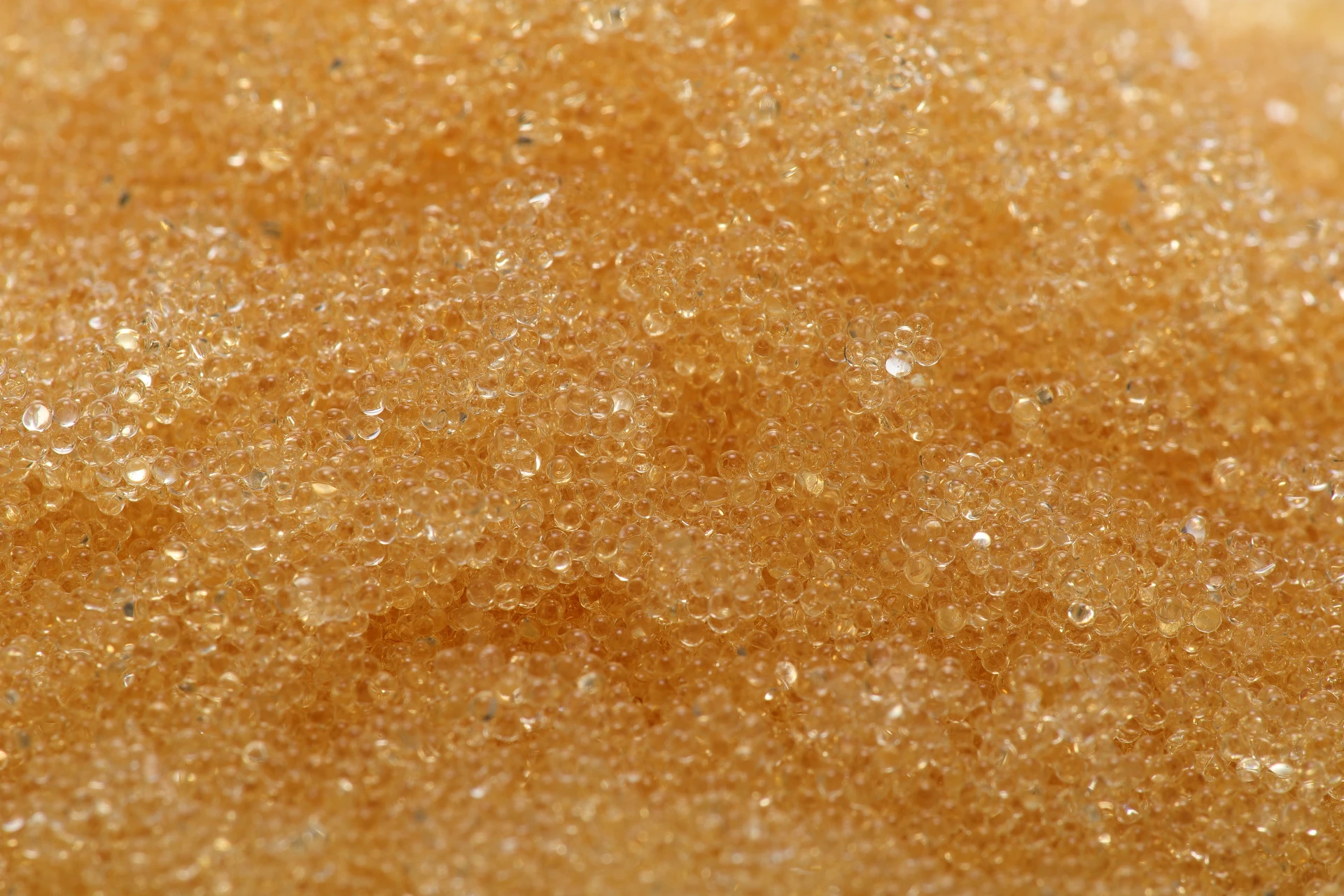
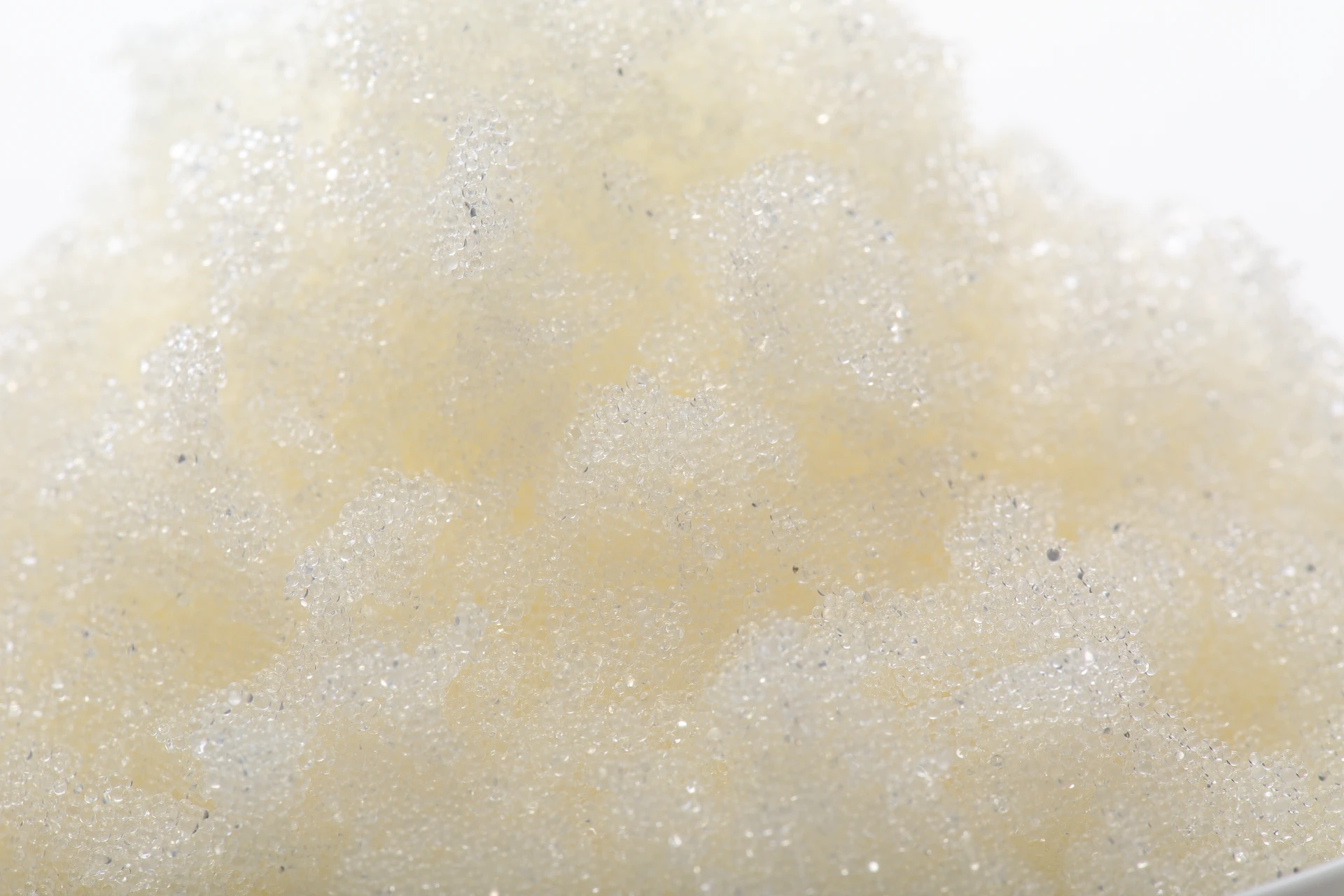
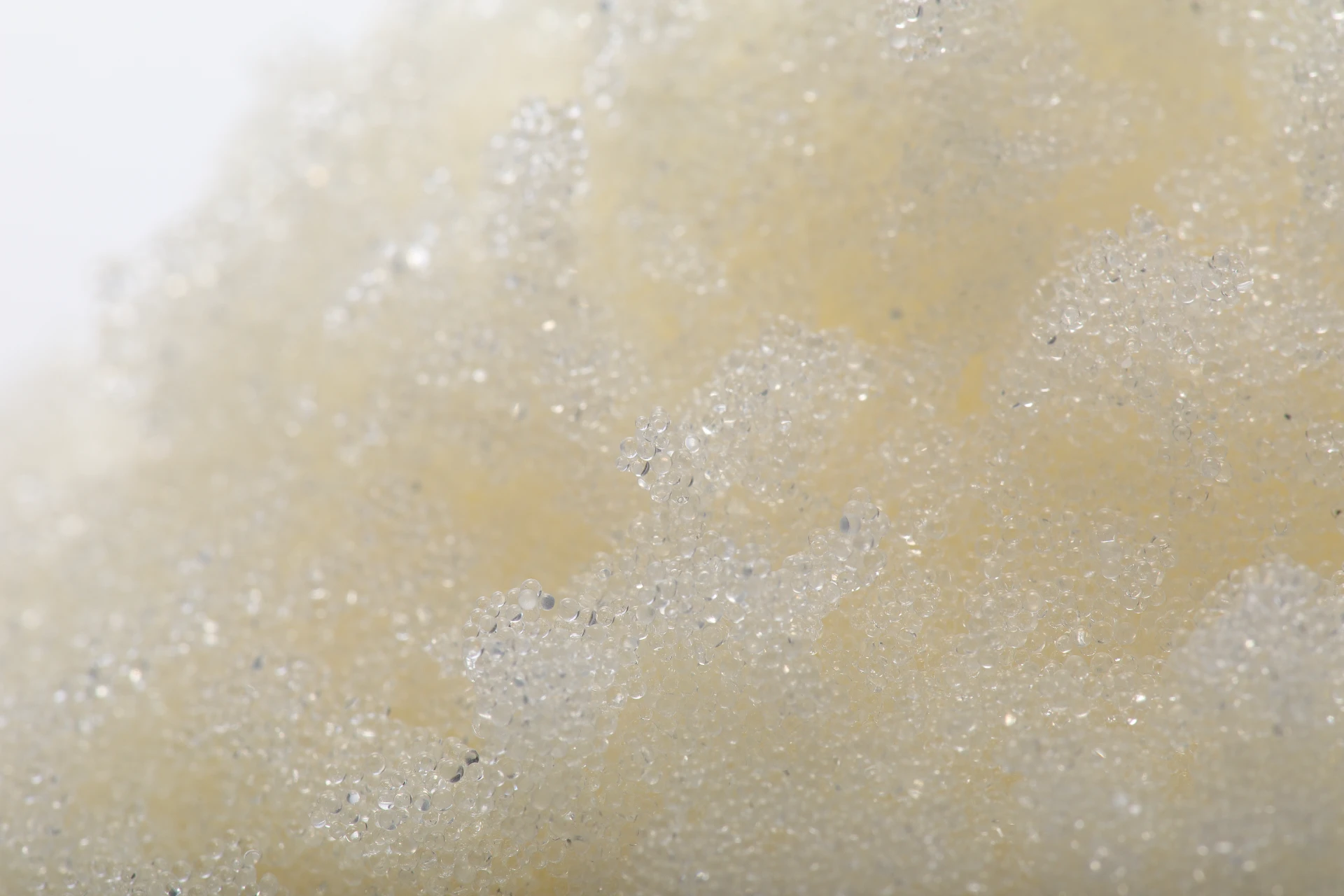
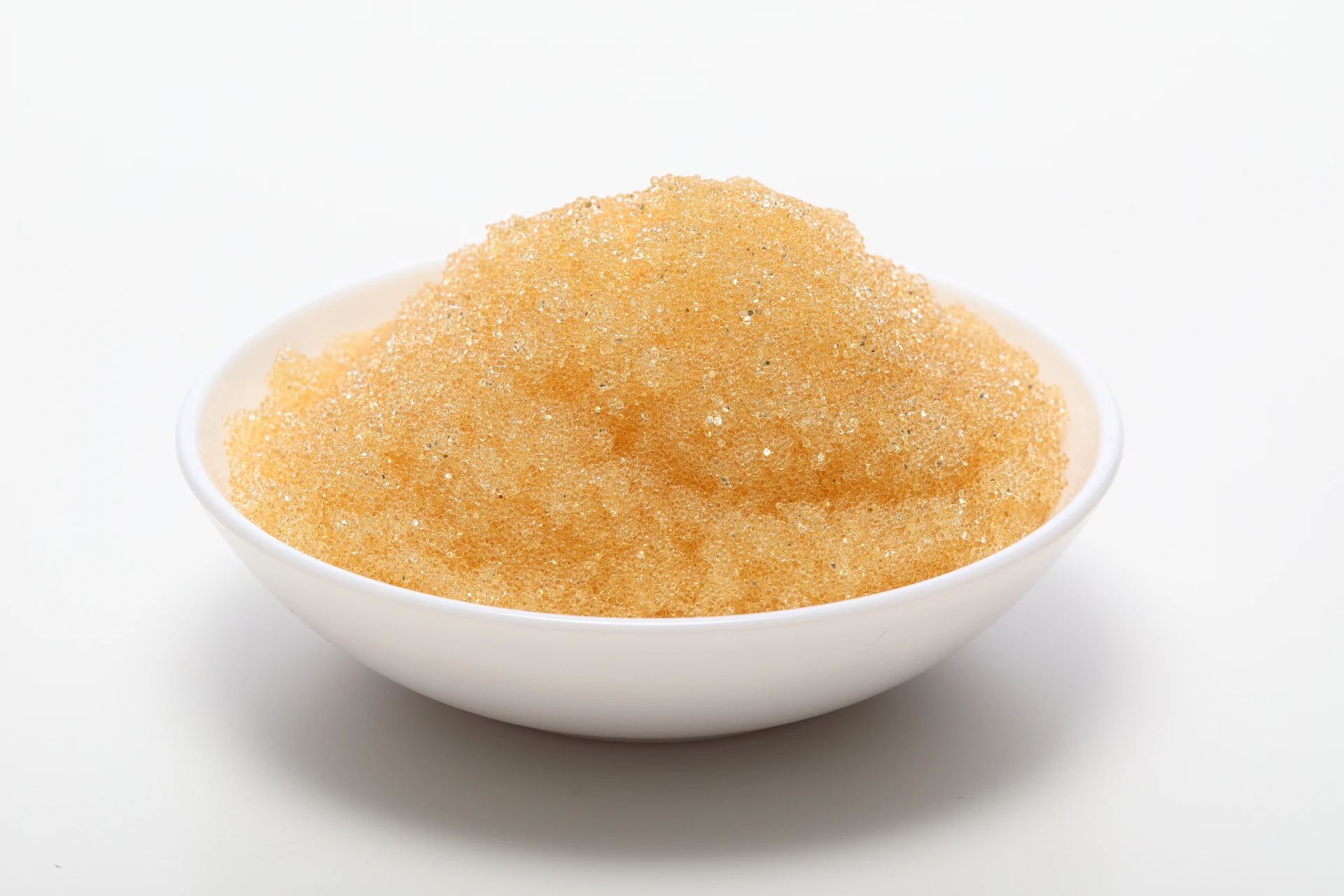
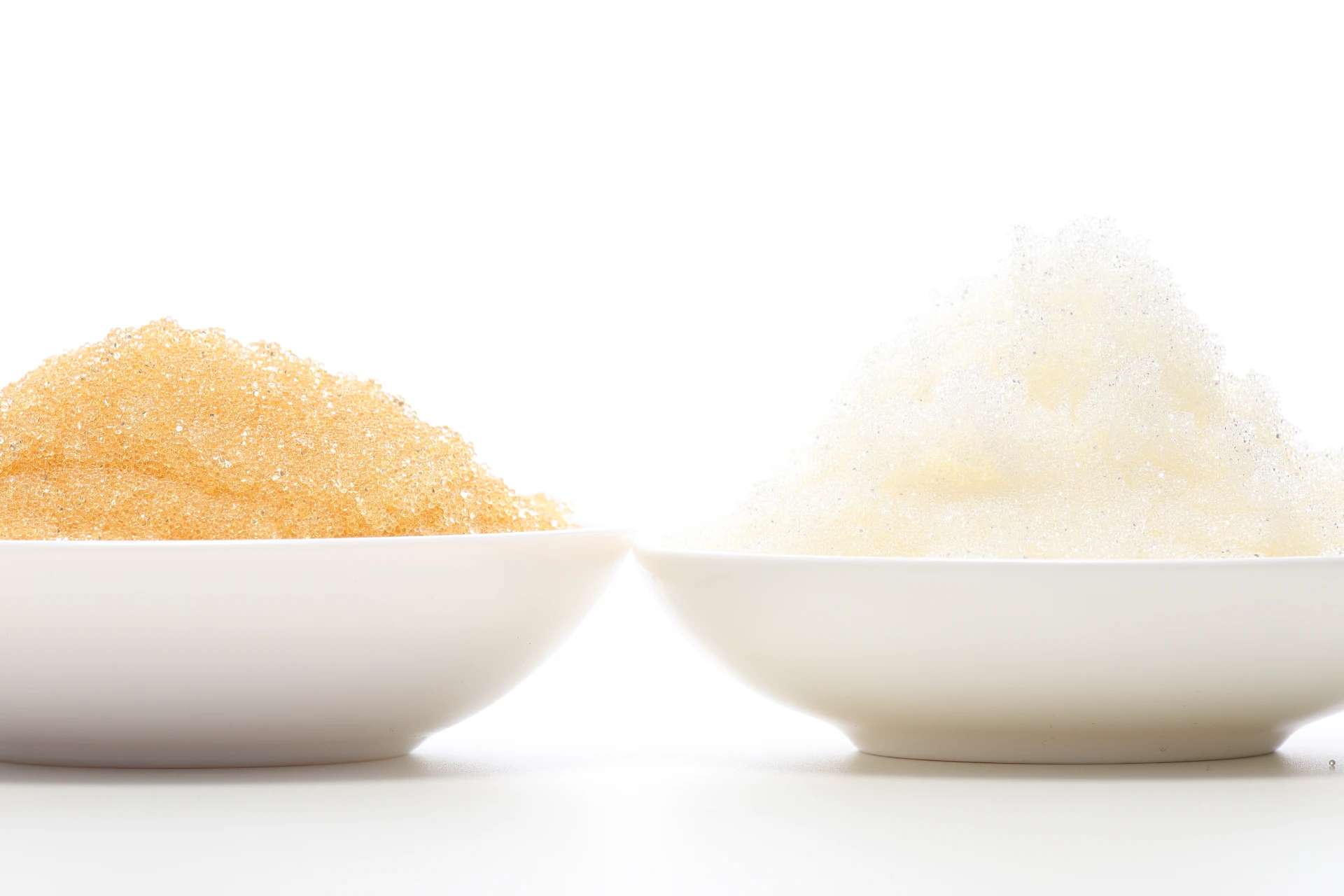
Simply put, strong ion exchange resin is a porous polymer material designed to swap ions (atoms or molecules with charges) between itself and a liquid, usually water. Unlike weak ion exchange resins, the "strong" variety contains sulfonate groups that maintain consistent performance across a wide pH range—making them ideal for tough purification jobs.
Imagine it as a highly selective sponge that can snatch out unwanted calcium, magnesium, or other ions and replace them with benign hydrogen or sodium ions. This exchange process ensures the treated solution meets specific purity standards.
Its relevance spans beyond just industry: humanitarian efforts rely on ion exchange resins to provide safe drinking water in disaster zones; wastewater treatment plants use this technology to recover valuable metals; and labs depend on it for manufacturing ultra-pure reagents.
These resins are engineered for long service life, resisting breakdown by acids, bases, and oxidation. This stability means fewer replacements and less downtime, critical in continuous industrial operations.
Measured in equivalents per liter (eq/L), this reflects how many ions the resin can hold. Strong ion exchange resins typically have impressive capacities, translating into more effective purification before regeneration is needed.
Not all ions are equal; a resin might target heavy metals preferentially over harmless ions. This selectivity is tuned through functional groups and polymer matrices.
Once saturated, the resin can often be regenerated — flushed with a chemical solution — to restore ion exchange sites. This feature reduces waste and operational costs.
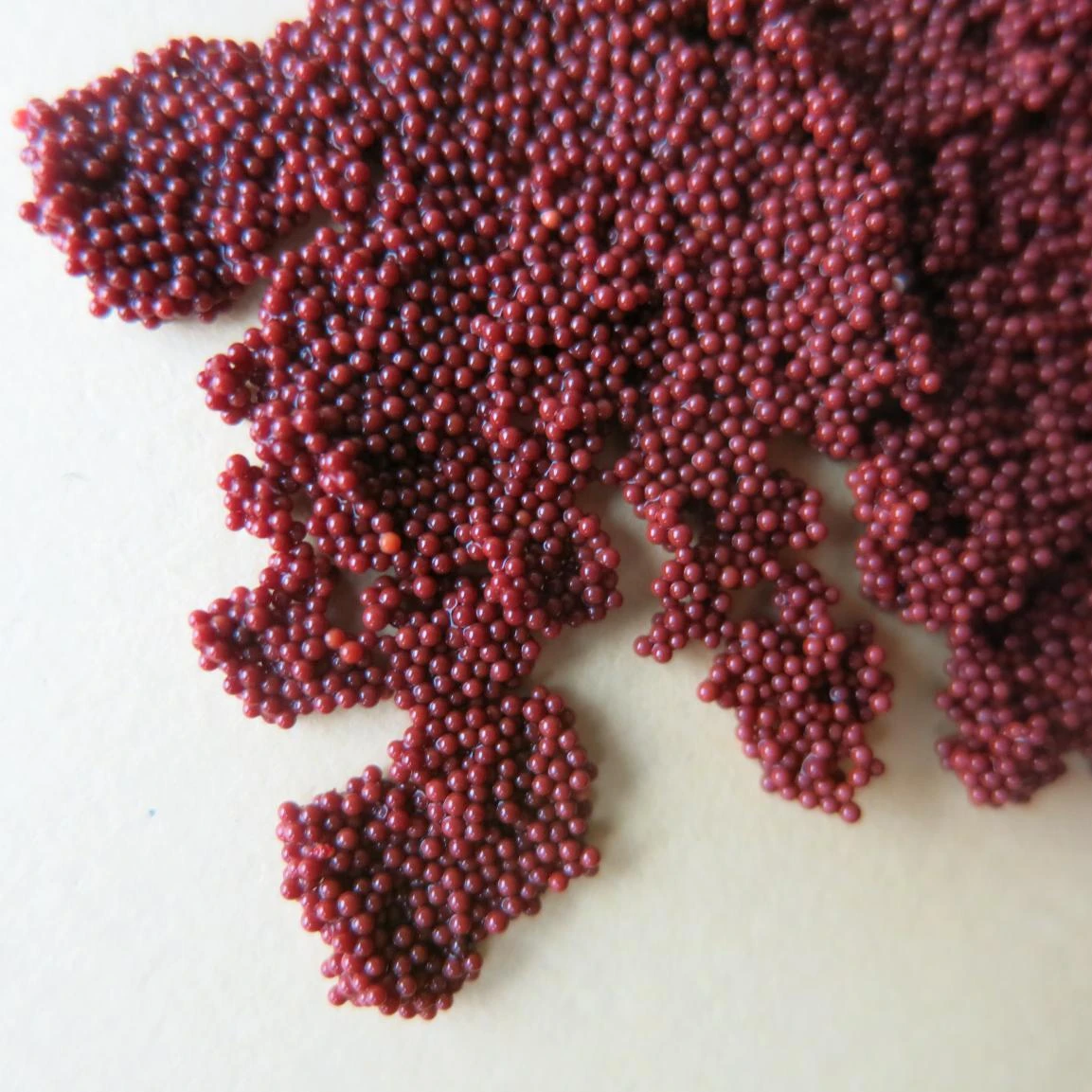
Resins come in various bead sizes and elemental compositions, balancing surface area (which boosts performance) and pressure drop (important for system design).
From handheld water filters to massive reactors treating millions of gallons daily, strong ion exchange resins can be scaled to meet project needs.
It feels like the applications are endless, but let’s zoom in on some impactful examples:
In some remote industrial zones, the resins become lifelines, enabling operations where infrastructure is minimal.
Choosing strong ion exchange resins translates into tangible and intangible benefits:
There’s also an emotional edge — when a community knows its water is safe, it builds trust in technology and institutions. You might say strong ion exchange resin quietly supports the backbone of modern infrastructure.
| Property | Typical Value | Unit | Notes |
|---|---|---|---|
| Functional Group | Sulfonic acid (-SO3H) | - | Strong acid cation exchange |
| Moisture Content | 45 ± 5 | % | Determines hydration level |
| Particle Size | 0.3 - 1.2 | mm | Optimizes flow & surface area |
| Ionic Capacity | 1.8 - 2.2 | eq/L | High ion exchange potential |
| Bulk Density | 700 - 760 | kg/m³ | Affects system design |
| Operating pH | 0 - 14 | - | Wide range stability |
| Vendor | Resin Type | Capacity (eq/L) | Regeneration Efficiency | Price (per kg) | Typical Lead Time |
|---|---|---|---|---|---|
| LiJi Resin | Strong Acid Cation | 2.1 | 95% | $12 | 2 weeks |
| IonPure Corp. | Strong Acid Cation | 2.0 | 93% | $14 | 3 weeks |
| ResiTech Global | Strong Acid Cation | 1.9 | 90% | $11 | 4 weeks |
| ClearIon Solutions | Strong Acid Cation | 2.2 | 94% | $13 | 2.5 weeks |
Frankly, the ion exchange resin market is ripe for innovation. We’re seeing push towards green chemistry approaches, like bio-based polymers, to reduce petrochemical dependence. Digital transformation is also touching this space — sensor-integrated resin beds allow real-time monitoring of saturation levels, optimizing regeneration schedules and saving resources.
Automation in resin handling and cleaning is making systems more compact and energy-efficient. In parallel, hybrid materials combining ion exchange resins with filtration membranes promise higher performance for complex contaminants.
Climate change and stricter discharge regulations will drive demand for even more selective, durable, and environmentally friendly resins. It’s an exciting time to watch how chemistry and engineering converge.
Despite their advantages, these resins face hurdles. Issues like:
Experts increasingly recommend integral system design—including pre- and post-treatment steps—to maximize resin benefits.
Ultimately, the story of strong ion exchange resin is about more than just chemistry—it’s about connecting people to safe water, helping industries innovate responsibly, and nurturing the environment. If you’re involved in water treatment, chemical processing, or humanitarian aid, it’s worth exploring how these versatile materials can foster resilience and efficiency.
Interested in learning more or sourcing quality resin for your projects? Visit LiJi Resin’s official site to explore options and industry insights.
Here’s to cleaner water and smarter solutions, one ion at a time.