Phone:
+86 0319 2296164


Email:
info@lijiresin.cn
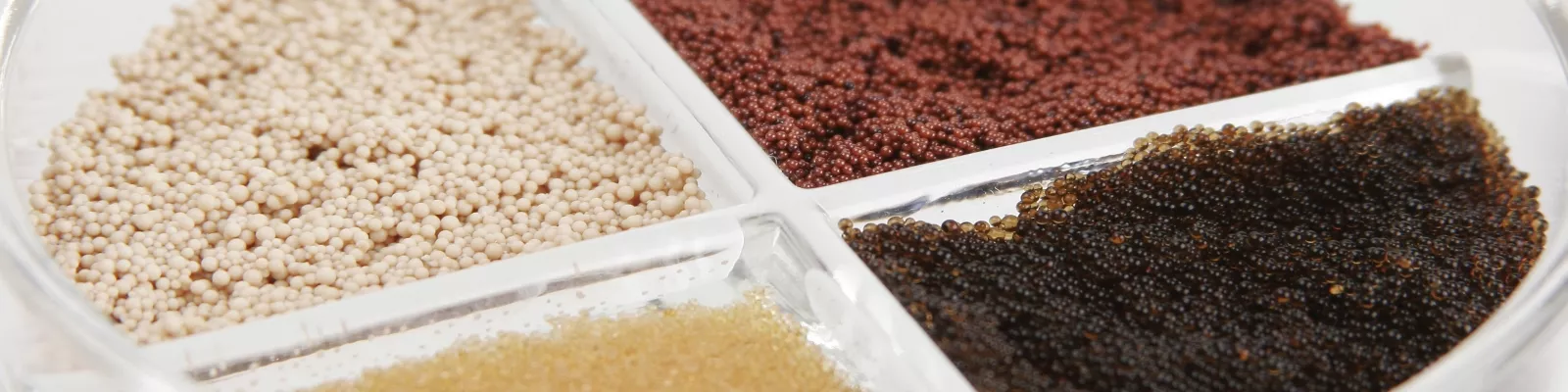
At first glance, the phrase cationic ion exchange resin might sound like pure chemistry jargon reserved for lab coats and research papers. But in the real world, this material quietly underpins some of the most crucial processes—water purification, industrial manufacturing, and even humanitarian aid. Since cationic ion exchange resins facilitate the removal of positively charged ions from solutions, they effectively turn polluted water into potable liquid, sustain chemical balance in industry, and support waste treatment systems globally.
Its importance is anything but academic. With growing water scarcity and the increasing demand for cleaner industrial processes worldwide, understanding these resins’ role isn’t mere trivia—it’s essential knowledge with tangible benefits.
According to the UN World Water Development Report (2023), around 2 billion people live in countries experiencing high water stress, and the demand for clean water has surged by nearly 40% over the past two decades. Industrial discharges contribute significantly to water contamination, making effective purification technologies a non-negotiable.
This is where cationic ion exchange resins slip in. Their ability to selectively extract harmful cations such as calcium, magnesium, and heavy metals from water not only fosters environment-friendly manufacturing but also aids disaster relief operations and rural water treatment projects. Water and chemical industries worldwide—think the USA, India, and parts of Sub-Saharan Africa—are leveraging these materials to combat challenges that pure filtration can’t solve alone.
It’s not hyperbole to say these resins may well be unsung heroes of sustainable development.
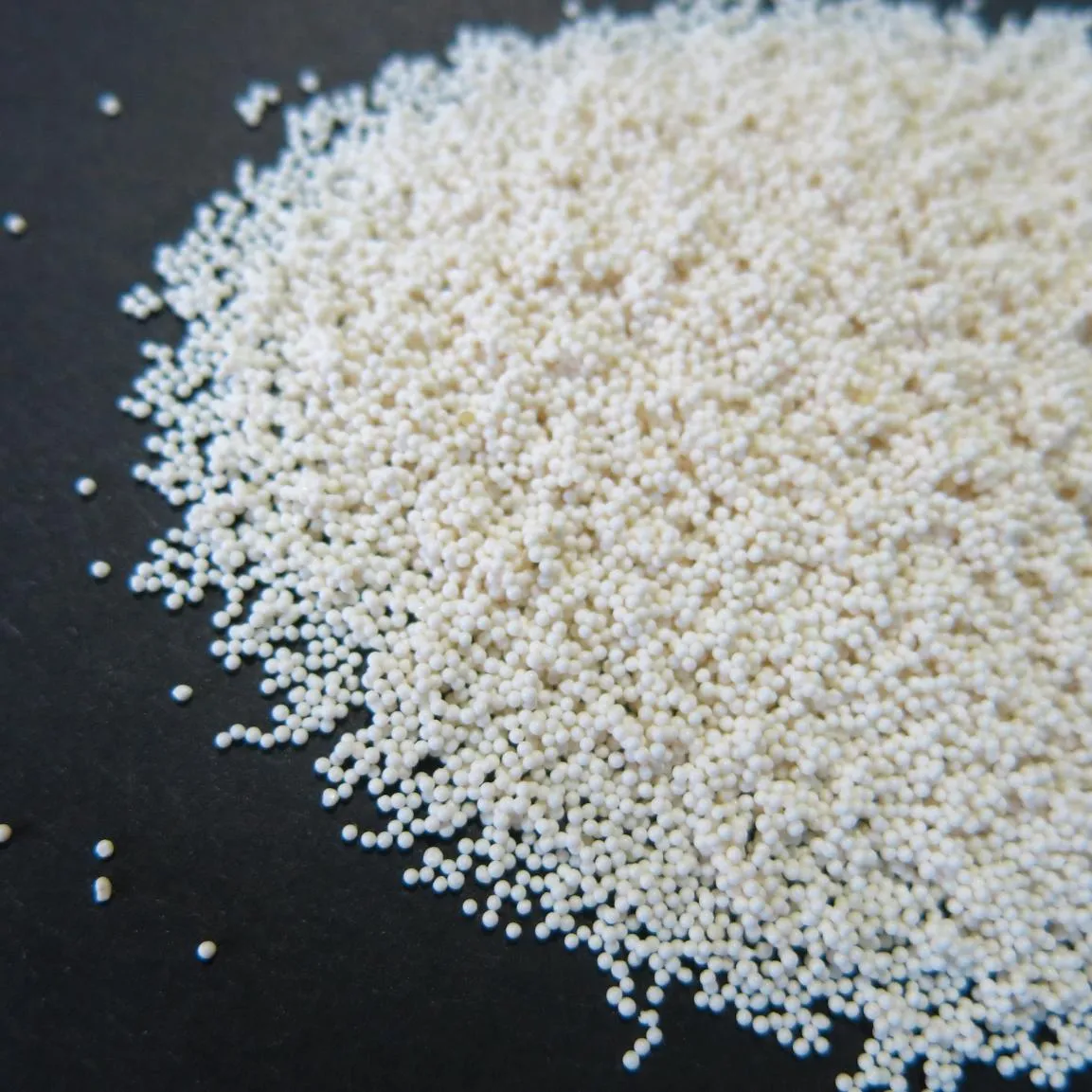
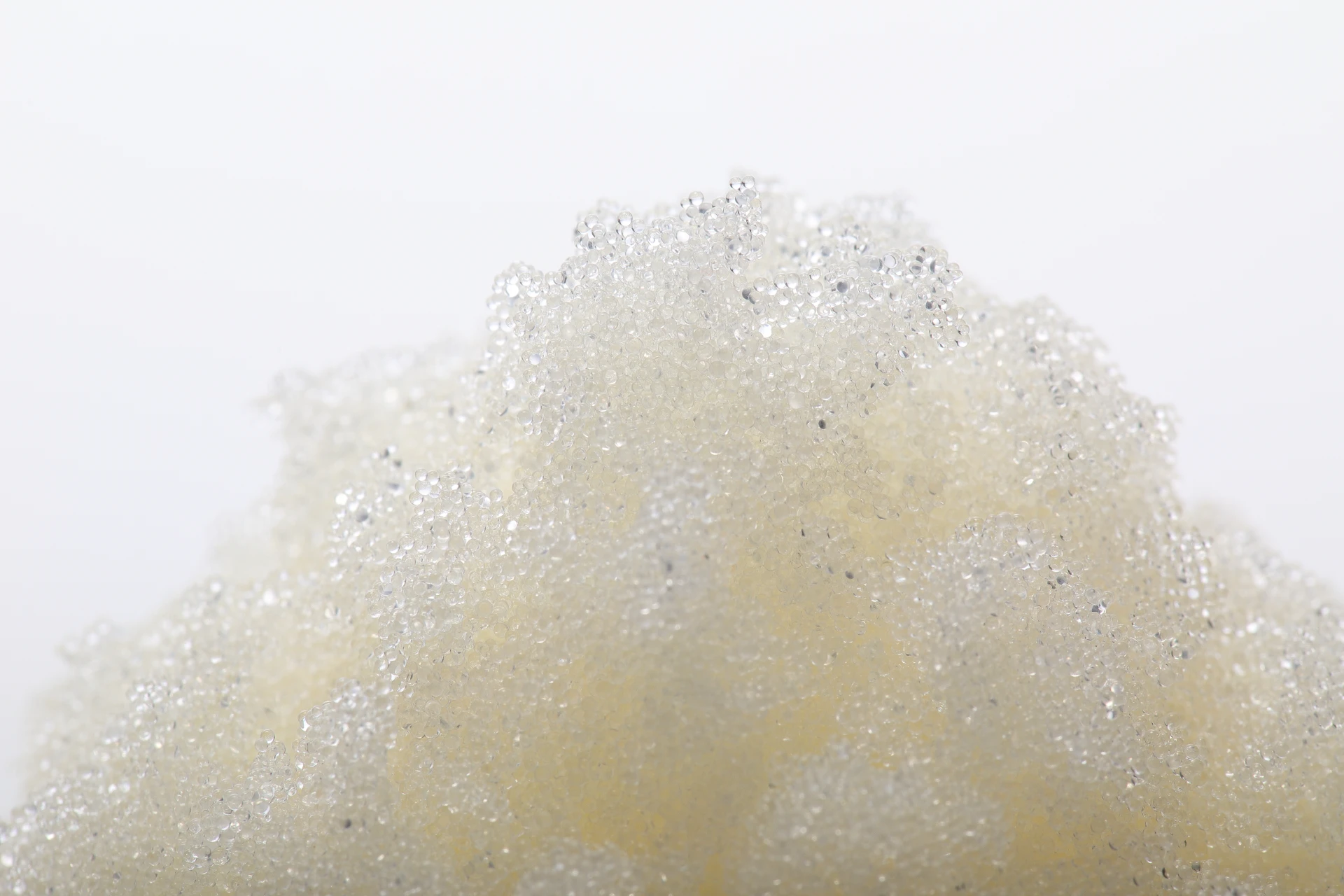
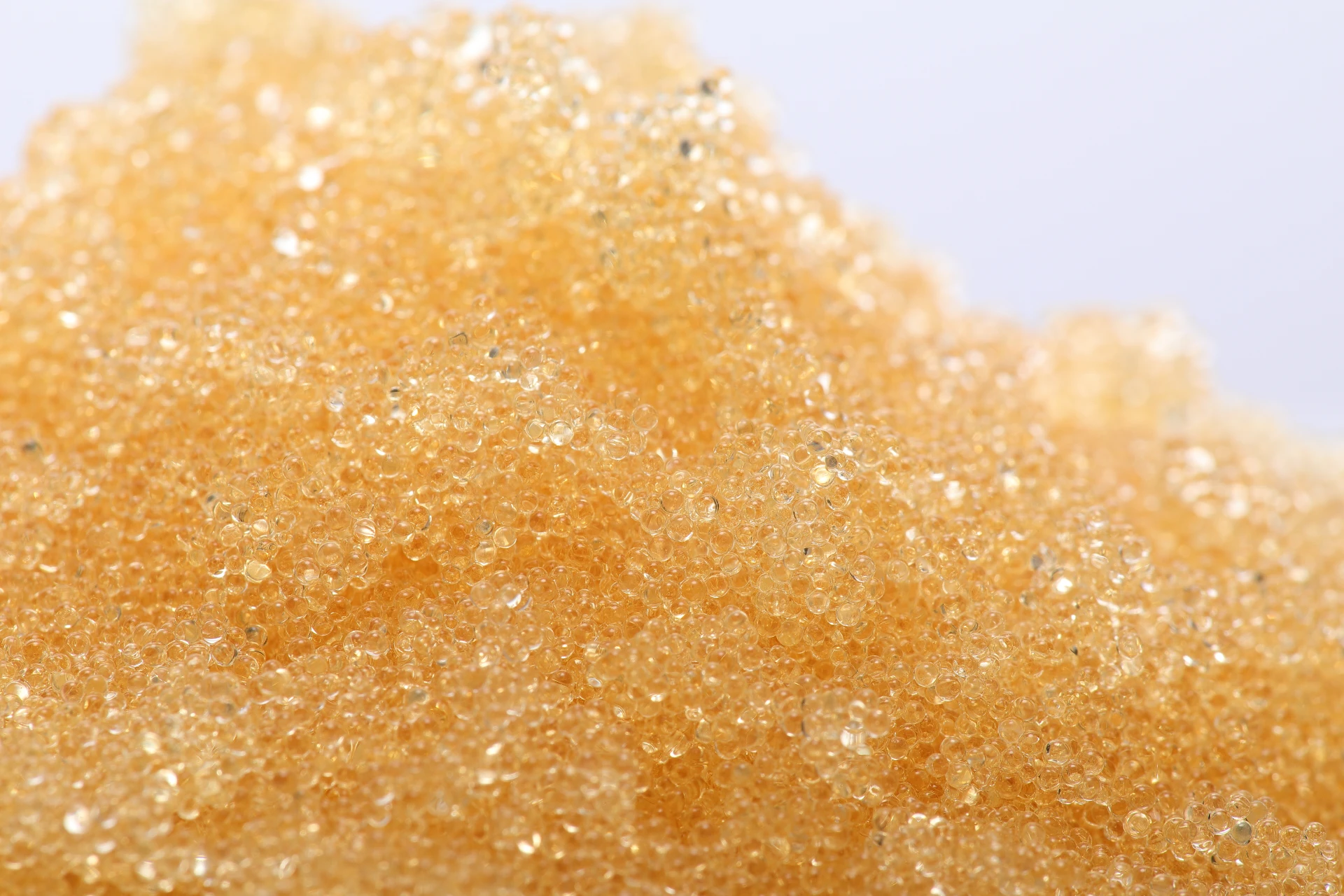
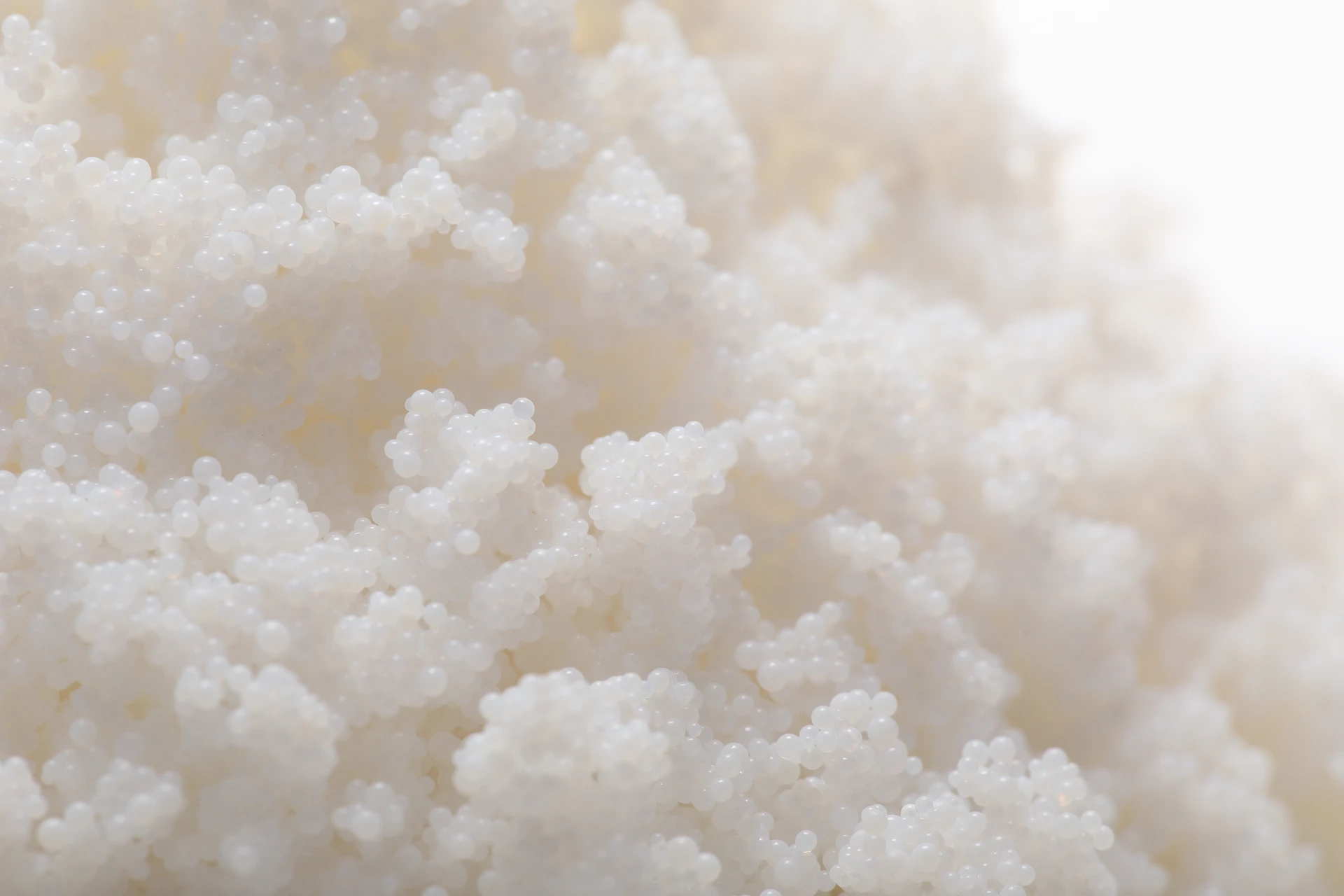
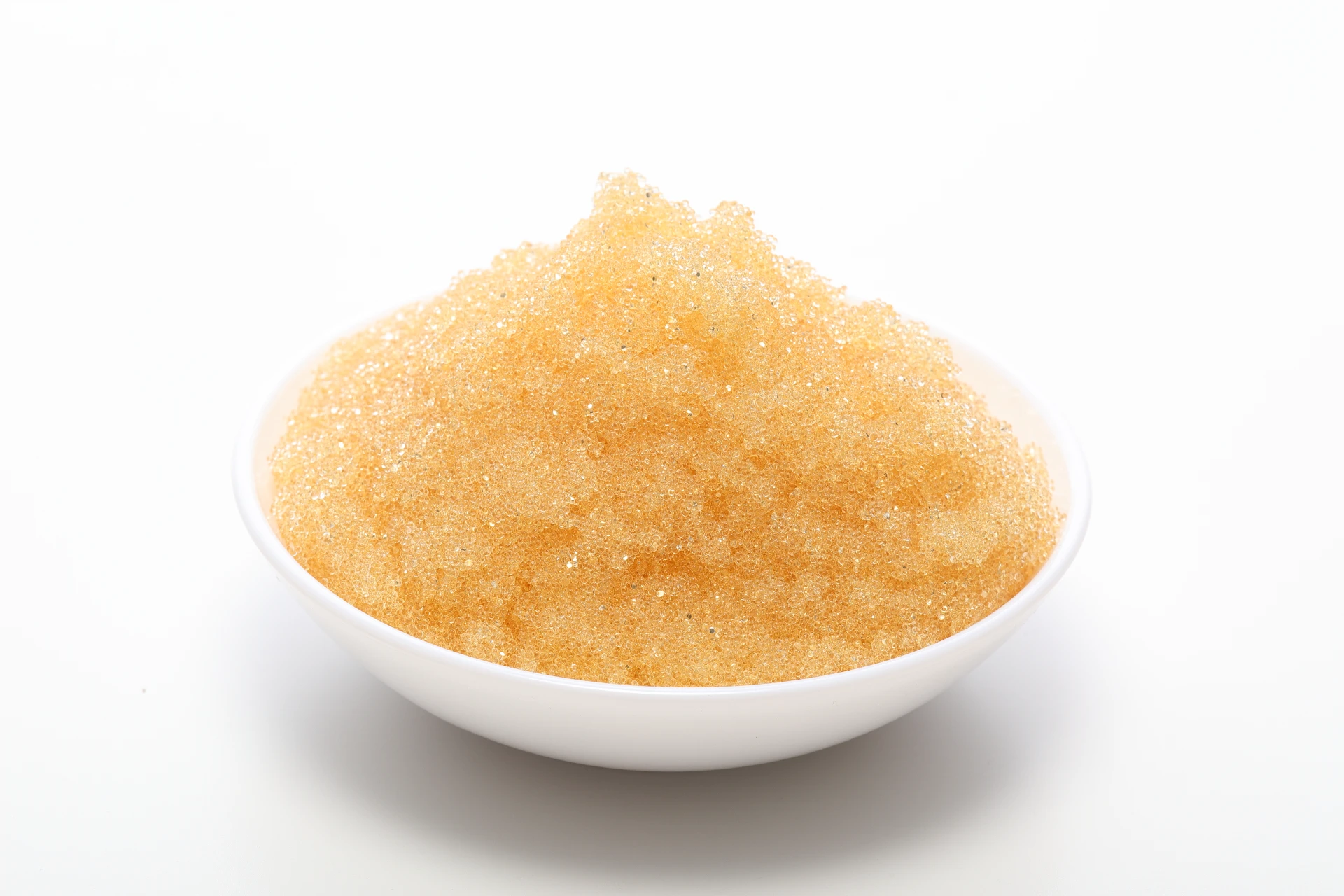
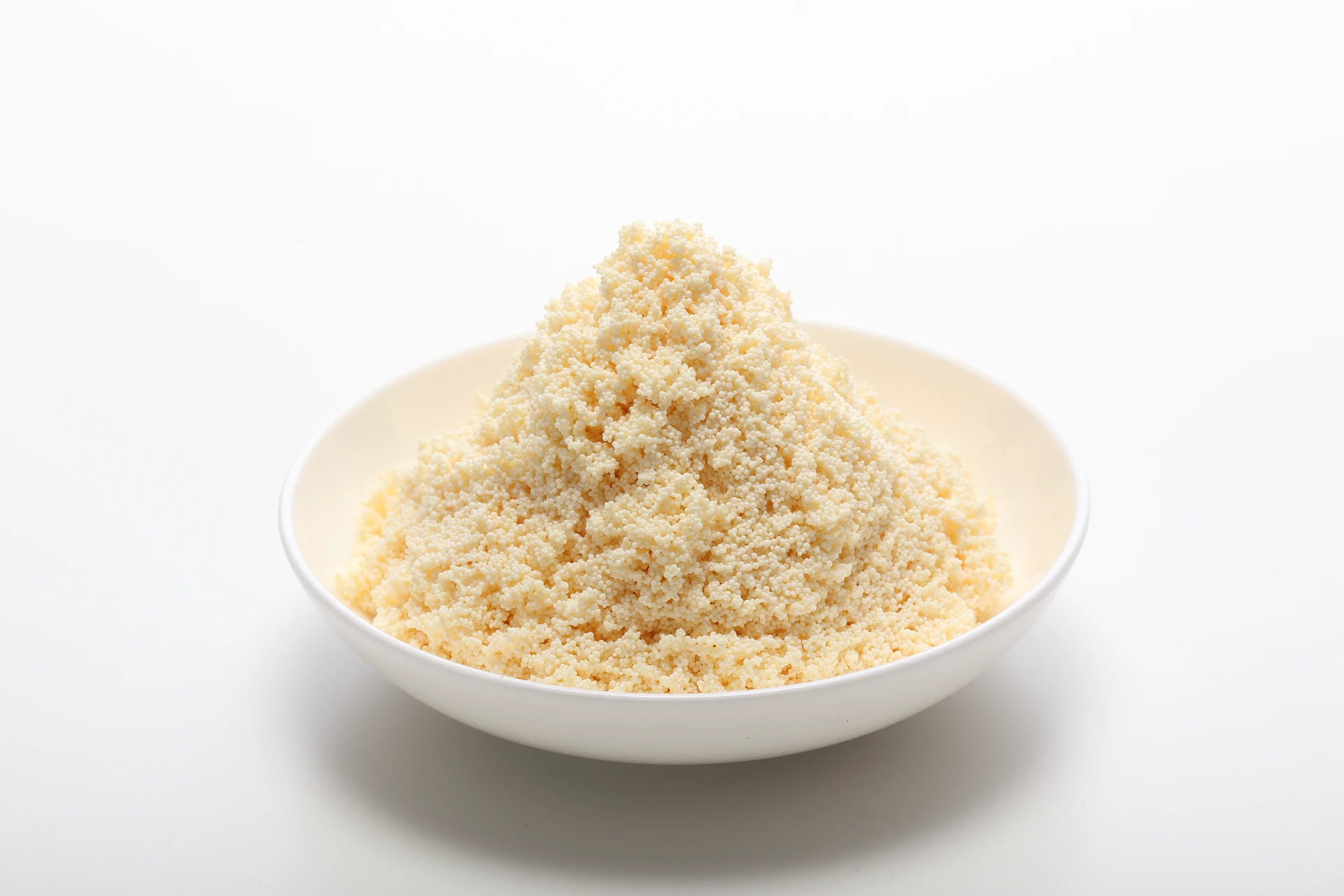
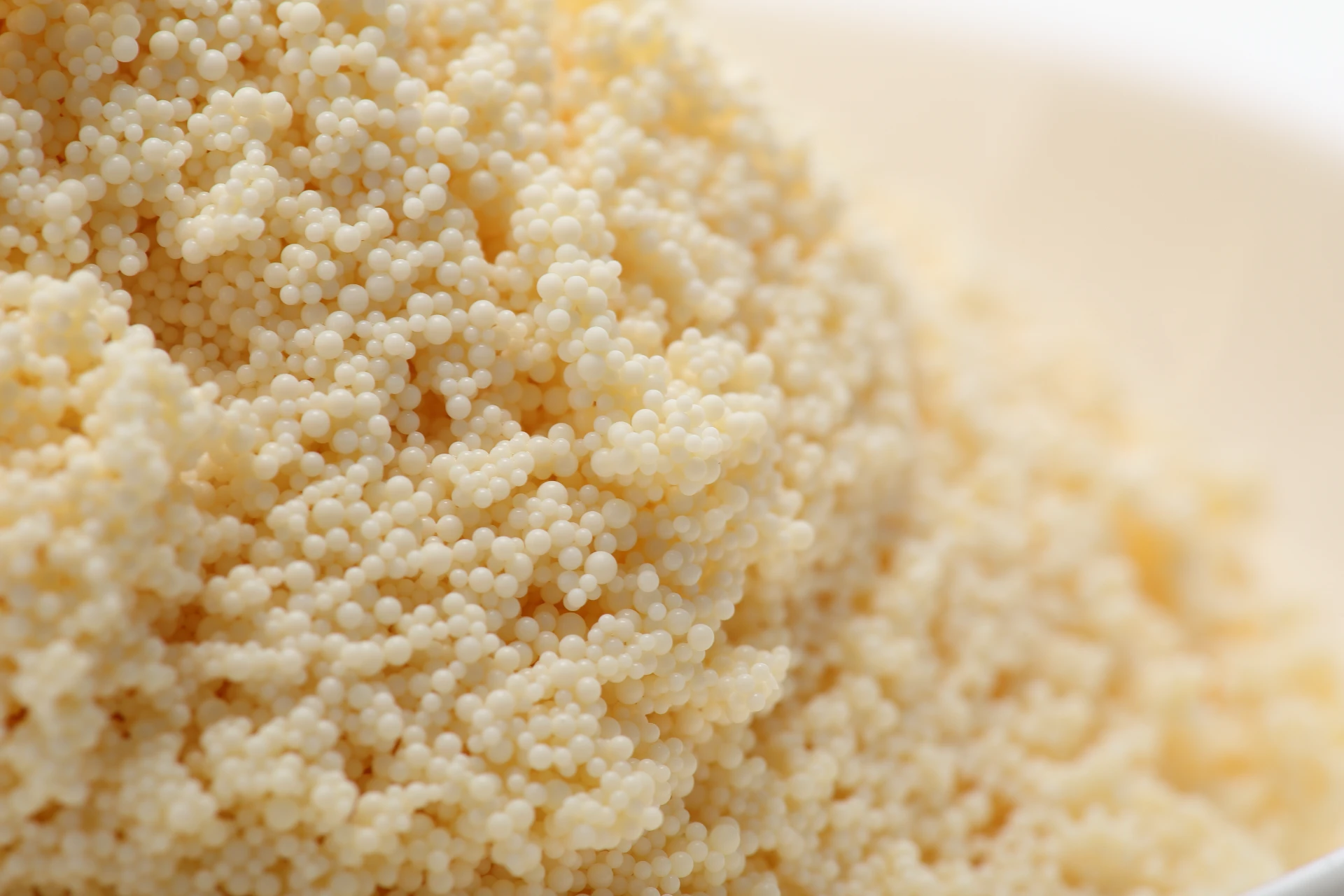
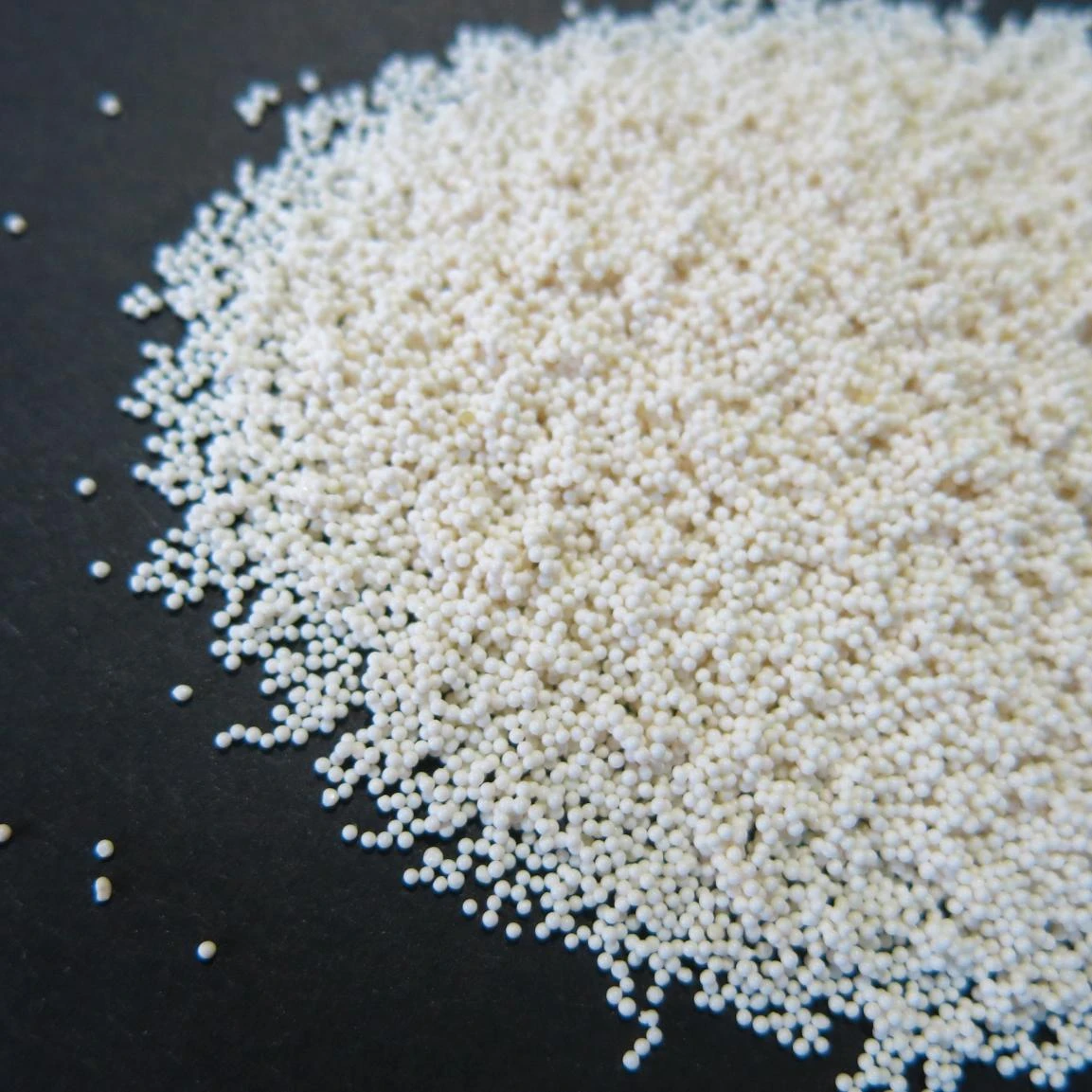
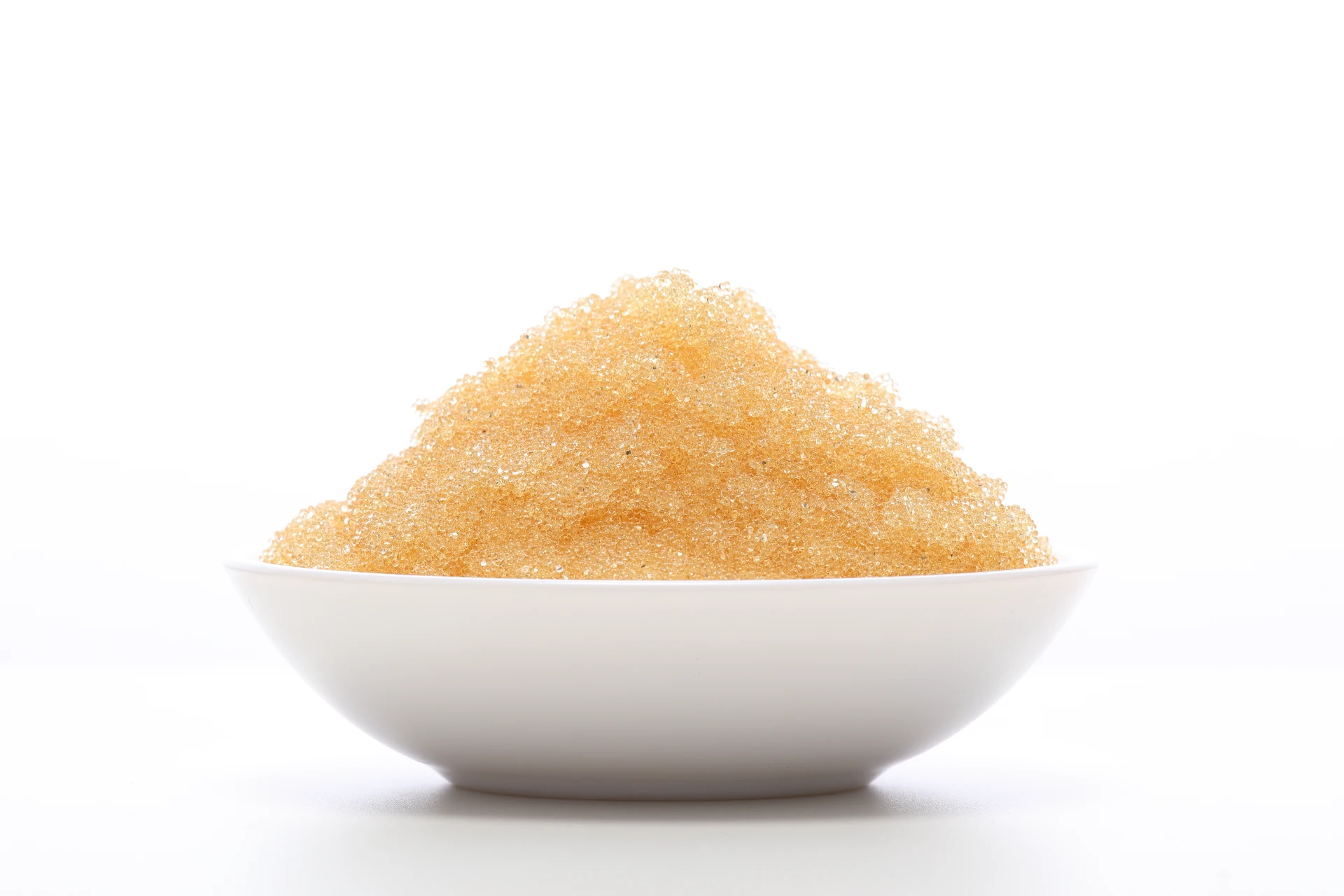
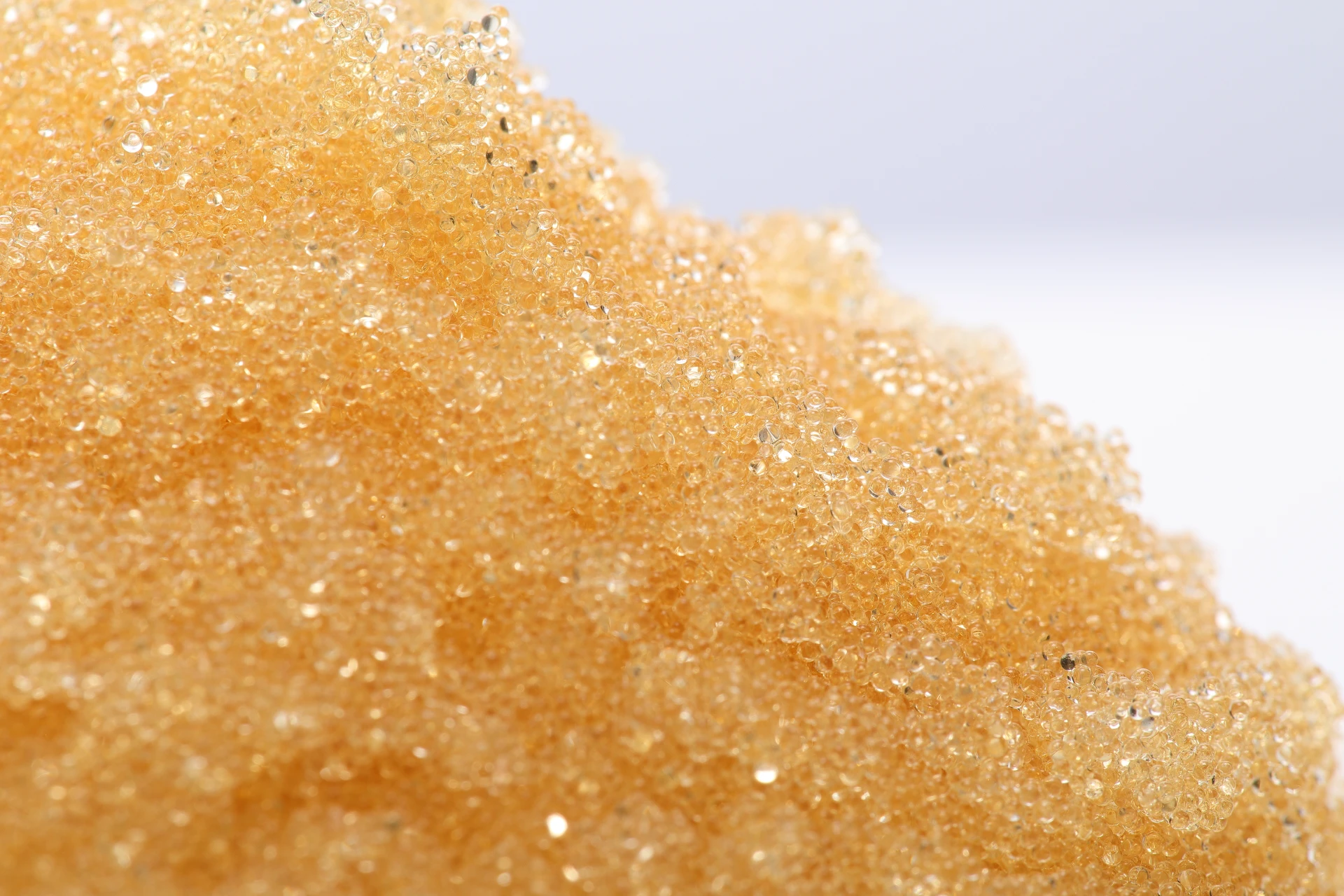
Simply put, a cationic ion exchange resin is a type of polymer bead designed to swap unwanted positively charged ions (cations) in a liquid with benign ions fixed inside the resin. Imagine a tiny sponge that swaps salty calcium ions in hard water with sodium ions it already holds, allowing the water to become softer and better suited for domestic or industrial use.
This capability extends far beyond water softening. In chemical manufacturing, it supports the purification of acids and bases. In food processing, it refines products by removing undesirable metals. Frankly, its versatility makes it a quiet backbone for modern industry and even for advancing humanitarian needs such as safe drinking water.
Most resins boast excellent chemical and mechanical stability, resisting breakdown under harsh pH or temperature swings. Durability means you replace them less often—saving downtime and costs in industrial setups. Oddly enough, this robustness also supports their reuse after regeneration cycles, reinforcing sustainability goals.
The resin’s capacity determines how many cations it can hold before becoming saturated; selectivity defines which ions it prefers. Both are crucial to customizing applications. For example, heavy metal recovery requires resins with high selectivity for toxic ions.
After absorbing unwanted ions, these resins can be regenerated with simple salts, restoring functionality many times. This property underpins operational cost-effectiveness and reduces waste—the hallmark of a clever industrial solution.
From small water filters in household setups to massive industrial tanks, cationic ion exchange resin fits all scales. This flexibility boosts its adoption in diverse contexts globally.
The resins work well with other treatment methods like filtration or reverse osmosis—think of them as complementary teammates in water purification or chemical processing plants.
Mini takeaway: These features collectively enable cationic ion exchange resin to be a reliable, efficient, and versatile choice across many sectors.
Around the world, governments, industries, and NGOs harness cationic ion exchange resins in interesting ways.
These examples reflect that cationic ion exchange resins aren’t just lab freaks; they’re deeply woven into societal well-being.
On the tangible side, these resins reduce operational costs: less frequent equipment replacement, fewer chemicals needed for cleaning, and energy savings in water processing plants. This all translates to more affordable water and production costs—wins for consumers and businesses alike.
Environmentally, their regenerability means less waste and water contamination, supporting ISO standards for sustainability. Socially, better water quality nourishes public health and economic stability—trustworthy access to potable water affects dignity as much as safety.
It’s not just logic that drives their use; it’s the real human impact behind every drop of clean water and every chemical process optimized.
The materials science world is buzzing with efforts to create resins with enhanced bio-compatibility and selective adsorption for emerging contaminants like pharmaceuticals or microplastics. Digital monitoring and automation allow operators to predict resin lifespan and optimize regeneration cycles, integrating smoothly with Industry 4.0 practices.
Sustainability drives innovation toward “green” resins made from renewable feedstocks, potentially reducing the carbon footprint of resin production itself. Some companies are even exploring membranes combined with ion exchange resins for hybrid filtration systems.
Naturally, no technology is perfect. Issues like fouling, resin degradation, or incomplete regeneration can reduce efficiency. But ongoing R&D tackles these by engineering tougher polymer matrices, improving cleaning protocols, and designing modular resin bed systems that allow maintenance without full shutdown.
Industry collaboration and standards organizations (like ISO) play big roles in refining best practices—because real-world success depends on both material science and operational know-how.
The lifespan varies, but generally, resins last 3–7 years depending on water quality, regeneration frequency, and system design. Proper maintenance can extend longevity significantly.
Absolutely. These resins are widely certified for potable water treatment worldwide, provided they are used and maintained according to manufacturers’ guidelines. They do not add harmful compounds themselves.
Yes. Their selective binding ability makes them ideal for capturing metals such as lead, cadmium, and copper, helping industries meet environmental discharge standards.
Regeneration typically uses brine solutions which must be managed carefully. Advances in waste recycling and brine recovery mitigate environmental impacts, but proper disposal protocols remain essential.
Many global suppliers exist. For industrial or humanitarian projects, look for vendors offering certified products with clear specifications and service support. Check out cationic ion exchange resin for a starting point.
| Specification | Typical Value | Units |
|---|---|---|
| Functional Group | Sulfonic Acid (-SO3H) | - |
| Physical Form | Beads | - |
| Moisture Content | 45–55 | % |
| Ion Exchange Capacity (dry) | 1.8–2.2 | meq/mL |
| Particle Size | 0.3–1.2 | mm |
| Operating pH | 0–14 | - |
| Regeneration Salt Dose | 50–80 | g/L of resin |
| Vendor | Product Range | Special Features | Global Availability | Price Range |
|---|---|---|---|---|
| Liji Resin | Standard & customized resins | Fast delivery, eco-friendly production | Asia, Americas, Europe | $$ |
| Amberlyst (DuPont) | Wide variety, specialty grades | Long lifecycle, high capacity | Global | $$$ |
| Mitsubishi Chemical | Specialized resins for industrial use | High thermal resistance | Primarily Asia, expanding globally | $$$ |
Looking at the big picture, these resins deliver unmatched versatility, efficiency, and sustainability for water treatment and beyond. Whether it’s supporting a rural village’s water purifier or enhancing manufacturing plants in industrial hubs, their benefits ripple out: economic saving, environmental care, social impact.
If you’re in the market for reliable, high-performance ionic resins, or want to learn more about the potential impact on your projects, head over to cationic ion exchange resin. It’s a resource worth bookmarking.