Phone:
+86 0319 2296164


Email:
info@lijiresin.cn
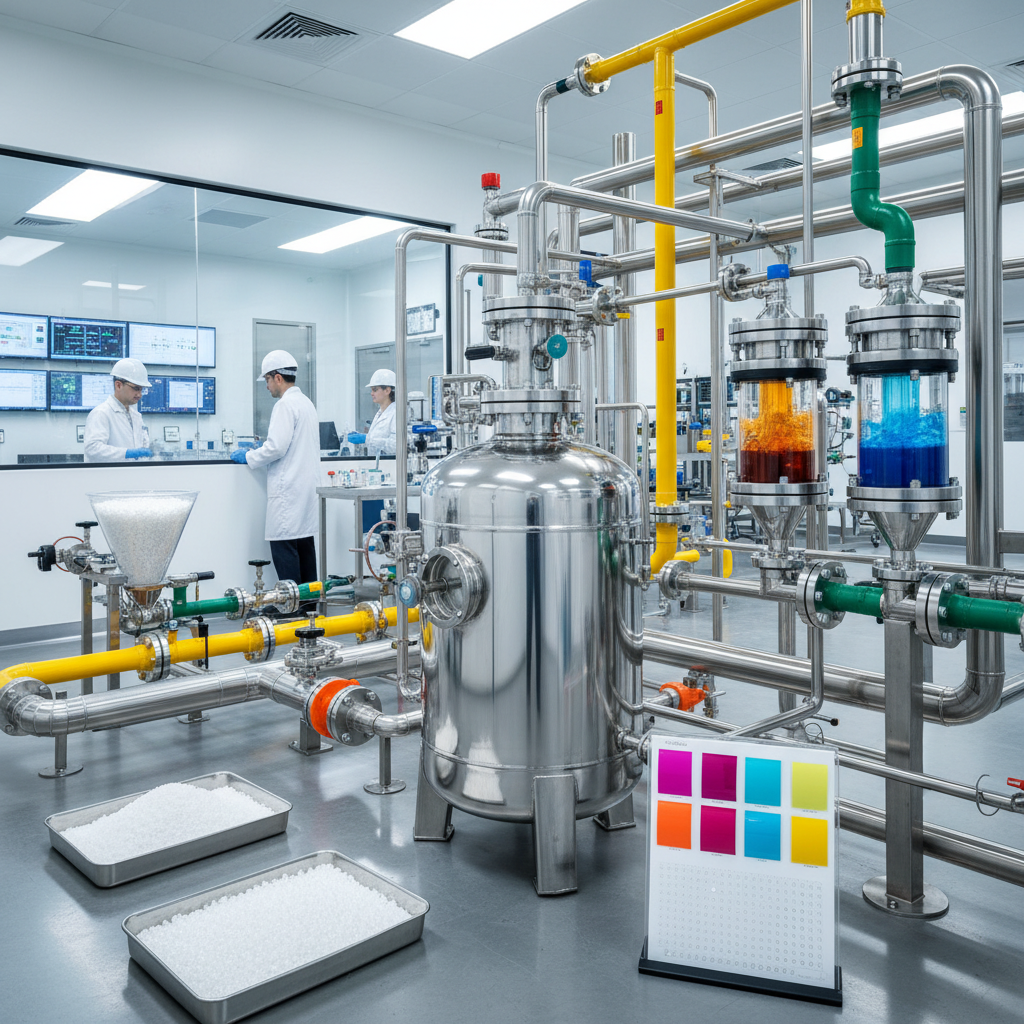
Water softener mineral tanks are the core component of a water softening system, playing a crucial role in removing hardness minerals like calcium and magnesium from your water supply. Selecting the right mineral tank is vital for optimal system performance and longevity. This article will explore the function, types, materials, and factors to consider when choosing a water softener mineral tank, ensuring you make an informed decision. A properly chosen tank will contribute to efficient water softening, protecting your appliances and improving water quality.
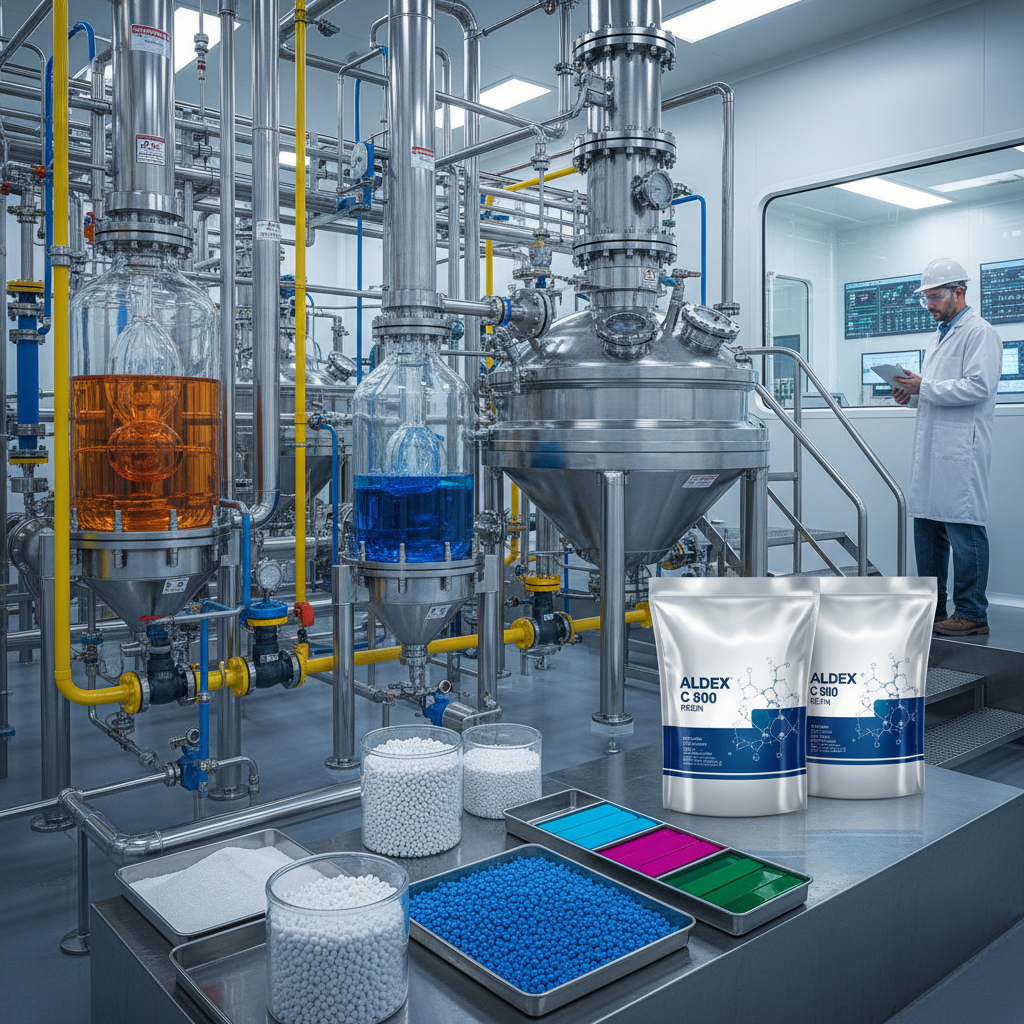
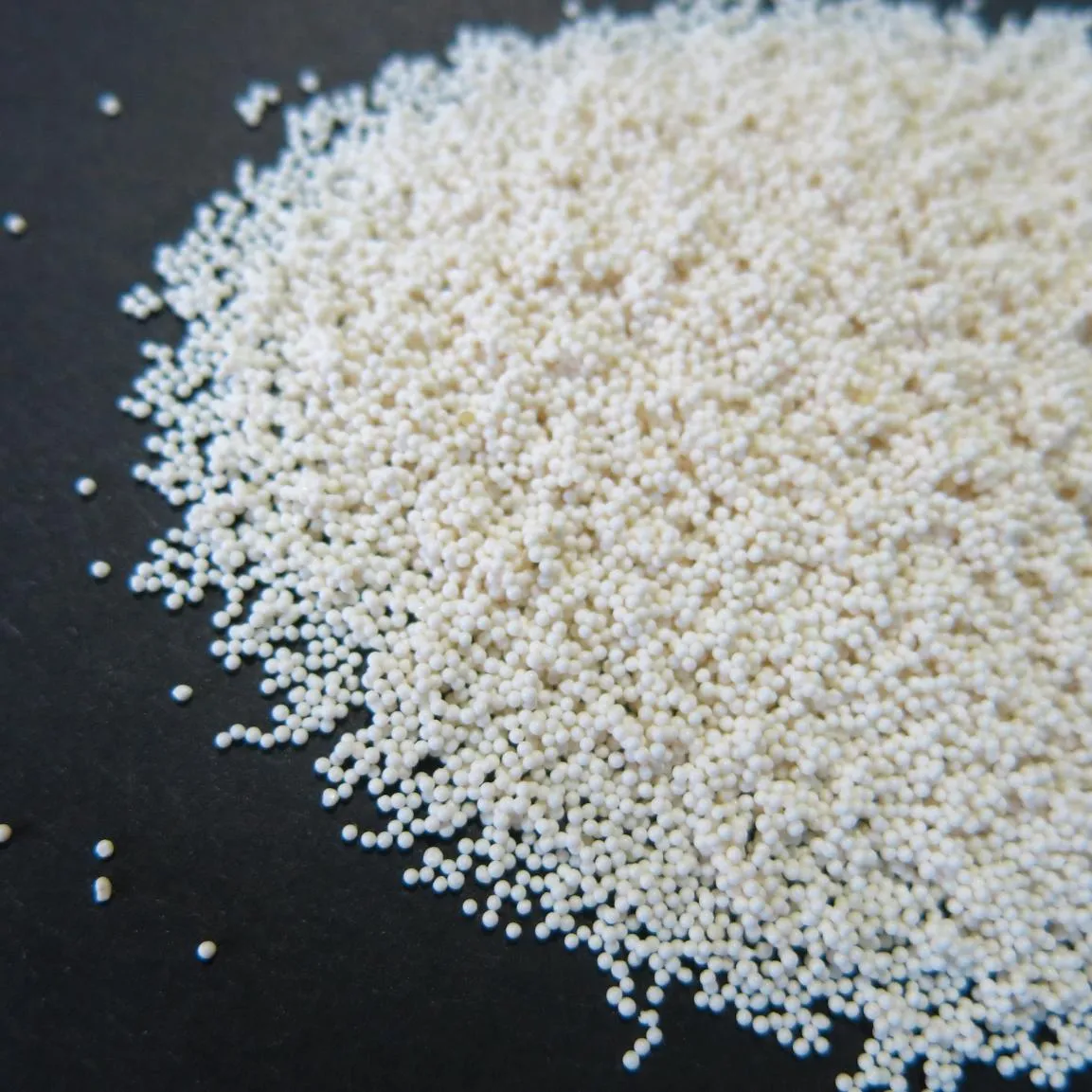
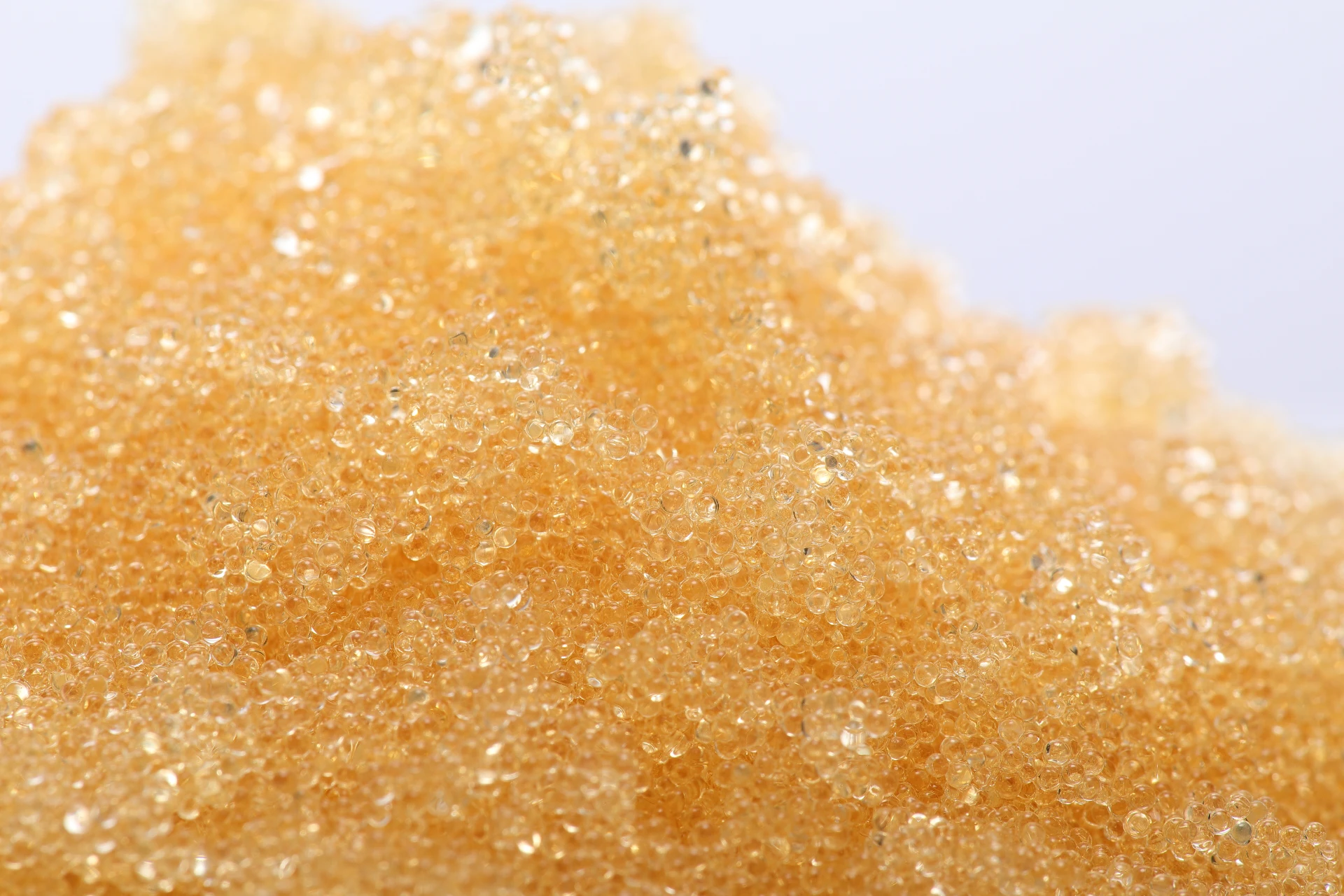
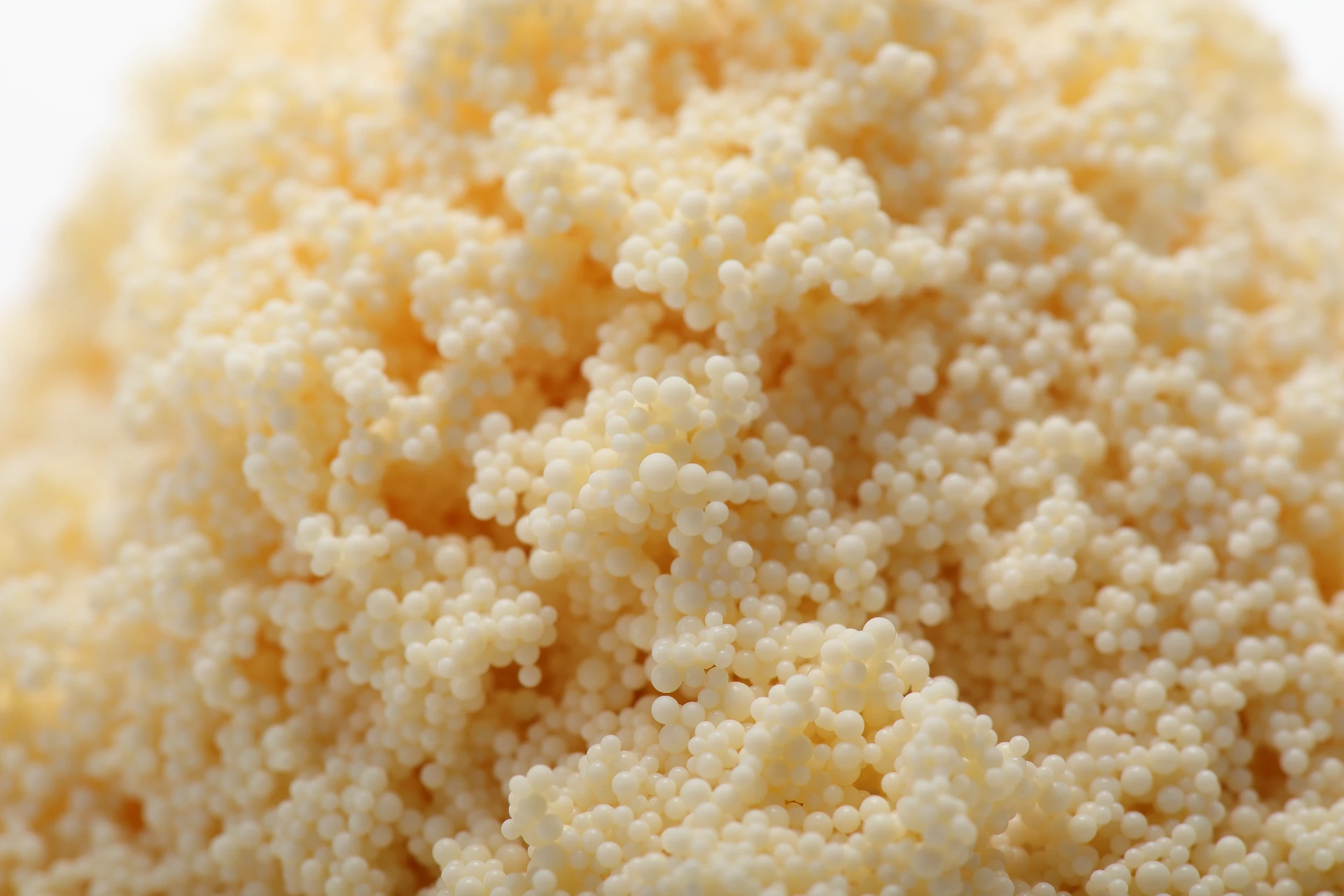
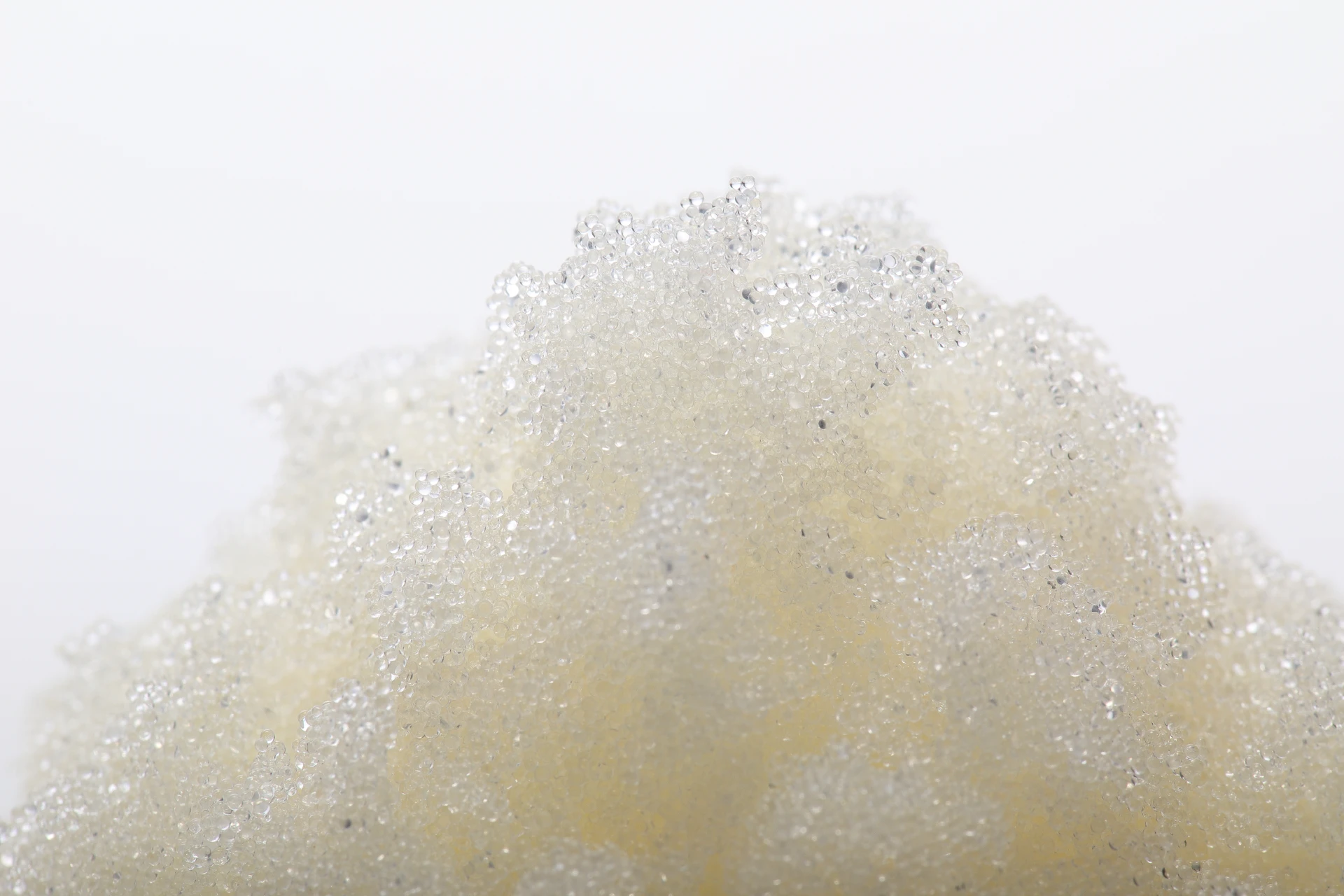
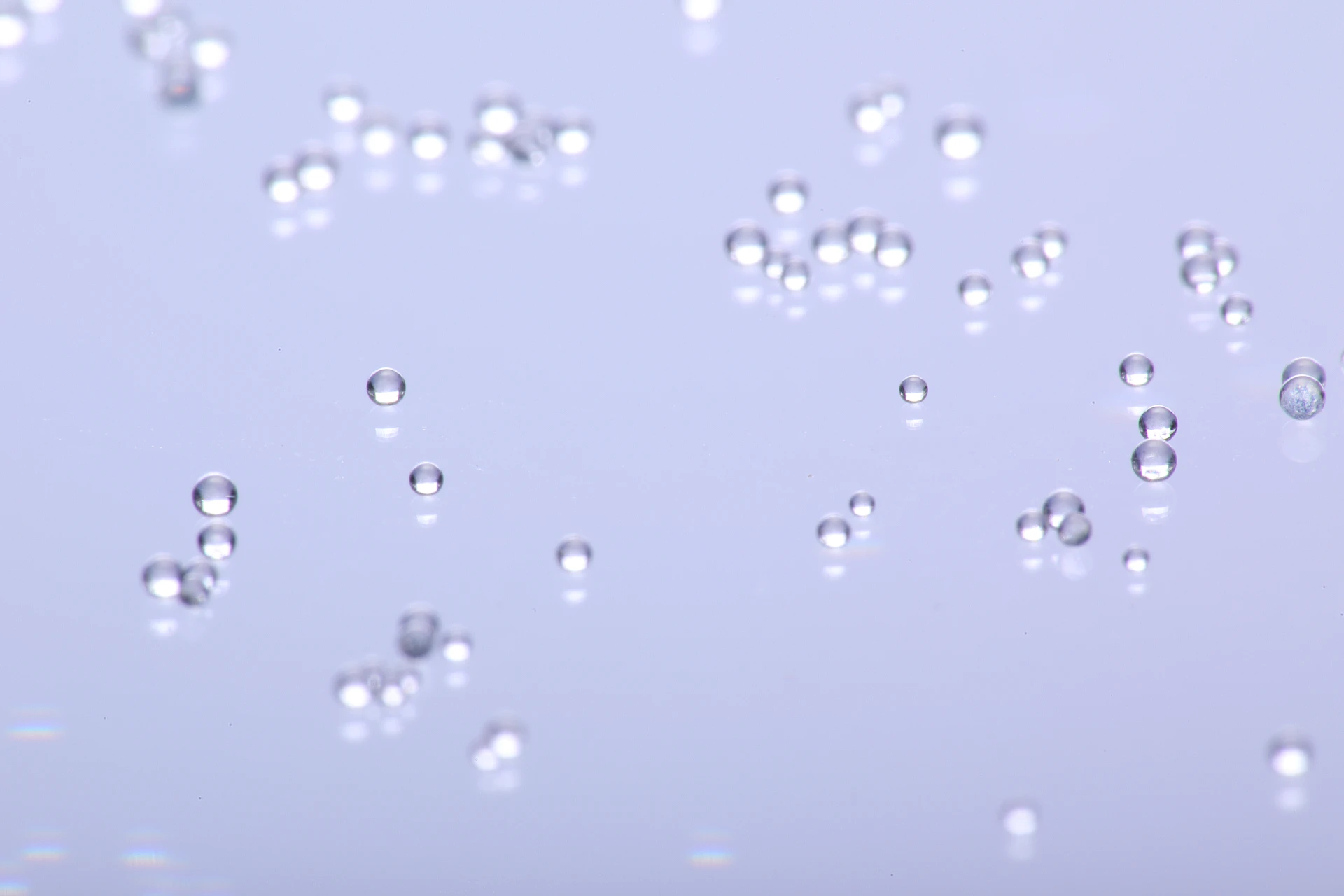
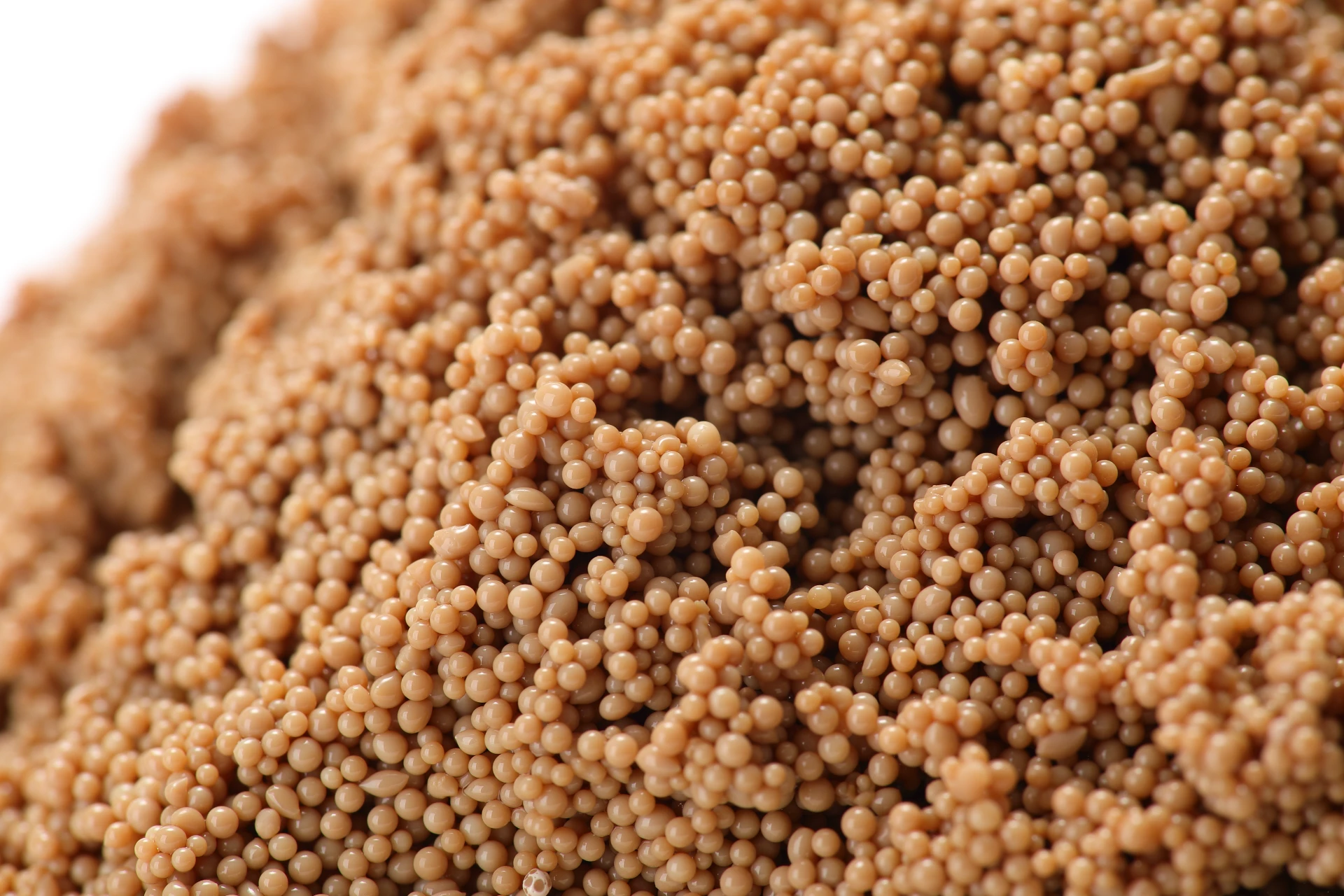
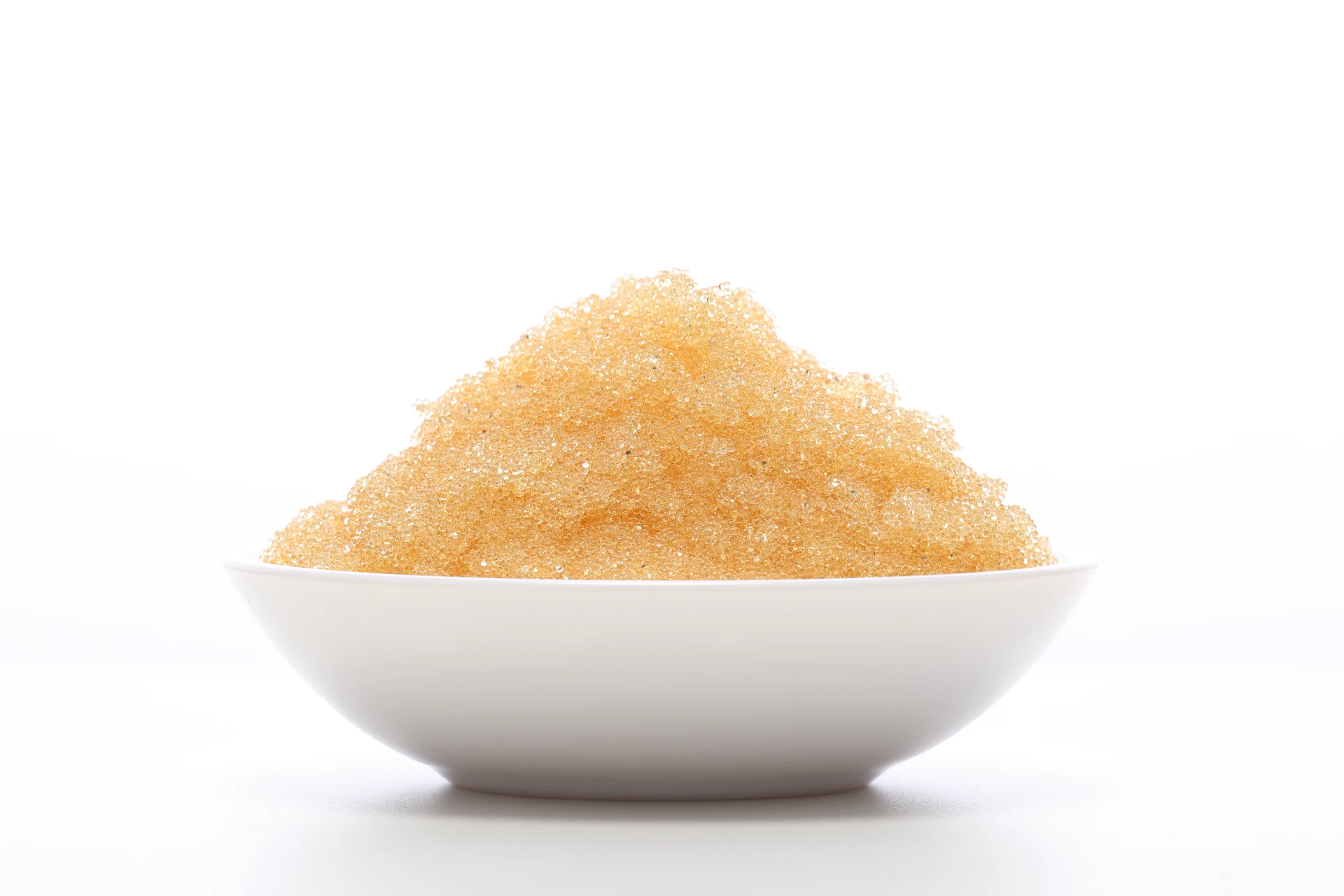
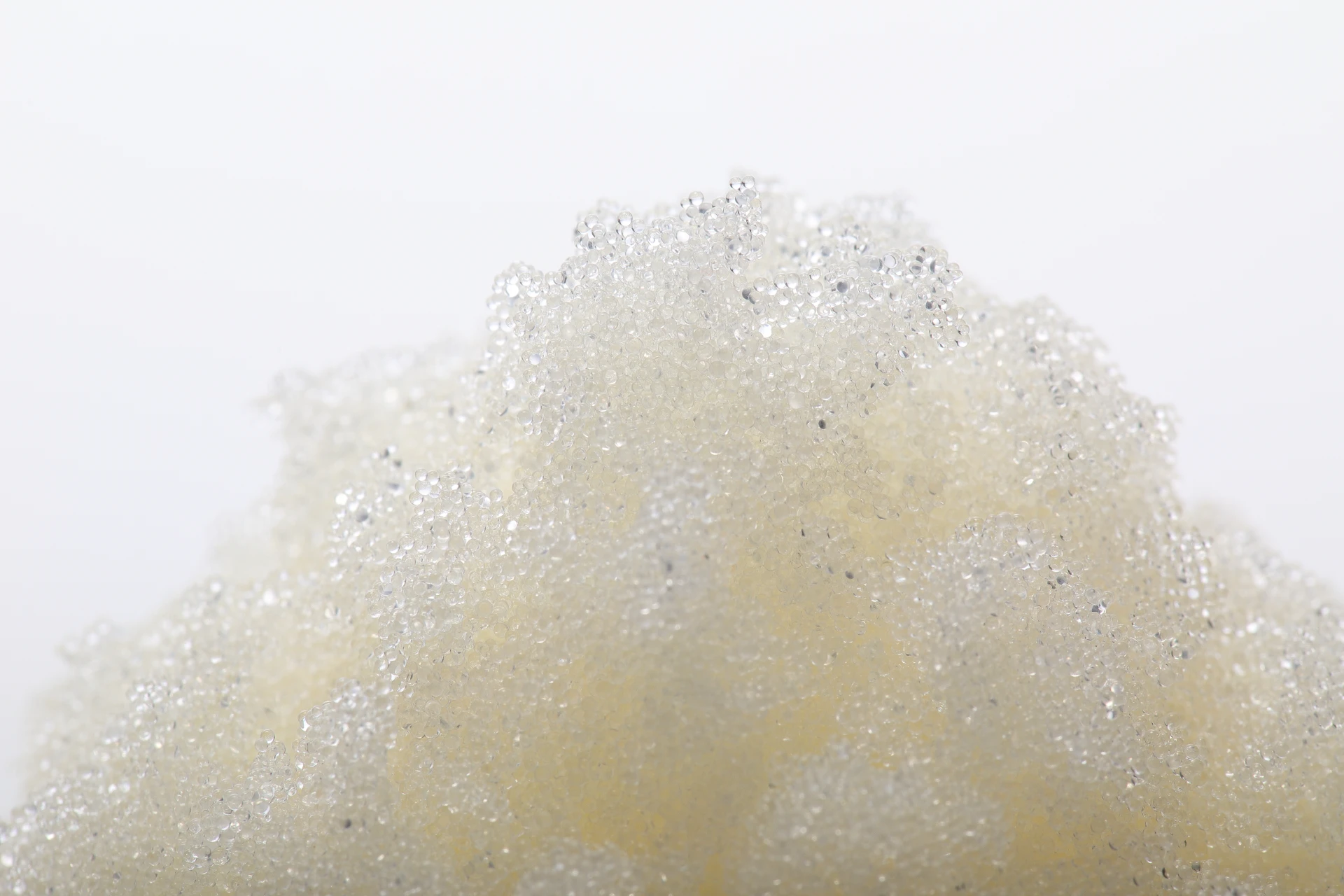
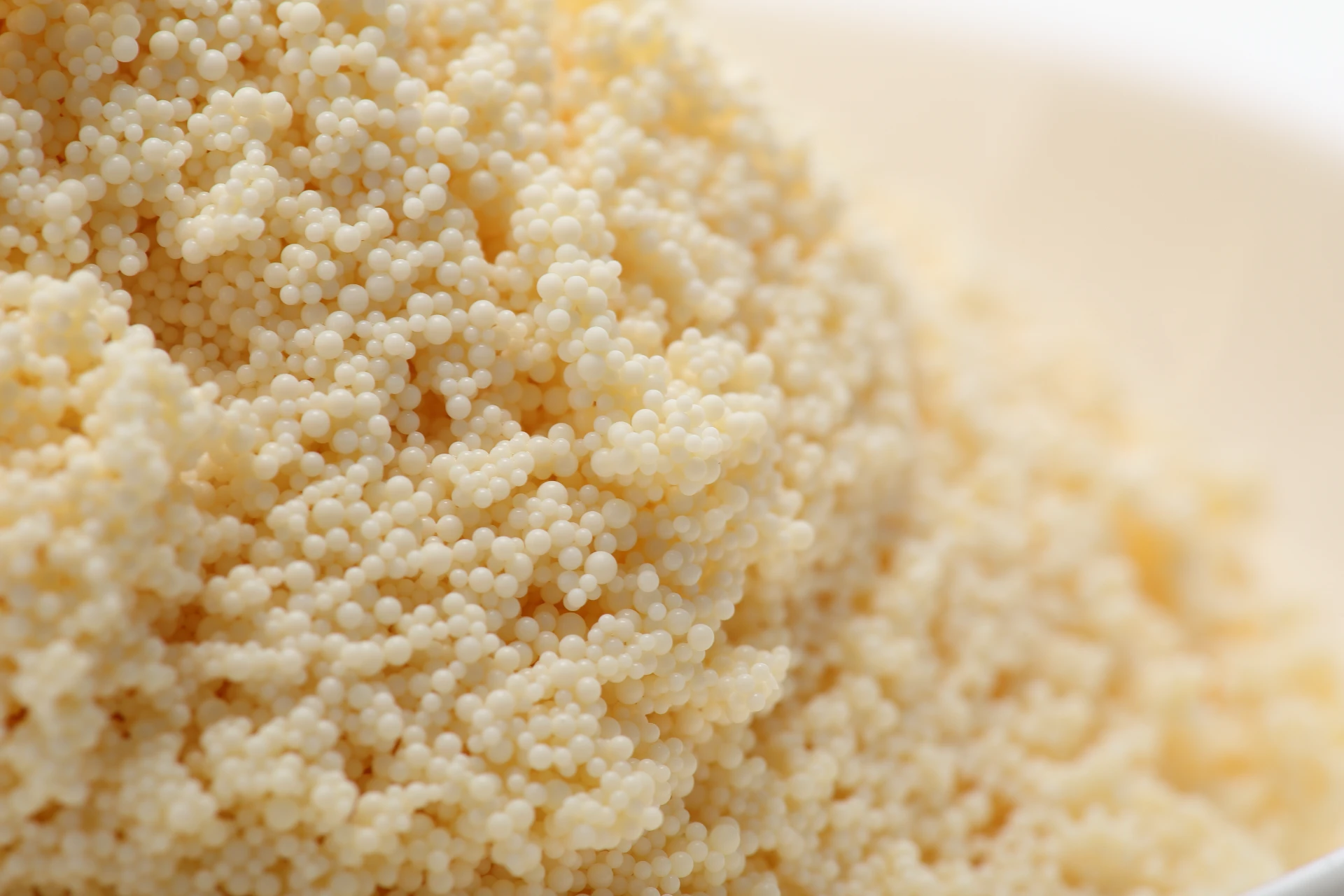
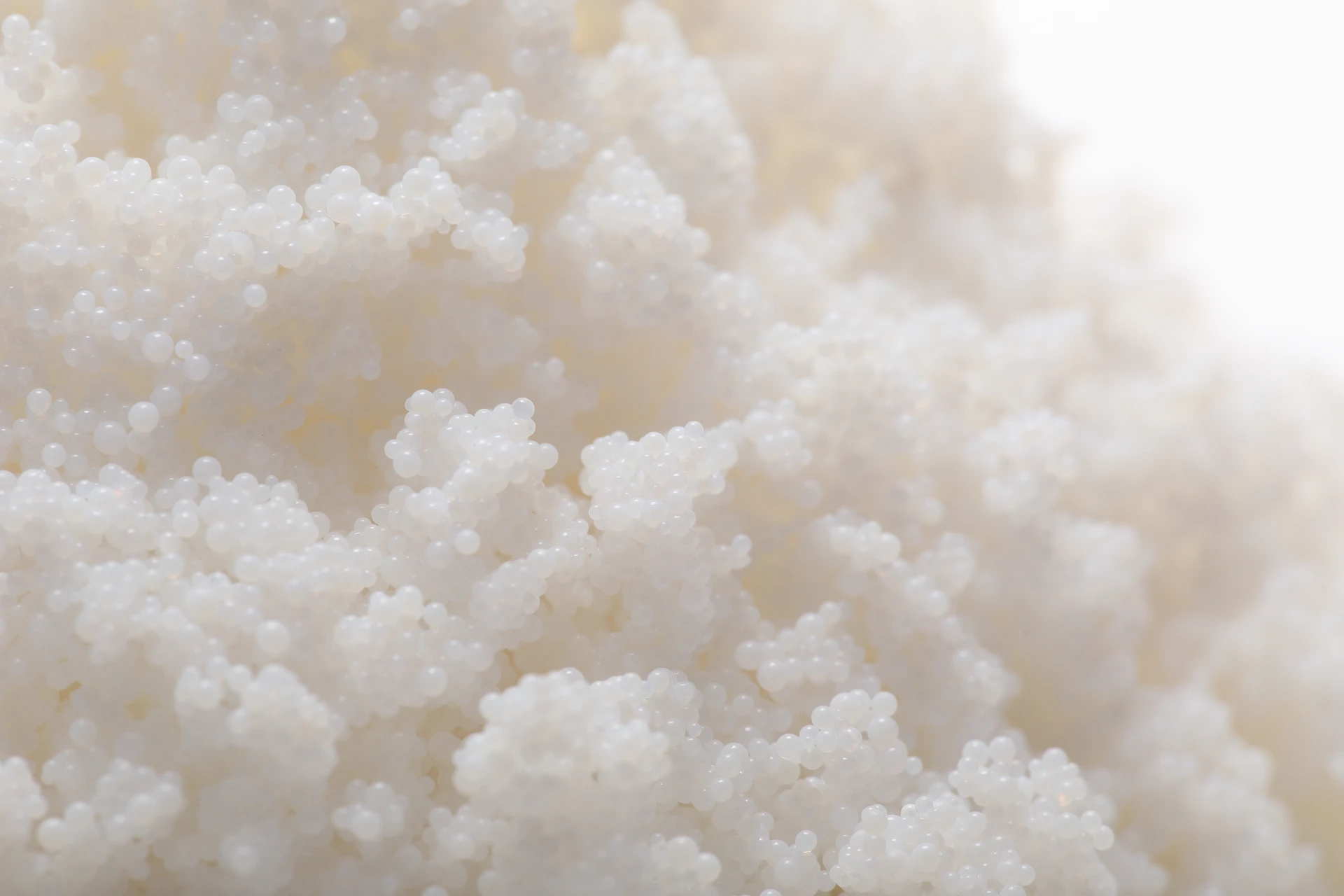
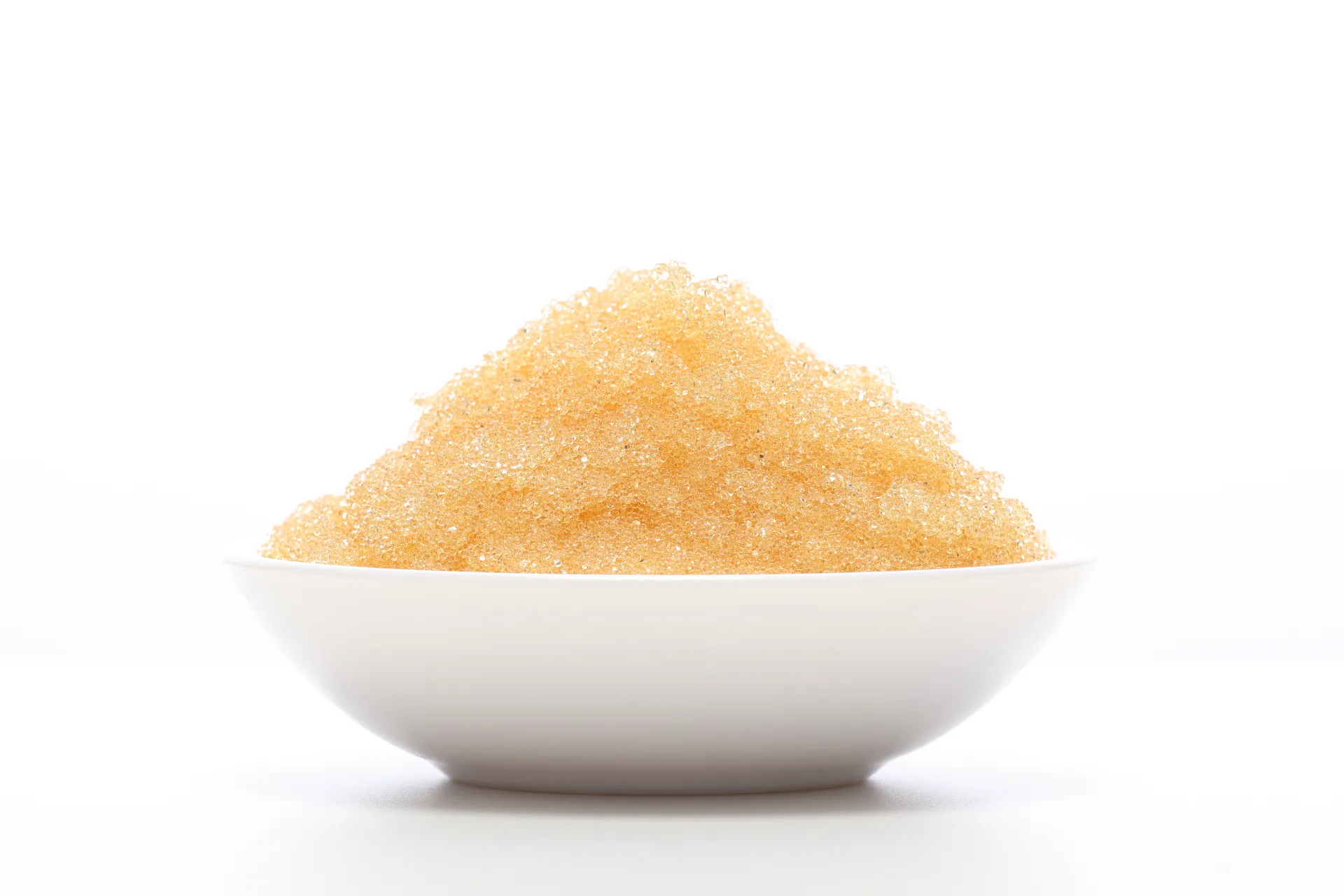
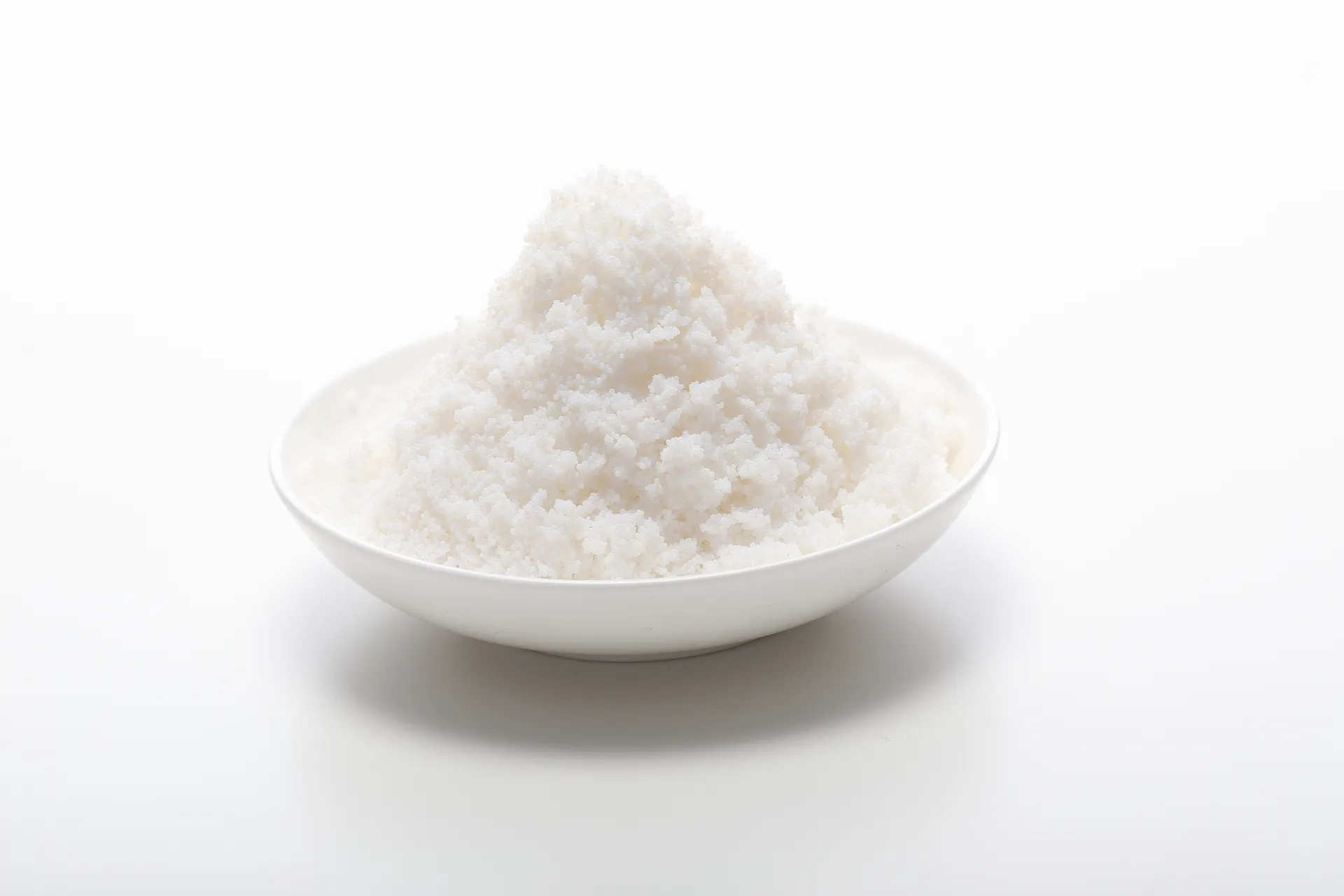
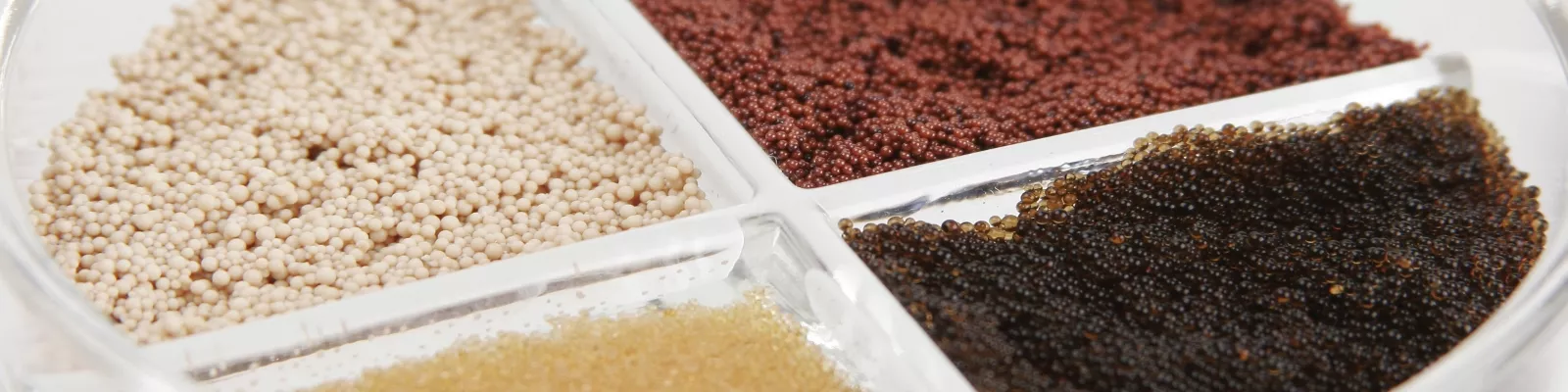
The mineral tank is where the ion exchange process takes place. It's filled with resin beads that are negatively charged. As hard water flows through the tank, the calcium and magnesium ions (positively charged) are attracted to the resin beads, effectively swapping them for sodium or potassium ions. This process removes the hardness minerals, resulting in softened water. Over time, the resin beads become saturated with calcium and magnesium and require regeneration. Regeneration involves flushing the tank with a brine solution (saltwater) to recharge the resin beads, restoring their ability to soften water. The quality and capacity of the mineral tank directly affect the efficiency and lifespan of this process. Lijiresin offers high-quality resin for these tanks.
Key Takeaway: The mineral tank is the heart of the water softening process, and the resin inside is responsible for removing hardness minerals.
Mineral tanks come in different materials and configurations, each with its own advantages and disadvantages. The most common types include:
Selecting the right material for your water softener mineral tank depends on factors like water pressure, temperature, and budget. Here’s a comparison:
Beyond the material, several factors influence your mineral tank selection:
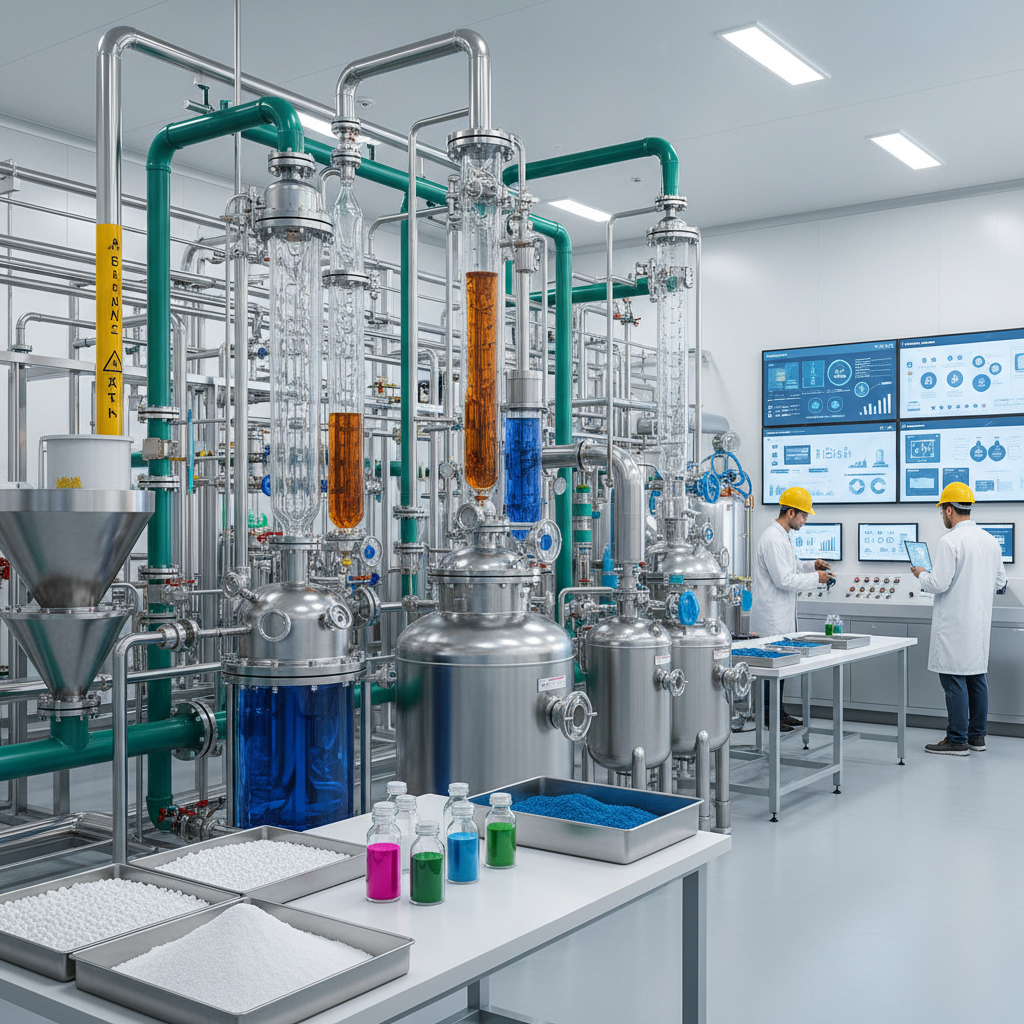
Proper maintenance is crucial for extending the lifespan of your mineral tank. Regularly inspect the tank for leaks or cracks. Ensure the brine tank is kept clean and free of debris. Replace the resin beads every 5-10 years, or as needed, depending on water quality and usage. With proper care, a well-chosen mineral tank can provide years of reliable water softening.
Choosing the right water softener mineral tank is a significant investment in your home's water quality and the longevity of your plumbing system. Consider your water hardness, household size, and budget when making your selection. Proper maintenance and timely resin replacement will ensure optimal performance and extend the lifespan of your system.
The regeneration frequency depends on your water hardness and water usage. A typical recommendation is to regenerate the system when the capacity is reached, usually indicated by a decrease in water pressure or a noticeable return of hardness in the water. Modern water softeners often have demand-initiated regeneration, which automatically regenerates the system based on actual water usage. Regularly monitor your water quality and adjust the regeneration settings accordingly.
You can use either rock salt, solar salt, or evaporated salt. Evaporated salt is the purest form and dissolves easily, preventing clumping in the brine tank. Rock salt is the most affordable but may contain impurities. Solar salt falls in between in terms of purity and price. Avoid using table salt, as it contains additives that can damage the resin beads.
A well-maintained water softener mineral tank can last 10-15 years, depending on the material and water quality. Polyethylene tanks typically have a shorter lifespan than fiberglass-wound tanks. Regularly cleaning the tank and replacing the resin beads as needed will help extend its lifespan.
The easiest way to check is to test your water hardness with a water hardness test kit. If the water is still hard, the softener may not be functioning correctly. Other signs of a problem include a decrease in water pressure, unusual noises coming from the tank, or a salty taste in the water.