0%

Table of Contents

The world increasingly demands efficient and reliable water purification solutions, and at the heart of many industrial and laboratory processes lies the mixed bed resin cartridge. These cartridges represent a crucial technology for achieving ultra-pure water, essential for applications ranging from pharmaceutical manufacturing to electronics production. Understanding the functionality, applications, and advancements in mixed bed resin technology is paramount for industries striving for quality, consistency, and sustainability. The demand for high-purity water continues to grow, driven by increasingly stringent regulatory standards and the need for precise analytical results.

Globally, concerns about water quality and resource scarcity are escalating, prompting a greater focus on advanced water treatment methodologies. The United Nations estimates that billions of people lack access to safe drinking water, while industries require increasingly pure water for specialized processes. ISO standards for water purity are becoming more rigorous, driving innovation in purification technologies. Mixed bed resin cartridges offer a compact, effective, and often cost-efficient solution to meet these demands. This makes them vital components in a wide spectrum of applications, impacting both public health and industrial productivity.

The rise of nanotechnology and advanced materials necessitates exceptionally pure water for manufacturing and research. Contaminants, even at trace levels, can significantly affect product quality and process reliability. Mixed bed resin cartridges are designed to remove a broad spectrum of ionic and particulate contaminants, making them an indispensable tool for achieving the required purity levels in these critical applications. Their adaptable nature and relatively simple implementation further enhance their appeal across diverse sectors.
Optimizing Water Purification with High Performance Mixed Bed Resin Cartridge Systems

The Importance of Mixed Bed Resin Cartridges

Optimizing Water Purification with High Performance Mixed Bed Resin Cartridge Systems

Mixed bed resin cartridges are vital in industries requiring exceptionally pure water. Their ability to consistently deliver water with minimal ionic contamination makes them essential for sensitive processes. The quality of the final product or analytical result is directly linked to the purity of the water used, solidifying the cartridge’s position as a critical component in numerous applications.

Beyond industrial applications, mixed bed resin cartridges play a role in research and development, where precise control over water chemistry is paramount. Their widespread use underscores their reliability and cost-effectiveness as a means of achieving high water purity standards, driving continued demand and innovation in the field.

Understanding Mixed Bed Resin Technology

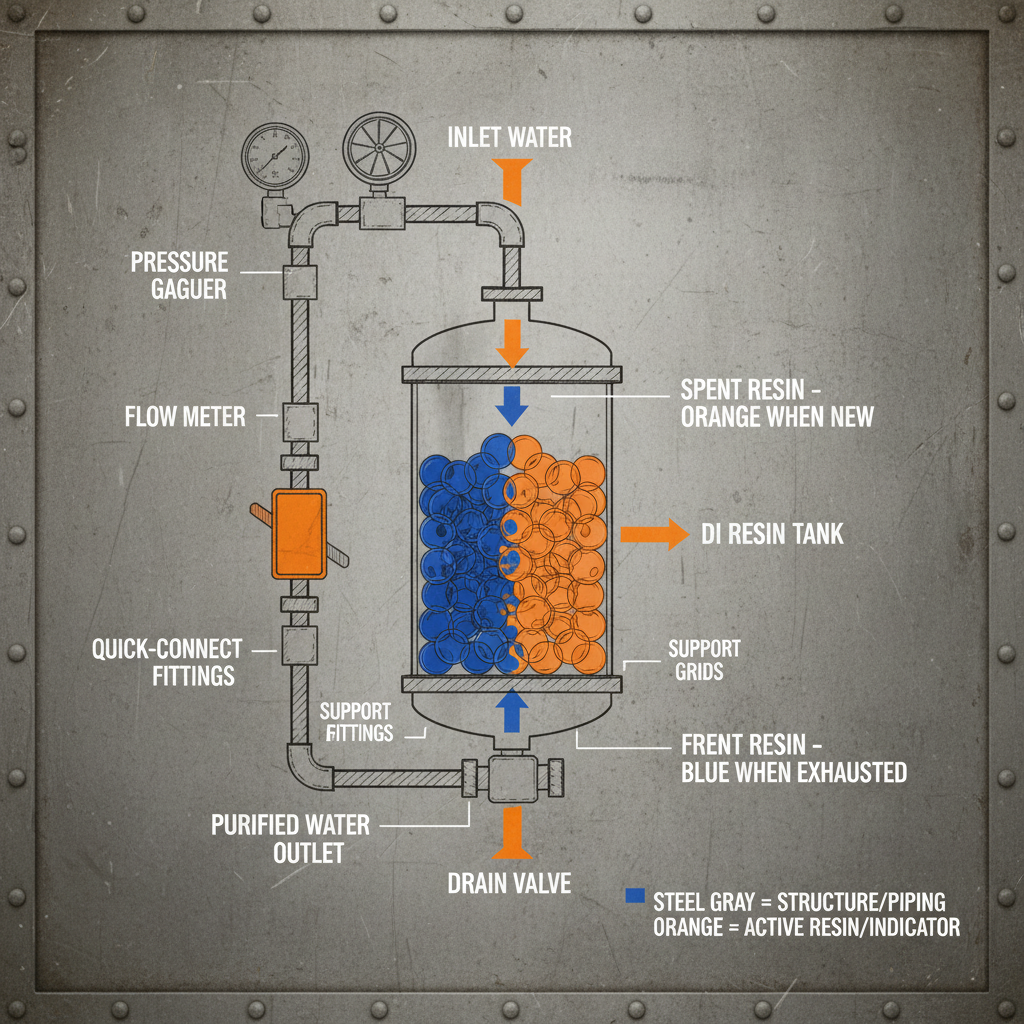
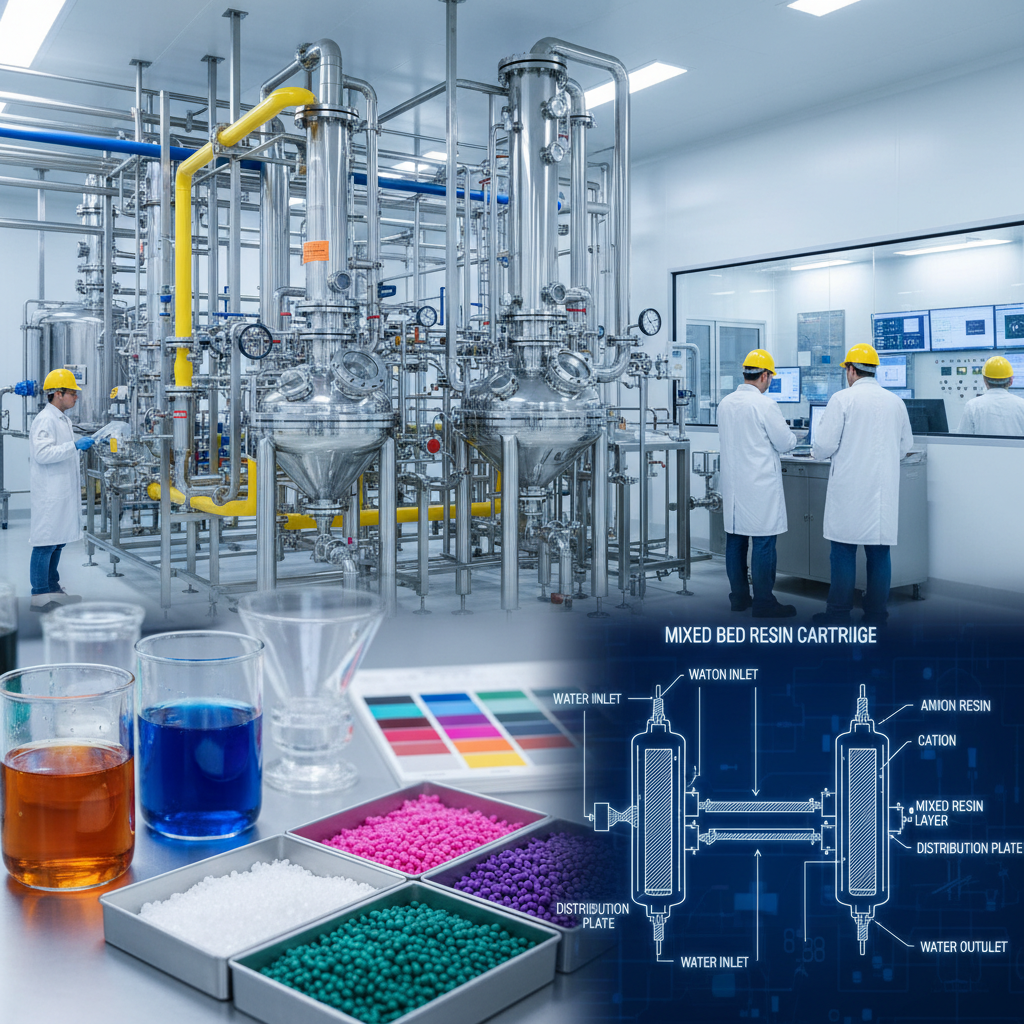
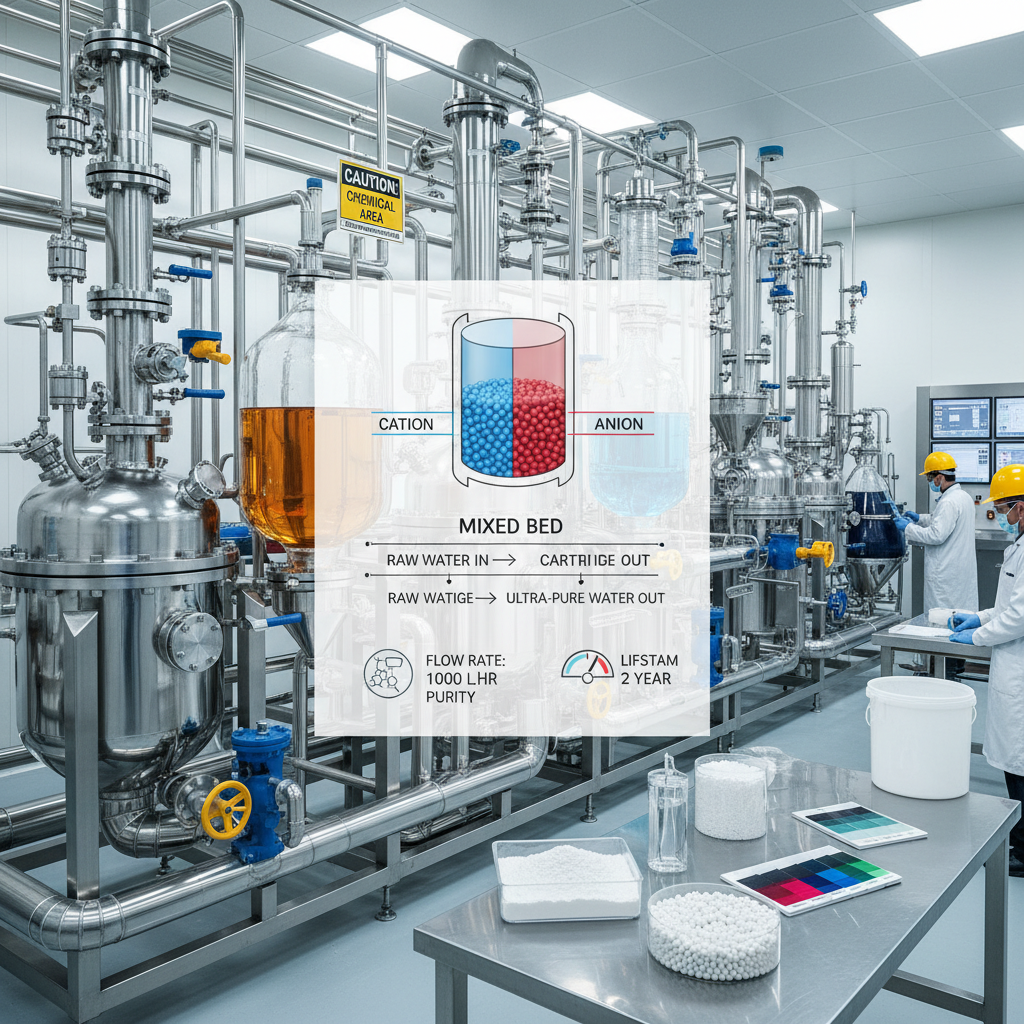
At its core, mixed bed resin technology utilizes a combination of cation and anion exchange resins within a single cartridge. Cation exchange resins remove positively charged ions (like calcium and magnesium), while anion exchange resins target negatively charged ions (like chloride and sulfate). Combining these in a mixed bed system achieves a synergistic effect, resulting in significantly higher water purity than can be achieved with single-resin systems.

The resins are typically composed of polystyrene beads with functional groups covalently bonded to their surface. These functional groups attract and bind to ions of the opposite charge. As water flows through the cartridge, contaminants are exchanged for less objectionable ions (typically hydrogen and hydroxide), effectively purifying the water.

The efficiency of this process relies on the proper ratio of cation to anion resins, the resin’s capacity, and the flow rate of the water. Regular monitoring and replacement of the cartridges are crucial to maintain optimal performance and ensure consistent water quality.

Core Components and Functionality

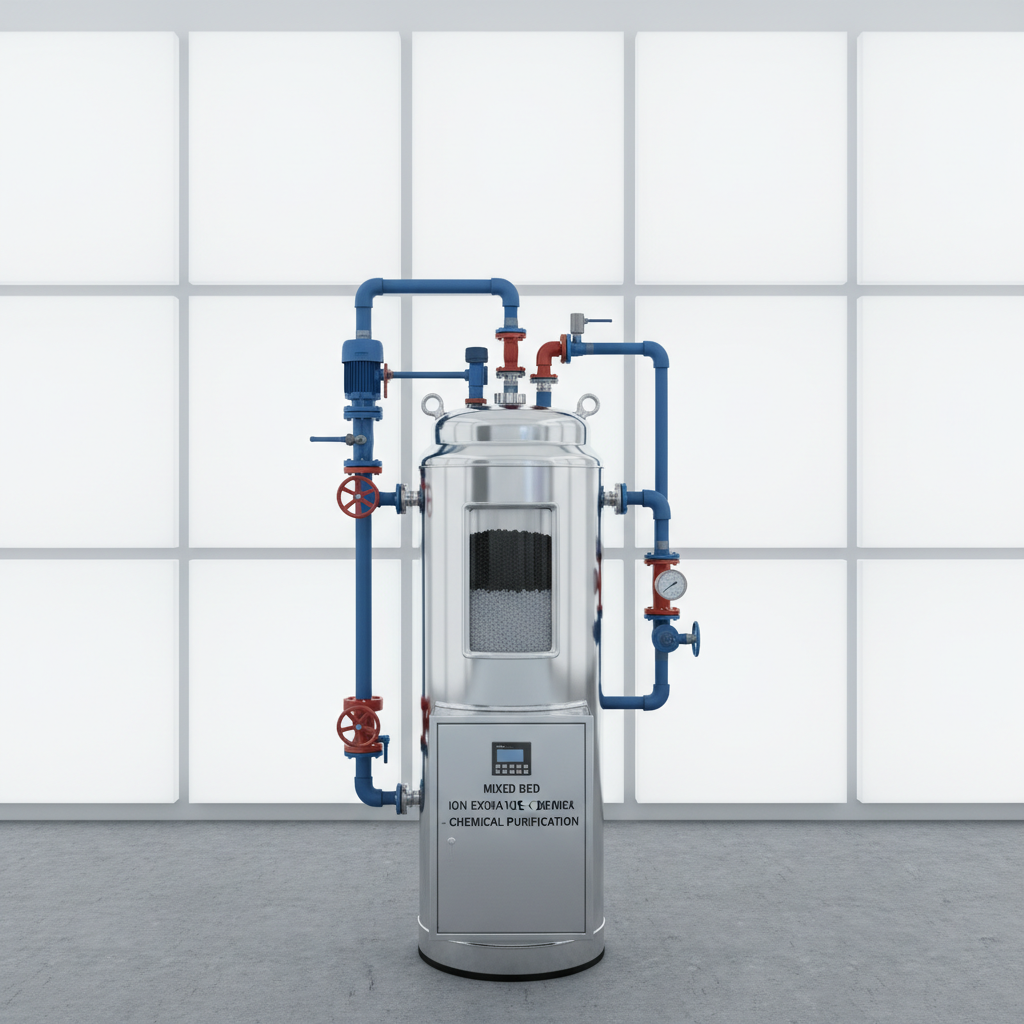
A typical mixed bed resin cartridge consists of a durable housing containing a blend of strong acid cation (SAC) and strong base anion (SBA) exchange resins. These resins are carefully selected and proportioned to achieve optimal deionization performance. The housing material is typically constructed from polypropylene or polyethylene, ensuring compatibility with a wide range of water chemistries.

The functionality of a mixed bed resin cartridge is based on ion exchange. As water passes through the resin bed, ions present in the water are exchanged for hydrogen (H+) and hydroxyl (OH-) ions bound to the resins. This process neutralizes the water, removing dissolved salts, minerals, and other ionic contaminants. The resins' ability to regenerate allows for extended cartridge life, although eventual replacement is necessary.

Beyond the resins and housing, many cartridges incorporate pre-filters to remove particulate matter and protect the resins from fouling. The quality of these pre-filters is critical, as it directly impacts the lifespan and performance of the entire cartridge. Different cartridge designs exist, including those with internal flow paths optimized for uniform resin contact and maximized efficiency.

Key Performance Indicators of Mixed Bed Resin Cartridges

Assessing the performance of mixed bed resin cartridges requires careful consideration of several key indicators. Resistivity is arguably the most important, measuring the water's resistance to electrical flow. Higher resistivity indicates lower ionic contamination and greater purity, typically expressed in megaohms-centimeters (MΩ·cm).

Total Dissolved Solids (TDS) provides another measure of water purity, quantifying the total amount of dissolved inorganic and organic substances. TDS is usually measured in parts per million (ppm). Additionally, monitoring the cartridge’s capacity – the total amount of contaminants it can remove before requiring replacement – is crucial for cost-effective operation.

Mixed Bed Resin Cartridge Performance Comparison


Global Applications and Industry Relevance

The applications of mixed bed resin cartridges are remarkably diverse. In the pharmaceutical industry, they are crucial for producing pyrogen-free water used in injectable medications and other sterile products. Electronics manufacturing relies on ultra-pure water for cleaning silicon wafers and producing semiconductors, ensuring device reliability and performance.

Power generation facilities utilize these cartridges for boiler feedwater treatment, preventing scale buildup and maintaining efficient energy production. Laboratory environments employ them for producing reagent-grade water used in analytical testing and research. In post-disaster relief operations, portable mixed bed resin cartridges can provide access to safe drinking water in areas where traditional water sources are contaminated.

Advantages and Long-Term Value Proposition

The primary advantage of mixed bed resin cartridges is their ability to consistently deliver high-purity water with minimal operational complexity. Compared to other purification methods, they offer a relatively cost-effective solution, particularly when considering the long-term benefits of reduced equipment downtime and improved product quality. The compact design also minimizes space requirements, making them suitable for a wide range of applications.

Beyond the tangible benefits, utilizing high-quality water purification systems enhances a company’s reputation for quality and reliability, fostering customer trust and brand loyalty. The sustainability aspect is also noteworthy; by reducing the need for harsh chemicals and minimizing water waste, these cartridges contribute to environmentally responsible practices.

Future Trends and Innovation in Mixed Bed Resin Technology

Ongoing research focuses on developing advanced resin materials with improved selectivity and capacity, enabling even higher levels of water purity. The integration of sensors and monitoring systems into cartridge designs will allow for real-time performance tracking and predictive maintenance, optimizing efficiency and minimizing downtime. The move towards sustainable materials and manufacturing processes is also gaining momentum.

Digital transformation is playing a role, with the development of intelligent cartridge systems that can automatically adjust to changing water conditions and optimize performance. The exploration of novel resin structures, such as those incorporating nanoparticles, holds the promise of further enhancing purification capabilities and expanding the range of applications for mixed bed resin cartridges.

Automation in cartridge replacement and monitoring, coupled with data analytics, will streamline operations and reduce manual intervention. These innovations are poised to reshape the future of water purification, driving greater efficiency, sustainability, and reliability.

Overview of Key Considerations for Mixed Bed Resin Cartridge Selection and Maintenance

Resin Type Capacity (Equivalents/Liter) Flow Rate (GPM) Expected Cartridge Life (Gallons)
Strong Acid Cation (SAC) Resin 2.0 1.5 500
Strong Base Anion (SBA) Resin 1.8 1.2 400
Gel-Type Resin 2.2 0.8 600
Macroporous Resin 1.5 2.0 350
High-Capacity Resin 2.5 1.0 700
Standard Resin Blend 1.9 1.5 450

FAQS

What is the typical lifespan of a mixed bed resin cartridge?

The lifespan of a mixed bed resin cartridge varies depending on the feed water quality, flow rate, and the cartridge’s capacity. Generally, cartridges last between 3 to 12 months, but regular monitoring of resistivity and TDS is crucial for determining the optimal replacement schedule. Fouling from particulate matter or organic compounds can also significantly reduce lifespan. Consistent pre-filtration helps to maximize cartridge life and ensure continuous high-quality water production.

How often should I test the water quality after installing a new cartridge?

It's recommended to test the water quality immediately after installation to establish a baseline. Subsequent testing should be performed daily or weekly, depending on the application's criticality. Monitor resistivity and TDS levels to track the cartridge’s performance and identify when regeneration or replacement is necessary. Regular testing provides reassurance and ensures the consistent delivery of high-purity water.

Can I regenerate a mixed bed resin cartridge?

While some resins can be regenerated, it’s typically not practical or cost-effective for most mixed bed resin cartridges used in standard applications. The regeneration process requires specialized equipment and chemicals, and can often lead to reduced resin performance over time. Replacement with a new cartridge is usually the preferred approach for ensuring consistent and reliable water purification.

What pre-filtration is recommended for mixed bed resin cartridges?

A sediment filter (5-micron or finer) and an activated carbon filter are generally recommended as pre-filtration. The sediment filter removes particulate matter, preventing fouling of the resins, while the activated carbon filter removes chlorine, organic compounds, and other substances that can degrade resin performance. Proper pre-filtration significantly extends the lifespan of the mixed bed resin cartridge.

What are the common causes of premature cartridge failure?

Common causes include inadequate pre-filtration, high feed water TDS, excessive flow rates, and the presence of incompatible chemicals. Regular monitoring of feed water quality and adherence to the manufacturer's recommended operating parameters can help prevent premature failure. Also, ensure proper storage of cartridges prior to installation to prevent contamination or degradation.

How do I choose the right size cartridge for my application?

The appropriate cartridge size depends on the water flow rate and the total dissolved solids (TDS) level in the feed water. Higher flow rates and TDS levels require larger cartridges with greater capacity. Consult with a water purification specialist to determine the optimal cartridge size for your specific needs. Consider peak demand and future scalability when making your selection.

Conclusion

In conclusion, mixed bed resin cartridges represent a cornerstone of modern water purification technology, providing a reliable, efficient, and cost-effective solution for achieving ultra-pure water. Their wide range of applications, from pharmaceutical manufacturing to laboratory research, underscores their importance in ensuring product quality, process reliability, and environmental sustainability. Understanding their core components, performance indicators, and emerging trends is essential for optimizing their use and maximizing their benefits.

As water scarcity and quality concerns continue to grow globally, the role of advanced purification technologies like mixed bed resin cartridges will only become more critical. Investing in high-quality cartridges, coupled with proper maintenance and monitoring, is a proactive step towards safeguarding water resources and ensuring a sustainable future. For tailored solutions and expert guidance, visit our website at www.lijiresin.com.
James Wilson

James Wilson

James Wilson is the Quality Control Manager at Hebei Lijiang Biotechnology, overseeing the rigorous testing and certification processes for our resins. James ensures all products meet or exceed industry standards, including ISO9001, SGS, and WQA certifications. He's a dedicated professional with 12 years of experience in quality assurance within the
Previous Comprehensive Guide to Mixed Bed Resin Filter Systems and Applications
Next Advancements in Mixed Bed Ion Exchange Resin for Water Treatment Applications