Phone:
+86 0319 2296164


Email:
info@lijiresin.cn
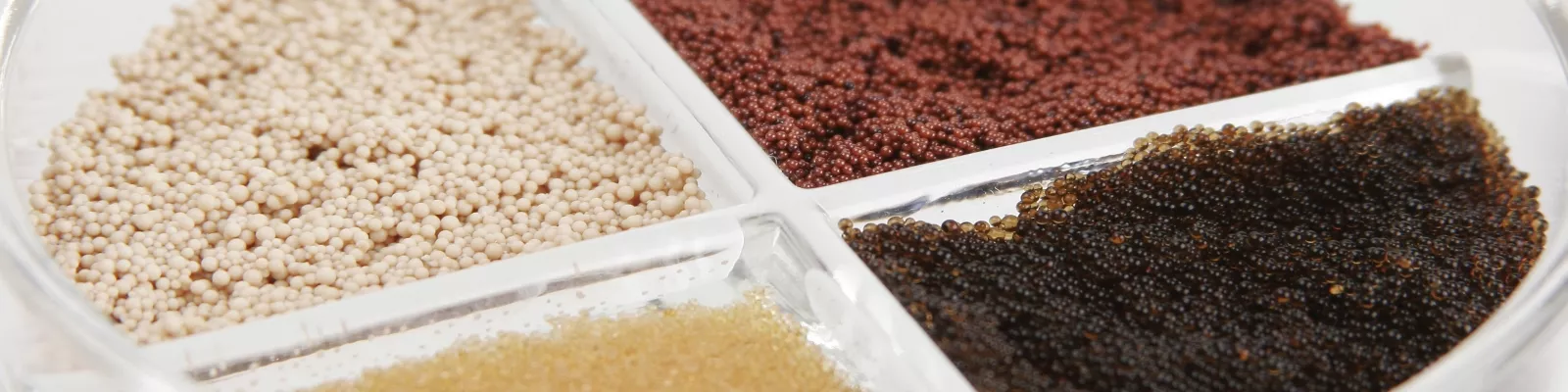
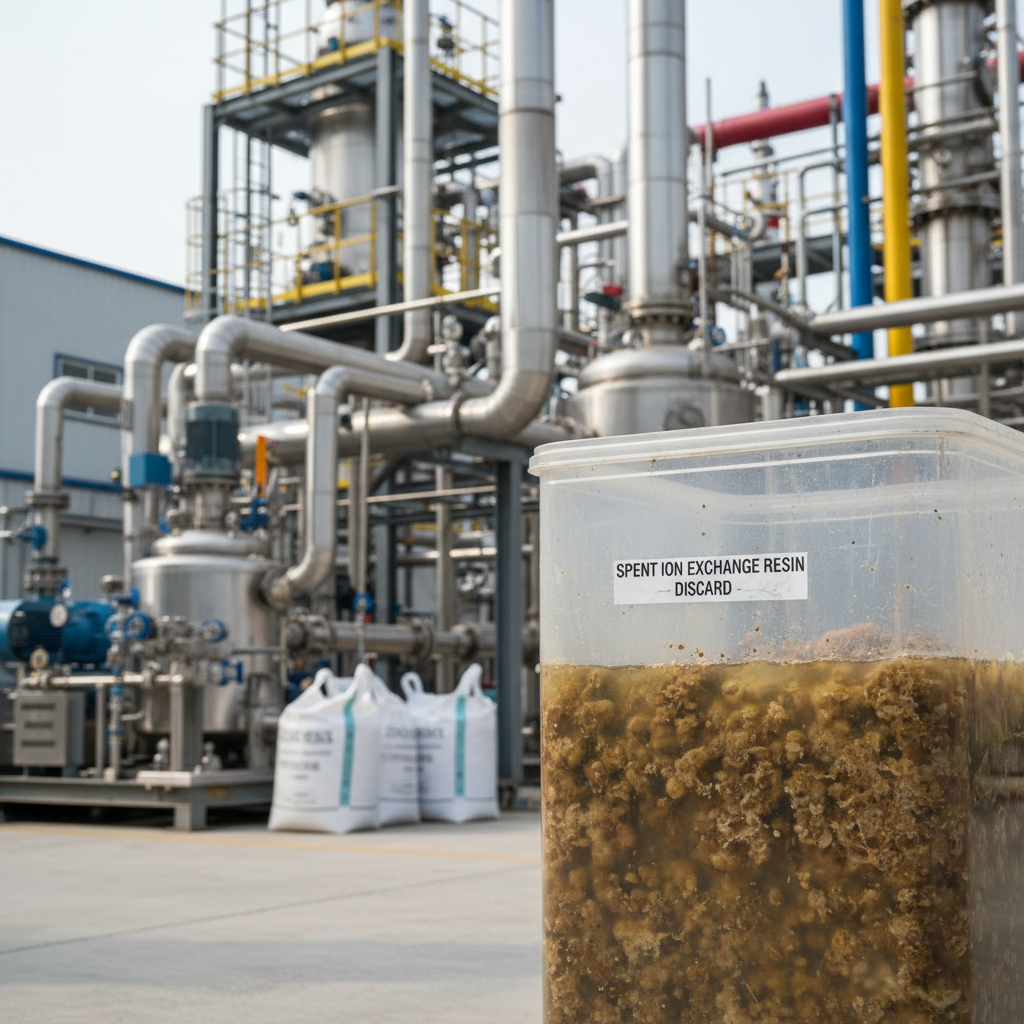
Water softeners are essential for homes and businesses relying on hard water. However, over time, the resin within these systems can degrade, leading to a host of problems. This article will explore the causes of bad water softener resin, how to identify it, the consequences, and ultimately, how to address it with high-quality resin replacements from Lijiresin. Understanding these factors is critical for maintaining efficient and effective water softening.
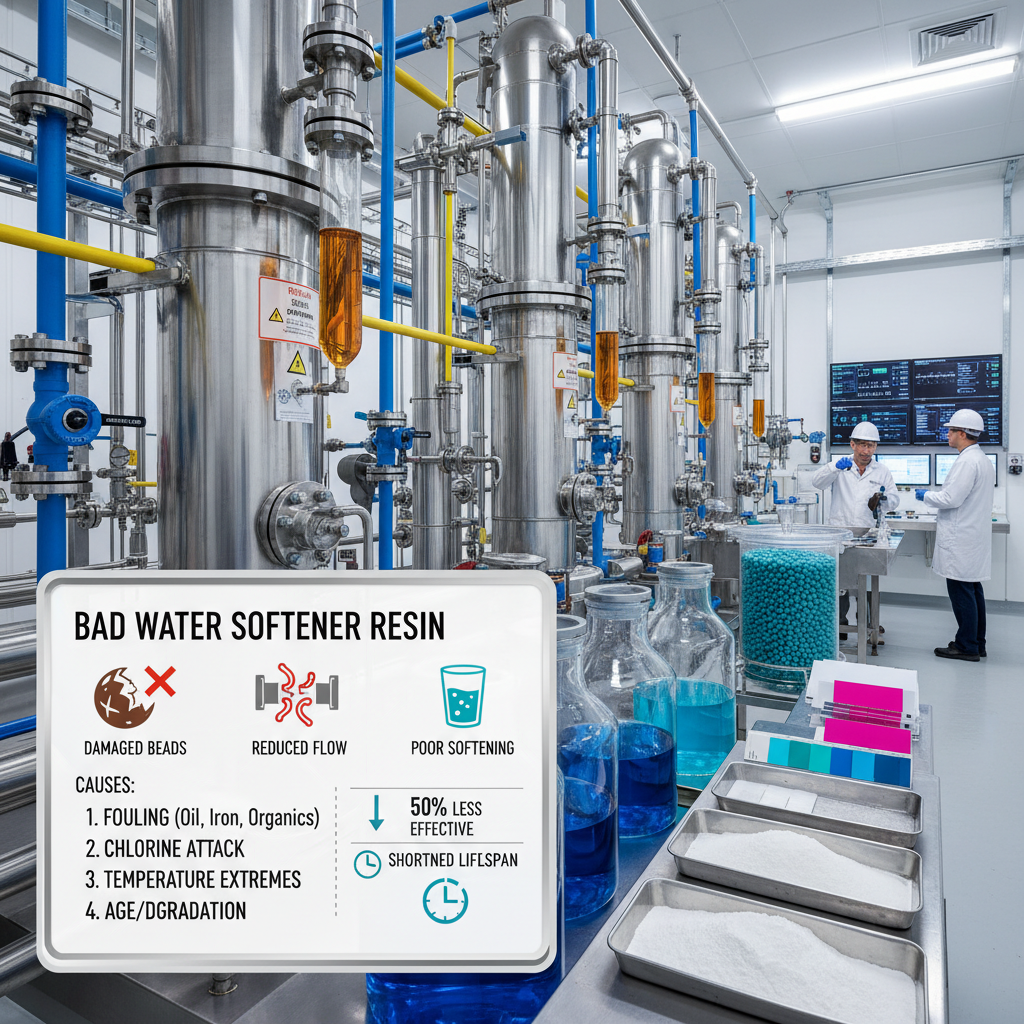
Several factors contribute to the degradation of water softener resin. The most common is oxidation, caused by chlorine and other oxidizing agents present in the water supply. Iron in the water can also foul the resin, creating buildup that reduces its efficiency. Another significant factor is physical wear and tear – the constant expansion and contraction during the regeneration cycle eventually weakens the resin beads. Finally, organic matter can contribute to biofouling, hindering the resin's ability to effectively exchange ions. Regular maintenance, including pre-filtration, can help mitigate these issues, but eventual replacement is unavoidable.
Key Contributors to Resin Degradation: Oxidation, Iron Fouling, Physical Wear & Tear, Biofouling.
Recognizing the signs of failing resin is crucial for timely intervention. Common indicators include a noticeable decrease in water softening efficiency – you may observe scaling on fixtures or experience harder water than usual. Another sign is an increase in salt usage, as the resin struggles to effectively exchange ions. You might also notice a change in water pressure, or even the presence of small resin particles in the water itself. Finally, frequent regeneration cycles are often a symptom of failing resin.
Signs of Failing Resin:
• Decreased softening efficiency
• Increased salt usage
• Change in water pressure
• Resin particles in water
Ignoring failing resin can lead to significant consequences. Hard water causes scaling in pipes and appliances, reducing their efficiency and lifespan. This translates to higher energy bills and costly repairs. Hard water also negatively impacts soap and detergent effectiveness, requiring more product and leaving behind residue on skin and clothes. Furthermore, scaling can clog plumbing, leading to reduced water flow and potential blockages. Ultimately, addressing bad resin protects your home’s infrastructure and ensures a consistent supply of soft water.
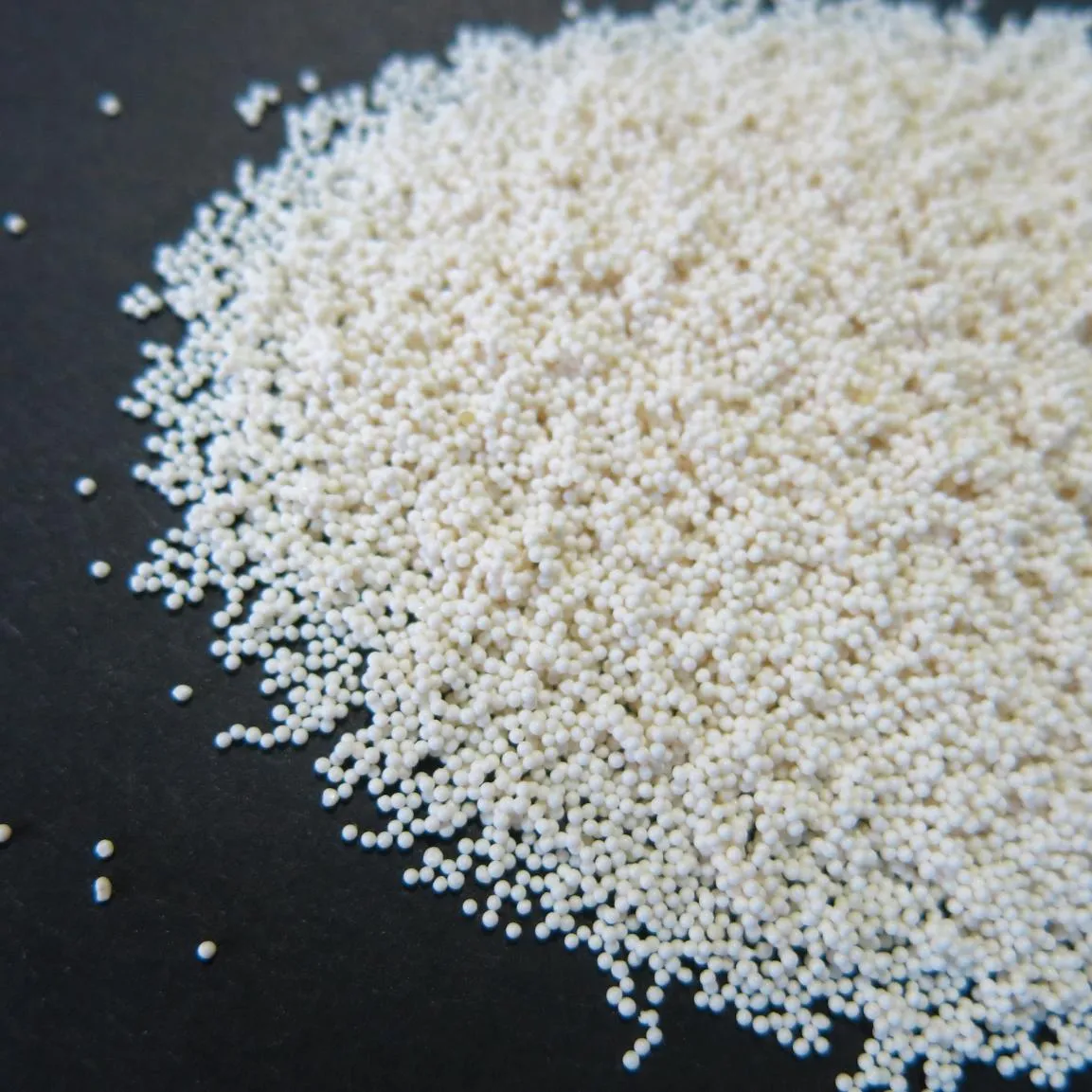
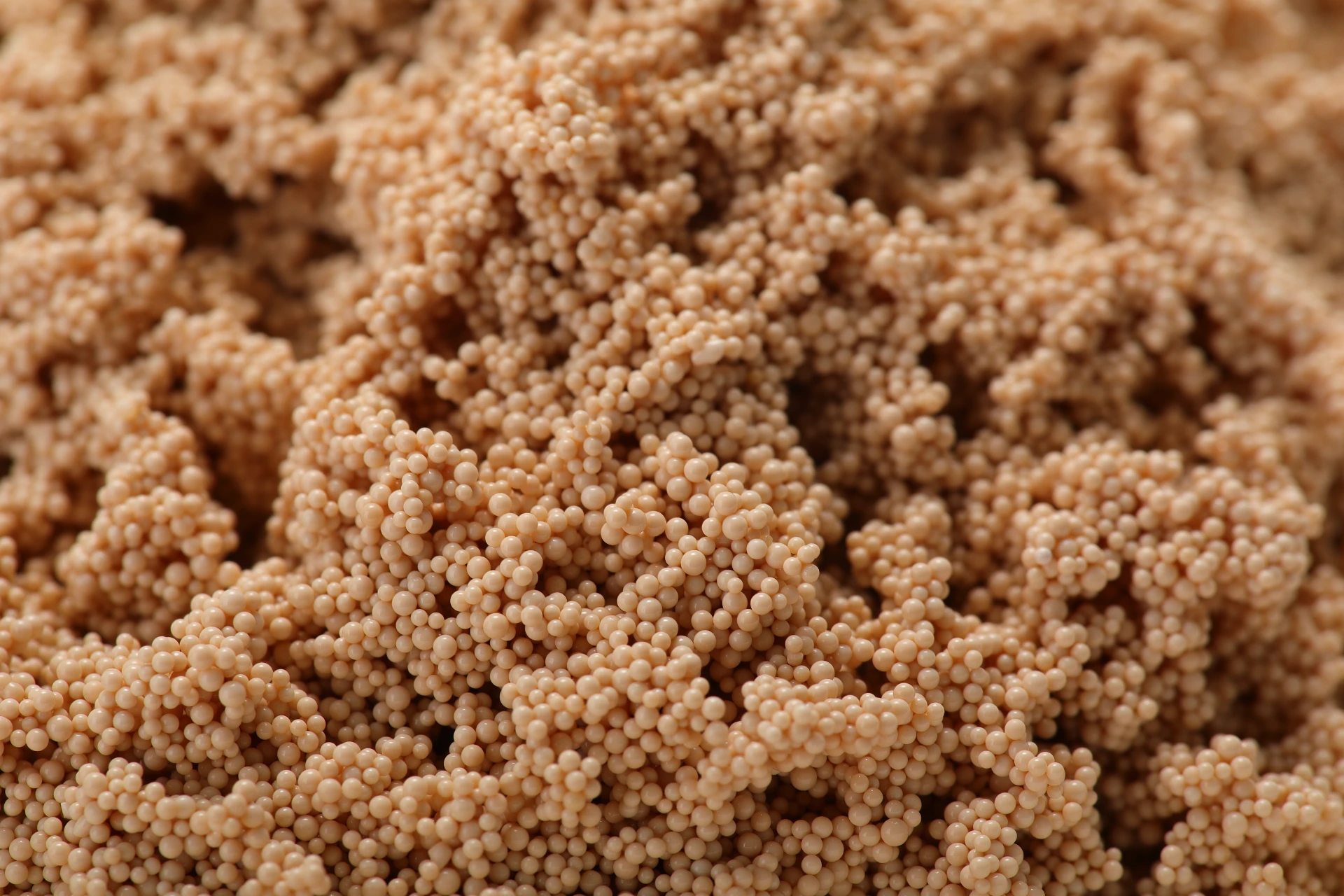
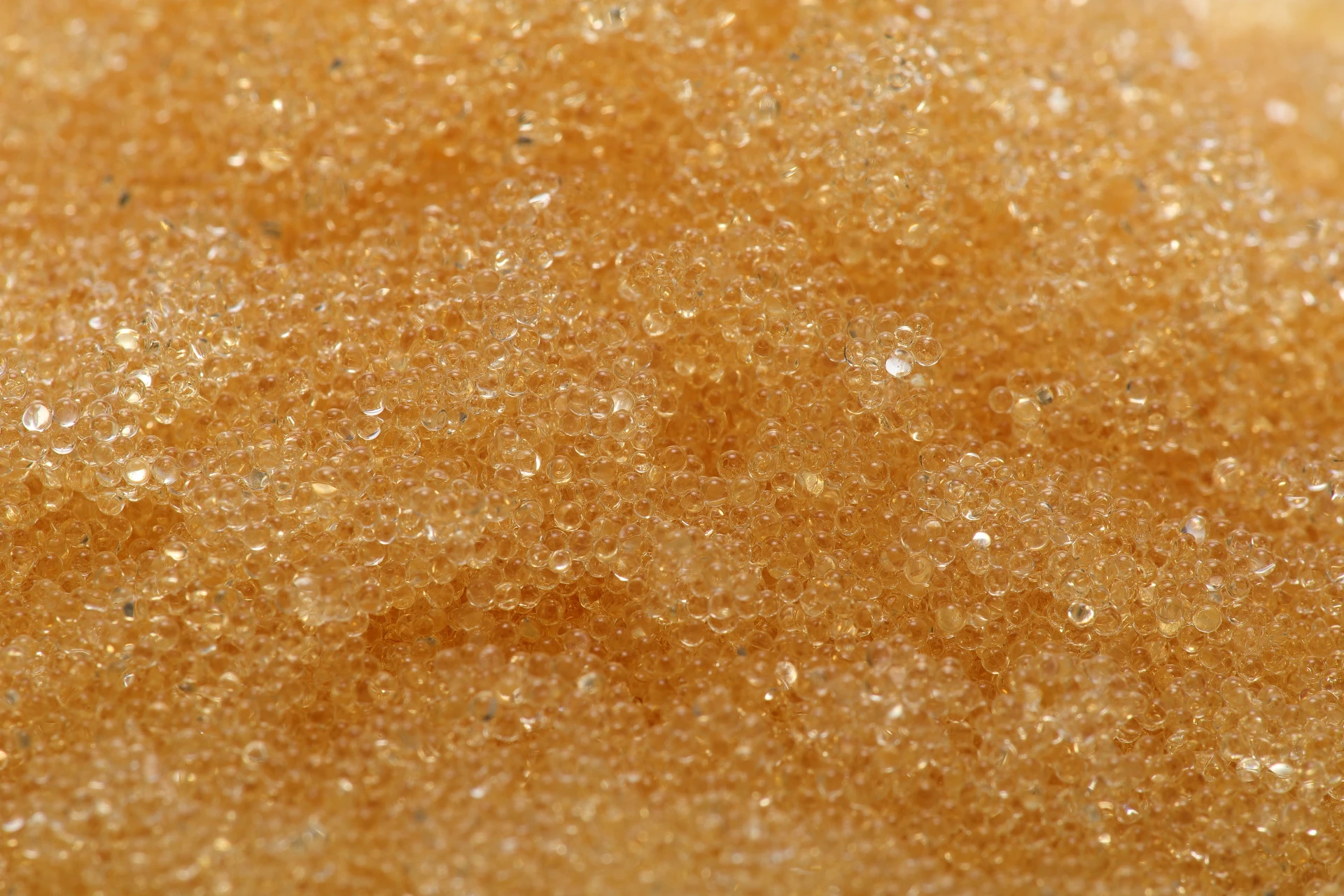
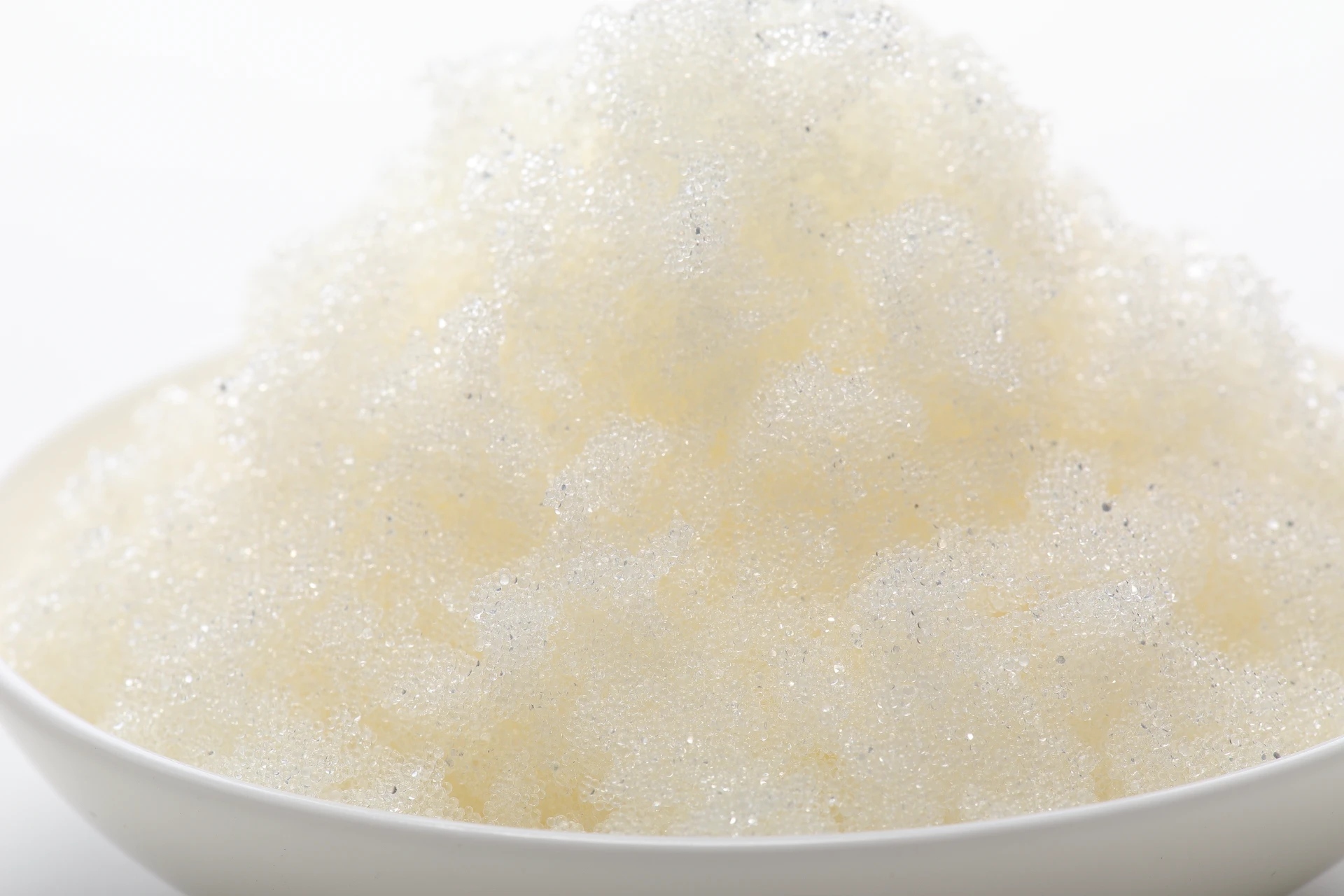
When replacing bad water softener resin, quality is paramount. Lijiresin offers a comprehensive range of high-performance resin options, designed for durability and efficiency. We offer various resin types, including standard Type I resin and premium grade resins with higher capacity and resistance to oxidation. Choosing the right resin depends on your water chemistry and specific needs, and our expert team can assist you in selecting the optimal solution. We are committed to providing superior quality resin that will restore your water softener to peak performance.
Lijiresin offers a variety of water softener resin options tailored to different water conditions and softening needs. Our resins are manufactured using high-quality materials and undergo rigorous quality control to ensure optimal performance and longevity. Here's a look at our key resin specifications:
Don't let bad water softener resin compromise your water quality and damage your plumbing. Lijiresin provides premium quality resins and expert support to help you achieve optimal water softening performance. Contact us today to find the perfect resin solution for your needs and enjoy the benefits of clean, soft water.
The frequency of resin replacement depends on several factors, including water hardness, water usage, and the quality of the resin. As a general guideline, resin should be replaced every 10-15 years, but signs of declining performance, such as increased salt usage or decreased softening efficiency, may indicate the need for earlier replacement. Regular water testing can help determine the optimal replacement schedule. Choosing high-quality resin, like those offered by Lijiresin, can extend the lifespan of your resin bed.
While regeneration can remove some iron fouling and restore some capacity, heavily fouled or physically degraded resin cannot be fully restored. Regeneration can help extend the life of the resin, but once the resin beads are cracked or coated with irreversible buildup, replacement is the only effective solution. Attempting to continuously regenerate severely degraded resin can be inefficient and potentially damage the softener.
For water with high iron content, a resin specifically designed for iron removal is recommended. These resins have enhanced resistance to iron fouling and can effectively remove both ferrous and ferric iron. Lijiresin offers specialized iron removal resins that are ideal for these applications, ensuring long-lasting performance and optimal water quality.