Phone:
+86 0319 2296164


Email:
info@lijiresin.cn
Water hardness is a problem that quietly affects millions—industries, households, and humanitarian efforts alike. At the heart of many solutions is the cation exchange water softener, a technology often overlooked but vitally important. Understanding it isn’t just for engineers or chemists; it’s crucial globally because hard water leads to scale buildup, inefficient equipment, and even impacts public health. Softening water through ion exchange not only improves operational efficiency but also reduces energy and chemical usage. The more we grasp how this works, the better prepared industries and communities are to tackle water challenges that, frankly, will only grow as stress on global water supplies intensifies.
Globally, water scarcity and pollution are increasingly pressing issues. According to UN Water, over 2 billion people live in countries experiencing high water stress. Meanwhile, hard water—which contains elevated minerals like calcium and magnesium—affects infrastructure, industry, and even health. The World Bank estimates that damage from mineral scaling costs industries billions annually in maintenance and lost productivity.
Into this mix steps the cation exchange water softener. These units are essential, especially in areas with naturally hard groundwater or where industrial processes need consistent, soft water for efficiency. The challenge? Deploying softeners that are affordable, scalable, and reliable, especially outside urban centers or in developing regions.
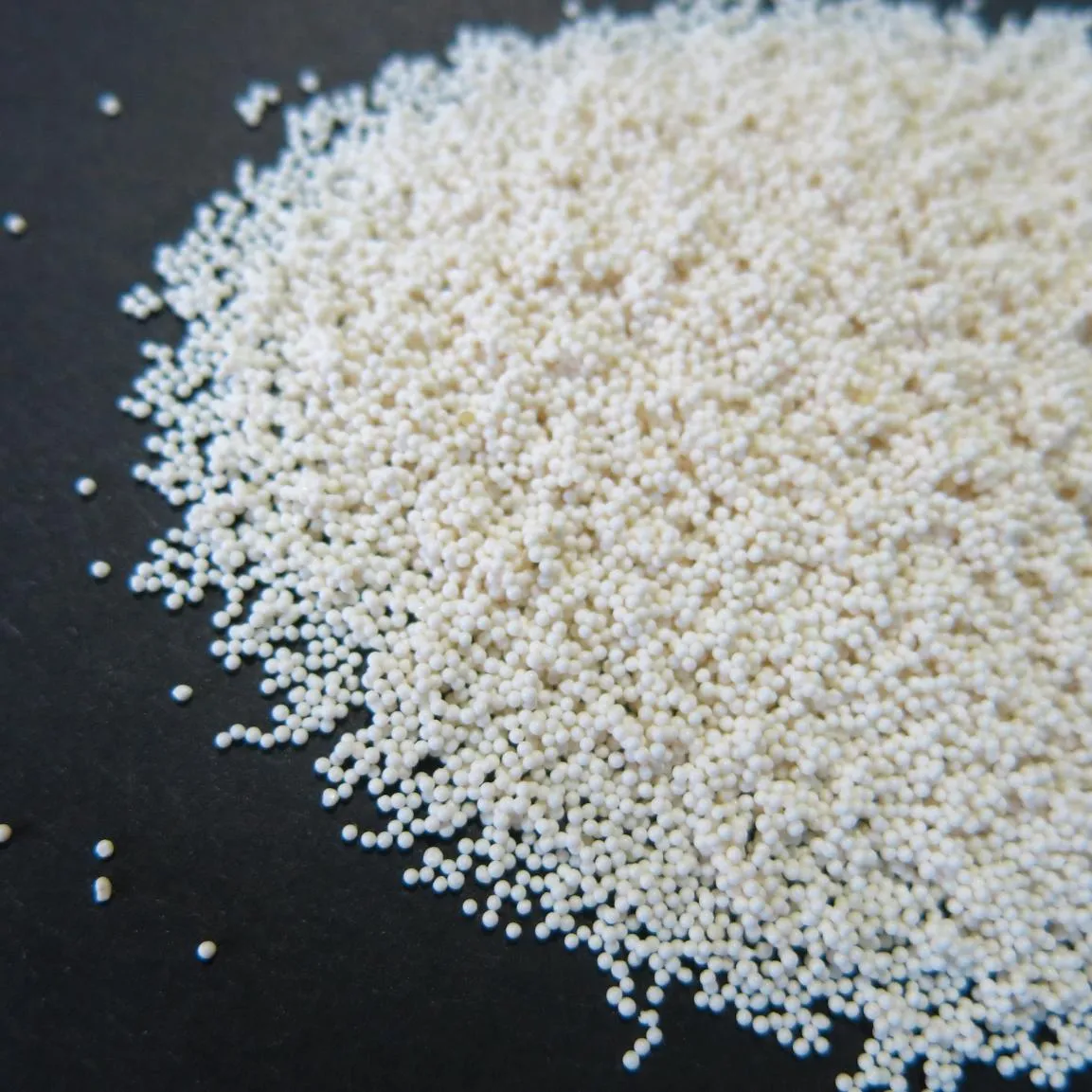
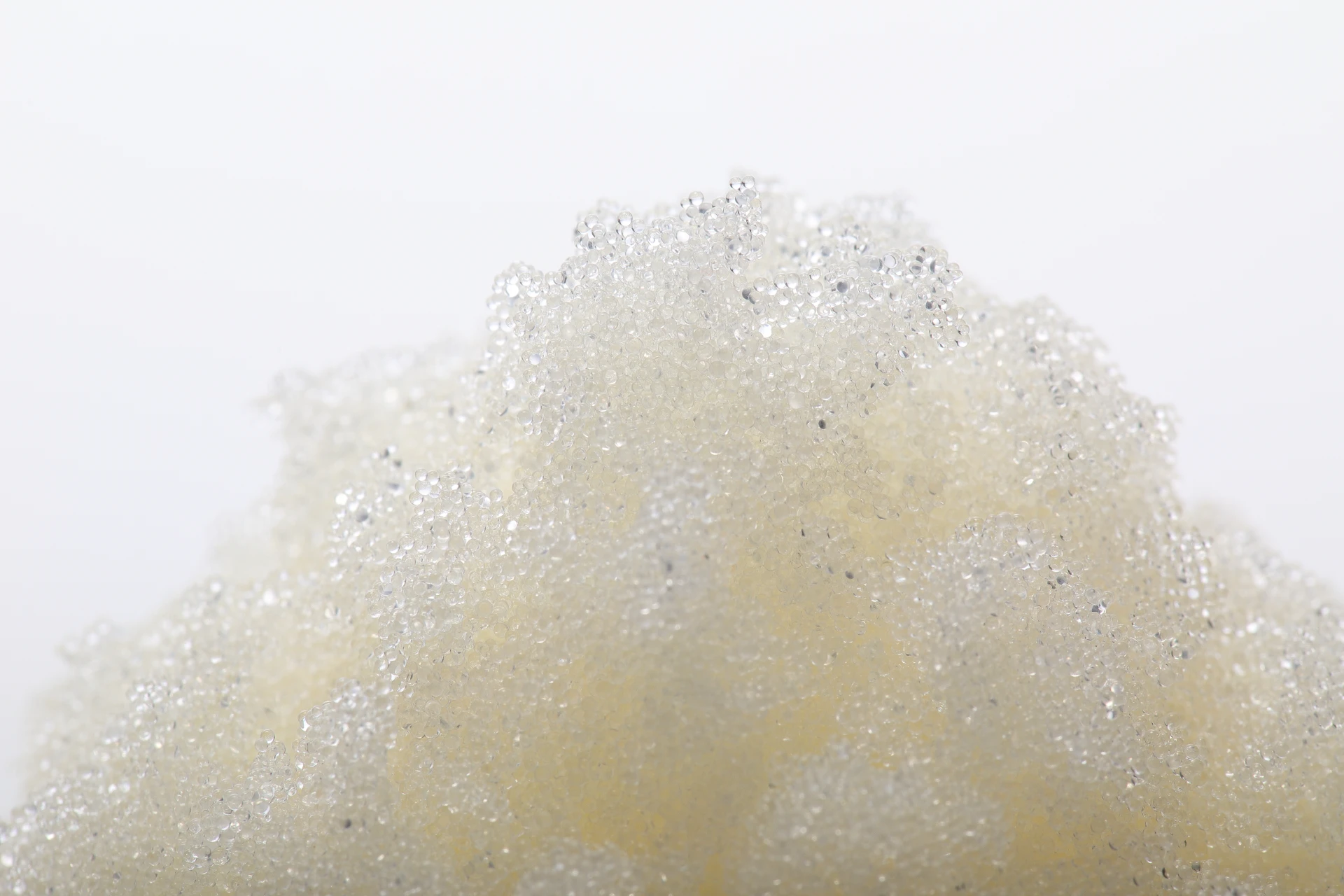
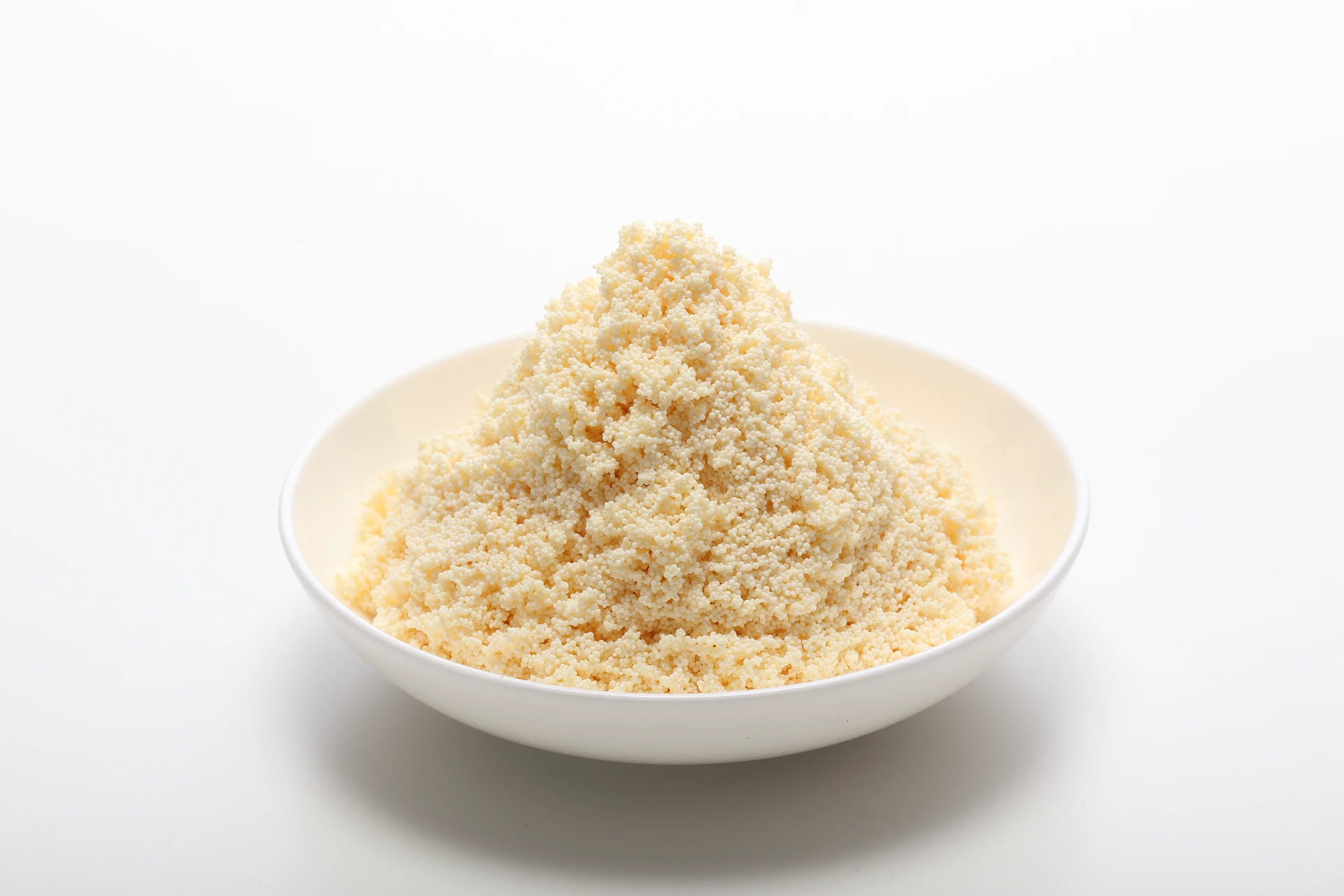
In simple terms, a cation exchange water softener removes hardness-causing ions by swapping calcium and magnesium for sodium or potassium ions. This happens inside a resin bed — the magic ingredient. The technology is straightforward but elegant, connecting chemistry with real-world needs.
From manufacturing to municipal supplies, and even disaster relief water purification, these devices serve as frontline defenders against the wear and tear caused by hard water. Their relevance extends beyond comfort: they protect equipment, save energy, and safeguard water quality.
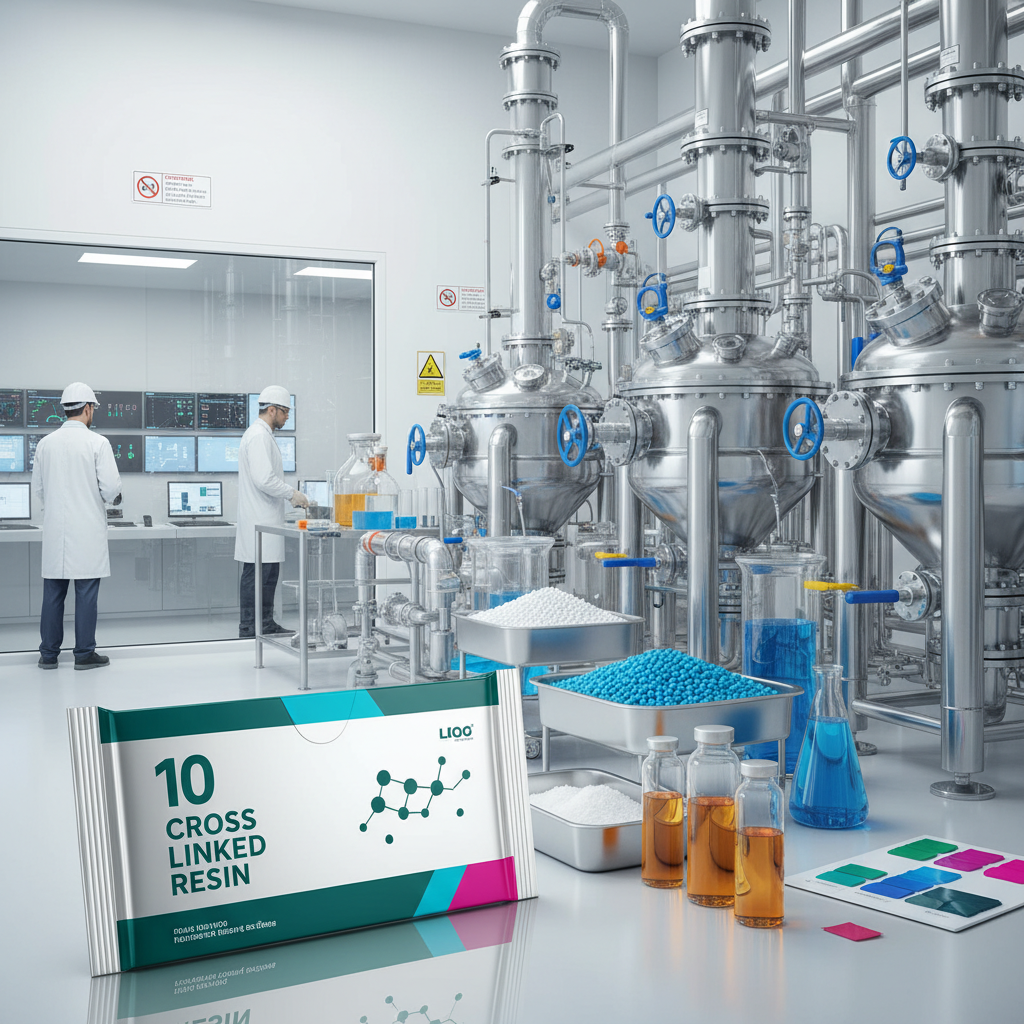
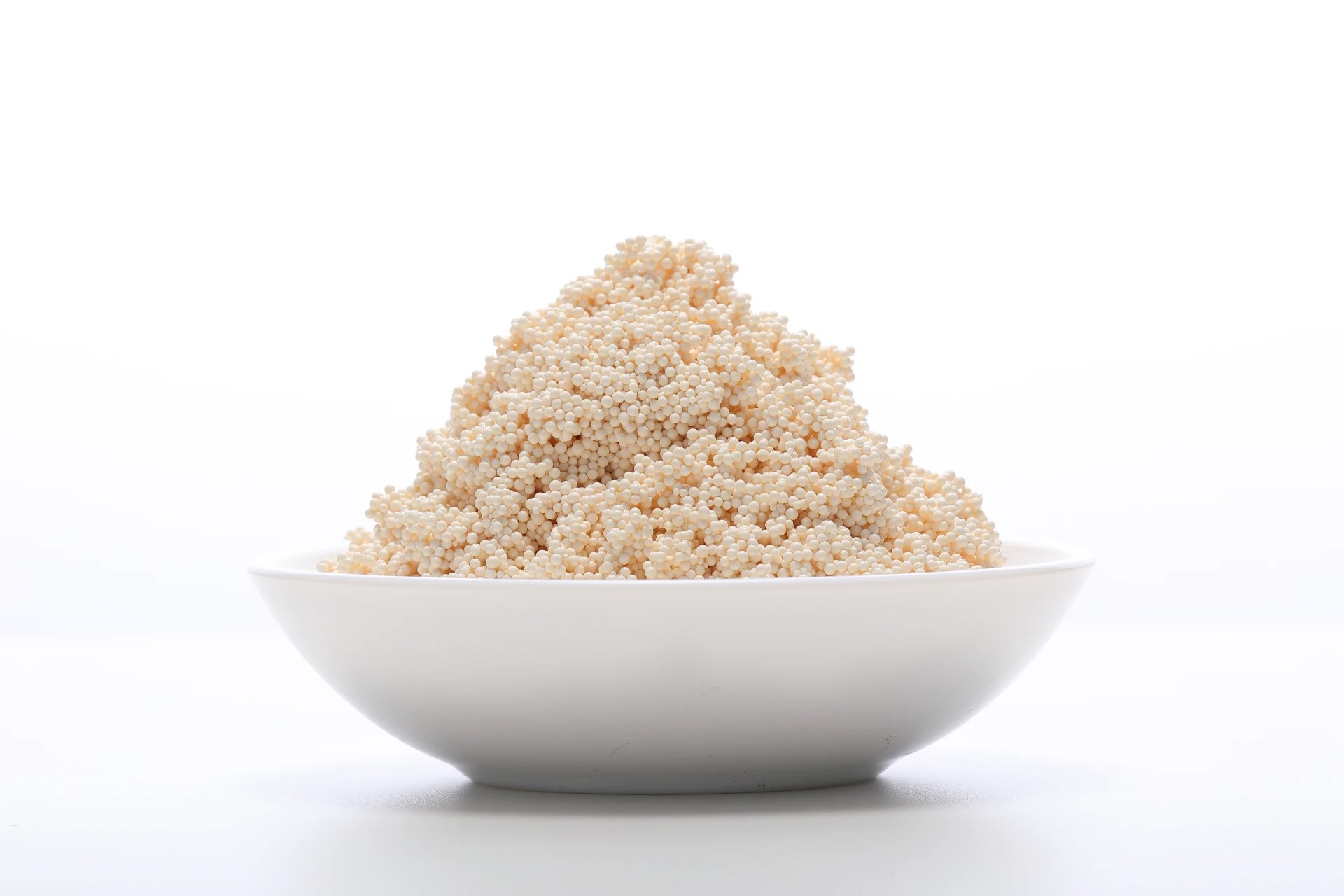
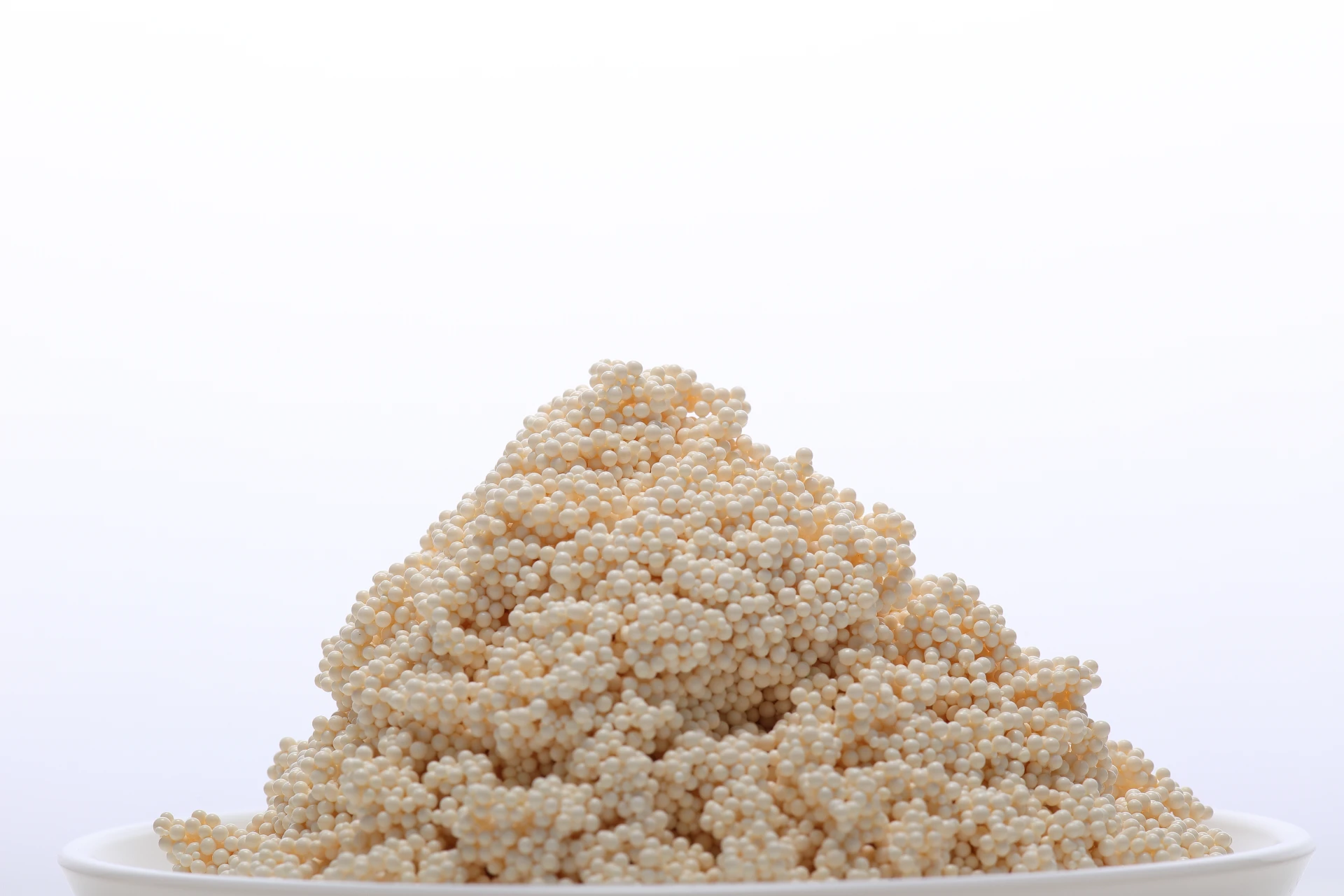
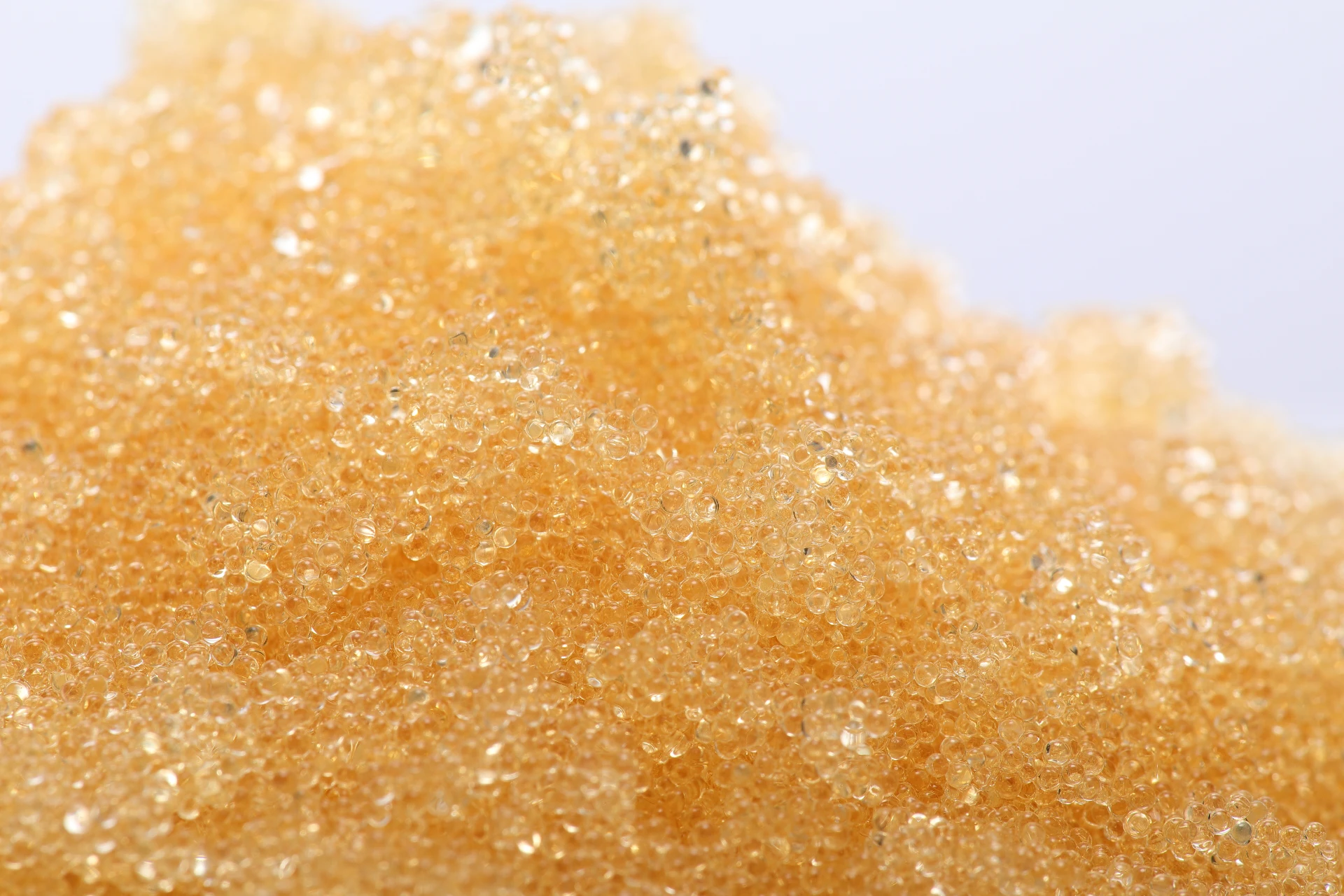
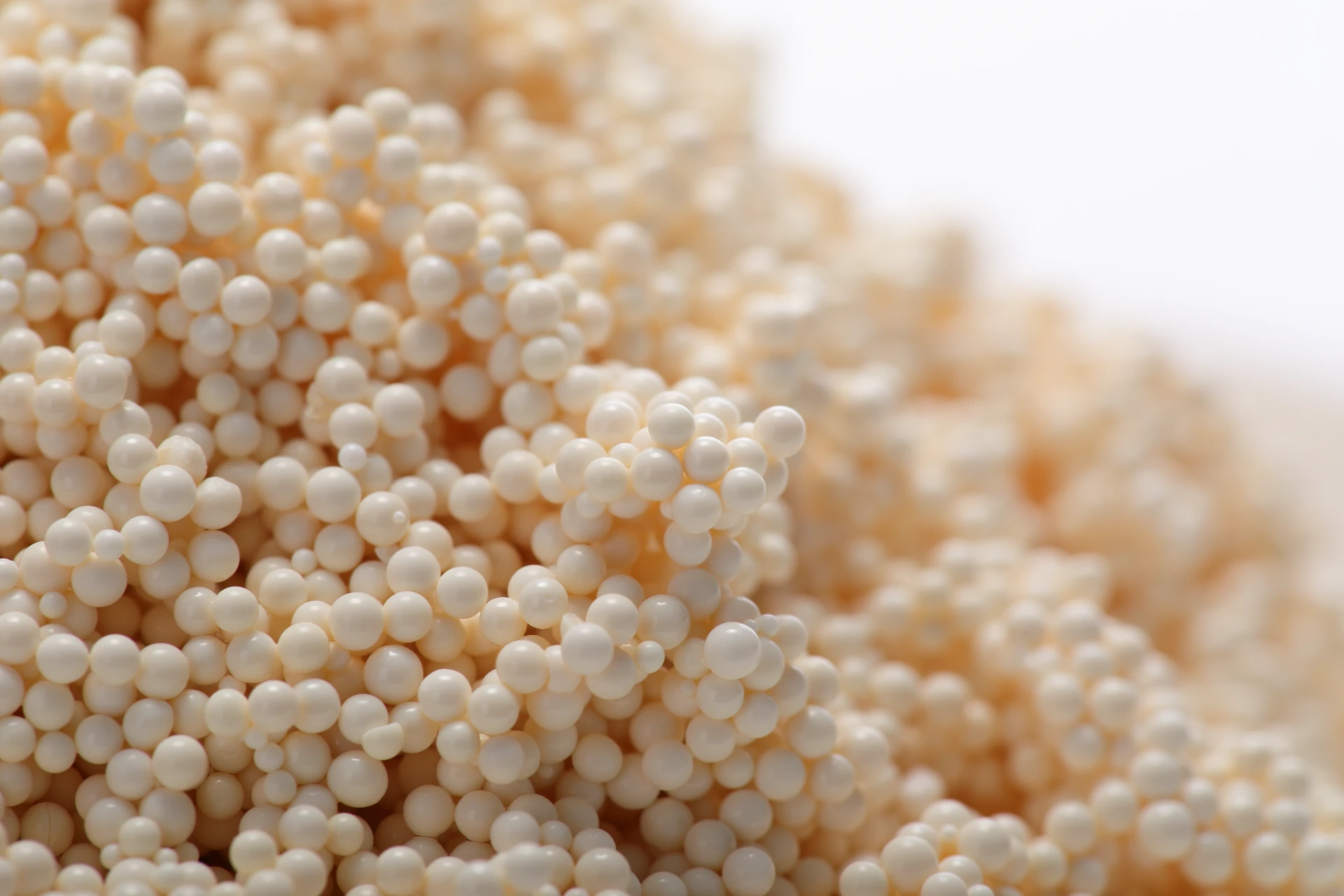
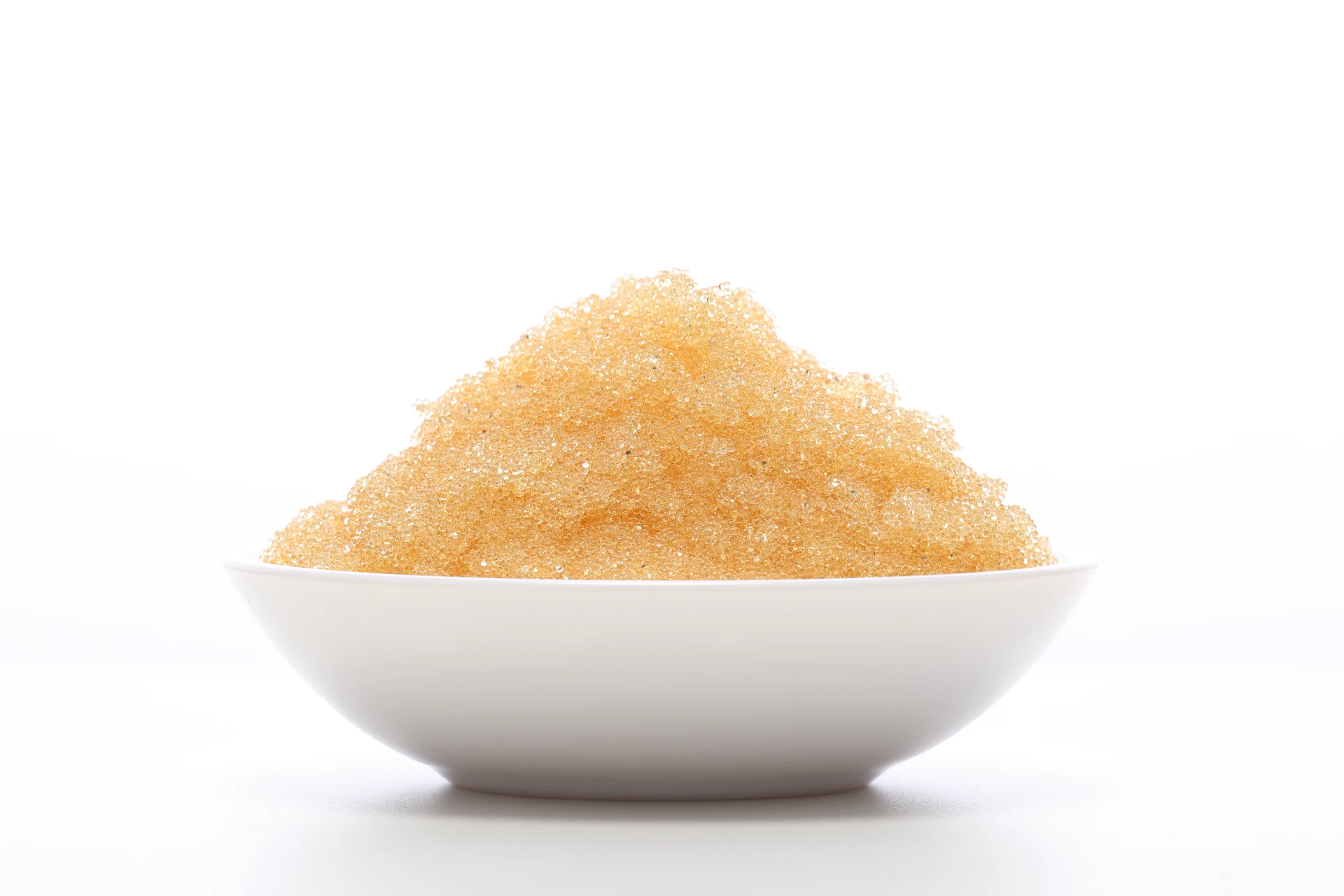
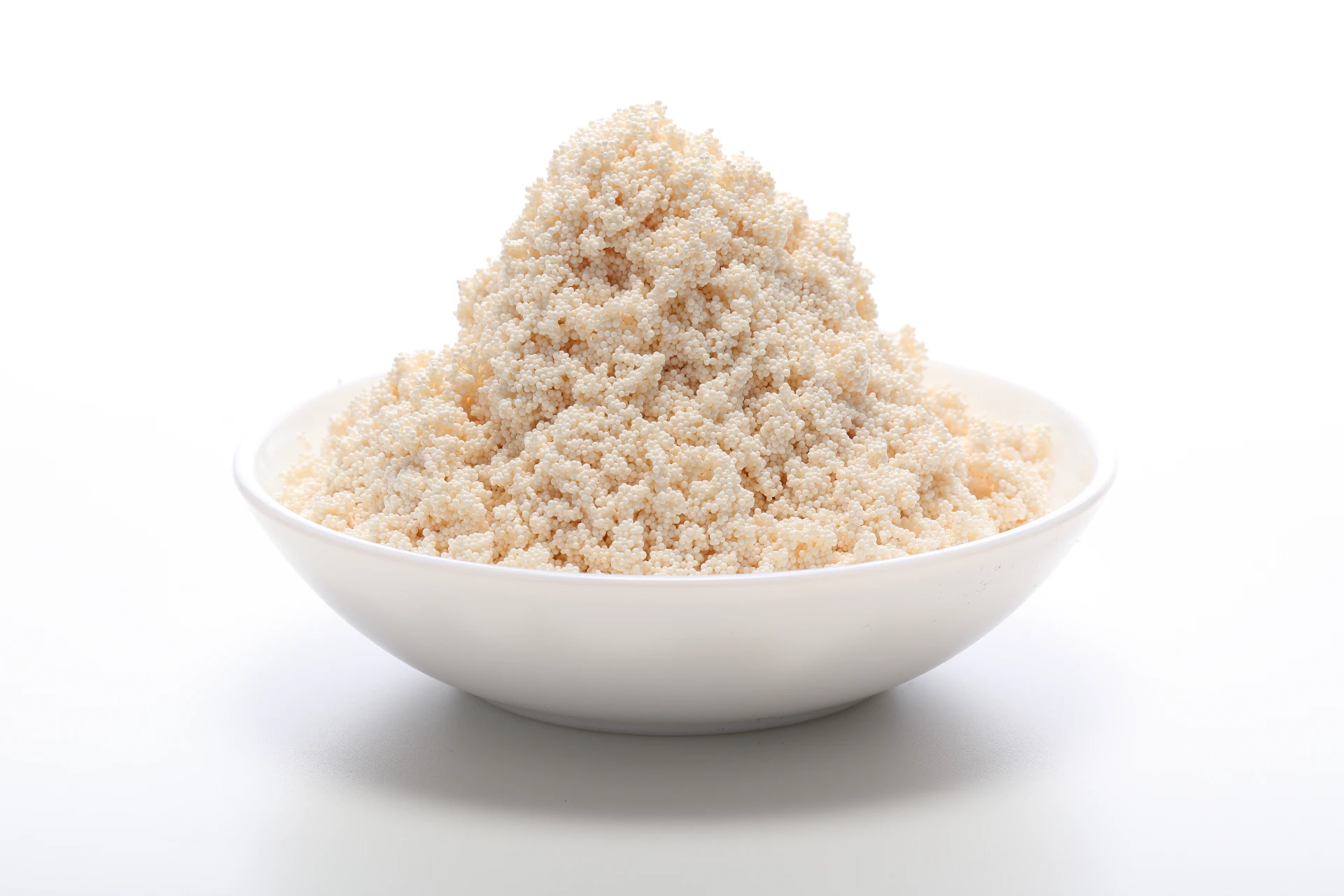
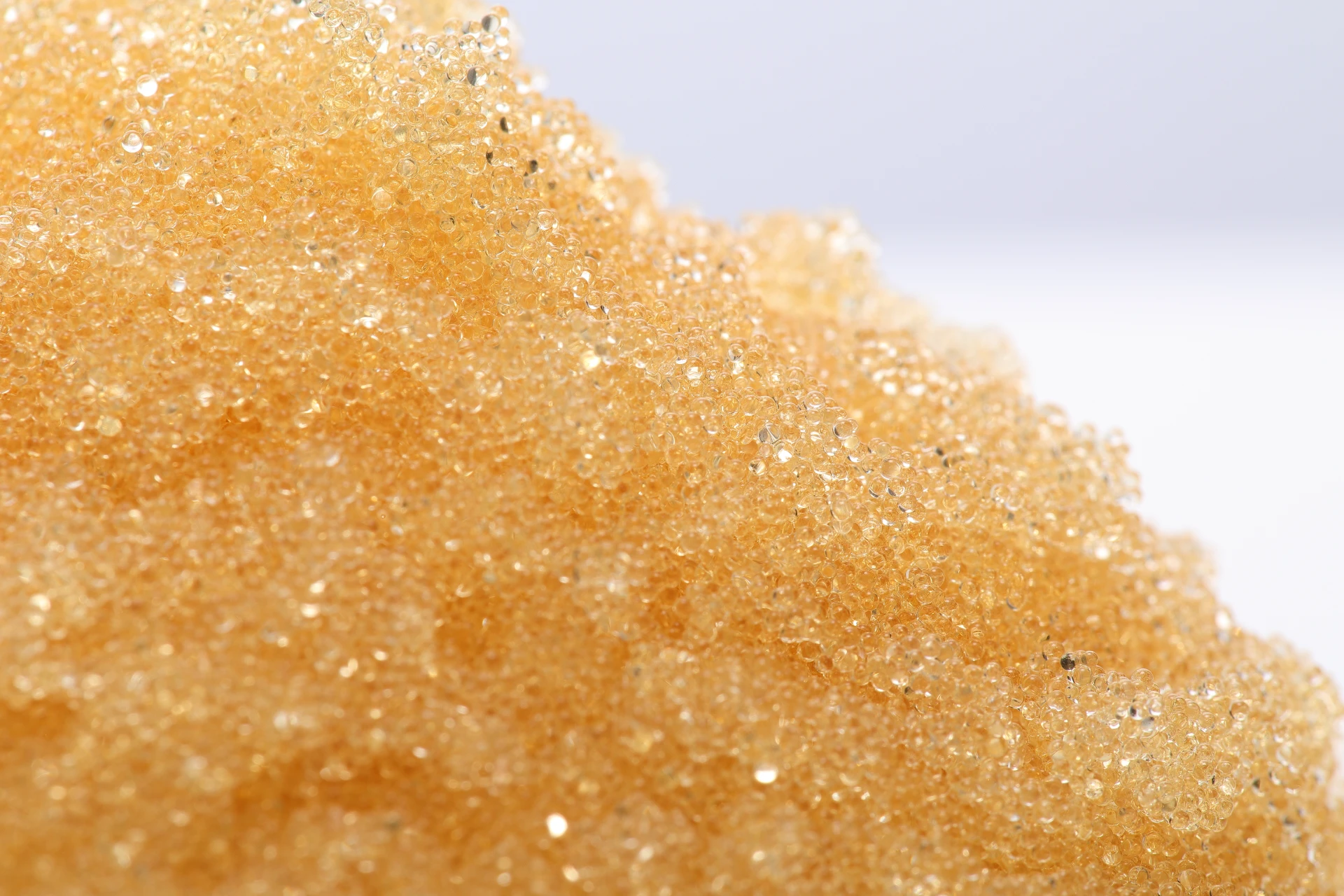
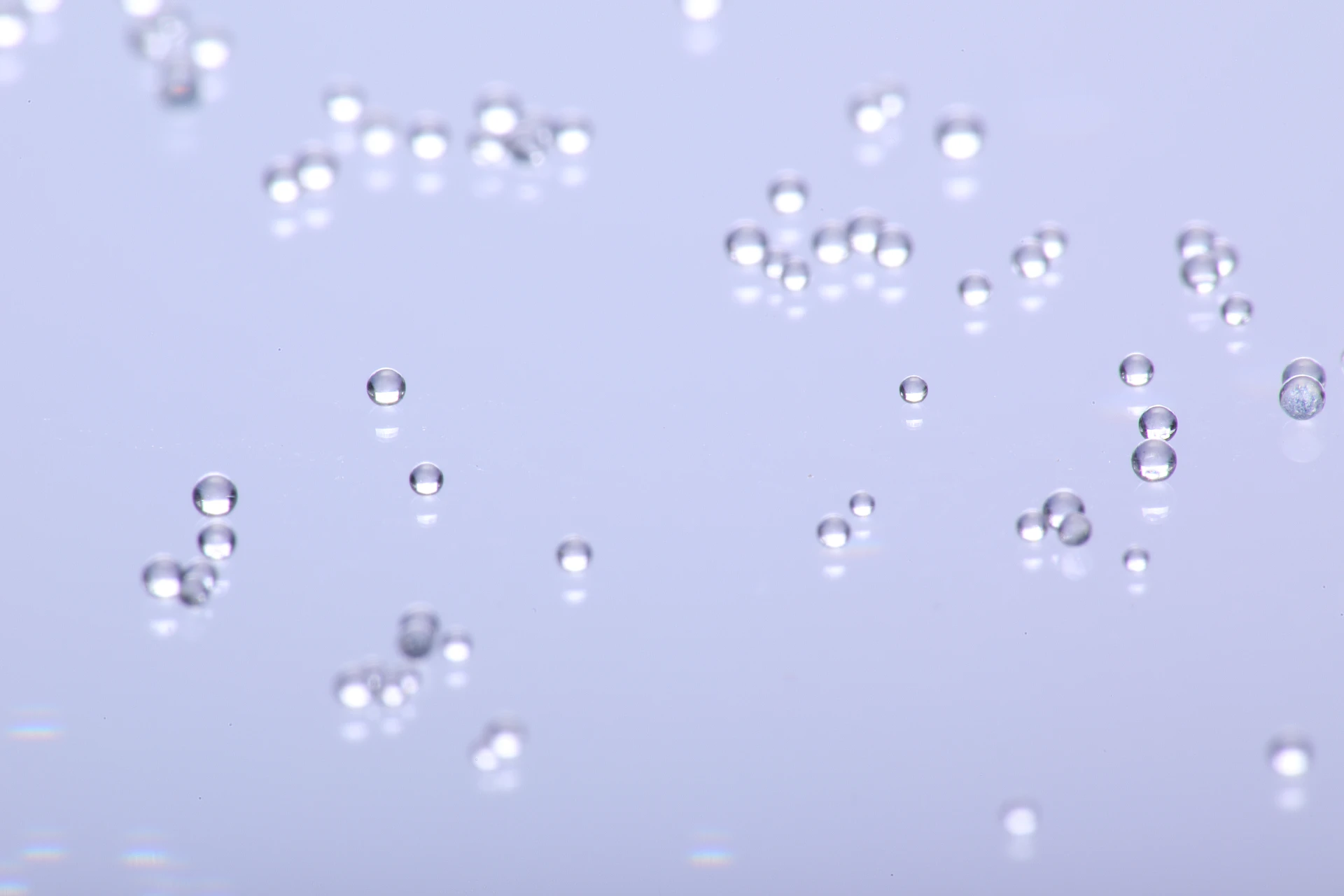
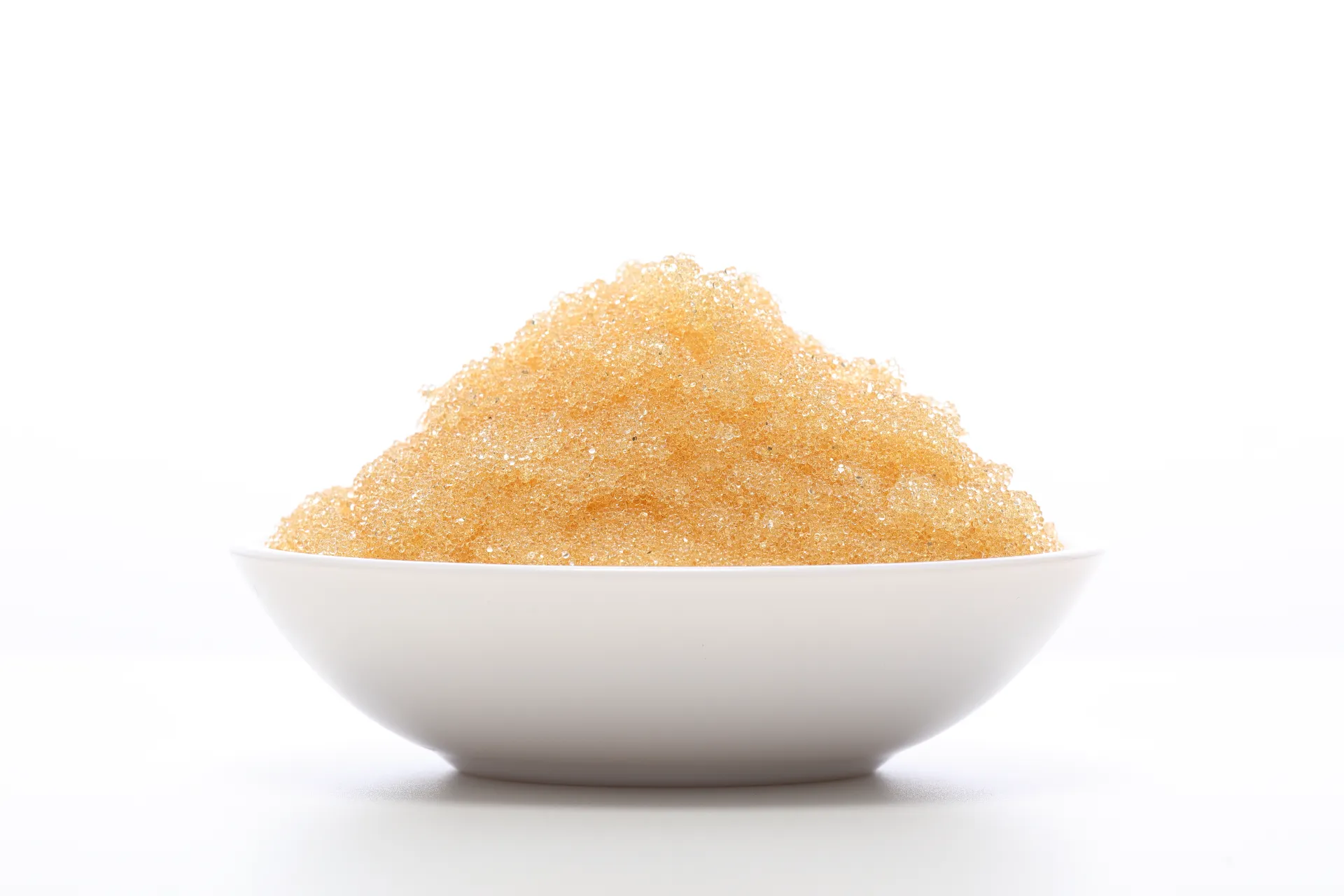
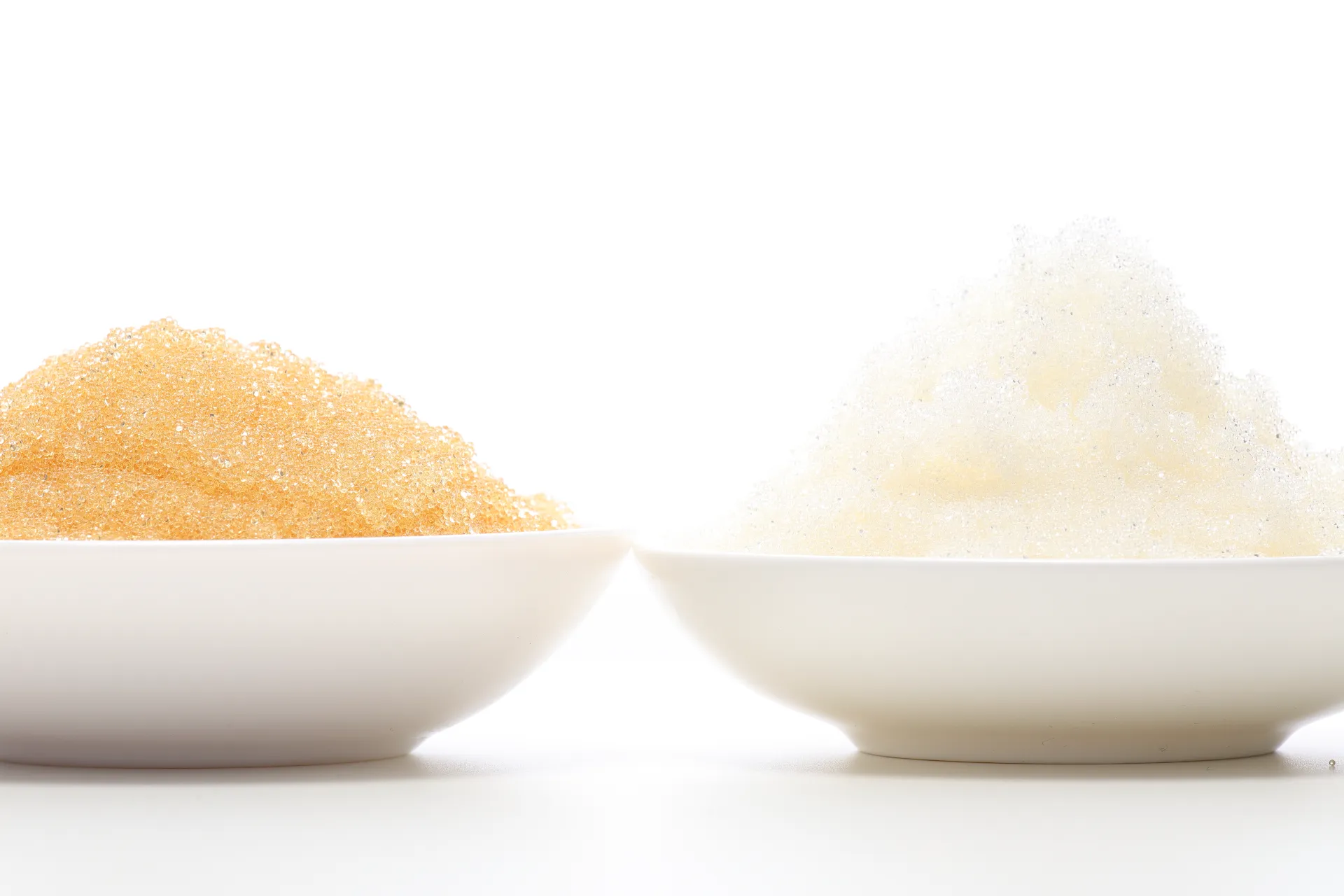
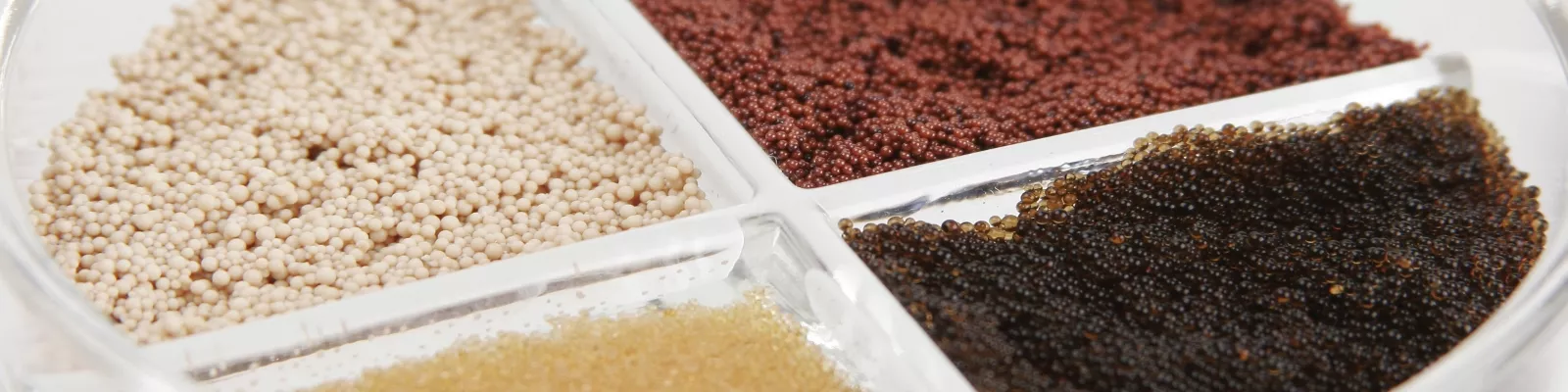
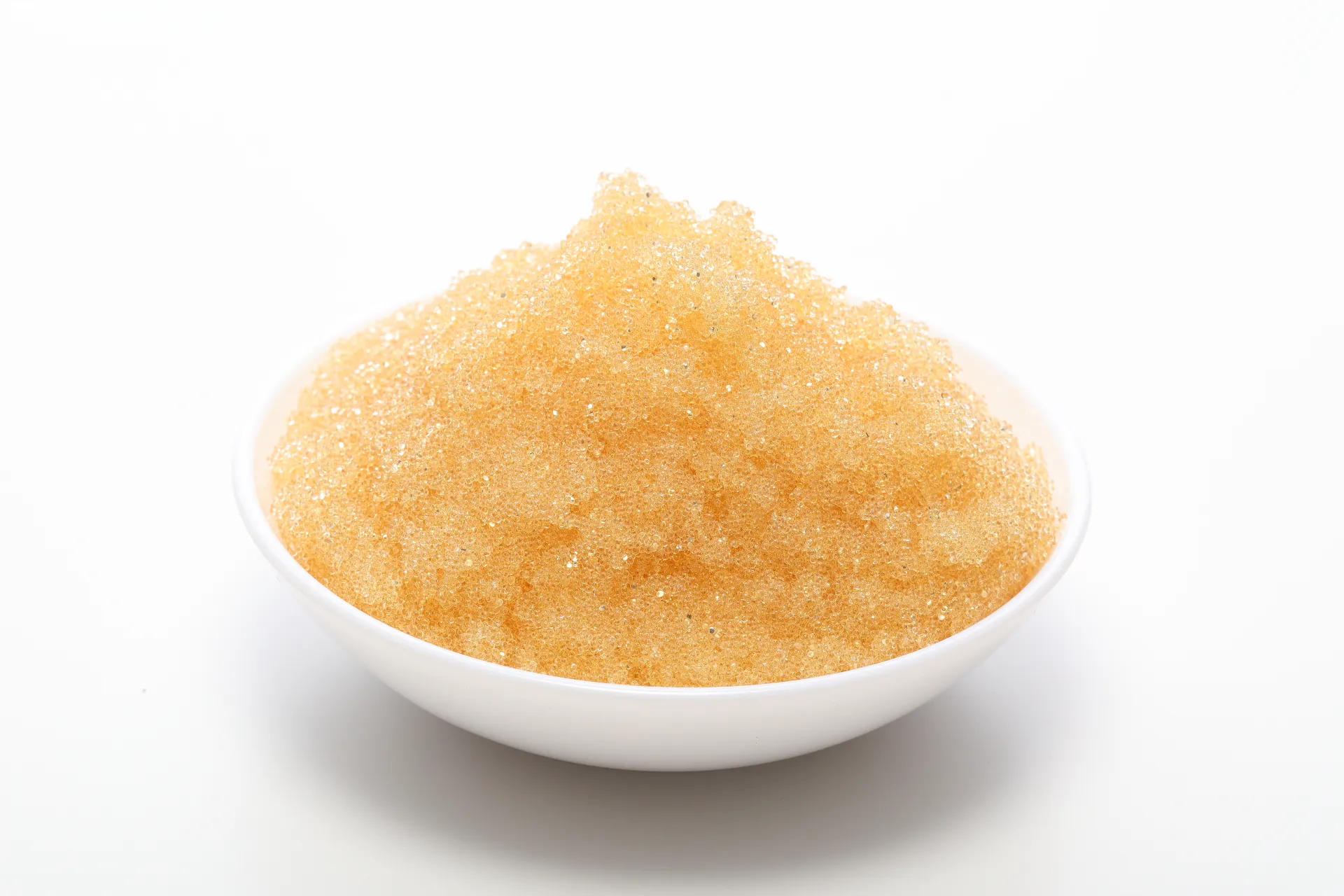
The ion-exchange resin is the heart of the softener. Most use polystyrene beads functionalized with sulfonate groups. Durability here isn’t just about lasting long—it’s about maintaining exchange efficiency across thousands of regeneration cycles. Manufacturers have been quietly innovating with higher cross-linked resins that resist fouling.
Softening capacity is finite; eventually, the resin gets “spent” and must regenerate—usually with a salt brine. The efficiency of this process affects water consumption, salt use, and downtime. Modern systems strive for “smart” regeneration cycles that reduce waste and environmental impact.
These softeners range from small household units handling a few hundred liters a day, to giant industrial models processing thousands. Design considerations include flow rate, ease of maintenance, and integration with existing water infrastructures.
The economics matter especially when deploying at scale. Systems must be affordable to buy and operate, but also minimize environmental footprint. There’s a growing push to develop potassium-based regenerants as a less environmentally taxing alternative to sodium.
It’s one thing to have a state-of-the-art softener in a city plant; it’s another to bring the same benefits to remote clinics or factories in challenging geographies. Availability of parts and simplicity of operation often make or break success in these contexts.
Globally, regions like the Middle East, parts of India, and the southwestern US face chronic hard water issues, driving demand for advanced softener tech. NGOs also integrate cation exchange softening into clean water programs to enhance well water quality and reduce health risks.
At the surface, it feels like a simple swap of ions, but beneath lie layers of value:
| Specification | Detail |
|---|---|
| Resin Type | Cross-linked polystyrene sulfonate |
| Capacity | 20,000 grains (~1,282 mg/L CaCO3) |
| Max Flow Rate | 15 liters per minute |
| Regeneration Salt Use | 4 kg per cycle (NaCl) |
| Dimensions | 35cm diameter x 95cm height |
| Power | 120V, 60Hz control valve |
| Vendor | Price Range | Resin Quality | Regeneration Efficiency | Customer Support |
|---|---|---|---|---|
| HydroSoft Solutions | $$$ (Premium) | High cross-linked resin | Optimized salt use | 24/7 technical support |
| ClearFlow Tech | $$ (Moderate) | Standard resin | Basic control valve | Business hours only |
| EcoIon Water | $ (Budget) | Standard resin, less cross-linked | Higher salt consumption | Email support |
Innovation speeds up in water tech like anywhere else. Many companies now work on greener regeneration—potassium chloride or even salt-free conditioning variants. Add digital monitoring and automation? You get smart softeners that optimize salt use, predict maintenance, and reduce environmental impact. Some products adapt to solar or low-power settings, which helps in remote regions.
Plus, changing regulations (ISO standards for water quality) push vendors toward transparency and sustainability. It’s an exciting crossroads where old-school chemistry meets digital transformation.
Despite their proven benefits, cation exchange water softeners face hurdles:
A: Typically, regeneration occurs after the resin has exchanged a set amount of hardness ions, roughly every 1–2 weeks for household systems depending on water hardness and usage. Smart systems adjust cycles based on actual flow and mineral load.
A: They primarily target hardness ions. Other contaminants like microbes or heavy metals require additional treatment steps such as filtration or reverse osmosis.
A: Yes. Potassium chloride is a common alternative with lower environmental impact, especially in agricultural or sensitive ecological zones.
A: For most household or industrial models, maintenance involves periodic salt refilling and occasional resin replacement every 10–15 years. Advanced models may require professional servicing less often.
A: Absolutely. They are commonly installed downstream of filtration units, compatible with municipal and industrial pipelines, often customized for flow rate and pressure.
The humble cation exchange water softener quietly fuels efficiency and sustainability worldwide. From preserving delicate machinery to enhancing access to clean water in fragile settings, its long-term benefits ripple across industries and communities. As technology smartens up with greener materials and digital controls, it’s well positioned to meet the challenges ahead.
Interested in how these innovations could improve your operations or projects? Visit https://www.lijiresin.com to explore solutions tailored to your needs.