Phone:
+86 0319 2296164


Email:
info@lijiresin.cn
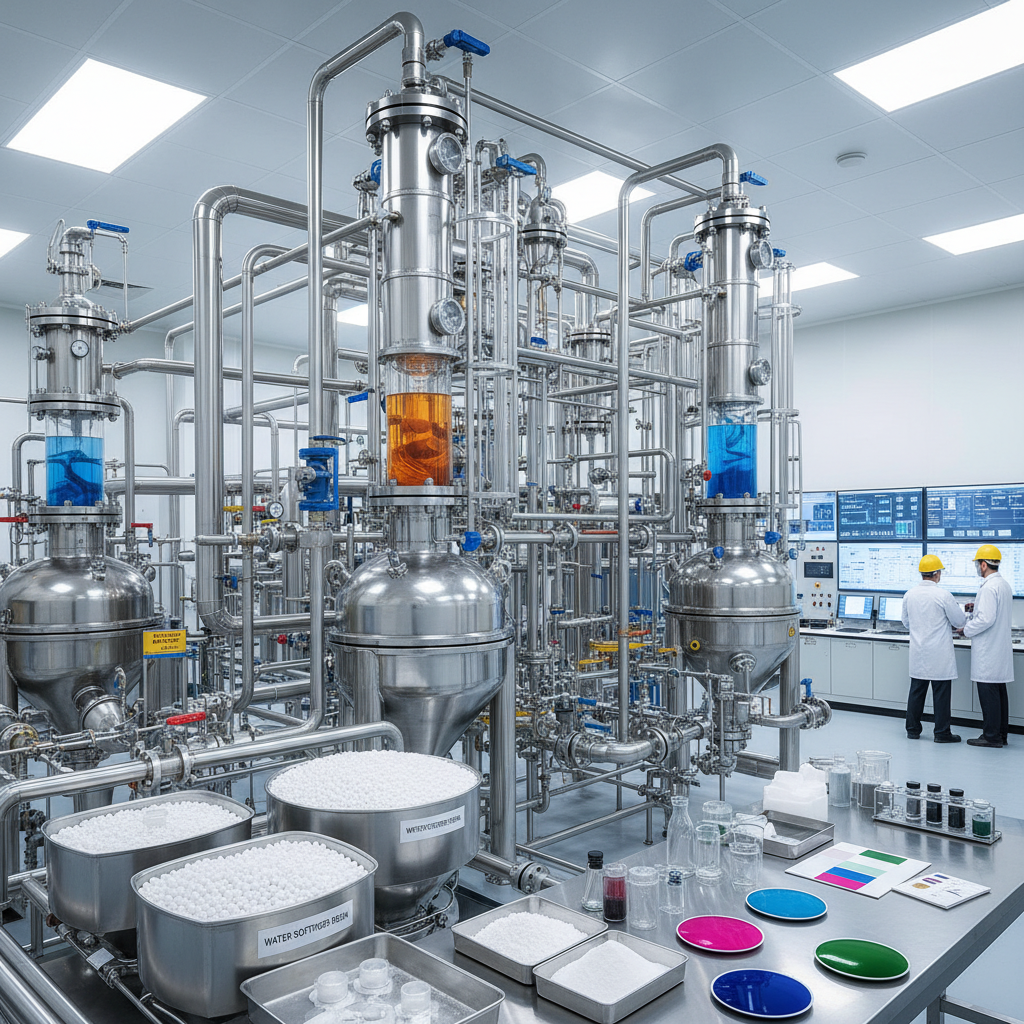
Selecting the right water softener resin is crucial for efficient water treatment, and understanding the water softener resin price is a key part of the process. Price varies significantly depending on resin type, quality, and quantity. This article provides a comprehensive overview of factors influencing resin costs, types available, and how to find the best value. We'll cover everything from standard ion exchange resins to specialized options, helping you make an informed decision for your water softening needs.
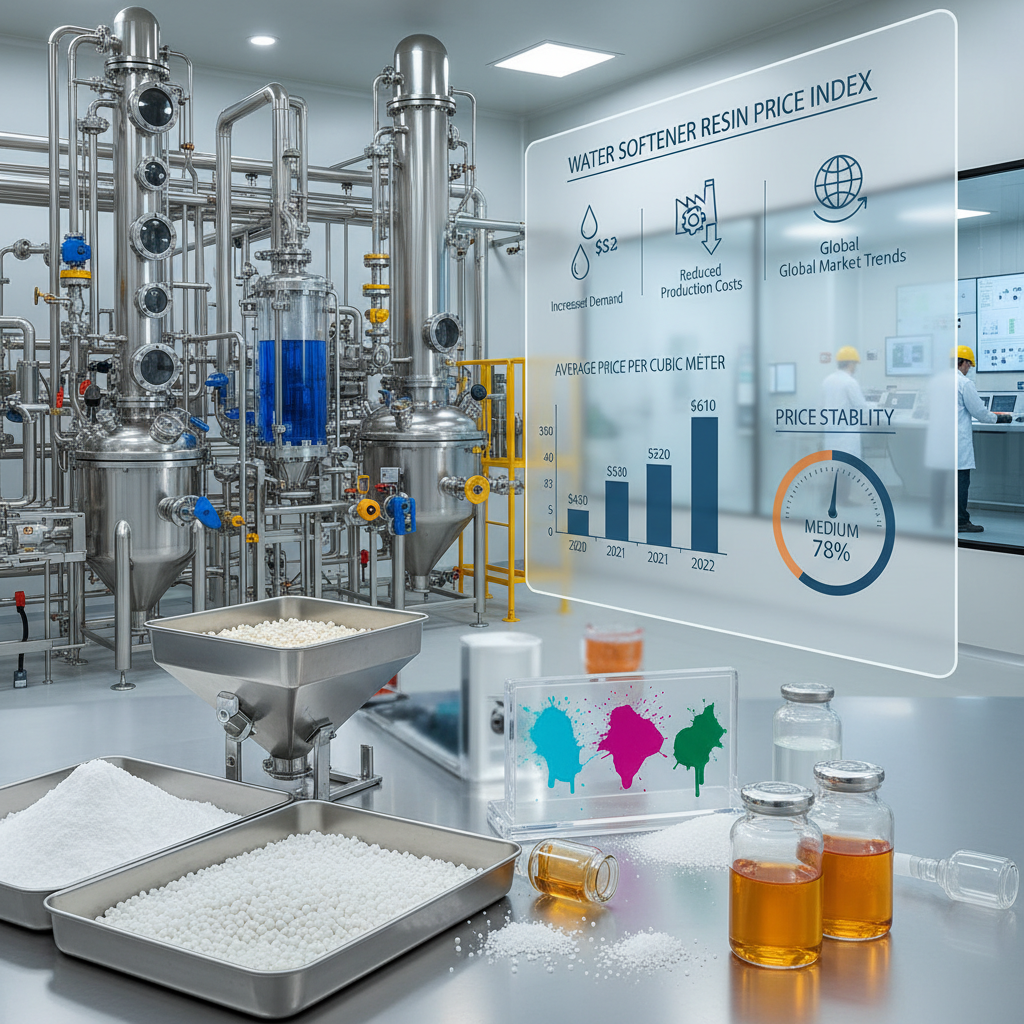
Several factors contribute to the fluctuating water softener resin price. Raw material costs, primarily polystyrene and divinylbenzene, are major drivers. Manufacturing processes, resin quality (crosslinking percentage, particle size, and purity), and the vendor's location and overhead also play significant roles. Demand and supply dynamics, particularly seasonal fluctuations, can influence pricing. Furthermore, specialized resins with enhanced features – such as high capacity or selectivity – typically command a higher price point. Shipping costs and import duties can also add to the final expense.
Key Highlights: Raw material costs, resin quality, manufacturing processes, demand, and shipping costs all contribute to the final price.
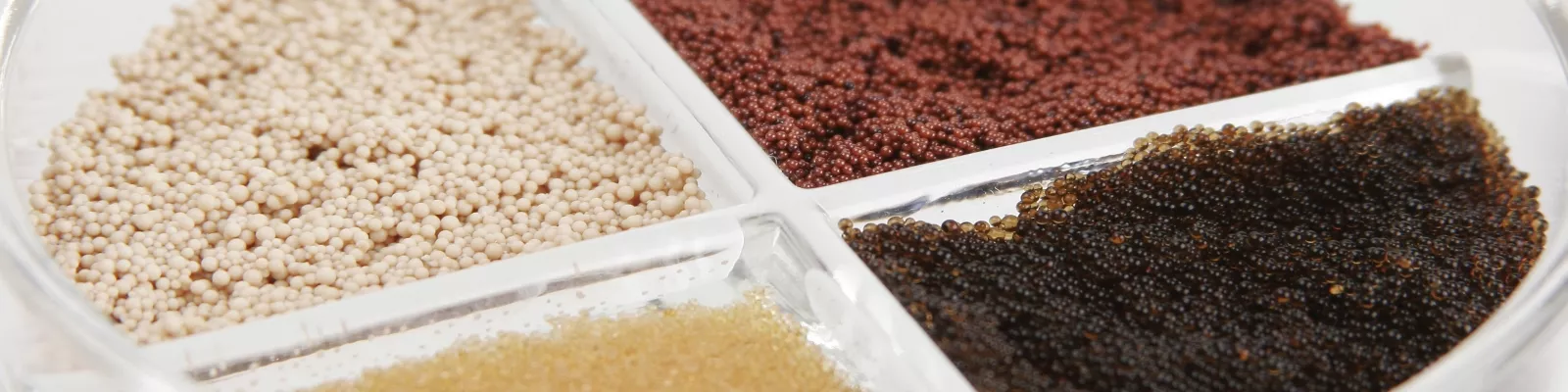
Different types of water softener resin cater to various applications and budgets. Type 1 resins (standard gel) are the most common and generally the most affordable. Type 2 resins (macroporous) offer better performance with iron and manganese but are typically more expensive. Premium resins, such as those with higher crosslinking, provide exceptional durability and resistance to oxidation but come at a premium price. Here’s a general price comparison (prices are approximate and can vary):
The market offers many reputable resin brands. Comparing prices from different manufacturers is essential. While price shouldn't be the sole deciding factor, it's important to consider the brand's reputation for quality and consistency. Liji Resin, for instance, provides high-quality resins at competitive prices, often offering bulk discounts. Here’s a simplified comparison (prices are estimates for a cubic foot of standard Type 1 resin):
When choosing a resin, consider your water chemistry, softening requirements, and budget. If you have high iron or manganese levels, a macroporous resin (Type 2) is a worthwhile investment, despite the higher initial cost. For typical household use, a standard gel resin (Type 1) may suffice. Buying in bulk can often reduce the per-cubic-foot price. Always factor in the long-term cost of ownership, including resin replacement frequency, when making your decision. A lower upfront cost doesn’t necessarily translate to long-term savings if the resin degrades quickly.
Water softener resin is available from numerous sources, including online retailers, water treatment equipment suppliers, and plumbing supply stores. Purchasing directly from a manufacturer, like Liji Resin, can often provide the best pricing and technical support. When buying online, carefully review the seller's reputation and shipping policies. Be sure to compare prices from multiple vendors before making a purchase.
Understanding the water softener resin price involves considering multiple factors, from resin type and quality to vendor and shipping costs. By carefully assessing your needs and comparing options, you can find the best value for your investment. Choosing a reputable supplier like Liji Resin ensures you receive a high-quality product and excellent customer service.
The lifespan of water softener resin varies depending on water quality, usage, and resin type. Generally, a well-maintained resin can last 7-10 years. Factors like high iron content, chlorine exposure, and oxidative damage can shorten its lifespan. Regular cleaning with resin cleaner can help extend its longevity. Signs of degradation include reduced softening capacity and increased pressure drop.
Type 1 resin (standard gel) has a smaller pore size and is ideal for removing hardness minerals in water with low iron content. Type 2 resin (macroporous) has a larger pore size, making it more effective at removing iron, manganese, and other contaminants. While more expensive, Type 2 resin is crucial if your water source contains significant levels of these impurities. Choosing the wrong type can lead to premature fouling and reduced softening efficiency.
Yes, water softener resin is regularly regenerated during the softening process using a brine solution (saltwater). This replenishes the resin's ion exchange capacity. However, over time, resin can become fouled with iron, sediment, and other contaminants that aren't removed during standard regeneration. A resin cleaner can be used periodically to remove these foulants and restore the resin's efficiency. Regular cleaning can significantly extend the resin's lifespan.
The amount of resin needed depends on your water hardness, water usage, and desired softening capacity. A general rule of thumb is to use 1 cubic foot of resin for every 32,000 grains of hardness removal capacity. To calculate your needs accurately, you should have your water tested to determine its hardness level and estimate your daily water consumption. Consulting with a water treatment professional can ensure you choose the correct resin volume for your specific requirements.