Phone:
+86 0319 2296164


Email:
info@lijiresin.cn
Water purification, chemical processing, and environmental sustainability are not just buzzwords—they're essential pillars of a thriving global society. Anion cation resin plays a surprisingly crucial role behind the scenes by enabling these processes to run smoothly. Understanding this resin's impact helps industries from manufacturing to humanitarian aid maintain systems that keep our water clean and chemicals in check. Plus, in a world increasingly concerned about resource efficiency and pollution, grasping the key benefits of anion cation resin could not be more relevant.
Did you know that over 2 billion people worldwide still lack access to safely managed drinking water? According to the United Nations, improving water quality is a daunting global challenge that chemical ion exchange processes—using anion cation resins—help to solve.[1]
Industries from electronics manufacturing in East Asia to textile production in South America rely heavily on these resins to ensure their wastewater is safe before releasing it into the environment. Further, the ISO standards related to water treatment highlight resin performance to guarantee efficiency and safety.
However, wastewater often contains a complex mishmash of dissolved ions, making treatment a nuanced technical challenge. Without robust resin systems, industries risk polluting ecosystems or facing costly fines. So this resin isn’t just a chemical product—it’s a critical line of defense for environment and health worldwide.
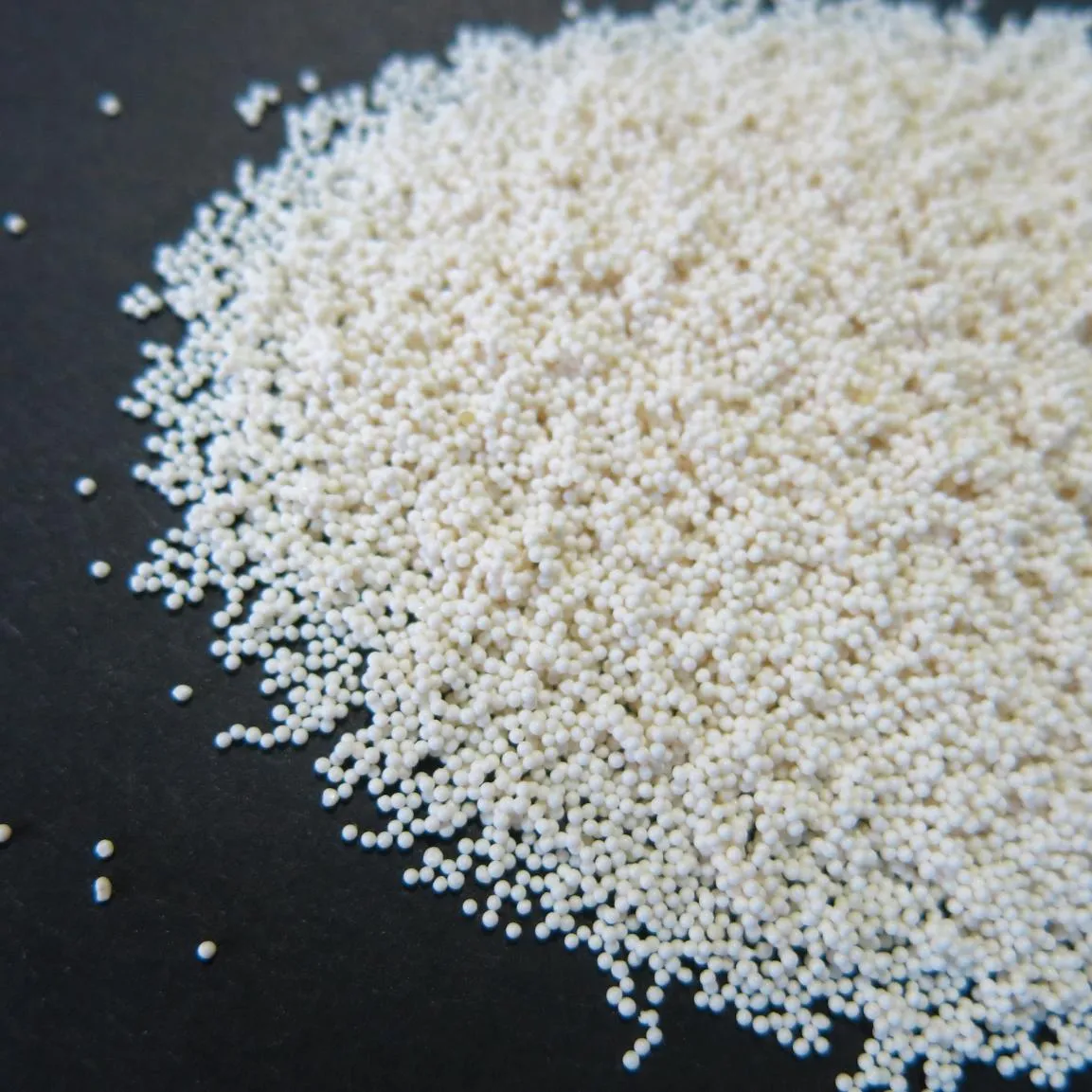
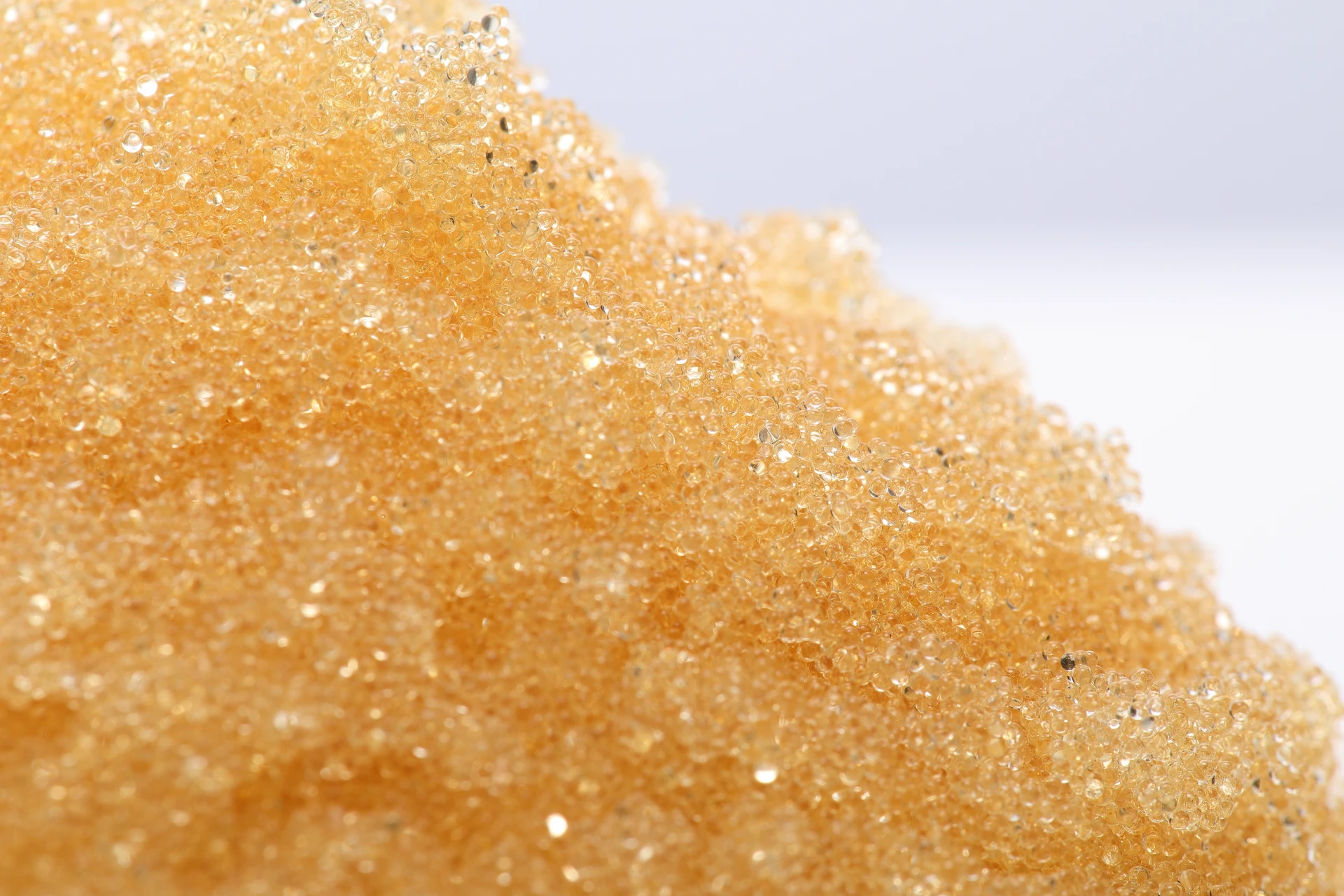
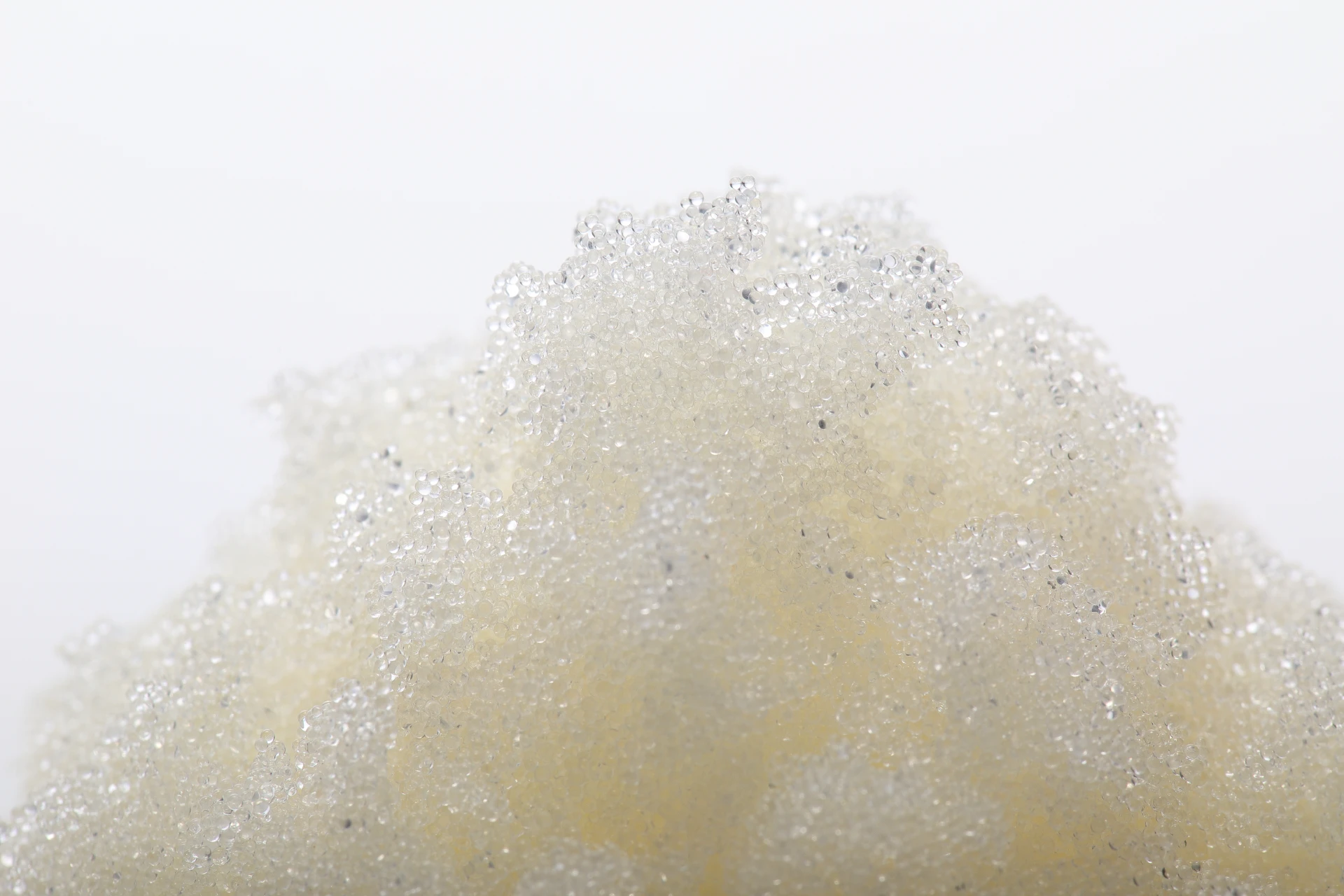
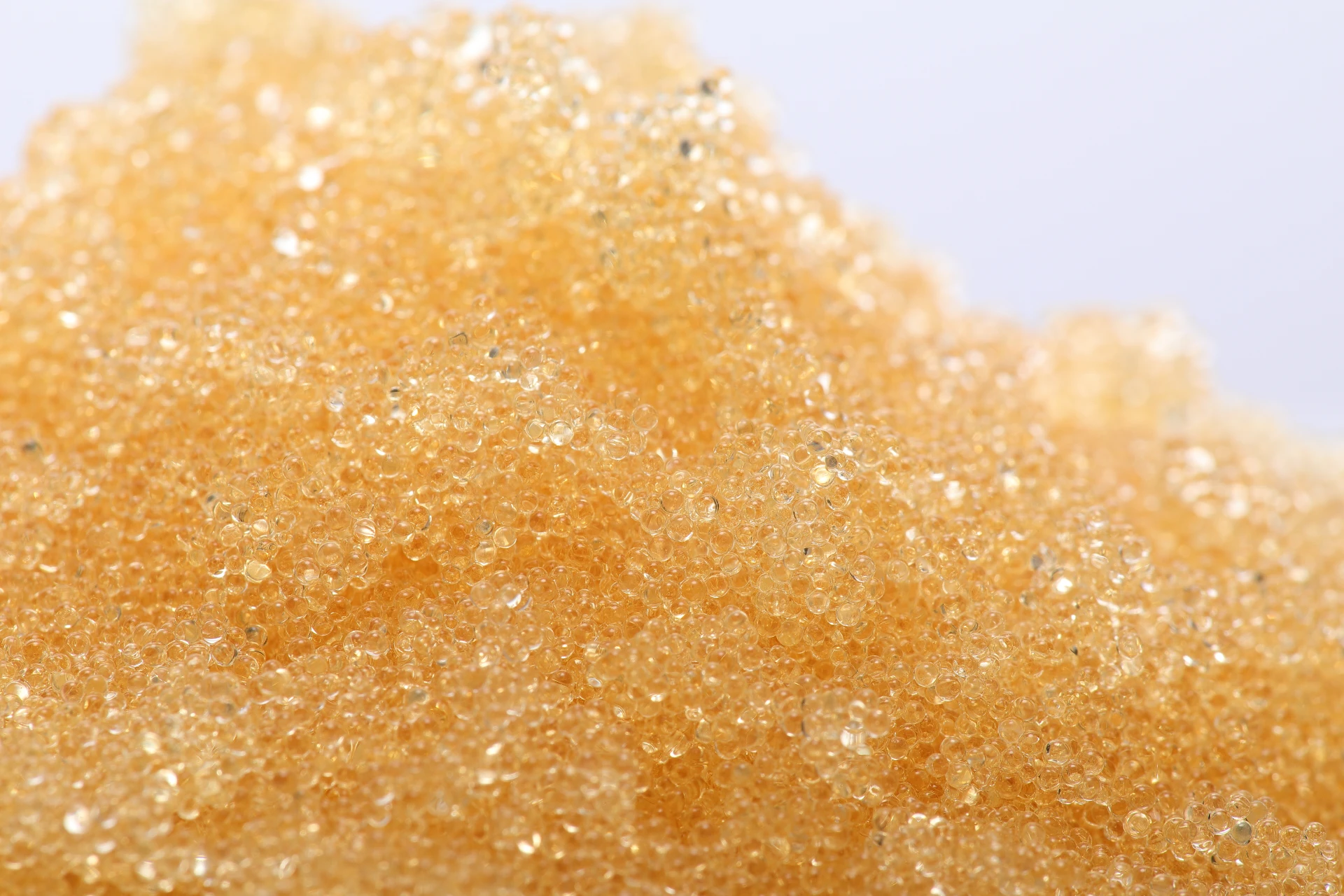
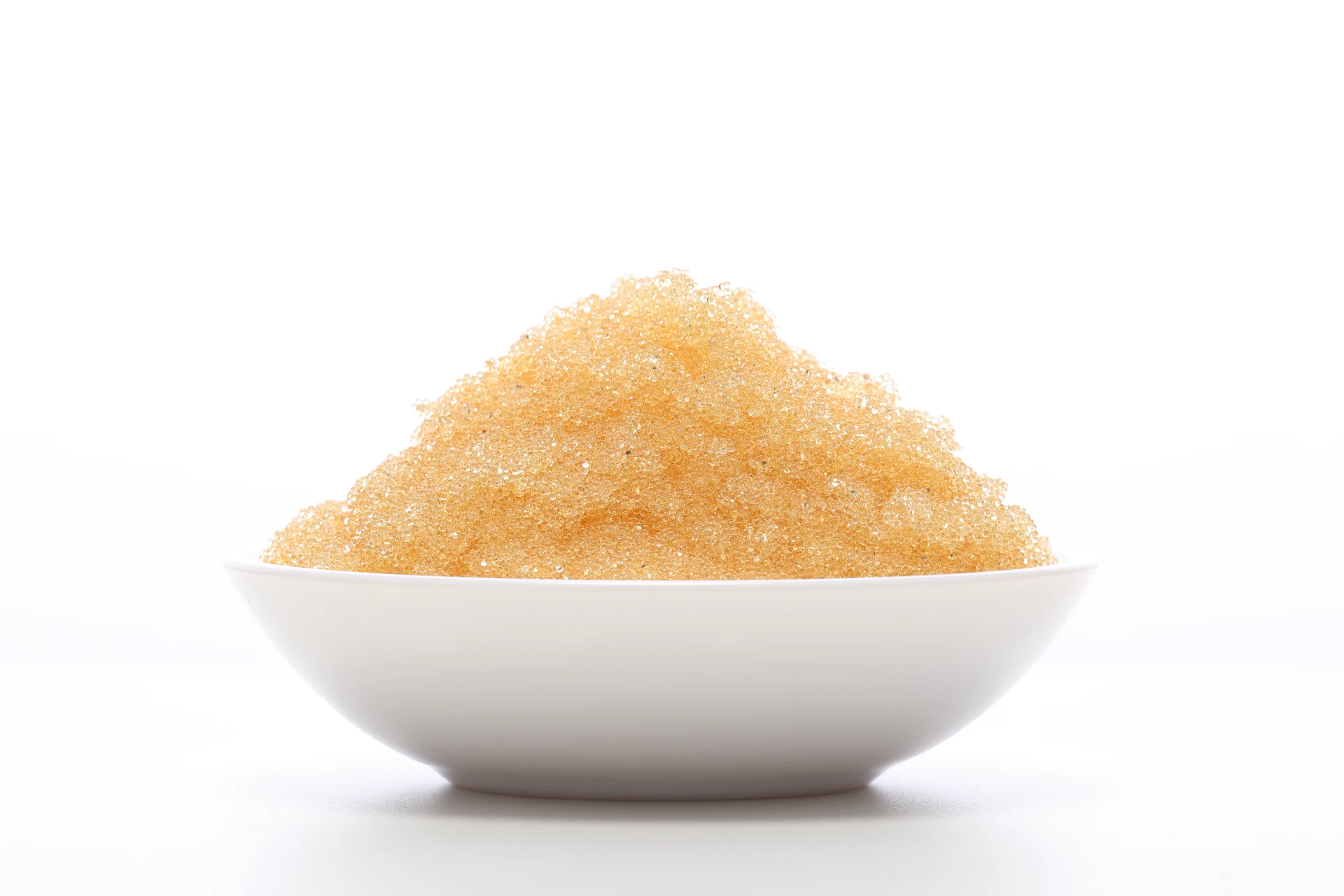
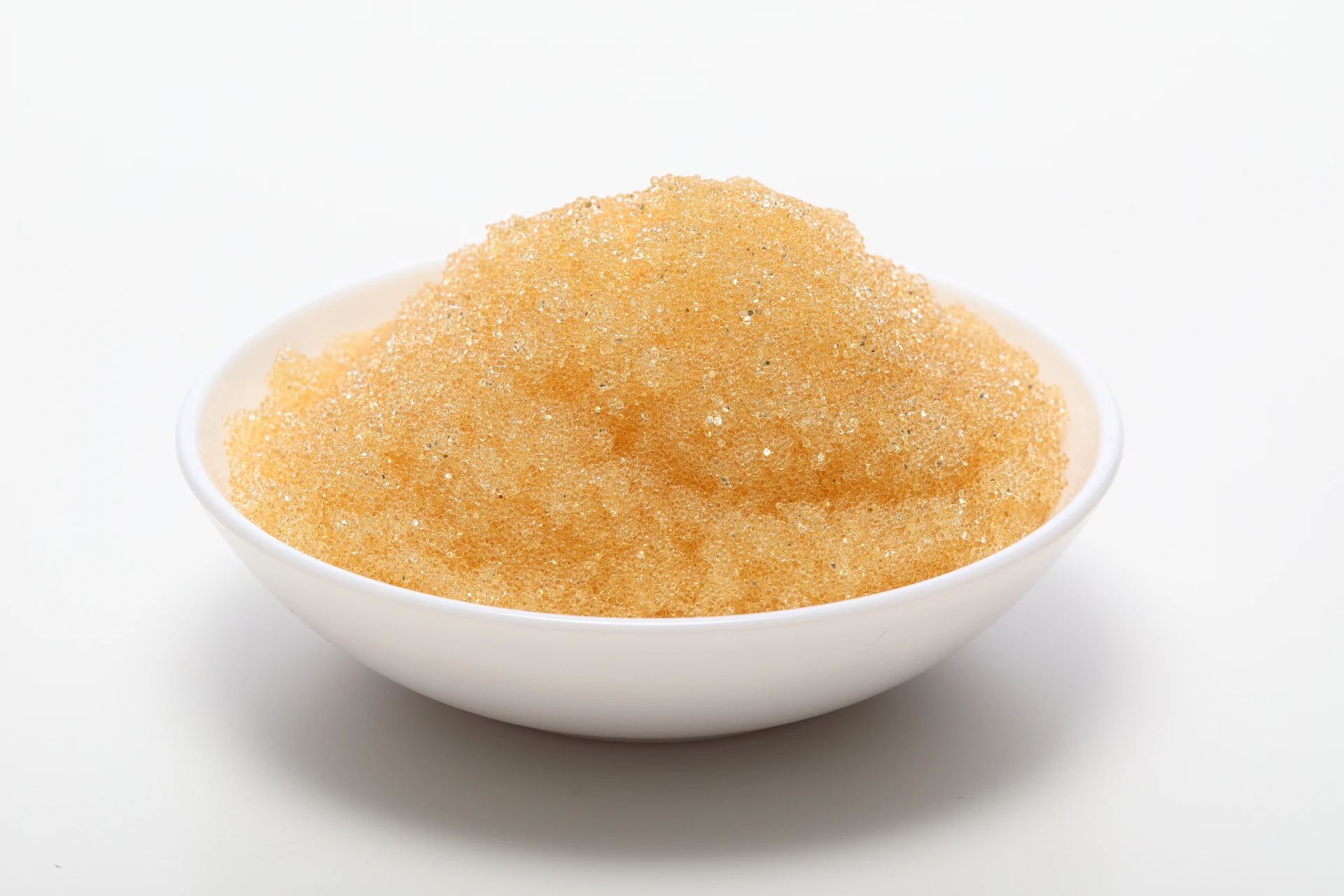
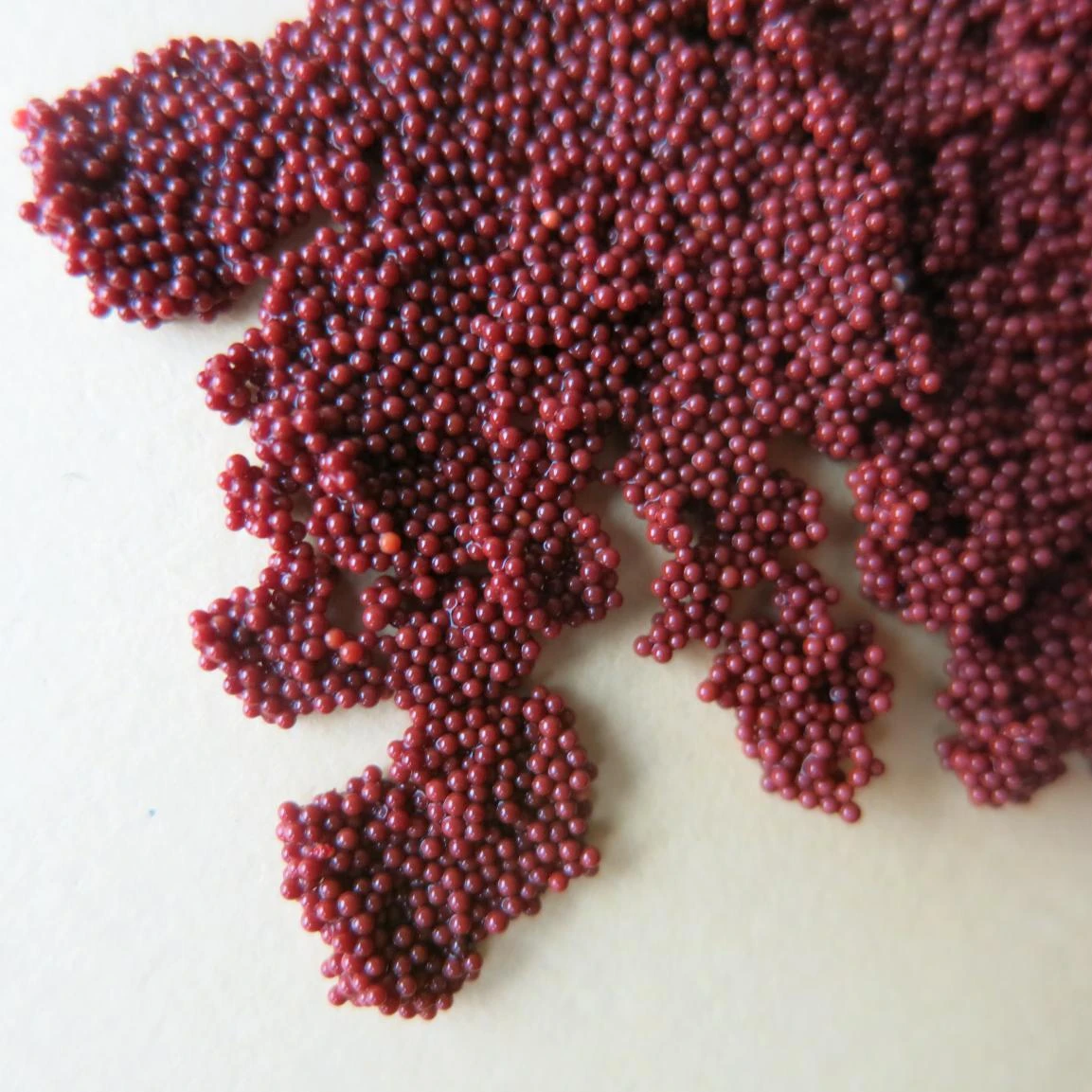
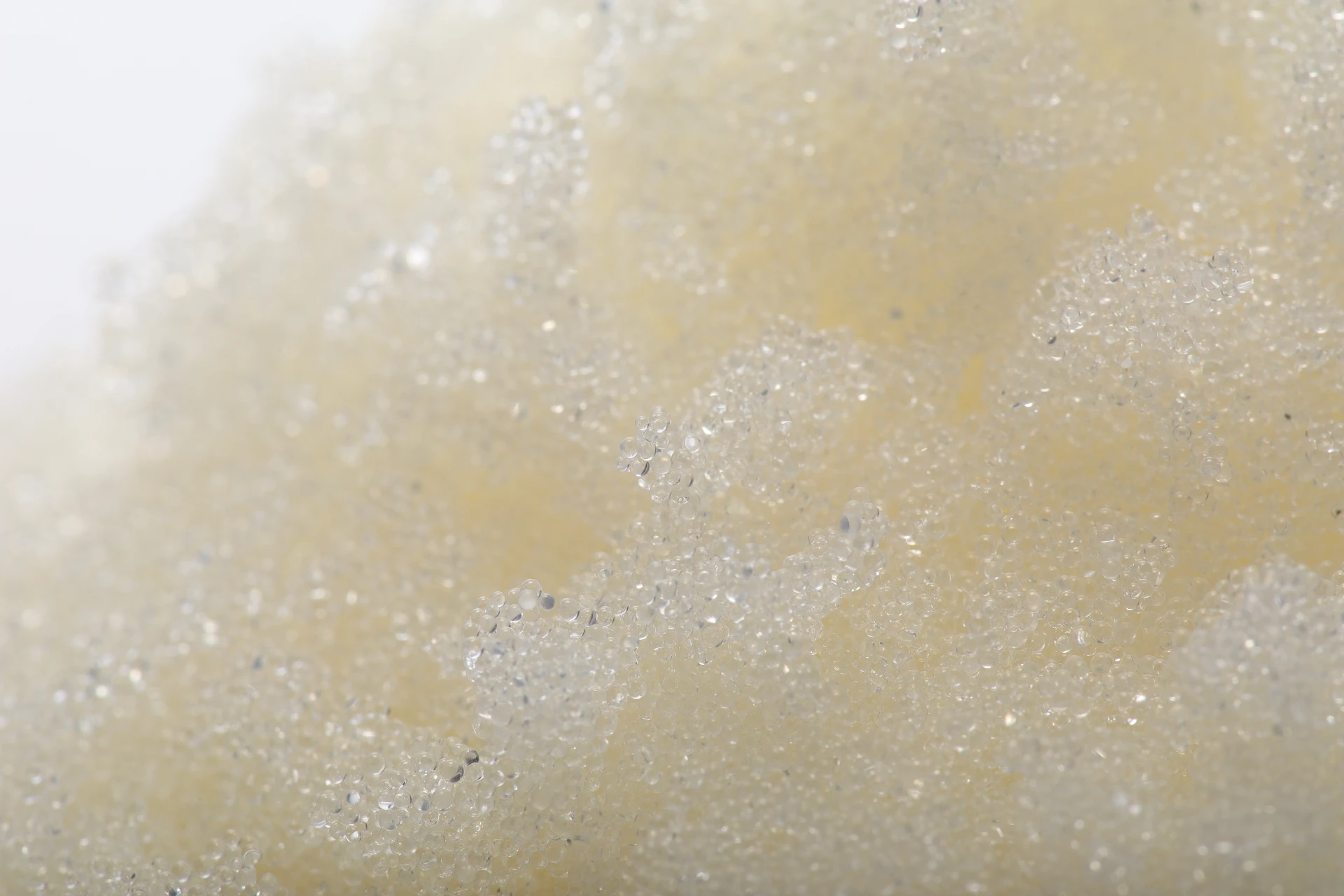
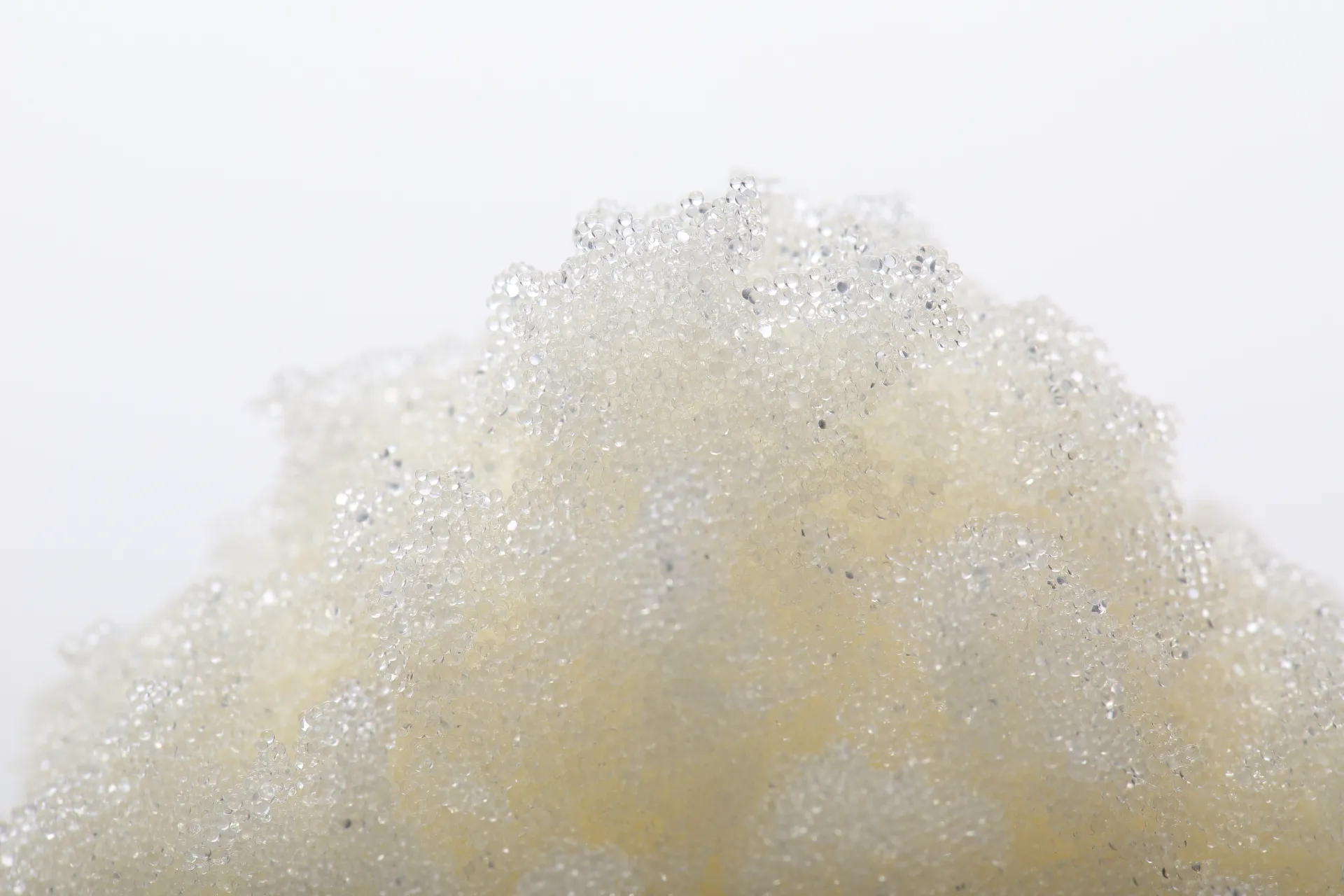
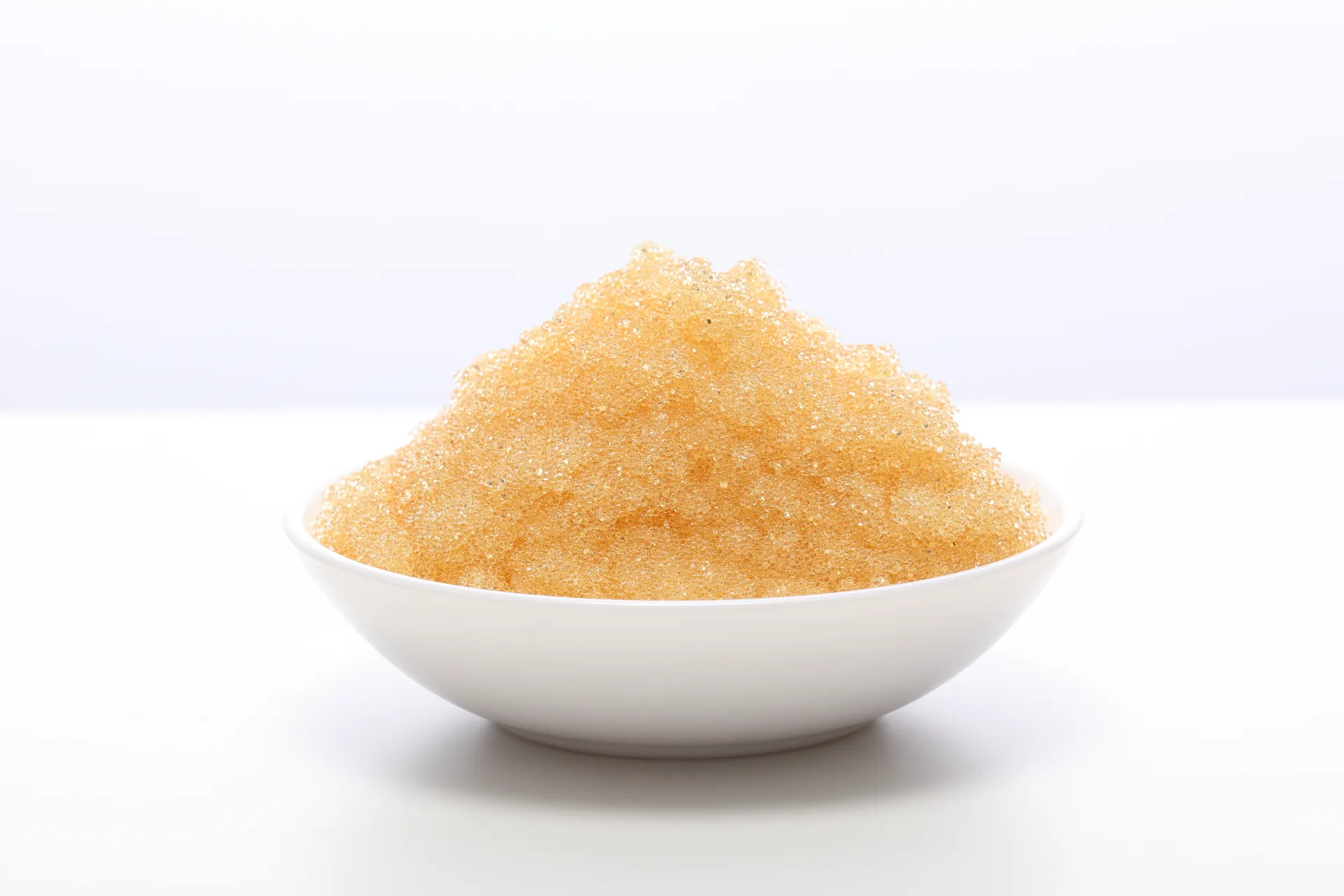
At its core, anion cation resin is a type of ion exchange material used to selectively remove charged particles—called ions—from solutions. The “anion” part traps negatively charged ions like chloride or sulfate, while the “cation” side captures positive ions such as calcium or magnesium.
Imagine the resin as a tiny, yet incredibly efficient net that grabs unwanted ions out of water or chemical mixtures. This makes it indispensable in water softening, demineralization, and purification processes. Beyond industry, humanitarian efforts in areas with contaminated water supplies also rely on these resins to provide safer drinking water quickly and affordably.
Resin longevity is crucial because frequent replacement elevates costs and environmental burden. High-quality resins maintain functional integrity for years, even under harsh chemical conditions.
This measures how many ions a resin can capture before saturation. A higher capacity resin means fewer regenerations and better uptime in treatment plants.
Not all ions are equal—some resins preferentially capture specific ions over others. This is vital when you want to target harmful substances without disturbing beneficial minerals.
Regeneration involves restoring the resin by flushing it with specific chemicals. Efficient resins require less chemical input and water, which cuts operational costs and reduces environmental impact.
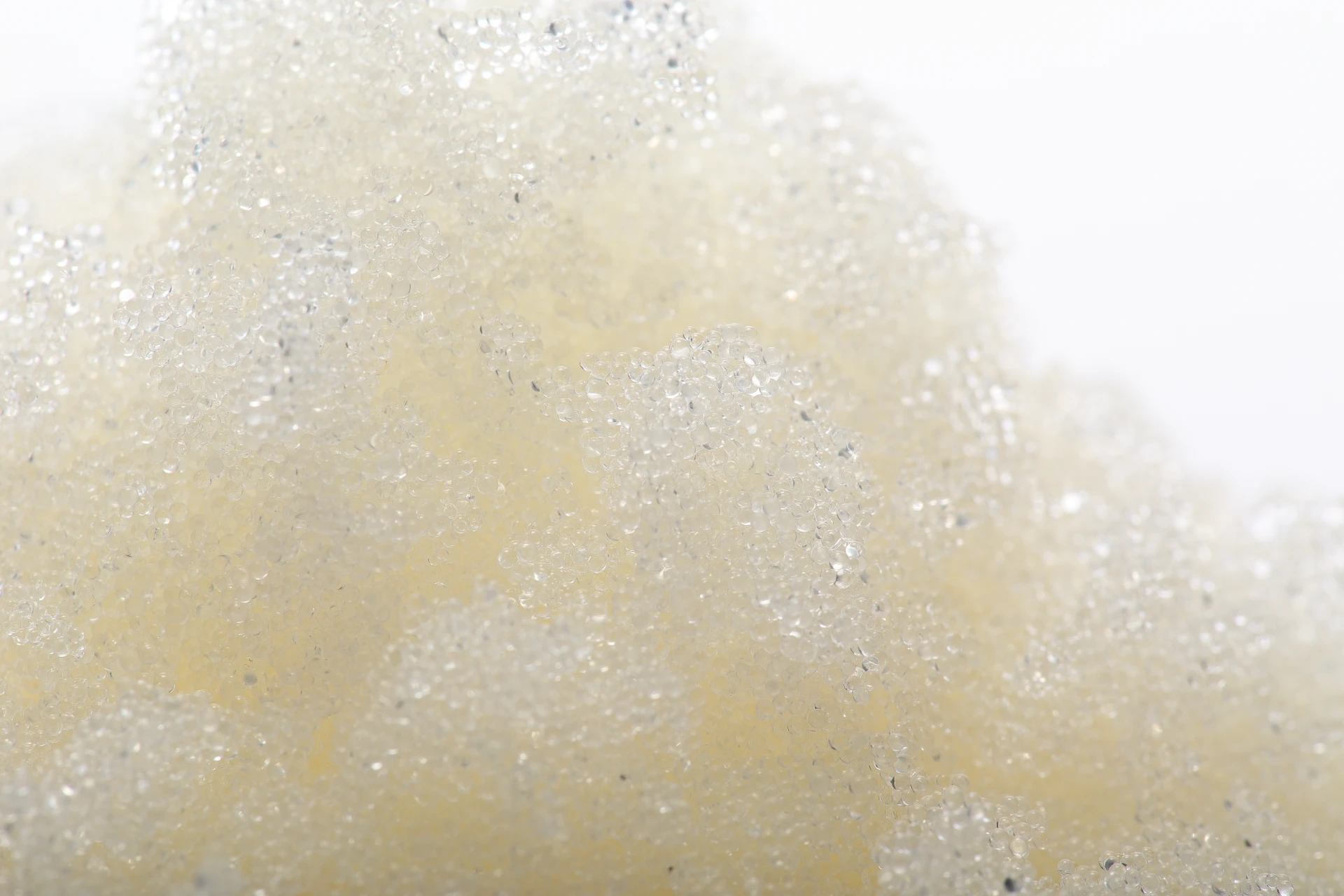
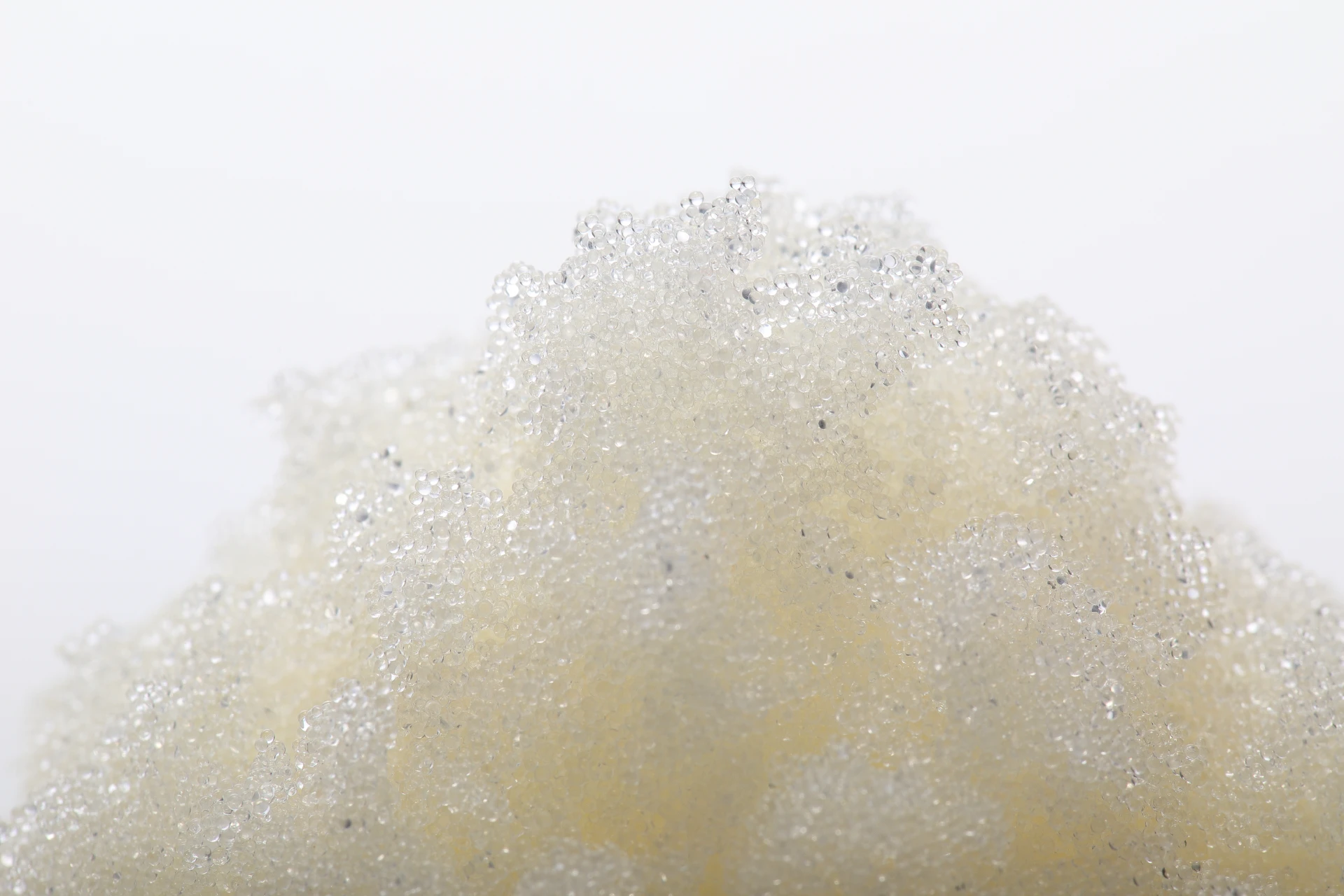
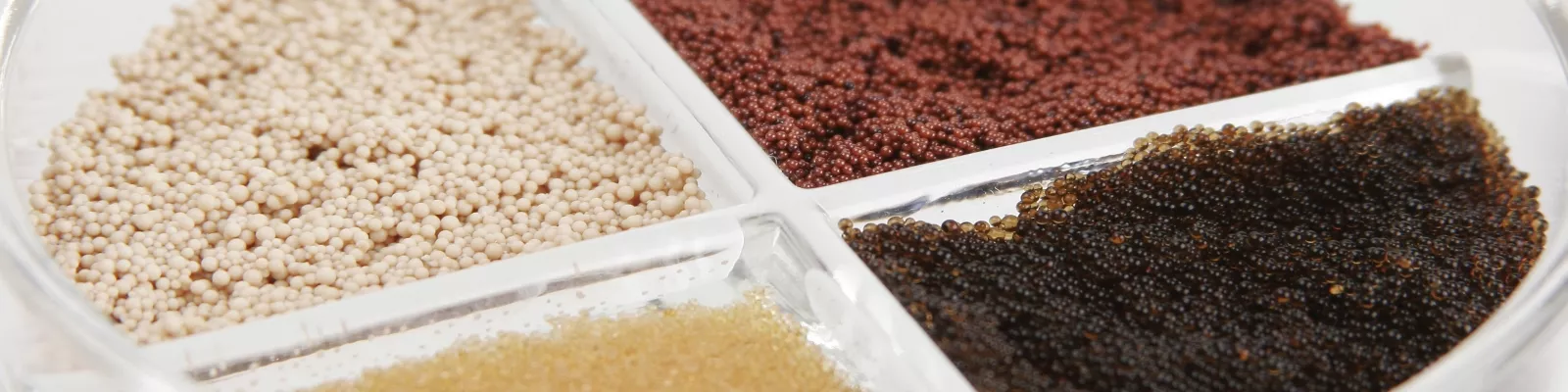
Depending on whether the resin is used in water treatment, chemical manufacturing, or pharmaceuticals, its physical form (beads, sheets) and compatibility with equipment vary widely—important details many overlook.
| Specification | Typical Range | Notes |
|---|---|---|
| Ion Exchange Capacity (meq/g) | 1.0 - 2.5 | Varies by resin type and application |
| Particle Size (mesh) | 16 - 50 | Affects flow rates and pressure drop |
| Operating pH Range | 2 - 12 | Ensures chemical stability |
| Temperature Range (°C) | 5 - 80 | High temps may degrade resin faster |
From bustling factories in Germany to remote water treatment stations in Sub-Saharan Africa, anion cation resins form the backbone of countless purification and processing systems.
An interesting case comes from a remote Indonesian island where a local community partnered with NGOs to install resin filtration units, cutting waterborne diseases by nearly 60% within a year. The ripple effect was profound — children missed fewer school days and adults could work more reliably.
| Vendor | Resin Types Available | Price Range (USD/kg) | Lead Time | Global Reach |
|---|---|---|---|---|
| Ionex Corp. | Anion, Cation, Mixed Bed | 20 - 35 | 2-3 weeks | North America, Europe |
| Liji Resin | Anion, Cation, Specialty Polymers | 18 - 30 | 1-2 weeks | Asia, Europe, Americas |
| PureIons Ltd. | Cation, Mixed Bed | 22 - 40 | 3-4 weeks | Europe, Middle East |
Framed in practical terms, these resins reduce operational expenditure by extending equipment life and lowering chemical waste disposal costs. But here’s the emotional dimension: they safeguard communities by providing water that meets health guidelines, building a quiet trust between industry and public.
From a sustainability perspective, efficient resin regeneration means less environmental impact; less chemical use equals fewer pollutants. So while it may seem just a technical matter, it really equates to safer rivers, healthier kids, and businesses that stay productive without tipping ecological balance.
The ion exchange industry is quietly humming with innovation. For one, greener resins developed from bio-based polymers aim to reduce petrochemical dependence. Automation is also stepping in: smart resin beds embedded with sensors now monitor exhaustion levels in real time, optimizing regeneration cycles and cutting downtime.
And oddly enough, digital twins—virtual models of resin systems—help engineers simulate scenarios before installing physical setups, saving months of trial and error. Regulations worldwide are tightening, promoting greener tech that keeps driving resin development toward lower waste and higher performance.
Resin fouling remains one of the biggest headaches—organic matter and suspended solids can clog the beads, crippling efficiency. Pre-treatment filtration and periodic backflushing are common fixes, but research into self-cleaning resins is underway.
Another sticking point is resin disposal. While regeneration extends life, once spent, resins must be handled responsibly. Innovative recycling methods and regeneration chemical reuse programs are important progressive steps.
Ultimately, anion cation resin is more than just a chemical material; it’s a critical enabler of safe water, industrial efficiency, and environmental protection. The benefits ripple out—reducing costs, improving health, and paving the way for green innovations.
Interested in finding out more or sourcing high-quality resins for your project? Visit our website: https://www.lijiresin.com for detailed technical info and expert support.
References: