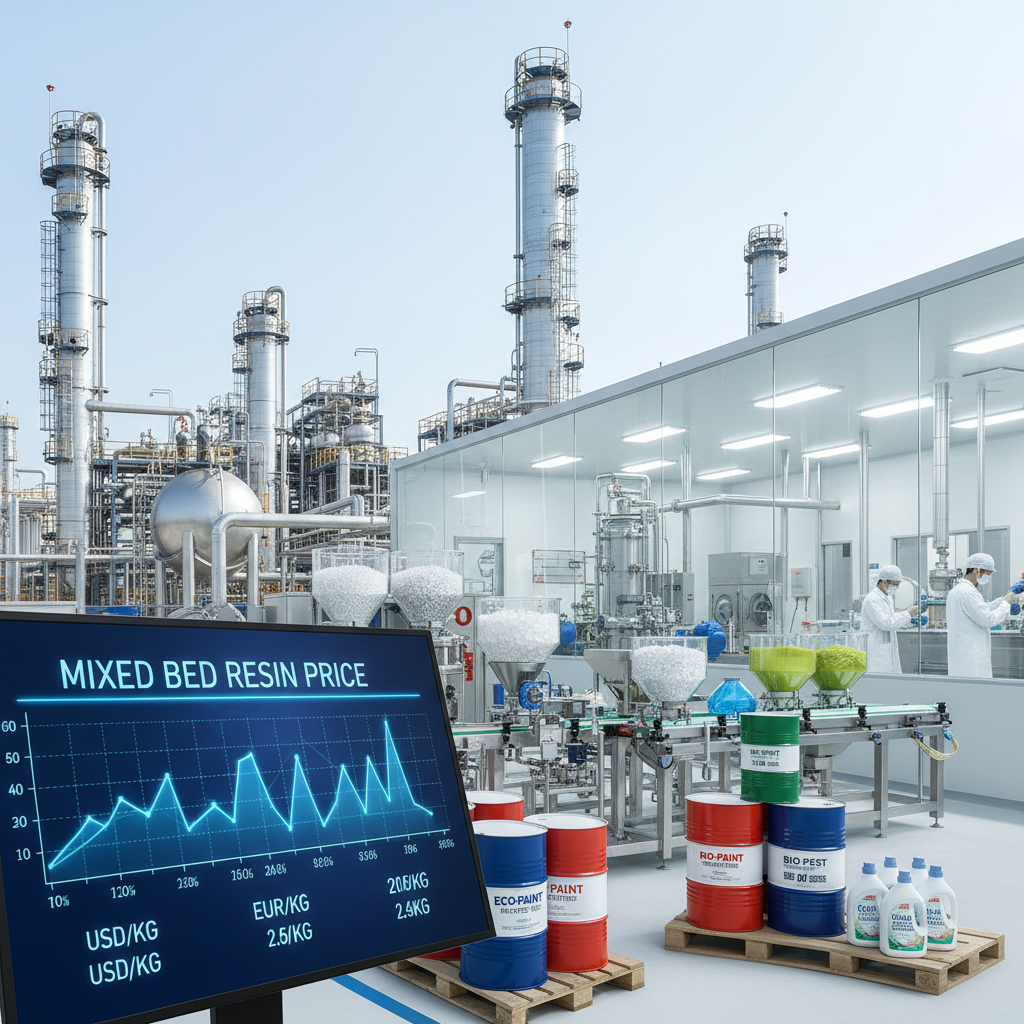
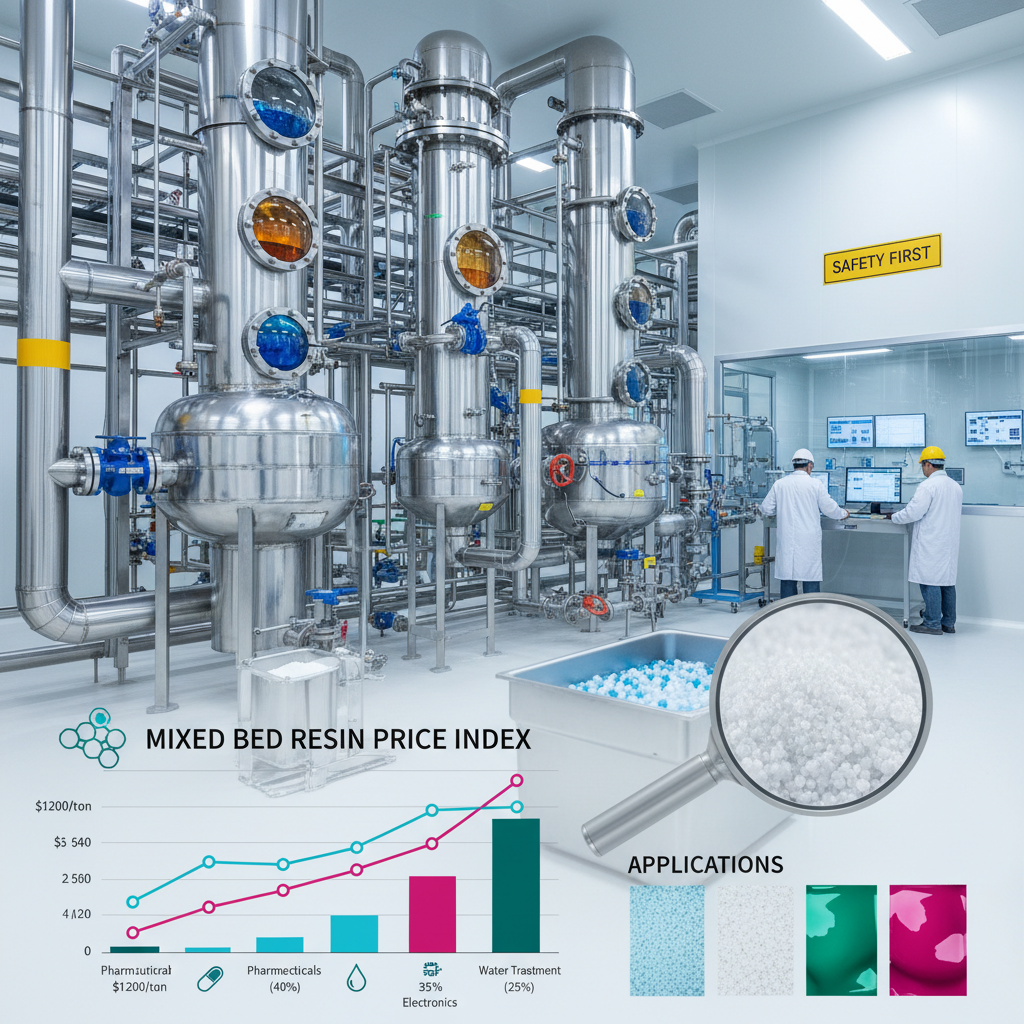
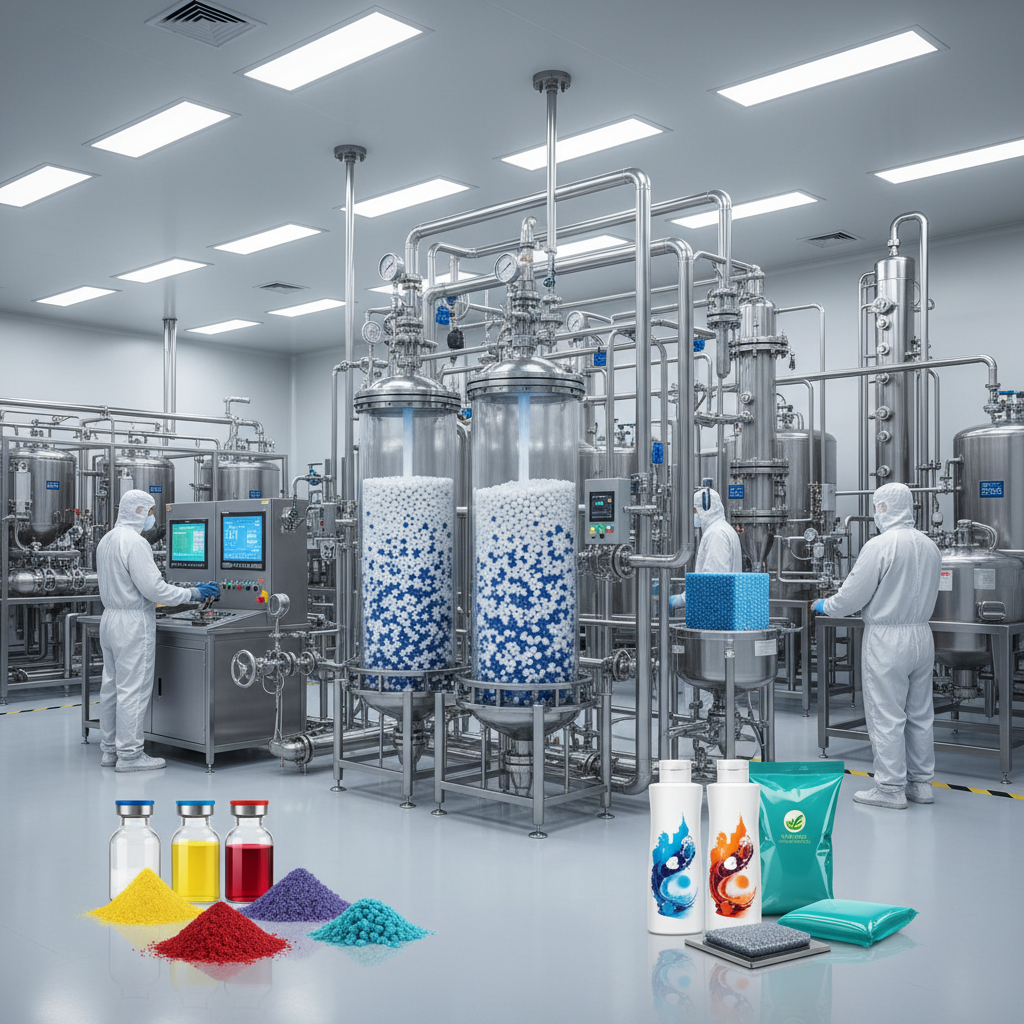
Understanding mixed bed resin price is crucial for industries relying on ultrapure water, including pharmaceuticals, power generation, and electronics manufacturing. Globally, the demand for high-quality water is increasing due to stricter environmental regulations and the expanding needs of technological advancements. Accurate assessment of mixed bed resin price allows businesses to optimize operational costs and ensure consistent product quality. This knowledge impacts everything from manufacturing efficiency to the environmental sustainability of water treatment processes.
The global mixed bed resin market is projected to experience significant growth in the coming years, driven by factors such as the increasing scarcity of freshwater resources and the rising demand for water purification solutions. According to recent industry reports, the Asia-Pacific region represents the largest and fastest-growing market for mixed bed resins, fueled by rapid industrialization and population growth. Maintaining a clear grasp of current mixed bed resin price trends is therefore essential for strategic planning and procurement within these sectors.
Properly managing mixed bed resin price offers significant benefits to organizations. It enables precise budgeting, informed investment decisions, and the ability to negotiate favorable contracts with suppliers. Beyond cost control, optimizing resin usage directly contributes to environmental responsibility by minimizing waste and maximizing the efficiency of water purification systems. Effective price management translates to both economic and ecological advantages.
The Importance of Mixed Bed Resin Price
Accurately assessing mixed bed resin price is paramount for industries heavily reliant on high-purity water. Fluctuations in price can significantly impact operational budgets and overall production costs. Understanding the factors driving these price changes – from raw material availability to manufacturing processes – allows for proactive cost management and efficient resource allocation.
The impact extends beyond mere cost savings. Consistent resin quality and effective pricing strategies contribute directly to the reliability and performance of critical water purification systems. This, in turn, safeguards product quality, reduces downtime, and minimizes the risk of costly contamination issues. A thorough understanding of mixed bed resin price is thus a foundational element of responsible and sustainable industrial operations.
Defining Mixed Bed Resin Price
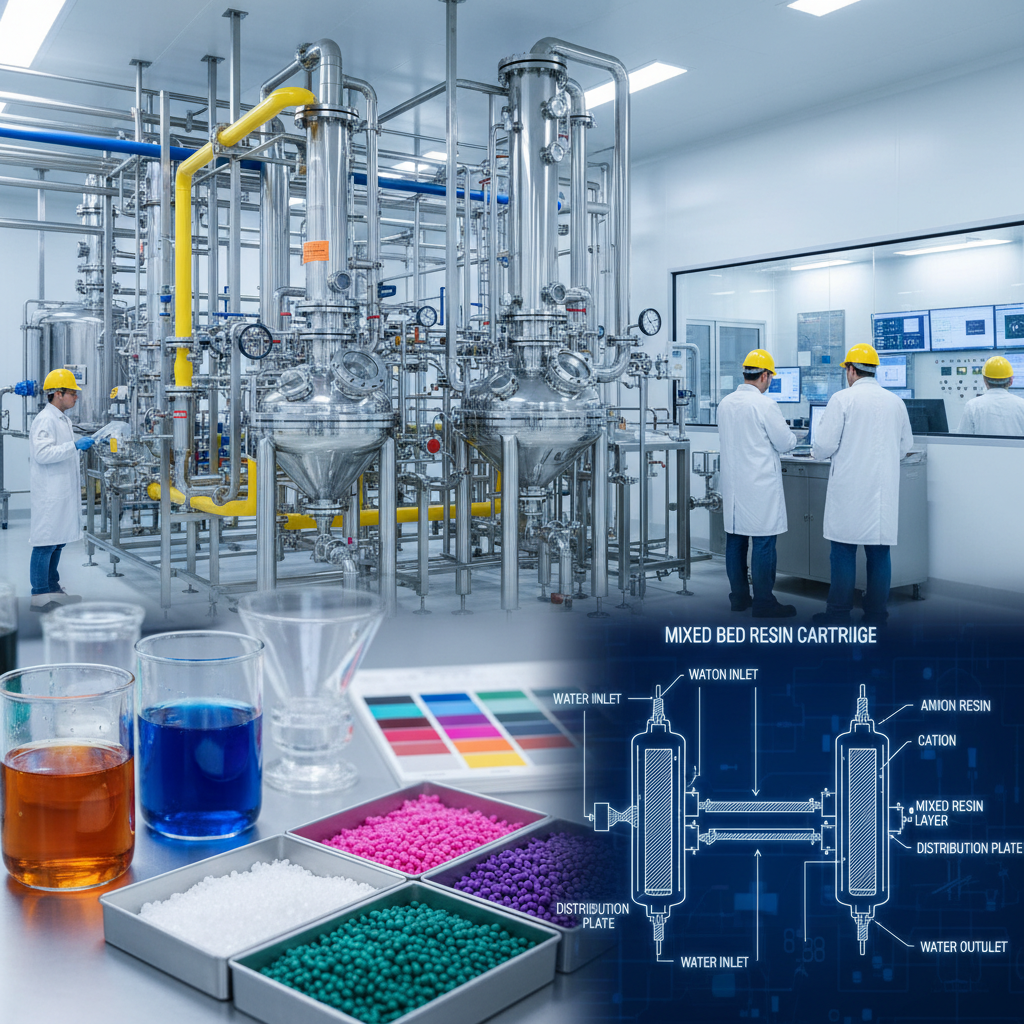
Mixed bed resin price refers to the cost of acquiring a blend of cation and anion exchange resins, specifically designed for the final polishing stage of water purification. These resins work in tandem to remove virtually all remaining ionic contaminants, achieving exceptionally high water purity levels. The price is determined by several factors, including resin type, quality, quantity purchased, and supplier location.
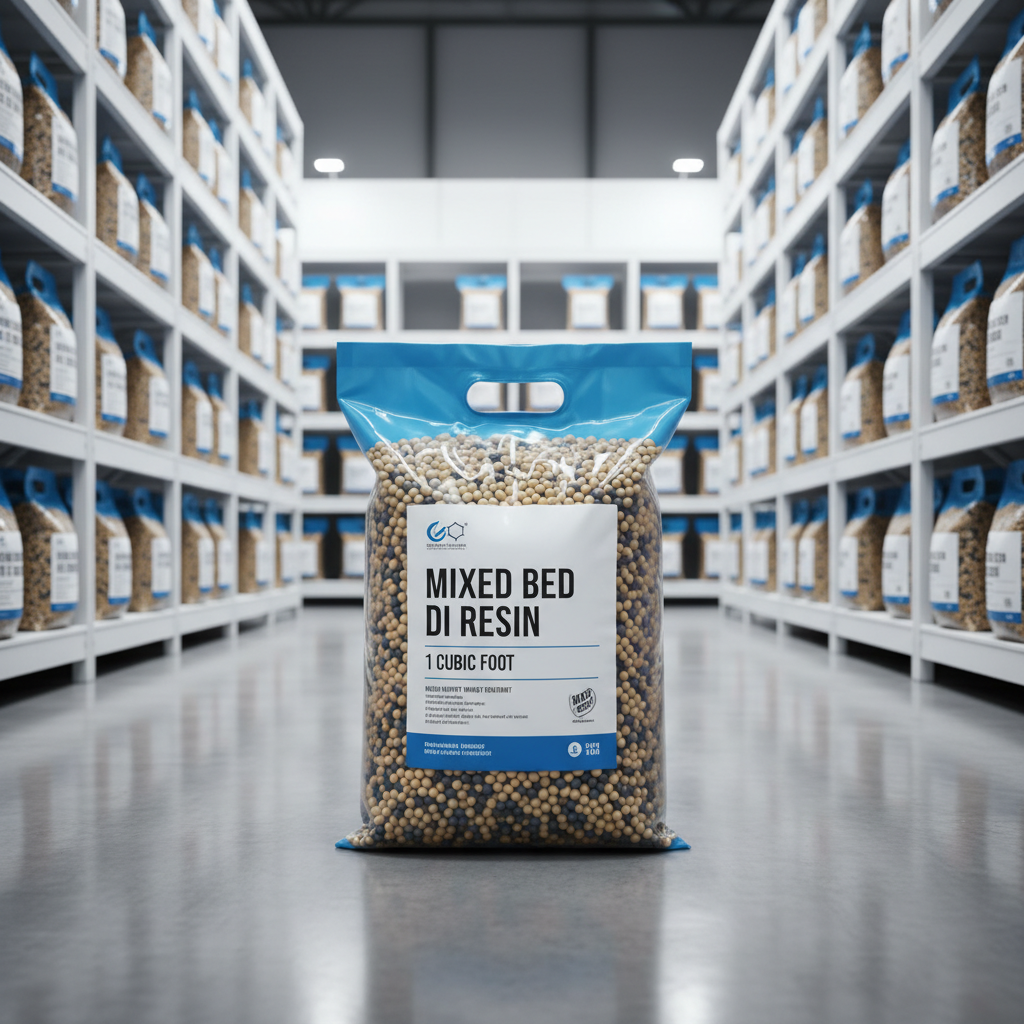
The pricing structure often involves a per-cubic-foot or per-liter cost, with discounts typically offered for bulk orders. Beyond the initial purchase price, associated costs such as shipping, handling, and regeneration chemicals also contribute to the total cost of ownership. Therefore, a holistic assessment of all related expenses is essential when evaluating mixed bed resin price.
Understanding the different resin grades and their specific applications is crucial for making informed purchasing decisions. Higher-quality resins, while potentially more expensive upfront, often offer superior performance and longevity, leading to lower long-term costs. Furthermore, the price reflects the resin’s ability to withstand rigorous operating conditions and maintain its effectiveness over extended periods.
Key Factors Influencing Mixed Bed Resin Price
Several core factors dictate mixed bed resin price. Raw material costs, particularly the polymers used in resin manufacture, are a primary driver. Fluctuations in crude oil prices, a key feedstock for many polymers, directly influence resin production costs. Supply chain disruptions and geopolitical events can also impact raw material availability and, consequently, resin price.
The resin’s quality and performance characteristics play a significant role. Resins with higher exchange capacity, improved mechanical strength, and greater resistance to fouling command higher prices. Manufacturing processes, including quality control measures and production efficiency, also contribute to the overall cost. Resins produced with advanced technologies and stringent quality standards typically represent a premium investment.
Demand and supply dynamics also exert a strong influence on price. Periods of high demand, often driven by seasonal factors or specific industry booms, can lead to price increases. Conversely, increased competition among resin manufacturers can drive prices down. Finally, shipping costs, tariffs, and currency exchange rates all contribute to the final mixed bed resin price.
Global Applications and Use Cases for Mixed Bed Resin
Mixed bed resin finds widespread application across diverse industries requiring ultrapure water. In the pharmaceutical sector, it's indispensable for producing injectable water and cleaning critical equipment, ensuring product safety and compliance with stringent regulations. Power generation plants utilize mixed bed resin to purify boiler feed water, preventing scale buildup and maximizing energy efficiency.
The electronics industry relies heavily on mixed bed resin for manufacturing semiconductors, printed circuit boards, and other sensitive components. Ultrapure water is crucial for removing ionic contaminants that can compromise device performance. Similarly, the food and beverage industry employs mixed bed resin for final water polishing in beverage production and ingredient processing.
In remote industrial zones where access to high-quality water is limited, mixed bed resin systems provide a reliable and cost-effective solution. Post-disaster relief operations often utilize portable mixed bed resin units to quickly establish safe drinking water sources for affected communities. The versatility and effectiveness of mixed bed resin make it a vital resource in a multitude of critical applications globally.
Mixed Bed Resin Price Comparison by Method
Advantages and Long-Term Value of Optimized Resin Pricing
Securing a competitive mixed bed resin price translates to significant cost savings over the lifecycle of a water purification system. Reduced operational expenses free up capital for other critical investments, boosting overall profitability. Optimized pricing also enhances budget predictability, allowing for more accurate financial forecasting and resource planning.
Beyond direct cost benefits, a focus on resin quality and efficient pricing contributes to greater system reliability and reduced downtime. High-performance resins minimize the need for frequent replacements and regenerations, lowering maintenance costs and maximizing operational uptime. This reliability safeguards product quality and ensures consistent process performance, creating substantial long-term value.
Future Trends in Mixed Bed Resin Price and Technology
The future of mixed bed resin price will be heavily influenced by advancements in materials science and manufacturing technologies. Research into novel polymer materials with enhanced ion exchange capacity and improved durability promises to reduce resin consumption and lower long-term costs. The development of more efficient regeneration processes will also contribute to price optimization.
Increasingly, digital technologies are playing a role in optimizing resin usage and predicting maintenance needs. Smart sensors and data analytics can monitor resin performance in real-time, allowing for proactive adjustments and preventing costly failures. These advancements will drive down total cost of ownership and enhance the sustainability of water purification systems.
Challenges and Solutions in Mixed Bed Resin Price Management
One significant challenge in managing mixed bed resin price is price volatility stemming from fluctuating raw material costs and global supply chain disruptions. To mitigate this risk, businesses can explore long-term contracts with suppliers, diversifying their sourcing options, and implementing robust inventory management strategies.
Another challenge is ensuring consistent resin quality. Counterfeit or substandard resins can compromise system performance and lead to costly downtime. Partnering with reputable suppliers who adhere to strict quality control standards is crucial. Independent laboratory testing can also verify resin quality and ensure compliance with industry specifications.
Effective waste management and resin regeneration are essential for minimizing environmental impact and reducing costs. Implementing closed-loop regeneration systems and exploring sustainable resin disposal options contribute to a more environmentally responsible approach to water purification. Utilizing advanced regeneration chemicals optimized for resin type can improve efficiency and reduce chemical consumption.
Summary of Key Challenges & Solutions in Managing Mixed Bed Resin Price
| Challenge |
Impact on Mixed Bed Resin Price |
Short-Term Solution |
Long-Term Solution |
| Raw Material Volatility |
Increased Resin Costs |
Negotiate Fixed-Price Contracts |
Diversify Sourcing, Develop Alternative Materials |
| Supply Chain Disruptions |
Lead Time Increases, Potential Shortages |
Increase Safety Stock Levels |
Establish Regional Distribution Centers |
| Resin Quality Concerns |
Reduced Performance, Premature Failure |
Source from Certified Suppliers |
Implement Rigorous Quality Control Testing |
| Regeneration Costs |
High Chemical Consumption, Waste Disposal Fees |
Optimize Regeneration Cycles |
Invest in Advanced Regeneration Technologies |
| Waste Disposal Regulations |
Increased Compliance Costs |
Partner with Licensed Waste Handlers |
Explore Resin Recycling Options |
| Lack of Data & Monitoring |
Suboptimal Resin Utilization |
Manual Data Collection & Analysis |
Implement Real-Time Monitoring Systems |
FAQS
Several factors heavily influence mixed bed resin price. Raw material costs (polymers), manufacturing complexity, resin quality (exchange capacity, durability), order volume, shipping expenses, and supplier location all play a role. Geopolitical events and supply chain disruptions can also contribute to price fluctuations. Understanding these factors allows for more informed purchasing decisions.
Reducing cost involves several strategies. Negotiate favorable pricing with suppliers, consider long-term contracts, optimize regeneration cycles to minimize chemical usage, and implement effective waste management practices. Prioritize high-quality resins with extended lifespans to reduce replacement frequency. Monitoring resin performance and promptly addressing issues can also prevent costly failures.
Nuclear-grade mixed bed resin undergoes significantly more rigorous testing and quality control measures to meet the stringent requirements of nuclear power plants. It's designed for extreme purity and reliability. This heightened quality translates to a considerably higher price compared to standard grades, typically used in less demanding applications. The increased cost reflects the greater assurance of performance and safety.
The regeneration frequency depends on several factors, including the quality of the feed water, the amount of contaminants being removed, and the resin's capacity. Regular monitoring of effluent water quality is crucial. Typically, regeneration is performed when the effluent starts to exhibit increased conductivity or contaminant levels. Over-regeneration can damage the resin, while under-regeneration compromises water purity.
Spent mixed bed resin is considered a hazardous waste in many jurisdictions. It requires proper disposal through licensed waste management facilities. Recycling options are becoming increasingly available, allowing for the recovery of valuable materials from the resin. Responsible disposal minimizes environmental impact and ensures compliance with regulations.
Generally, smaller resin particle sizes offer faster kinetics and greater exchange capacity, leading to improved water purity. However, smaller particles can also create higher pressure drop within the system, requiring more powerful pumps. Larger particle sizes have lower pressure drop but may have reduced efficiency. The optimal size is a balance, and often affects the overall mixed bed resin price due to manufacturing costs.
Conclusion
Optimizing mixed bed resin price is a multifaceted endeavor crucial for industries relying on ultrapure water. Understanding the factors driving price fluctuations, from raw material costs to technological advancements, empowers businesses to make informed purchasing decisions and maximize their return on investment. Implementing effective regeneration practices, exploring sustainable disposal options, and embracing digital monitoring technologies further enhance efficiency and reduce long-term costs.
Looking ahead, the future of mixed bed resin price will be shaped by innovations in materials science, manufacturing processes, and data analytics. By proactively adapting to these changes and prioritizing sustainable practices, organizations can ensure a reliable supply of high-quality water purification solutions while minimizing environmental impact. For more information on mixed bed resin solutions and pricing, visit our website: mixed bed resin price.