Phone:
+86 0319 2296164


Email:
info@lijiresin.cn
Maintaining optimal water quality is critical for numerous industrial processes and residential applications. Aquatrol water softener resin plays a pivotal role in this process, removing hardness minerals like calcium and magnesium. This article provides a detailed overview of aquatrol resin, its applications, benefits, and how to select the right resin for your needs. Understanding the nuances of water softening resin is key to ensuring efficient and cost-effective water treatment. Investing in the correct resin can dramatically improve system performance and longevity.
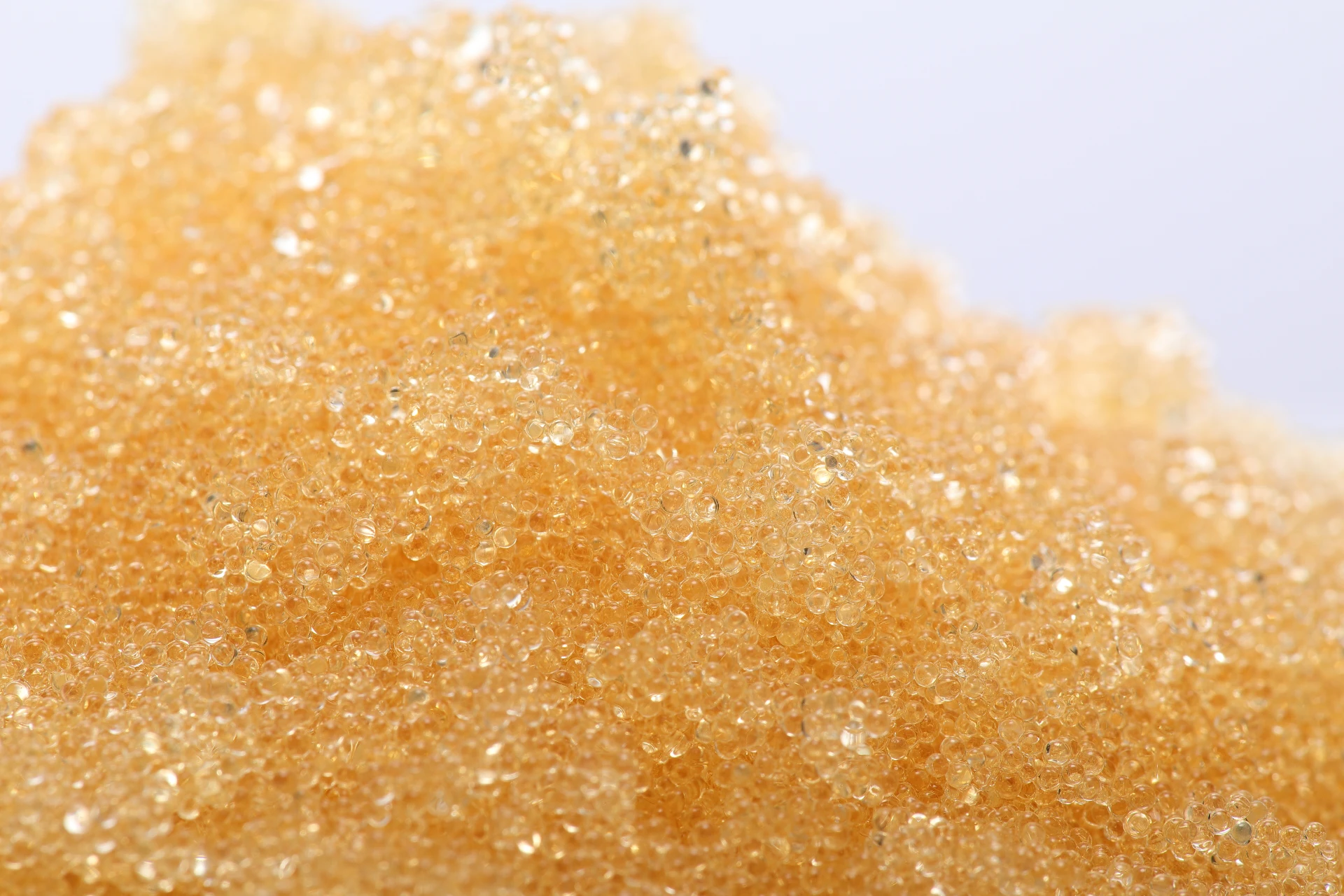
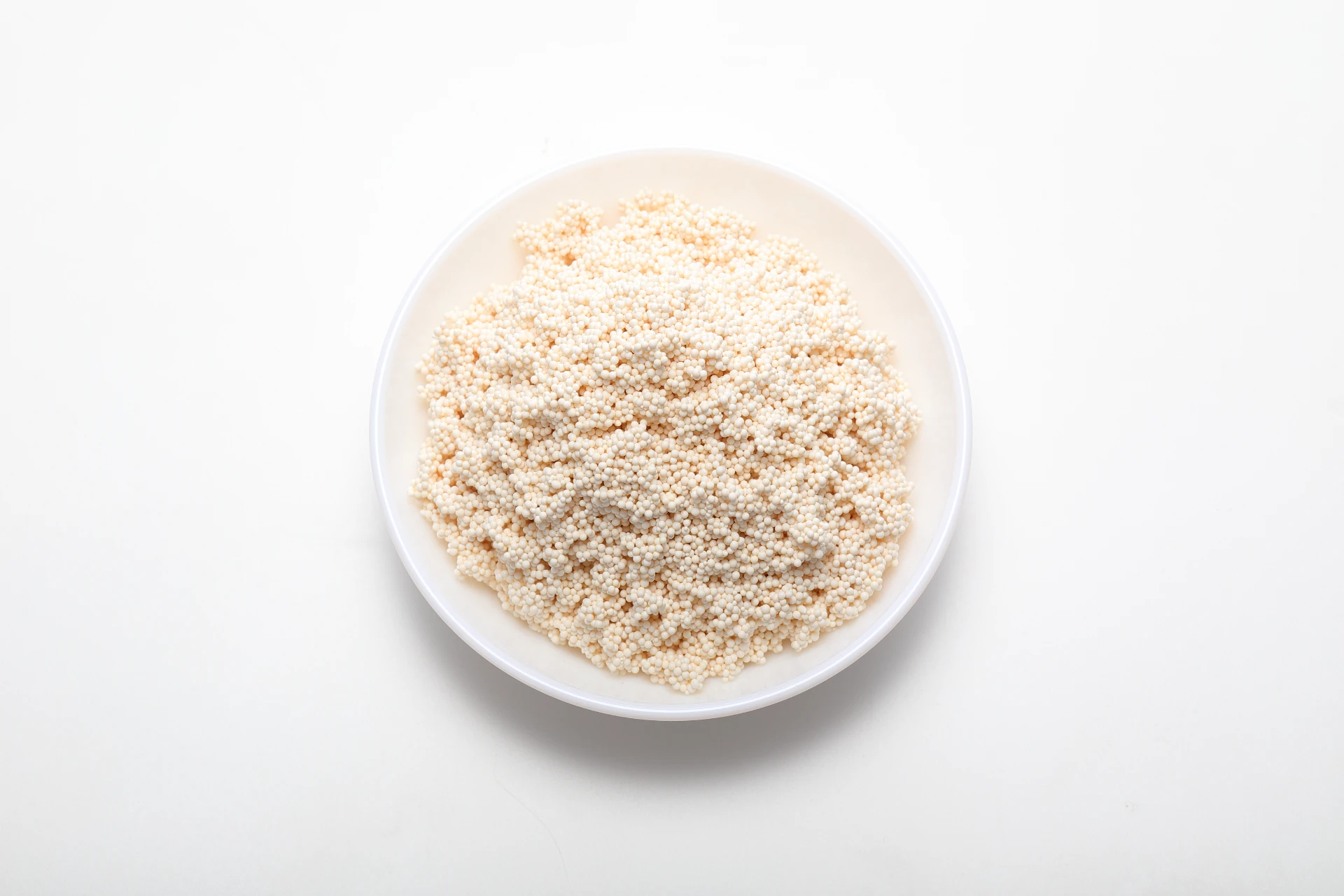
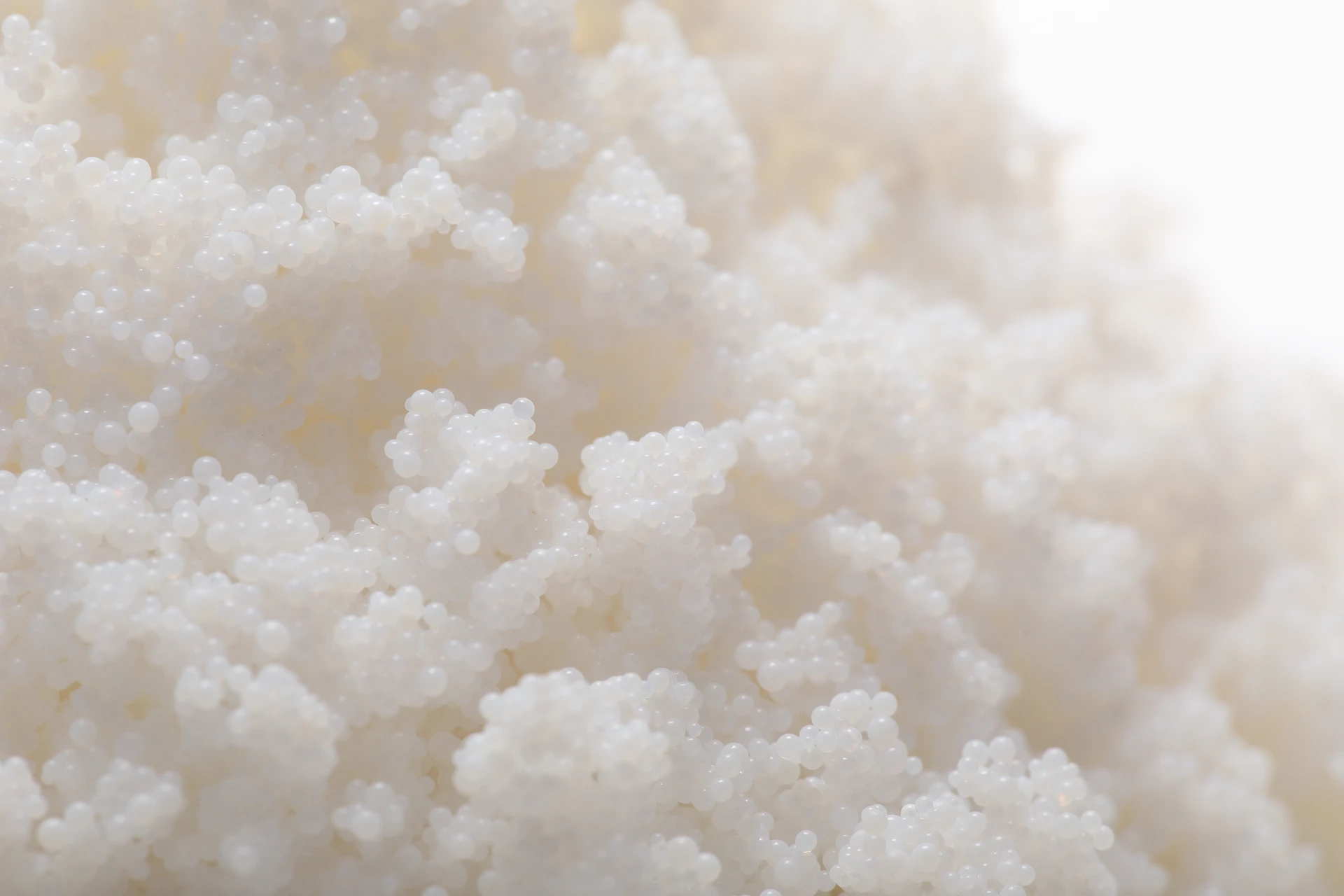
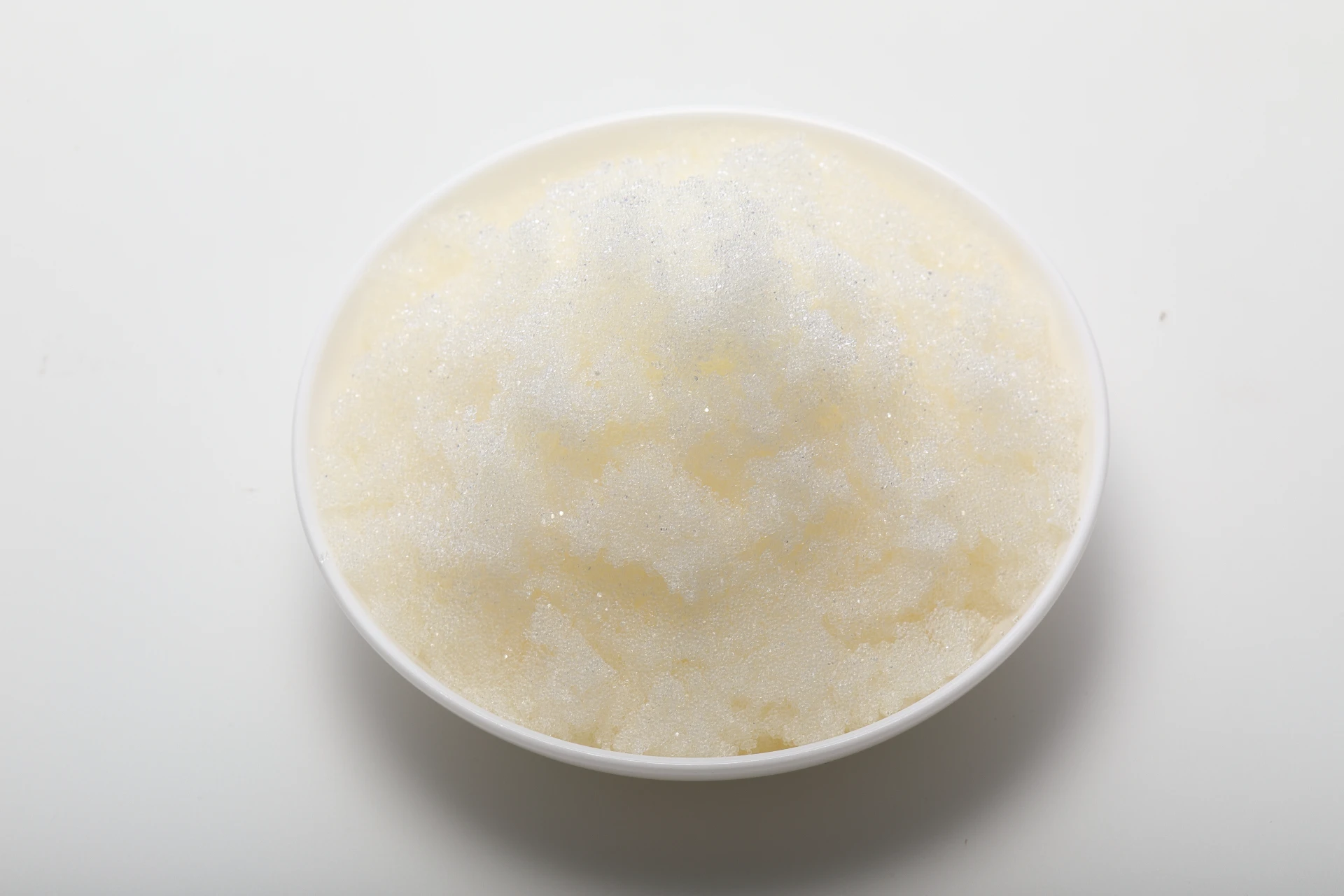
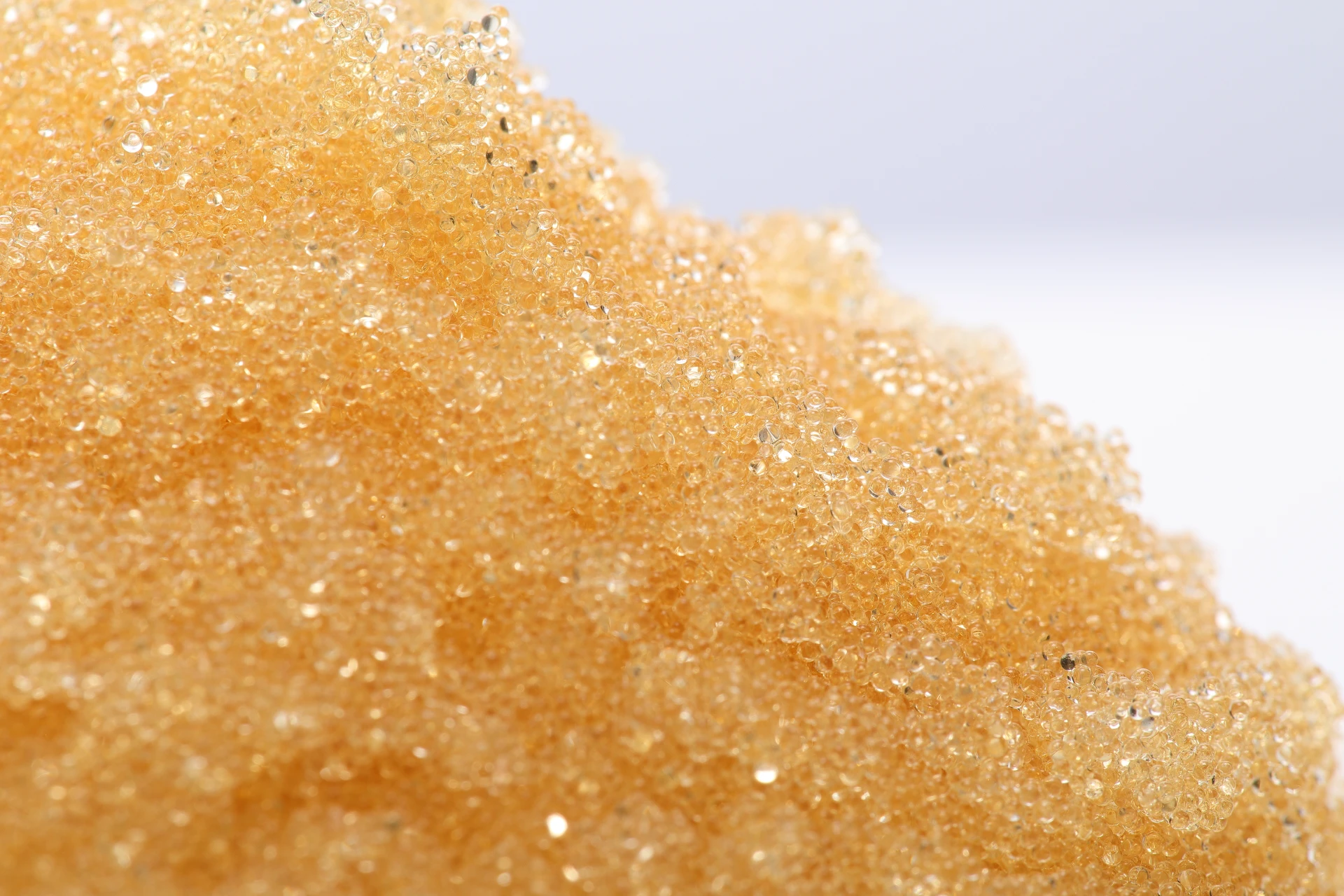
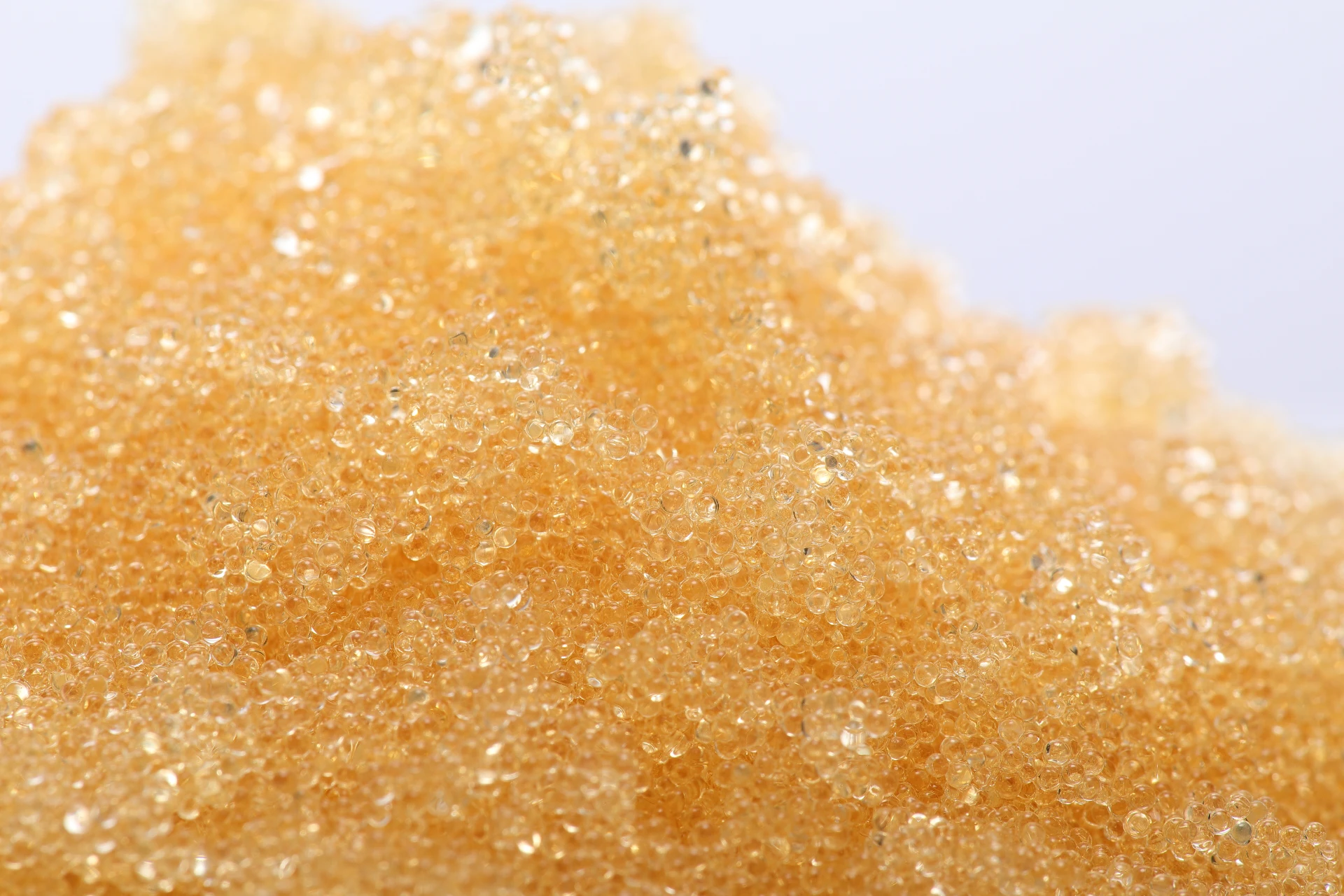
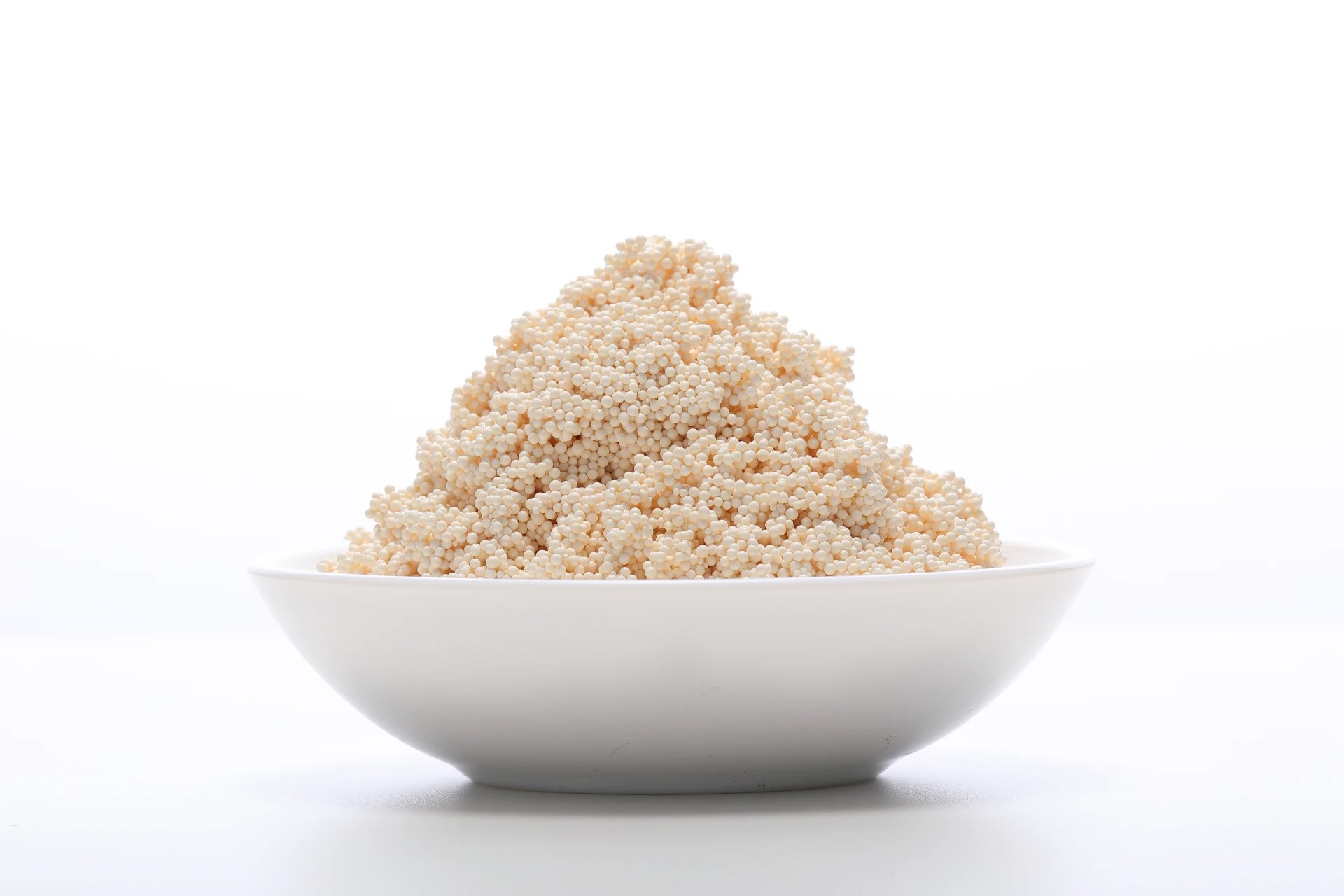
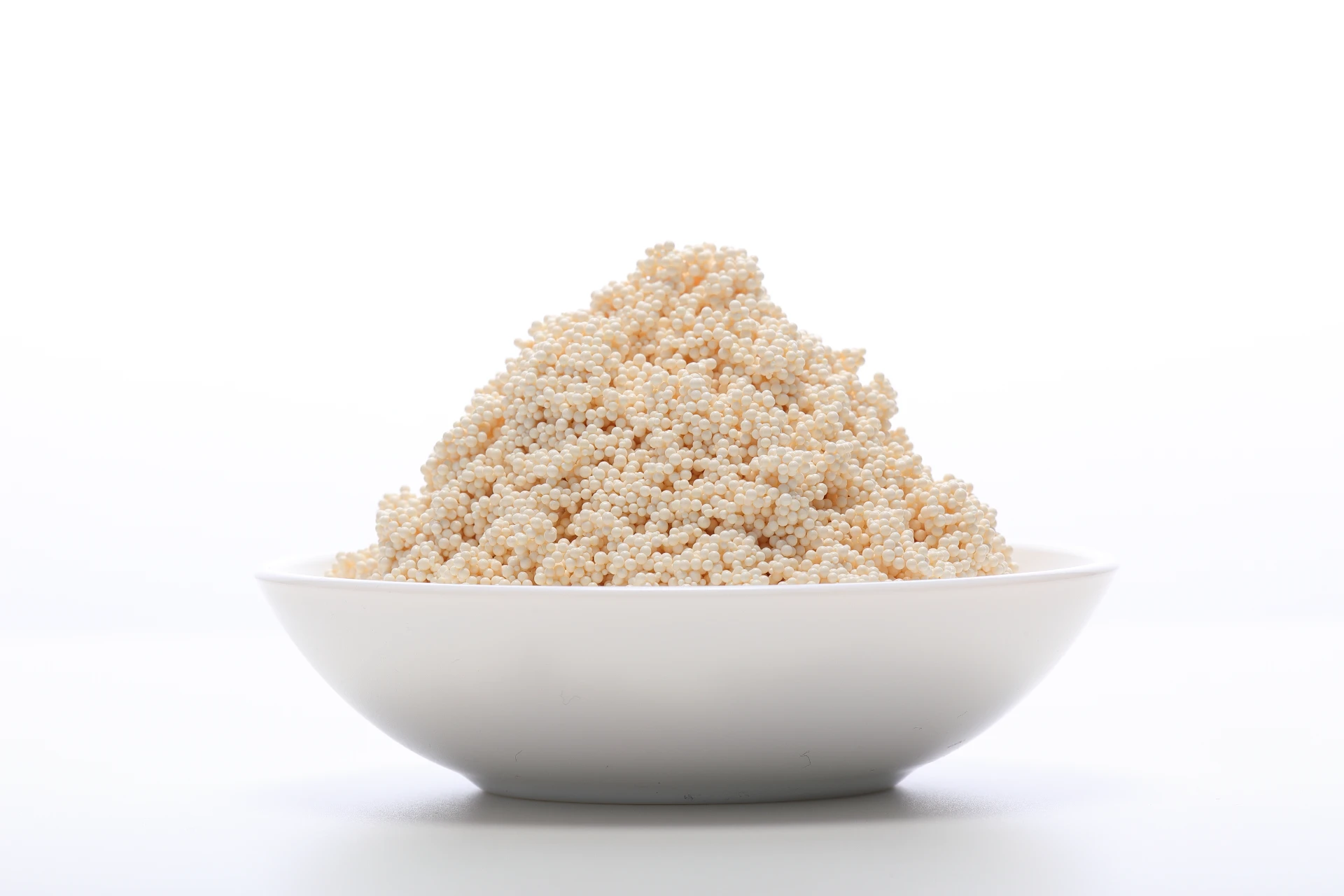
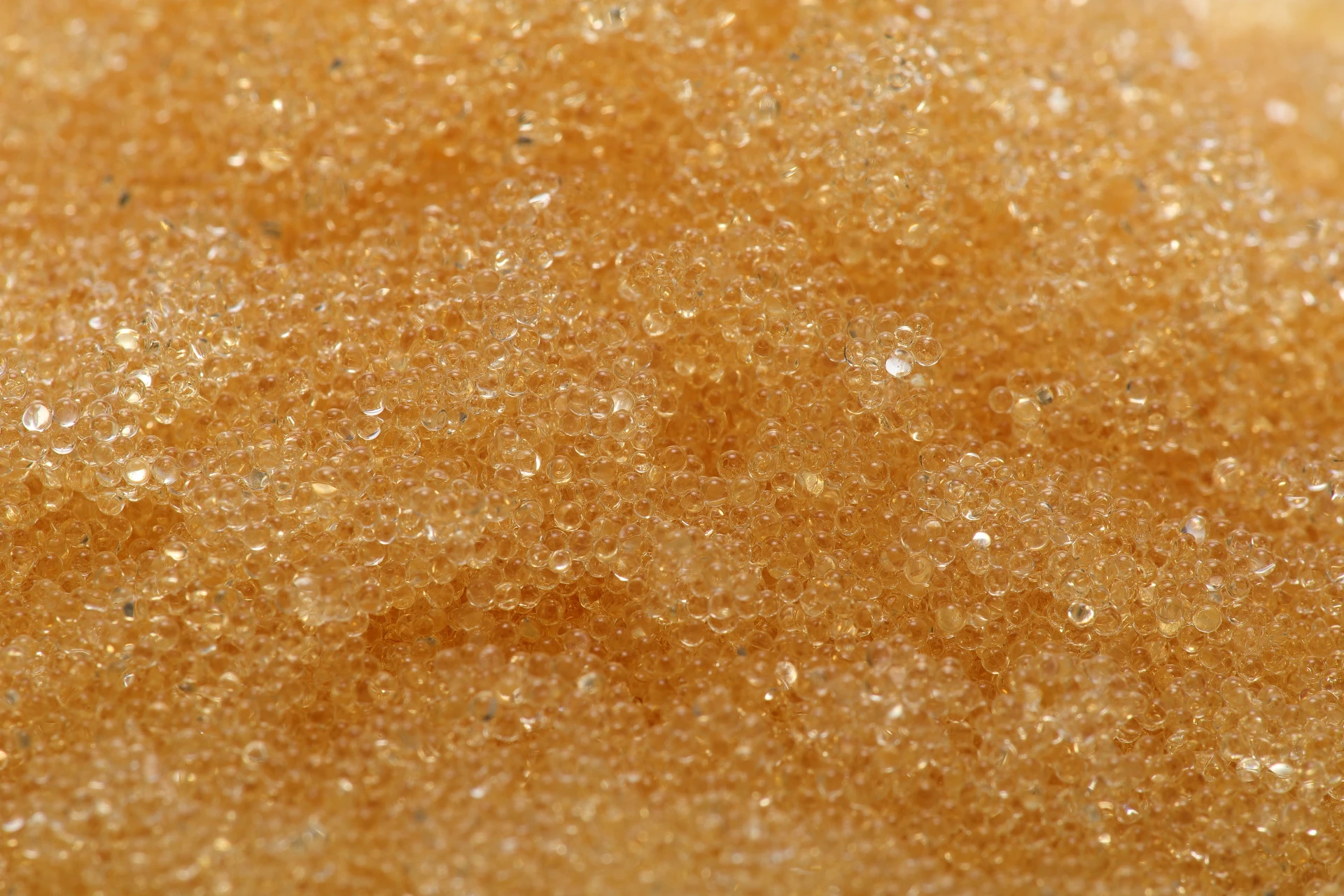
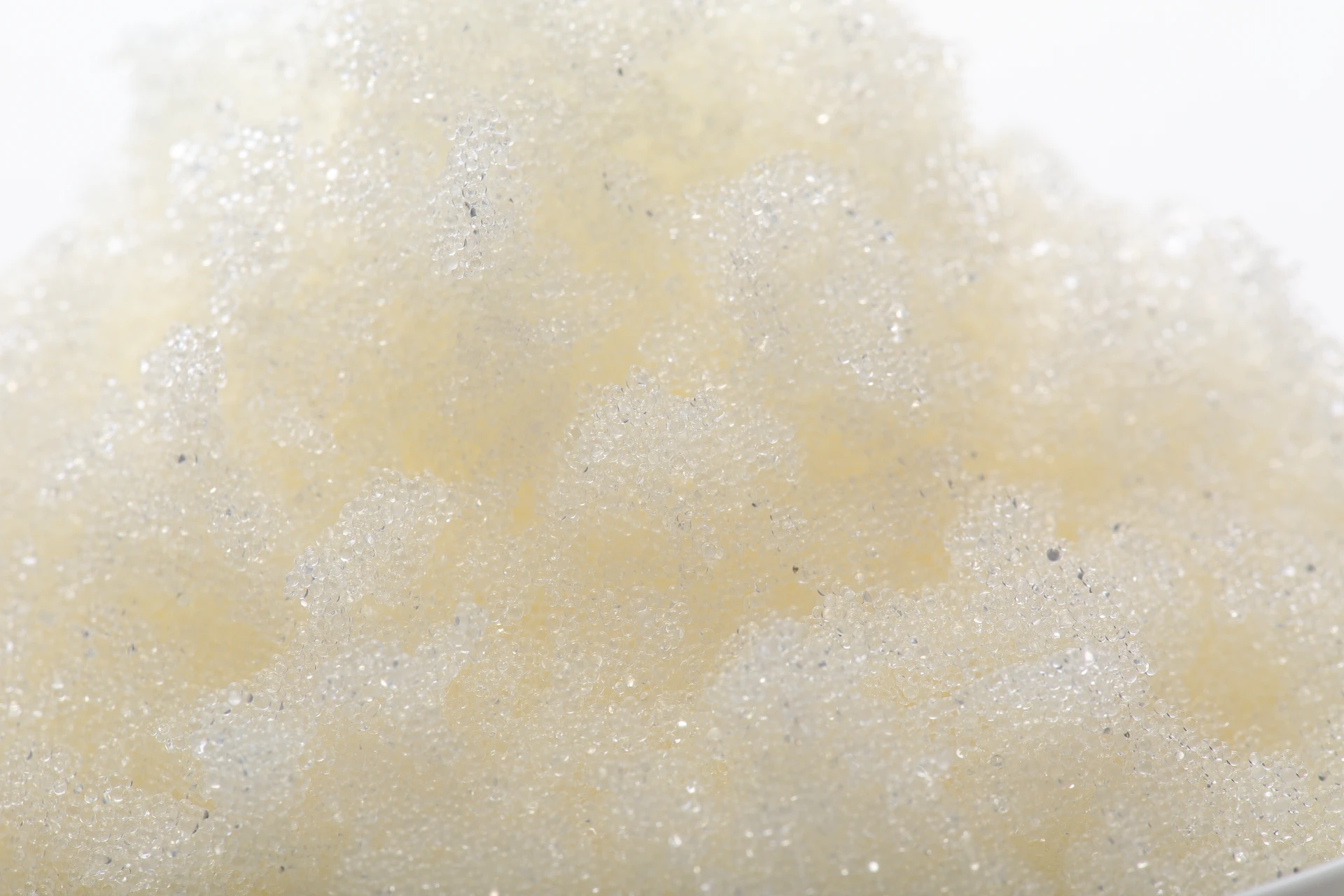
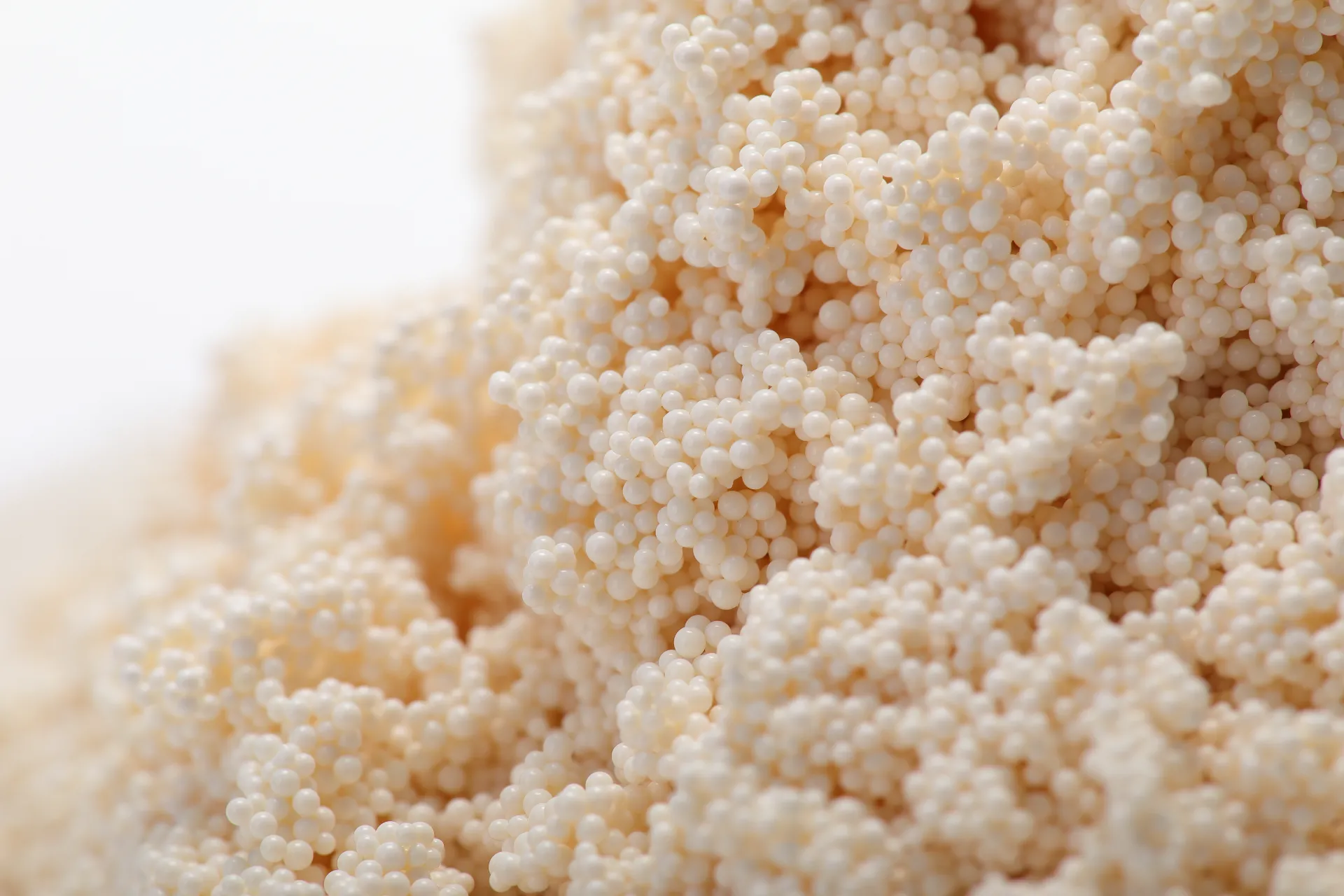
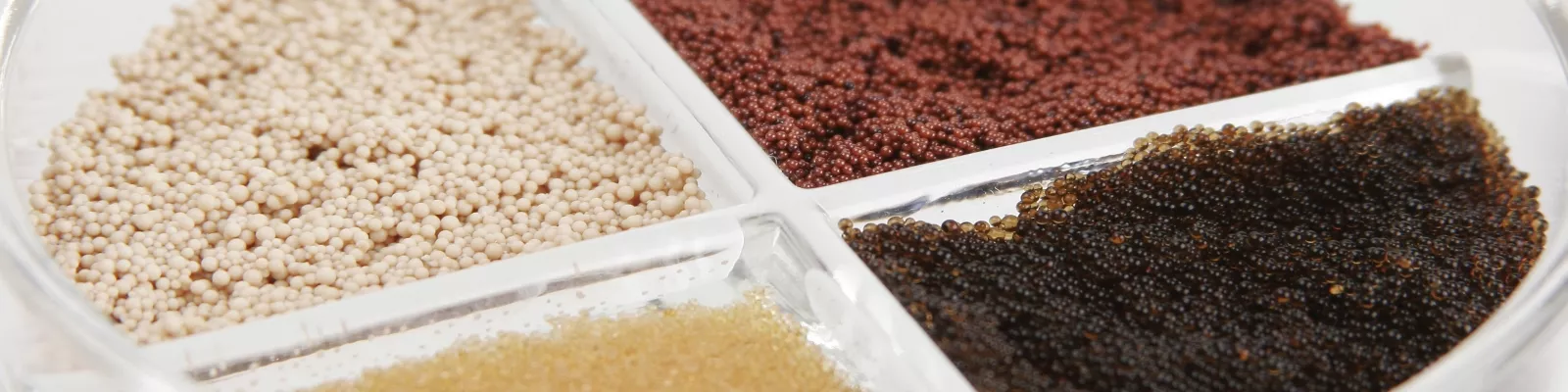
Aquatrol resins are specifically engineered polymeric beads designed to selectively remove hardness minerals from water through a process called ion exchange. These resins are typically made from polystyrene crosslinked with divinylbenzene, providing a robust and durable structure. The beads contain functional groups (sulfonic acid) that attract and bind calcium and magnesium ions, replacing them with sodium ions. This results in "softened" water, free from scale-forming minerals. The effectiveness of the resin depends on factors such as resin type, crosslinking percentage, and operating conditions. Liji Resin offers a wide selection of aquatrol resins tailored for various applications.
Key Highlights: Aquatrol resins utilize ion exchange to remove hardness minerals, typically made from polystyrene, and rely on functional groups to bind calcium and magnesium ions.
There are several types of aquatrol resin available, each with unique characteristics and suited for different applications. Type 1 resins (standard gel) offer high capacity and are commonly used in residential water softeners. Type 2 resins (macroporous) have a larger pore size, making them more resistant to fouling and ideal for treating water with high levels of organic matter. Additionally, specialized resins are available for specific applications, such as high-temperature softening or nitrate removal. Choosing the correct resin type is critical for optimal performance and longevity.
Resin Type Benefits:
• Type 1: High capacity, suitable for residential use.
• Type 2: Fouling resistant, ideal for high organic matter.
• Specialized: Targeted for specific water treatment needs.
Selecting the best aquatrol resin requires a clear understanding of their key differentiating features. Here’s a comparison of commonly available types:
While primarily known for water softening, aquatrol resins find applications in diverse industries. These include process water treatment in power plants, food and beverage production, pharmaceutical manufacturing, and demineralization processes. They are also utilized in condensate polishing systems to remove corrosion products and maintain high-purity steam. The adaptability of aquatrol resin makes it a valuable component in a wide array of water treatment solutions. Explore Liji Resin’s diverse product offerings for tailored solutions.
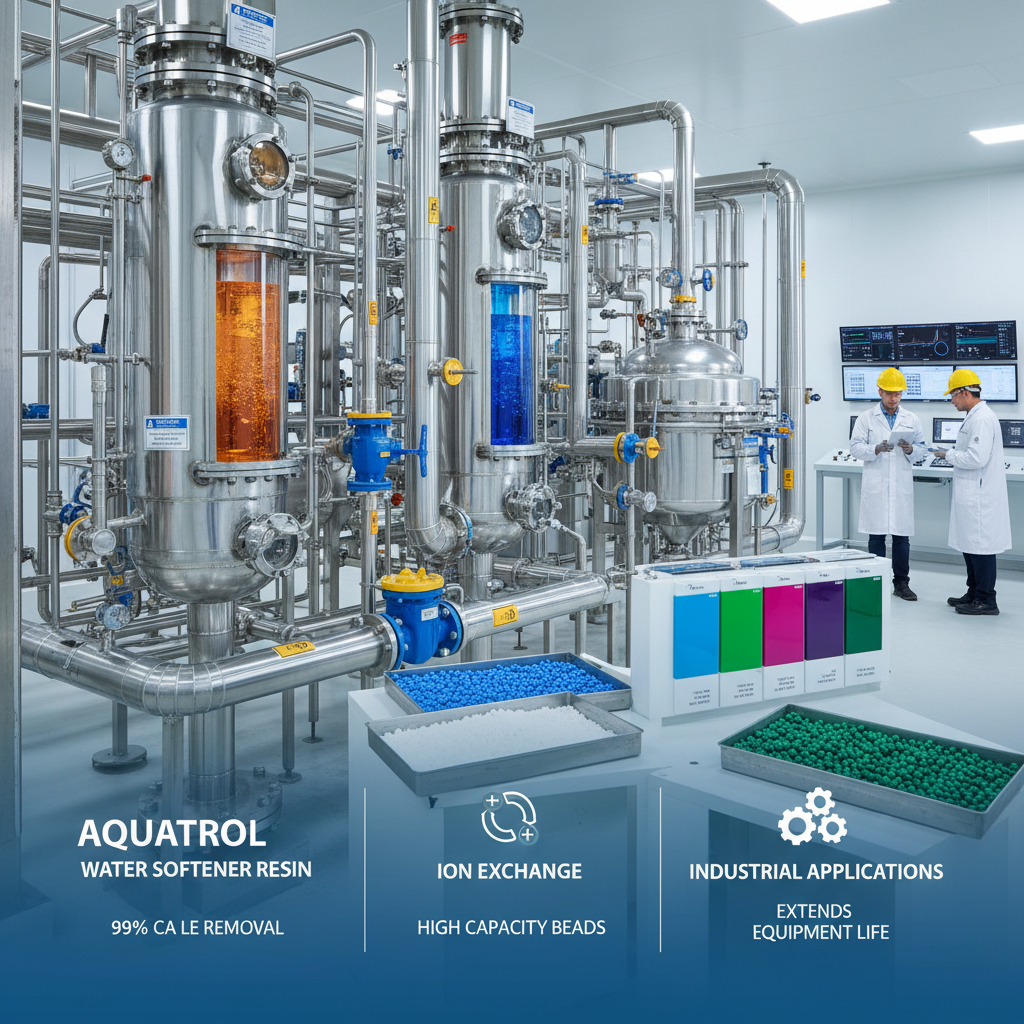
Here’s a quick overview of the specifications of our premium aquatrol resin:
Investing in high-quality aquatrol water softener resin is crucial for efficient and reliable water treatment. By understanding the different resin types, their specifications, and applications, you can make an informed decision that optimizes performance and reduces operational costs. Liji Resin is your trusted partner for premium resin solutions and expert support.
The lifespan of aquatrol resin typically ranges from 7 to 10 years, depending on usage conditions and water quality. Factors such as iron content, organic fouling, and chlorine levels can shorten its lifespan. Regular regeneration, proper pretreatment of the water source, and avoiding extreme temperatures can extend the resin's effectiveness. Signs of degradation include reduced softening capacity and increased pressure drop. Contact Liji Resin for a comprehensive resin analysis and replacement options.
The regeneration frequency depends on water hardness, resin capacity, and water usage. Generally, resin should be regenerated when it reaches its exchange capacity, indicated by a decrease in softened water output. Automatic water softeners typically regenerate based on time or water usage. It’s important to use a high-quality regenerant salt (sodium chloride or potassium chloride) and ensure adequate brine tank fill levels. Over-regeneration can waste water and salt, while under-regeneration reduces softening efficiency.
Pretreatment is crucial to protect the resin and extend its lifespan. Common pretreatments include sediment filtration to remove particulate matter, activated carbon filtration to remove chlorine and organic compounds, and iron removal systems to prevent fouling. High levels of iron, manganese, and tannins can significantly reduce the resin’s efficiency and lifespan. Proper pretreatment ensures optimal performance and minimizes the need for frequent resin replacement.
While primarily designed for hardness removal, certain specialized aquatrol resins can target other contaminants. For example, selective resins can remove nitrates, perchlorate, or heavy metals. However, standard water softening resins are not effective for removing bacteria, viruses, or dissolved organic compounds. Combining water softening with other treatment technologies, such as UV sterilization or carbon filtration, provides comprehensive water purification.