Phone:
+86 0319 2296164


Email:
info@lijiresin.cn
Introduction
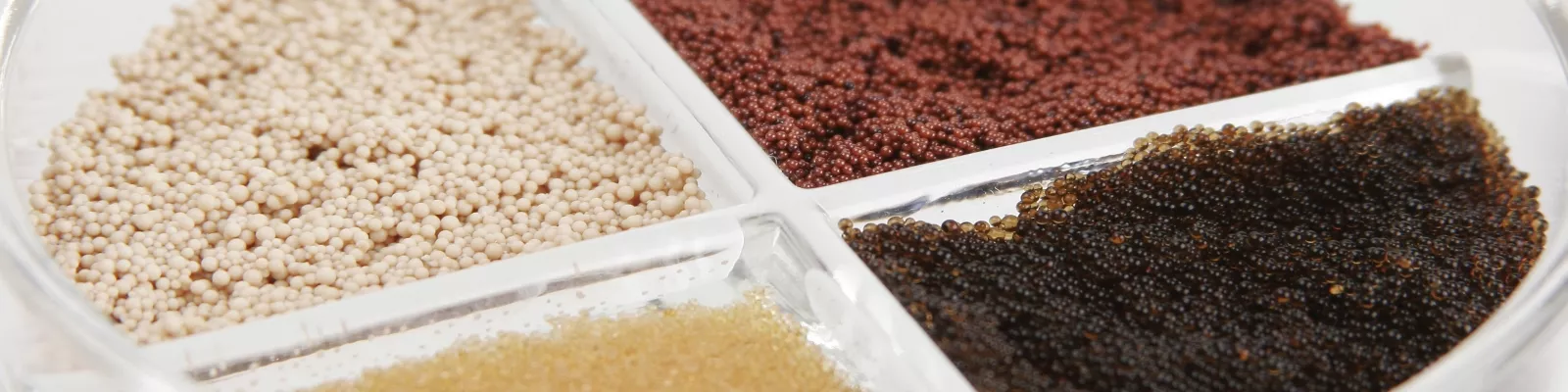
Macroporous adsorption resins have become indispensable tools in modern chemical, pharmaceutical, and environmental industries due to their exceptional adsorption capacities and versatility. Among these, the Macroporous Adsorption Resin AB-8 stands out as a high-performance material designed for the extraction, separation, and purification of water-soluble and weakly polar substances. This article delves into the technical specifications, unique features, and practical applications of AB-8, while also exploring the background of its manufacturer, Hebei Lijiang Biotechnology Co., Ltd.
Product Overview
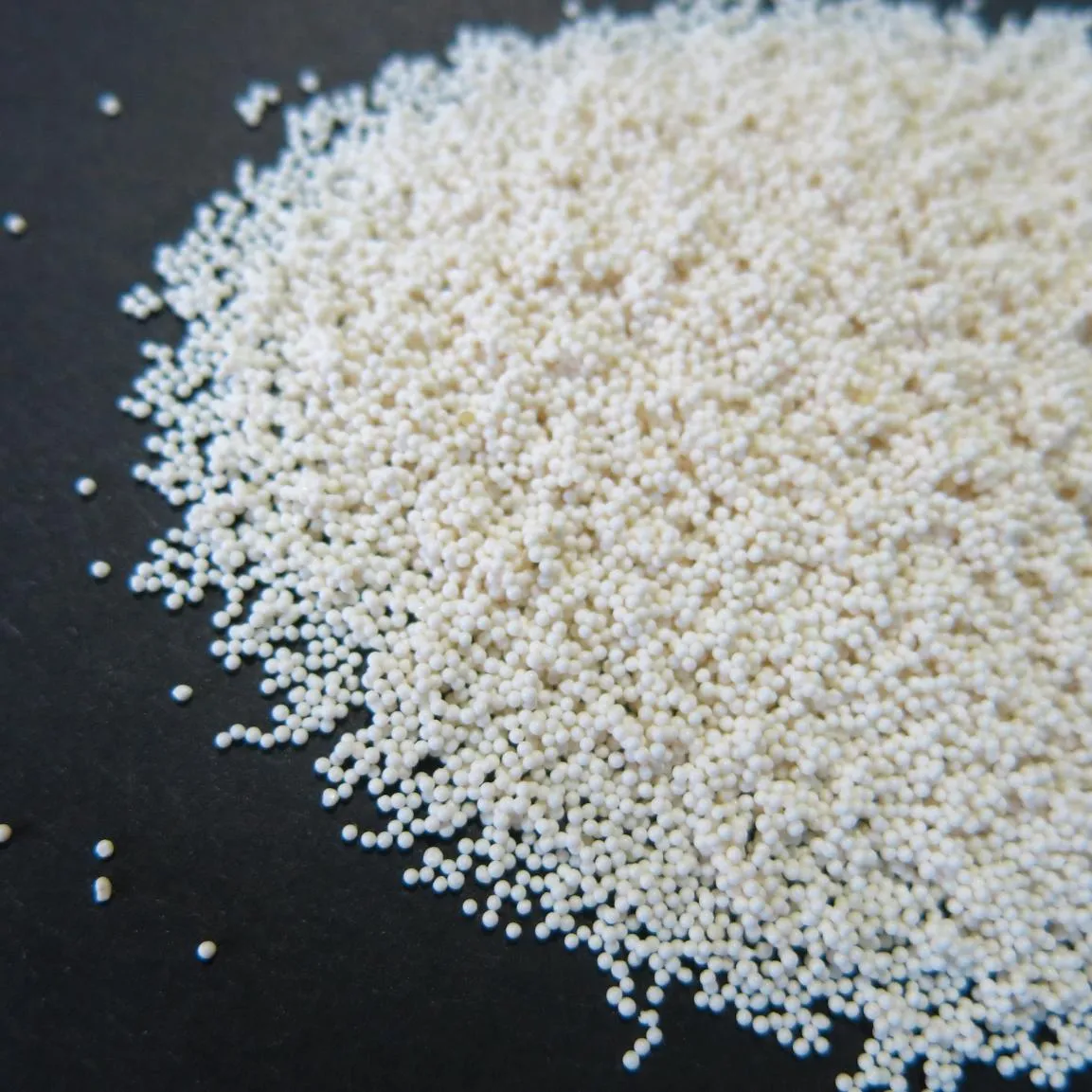
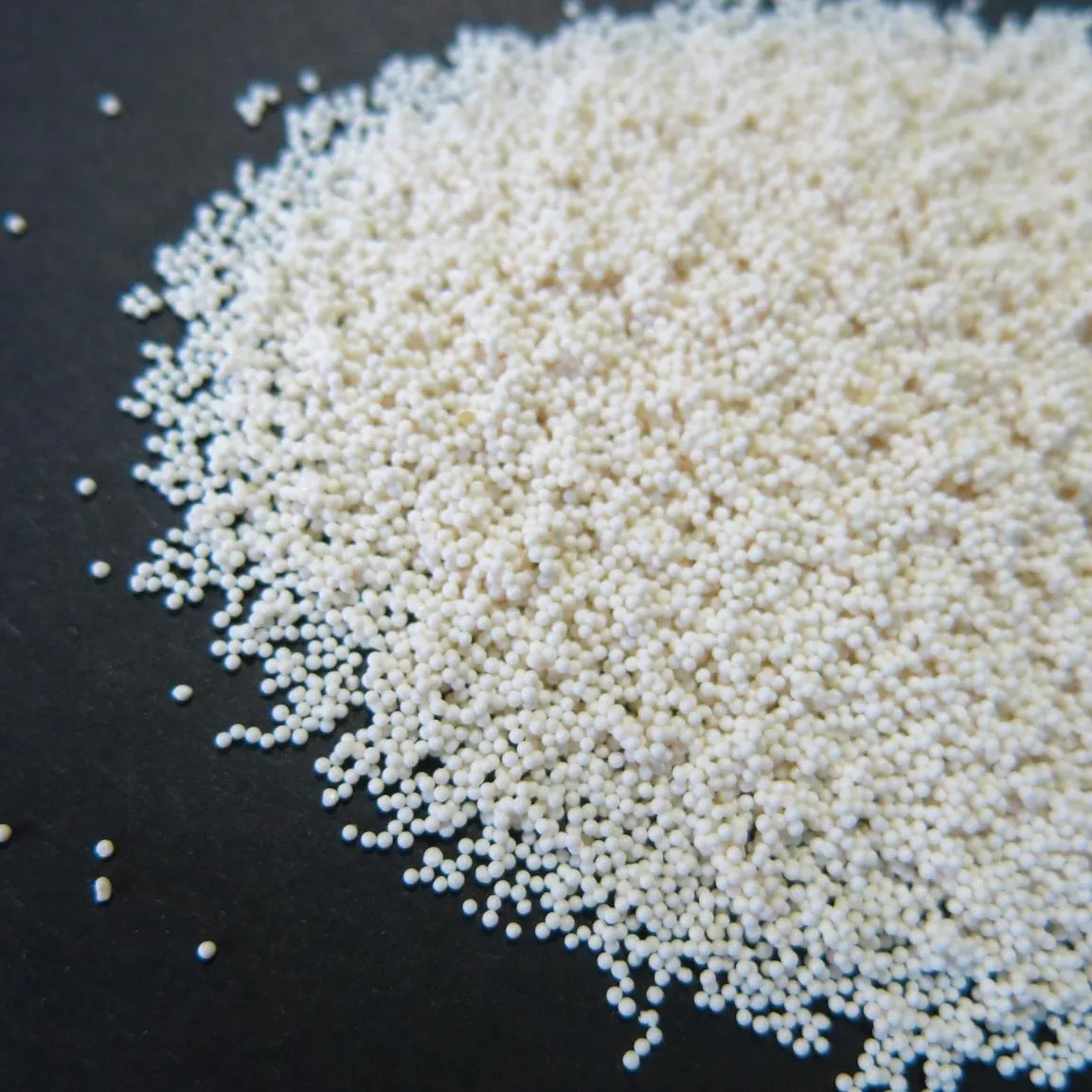
The Macroporous Adsorption Resin AB-8 is a styrene-type weakly polar copolymer, synthesized using divinylbenzene as a crosslinking agent, methyl acrylate as a monomer, and toluene as a porogen. This resin is engineered to excel in the separation of compounds such as stevioside, alkaloids, and other organic molecules. Its physical and chemical stability, combined with a robust adsorption capacity, makes it a preferred choice for industrial and research applications.
Key Features of AB-8 Resin
The AB-8 resin boasts several distinctive features that set it apart from conventional adsorbents:
Technical Specifications
| Parameter | Specification |
|---|---|
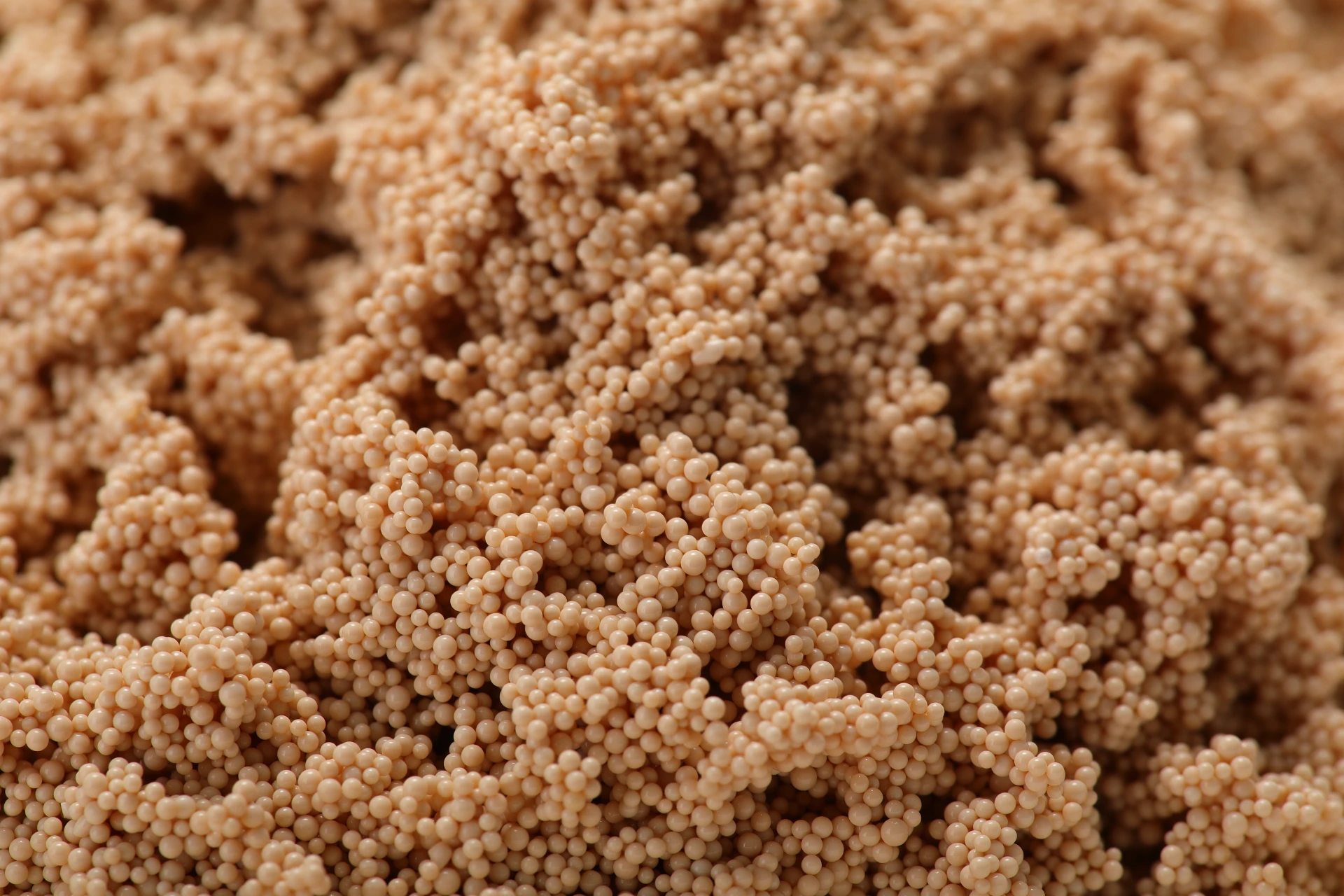
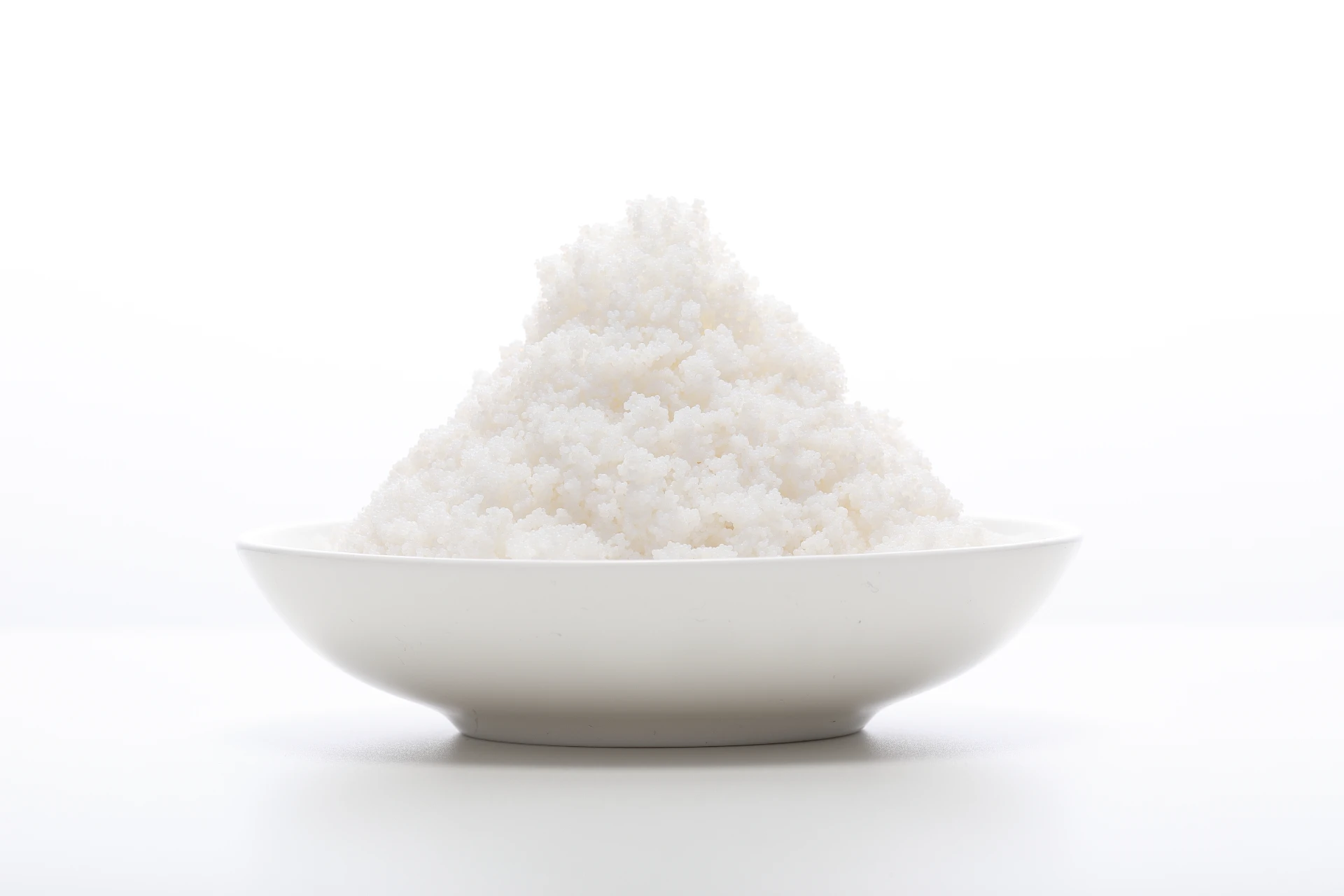
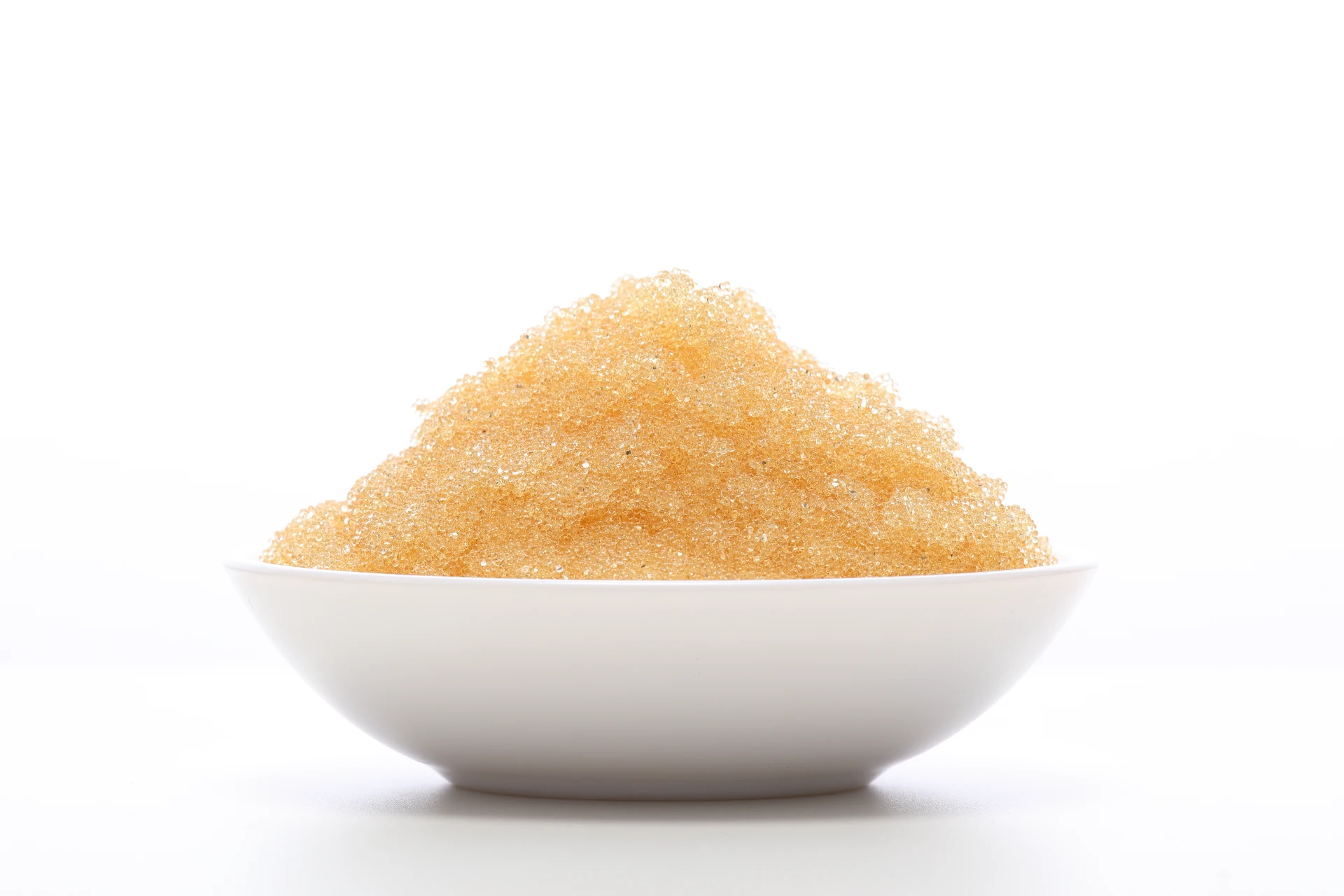
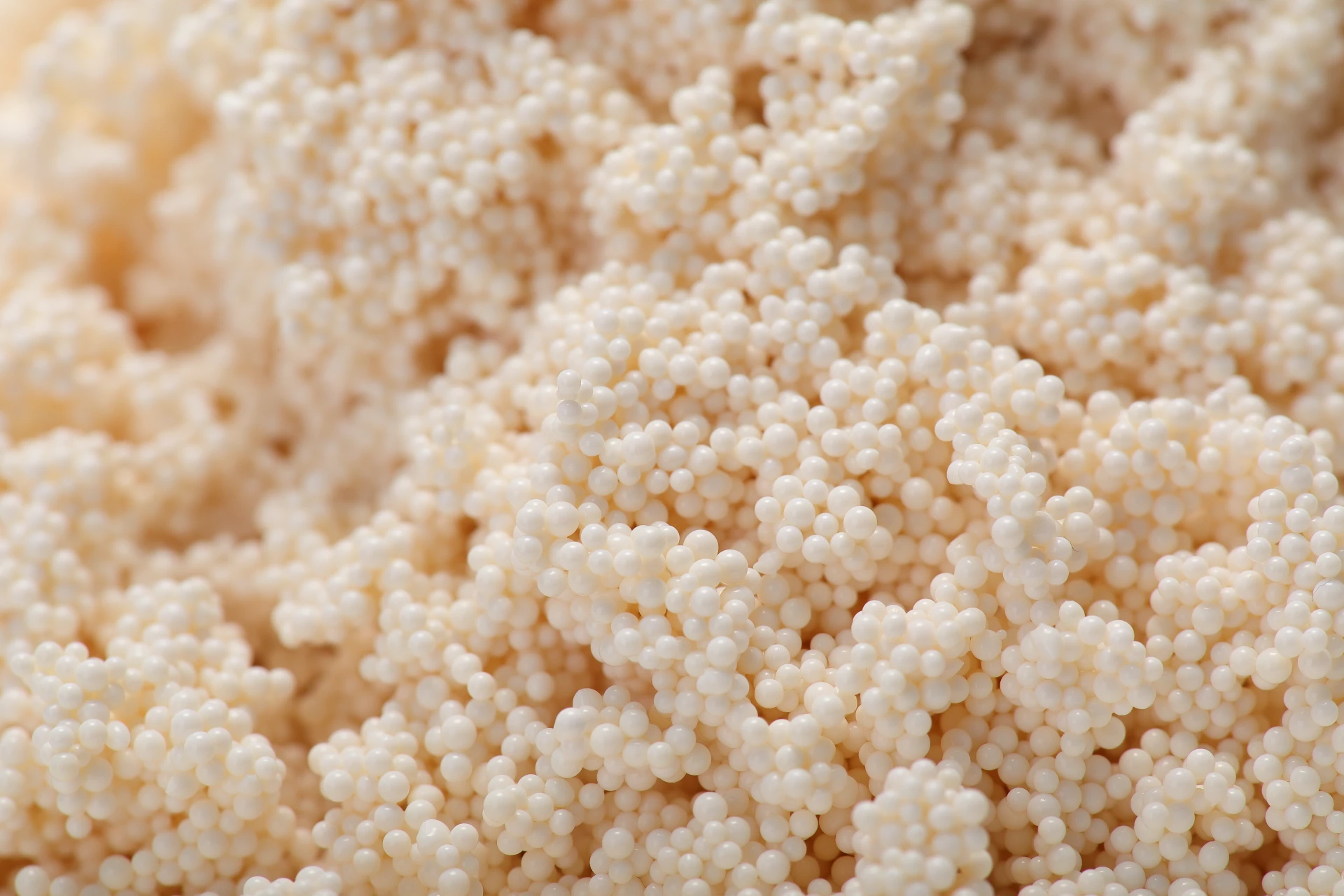
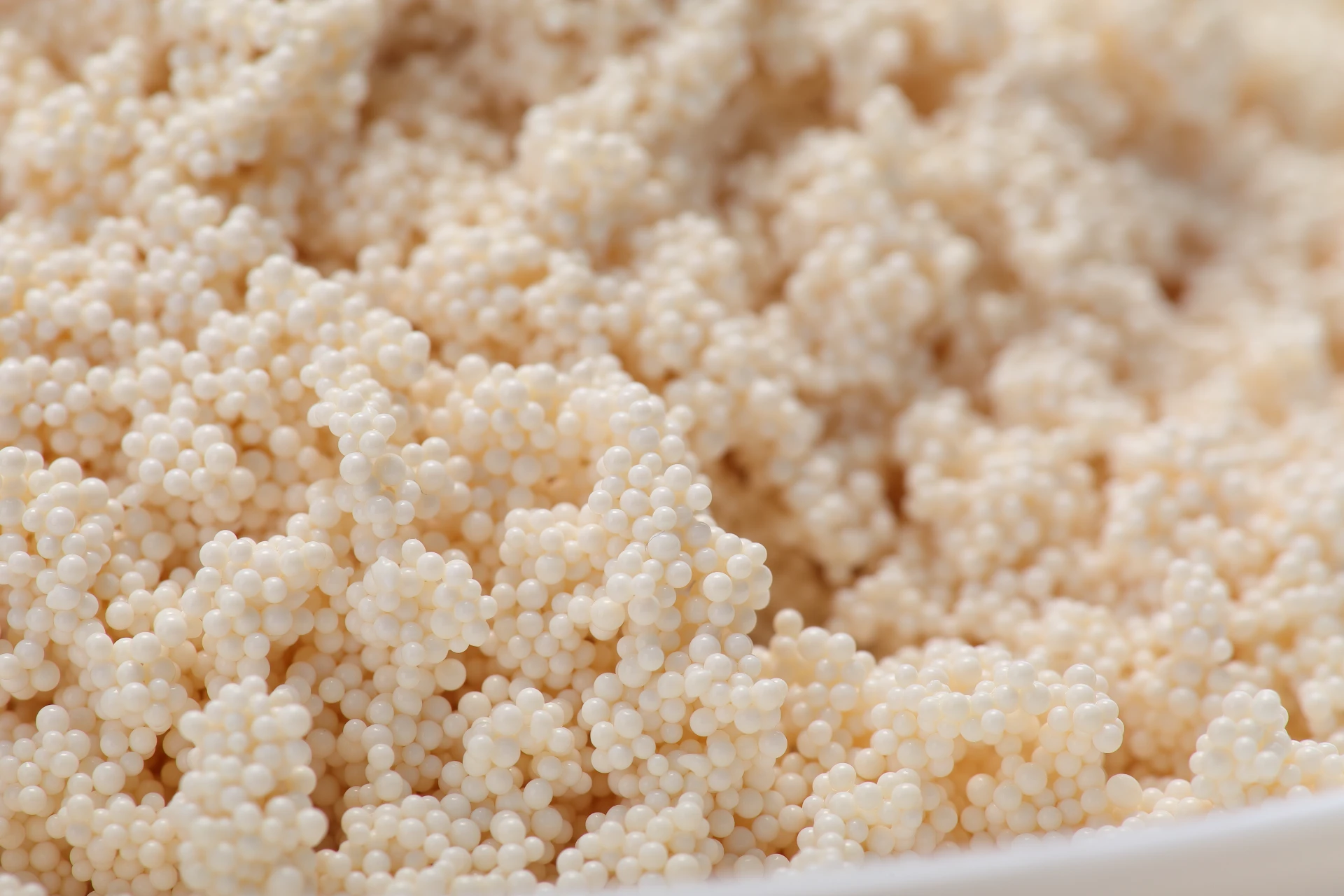
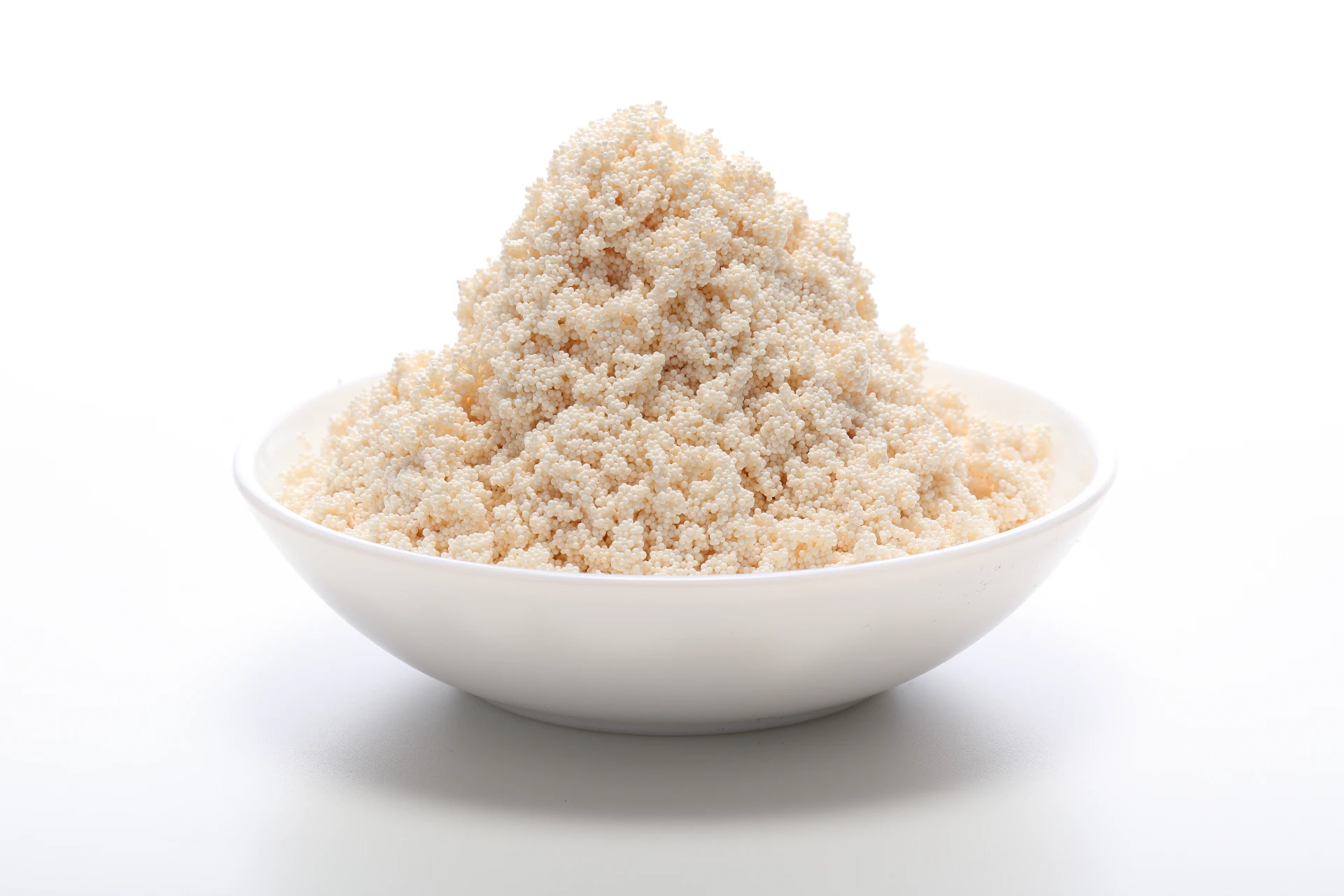
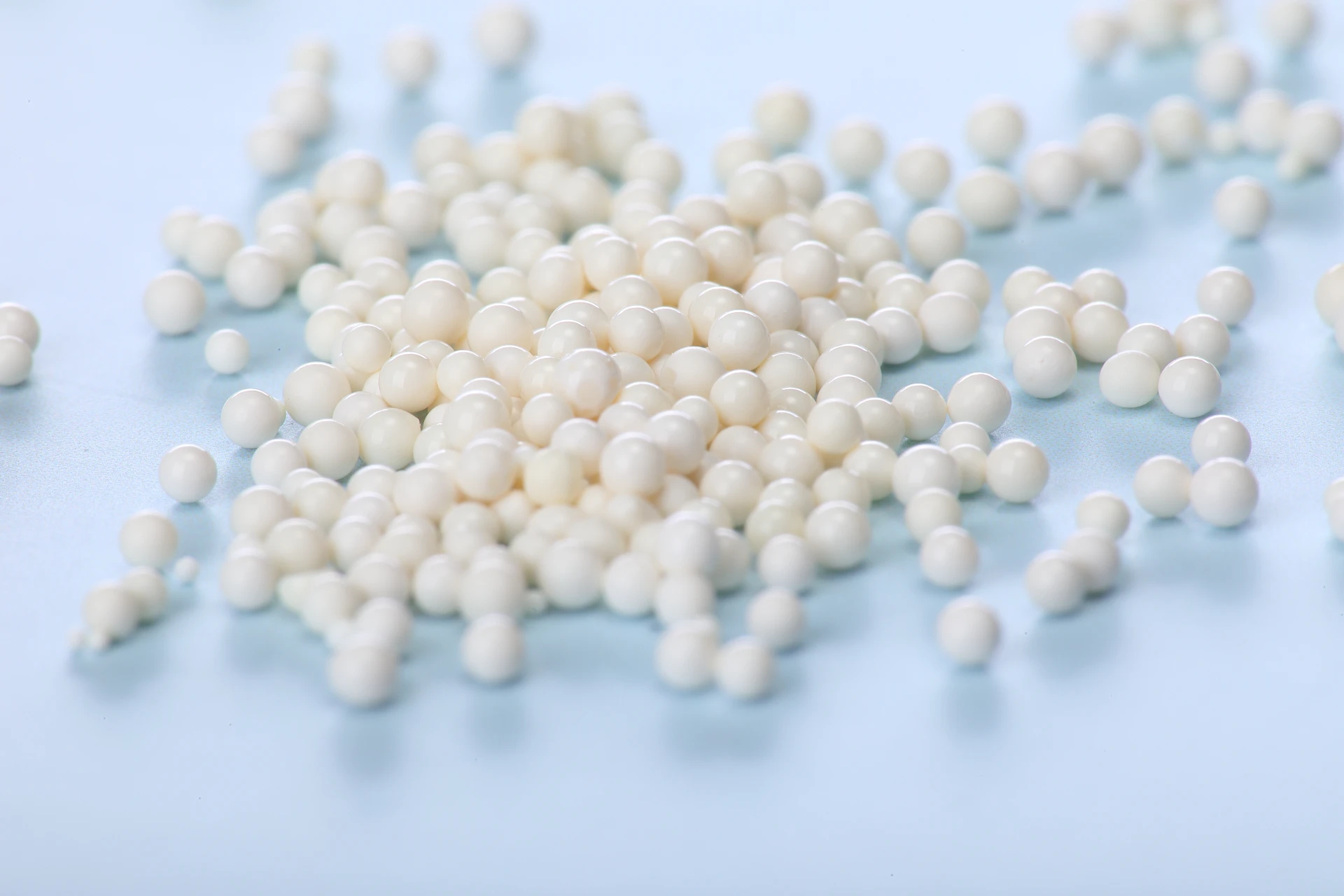
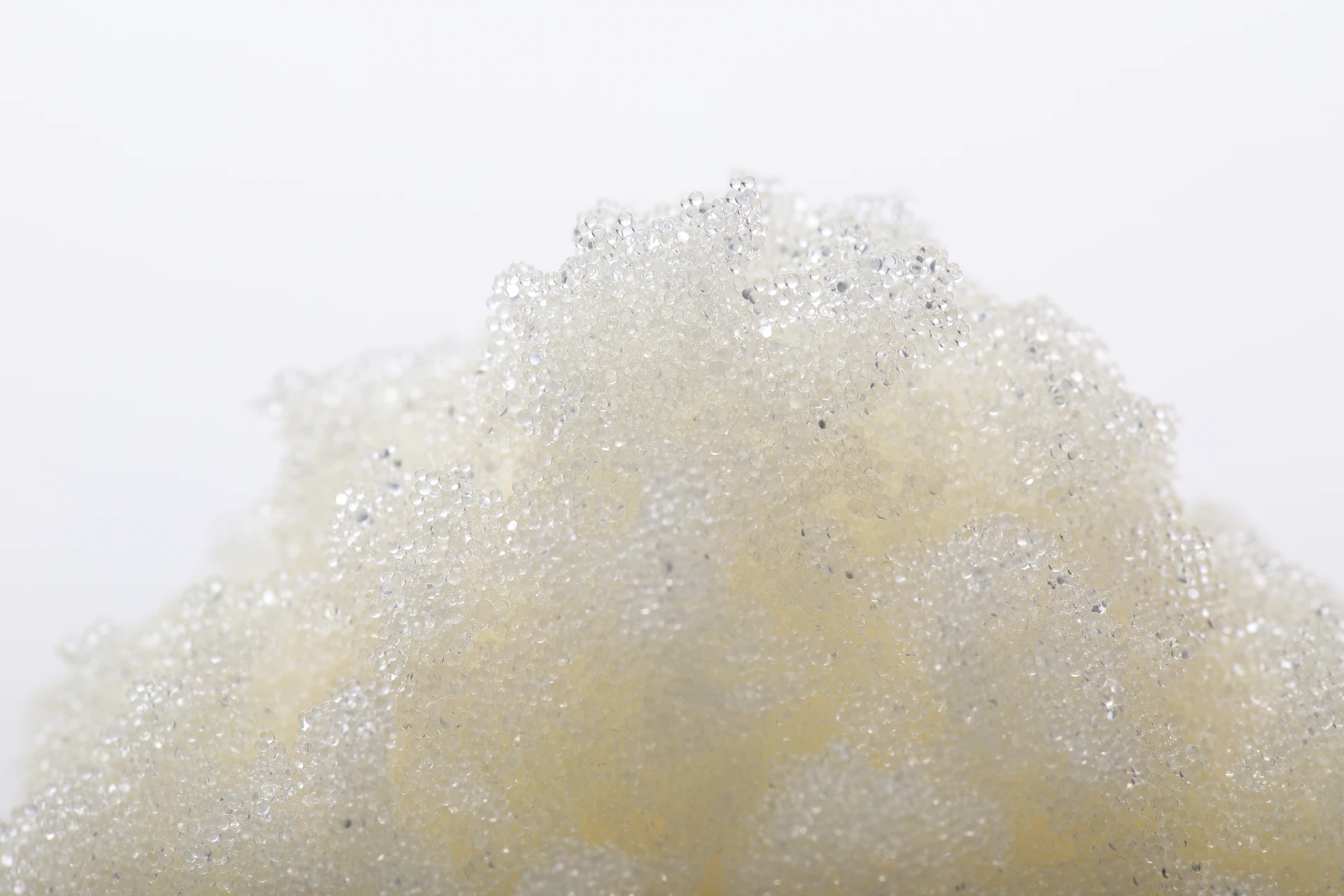
| Appearance | Milky white opaque spherical beads |
| Resin Structure | PSD (Polystyrene-Divinylbenzene) |
| Polarity | Weakly polar |
| Moisture Content | 65%–75% |
| Particle Size Range | 60–16 mesh (0.3–1.25 mm), ≥90% |
| Average Pore Size | 13–14 nm |
| Pore Volume | 0.73–0.77 ml/g |
| Porosity | 42%–46% |
| Specific Surface Area | ≥480 m²/g |
| Adsorption Capacity | ≥45 mg/g |
Applications of AB-8 Resin
The versatility of AB-8 resin makes it suitable for a wide range of applications, including:
Preparation and Regeneration
Proper preparation and regeneration are critical to maintaining the performance of AB-8 resin:
Pre-treatment: Before use, the resin should be soaked in ethanol (10–20 cm above the resin layer) for 3–4 hours. The soaking solution is then drained, and the process is repeated until the effluent is clear. Finally, the resin is rinsed with clean water until no ethanol odor remains.
Enhanced Regeneration: When the resin’s adsorption capacity declines, it can be regenerated by soaking in 3–5% hydrochloric acid for 2–4 hours, followed by thorough rinsing with water. Subsequent treatment with 5% sodium hydroxide solution ensures complete restoration of the resin’s properties.
Storage and Handling Precautions
To ensure optimal performance, the following precautions should be observed:
Company Background: Hebei Lijiang Biotechnology Co., Ltd.
Hebei Lijiang Biotechnology Co., Ltd. is a leading manufacturer of advanced adsorption resins, specializing in the development and production of high-quality materials for industrial and research applications. With a commitment to innovation and quality, the company has established itself as a trusted partner for clients worldwide. Their products, including the AB-8 resin, are engineered to meet the stringent demands of modern separation technologies.
Why Choose AB-8 Resin?
The AB-8 resin’s combination of high adsorption capacity, chemical stability, and ease of regeneration makes it an ideal choice for industries requiring efficient separation and purification solutions. Its ability to handle complex mixtures and its long service life further enhance its value proposition.
Conclusion
The Macroporous Adsorption Resin AB-8 represents a significant advancement in adsorption technology, offering a reliable and cost-effective solution for a wide range of applications. Its robust technical specifications, coupled with the expertise of Hebei Lijiang Biotechnology Co., Ltd., ensure that it meets the highest standards of performance and quality. For industries seeking to optimize their separation processes, AB-8 is a proven choice.
References
National Institute of Standards and Technology (NIST). (n.d.). Driving Innovation. Retrieved from https://www.nist.gov/