Phone:
+86 0319 2296164


Email:
info@lijiresin.cn
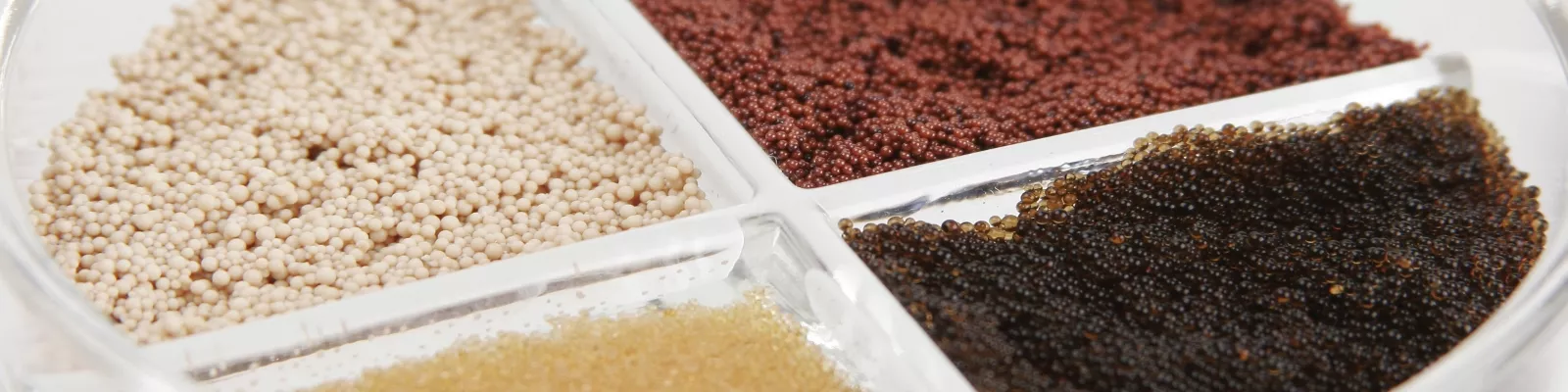
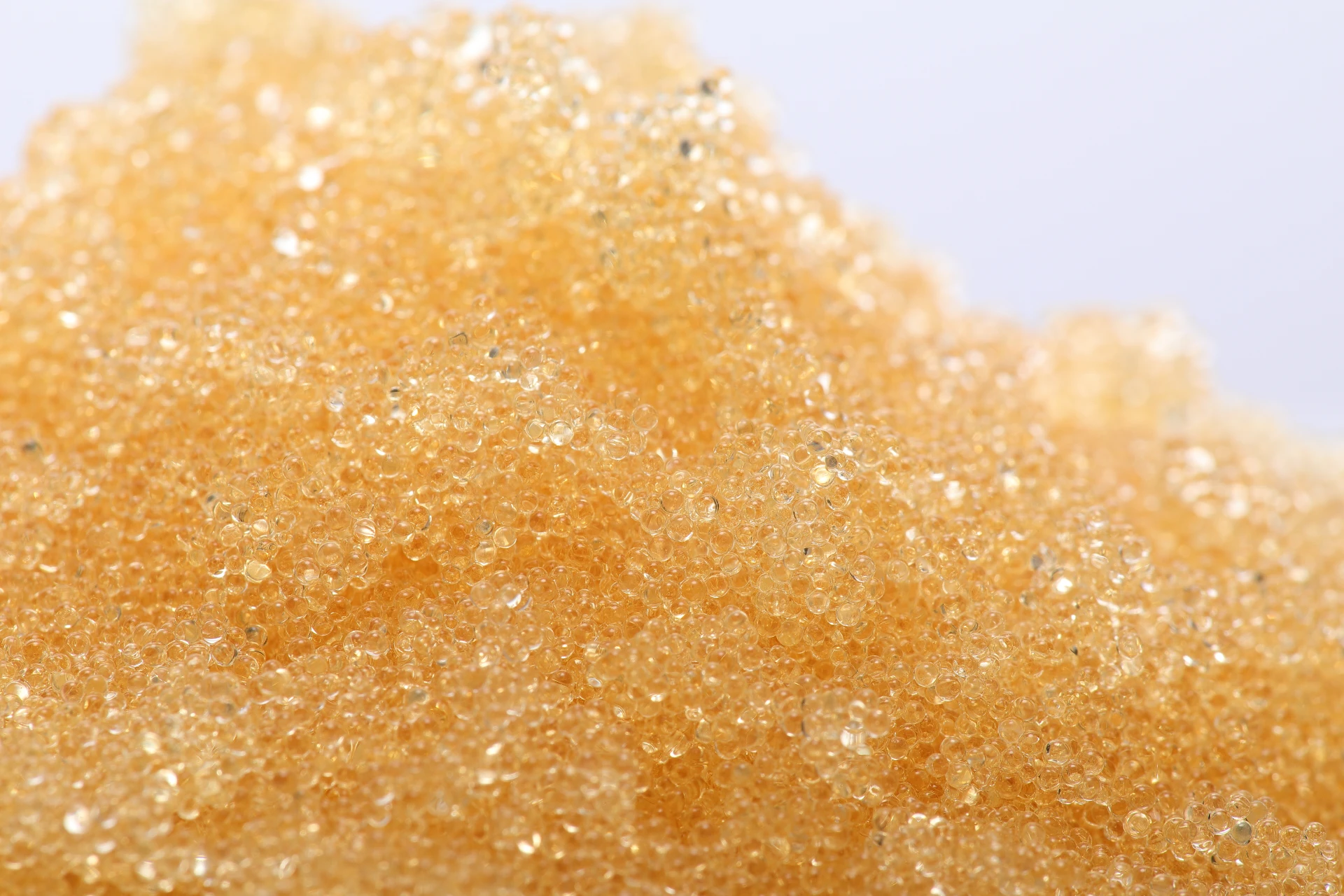
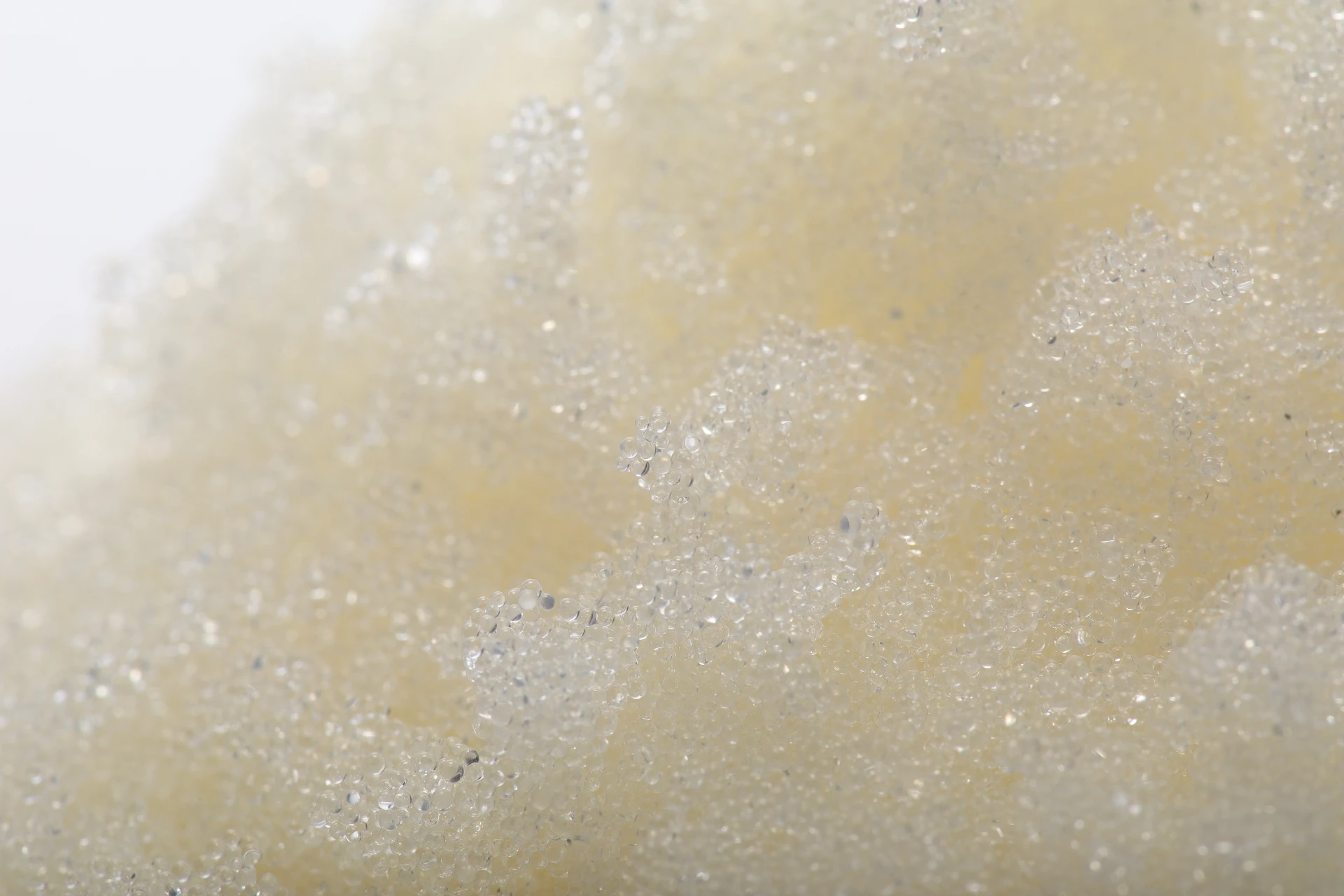
In diverse industrial landscapes, efficient water treatment and process purification are paramount. Central to these operations is the critical role of ion exchange technology, particularly the deployment of acid cation exchange resins. These specialized polymeric materials are engineered to remove positively charged ions (cations) from aqueous solutions, facilitating processes such as demineralization, softening, and contaminant removal. The global market for ion exchange resins continues to grow, driven by escalating demand for ultrapure water in electronics, pharmaceuticals, and power generation, alongside stringent environmental regulations necessitating effective wastewater treatment.
Current industry trends highlight a significant shift towards more selective, durable, and regenerant-efficient resins. Manufacturers are focusing on innovations that reduce chemical consumption, minimize waste generation, and enhance overall operational longevity. The increasing complexity of industrial processes demands resins capable of performing under challenging conditions, including varying pH levels, high temperatures, and the presence of oxidizing agents. Furthermore, the push for sustainable practices is fostering the development of resins with lower environmental footprints throughout their lifecycle.
Technologically, advancements in polymerization techniques allow for tighter control over bead size distribution, porosity, and surface chemistry, directly impacting kinetic performance and exchange capacity. The distinction between weak acid cation (WAC) and strong acid cation (SAC) resins is fundamental, each offering unique advantages tailored to specific applications. SAC resins, with their sulfonic acid functional groups, are highly dissociated across the entire pH range, making them effective for complete demineralization and softening. WAC resins, typically featuring carboxylic acid groups, exhibit pH-dependent dissociation and are particularly efficient for removing alkalinity and hardness associated with bicarbonate. This specialized functionality ensures optimal performance for diverse industrial requirements.
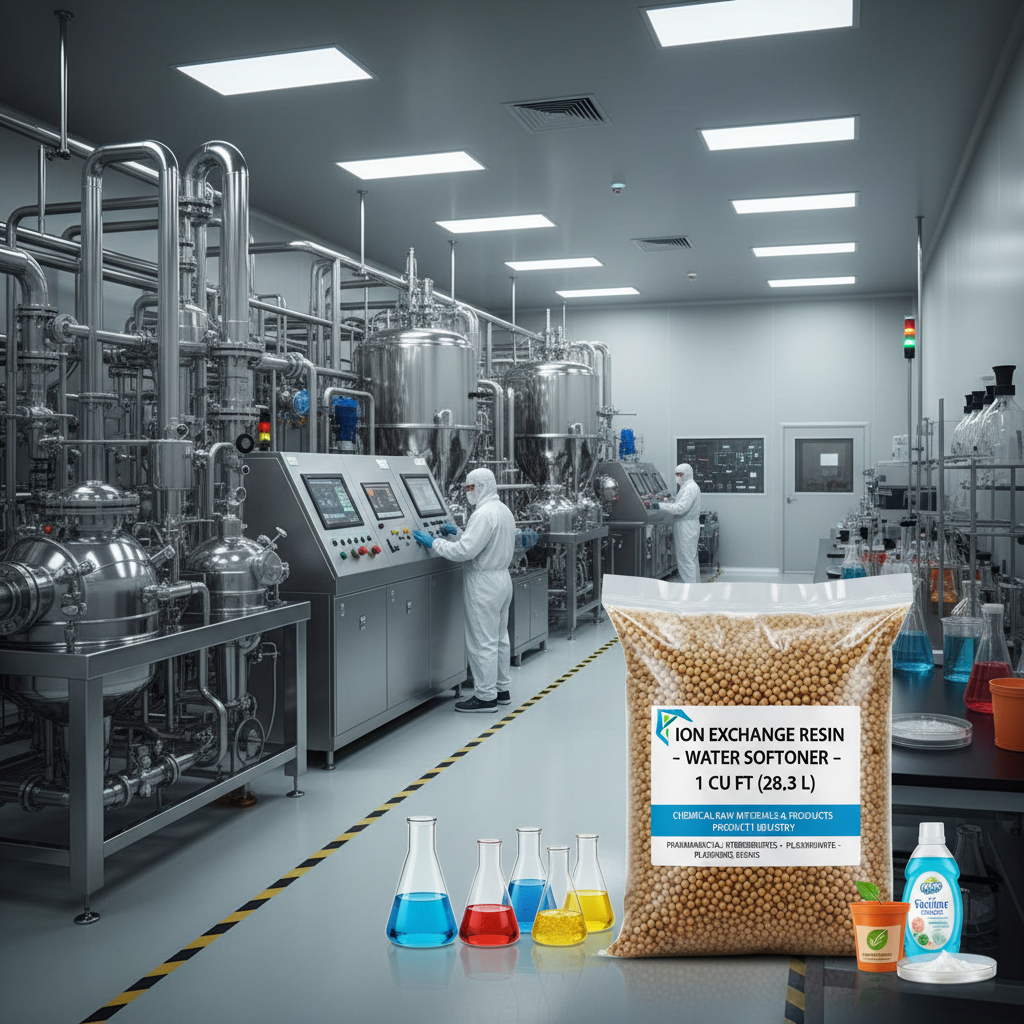
The production of high-performance acid cation exchange resins involves a sophisticated multi-stage chemical synthesis and processing sequence, ensuring the final product meets stringent technical specifications. For strong acid cation resins, like the 001×7.5 type, the process typically begins with the polymerization of monomers to form a stable, porous polymer matrix.
Target industries benefiting from these meticulously manufactured resins include petrochemicals (for condensate polishing), metallurgy (for precious metal recovery and effluent treatment), and water supply & drainage (for demineralization and softening). The controlled manufacturing process ensures advantages such as extended service life, high operational capacity, and excellent mechanical and chemical stability, leading to energy savings through optimized regeneration cycles and superior corrosion resistance by preventing scale formation in critical equipment.
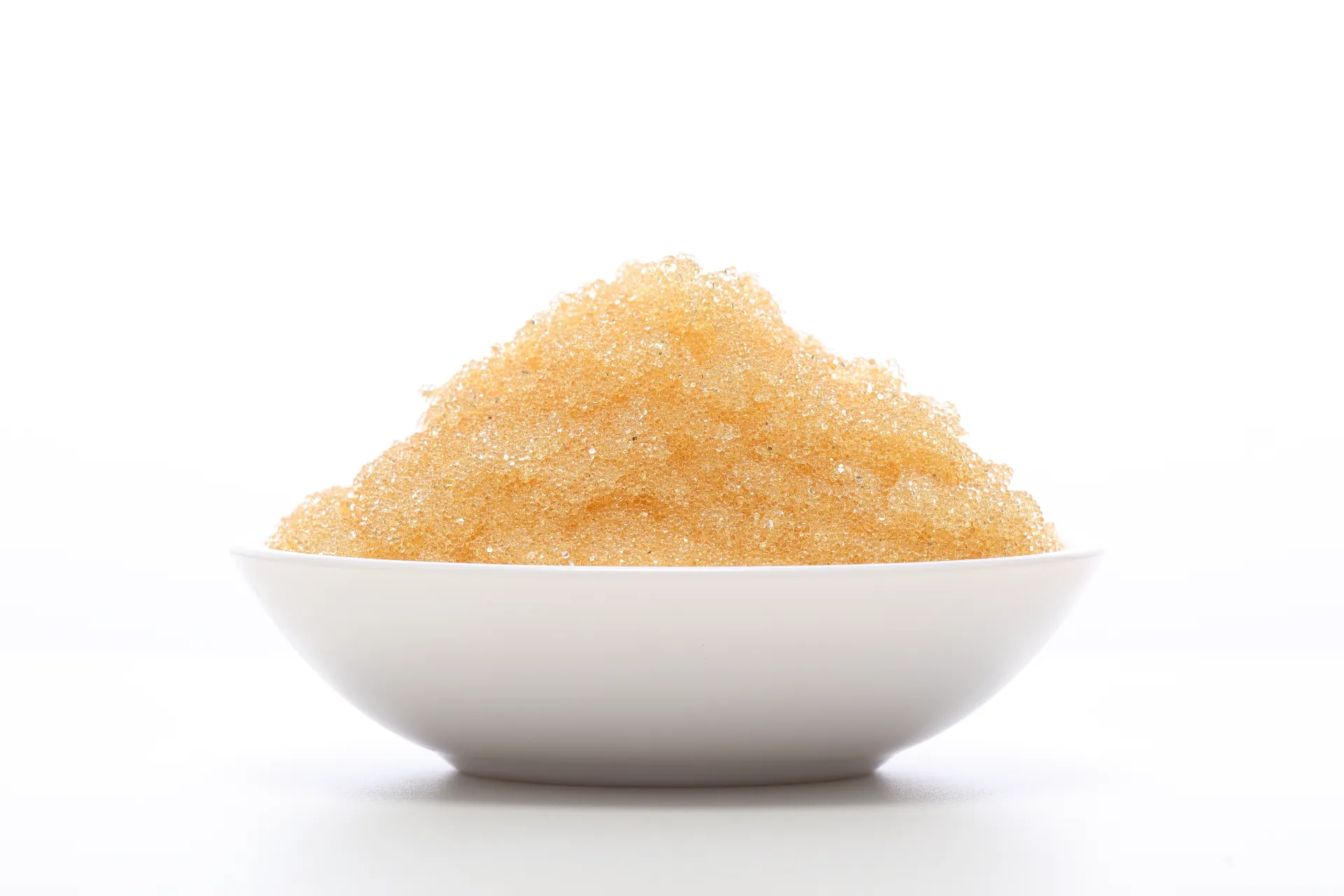
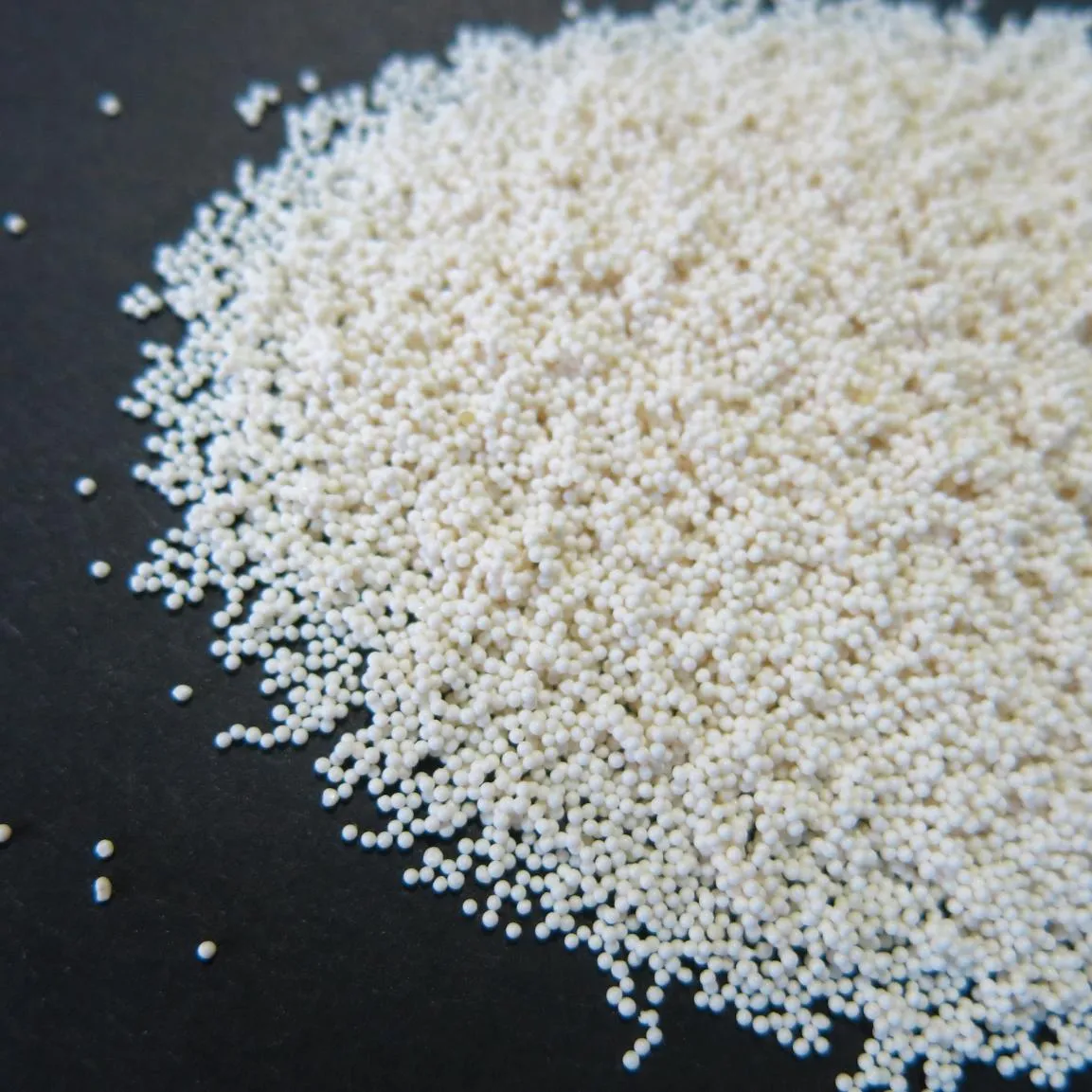
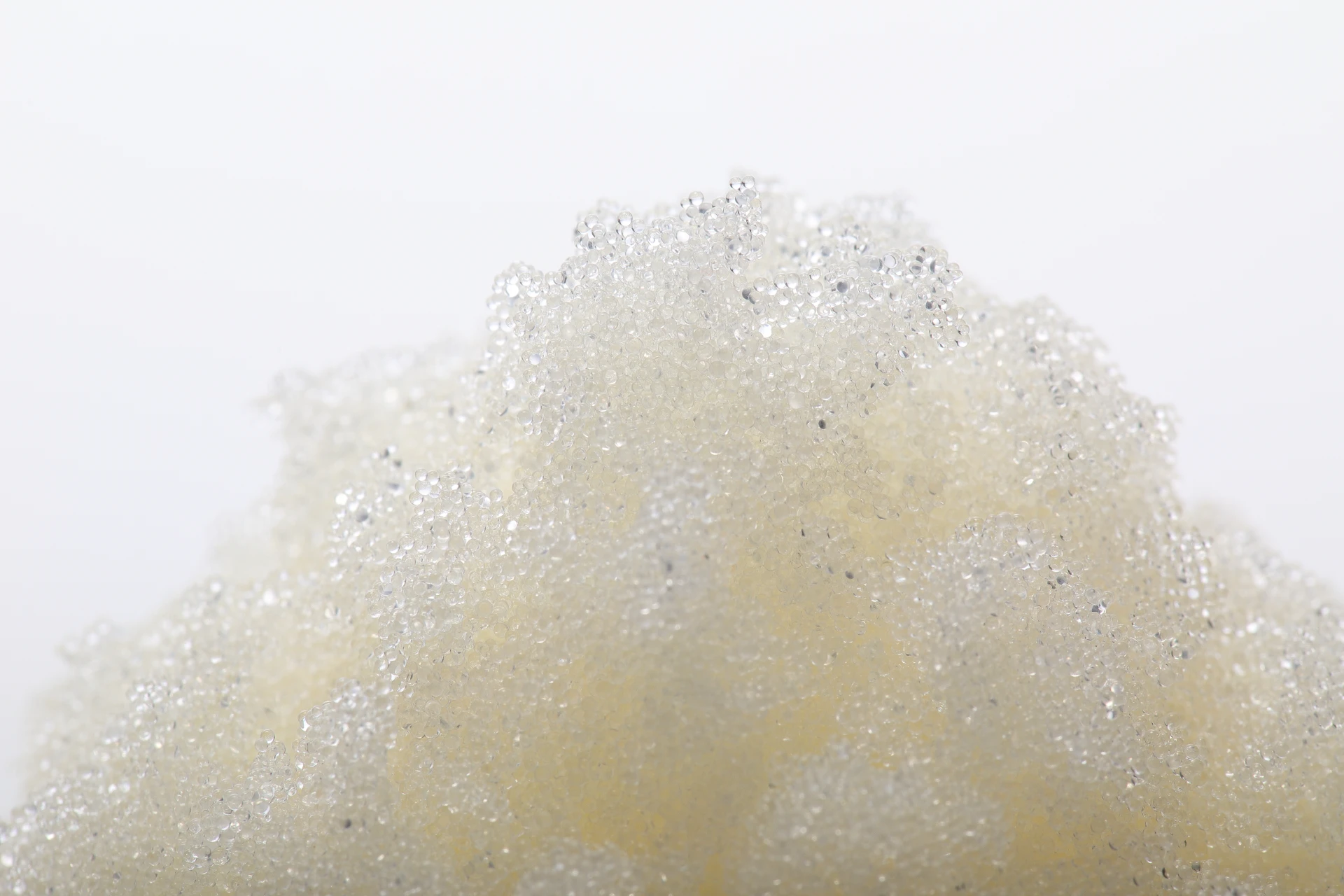
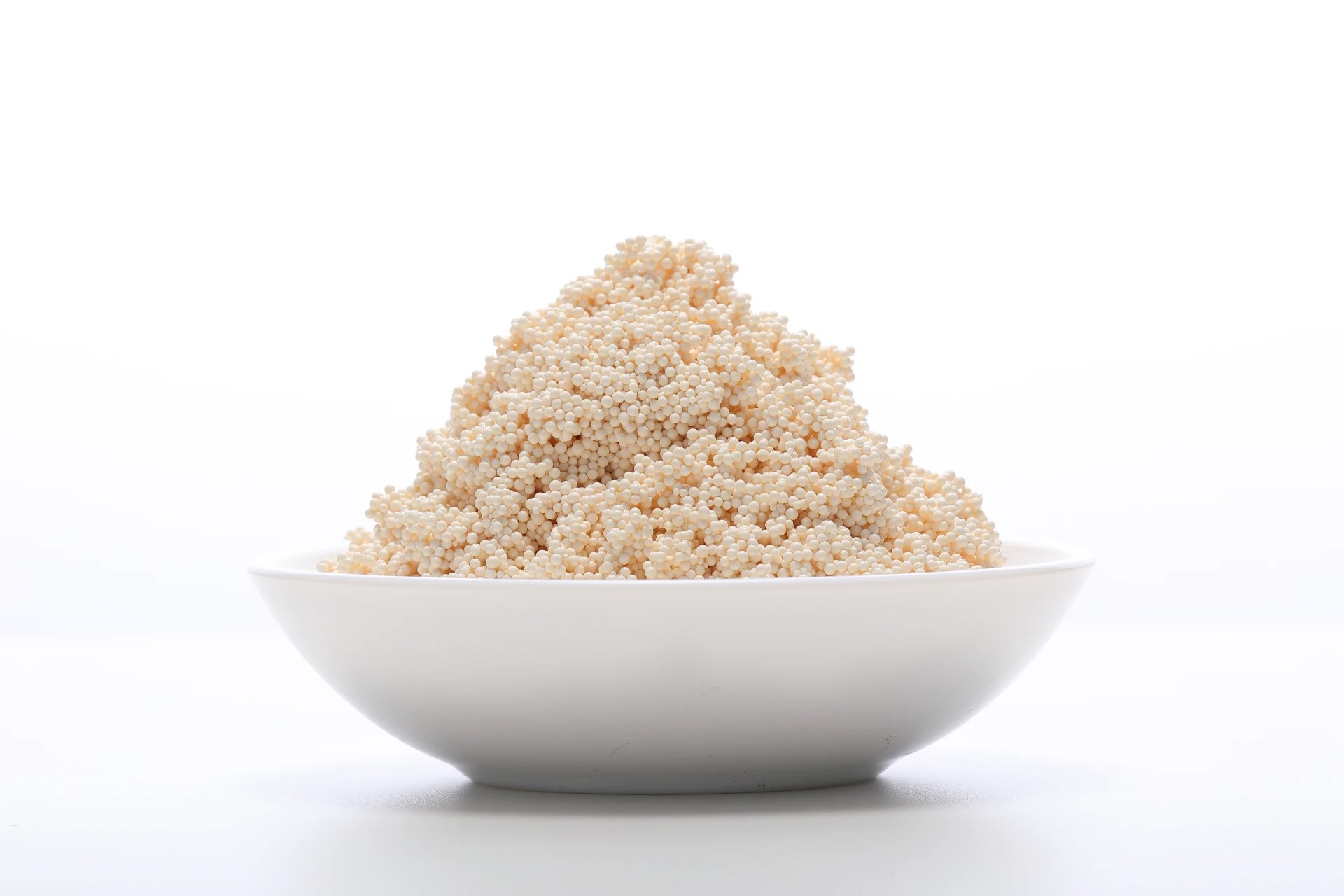
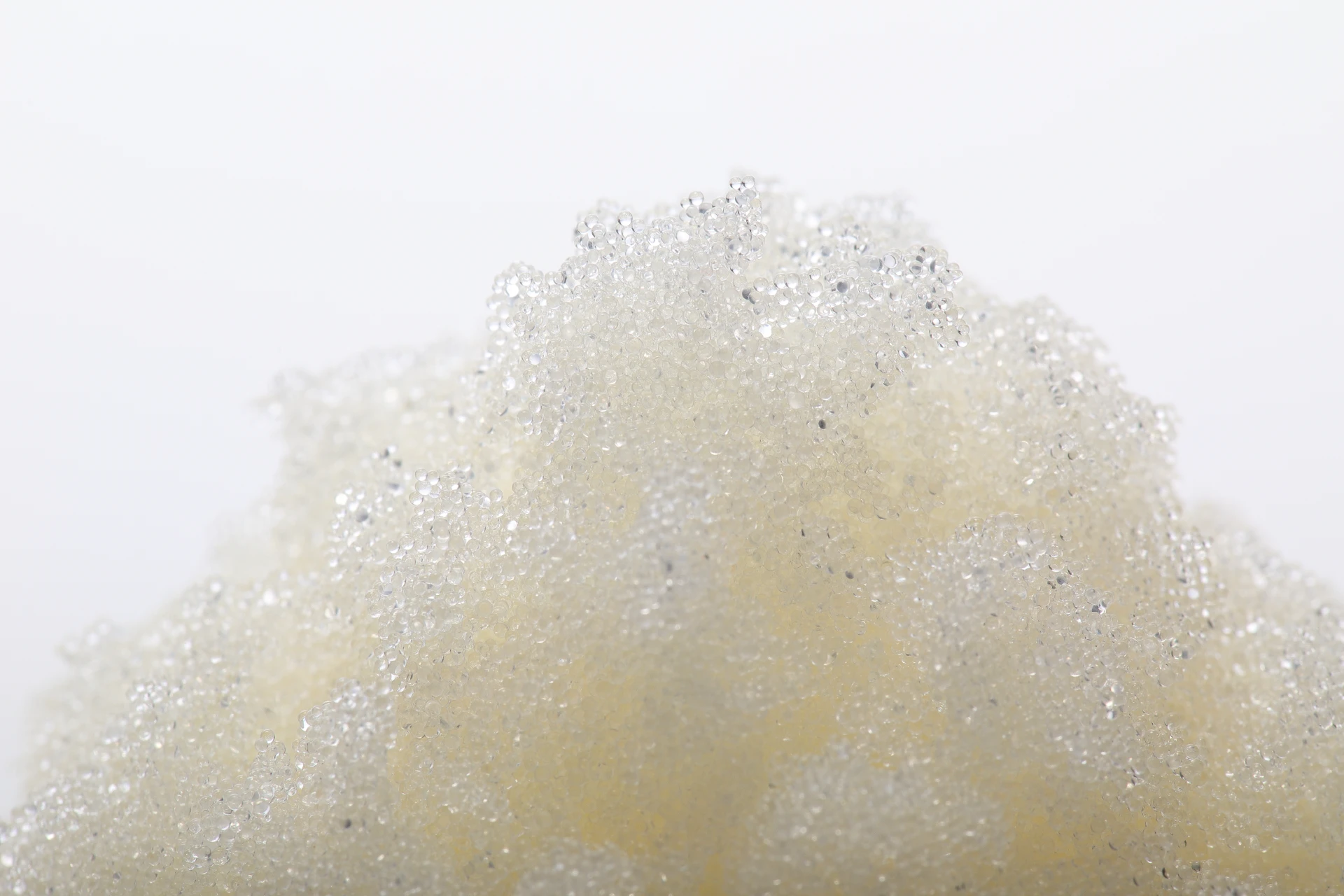
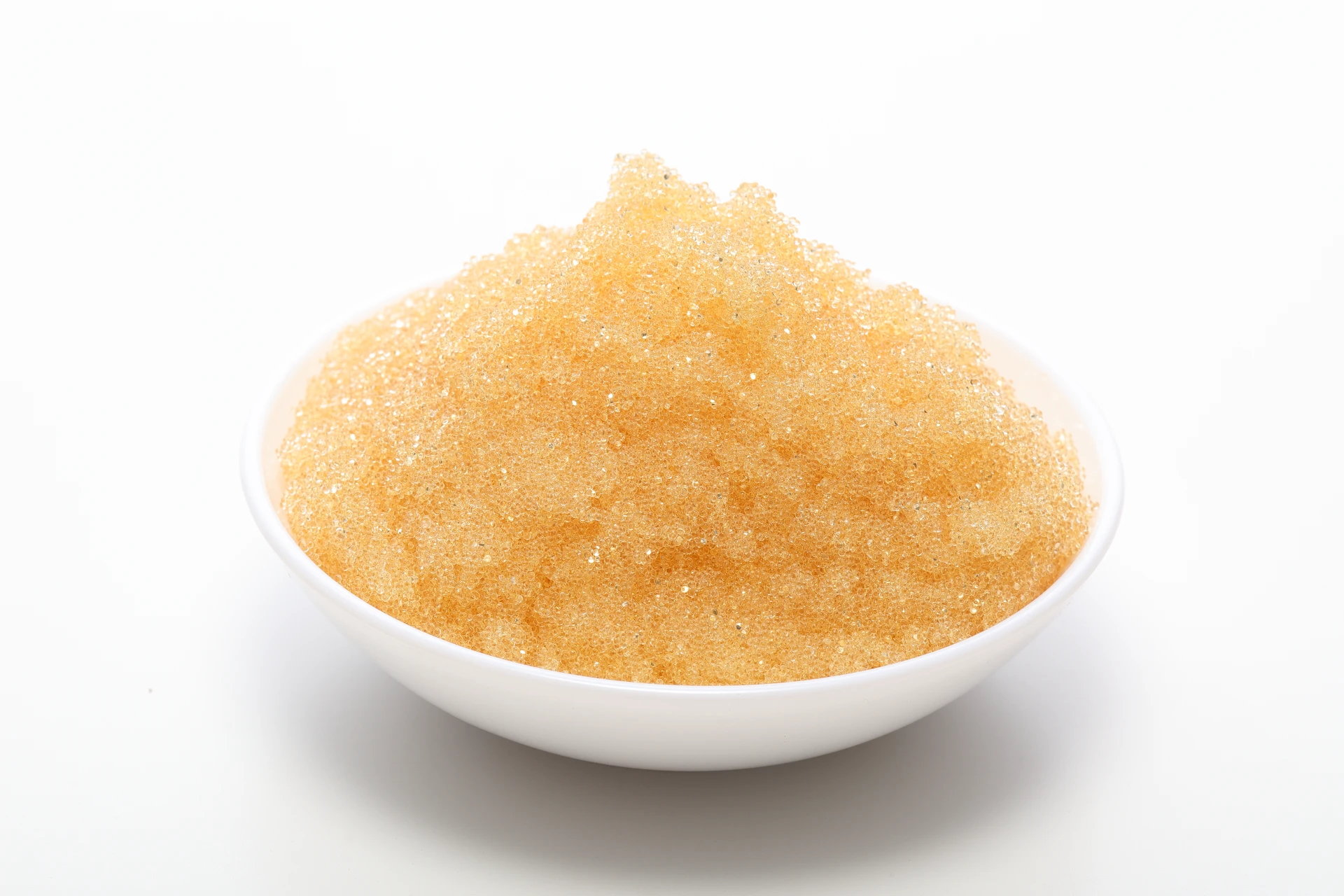
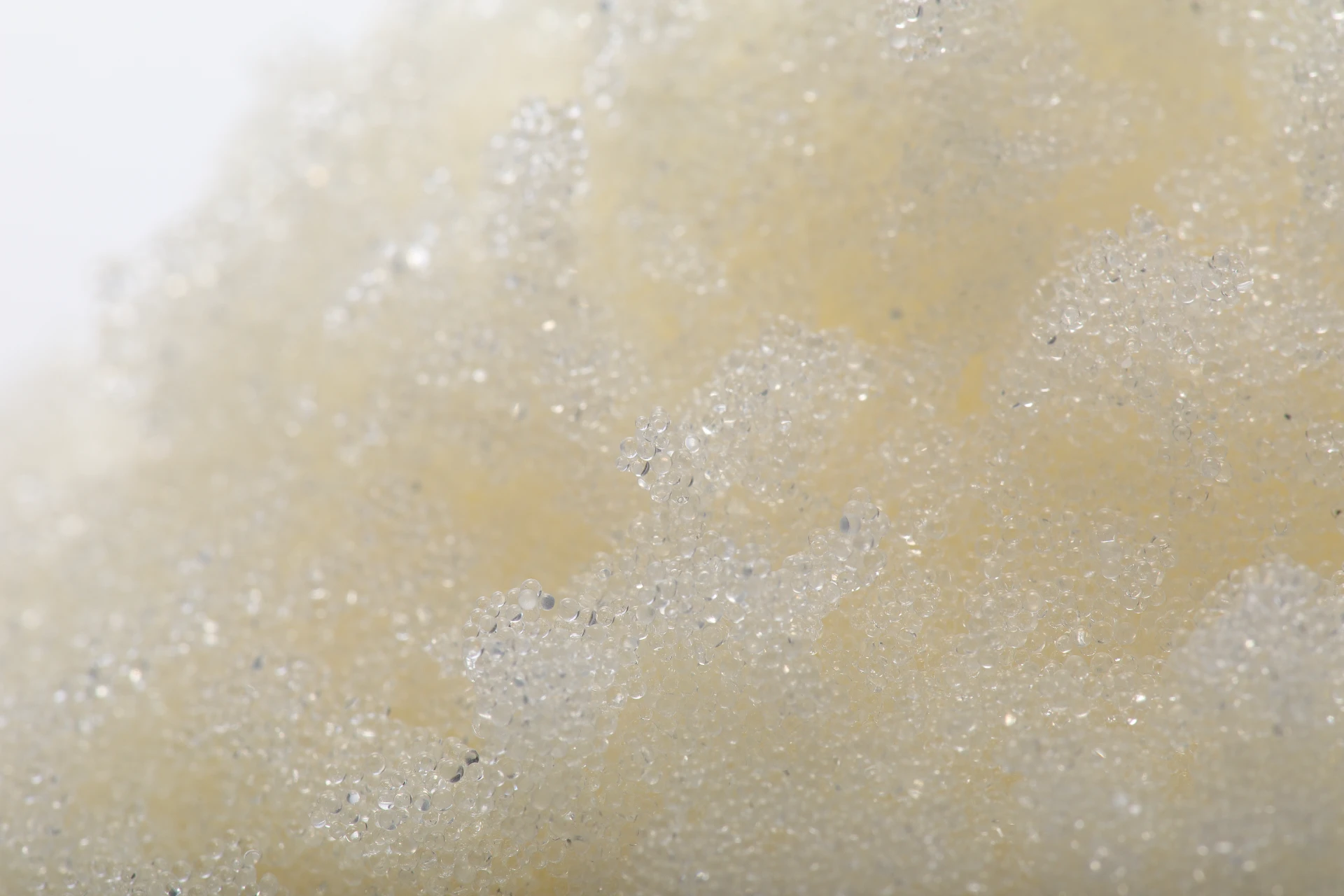
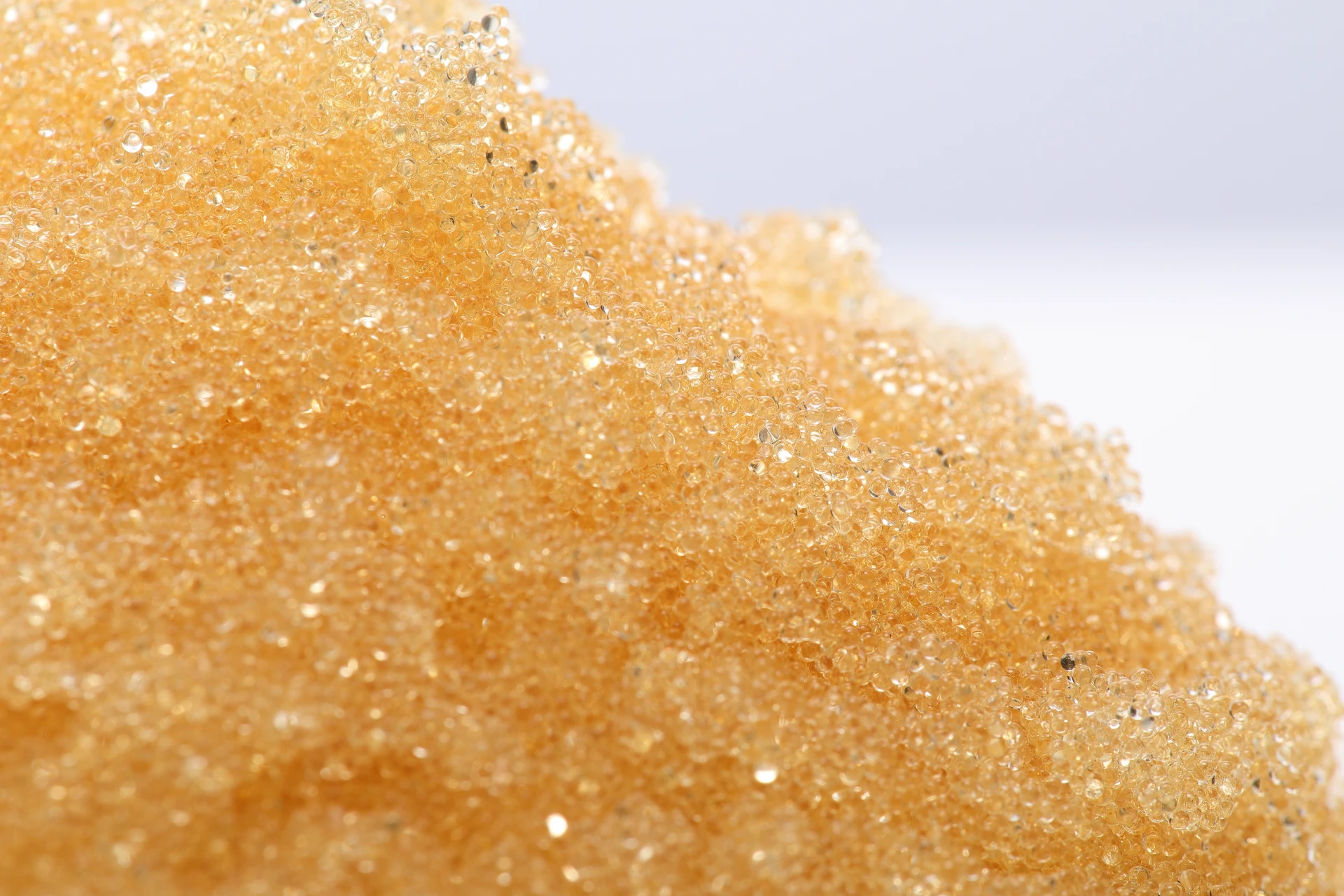
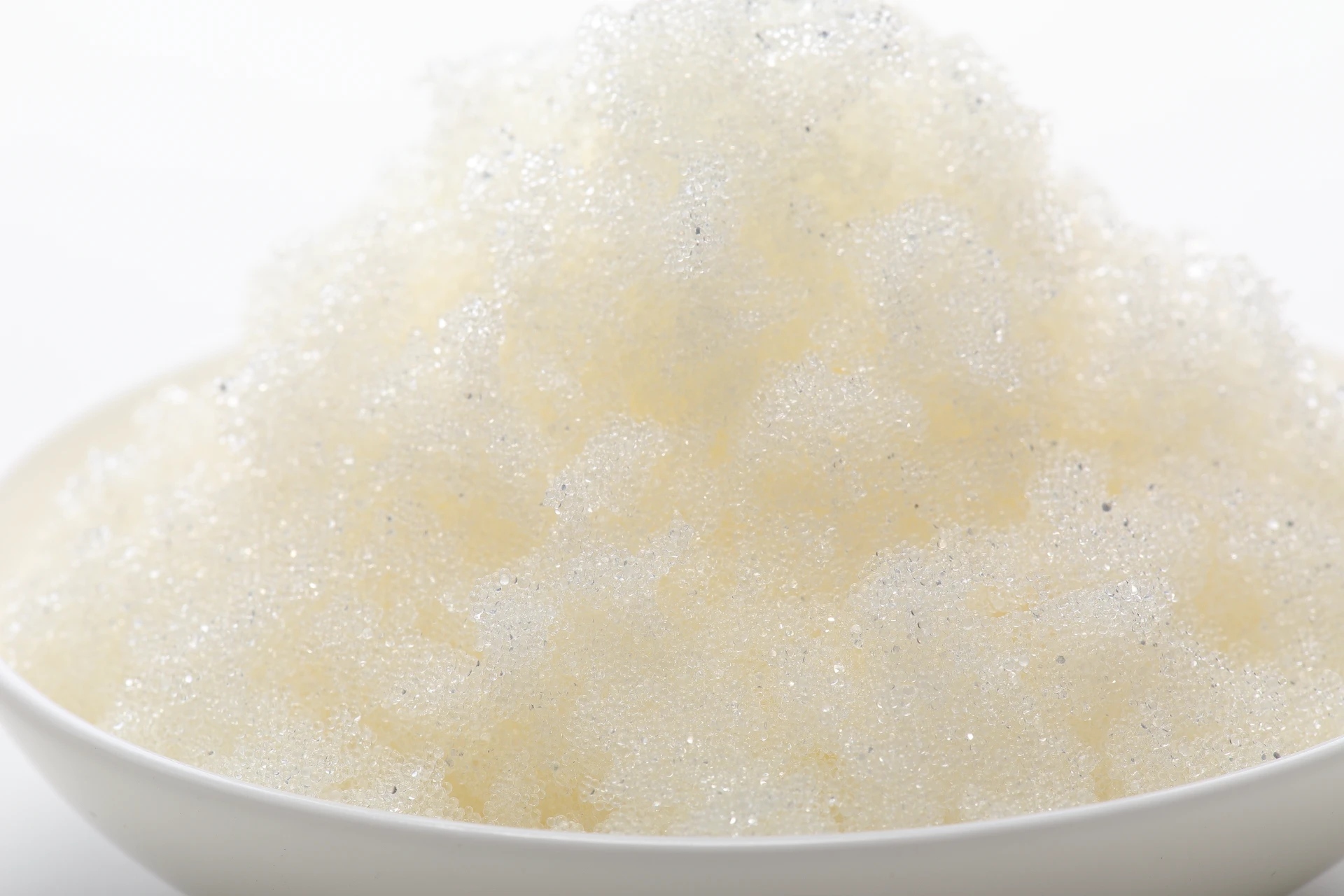
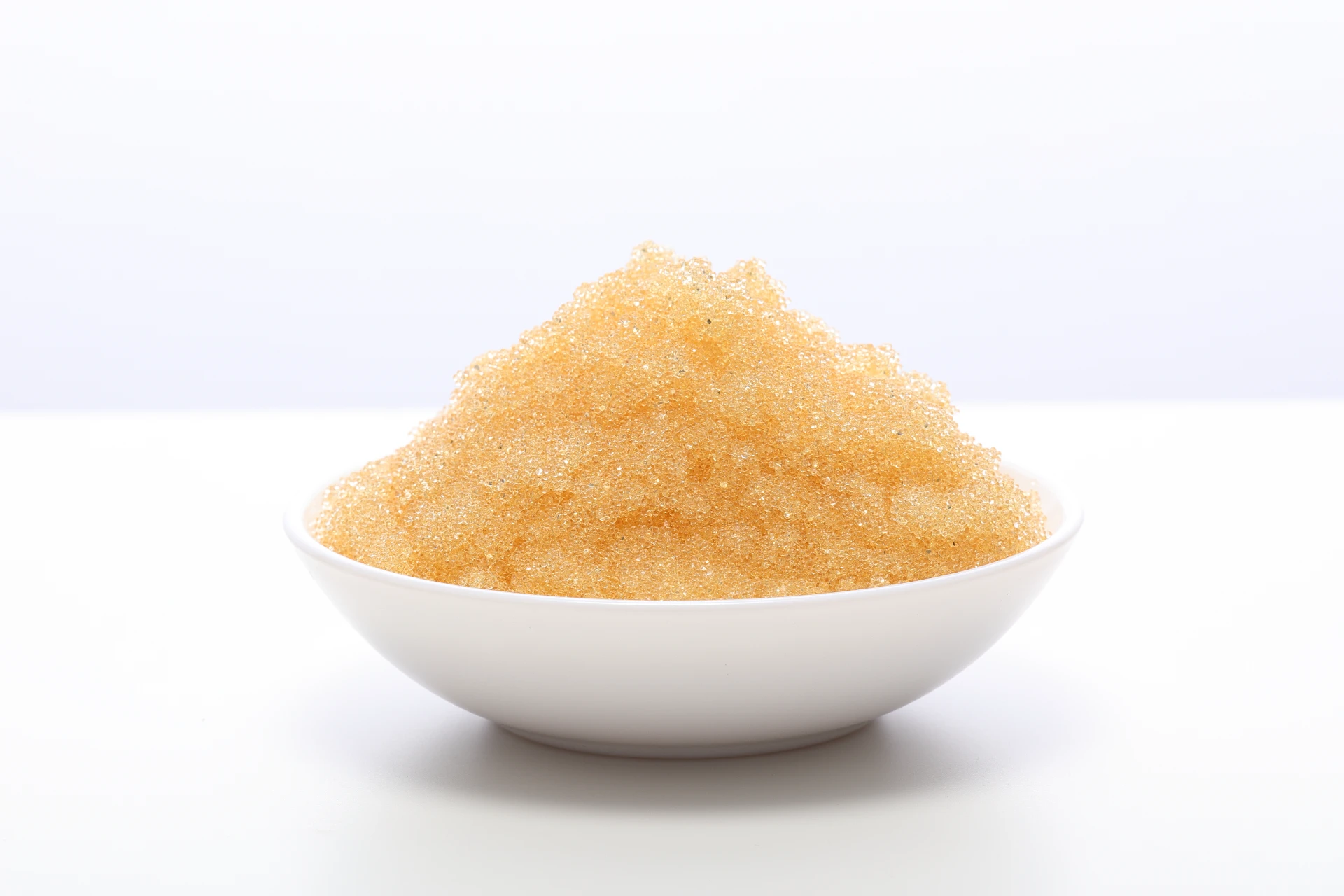
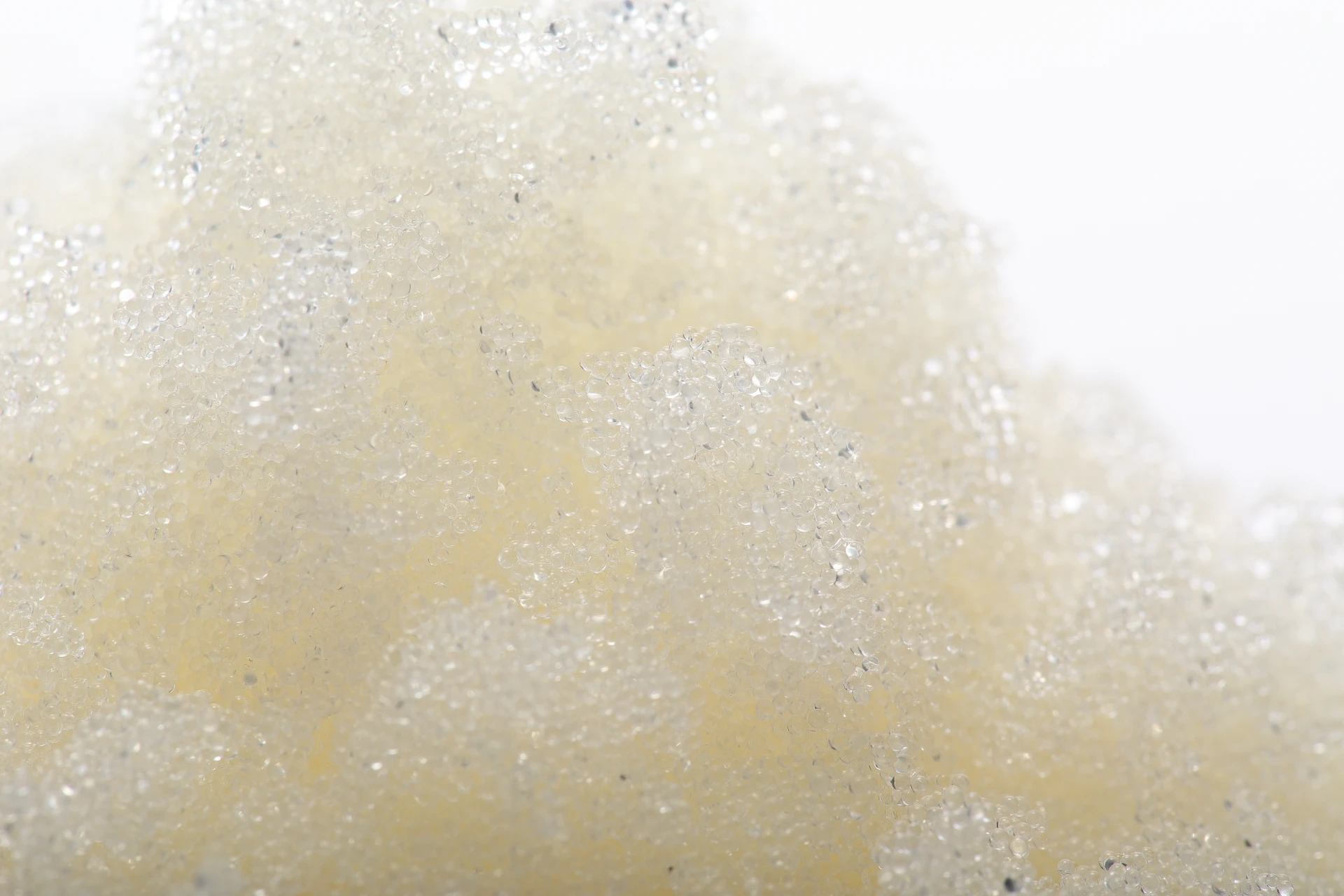
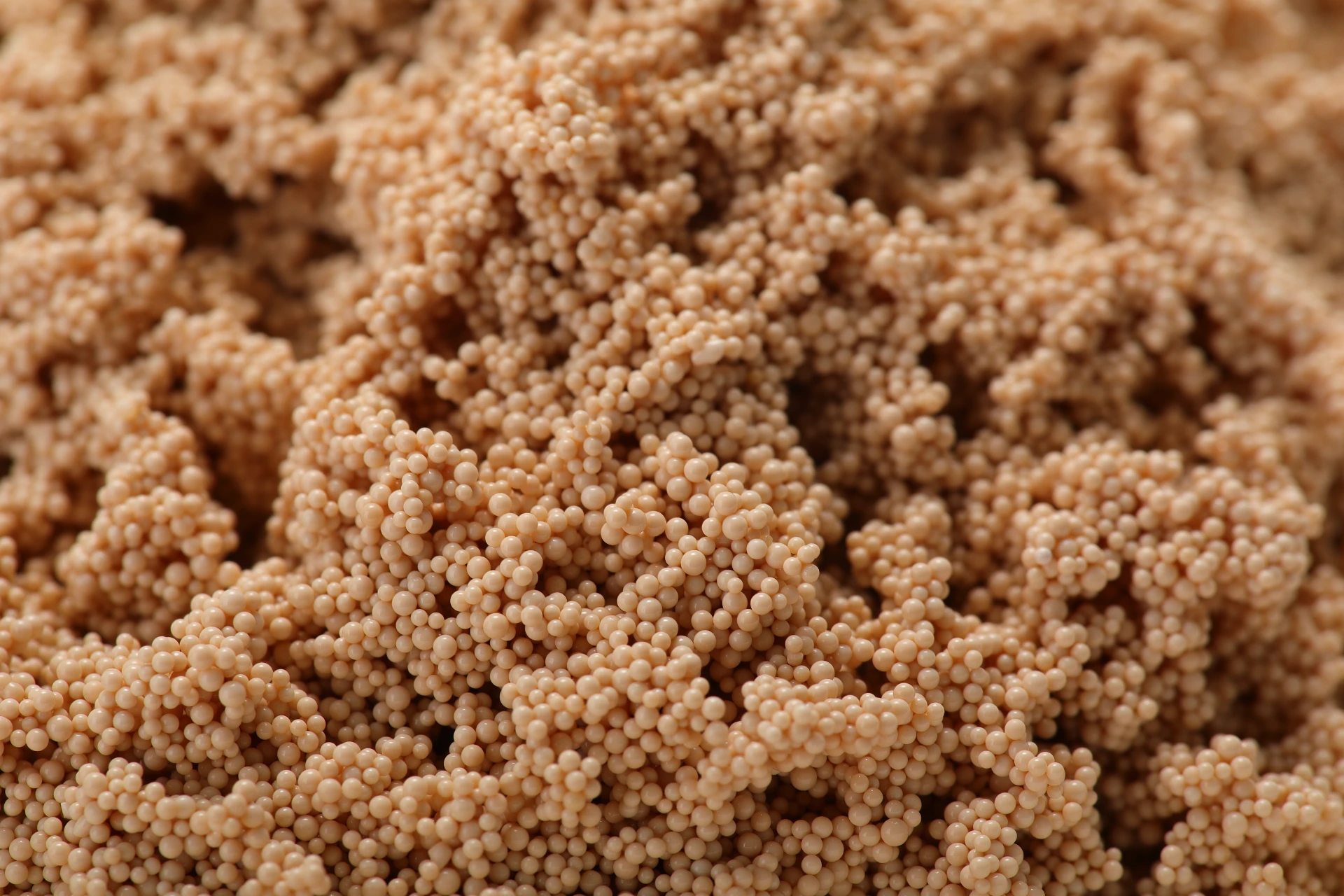
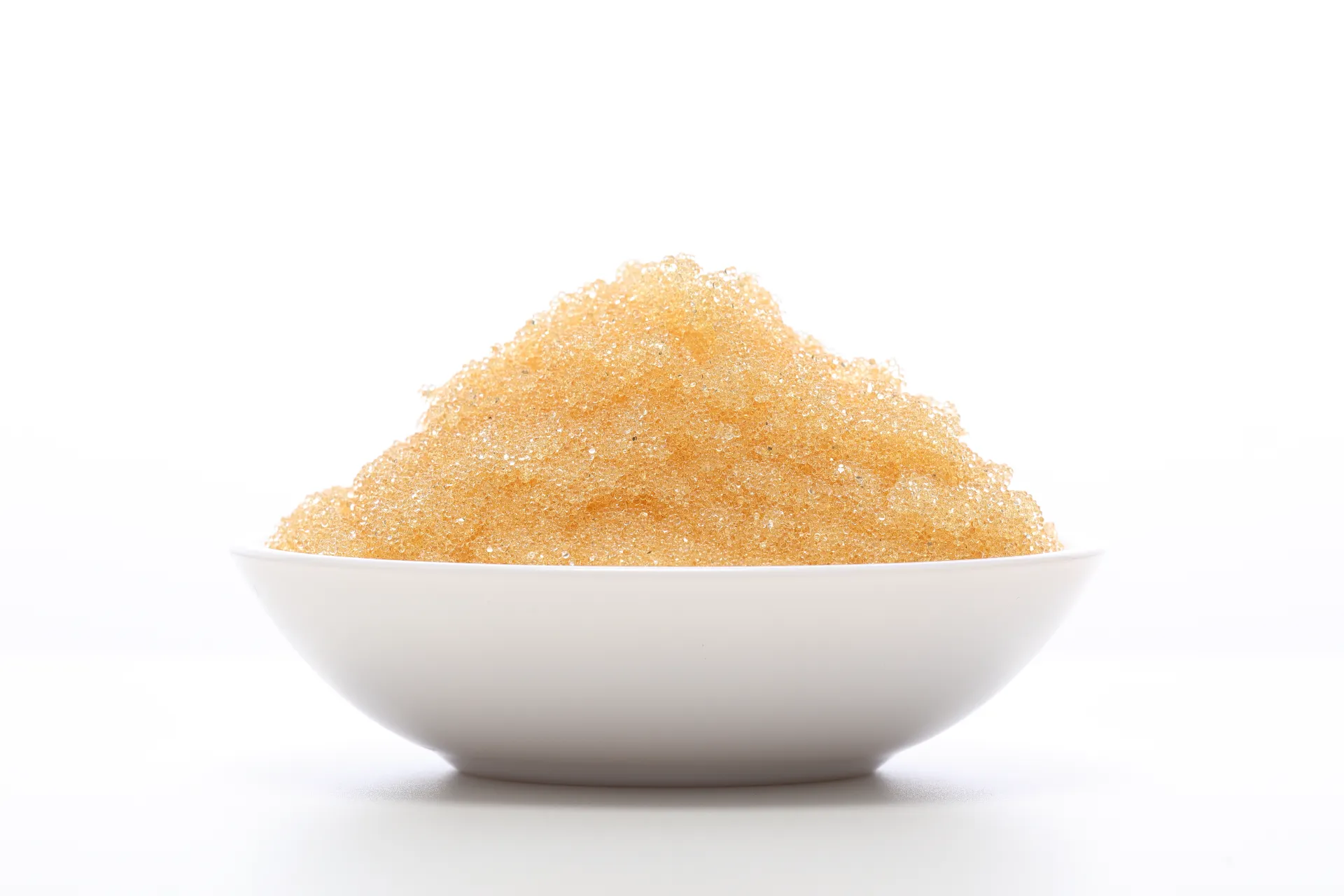
The Strong Acid Cation Exchange Resin 001×7.5 is a premium-grade gel-type polystyrene divinylbenzene resin with a nominal 7.5% DVB crosslinkage. This crosslinkage provides a robust polymeric matrix, offering excellent physical and chemical stability while maintaining high exchange capacity. It is specifically designed for industrial water treatment applications requiring efficient removal of hardness and other cations.
| Parameter | Specification (001×7.5 Strong Acid Cation) |
|---|---|
| Polymer Matrix Structure | Styrene-Divinylbenzene Copolymer, Gel Type |
| Functional Group | Sulfonic Acid (-SO₃H) |
| Ionic Form (as shipped) | Na⁺ (Sodium Form) |
| Total Exchange Capacity (Na⁺ form) | ≥ 1.95 eq/L (min) |
| Moisture Content | 45 – 50% |
| Particle Size Range | 0.315 – 1.25 mm (≥ 95%) |
| Effective Size | 0.45 – 0.60 mm |
| Uniformity Coefficient | ≤ 1.6 |
| Swelling (Na⁺ to H⁺ form) | ≤ 8% |
| Density (approx.) | 1.28 g/mL (Na⁺ form) |
| Operating pH Range | 0 - 14 |
| Max. Operating Temperature | 120°C (250°F) |
These parameters ensure the 001×7.5 resin's robust performance in demanding applications, providing reliable cation removal and maintaining water quality standards. Its high exchange capacity minimizes regeneration frequency, contributing to operational efficiency and cost savings.
The versatility of acid cation resins, particularly strong acid variants, makes them indispensable across a multitude of industrial processes. Their ability to effectively remove dissolved cations allows for precise control over water chemistry, which is critical for process integrity and equipment longevity.
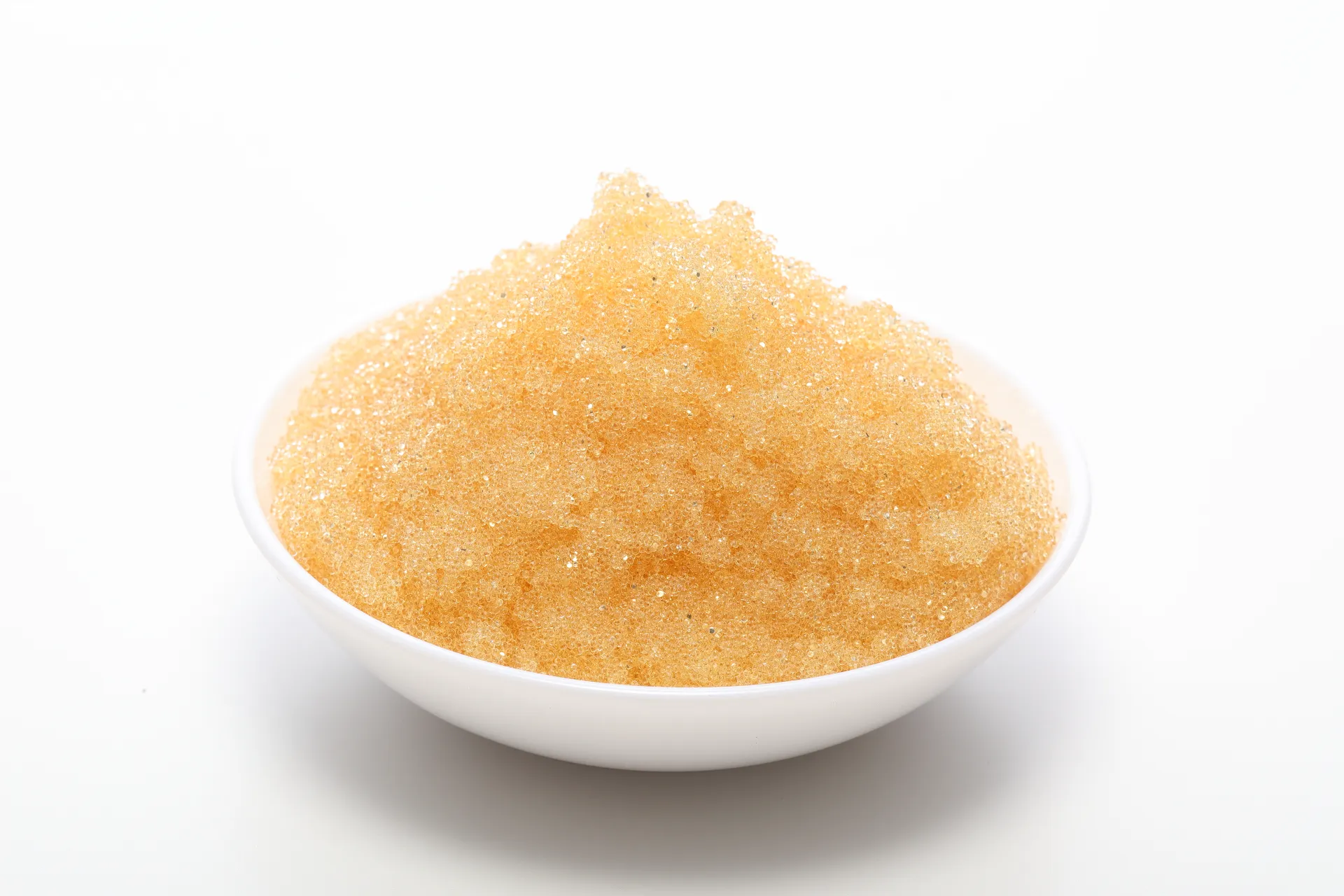
Selecting the right acid cation resin involves not only understanding technical specifications but also evaluating vendor capabilities, support, and flexibility in offering customized solutions. While many global manufacturers offer standard strong acid cation resins, differences often lie in consistency, quality control, technical support, and the ability to tailor products for niche applications.
Understanding the nuanced differences between strong acid cation and weak acid cation resins is crucial for optimal system design.
| Feature | Strong Acid Cation (SAC) Resin | Weak Acid Cation (WAC) Resin |
|---|---|---|
| Functional Group | Sulfonic Acid (-SO₃H) | Carboxylic Acid (-COOH) |
| Acidity/pH Dependence | Strongly acidic; fully ionized across full pH range (0-14). | Weakly acidic; ionized at pH > 4.5. Effective for high pH/alkaline waters. |
| Regenerant Efficiency | Lower regenerant efficiency (requires more acid/salt). | High regenerant efficiency (less acid required), especially for hardness. |
| Selectivity | General selectivity for all cations (divalent > monovalent). | High selectivity for divalent ions (Ca²⁺, Mg²⁺) in alkaline solutions. |
| Typical Applications | Complete demineralization, softening, condensate polishing. | Dealkalization, temporary hardness removal, heavy metal removal from neutral/alkaline solutions. |
| Volume Change | Moderate swelling/shrinkage during regeneration. | Significant swelling/shrinkage during regeneration. |
Many industrial applications present unique challenges that standard resins cannot fully address. This is where the ability to provide customized acid cation solutions becomes invaluable. Experienced vendors can modify resin properties such as:
A reputable vendor should offer comprehensive technical support, including detailed water analysis, system design recommendations, and post-installation troubleshooting. This collaborative approach ensures that the chosen acid cation resin perfectly integrates with existing infrastructure and meets specific performance targets.
Real-world deployments showcase the tangible benefits and reliability of high-quality acid cation exchange resins. Our commitment to excellence is reflected in successful projects and positive customer feedback.
A major thermal power generation facility faced issues with boiler scaling and turbine corrosion due to inadequate demineralization of makeup water. Their existing resin system, utilizing an older generation acid cation resin, struggled to consistently meet the ultrapure water requirements.
A large chemical processing plant experienced frequent fouling and reduced heat exchange efficiency in its cooling towers due to high levels of calcium and magnesium in its process water.
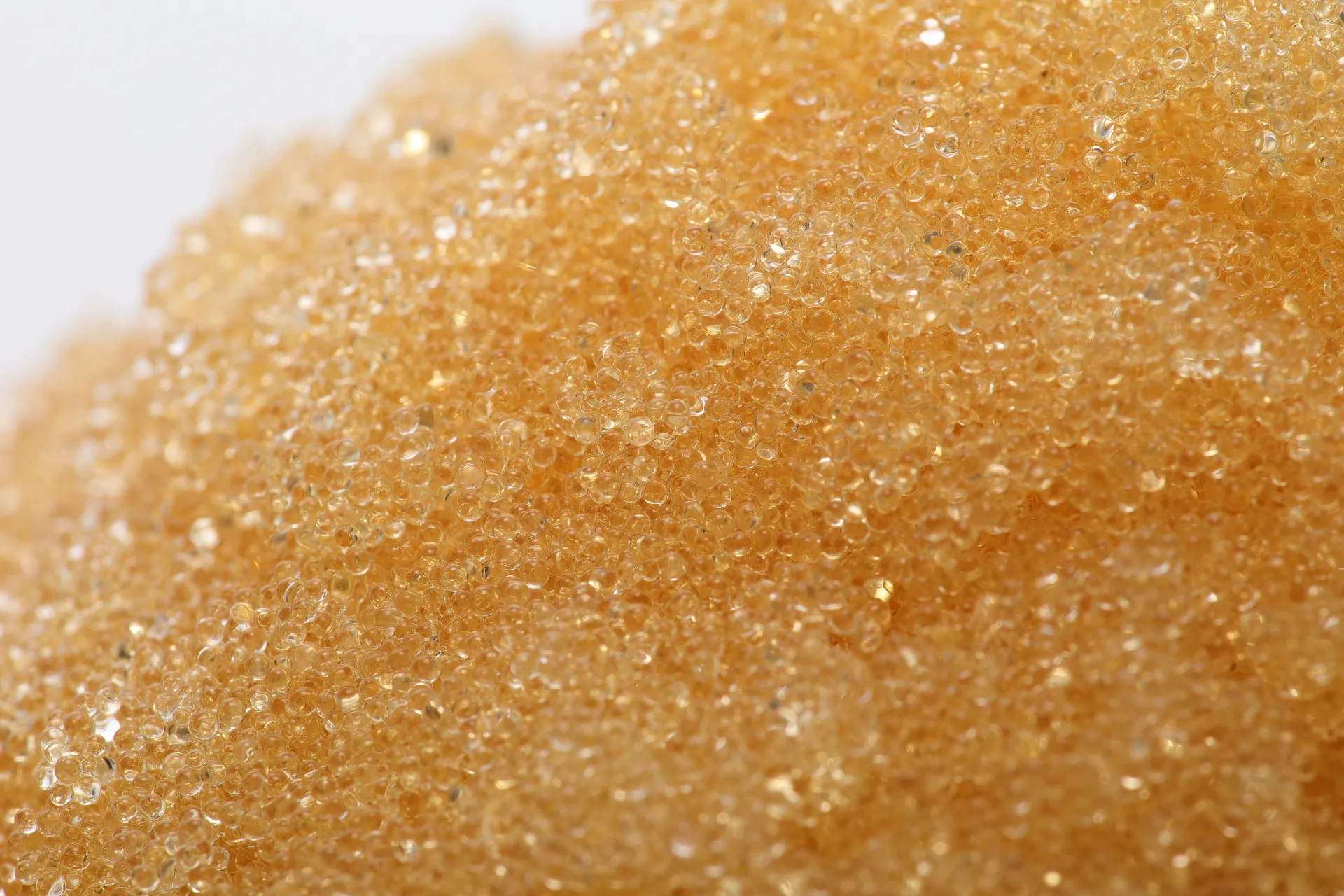
Our continuous product development and stringent quality controls, adhering to ISO 9001 standards, ensure that our acid cation resins consistently deliver superior performance and reliability, earning the trust of our global clientele in sectors ranging from petrochemicals to potable water treatment. Our decades of experience in the ion exchange resin market underscore our authoritative position.
We maintain a strategic inventory of our standard acid cation resins, including the 001×7.5, to ensure prompt delivery. Typical lead times for standard products range from 1 to 3 weeks, depending on order volume and destination. For customized solutions or large-scale projects, lead times will be confirmed upon project scope finalization. Our efficient logistics network ensures reliable global fulfillment.
All our acid cation resins are manufactured under strict quality control protocols and are backed by a comprehensive warranty against manufacturing defects. Specific warranty terms and conditions are provided with each quotation and product delivery. We stand by the quality and performance of our products, engineered for longevity and efficiency.
Our dedicated technical support team comprises experienced engineers and chemists ready to assist with product selection, system design, troubleshooting, and optimization. We offer:
For immediate assistance, please visit our website or contact our sales and technical support lines directly.