Phone:
+86 0319 2296164


Email:
info@lijiresin.cn
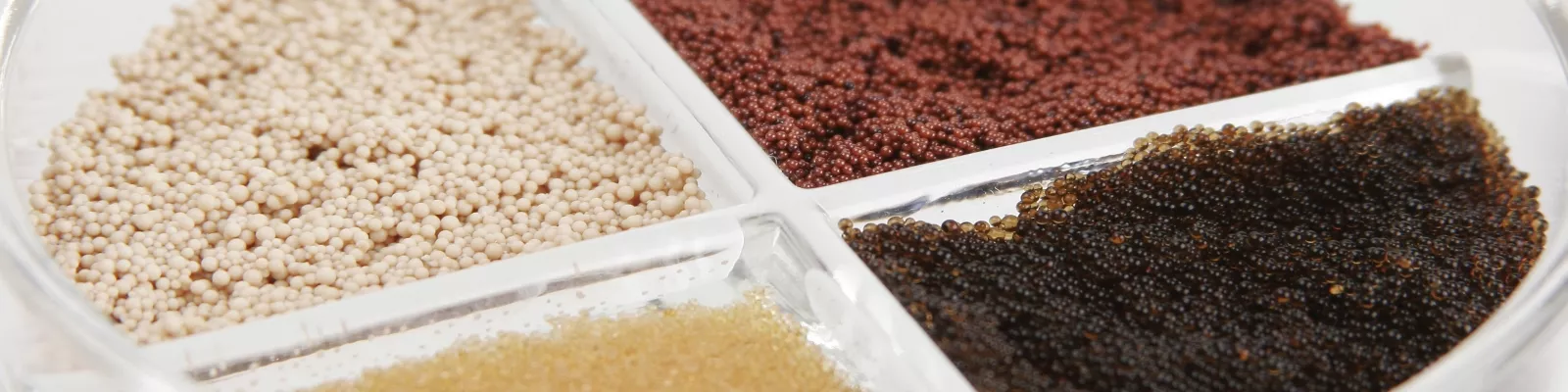
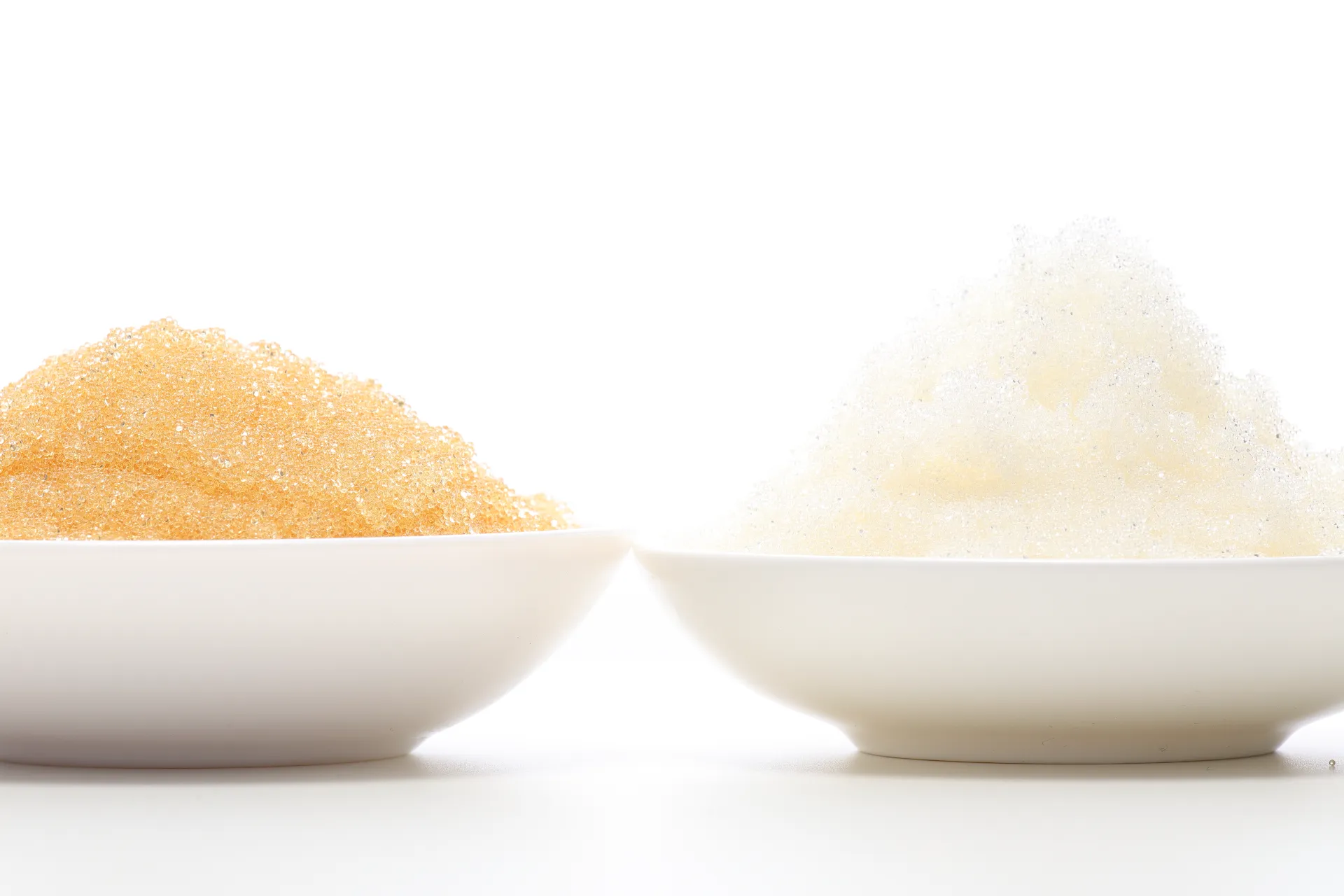
After spending over 15 years in the industrial water treatment sector, I’ve come across my fair share of ion exchange resins. Frankly, not all are built quite the same. The Purolite SST 60 has always caught my eye—not just because of its specs but because of the quiet reliability it offers in real-world applications.
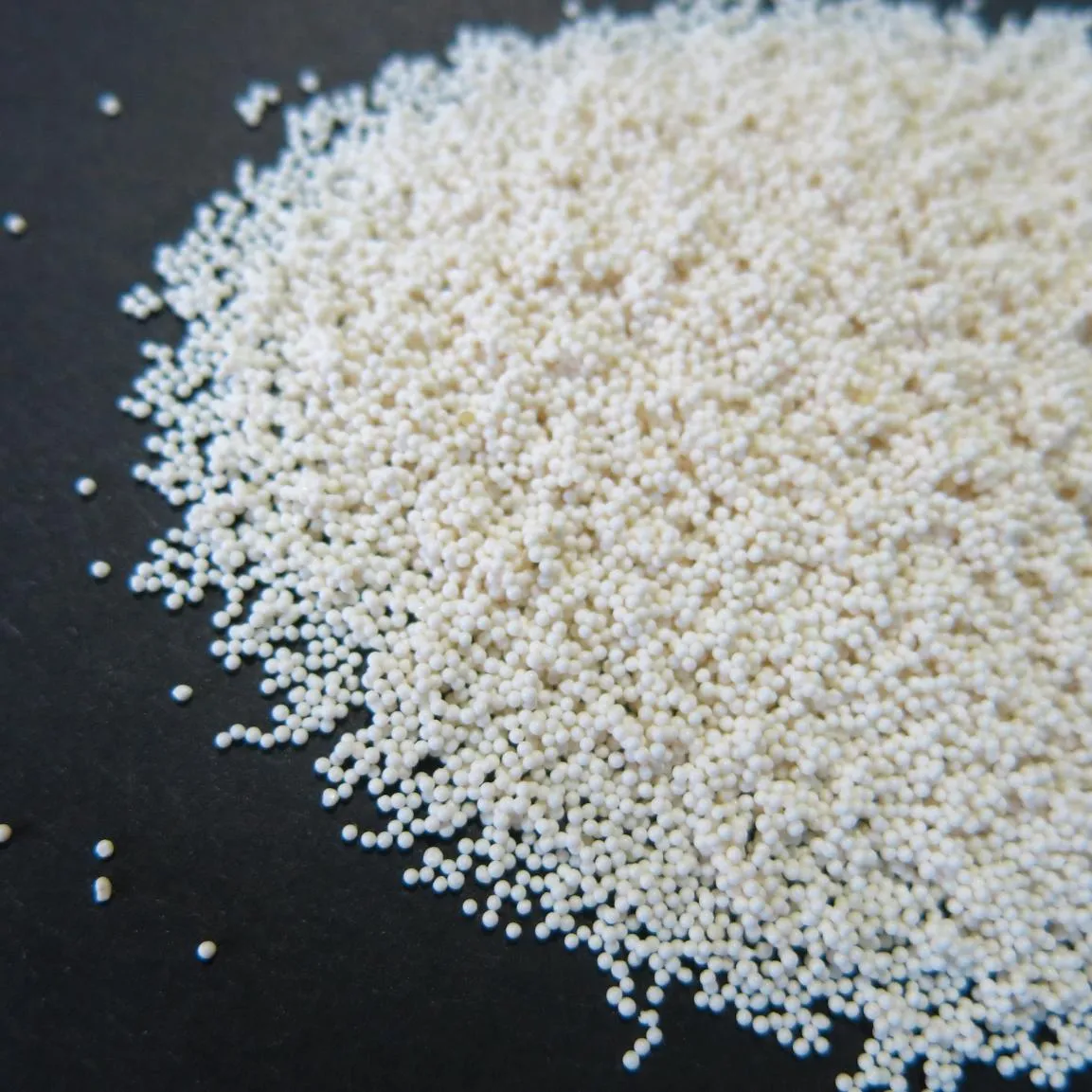
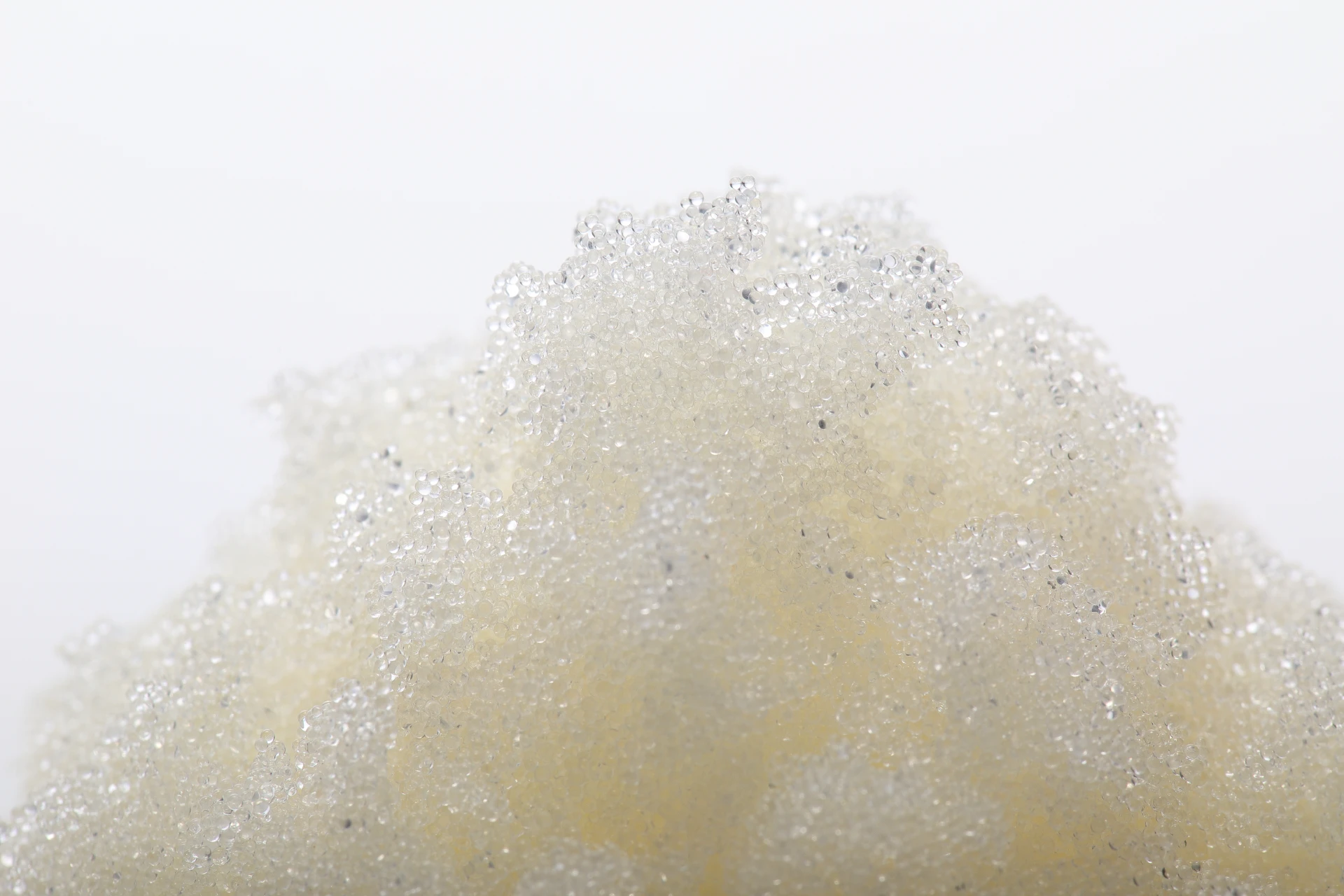
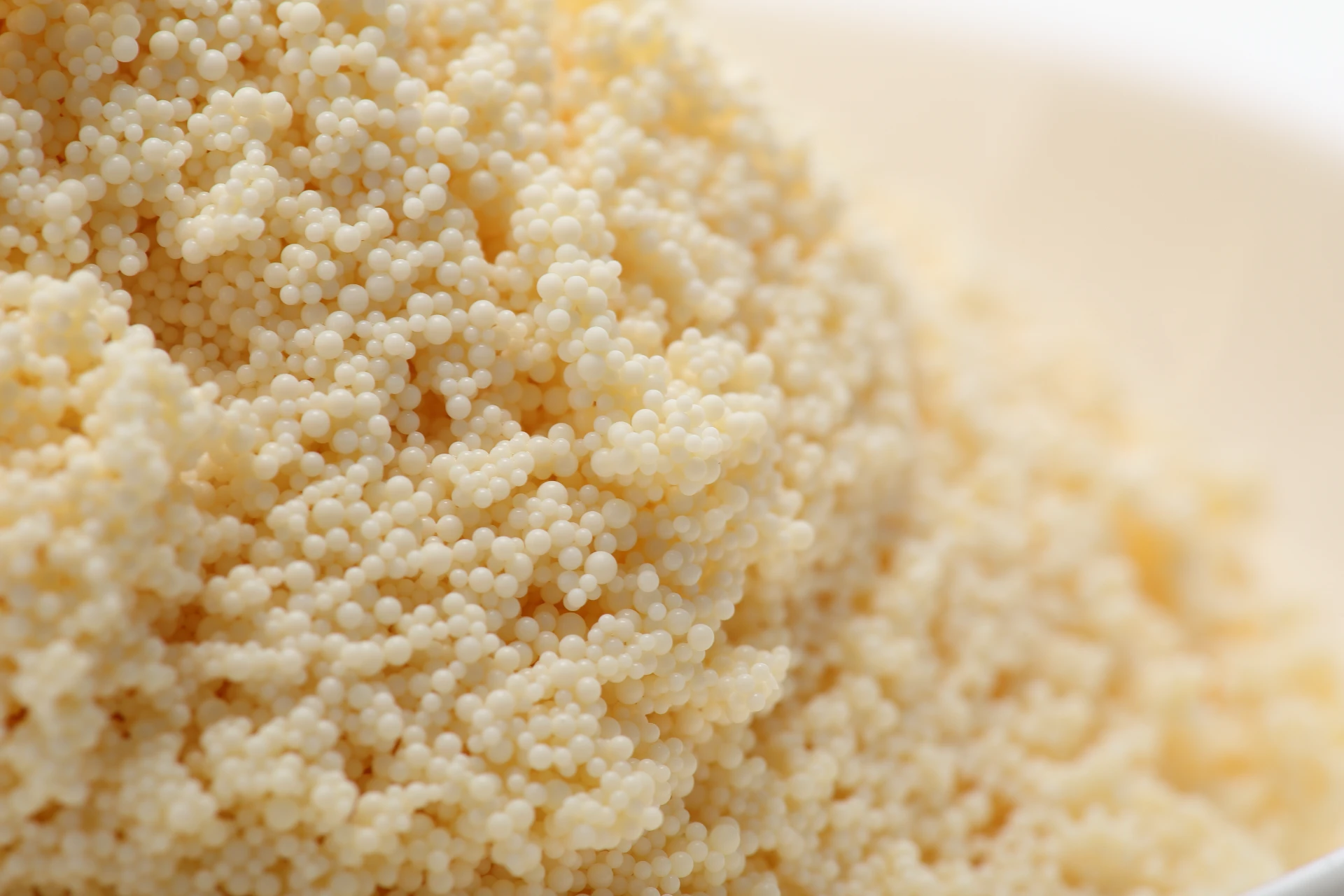
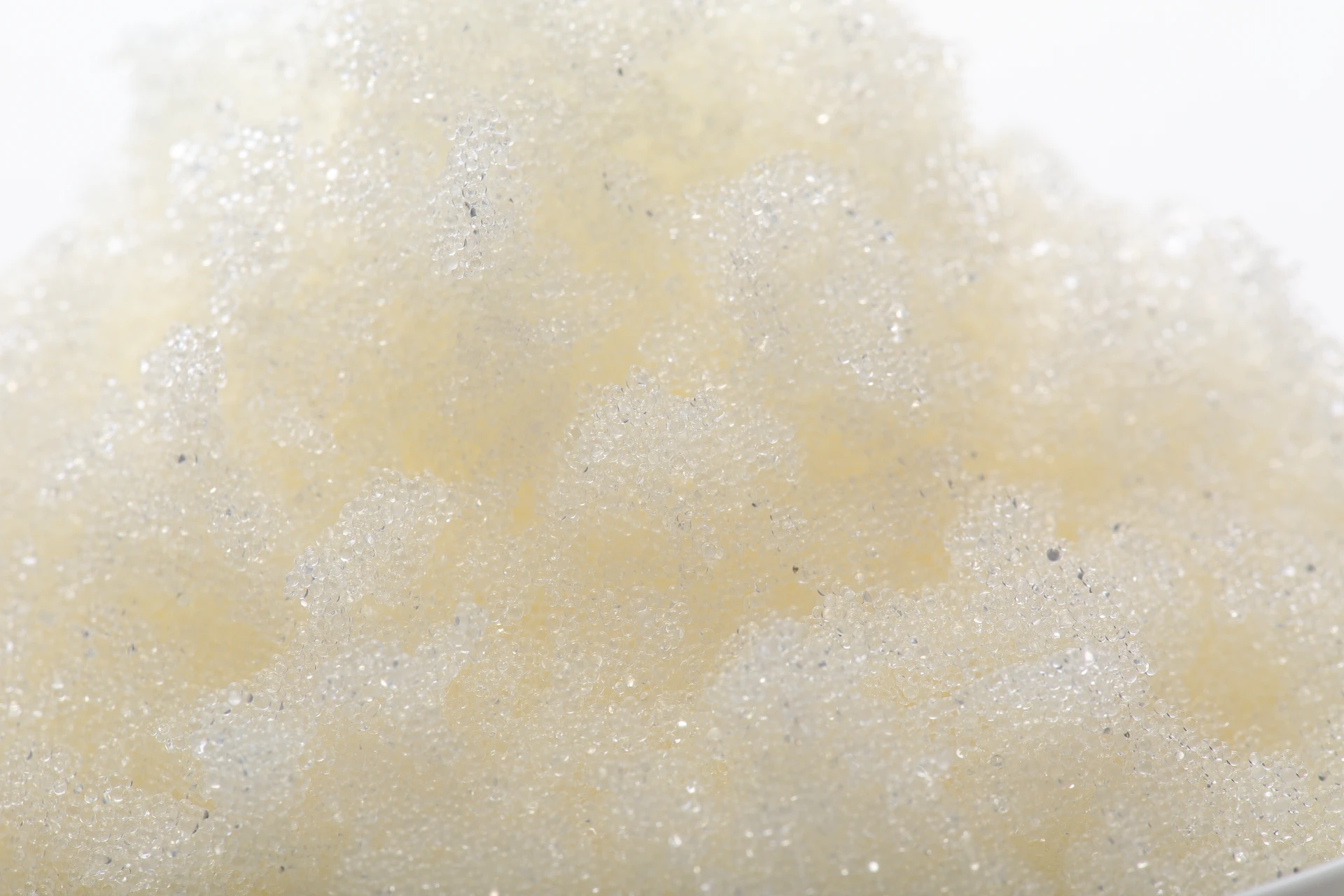
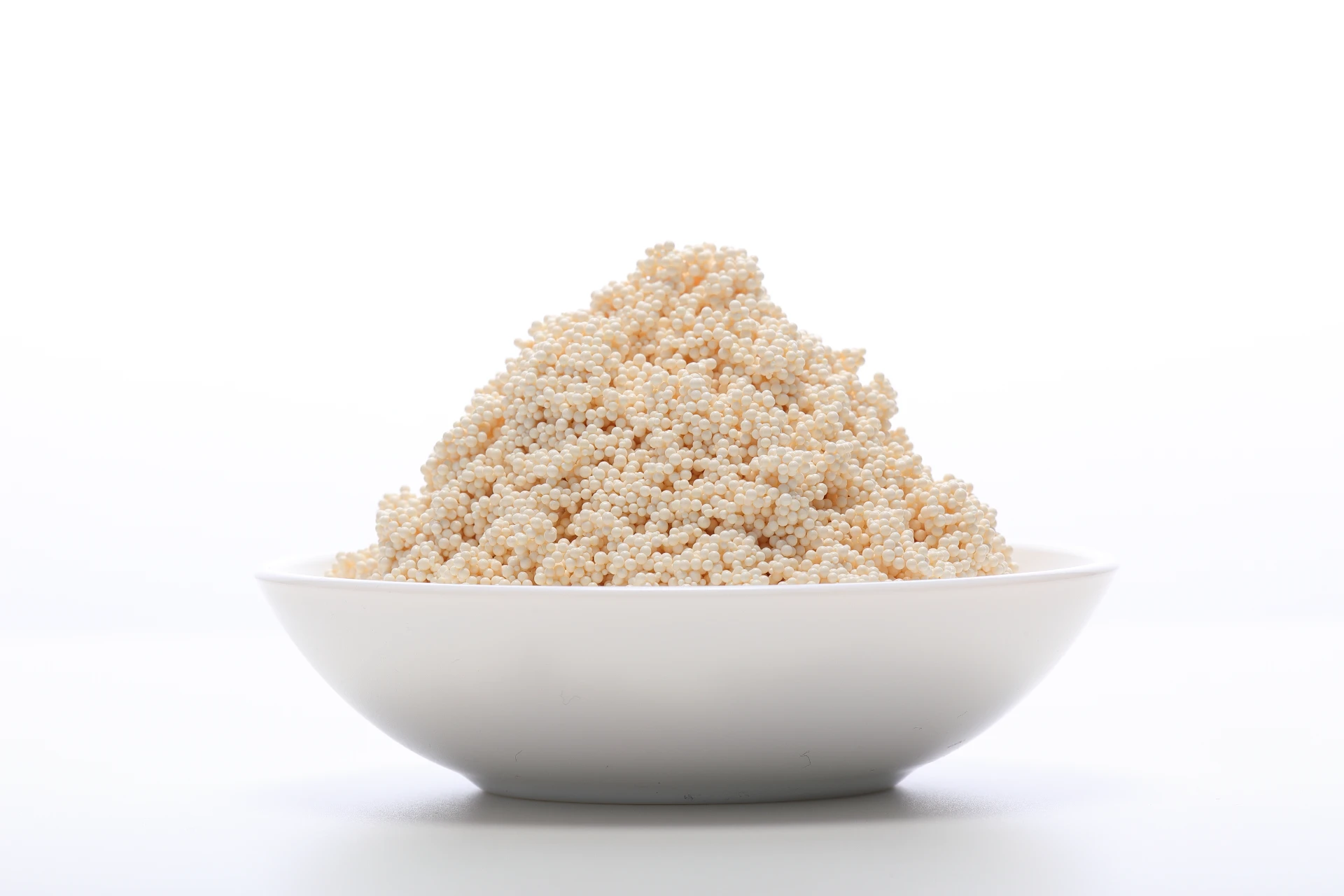
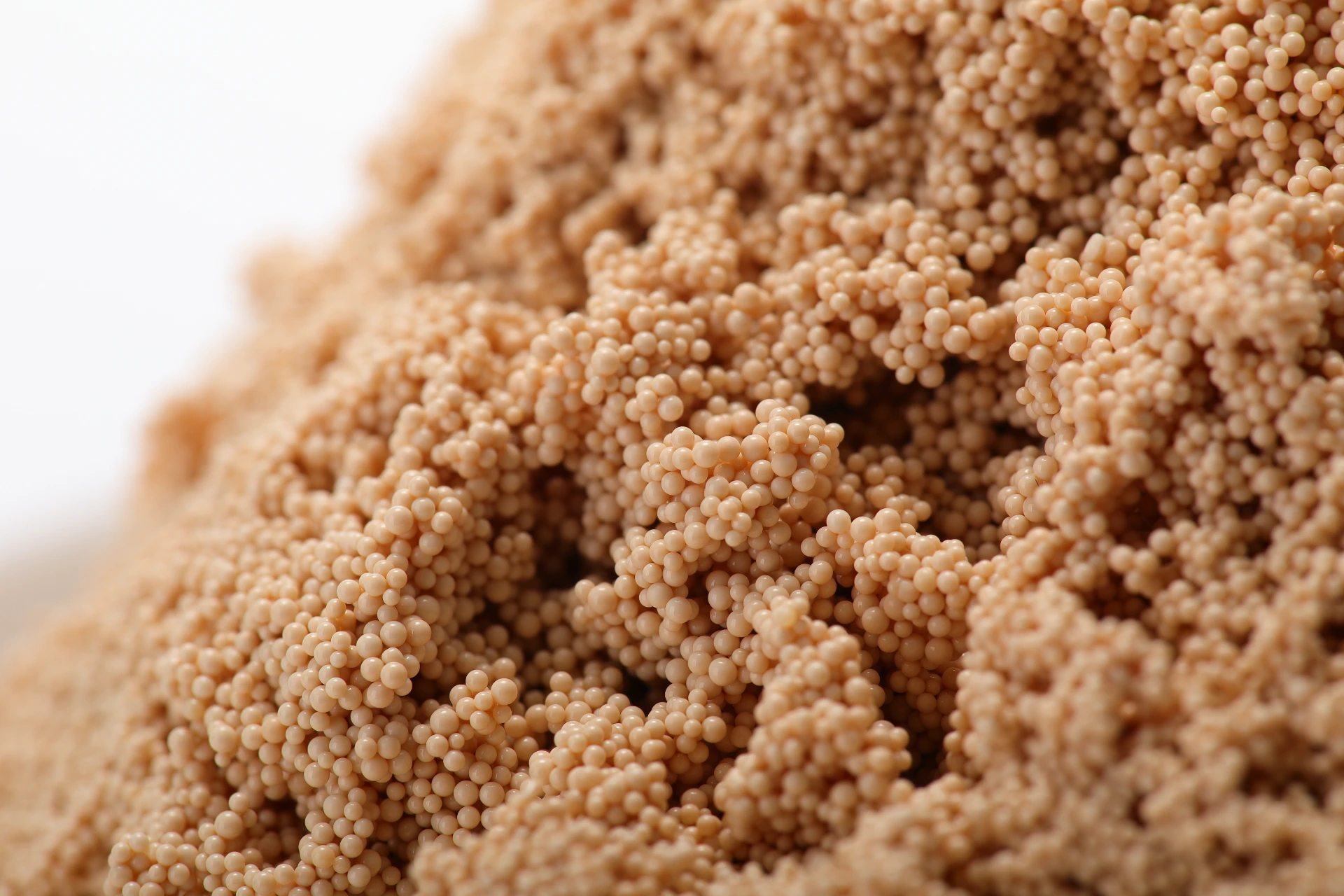
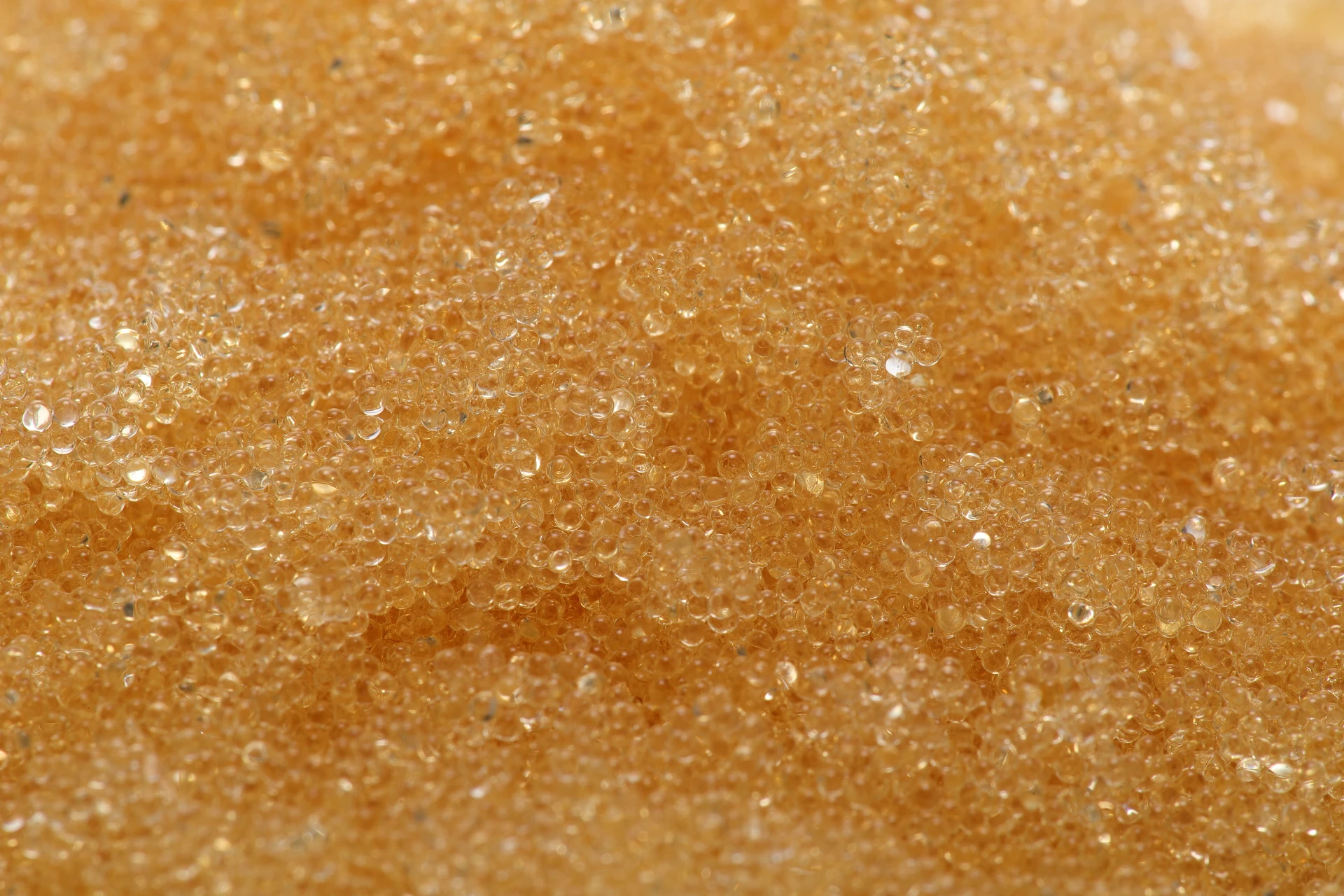
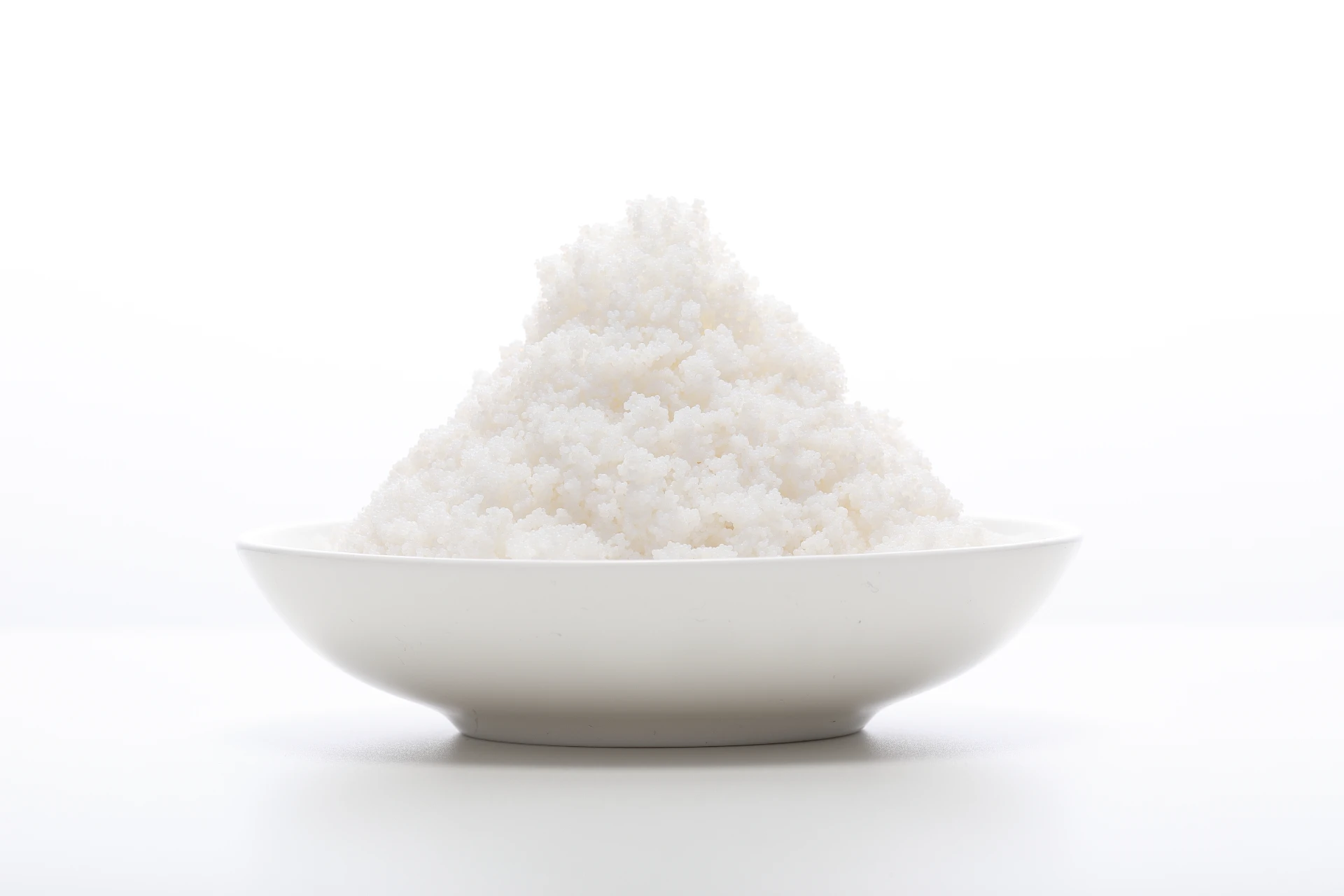
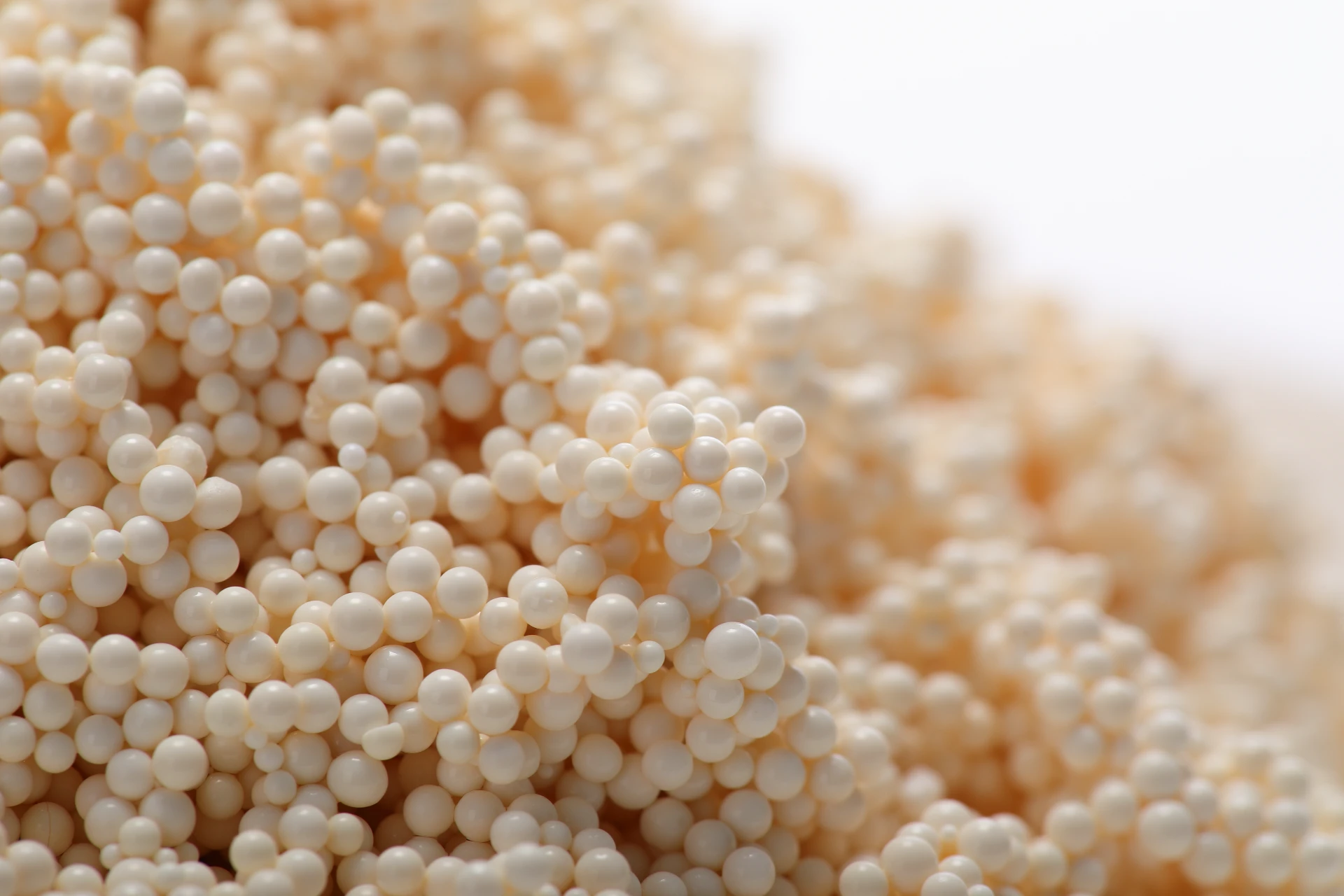
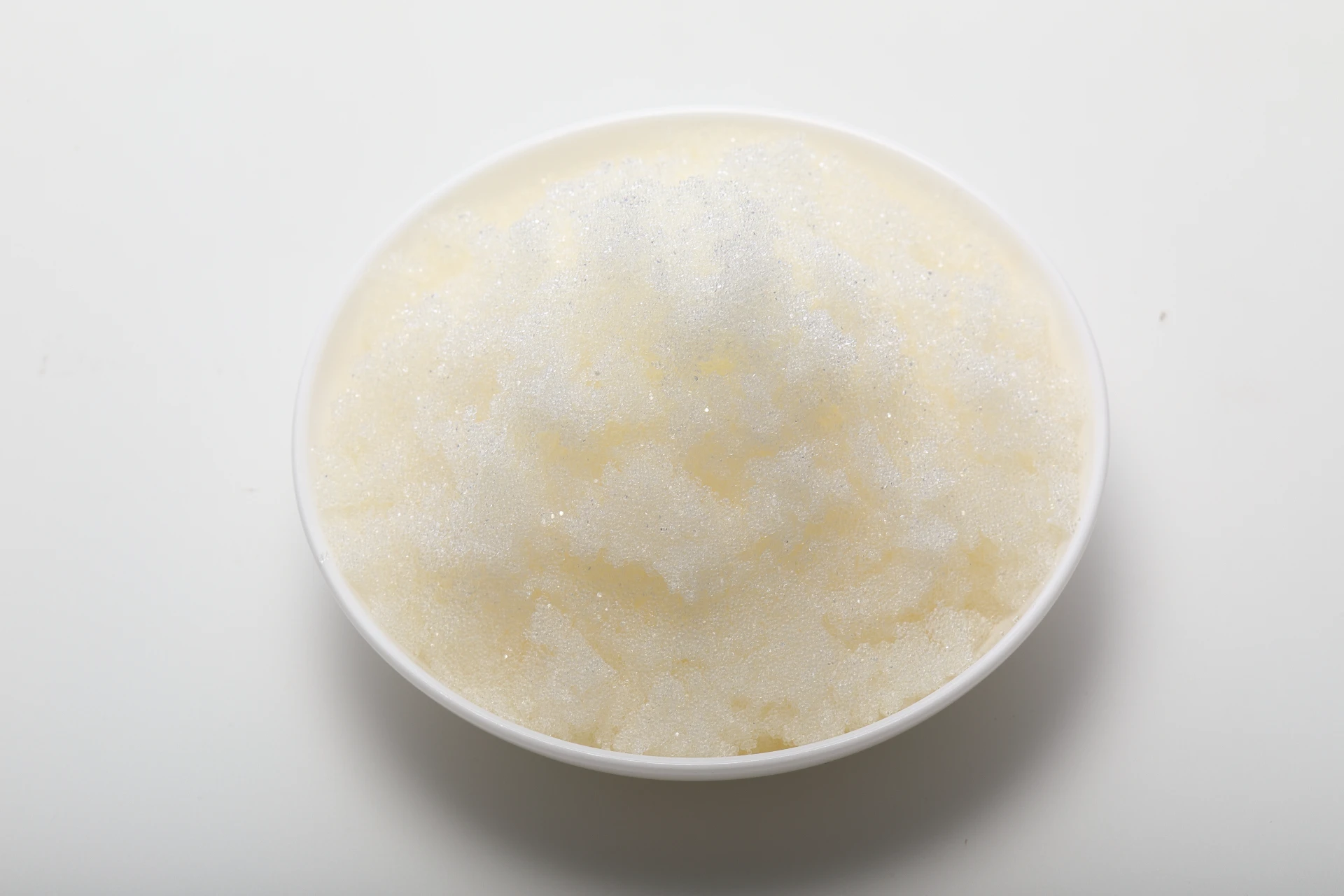
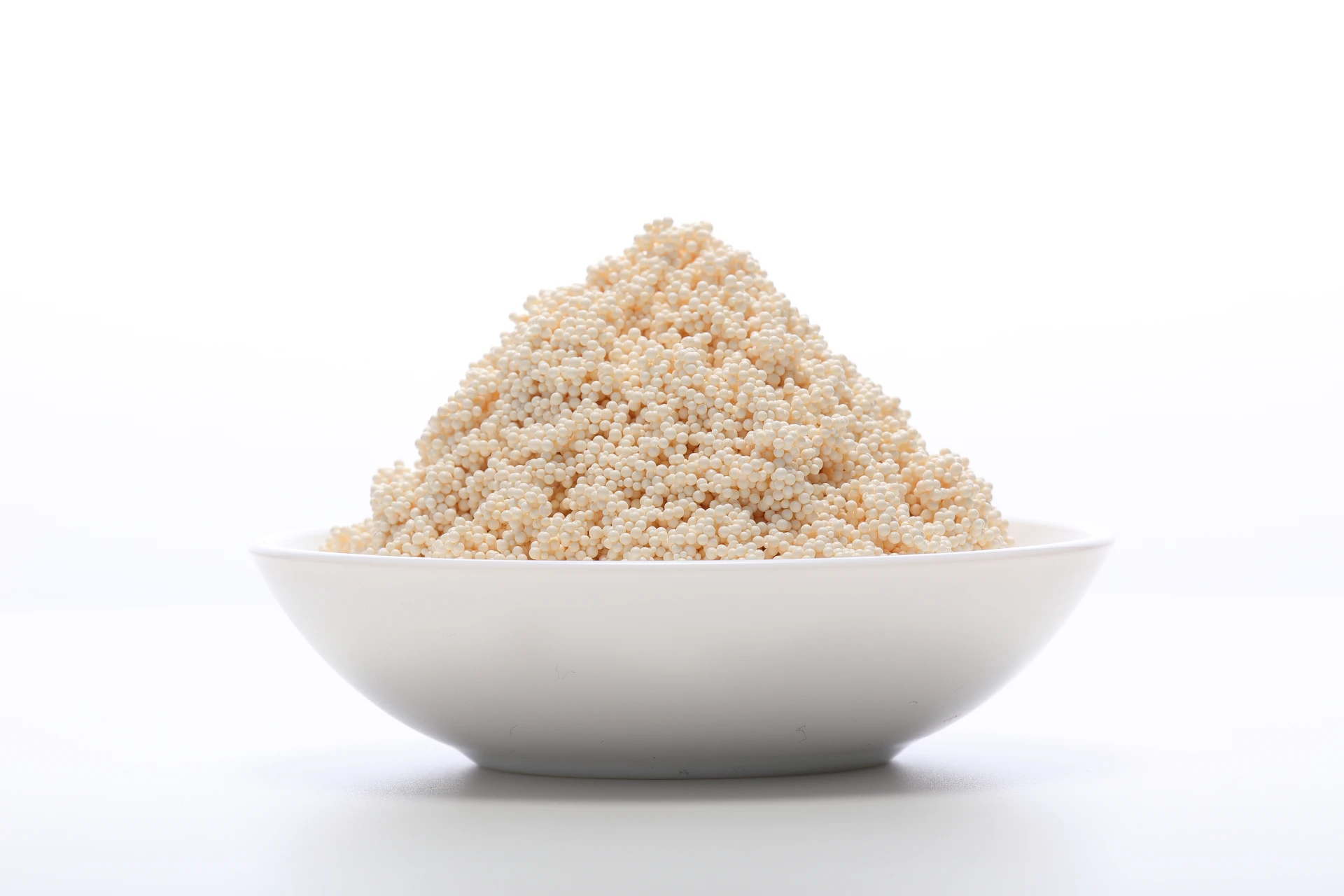
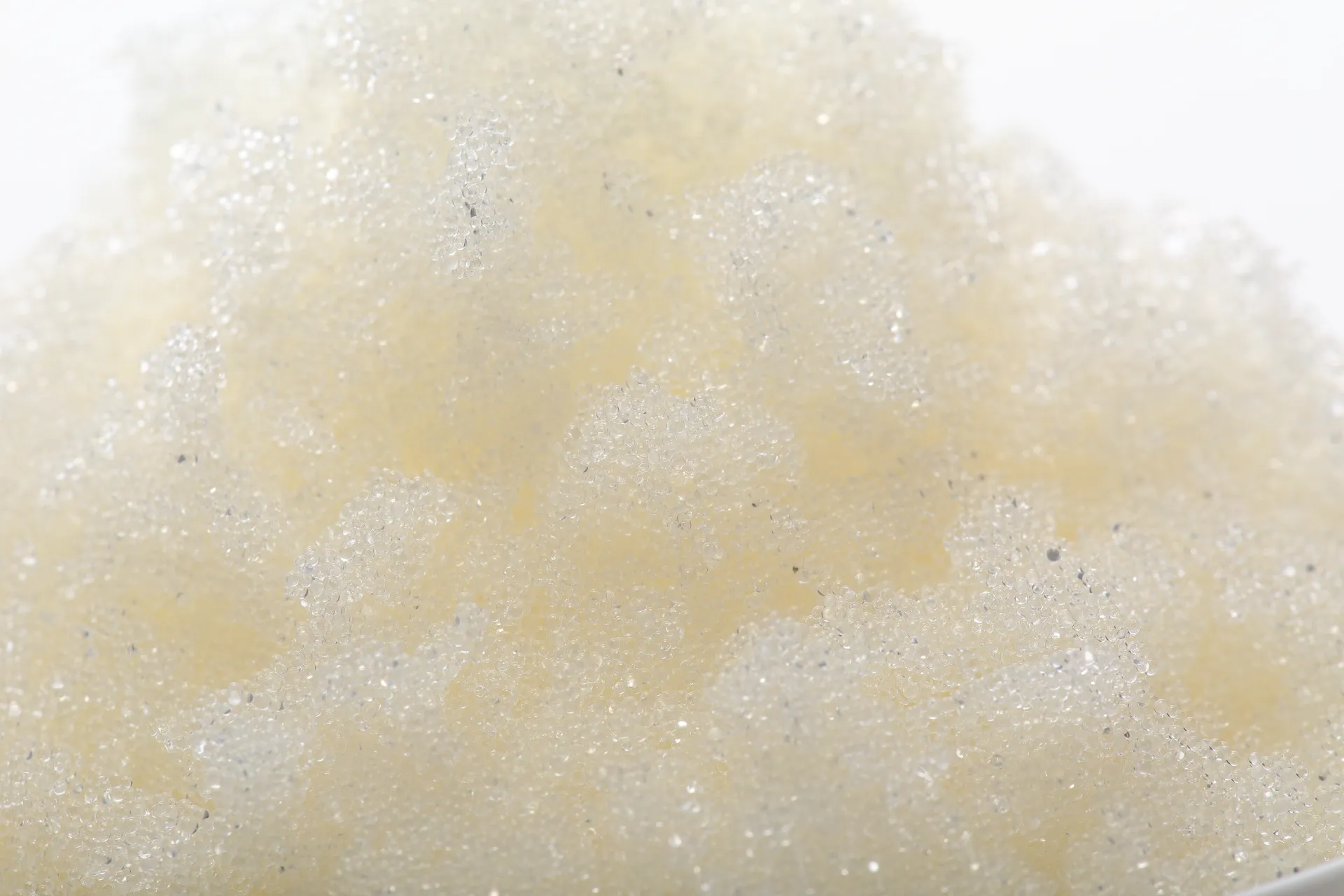
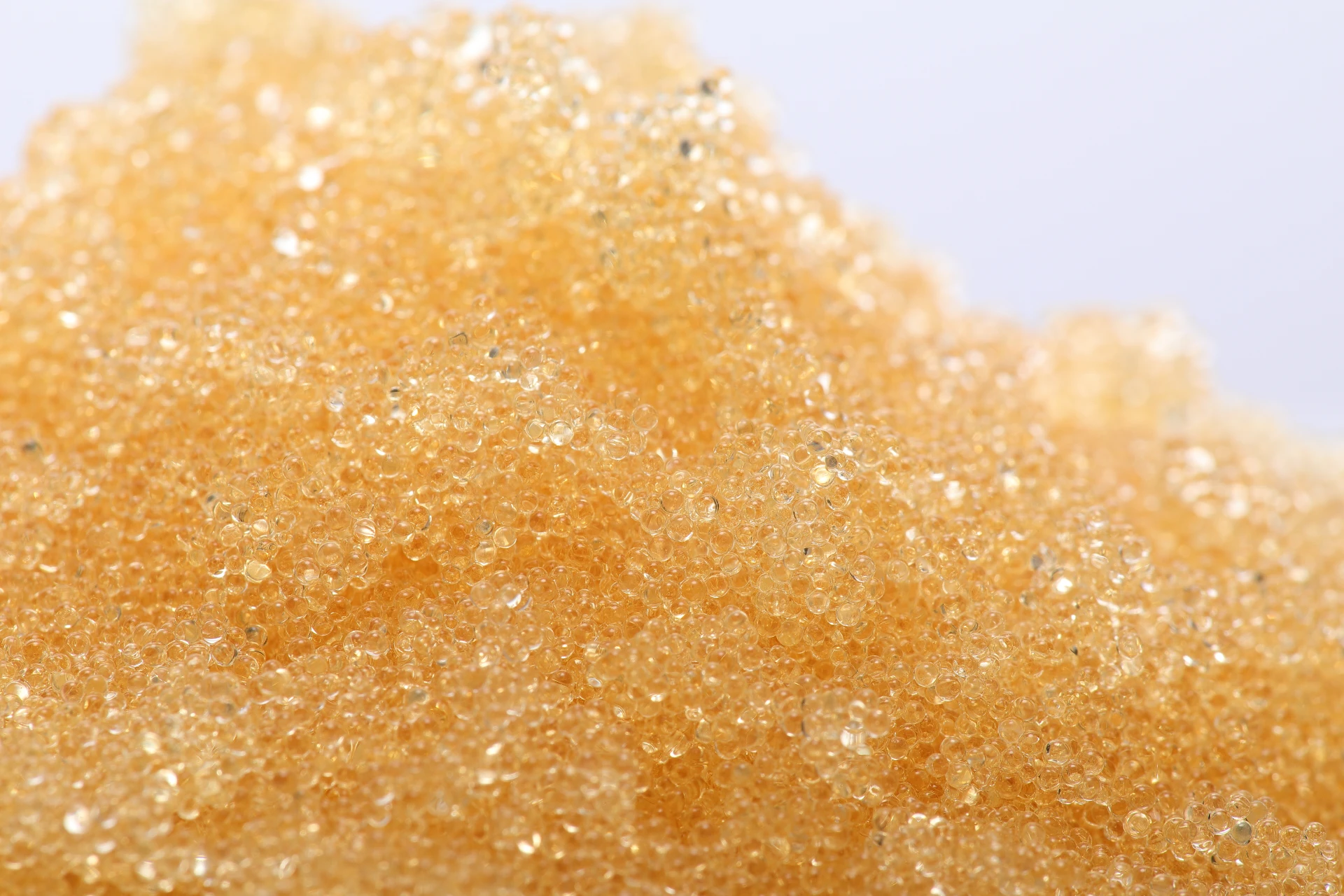
Purolite SST 60 is a strong acid cation resin, favored for its high capacity and excellent exchange kinetics. In practical terms, that means you get more efficiency and longer life out of your resin beds, which, if you’ve managed plants or worked directly on water softening systems, you know is a game changer. It’s not just about what the paperwork says—the resin’s mechanical strength and regeneration profile mean reduced downtime and fewer hassles with backwashing.
| Parameter | Specification |
|---|---|
| Resin Type | Strong Acid Cation (SST) |
| Matrix | Polystyrene divinylbenzene |
| Ionic Form | Na+ (Sodium form) |
| Total Capacity (eq/L) | 1.9 - 2.1 |
| Particle Size (mm) | 0.5 - 1.2 (Uniform) |
| Bulk Density (kg/L) | 0.72 - 0.78 |
| Max Operating Temp | 100°C (212°F) |
One thing many industry folks overlook is the uniformity of particle size. For SST 60, it’s tightly controlled, which means less channeling in your bed and more predictable pressure drops. There’s value in that sort of consistency, especially when you’re dealing with large-scale industrial systems where any variation can cause headaches.
Throughout my career, I’ve had to evaluate multiple resin suppliers. Here’s a basic comparison of Purolite SST 60 alongside two competitors, focusing on the key traits that matter most on the floor.
| Feature / Vendor | Purolite SST 60 | Competitor A | Competitor B |
|---|---|---|---|
| Capacity (eq/L) | 2.0 | 1.8 | 1.9 |
| Particle Size Consistency | High | Medium | Medium |
| Mechanical Strength | Excellent | Good | Fair |
| Regeneration Efficiency | Optimal | Variable | Moderate |
| Price (per kg) | $$$ | $$ | $ |
Sure, Purolite SST 60 isn’t the cheapest on the market, but in my experience, trying to cut corners often costs more over the long haul—through premature resin replacement or lost system efficiency. Oddly enough, many engineers I’ve met say quality control, like Purolite’s, really matters more than initial price tags.
Here’s a quick story: I once consulted on a tough industrial brewery water system that struggled with scaling and on/off tastes. We switched to Purolite SST 60, and over a six-month period, the plant reported not just smoother operation but a cleaner, more consistent product taste. That sort of qualitative benefit isn’t always on a spec sheet, but it’s invaluable.
Customization is another angle worth noting. Purolite partners often offer tailored bead sizes or packaged solutions, which can make integration smoother than the “one-size-fits-all” approaches some vendors promote. This flexibility can save time and reduce operational headaches during system upgrades or builds.
In short, if you’re evaluating strong acid cation resins for industrial water treatment—whether softening, demineralization, or other uses—Purolite SST 60 deserves a spot on your shortlist. Its blend of performance, robustness, and vendor support is hard to beat.
So next time you order your ion-exchange media, consider the true value, not just the upfront cost. It feels like good business to me.
References: