Phone:
+86 0319 2296164


Email:
info@lijiresin.cn
At first blush, "anion and cation exchange resin" might sound like a mouthful only for chemists or engineers. But in reality, these resins lie quietly at the heart of water purification, pharmaceutical manufacturing, food processing, and even humanitarian relief efforts across the globe. If you’re wondering why such a seemingly technical concept deserves your attention, here’s a quick snapshot: these resins enable the selective removal or replacement of charged particles (ions) in liquids – a process vital for producing safe drinking water, extracting valuable compounds, or detoxifying industrial wastes. Given the world’s rising population and growing water scarcity warning signals from bodies like the United Nations and the World Bank, the relevance of mastering ion exchange resins feels more urgent than ever.
In essence, understanding anion and cation exchange resins offers us a lens to appreciate how modern industries tackle critical challenges like clean water and sustainable resource recovery.
Globally, over 2 billion people suffer from water stress, according to recent UN reports, a situation pushing industries and governments to seek efficient water treatment solutions. Anion and cation exchange resins play a starring role here by enabling advanced purification and softening processes. Take the example of textile manufacturing in Southeast Asia or mining operations in Australia, both highly water-dependent sectors. Their success — or environmental impact — often hinges on access to effective ion exchange technologies that reduce contaminants and recycle valuable minerals.
Moreover, as countries strive to meet ISO standards for drinking water quality or industrial effluent limits, the demand for reliable and scalable ion exchange technologies has soared. Quite frankly, without these resins, many water treatment plants couldn’t meet the growing regulatory and consumer expectations worldwide.
The challenge isn’t just scientific; it’s socio-economic and regulatory, making ion exchange resins a cornerstone in sustainable industrial and community water management.
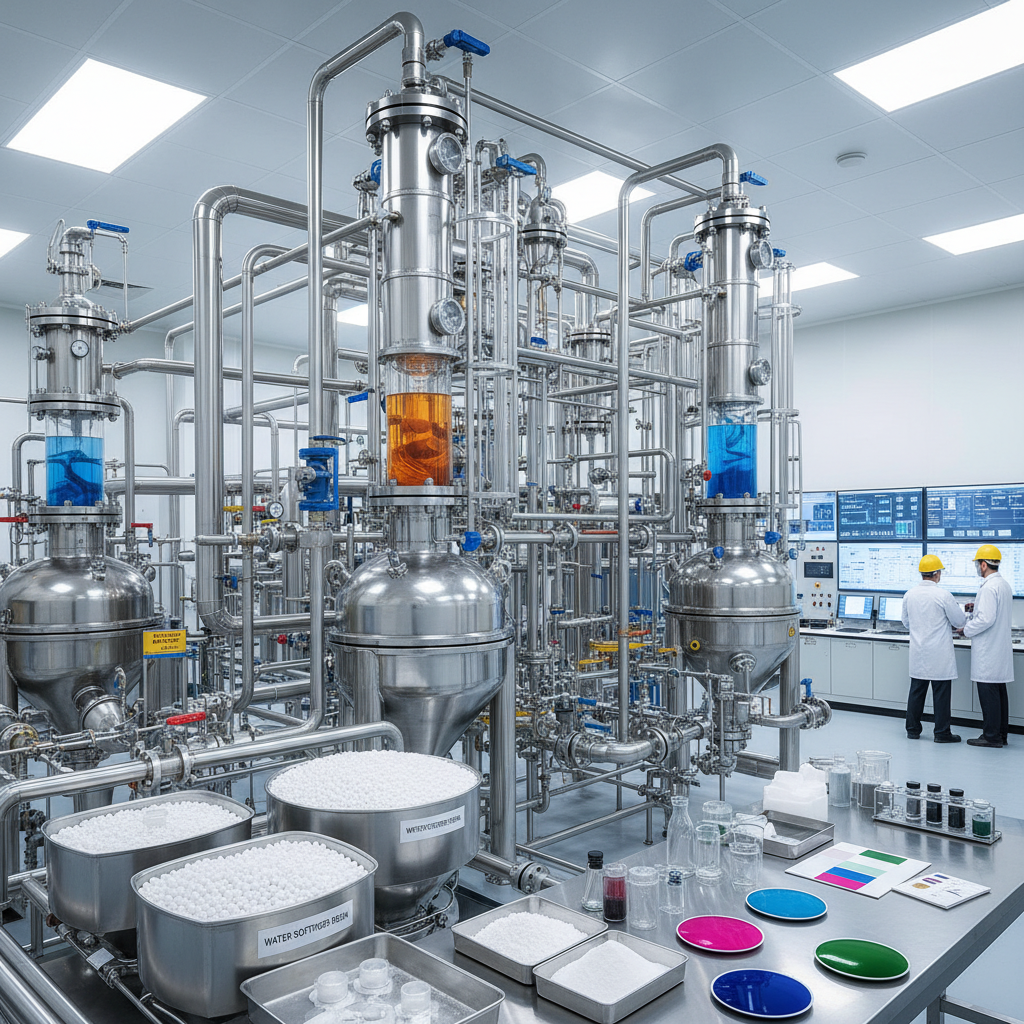
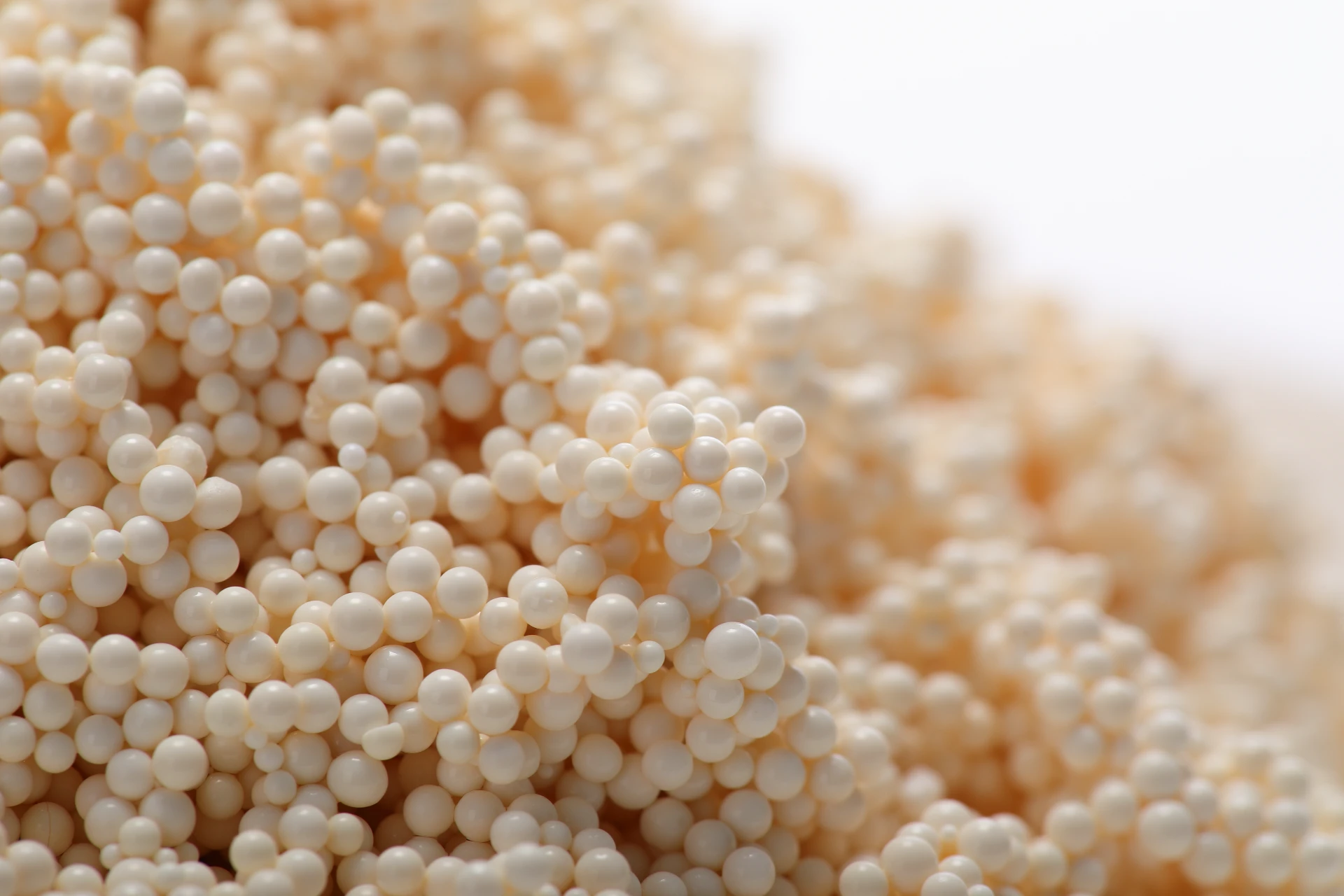
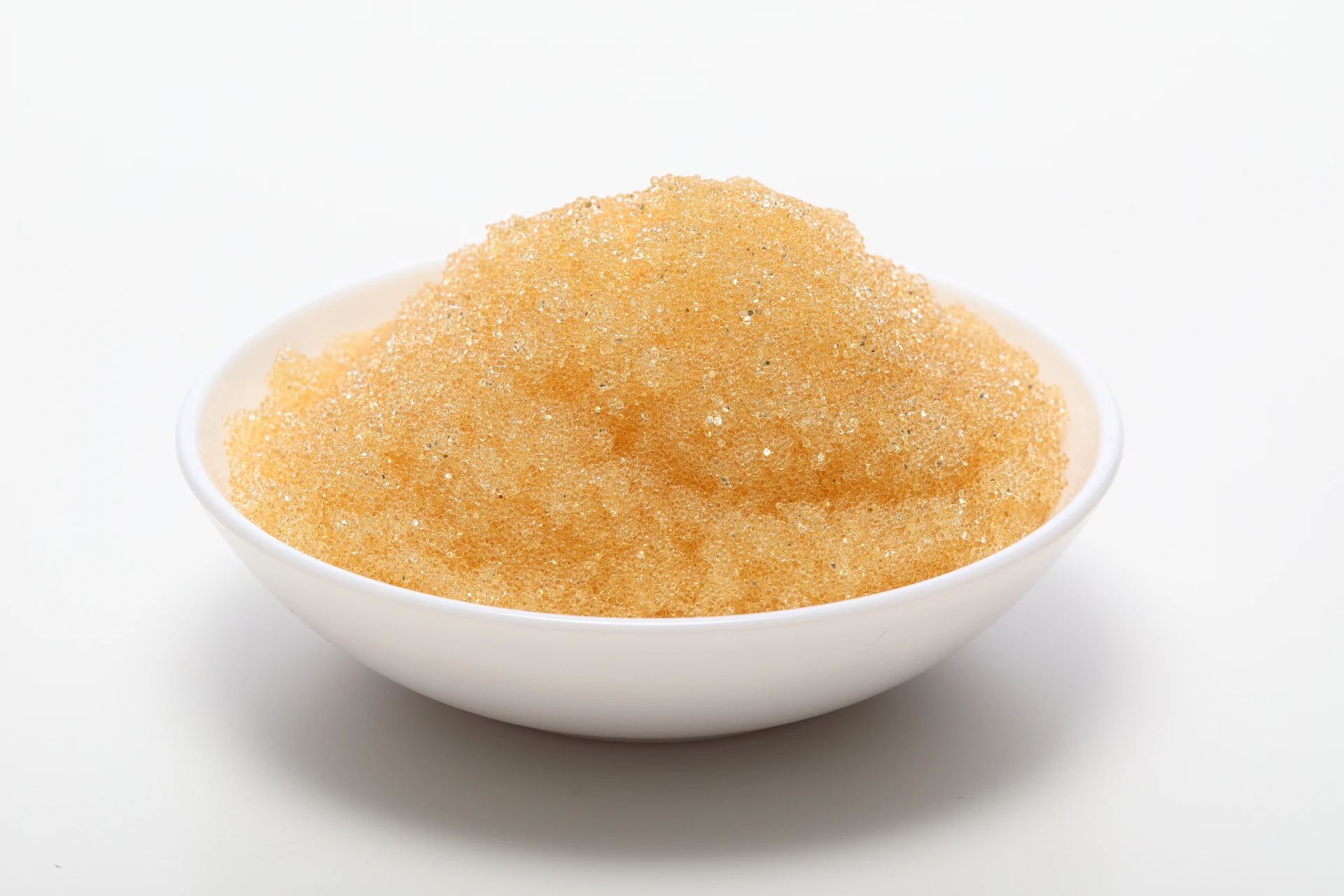
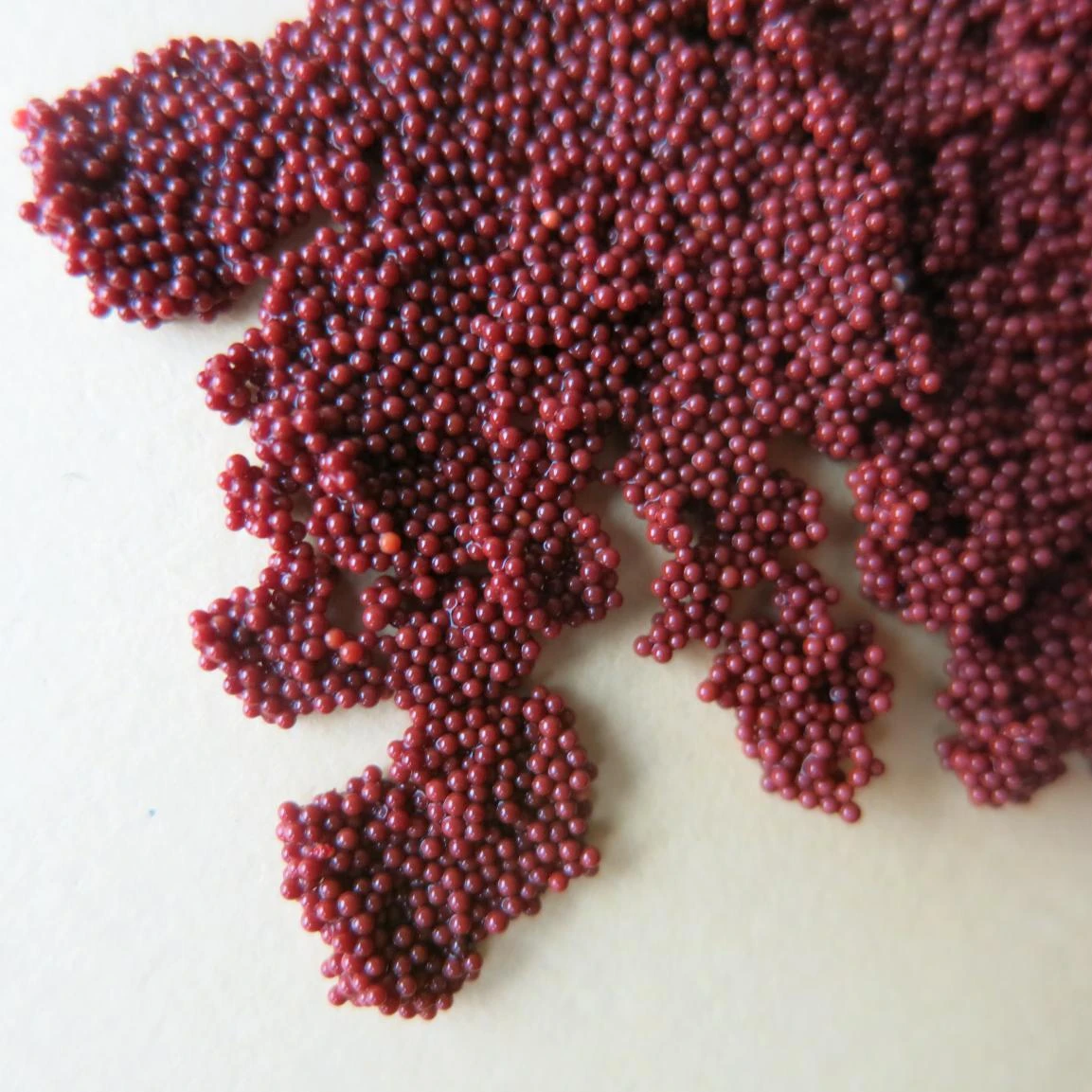
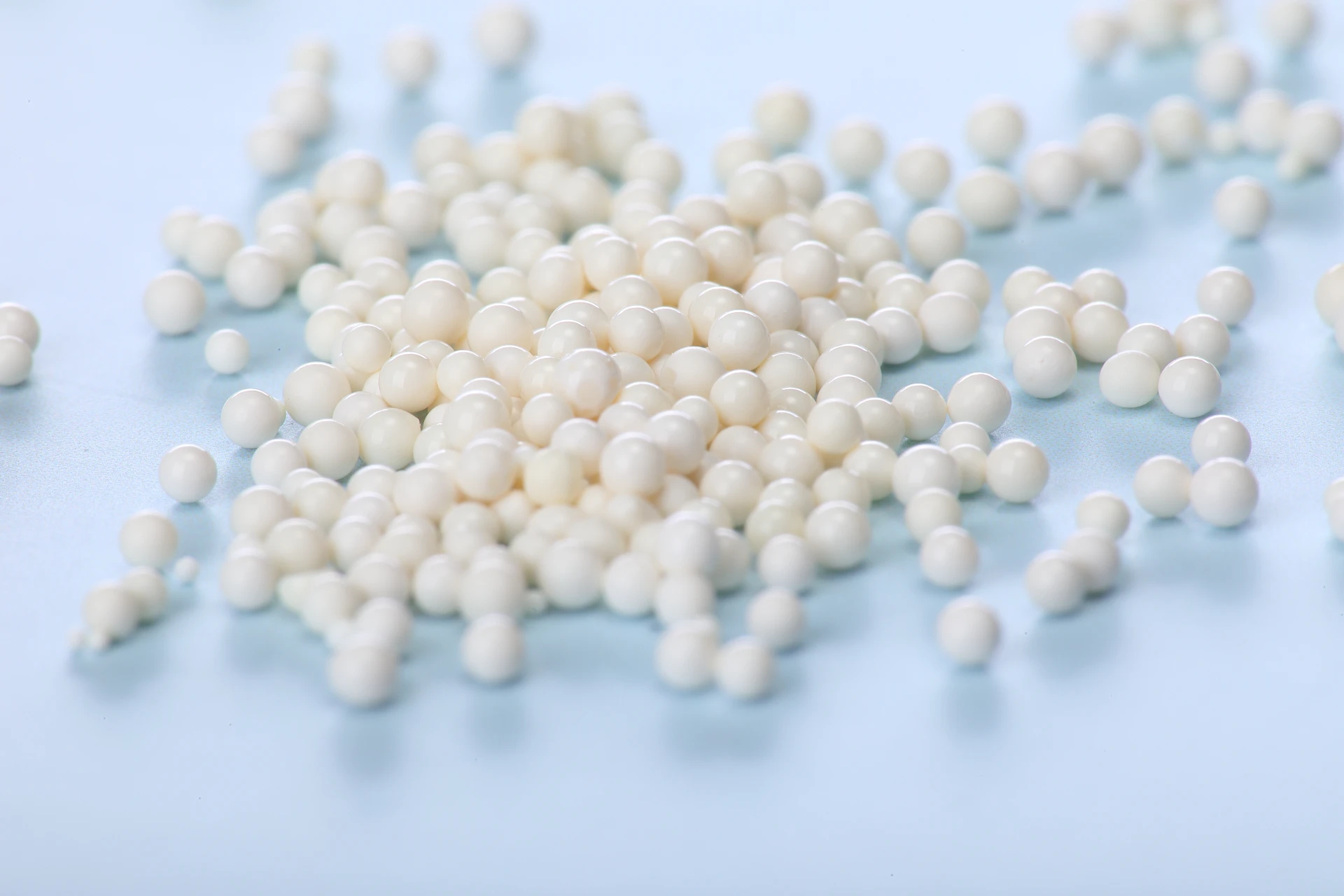
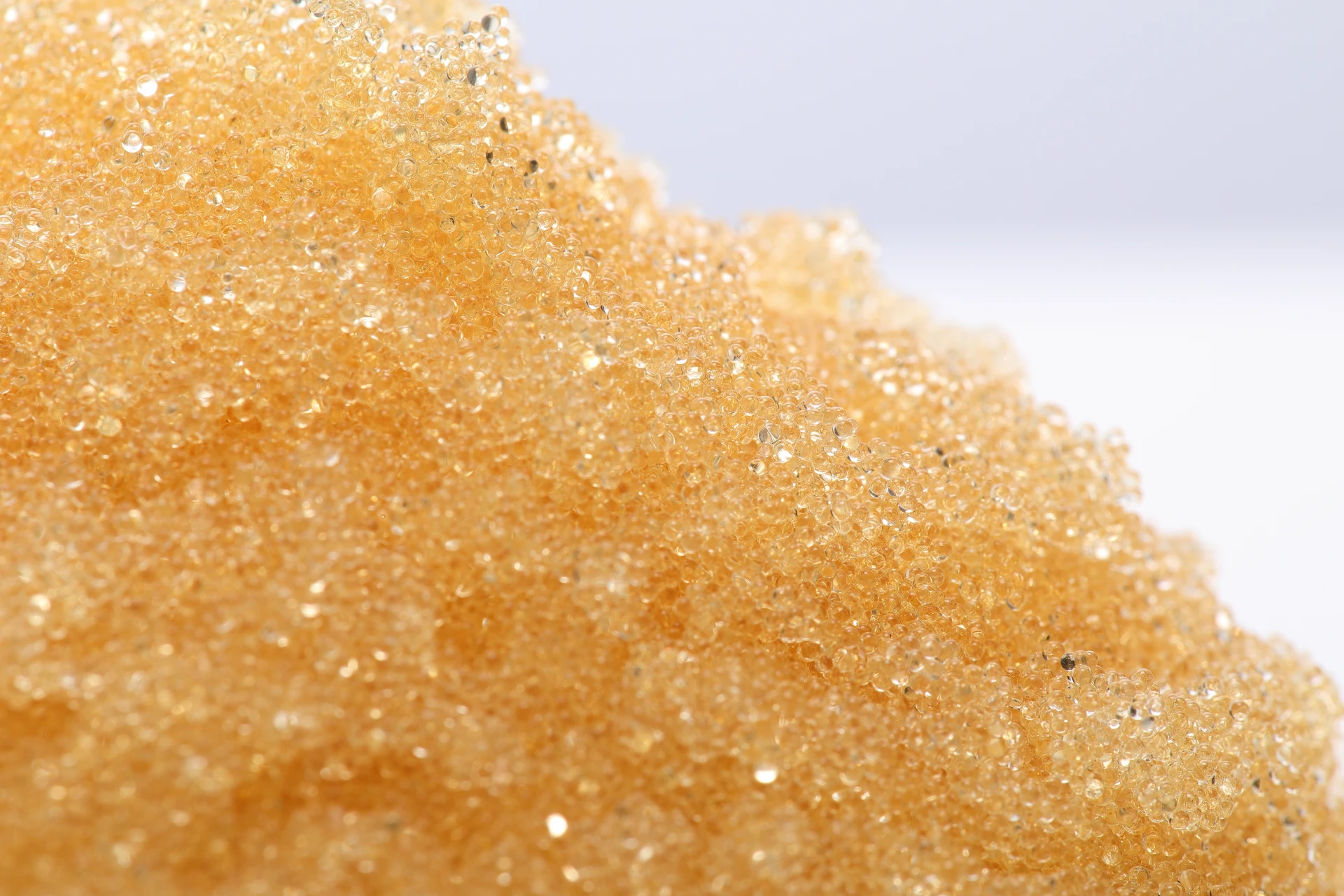
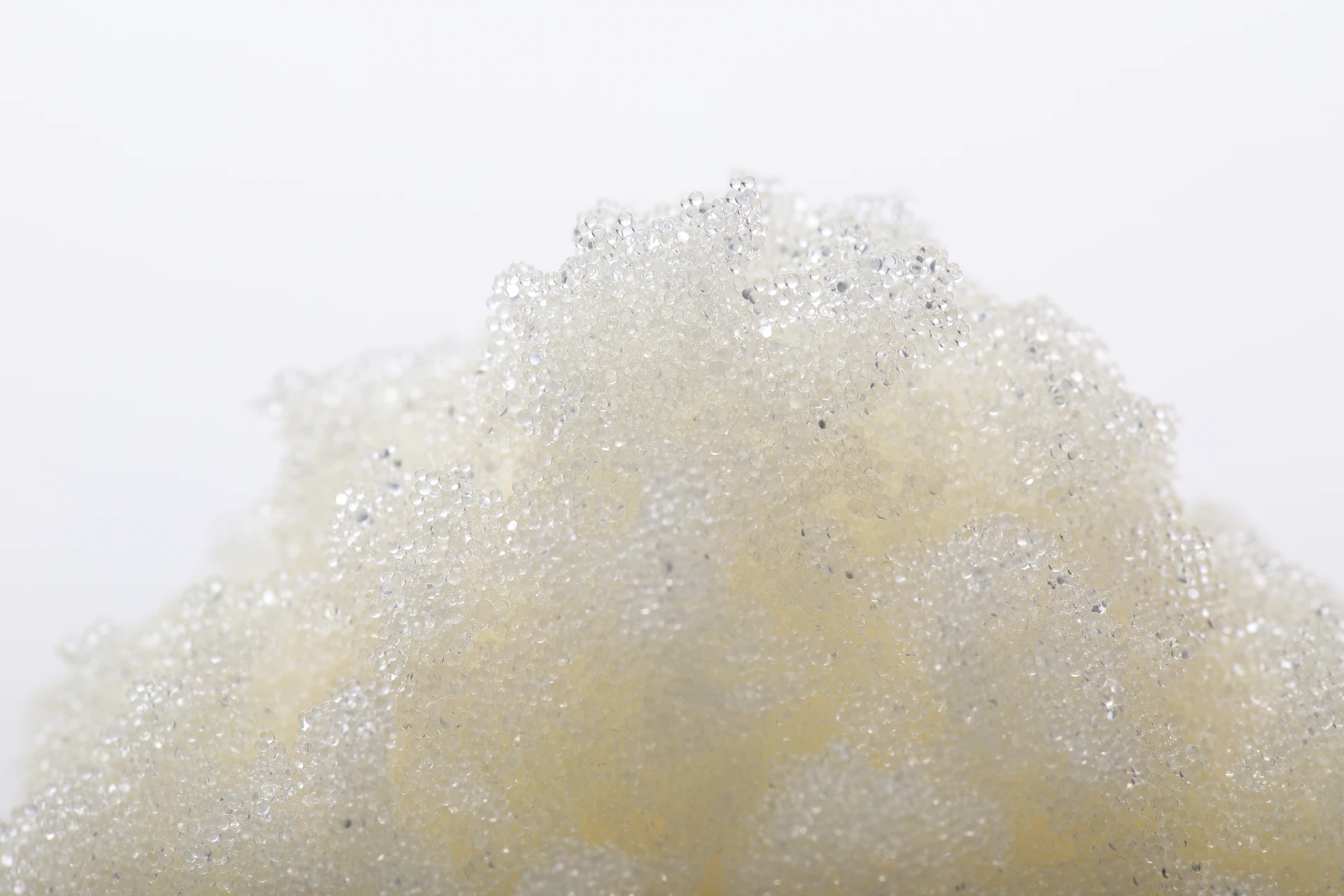
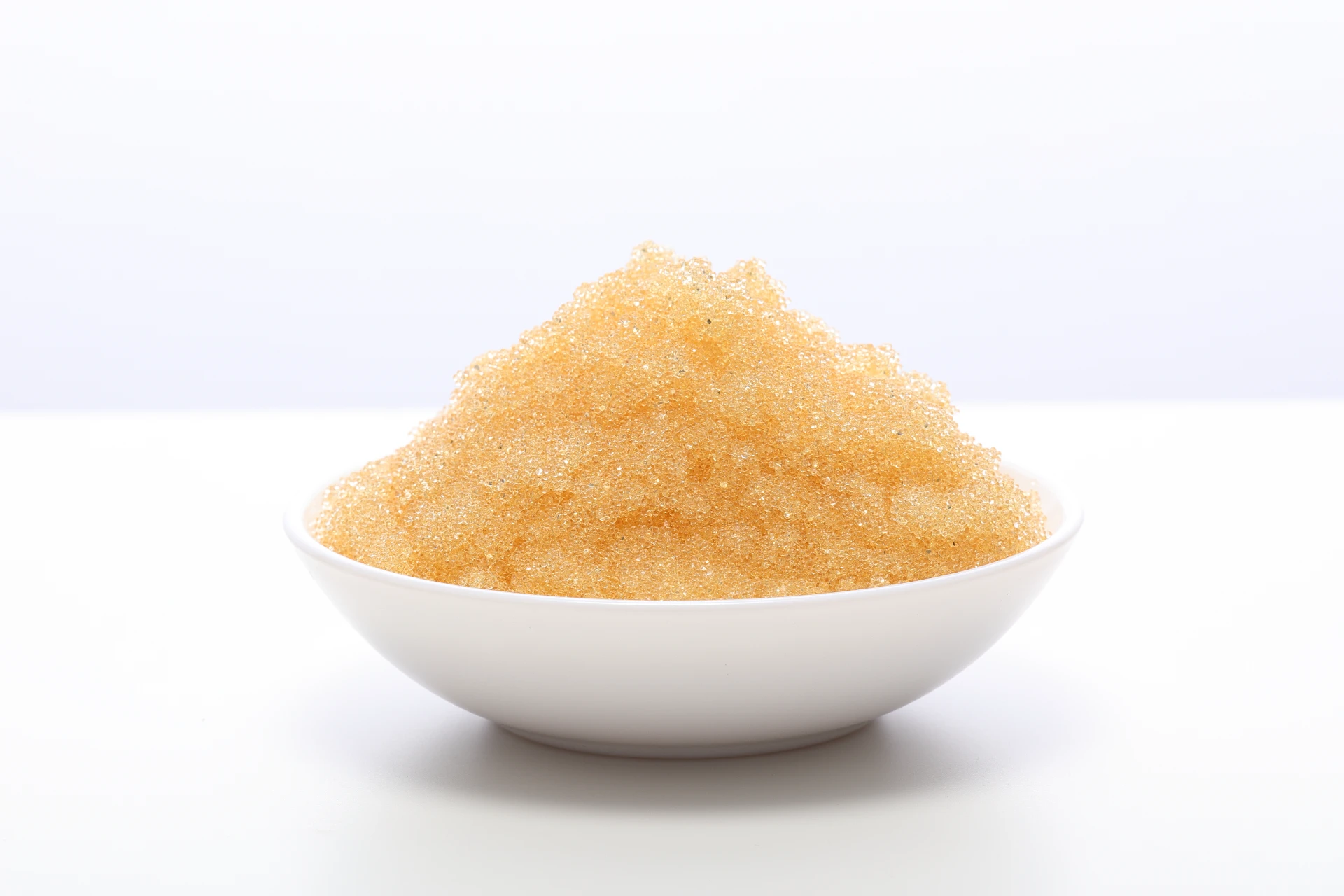
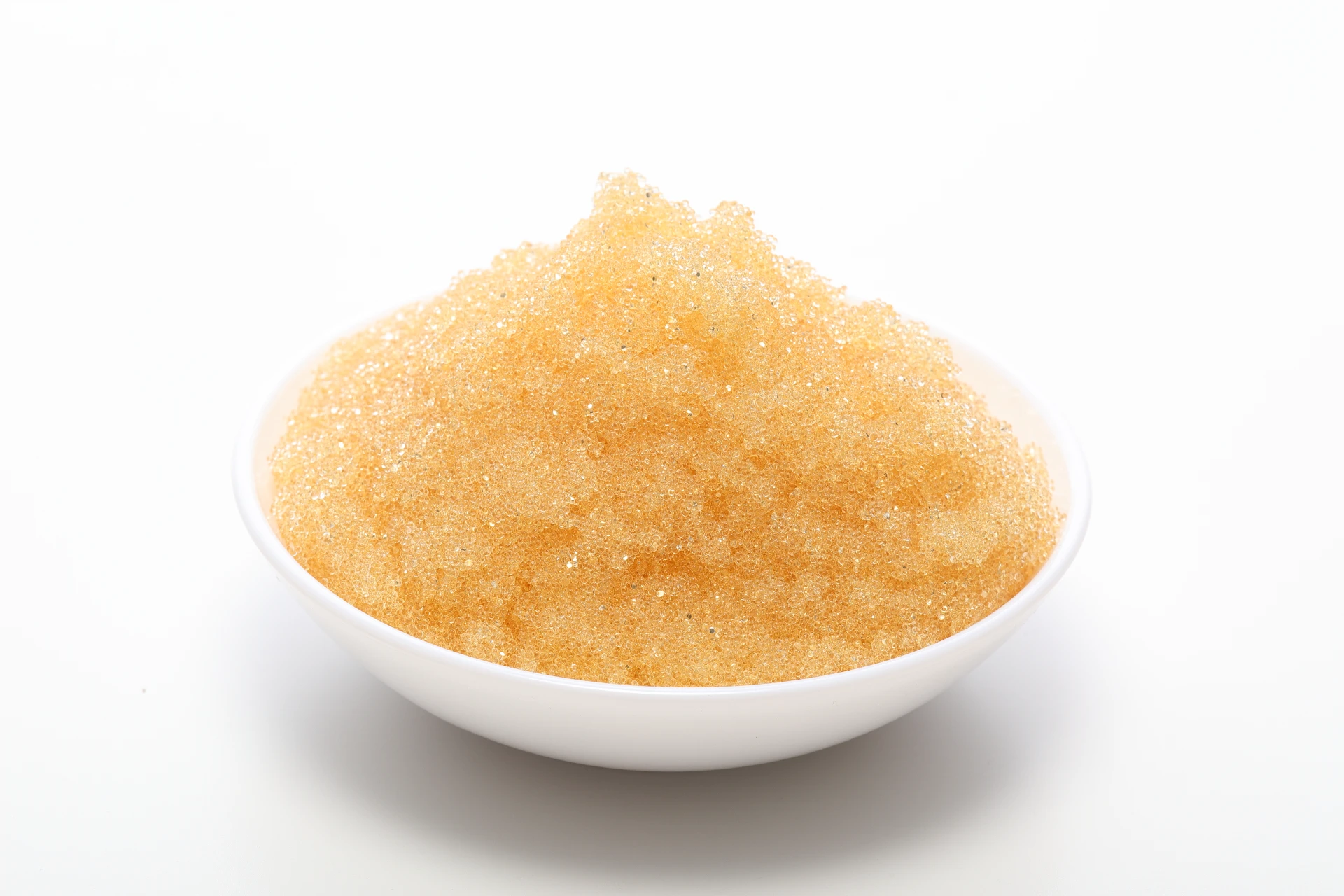
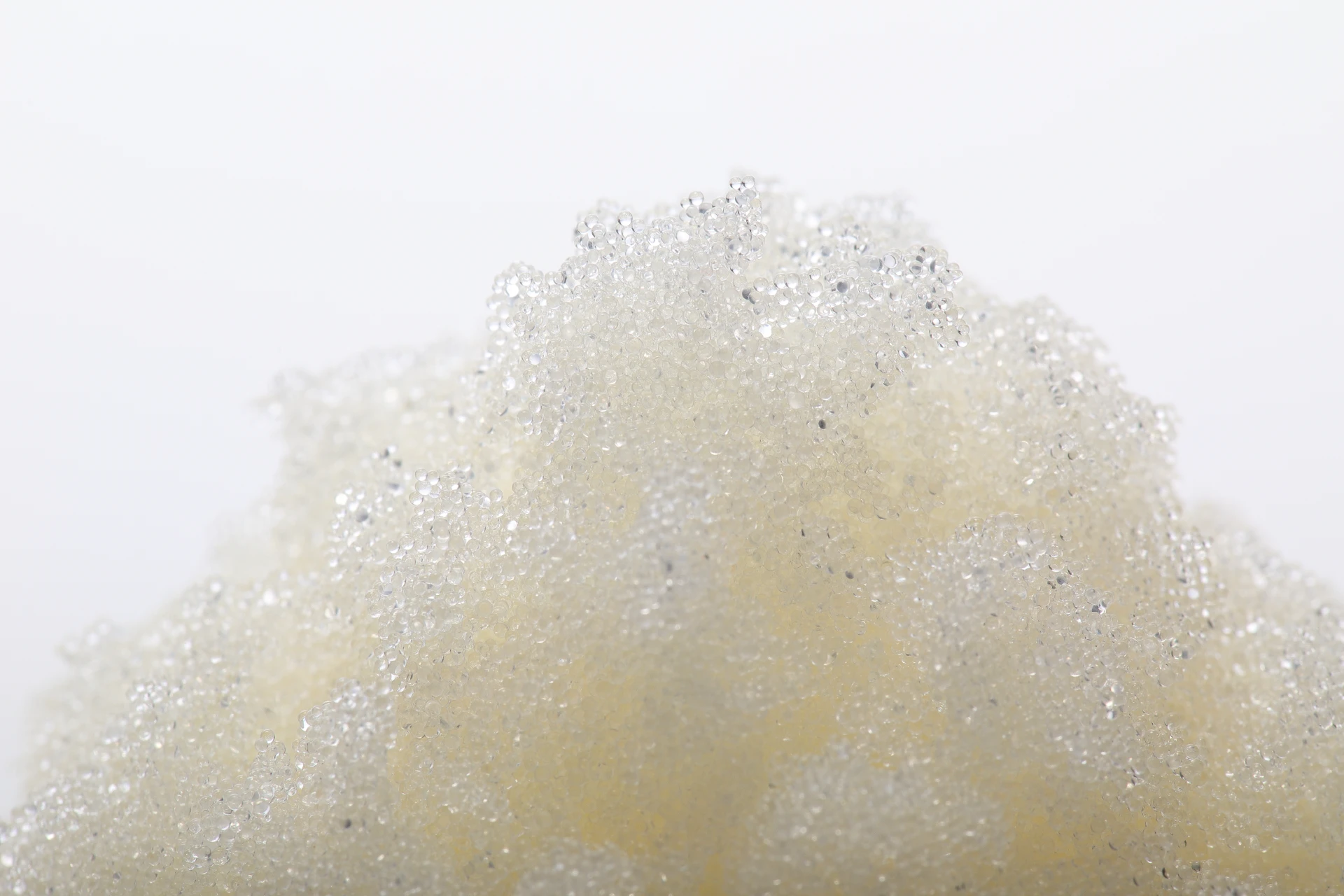
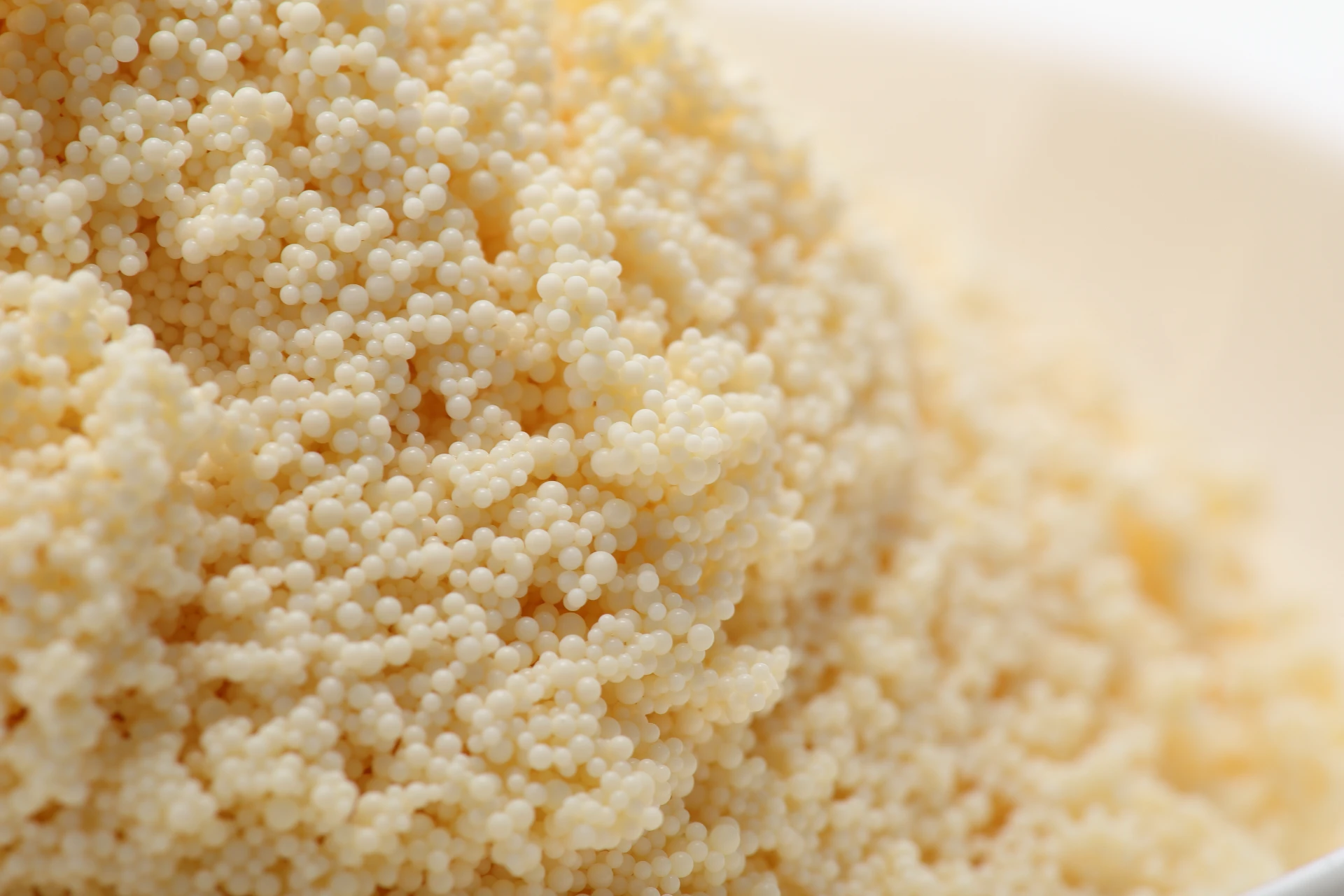
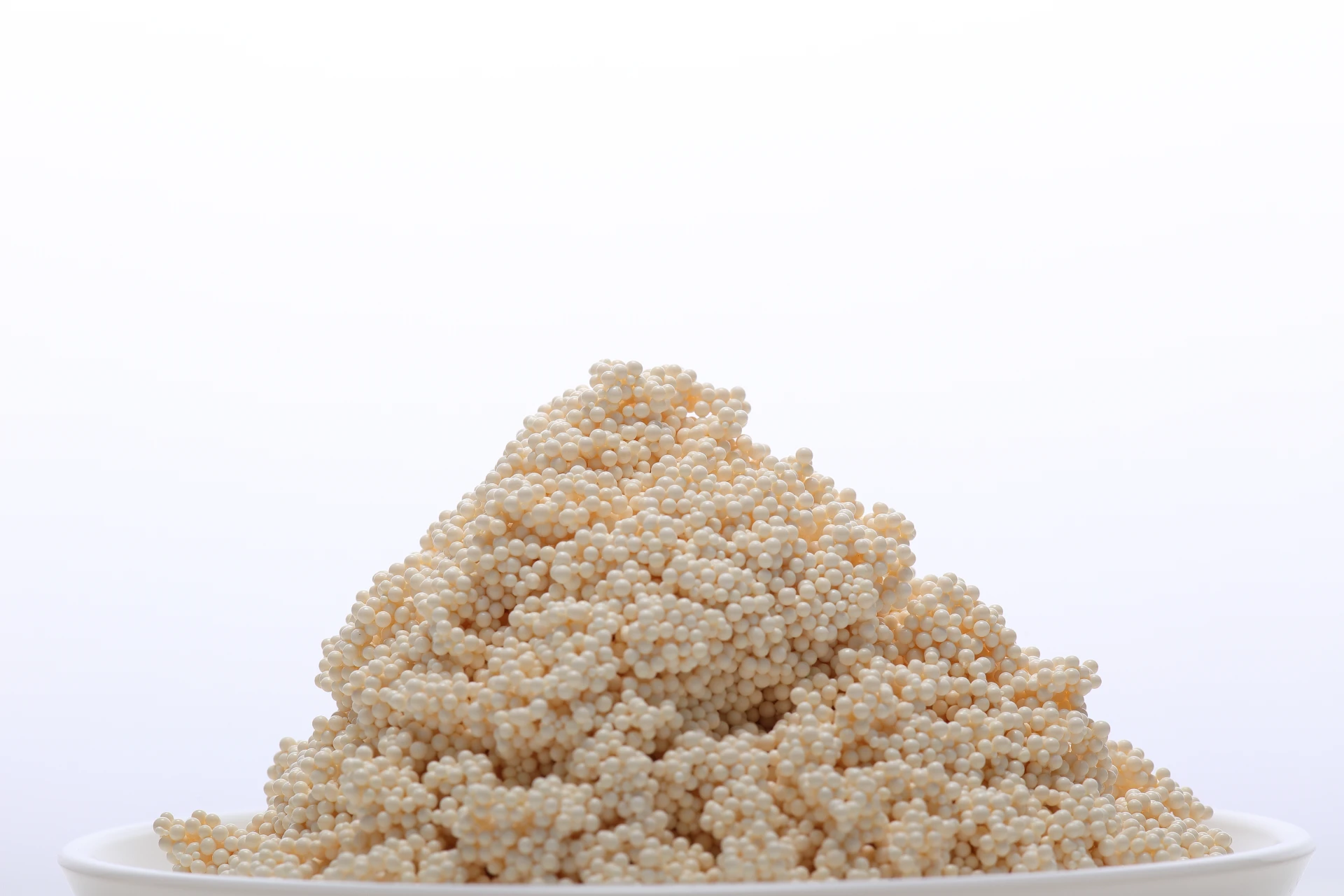
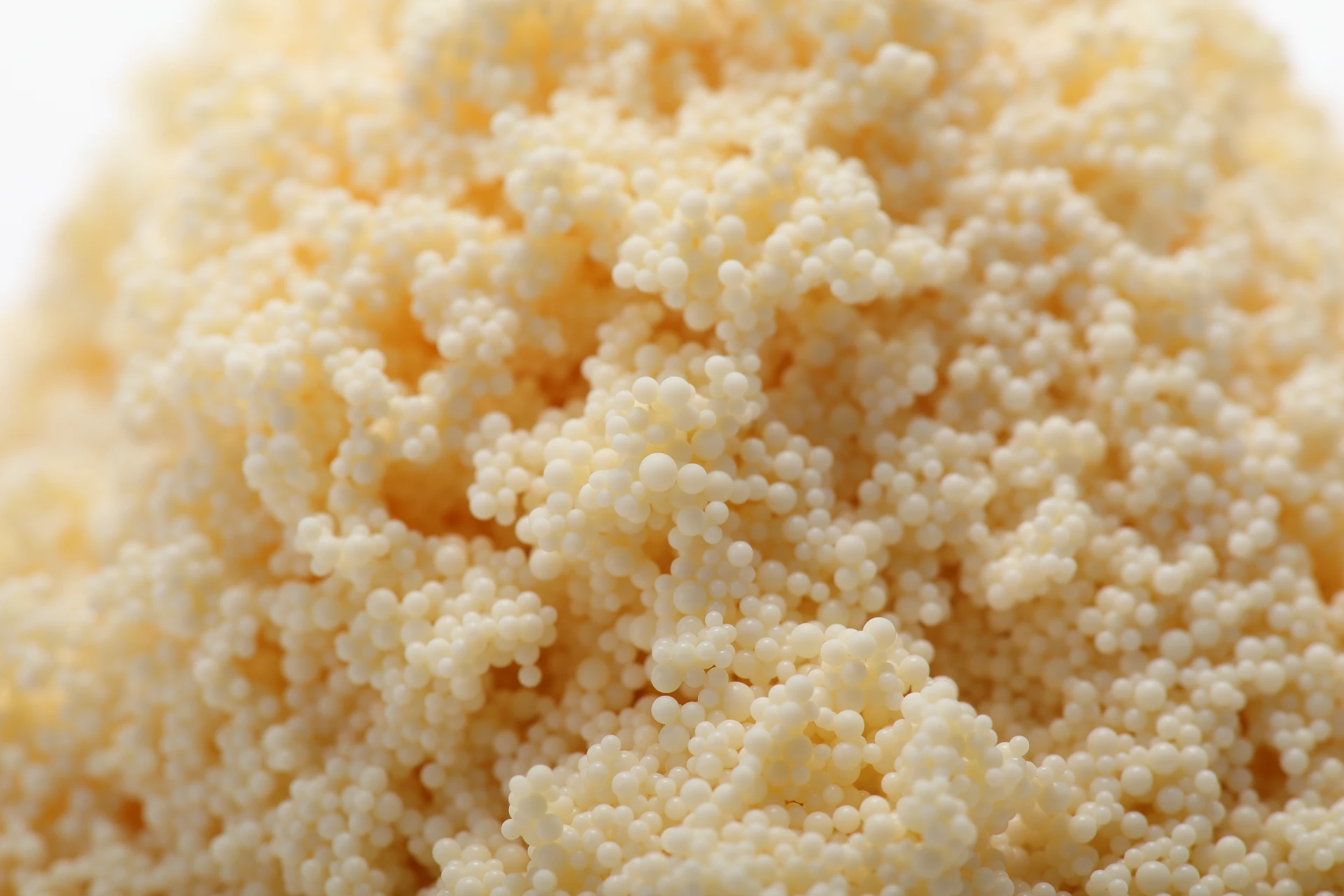
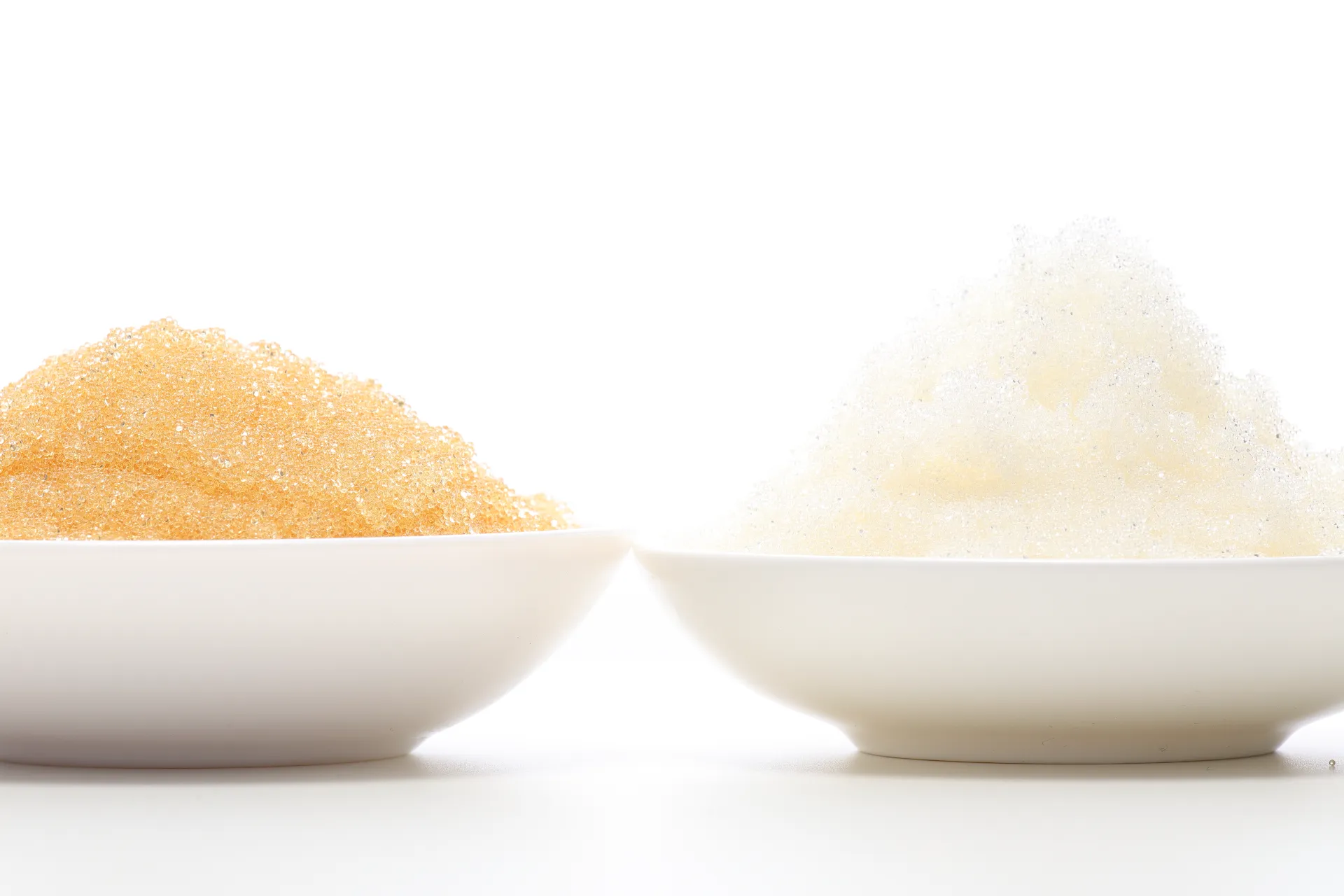
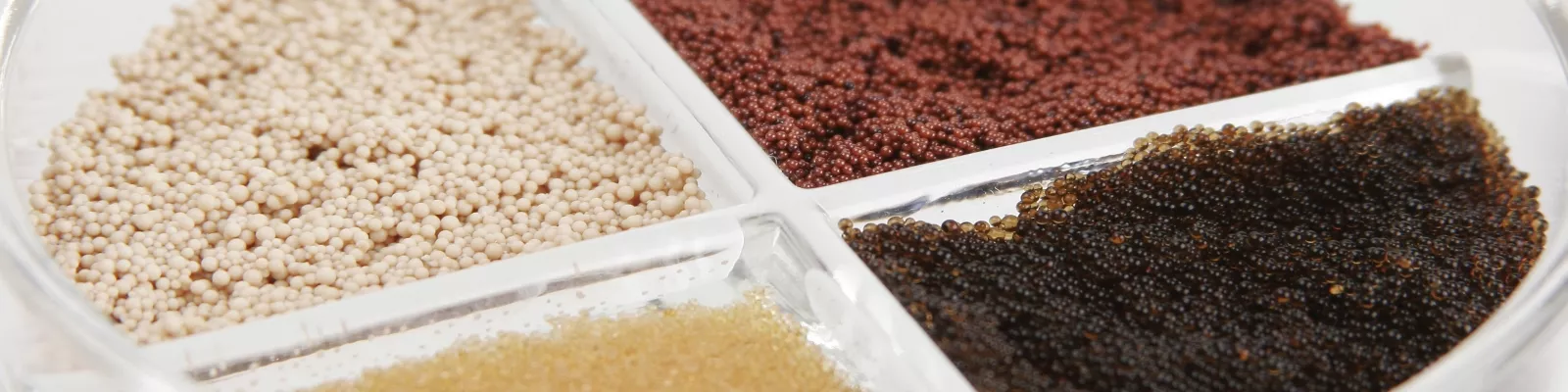
Breaking it down: ion exchange resins are tiny, porous beads crafted from organic polymers that can swap out ions in a liquid with others attached to their surface. When we say “anion exchange resin,” we mean resins that capture negative ions (like chloride, nitrate), while “cation exchange resin” targets positive ions (like calcium, sodium). They act sort of like microscopic bouncers, selectively grabbing and releasing specific charged particles depending on the task at hand.
This selective behavior isn’t just neat – it’s essential across industries. For example, in pharmaceuticals, these resins purify compounds by removing unwanted salts. In drinking water systems, they help soften hard water by exchanging calcium or magnesium ions with sodium. Oddly enough, this rather simple chemistry underpins some very complex, real-world problems.
Many engineers say resin stability determines how long a system runs smoothly. Since these resins often face harsh pH and temperature environments, they must resist degradation—think of them as marathon runners, not sprinters.
Roughly put, this is about “how much ion swapping can happen.” Higher capacity resins deliver more efficient purification per unit, a crucial factor for scaling or reducing downtime.
Some resins love certain ions more than others. That fine-tuning allows customizing treatment to specific industrial needs — whether removing iron from water in mining or purifying sugar solutions in food processing.
Resin costs aren’t trivial. Fortunately, many resin types can be regenerated — washed and reused multiple times — which significantly cuts lifecycle expenses.
The resin’s physical form affects how liquids flow through and how efficiently ions exchange. Fine particles increase surface area but may cause higher pressure drops, a design balance every system’s engineer grapples with.
As sustainability trends sweep through manufacturing, resins that minimize chemical waste in regeneration or can be easily recycled are increasingly prized.
These features—durability, capacity, selectivity, regenerability, and more—form the toolkit that lets industries optimize ion exchange performance according to their unique challenges.
You’ll find these resins sprinkled — no, more like embedded — all over the industrial landscape worldwide. For instance:
Even remote industrial zones with limited infrastructure increasingly lean on portable ion exchange systems, underscoring the resins’ scalability and adaptability.
In a way, ion exchange resins pull together a vast spectrum of applications — from global supply chains to the frontline of humanitarian aid.
What truly seals the deal on these resins is their mix of clear, quantifiable benefits and broader societal impact. To start with:
Frankly, these advantages build resilience — not just for companies but also for communities dependent on clean, safe water.
| Specification | Typical Value | Units |
|---|---|---|
| Form | Beads/Spherical | |
| Particle Size (Dry) | 300-1200 | µm |
| Capacity (Eq/L) | 1.2 - 1.8 | meq/ml |
| Operating pH Range | 0 - 14 | |
| Temperature Limit | 120 | °C |
| Regeneration Agents | NaCl, HCl, NaOH |
| Vendor | Resin Types Offered | Global Reach | Typical Lead Time | Price Range |
|---|---|---|---|---|
| IonPure Corp. | Strong & Weak Anion, Cation | North America, Europe, Asia | 2-3 weeks | $$$ |
| ResinTech Solutions | Customized Resins, Regenerable | Global | 1-2 weeks | $$$$ |
| EcoIon Co. | Green Resins, Low Waste | Europe, Asia | 3-4 weeks | $$ |
With sustainability ramping up, the future gleams with greener, bio-based resins that promise fewer environmental hangovers post-use. Digitalization is also shaking up the field — sensors and IoT devices now monitor ion exchange efficiency in real-time, reducing costly manual checks. Automation in regeneration cycles optimizes resin lifetime and chemical use. Meanwhile, researchers experiment with hybrid resins that combine anion and cation functions to halve system sizes and double efficiency—a potential game-changer for compact water treatment units in developing areas.
These developments hint at a future where ion exchange resins become more adaptable, eco-friendly, and seamlessly integrated into smart industrial systems.
Of course, no technology is perfect. Ion exchange resins can suffer from fouling — a gradual clogging due to organics or biofilms, which snarls flow and reduces capacity. The harsh chemicals used in regeneration sometimes raise disposal concerns. Plus, resin replacement costs still make up a significant chunk of operational budgets.
But here’s where innovations shine through: newer resins boast anti-fouling coatings. Regeneration methods are evolving to use milder, eco-friendlier agents, and closed-loop regeneration systems recycle chemicals to minimize waste. On the cost front, modular resin cartridges enable quick swaps and cut downtime—a real lifesaver in critical facilities.
If you take away just one thing, it should be this: anion and cation exchange resins are quietly enabling some of the most vital processes powering our daily lives, from the water we drink to life-saving medicines and beyond. Their adaptability, sustainability potential, and ever-evolving innovations keep them central to solving global challenges of resource scarcity and environmental stewardship.
Curious to explore more? Visit our site at anion and cation exchange resin and dive deeper into how these tiny beads can make a giant impact.