Phone:
+86 0319 2296164


Email:
info@lijiresin.cn

The hydrometallurgy process represents a cornerstone of modern extractive metallurgy, providing sophisticated aqueous-based methodologies for recovering metals from diverse raw materials, including ores, concentrates, and increasingly, secondary waste streams. This discipline is lauded for its precision, adaptability, and generally lower environmental footprint compared to traditional high-temperature pyrometallurgical methods. Its pivotal role in sustainable resource management is evident in the burgeoning field of hydrometallurgical recycling, crucial for retrieving valuable metals from spent batteries and electronic waste. Continuous advancements in this domain are routinely documented in specialized publications, such as a dedicated hydrometallurgy journal, underscoring its dynamic research and development landscape.
This discourse aims to provide a comprehensive overview of hydrometallurgy, detailing its operational workflow, technical specifications, diverse application scenarios, and distinct advantages. We will also address critical considerations for vendor selection, customized solution development, and real-world implementation case studies, alongside essential information pertaining to product integrity and client support.
The hydrometallurgy process is a multi-stage chemical engineering sequence designed for selective metal extraction and purification. Each stage requires precise control to achieve optimal recovery and product purity.
Equipment deployed in hydrometallurgical circuits—including reactors, agitators, pumps, and heat exchangers—demands exceptional material integrity due to corrosive operating environments. Advanced alloys such as Hastelloy, various grades of stainless steel, and high-performance polymer composites are commonly utilized. Manufacturing processes encompass precision casting, advanced forging techniques, and multi-axis CNC machining, adhering to tolerances critical for long-term operational reliability. Rigorous testing conforms to international standards like ISO 9001 for quality management, ASTM for material specifications, and ANSI for design and construction, ensuring a typical service life exceeding 15 years in well-engineered systems.
The inherent advantages of the hydrometallurgy process position it as a preferred method across numerous industries. It finds extensive application in the metallurgy sector for both primary metal extraction and secondary refining, in petrochemicals for catalyst metal recovery, and in water supply & drainage for heavy metal removal from industrial effluents. Its demonstrated benefits include significant energy saving due to lower operating temperatures, superior corrosion resistance achieved through advanced material selection, and a reduced environmental footprint, making it a critical technology for sustainable industrial operations.
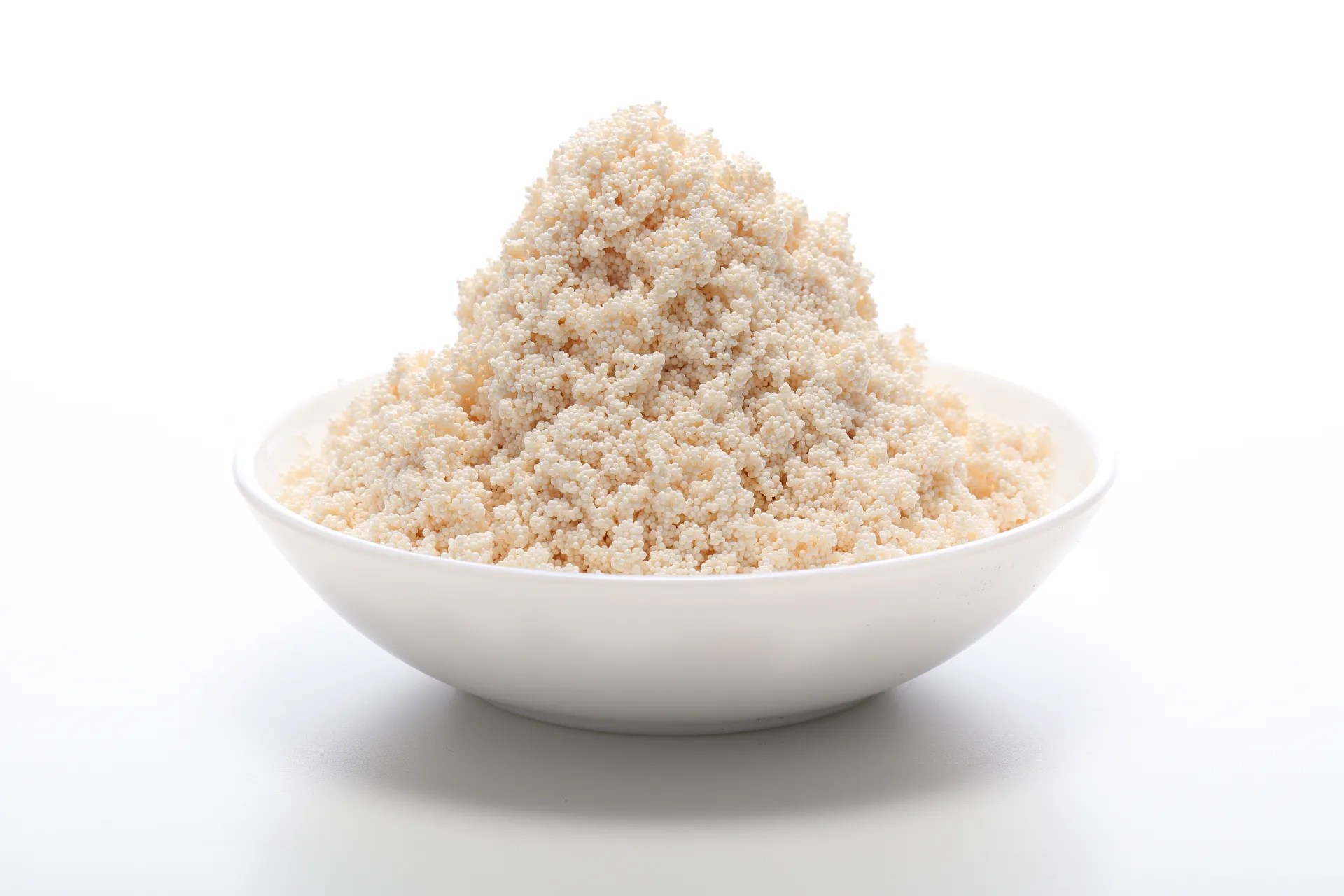
Figure 1: Simplified schematic illustrating the sequential steps in a typical hydrometallurgical circuit.
The field of hydrometallurgy is continuously evolving, driven by global demands for resource efficiency, environmental stewardship, and the processing of increasingly complex and low-grade feedstocks. Key trends shaping the industry include:
The efficiency and success of any hydrometallurgy process are highly dependent on the meticulous control of a range of technical parameters. These parameters are optimized for specific metals, ore types, and desired product purities.
| Parameter | Typical Range/Value | Critical Impact |
|---|---|---|
| pH Level | 1.0 - 5.0 (acidic), 9.0 - 12.0 (alkaline) | Governs metal solubility, reagent stability, and impurity precipitation. |
| Temperature | Ambient to 95°C (atmospheric), 150-250°C (pressure leaching) | Enhances reaction kinetics, influences reagent consumption and solubility. |
| Lixiviant Concentration | Variable (e.g., 5-20% H₂SO₄; 0.1-0.5% NaCN) | Directly affects dissolution rate and overall metal extraction efficiency. |
| Redox Potential (Eh) | Specific range for each metal system (e.g., +400 to +600 mV for Cu leaching) | Controls oxidation/reduction reactions, vital for selective dissolution and precipitation. |
| Retention Time | Hours to days, depending on leaching method (e.g., agitated vs. heap leaching) | Ensures sufficient contact time for complete dissolution and reaction. |
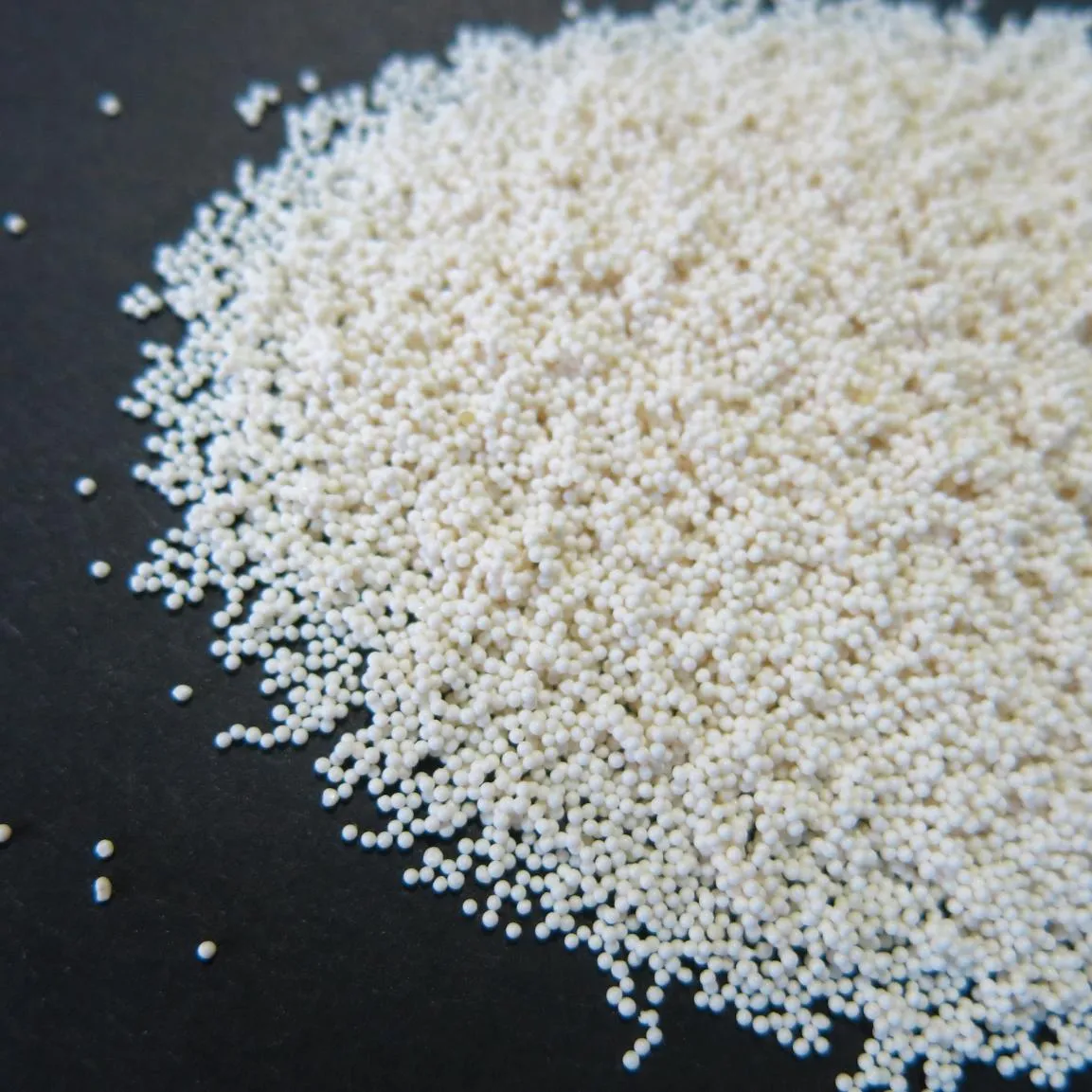
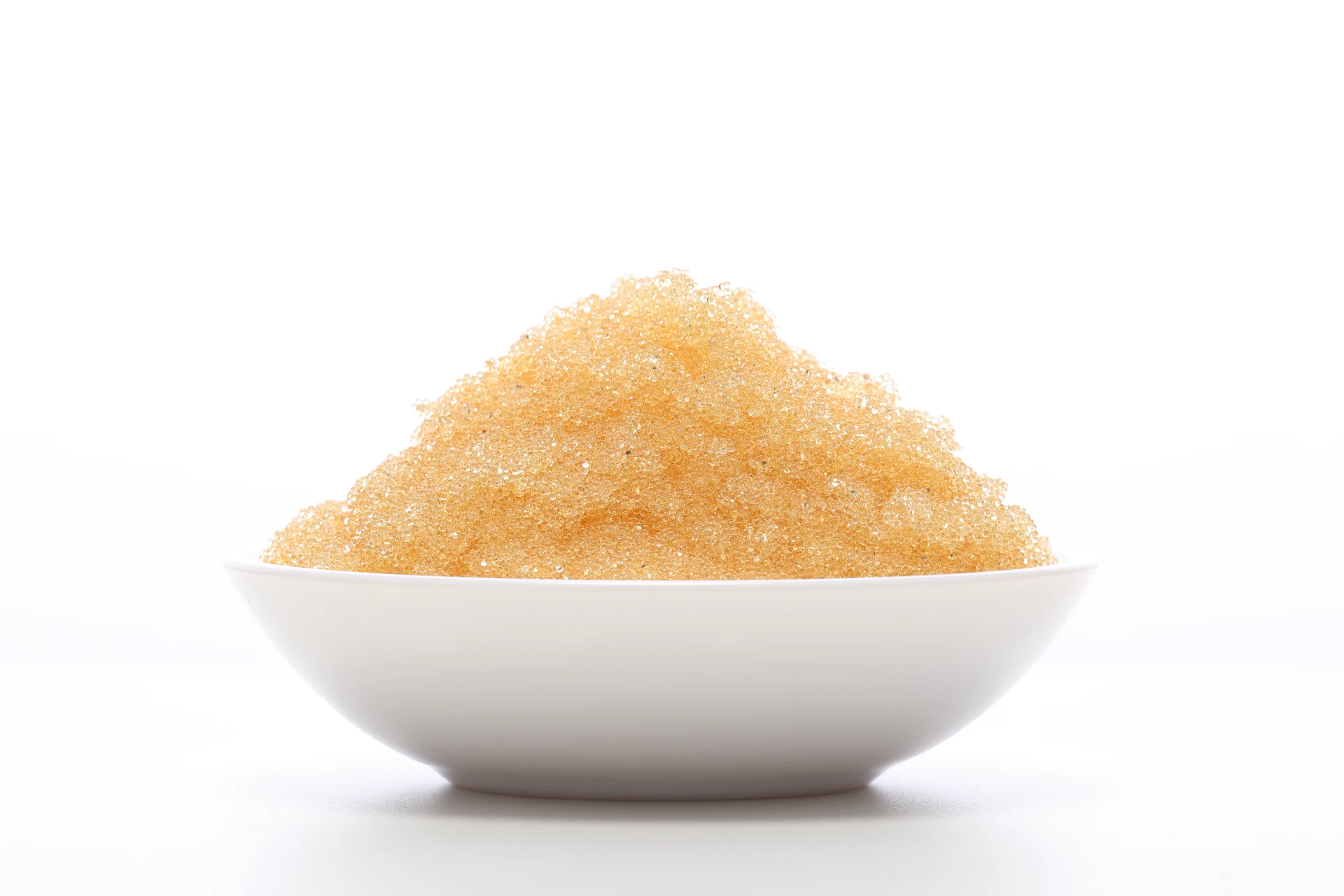
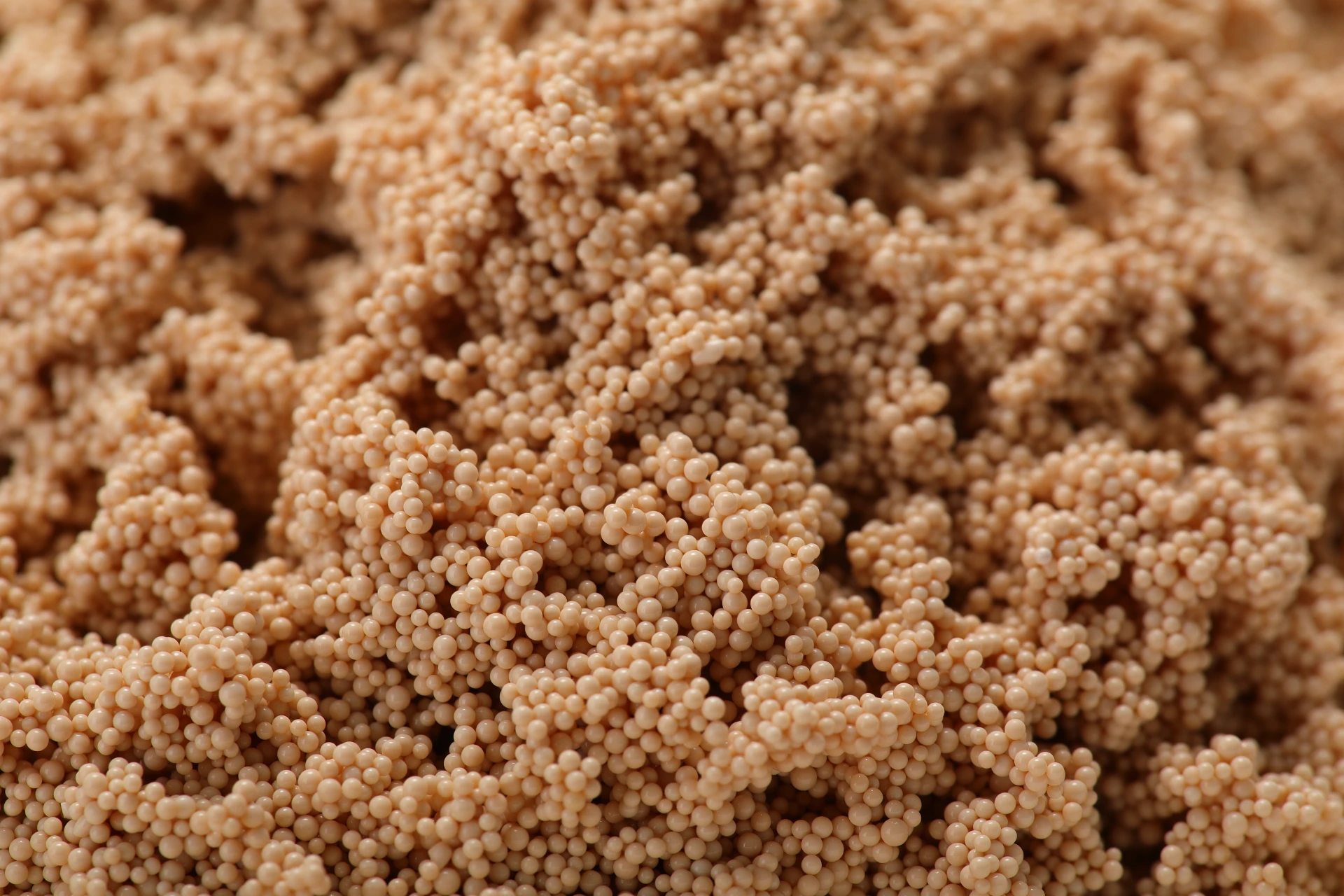
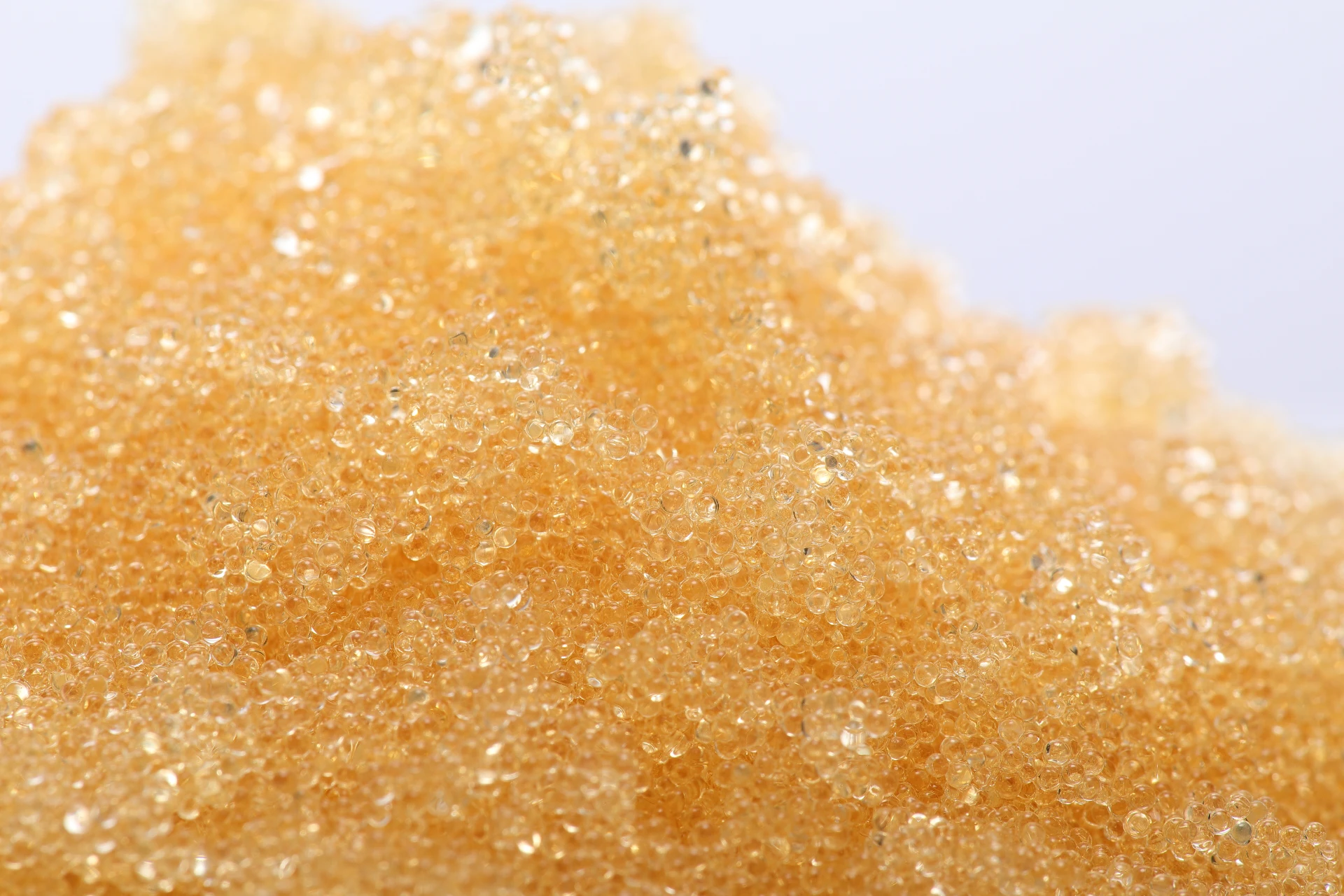
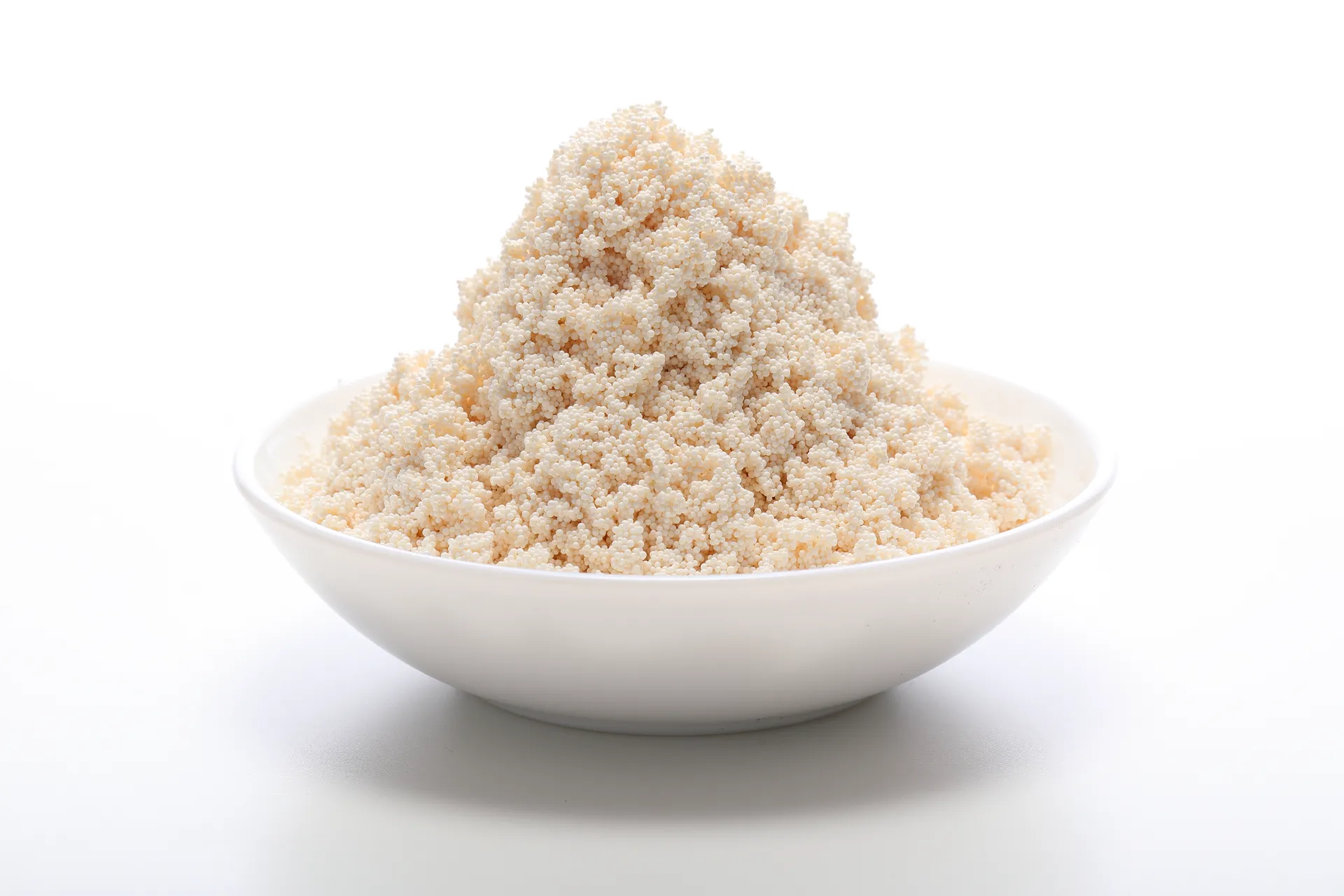
For effective purification and selective metal separation within hydrometallurgical circuits, specialized ion exchange resins are indispensable. The Macroporous Strong Basic Anion Exchange Resin D201 U is specifically designed for robustness and high performance in demanding industrial applications, particularly for selective removal of anionic metal complexes and other impurities.
| Parameter | Specification (D201 U) |
|---|---|
| Matrix | Styrene-Divinylbenzene Copolymer |
| Type | Macroporous Strong Basic Anion Exchange Resin (Type I) |
| Functional Group | Quaternary Ammonium |
| Ionic Form, as shipped | Cl⁻ |
| Total Exchange Capacity (min) | 1.25 mol/L (Cl⁻ form) |
| Moisture Content (Cl⁻ form) | 55-65% |
| Particle Size Range | 0.60-1.25 mm (≥95%) |
| Effective Size (min) | 0.70 mm |
| Uniformity Coefficient (max) | 1.6 |
| Specific Gravity (Cl⁻ form) | 1.04-1.09 |
| Operating pH Range | 0-14 |
| Operating Temperature (max) | 100°C (212°F) |

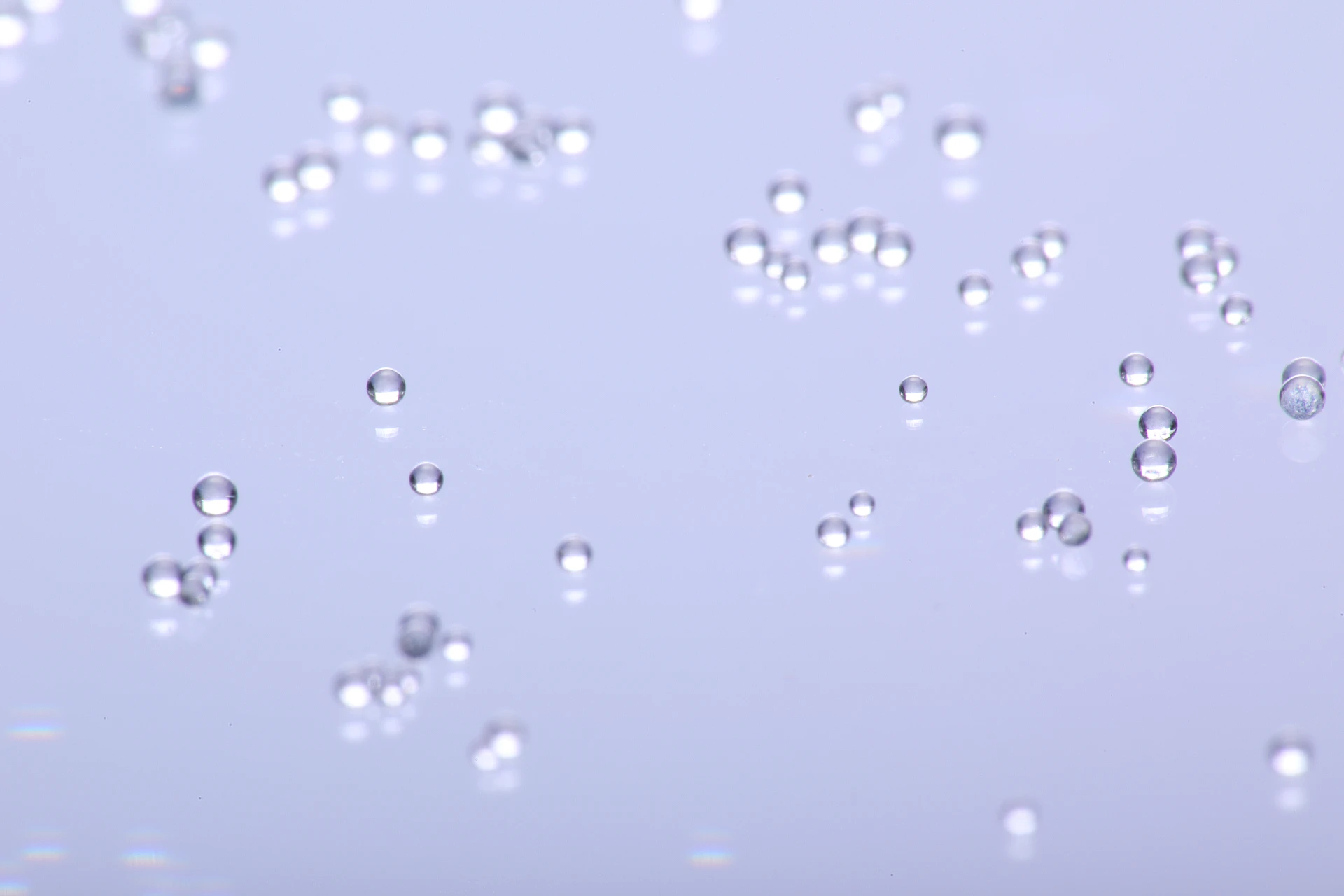
Figure 2: The effective separation and purification of metals in solution often relies on advanced ion exchange resins.
The robust and flexible nature of the hydrometallurgy process allows for its successful deployment across a diverse range of complex extraction and recovery challenges.
The strategic adoption of the hydrometallurgy process offers a compelling suite of technical and operational advantages, making it a superior choice for many modern metal recovery projects.
Choosing the right technology partner is paramount for successful implementation of hydrometallurgical projects. A thorough vendor evaluation should consider expertise, R&D capabilities, and commitment to customized solutions.
| Feature | Hydrometallurgy | Pyrometallurgy |
|---|---|---|
| Operating Conditions | Aqueous solutions, low to moderate temperature/pressure | High temperatures (>1000°C), often high pressure |
| Environmental Footprint | Lower air emissions (SO₂, CO₂), manageable liquid waste | Significant gaseous emissions, dust, slag generation |
| Energy Consumption | Generally lower | Significantly higher |
| Feedstock Versatility | High; suitable for low-grade, complex ores, and recycled materials | Limited; typically prefers high-grade, simple concentrates |
| Product Purity | High selectivity, often yields high-purity metals directly | Lower initial purity, often requires further refining |
Optimal results in metal recovery are typically achieved through bespoke solutions, meticulously designed to align with the unique characteristics of each client's material and operational objectives. Our approach to developing tailored hydrometallurgy process solutions includes:
A leading industrial conglomerate sought to recover strategic metals (nickel, cobalt, molybdenum) from a complex spent catalyst waste stream. Implementing a customized hydrometallurgical flowsheet involving selective acid leaching, followed by solvent extraction and ion exchange using specialized resins, the client achieved recovery rates exceeding 90% for all target metals. This project not only transformed a hazardous waste into valuable secondary resources but also resulted in a 30% reduction in disposal costs and generated significant revenue from recycled metals. Customer feedback highlighted the solution's robust performance and its positive contribution to their corporate sustainability goals.
A gold mining company faced challenges with declining recovery rates from refractory sulfide gold ores using conventional cyanidation. A transition to a bio-oxidation pre-treatment followed by a tailored hydrometallurgical leach circuit significantly improved gold extraction. The optimized process increased gold recovery by 15% and reduced cyanide consumption, enhancing both economic viability and environmental performance. This demonstrates the capacity of advanced hydrometallurgy to unlock value from challenging ore bodies.
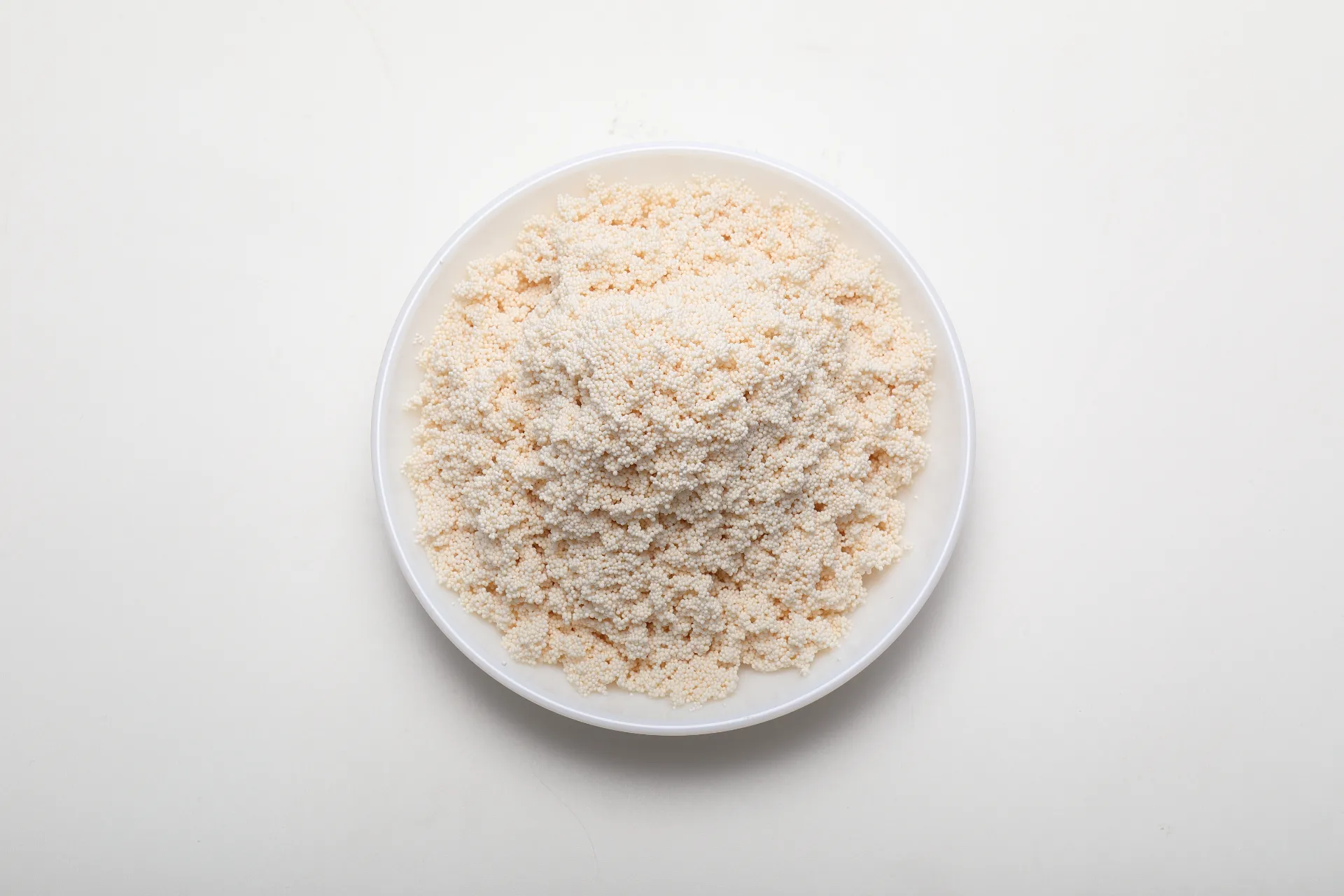
Figure 3: Advanced hydrometallurgical facilities are key to the sustainable recovery of valuable metals from complex waste streams, such as end-of-life batteries.
Our commitment to excellence in hydrometallurgical solutions is underpinned by adherence to the highest industry standards. We hold ISO 9001 certification for quality management systems and ISO 14001 for environmental management, ensuring that our products and processes meet global benchmarks for quality and sustainability. Our components and resins, including the Macroporous Strong Basic Anion Exchange Resin D201 U, undergo rigorous testing and are manufactured in facilities compliant with relevant international standards such as ASTM and ANSI, reflecting our dedication to product reliability and performance.
We are committed to efficient logistics and prompt delivery. For standard products such as the Macroporous Strong Basic Anion Exchange Resin D201 U, typical lead times range from 2 to 4 weeks, subject to order volume and geographical location. For complex, custom-engineered hydrometallurgical systems, detailed fulfillment schedules are established collaboratively with clients, ensuring transparency and adherence to project timelines.
Our products and solutions are supplied with comprehensive warranties, affirming their performance against specified technical parameters. Standard product warranties typically cover a period of 12 months from delivery. For custom-engineered systems, performance guarantees are tailored to project-specific KPIs, providing our clients with the highest level of assurance and confidence in their investment.
Our global technical support team offers unparalleled assistance throughout the lifecycle of your hydrometallurgical operations. Services include expert consultation for product selection, process design optimization, troubleshooting, and comprehensive after-sales support. We provide detailed operational guides, on-site technical training, and remote assistance to ensure maximum uptime and operational efficiency for our clients worldwide.