Colour changing di resin represents a fascinating intersection of material science and aesthetic design, gaining prominence across diverse industries. Initially developed for novelty applications, these resins are now finding utility in areas like security features, artistic installations, and even advanced sensing technologies. The ability of these materials to alter their appearance in response to stimuli—temperature, light, or mechanical stress—opens doors for innovation and unique product differentiation. Understanding the principles behind colour changing di resin is crucial for designers, engineers, and researchers seeking to harness its potential.
The global demand for specialized polymers, including those with dynamic properties like colour-changing capabilities, is steadily increasing. According to market research reports, the specialty polymers market is projected to reach significant values in the coming years, driven by demand from sectors like automotive, aerospace, and consumer electronics. This growth is fuelled by a desire for innovative materials that offer both functional benefits and enhanced aesthetic appeal. Colour changing di resin caters to this trend, offering a unique blend of both.
The increasing accessibility of these materials, coupled with advancements in resin formulations, is expanding their application scope. The relative ease of processing and customizability, combined with the inherent visual impact, makes colour changing di resin an attractive choice for a wide range of products and applications. As sustainability becomes a more prominent concern, the development of eco-friendly colour changing di resin options is also gaining momentum.
The Core Principles of colour changing di resin
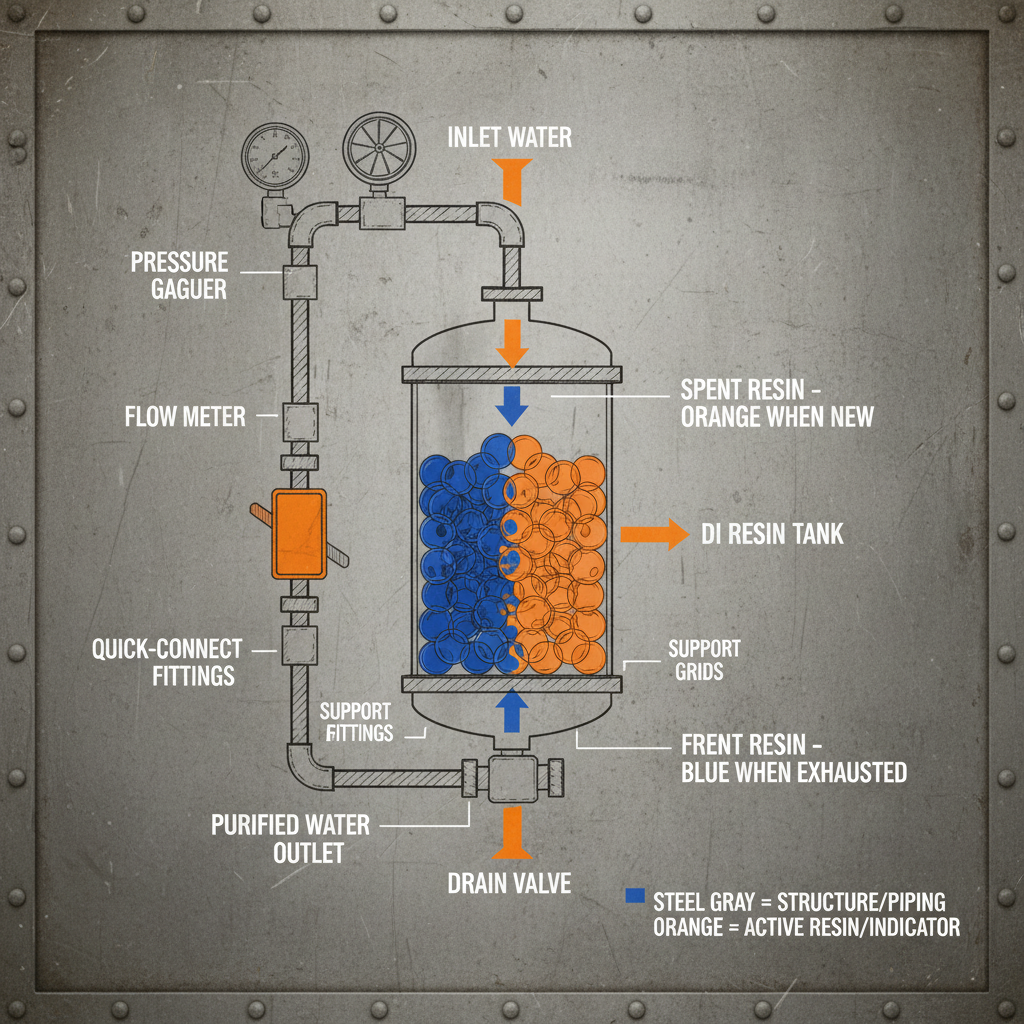
At the heart of colour changing di resin lies the principle of thermochromism, photochromism, or piezochromism. These phenomena involve a reversible change in colour induced by temperature, light, or mechanical stress, respectively. The colour change is typically achieved by incorporating specific chemical compounds, known as chromophores, within the resin matrix. These chromophores undergo structural alterations when exposed to the triggering stimulus, resulting in a shift in their light absorption properties.
The performance of colour changing di resin depends heavily on the type of chromophore used, its concentration, and the resin's overall composition. Researchers are continually exploring new chromophores and resin formulations to tailor the colour change characteristics – including the temperature or light sensitivity, colour intensity, and reversibility – to specific application requirements. For more specialized options, visit colour changing di resin.
Global Market Dynamics of colour changing di resin
The global colour changing di resin market is experiencing steady growth, driven by increasing demand from sectors such as packaging, cosmetics, textiles, and security. North America and Europe currently hold significant market shares, owing to their advanced industrial infrastructure and high adoption rates of innovative materials. However, the Asia-Pacific region is anticipated to witness the fastest growth in the coming years, fuelled by rapid industrialization and a growing consumer base.
Market dynamics are also influenced by factors such as raw material costs, regulatory compliance, and technological advancements. The development of sustainable and bio-based colour changing di resin options is becoming increasingly important, driven by growing environmental concerns and stricter regulations. Competition within the market is intensifying, with key players focusing on product differentiation, innovation, and cost optimization.
Furthermore, the rise of e-commerce and online marketplaces is playing a significant role in expanding the reach of colour changing di resin suppliers and distributors, making it easier for customers to access these materials globally. The overall market is projected to continue its upward trajectory, fueled by the continuous emergence of new applications and growing consumer awareness.
Defining colour changing di resin
Colour changing di resin refers to a class of polymeric materials that exhibit a reversible change in colour in response to external stimuli. These materials typically consist of a base resin, such as epoxy or polyurethane, combined with specialized pigments or chemical compounds that possess colour-changing properties. The colour change can be triggered by various factors, including temperature, light intensity, pressure, or even pH levels.
Unlike traditional pigments, which provide static colour, colour changing di resin offers dynamic visual effects that can enhance product appeal and functionality. This makes it a versatile material for applications where visual indication or aesthetic differentiation is desired. colour changing di resin is often employed for anti-counterfeiting measures, thanks to its unique and difficult-to-replicate properties.
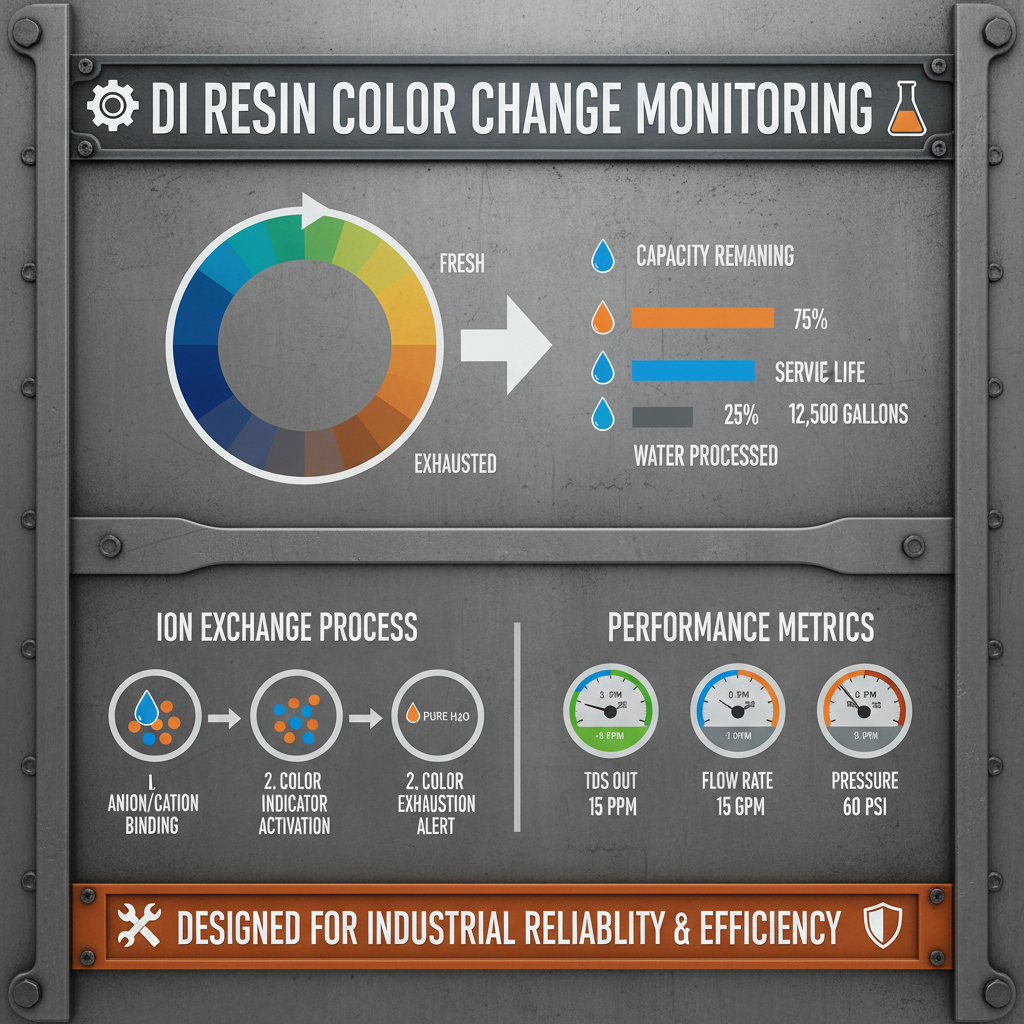
The defining characteristic of colour changing di resin is its reversibility. The colour change is not permanent; the material returns to its original colour when the stimulus is removed. This feature distinguishes it from other types of colour-altering materials, such as those that undergo irreversible chemical reactions. This quality makes colour changing di resin ideal for applications requiring repeated visual feedback or dynamic displays.
Key Characteristics of colour changing di resin
Colour changing di resin possesses several key characteristics that contribute to its versatility and appeal. These include its responsiveness to stimuli, its colour change range, its durability, and its processability. The specific characteristics will vary depending on the resin type, the chromophore used, and the manufacturing process.
Understanding these characteristics is critical for selecting the appropriate colour changing di resin for a particular application. For instance, a temperature-sensitive resin might be suitable for indicating overheating in electronic devices, while a light-sensitive resin could be used in smart windows to regulate light transmission.
Colour Changing Di Resin Performance Metrics
Applications Across Industries
The applications of colour changing di resin are remarkably diverse, spanning numerous industries. In the packaging sector, it's used to indicate product temperature, freshness, or tampering. In the cosmetics industry, it adds a unique visual element to products like nail polish and lipsticks. The textile industry employs colour changing di resin to create garments that change colour with body temperature or exposure to UV light.
Security applications are also prominent, with colour changing di resin incorporated into anti-counterfeiting labels, banknotes, and identification documents. Its use extends to medical devices, where it can indicate sterilization status or monitor physiological parameters. The ability to create dynamic and visually engaging products makes it invaluable in marketing and branding efforts.
The Advantages of colour changing di resin
Colour changing di resin offers a multitude of advantages over traditional materials. Its dynamic visual properties enhance product aesthetics and create a unique user experience. It can provide real-time feedback on conditions like temperature, light, or stress, enabling proactive monitoring and control. Furthermore, its use in security applications significantly improves anti-counterfeiting measures.
From a sustainability perspective, the development of bio-based colour changing di resin options reduces reliance on fossil fuels and minimizes environmental impact. The versatility of the material allows for customization and integration into a wide range of products, offering designers and engineers a powerful tool for innovation. This is why colour changing di resin is becoming increasingly popular.
Future Trends in colour changing di resin
The future of colour changing di resin is poised for exciting advancements. Research is focused on developing materials with enhanced responsiveness, wider colour change ranges, and improved durability. The integration of nanotechnology and microencapsulation techniques promises to further refine the properties of these resins, enabling more precise control over colour change characteristics.
The demand for eco-friendly and sustainable materials will drive the development of bio-based colour changing di resin options derived from renewable resources. Advancements in 3D printing and additive manufacturing will allow for the creation of complex and customized designs incorporating colour changing di resin. The convergence of these trends will unlock new opportunities for innovation and expand the applications of these dynamic materials.
Smart materials that respond to multiple stimuli simultaneously – for instance, changing colour based on both temperature and light – are also gaining attention. These multi-responsive materials offer increased functionality and versatility, opening doors for applications in advanced sensing, robotics, and interactive displays.
Summary of key future development areas for colour changing di resin
| Development Area |
Current Status |
Potential Impact |
Timeline |
| Enhanced Responsiveness |
Ongoing research to improve reaction speed and sensitivity. |
Faster and more accurate feedback in sensing applications. |
2-5 years |
| Wider Colour Change Range |
Exploration of new chromophores and pigment combinations. |
Greater visual flexibility and aesthetic possibilities. |
3-7 years |
| Improved Durability |
Focus on resin formulations that enhance resistance to UV degradation and chemical exposure. |
Longer product lifespan and reduced maintenance costs. |
1-3 years |
| Bio-Based Materials |
Development of resins derived from renewable sources like plant oils and sugars. |
Reduced environmental impact and increased sustainability. |
5-10 years |
| Multi-Responsive Materials |
Combining multiple chromophores to create materials that respond to several stimuli. |
Enhanced functionality and versatility in advanced applications. |
7-10 years |
| 3D Printing Integration |
Formulating resins suitable for additive manufacturing processes. |
Customizable designs and complex geometries. |
2-5 years |
FAQS
The lifespan of colour changing di resin products varies greatly depending on the specific resin formulation, the environmental conditions it’s exposed to (UV light, temperature fluctuations, humidity), and the frequency of stimulus activation. Generally, well-formulated and properly protected resins can maintain their colour-changing properties for several years. However, prolonged exposure to harsh conditions can lead to degradation of the chromophores and a reduction in performance. Proper storage and application are essential to maximize longevity.
Traditional colour changing di resins often rely on petrochemical-based polymers, raising environmental concerns. However, significant advancements are being made in the development of bio-based resins derived from renewable resources, such as plant oils and sugars. These eco-friendly alternatives offer a more sustainable option. Furthermore, the ability of these resins to reduce product waste by providing visual indication of wear or temperature changes also contributes to environmental benefits.
The cost of colour changing di resin materials can vary significantly depending on the type of resin, the chromophore used, the quantity purchased, and the supplier. Generally, these resins are more expensive than traditional pigments due to the specialized manufacturing processes and the cost of the chromophores. However, the added value they provide – in terms of functionality, aesthetics, and security – often justifies the higher price. Costs typically range from $50 to $500 per kilogram.
The use of colour changing di resin in food packaging is subject to stringent regulatory requirements. Not all resins and chromophores are approved for direct food contact. It’s crucial to ensure that any materials used comply with relevant food safety standards, such as those set by the FDA in the United States or the EFSA in Europe. Special food-grade resins and pigments must be used to ensure the safety and integrity of the packaged food.
Thermochromic resins are designed to change colour within specific temperature ranges. The transition temperature, at which the colour change occurs, is determined by the chromophore used. Different chromophores have different transition temperatures, allowing for the selection of resins that respond to a wide range of temperatures. The sharpness and reversibility of the colour change also depend on the specific formulation and the rate of temperature change.
Despite its advantages, colour changing di resin technology has some limitations. The colour change can be affected by prolonged exposure to UV light, leading to fading or degradation. Some chromophores are sensitive to certain chemicals, which can alter their colour-changing properties. The cost of these materials is generally higher than traditional pigments. Further research and development are needed to overcome these limitations and expand the applications of colour changing di resin.
Conclusion
Colour changing di resin represents a remarkable advancement in materials science, offering a unique combination of functionality, aesthetics, and innovation. Its ability to respond to external stimuli, coupled with its versatility and customizability, makes it an invaluable tool for designers, engineers, and researchers across a wide range of industries. From packaging and cosmetics to security and healthcare, these dynamic materials are transforming the way we interact with the world around us.
Looking ahead, continued research and development in areas like bio-based resins, multi-responsive materials, and 3D printing integration will unlock even greater potential for colour changing di resin. By embracing these advancements and addressing existing limitations, we can harness the full power of these materials to create more sustainable, intelligent, and visually engaging products. To explore a wide range of colour changing di resin options, visit our website: www.lijiresin.com.