Phone:
+86 0319 2296164


Email:
info@lijiresin.cn
Mixed bed water softener systems represent a crucial technology for achieving ultra-pure water quality, a necessity across a diverse spectrum of industries and applications. These systems, employing a blend of cation and anion exchange resins, are capable of removing virtually all ionizable impurities from water, making them indispensable in pharmaceutical manufacturing, power generation, microelectronics, and laboratory settings. The increasing demand for higher purity water, driven by technological advancements and stringent quality control standards, underscores the growing global relevance of this technology.
The global market for water treatment technologies, including mixed bed water softeners, is experiencing substantial growth, estimated to reach \$84.8 billion by 2028 (Grand View Research, 2021). This expansion is fueled by factors such as increasing water scarcity, stricter environmental regulations, and the rising need for water reuse and recycling. Mixed bed systems, due to their high efficiency and ability to consistently deliver superior water quality, are poised to capture a significant share of this expanding market. The challenge lies in optimizing system performance, reducing operational costs, and addressing concerns related to resin regeneration and waste disposal.
Understanding the principles and applications of mixed bed water softener technology is becoming increasingly important for professionals in various fields. From engineers designing water purification systems to facility managers ensuring regulatory compliance, a comprehensive grasp of this technology is essential for maximizing efficiency, minimizing environmental impact, and safeguarding public health. Proper implementation and maintenance of these systems directly translate into cost savings, improved product quality, and enhanced sustainability.
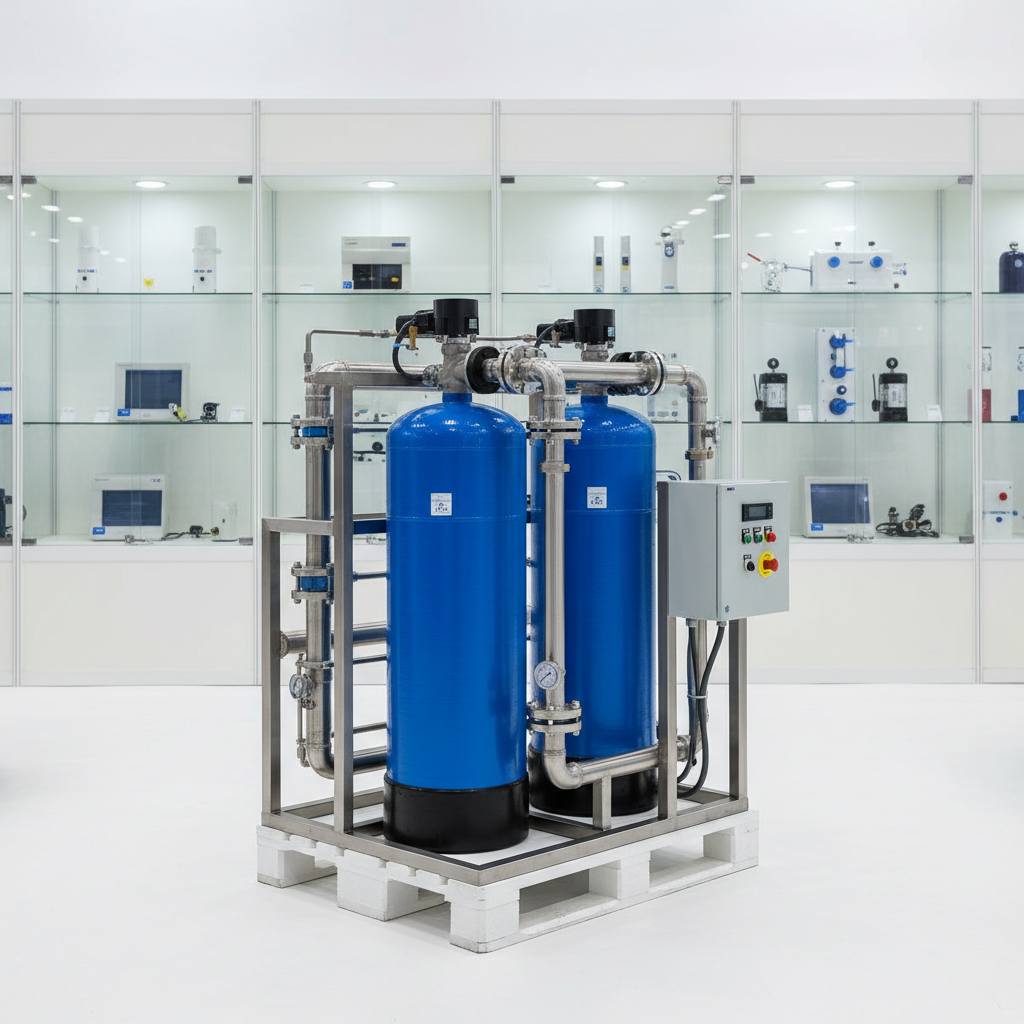
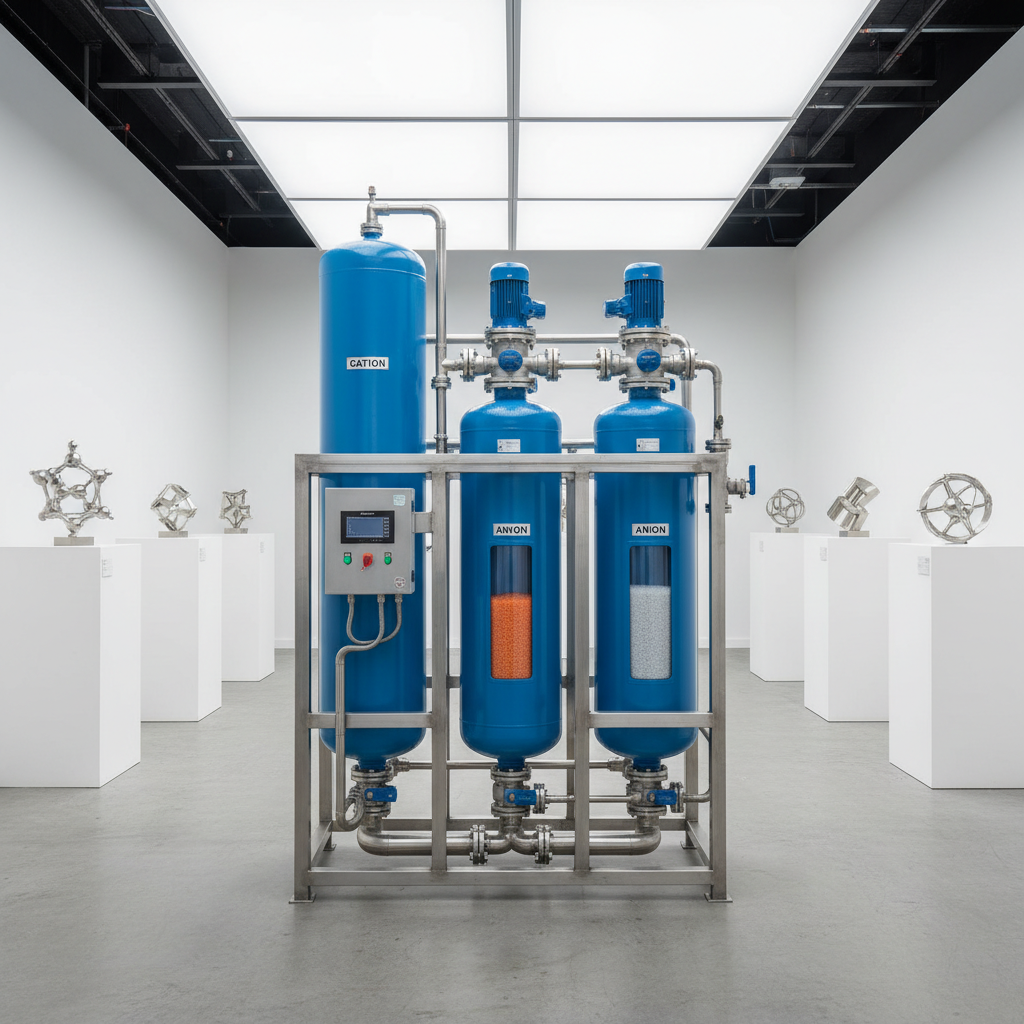
Mixed bed water softener technology has become a cornerstone in achieving the exceptionally high water purity required by numerous industrial and scientific processes. The ability of these systems to remove nearly all dissolved ions makes them essential for preventing scaling, corrosion, and contamination in critical equipment.
The evolution of mixed bed technology has seen continuous improvements in resin materials, system design, and automation capabilities. This has resulted in more efficient, reliable, and cost-effective solutions for water purification, making them increasingly accessible to a wider range of applications. Properly designed systems using mixed bed water softener resins are known to last for decades.
The lifespan of mixed bed water softener resin typically ranges from 5 to 10 years, depending on factors such as water quality, operating conditions, and the quality of the resin itself. Regular maintenance, including proper regeneration and cleaning, can significantly extend resin life. Signs of resin degradation include reduced capacity, increased channeling, and the presence of fines.
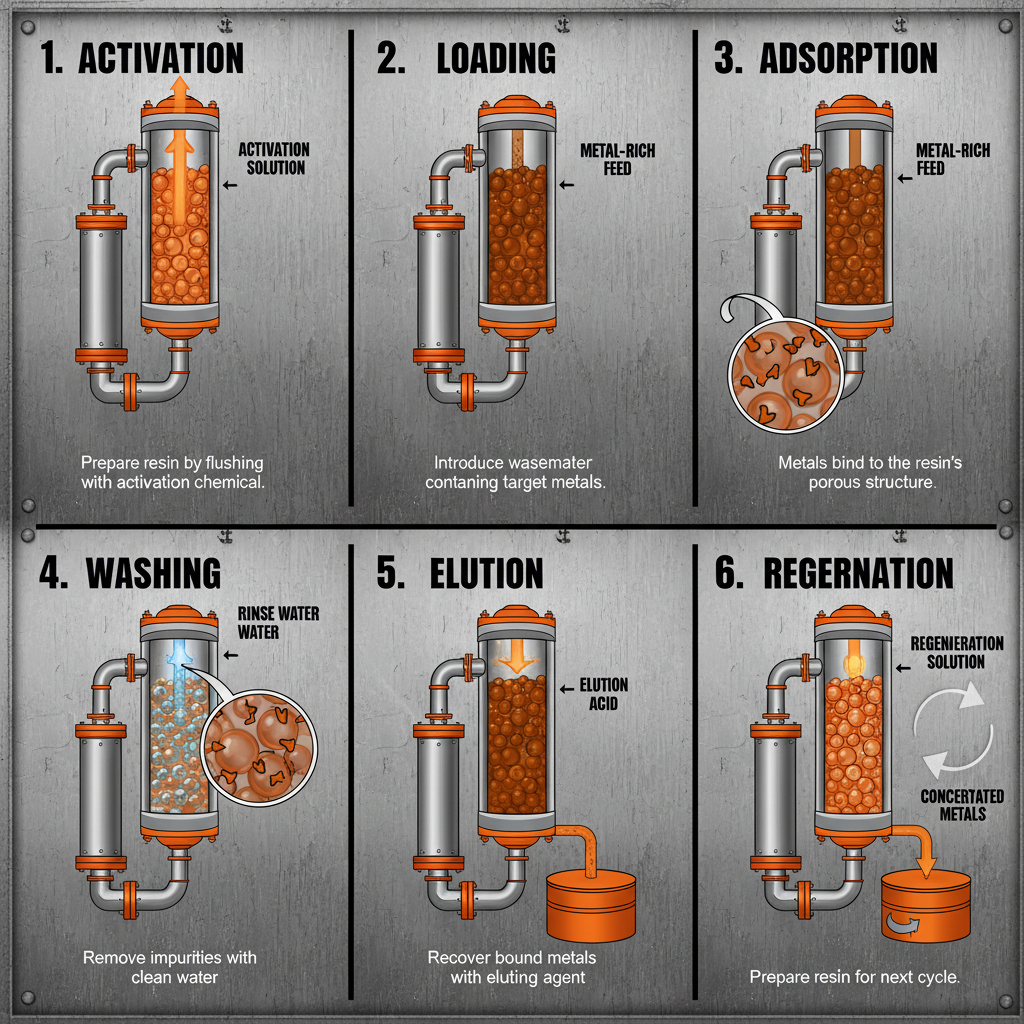
The frequency of regeneration depends on the water usage rate and the initial impurity levels. Systems are often equipped with conductivity monitors that trigger regeneration when the effluent water quality falls below a predetermined threshold. Generally, smaller systems may require regeneration daily, while larger systems can operate for several days or even weeks between cycles.
The primary environmental concern lies in the disposal of spent regenerant solutions (acid and caustic soda). These solutions require careful neutralization and treatment before discharge to prevent water pollution. Sustainable practices include utilizing alternative regeneration chemicals, implementing water recycling systems, and exploring resin regeneration technologies that minimize chemical usage.
While mixed bed systems excel at polishing already treated water, they are not typically used as the primary treatment for brackish water or seawater due to the high levels of dissolved solids. However, they can be effectively integrated into a multi-stage treatment process, following pre-treatment steps like reverse osmosis (RO) to remove the bulk of the salts and impurities.
The cost varies significantly based on system size, flow rate, and water quality. Initial investment includes the system itself, installation, and resin. Operating costs encompass regeneration chemicals, electricity, water usage, and maintenance. However, the long-term benefits of reduced downtime, improved product quality, and lower water consumption often outweigh these costs.
Regular maintenance includes monitoring water quality, checking resin levels, inspecting system components for leaks or damage, and adhering to a scheduled regeneration program. Professional servicing by qualified technicians is recommended periodically to ensure optimal performance and extend system lifespan. Keep accurate records of maintenance activities and water quality data.
Mixed bed water softener technology stands as a critical component in achieving ultra-pure water quality, playing an indispensable role across diverse industries and applications. Its ability to consistently remove virtually all ionizable impurities ensures process integrity, enhances product quality, and promotes sustainability. The ongoing advancements in resin materials, system automation, and digital integration promise even greater efficiency, reliability, and environmental responsibility in the years to come.
Investing in a properly designed and maintained mixed bed system is not simply an expense, but a strategic investment in long-term operational efficiency, regulatory compliance, and environmental stewardship. For businesses and organizations requiring exceptional water purity, understanding and leveraging this technology is paramount. Visit our website at lijiresin.com to learn more about our comprehensive solutions and expertise in mixed bed water softener technology.