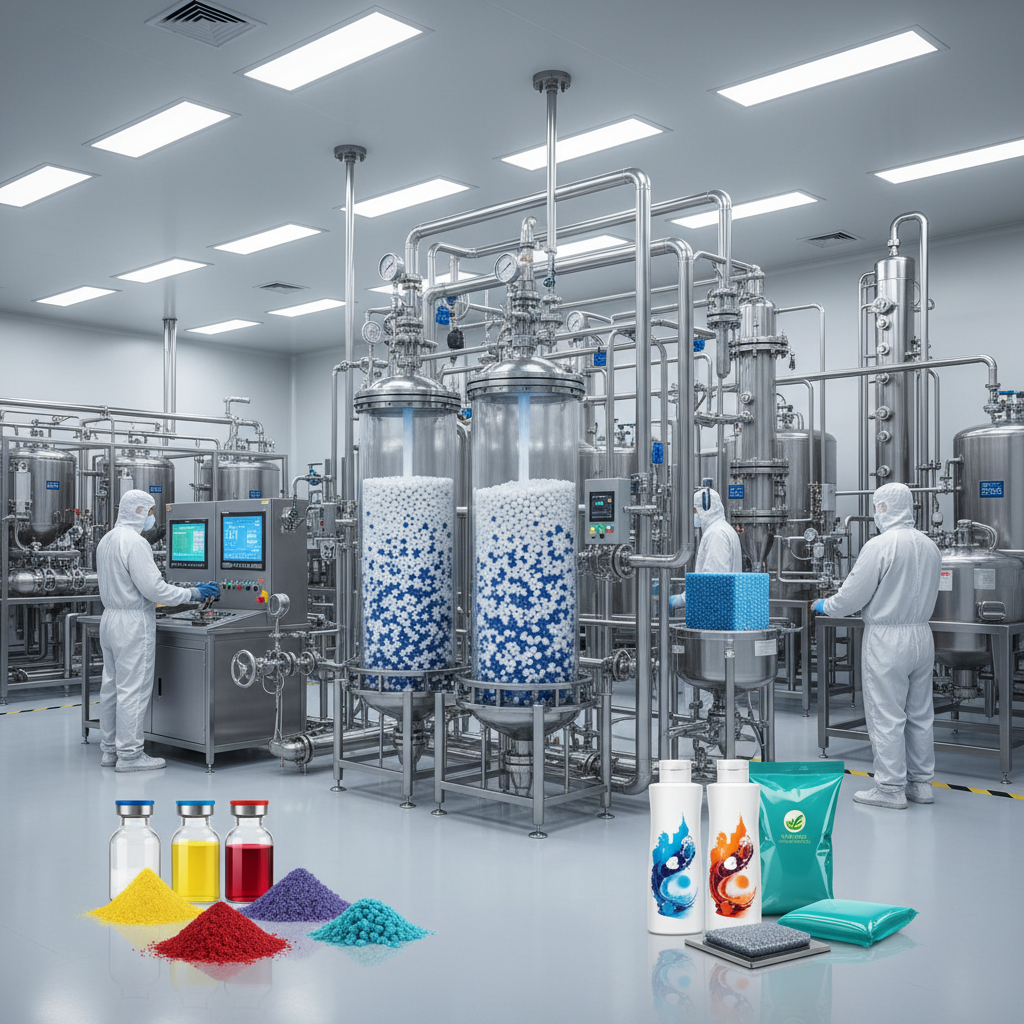
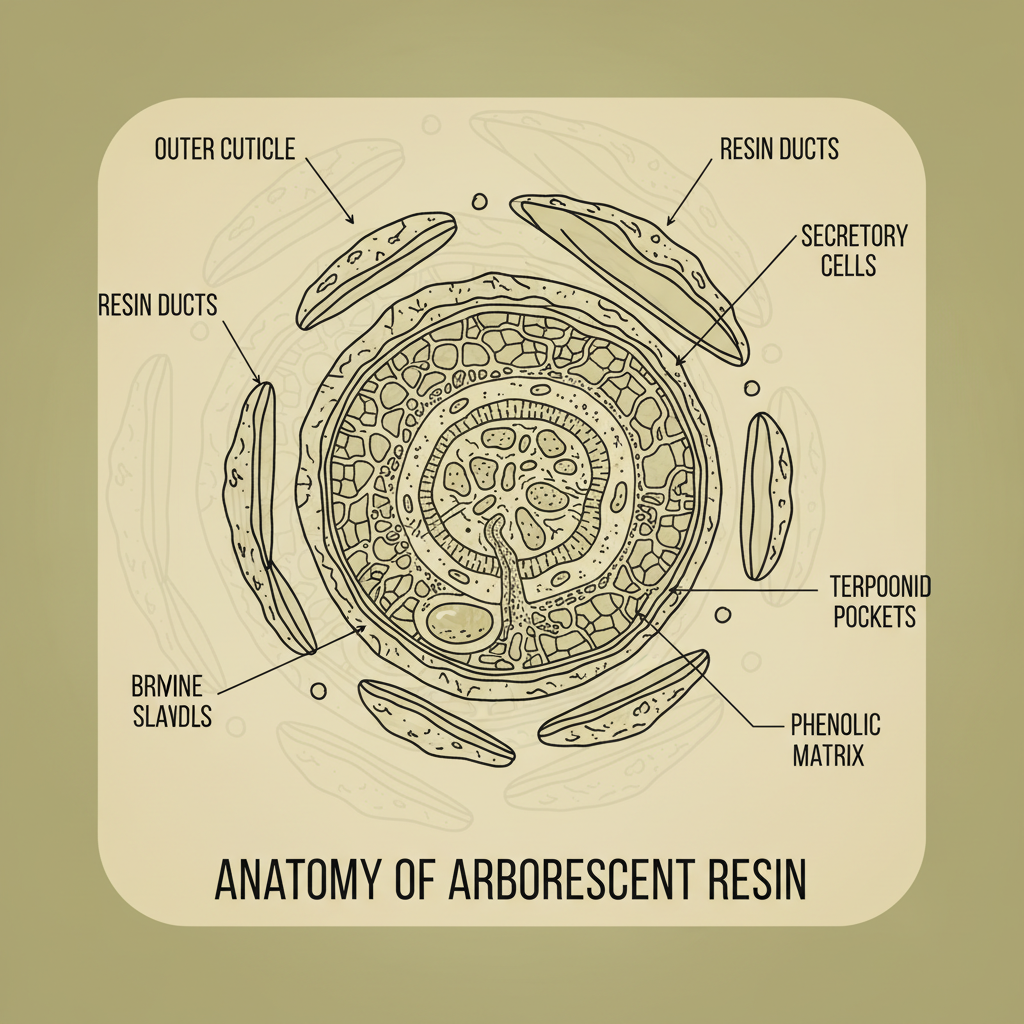
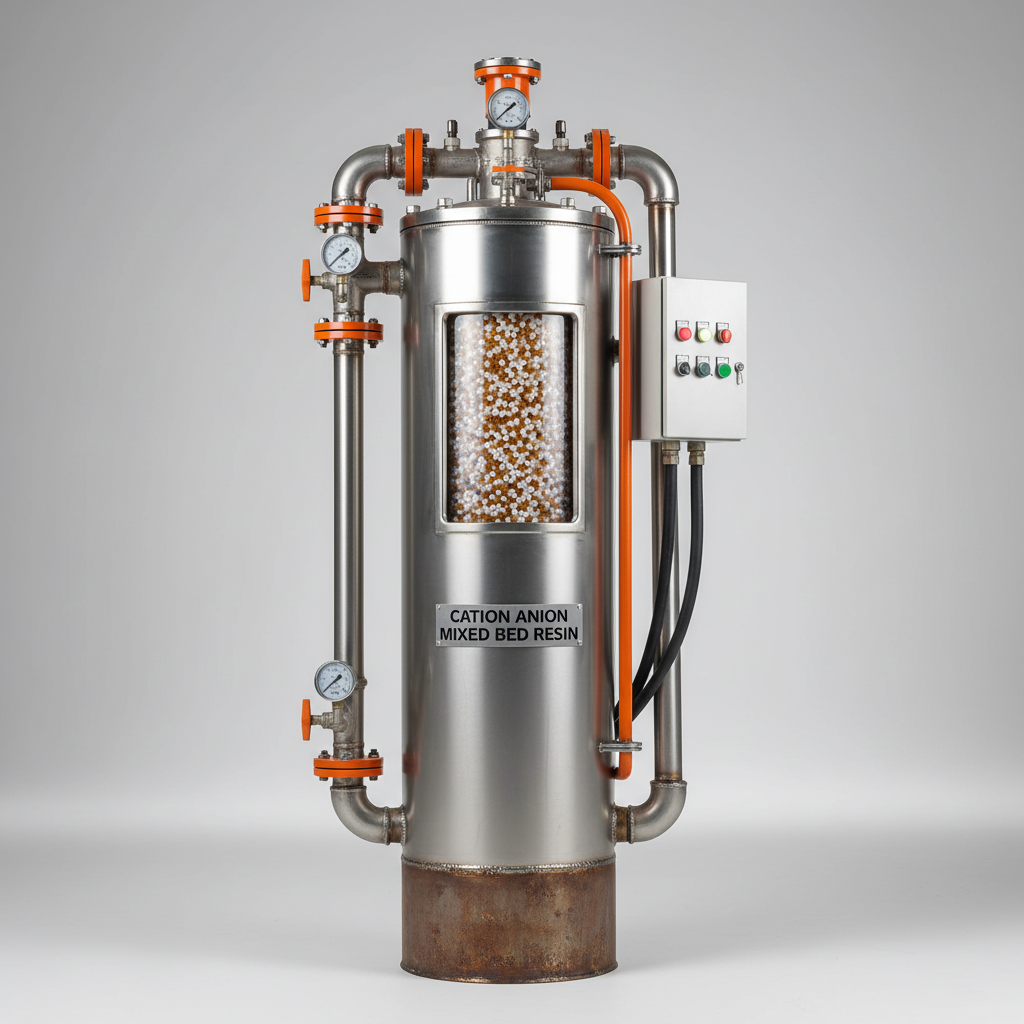
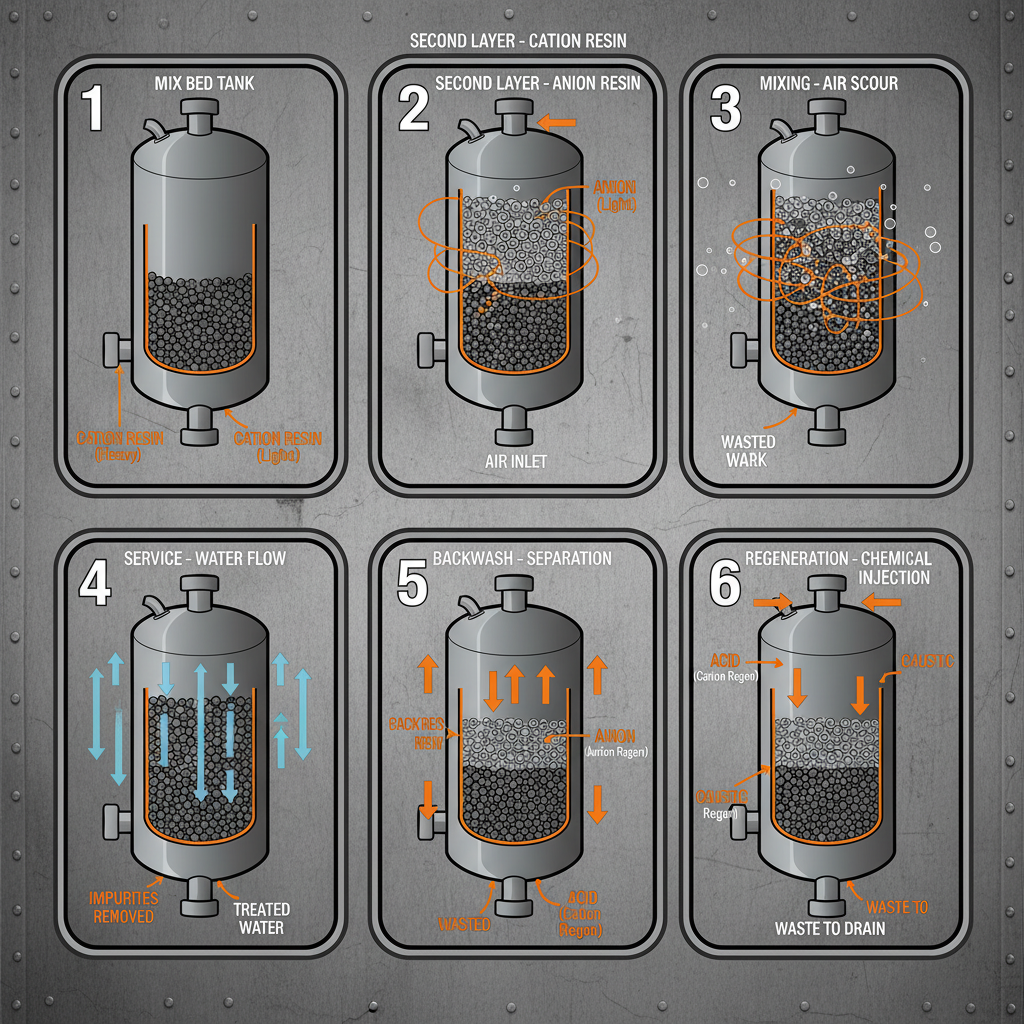
Mixed di resin represents a significant advancement in material science, offering a unique combination of properties applicable to a vast array of industries. Its versatility stems from the precise control over its composition, allowing for tailored performance characteristics ideal for demanding applications. Understanding the nuances of mixed di resin is crucial for engineers, designers, and manufacturers seeking innovative and high-performance solutions.
Globally, the demand for durable, lightweight, and chemically resistant materials is steadily increasing, driven by sectors such as aerospace, automotive, construction, and electronics. Mixed di resin directly addresses this need, providing a viable alternative to traditional materials like metals and ceramics. Its ability to be molded into complex shapes further expands its utility, making it a cornerstone of modern manufacturing processes.
Furthermore, continuous research and development in mixed di resin technology are leading to enhanced sustainability and reduced environmental impact. From bio-based resin components to improved recycling processes, the future of this material lies in aligning performance with ecological responsibility. You can explore various applications of mixed di resin on our website.
The Fundamentals of Mixed Di Resin
Mixed di resin’s core strength lies in its ability to combine the best attributes of different resin types, creating a material exceeding the capabilities of any single component. This synergistic effect is achieved through careful formulation and precise control of the mixing process, ensuring optimal homogeneity and performance characteristics.
The foundation of most mixed di resin formulations involves a combination of epoxy, polyester, or vinyl ester resins, often modified with additives like fillers, reinforcing fibers, and curing agents. These components interact on a molecular level, resulting in a material boasting exceptional mechanical properties, chemical resistance, and thermal stability.
The Global Significance of Mixed Di Resin
The escalating global demand for lightweight, high-strength materials has positioned mixed di resin as a critical component in a multitude of sectors. Statistics indicate a consistent year-on-year growth in resin composite usage, particularly in automotive manufacturing, where weight reduction directly correlates with fuel efficiency and reduced emissions. According to the World Bank, sustainable material choices are increasingly influencing infrastructure development projects globally.
Furthermore, the aerospace industry, heavily regulated by ISO standards, relies heavily on mixed di resin for crafting aircraft components. Its high strength-to-weight ratio and ability to withstand extreme temperatures are paramount. The United Nations Sustainable Development Goals (SDGs) further emphasize the importance of durable and efficient materials in achieving sustainable infrastructure and reducing environmental impact.
The challenge lies in scaling production while maintaining consistent quality and promoting sustainable practices. Innovative resin formulations, efficient manufacturing processes, and responsible sourcing of raw materials are all vital to address this challenge and unlock the full potential of mixed di resin.
Defining Mixed Di Resin
Mixed di resin is a composite material created by blending two or more distinct resin types to achieve a specific set of performance characteristics. Unlike single-resin systems, mixed formulations allow engineers to overcome inherent limitations and harness the synergistic benefits of combined chemistries.
This adaptability makes mixed di resin essential in modern industry, providing solutions where a single material falls short. From enhancing impact resistance to improving thermal stability or chemical inertness, the possibilities are virtually limitless. Its versatility extends to a wide range of processing techniques, including casting, molding, and lamination.
The applications of mixed di resin span from critical aerospace components and high-performance automotive parts to protective coatings and durable consumer goods. It plays a crucial role in addressing global needs for infrastructure resilience and sustainable manufacturing practices.
Core Components & Key Characteristics
Several factors define the performance and applicability of mixed di resin. Durability stands out as a primary advantage, with formulations capable of resisting significant impact, abrasion, and fatigue. This is particularly crucial in high-stress environments.
Cost efficiency is another vital aspect. While some specialized resins can be expensive, mixing them strategically with more affordable options can create a cost-effective solution without sacrificing key properties. Furthermore, mixed di resin formulations often exhibit excellent chemical resistance, making them ideal for use in corrosive environments.
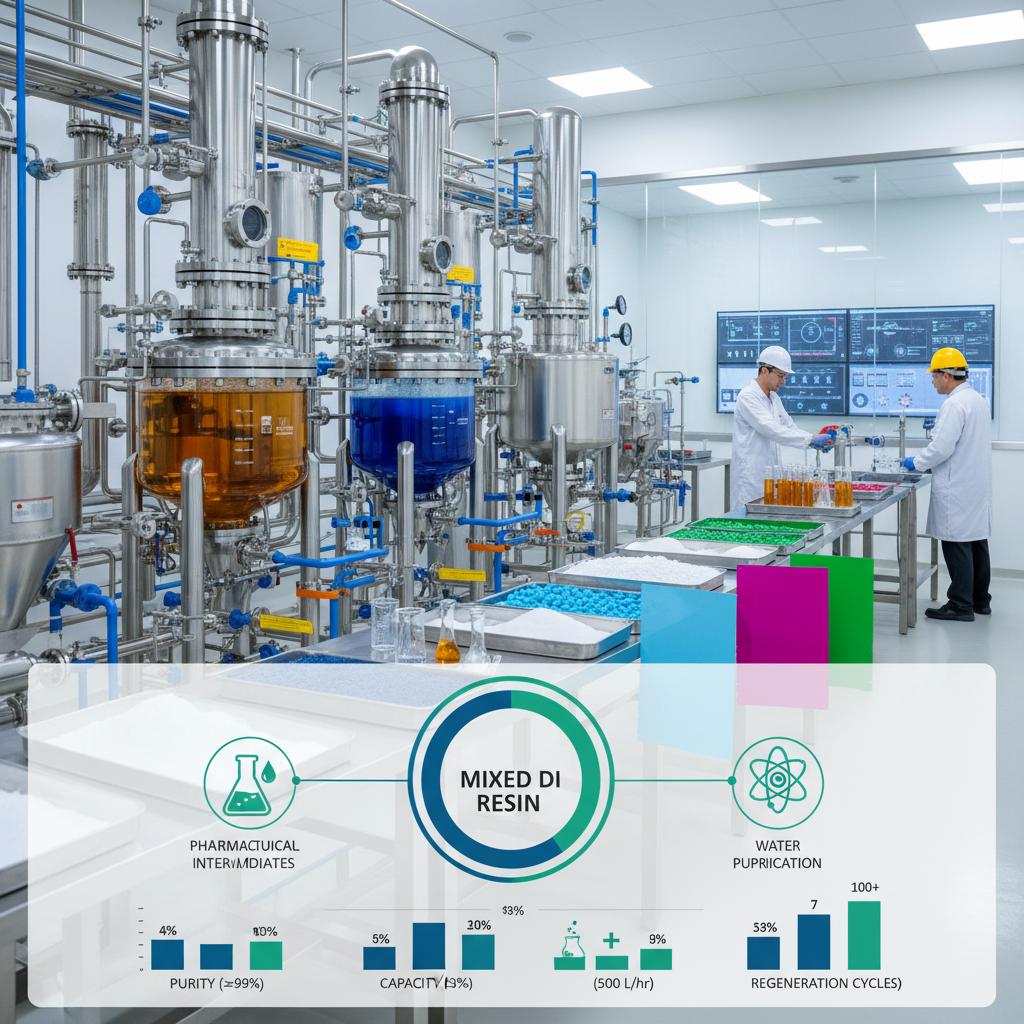
Mixed Di Resin Performance Characteristics
Real-World Applications of Mixed Di Resin
Mixed di resin finds application in a diverse range of industries. In the automotive sector, it’s used for manufacturing lightweight body panels, reducing vehicle weight and improving fuel efficiency. In aerospace, it's critical for creating strong, yet lightweight, aircraft components.
Within the construction industry, mixed di resin is used in producing durable and weather-resistant coatings for infrastructure projects. In remote industrial zones, its ease of application and long-term reliability make it ideal for protecting pipelines and equipment from corrosion.
Advantages and Long-Term Value Proposition
The benefits of utilizing mixed di resin are multifaceted. From a cost perspective, tailored formulations can offer significant savings compared to using single, high-performance resins. Sustainability is also a key advantage, particularly with the growing availability of bio-based resin components and improved recycling technologies.
Socially, mixed di resin contributes to safer and more durable infrastructure. Logically, it offers enhanced product performance and a longer service life. These factors collectively build trust among stakeholders and drive innovation across various industries.
Future Trends and Innovations in Mixed Di Resin
Ongoing research is focusing on developing ‘smart’ mixed di resin formulations with self-healing capabilities and integrated sensors for structural health monitoring. The incorporation of nanomaterials is also enhancing mechanical properties and creating materials with unprecedented strength and durability.
Furthermore, advancements in digital transformation and automation are streamlining the manufacturing process, enabling precise control over resin mixing and curing. The drive for sustainability is pushing the development of bio-based and recyclable resin components, further reducing the environmental footprint of mixed di resin applications.
The integration of green energy technologies into resin production processes, such as utilizing renewable energy sources, is also gaining traction. These innovations position mixed di resin as a key enabler of a more sustainable and efficient future.
Summary of Mixed Di Resin Challenges and Potential Solutions
| Challenge |
Impact on Mixed Di Resin Performance |
Potential Solution |
Implementation Complexity (1-5) |
| Inconsistent Resin Mixing |
Reduced mechanical properties, uneven curing |
Automated mixing equipment with precise control |
3 |
| High Raw Material Costs |
Increased overall production expenses |
Exploring alternative, cost-effective resin sources |
2 |
| Limited Recyclability |
Environmental concerns, waste management challenges |
Developing innovative recycling processes for resin composites |
4 |
| Variations in Curing Processes |
Inconsistent material properties and performance |
Implementing standardized curing protocols and monitoring systems |
3 |
| Lack of Skilled Labor |
Improper material handling and processing |
Providing comprehensive training programs for resin composite workers |
2 |
| Susceptibility to UV Degradation |
Reduced lifespan and performance in outdoor applications |
Incorporating UV stabilizers and protective coatings |
1 |
FAQS
Mixed di resin offers several advantages over steel, including a significantly lower weight, excellent corrosion resistance, and the ability to be molded into complex shapes. This translates to improved fuel efficiency in transportation applications, reduced maintenance costs, and greater design flexibility. It’s particularly beneficial where weight reduction and durability are critical, offering a longer lifespan in harsh environments.
The resin blend is paramount. Different resin combinations yield vastly different properties. For example, adding polyester resin to epoxy can reduce costs while maintaining good strength. Incorporating vinyl ester resin can improve chemical resistance. Careful selection and precise mixing ratios are crucial to achieving the desired performance characteristics for a specific application, allowing for tailored solutions.
The lifespan varies depending on the application, environmental conditions, and the specific resin formulation used. However, structures built with mixed di resin can generally last for several decades with minimal maintenance. Proper surface coatings and regular inspections can further extend the service life, ensuring long-term durability and cost-effectiveness.
Traditional resins aren’t always environmentally friendly, but significant progress is being made. Bio-based resins, derived from renewable sources, are increasingly available as sustainable alternatives. Furthermore, ongoing research is focused on developing recyclable resin composites and reducing the carbon footprint of the manufacturing process, contributing to a more circular economy.
Mixed di resin is widely used in boat building for hulls, decks, and structural components due to its excellent water resistance, strength, and lightweight properties. It’s also used for creating corrosion-resistant coatings for marine infrastructure and components, protecting them from the harsh saltwater environment and prolonging their service life.
When working with mixed di resin, it's essential to wear appropriate personal protective equipment (PPE), including gloves, respirators, and eye protection. Ensure adequate ventilation in the work area to minimize exposure to fumes. Always follow the manufacturer's safety guidelines and handle the materials in a well-ventilated environment to mitigate potential health risks.
Conclusion
In conclusion, mixed di resin represents a transformative material with broad implications for numerous industries. Its unique combination of durability, versatility, and potential for sustainability positions it as a key enabler of innovation and progress. Understanding the core principles, applications, and future trends of mixed di resin is crucial for professionals seeking to leverage its full potential.
Looking ahead, continued research and development will undoubtedly unlock even more advanced applications for mixed di resin, driving further efficiencies and minimizing environmental impact. By embracing innovation and fostering collaboration, we can unlock the full capabilities of this remarkable material and shape a more sustainable and resilient future. Visit our website at www.lijiresin.com to learn more about our comprehensive range of mixed di resin solutions.