0%

Table of Contents

The global demand for efficient and reliable water purification solutions is constantly increasing, driven by factors like population growth, industrial expansion, and growing environmental concerns. mix bed systems have emerged as a critical technology for achieving high-purity water, vital for industries ranging from pharmaceuticals and power generation to food and beverage production. Understanding the principles and applications of mix bed technology is therefore increasingly important for professionals and organizations worldwide.

These systems aren't limited to industrial applications. The need for clean and safe drinking water, particularly in developing countries and disaster relief scenarios, highlights the importance of scalable and portable water purification methods. mix bed technology offers a viable solution for addressing these challenges, providing a cost-effective and efficient means of removing a wide range of contaminants. The advancements in resin technology further improve the performance and longevity of these systems.

Furthermore, the stringent regulatory requirements surrounding water quality necessitate sophisticated purification processes. mix bed systems play a crucial role in meeting these standards, ensuring compliance and protecting public health. Ongoing research and development continue to refine these technologies, improving their efficiency, sustainability, and applicability to diverse water sources.
Advancements in Mix Bed Technology for High Purity Water Solutions

The Core Principles of mix bed

Advancements in Mix Bed Technology for High Purity Water Solutions

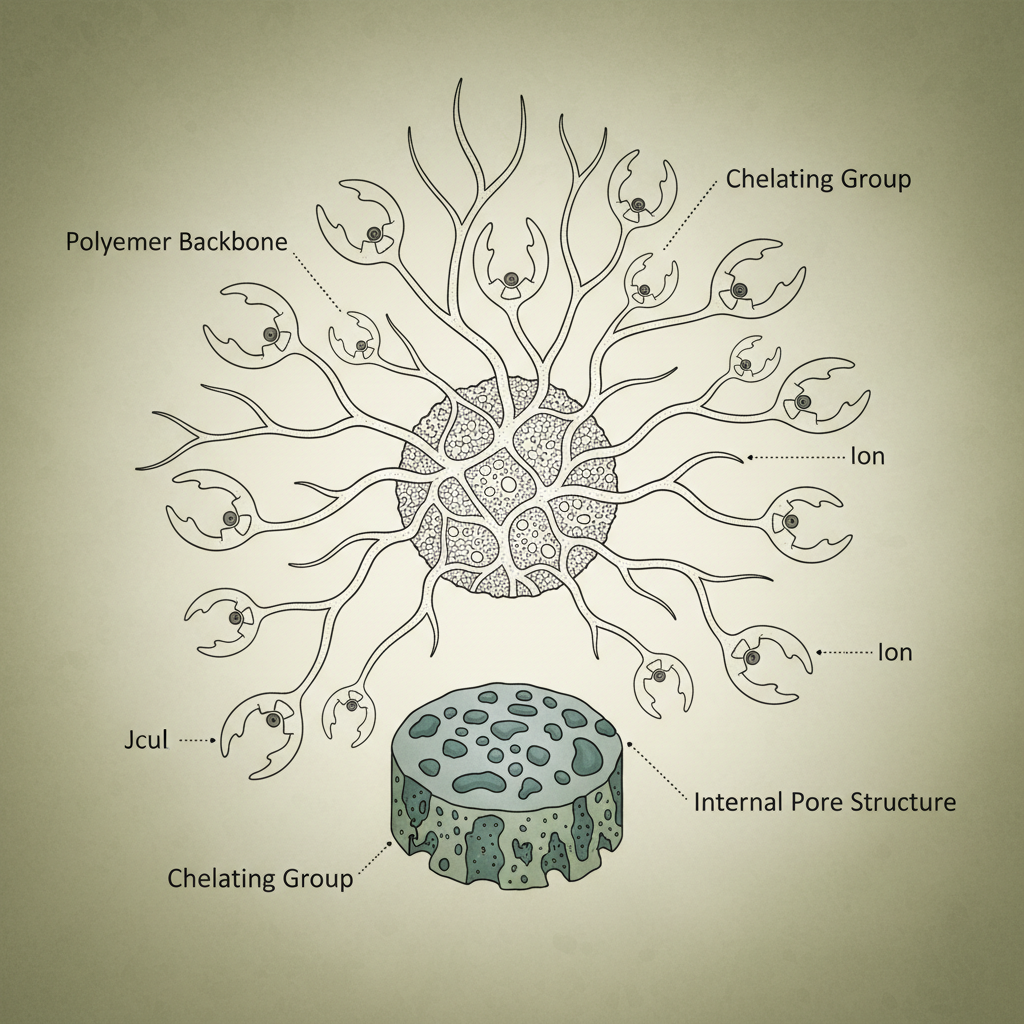
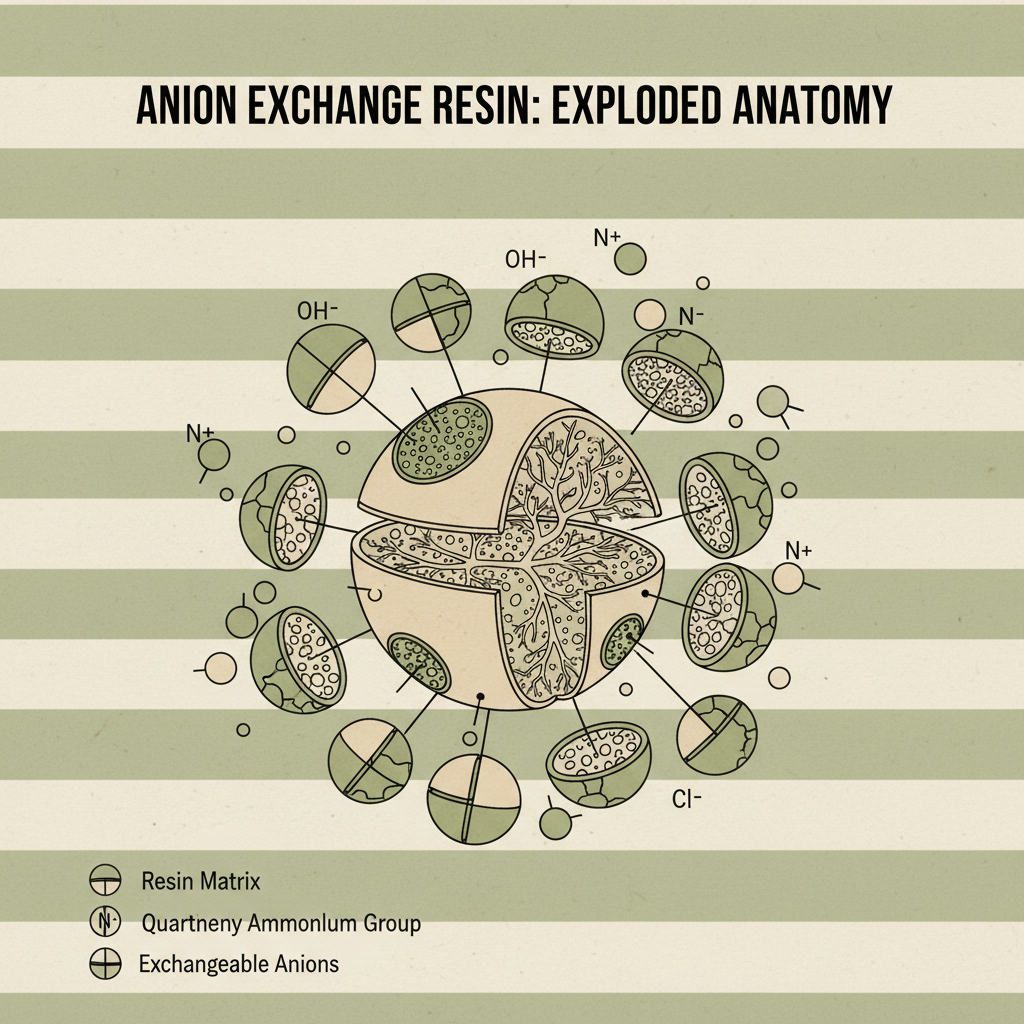
At its heart, a mix bed system relies on the principle of ion exchange to remove impurities from water. This involves using specially manufactured resins – both cation and anion exchange resins – packed together in a single vessel. These resins selectively attract and bind to dissolved ions, replacing them with harmless hydrogen (H+) and hydroxyl (OH-) ions, effectively neutralizing the water.

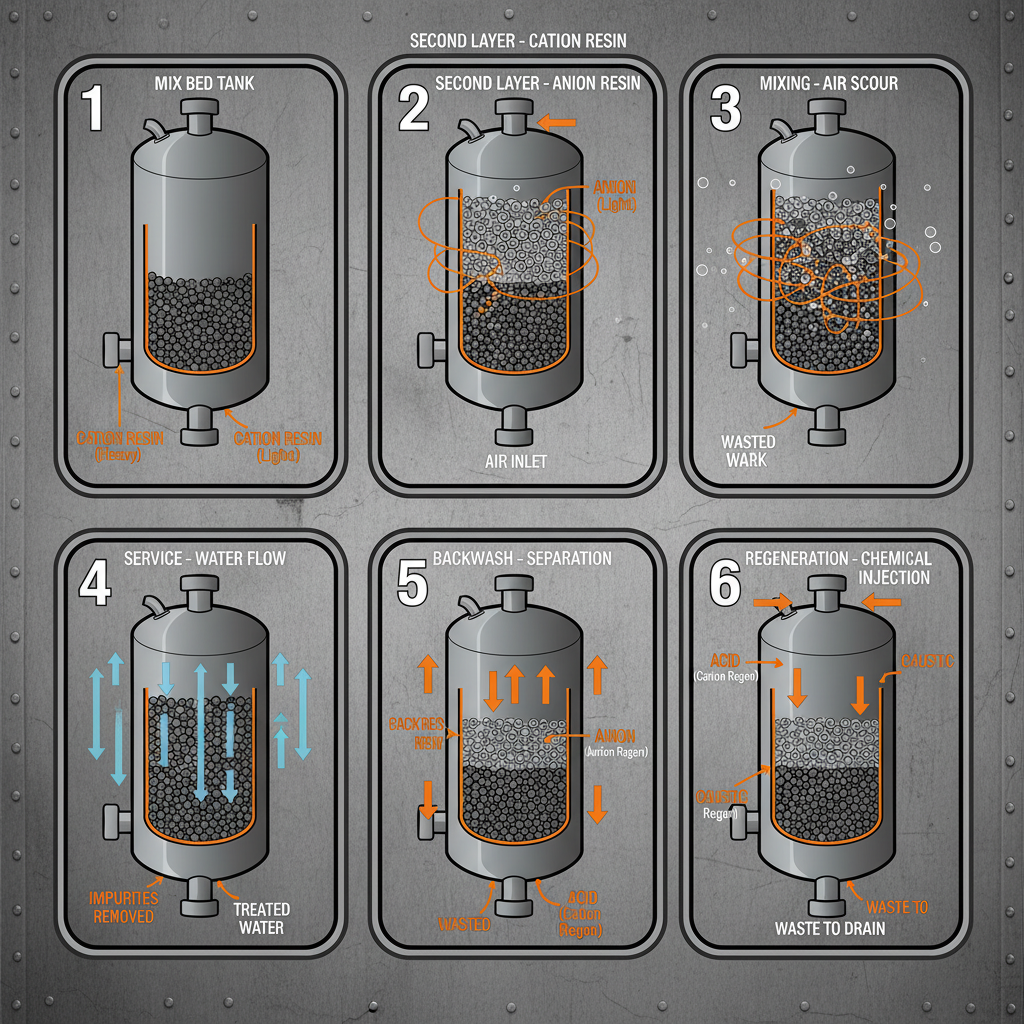
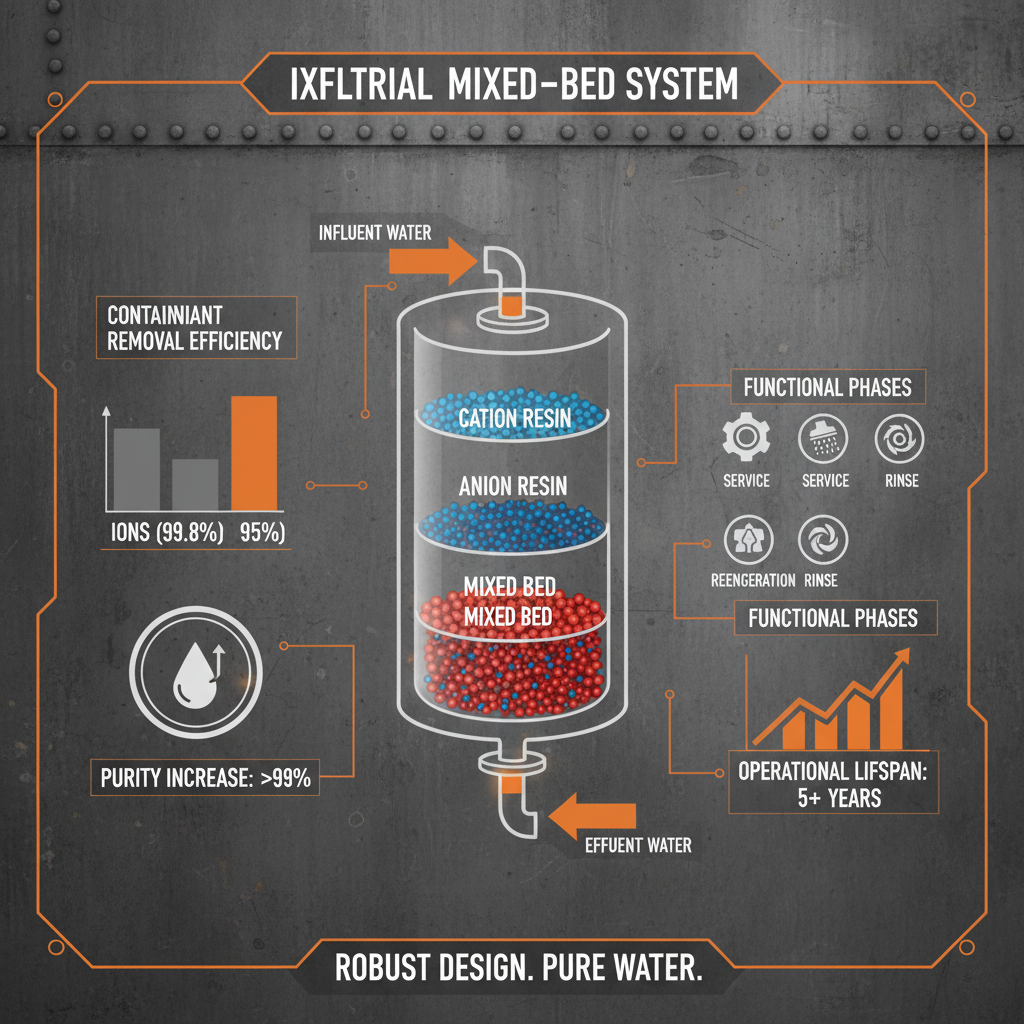
The physical arrangement of the resins within the vessel is critical for optimal performance. A thorough mixing of cation and anion resins ensures complete ion exchange, leading to exceptionally high water purity. This configuration differentiates mix bed systems from traditional two-bed demineralization systems, offering enhanced efficiency and a more compact footprint.

Global Relevance and Water Scarcity

Water scarcity is a growing global crisis, affecting billions of people and threatening ecological stability. The United Nations estimates that over two billion people lack access to safely managed drinking water services. Industrial activities, agricultural practices, and climate change exacerbate this issue, leading to the contamination of existing water sources.

In this context, the ability to effectively and efficiently purify water becomes paramount. mix bed technology provides a reliable solution for tackling a variety of water contaminants, including dissolved salts, minerals, and organic compounds. Its adaptability to diverse water sources – from groundwater to surface water and even wastewater – makes it an invaluable tool for addressing water scarcity challenges worldwide.

Furthermore, the increasing demand for ultrapure water in industries like semiconductor manufacturing, pharmaceuticals, and power generation necessitates advanced purification technologies. mix bed systems are essential in these sectors, ensuring the production of high-quality products and minimizing the risk of operational disruptions.

Defining mix bed Technology

A mix bed is a filtration system used to remove ions from water, achieving high purity. Unlike traditional demineralization processes involving separate cation and anion exchange columns, a mix bed combines both types of resins within a single vessel. This intimate mixing promotes complete ion exchange, producing water with extremely low conductivity and trace contaminant levels.

This technology is fundamentally linked to modern industry's need for ultrapure water. From manufacturing microchips to producing life-saving medications, many processes demand water free from ionic contaminants. It directly addresses humanitarian needs by providing a way to purify water in disaster zones or remote areas.

The efficiency and effectiveness of a mix bed translate to significant cost savings and reduced environmental impact. By minimizing the need for chemical additives and reducing wastewater discharge, this technology offers a sustainable solution for water purification.

Key Components of a mix bed System

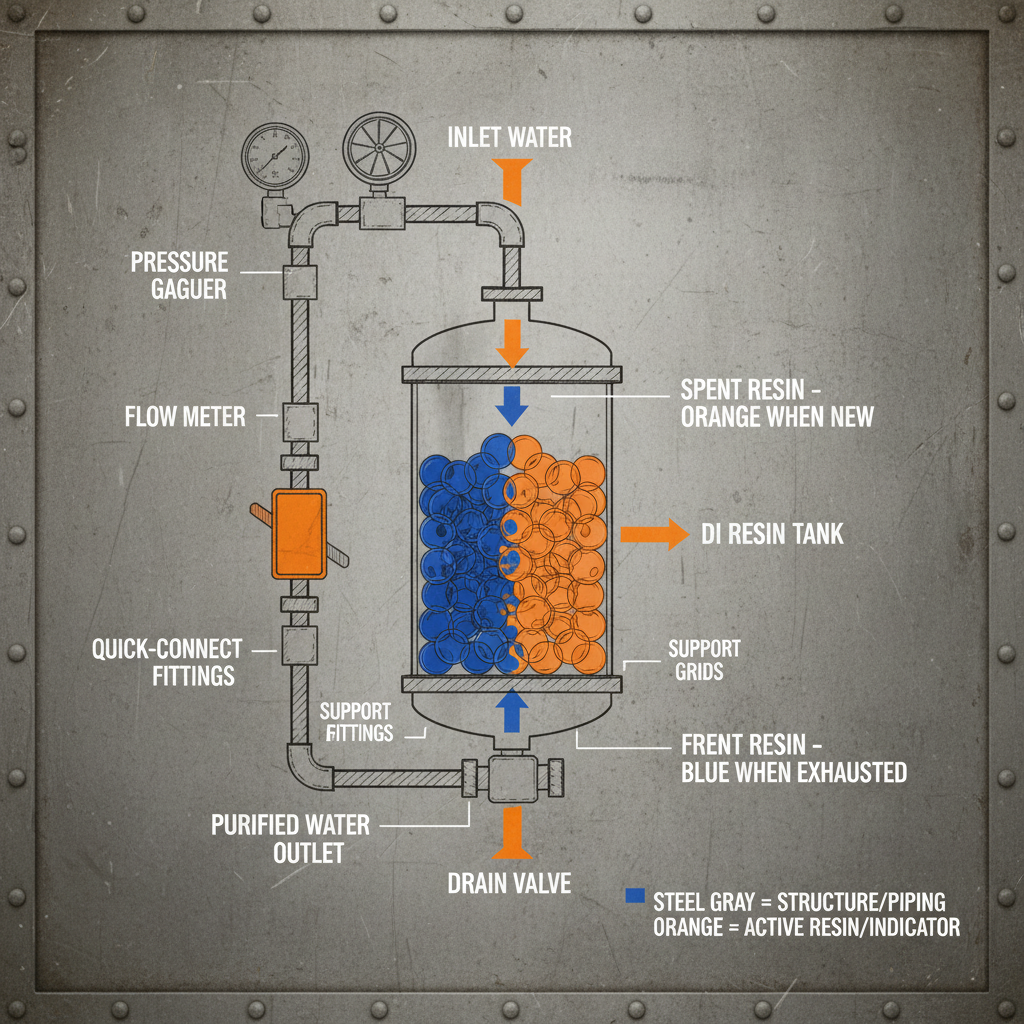
The effectiveness of a mix bed system relies on several crucial components working in harmony. First and foremost are the cation and anion exchange resins themselves. Cation resins remove positively charged ions (like calcium and magnesium), while anion resins remove negatively charged ions (like chloride and sulfate).

Secondly, the vessel housing the resins is designed to withstand high pressure and maintain optimal flow rates. Pre-filters are essential for removing particulate matter and preventing fouling of the resins. Finally, a control system manages the flow of water, monitors water quality, and signals when resin regeneration or replacement is required.

Performance Indicators for Different mix bed Resin Types


Real-World Applications of mix bed

mix bed systems are integral to the operation of power plants, where they purify boiler feed water to prevent scaling and corrosion. In the pharmaceutical industry, they are used to produce ultrapure water for drug manufacturing and laboratory research.

The semiconductor industry relies heavily on mix bed systems to create the highly purified water needed for etching and cleaning silicon wafers. In post-disaster relief operations, portable mix bed units provide access to safe drinking water for affected populations, and in remote industrial zones, they offer a sustainable source of purified water where access to municipal water supplies is limited.

Benefits and Sustainability of mix bed

The advantages of using a mix bed system are numerous. Compared to other purification methods, they offer superior water quality, a compact footprint, and reduced chemical consumption. They’re cost-effective in the long run due to their efficiency and lower maintenance requirements.

From a sustainability standpoint, mix bed systems minimize wastewater generation and reduce the reliance on environmentally harmful chemicals. The resins themselves can be regenerated and reused, further reducing their environmental impact. This aligns with the growing global emphasis on responsible water management and sustainable industrial practices.

Future Trends and Innovations in mix bed

Ongoing research is focused on developing new and improved resin materials with higher capacity, selectivity, and durability. The integration of advanced monitoring and control systems, powered by artificial intelligence, is optimizing system performance and reducing operational costs.

Furthermore, the development of sustainable resin regeneration methods, utilizing renewable energy sources, is gaining traction. Combining mix bed technology with membrane filtration and other advanced purification techniques promises even higher levels of water purity and resource efficiency, catering to the ever-evolving demands of various industries.

Comparison of mix bed System Performance Metrics

Resin Type Water Purity (µS/cm) Regeneration Frequency Operational Cost (USD/m³)
Type I Resin 0.1 15 days 2.50
Type II Resin 0.2 20 days 2.00
Type III Resin 0.3 25 days 1.75
Type IV Resin 0.15 18 days 2.25
Type V Resin 0.25 22 days 1.90
Type VI Resin 0.12 16 days 2.35

FAQS

What is the typical lifespan of resins within a mix bed system?

The lifespan of resins in a mix bed system varies based on feed water quality, flow rate, and regeneration frequency. Typically, resins can last 5-10 years with proper maintenance, but degradation occurs over time due to chemical and physical stresses. Regular monitoring of water quality and resin performance is crucial for determining when replacement is necessary. Proactive replacement prevents reduced purification efficiency and potential system failures.

How often does a mix bed system require regeneration?

The frequency of regeneration depends on the system’s capacity, the level of contaminants in the feed water, and the desired water purity. Generally, regeneration is performed when the effluent resistivity drops below a specified threshold. Systems may require regeneration daily, weekly, or less frequently, depending on these factors. Automated monitoring and control systems can optimize regeneration cycles to minimize chemical consumption and maximize resin lifespan.

What types of contaminants can a mix bed system effectively remove?

A mix bed system excels at removing a wide range of ionic contaminants, including dissolved salts, minerals (like calcium, magnesium, and silica), and heavy metals. It also effectively removes acidic and alkaline substances. However, it’s less effective at removing non-ionic contaminants like organic molecules or bacteria, and pretreatment may be required for these substances.

Is a mix bed system suitable for all water sources?

While highly versatile, mix bed systems aren’t universally suitable for all water sources. Heavily contaminated water with high levels of organic matter or suspended solids often requires pretreatment steps like filtration and carbon adsorption. The system's suitability depends on a comprehensive water analysis to determine the specific contaminants present and their concentrations.

What are the costs associated with owning and maintaining a mix bed system?

Costs include the initial purchase price of the system, resin replacement, chemicals for regeneration, electricity for pumps and controls, and ongoing maintenance. Resin replacement is typically the most significant ongoing cost. Proper maintenance, including regular monitoring and timely regeneration, can extend resin lifespan and minimize overall costs. Consider also the labor costs for operation and maintenance.

What are the environmental considerations when using a mix bed system?

The primary environmental concern is the disposal of spent regeneration chemicals. These typically contain concentrated salts and acids/bases. Responsible disposal practices, such as neutralization and discharge to a wastewater treatment facility, are essential. Efforts to minimize chemical consumption through optimized regeneration cycles and resin selection contribute to a reduced environmental footprint.

Conclusion

In conclusion, mix bed technology represents a critical component in addressing global water purification challenges. Its ability to produce exceptionally high-purity water, coupled with its adaptability to diverse applications and increasing sustainability, makes it an indispensable tool for industries, communities, and humanitarian organizations alike. Understanding the principles, benefits, and future trends of mix bed systems is essential for professionals seeking effective and responsible water management solutions.

As water scarcity and quality concerns intensify, continued innovation in resin technology, monitoring systems, and regeneration methods will be crucial. Investing in research and development, promoting sustainable practices, and expanding access to mix bed technology are vital steps toward ensuring a secure and sustainable water future for all. Visit our website at www.lijiresin.com to learn more.
Robert Chen

Robert Chen

Robert Chen serves as the North American Sales Manager for Hebei Lijiang Biotechnology. Robert is responsible for expanding our presence in the US and Canada, building strong relationships with distributors and end-users. He brings a decade of experience in industrial chemical sales, with a proven track record of exceeding sales
Previous Advancements in Mixed Bed Di Systems for Ultra Pure Water Production
Next Advancements in Ion Exchange Resin Bed Technology for Sustainable Solutions