0%

Table of Contents

Mixed bed ion exchange resin for water treatment is a critical process in achieving ultra-pure water quality, essential for a vast range of industries and applications. The increasing global demand for high-purity water, driven by advancements in pharmaceuticals, microelectronics, and power generation, has underscored the importance of efficient and reliable water purification technologies. Understanding the principles and applications of mixed bed ion exchange resin is therefore paramount for professionals and stakeholders involved in water resource management and industrial processes.

The use of mixed bed ion exchange resin addresses a significant global challenge: the scarcity of readily available, high-quality water. As populations grow and industrial activity intensifies, the need for advanced purification methods to remove trace contaminants becomes increasingly urgent. This technology offers a sustainable and cost-effective solution for achieving water purity levels necessary for sensitive applications, directly impacting public health, industrial productivity, and environmental sustainability.

The benefits of employing this system are diverse, ranging from improved product quality in manufacturing to reduced operational costs through minimized equipment fouling and downtime. The effectiveness of mixed bed ion exchange resin makes it a cornerstone of many critical water treatment strategies worldwide, serving as a vital link in ensuring the availability of clean, safe, and reliable water resources.
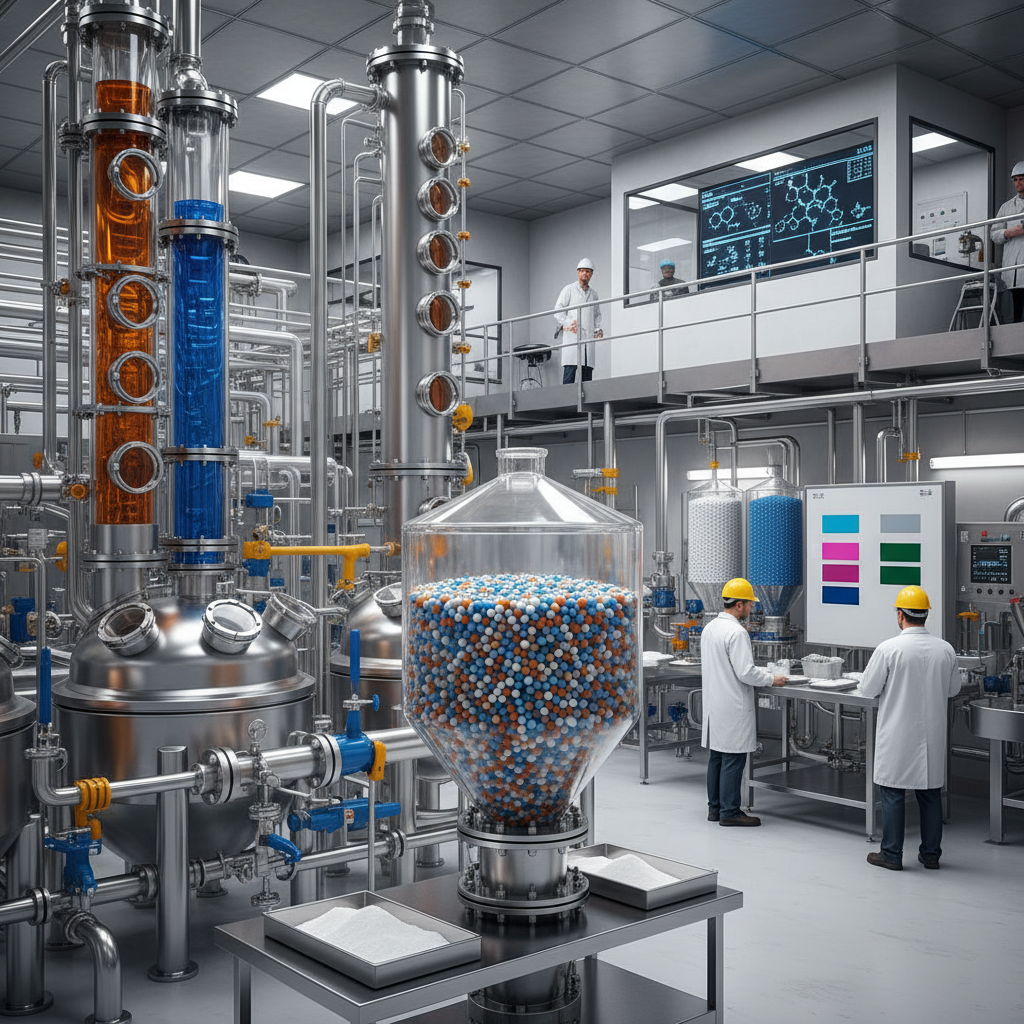
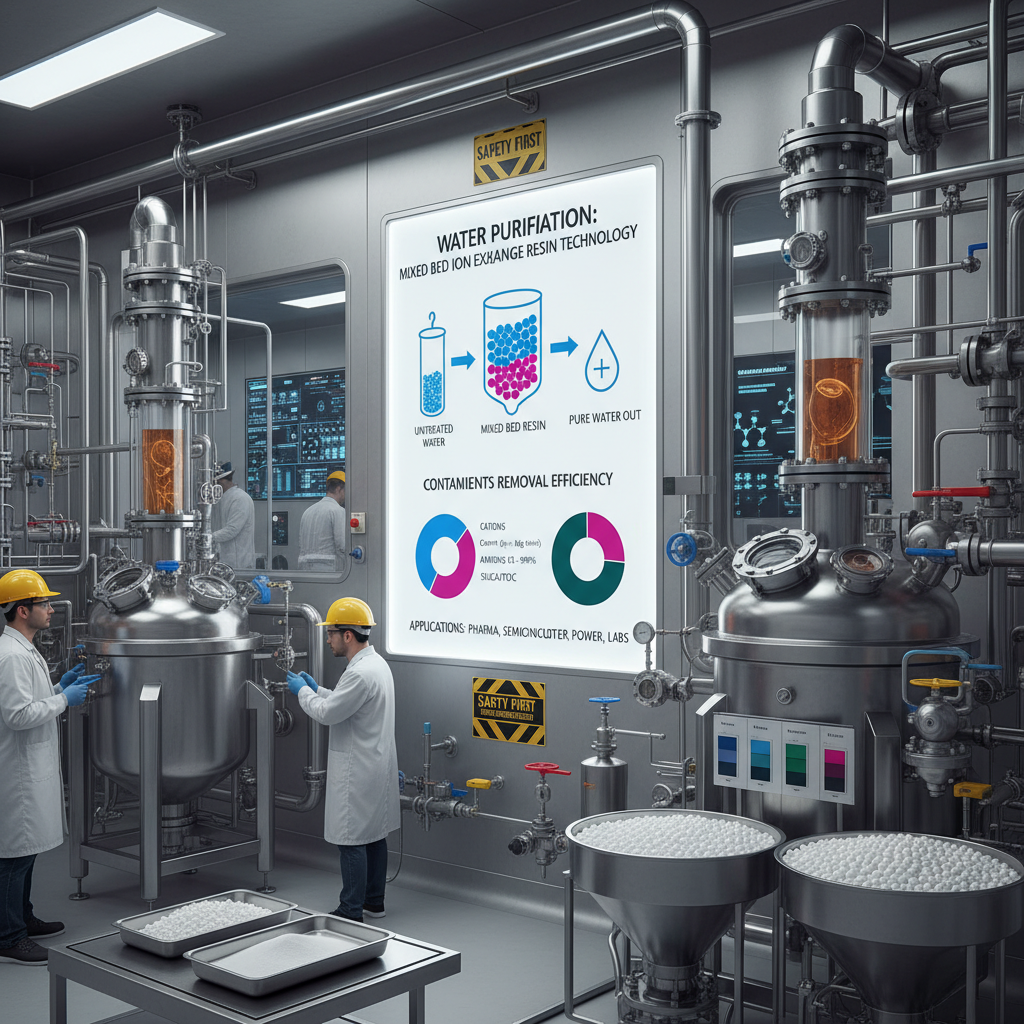
Advancements in Mixed Bed Ion Exchange Resin for Water Treatment Applications

Introduction to Mixed Bed Ion Exchange Resin

Advancements in Mixed Bed Ion Exchange Resin for Water Treatment Applications

Mixed bed ion exchange resin systems represent a sophisticated approach to water purification, employing a combination of cation and anion exchange resins within a single vessel. This configuration maximizes the removal of ionic contaminants, achieving exceptionally high water purity levels. The process is fundamentally based on the reversible exchange of ions between the resin and the water, effectively trapping unwanted minerals and impurities.

These systems are crucial for industries demanding ultrapure water, such as semiconductor manufacturing, power generation, and pharmaceutical production. Their ability to consistently deliver water exceeding stringent quality standards makes them indispensable in applications where even trace contaminants can compromise product integrity or operational efficiency.

Global Relevance and Applications

The demand for mixed bed ion exchange resin for water treatment is globally pervasive. According to the UN, access to clean water is a fundamental human right, and advanced purification technologies are essential for meeting this need in many regions. Developing nations facing water scarcity rely heavily on these systems for providing potable water, while industrialized countries utilize them for specialized industrial applications. The World Bank also highlights the economic benefits of investing in water infrastructure, including purification systems, as a catalyst for sustainable development.

Increasing industrialization, particularly in Asia and Latin America, is driving significant growth in the market. The semiconductor industry, with its stringent water quality requirements, is a major consumer. Furthermore, the power generation sector utilizes these resins to prevent scaling and corrosion in boiler systems. The pharmaceutical industry's demand for ultra-pure water for drug manufacturing contributes significantly to the overall global demand.

In post-disaster relief operations, portable mixed bed ion exchange units are often deployed to provide safe drinking water to affected populations. Similarly, in remote industrial zones, where access to municipal water supplies is limited, these systems provide a reliable source of high-purity water for operations. This versatile technology addresses a diverse array of challenges across different geographies and industries.

Defining Mixed Bed Ion Exchange Resin

Mixed bed ion exchange resin for water treatment refers to a filtration process employing both cation and anion exchange resins contained within the same vessel. Cation resins remove positively charged ions (like calcium and magnesium), while anion resins remove negatively charged ions (like chloride and sulfate). The ‘mixed bed’ aspect ensures that these resins are thoroughly intermingled, maximizing ion exchange efficiency and achieving exceptionally high purity levels.

This technology is distinct from single-bed systems, which typically require multiple stages to achieve comparable water quality. By combining both resin types in a single unit, mixed bed systems streamline the purification process, reduce equipment footprint, and minimize the risk of ionic breakthrough – the escape of unwanted ions into the treated water.

The connection to modern industry and humanitarian needs is profound. Industries like pharmaceuticals and electronics cannot function without ultra-pure water, and mixed bed ion exchange resin is often the only technology capable of meeting their rigorous standards. For humanitarian applications, these systems provide access to safe drinking water in areas lacking conventional water treatment infrastructure, directly addressing critical health and sanitation needs.

Key Operational Factors

Several factors determine the effectiveness and longevity of mixed bed ion exchange resin systems. Resin quality is paramount; using high-capacity, uniform particle size resins ensures optimal performance and minimizes pressure drop. Regeneration frequency, the process of replenishing the resin's exchange capacity, also plays a crucial role, with optimal frequency varying depending on feed water quality and system demand.

System design, including proper vessel sizing and resin bed depth, is vital for maximizing contact time between the water and the resin. Careful control of flow rate is essential to prevent channeling, where water preferentially flows through certain areas of the resin bed, reducing overall efficiency.

Mixed Bed Ion Exchange Resin Performance Metrics


Real-World Use Cases

Mixed bed ion exchange resin systems are integral to semiconductor manufacturing, where ultrapure water is critical for cleaning silicon wafers and preventing contamination during microchip fabrication. The pharmaceutical industry relies on these systems to produce pyrogen-free water for injectable drugs and other sterile products, ensuring patient safety.

Power plants employ these resins to purify boiler feedwater, minimizing scaling and corrosion, thereby extending equipment lifespan and improving operational efficiency. In the food and beverage industry, they are used to remove unwanted minerals and improve the taste and quality of products. These applications demonstrate the breadth of impact across diverse sectors.

Advantages and Long-Term Value

The advantages of using mixed bed ion exchange resin for water treatment are substantial. Cost-effectiveness is achieved through reduced chemical consumption and lower operational expenses compared to alternative purification methods. Sustainability is enhanced by minimizing water waste and reducing the environmental impact of industrial processes. Reliability is ensured by the consistent delivery of high-purity water, minimizing downtime and maximizing productivity.

Beyond these tangible benefits, the implementation of these systems fosters safety by removing harmful contaminants from water supplies. It also promotes innovation by enabling industries to meet increasingly stringent quality standards and develop new products. Ultimately, investing in mixed bed ion exchange resin reflects a commitment to responsible resource management and long-term operational success.

Future Trends and Innovations

The future of mixed bed ion exchange resin for water treatment is poised for significant advancements. Ongoing research focuses on developing novel resin materials with enhanced selectivity and capacity. The integration of digital technologies, such as real-time monitoring and predictive analytics, is optimizing system performance and reducing operational costs.

Automation of resin regeneration processes is streamlining operations and minimizing human intervention. Furthermore, the adoption of sustainable practices, such as the use of bio-based resins and energy-efficient regeneration techniques, is gaining traction. These innovations are driven by the growing demand for more efficient, sustainable, and cost-effective water purification solutions.

The convergence of these trends will likely lead to the development of ‘smart’ water treatment systems that can adapt to changing feed water conditions and optimize performance in real-time. This will be crucial for meeting the escalating challenges of global water scarcity and ensuring the availability of clean water for future generations.

FAQS

What is the typical lifespan of mixed bed ion exchange resin?

The lifespan of mixed bed ion exchange resin typically ranges from 3 to 7 years, but it’s heavily influenced by feed water quality, operating conditions, and regeneration practices. Regular monitoring of resin performance, including exchange capacity and physical integrity, is crucial for determining when replacement is necessary. Aggressive pre-treatment of feed water can significantly extend resin life by reducing fouling and contamination.

How often should a mixed bed resin system be regenerated?

Regeneration frequency depends on the system's throughput and the contaminant load in the feed water. Monitoring effluent water quality, specifically conductivity, is the most reliable indicator. Regeneration should be performed when effluent conductivity exceeds the desired purity level. Generally, systems are regenerated when they reach breakthrough. Automated monitoring and control systems can optimize regeneration schedules.

What are the common issues with mixed bed resin systems and how can they be addressed?

Common issues include resin fouling, channeling, and loss of exchange capacity. Fouling can be minimized with effective pre-treatment. Channeling can be prevented by ensuring proper resin bed depth and uniform flow distribution. Loss of exchange capacity typically requires resin replacement. Regular resin cleaning and periodic backwashing can help maintain system performance.

What is the cost of operating a mixed bed resin system?

Operating costs include resin regeneration chemicals (acid and caustic soda), water consumption for regeneration, electricity for pumps, and maintenance. Cost-effective operation involves optimizing regeneration frequency, minimizing water waste, and selecting high-quality, long-lasting resins. Careful system design and monitoring contribute to reducing long-term expenses.

How does mixed bed resin compare to reverse osmosis for water purification?

Reverse osmosis (RO) removes a broader range of contaminants, including dissolved salts and organic molecules. Mixed bed resin excels at polishing RO effluent, removing trace ionic impurities to achieve ultra-high purity. Often, a combination of RO and mixed bed resin provides the most comprehensive water purification solution, leveraging the strengths of both technologies.

What types of pre-treatment are recommended for mixed bed resin systems?

Pre-treatment is essential for protecting the resin and maximizing its lifespan. Common pre-treatment steps include filtration (removing particulate matter), softening (removing calcium and magnesium), and activated carbon filtration (removing organic compounds and chlorine). Proper pre-treatment prevents fouling, reduces regeneration frequency, and extends resin life.

Conclusion

In conclusion, mixed bed ion exchange resin for water treatment stands as a cornerstone technology for achieving exceptional water purity across diverse industries and applications. Its ability to consistently deliver ultrapure water, coupled with its cost-effectiveness and relative simplicity, makes it an indispensable solution for meeting increasingly stringent quality standards and addressing global water scarcity challenges. The continued innovation in resin materials, system design, and digital integration promises to further enhance its performance and sustainability.

Looking ahead, prioritizing the implementation and optimization of mixed bed ion exchange resin systems is crucial for safeguarding public health, supporting industrial productivity, and protecting the environment. By embracing advancements in this field and investing in responsible water management practices, we can ensure the availability of clean, safe, and reliable water resources for future generations. Visit our website to explore our range of mixed bed ion exchange resins and solutions.

James Wilson

James Wilson

James Wilson is the Quality Control Manager at Hebei Lijiang Biotechnology, overseeing the rigorous testing and certification processes for our resins. James ensures all products meet or exceed industry standards, including ISO9001, SGS, and WQA certifications. He's a dedicated professional with 12 years of experience in quality assurance within the
Previous Optimizing Water Purification with High Performance Mixed Bed Resin Cartridge Systems
Next Advancements in Mixed Bed DI Resin Bulk for Ultra Pure Water Solutions