0%

Table of Contents

Purolite mixed bed resin plays a crucial role in achieving high-purity water across a diverse range of industries. Its unique ability to effectively remove both anionic and cationic contaminants makes it indispensable for applications demanding stringent water quality standards, from pharmaceutical manufacturing to semiconductor production. Understanding the principles and applications of purolite mixed bed resin is increasingly important as water scarcity and the demand for ultra-pure water continue to rise globally.

The increasing stringency of environmental regulations and the growing need for sustainable water management practices drive the demand for efficient water purification technologies. Purolite mixed bed resin provides a cost-effective and reliable solution for achieving these goals, reducing reliance on freshwater sources and minimizing environmental impact. Its widespread availability and adaptability make it a cornerstone of modern water treatment systems worldwide.

The benefits extend beyond purely industrial applications. purolite mixed bed resin finds application in laboratory settings, healthcare facilities, and even home water purification systems, contributing to improved public health and safety by providing access to clean, reliable water sources. As such, its understanding and effective implementation are paramount for various societal needs.
Purolite Mixed Bed Resin for High Purity Water Applications and Sustainable Solutions

Introduction to purolite mixed bed resin

Purolite Mixed Bed Resin for High Purity Water Applications and Sustainable Solutions

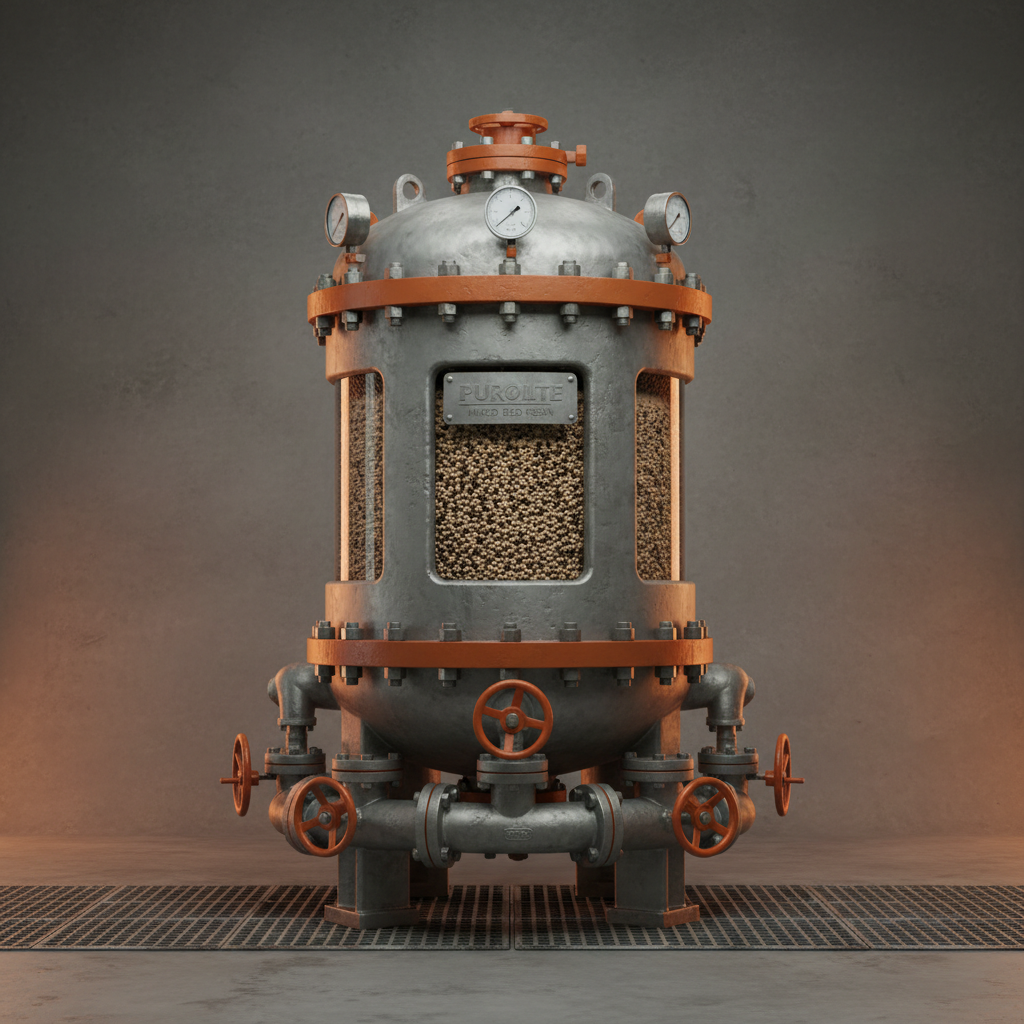
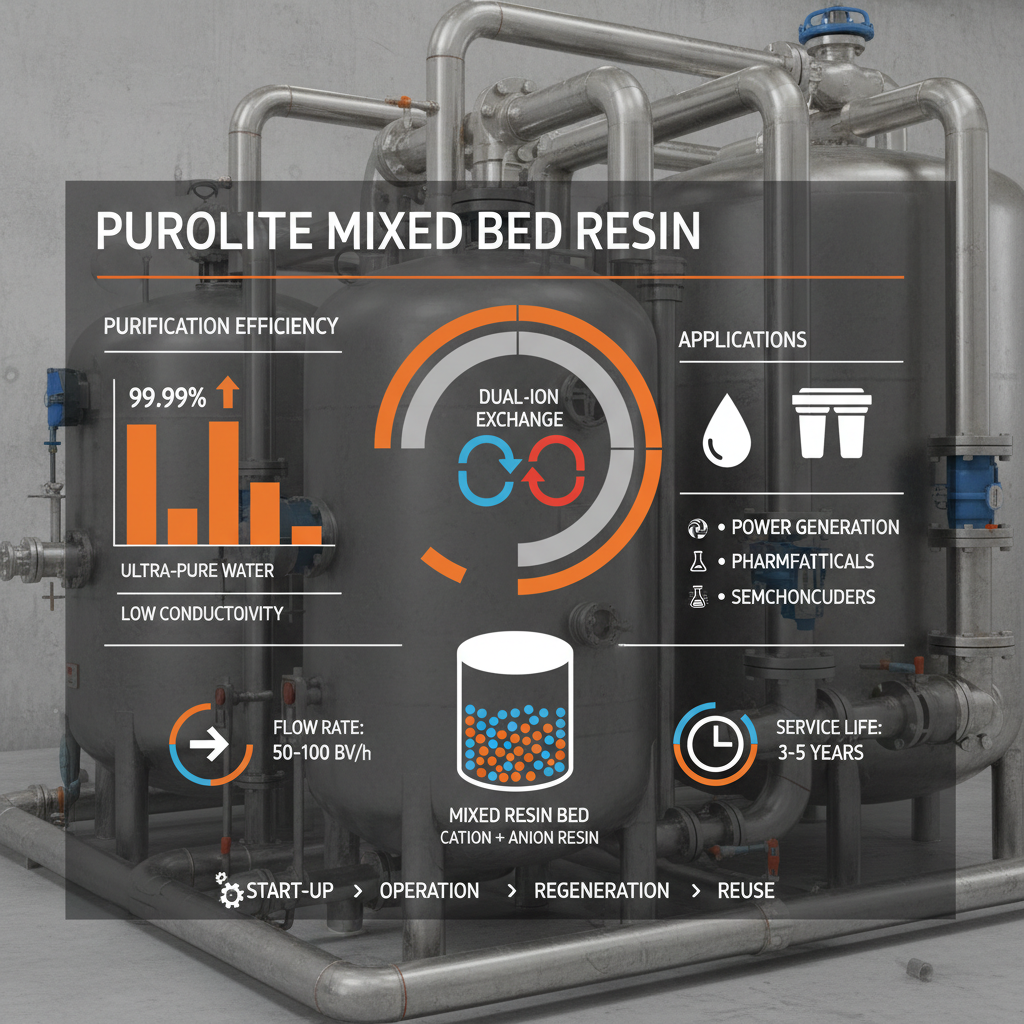
purolite mixed bed resin represents a significant advancement in water purification technology. It combines both cation and anion exchange resins within a single vessel, allowing for simultaneous removal of a wide spectrum of ionic impurities. This integrated approach leads to higher quality effluent and simplifies the purification process compared to using separate cation and anion exchangers.

The development of purolite mixed bed resin has revolutionized industries requiring extremely pure water. Its effectiveness in reducing total dissolved solids (TDS), conductivity, and organic contaminants makes it a critical component in numerous manufacturing processes and analytical applications.

Global Relevance and Challenges

Globally, access to clean water is a critical challenge, with the United Nations estimating that billions of people lack access to safely managed drinking water services (UN, 2023). Industrial processes also demand increasingly pure water, creating significant strain on existing freshwater resources. Purolite mixed bed resin provides a viable solution for both enhancing water quality and reducing water consumption through reuse and recycling.

However, the production and disposal of ion exchange resins, including purolite mixed bed resin, raise environmental concerns. Proper regeneration and disposal protocols are essential to minimize the environmental footprint of these materials. Furthermore, the cost of resin replacement and regeneration chemicals can be a significant operational expense.

The World Bank estimates that inadequate water sanitation leads to significant economic losses and health impacts, particularly in developing countries (World Bank, 2022). Therefore, the effective and sustainable application of technologies like purolite mixed bed resin is crucial for achieving global water security and public health goals.

Defining purolite mixed bed resin

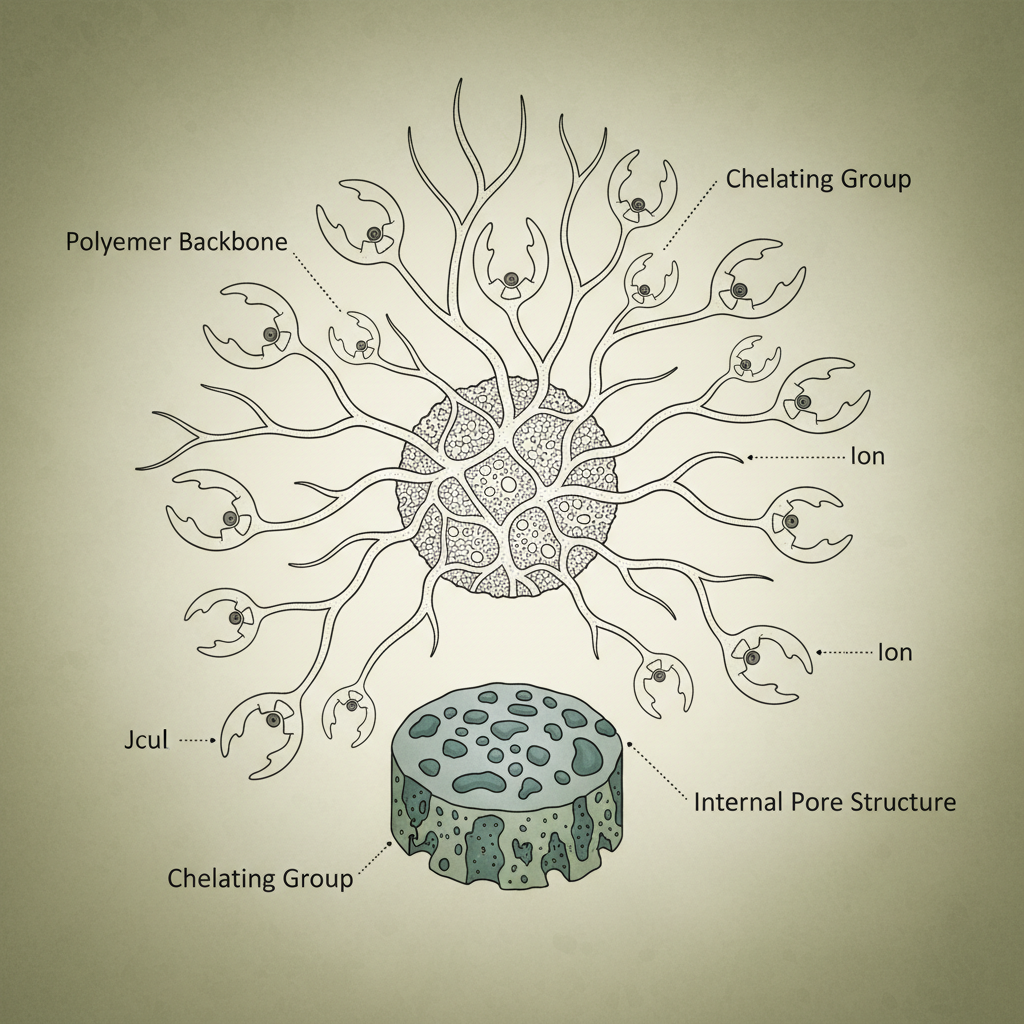
Purolite mixed bed resin is a combination of strong base anion and strong acid cation exchange resins in a single unit. These resins are polymeric beads with fixed ionic groups that attract and bind oppositely charged ions in solution. The mixed bed configuration ensures comprehensive removal of ionic impurities, producing water with extremely low conductivity and TDS.

Its connection to modern industry stems from the increasing demand for ultra-pure water in manufacturing processes, particularly in semiconductors, pharmaceuticals, and power generation. The quality of the final product is often directly correlated with the purity of the water used during production, making purolite mixed bed resin an essential component of quality control.

In humanitarian contexts, purolite mixed bed resin systems can be deployed to provide safe drinking water in disaster-affected areas or regions lacking adequate water treatment infrastructure. Its relatively simple operation and high efficiency make it a practical solution for providing potable water to vulnerable populations.

Key Characteristics of purolite mixed bed resin

One crucial characteristic of purolite mixed bed resin is its high capacity. The large surface area of the resin beads allows for the adsorption of significant amounts of ionic contaminants, extending the lifespan of the resin and reducing the frequency of regeneration cycles. This translates to lower operational costs and reduced waste.

Another key factor is selectivity. Different resins exhibit varying affinities for specific ions, allowing for targeted removal of troublesome contaminants. Purolite offers a diverse range of resins tailored to address specific water quality challenges.

Resin Performance Comparison


Applications Across Industries

The pharmaceutical industry relies heavily on purolite mixed bed resin to produce Water for Injection (WFI) and Purified Water, critical components in drug manufacturing. Maintaining ultra-pure water quality is essential to prevent contamination and ensure the safety and efficacy of pharmaceutical products.

In the semiconductor industry, purolite mixed bed resin is used to purify water for rinsing and etching processes. Even trace amounts of ionic contaminants can compromise the performance of microchips, highlighting the importance of high-purity water. From large-scale fabrication plants to smaller research facilities, its indispensable.

Advantages and Long-Term Value

The cost-effectiveness of purolite mixed bed resin is a major advantage, particularly when considering the long-term benefits of reduced downtime and improved product quality. Compared to alternative purification technologies, the operational costs are often lower, and the system’s lifespan is significant with proper maintenance.

Sustainability is another key benefit. By enabling water reuse and reducing reliance on freshwater sources, purolite mixed bed resin contributes to a more sustainable approach to water management. Its robust design ensures reliable performance, minimizing the need for frequent replacements and reducing waste.

Future Trends and Innovations

Ongoing research focuses on developing more sustainable and efficient ion exchange resins. This includes exploring bio-based resins and optimizing regeneration processes to reduce chemical consumption and waste generation, specifically impacting purolite mixed bed resin development.

The integration of digital technologies, such as sensors and data analytics, is also transforming the operation of water purification systems. Real-time monitoring of resin performance and automated regeneration control can optimize efficiency and extend resin lifespan, offering substantial cost savings.

Nanotechnology is being explored to enhance the selectivity and capacity of ion exchange resins, potentially leading to the development of even more effective purolite mixed bed resin formulations. These advancements promise to address increasingly stringent water quality standards and emerging contaminants.

Core Operational Parameters for Effective Purolite Mixed Bed Resin Performance

Resin Type Flow Rate (m/hr) Regeneration Frequency (cycles) Expected Resin Lifespan (years)
Strong Base Anion/Strong Acid Cation 10-20 150-200 5-7
Weak Base Anion/Strong Acid Cation 12-25 100-150 4-6
Gel Type Resin 8-15 180-220 6-8
Macroporous Resin 15-30 120-180 5-7
High Capacity Resin 10-20 200-250 7-9
Standard Resin 10-20 150-200 4-6

FAQS

What are the main advantages of using purolite mixed bed resin over single-bed systems?

Purolite mixed bed resin offers significantly higher water purity compared to single-bed systems due to the simultaneous removal of both cations and anions. This eliminates the need for multiple stages and ensures a more complete deionization process, leading to lower conductivity and TDS levels in the treated water. It’s also more efficient in terms of space and operation, streamlining the purification process and reducing costs.

How often does purolite mixed bed resin need to be regenerated, and what is involved in the process?

The regeneration frequency depends on the water quality and the resin’s operating capacity, but typically ranges from every cycle to several cycles. Regeneration involves backwashing the resin bed to remove particulate matter, followed by passing acidic and basic regenerant solutions through the bed to recharge the exchange sites. Careful monitoring of effluent quality is crucial to determine the optimal regeneration schedule.

What is the expected lifespan of a purolite mixed bed resin system?

The lifespan of a purolite mixed bed resin system can vary depending on operating conditions and maintenance practices. However, with proper care and regeneration, the resin beads themselves can last for 5-10 years or even longer. Regular monitoring of resin performance and timely replacement of worn components are essential for maximizing system longevity.

Is purolite mixed bed resin environmentally friendly?

While purolite mixed bed resin is effective, its environmental impact depends on responsible usage and disposal. Proper regeneration practices to minimize chemical waste and appropriate disposal of spent resin are crucial. Research into bio-based resins is ongoing to develop more sustainable alternatives.

Can purolite mixed bed resin remove all types of contaminants from water?

Purolite mixed bed resin effectively removes a wide range of ionic contaminants, but it does not remove all types of impurities. It excels at removing dissolved salts, minerals, and ions but is less effective at removing organic molecules, bacteria, or particulate matter. Pre-treatment steps, such as filtration and activated carbon adsorption, are often necessary to address these other contaminants.

What are the initial costs associated with implementing a purolite mixed bed resin system?

The initial costs include the resin itself, the vessel, pumps, piping, and control systems. Cost varies significantly depending on the system size, flow rate, and level of automation. However, the long-term cost benefits – including reduced chemical usage and higher water purity – often outweigh the initial investment.

Conclusion

Purolite mixed bed resin remains a critical technology for achieving high-purity water across diverse industries and applications. Its ability to effectively remove ionic contaminants, combined with its cost-effectiveness and adaptability, makes it an indispensable component of modern water purification systems. Understanding the principles of operation and best practices for maintenance and regeneration is key to maximizing its performance and longevity.

Looking ahead, continued innovation in resin materials and system design, coupled with the integration of digital technologies, will further enhance the efficiency and sustainability of purolite mixed bed resin systems. Investing in research and development, and promoting responsible water management practices, will ensure that this technology continues to play a vital role in addressing global water challenges.

James Wilson

James Wilson

James Wilson is the Quality Control Manager at Hebei Lijiang Biotechnology, overseeing the rigorous testing and certification processes for our resins. James ensures all products meet or exceed industry standards, including ISO9001, SGS, and WQA certifications. He's a dedicated professional with 12 years of experience in quality assurance within the
Previous Exploring the Versatility and Future of Innovative Bed Resin Materials
Next Optimizing Water Purification with Deionization Resin Mixed Bed Systems and Technologies