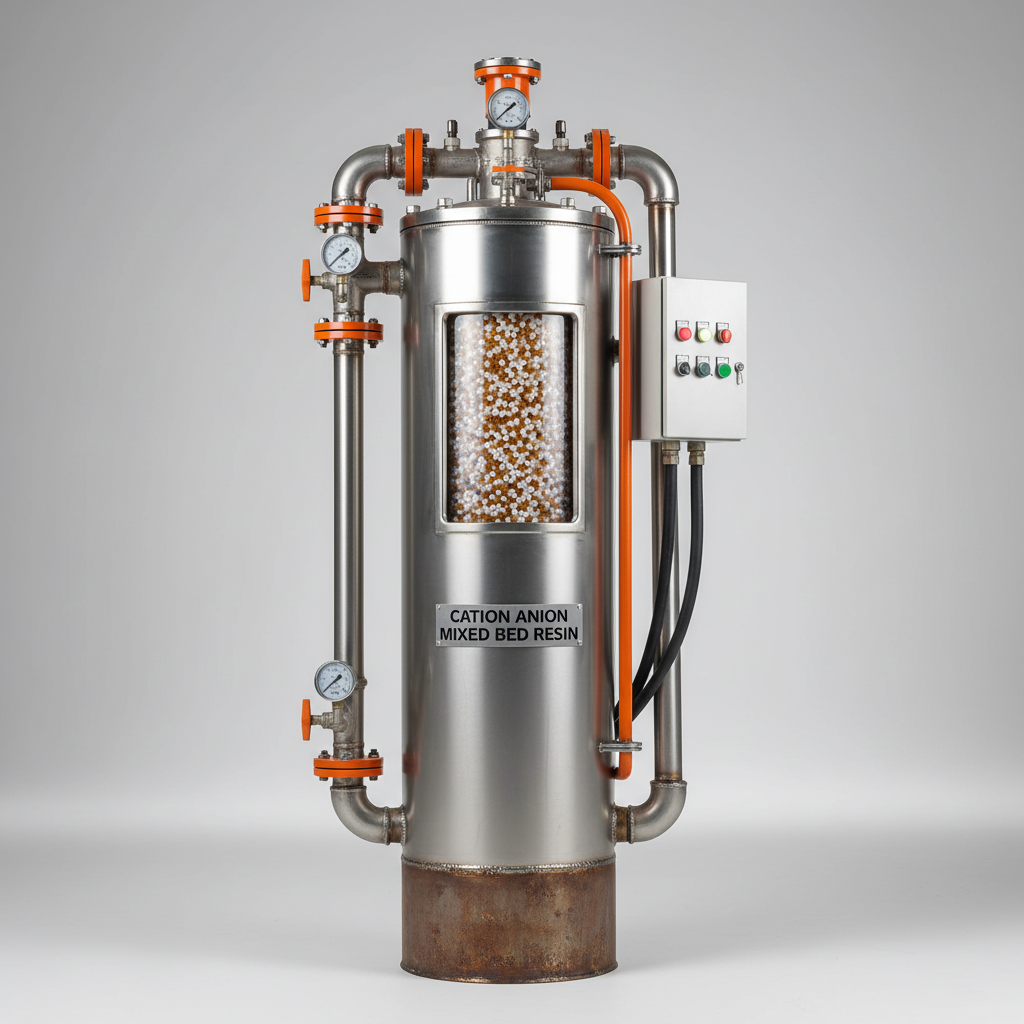
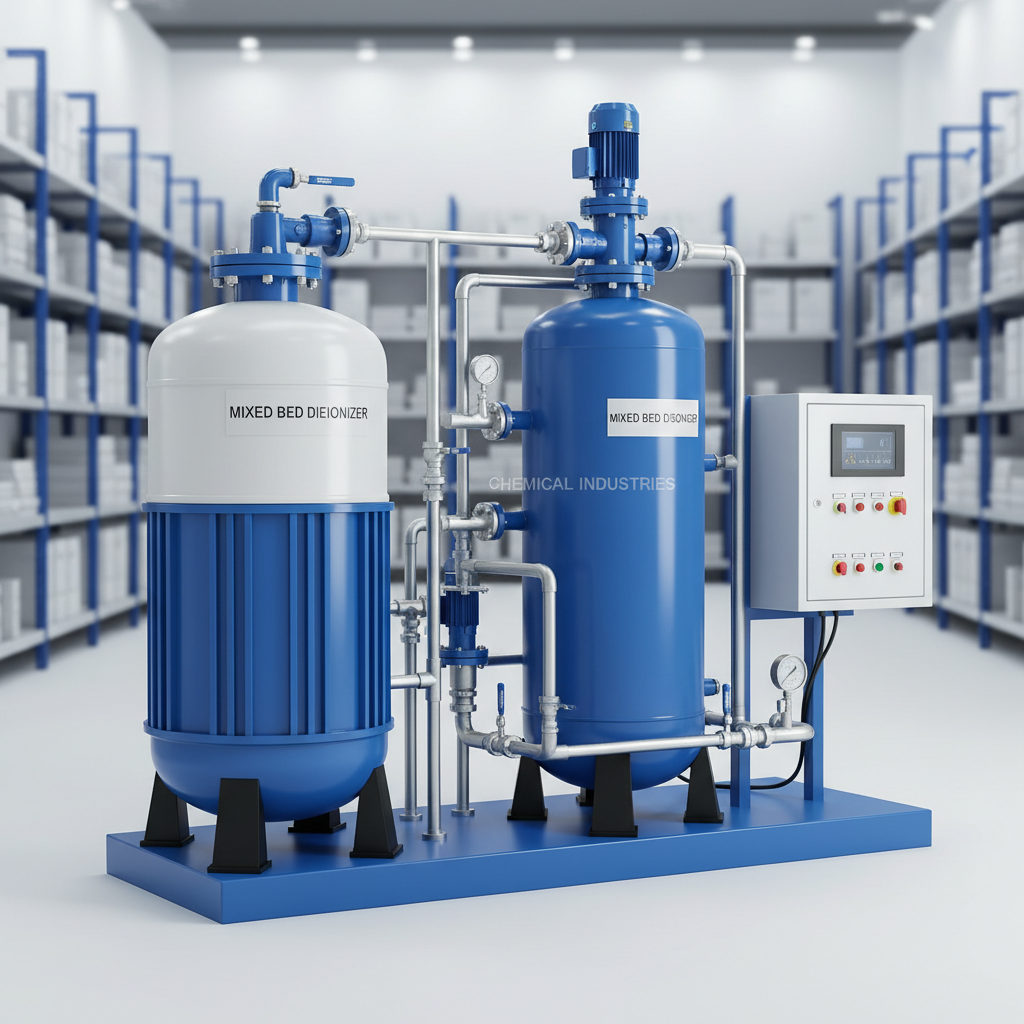
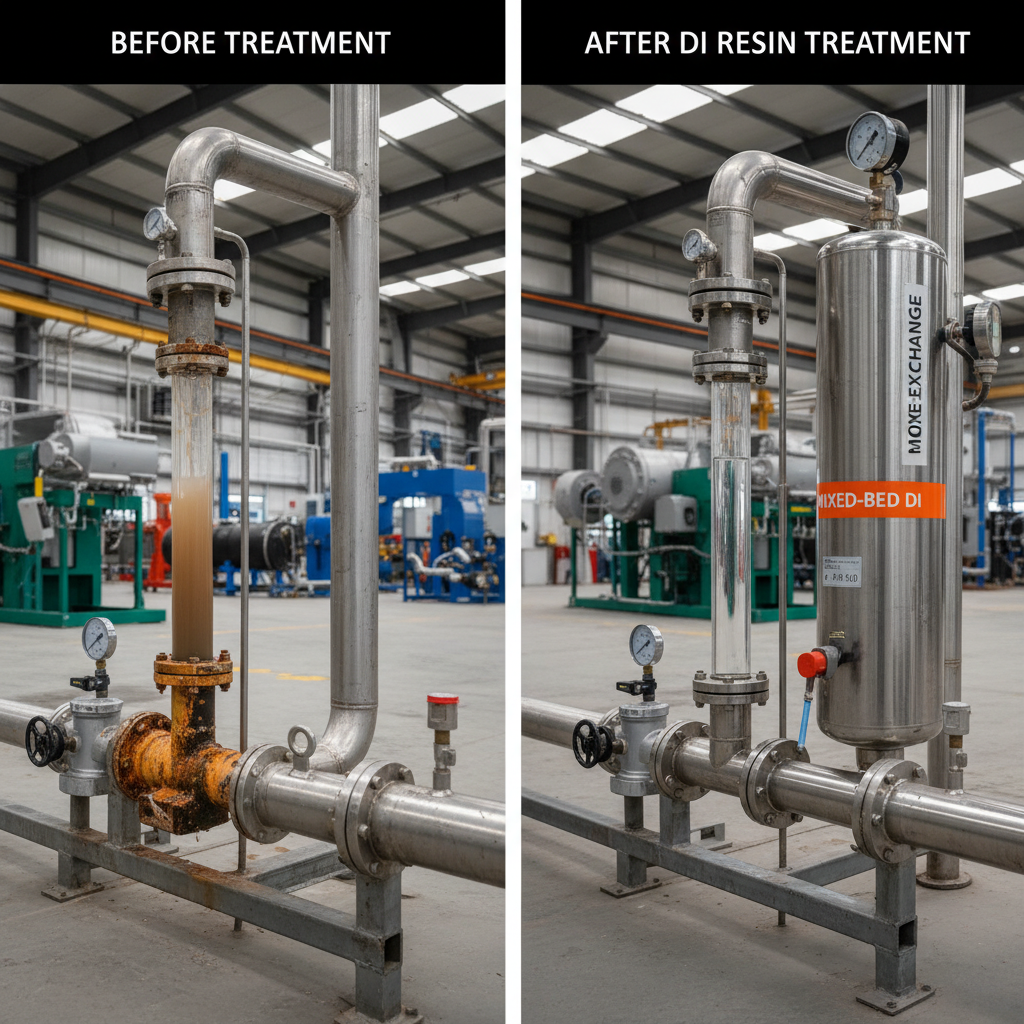
Cation anion mixed bed resin represents a crucial technology in water purification and chemical processing, ensuring the removal of both positively and negatively charged ions. Its importance stems from the growing global demand for high-purity water across numerous industries, including pharmaceuticals, power generation, and food & beverage. Understanding the principles and applications of this resin is vital for addressing challenges related to water scarcity, environmental pollution, and industrial efficiency.
The use of cation anion mixed bed resin isn’t limited to large-scale industrial applications. Increasingly, it's being deployed in smaller, specialized systems for laboratory research, point-of-use water filtration, and even specialized home applications. The ability to customize resin blends to target specific contaminants makes it an adaptable solution for a wide range of purification needs. This versatility is driving innovation and wider adoption worldwide.
Beyond its purification capabilities, advancements in resin manufacturing are focusing on sustainability and improved performance. New materials and processes are enhancing resin capacity, reducing waste, and lowering the overall cost of water treatment. Consequently, cation anion mixed bed resin is playing an increasingly important role in achieving global sustainability goals related to water resource management and industrial pollution control.
Introduction to Cation Anion Mixed Bed Resin
Cation anion mixed bed resin combines both cation and anion exchange resins within a single vessel. This configuration is crucial for achieving exceptionally high water purity by effectively removing a wide spectrum of ionic contaminants. Its widespread application is a testament to its effectiveness and reliability in numerous industries.
The unique benefit of a mixed bed design is the continuous polishing effect. As ions are removed, the resins interact to minimize the potential for breakthrough, ensuring consistently high-quality effluent. This makes it superior to using separate cation and anion exchangers in many demanding applications.
Defining Cation Anion Mixed Bed Resin
Cation anion mixed bed resin is a specialized ion exchange resin system designed for the production of ultra-pure water. It physically blends strong acid cation (SAC) exchange resins and strong base anion (SBA) exchange resins within a single column. This combination provides a synergistic effect, minimizing the levels of dissolved ions remaining in the treated water.
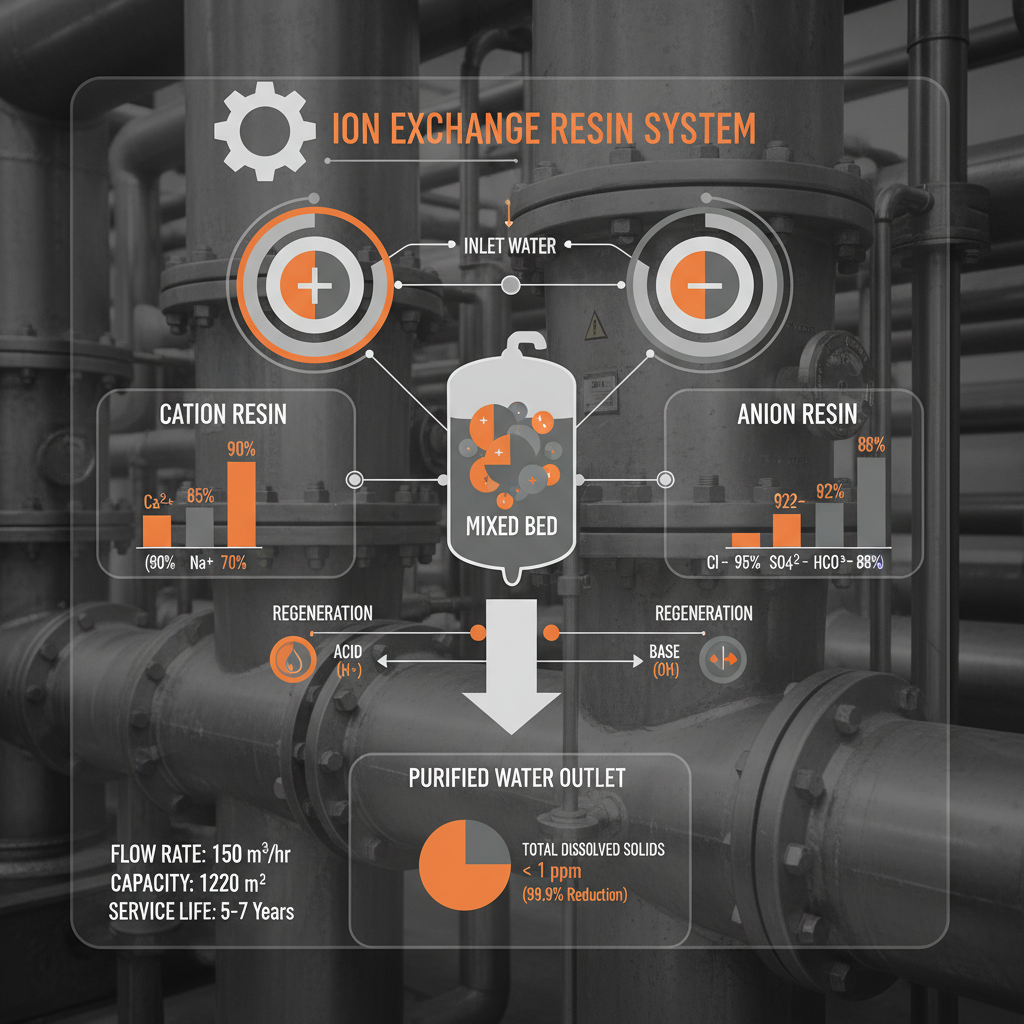
The process relies on the principles of ion exchange, where unwanted ions are exchanged for harmless ones (typically hydrogen and hydroxide ions). The mixed bed configuration ensures that both positive (cations) and negative (anions) charges are simultaneously addressed, achieving a higher degree of purification than single-resin systems.
This technology directly supports modern industry and critical humanitarian needs by enabling the production of consistently high-quality water for pharmaceuticals, power generation, semiconductor manufacturing, and emergency water supplies in disaster relief scenarios. cation anion mixed bed resin is fundamental to many essential processes.
Key Characteristics of Mixed Bed Resins
Mixed bed resins are characterized by their high exchange capacity, which refers to the amount of ions the resin can exchange per unit volume. This capacity directly influences the volume of water that can be treated before resin regeneration is required. Higher capacity resins translate to lower operational costs and reduced downtime.
Another important characteristic is resin selectivity. Different resins exhibit varying preferences for specific ions, allowing for targeted removal of contaminants. Proper resin selection is crucial for optimizing performance based on the specific water chemistry being addressed. This selectivity also impacts the resin's resistance to fouling.
Finally, the physical properties of the resin, such as particle size and porosity, influence flow rate and pressure drop. Uniform particle size distribution ensures consistent performance and prevents channeling, maximizing the effective surface area for ion exchange. Resin stability, relating to its resistance to degradation and attrition, is also a crucial factor for long-term performance.
Performance Factors of Cation Anion Resin
The efficiency of cation anion mixed bed resin is significantly influenced by several factors. Water temperature plays a critical role; generally, higher temperatures increase the rate of ion exchange but can also reduce resin lifespan. Proper temperature control optimizes both efficiency and longevity.
Water flow rate is another key parameter. Sufficient contact time between the water and the resin is essential for complete ion exchange. Excessively high flow rates can lead to breakthrough, while very low flow rates can increase treatment time and potentially promote biofilm growth.
Cation Anion Mixed Bed Resin Performance Metrics
Global Applications of Mixed Bed Resins
Cation anion mixed bed resins are indispensable in the pharmaceutical industry for producing pyrogen-free water used in injectable drugs and other sterile solutions. The stringent purity requirements necessitate the highest levels of ion removal. They also find extensive use in the semiconductor industry, where ultrapure water is crucial for wafer fabrication to prevent contamination.
Power generation plants utilize these resins to treat boiler feedwater, preventing scaling and corrosion that can reduce efficiency and damage equipment. In the food and beverage industry, mixed bed resins ensure the quality and safety of products by removing undesirable ions that can affect taste, color, and shelf life.
Advantages & Long-Term Value
The primary advantage of cation anion mixed bed resin lies in its ability to consistently deliver exceptionally high-purity water, surpassing the capabilities of single-resin systems. This leads to improved process efficiency, reduced product contamination, and enhanced product quality. Furthermore, the technology offers cost savings through reduced chemical consumption and waste generation.
From a sustainability perspective, efficient water purification minimizes water waste and reduces the environmental impact of industrial processes. The long-term reliability and durability of high-quality resins translate to lower maintenance costs and extended operational life, providing significant value over time.
Future Trends in Resin Technology
Ongoing research and development are focused on creating more selective and durable resins with enhanced ion exchange capacities. Nanotechnology is being explored to engineer resins with tailored pore structures and surface chemistries, optimizing their performance for specific applications. cation anion mixed bed resin is evolving rapidly.
The integration of sensor technologies and smart monitoring systems is enabling real-time performance tracking and predictive maintenance, further optimizing resin utilization and reducing downtime. Green chemistry principles are driving the development of more sustainable resin materials and regeneration processes.
Automation and digital twins are expected to play a larger role in resin system operation, allowing for remote monitoring, process optimization, and improved control over water quality. This digital transformation will be essential for meeting the growing demand for efficient and sustainable water purification solutions.
Challenges and Solutions
A common challenge with cation anion mixed bed resin systems is maintaining resin separation during backwashing and regeneration. Poor separation can lead to contamination and reduced efficiency. Advanced resin design with optimized particle size distribution and density differences can mitigate this issue.
Another limitation is resin fouling caused by organic matter or other contaminants. Pre-treatment processes such as filtration and activated carbon adsorption are often employed to remove these foulants before the water reaches the mixed bed. Regular resin cleaning and regeneration are also crucial for preventing fouling.
Managing the proper disposal of spent resins also presents a challenge. Developing sustainable recycling methods and exploring biodegradable resin materials are key areas of focus for addressing this environmental concern.
Summary of Mixed Bed Resin Challenges and Solutions
| Challenge |
Impact on System Performance |
Solution |
Cost & Complexity |
| Resin Separation |
Reduced Purity, Contamination |
Optimized Resin Density & Size |
Low-Medium |
| Resin Fouling |
Reduced Capacity, Flow Restriction |
Pre-treatment & Regular Cleaning |
Medium |
| Channeling |
Uneven Resin Utilization |
Uniform Resin Packing |
Low |
| Pressure Drop |
Increased Energy Consumption |
Optimized Flow Rate, Resin Size |
Low-Medium |
| Resin Attrition |
Increased Resin Loss |
Gentle Backwashing Procedures |
Low |
| Spent Resin Disposal |
Environmental Impact |
Recycling & Biodegradable Materials |
High |
FAQS
A mixed bed resin system provides a higher degree of water purification by simultaneously removing both cationic and anionic contaminants. This results in consistently higher water quality with lower residual ion concentrations compared to using separate exchangers. The intimate mixing also minimizes breakthrough, prolonging the effective lifespan of the resins. The overall result is a more efficient and reliable purification process, particularly for applications demanding ultra-pure water.
The regeneration frequency depends on several factors, including the influent water quality, flow rate, and the resin's exchange capacity. Monitoring the effluent conductivity is a common method to determine when regeneration is necessary. Typically, regeneration is required when the effluent conductivity exceeds a predetermined threshold, indicating ion breakthrough. Regular monitoring and optimization of regeneration cycles are crucial for maintaining optimal performance and minimizing chemical consumption.
The lifespan of a cation anion mixed bed resin varies depending on usage conditions, water quality, and the quality of the resin itself. With proper maintenance, including regular cleaning and appropriate regeneration cycles, a well-maintained resin can last for 5-10 years. Factors like high temperatures, aggressive chemicals, and mechanical stress can accelerate resin degradation, shortening its lifespan. Regular resin analysis can help determine its remaining capacity and predict its eventual replacement.
Yes, there are environmental considerations. The regeneration process requires chemicals like acid and caustic soda, which can generate waste streams. Proper waste treatment and neutralization are essential. Additionally, the disposal of spent resin poses a challenge. Research is ongoing to develop more sustainable resin materials and recycling methods. Implementing closed-loop regeneration systems can significantly reduce chemical consumption and waste generation.
While highly effective, mixed bed resins primarily target ionic contaminants. They are not designed to remove non-ionic contaminants like organic molecules, bacteria, or viruses. Pre-treatment processes like filtration, activated carbon adsorption, and UV sterilization are often required to remove these contaminants before the water reaches the mixed bed resin. The overall purification system must be tailored to address the specific contaminants present in the water source.
Cation anion mixed bed resins are essential in applications requiring ultra-pure water, including pharmaceutical manufacturing, semiconductor fabrication, power generation (boiler feedwater treatment), laboratory research, and food & beverage production. They are also crucial in creating water for injection (WFI) systems, ensuring the purity of critical medical solutions. Furthermore, they find applications in specialized industrial processes needing consistently high-quality water.
Conclusion
Cation anion mixed bed resin remains a cornerstone technology in water purification and chemical processing. Its ability to consistently deliver ultra-pure water, coupled with advancements in resin materials and system design, ensures its continued relevance across diverse industries. Understanding the principles of operation, key performance factors, and emerging trends is vital for optimizing its application and maximizing its long-term value.
As global demand for clean water continues to rise, ongoing innovation in resin technology will be critical for addressing water scarcity, protecting environmental resources, and supporting sustainable industrial practices. Investing in research and development, promoting responsible resin disposal, and embracing digital monitoring solutions will further enhance the efficiency and sustainability of cation anion mixed bed resin systems. Visit our website: www.lijiresin.com to learn more.