Phone:
+86 0319 2296164


Email:
info@lijiresin.cn
Having worked in industrial water treatment and chemical processing for more than a decade, I’ve seen my fair share of resin brands. Purolite com stands out in a crowded market, mostly because it blends tested technology with practical performance. Oddly enough, even though ion exchange resins have been around for ages, Purolite always feels ahead—at least to me.
You see, ion exchange resins like Purolite’s are the unsung heroes in many industrial applications — from softening hard water to removing heavy metals and organics. I remember a few years back when a small food processing plant switched to Purolite resins; the difference was palpable, cutting downtime and reducing chemical use. It’s that kind of reliability that industry pros rave about.
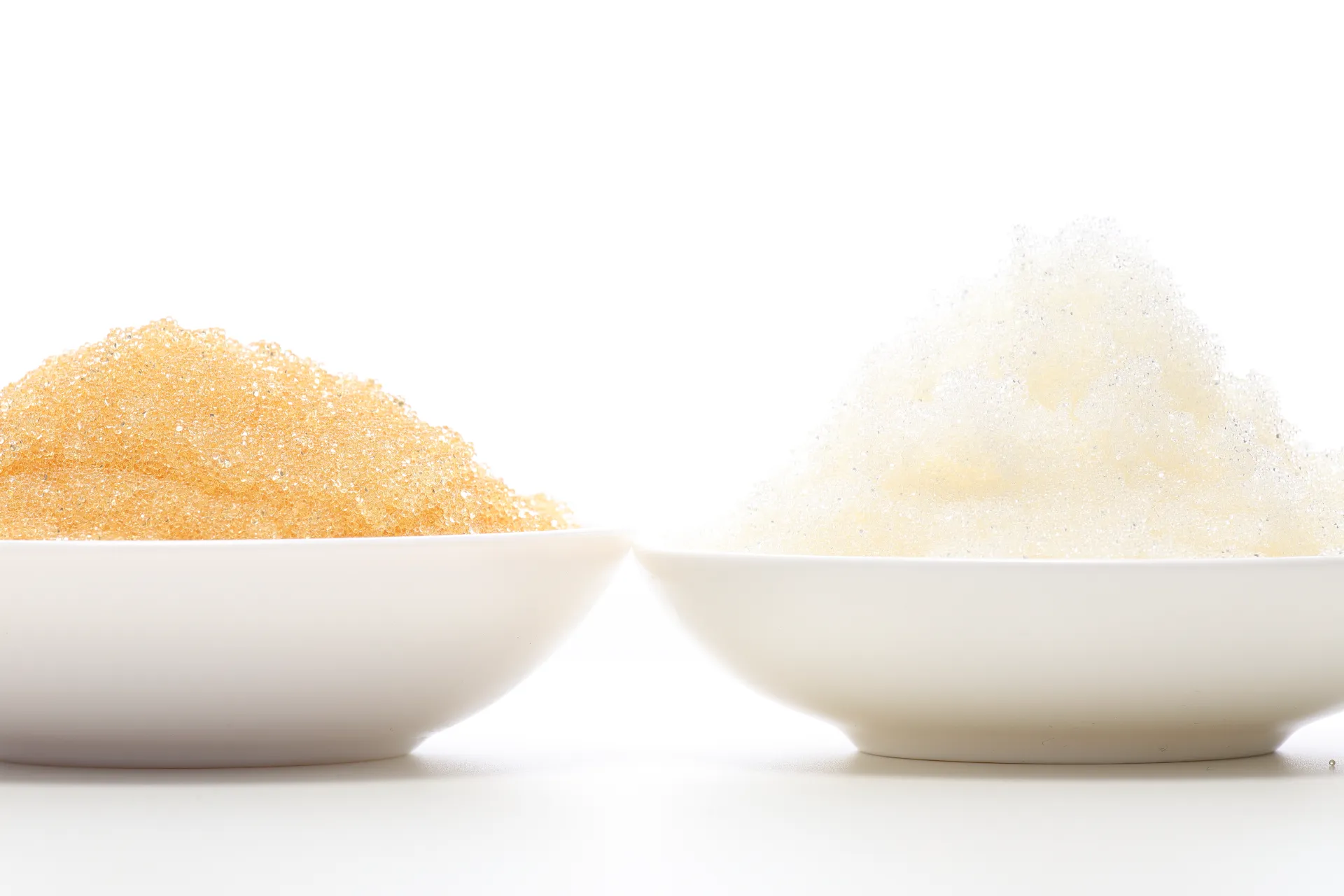
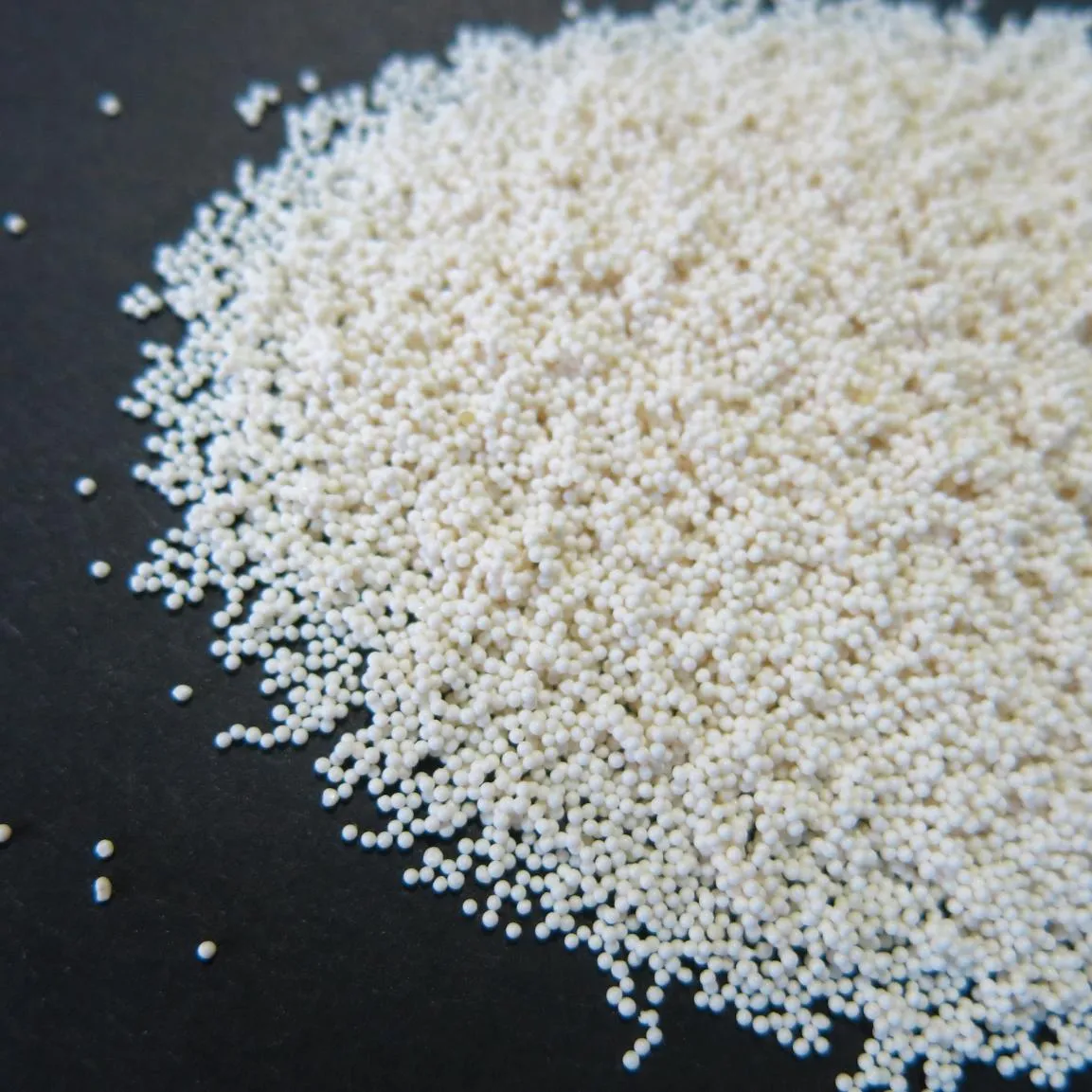
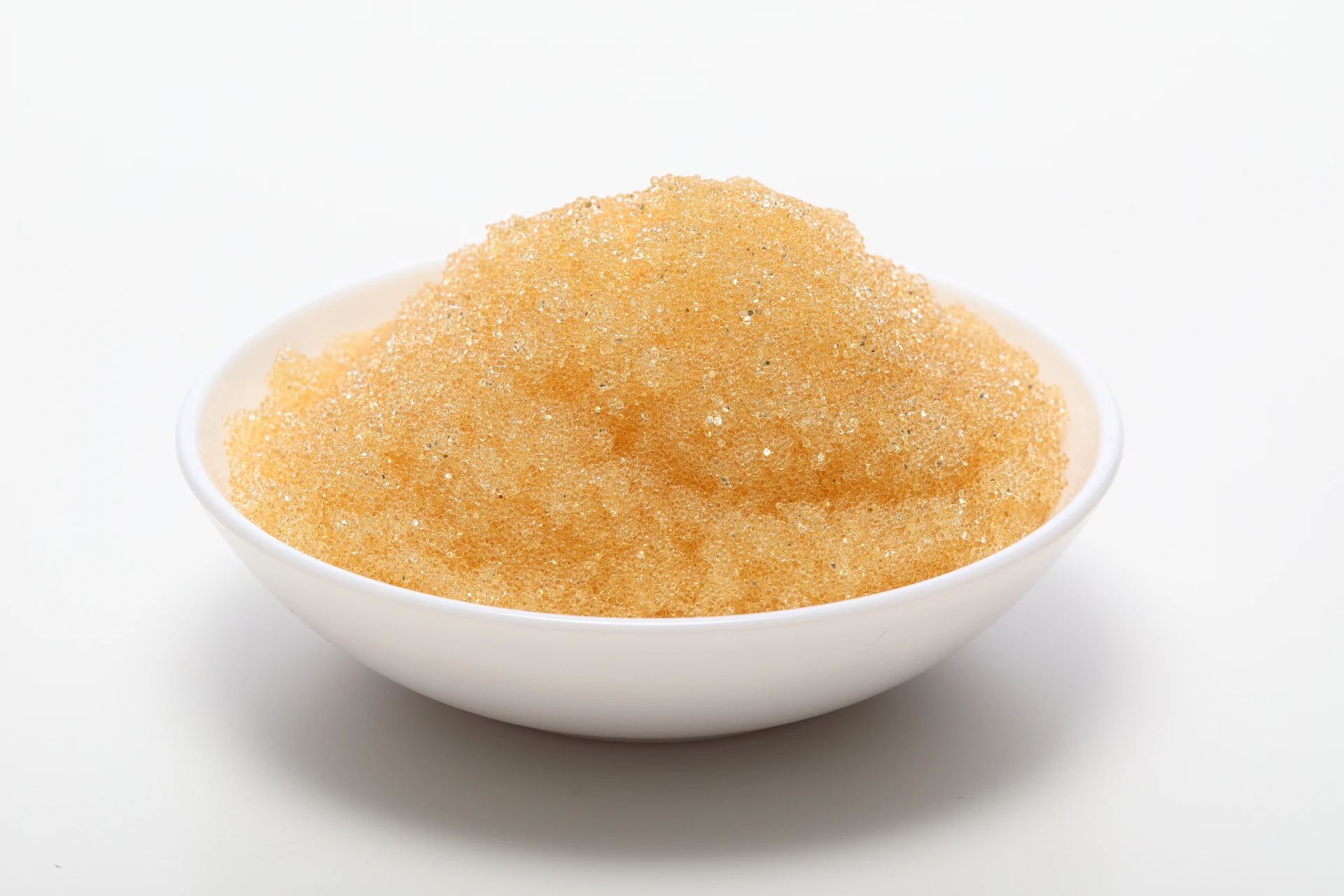
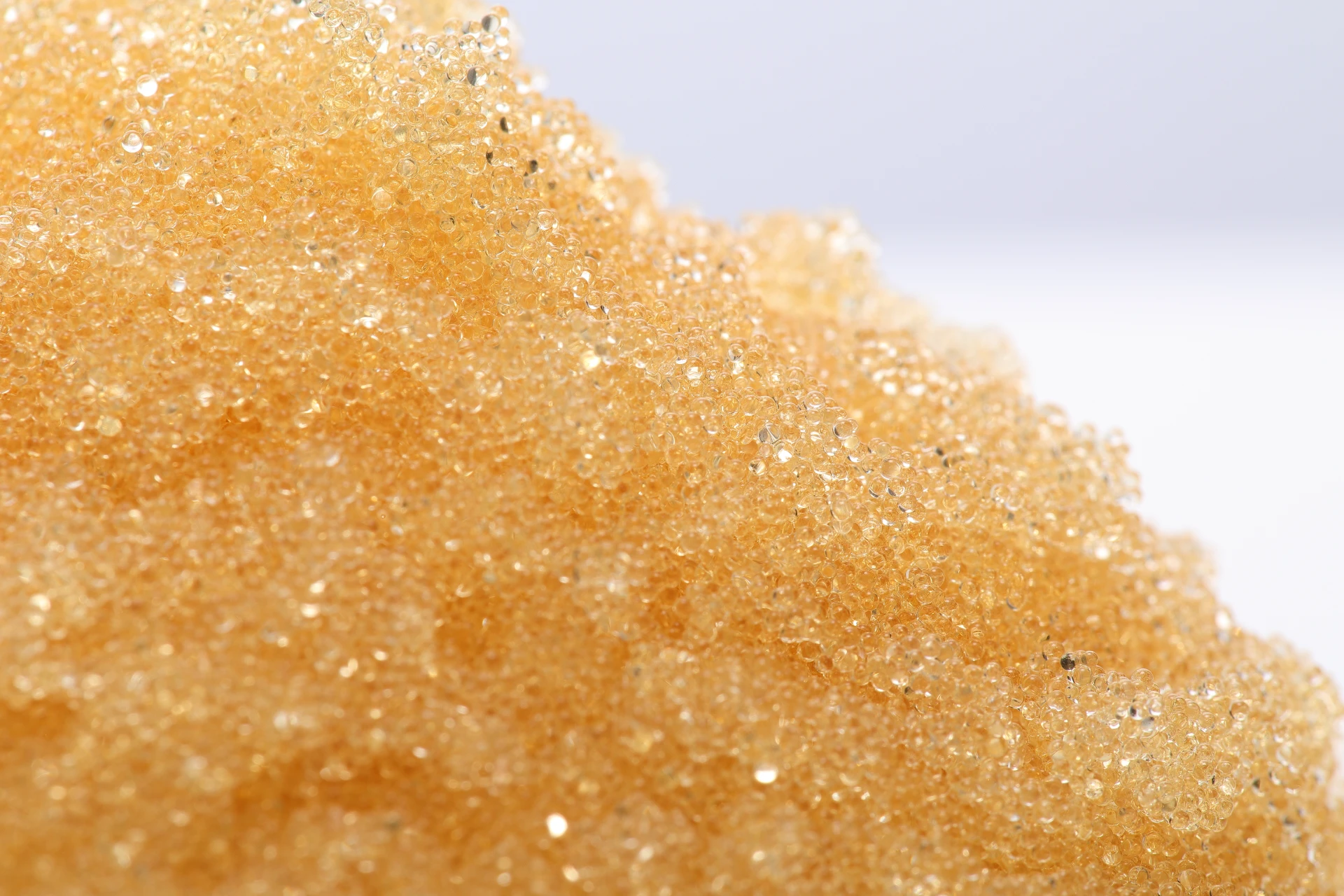
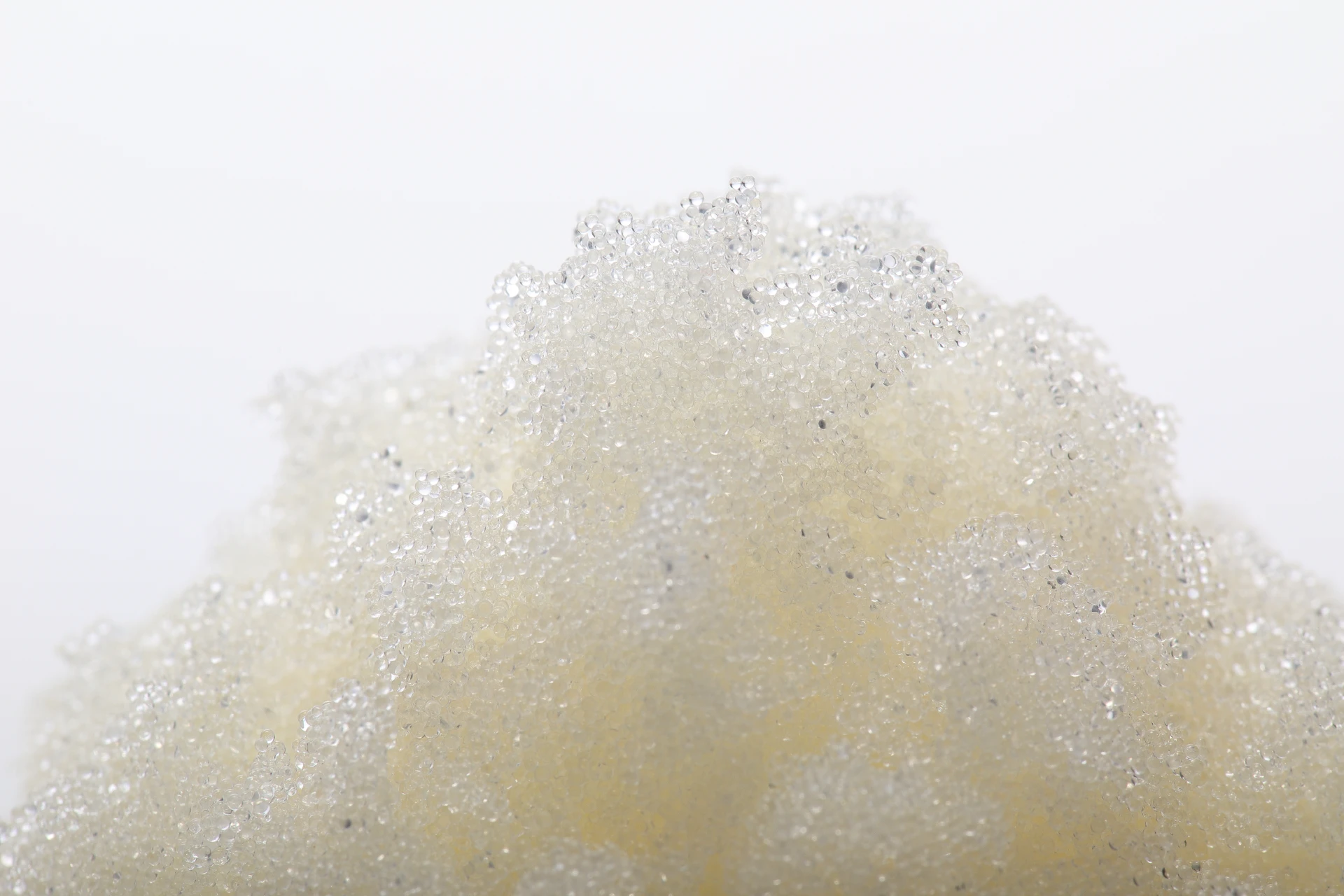
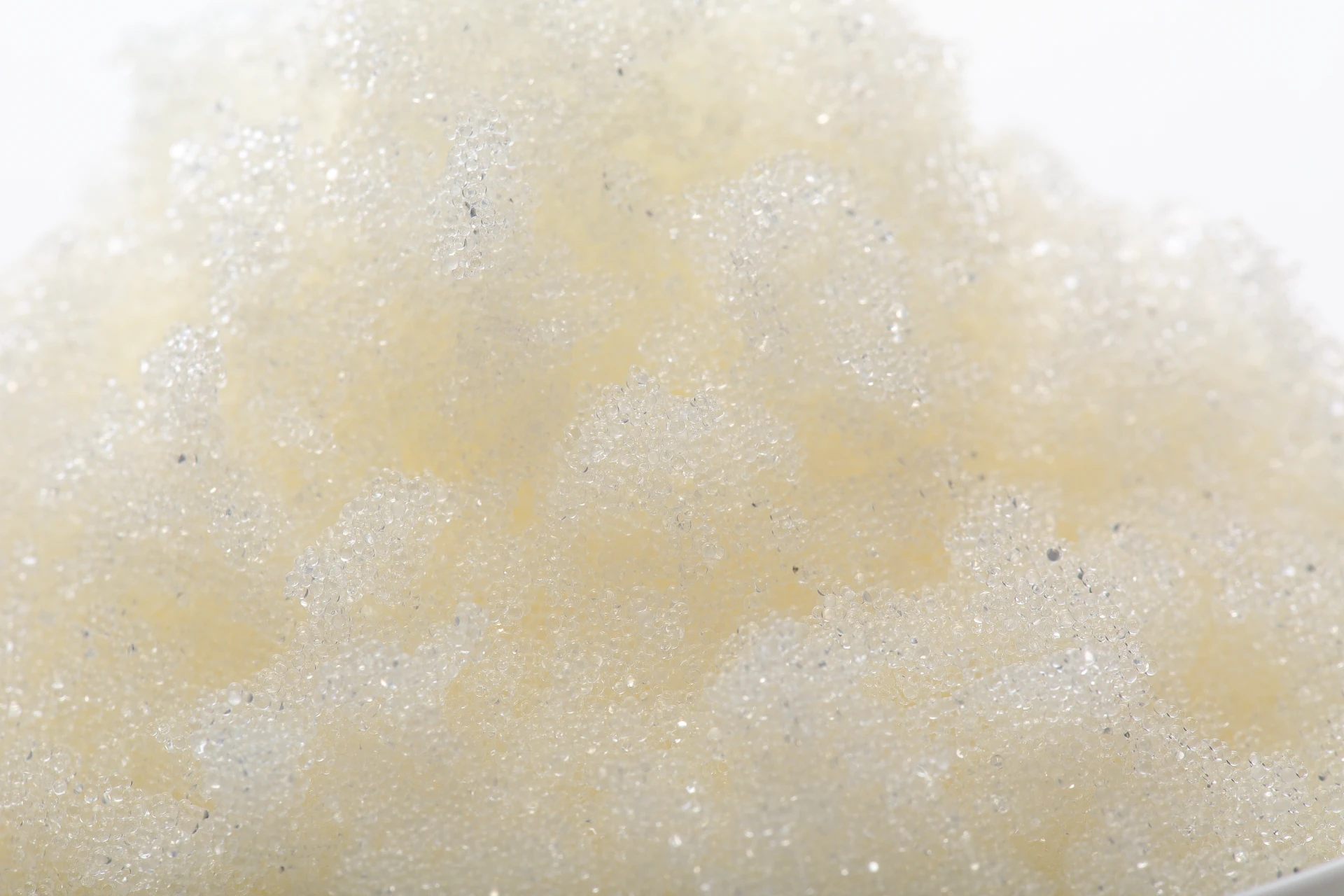
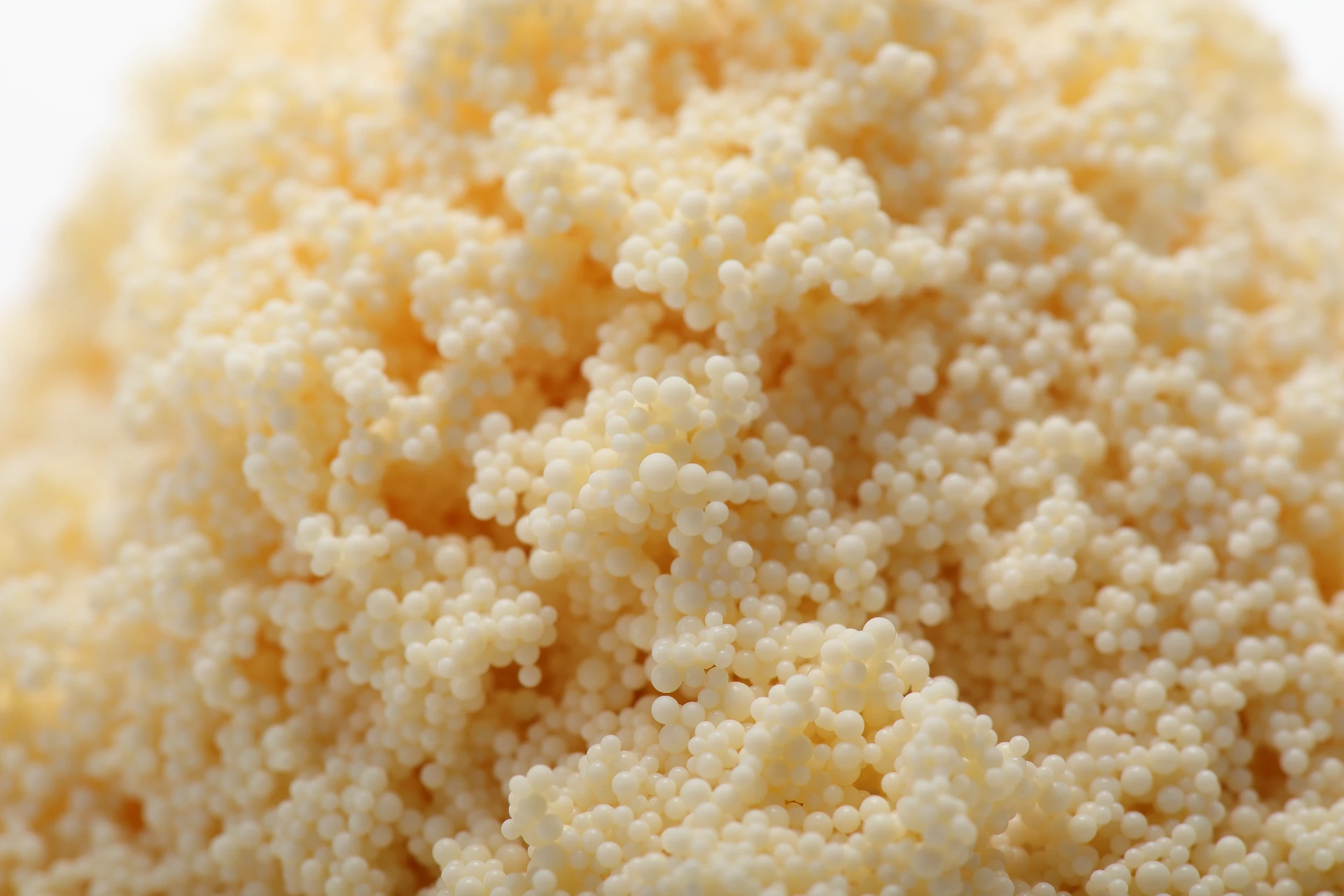
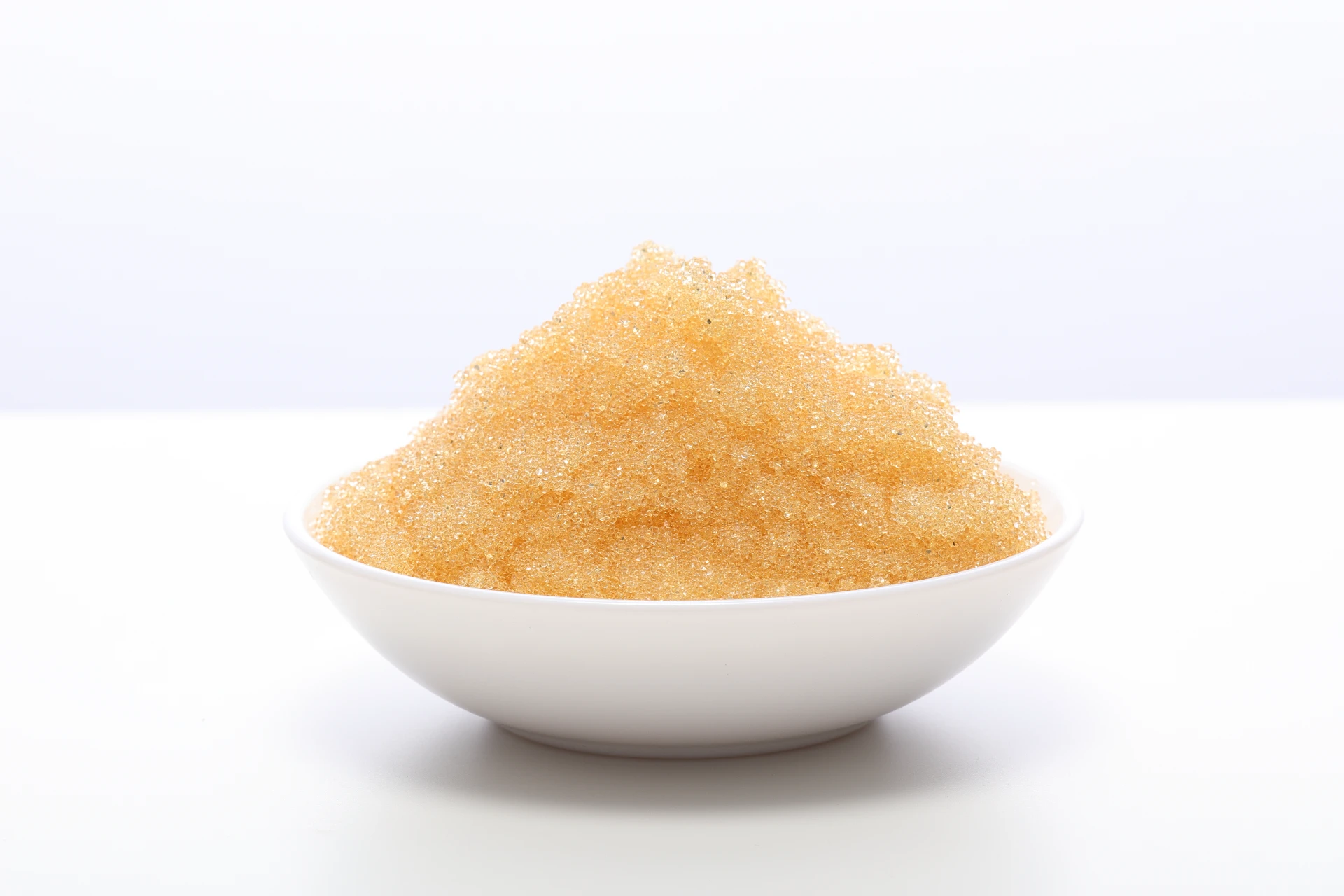
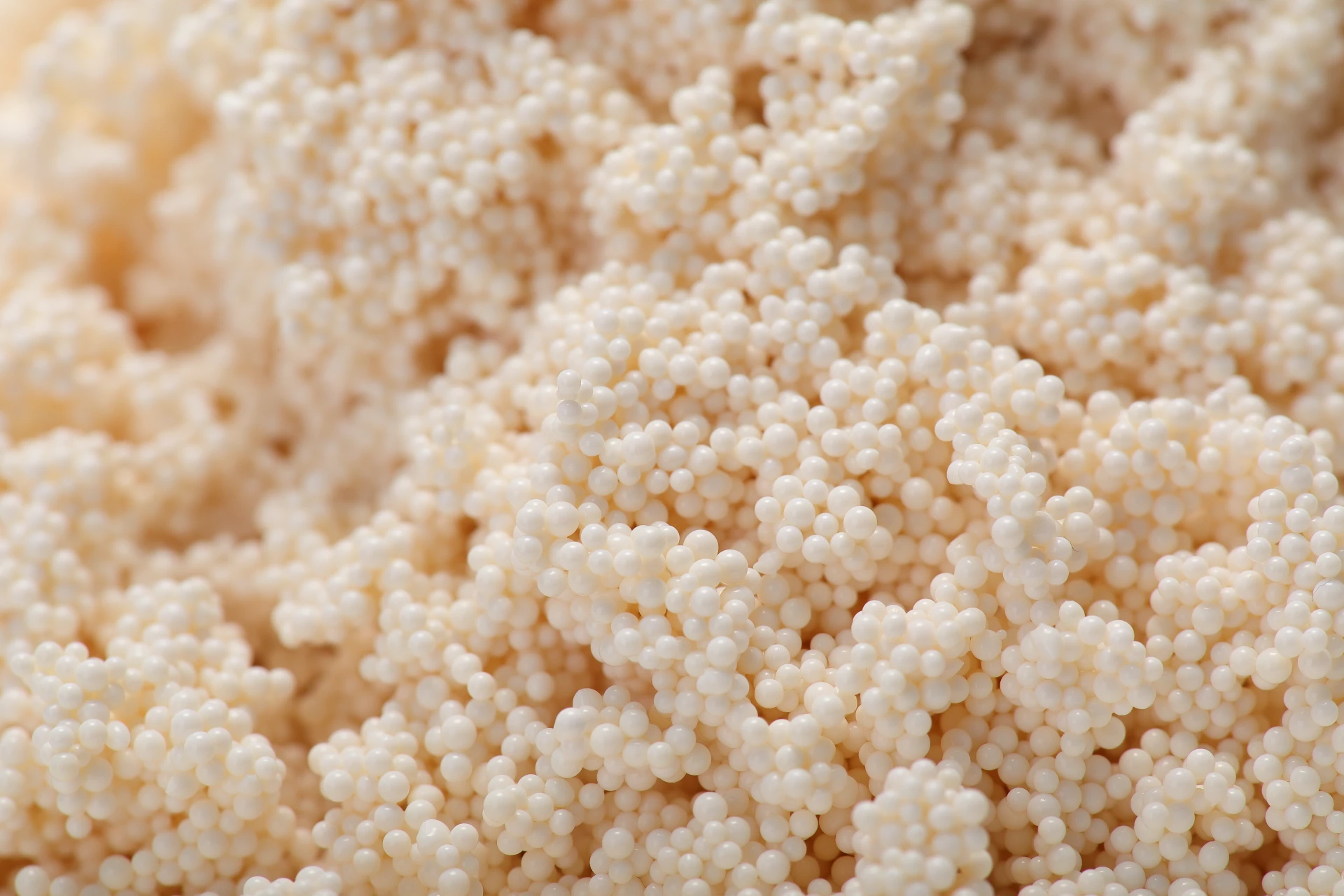
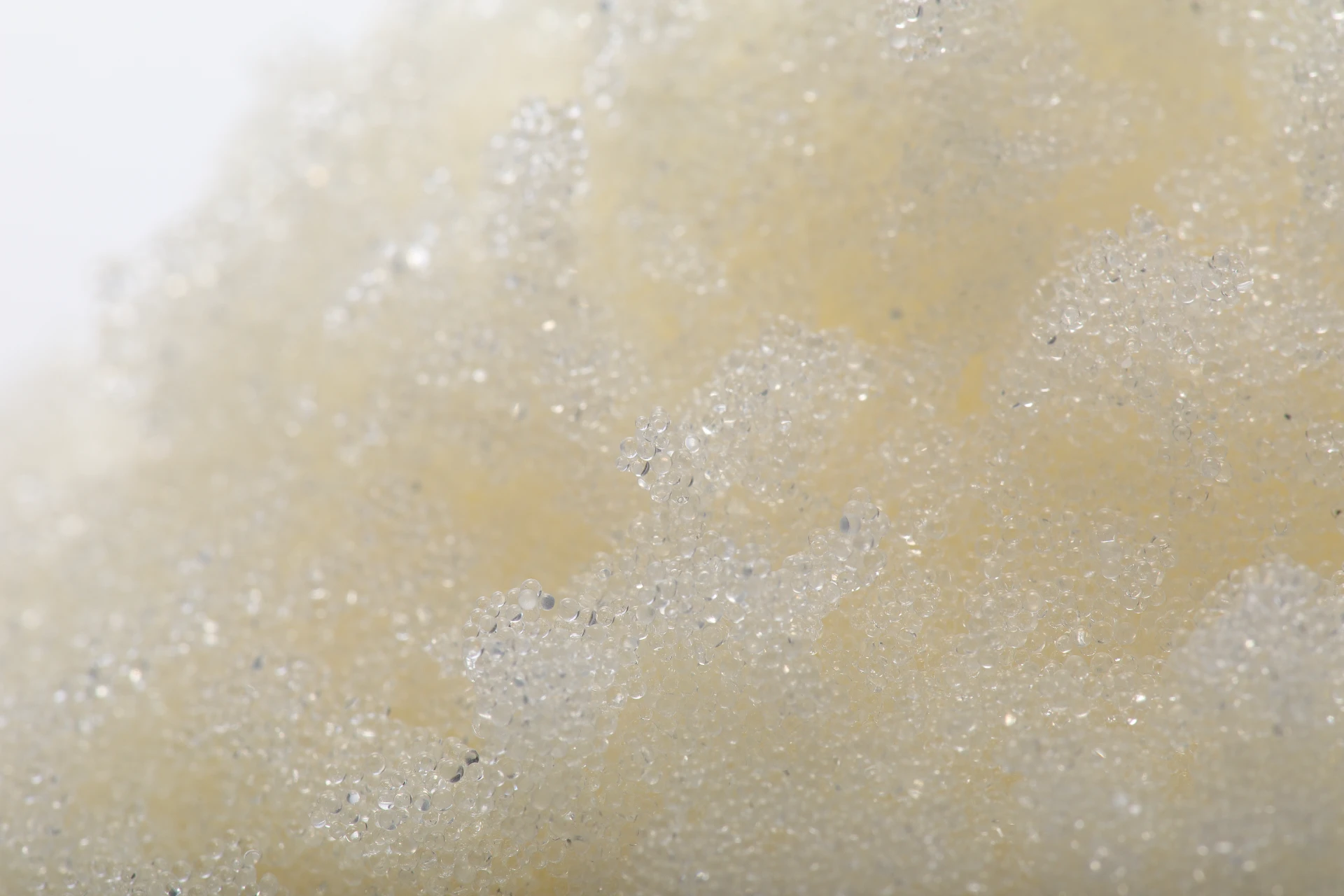
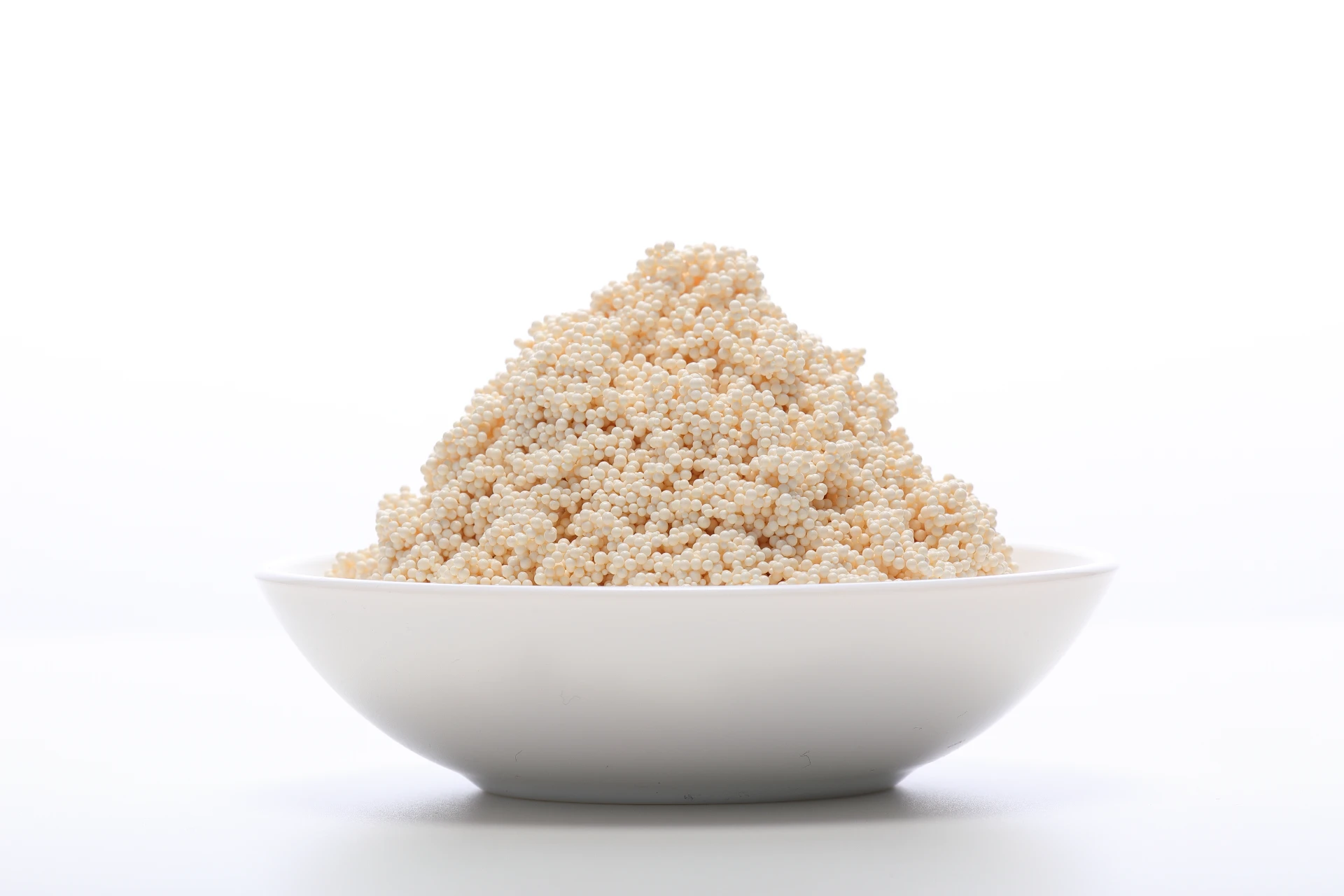
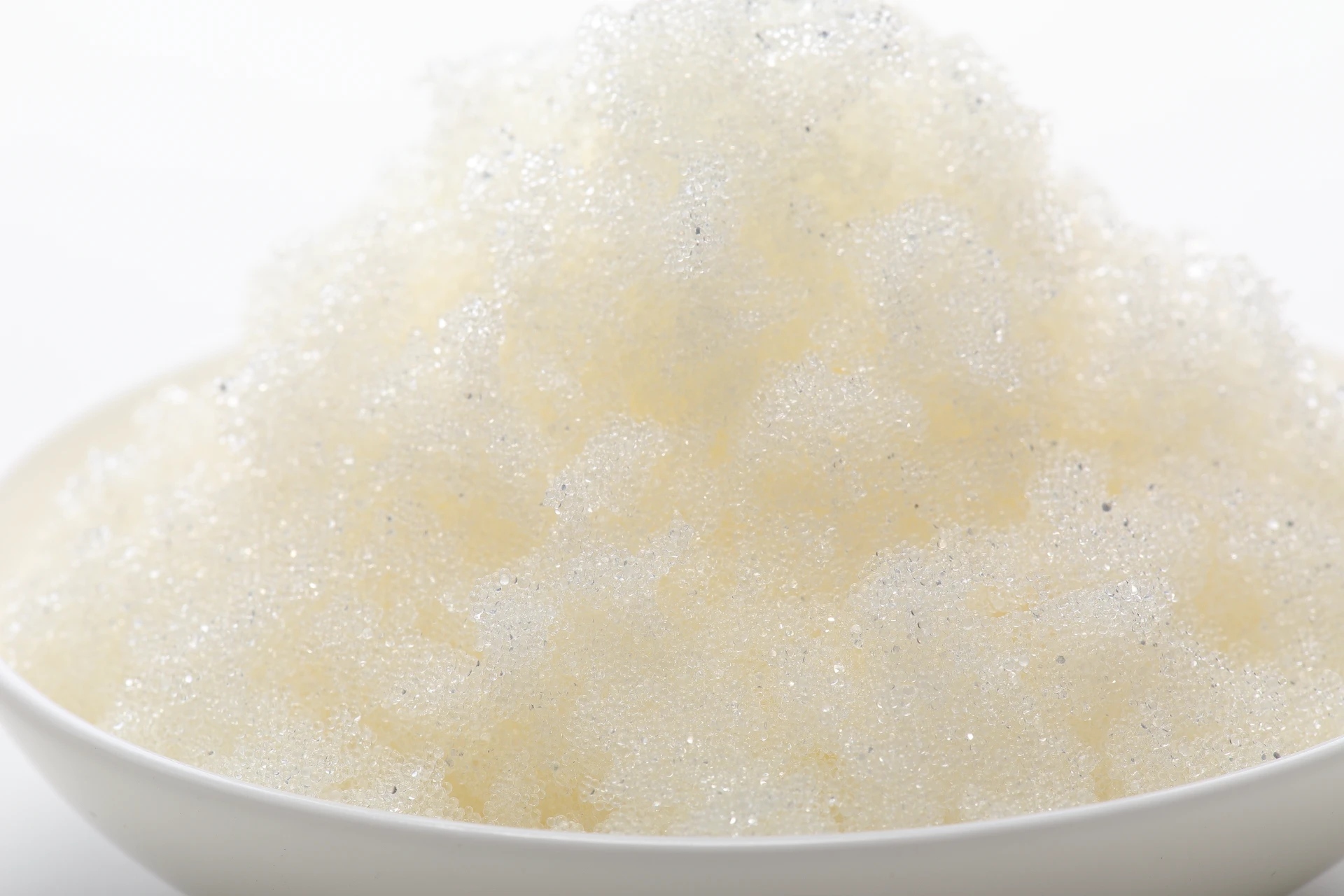
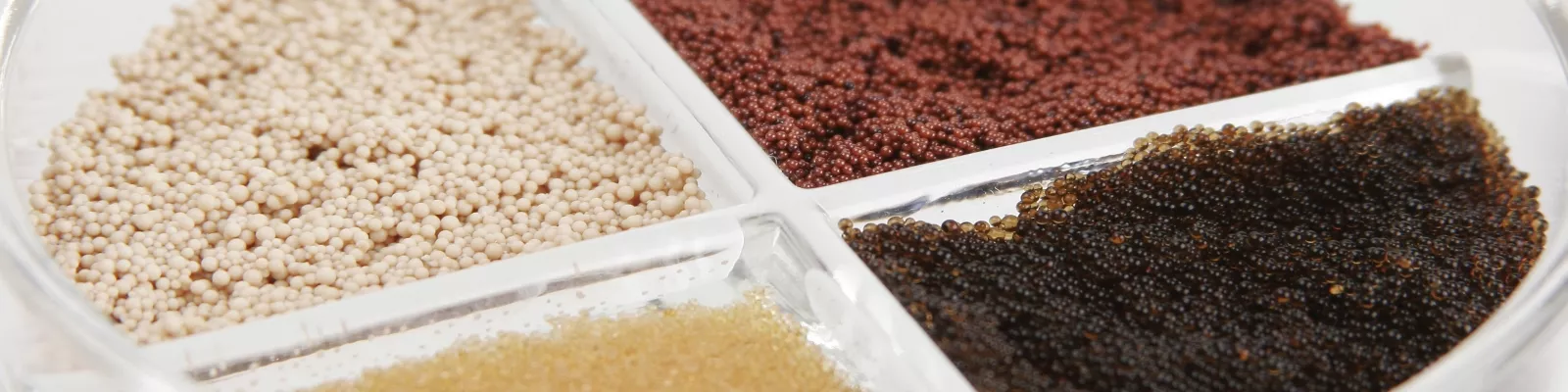
Purolite’s products are especially appreciated for their tailored design. In real terms, what this means is they manufacture a wide range of resin beads optimized for different processes — strong acid cation, weak base anion, chelating resins, and more. These aren’t just one-size-fits-all beads; customization is a huge part of their approach, which frankly, many engineers value deeply.
| Specification | Typical Range / Value |
|---|---|
| Bead Size (mesh) | 300 – 1200 µm (40–120 mesh) |
| Moisture Content | 45-55% |
| Operating Temperature | Up to 120°C (continuous) |
| pH Range | 0 - 14 (depending on resin type) |
| Total Exchange Capacity | 1.8 - 2.2 meq/ml (varies by resin) |
From my experience, what sets Purolite apart is their vigorous testing protocol. They don’t just throw resins at the market — the company ensures mechanical strength and chemical stability through rigorous cycles that mimic field conditions. Trust me, in industrial equipment, toughness counts more than almost anything else.
Another interesting bit is Purolite’s focus on eco-friendliness. In today’s world, developing resins that can regenerate with less harsh chemicals is a rising trend, and Purolite seems to be embracing it. This is not just a marketing spiel; I’ve come across engineers who report lower waste disposal costs thanks to Purolite’s greener resin lines.
| Feature | Purolite Com | Competitor A | Competitor B |
|---|---|---|---|
| Exchange Capacity | High (1.8-2.2 meq/ml) | Medium (1.5-1.9 meq/ml) | Medium (1.6-2.0 meq/ml) |
| Mechanical Strength | Excellent | Good | Fair |
| Product Range | Extensive | Limited | Moderate |
| Environmental Compliance | High | Medium | Low |
While Purolite resins may come at a slight premium, the reliability and technical support you get often make it worthwhile. Honestly, having a vendor that backs their product with solid testing data and offers bespoke solutions can save headaches down the line.
One small anecdote: I once visited a wastewater treatment client who had cycles shortened by unexpected resin breakdowns. After switching to Purolite, their system uptime increased markedly. The operators told me that with Purolite, they spent less time tinkering and more time focusing on core production. That kind of peace of mind is priceless.
So, if you’re evaluating ion exchange materials for your next project, it’s worth considering Purolite com seriously. Sure, choices abound, but in industrial equipment, trust and proven track record often win the day.
In the end, the best resin is the one that fits your process well—and Purolite’s extensive lineup makes that fitting a bit easier.
References:
1. Purolite Product Brochures (2023)
2. Industry Case Studies on Ion Exchange Resins, Water Quality Assoc.
3. Personal field experience, various industrial water treatment sites (2010–2023)