Phone:
+86 0319 2296164


Email:
info@lijiresin.cn
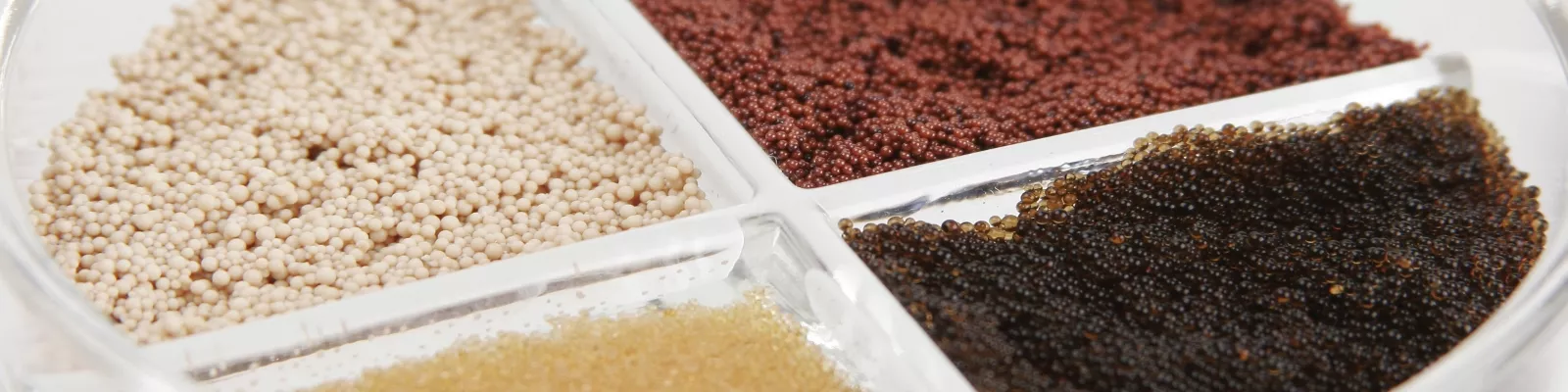
So, what's all the fuss about cation anion exchange resin? In simple terms, these materials may sound like chemistry-class relics, but the truth is, they're quietly powering some of the most crucial processes around the world. From purifying drinking water to refining critical industrial products, these resins act behind the scenes, making life safer and cleaner—globally.
Why care? Well, with an escalating global population, increased industrial output, and rising environmental concerns, the challenge of providing clean water and safe chemical processes has never been tougher. Understanding how cation and anion exchange resins fit into these puzzles can help industries and policymakers alike chart a cleaner, more sustainable future.
Imagine that 2.2 billion people worldwide still lack access to safely managed drinking water, according to the World Health Organization (WHO). Industries demand ever more precise water treatment solutions — and that's where the specialized abilities of cation anion exchange resins spark into importance. Not just the water crisis, but also the need for sustainable chemical processing and pollution control shines a spotlight on these marvels of material science.
The UN’s Sustainable Development Goal 6 targets clean water and sanitation for all by 2030, which in real terms means ramping up technologies that efficiently remove hardness, toxic metals, and other unwanted ions from water and chemical streams. Frankly, it’s a modest but crucial piece of a huge global puzzle.
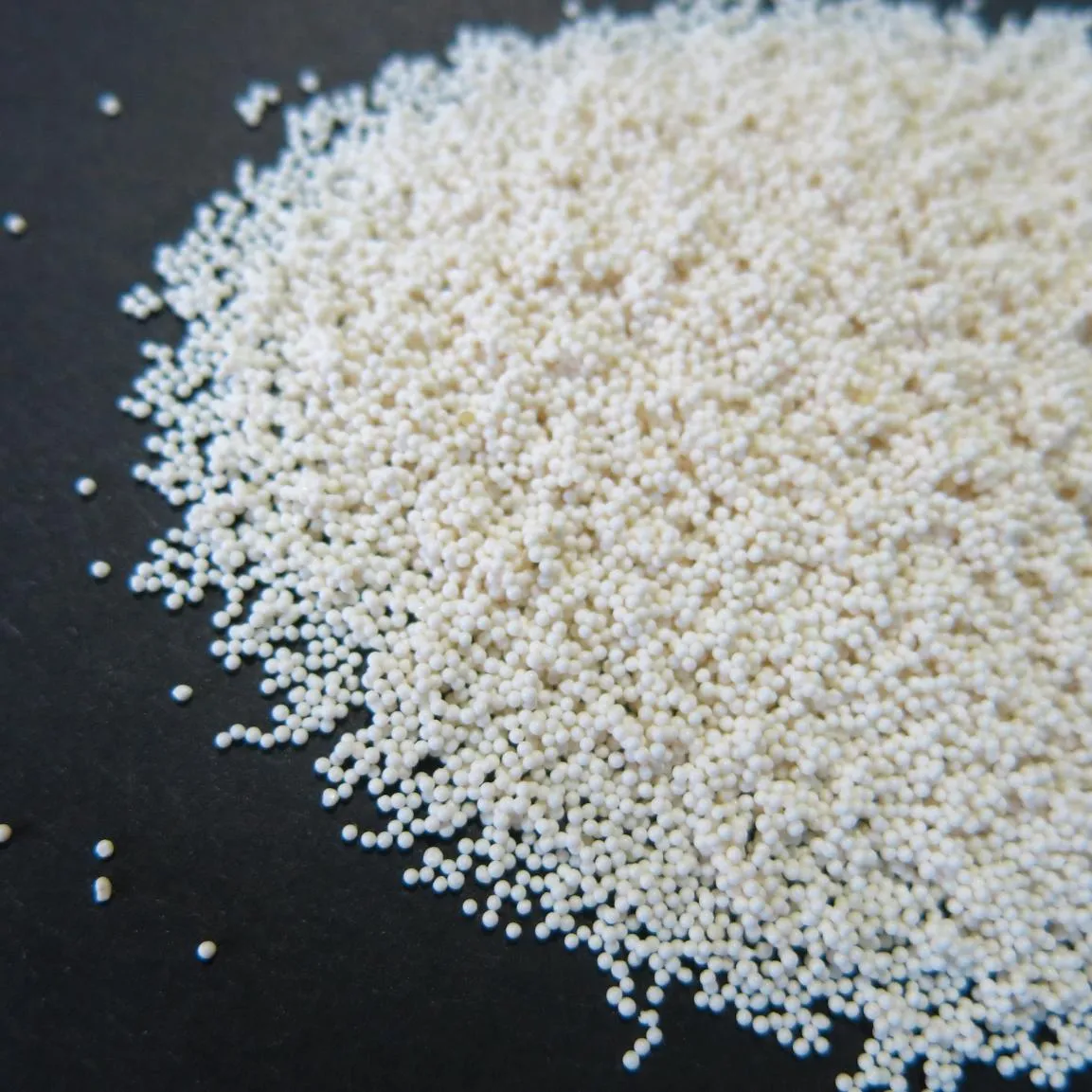
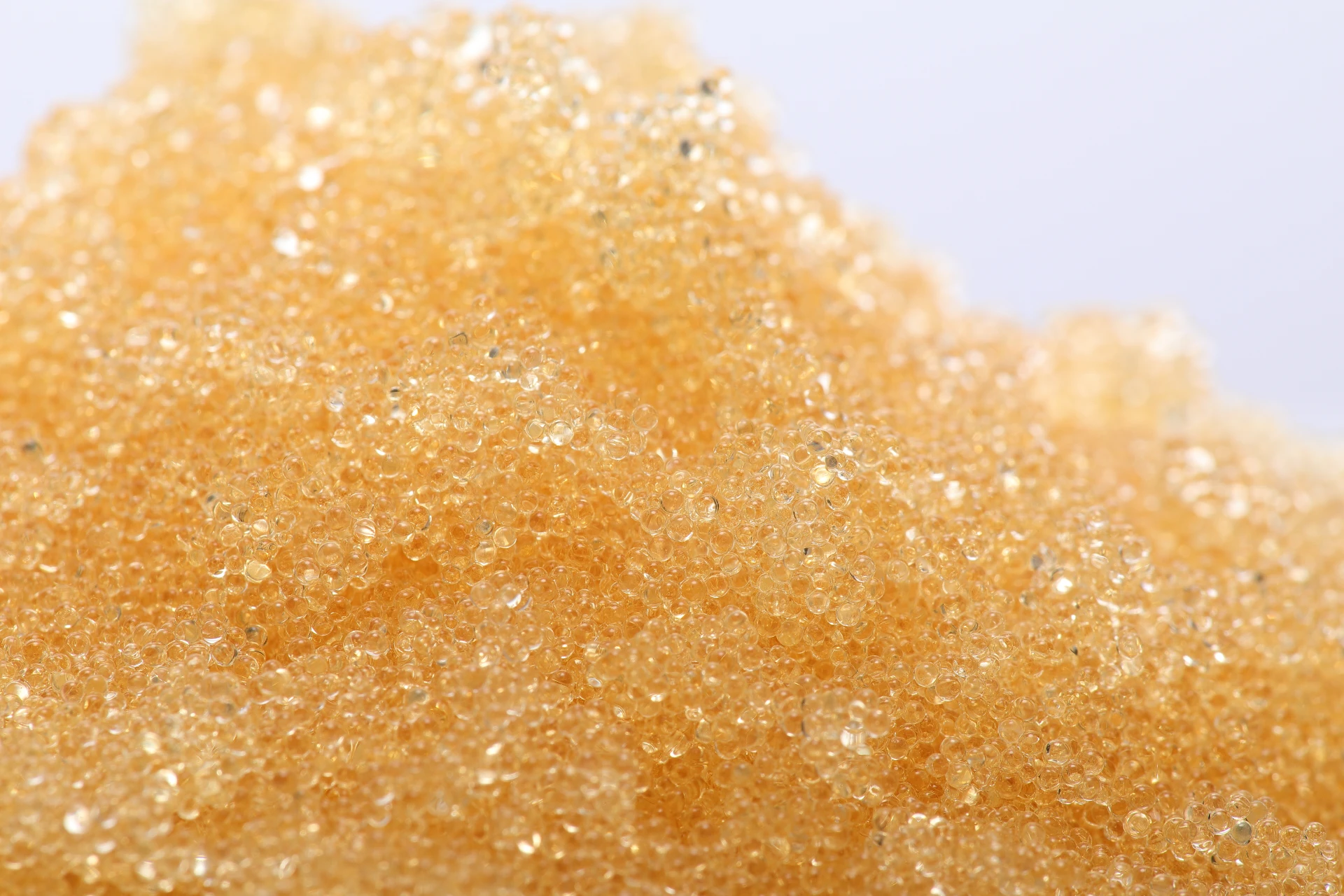
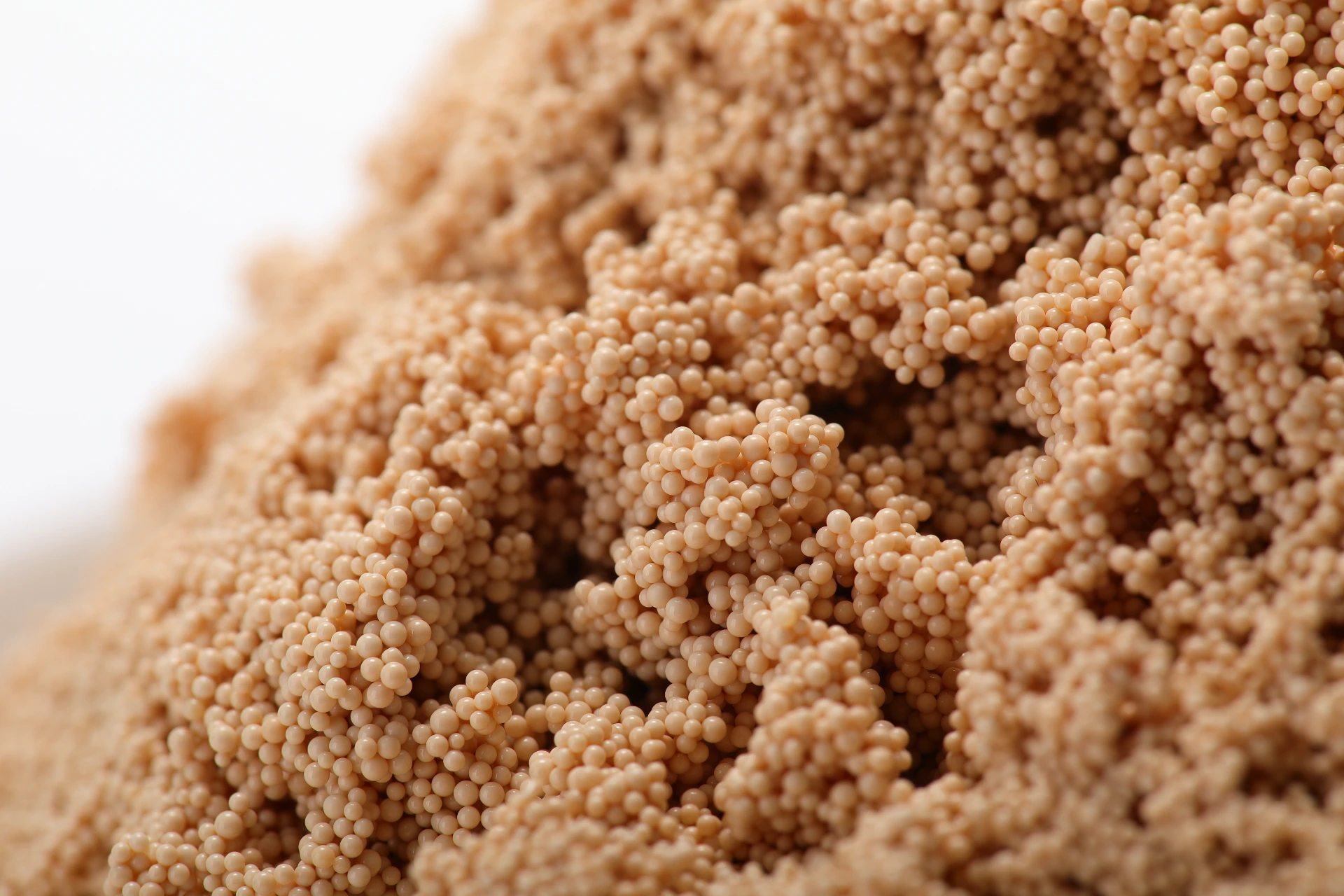
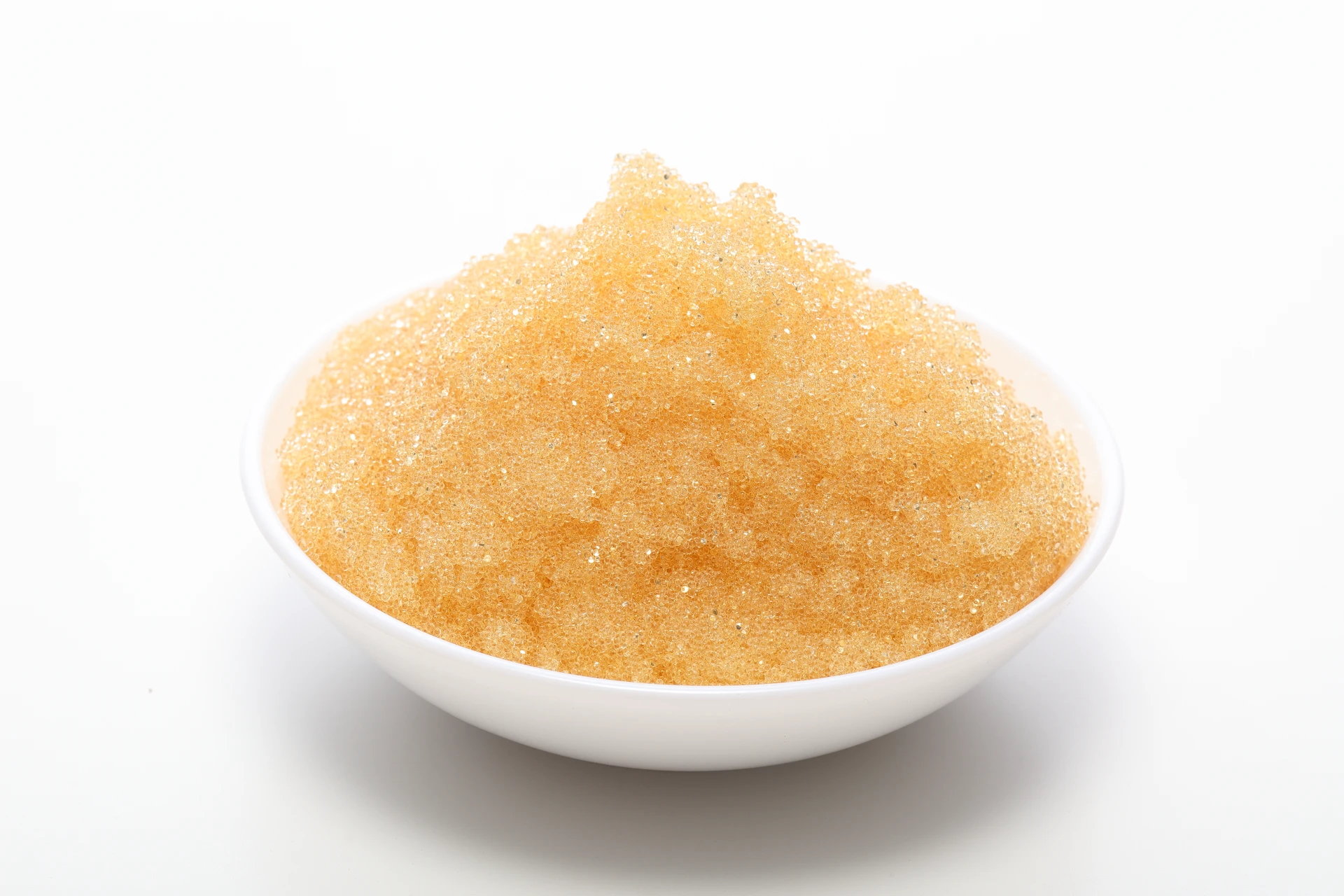
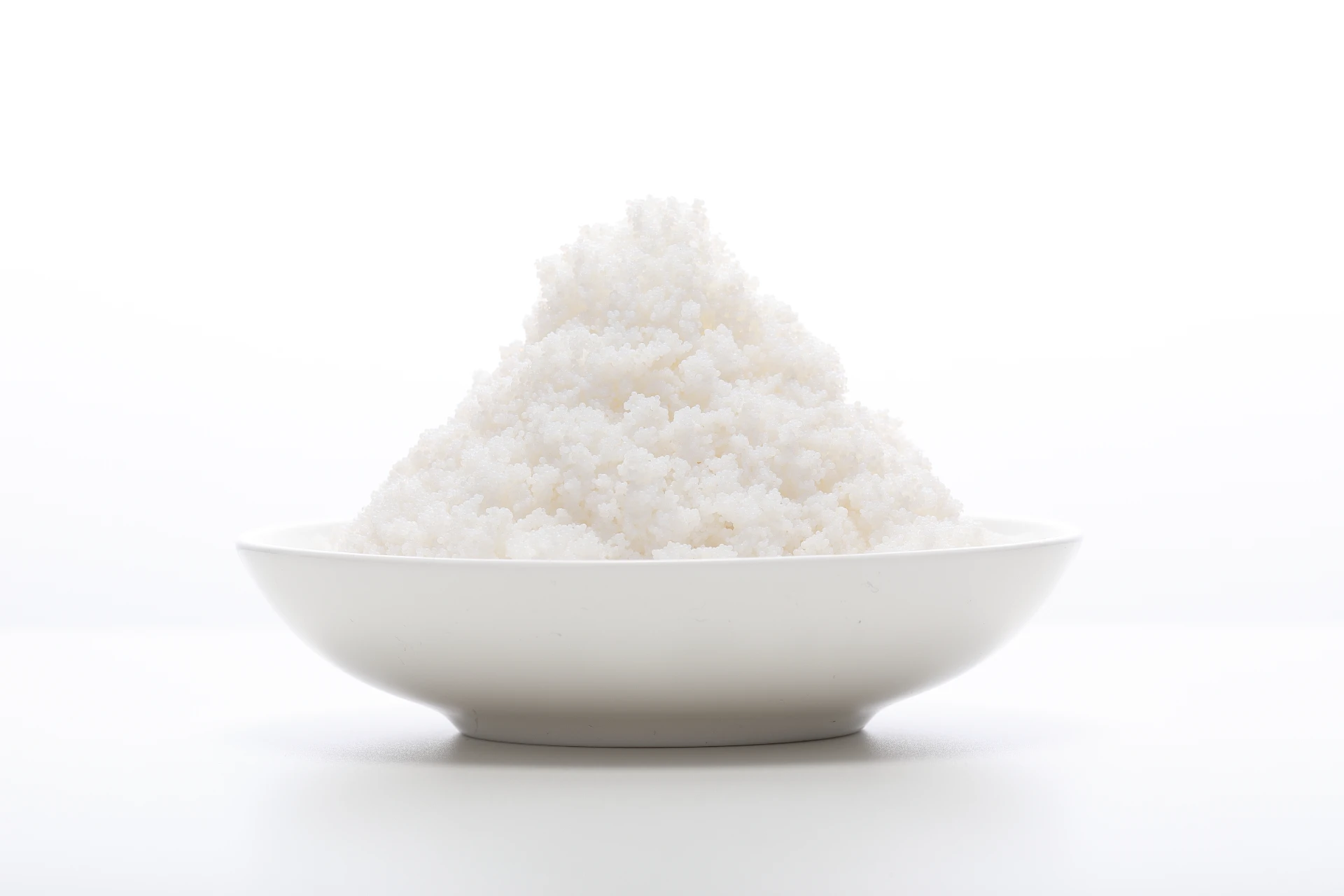
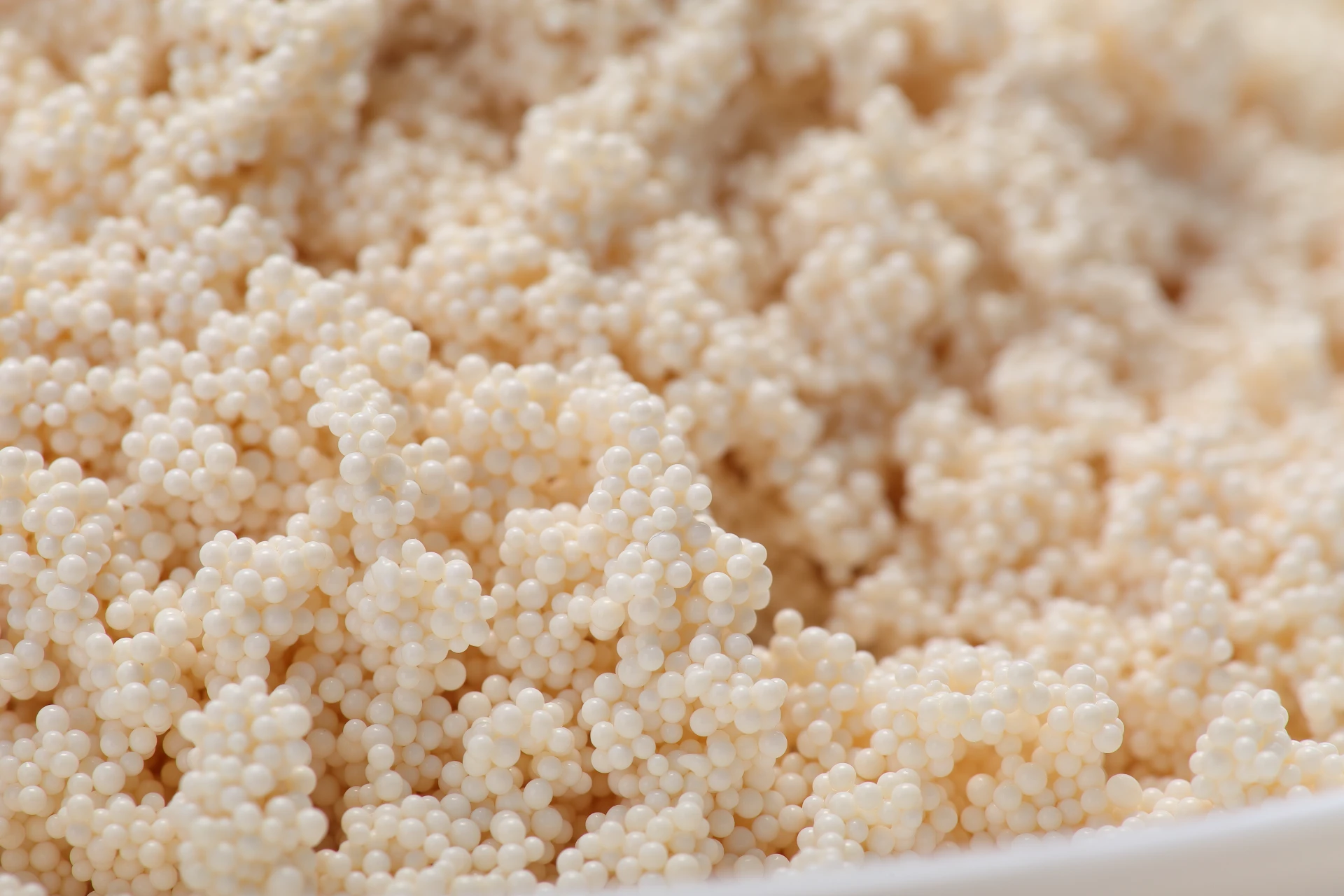
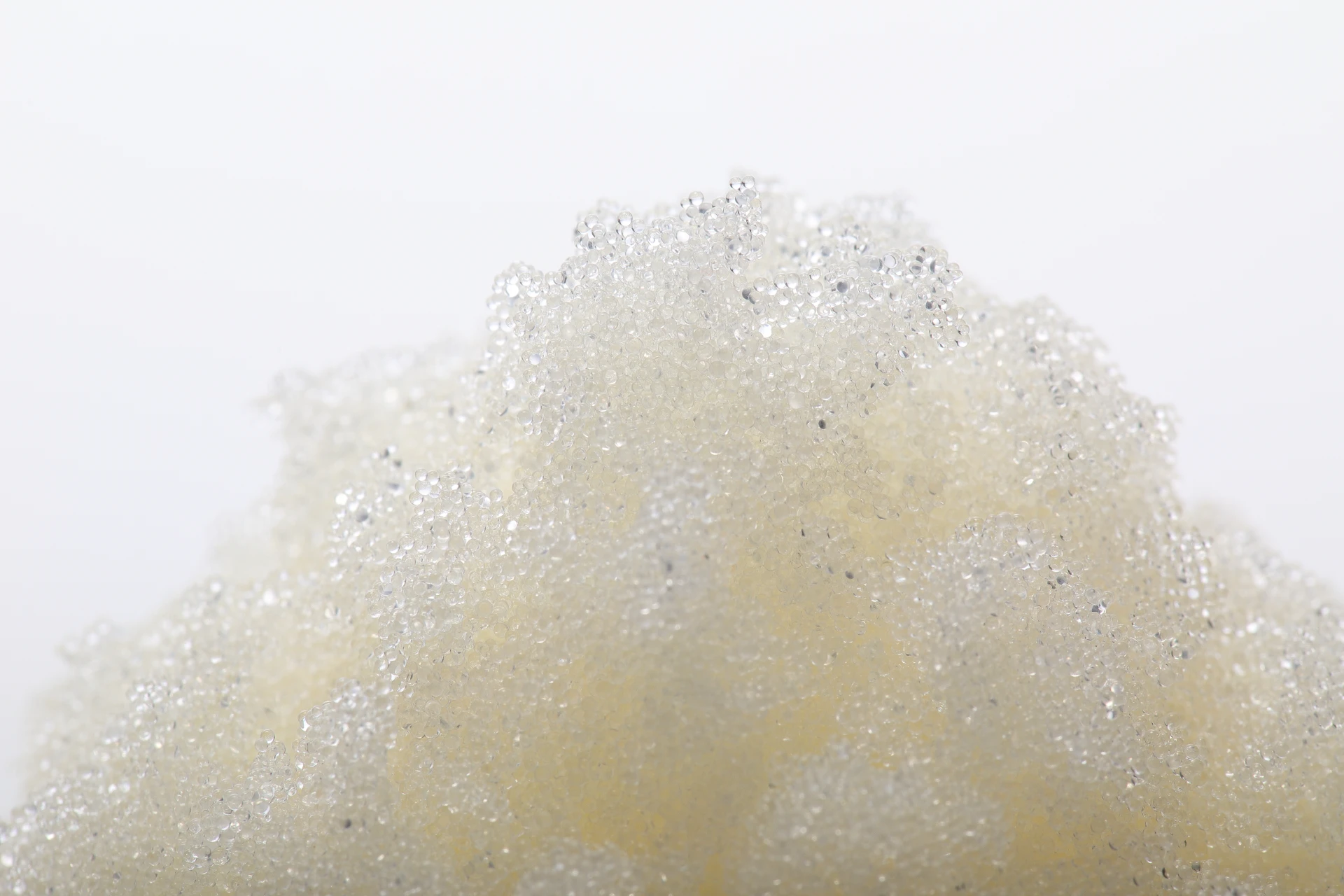
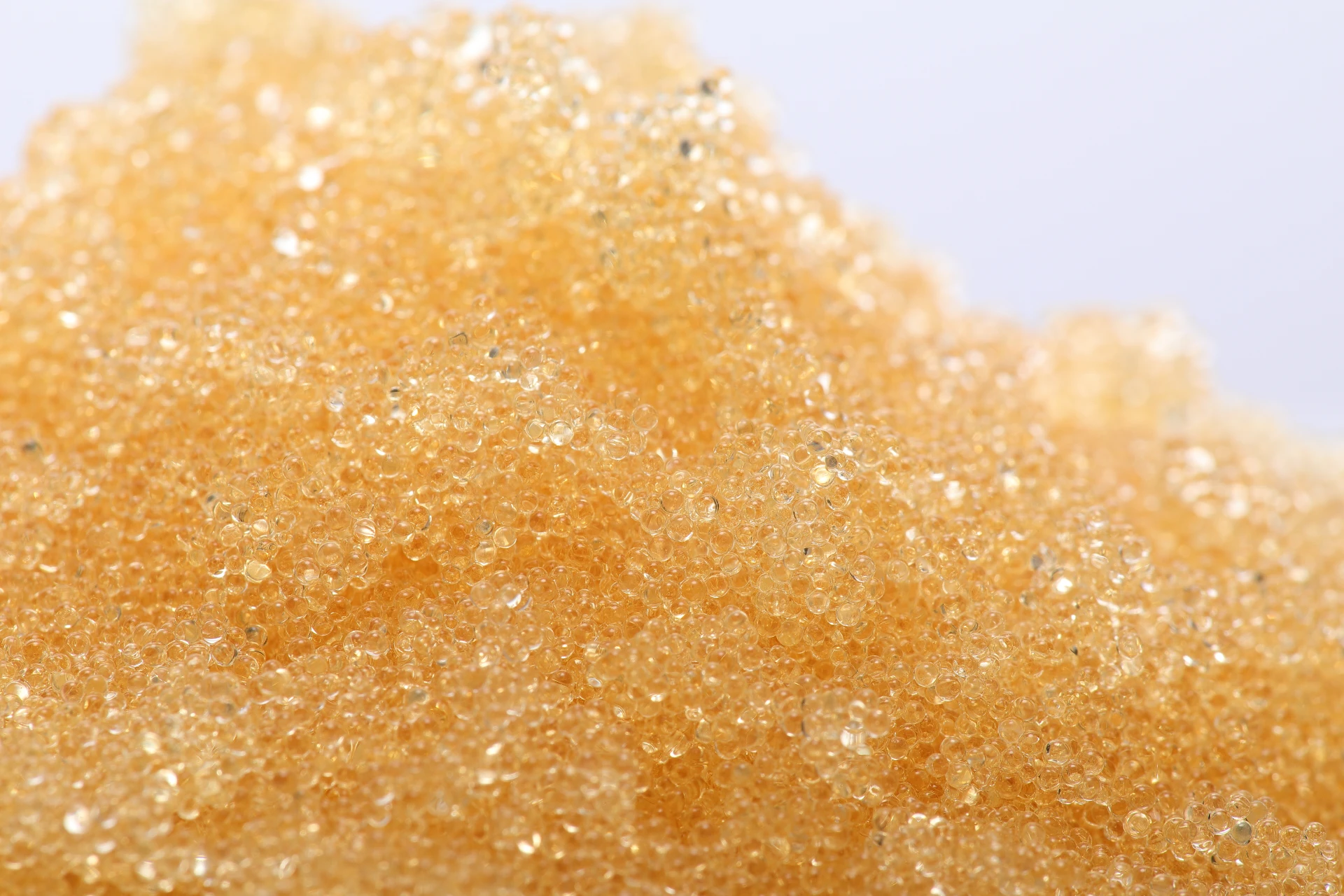
Let’s unpack this jargon. Think of cation anion exchange resins as tiny molecular sponges, designed to swap out unwanted charged particles in liquids. They come in two flavors:
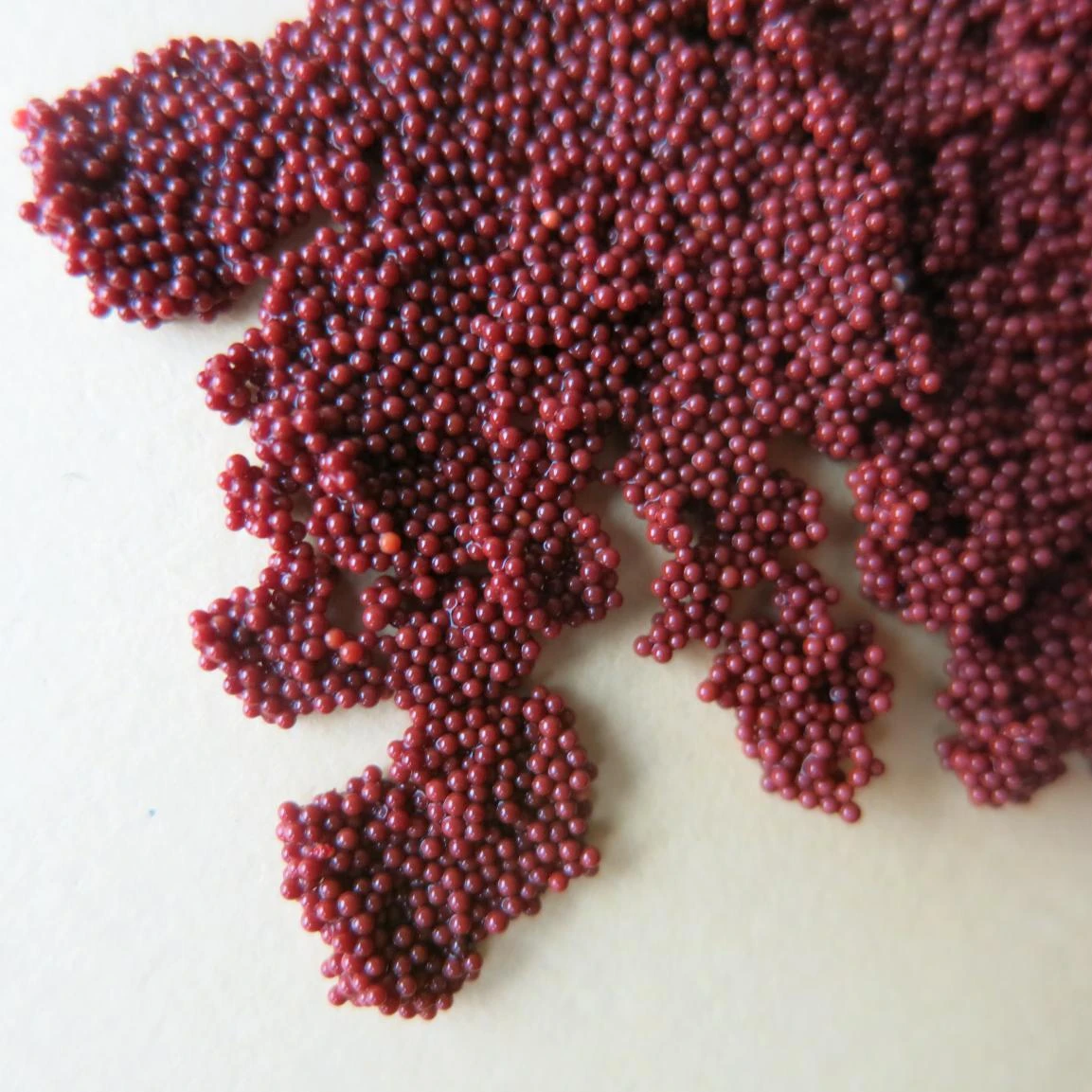
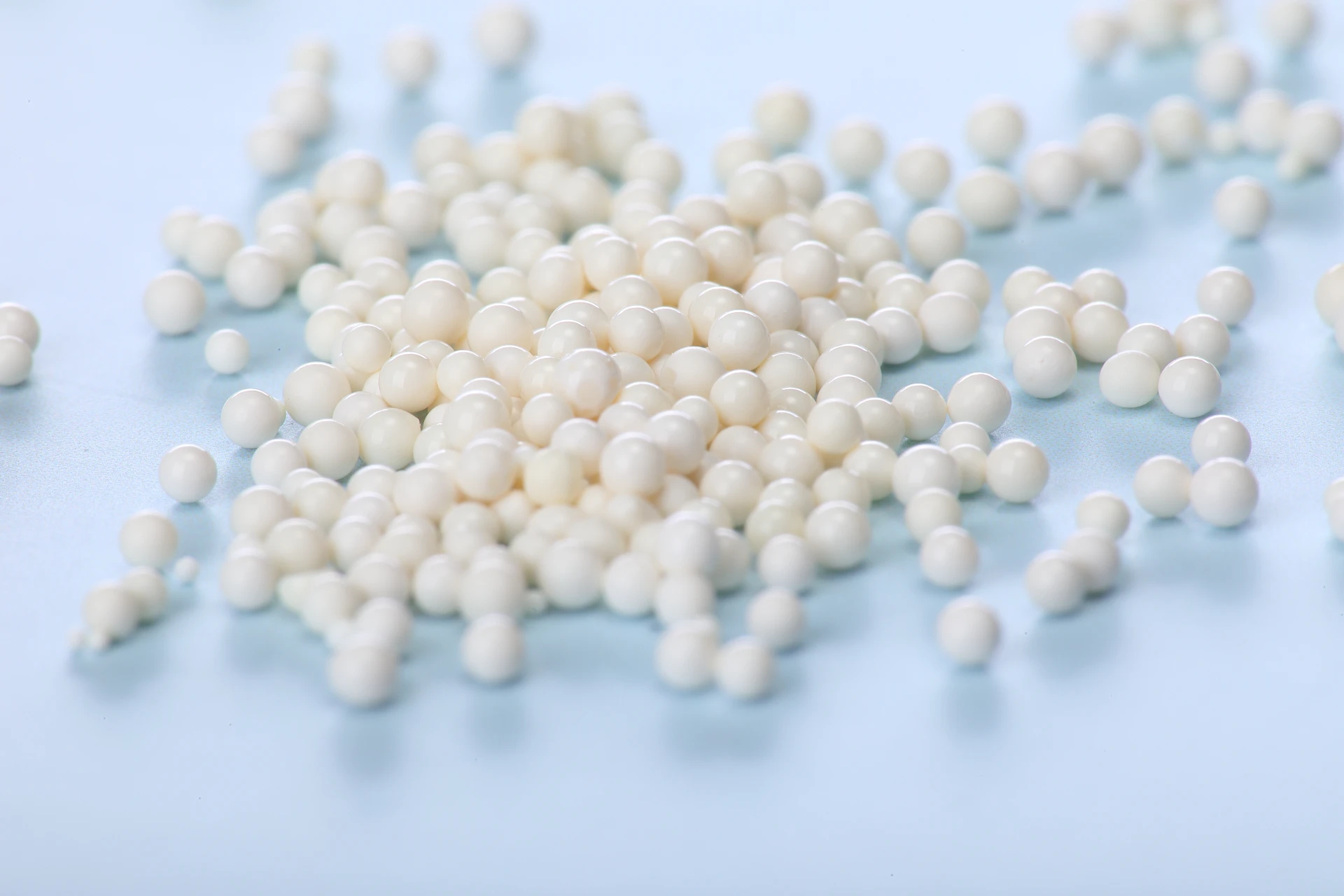
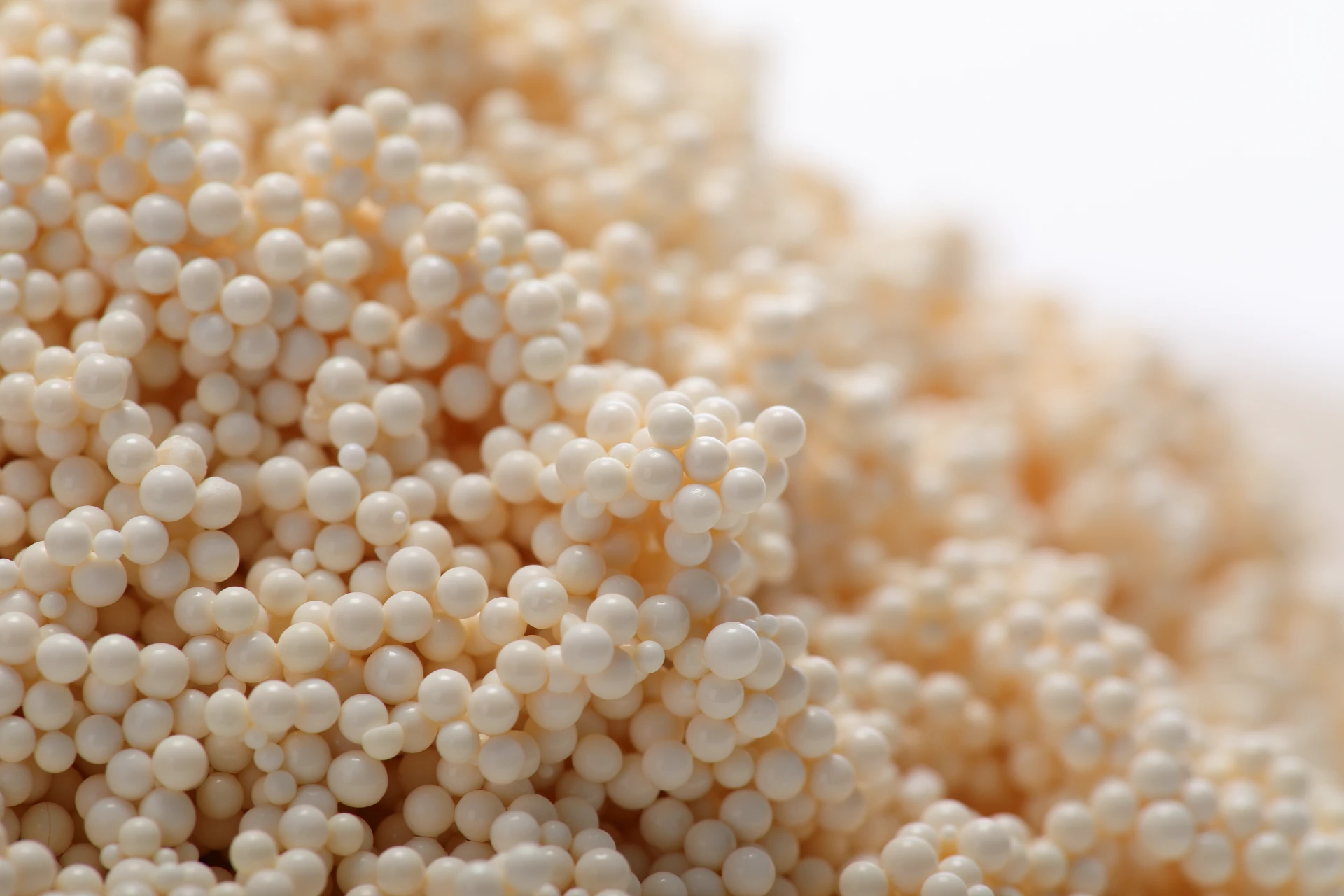
Often used together in mixed-bed setups, these resins purify water by removing impurities in a more thorough way than traditional filtering methods. They’re polymer beads with charged functional groups, crafted for efficient, selective ion binding. This makes them indispensable in industries ranging from pharmaceuticals to wastewater treatment, and even humanitarian water relief efforts.
The magic lies in the resins’ ability to selectively snatch out different ionic species, a chemistry trick that keeps water and chemicals clean worldwide.
Strong mechanical resilience and the ability to be “recharged” with salt solutions mean resins don't just get tossed after one use. That’s a game-changer for operators wanting cost-effective, sustainable solutions.
Depending on their chemical makeup, these resins target specific ions, allowing precise purification even when contaminants exist in trace amounts. For instance, removing lead or arsenic from drinking water requires high selectivity.
Whether servicing a small rural community or a sprawling industrial plant, resin systems can be scaled up or down without massive engineering headaches. Modular designs increasingly dominate the market.
Initial setup can be pricey, sure. But factor in regeneration, longevity, and environmental compliance savings, and they become a clear financial winner over alternatives like chemical precipitation or reverse osmosis.
Many modern resins undergo rigorous testing (ISO 14000 standards, for instance) to ensure toxic-free leaching and biodegradability after disposal, aligning with growing green policies.
In short, these six traits create a “sweet spot” between chemistry, engineering, and economics, enabling cation anion exchange resins to thrive in diverse scenarios.
It’s easy to underestimate how pervasive these resins really are.
Particularly in water-stressed regions like Sub-Saharan Africa and parts of Asia, the technology delivers essential services — often plugging persistent gaps where infrastructure is weak or unreliable.
Ion exchange resins aren’t a niche solution — they underpin many vital sectors worldwide.
| Property | Cation Exchange Resin | Anion Exchange Resin |
|---|---|---|
| Resin Matrix | Polystyrene-divinylbenzene | Polystyrene-divinylbenzene |
| Functional Group | Sulfonic acid (-SO3H) | Quaternary ammonium (-NR4+) |
| Typical Particle Size | 0.3 - 1.2 mm | 0.3 - 1.2 mm |
| Operating pH Range | 0 - 14 (acidic favored) | 2 - 13 (alkaline favored) |
| Regeneration Agent | NaCl, HCl | NaOH, NaCl |
| Typical Capacity | 1.7 - 2.0 eq/L | 1.1 - 1.4 eq/L |
| Vendor | Product Range | Global Reach | Sustainability Initiatives | Notable Clients |
|---|---|---|---|---|
| IonPure Corp. | Wide cation/anion, specialty variants | Americas, Europe, Asia | Closed-loop regeneration tech | Nestlé, BASF, UNEP projects |
| ResinTech Solutions | Standard mixed bed + custom resins | Europe, Africa | Organic resin development | UNICEF water programs |
| PureLife Chemicals | Industrial-grade + food-safe resins | Asia, Middle East | Energy-efficient production methods | Coca-Cola, Tata Steel |
At face value, it feels a little technical and dry, but the long-term advantages are much more than chemistry textbooks. Consider:
It’s a rare win-win where economics and ethics aren't at odds but instead complement each other brilliantly.
Looking ahead, plenty of promising trends are emerging:
All this makes the future of cation and anion exchange resin tech pretty exciting, layered with the promise of smarter, cleaner, and greener operations.
No technology is without its wrinkles — and ion exchange resins face challenges like:
But with emerging pre-treatment filters, improved regeneration chemicals, and financing models tailored for developing regions, many solutions are being actively pursued. Partnerships between vendors and NGOs often provide expertise and funding to smooth the path.
A: Cation resins swap positively charged ions like calcium or sodium, while anion resins target negative ions such as chloride or sulfate. Using both together covers the full spectrum of common water contaminants.
A: With proper regeneration and maintenance, resins typically last 5-15 years, although harsh water conditions can shorten lifespan.
A: Yes, certain cation exchange resins are specialized to bind metals like lead, arsenic, and mercury, effectively reducing their levels below safety thresholds.
A: Absolutely. Portable and modular ion exchange systems exist that require minimal infrastructure, making them ideal for rural or emergency settings.
A: Look for vendors with certified quality standards and proven sustainability practices. A good start is visiting manufacturers’ official sites or industry trade platforms.
In a world grappling with resource scarcity and pollution, these resins offer an elegant, science-backed solution to purify water and chemicals effectively. Beyond the technicalities, they touch millions of lives—supporting health, industry, and sustainability in unseen but profound ways. For a deeper dive, or if you’re thinking of sourcing resins with trusted specs and service, visit our hub at cation anion exchange resin. Sometimes, the quietest heroes make the biggest difference.