Phone:
+86 0319 2296164


Email:
info@lijiresin.cn
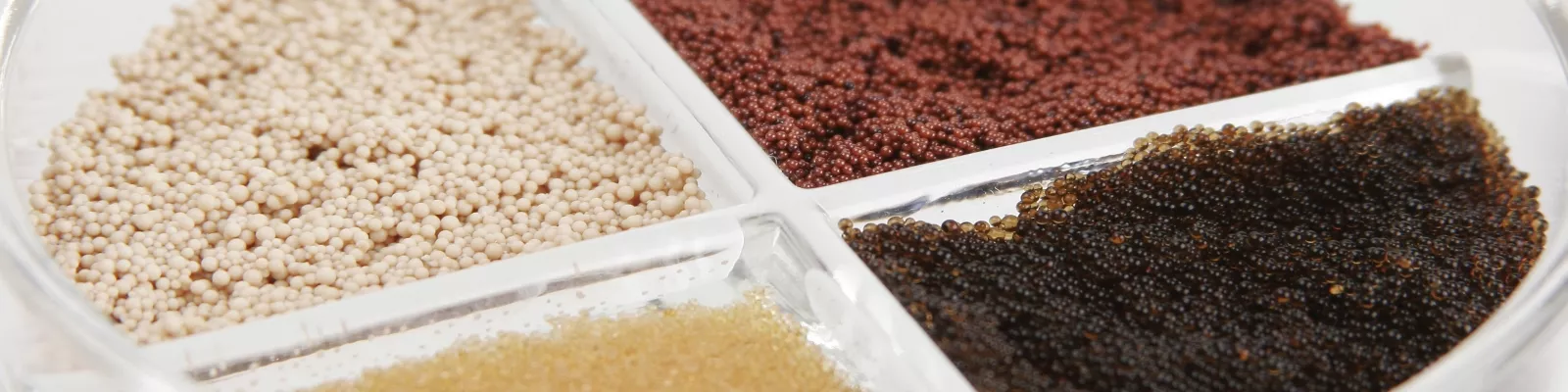
After spending a good chunk of my career around industrial water treatment setups and resin beds, I've come to appreciate when a product genuinely stands out. The Purolite MTS9300 resin is exactly one of those rare finds in the ion exchange world. Frankly, when you deal with process softening in complex environments, you want reliability—and this resin delivers, well, consistently.
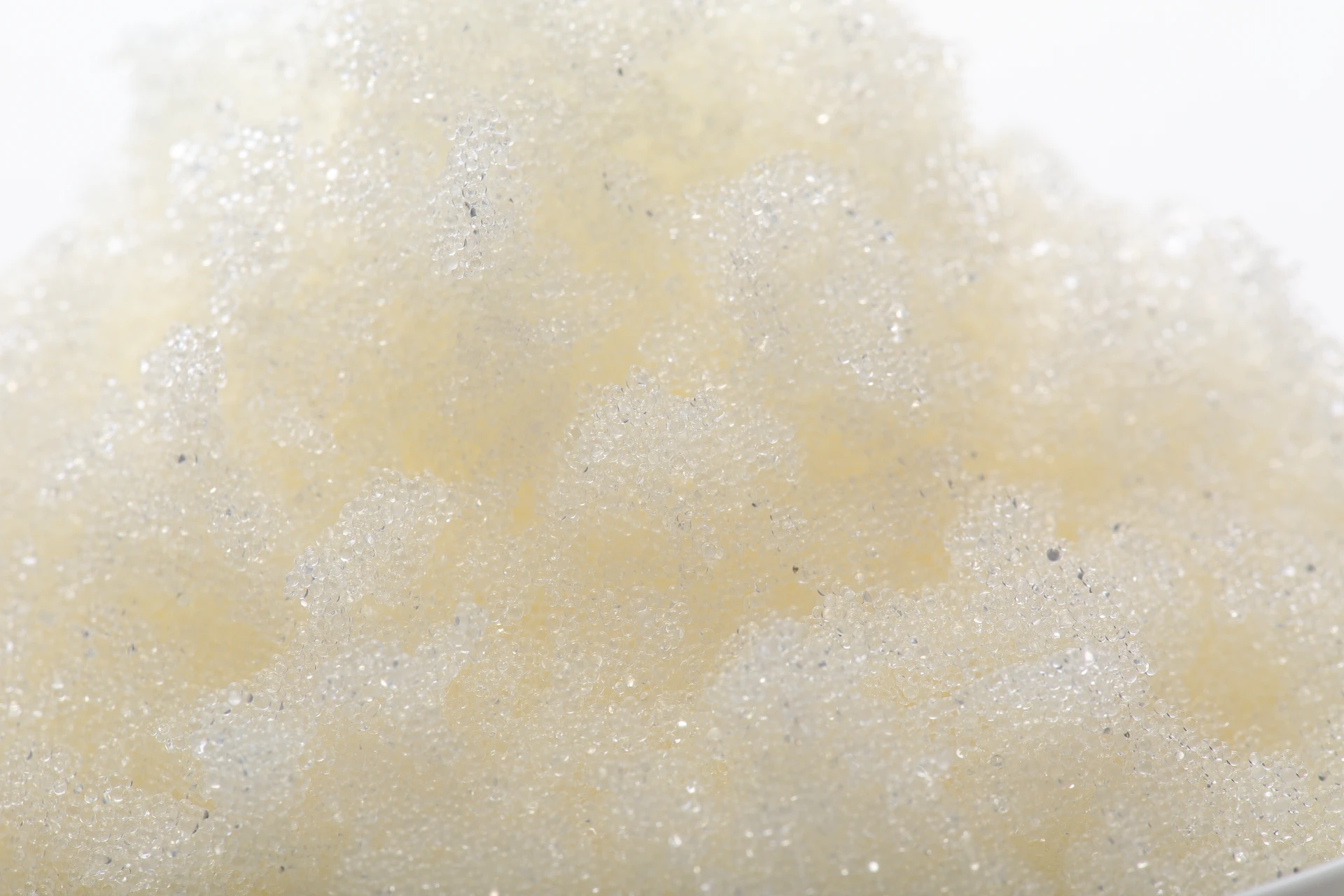
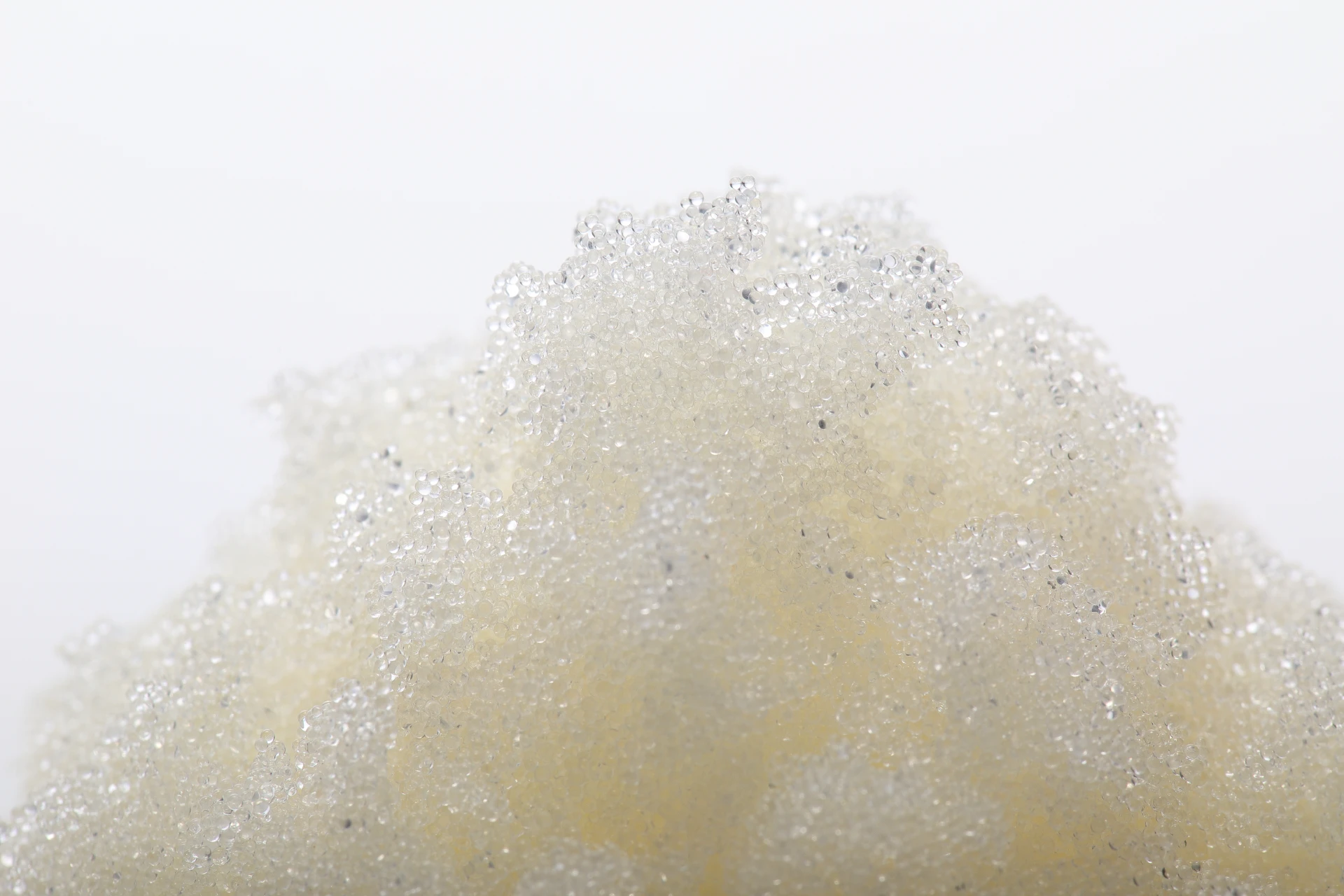
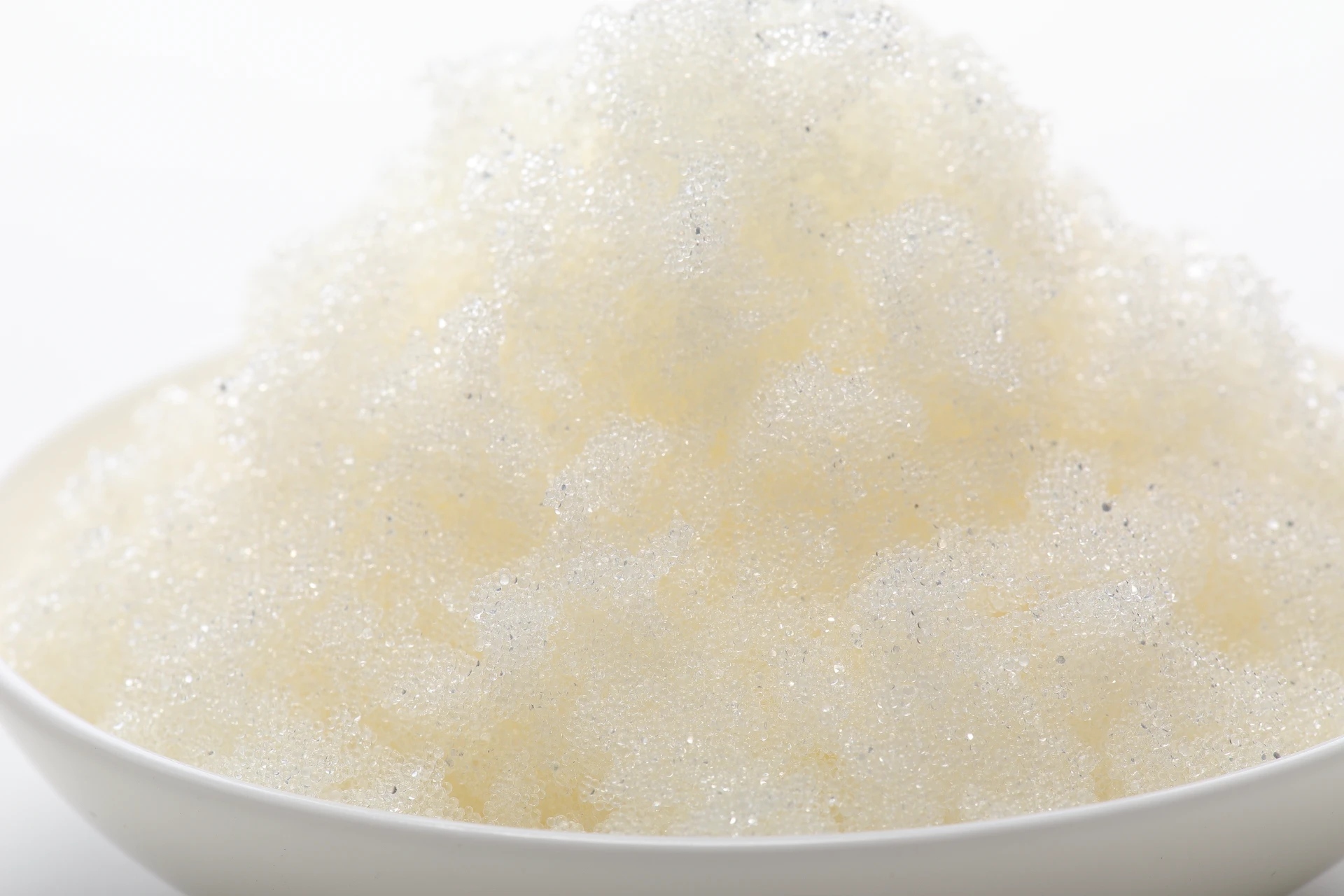
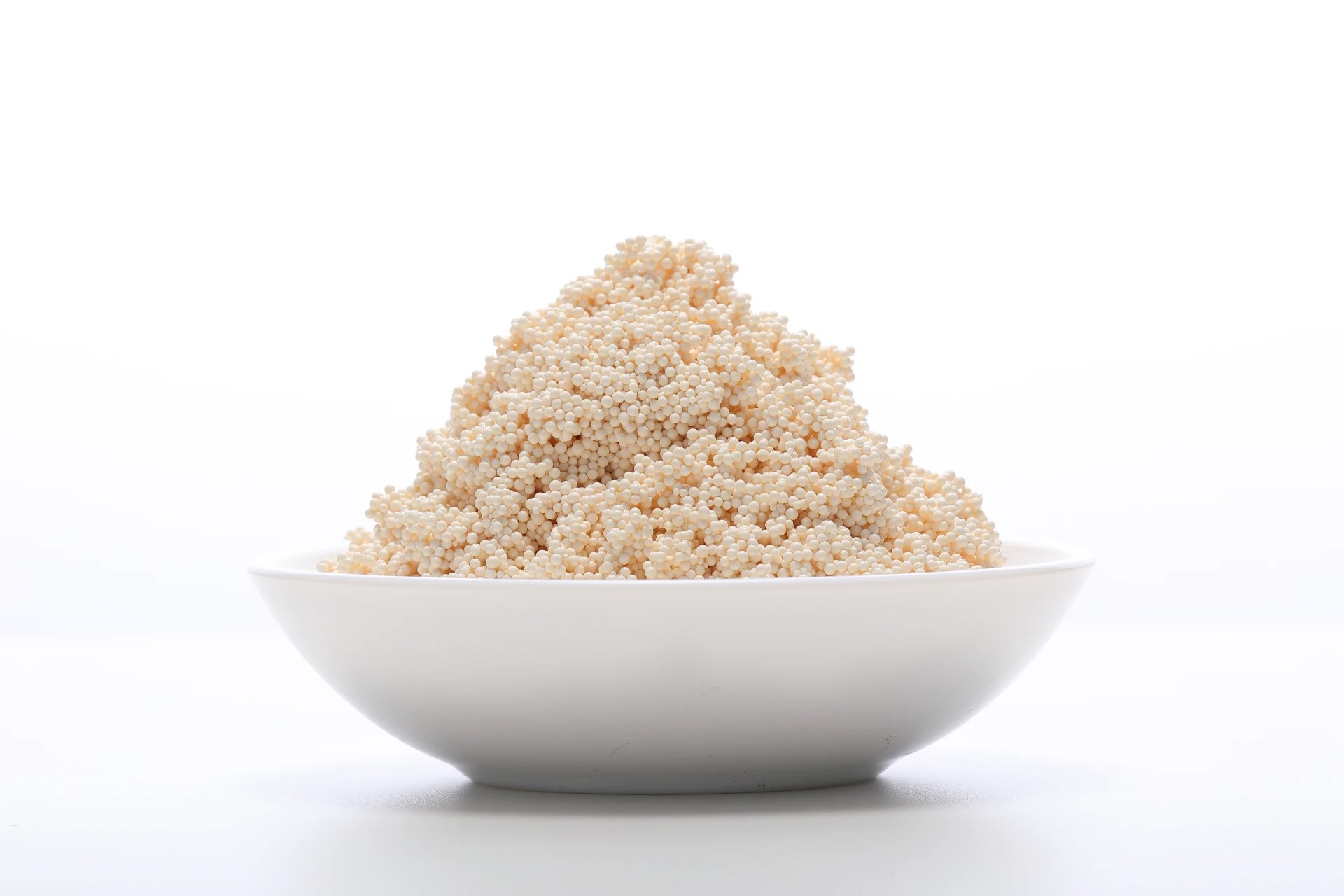
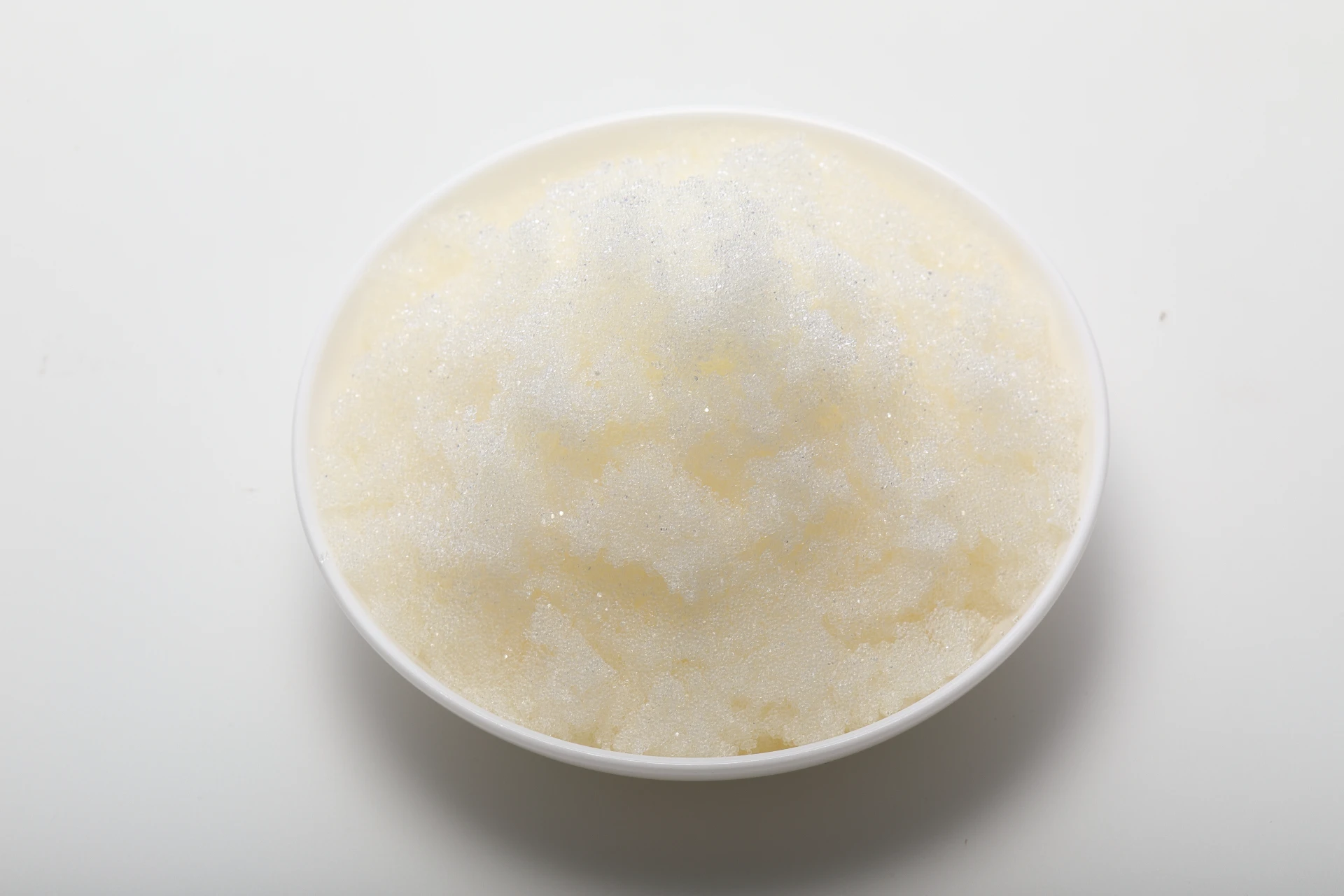
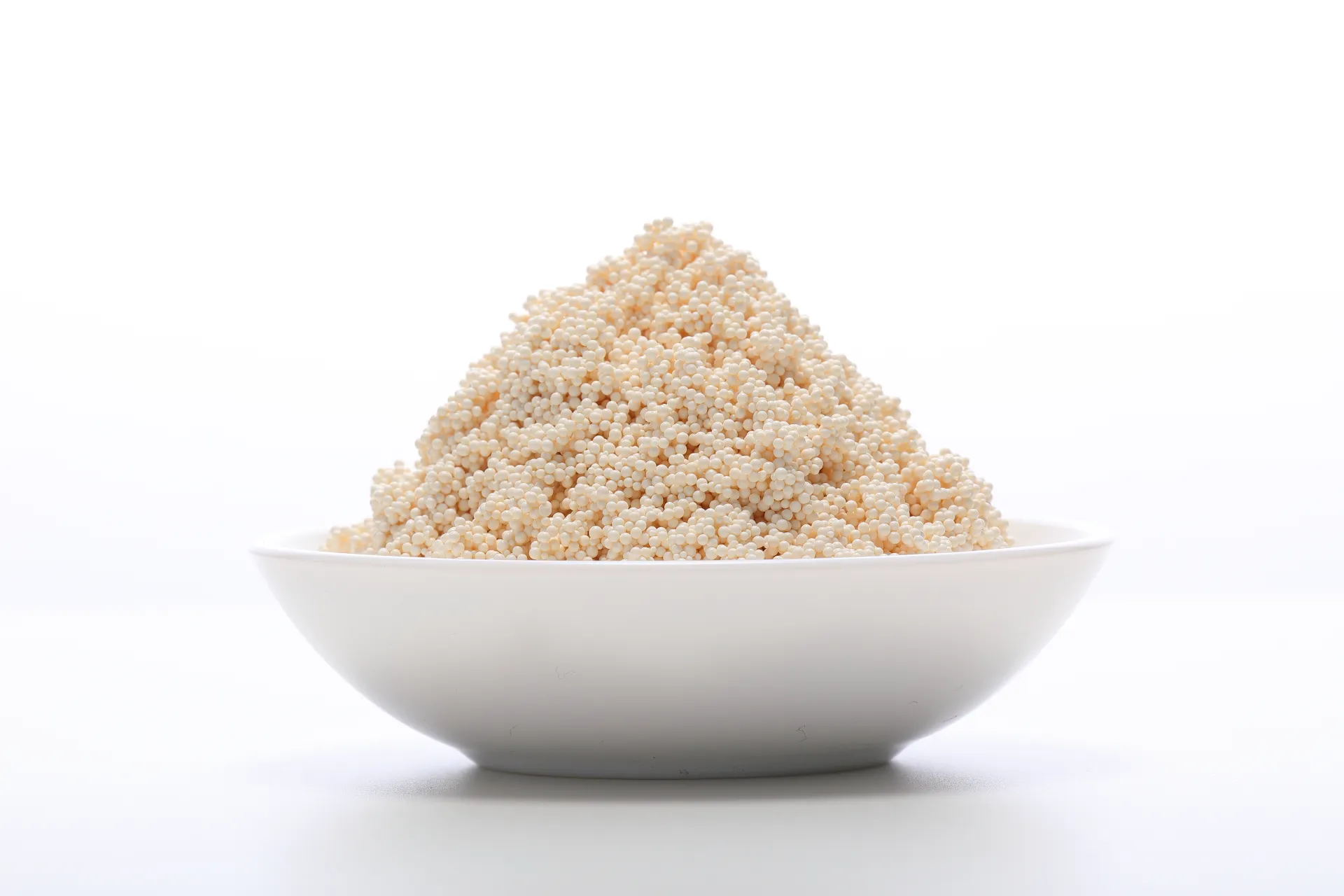
Let’s get one thing clear first: the Purolite MTS9300 is a macroporous strong acid cation resin primarily designed for industrial water softening applications. Its manufacturing pedigree reflects Purolite’s well-earned reputation—precision polymer bead production, sphere uniformity, and mechanical strength are all dialed in. Oddly enough, it’s these seemingly small specs that make a major difference once it’s loaded into a softener vessel and working day in, day out.
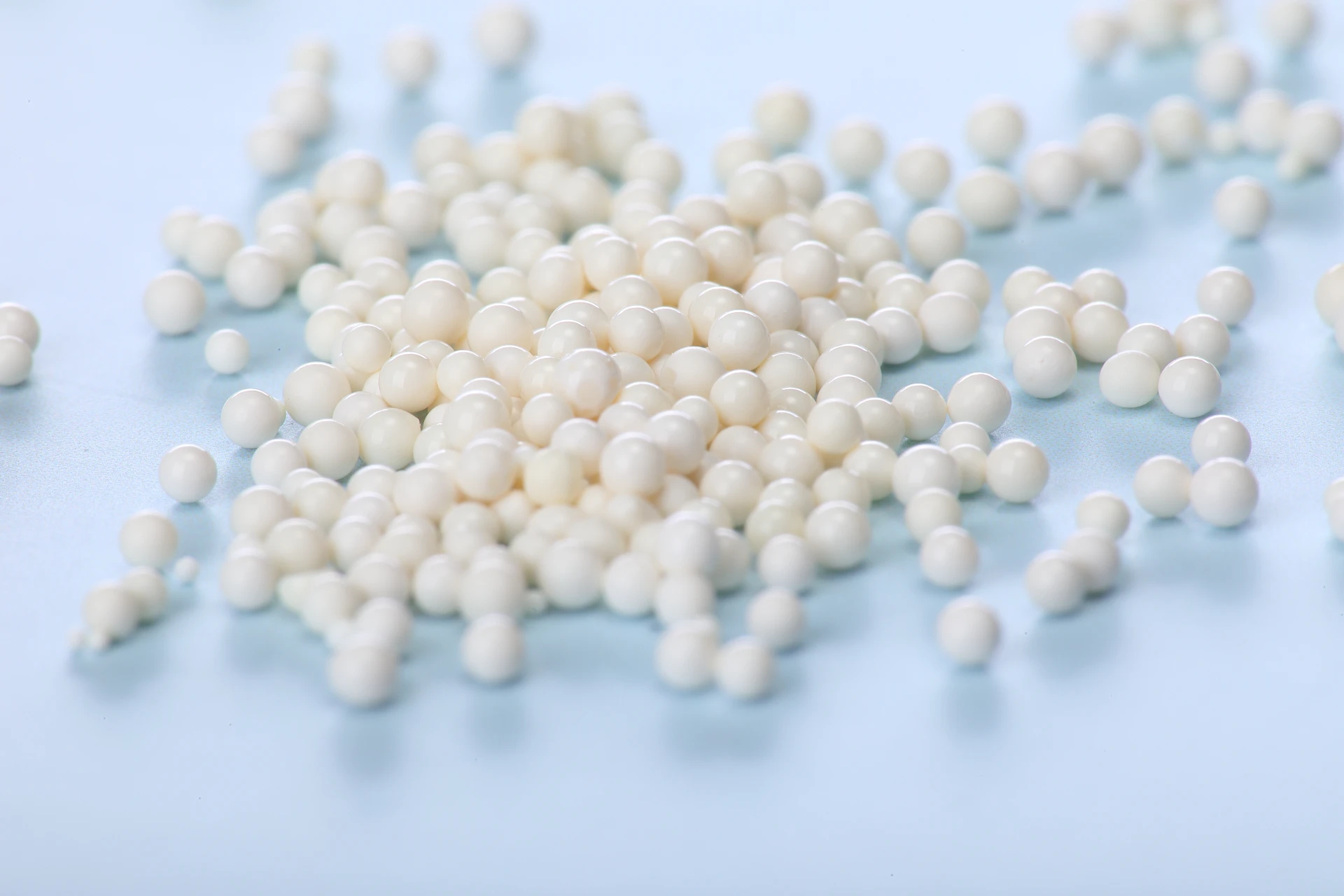
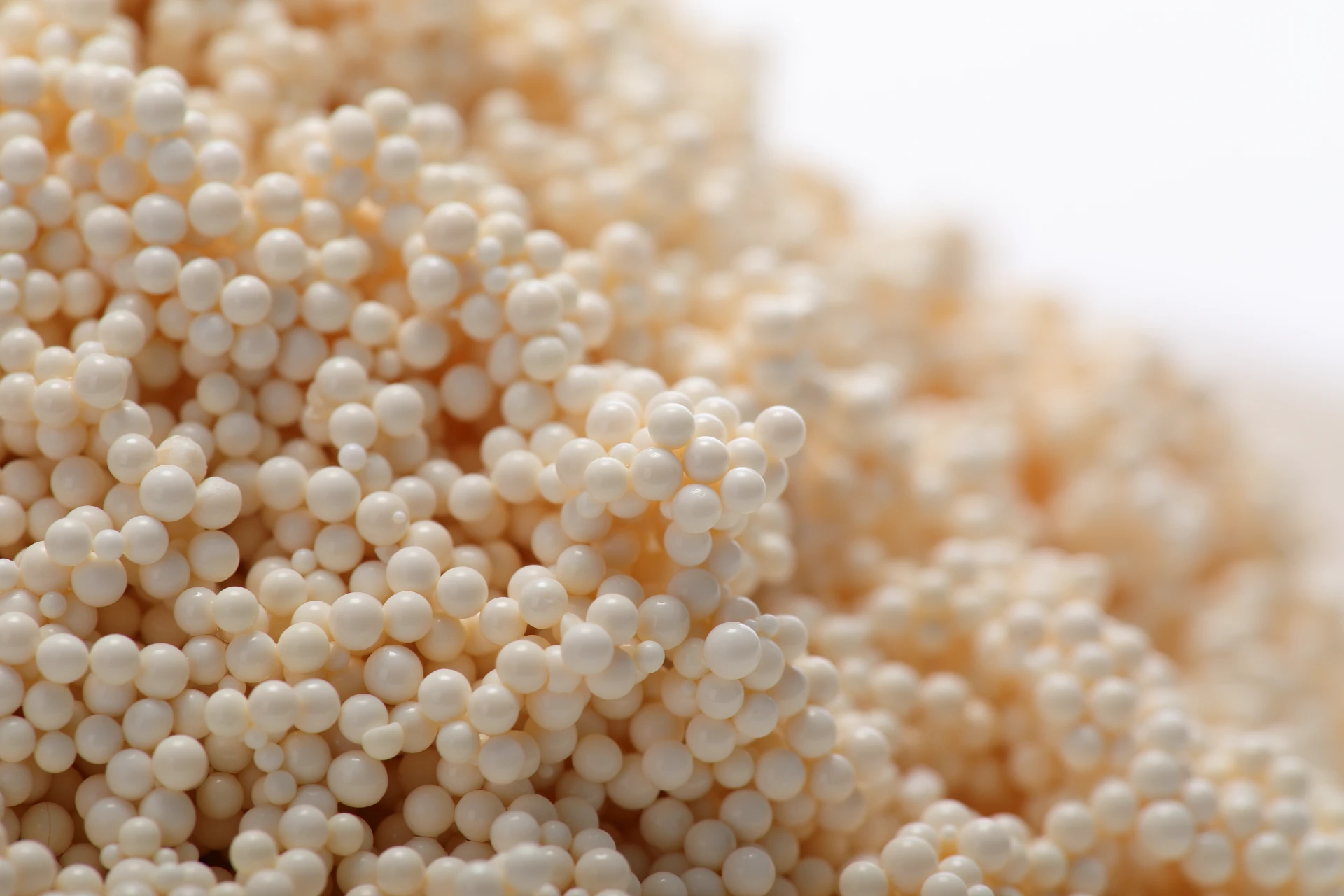
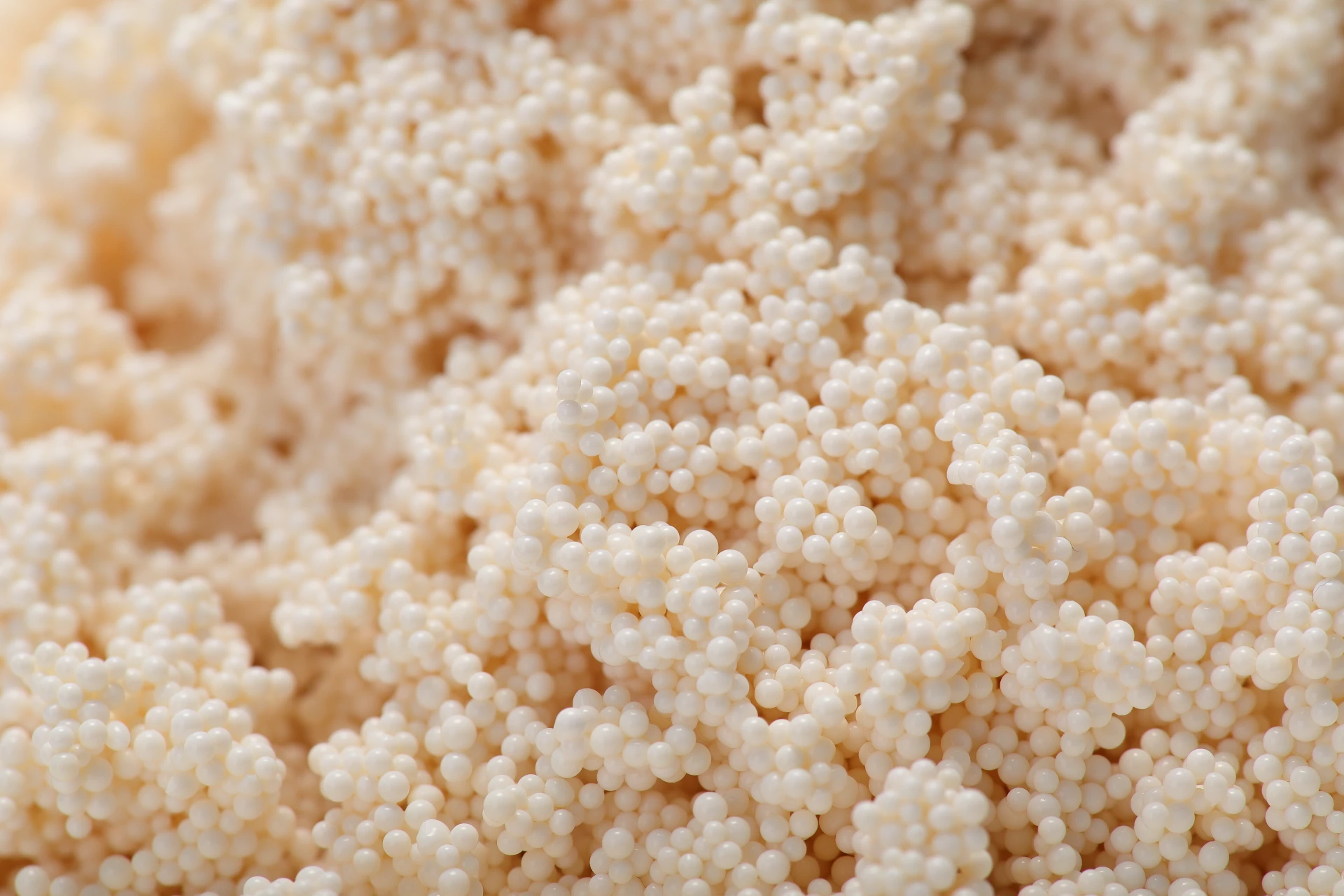
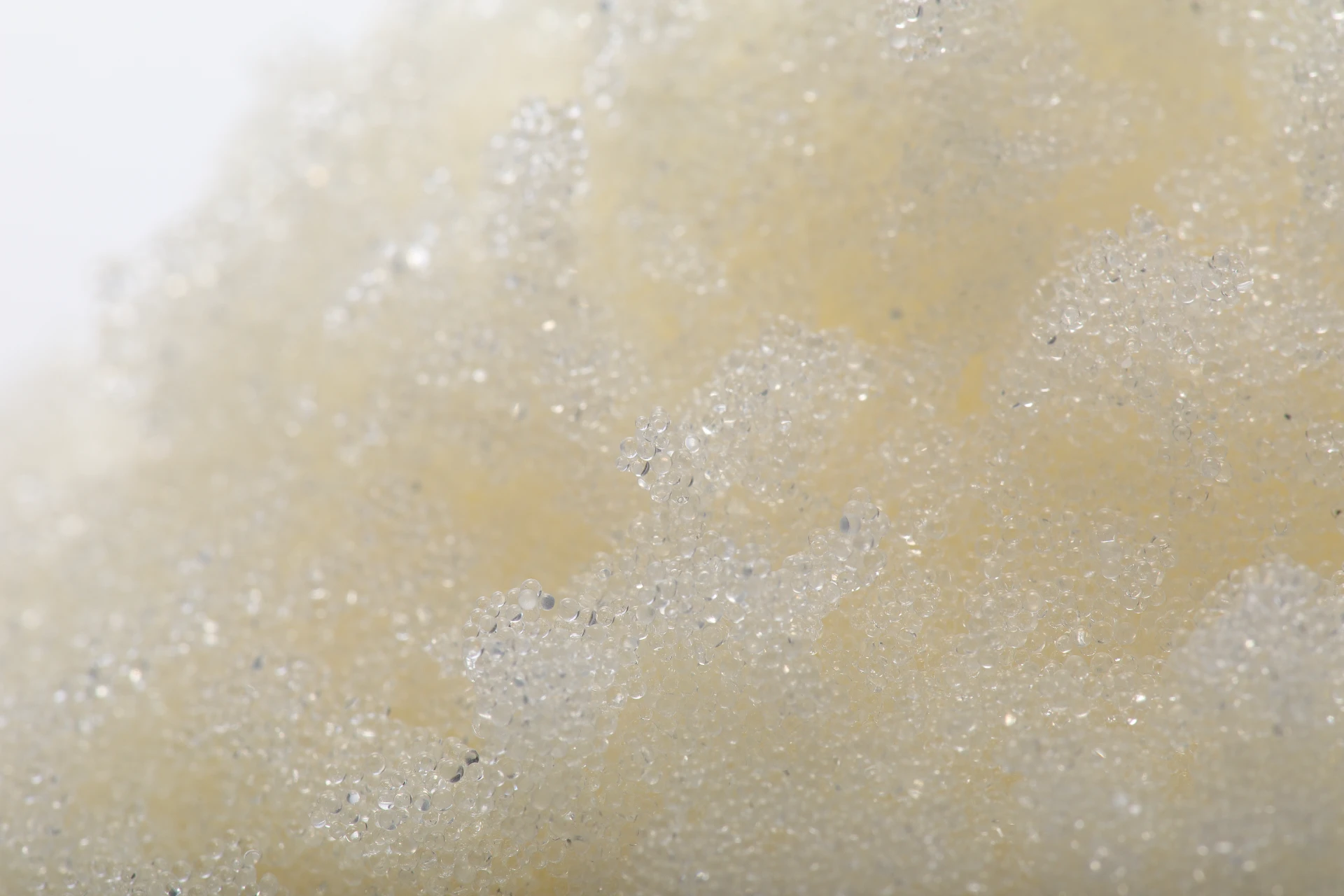
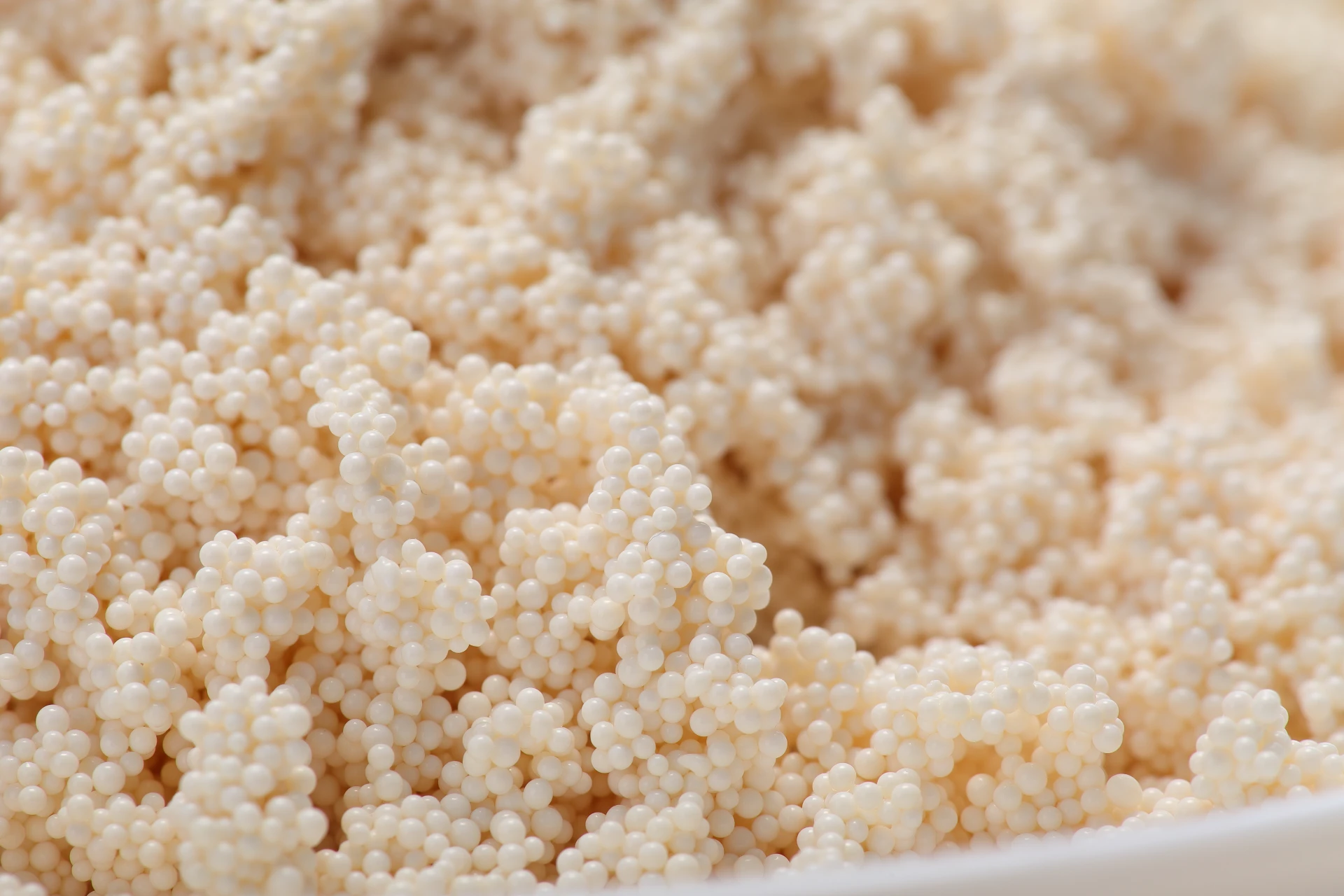
One thing I always look for in a resin is the bead size distribution. MTS9300’s beads fall between 0.40 and 1.20 mm with an average around 0.85 mm, providing an excellent balance between hydraulic flow and surface area. The cross-linkage percentage — at about 8% — gives it the toughness needed when dealing with varying pH shocks or mechanical abrasion. In real terms, that translates to fewer channeling issues and longer service life. Many engineers I’ve talked to swear by it for large-volume municipal and industrial setups.
| Parameter | Value | Units |
|---|---|---|
| Ionic Form | Na+ | - |
| Total Capacity | 1.9 - 2.0 | eq/L |
| Moisture Content | 45 - 53 | % |
| Mean Particle Size | 0.85 | mm |
| Max Operating Temperature | 100 | °C |
Something I noticed during one of my field visits was how the resin's physical durability matters, especially in tougher conditions. MTS9300 withstands repeated regeneration cycles well, retaining capacity and bead integrity better than some other brands I’ve tested. I suppose this is partly down to Purolite's patented polymer framework. If you think of resin beads as tiny workers, they need to survive the daily grind, or the whole plant efficiency drags.
Now, you might be asking: “How does Purolite compare to other suppliers?” That’s a fair question, and frankly, I’ve seen resin suppliers talk a good game but fall short on specs or supply chain reliability. Here’s a quick vendor comparison from my experience with the major players in the ion exchange resin market. Oddly enough, MTS9300 hits a sweet spot for price-to-performance, making it a popular choice in the EU and North America.
| Vendor | Resin Model | Capacity (eq/L) | Bead Size (mm) | Typical Price ($/ft³) | Durability Rating |
|---|---|---|---|---|---|
| Purolite | MTS9300 | 1.9 - 2.0 | 0.40 - 1.20 | $14 - $18 | A |
| Lanxess | Lewatit S100 | 1.8 - 1.9 | 0.50 - 1.20 | $15 - $17 | B+ |
| Mitsubishi | Diaion SK1B | 1.7 - 1.85 | 0.35 - 1.15 | $13 - $16 | B |
Durability Rating based on mechanical strength and lifetime performance in industrial softening.
A quick anecdote from one plant I visited last year: they replaced an older resin with MTS9300 after facing frequent resin bead degradation and throughput issues. Within 6 months, their regeneration frequency dropped by 15%, water quality was more stable, and downtime related to resin replacement nearly vanished. That kind of operational improvement doesn’t just happen overnight, but it’s a testament to the resin’s build.
Customization-wise, Purolite offers tailored bead size distributions for different hydraulic conditions, which honestly is a luxury when matching resin to very specific plant setups. Plus, their technical support is, I suppose, one of the best in the business; I’ve always found reps knowledgeable and responsive—something you really can’t put a price on when process uptime is on the line.
In summary, the Purolite MTS9300 feels like a resin that understands the pains of industrial softening — durability, capacity, and consistent performance all wrapped up in beads that can take a beating and keep rowing. If you’re shopping for a resin that’s well tested and trusted, it’s definitely worth a look.
For anyone interested in learning more or sourcing the Purolite MTS9300 resin, checking out reliable distributors is the way to go. Do your due diligence on batch specs and shipping timelines to keep your plant running smooth.
At the end of the day, resin choice shapes so much of your water treatment journey — so choose wisely, and maybe take a second look at MTS9300.
References:
1. Purolite Technical Data Sheet, MTS9300 Series
2. Industry Water Treatment Reviews, 2023
3. Personal Field Notes, Various Plant Visits 2018–2023