Phone:
+86 0319 2296164


Email:
info@lijiresin.cn
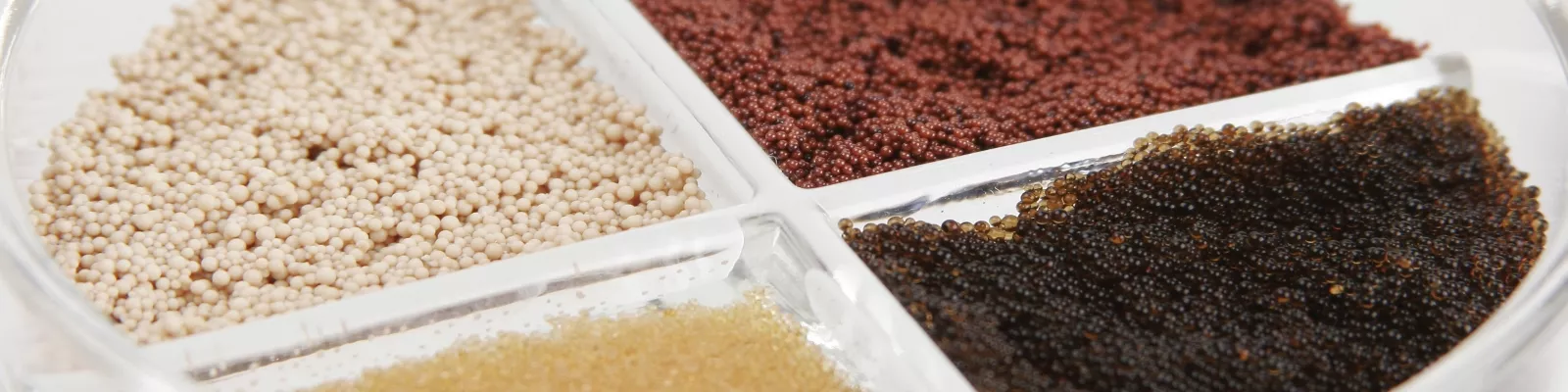
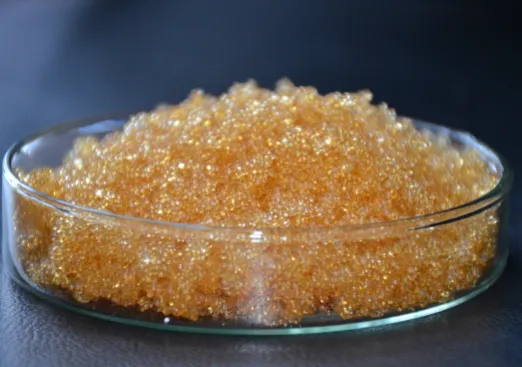
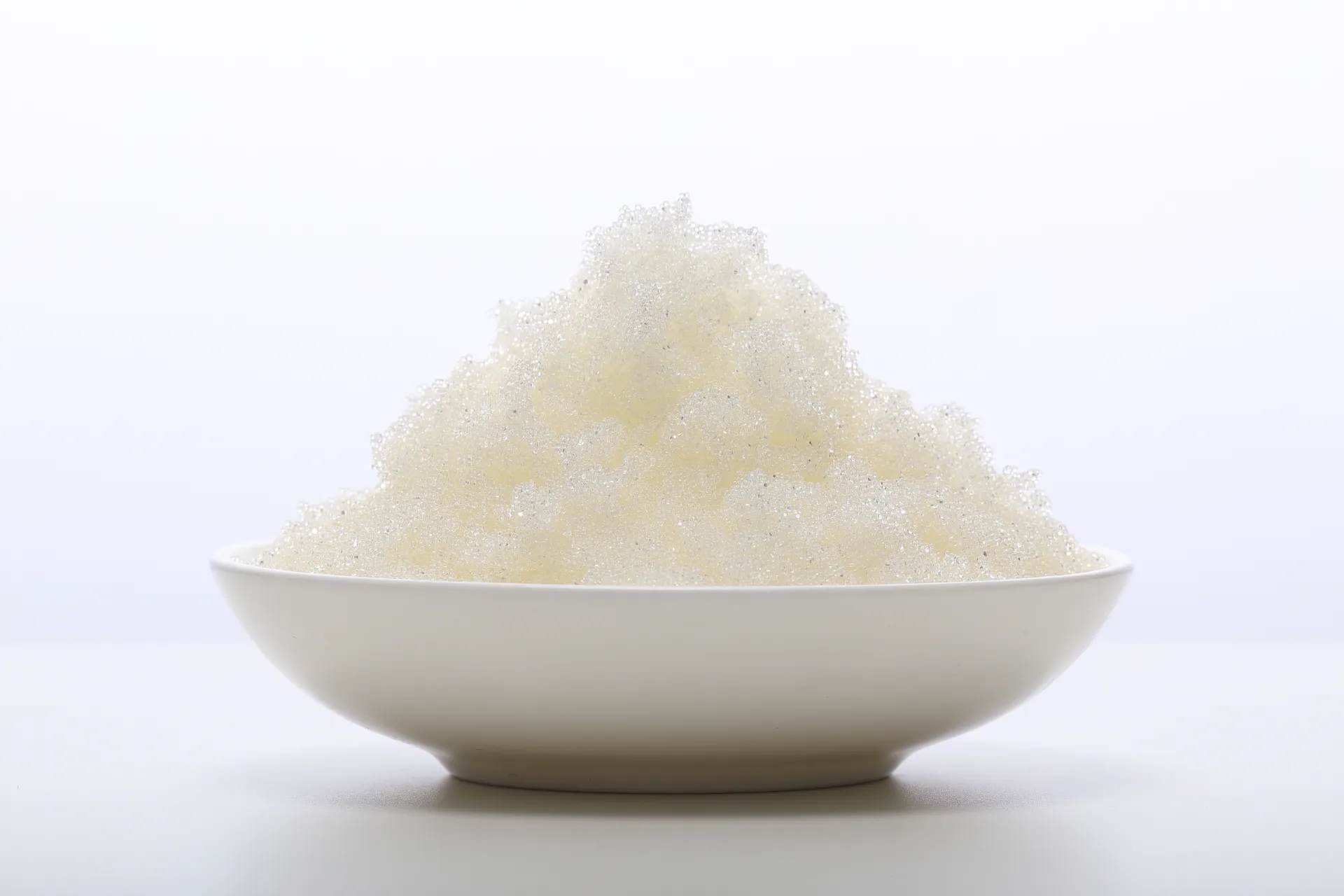
If you’ve ever dealt with water treatment, chemical processes, or even specific industrial filtration systems, chances are you’ve encountered or at least heard about cation resin 225h. It's one of those unassuming materials quietly powering many of the filtration and ion exchange systems we rely on globally. But why should we care? In a world facing mounting water scarcity and stricter environmental regulations, understanding and effectively deploying cation resin 225h can not only save industries money but can also push forward sustainability goals – a win-win that is harder and harder to ignore.
Globally, the demand for clean water and high-purity chemical processing is skyrocketing. According to the United Nations Water Scarcity facts, over 2 billion people live in water-stressed areas. Industries are under pressure to optimize water reuse and minimize contamination. This is where cation resin 225h steps in.
This specific ion exchange resin is a vital companion in softening water, removing heavy metals, and purifying streams in power plants, municipal water facilities, and chemical manufacturing. The challenge? Many existing solutions either underperform under harsh conditions or come with a hefty price tag.
By integrating reliable materials like cation resin 225h, companies can improve efficiency, reduce waste, and meet tougher ISO standards (ISO 9001 & ISO 14001) — standards increasingly mandated worldwide.
Climate change + rising industrial demand = growing relevance for cation resin 225h in sustainable water and chemical treatment.
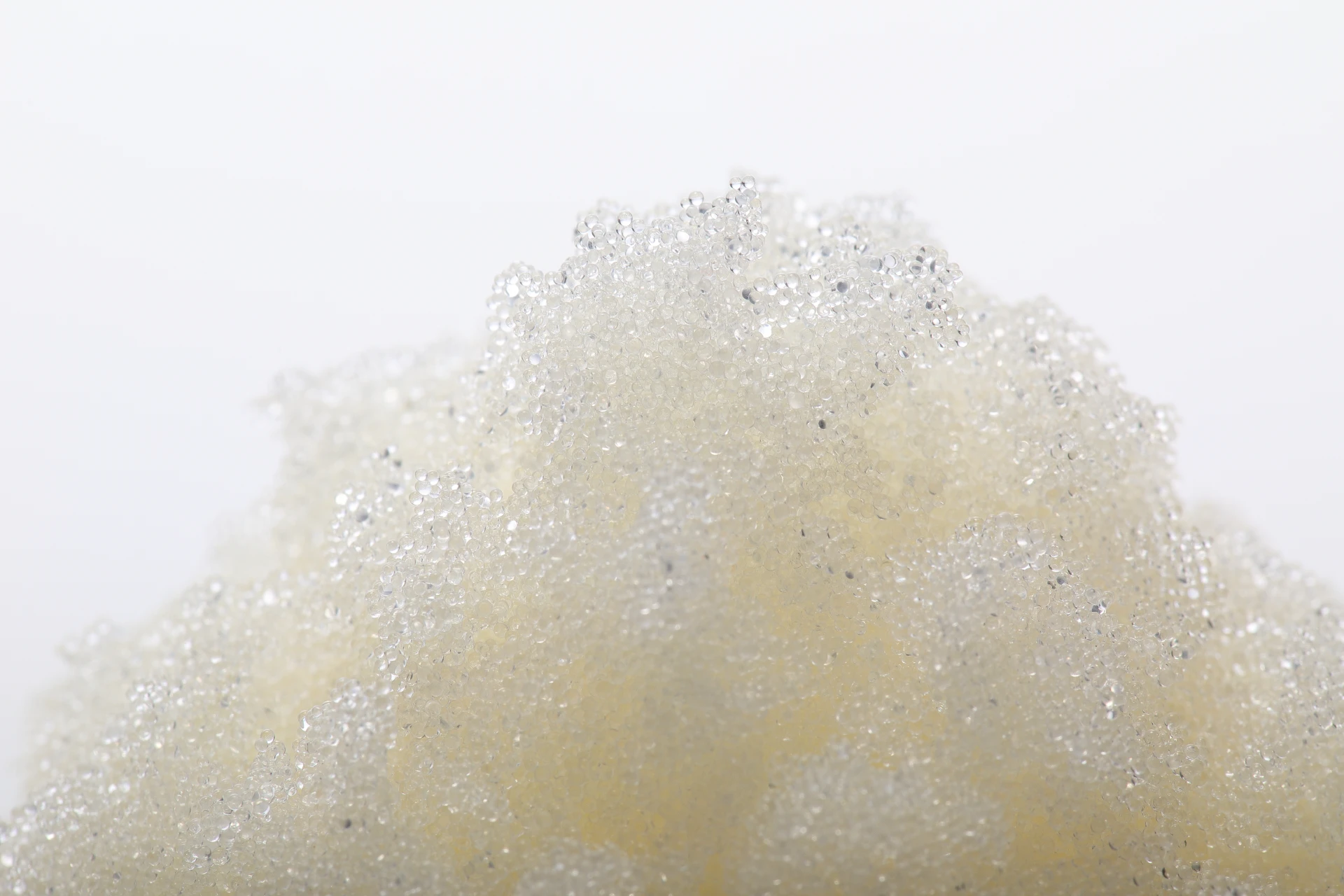
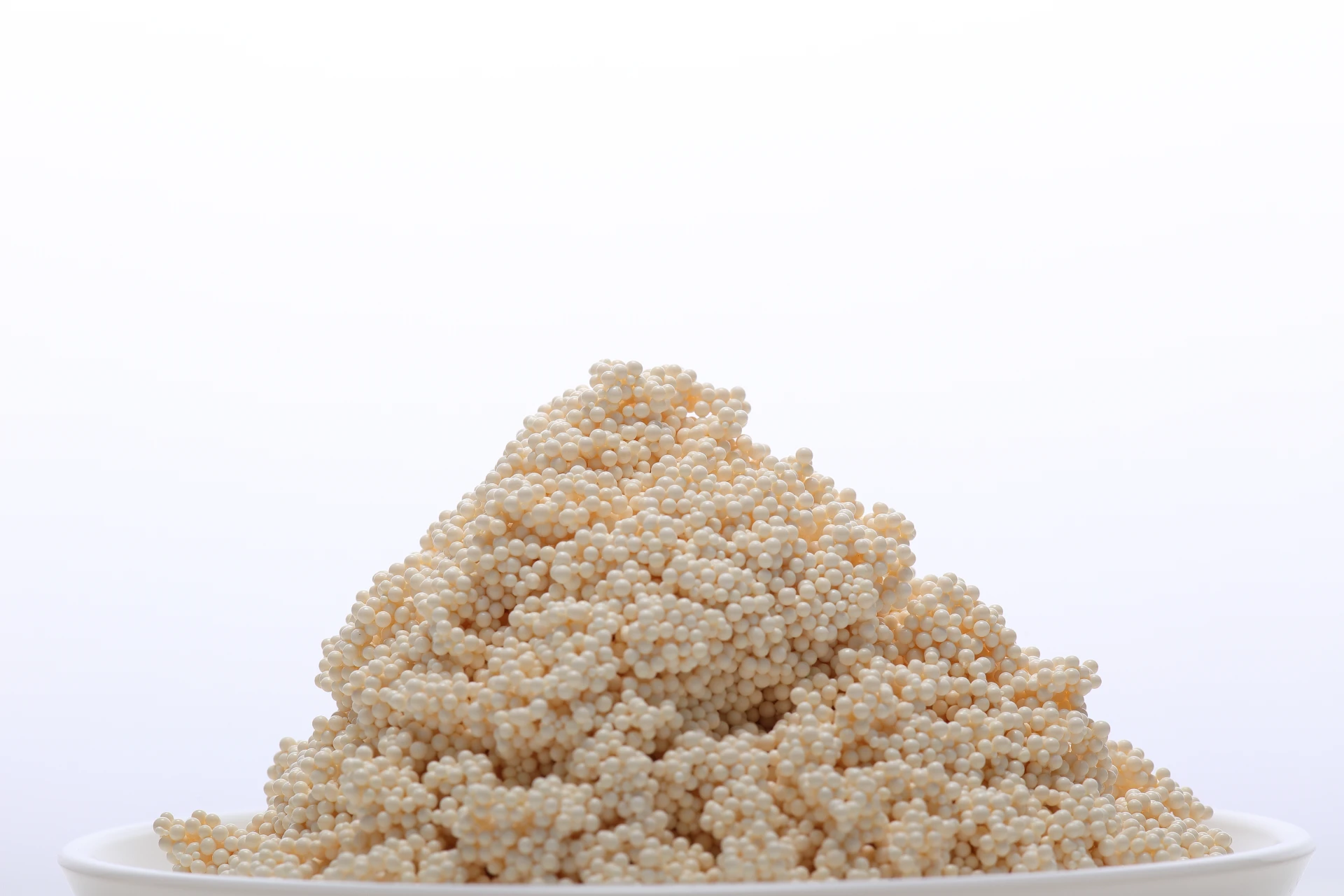
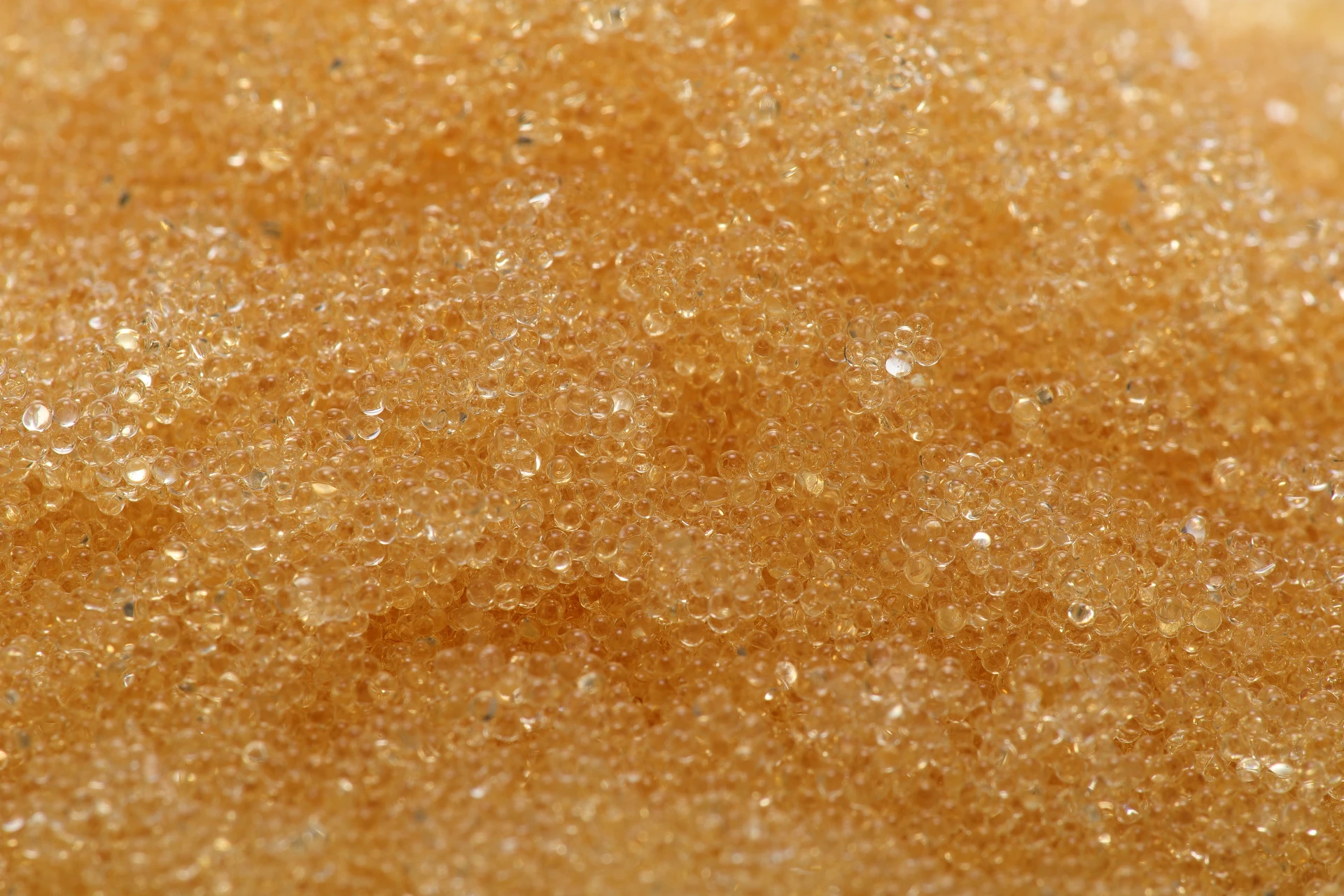
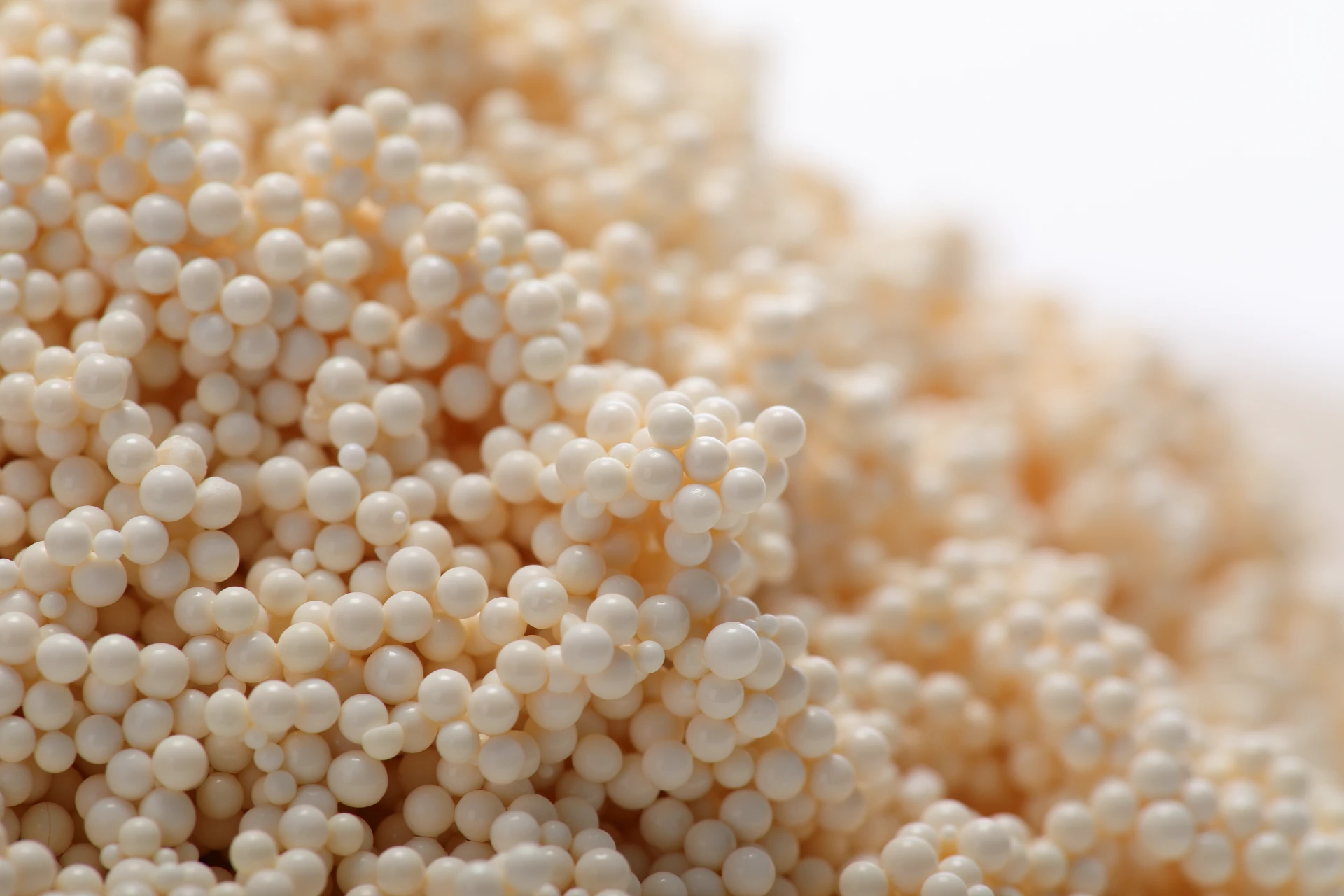
At its core, cation resin 225h is a type of synthetic polymer designed to exchange positive ions—commonly known as cations—in a liquid stream. Imagine it as a filter but smarter: it grabs unwanted ions like calcium (Ca²⁺) or magnesium (Mg²⁺) and swaps them with desirable ones, often hydrogen ions (H⁺).
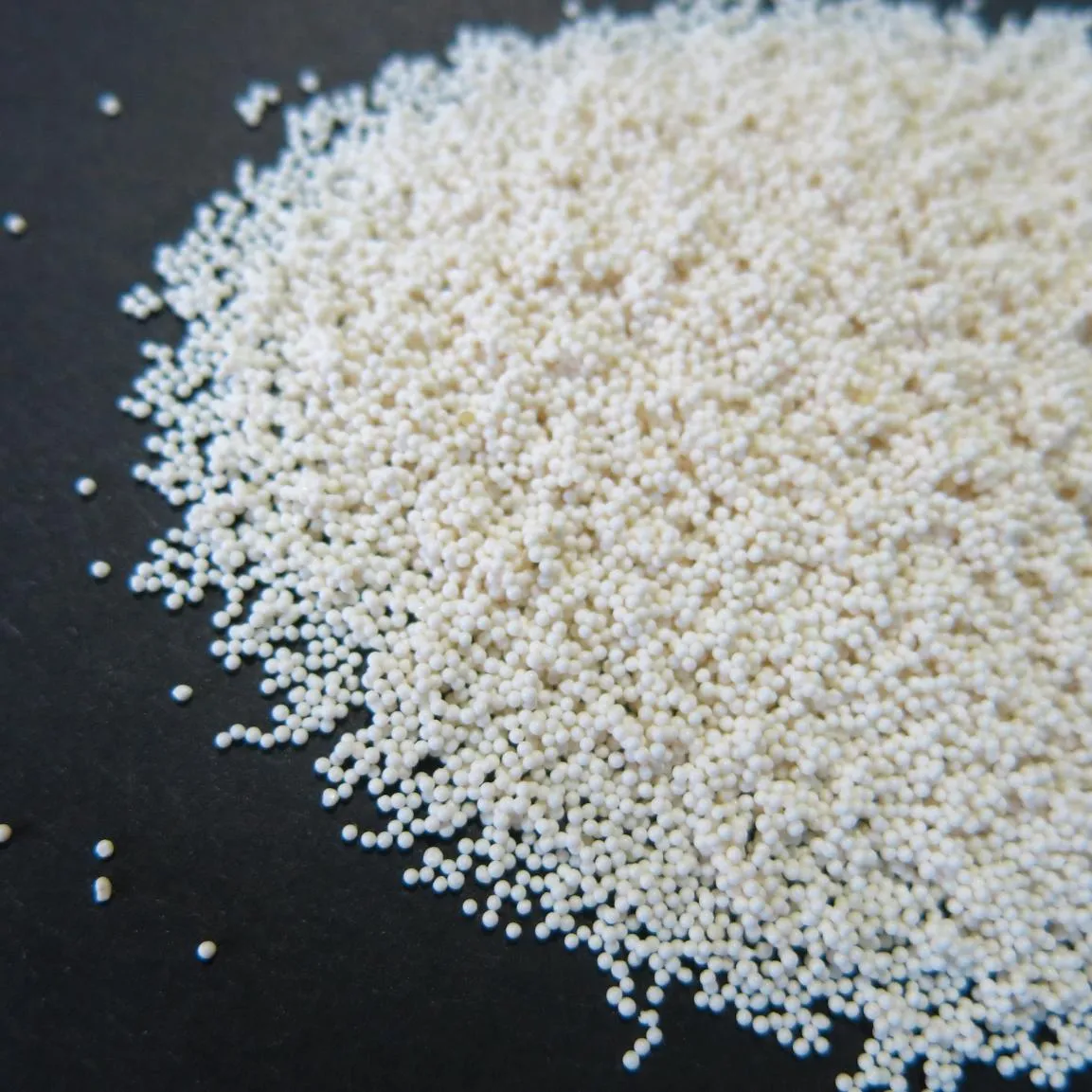
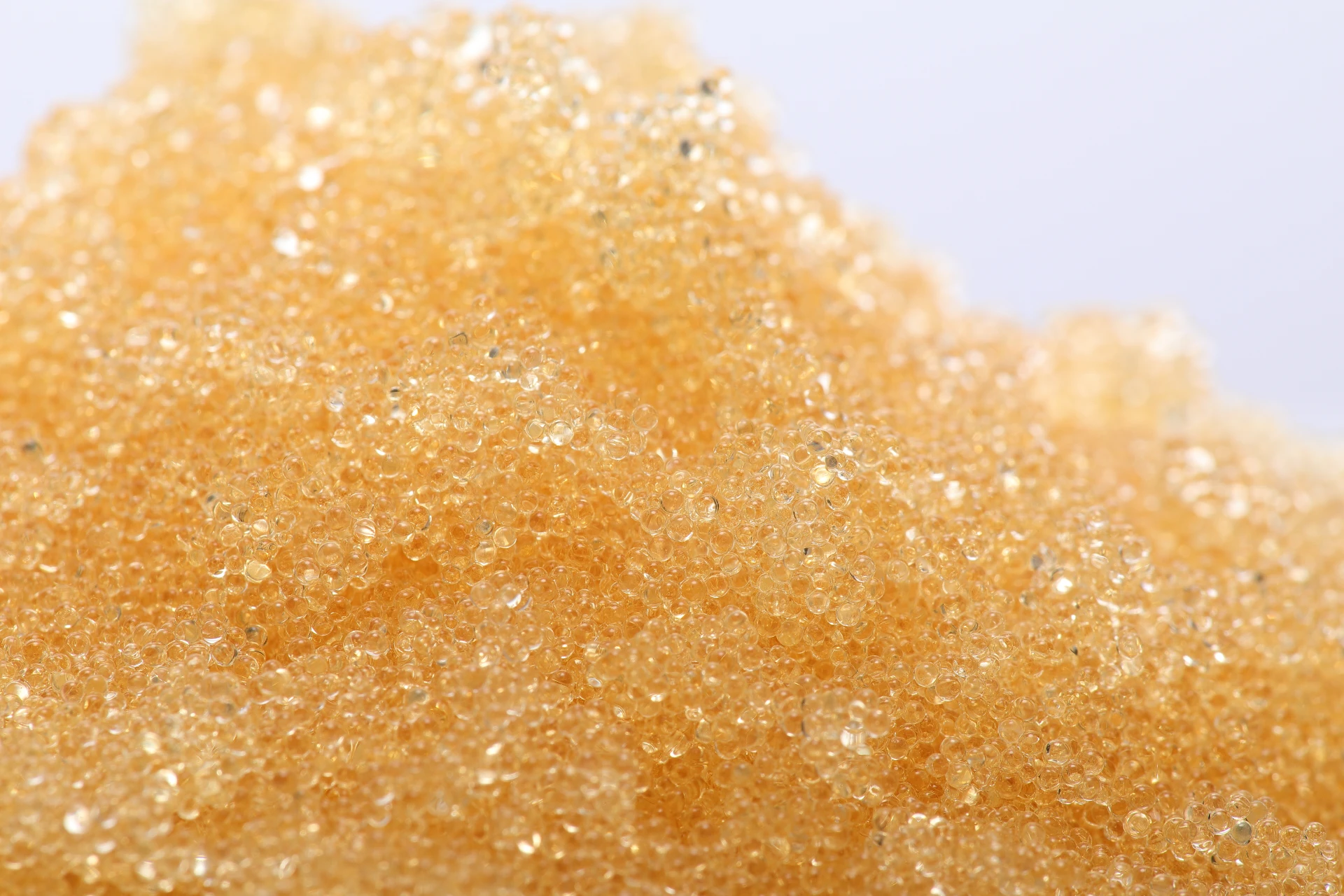
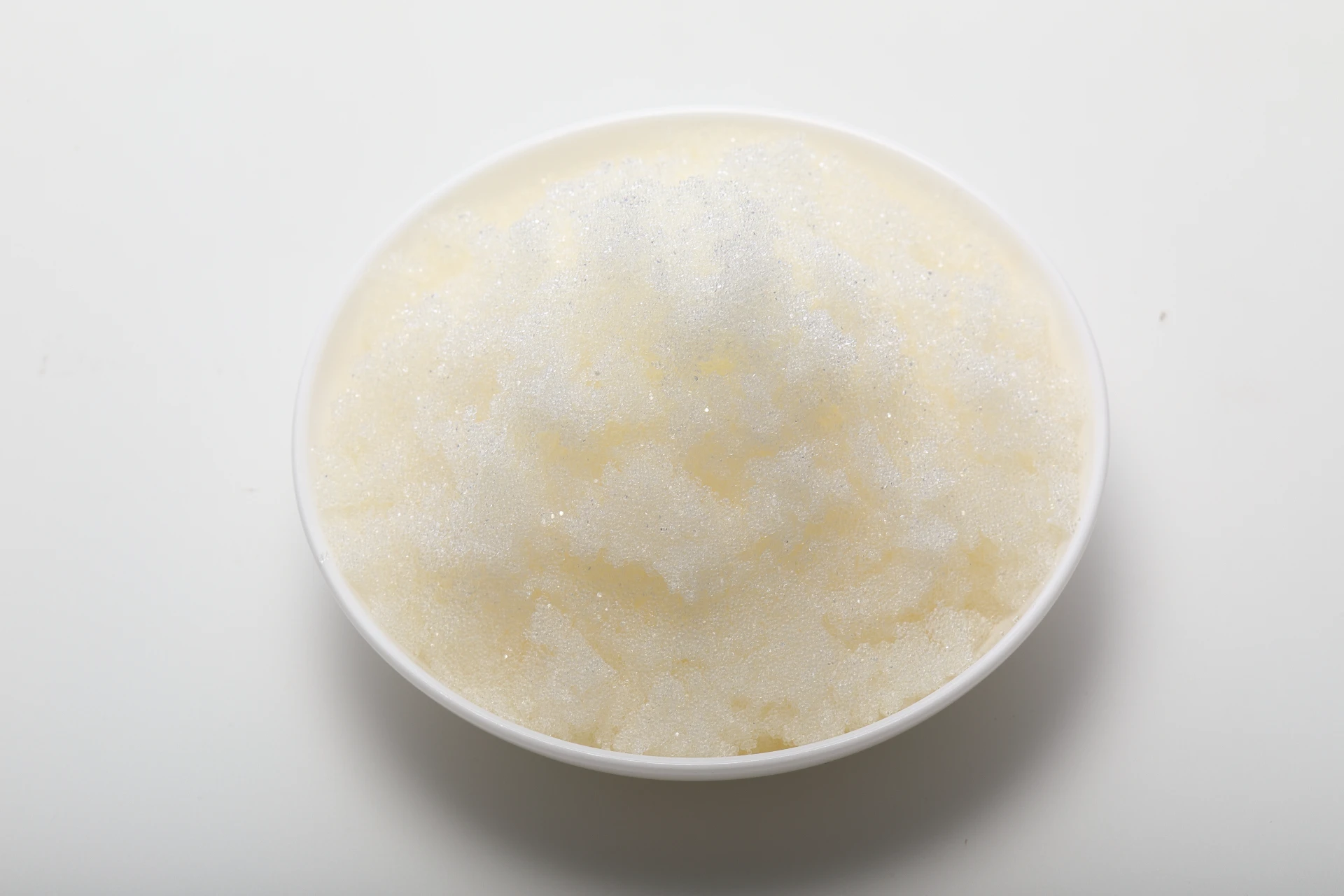
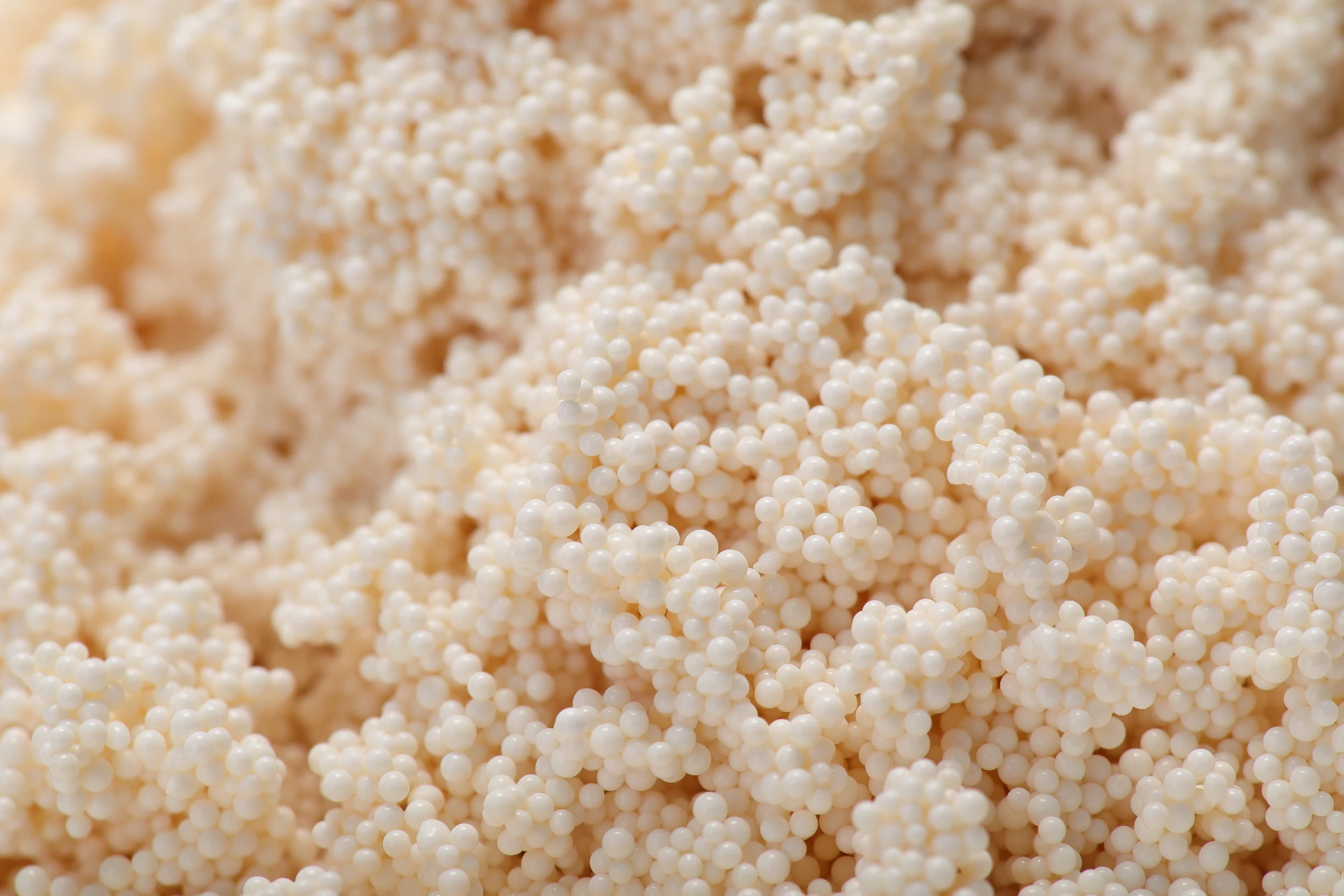
Manufactured typically from styrene-divinylbenzene copolymers, the resin beads inside cation resin 225h are engineered to be highly durable, chemically stable, and efficient even in tough industrial environments. They’re fundamental in applications ranging from domestic water softeners to large-scale desalination plants.
It’s not just about purifying water, either. This resin plays a subtle but crucial role in pharmaceutical production, food and beverage quality assurance, and even certain humanitarian water purification projects – areas where purity isn’t a buzzword but a necessity.
Cation resin 225h functions as a precise ion-swap “workhorse,” vital for multiple industries demanding clean, treated liquids.
This resin offers a significantly large capacity for ion exchange, meaning it can process large volumes before regeneration is necessary. That translates directly into operational efficiency.
Industries that deal with elevated temperatures and acidic or basic conditions appreciate its robustness – something not all resins can boast without degradation over time.
I’ve noticed this brings practical benefits because excessive swelling can damage resin beds or reduce flow rates.
The material responds well to standard regeneration chemicals, reducing downtime and operational costs.
Consistent bead size ensures smooth flow and minimizes channeling – a common issue in ion exchange columns.
| Specification | Details |
|---|---|
| Base polymer | Styrene-DVB (divinylbenzene) |
| Functional group | Sulfonic acid |
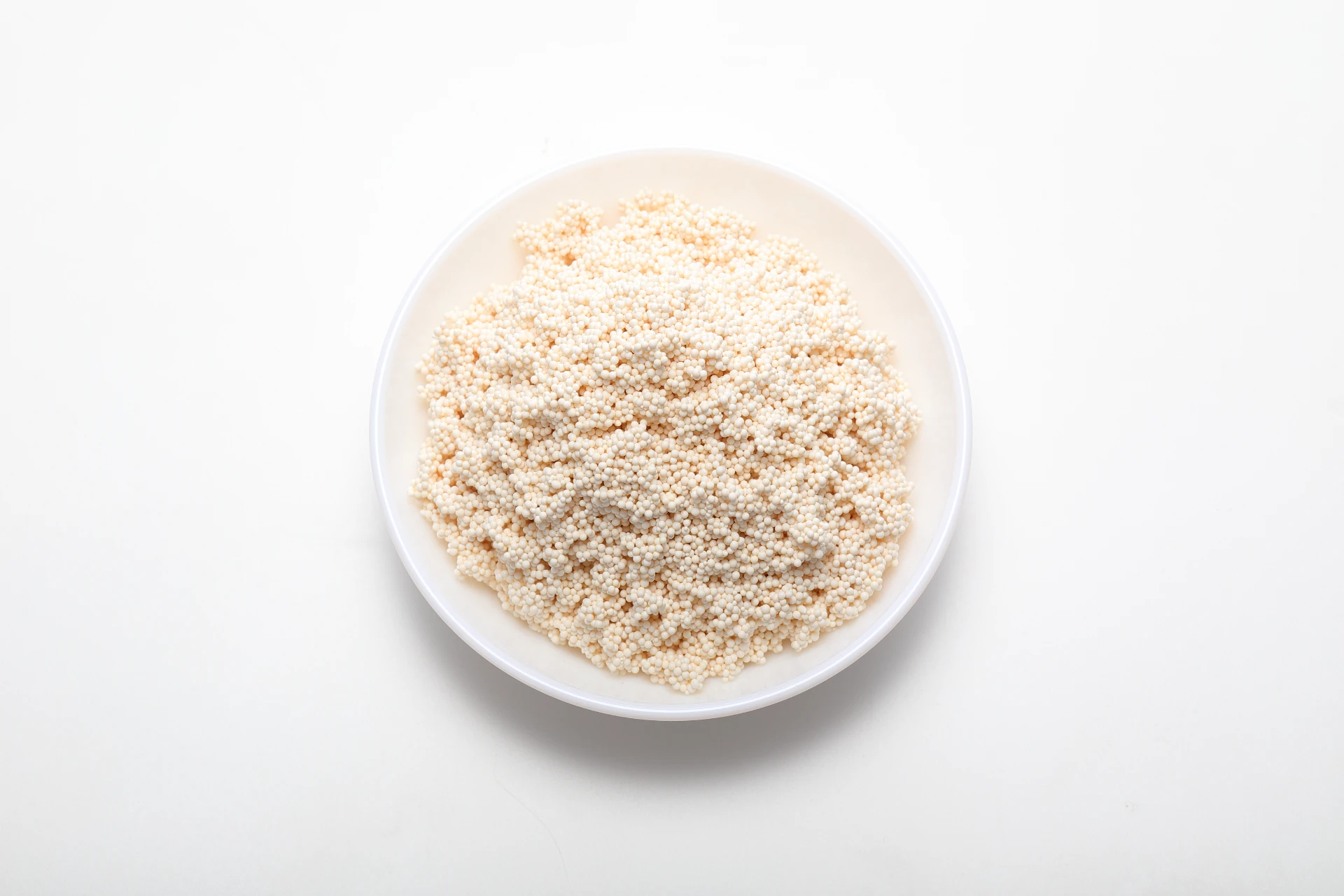
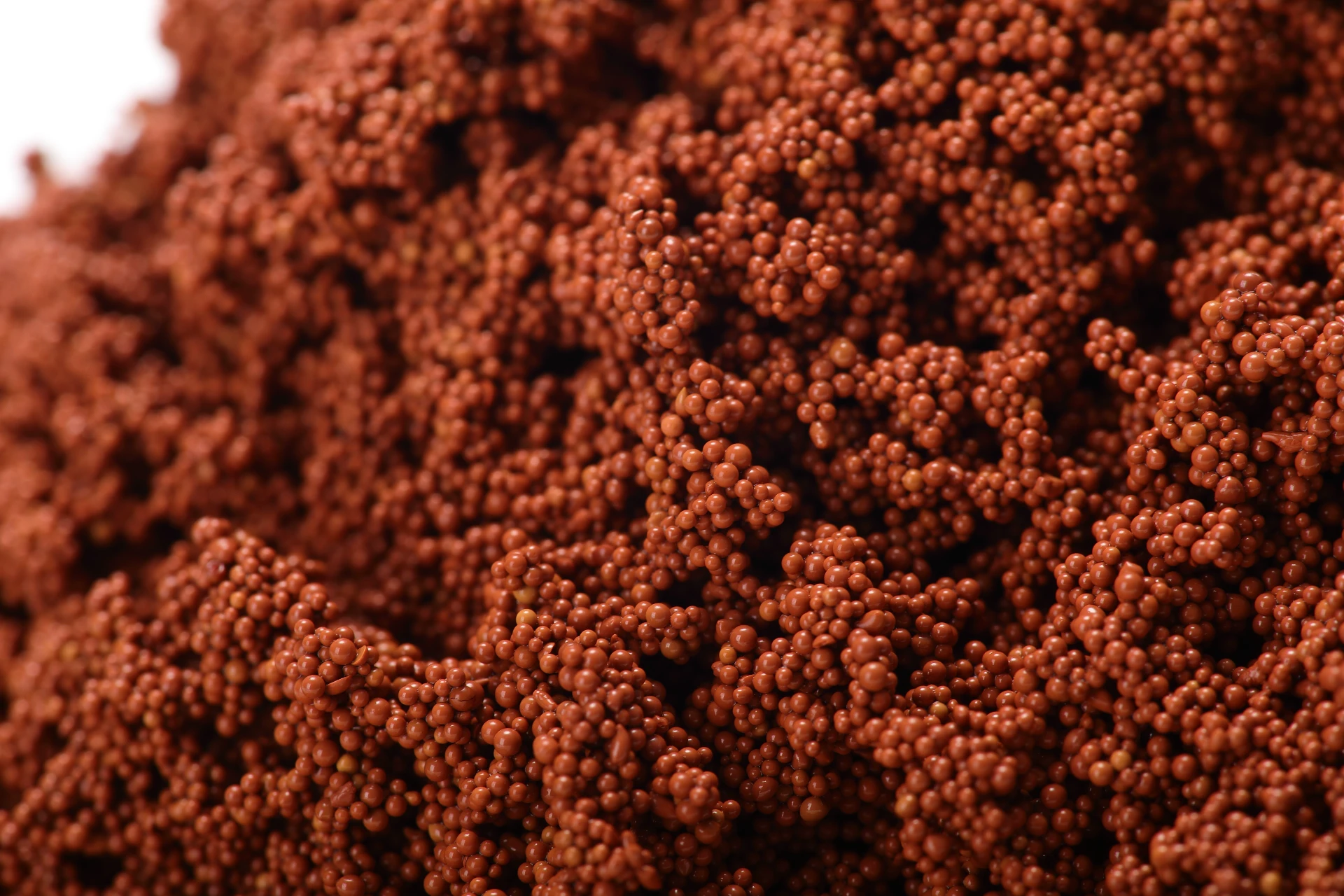
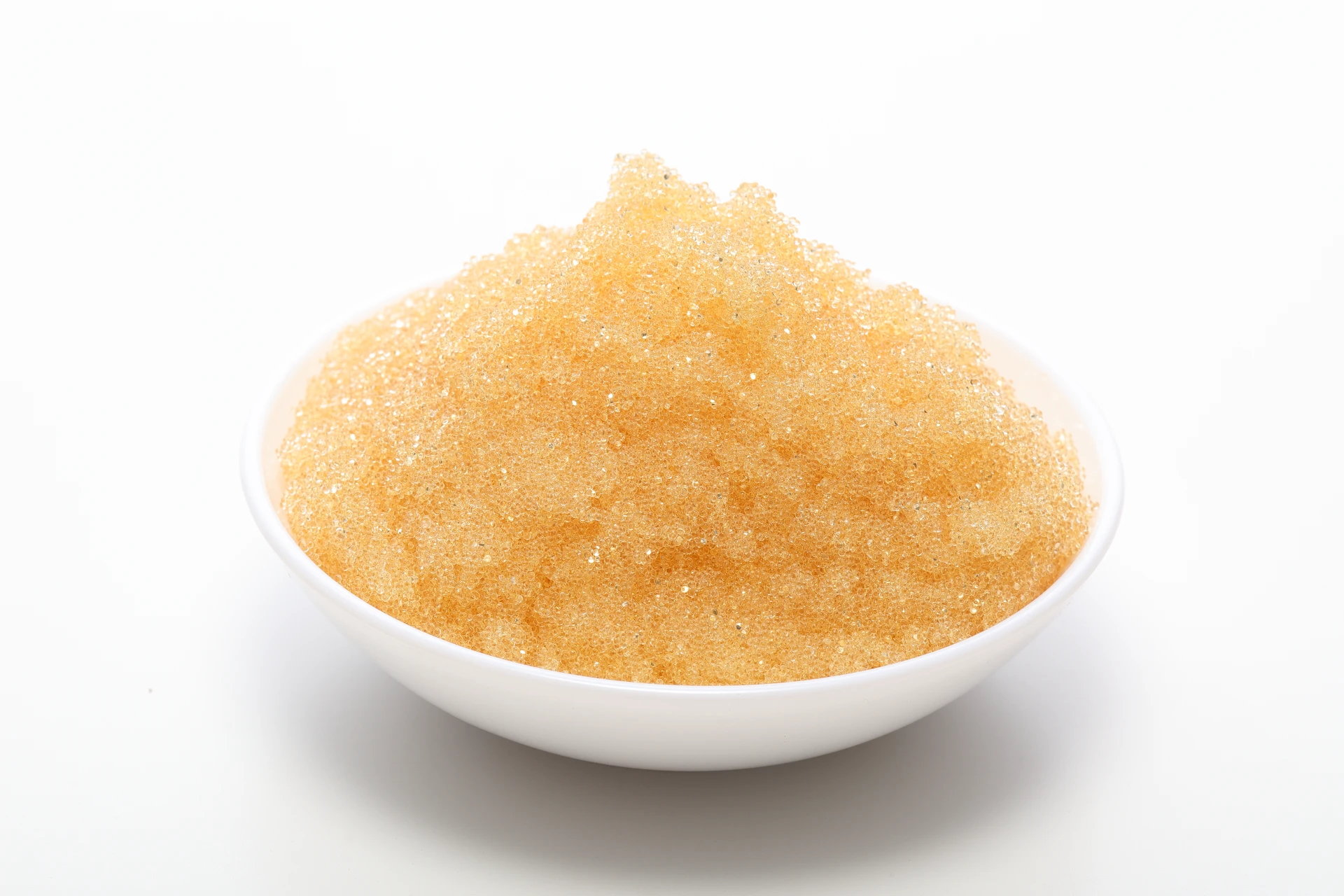
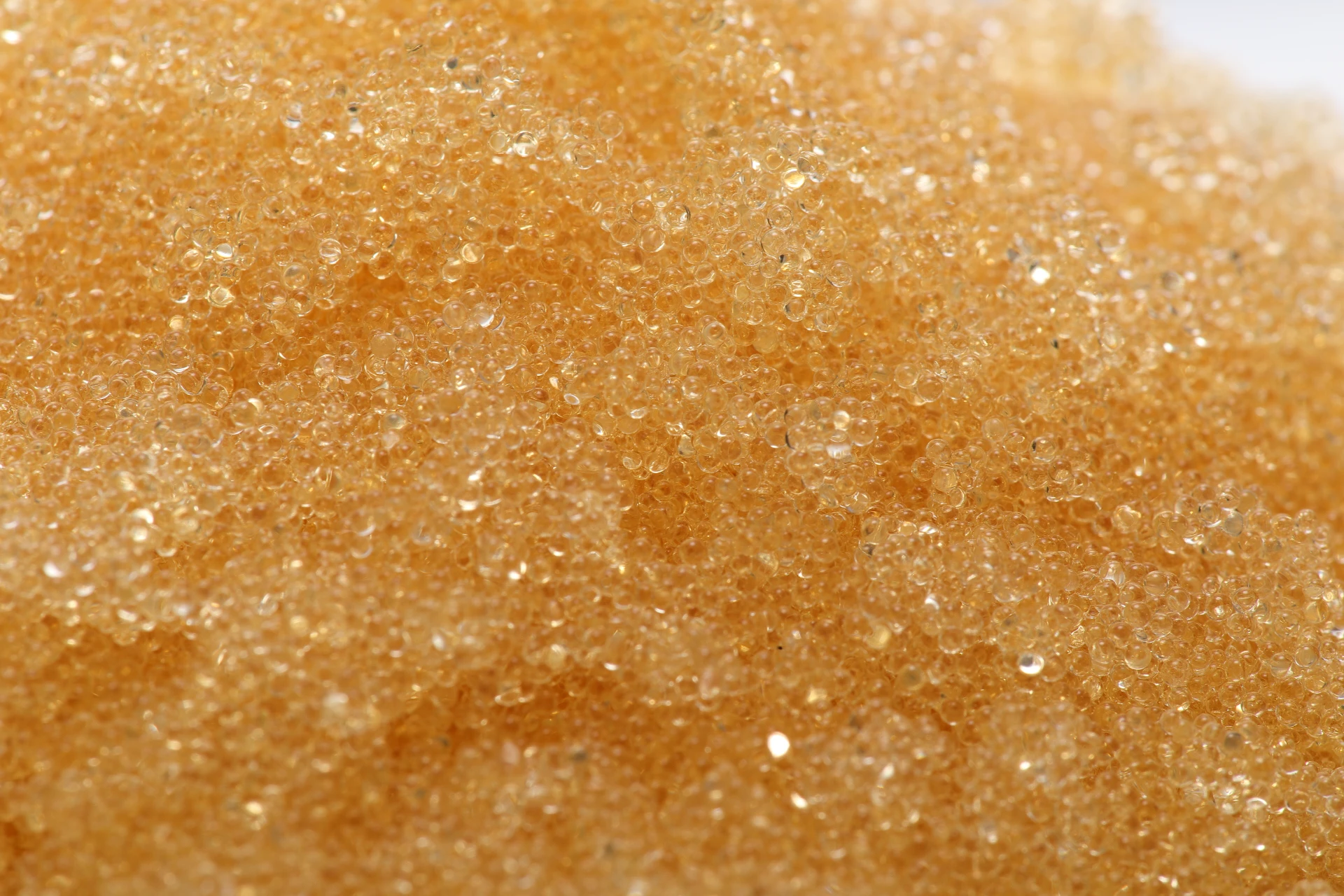
| Physical form | Macroporous spherical beads |
| Moisture content | Approximately 50–60% |
| Working temperature | -5°C to 120°C |
| Particle size range | 0.4–1.2 mm (uniform) |
| Operating pH range | 0–14 (wide range) |
Its design is a delicate balance: tough enough to last, precise enough to work efficiently, and adaptable to many conditions.
Once you step into the realm of industrial water treatment plants, chemical factories, or even disaster relief zones needing rapid water purification, you’ll find cation resin 225h in action.
A quick personal story: a client from an East European power station once told me replacing subpar resin with cation resin 225h reduced their ion exchange failure rate by nearly 40%. That kind of impact doesn't just save money; it saves frantic troubleshooting hours.
This resin transcends borders and industries, acting as a quiet backbone to safer, cleaner water and products worldwide.
Industries like reliability. They like predictability. And many engineers say cation resin 225h gives them just that, especially over extended operational cycles.
Beyond numbers, adopting cation resin 225h often means embedding responsibility and resilience into industrial processes.
The landscape of resin technology is shifting subtly but meaningfully. You’ll find research focused on:
The future is a blend of green innovation and tech-savvy management, promising smarter and kinder resin solutions.
Of course, no product is perfect. With cation resin 225h, challenges often include:
Solutions? Regular pre-treatment of source water, use of advanced regeneration protocols, and lifecycle cost analysis often help overcome these issues — turning drawbacks into manageable quirks.
| Vendor | Purity Level (%) | Price per kg (USD) | Typical Delivery Time | Customer Support | Certifications |
|---|---|---|---|---|---|
| PolyResins Inc. | 99.5 | 75 | 2 weeks | 24/7 Technical Service | ISO 9001, ISO 14001 |
| IonTech Solutions | 99.2 | 70 | 3 weeks | Business Hours | ISO 9001 |
| EcoResin Corp. | 99.8 | 85 | 1 week | Full Training Included | ISO 9001, Green Seal |
A1: Cation resin 225h offers enhanced thermal and chemical stability, a higher ion exchange capacity, and uniform bead size, resulting in more efficient and longer-lasting performance especially under industrial stress.
A2: Regeneration frequency depends largely on the application and water quality; typically, every 1 to 2 weeks in high-demand setups, but monitoring resin exhaustion levels will provide the best schedule.
A3: Absolutely. Its robustness and efficiency make it ideal for mobile purification units deployed during disaster relief, delivering rapid, reliable water softening and contaminant removal.
A4: Yes, the resin is food-grade compatible and widely utilized to maintain water purity, ensuring product safety and compliance with hygiene standards.
A5: Many vendors provide export services with support for customs clearance and logistics. Partnering with suppliers offering full technical and shipment support streamlines international deployment.
In real terms, cation resin 225h is more than just a filtration material — it’s an enabler of safer, cleaner industry and community water solutions across the globe. Its mix of durability, efficiency, and broad applicability makes it a top pick for those ready to balance cost, sustainability, and operational excellence. If you want to explore cation resin 225h’s full potential and how it can transform your processes, visit our website: cation resin 225h.
Strong, reliable, and future-forward — cation resin 225h is ready to take on the challenges of modern industry and environment.
References: