Phone:
+86 0319 2296164


Email:
info@lijiresin.cn
Ever wonder how water purification, industrial wastewater treatment, or even sophisticated chemical manufacturing processes get their mojo? More often than not, anion cation exchange is quietly doing the heavy lifting behind the scenes. This chemistry trick — swapping positively charged ions (cations) for negative ones (anions) and vice versa — plays a surprisingly huge role in everything from clean drinking water to soil remediation. Its global importance is hard to overstate, especially when you consider that billions of people worldwide still lack access to safe water sources.
Understanding the mechanisms and benefits of anion cation exchange not only helps industries improve efficiency but also directly contributes to health, sustainability, and environmental preservation. Also, in a world increasingly impacted by climate stress and industrial pollution, mastering this method has become a cornerstone for innovation and resilience.
Internationally, the demand for clean water alone propels the significance of anion cation exchange technology. The United Nations estimates that by 2025, half of the world’s population will be living in water-stressed areas (UN Water, 2023). Industrialization, climate change, and population growth only further exacerbate these challenges.
Take agriculture, for example: soil quality often hinges on ion balance. Contaminated or unbalanced soils can reduce crop yields, affecting food security for millions. Industry-wise, the challenge is to remove harmful ions—like nitrates or heavy metals—from wastewater streams to meet ever-stricter environmental regulations.
Without reliable ion exchange methods, many processes would falter, resulting in more pollution, higher costs, and health risks. It’s this practical urgency that anchors global interest and investment in anion cation exchange.
To put it simply, anion cation exchange is a process where ions in a solution are swapped with ions attached to a medium — typically a resin or mineral substrate. Imagine a tiny tug of war between particles: cations (like sodium, calcium) and anions (like chloride, nitrate) are exchanged based on charge and affinity.
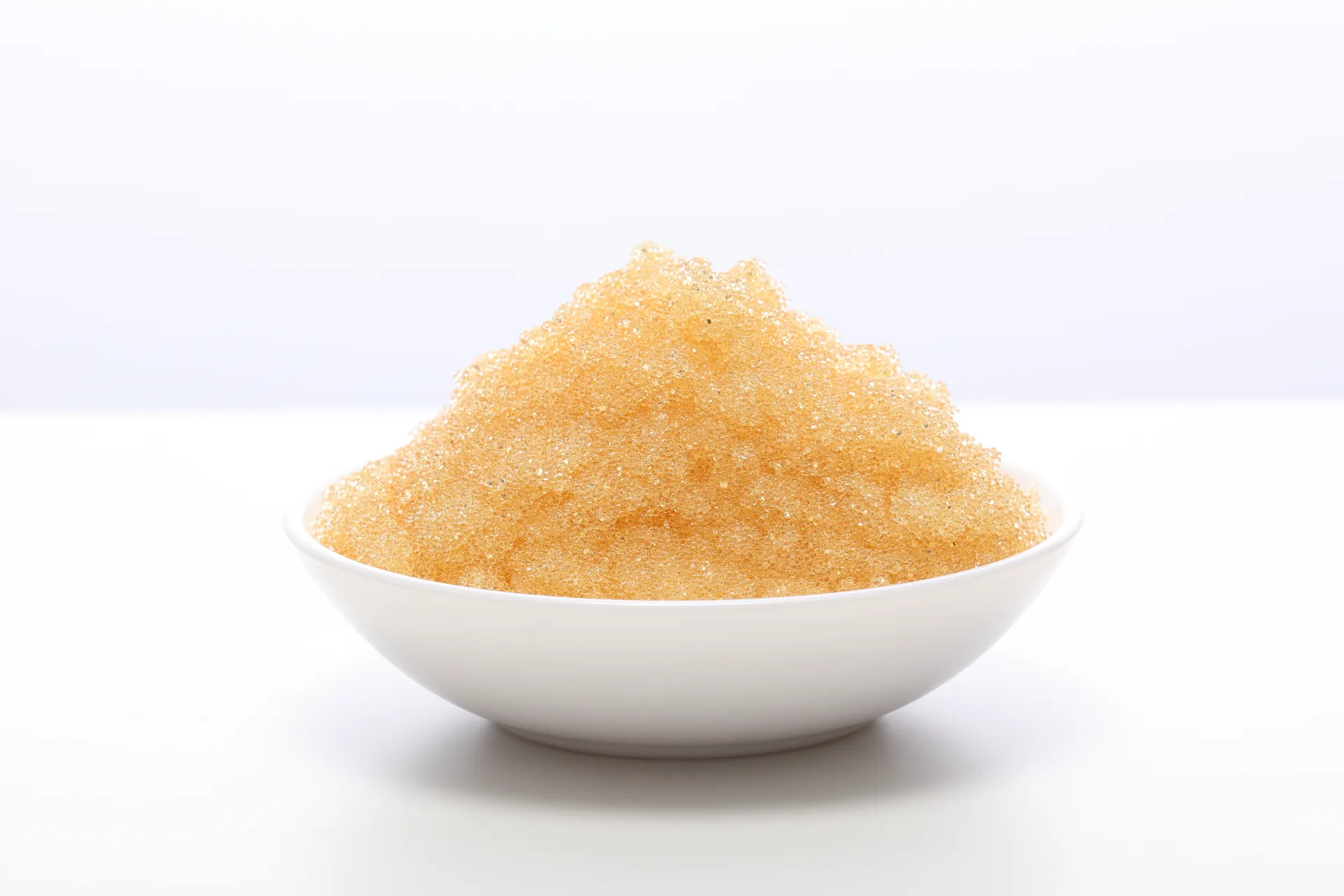
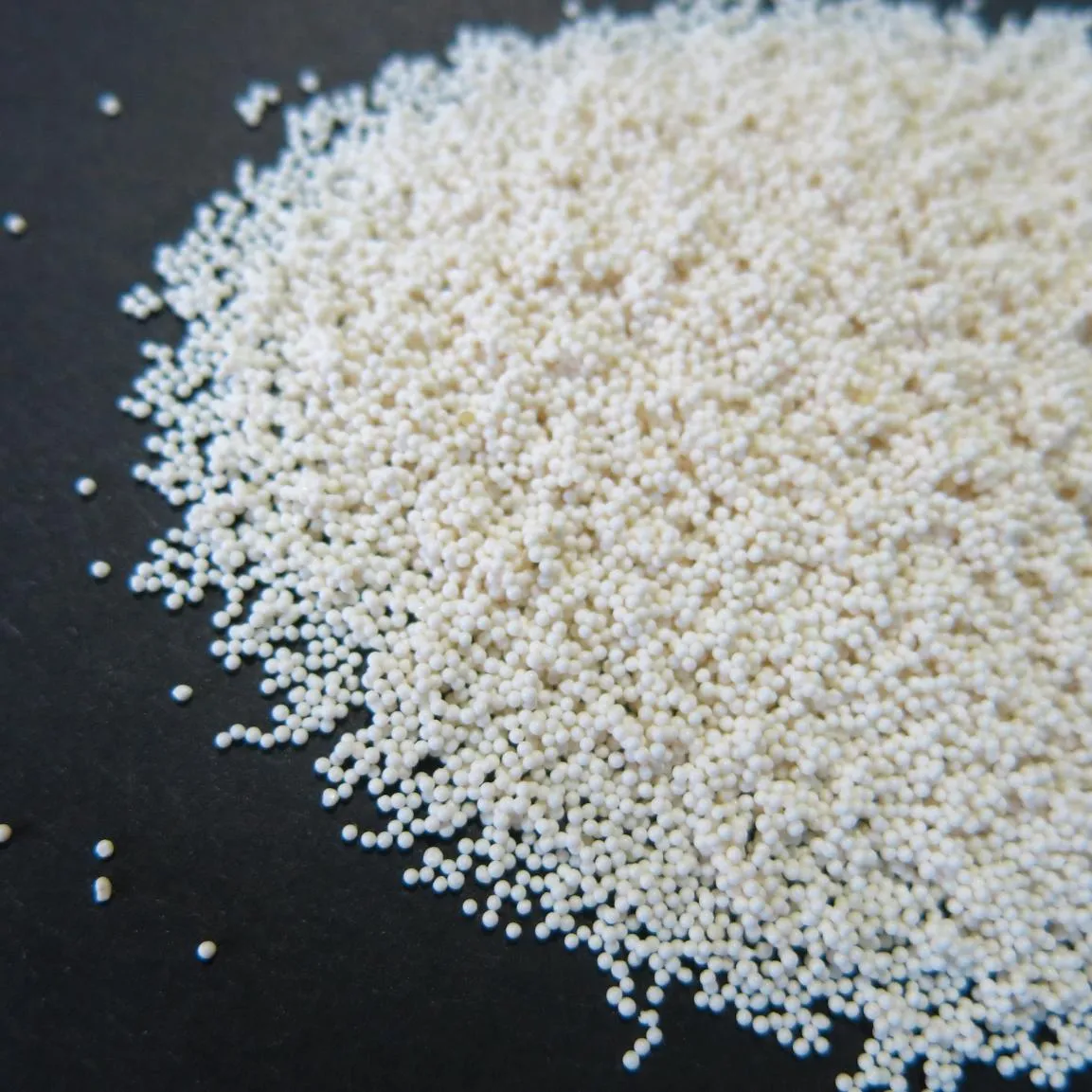
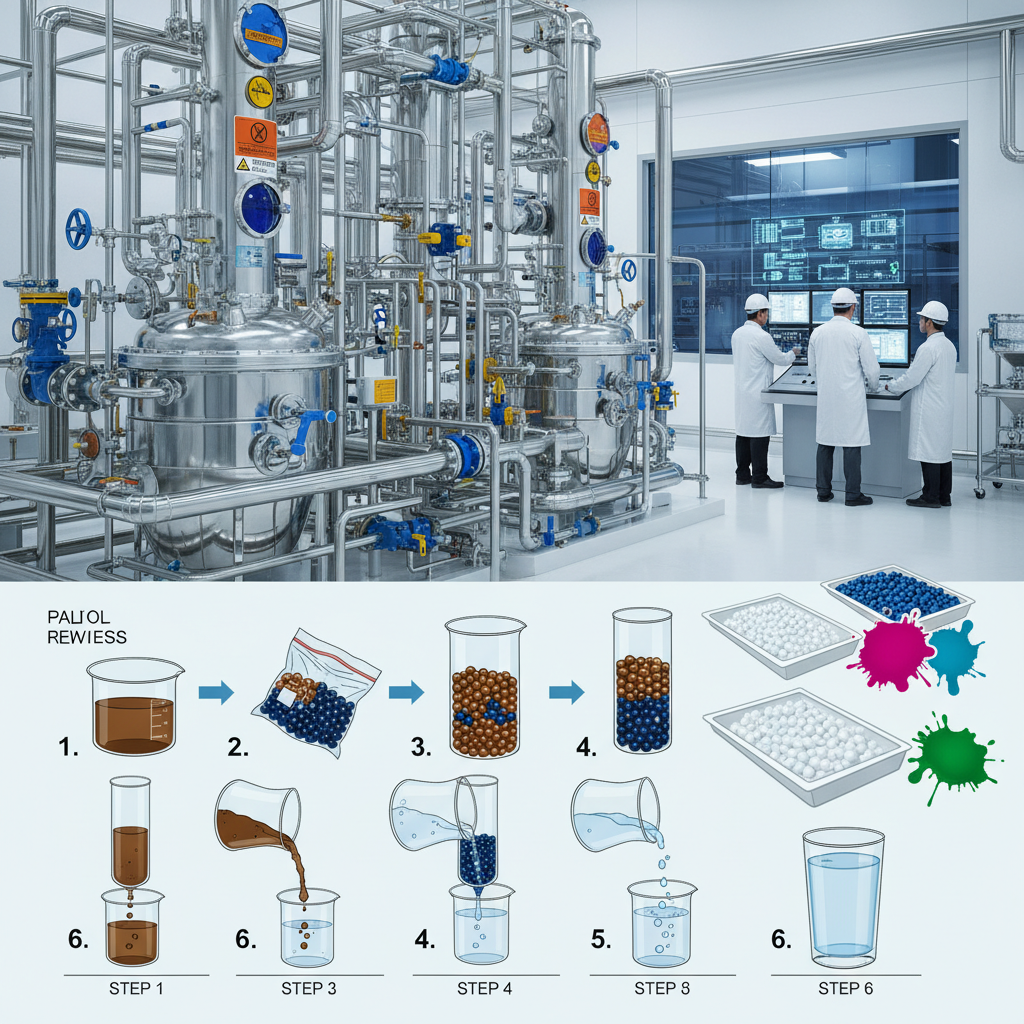
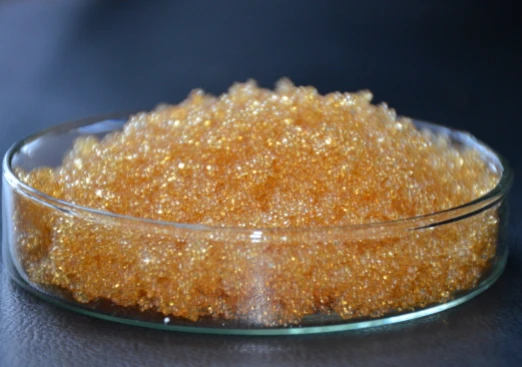
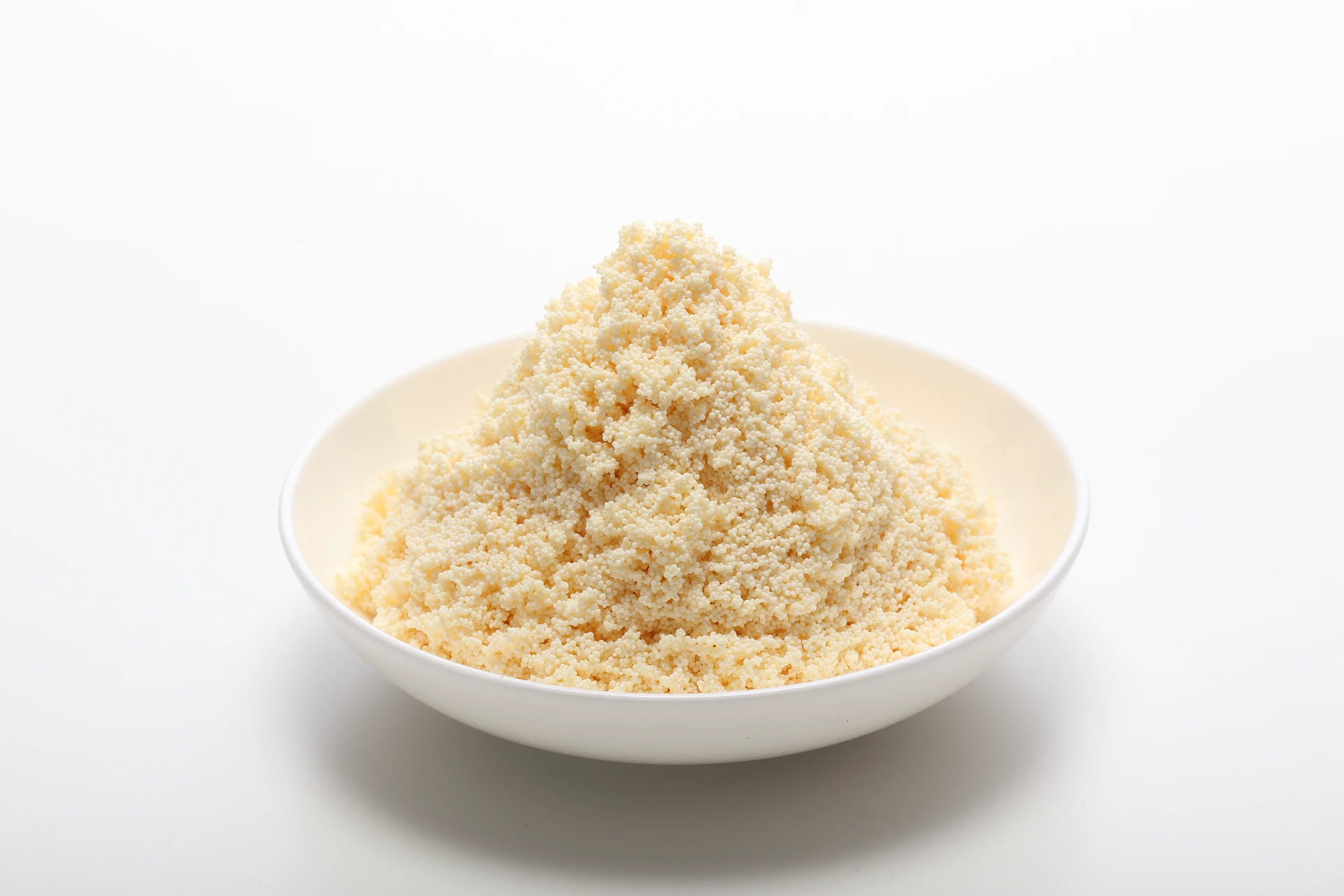
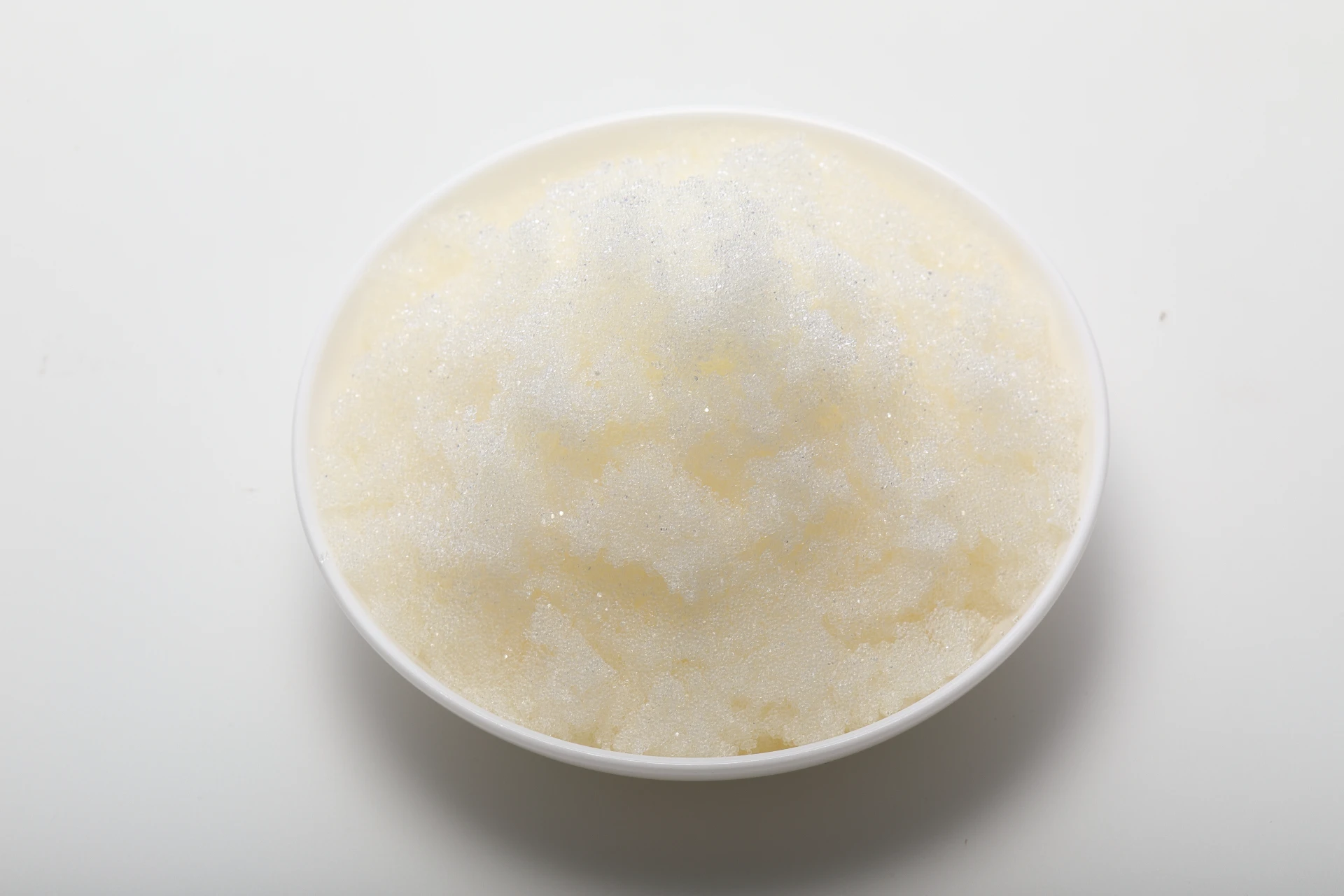
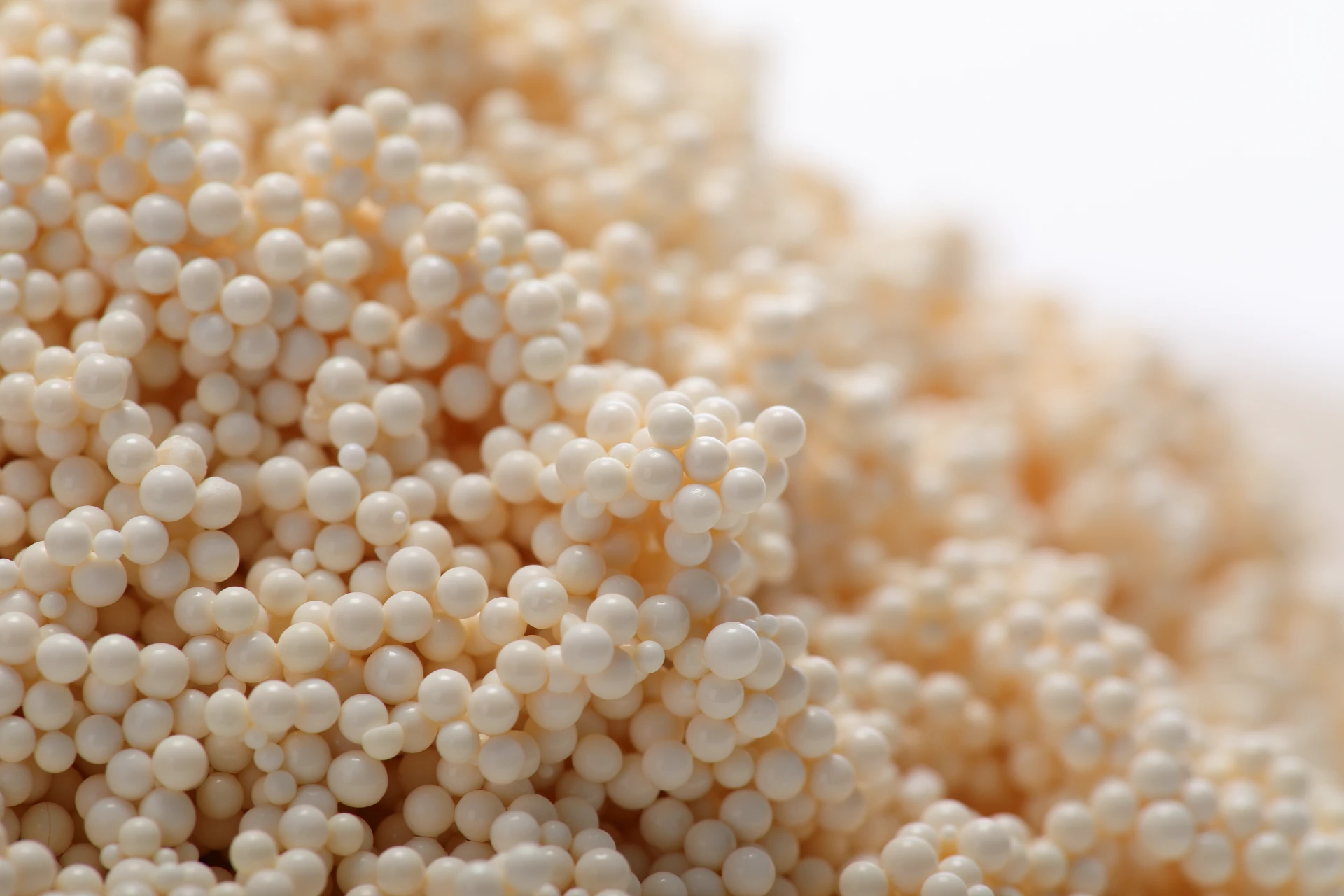
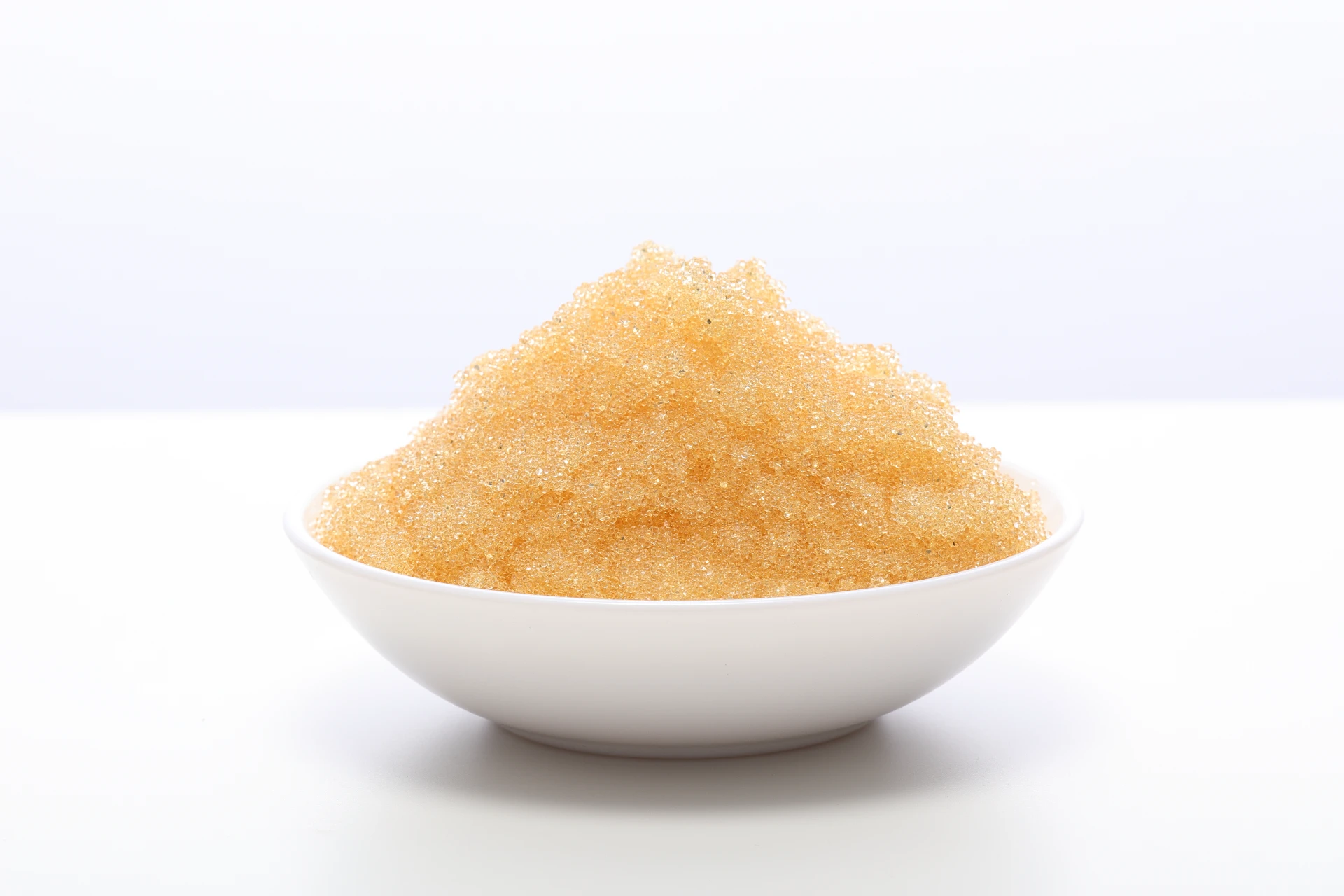
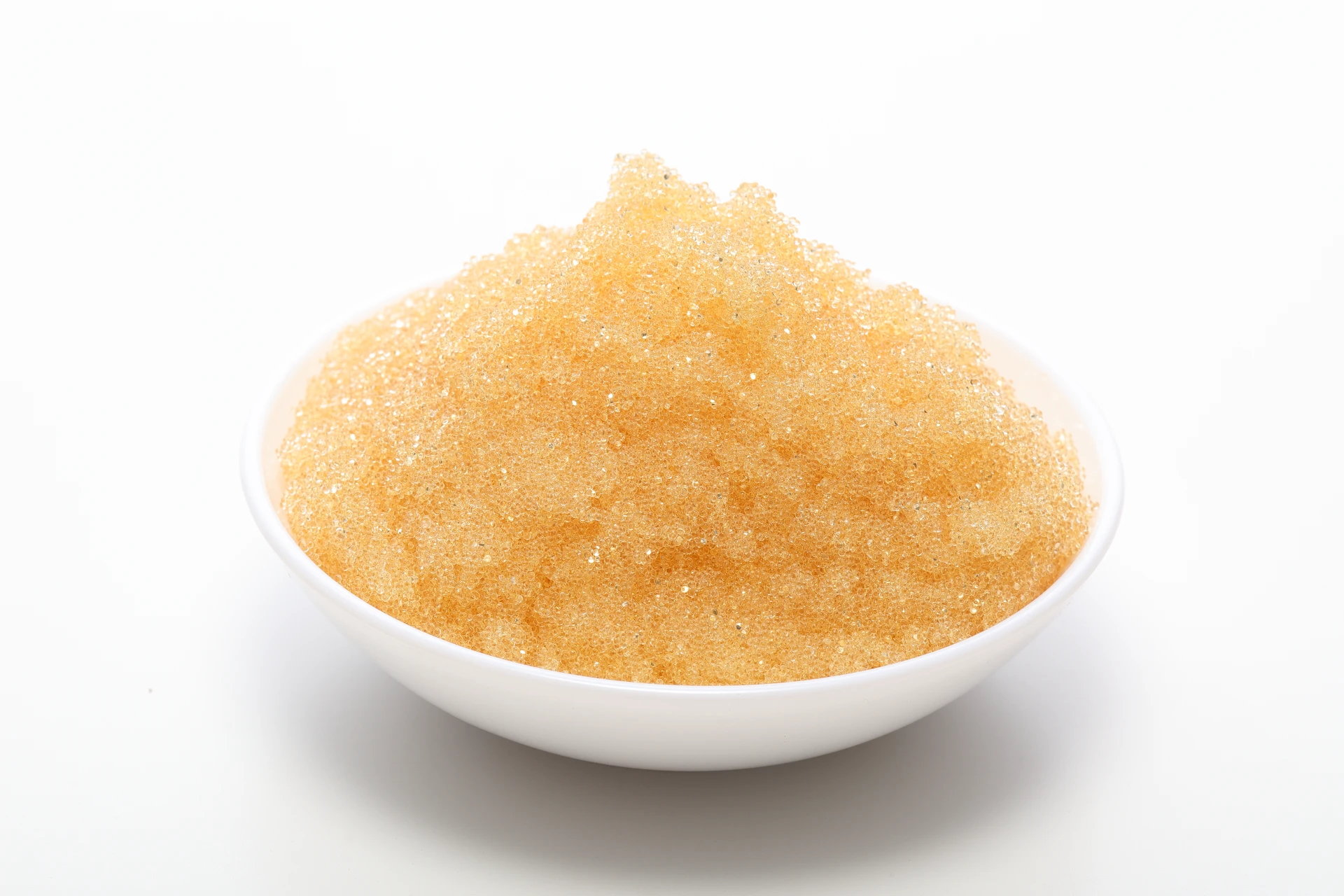
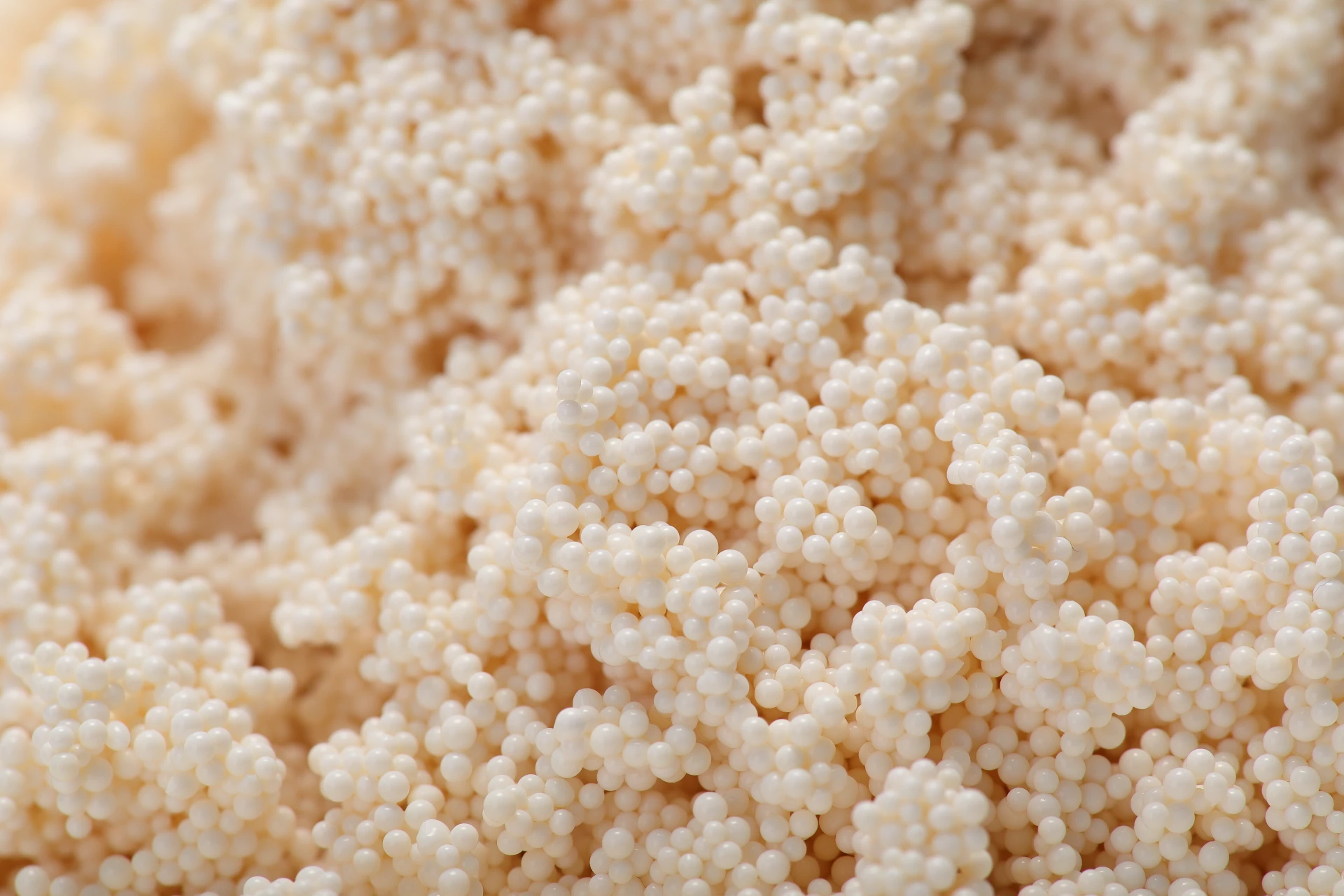
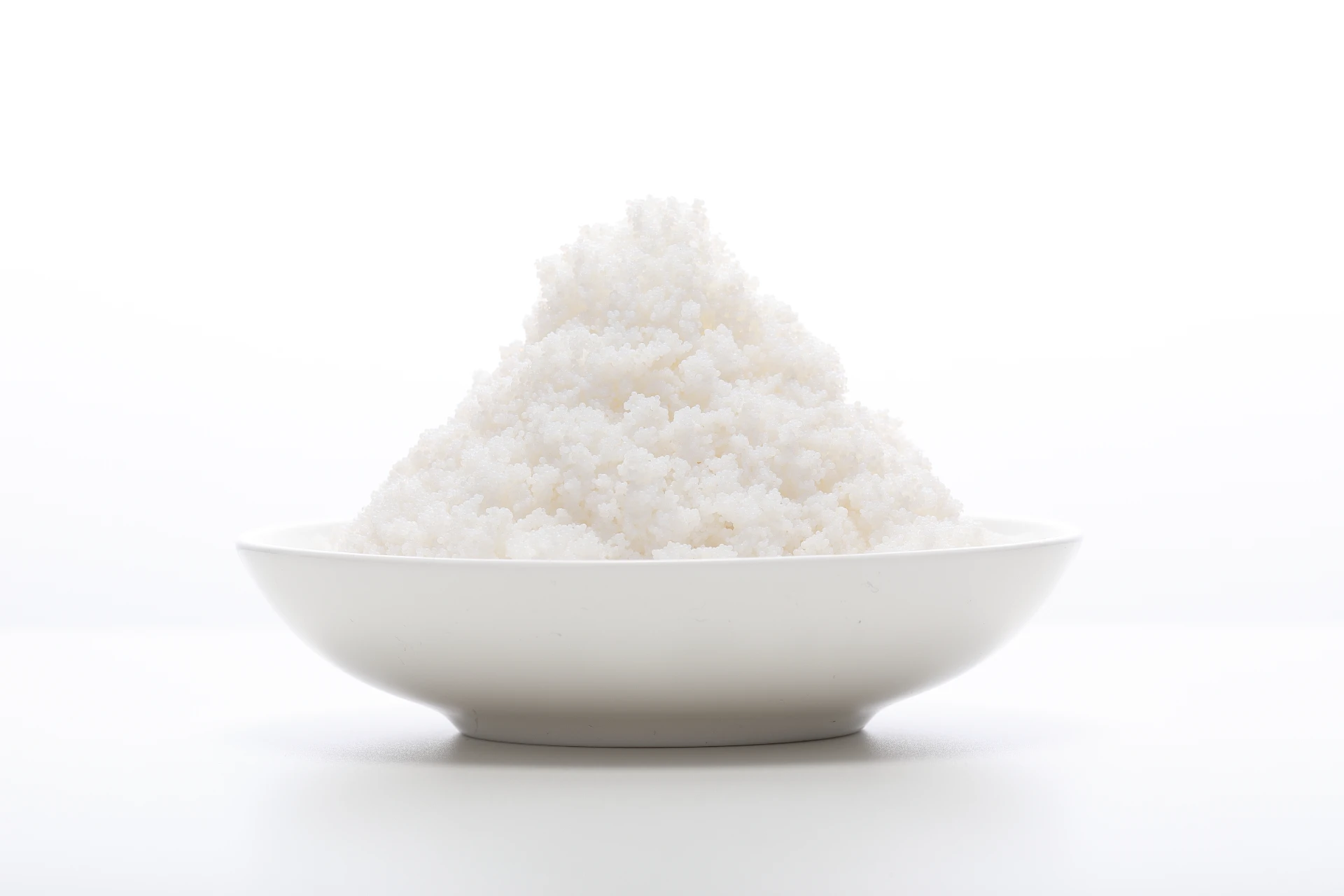
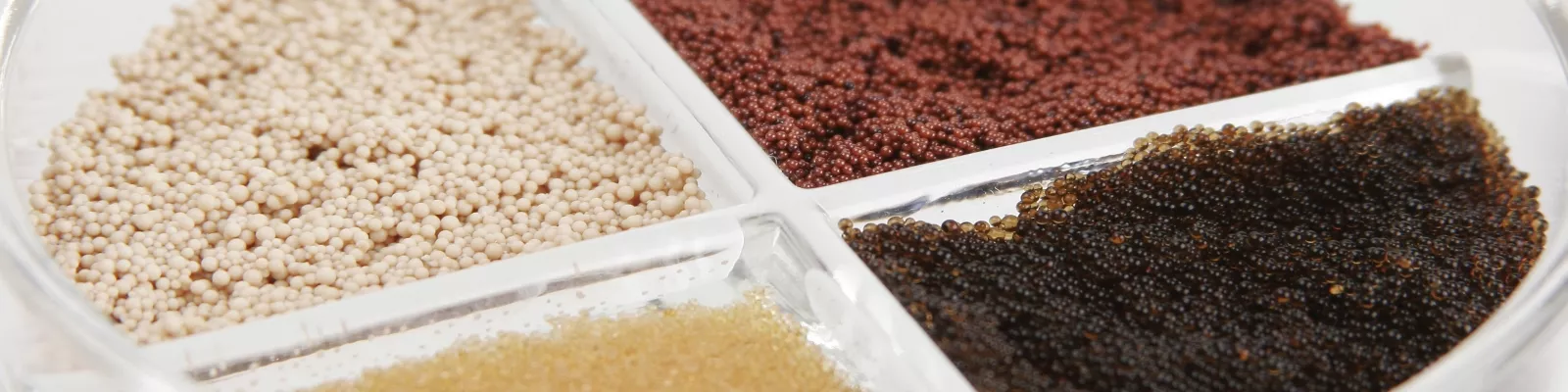
Industrially, this typically involves passing water or solution through ion exchange resins that are “charged” with specific ions ready to swap with contaminants. Removing unwanted ions improves the quality or purity of the solution. This is critical for producing ultrapure water in electronics, removing toxic metals in mining wastewater, or softening hard water for homes.
It might sound niche, but this chemical ballet connects directly to humanitarian needs like clean water and ecosystem restoration, which depend heavily on the reliable performance of ion exchange technologies.
The secret sauce is how selectively an ion exchange resin or material chooses which ions to swap. High selectivity means more precise purification — critical when target contaminants are only present in trace amounts.
This refers to how many ions the resin can hold before it’s “full.” A higher capacity means less frequent regeneration and downtime.
Real-world conditions can be harsh. Resins that resist degradation from pH swings, temperature, or fouling processes save money and headaches.
Sustainability hinges on how easily and with what chemicals the exchange medium can be cleaned and reused. Efficient regeneration cuts waste and operating cost.
Materials and operational expenses must balance performance — sometimes cheaper resins aren’t worth it if they fail quickly or demand aggressive regeneration.
Across continents and industries, the impact is clear:
For instance, in the industrial zones of Southeast Asia, where groundwater contamination from heavy metals is a serious concern, customized anion cation exchange solutions have improved water safety for thousands of workers and families.
Let’s get practical: the real perks include
What strikes me, though, is the emotional value of these systems. Providing safe water or cleaner air literally safeguards dignity and trust. It’s innovation with a very human face.
New materials like nano-engineered resins are pushing selectivity and capacity far beyond what older polymers offered. Coupled with automation and IoT monitoring, operators get real-time data on resin health and regeneration needs — improving uptime and reducing guesswork.
Green chemistry also plays a role. Research into biodegradable or less chemically demanding regeneration agents aims to shrink the carbon footprint of ion exchange stations.
Another development is integrating these technologies with renewable energy sources to power remote or off-grid purification plants; this intersection of green energy and ion exchange seems poised to become a growth zone.
Despite the progress, there are hurdles:
Experts also recommend regional customization — not every solution works the same everywhere since water chemistry varies widely. It feels a bit like tailoring a suit rather than mass production.
| Specification | Liji Strong Base Anion Resin | Liji Strong Acid Cation Resin |
|---|---|---|
| Ion Exchange Capacity (meq/ml) | 1.2 | 1.9 |
| Particle Size (mesh) | 16–50 | 16–50 |
| Moisture Content (%) | 45–50 | 48–54 |
| Working pH Range | 0–14 | 0–14 |
| Application | Removal of anions (chloride, nitrate) | Removal of cations (calcium, magnesium, heavy metals) |
| Feature | Liji Resin | GlobalChem | PureIon |
|---|---|---|---|
| Product Range | Broad (anion & cation resins) | Medium | Narrow |
| Customization | Available | Limited | No |
| International Shipping | Yes | Yes | No |
| Price Range | Competitive | Premium | Low-cost |
| Technical Support | Comprehensive | Moderate | Basic |
So, here we are — somewhat at the intersection of chemistry, engineering, and global survival. Anion cation exchange is one of those quietly revolutionary technologies that substantially improves lives, industries, and environmental health around the world. Its capacity to adapt, evolve, and meet escalating challenges (water scarcity, pollution, food security) means it will continue playing a huge role in sustainable development.
If you want to dig in further or source trustworthy ion exchange resins with proven performance and support, you might want to visit Liji Resin. Sometimes, the smallest swap makes the biggest difference.