Phone:
+86 0319 2296164


Email:
info@lijiresin.cn
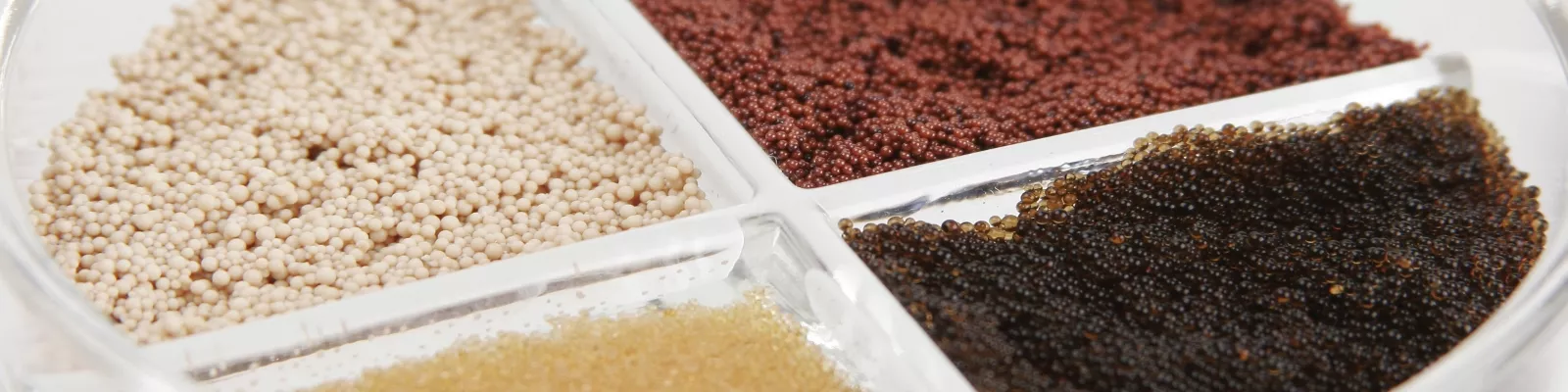
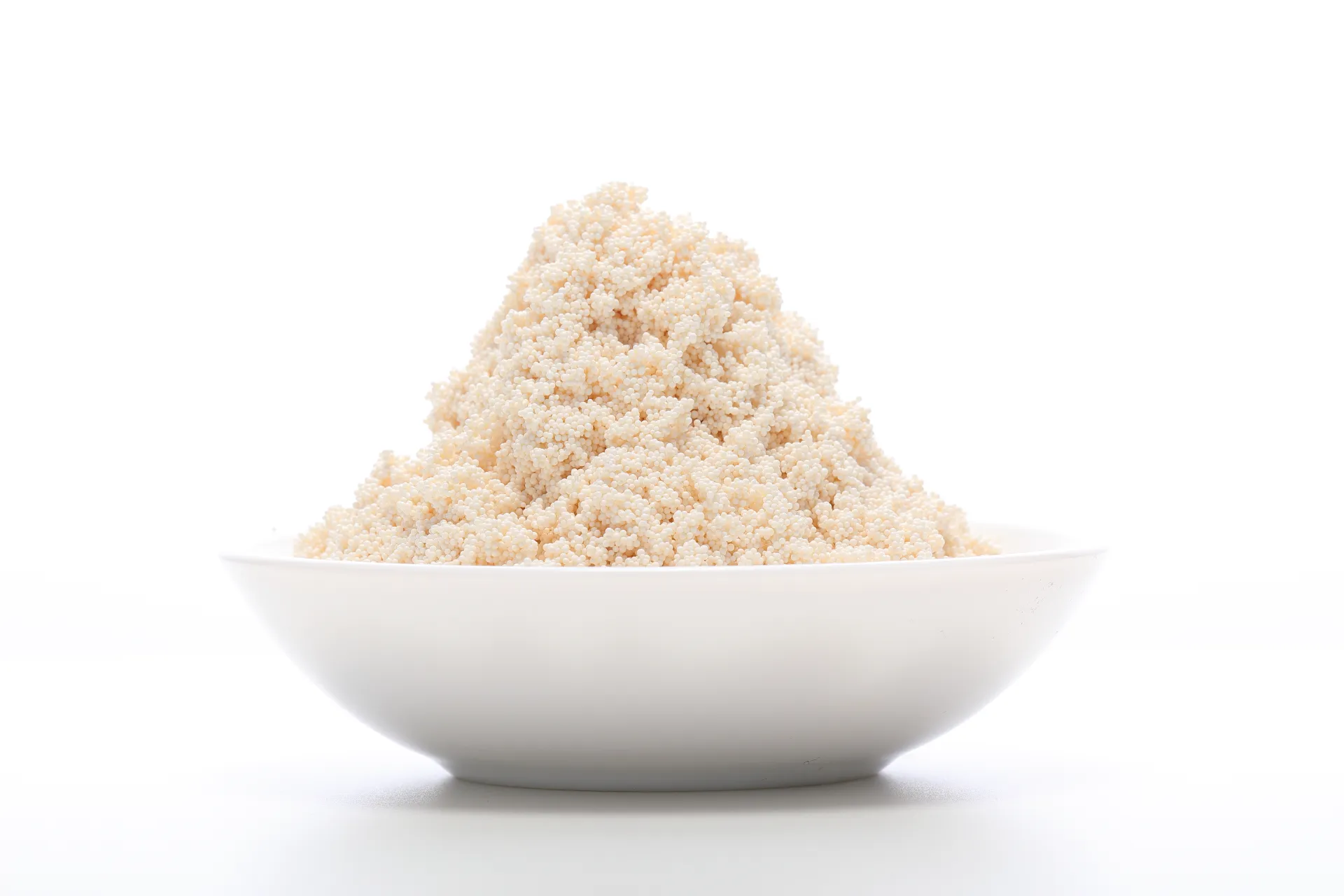
If you're diving into water treatment, industrial purification, or environmental protection, you might have bumped into the terms cation resin and anion resin. These aren’t just fancy chemical words to toss around in a lab. They form the backbone of some of the most critical processes worldwide, from making our drinking water safe to refining industrial solvents and recovering precious metals.
Globally, the demand for clean water, sustainable manufacturing, and eco-friendly waste management means these resins are more than just materials; they’re solutions. Understanding cation resin and anion resin unlocks insights into how industries reduce waste, conserve resources, and deliver safer products — essential matters as populations grow and environmental concerns mount.
Water scarcity and pollution are challenges documented extensively by the United Nations, which estimates that by 2025, nearly half the world’s population will be living in water-stressed areas. Meanwhile, the global water treatment market, fueled by industrial and municipal needs, is projected to surpass $200 billion by 2027 (Source: MarketsandMarkets).
Enter ion exchange resins — namely, cation and anion types — which are at the heart of purifying systems worldwide. These resins address stubborn problems like removing hard water minerals, toxic metals, and organic contaminants. Without them, industries ranging from pharmaceuticals to power generation would struggle to meet quality and regulatory standards.
In short, these resins are not just chemical curiosities. They are global game-changers helping to maintain human health, industrial efficiency, and environmental sustainability.
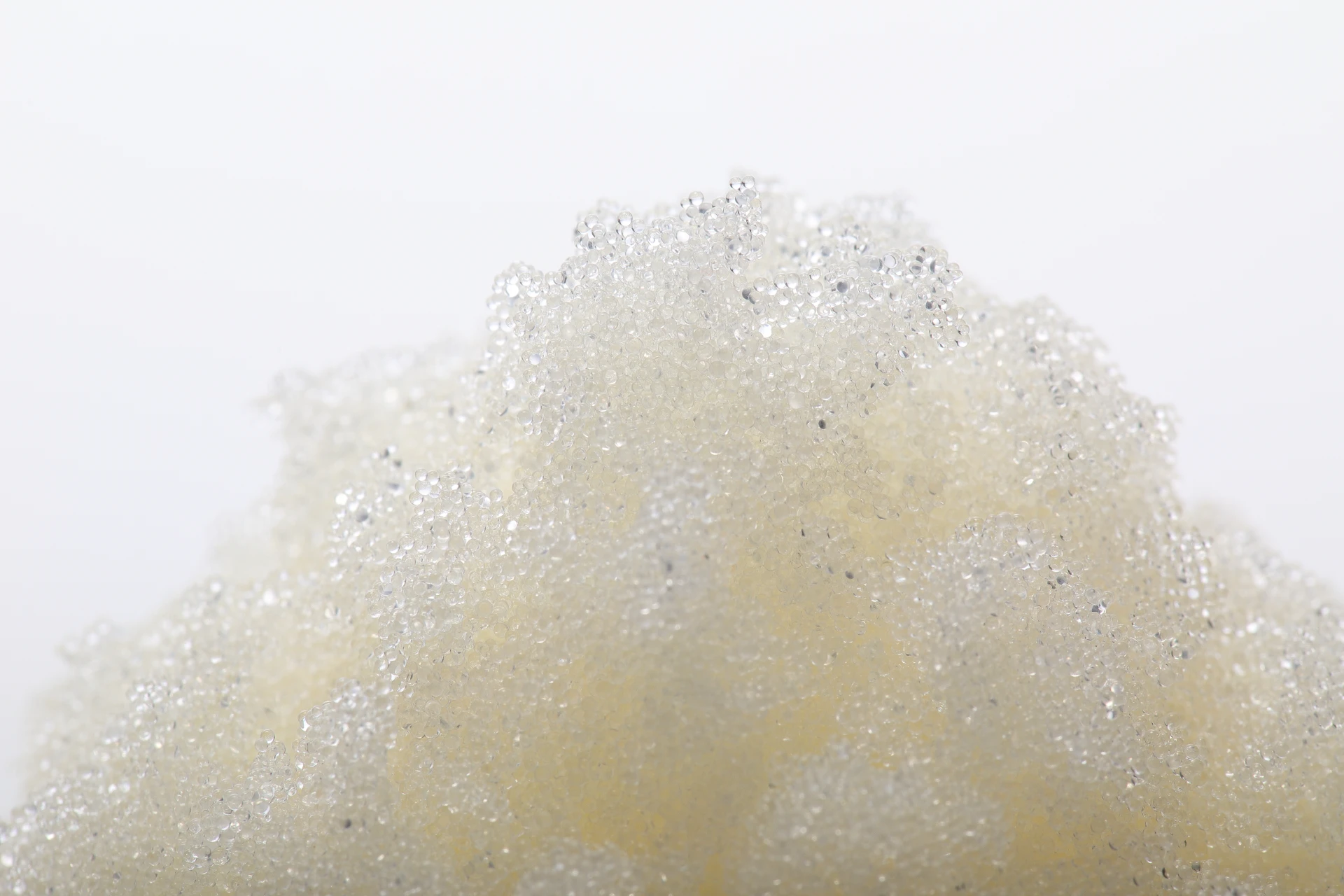
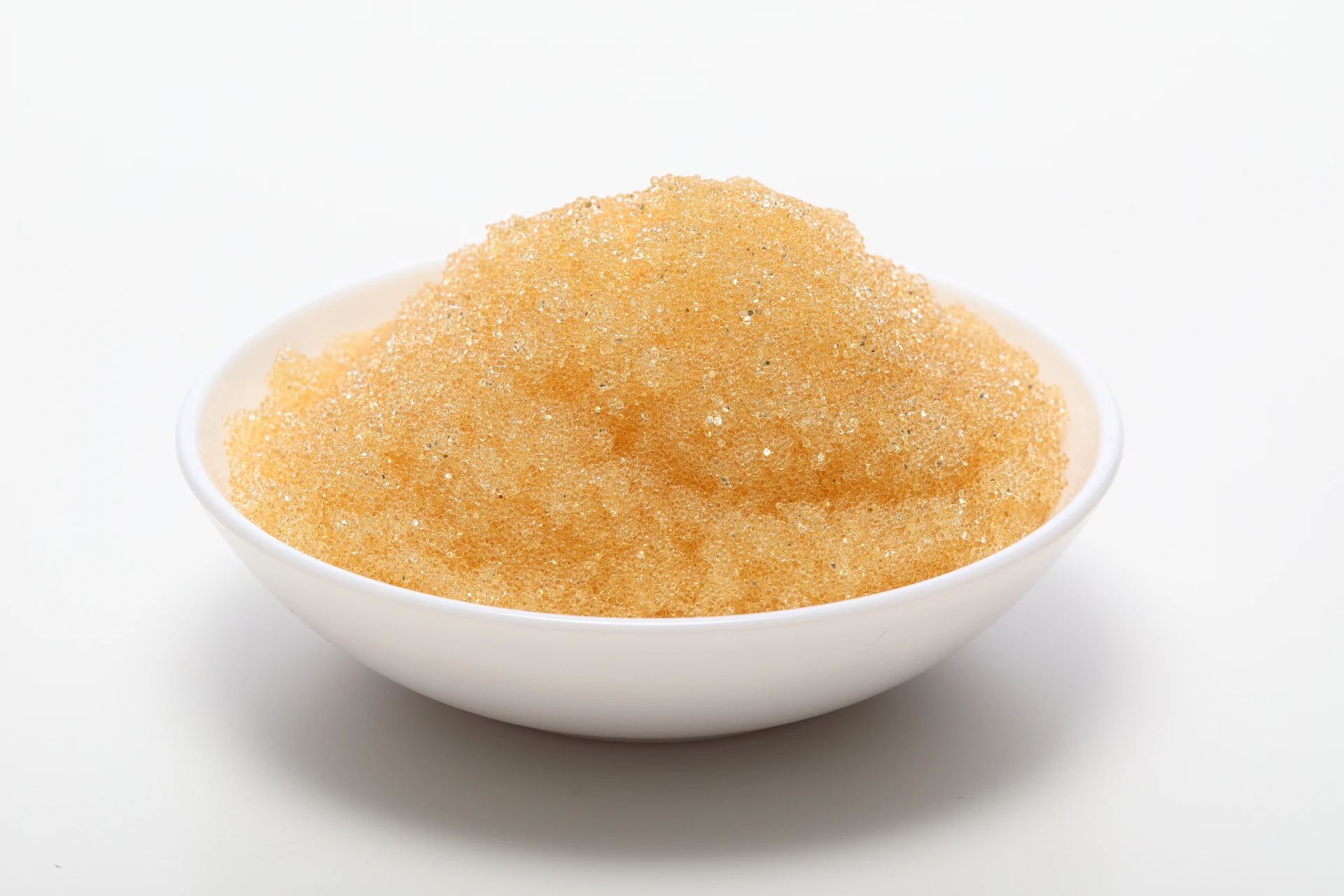
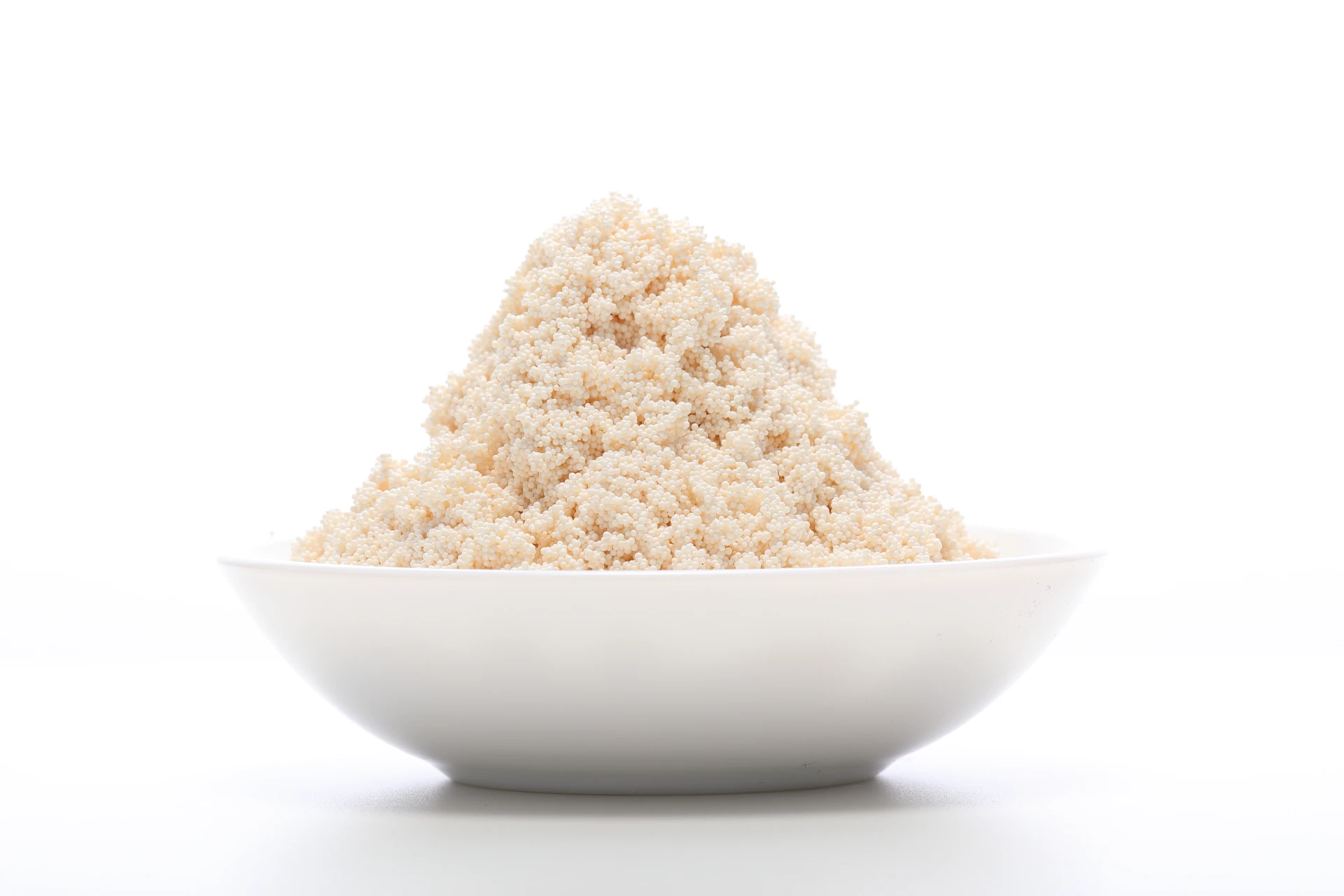
At its simplest, cation resins are polymers that exchange positively charged ions (cations) like sodium (Na+), calcium (Ca2+), or iron (Fe3+) with ions in water or other solutions. Anion resins do the same but swap negatively charged ions (anions) such as chloride (Cl-), nitrate (NO3-), or sulfate (SO42-).
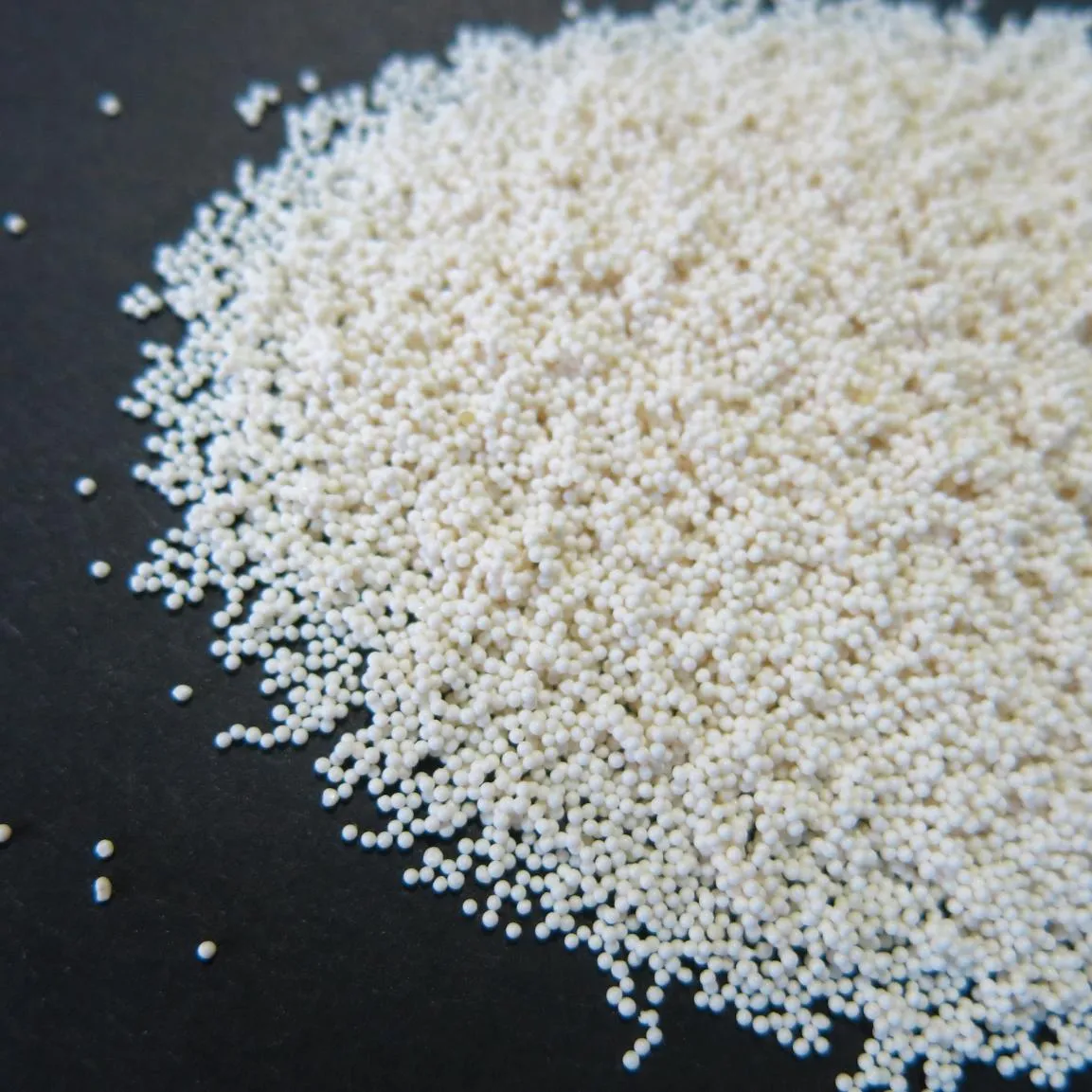
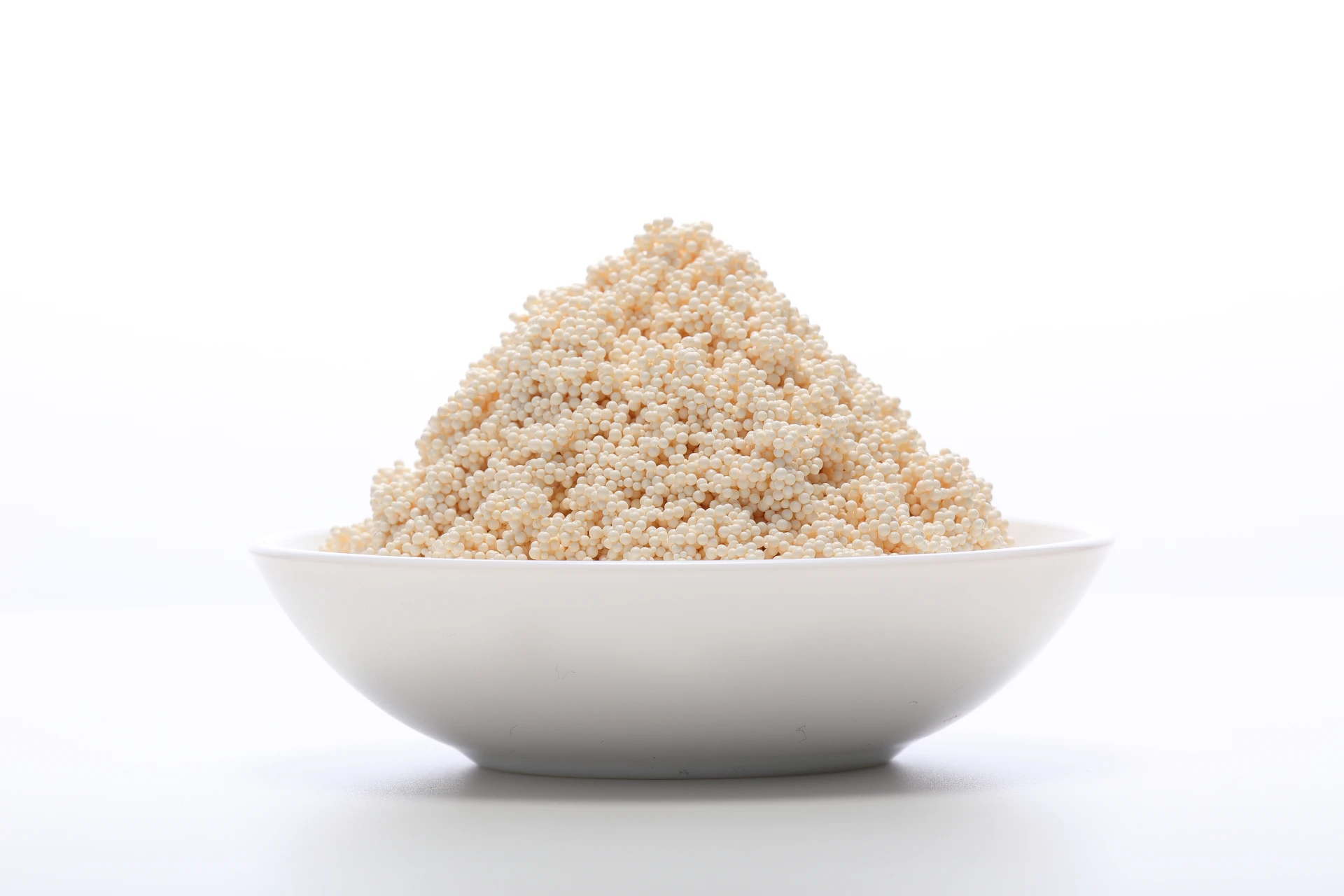
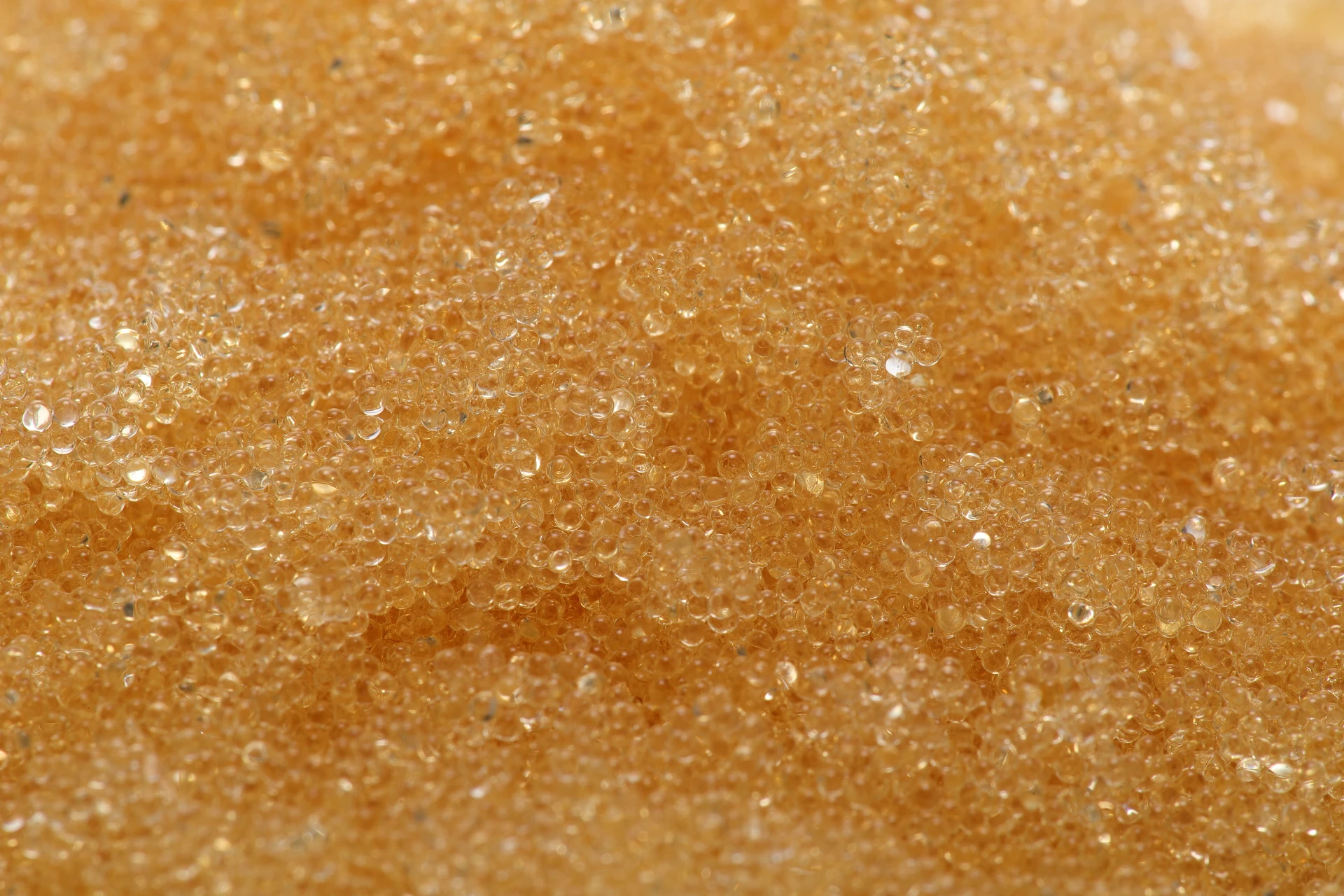
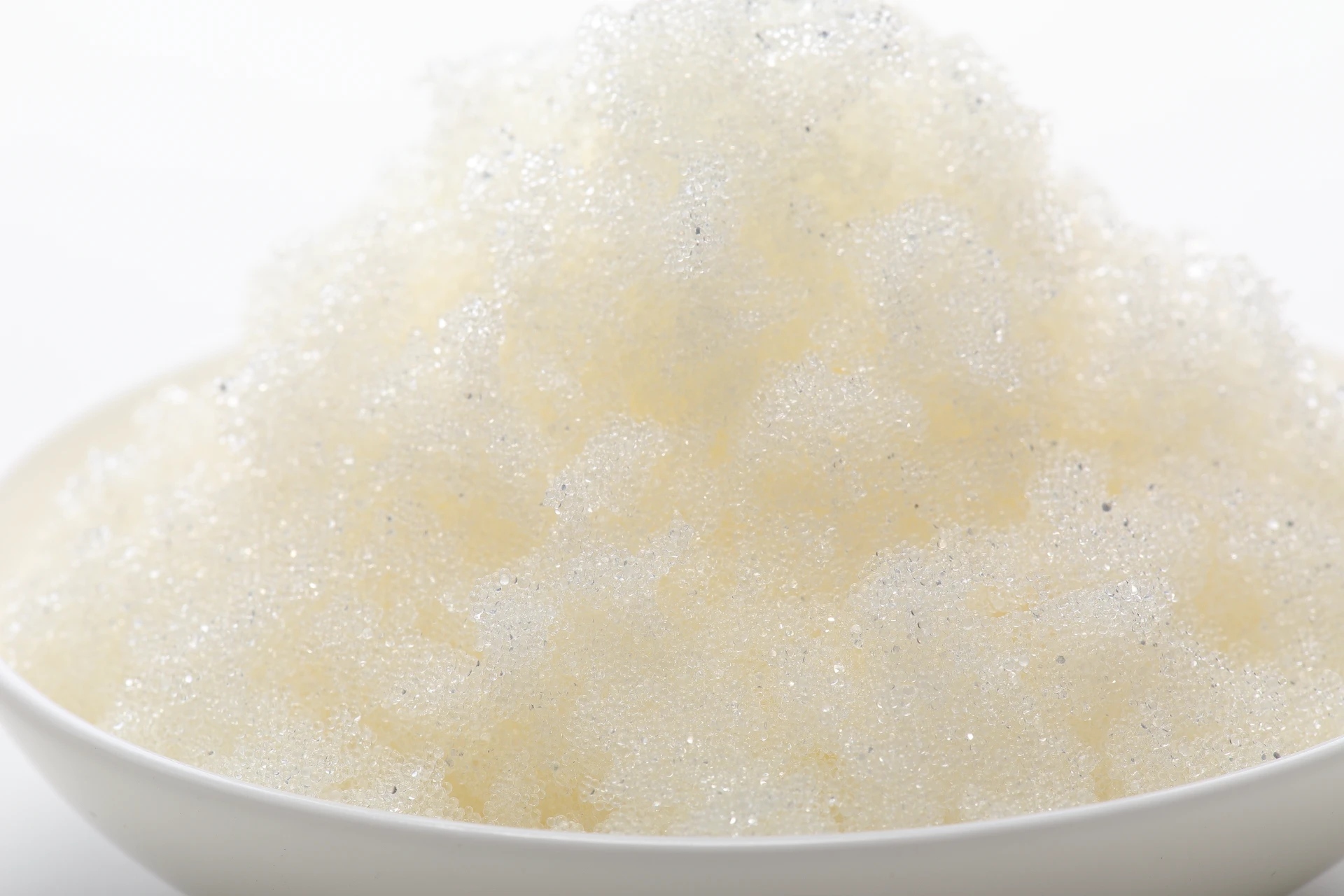
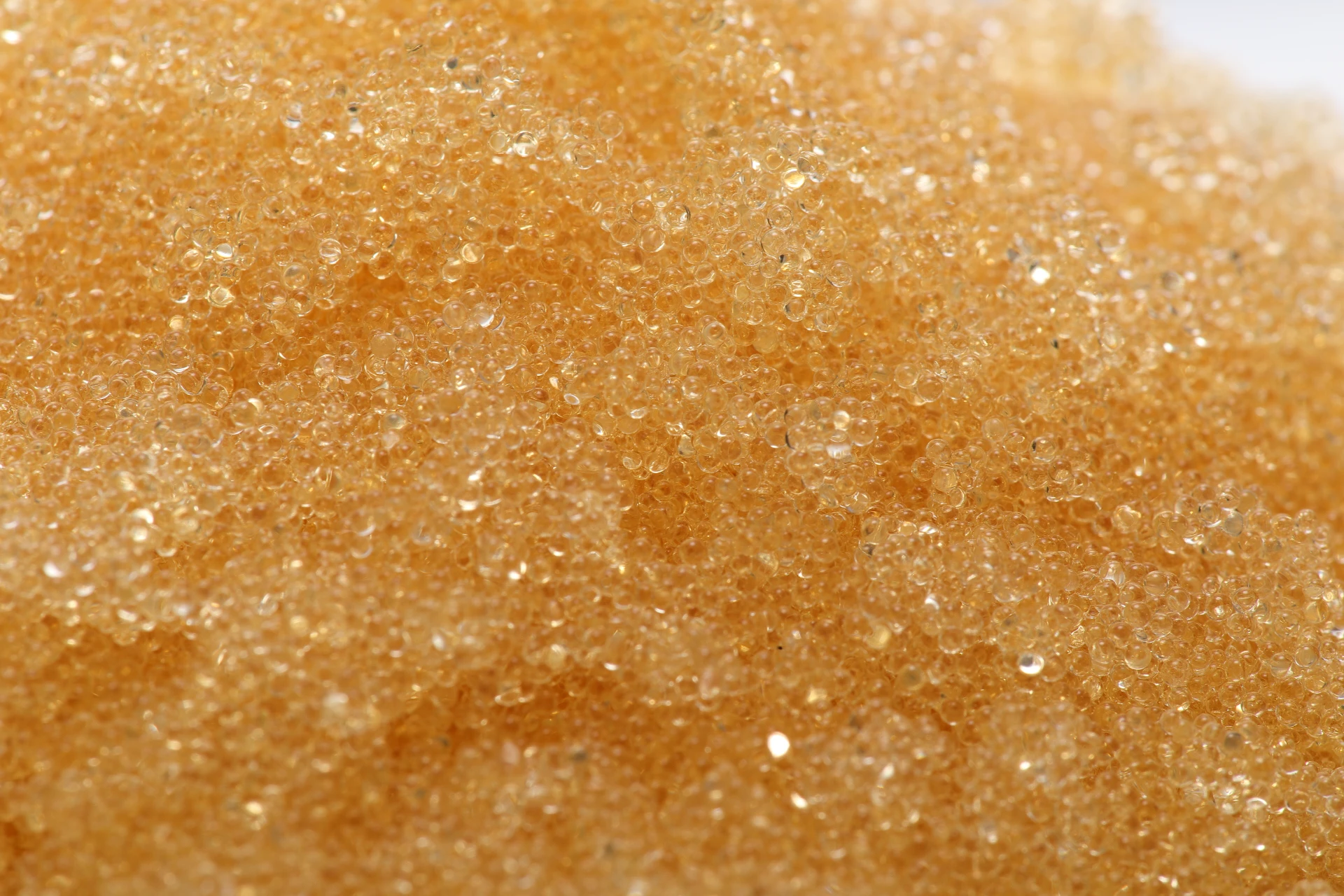
This ion swapping — called ion exchange — is used extensively to purify, separate, or recover substances. Cation and anion resins are specially shaped beads with functional groups that give them specificity and durability.
Why does this matter beyond chemistry class? Because industries rely on these resins to customize solutions for water softening, desalination, chemical synthesis, and even complex medical treatments. The demand is palpable in water treatment plants, mining operations, and food production worldwide — all places where quality and reliability count.
Both types of resins are typically made from styrene-divinylbenzene polymers, providing robustness against mechanical stress and chemical attack. What many users value is their ability to be regenerated—meaning after they get "full" of unwanted ions, a simple chemical rinse restores their function. This extends their service life, making them cost-effective.
Resins differ in selectivity depending on their functional groups—acidic for cation resins and basic for anion resins. This affects how efficiently they remove specific contaminants. For example, strongly acidic cation resins perform well in softening hard water, while strongly basic anion resins are better at dealkalizing water.
From small-scale lab setups to massive municipal treatment plants, these resins can be tailored in bead size, density, and cross-linking to fit specific applications. Operators appreciate this flexibility for optimizing flow rates and exchange capacity.
To withstand industrial environments, these resins resist breakdown by acids, bases, and oxidants. This property ensures they maintain functionality over repeated cycles, and that’s key for uptime in critical systems.
While they contribute positively to pollution control, resin manufacture and disposal require attention. Many producers now push for greener, more biodegradable forms to reduce environmental impact.
These resins appear in surprising places:
For example, in parts of India, large water treatment facilities rely on these resins to make groundwater potable by removing iron and arsenic ions — literally saving lives.
It’s tempting to see cation and anion resins as purely technical tools, but their ripple effects run deep:
All that makes one appreciate how a humble resin bead quietly changes millions of lives.
Looking ahead, the industry is buzzing with innovations:
The digital transformation, oddly enough, feels like the perfect match to this classic technology — marrying the old and new for smarter, greener solutions.
Ion exchange does have limitations. Over time, fouling by organics or particulates reduces resin efficiency. Also, disposal of spent resins raises environmental concerns. But operators tackle these with:
Industry forums and ISO standards (~ISO 9001, ISO 14001) guide best practices, emphasizing continuous improvement. So the system learns and adapts — which is reassuring.
| Property | Cation Resin | Anion Resin |
|---|---|---|
| Polymer Type | Styrene-DVB | Styrene-DVB |
| Functional Group | Sulfonic Acid (-SO3H) | Quaternary Ammonium |
| Particle Size | 0.3 - 1.2 mm | 0.4 - 1.3 mm |
| Capacity (eq/L) | 1.8 - 2.3 | 1.0 - 1.5 |
| Operating Temp. | up to 120°C | up to 100°C |
| Vendor | Product Range | Global Presence | Sustainability Initiatives | Typical Use Case |
|---|---|---|---|---|
| DuPont | Strong/Weak Acid/Base Resins | 100+ countries | Recycling programs | Municipal water treatment |
| Mitsubishi Chemical | High-purity specialty resins | Asia, Europe, Americas | Green synthesis methods | Pharma & electronics |
| Lanxess | Broad range general resins | Worldwide | Waste reduction focus | Industrial water and mining |
It’s easy to overlook the small things — beads of resin, in this case — yet they quietly support massive, essential processes. Whether you’re in manufacturing, water treatment, or environmental management, knowing about cation resin and anion resin means better decisions, smarter investments, and ultimately, solutions that last and scale.
Curious to explore tailored options or technical details? Visit our website: https://www.lijiresin.com for an in-depth look and expert support.
These resins might be small, but they live large on the stage of global sustainability and industrial innovation. Understanding their role helps us appreciate the chemistry behind clean water, efficient production, and resilient communities.