Phone:
+86 0319 2296164


Email:
info@lijiresin.cn
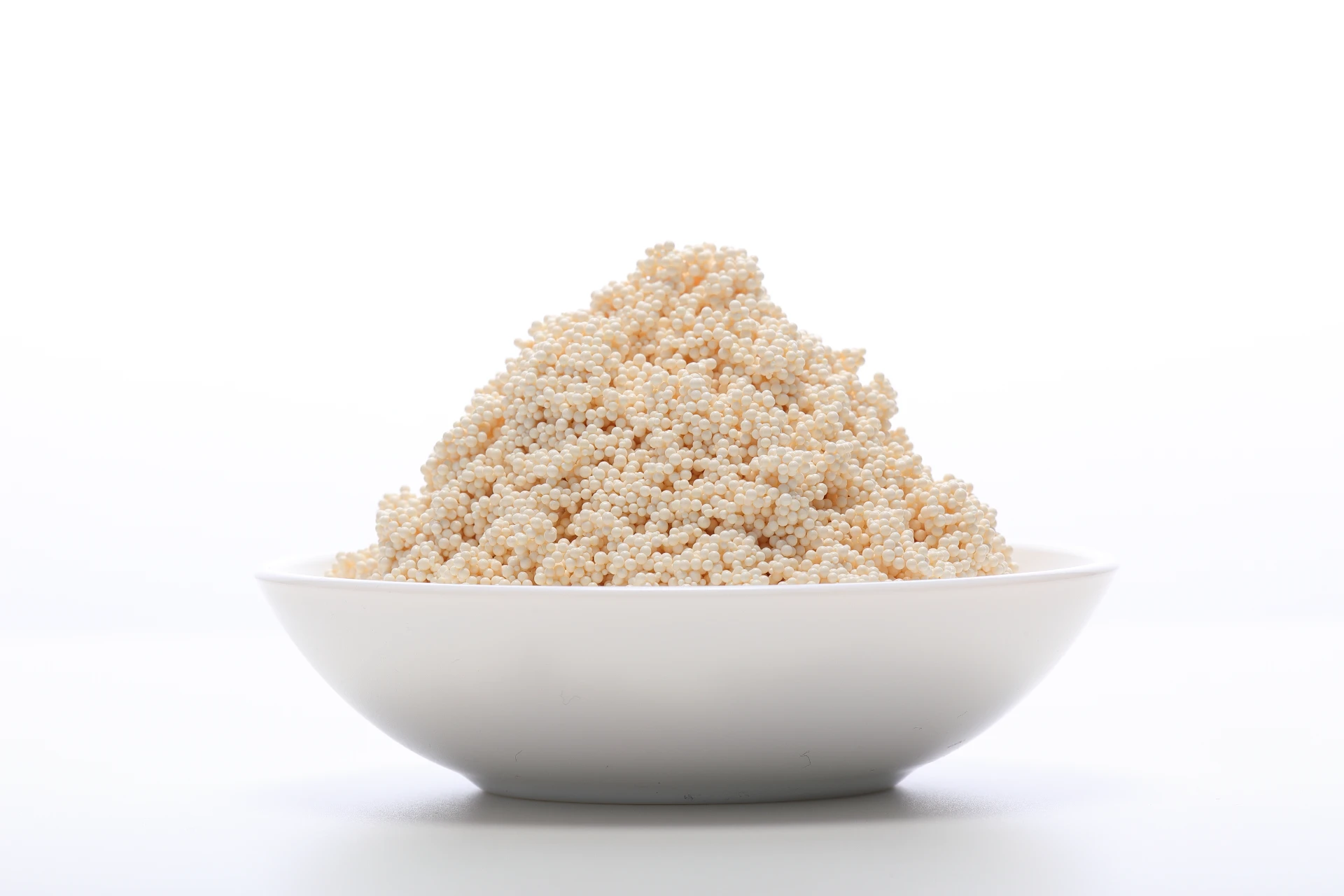
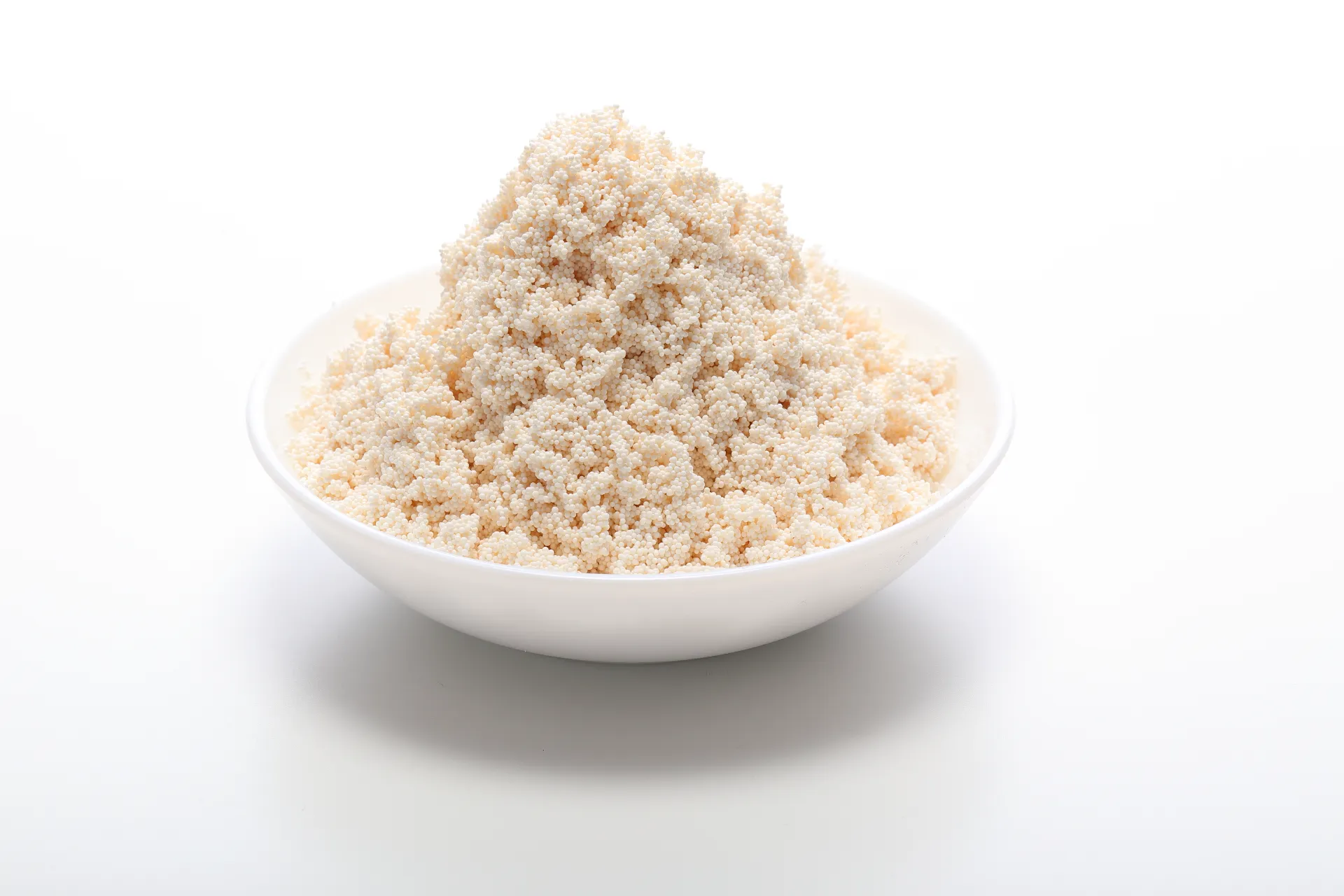
Hard water can wreak havoc on your plumbing, appliances, and even your skin and hair. A fine mesh resin water softener offers an effective solution by removing minerals like calcium and magnesium. This article will delve into the benefits, working principles, types, and selection criteria for fine mesh resin water softeners, helping you choose the right system for your needs. We’ll explore how these systems provide cleaner, more efficient water usage and protect your home’s infrastructure.
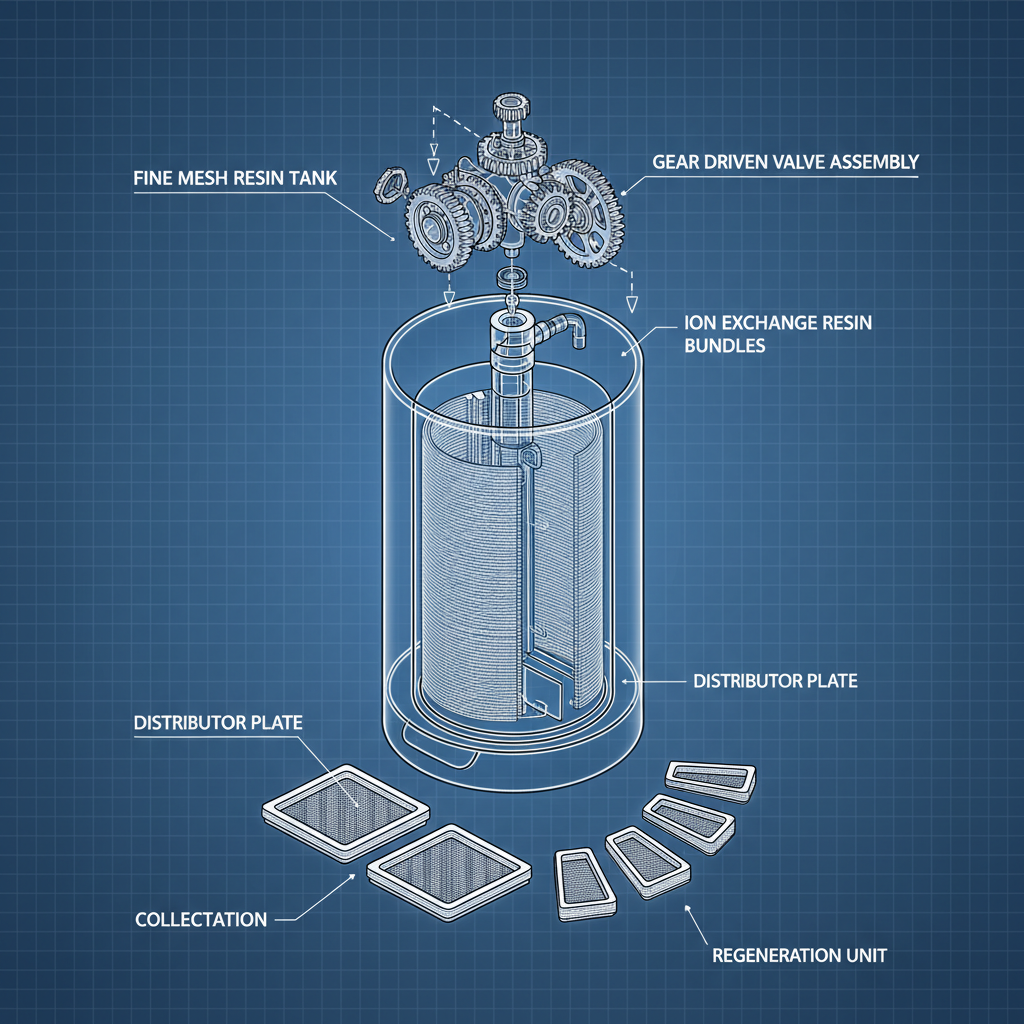
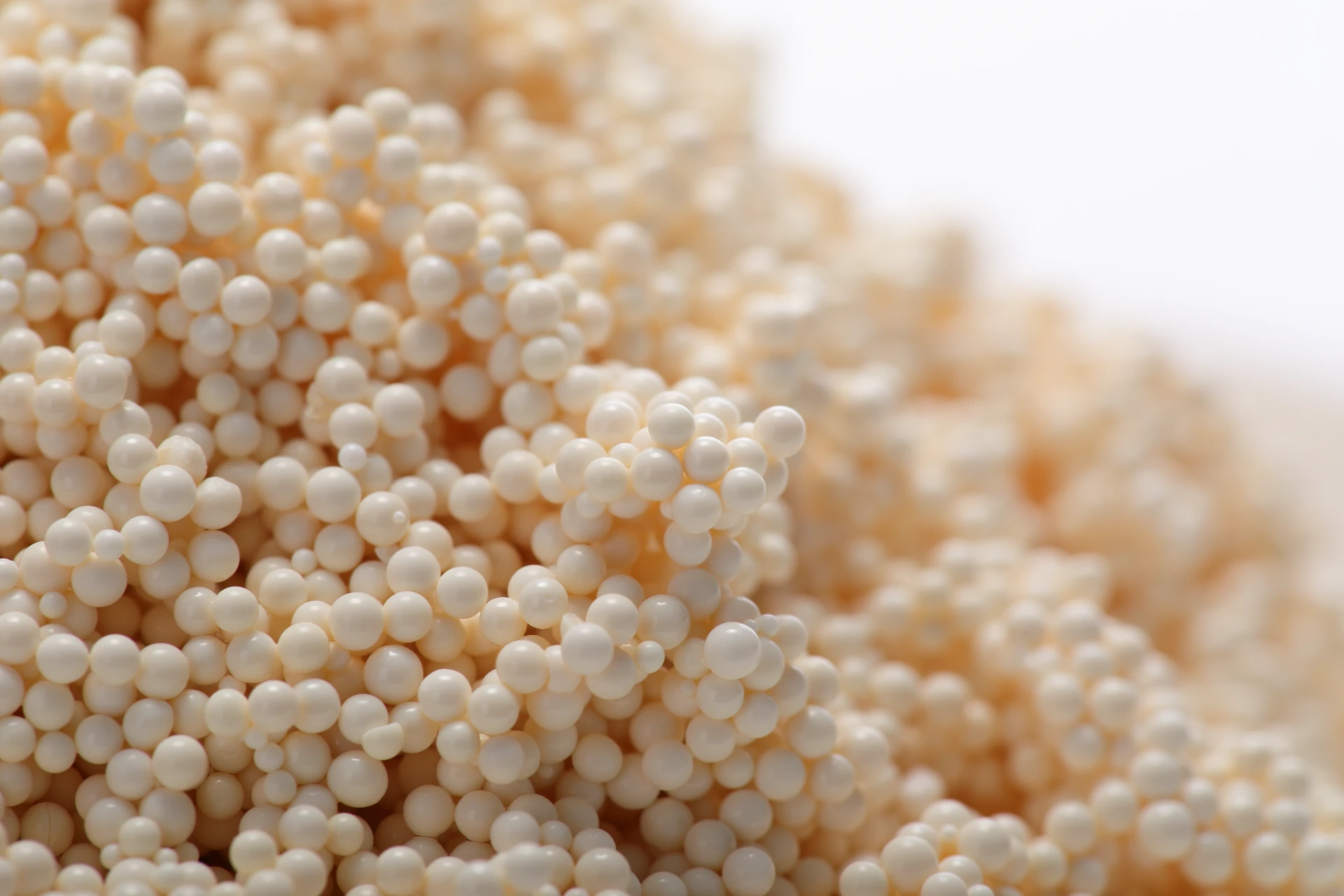
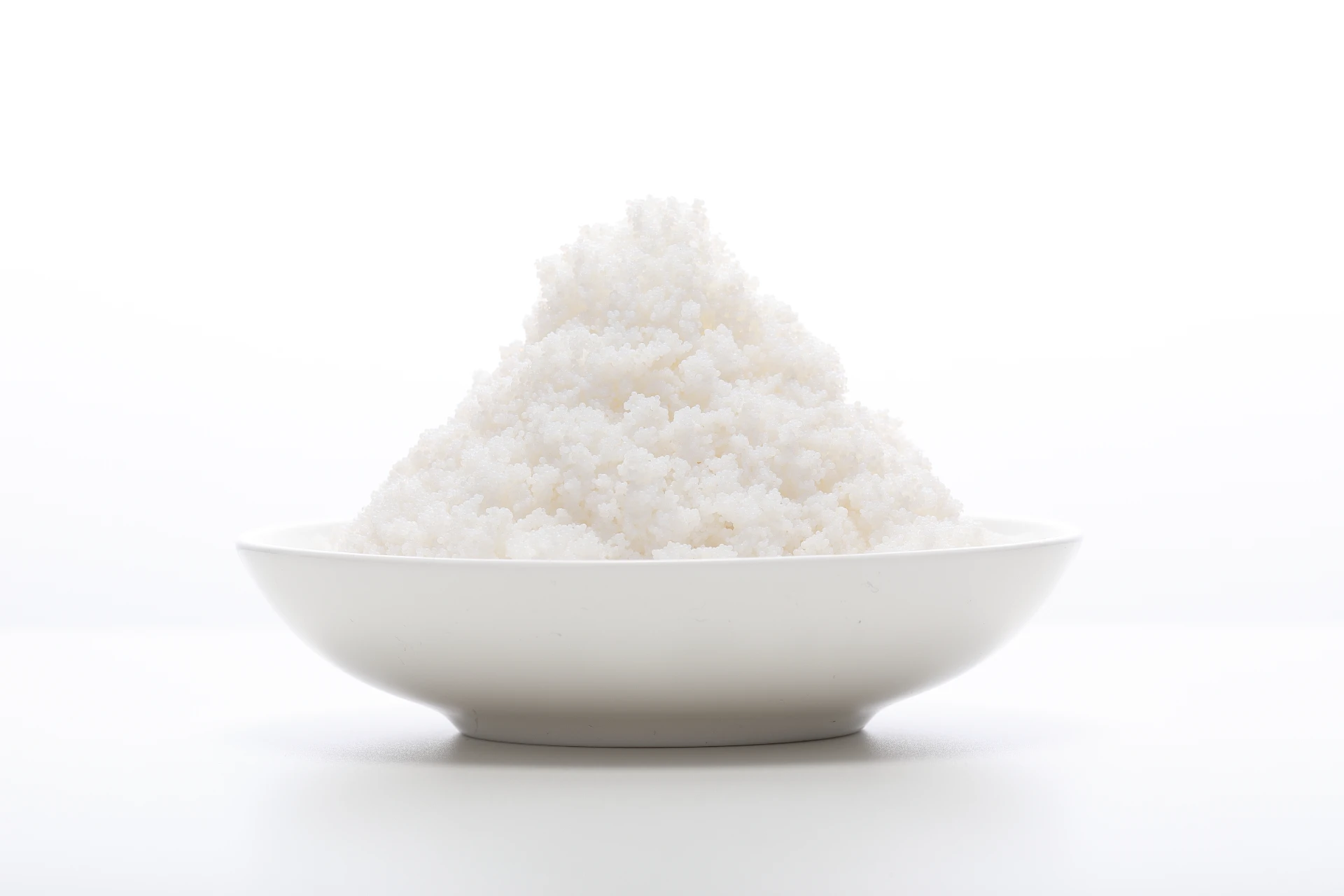
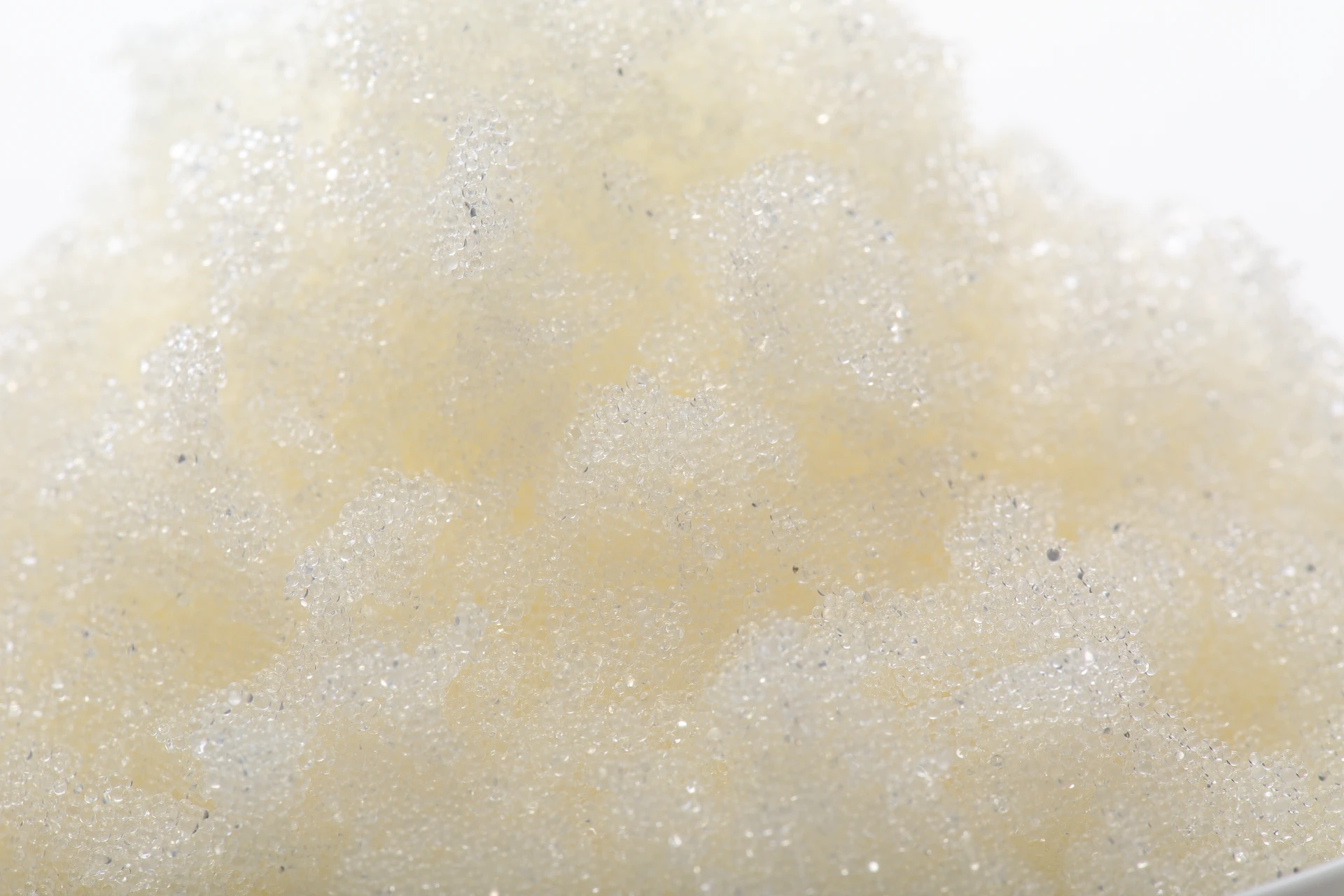
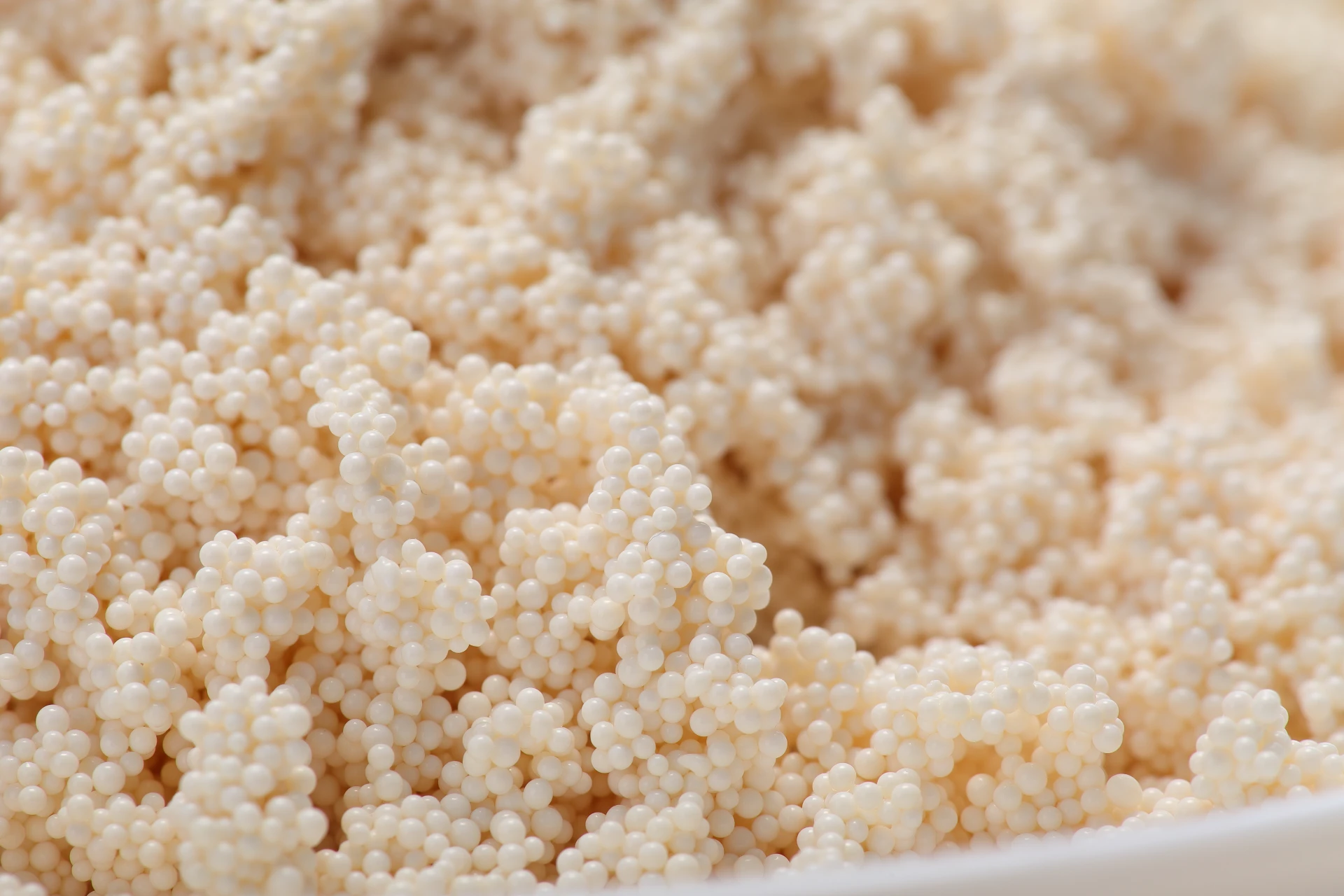
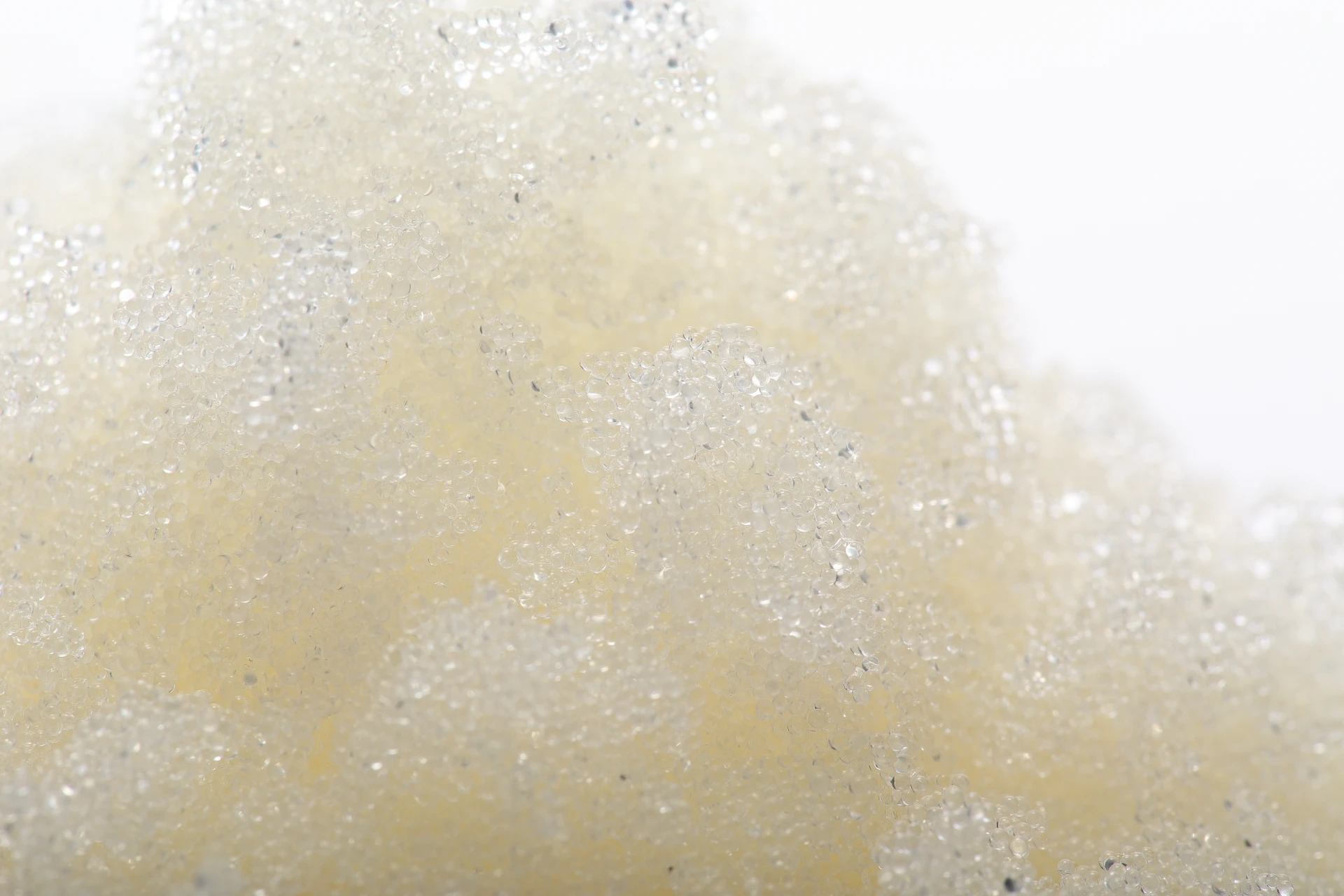
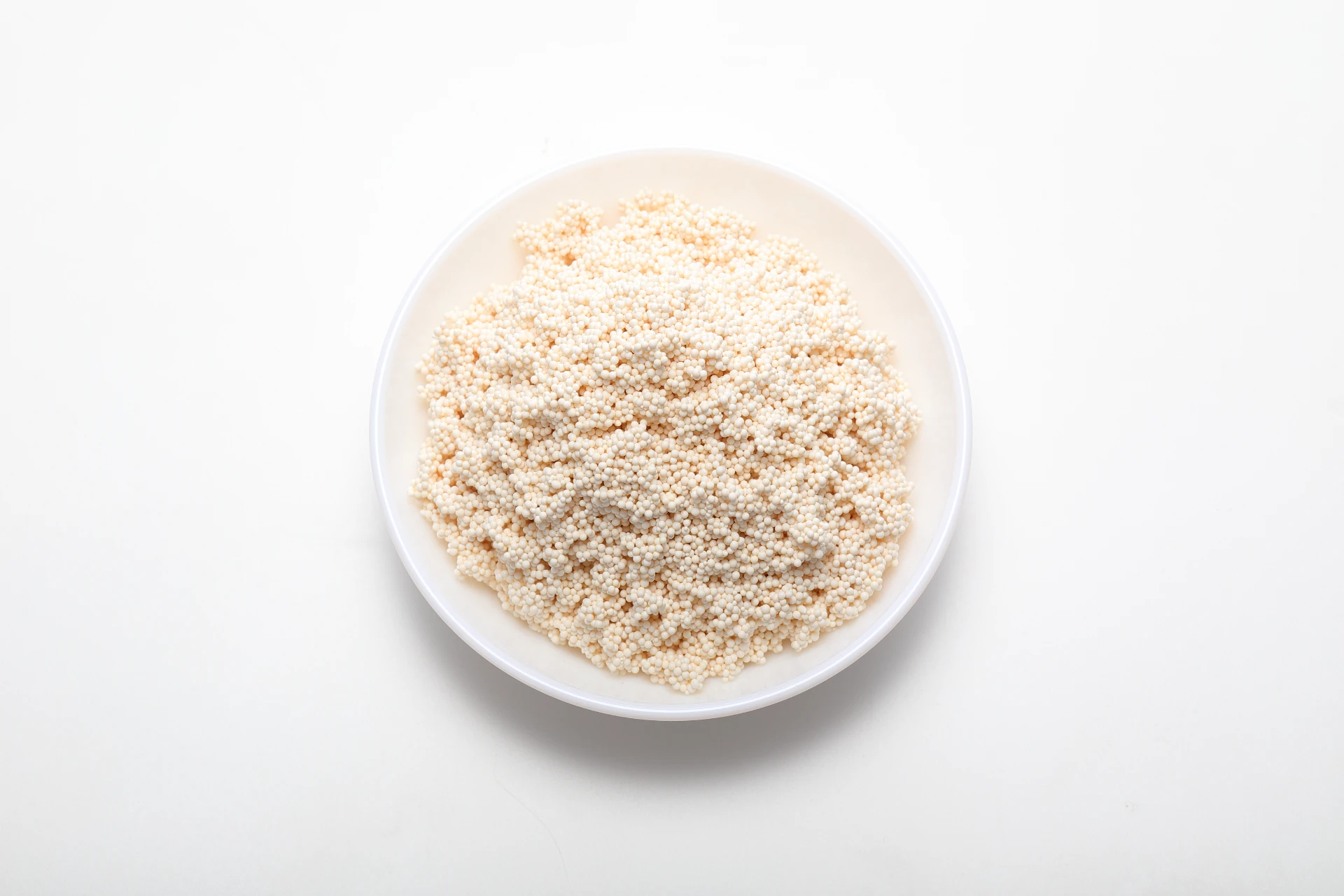
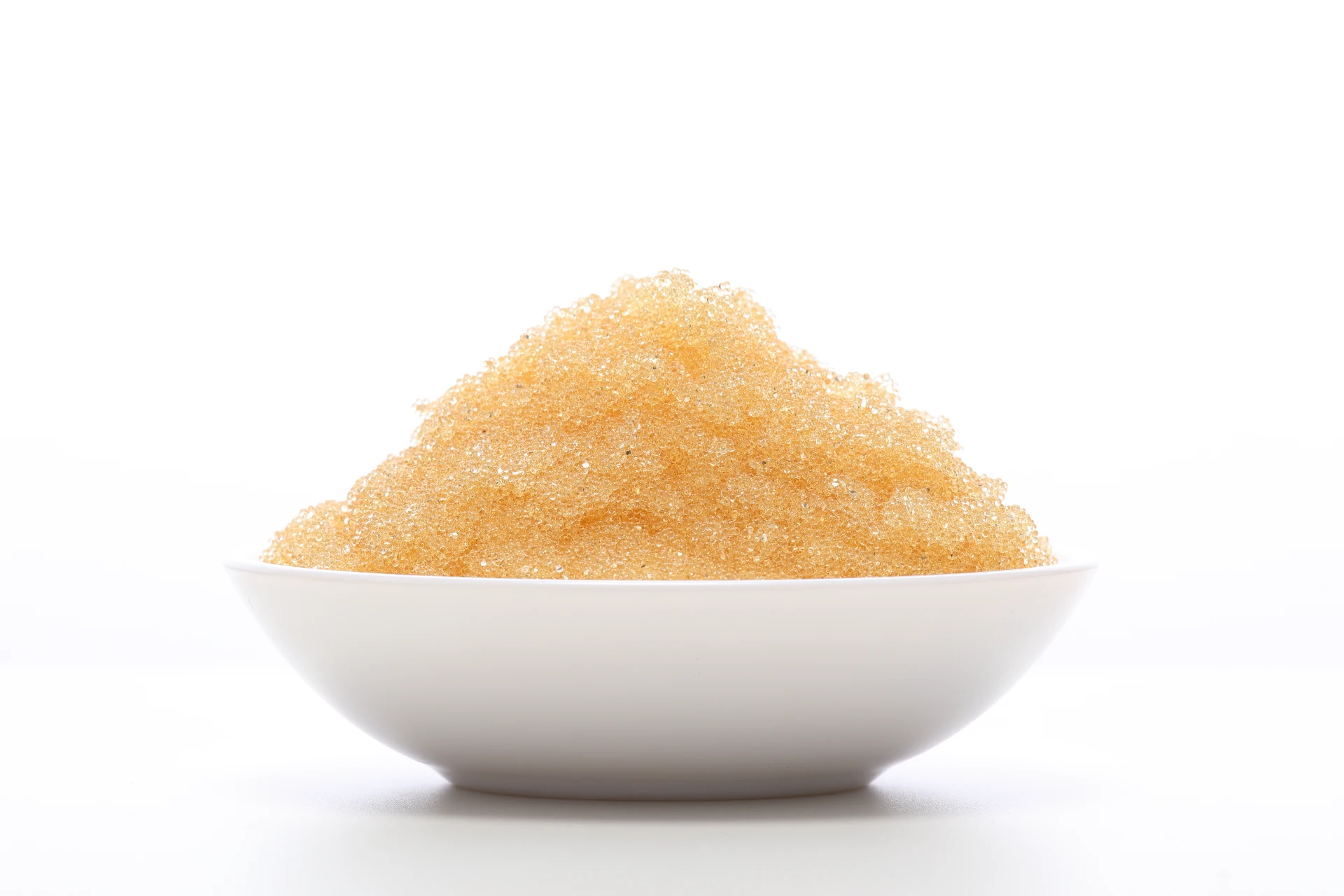
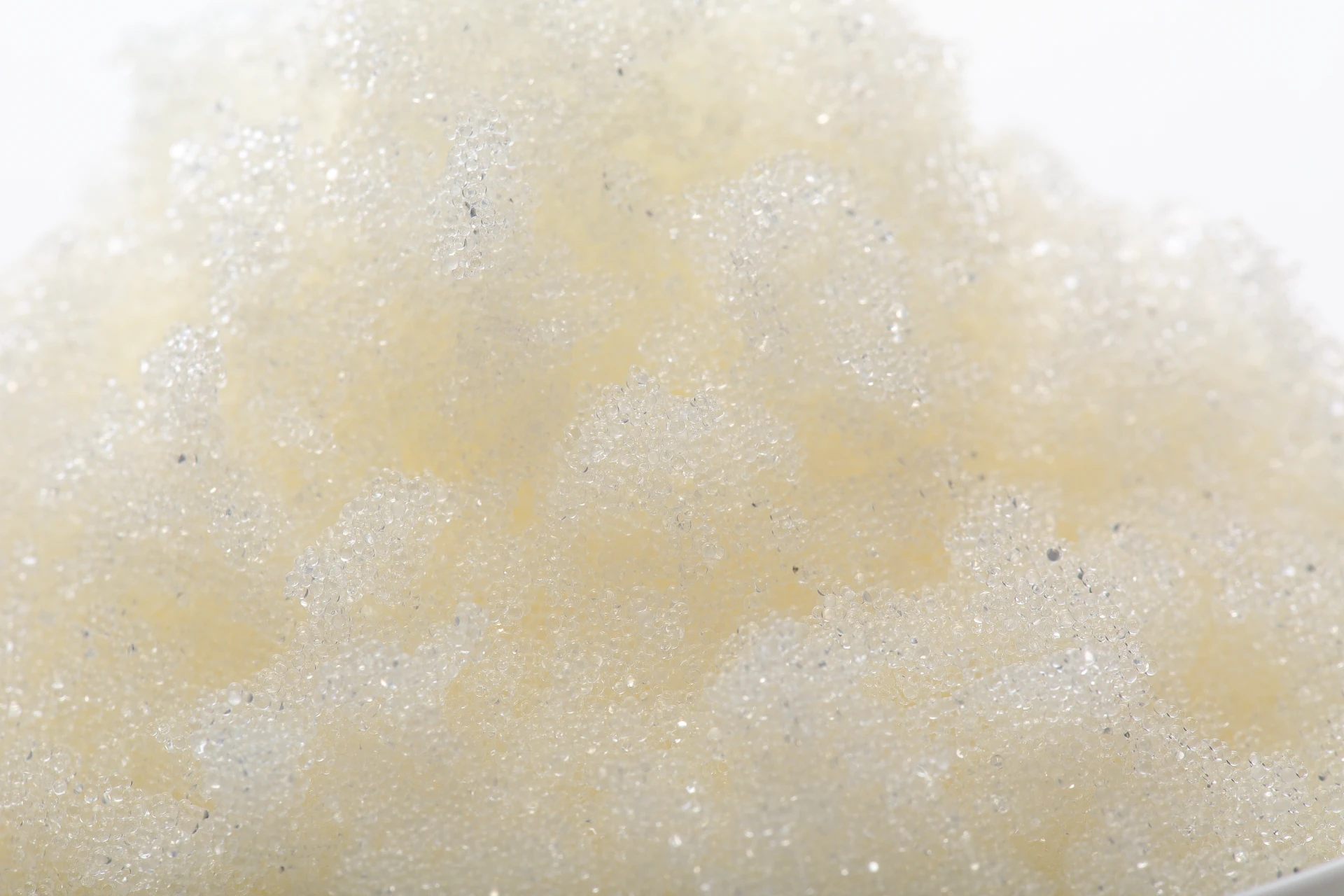
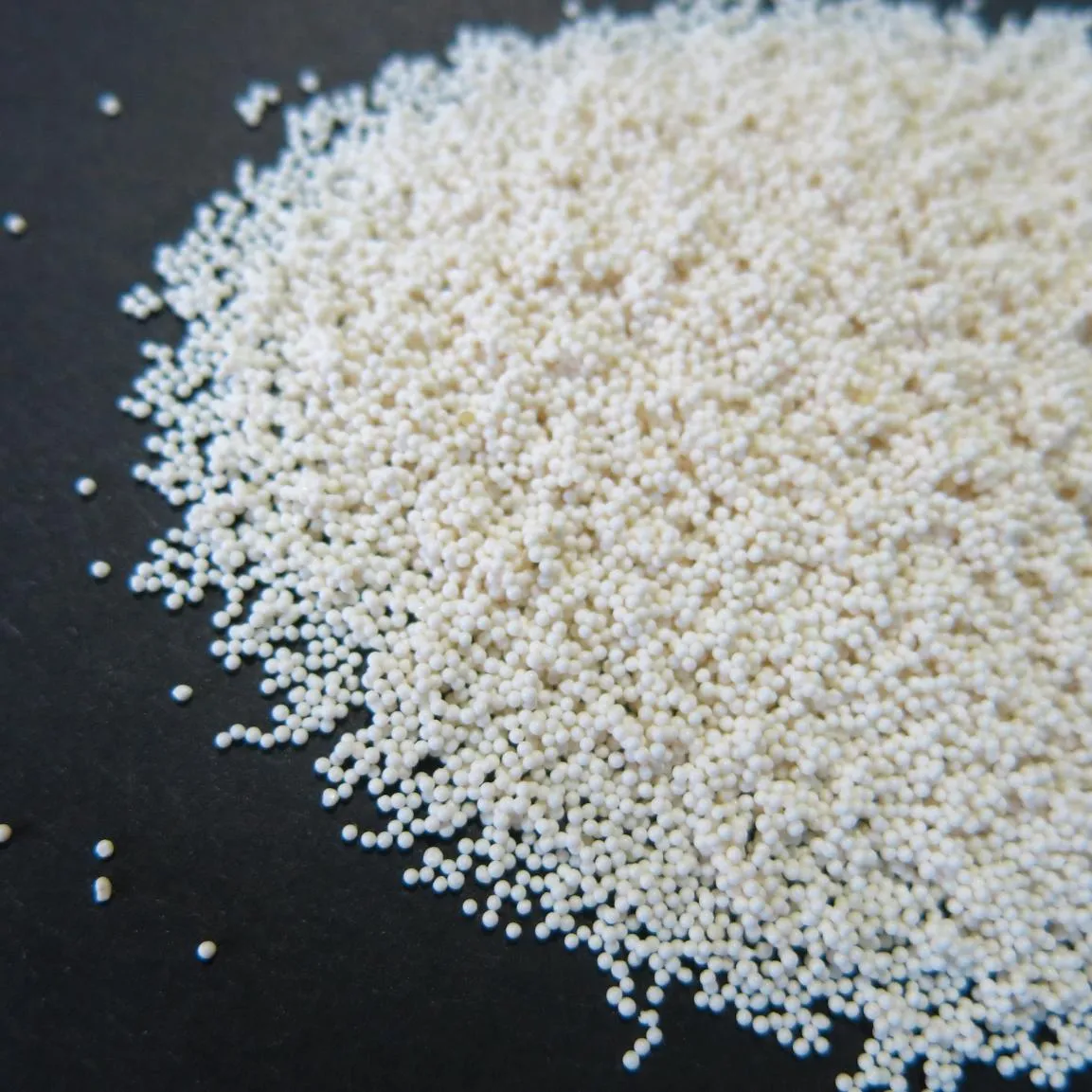
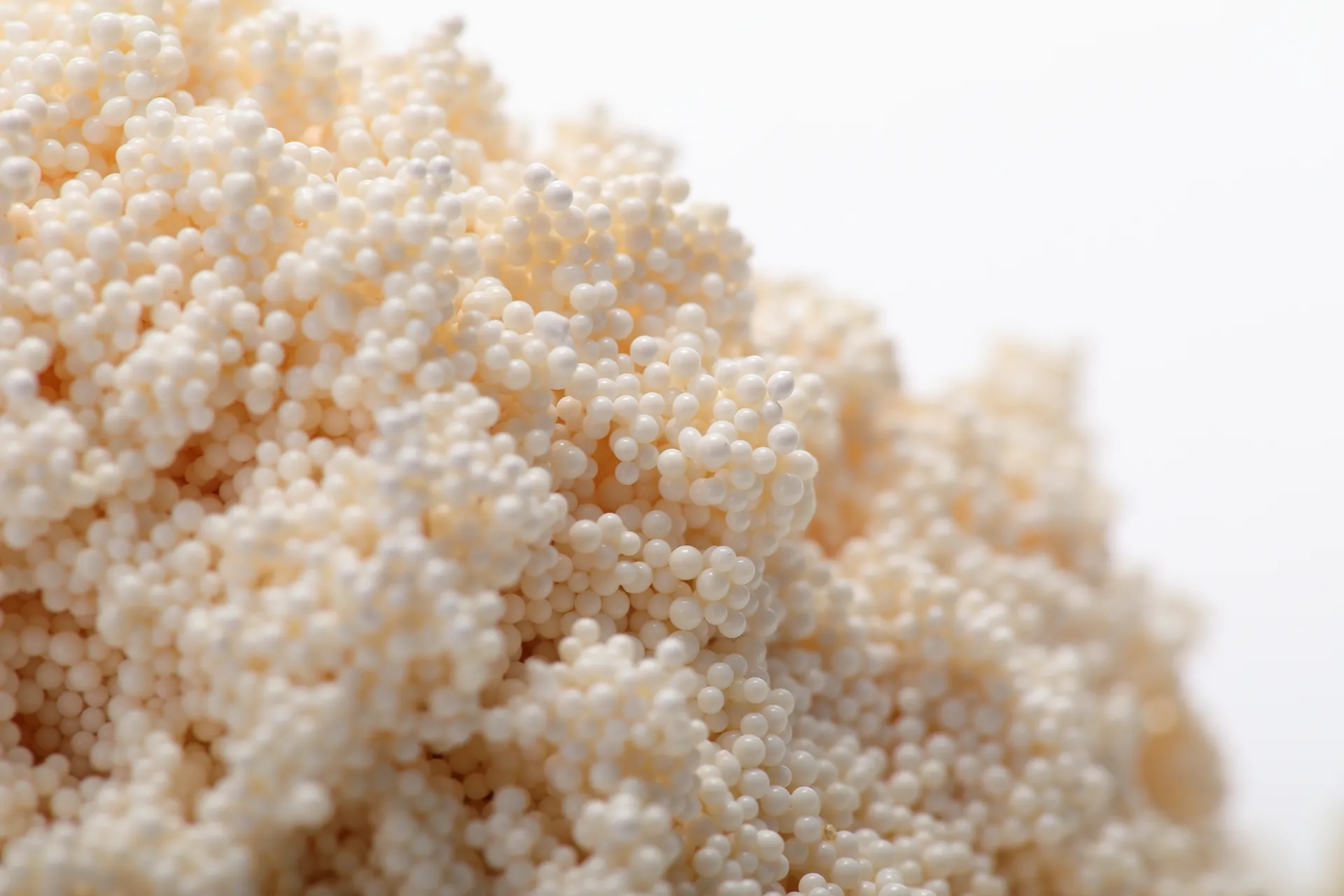
The core of a water softener is the resin – tiny plastic beads designed to attract and trap hardness minerals. Fine mesh resin, compared to standard mesh, contains more beads per volume, leading to a greater exchange capacity and more efficient softening. The process, known as ion exchange, involves these resin beads being coated with sodium ions. As hard water flows through the softener, calcium and magnesium ions are exchanged for sodium ions, resulting in softened water. This process continues until the resin becomes saturated with hardness minerals, at which point it needs to be regenerated. Regeneration involves flushing the resin with a brine solution (saltwater) to replenish the sodium ions and flush away the collected hardness minerals.
Key Highlights: Fine mesh resin offers a larger surface area for ion exchange, resulting in a higher softening capacity and extended lifespan compared to standard mesh resins.
Investing in a water softener with fine mesh resin provides numerous advantages. Reduced scale buildup in pipes and appliances translates to lower energy bills and extended appliance lifespan. Softened water improves the lathering ability of soaps and detergents, meaning you use less product. Furthermore, it's gentler on your skin and hair, reducing dryness and irritation. The enhanced capacity of fine mesh resins also means less frequent regeneration cycles, conserving water and salt. Ultimately, a fine mesh resin water softener delivers both economic and comfort benefits.
Key Benefits:
• Reduced Scale Buildup
• Lower Energy Bills
• Extended Appliance Lifespan
• Improved Soap Efficiency
• Gentler on Skin and Hair
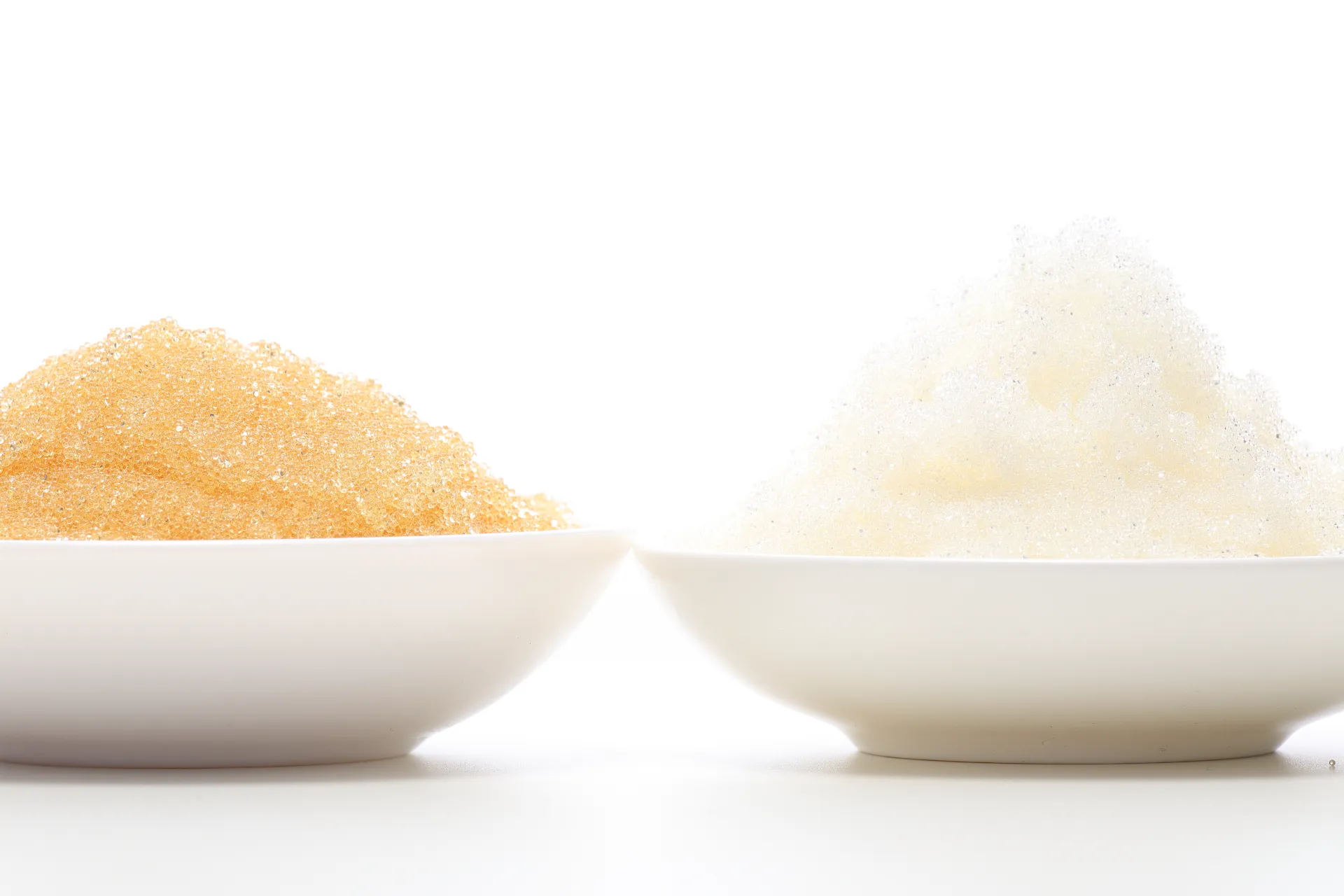
The primary difference lies in the bead size and, consequently, the surface area available for ion exchange. Fine mesh resin boasts a significantly larger surface area than standard mesh, leading to greater efficiency and capacity. This translates to longer intervals between regenerations, reduced salt consumption, and a longer overall lifespan for the resin. While standard mesh is more affordable upfront, the long-term benefits and cost savings of fine mesh resin often outweigh the initial investment.
Choosing the right water softener depends on several factors, including your household’s water hardness, water usage, and the number of people in your home. Consider a professional water test to determine your hardness level. Look for a softener with a capacity that matches your household’s water consumption. Lijiresin offers a range of fine mesh resin options designed to meet various needs. Also, consider features like demand-initiated regeneration (DIR) for optimal efficiency and salt usage.
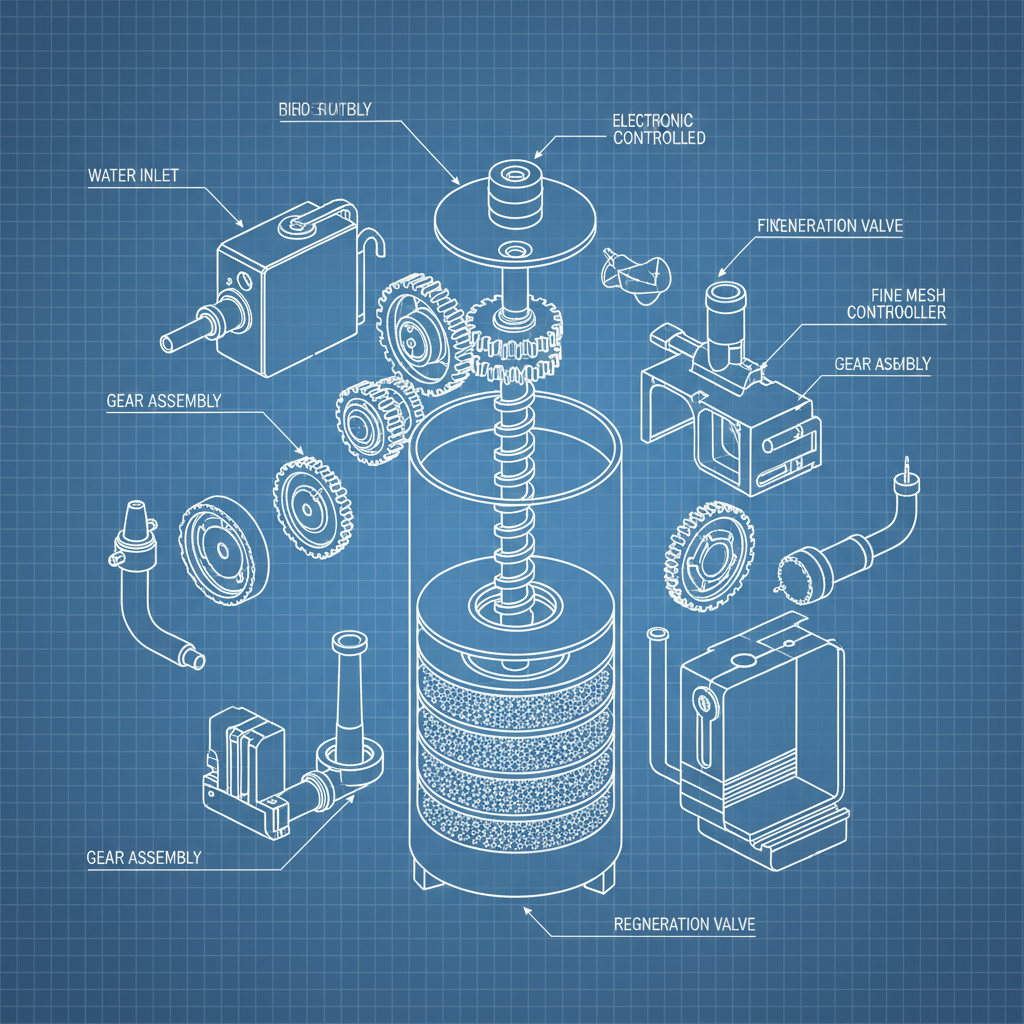
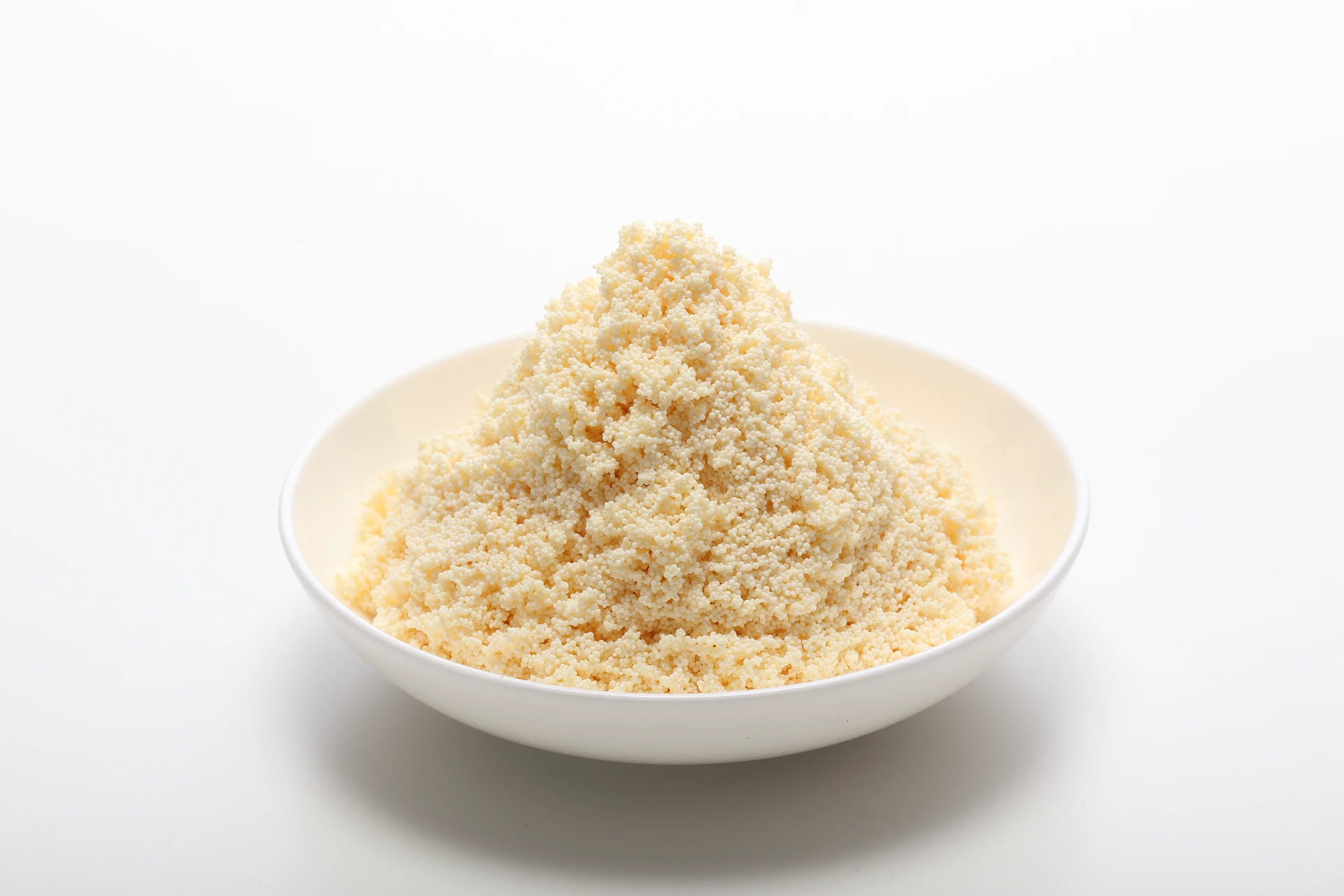
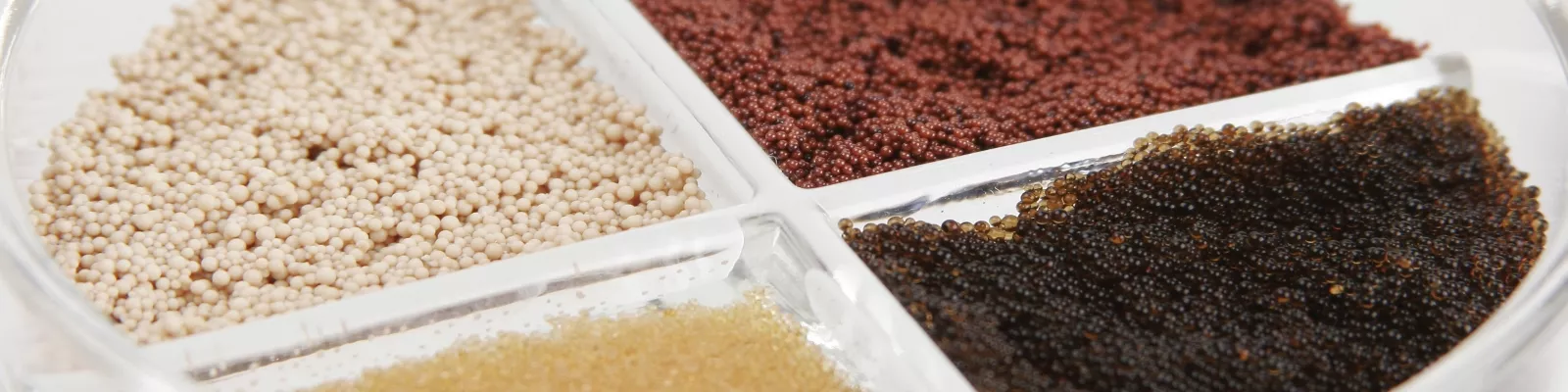
Fine mesh resin is available in various types, each with its unique properties. Common resin types include Type I (sulfonated polystyrene), which is suitable for most applications, and Type II (gelular) offering superior capacity. Lijiresin’s products cater to a wide range of water conditions. Here is a quick look at common resin specifications:
A fine mesh resin water softener is a smart investment for your home, providing cleaner water, protecting your appliances, and reducing your environmental footprint. By choosing a system with high-quality resin and the right capacity, you can enjoy the benefits of soft water for years to come. Explore the options available at Lijiresin to find the perfect solution for your needs.
The frequency of salt addition depends on your water hardness, water usage, and the softener’s regeneration settings. Generally, you’ll need to replenish the salt tank every 1-3 months. Regularly check the salt level and add salt when it’s approximately half full. Using high-quality salt, like rock salt or solar salt, is recommended for optimal performance and to prevent build-up in the brine tank. Demand-Initiated Regeneration (DIR) systems will use salt more efficiently, reducing the frequency of refills.
Type I resin is the standard type, offering good performance for most applications. It has a crosslinked structure of about 8%. Type II resin, or gel resin, has a higher crosslinking (around 4%) resulting in higher capacity and improved resistance to attrition. However, Type II resin is generally more expensive. The choice depends on your specific water conditions and budget.
Yes, you can. Potassium chloride is a salt substitute that doesn’t add sodium to your water, which can be beneficial for those on sodium-restricted diets. However, it is typically more expensive than salt and may be less efficient in regenerating the resin, requiring more frequent refills. It’s important to check your softener’s manual to ensure it’s compatible with potassium chloride.
Over time, resin can become fouled or lose its capacity due to iron buildup, chlorine exposure, or simply age. Signs that your resin needs replacing include a noticeable decrease in softening efficiency, increased salt usage, and a decline in water pressure. A professional water analysis can help determine if resin replacement is necessary. Typically, resin lasts 10-20 years with proper maintenance.