Phone:
+86 0319 2296164


Email:
info@lijiresin.cn
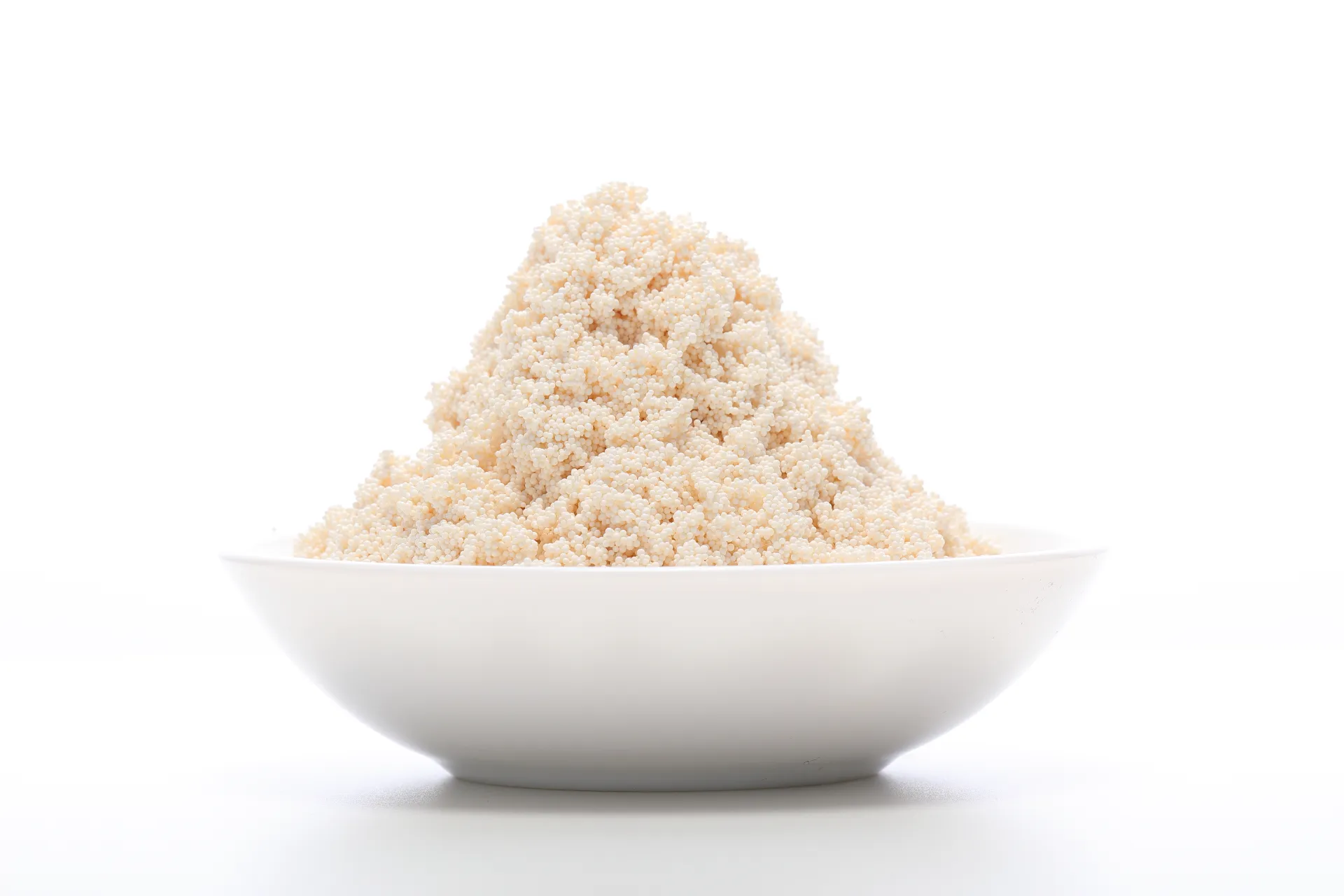
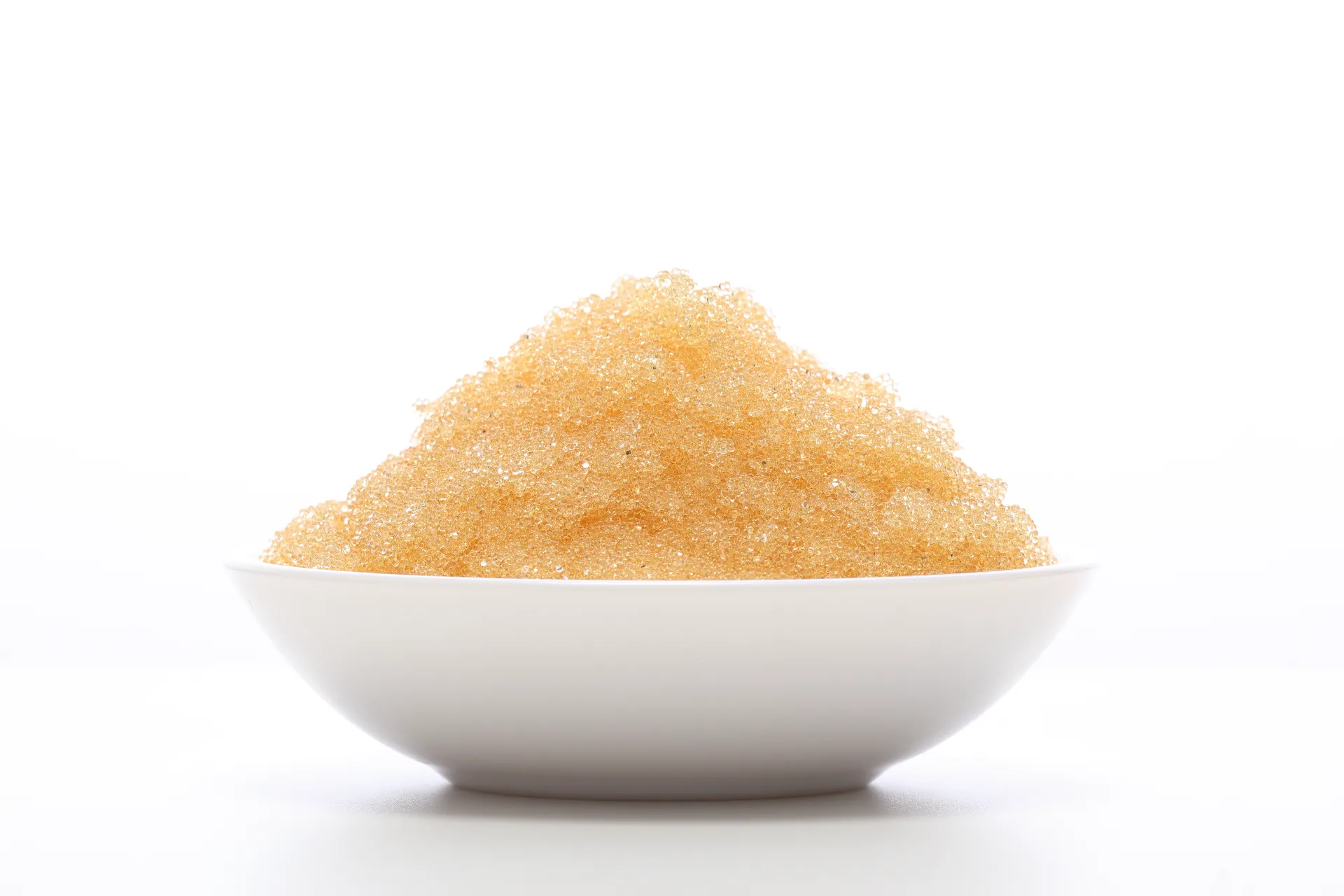
Having spent a good chunk of my life knee-deep in industrial equipment and water treatment systems, I can honestly say the Purolite PD206 resin has earned a solid spot in my mental toolbox. You know, when you’re dealing with ion exchange resins, it’s not just about specs on a sheet but how the stuff performs day in, day out. Purolite’s PD206 — a weak acid cation exchange resin — is one of those products that balances robustness and flexibility, which frankly is a rare combo.
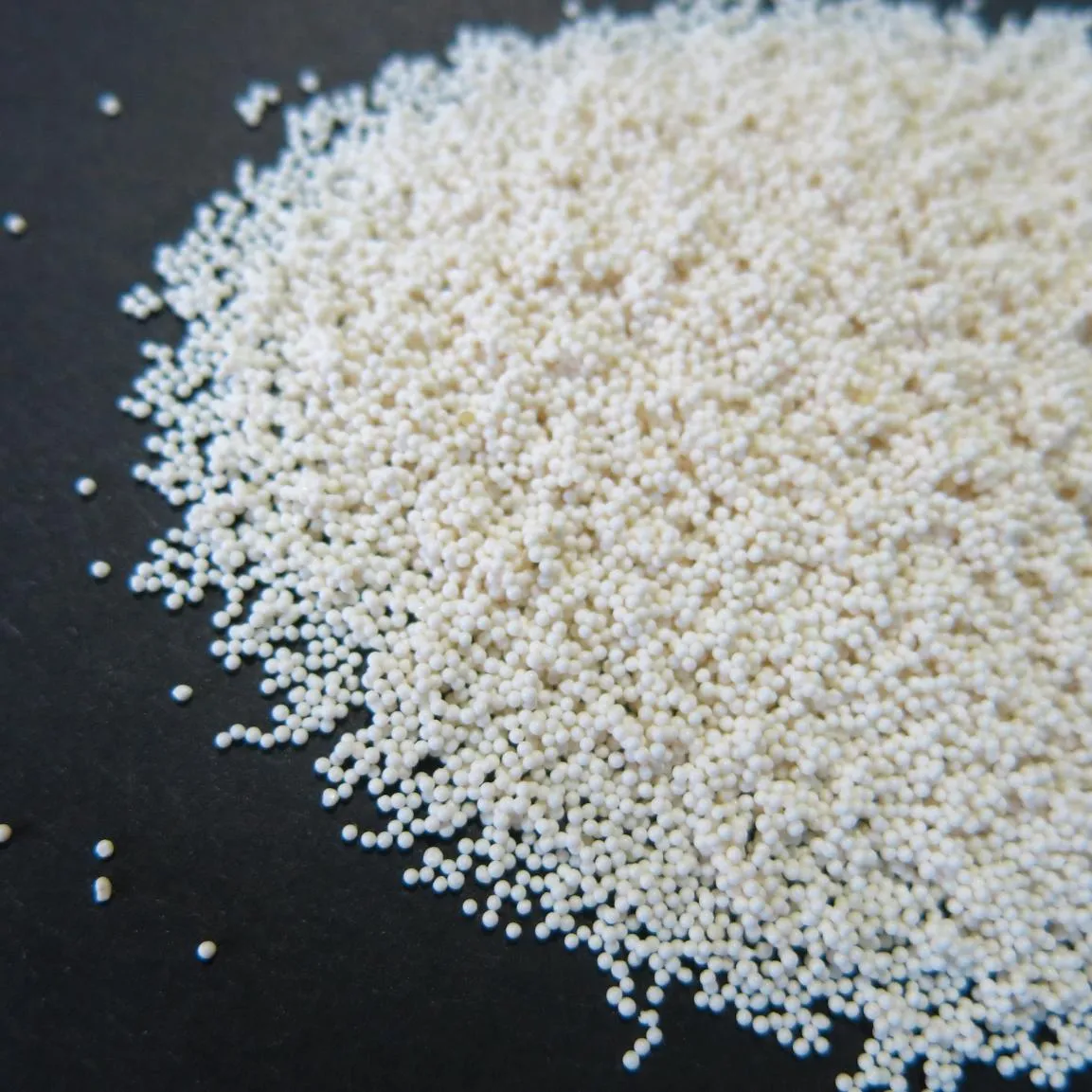
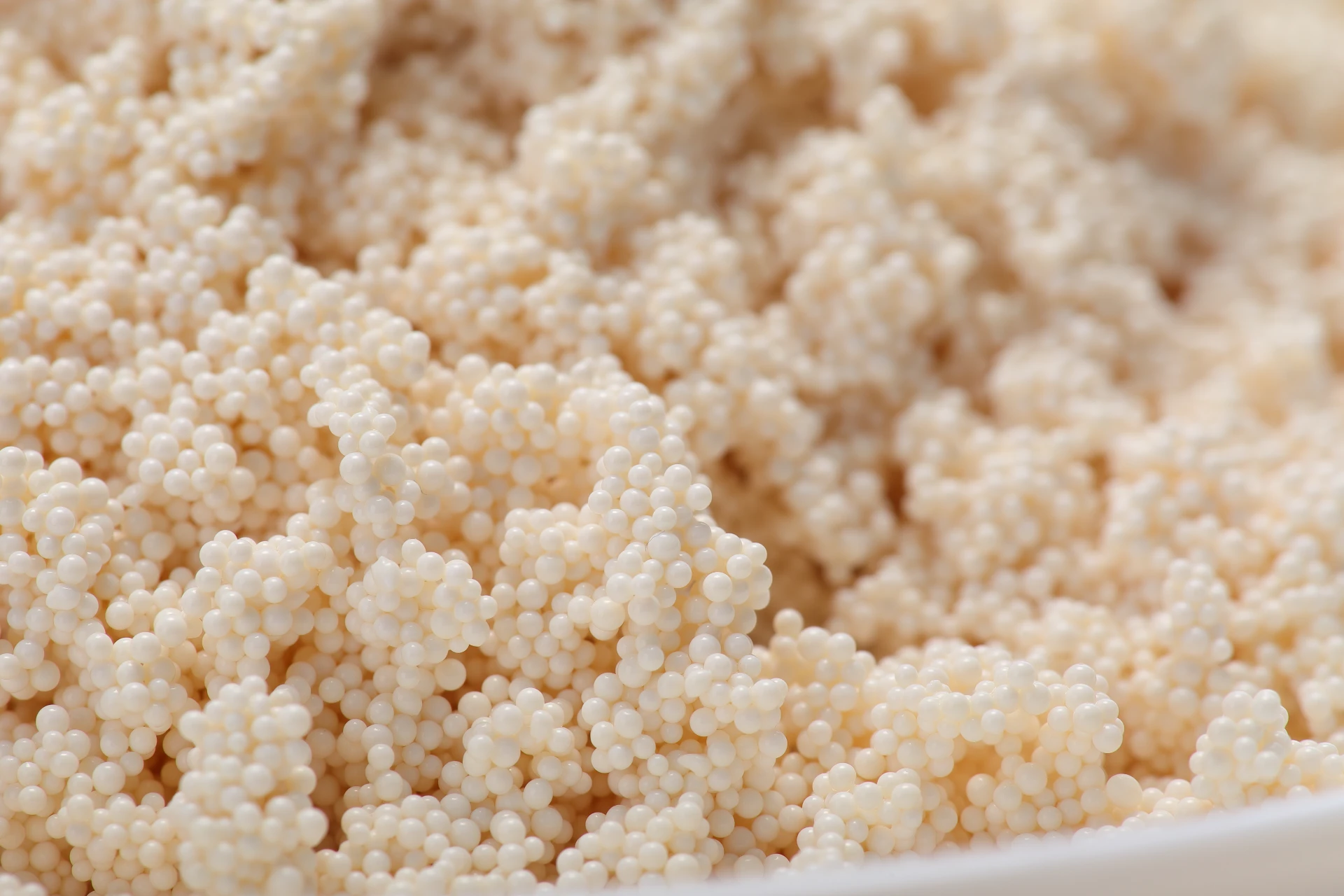
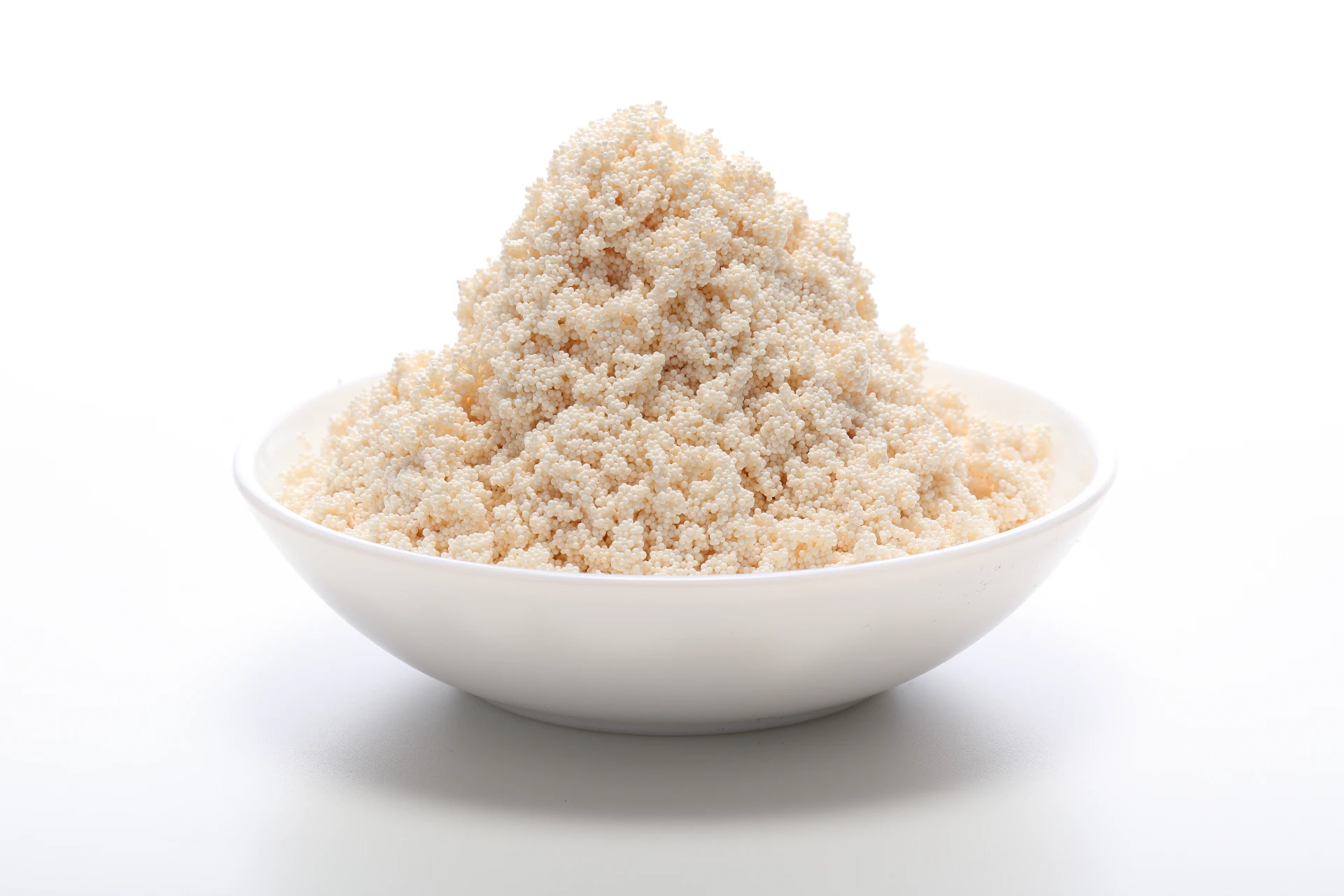
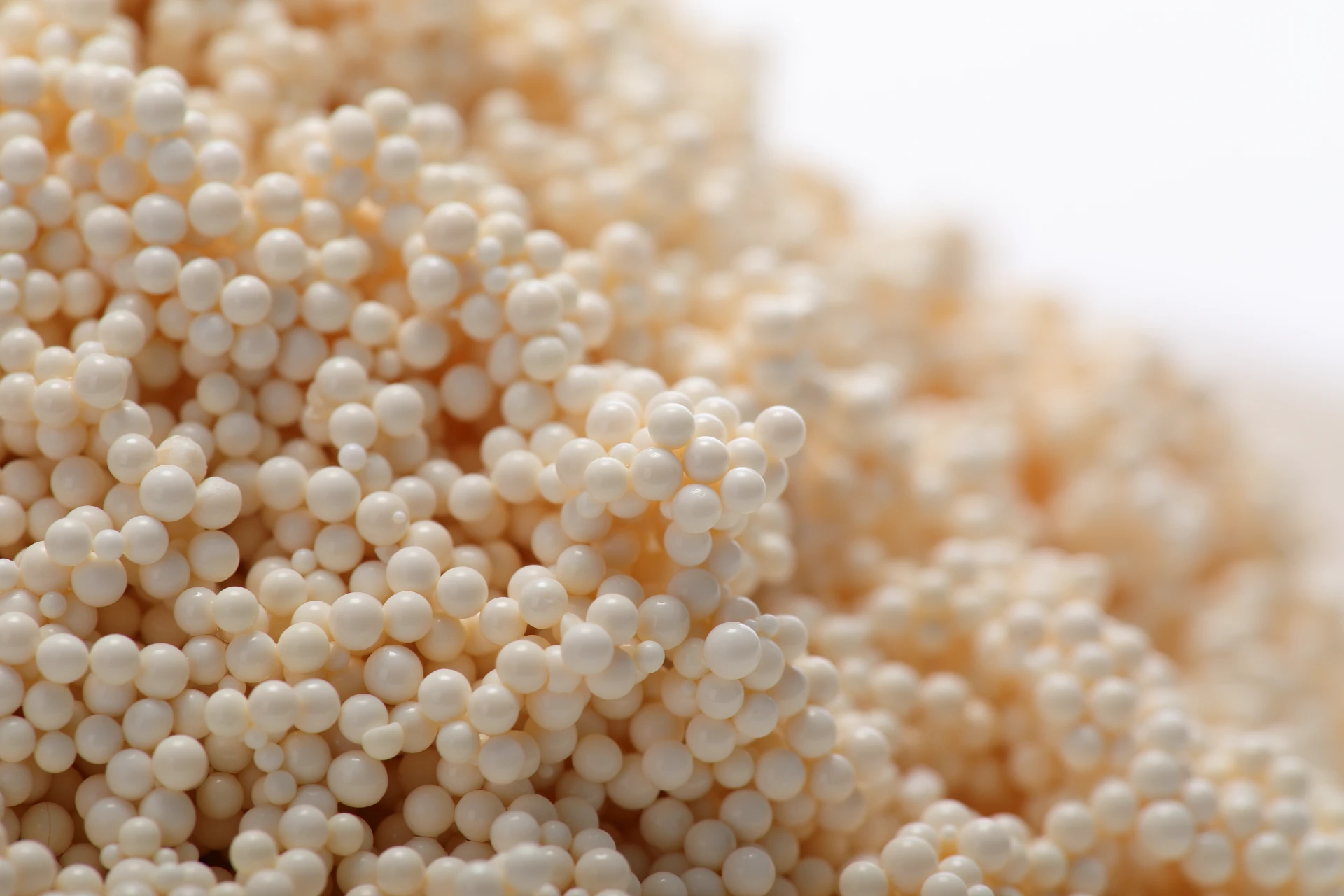
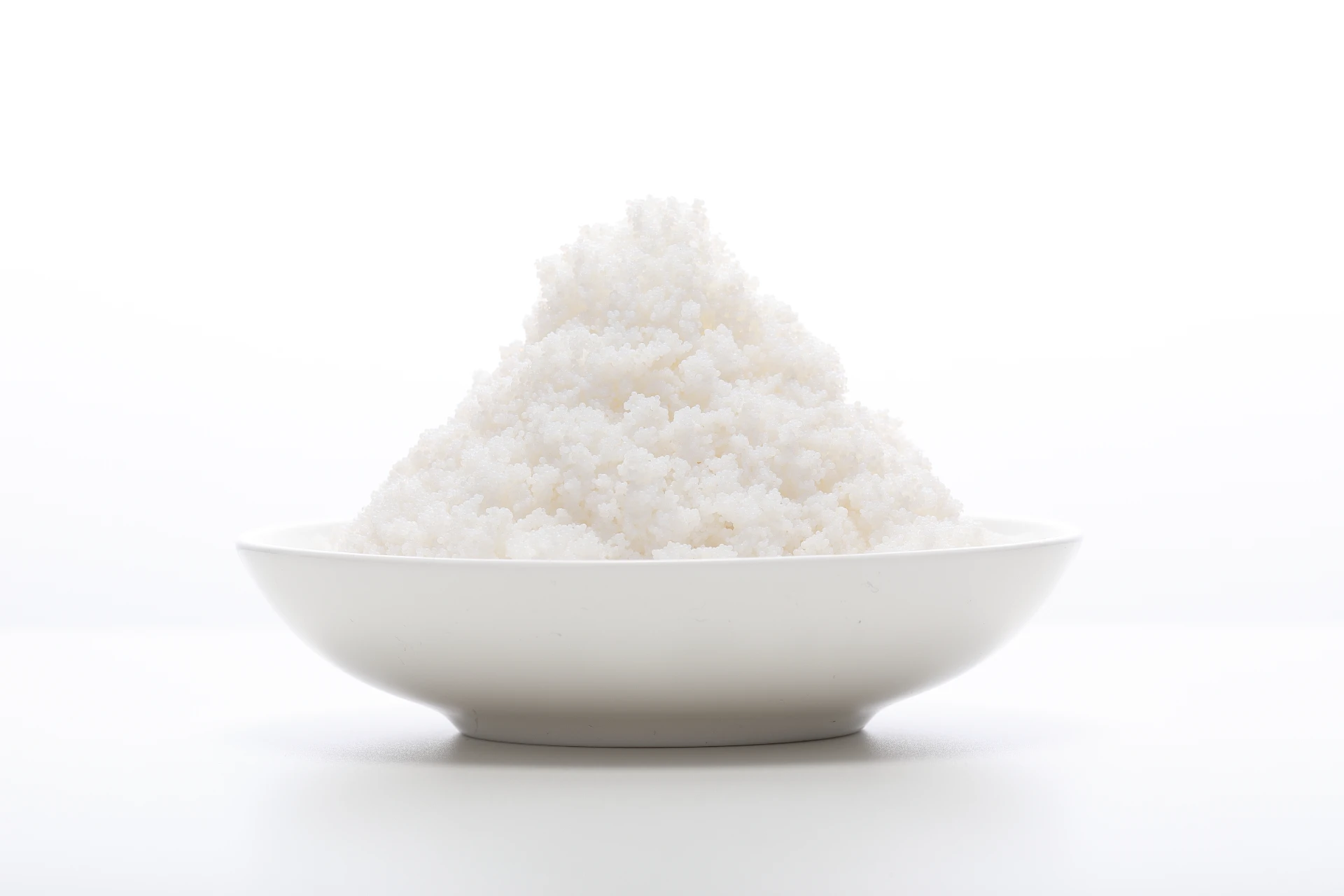
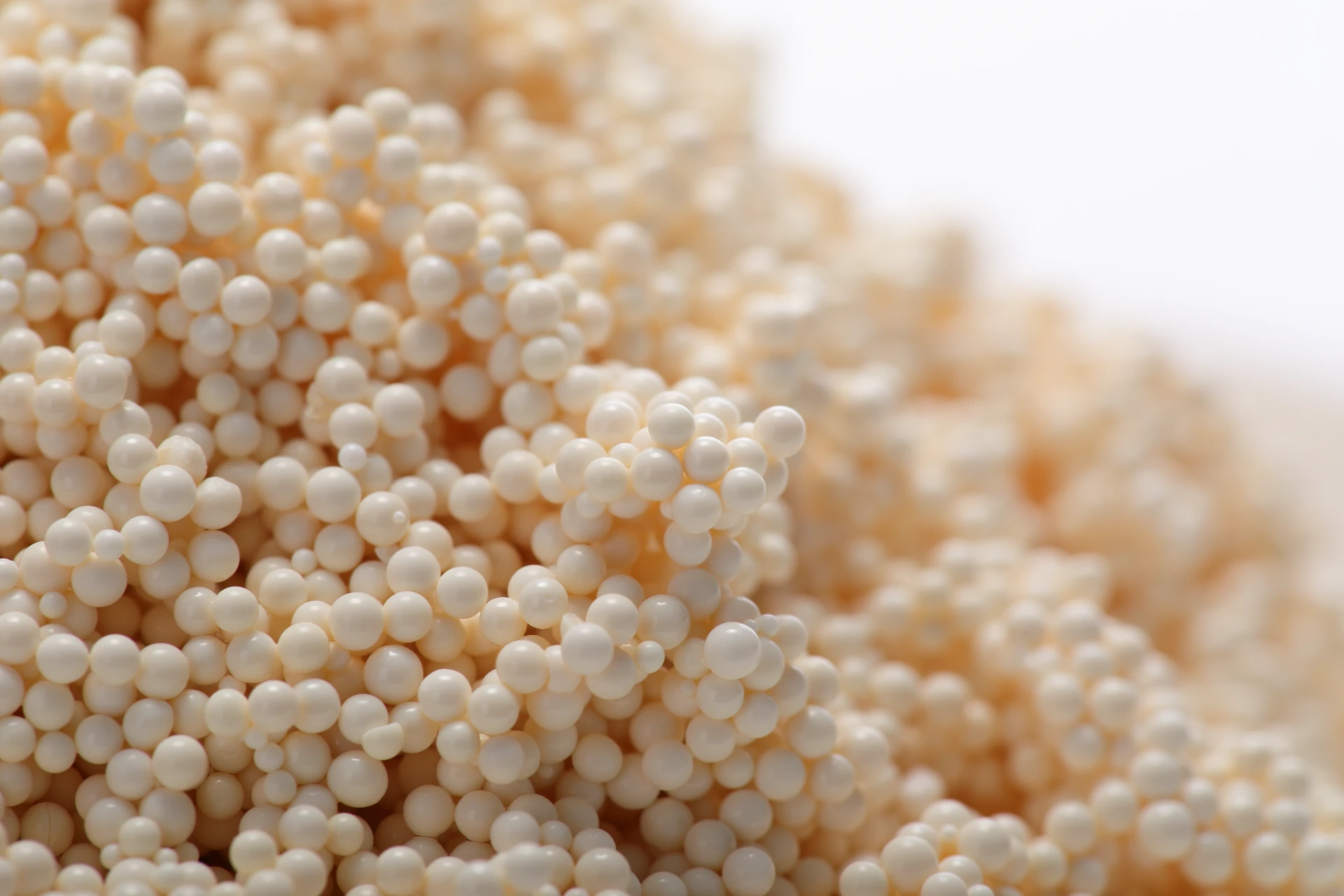
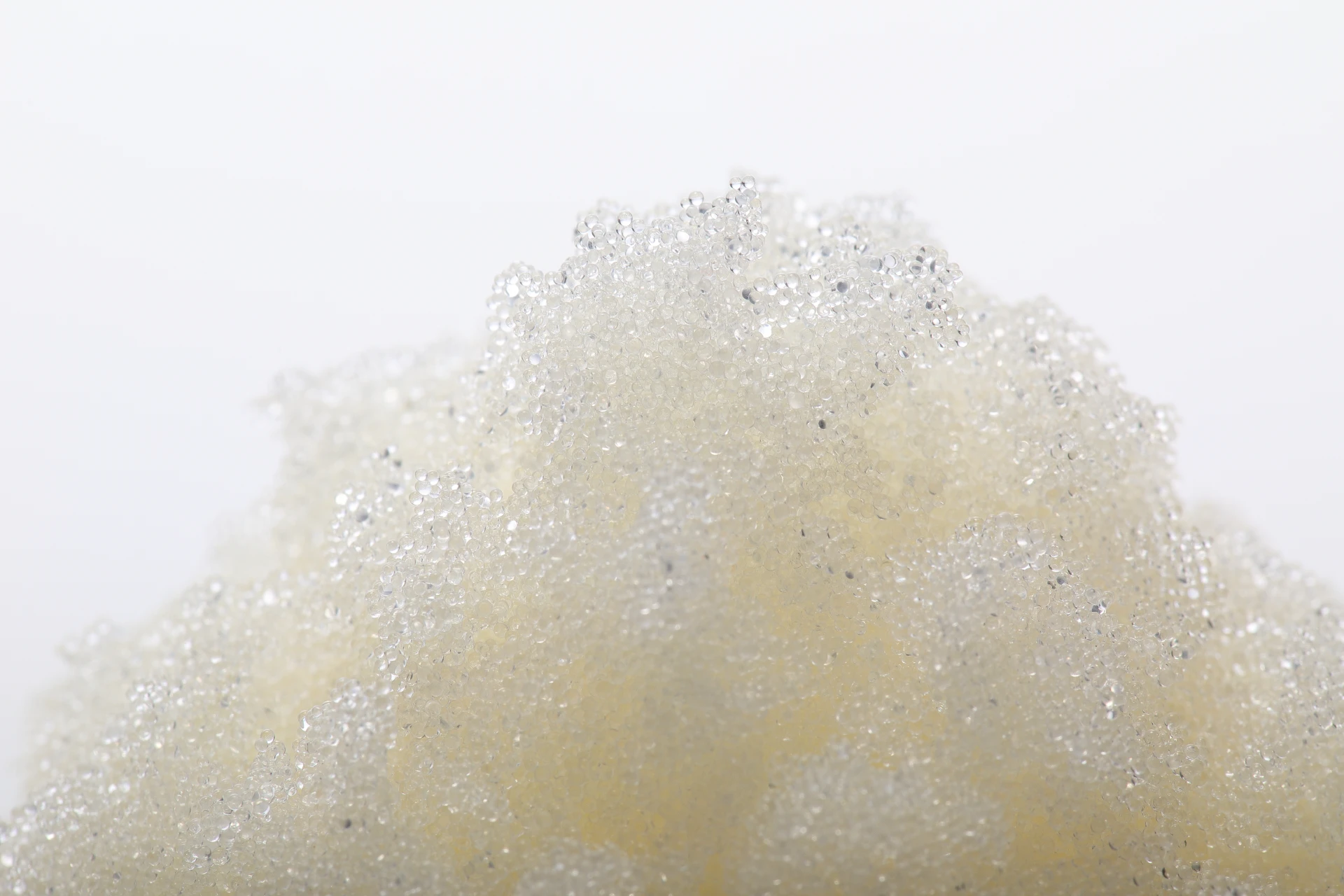
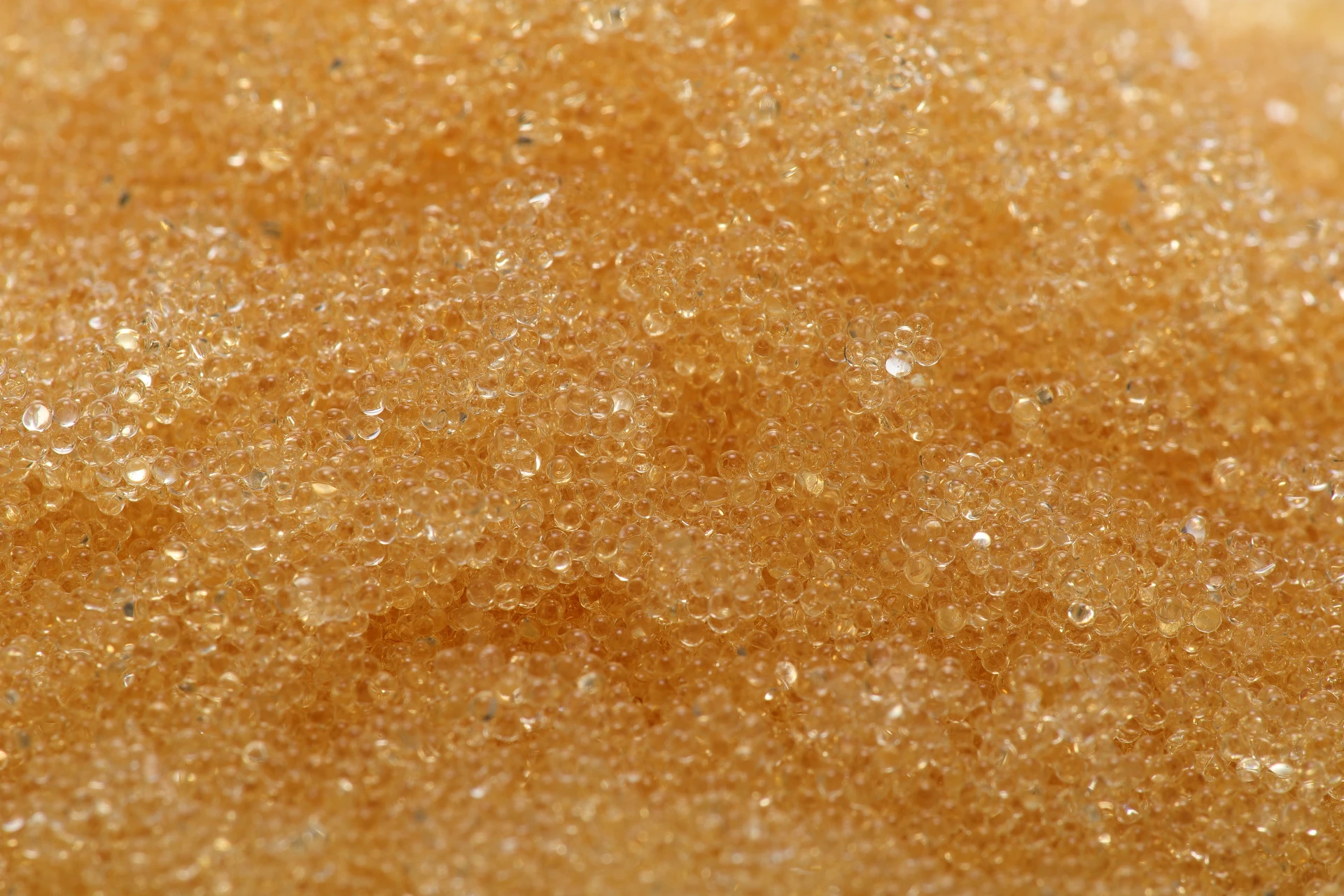
Now, a quick bit of background: PD206 is designed mainly for processes that require calcium and magnesium ion removal — think boiler feed water treatment, dealkalization, or softening in harsh industrial conditions. The resin beads themselves feel denser than some of its competitors, making them less prone to breakage during backwash cycles. I remember one plant I worked with where resin longevity really mattered — the maintenance team noticed fewer resin replacements and improved cycle times once they switched to PD206.
Oddly enough, despite the industrial environment, it’s surprisingly adaptable. Of course, you need to consider your specific water chemistry beforehand, but it tolerates a decent pH range between 5 and 11 and has great operating capacity. Plus, the resin’s designed for reliable regeneration with common acids or salt solutions, which means less downtime and better operating economics. These little operational savings, when added up, become significant over years.
| Property | Specification |
|---|---|
| Resin Type | Weak Acid Cation Exchange Resin |
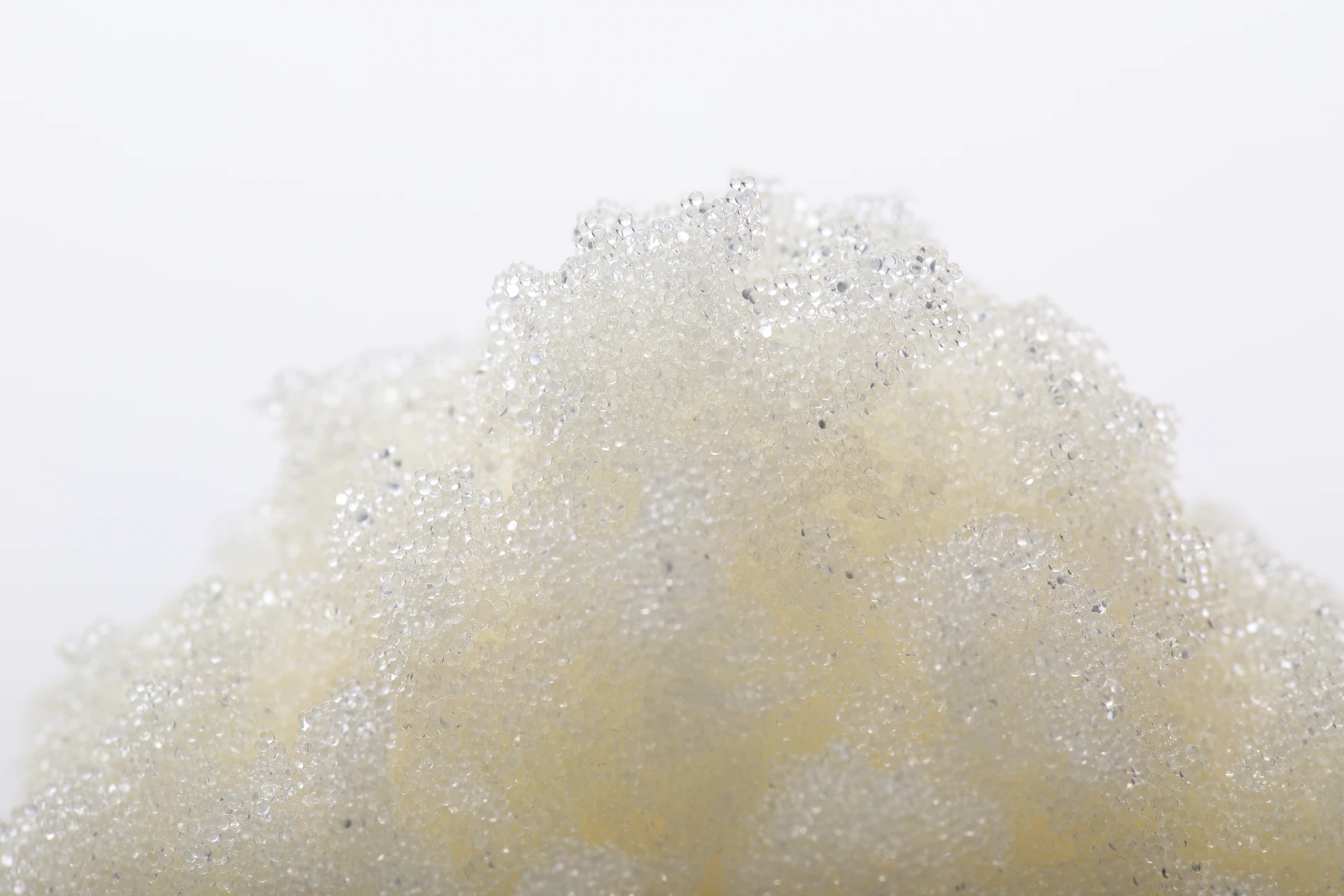
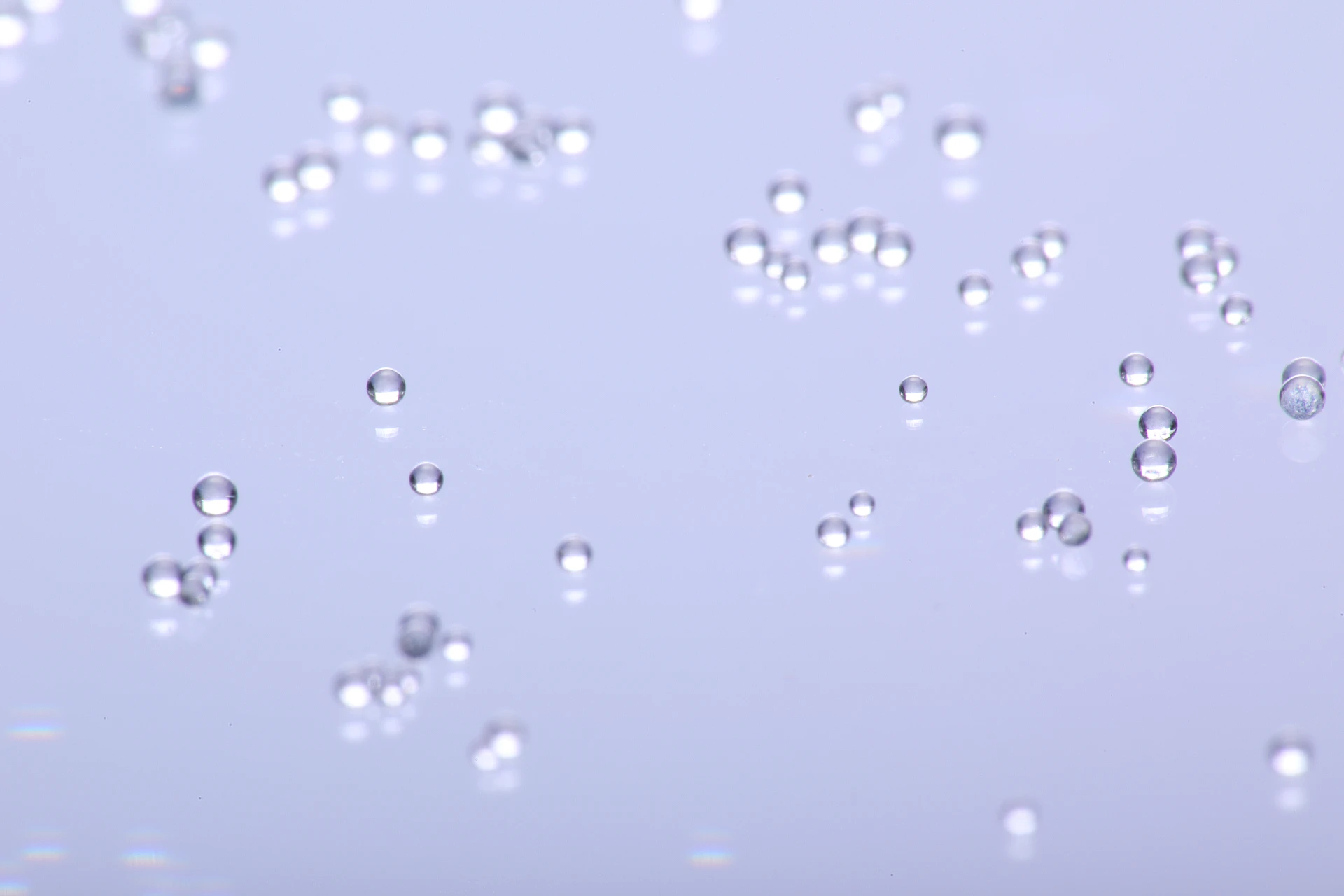
| Physical Form | Beads, 0.3 – 1.2 mm diameter |
| Operating pH Range | 5 – 11 |
| Moisture Content | 43 – 49% |
| Swelling (Na+ to Ca2+ form) | 10 – 13% |
| Capacity (eq/L) | 1.0 – 1.1 |
Let’s talk vendors for a moment. I’ve seen Purolite compared often with products from Amberlite (DuPont) and Lanxess (Lewatit), especially regarding durability and price point. To give you a quick overview, here’s how they generally stack up:
| Feature | Purolite PD206 | Amberlite IRC747 | Lewatit MonoPlus S 244 |
|---|---|---|---|
| Durability | High – low bead breakage | Medium – some attrition | High |
| Operating pH | 5–11 | 4.5–11 | 4–11 |
| Capacity (eq/L) | 1.0 – 1.1 | 1.05 | 1.0 |
| Price | Competitive | Higher | Comparable |
In real terms, Purolite PD206 generally offers a strong value proposition, especially if your system prioritizes low resin degradation and stable performance under moderate pH fluctuations. I suppose another value-add is their technical support — it’s been pretty straightforward coordinating with them when troubleshooting system issues or ordering custom batch sizes.
Oh, and before I forget, if you’re interested in exploring Purolite PD206 or similar resins, check out Liji Resin — they’ve got a solid range and decent lead times for industrial orders.
At the end of the day, no resin is perfect for every situation, but PD206 has proven to be a dependable choice for many of the water treatment setups I’ve seen. It’s the kind of resin that quietly does its job without fuss — and frankly, in this industry, that reliability counts more than flashy features.
Thanks for sticking with me on this! If you want to dig deeper into resin chemistry or industrial applications, I might pop back with more insights down the road.
Quick takeaway: Purolite PD206 brings durable, cost-effective performance to the table, making it a go-to for many engineers focused on reliability and low maintenance.