Phone:
+86 0319 2296164


Email:
info@lijiresin.cn
In a world increasingly dependent on clean water, efficient chemical processes, and sustainable production methods, understanding key technologies like the weak anion exchanger becomes invaluable. These materials play an unseen but vital role in industries ranging from pharmaceuticals to wastewater treatment. Why should you care? Because as populations grow and regulations tighten, the need for cost-effective and reliable separation techniques has skyrocketed. Weak anion exchangers offer a chemical finesse that helps industries manage pollutants, recover valuable materials, and even support humanitarian efforts — all while being more adaptable than you might expect.
Globally, about 2.2 billion people lack safely managed drinking water services, according to the WHO/UNICEF Joint Monitoring Programme [1]. Alongside this critical challenge, industries are tasked with reducing their environmental footprint. A weak anion exchanger meets both needs by enabling cleaner water through ion exchange technologies and promoting resource recovery in industrial effluents.
For instance, the UN’s Sustainable Development Goal 6 emphasizes water quality improvement and efficient use, underlining the need for scalable solutions. Weak anion exchangers are part of the toolkit engineers and environmentalists turn to when addressing these challenges. They are flexible: less aggressive chemically than strong exchangers, they allow control over ion capture and release, suiting delicate processes in diverse locations — including developing regions where complexity and cost matter.
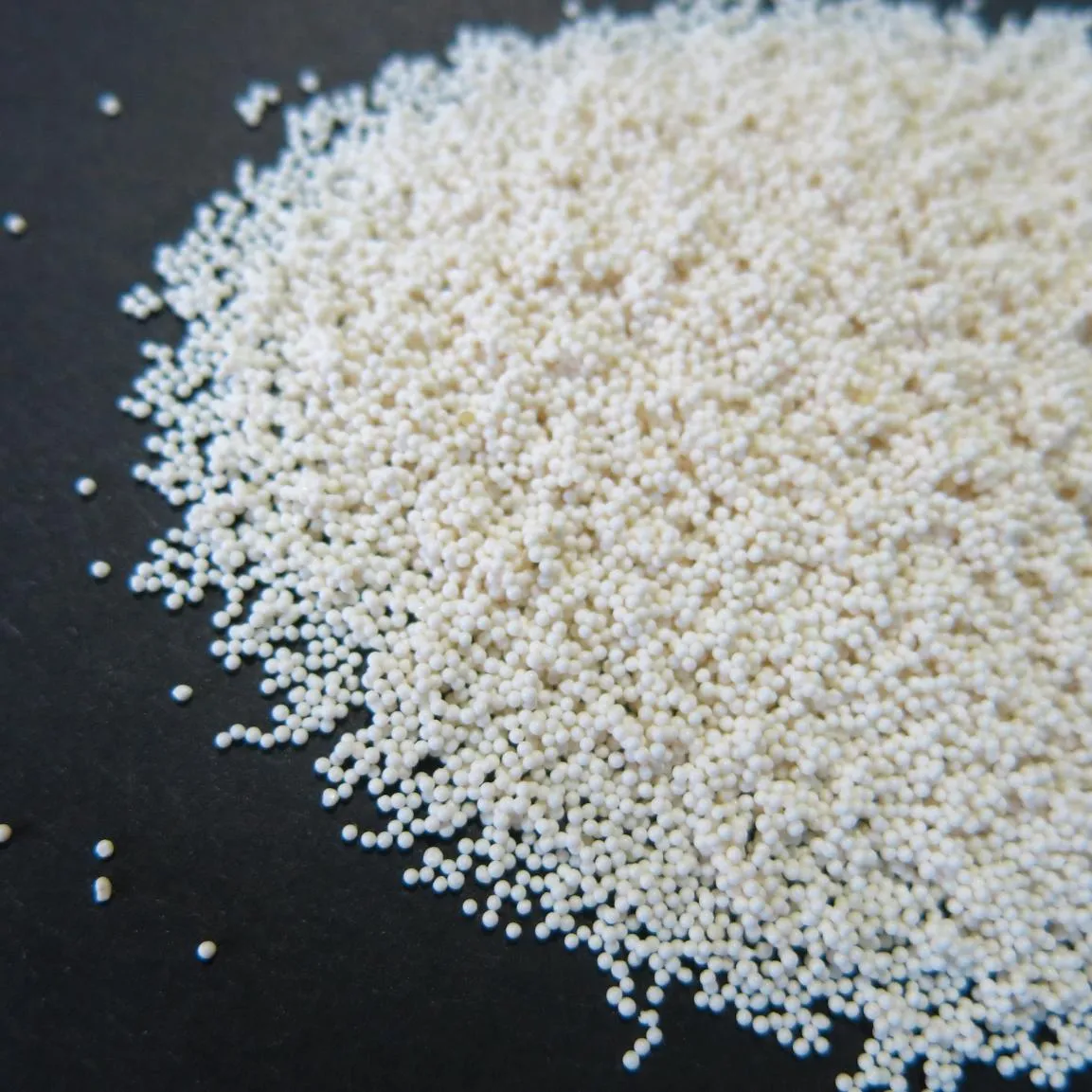
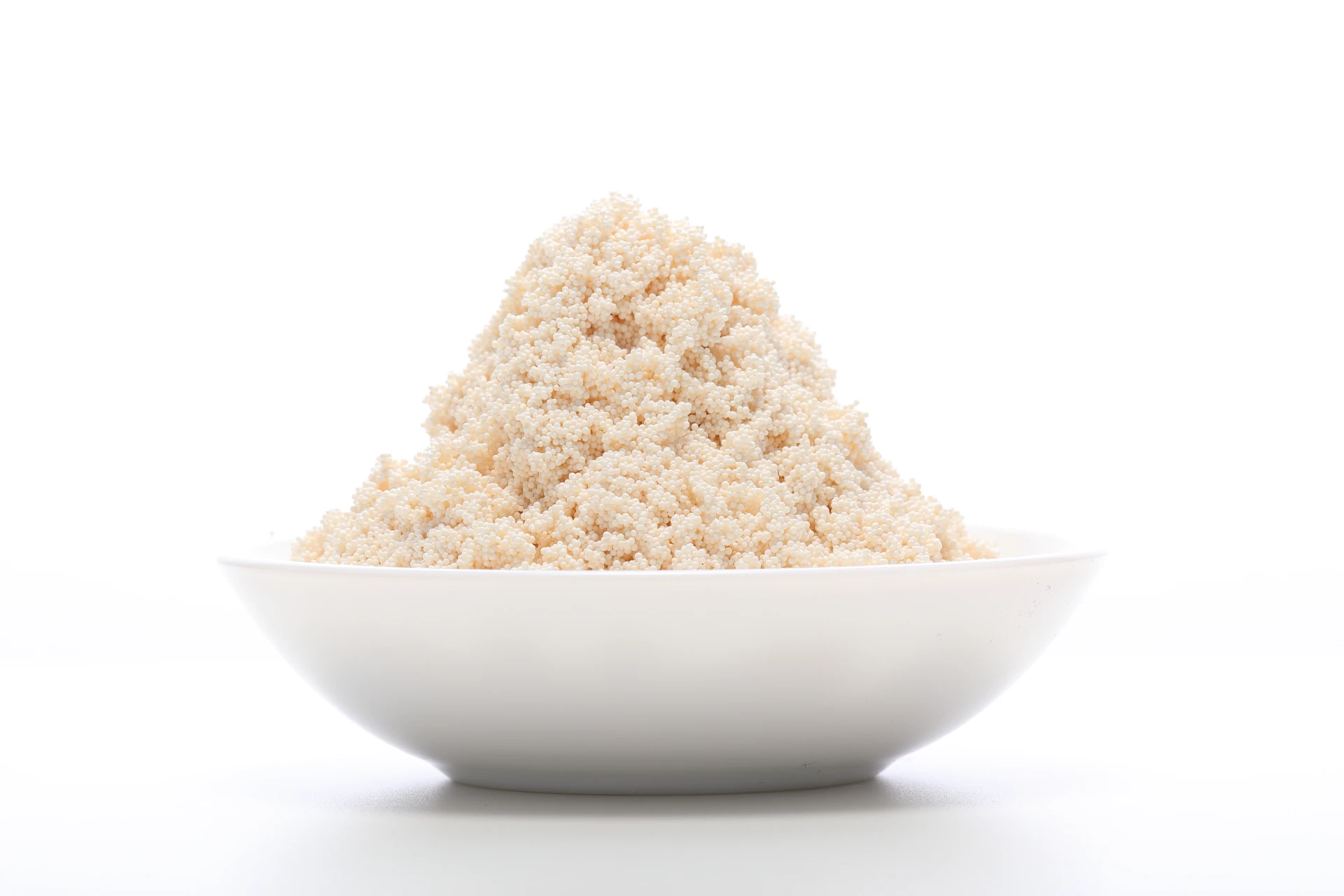
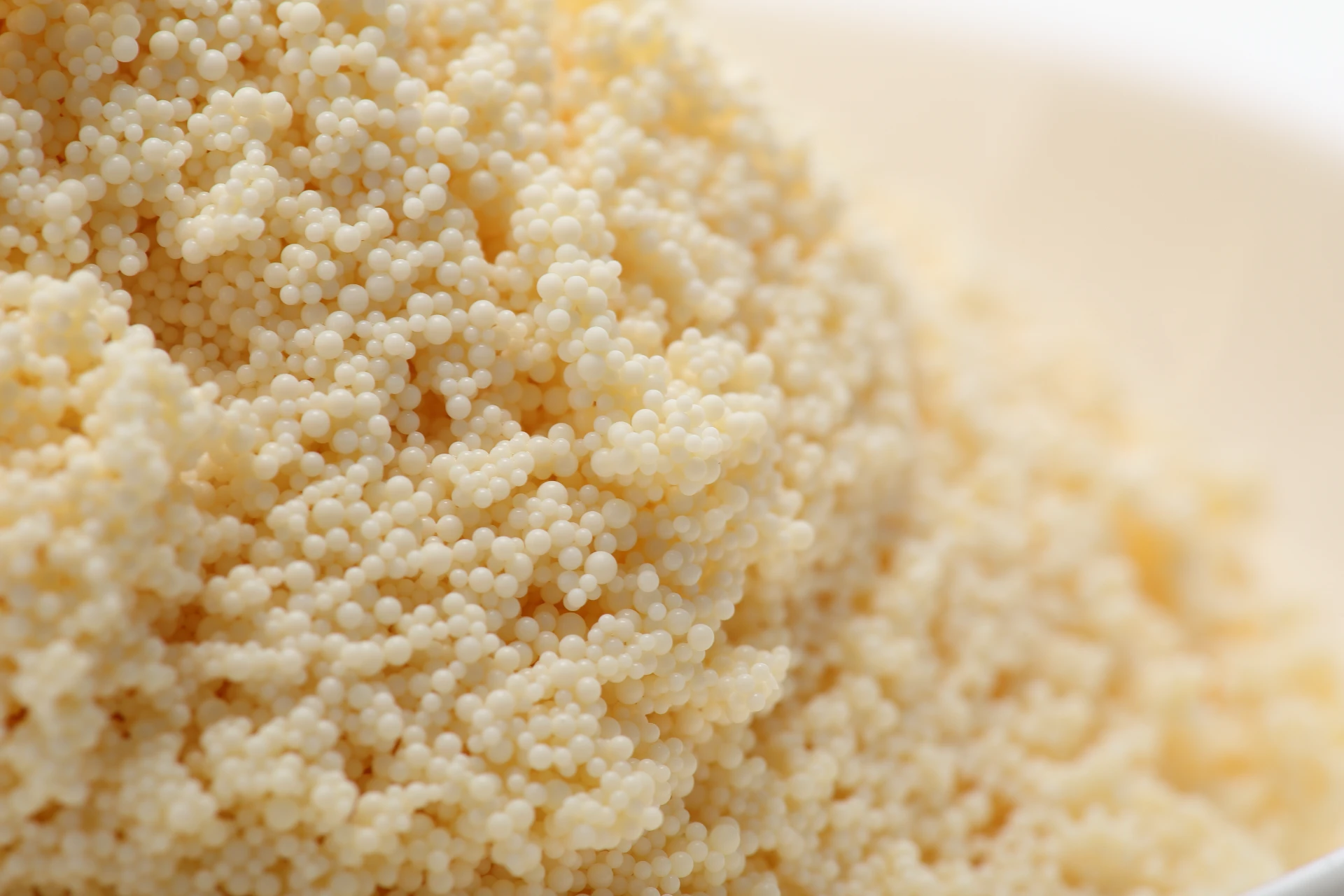
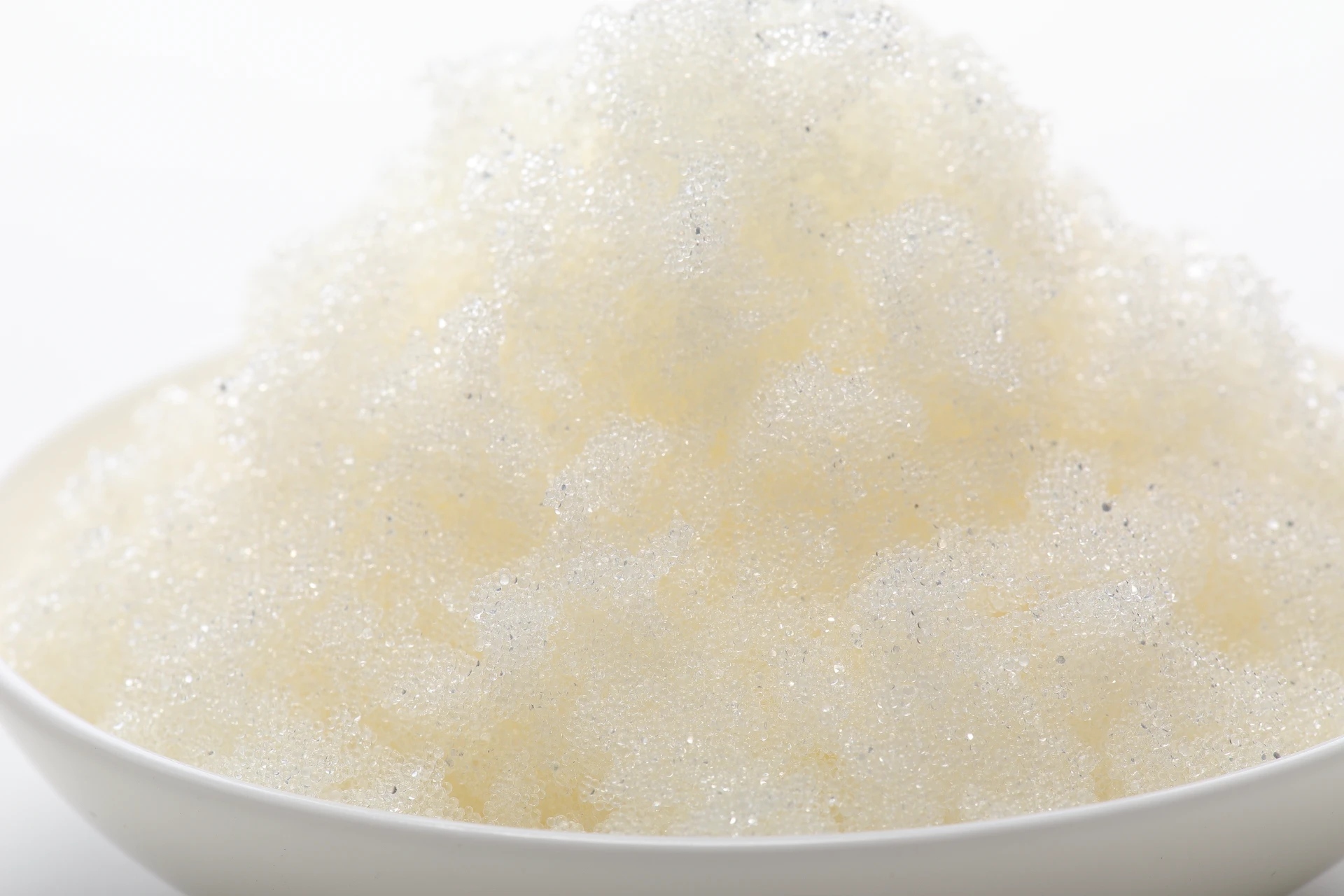
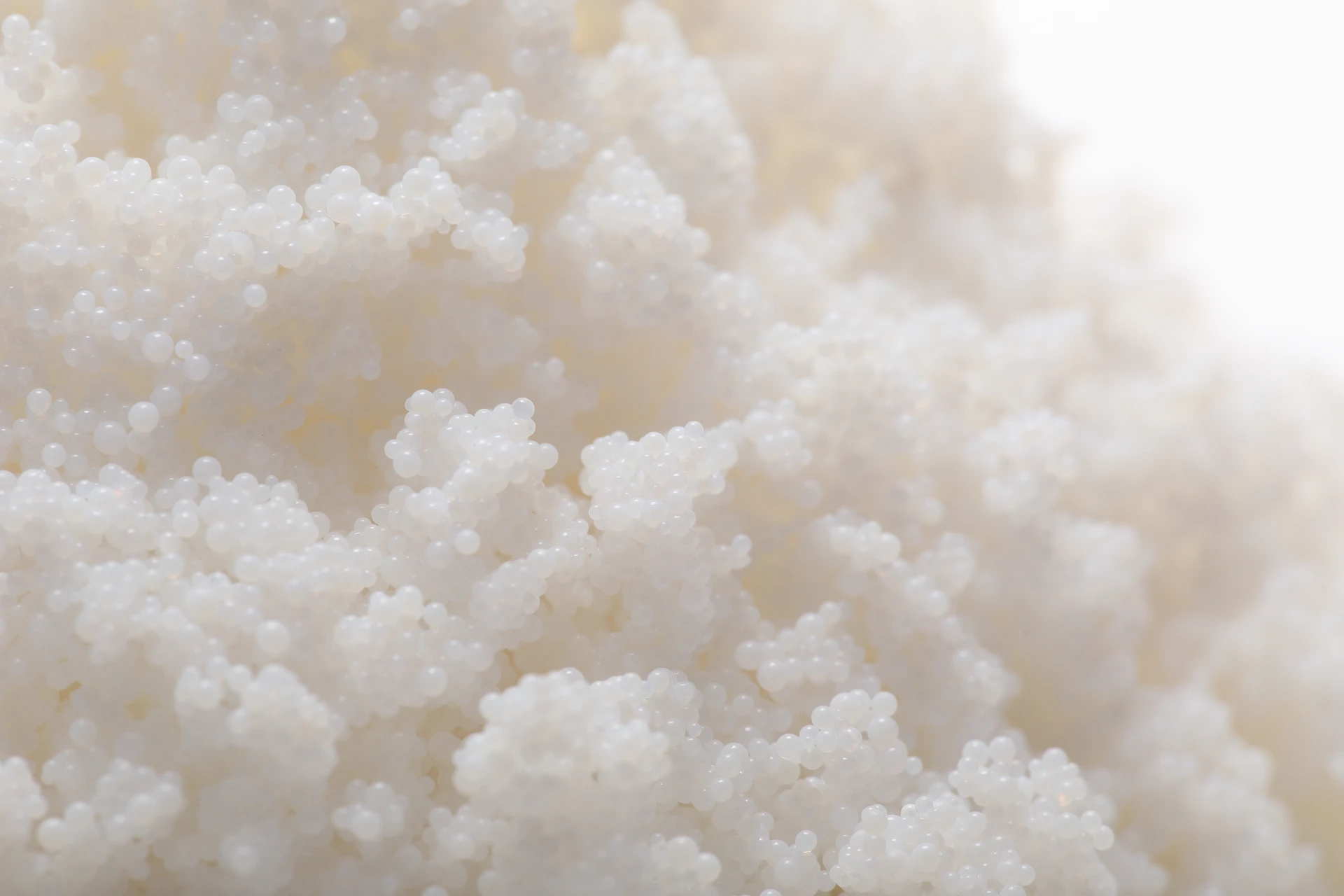
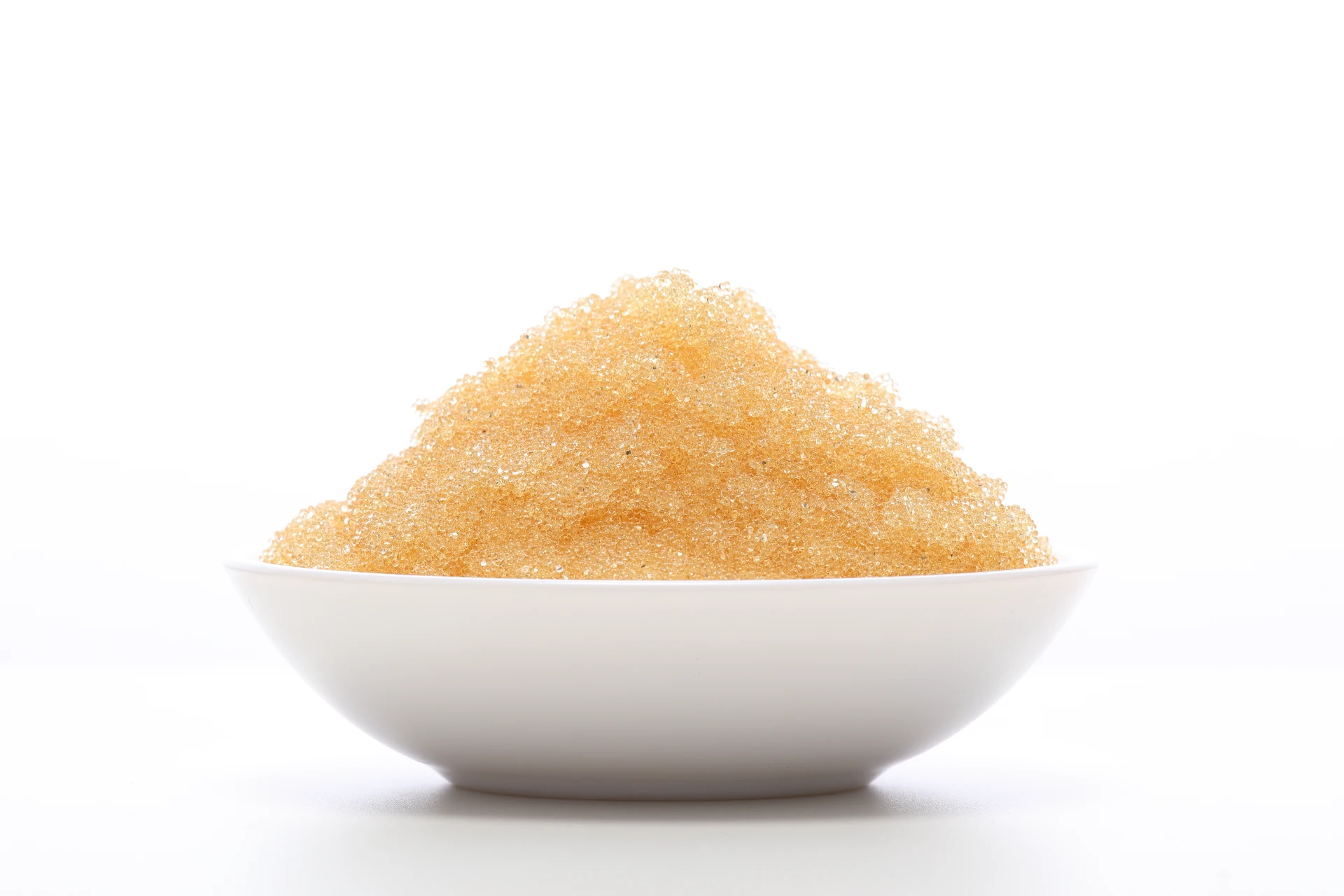
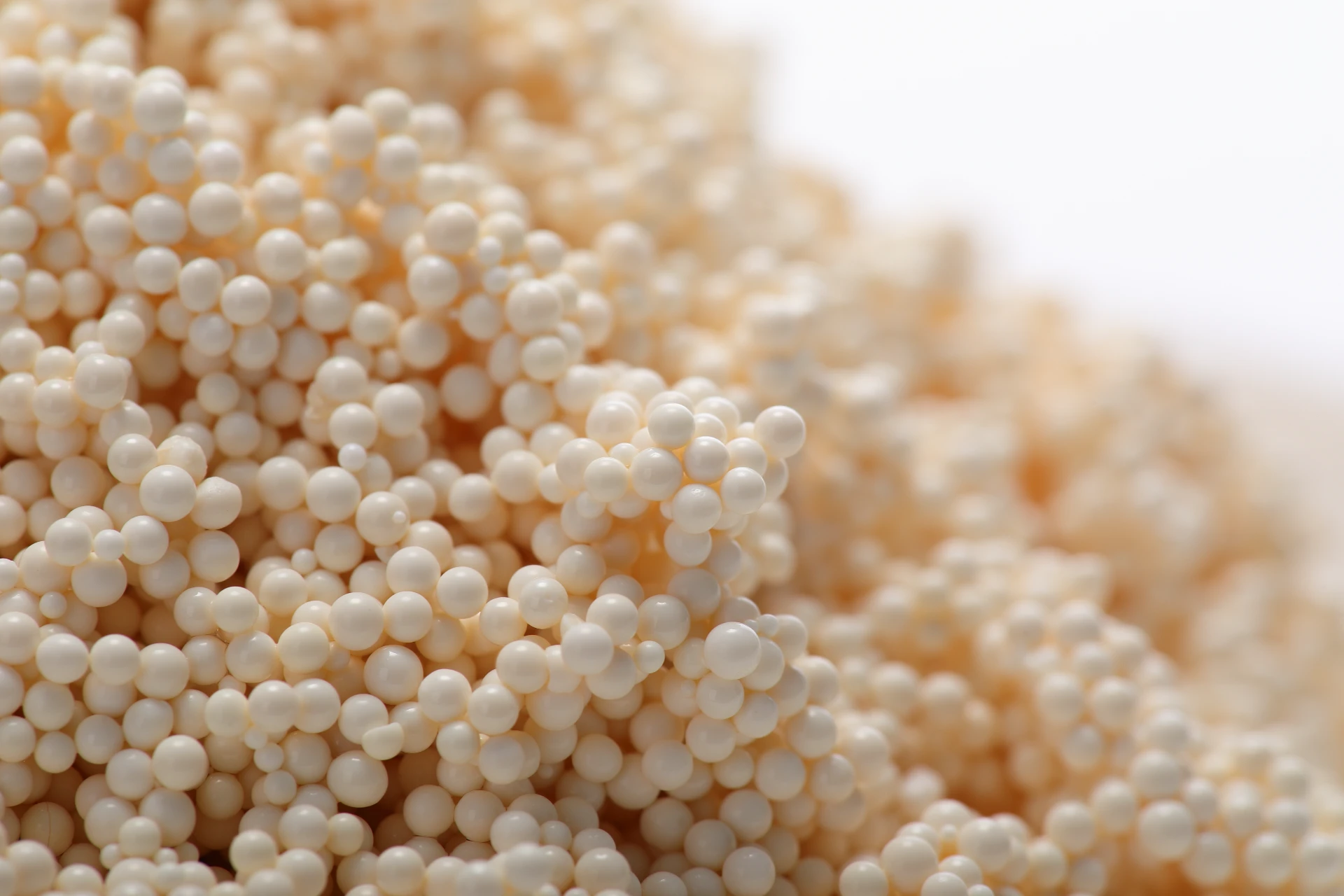
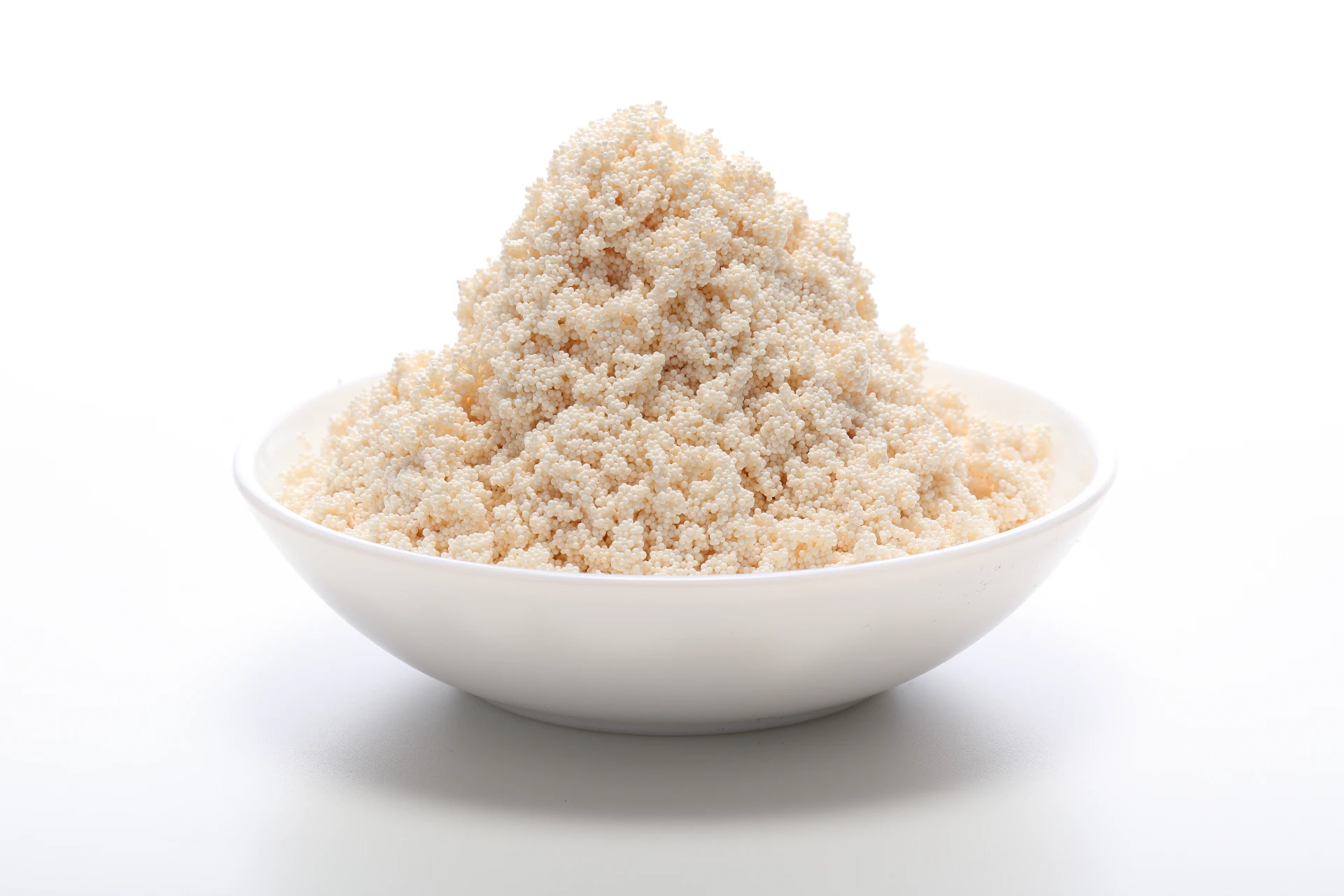
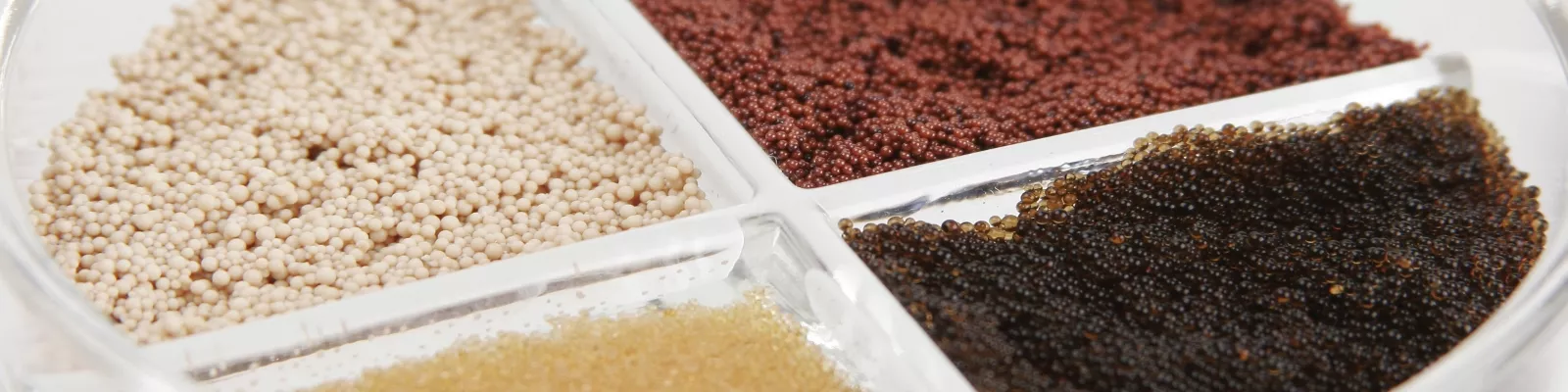
Simply put, a weak anion exchanger is a resin or material that captures negatively charged ions (anions) by loosely bound chemical groups. Unlike strong exchangers that bind ions tightly across a wide pH range, weak exchangers operate effectively within specific pH windows, making them gentler and more selective.
Think of it as a chemical “handshake” rather than a bear hug. They’re mostly used in water softening, purification processes, and even in pharmaceuticals where precision matters. This nuanced affinity means industries can tailor treatments to remove unwanted contaminants — nitrates, arsenic, or organic acids — with minimal chemical waste.
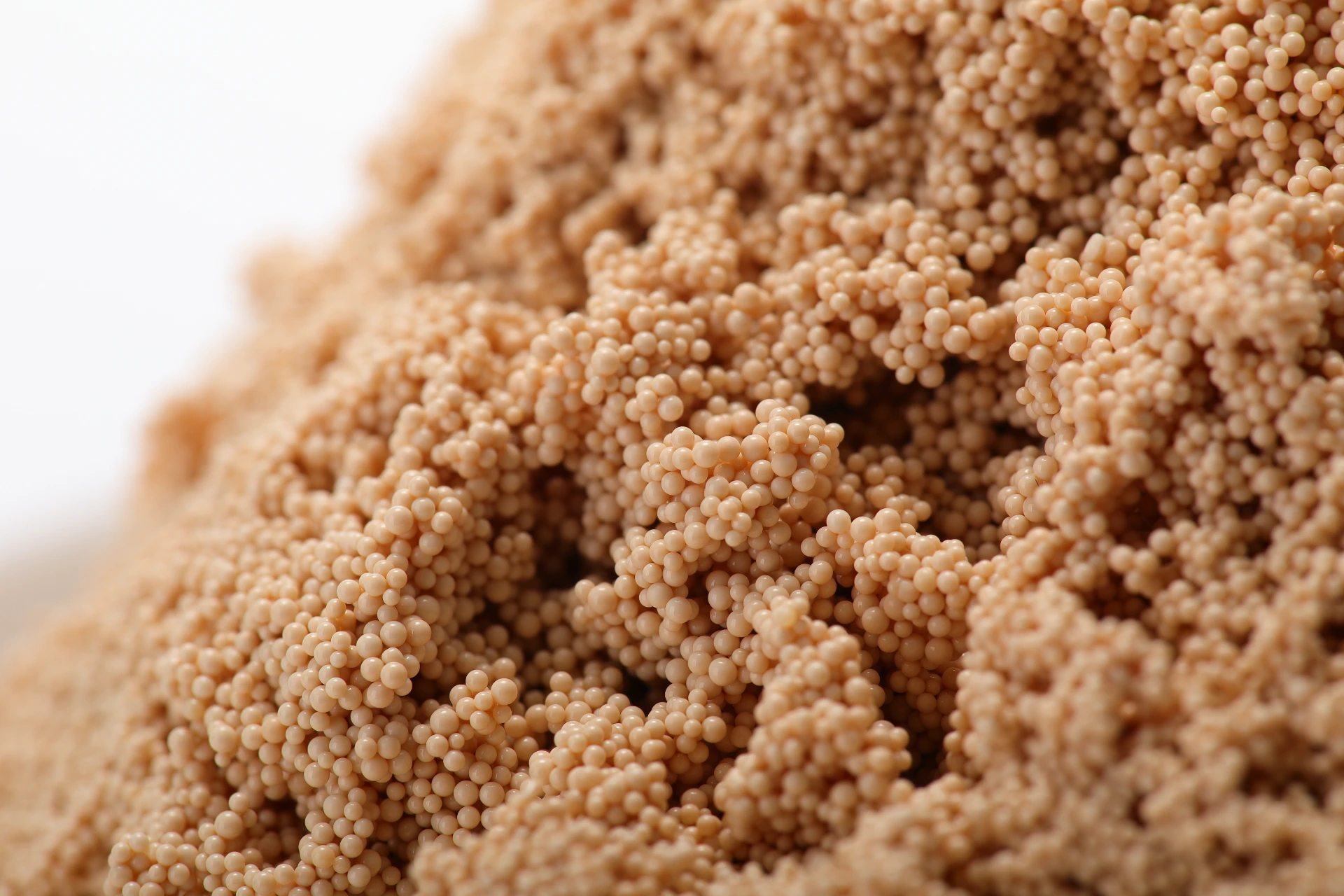
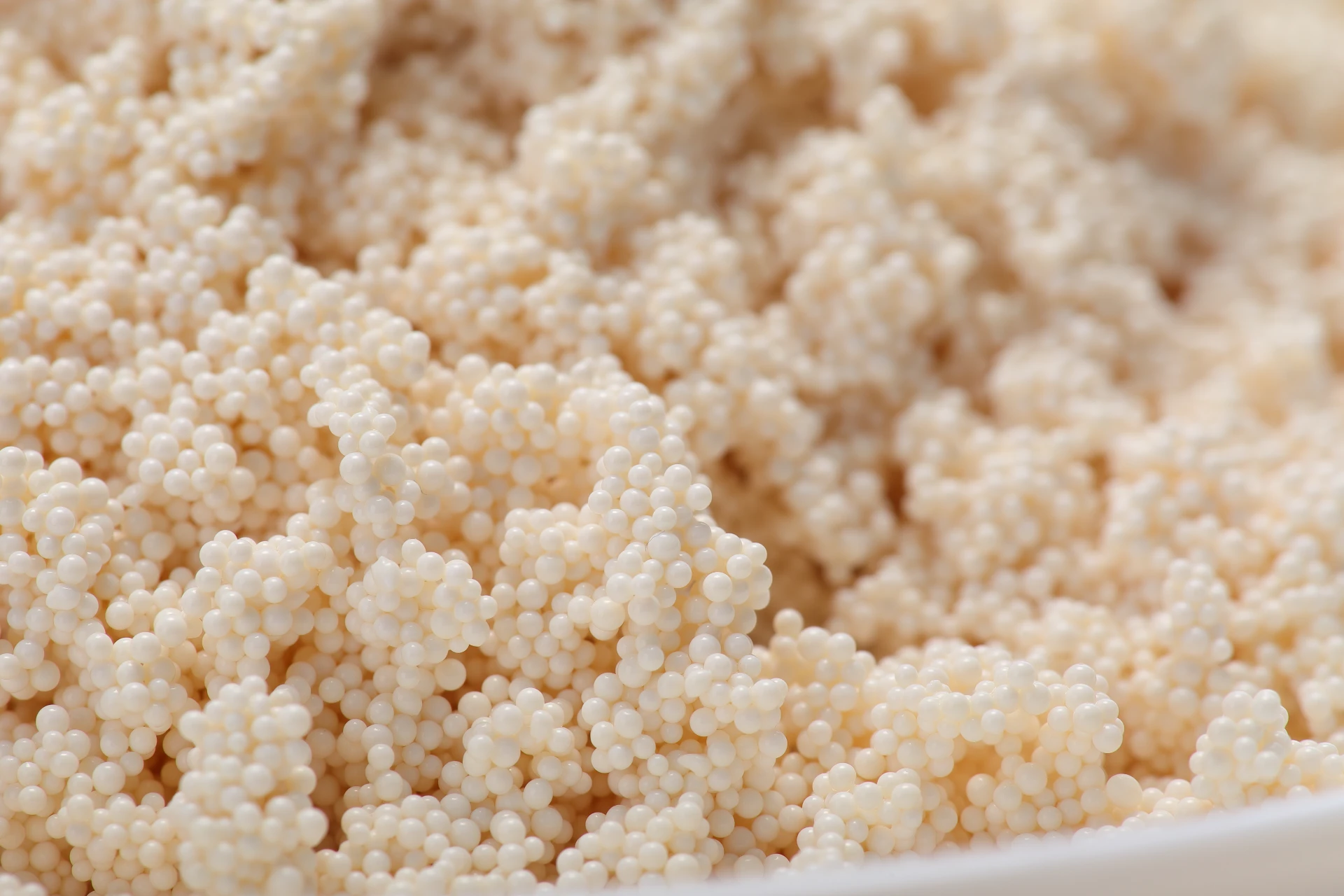
Generally, weak anion exchangers contain amine groups, like primary, secondary, or tertiary amines, as the active sites. These are responsible for reversible ion exchange, crucial for regeneration processes that let the resin be reused multiple times.
Most resins embed these groups in a polystyrene or acrylic backbone, balancing durability and ion accessibility. The matrix’s porosity influences capacity and speed, two big factors any process engineer watches closely.
A hallmark of weak exchangers is their optimal function in neutral to slightly alkaline conditions, typically from pH 4 to 9. Outside this, their capacity drops since the amine sites are protonated differently.
Because the chemical interactions are reversible, weak anion exchangers are usually regenerated with mild bases like sodium carbonate, reducing environmental impact when compared to stronger resins that require harsher chemicals.
Understanding these components clarifies why weak anion exchangers are prized for selective, cost-efficient, and sustainable ion exchange processes — perfect for delicate water treatment or chemical separations.
Industries worldwide tap into weak anion exchangers for a slew of purposes. In Northern Europe, for example, municipal water facilities use them extensively for nitrate removal, critical in agricultural runoff zones where contamination threatens drinking water.
Meanwhile, in the pharmaceutical industry, weak anion exchangers help purify complex organic solutions without damaging sensitive molecules — think of antibiotics or vitamins production where precision means everything.
Oddly enough, humanitarian organizations operating in disaster zones have found them useful too. Post-flood relief efforts often deploy mobile water purification units using these exchangers, capitalizing on their ease of regeneration and minimal chemical needs. In remote industrial operations — say, mining camps — they’re valued for maintaining water quality without bulky treatment plants.
| Specification | Typical Value | Notes |
|---|---|---|
| Functional Group | Tertiary Amine | Most common type |
| Operating pH Range | 4.0 – 9.0 | Optimal for ion exchange |
| Capacity (meq/mL) | 1.0 – 1.2 | Depends on polymer matrix |
| Particle Size (mesh) | 16 – 50 | Influences flow rates |
| Regeneration Chemical | Na2CO3 (Sodium Carbonate) | Eco-friendlier alternative |
Innovation isn’t sleeping here — far from it. Many labs are exploring bio-based polymer matrices, reducing reliance on petrochemical backbones. Digital controls and online monitoring help optimize regeneration cycles, preventing resin degradation early.
Automation integration means operators can handle complex multi-stage ion exchange without constant supervision, a godsend for remote sites. Green regulatory pushes are driving demand for exchangers capable of handling emerging pollutants — pharmaceuticals, PFAS, microplastics — so expect new functional groups targeting these insidious contaminants soon.
Of course, weak anion exchangers aren't perfect. Their narrower pH range limits some applications. Fouling by organics can reduce capacity if feed water isn't pre-treated correctly. Some manufacturers struggle with batch-to-batch resin consistency, affecting scalability.
To counter these, hybrid systems combine weak/strong exchangers, expanding operational flexibility. Pretreatment with coagulation or filtration lessens fouling risks. Also, stricter ISO certifications and advanced quality controls in resin production improve resin reliability worldwide.
| Vendor | Resin Type | Capacity (meq/mL) | Typical Use Case | Price Range |
|---|---|---|---|---|
| Liji Resin | Tertiary Amine | 1.1 | Municipal Water, Pharmaceuticals | Moderate |
| IonPure Co. | Primary Amine | 1.0 | Nitrate Removal | Mid-High |
| EcoResins Ltd. | Tertiary Amine (Bio-based Matrix) | 0.95 | Sustainability-focused Plants | Premium |
Weak exchangers operate optimally in a narrower pH range (around pH 4-9) and have reversible chemical interactions that allow gentler regeneration. Strong exchangers work over wider pH ranges but require harsher chemicals and are less selective. This makes weak exchangers ideal for delicate water treatment or processes where slight pH shift control is needed.
Yes, one of their key advantages is reversible ion binding that allows several cycles of regeneration — often using mild alkali solutions like sodium carbonate. However, efficiency can decline if fouling or degradation occurs, so regular monitoring and proper pretreatment are crucial.
While mainly effective on anionic species, certain modified weak exchangers can target organic acids or some metal-complexed anions. For heavy metals in cationic form, other exchangers are typically preferred. Still, weak exchangers can complement processes targeting specific contaminants.
Identify your target ions, feed water pH, and required throughput. Consult manufacturers for resin capacity and matrix type — particle size affects flow dynamics. Also, consider regeneration chemicals available and local regulations. Liaising with a specialist is often the best path to avoid costly mistakes.
To sum it up, weak anion exchangers represent a smart, flexible, and sustainable approach to tackling a wide range of separation challenges in our industry and society. Their selective chemistry, eco-friendliness, and versatility make them invaluable whether you’re running a municipal water system, a pharma plant, or deploying emergency relief solutions in the field.
If you want to explore further and see how modern weak anion exchangers can fit your projects, do visit our website— plenty of info and expert guidance awaits.