Phone:
+86 0319 2296164


Email:
info@lijiresin.cn
At first glance, "sulfonic acid ion exchange resin" might sound like one of those complex chemical terms meant only for lab geeks or engineers. But in reality, it plays a surprisingly big role in several industries around the globe — from water purification to energy storage. Understanding this material gives us insight into safer drinking water, cleaner energy, and smarter manufacturing.
Why has it become so important? With growing urban populations and environmental regulations tightening globally, the demand for reliable, scalable chemical separation techniques has skyrocketed. Sulfonic acid ion exchange resins stand out because they are robust, highly selective, and efficient. They help industries solve tough problems while reducing waste and energy use — a win-win in today's sustainability-driven world.
According to the UN, over 2 billion people lack access to safely managed drinking water. Companies and governments alike wrestle with the challenge of improving water quality amid resource scarcity. Here’s where sulfonic acid ion exchange resin shines: in removing harmful ions (think heavy metals, nitrates) efficiently at scale.
Globally, industries such as pharmaceuticals, power generation, and food processing rely on these resins for their ability to clean, refine, and even recover valuable materials. The International Organization for Standardization (ISO) also highlights the importance of ion exchange materials in sustainable industrial practices. Yet, many regions still face challenges deploying these technologies due to costs or lack of technical know-how.
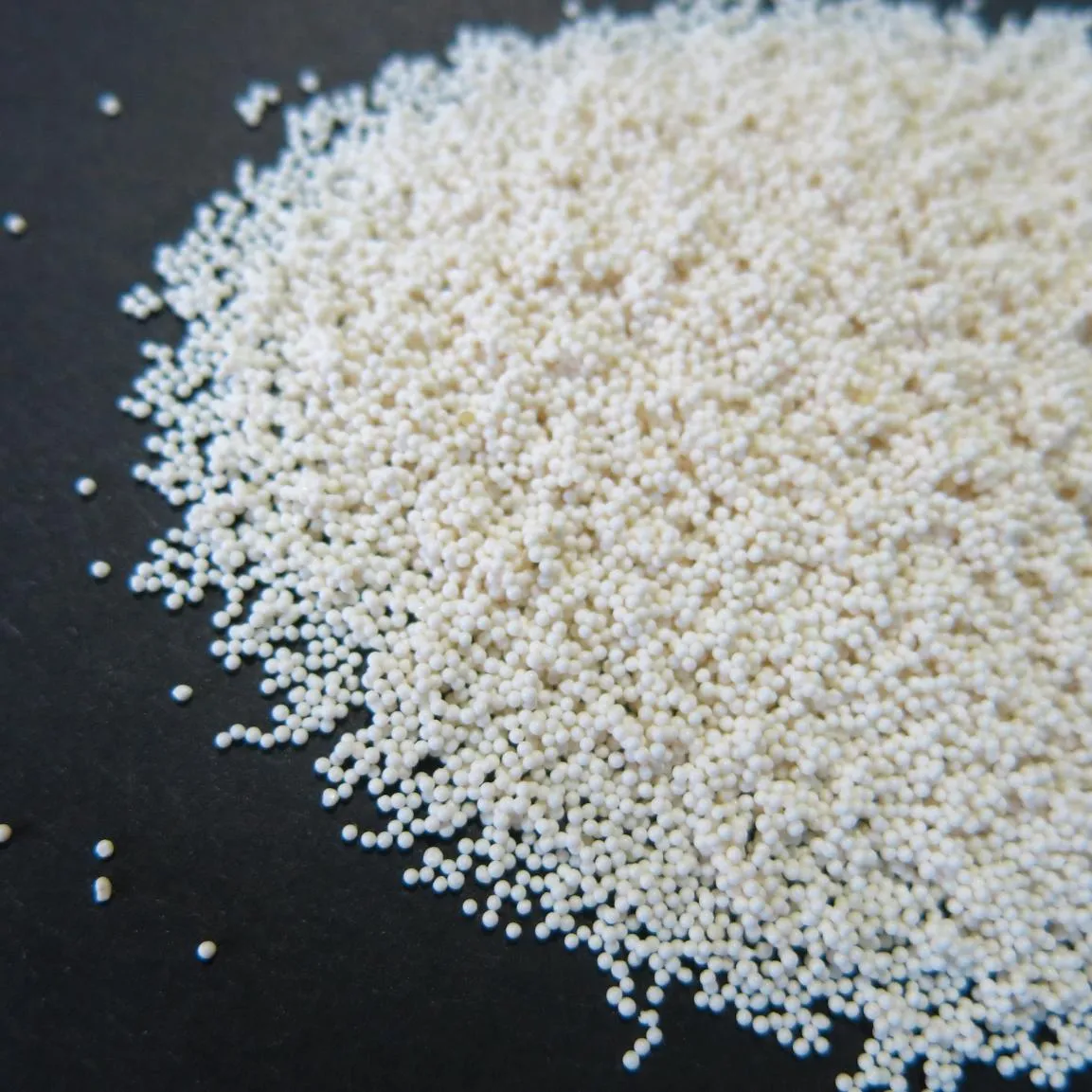
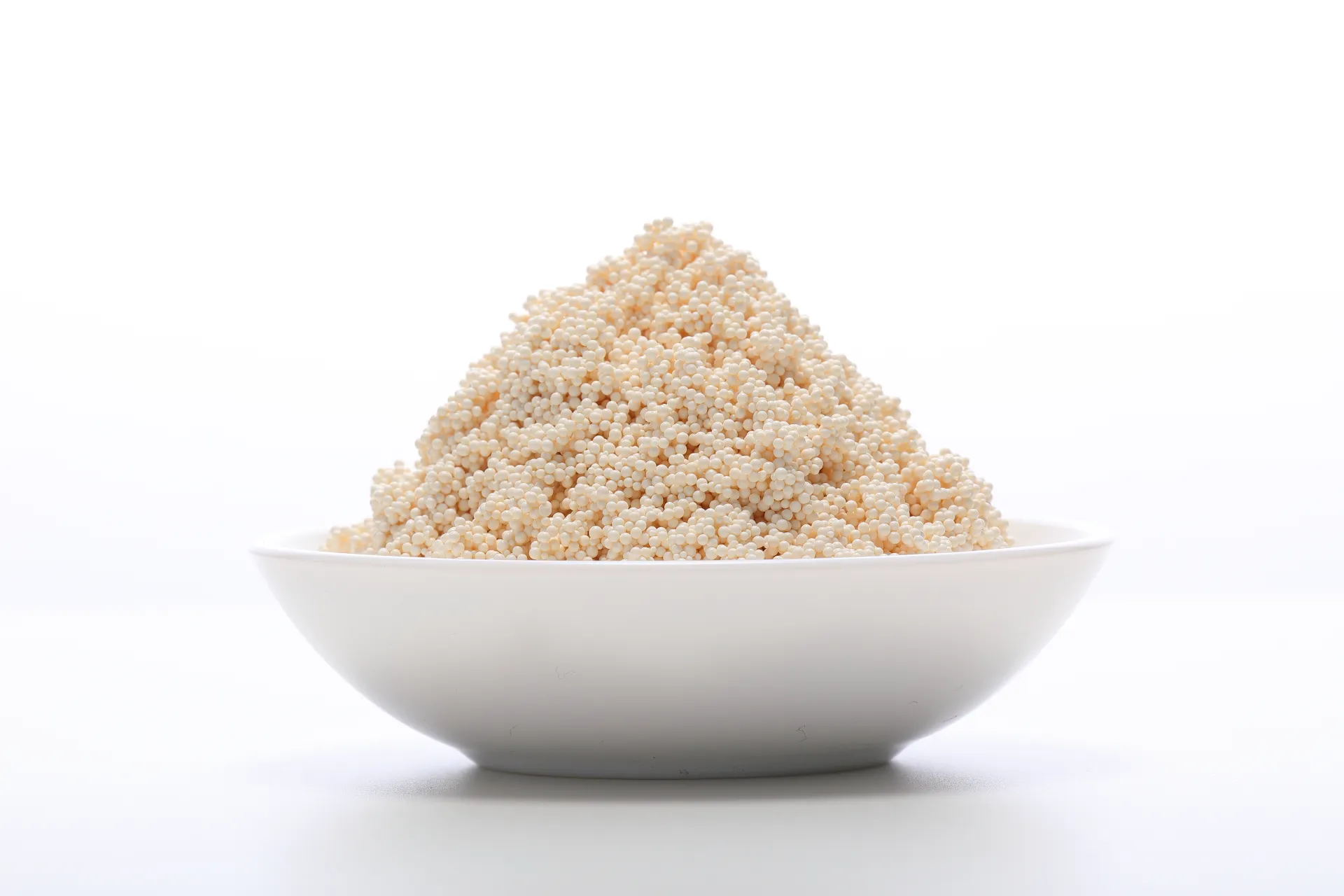
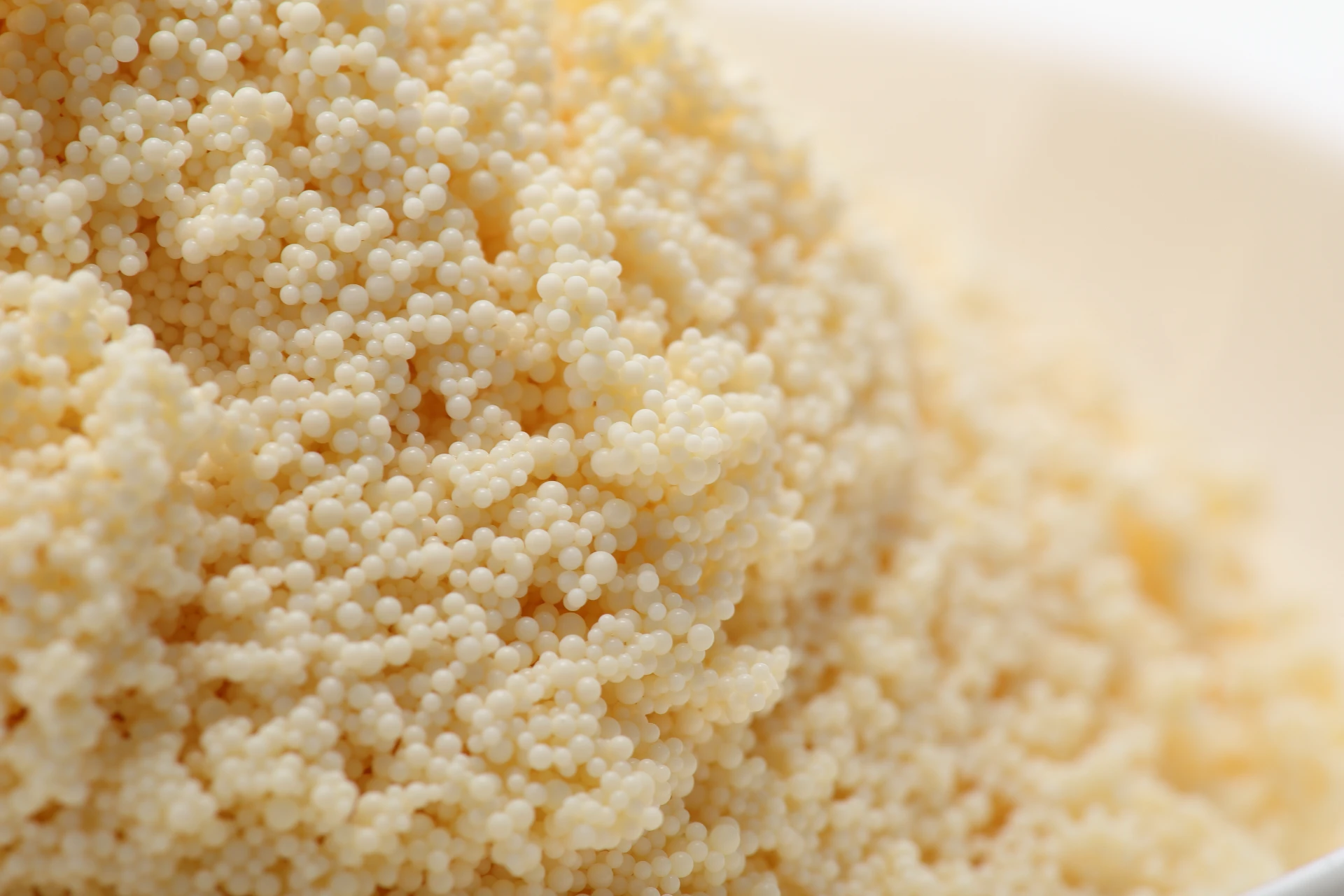
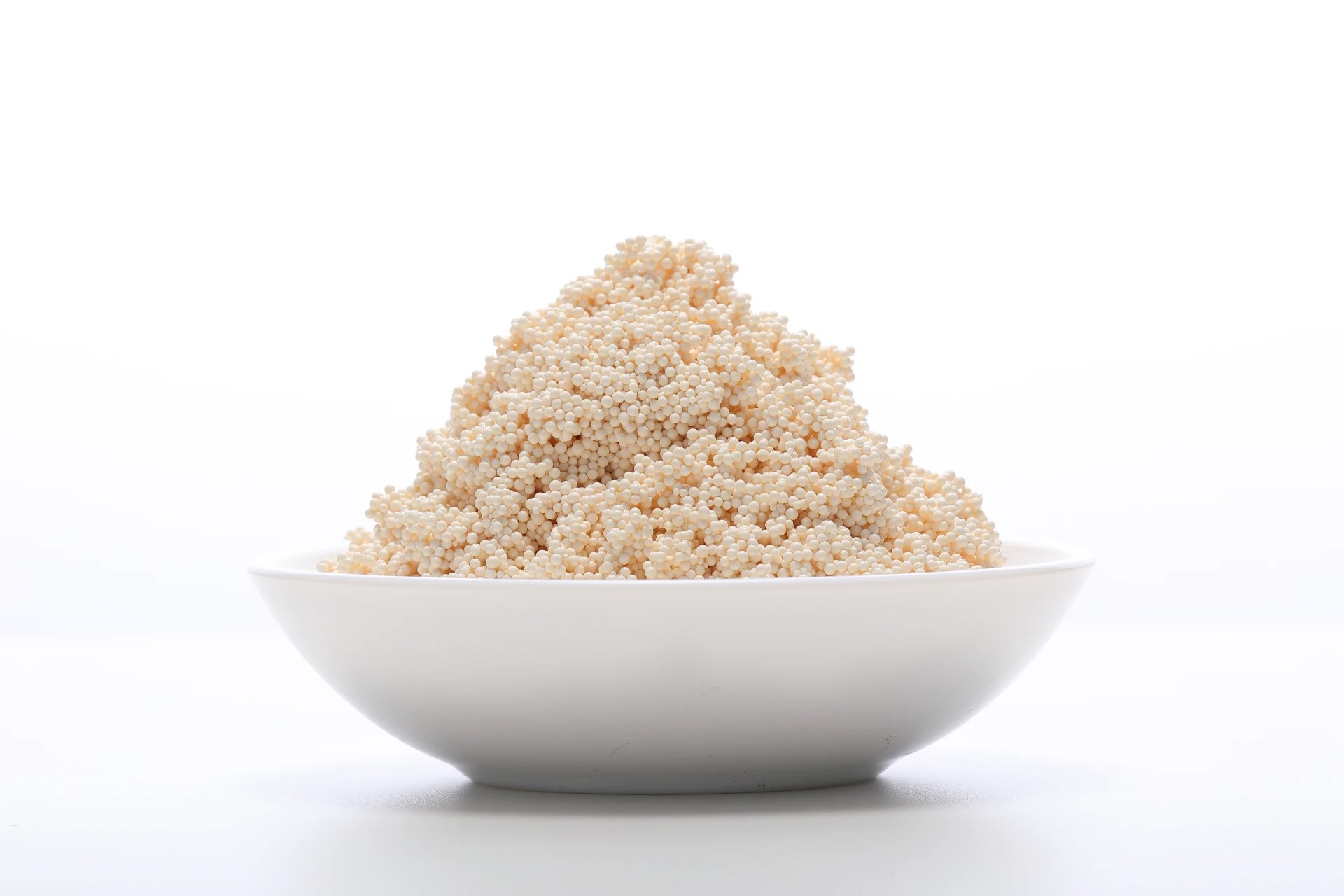
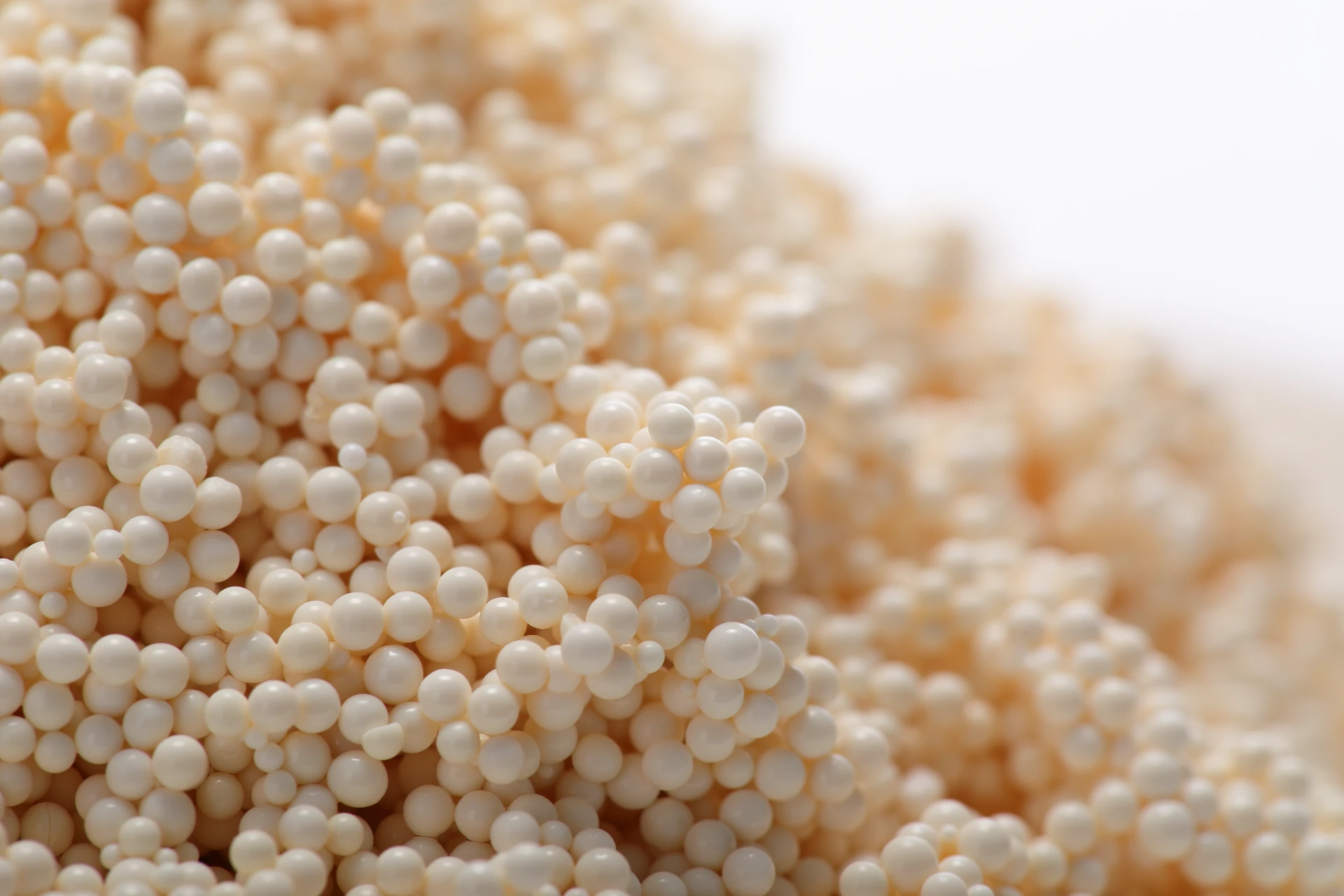
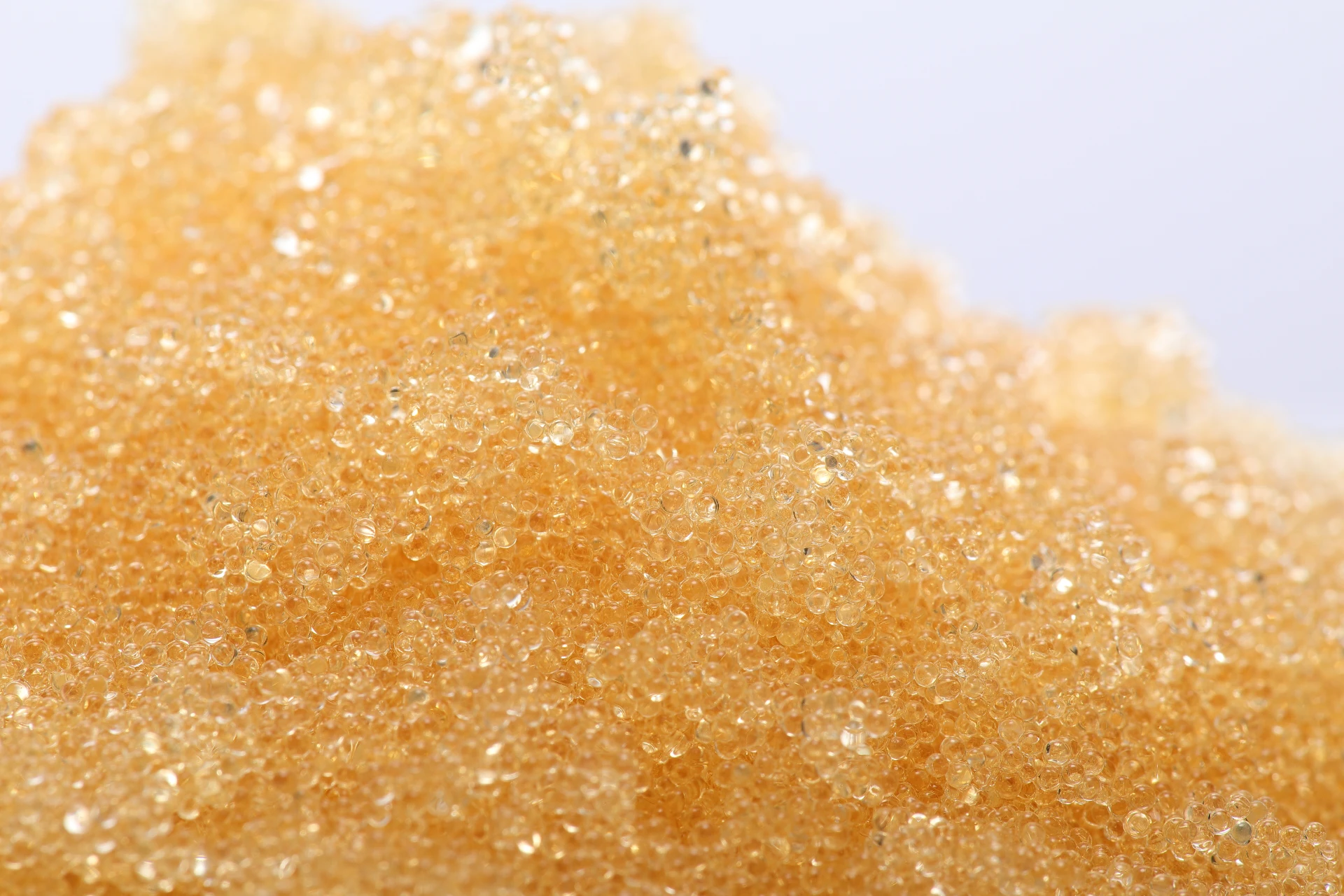
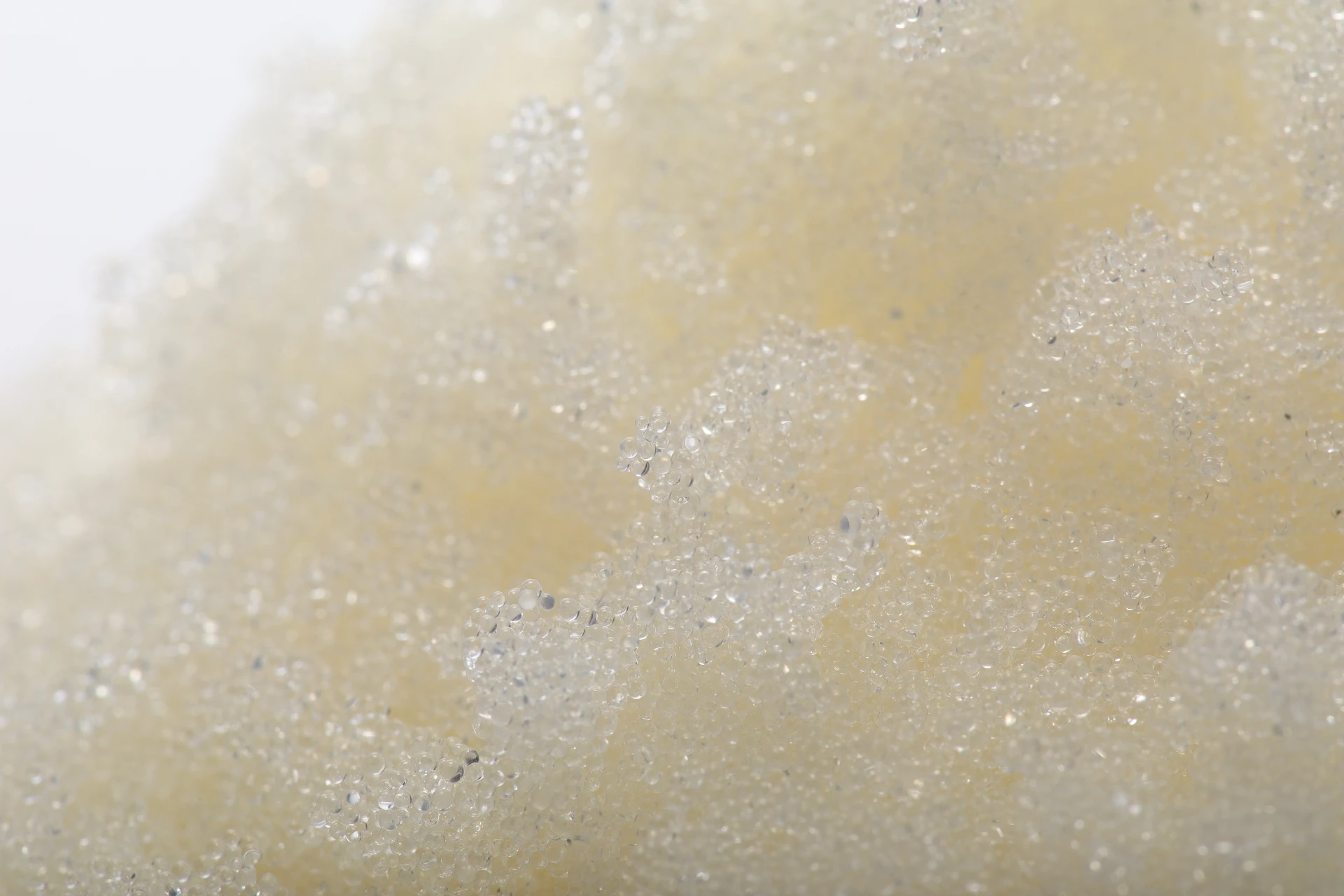
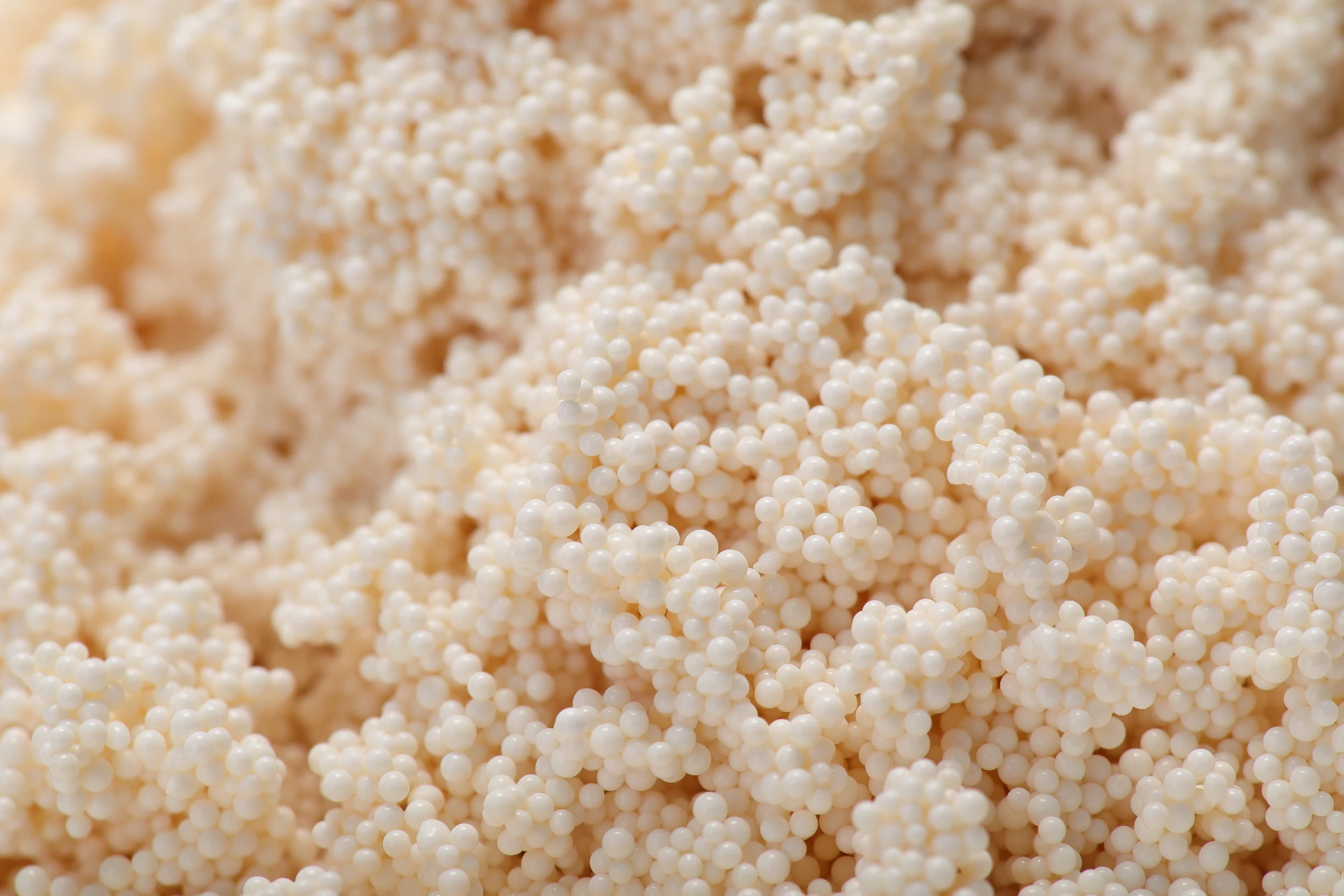
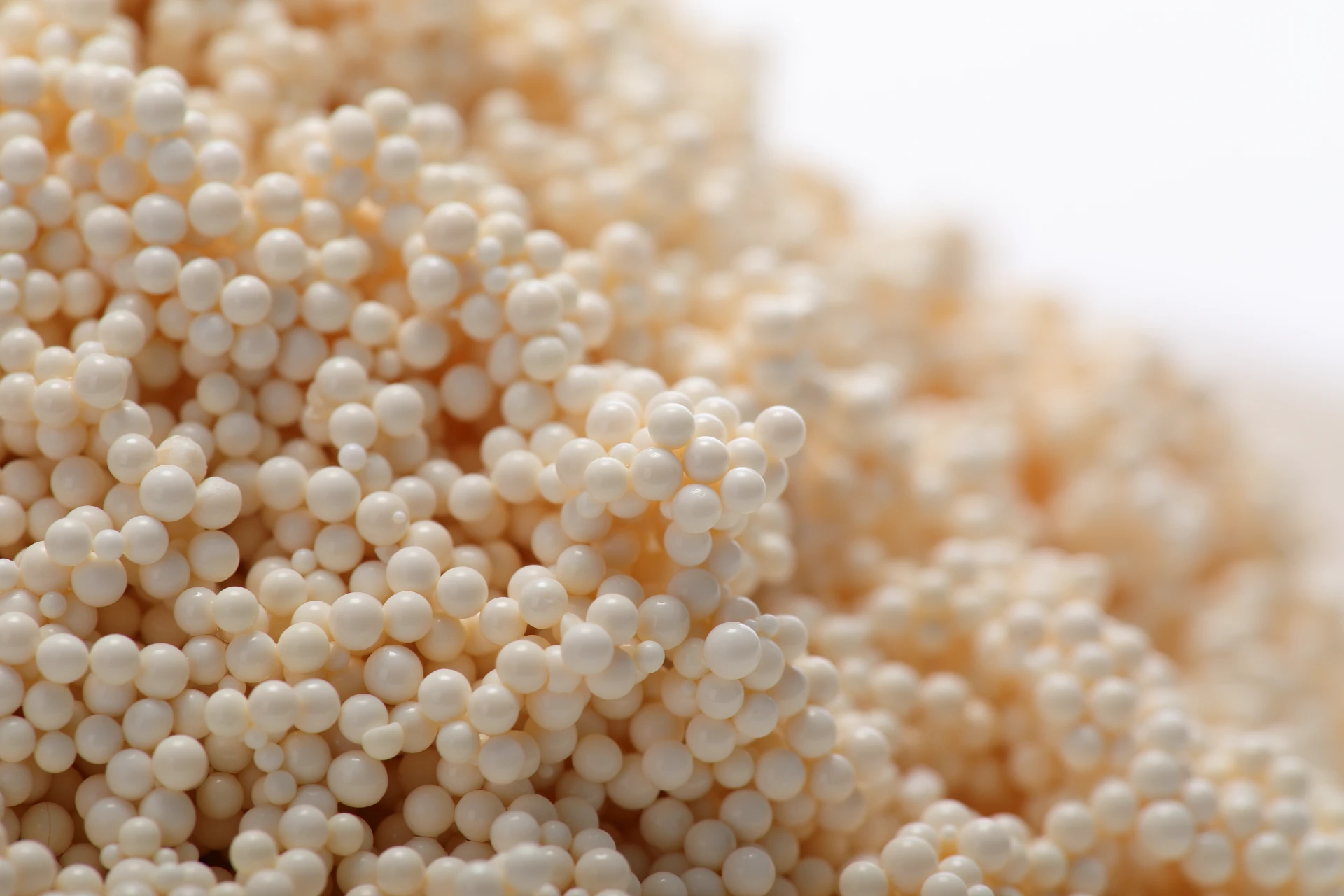
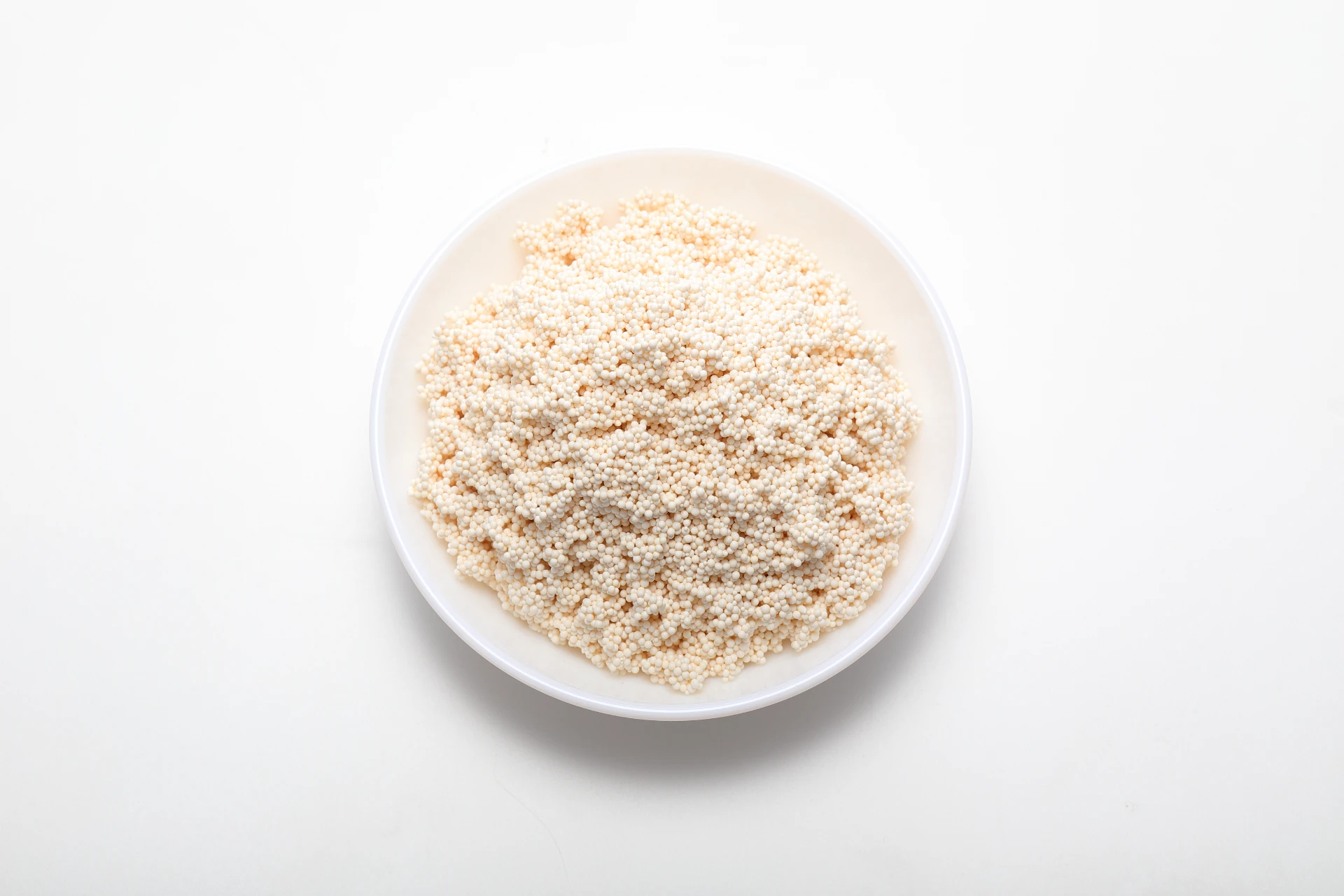
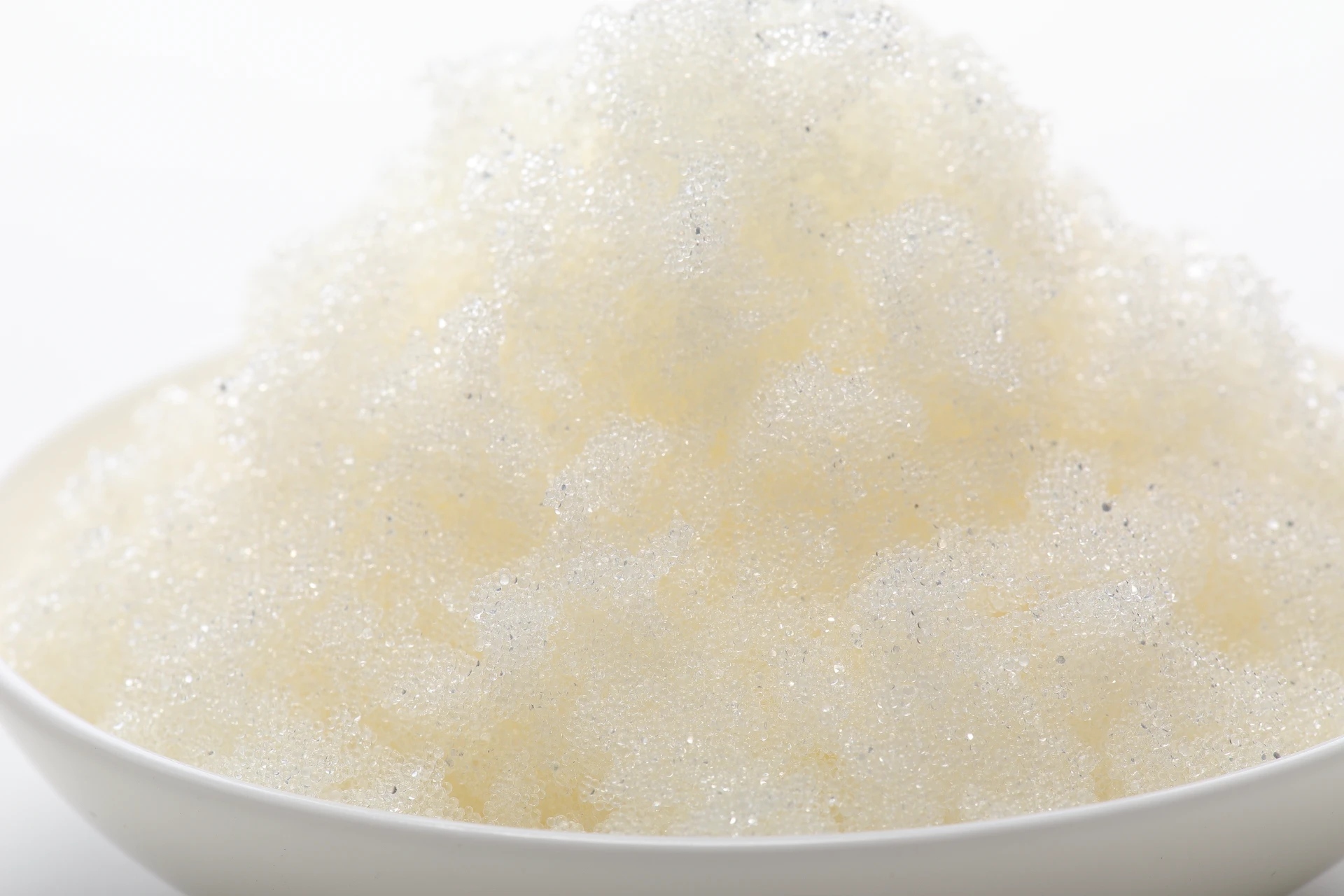
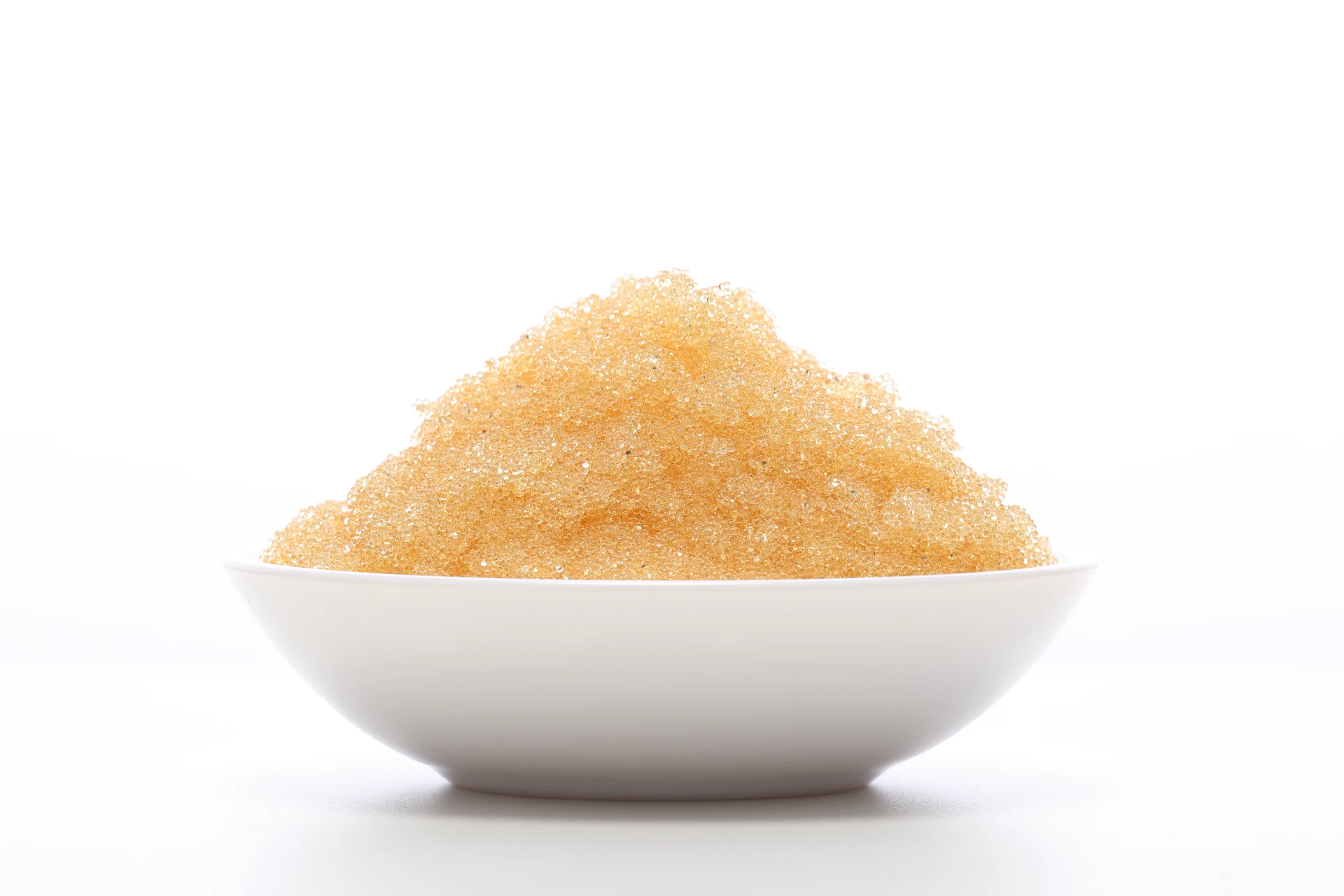
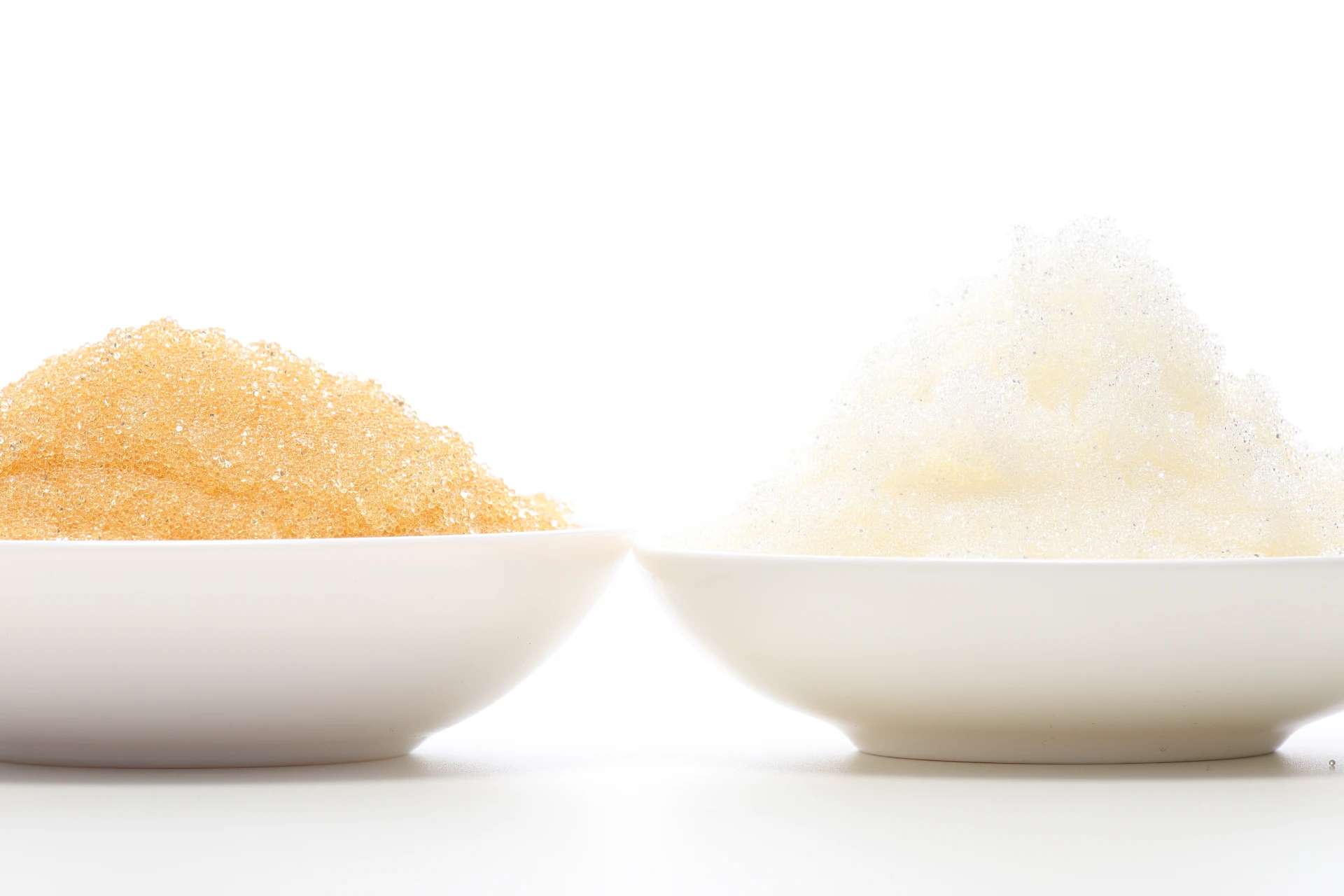
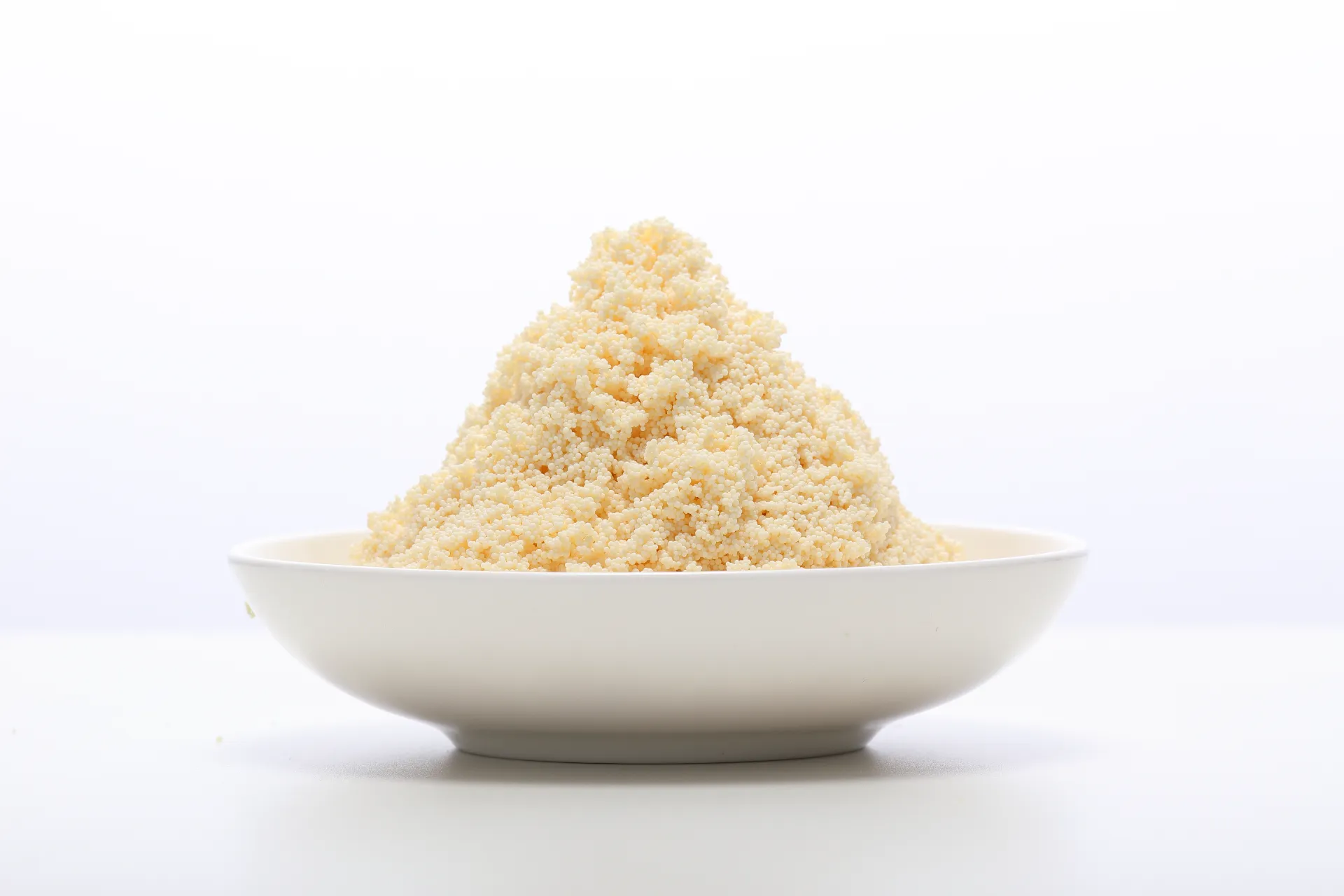
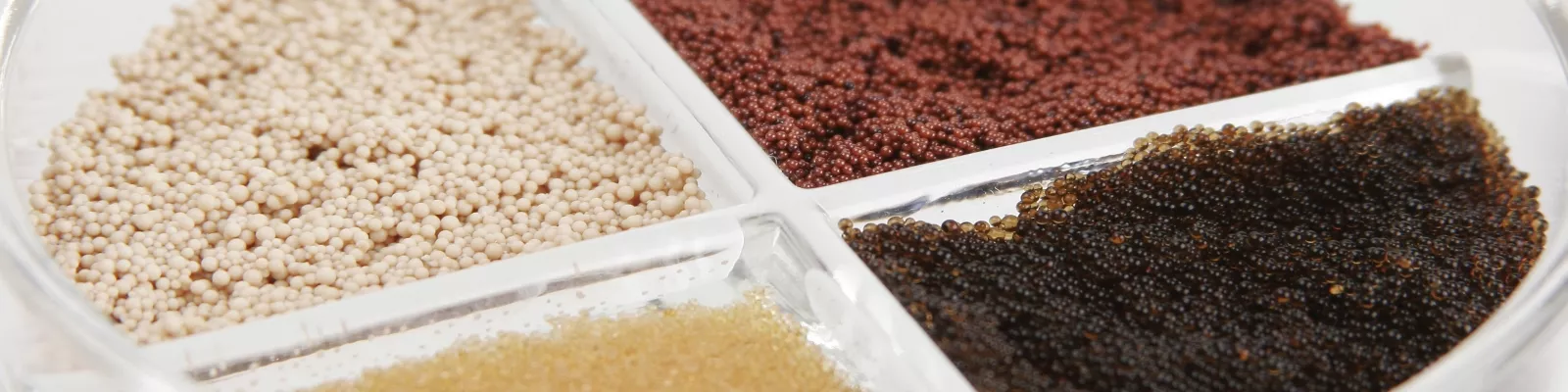
Simply put, a sulfonic acid ion exchange resin is a solid polymer bead carrying sulfonic acid groups (-SO3H) that can swap (or "exchange") ions from liquids passing through them. Imagine a tiny sponge selectively grabbing unwanted charged particles — but at a microscopic, molecular level. They're usually made from cross-linked polystyrene with sulfonic acid functional groups attached.
This material is particularly known for its strong acid sites, making it highly effective at exchanging positively charged ions (cations), like calcium, magnesium, and heavy metals. These resins are widely used for water softening, purification, and even in catalysis in chemical industries.
One reason these resins have dominated the industry is their outstanding resistance to chemical attack and physical degradation. They maintain performance under harsh conditions — acidic or basic environments, high temperature, or prolonged operation. This means industries can rely on them without costly frequent replacements.
These resins can hold a large number of exchangeable ions per gram, making processes very efficient. For example, removing hardness ions from hard water demands a resin that doesn't get saturated quickly — otherwise, you'd waste time and money regenerating or swapping out resin beds.
Unlike some materials that wear out quickly, sulfonic acid resins can often be regenerated with acid or salt solutions, restoring their ion-exchange capacity multiple times. This longevity is critical in reducing environmental footprint and keeping operational costs down.
While the resin generally exchanges cations, specific modifications can tweak which ions are preferentially removed. This selectivity is vital when targeting contaminants like heavy metals (lead, mercury) or specific minerals in drinking water.
Oddly enough, one story I came across described how relief teams used mobile ion exchange units with sulfonic acid resins after natural disasters to provide safe drinking water quickly. It’s technology coming full circle — from industrial complex to humanitarian aid in just days.
Cost efficiency is often the first benefit folks mention. These resins typically reduce the need for multiple treatment stages. Their reusability means less waste and lower raw material consumption, aligning well with ESG (Environmental, Social, Governance) goals upheld by modern companies.
From a safety and social perspective, cleaner water and chemical processes improve quality of life and worker health — something we tend to forget when we talk numbers. They facilitate innovation, too, enabling new products and smarter processes.
Green energy integration, like coupling ion exchange with renewable-powered desalination plants, is gaining traction. New resin materials are being engineered with nanostructures for even higher selectivity and faster kinetics. Automation and smart sensors are enabling real-time monitoring of resin health, optimizing performance.
Policy-wise, tighter regulation on pollutants means demand will only increase, triggering greater R&D into sustainable resin production and recycling techniques. Frankly, this resin technology feels like it’s just getting started.
Cost can be a barrier in emerging economies or small-scale operations. There’s also the matter of resin fouling — from organic matter or biofilms — which reduces effectiveness over time. Research into antifouling coatings and better regeneration protocols is ongoing.
Disposal and lifecycle impacts remain challenges, though some manufacturers have started take-back programs to recycle exhausted resin. Collaboration between industry, academia, and policymakers will be key to turning these hurdles into opportunities.
| Property | Typical Value | Unit |
|---|---|---|
| Physical Form | Beads | – |
| Dry Weight Capacity | 4.5 – 5.2 | meq/g |
| Operating Temp Range | 5 – 120 | °C |
| Particle Size | 0.4 – 1.2 | mm |
| Moisture Content | 45 – 55 | % |
| Feature | Supplier A | Supplier B | Supplier C |
|---|---|---|---|
| Price (per kg) | $8.50 | $7.90 | $9.10 |
| Exchange Capacity (meq/g) | 5.1 | 4.9 | 5.3 |
| Regeneration Cycles | >500 | ~400 | >550 |
| Delivery Time | 7 days | 10 days | 5 days |
| Sustainability Practices | Recycling program | Standard | Biobased raw materials |
A: These resins have a high capacity for exchanging hardness ions like calcium and magnesium, which cause scale buildup. Their strong acid functional groups ensure rapid ion exchange, leading to more effective softening with less frequent regeneration. This helps reduce chemical consumption and operational costs.
A: Absolutely, it is widely used to remove heavy metal cations from industrial effluent. Its selectivity can be enhanced through resin modification, making it a trusted choice for recovering metals like lead or mercury to comply with environmental regulations.
A: Depending on operating conditions and maintenance (like regeneration quality), sulfonic acid resins often last several years — generally between 3 to 7 years. Proper handling, avoiding fouling, and good regeneration practices extend resin life considerably.
A: Yes, many decentralized systems utilize these resins due to their stability and regenerability. They require less infrastructure compared to other purification methods, which is ideal for small communities or industrial sites with limited resources.
A: Emerging products incorporate biobased raw materials or manufacturing processes with lower environmental footprint. Additionally, some manufacturers offer resin recycling programs to mitigate disposal impacts.
At the end of the day, these resins might be small beads but their impact is not. They quietly do the heavy lifting across multiple sectors, enhancing sustainability, improving safety, and enabling innovation. If you’re involved in water purification, chemical manufacturing, or environmental protection, understanding this material is key.
For more detailed product info and to explore supply options, do check out our recommended source: sulfonic acid ion exchange resin. It’s an investment that keeps on giving, especially as technology and demands evolve.